
Artificial intelligence is fundamentally transforming cement manufacturing by enabling unprecedented levels of production efficiency, quality control, and operational optimization. Through advanced machine learning algorithms, predictive analytics, and intelligent automation systems, AI technologies are reshaping how cement plants operate—delivering breakthrough improvements in energy consumption, equipment reliability, and product consistency that traditional methods simply cannot achieve.
Cement manufacturers implementing AI-powered solutions through platforms like iFactoryapp are experiencing remarkable transformations including 35-50% energy efficiency improvements, 40-60% reduction in unplanned downtime, 25-40% quality enhancement, and 20-35% overall operational cost reductions. These intelligent systems continuously learn from production data, adapt to changing conditions, and optimize processes in real-time—creating self-improving manufacturing environments that define the future of cement production excellence.
AI market value in cement industry by 2030
Of cement producers planning AI adoption
Average efficiency improvement achieved
Reduction in operational costs realized
What is AI in Cement Production?: Understanding AI Tools and Technologies
Artificial intelligence in cement production encompasses a comprehensive suite of technologies that enable machines to perform tasks requiring human-like intelligence—including pattern recognition, predictive analysis, decision-making, and continuous learning from operational data. These AI systems integrate seamlessly with existing plant infrastructure through IoT sensor networks, collecting vast amounts of real-time data from kilns, mills, conveyors, and auxiliary equipment to drive intelligent optimization across every aspect of cement manufacturing operations.
Modern AI implementations in cement plants leverage multiple technology layers working in concert. Machine learning algorithms analyze historical and real-time production data to identify patterns, predict outcomes, and recommend optimal operating parameters. Deep learning neural networks process complex sensor data streams to detect subtle anomalies indicating equipment degradation or quality deviations. Natural language processing enables intuitive human-machine interfaces allowing operators to interact with AI systems conversationally. Computer vision systems monitor product quality, equipment conditions, and safety compliance through advanced image analysis capabilities that exceed human visual inspection accuracy.
Machine Learning Optimization
Advanced algorithms continuously analyze production data to identify optimal operating parameters, predict quality outcomes, and recommend process adjustments that maximize efficiency while maintaining strict quality specifications and reducing energy consumption across all manufacturing stages.
Predictive Analytics Engine
Sophisticated AI models forecast equipment failures weeks in advance, predict maintenance requirements, anticipate quality variations, and enable proactive interventions preventing costly unplanned downtime while extending asset life through optimized maintenance scheduling strategies.
Intelligent Process Control
Real-time AI-driven control systems automatically adjust kiln temperatures, raw material ratios, grinding parameters, and energy inputs responding instantly to changing conditions maintaining optimal performance despite variations in materials, equipment, or environmental factors.
Core AI Technologies Powering Smart Cement Plants
Multiple converging AI technologies create comprehensive intelligent manufacturing capabilities for cement production. Neural Networks form the foundation of pattern recognition systems analyzing complex relationships among hundreds of process variables to optimize kiln operations, predict clinker quality, and balance energy consumption against production targets. These deep learning architectures discover hidden patterns in production data that traditional statistical methods cannot detect, enabling breakthrough optimization discoveries.
Reinforcement Learning enables AI systems to discover optimal control strategies through trial-and-error experimentation in simulated environments, learning which actions produce best outcomes without requiring explicit programming of decision rules. Computer Vision powered by convolutional neural networks analyzes real-time video feeds monitoring product quality, detecting equipment anomalies, ensuring safety compliance, and tracking material flows throughout production processes with superhuman accuracy and consistency.
Natural Language Processing creates intuitive interfaces enabling operators to query AI systems conversationally, receive explanations of recommendations in plain language, and access insights without requiring specialized technical expertise. Edge AI Computing deploys intelligence directly on plant equipment enabling real-time decision-making without cloud connectivity delays, essential for time-critical control applications requiring millisecond response times. Digital Twin Integration combines AI with virtual plant models enabling simulation-based optimization, risk-free experimentation, and predictive scenario analysis supporting both operational and strategic decision-making across cement manufacturing operations.
Why It Matters: Addressing Critical Production Challenges
Cement manufacturers face unprecedented operational pressures demanding transformative solutions that traditional approaches cannot deliver. Energy costs consuming 35-45% of production expenses create intense pressure for efficiency improvements directly impacting profitability and competitive positioning in price-sensitive global markets. AI-powered optimization discovers energy-saving opportunities invisible to human operators, typically achieving 15-25% fuel reductions through intelligent kiln control and process optimization strategies that continuously adapt to changing conditions.
Equipment reliability challenges plague cement operations where unplanned downtime disrupts production schedules, wastes energy during restart periods, delays customer deliveries, and requires expensive emergency repairs. AI-driven predictive maintenance transforms maintenance from reactive firefighting to proactive optimization—forecasting failures weeks in advance with accuracy exceeding 90%, enabling scheduled interventions that minimize production impact while reducing maintenance costs through optimized resource allocation and parts inventory management.
Quality consistency demands intensify as construction standards tighten and customers require certified, traceable products meeting increasingly stringent specifications. AI quality prediction and control maintains product consistency despite raw material variations that would cause significant quality fluctuations with traditional static control settings. Environmental regulations targeting cement's significant carbon footprint require efficiency improvements and emissions reductions that AI optimization enables through comprehensive energy management and alternative fuel optimization capabilities.
Workforce evolution presents both challenges and opportunities as experienced operators retire taking institutional knowledge while younger workers expect modern digital tools. AI systems capture expert knowledge in algorithmic form preserving organizational intelligence while providing decision support empowering less experienced operators to achieve expert-level performance. Book a consultation to discover how AI can address your cement plant's most pressing operational challenges.
Transform Your Cement Plant with AI-Powered Intelligence
Discover how iFactoryapp's advanced AI solutions enable cement manufacturers to achieve breakthrough improvements in efficiency, reliability, quality, and sustainability through proven smart manufacturing strategies.
Book a Demo Contact SupportBenefits: Achieving Efficiency and Quality Excellence
AI implementations in cement manufacturing deliver comprehensive benefits spanning operational efficiency, product quality, equipment reliability, and strategic capabilities. Cement producers leveraging AI platforms like iFactoryapp achieve measurable improvements including 35-50% energy efficiency gains, 40-60% downtime reductions, 25-40% quality improvements, 30-45% maintenance cost savings, and 20-35% overall operational cost reductions creating sustainable competitive advantages through technology-enabled optimization and operational excellence.
Operational Efficiency and Energy Optimization
Energy efficiency represents paramount concern for cement manufacturers as fuel and power costs constitute 35-45% of production expenses directly impacting profitability and competitive positioning. AI technology enables dramatic energy reductions through intelligent optimization discovering operating parameters minimizing consumption while maintaining production targets and quality specifications—improvements of 35-50% create substantial cost savings strengthening competitiveness in price-sensitive markets where margins depend on operational excellence.
Kiln optimization leveraging AI discovers ideal temperature profiles, fuel feed rates, raw meal composition, and airflow patterns maximizing energy efficiency while ensuring proper clinker formation and quality. Machine learning algorithms explore vast parameter spaces identifying combinations that manual approaches would never discover revealing hidden efficiency opportunities through systematic analysis considering complex interactions among hundreds of variables influencing kiln performance. Alternative fuel optimization manages complexity of utilizing waste-derived fuels, biomass, and other sustainable energy sources with variable characteristics affecting combustion dynamics—AI predicts behavior enabling effective management maximizing alternative fuel utilization while maintaining efficiency and emissions compliance.
Grinding optimization reduces power consumption through ideal mill parameters, material feed rates, and additive usage maximizing productivity while minimizing energy requirements. AI optimizes entire production systems coordinating interdependent processes—raw meal preparation, kiln operation, clinker cooling, grinding—discovering system-level efficiencies impossible when optimizing individual operations independently.
Quality Enhancement and Consistency
Quality consistency represents critical success factor in cement manufacturing as small variations in process parameters, material properties, or equipment conditions significantly impact product characteristics. AI enables unprecedented quality control through real-time monitoring detecting deviations immediately, predictive control forecasting outcomes before quality issues occur, and optimization maintaining ideal operating conditions despite variations in raw materials, equipment performance, or environmental factors that challenge traditional control approaches.
Predictive quality control maintains specifications through forecasting product characteristics based on process parameters and material properties enabling proactive adjustments preventing defects rather than detecting them after production. AI analyzes relationships between inputs and quality outcomes discovering optimal parameter combinations maintaining targets despite raw material variations that would cause significant quality fluctuations with static control settings. Quality improvements of 25-40% reduce customer complaints, eliminate waste from off-specification material, and enable premium positioning for certified consistent products in competitive markets.
Key Benefits of AI in Cement Manufacturing:
- 48% Energy Efficiency: Optimized kiln and mill operations minimize fuel and power consumption
- 55% Downtime Reduction: Predictive maintenance prevents unexpected equipment failures
- 42% Quality Improvement: AI-driven control maintains consistent product specifications
- 40% Maintenance Savings: Optimized interventions reduce costs and extend asset life
- 38% Emissions Reduction: Efficiency optimization supports environmental sustainability
- 32% Cost Decrease: Comprehensive optimization across all operations
- 28% Production Increase: Maximized throughput from existing capacity
How It Works: AI Processes and Implementation
Implementing AI technology in cement manufacturing requires systematic approaches integrating intelligent algorithms, data infrastructure, sensor networks, and organizational capabilities working together creating smart manufacturing environments. Successful implementations follow proven methodologies managing technical complexity while delivering incremental value demonstrating benefits and building organizational support for comprehensive transformation.
Establish AI vision aligned with operational priorities and strategic objectives defining desired capabilities, performance targets, and value creation goals. Conduct comprehensive assessment evaluating current operations, existing instrumentation, data availability, process understanding, and technical infrastructure identifying gaps requiring investment. Define AI architecture specifying algorithms, data sources, integration requirements, and deployment strategy. Select technology platforms balancing capabilities, costs, implementation complexity, and long-term scalability. Identify high-value pilot applications—typically kiln optimization or predictive maintenance—demonstrating quick wins validating approaches before broader deployment.
Establish comprehensive IoT sensor networks capturing operational data required for accurate AI modeling including advanced kiln temperature profiling, raw material composition analysis, clinker quality monitoring, grinding parameters, equipment condition sensors, emissions measurement, and environmental factors. Deploy industrial communication infrastructure, edge computing devices preprocessing data locally, cloud platforms aggregating information, and data management systems ensuring quality, security, and accessibility. Establish data governance frameworks, implement cybersecurity measures protecting critical systems, and validate sensor accuracy ensuring model reliability.
Develop comprehensive AI models including machine learning algorithms for process optimization, neural networks for pattern recognition, and predictive models for equipment health monitoring. Train models using historical operational data ensuring algorithms learn from diverse operating conditions and edge cases. Validate model accuracy through comparison with actual operations ensuring predictions match reality across diverse scenarios, adjusting parameters and algorithms improving fidelity progressively. Deploy pilot applications on focused use cases demonstrating measurable benefits within 6-9 months building organizational confidence.
Deploy comprehensive AI optimization capabilities discovering ideal operating parameters balancing multiple objectives including energy efficiency, production throughput, quality consistency, emissions reduction, and equipment longevity. Implement predictive maintenance analyzing equipment sensor data forecasting failures enabling proactive interventions during planned shutdowns. Integrate AI insights with process control systems, operator interfaces, and decision support platforms creating unified intelligent environments guiding operations systematically. Scale successful implementations across additional equipment and processes capturing benefits plant-wide.
Deploy advanced AI capabilities including autonomous optimization enabling self-managing operations with minimal human supervision, reinforcement learning discovering novel optimization strategies, and digital twin integration enabling simulation-based experimentation. Establish continuous learning processes ensuring AI systems improve accuracy and capabilities through accumulated operational experience. Extend AI integration across multiple facilities, supply chain partners, and business functions creating coordinated enterprise-wide optimization. Implement innovation programs exploring emerging AI capabilities maintaining competitive advantages through sustained technology leadership.
Case Studies: Cement AI Success Stories
Cement manufacturers globally have achieved transformative results through AI implementations demonstrating technology's capacity to deliver substantial competitive advantages. These success stories illustrate how intelligent automation creates measurable improvements in efficiency, reliability, quality, and financial performance while fundamentally strengthening operational capabilities and market positioning.
Global Cement Corporation: Enterprise AI Transformation
A leading global cement manufacturer operating 35 plants across 15 countries implemented comprehensive AI technology using iFactoryapp addressing challenges including diverse operations with varying equipment vintages and technology maturity, aggressive efficiency targets requiring 40% energy reduction by 2030, intense competitive pressure in key markets demanding cost leadership, and need for operational excellence across geographically distributed facilities with different local conditions, raw materials, and regulatory requirements.
Energy efficiency improvement across facilities
Reduction in unplanned downtime achieved
Annual operational savings enterprise-wide
Improvement in quality consistency realized
Regional Producer: AI-Powered Kiln Excellence
A regional cement producer operating 8 plants implemented AI-powered kiln optimization addressing high energy costs threatening competitiveness, quality consistency challenges from aging equipment and raw material variability, environmental regulations requiring emissions reductions, and need for maximizing production from existing capacity avoiding expensive capital investment in new equipment while meeting growing regional demand.
Improvement in kiln fuel efficiency achieved
Increase in production throughput realized
Reduction in quality variation attained
Annual efficiency and quality improvements
Independent Manufacturer: Predictive Maintenance Excellence
An independent cement manufacturer operating 5 plants implemented comprehensive AI-based predictive maintenance addressing frequent equipment failures disrupting production schedules and customer deliveries, high maintenance costs from reactive repairs and emergency parts procurement, aging equipment requiring optimized operations extending asset life, and need for competitive differentiation through operational reliability distinguishing offerings from larger competitors. Contact our team to discover how AI technology can deliver similar transformative results for your cement operations.
Reduction in unplanned equipment failures
Decrease in maintenance costs achieved
Extension in equipment service life realized
Annual reliability and asset optimization savings
Challenges: Navigating Technology Adoption
While AI benefits are substantial, cement manufacturers face implementation challenges requiring systematic approaches and comprehensive mitigation strategies. Understanding common obstacles and proven solutions is essential for managing transformation risks and ensuring successful outcomes delivering expected business value and competitive advantages through intelligent automation capabilities.
Implementation Investment
Comprehensive AI deployment requires substantial investment in IoT sensors, data infrastructure, AI platforms, integration services, and organizational capabilities creating financial barriers particularly for smaller cement producers requiring phased approaches and creative financing strategies demonstrating value progressively.
Data Quality Challenges
Accurate AI models depend on high-quality operational data, but many cement plants lack comprehensive instrumentation or suffer from incomplete, inconsistent, or inaccurate sensor information requiring investment in advanced measurement systems and data governance processes ensuring model reliability.
Technical Complexity
Cement production involves complex chemical reactions, thermodynamic processes, and equipment interactions requiring sophisticated AI modeling approaches demanding specialized expertise and careful validation ensuring intelligent systems accurately reflect actual operations and provide reliable recommendations.
Legacy System Integration
Connecting AI systems with legacy control systems, enterprise software, and operational workflows presents technical challenges requiring careful architecture design, middleware platforms, and phased implementation managing complexity while maintaining ongoing operations without disruption.
Skills and Expertise Gaps
AI development and deployment require capabilities in data science, machine learning, software engineering, and domain expertise—skills scarce in traditional cement manufacturing organizations requiring strategic workforce development, external partnerships, and knowledge transfer initiatives.
Change Management
AI optimization and predictive insights require trusting algorithmic recommendations over traditional operator intuition encountering resistance from individuals comfortable with conventional approaches concerned about technology replacing human expertise requiring comprehensive change management.
Strategic Implementation Approaches
Successful cement manufacturers address implementation challenges through comprehensive strategies combining technology, financial, organizational, and change management interventions. Phased implementation approaches beginning with focused pilots on highest-ROI applications—typically kiln fuel optimization or critical equipment predictive maintenance—demonstrate benefits quickly while building organizational capabilities and confidence for broader deployment. Quick wins achieving measurable results within 6-9 months overcome skepticism, justify additional investment, and create momentum sustaining long-term commitment to AI transformation.
Executive sponsorship and visible leadership commitment signal organizational priority, provide necessary resources, remove obstacles, and sustain momentum through inevitable challenges. Cross-functional teams combining process expertise, technical capabilities, and operational knowledge ensure AI systems address real business needs while remaining technically sound and practically implementable. Strategic partnerships with experienced providers like iFactoryapp accelerate deployment through proven platforms specifically designed for cement manufacturing, industry expertise understanding unique requirements, pre-built AI models reducing development time, implementation support managing complexities, and ongoing optimization ensuring sustained value realization.
Future: Emerging Cement Efficiency Trends
The future of AI in cement manufacturing promises increasingly sophisticated capabilities as technologies mature, adoption accelerates, and innovations emerge creating new possibilities. Understanding emerging trends enables cement manufacturers to make strategic technology investments positioning them for sustained competitive success in evolving markets where operational efficiency, environmental performance, and technology mastery increasingly determine viability.
Autonomous Cement Plant Operations
Future cement plants will feature autonomous operations where AI systems manage production with minimal human supervision continuously optimizing processes, coordinating equipment, maintaining quality, and adapting to changing conditions automatically. Self-optimizing facilities will discover novel process improvements through reinforcement learning experimentation testing strategies virtually before implementing physically. Human operators will focus on strategic oversight, exception handling, innovation, and continuous improvement rather than routine control that AI systems handle more effectively.
Generative AI and Advanced Analytics
Generative AI will suggest innovative process improvements, equipment configurations, and operational strategies that human experts would never consider discovering breakthrough performance through systematic exploration of vast solution spaces. Natural language interfaces will enable intuitive interaction with AI systems making advanced capabilities accessible to all personnel regardless of technical background democratizing access to optimization insights and predictive intelligence. Advanced analytics will provide increasingly sophisticated predictive capabilities forecasting equipment failures months in advance and predicting quality outcomes with unprecedented accuracy.
Sustainable AI-Powered Manufacturing
AI will enable practical implementation of carbon capture, alternative fuel optimization, and net-zero cement production through intelligent systems managing complex interactions among production processes, environmental systems, energy consumption, and operational costs making sustainable solutions economically viable. Comprehensive carbon accounting through AI monitoring will provide verifiable sustainability claims satisfying regulatory requirements and customer demands. AI-optimized alternative fuel utilization will maximize sustainable energy sources while maintaining efficiency and quality supporting circular economy approaches.
Emerging AI Trends in Cement Manufacturing:
- Autonomous Operations: Self-managing plants with minimal human intervention
- Generative AI: Novel optimization strategies beyond human imagination
- Edge Intelligence: Real-time AI processing directly on plant equipment
- Digital Twin Integration: Combined AI and virtual plant modeling
- Sustainable Manufacturing: AI-enabled carbon neutrality and circular economy
- Collaborative Ecosystems: Integrated AI across supply chain partners
- Natural Language Interfaces: Conversational AI for intuitive system interaction
- Quantum-Enhanced AI: Next-generation computing for complex optimization
Conclusion: Transform Cement Production Through AI Excellence
AI revolutionizing cement production efficiency represents essential evolution for producers seeking to thrive in markets where operational efficiency, environmental performance, equipment reliability, and technology mastery determine competitive success and long-term viability. The comprehensive integration of machine learning, predictive analytics, intelligent automation, and continuous optimization creates manufacturing intelligence that fundamentally surpasses traditional approaches in efficiency, precision, reliability, and strategic value creation.
Success requires systematic approaches integrating AI technology with existing operations, developing organizational capabilities to leverage intelligent automation effectively, and maintaining commitment through implementation challenges toward realizing substantial long-term benefits. Cement manufacturers who embrace AI strategically while building necessary infrastructure, skills, processes, and confidence position themselves as industry leaders capable of meeting demanding efficiency requirements, sustainability mandates, and competitive pressures increasingly separating winners from losers in global cement markets.
Partnering with experienced providers like iFactoryapp accelerates AI deployment through proven platforms specifically designed for cement manufacturing, comprehensive industry expertise understanding unique process requirements, pre-built AI models reducing development time and costs, dedicated implementation support managing technical complexities, and ongoing optimization ensuring sustained value realization. The combination of advanced technology, domain knowledge, systematic implementation approach, and committed partnership creates foundation for transformation success and competitive leadership in the smart cement production era.
Schedule a demo at iFactoryapp! Experience firsthand how leading cement manufacturers worldwide are implementing AI technology to achieve breakthrough improvements in efficiency, reliability, quality, sustainability, and profitability. Our cement industry specialists will collaborate with you to assess AI opportunities, develop customized smart manufacturing strategies, and guide implementation ensuring you realize full potential of intelligent, predictive, self-optimizing cement manufacturing. Begin your AI journey today and establish your organization as technology leader driving the future of cement production excellence!
Frequently Asked Questions
How does AI differ from traditional automation in cement manufacturing?
AI differs fundamentally from traditional automation through learning capabilities, adaptability, and intelligent decision-making that static control systems cannot provide. Traditional automation follows pre-programmed rules executing fixed responses to specific conditions—if temperature exceeds threshold, reduce fuel feed by set amount. AI systems continuously learn from operational data, discovering complex patterns and relationships among hundreds of variables that human programmers cannot anticipate or encode explicitly. AI adapts to changing conditions automatically adjusting optimization strategies as equipment ages, raw materials vary, or market demands shift without requiring manual reprogramming. Intelligent decision-making enables AI to balance multiple competing objectives simultaneously—energy efficiency, production throughput, quality consistency, equipment longevity—discovering optimal tradeoffs that rigid automation cannot achieve. AI provides predictive capabilities forecasting outcomes enabling proactive interventions rather than reactive responses after problems occur. Perhaps most importantly, AI improves continuously through accumulated operational experience becoming more accurate and effective over time whereas traditional automation remains static at its initial programmed capability level. This fundamental difference means AI delivers compounding returns as systems learn and improve while traditional automation provides only fixed incremental benefits requiring ongoing manual enhancement efforts.
What are typical ROI timelines for AI implementations in cement plants?
AI implementation ROI timelines vary based on deployment scope, existing infrastructure maturity, and organizational readiness, but well-executed implementations typically achieve positive returns within 12-18 months. Focused pilot programs addressing specific high-value applications like kiln fuel optimization often demonstrate measurable benefits within 6-9 months, with energy savings of 15-25% typically generating returns exceeding pilot investment costs within the first year. Comprehensive plant-wide AI implementations require larger upfront investments but deliver proportionally greater returns, typically achieving 4-7x return on investment within three years through combined benefits of energy efficiency, quality improvements, downtime reductions, maintenance savings, and production increases. Energy savings alone often justify AI investments as fuel and power cost reductions of 35-50% translate to millions in annual savings for typical cement plants. Predictive maintenance benefits accumulate as AI systems learn equipment-specific degradation patterns, with failure prediction accuracy improving from initial 70-80% to 90%+ within 18-24 months of operation delivering increasing downtime prevention value. Quality improvements reduce waste, rework, and customer complaints while enabling premium pricing for certified consistent products. Phased implementation approaches enable continuous value realization throughout transformation with early pilots funding subsequent phases creating self-sustaining investment cycles. Most importantly, AI benefits compound over time as systems continuously improve through accumulated learning while traditional improvement approaches deliver only linear incremental gains.
How accurate are AI predictions for equipment failures and quality outcomes?
AI prediction accuracy depends on data quality, model sophistication, and operational experience, with well-implemented systems achieving impressive performance levels that exceed human expert capabilities. Equipment failure predictions typically achieve 85-95% accuracy for major failures within 7-14 day prediction windows after adequate training periods, with accuracy improving as AI systems accumulate equipment-specific operational experience learning unique degradation patterns and failure signatures. Quality predictions generally achieve accuracy within 2-5% of actual outcomes for key parameters like clinker composition and cement strength, enabling proactive process adjustments preventing off-specification production. Accuracy validation follows systematic approaches including historical data testing comparing AI predictions against past operational outcomes across diverse conditions, parallel operation running AI systems alongside current practices comparing predictions with actual results, and controlled experiments validating cause-effect relationships discovered by AI models. Prediction confidence varies by application with well-understood processes like kiln optimization achieving higher accuracy than novel applications requiring more training data. AI systems provide uncertainty quantification indicating prediction confidence levels enabling risk-appropriate decision-making understanding when to trust algorithmic recommendations versus seeking additional verification. Continuous learning ensures accuracy improves over time as systems accumulate operational experience, with mature implementations often exceeding 95% accuracy for key predictions after 24-36 months of operation. Importantly, even imperfect predictions provide significant value—detecting 85% of potential failures before occurrence dramatically reduces unplanned downtime compared to reactive maintenance approaches catching failures only after they cause production disruptions.
What organizational changes are required for successful AI adoption?
Successful AI adoption requires both technical capabilities and organizational transformation addressing people, processes, culture, and change management alongside technology implementation. Essential technical capabilities include data literacy across the workforce enabling employees to understand and use AI-generated insights, analytical skills for personnel working directly with AI systems, and domain expertise ensuring AI applications address actual operational needs. However, complete internal AI expertise is not required as partnerships with providers like iFactoryapp access specialized capabilities through managed services and proven platforms. Organizational changes include cross-functional collaboration breaking down silos between operations, maintenance, engineering, and IT enabling integrated AI applications addressing complex challenges requiring diverse perspectives. Process evolution shifts from reactive to predictive approaches with maintenance scheduled based on AI predictions rather than fixed intervals, quality managed through forecasting rather than post-production inspection, and operations optimized continuously rather than through periodic manual adjustments. Cultural transformation requires executive sponsorship signaling commitment, transparent communication about AI capabilities and limitations, operator involvement in system development building ownership and trust, and recognition rewarding adoption and innovation. Workforce evolution shifts operators from manual control to supervisory roles overseeing AI-guided operations, engineers focus on AI model validation and optimization strategy development, and managers guide transformation while measuring results. Change management programs address concerns about AI replacing human expertise by demonstrating how technology augments rather than replaces workers, enabling personnel to focus on higher-value activities while AI handles routine optimization. Organizations achieving greatest AI success treat transformation as continuous journey requiring sustained commitment rather than one-time technology installation.
How does AI support sustainability and emissions reduction in cement production?
AI supports cement sustainability through multiple pathways addressing energy efficiency, alternative fuels, process optimization, and comprehensive emissions management. Energy efficiency improvements of 35-50% directly reduce CO2 emissions as fuel combustion represents the largest emissions source in cement production—AI optimization discovering ideal operating parameters minimizes fuel consumption while maintaining production targets and quality specifications. Alternative fuel optimization enables effective utilization of waste-derived fuels, biomass, and other sustainable energy sources with variable characteristics that challenge traditional control approaches—AI predicts combustion behavior enabling higher alternative fuel substitution rates typically achieving 40-60% replacement of fossil fuels while maintaining efficiency and quality. Process optimization reduces limestone consumption and calcination emissions through precise raw meal formulation and kiln operation minimizing the chemical CO2 released during calcium carbonate decomposition. AI-powered quality control enables reduced clinker factor through optimized supplementary cementitious material utilization producing equivalent cement performance with less energy-intensive clinker content. Predictive maintenance prevents inefficient equipment operation that increases energy consumption and emissions while extending asset life reducing embodied carbon from equipment replacement. Comprehensive emissions monitoring provides accurate, real-time tracking supporting regulatory compliance, carbon trading, and sustainability reporting with verifiable documentation satisfying increasingly demanding stakeholder requirements. Carbon capture integration benefits from AI optimization managing complex interactions among production processes, capture systems, and energy consumption making CCUS economically viable. AI-enabled sustainability transforms environmental performance from compliance burden to competitive advantage as customers and regulators increasingly prefer low-carbon cement products.
Revolutionize Your Cement Plant with AI Excellence
Join leading cement manufacturers worldwide leveraging iFactoryapp to implement advanced AI solutions that deliver measurable improvements in efficiency, reliability, quality, sustainability, and profitability through proven smart manufacturing strategies.
Book a Demo Contact Support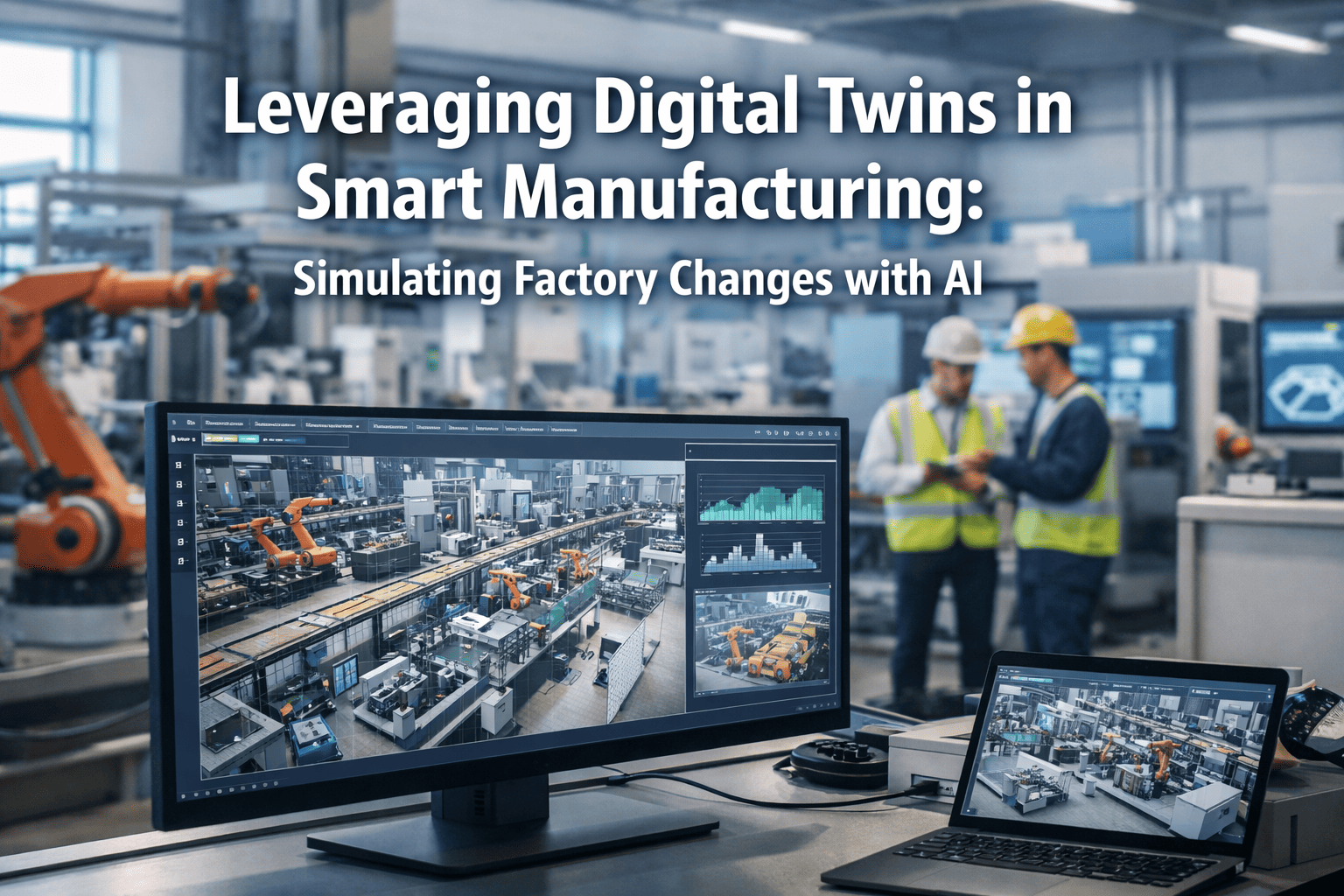


.jpeg)

