Every rejected batch, customer complaint, and unplanned rework traces back to gaps in quality practice. Steel manufacturing demands precision at every stage—from raw material selection through final inspection. The difference between industry leaders and struggling producers isn't equipment or technology alone; it's how consistently they apply proven quality practices across production, inspection, and compliance. Book a free consultation to transform your quality management approach.
Steel Manufacturing Quality Best Practices
Production Control, Inspection & Compliance Excellence
Why Quality Consistency Matters More Than Perfection
In steel manufacturing, it's not about improving quality arbitrarily—it's about delivering consistency every time.
Construction steel holding up skyscrapers has different characteristics than steel used in jet engines. For steel producers, success means making sure each order is fulfilled with steel that meets quality standards—consistently, whether creating city skylines or improving aircraft efficiency.
Variability Costs
Any variation in the manufacturing process means the entire batch must be re-manufactured or sold as a less profitable grade.
Traceability Demands
Precise chemical specifications for each order must be tracked from raw materials through final product—no exceptions.
Customer Expectations
World-class suppliers deliver the exact product requested, on time, with consistent quality—now an industry expectation.
Aging Infrastructure
With aging workforce and equipment, maintaining quality standards requires systematic approaches, not tribal knowledge.
Five Pillars of Steel Quality Excellence
The interconnected practices that separate industry leaders from the rest.
Quality in steel manufacturing isn't achieved through a single initiative—it requires systematic excellence across five interconnected disciplines. Each pillar reinforces the others, creating a comprehensive framework that ensures consistency from raw material to finished product.
Raw Material Control
Quality begins with high-grade inputs—iron ore, coke, and fluxes with minimal impurities.
Process Monitoring
Real-time tracking of temperature, pressure, and chemical reactions during steelmaking.
Inspection Protocols
Multi-stage testing from incoming materials through final product verification.
Defect Prevention
Proactive measures to eliminate defects at the source, not just detect them.
Compliance Management
Systematic adherence to ISO, ASTM, and customer-specific standards.
Raw Material Quality Control
The foundation of quality steel starts before the furnace is even charged.
Material Selection Criteria
Incoming Inspection Requirements
Production Process Control
Monitoring and controlling every stage from melting to finishing.
Melting & Refining
Temperature control during melting prevents inclusions, segregation, and undesired phases.
Casting & Solidification
Optimized cooling prevents cracks, porosity, and segregation defects.
Rolling & Forming
Precision rolling ensures dimensional accuracy and surface quality.
Heat Treatment & Finishing
Controlled atmosphere annealing and quenching refine steel properties.
Statistical Process Control (SPC)
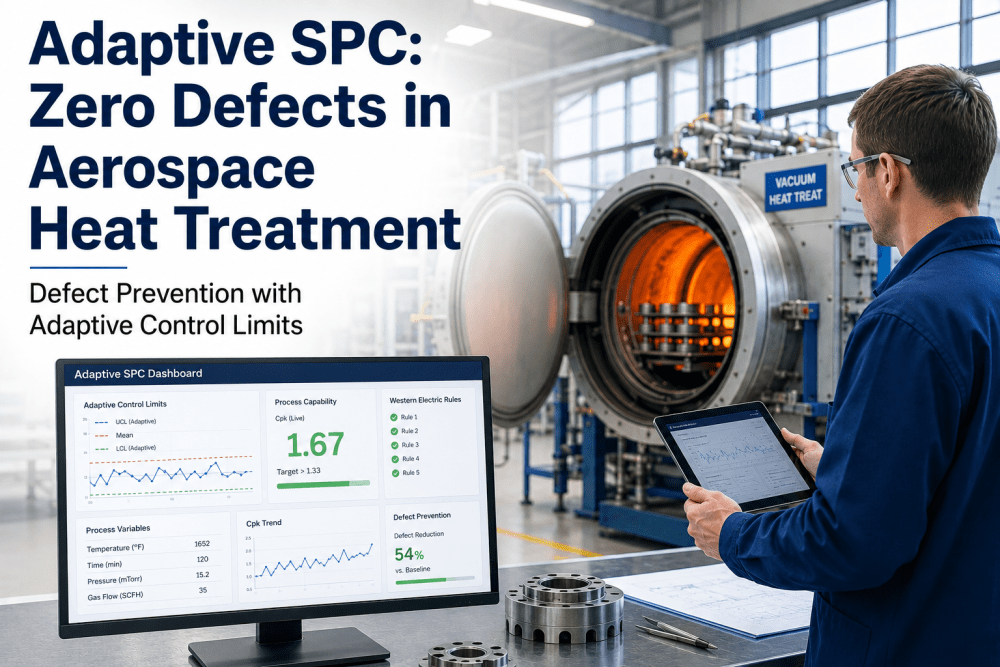
Critical PracticeMonitor production over time to identify trends and patterns indicating potential problems. By tracking parameters like temperature, pressure, and defect rates, manufacturers determine when the process deviates from the norm and make adjustments before defects occur.
Comprehensive Inspection Protocols
Multi-stage testing ensures quality at every checkpoint.
Chemical Analysis Testing
Verifies alloying elements are within specified ranges for each steel grade.
Rapid elemental analysis for incoming materials and in-process verification.
Precise measurement of critical elements affecting steel properties.
Mechanical Property Testing
Measures yield strength, ultimate tensile strength, and elongation.
Rockwell, Brinell, or Vickers methods verify material hardness specifications.
Assesses impact resistance and toughness at specified temperatures.
Non-Destructive Testing (NDT)
Detects internal flaws, voids, and inclusions without damaging material.
Identifies surface and near-surface discontinuities in ferromagnetic materials.
X-ray imaging reveals internal defect characterization.
Surface & Dimensional Inspection
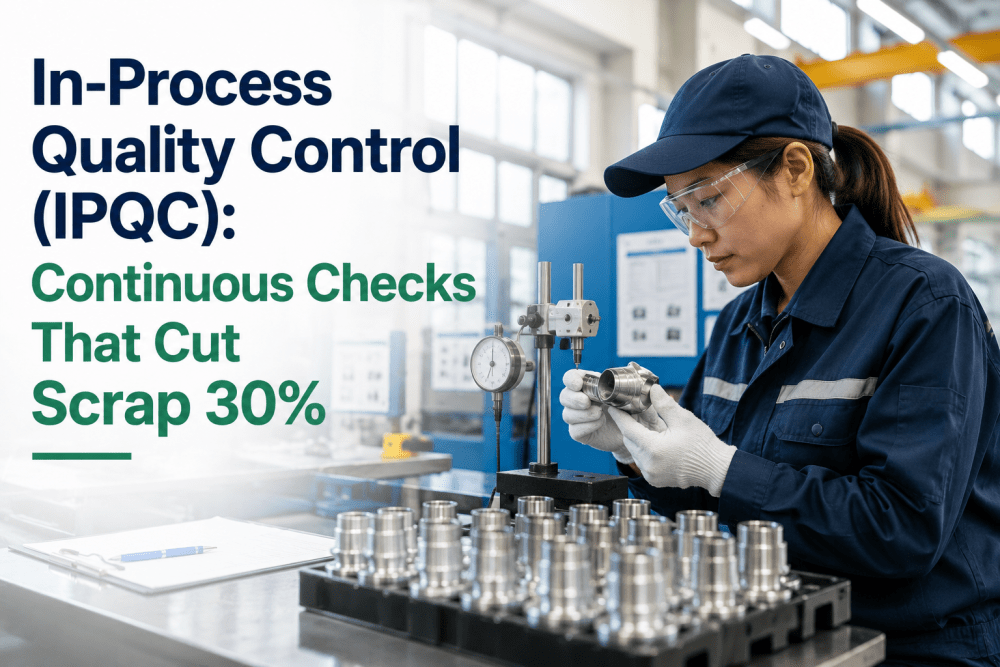
Trained inspectors identify surface irregularities, cracks, and pitting.
Precision measurement ensures thickness, width, and length within tolerances.
Microscopy examines grain structure and metallurgical characteristics.
Ready to Systematize Your Quality Practices?
See how digital quality management can reduce defects by 40% and cut rework costs by 25%.
Defect Prevention Strategies
Proactive approaches to eliminate defects at the source.
Common Steel Defects & Prevention
Systematic Prevention Approaches
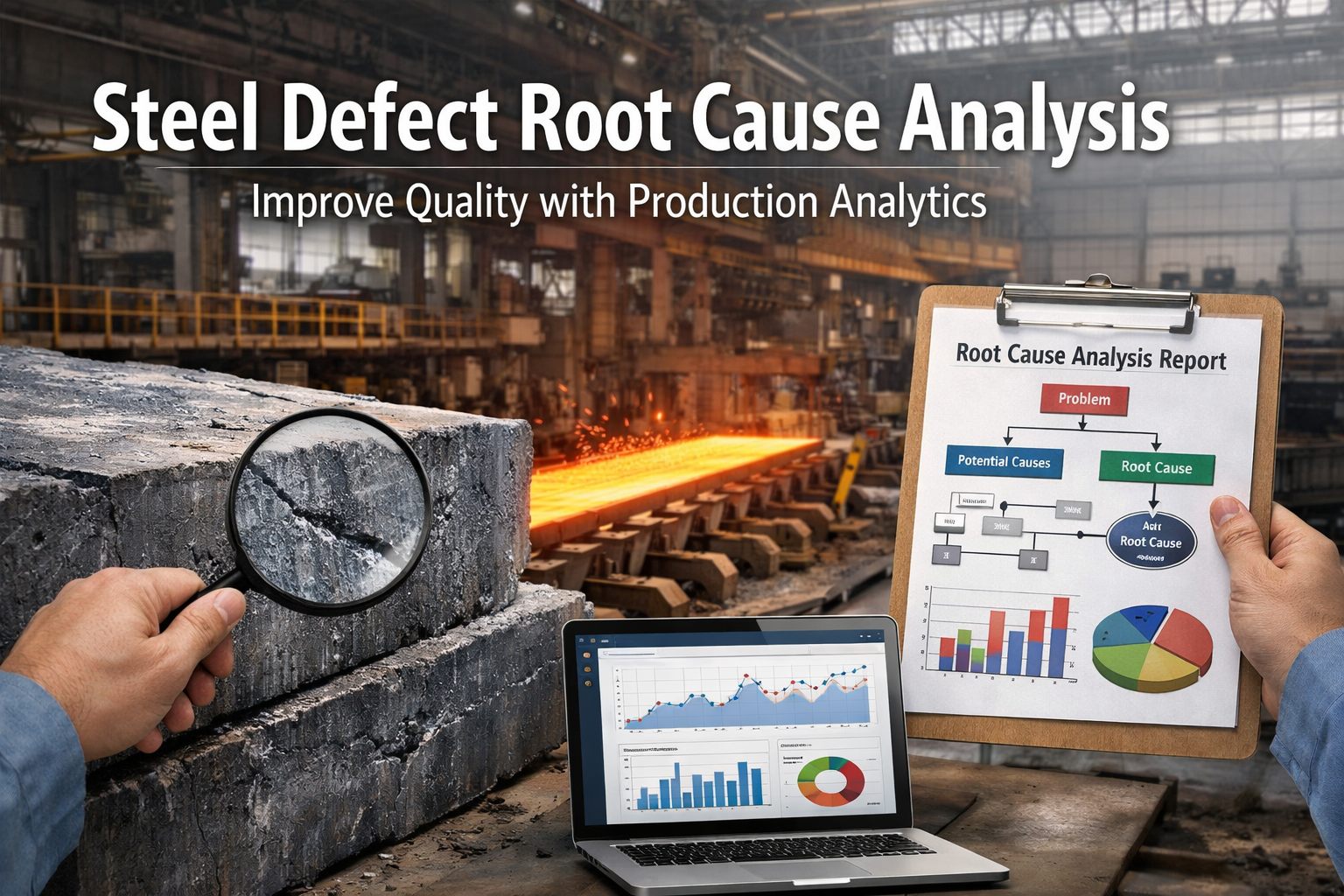
Root Cause Analysis
Use 5 Whys and Fishbone diagrams to identify underlying causes of quality issues and implement corrective actions.
Equipment Maintenance
Preventive maintenance programs ensure tools and machinery are clean, calibrated, and functioning properly.
Process Automation
Automated systems for furnace control, alloying, and casting reduce human error and improve consistency.
Employee Training
Skilled personnel trained on best practices and troubleshooting catch problems early and maintain standards.
Compliance & Certification Management
Meeting international standards and customer requirements systematically.
ISO 9001:2015
Quality Management SystemThe world's most recognized QMS standard, providing a framework for maintaining consistency and continual improvement.
ASTM Standards
Material SpecificationsAmerican Society for Testing and Materials standards define testing methods and quality requirements for steel products.
ISO 14001
Environmental ManagementAddresses environmental management, ensuring sustainable operations and regulatory compliance.
ISO 45001
Health & SafetyEnsures occupational health and safety, protecting workforce and maintaining operational continuity.
Documentation & Audit Readiness
Document Control
Maintain accurate records of processes, materials, and product specifications with version control and audit trails.
Traceability Systems
Track materials from supplier through final product with unique heat numbers and material test certificates.
Internal Audits
Regular internal audits assess compliance and identify areas for improvement before external audits.
CAPA Management
Corrective and Preventive Action tracking ensures issues are resolved and prevented from recurring.
Quality Management System Framework
How best practices connect into a systematic approach.
Plan
Do
Check
Act
Technology-Enabled Quality Management
How digital tools amplify best practice implementation.
Real-Time Monitoring
Track temperature, pressure, and process parameters in real-time, catching deviations before they cause defects.
Digital Inspection
Mobile inspection apps guide operators through checklists with automatic data capture and photo documentation.
Automated SPC
Control charts update automatically, alerting quality teams when processes drift toward out-of-control conditions.
Document Management
Version-controlled SOPs, work instructions, and specifications accessible from any device with audit trails.
CAPA Tracking
Systematic tracking of corrective and preventive actions with automatic escalation and deadline management.
Compliance Dashboards
Real-time visibility into audit readiness, certification status, and compliance metrics across all standards.
Impact of Systematic Quality Practices
What steel manufacturers achieve with consistent best practice implementation.
Through process control and prevention strategies
With advanced inspection and NDT implementation
By catching issues early in production
From consistent quality delivery
Key Takeaways for Quality Excellence
Essential practices every steel manufacturer should implement.
Start with Raw Materials
Implement rigorous incoming inspection and supplier quality programs—defect prevention begins before production.
Monitor Critical Parameters
Use SPC to track temperature, composition, and process variables in real-time across all production stages.
Layer Your Inspections
Combine chemical analysis, mechanical testing, and NDT at appropriate checkpoints for comprehensive coverage.
Document Everything
Maintain complete traceability from raw materials through final product with audit-ready documentation.
Train Your Team
Invest in employee training on quality principles, inspection techniques, and equipment operation.
Embrace Continuous Improvement
Use root cause analysis and customer feedback to drive ongoing process refinement and defect elimination.
Transform Your Quality Management
See how digital quality management can systematize best practices across your steel manufacturing operations.
Book Your Free Demo