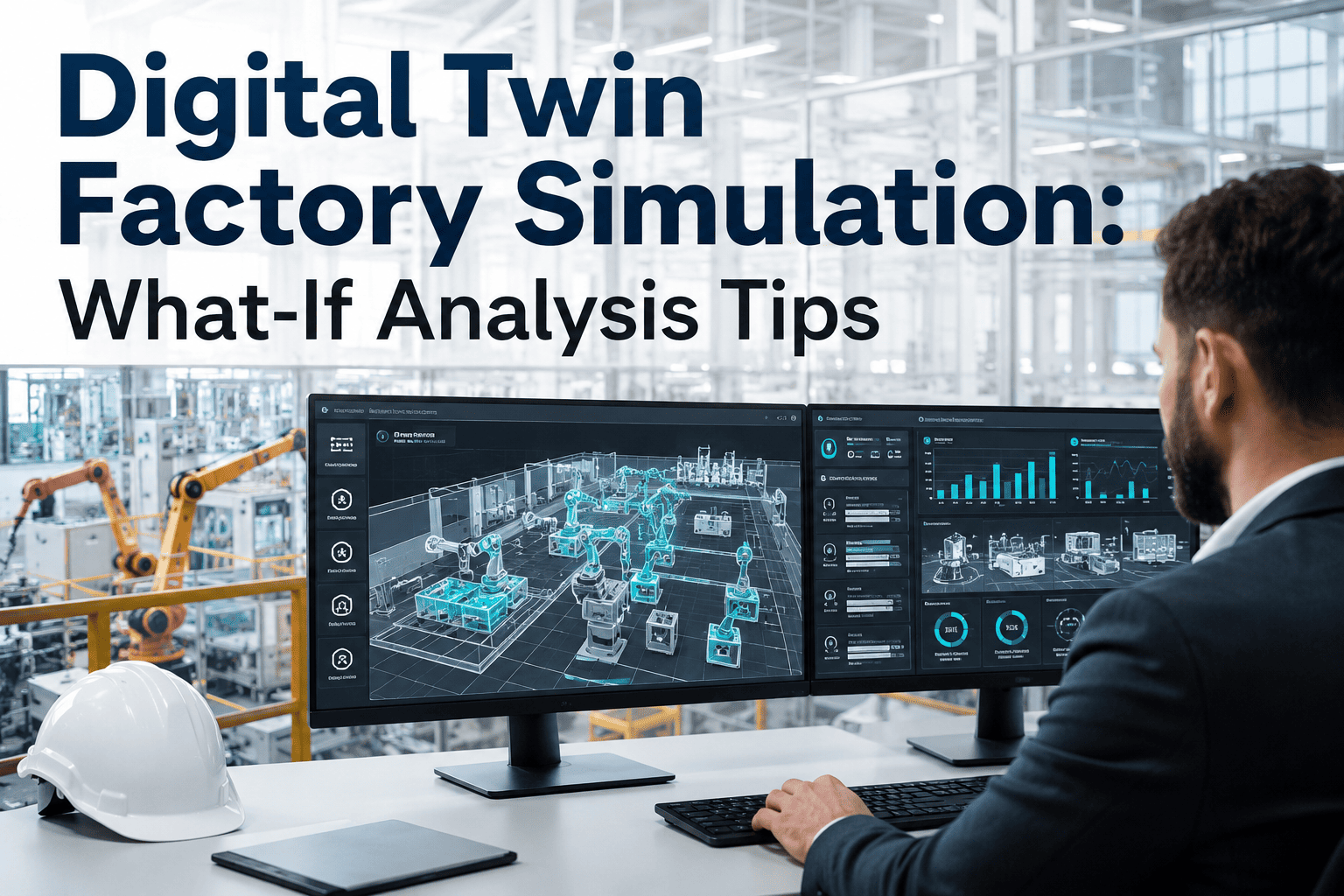
A Chhattisgarh cement plant wanted to test a new raw mix composition to improve clinker quality. Traditional approach: shut down production, modify the recipe, run trial batches for 3-4 days, analyze results. Cost: ₹80 lakhs in lost production. Their new digital twin? Simulated 50 different mix variations in 2 hours, predicted quality outcomes with 94% accuracy, identified optimal composition without stopping a single kiln. Real-world validation: the simulated "best mix" delivered exactly the predicted quality improvement—15% reduction in free lime with 8% fuel savings.
Digital twins are transforming Indian cement plants from reactive operations to predictive, optimized systems. By creating virtual replicas of kilns, mills, and entire production lines, plants can test changes, predict failures, and optimize processes without touching physical equipment. Leading manufacturers like Holcim and Nuvoco are achieving 10-15% effectiveness improvements. Here's your complete implementation guide.
Digital Twin Technology for Indian Cement Plants: A Complete Implementation Guide
From Concept to 10% Effectiveness Improvement in 6-9 Months
What is a Digital Twin? (Cement-Specific Definition)
Digital Twin = Virtual Cement Plant
A digital twin is a real-time virtual replica of your physical cement plant that:
1. Mirrors Real Operations
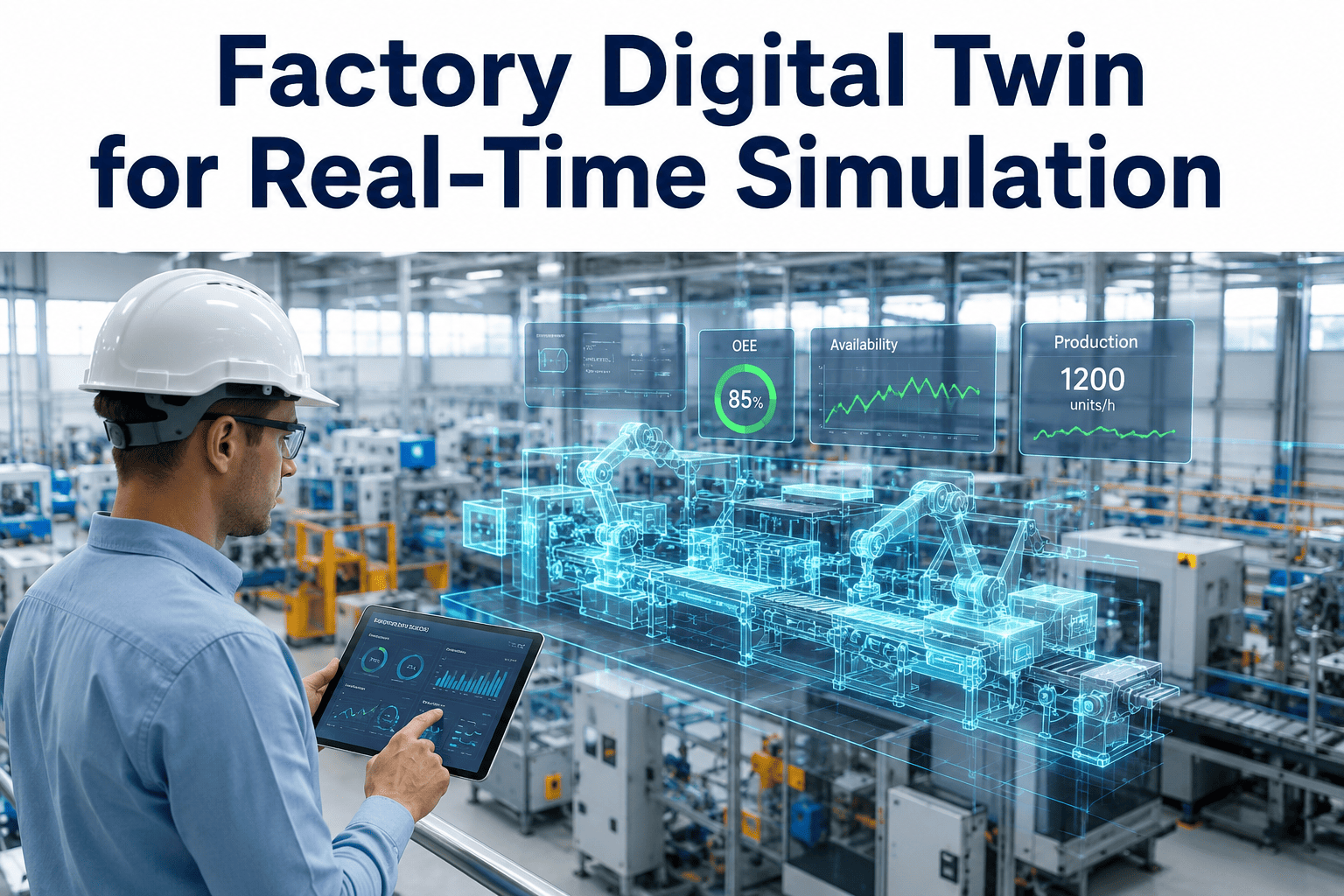
Receives live sensor data (temperatures, pressures, flows, power, quality) and updates the virtual model every 1-5 seconds to match current plant state.
2. Simulates "What-If" Scenarios
Test raw mix changes, fuel mix variations, kiln speed adjustments virtually before implementing physically—no production risk.
3. Predicts Future States
Forecasts equipment failures, quality deviations, energy consumption based on current trends and historical patterns.
4. Optimizes Autonomously
AI algorithms continuously find optimal setpoints for kilns, mills, coolers to maximize output, minimize energy, ensure quality.
Think of it as a flight simulator for your cement plant. Pilots train in simulators before flying real planes. Your operators can now test process changes in the digital twin before implementing in the real plant—no risk of production loss or quality issues.
Real Results: Indian Cement Plant Case Studies
Proven Impact from Leading Manufacturers
Holcim India (Ambuja Cement) - Gujarat Plant
4500 TPDImplementation: Digital twin for kiln, raw mill, and coal mill. 18-month deployment covering process simulation, predictive maintenance, and autonomous optimization.
Reduced kiln shutdown frequency from 4.2 to 1.8 times per year by predicting refractory failures 25-30 days in advance.
Nuvoco Vistas (Nirma Cement) - Rajasthan Plant
3000 TPDImplementation: Digital twin focused on raw mix optimization and VRM performance. 12-month phased rollout with AI-powered recipe recommendations.
Virtual testing of 180+ raw mix formulations identified optimal LSF range that improved clinker quality while reducing limestone consumption by 2.8%.
See Digital Twin Simulation Demo
Live demonstration of digital twin simulating kiln temperature changes, raw mix variations, and fuel mix optimization. See how "what-if" scenarios work before real-world implementation.
- Live process simulation
- What-if scenario testing
- Predictive analytics showcase
- ROI calculation for your plant
- Implementation timeline
- Q&A with digital twin experts
Questions about digital twin capabilities? Chat with our Industry 4.0 specialists — We've deployed digital twins at 8+ cement plants.
Key Benefits: Why Digital Twins Deliver 10%+ Improvements
Energy Optimization
8-12%Fuel savings through continuous kiln optimization, finding ideal temperature profiles and combustion parameters
Quality Consistency
15-20%Reduction in quality variation (LSF, C3S, free lime) through precise raw mix control and process stability
Downtime Prevention
25-35%Unplanned shutdown reduction by predicting equipment failures weeks in advance
Virtual Testing
₹80L+Annual savings from testing process changes virtually instead of risky production trials
Capacity Utilization
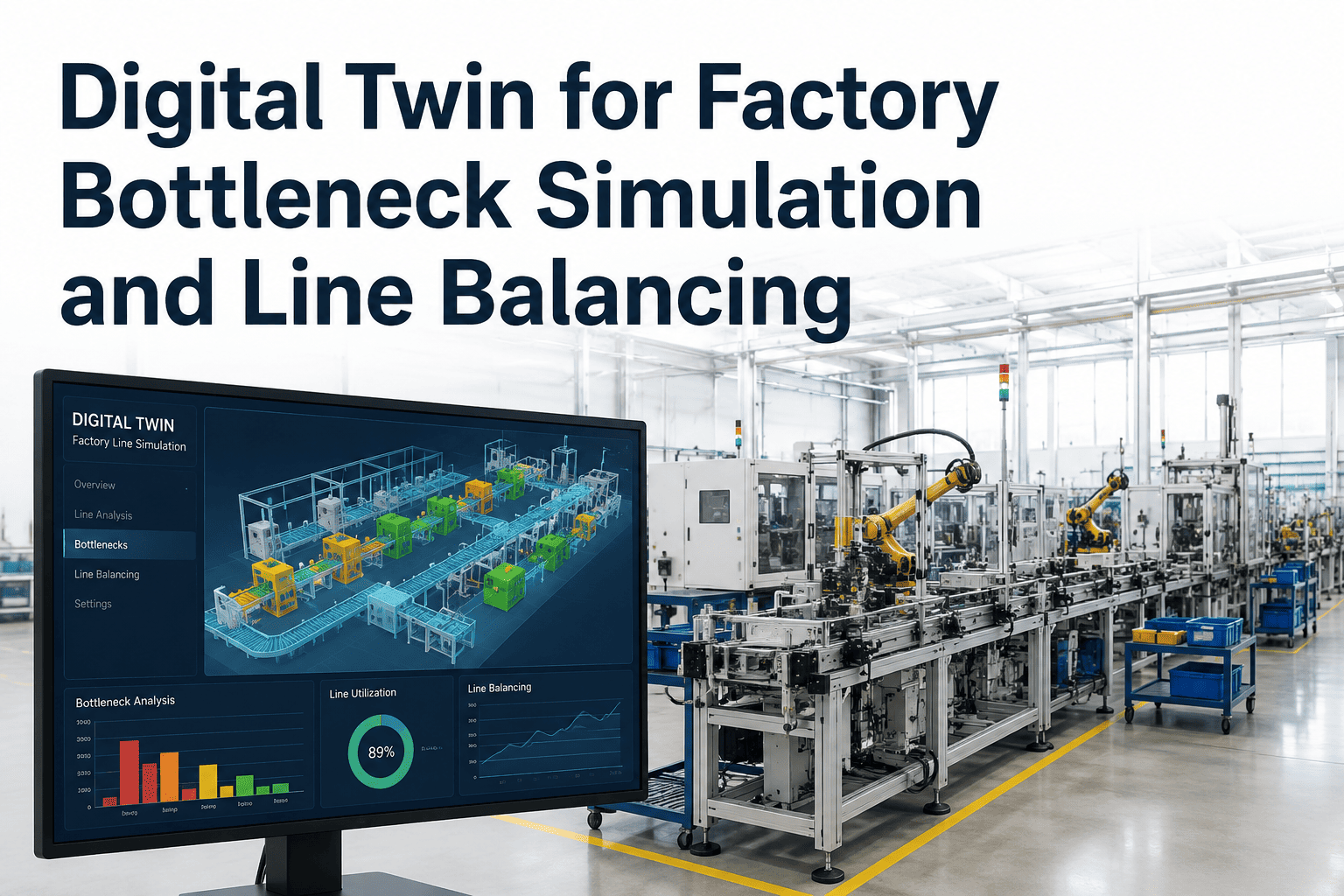
3-5%Production increase without CAPEX by optimizing bottlenecks identified through simulation
Operator Training
50%Faster training time using digital twin as simulator—learn without production impact
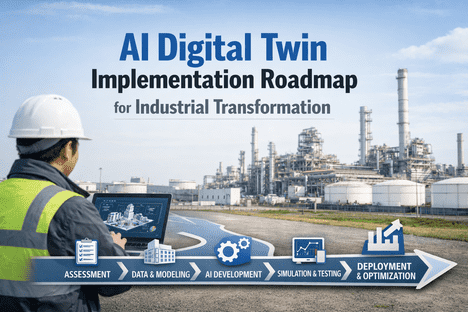
6-Phase Implementation Roadmap
From Kickoff to Full Optimization
Data Infrastructure Setup
- Install IoT sensors (temperature, pressure, flow, vibration)
- Connect to existing DCS/SCADA systems
- Setup edge computing infrastructure
- Begin data collection and validation
Process Model Development
- Build physics-based kiln model (thermodynamics, combustion)
- Develop mill models (grinding, classification)
- Create quality prediction models (LSF, C3S, Blaine)
- Validate models against 3-6 months historical data
AI Training & Calibration
- Train ML models on 12+ months plant data
- Calibrate digital twin to match current plant behavior
- Test predictive accuracy (should be 90%+ for key parameters)
- Develop optimization algorithms
Advisory Mode Deployment
- Deploy digital twin in "advisory" mode (recommendations only)
- Operators validate AI suggestions against outcomes
- Build confidence through 6-8 weeks of proven accuracy
- Refine models based on operator feedback
Autonomous Optimization
- Enable closed-loop control for non-critical parameters
- AI automatically adjusts setpoints within safe bounds
- Human oversight for critical changes (raw mix, fuel mix)
- Measure actual vs predicted performance
Continuous Improvement
- Expand twin to additional equipment (cooler, preheater)
- Add new optimization objectives (emissions, wear rate)
- Retrain models quarterly with latest data
- Share learnings across multiple plants
Get Custom Implementation Roadmap
We'll create detailed project plan specific to your plant capacity, equipment, and objectives. Includes timeline, milestones, investment breakdown, and ROI projections.
Technology Stack: What You Actually Need
Digital Twin Architecture
Layer 1: Data Collection (OT)
Layer 2: Data Platform (IT)
Layer 3: Process Simulation
Layer 4: AI/ML Analytics
Layer 5: Visualization & Control
Investment & ROI: Real Numbers
3000 TPD Plant Example
Total Investment
Annual Value Generated
Want ROI calculation for your plant size? Get custom analysis — We'll show exact investment and returns for your TPD capacity.
Digital Twin Implementation Takeaways
- 10-15% effectiveness improvement is realistic—proven by Holcim and Nuvoco deployments
- ₹1-1.5 Cr investment for 3000-5000 TPD plant typically pays back in 2-3 months
- 6-9 month implementation from data collection to autonomous optimization
- Virtual testing saves ₹80L+ annually by eliminating risky production trials
- Start with kiln optimization—highest ROI component, then expand to mills and other areas
- Requires culture change—operators must trust AI recommendations (prove accuracy first)
Start Your Digital Twin Journey
Free feasibility study: We'll assess your plant's readiness, estimate ROI, and create implementation roadmap.
See exactly how digital twin technology can deliver 10%+ improvement at your plant.