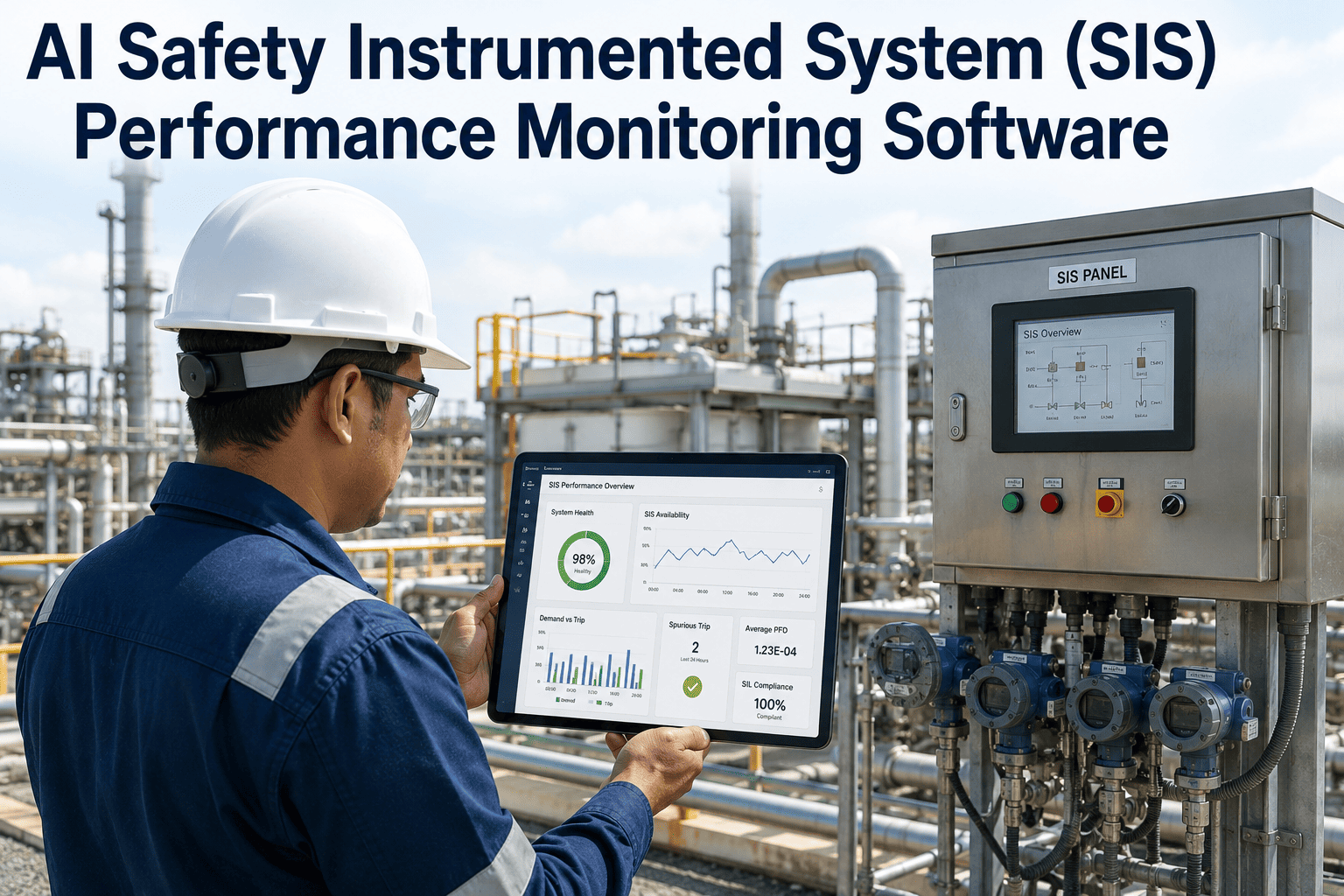
A safety instrumented function is only as reliable as its last proof test says it is, and most SIS programs still rely on that test being right roughly once every one to three years. Between tests, a dangerous undetected failure in a transmitter,
AI-Powered
Oil & Gas
On-Premise
The Complete AI Platform for Oil & Gas Operations
From refinery process optimization to autonomous pipeline inspection — iFactory brings AI vision, predictive maintenance, pipeline integrity, emissions intelligence, and on-premise OT security to every segment. Upstream. Midstream. Downstream.
50% Less Unplanned Downtime
25% Energy Optimized
100% HSE Compliant
99%+ Vision Accuracy
iFactory Oil & Gas Command Center
Live
Throughput
285K bpd
Uptime
99.2%
HSE Score
100%
AI Modules Active
CDU Optimizer
Gas Leak Vision
Pipeline PdM
Flare Monitor
AI Insights (24h)
- Compressor C-401 bearing alert
- Methane leak detected Pad 7
- CDU yield +3.2% vs baseline
42 Cameras Online
3 Robots Active
Updated 4s ago
One Platform, Every Segment
8 AI-Powered Modules for Complete Oil & Gas Operations
Whether you operate upstream wellpads, midstream pipelines, or downstream refineries — iFactory's AI platform covers every aspect of oil and gas operations.
Process Optimization
CDU, FCC, hydrocracker, reformer yield & energy AI optimization
AI Vision & Gas Safety
Leak detection, flame/smoke, PPE, corrosion & weld inspection
Autonomous Robotics
Tank inspection, pipeline crawlers, flare drones, offshore patrol
Predictive Maintenance
Compressors, pumps, heat exchangers, turbines — 72+ hr alerts
Pipeline Integrity
Corrosion modeling, PIG data, CP monitoring, PHMSA compliance
Emissions & Flaring
Methane, VOC, flare optimization, GHGRP & EU ETS reporting
Digital Twin
Real-time process simulation, what-if scenarios, crude assay AI
On-Premise & OT Security
IEC 62443, NVIDIA edge AI, air-gapped, zero cloud dependency
Refinery Process Optimization
AI That Maximizes Every Barrel Through Your Refinery
A 1% yield shift on a 200,000 bpd refinery is worth $3-8M annually. iFactory's AI analyzes 5,000+ parameters per second — CDU cut points, FCC riser temperatures, hydrocracker severity, and crude blend ratios — continuously optimizing product slate for maximum margin per barrel.
CDU Cut Point AI
Maximize distillate yield per crude
FCC & Hydrocracker AI
Catalyst, severity, conversion tuning
Crude Blend Optimization
Optimal slate from 40+ crude grades
Energy Network AI
Steam, hydrogen, fuel gas balance
$5M/yr margin gain
15-25% energy saved
Book a Demo
Refinery Process Optimizer
Optimizing
CDU Throughput
198K bpd
+2.1%
Distillate Yield
78.4%
+3.2%
FCC Conv.
82.1%
H2 Balance
Optimal
Energy/bbl
-18.4%
AI Recommendations
- Raise CDU TBP cut 5 to 365F — $42K/day margin
- Shift FCC feed ratio 60/40 HGO/VGO
- Reduce reformer severity 2 pts — catalyst +40 days
AI Vision & Gas Safety
AI Eyes That Detect Leaks Before They Escalate
A single hydrocarbon release can cost $10-50M in fines, cleanup, and lost production. iFactory Vision processes 24+ camera feeds simultaneously — optical gas imaging for methane/VOC leaks, flame and smoke detection in under 3 seconds, PPE compliance in H2S zones, and corrosion mapping at 99%+ accuracy.
Gas Leak Detection (OGI)
Methane, VOC per EPA OOOOa/b
Flame & Smoke Detection
Sub-3s alert, zone isolation
PPE & Zone Compliance
FRC, H2S monitor, hard hat, goggles
Corrosion & Weld Inspection
CUI, pitting, weld defects
99%+ accuracy
Sub-3s leak alerts
Book a Demo
AI Vision Safety Monitor
24 Feeds Active
ALERT
Methane Leak — Cam 14
Wellpad 7, Separator S-702
0.8 kg/hr detected
CLEAR
PPE Compliance
Zone 3 — Hydrocracker
47/47 compliant
Leaks Found
3 today
Fire Events
0
PPE Violations
0
On-premise inference: 38ms avg
EPA OOOOa/b Ready
Autonomous Robotics
Robots That Inspect Where Humans Cannot Safely Go
Confined space entry causes 60+ fatalities per year in oil & gas. iFactory deploys quadruped robots for tank farm and process unit patrol, pipeline crawlers with UT sensors for internal wall mapping, and OGI-equipped drones for wellpad and flare stack surveys — eliminating confined space permits and H2S exposure entirely.
Tank Floor Inspection
API 653, MFL floor scanning
Pipeline Crawlers
Internal UT, visual, corrosion map
Flare & OGI Drones
Methane survey, stack inspection
Auto Work Orders
Finding to CMMS, GPS-tagged
60% lower inspection cost
Zero confined entry
Book a Demo
Autonomous Fleet Manager
3 Robots Active
Spot-OG1
Tank Farm Patrol
Active
Crawler-P3
16" Pipeline
Scanning
Drone-F2
Flare Stack OGI
In Flight
Today's Findings
- Tank T-204 floor: 3 pits >50% wall loss
- Pipeline Seg 14: No anomalies — clear
- Flare tip: Partial flame impingement
14 inspections completed today
6 WOs auto-generated
Predictive Maintenance
Predict Equipment Failures 72+ Hours Ahead
Unplanned shutdowns cost refineries $500K-$2M per day in lost throughput and flaring penalties. iFactory's ML models fuse vibration, thermal, oil analysis, and process data across compressors, pumps, heat exchangers, and turbines — predicting bearing failures, seal leaks, and fouling 72+ hours before they cascade into shutdowns.
Multi-Sensor Fusion
Vibration, thermal, oil, process
Compressor Health AI
Surge, bearing, seal degradation
Heat Exchanger Fouling
UA tracking, cleaning schedule AI
Remaining Useful Life
RUL scoring for every critical asset
50% less downtime
$8.2M/yr saved
Book a Demo
Predictive Maintenance AI
847 Assets Monitored
WARNING — 68h
Compressor C-401
Thrust bearing degradation
RUL
68 hours
HEALTHY
Pump P-1202A
Crude charge pump
RUL
4,200+ hours
Fleet Health Summary
Last 30 days
812Healthy
28Watch
6Warning
1Critical
Pipeline Integrity Management
AI-Driven Integrity for Every Mile of Pipeline
Pipeline failures cost operators $7B+ annually in damages, fines, and remediation (PHMSA data). iFactory ingests ILI/PIG run data, corrosion coupon readings, CP survey potentials, and SCADA flow/pressure data — building AI corrosion growth models that predict remaining wall thickness and prioritize dig verifications per API 1160 and ASME B31.8S.
AI Corrosion Modeling
Growth rate, remaining life prediction
ILI/PIG Data Analytics
MFL, UT, caliper run analysis
CP Monitoring
Rectifier, anode bed, CIS surveys
PHMSA & DOT Reports
49 CFR 192/195, API 1160 ready
40% fewer failures
ILI analysis: hrs not weeks
Book a Demo
Pipeline Integrity Dashboard
5,240 miles monitored
Active Anomalies
142
Digs Scheduled
18
CP Coverage
99.4%
Priority Anomalies (AI-Ranked)
| Seg 14, MP 42.3 | 62% wall loss | Dig Q2 |
| Seg 7, MP 118.9 | 48% wall loss | Monitor |
| Seg 22, MP 5.1 | 44% wall loss | Monitor |
Last ILI: Seg 14 — 3 days ago
PHMSA Compliant
Emissions & Flaring Intelligence
Methane, VOC & Flaring — From Sensor to ESG Report
EPA's Methane Emission Reduction Program charges $1,500/ton for excess methane starting 2026. iFactory monitors methane and VOC emissions in real-time via OGI cameras, CEMS, and satellite correlation — optimizes flare combustion to 98%+, tracks routine vs. non-routine events, and auto-generates GHGRP, EU ETS, and CDP carbon reports.
Methane & VOC Tracking
EPA OOOOa/b, EU Methane Reg
Flare Optimization
98%+ DRE, routine flare reduction
Carbon & ESG Reporting
GHGRP, CDP, GRI, TCFD, ISSB
World Bank ZRF Aligned
Zero Routine Flaring by 2030
40-60% methane reduced
$2-8M penalty avoided
Book a Demo
Emissions & Flaring Dashboard
Compliant
Methane Intensity
0.08%
-42% YoY
Flare DRE
98.4%
Target: 98%
Routine Flaring
-71%
vs 2023
Active Leak Events
- Pad 7: 0.8 kg/hr — repair dispatched
- All other sites: Clear
Report Status
- GHGRP Q1: Submitted
- EU ETS: Auto-generating
Carbon penalty exposure: $0
EPA MERP Ready
On-Premise & OT Security
OT Data Stays Inside Your Security Perimeter
Oil and gas OT networks are critical national infrastructure — targeted by state-sponsored cyber threats. iFactory runs entirely on NVIDIA-powered edge servers behind your DMZ, compliant with IEC 62443 industrial cybersecurity, API 1164 pipeline SCADA security, and TSA Pipeline Security Directives. Full air-gapped deployment available for NOCs and offshore platforms.
IEC 62443 Compliant
SL-2/SL-3 security levels
NVIDIA GPU Edge Servers
DGX, HGX, EGX, Jetson supported
Sub-10ms AI Inference
No cloud latency, no data egress
Air-Gapped Deployment
Complete network isolation option
IEC 62443 certified
Zero cloud dependency
Book a Demo
OT Security & Deployment Status
Secure
Purdue Model Architecture
- L3 iFactory App Server
- L2 NVIDIA AI Edge
- L1 DCS/SCADA/SIS
- L0 Field Instruments
Compliance Status
- IEC 62443 SL-3
- API 1164
- TSA SD-02D
- NIST CSF v2.0
8msAI Latency
0 bytesCloud Sent
100%Uptime SLA
24/7Local Support
Integrations
Connects to Your Existing DCS/SCADA & Historians
Honeywell Experion
OPC-UA
OPC-UA
Yokogawa CENTUM
OPC-UA
OPC-UA
ABB Ability 800xA
OPC-UA
OPC-UA
Emerson DeltaV
Modbus
Modbus
OSIsoft PI
PI Web API
PI Web API
SAP PM/MM
REST API
REST API
NVIDIA GPU
DCGM
DCGM
ROS 2 Robots
DDS
DDS
Schneider Foxboro
OPC-DA
OPC-DA
IBM Maximo
REST API
REST API
Oracle EAM
REST API
REST API
Aveva PI (IP.21)
ODBC
ODBC
Latest Posts

Read More
A critical control valve positioner works fine for years until the day it doesn't, and the replacement order comes back with one word that changes everything: discontinued. By the time an obsolescence notice reaches a maintenance planner's inbox,

Read More
Every plant has a short list of equipment that eats a disproportionate share of the maintenance budget, and most reliability teams can name two or three of them from memory. The problem is the list in their head is usually built from whichever fai

Read More
Coalbed methane only flows once the coal seam gives up enough water to drop reservoir pressure below the gas desorption point, and that single fact makes CBM one of the least forgiving production systems to run on gut feel. Pump too hard early and
Read More
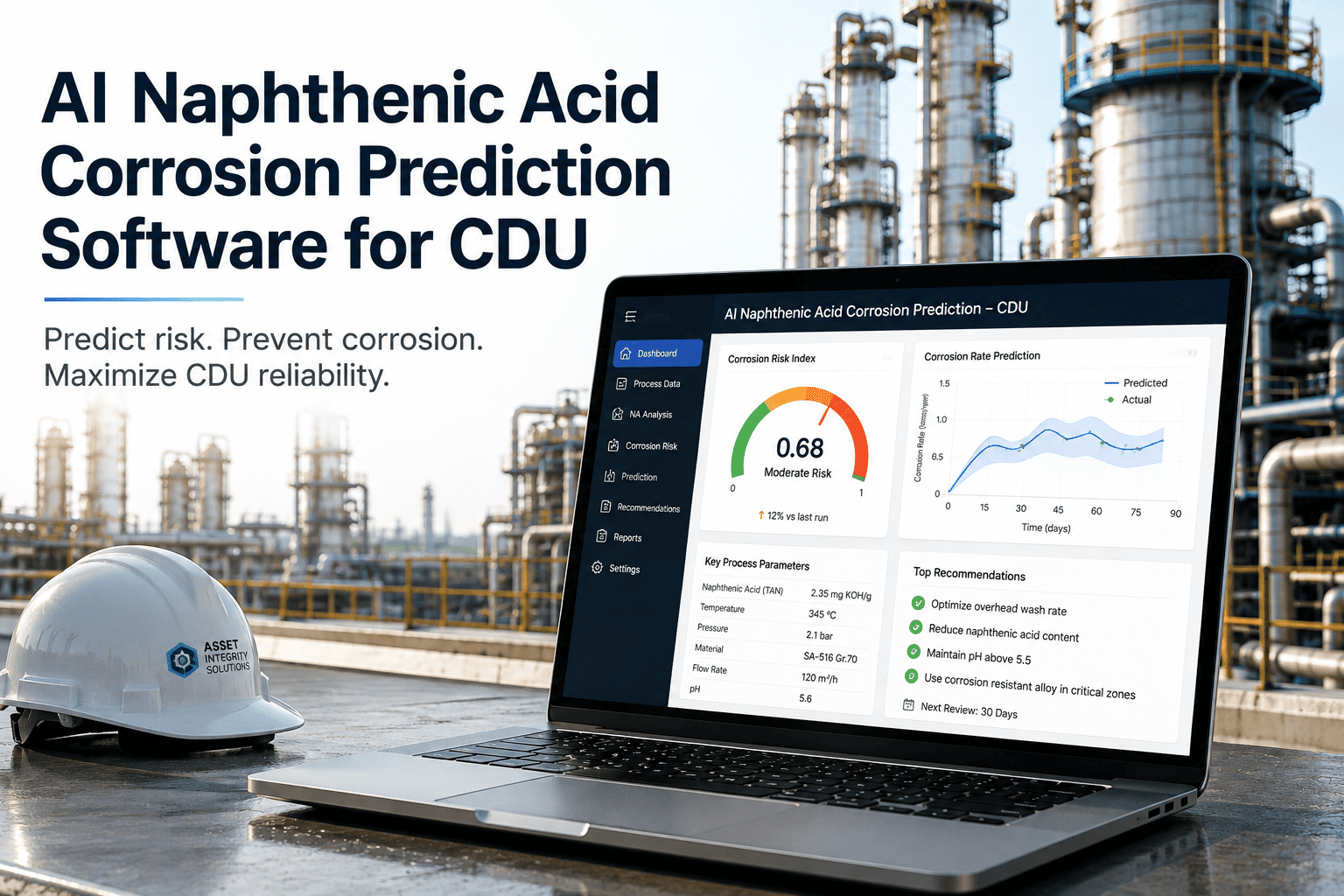
A crude switch on paper looks like a scheduling decision. In a crude distillation unit running near its naphthenic acid corrosion limit, it is closer to a metallurgy decision made by whoever wrote the blend plan, and most blend plans are written w
Read More
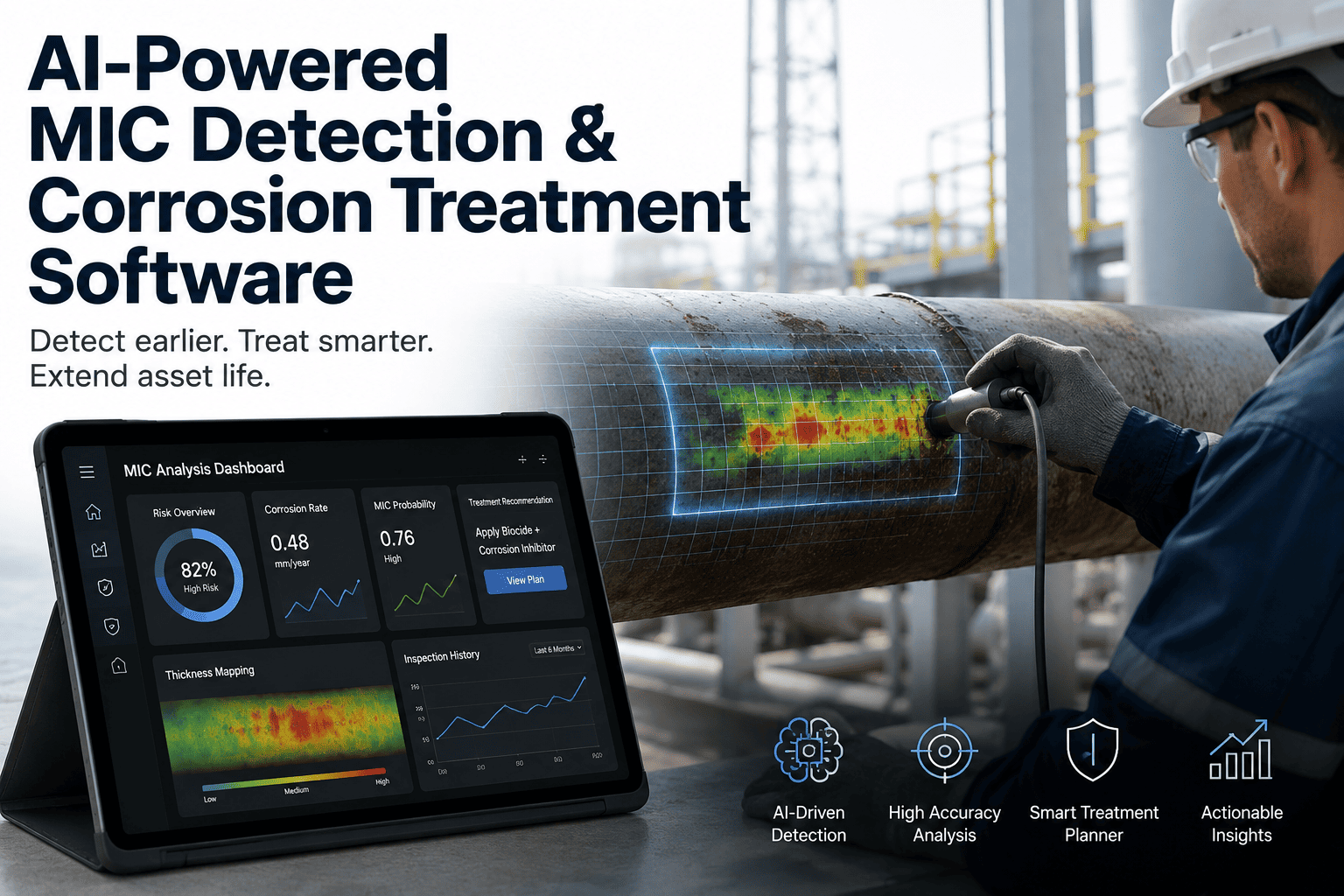
A pipeline can pass every scheduled ultrasonic thickness check and still be losing wall thickness at ten times the expected rate underneath a patch of biofilm nobody scraped off. Microbiologically influenced corrosion does not follow the smooth, p
Read More
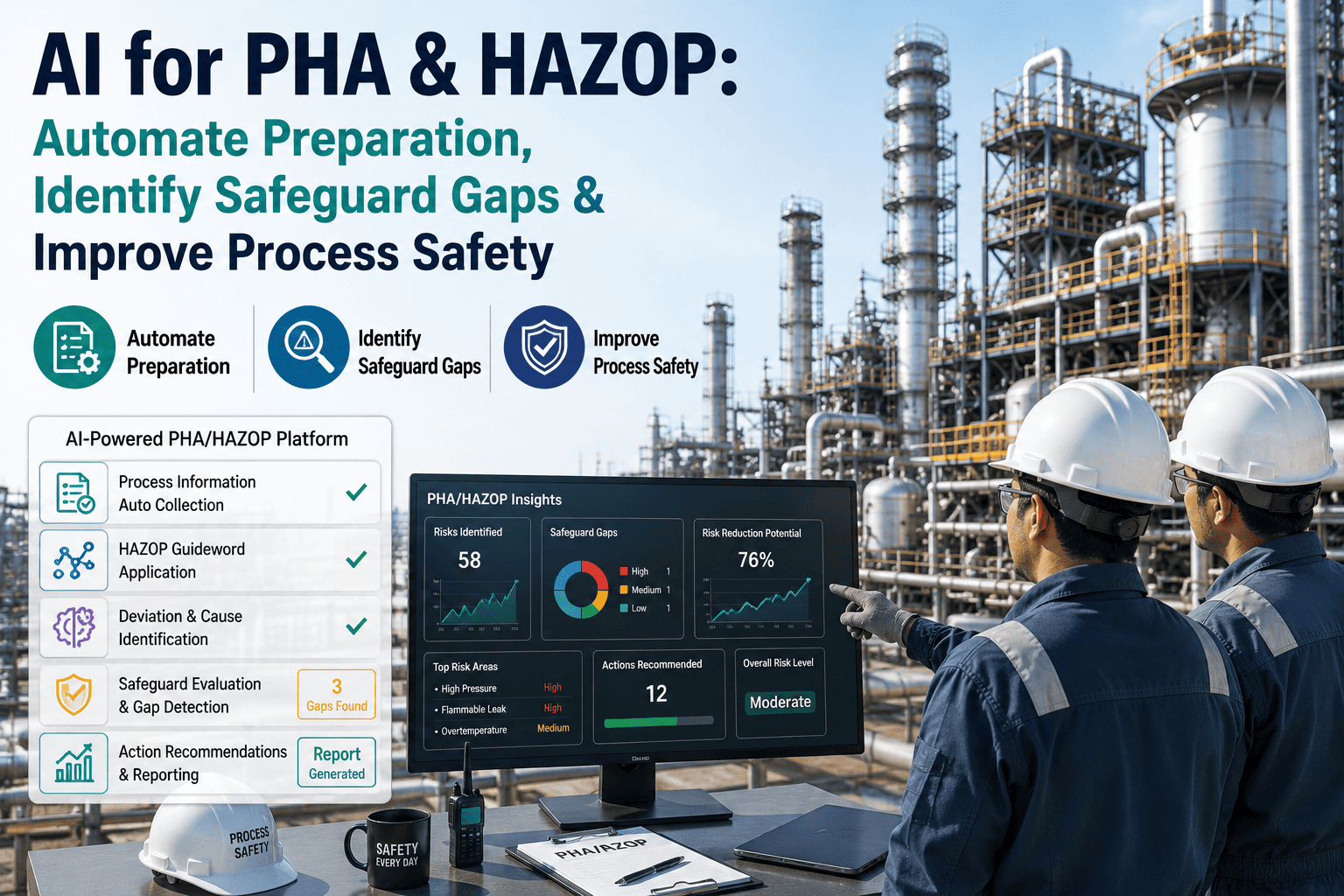
Before a HAZOP team ever sits down in the room, someone has spent weeks tracing P&IDs, defining nodes, locating safeguards, and reconstructing process context from documents that were never designed to work together. That preparation burden, n
Read More
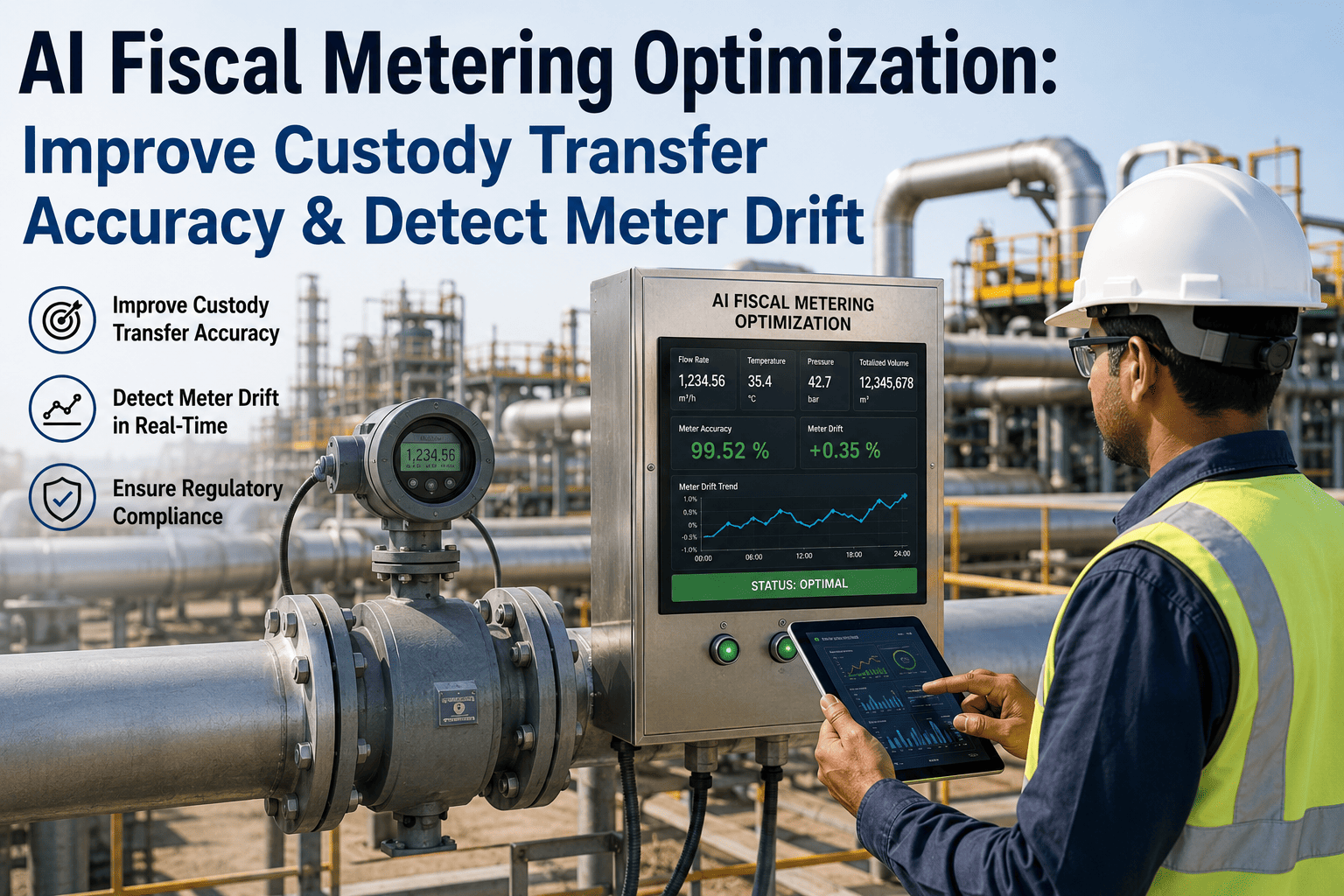
Every barrel of oil or cubic meter of gas that crosses a custody transfer point carries a dollar value attached to it, and that value gets calculated by a meter that nobody is watching in real time. Fiscal metering systems are proved on a calendar
Read More
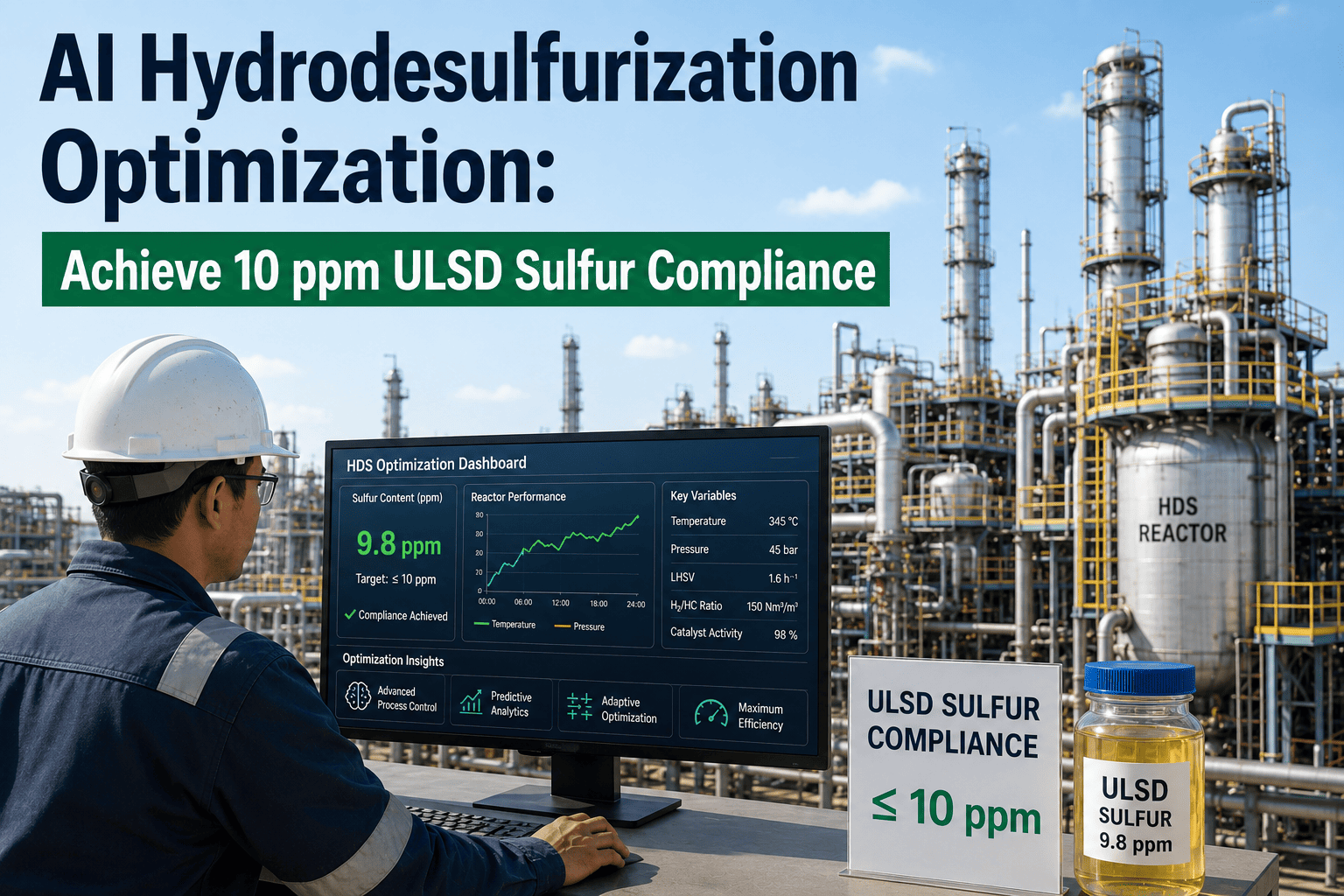
A refinery running its hydrodesulfurization unit comfortably under the 10 ppm sulfur specification for weeks decides that comfort margin is room to push feed rate, and within days the diesel pool starts creeping toward the compliance limit instead
Read More
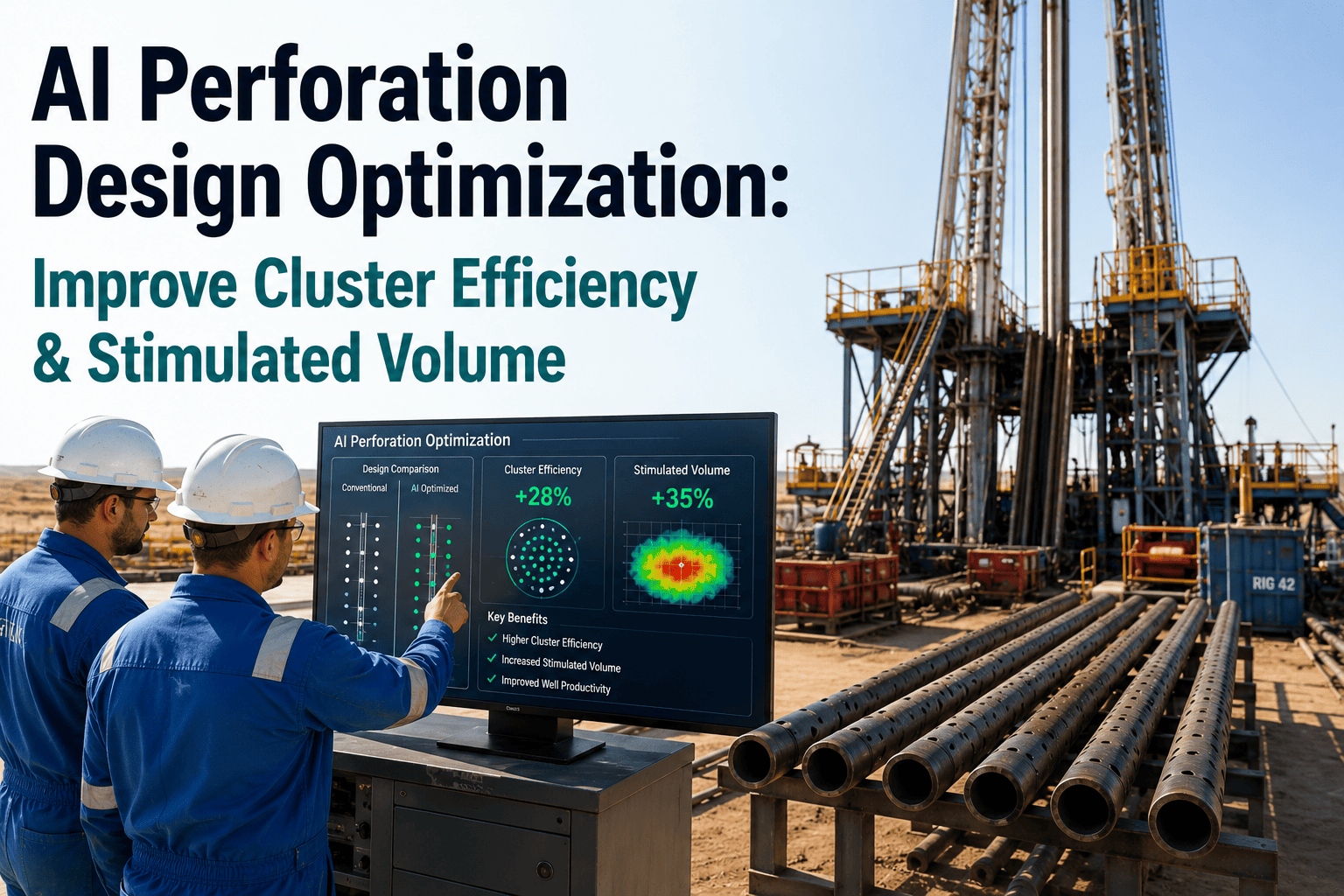
A completion engineer designs a perforation plan with even cluster spacing, uniform phasing, and a limited entry pressure calculation that looks correct on paper, and then the well comes online producing from a fraction of the clusters that were a
Read More
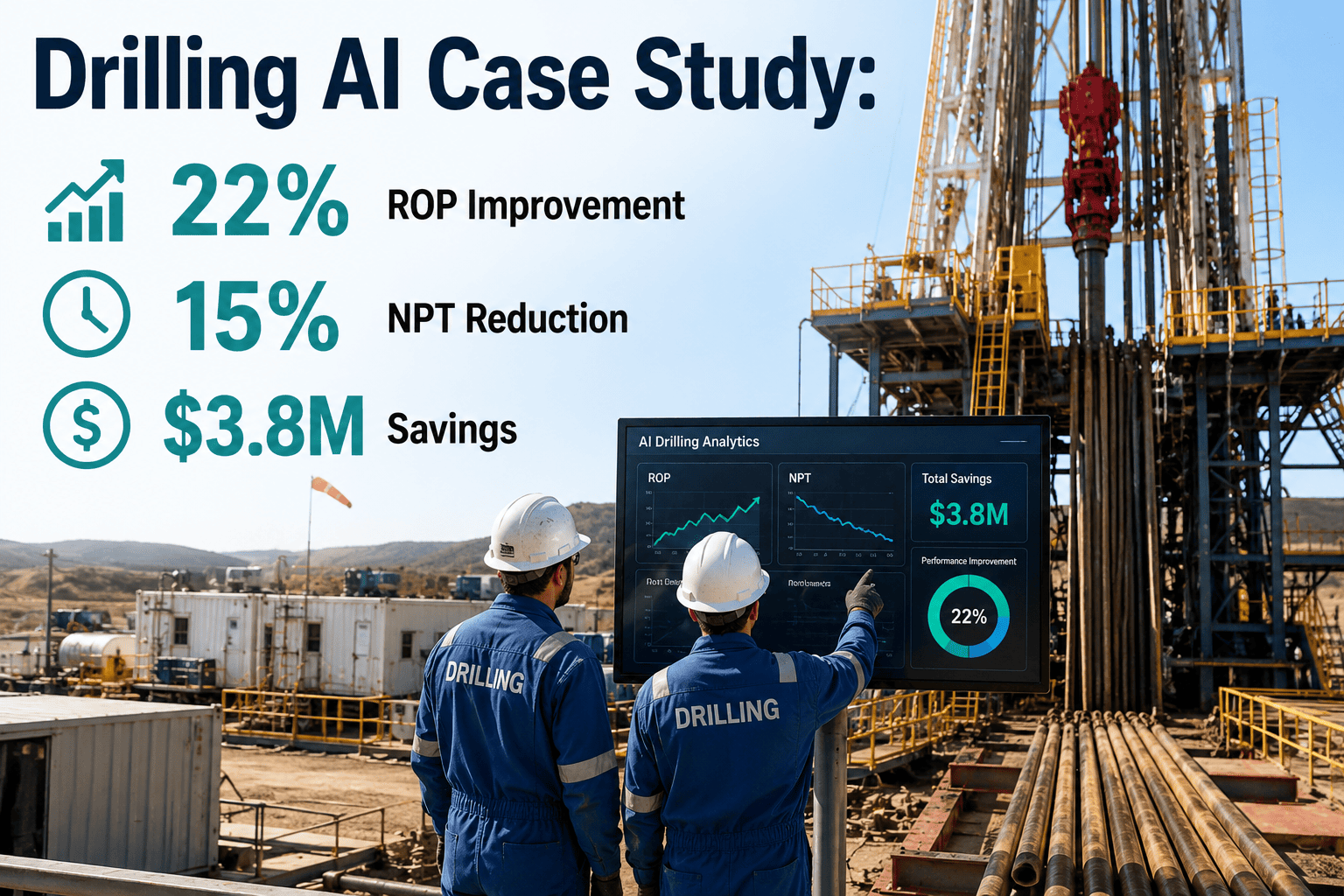
Forty wells, eighteen months, one basin. That is the scale most drilling optimization pilots never reach, because most stop after two or three wells once the novelty wears off and the results get harder to attribute to anything specific. This is w
Read More
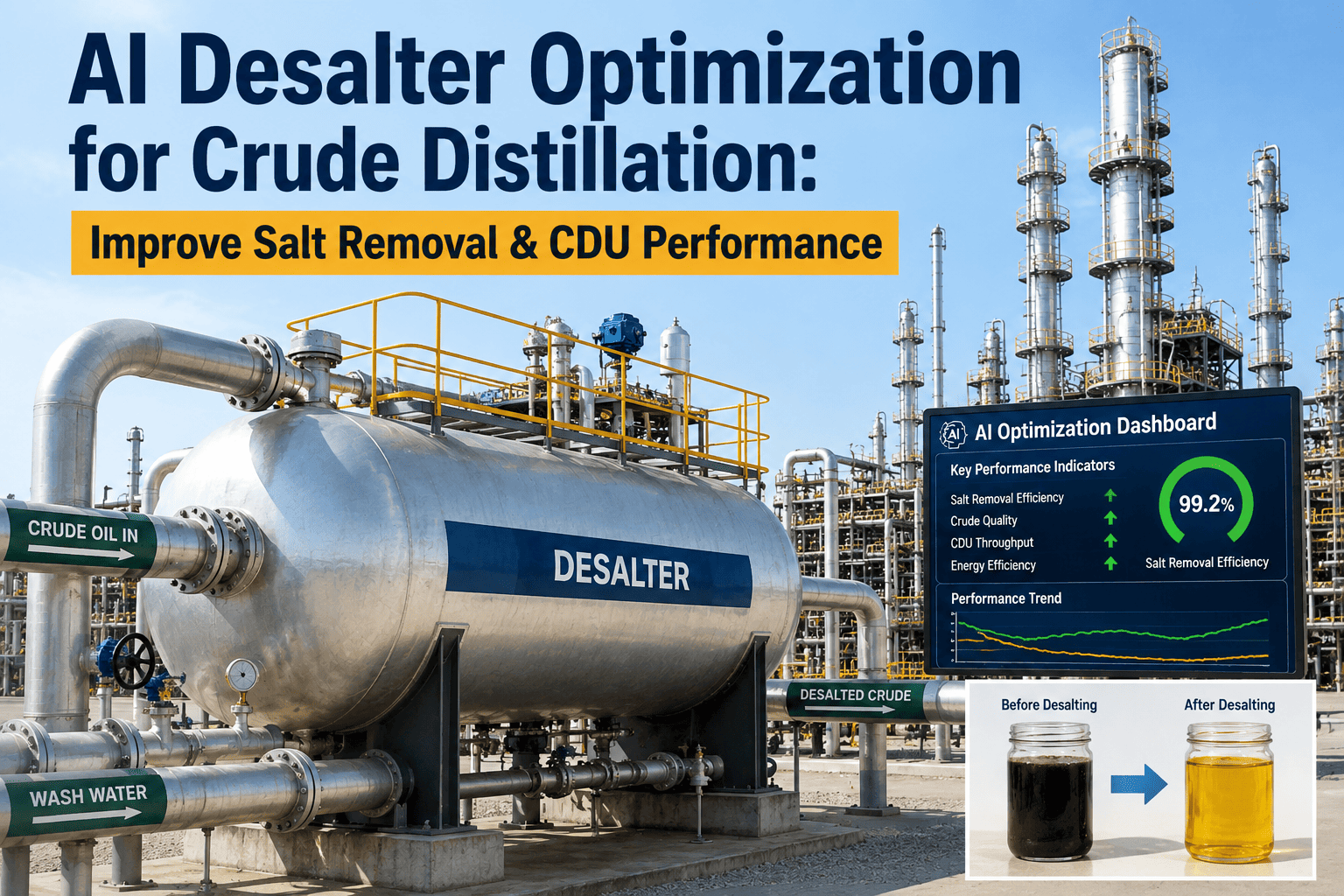
A crude unit runs for weeks with desalter salt content sitting comfortably under target, and then a single crude slate change quietly pushes it past the line. Nobody notices until preheat exchangers start fouling faster than the cleaning schedule
Read More
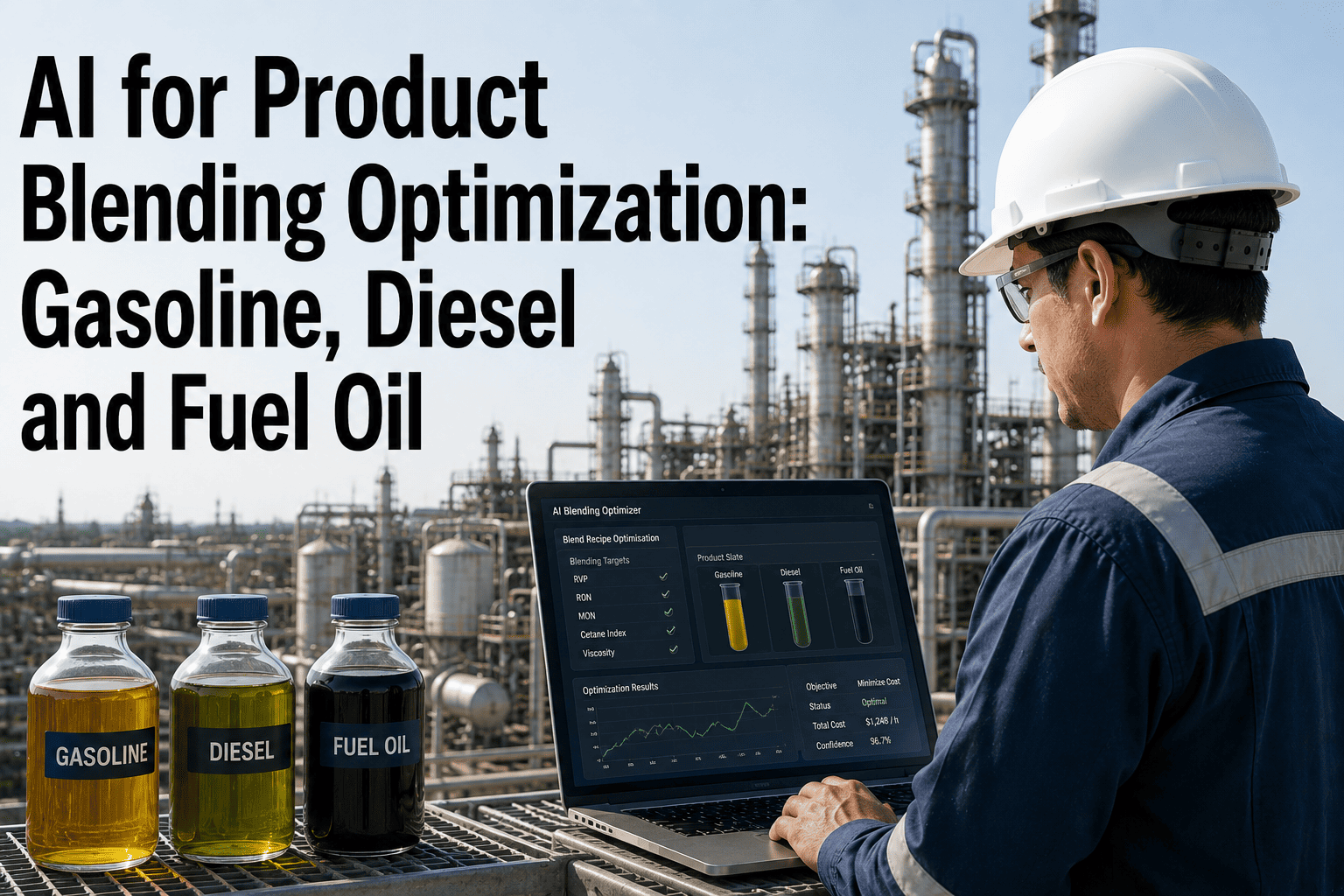
Refineries make money one barrel at a time inside the process units and then hand a large fraction of that margin back at the blend header. Every gasoline batch that ships at 87.3 octane against an 87.0 spec, every ultra-low-sulfur diesel batch th
Read More
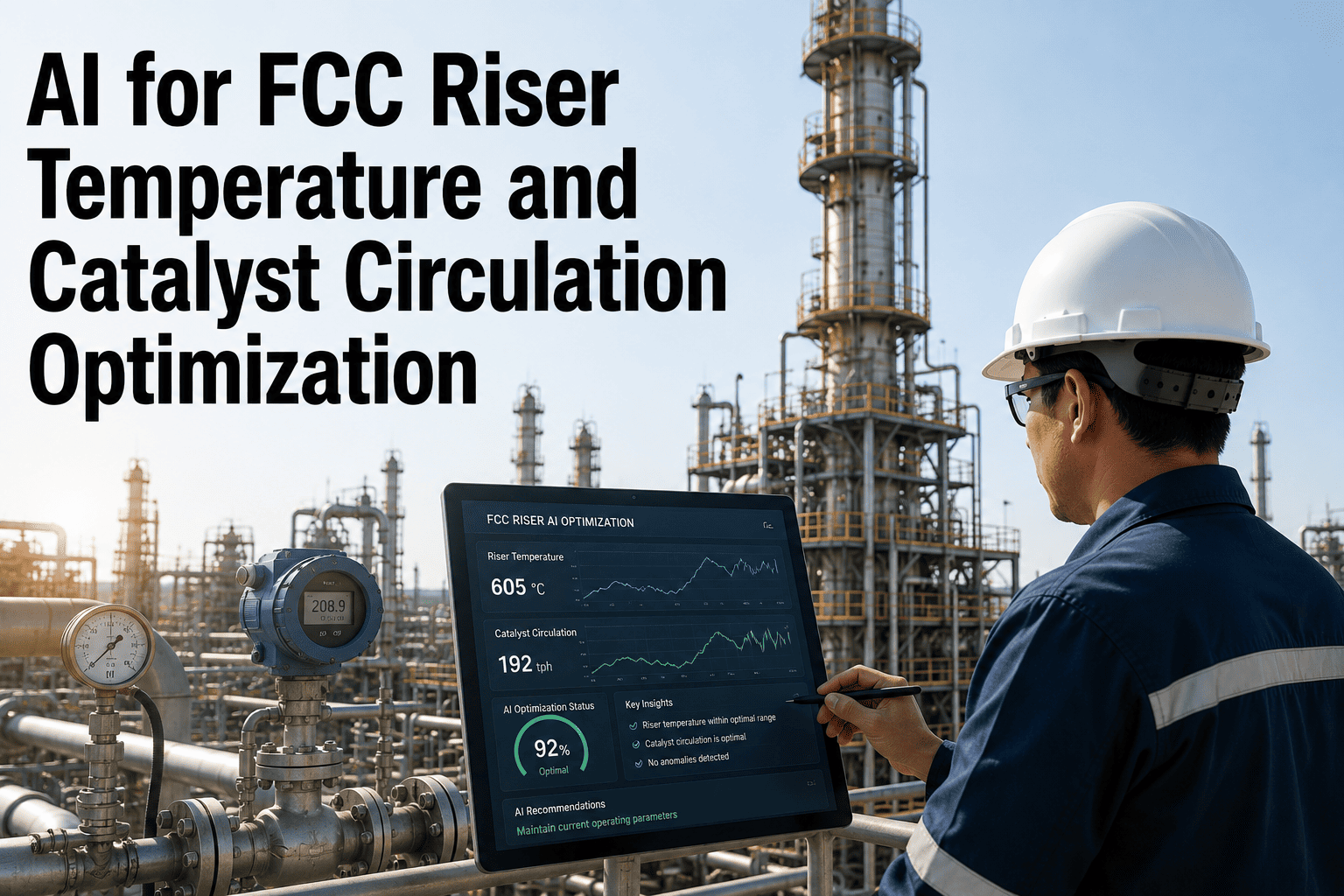
An FCC unit is one of the most tightly coupled processes in a refinery, and the coupling is what makes it so hard to push. Move the riser outlet temperature a couple of degrees to chase gasoline yield and coke make shifts, delta coke shifts, regen

Read More
Ask a general-purpose AI model a question about your specific relief valve setpoint calculation or your company's exact permit-to-work sequence, and it will answer confidently, fluently, and sometimes wrong. Generic models are trained on the publi
Read More
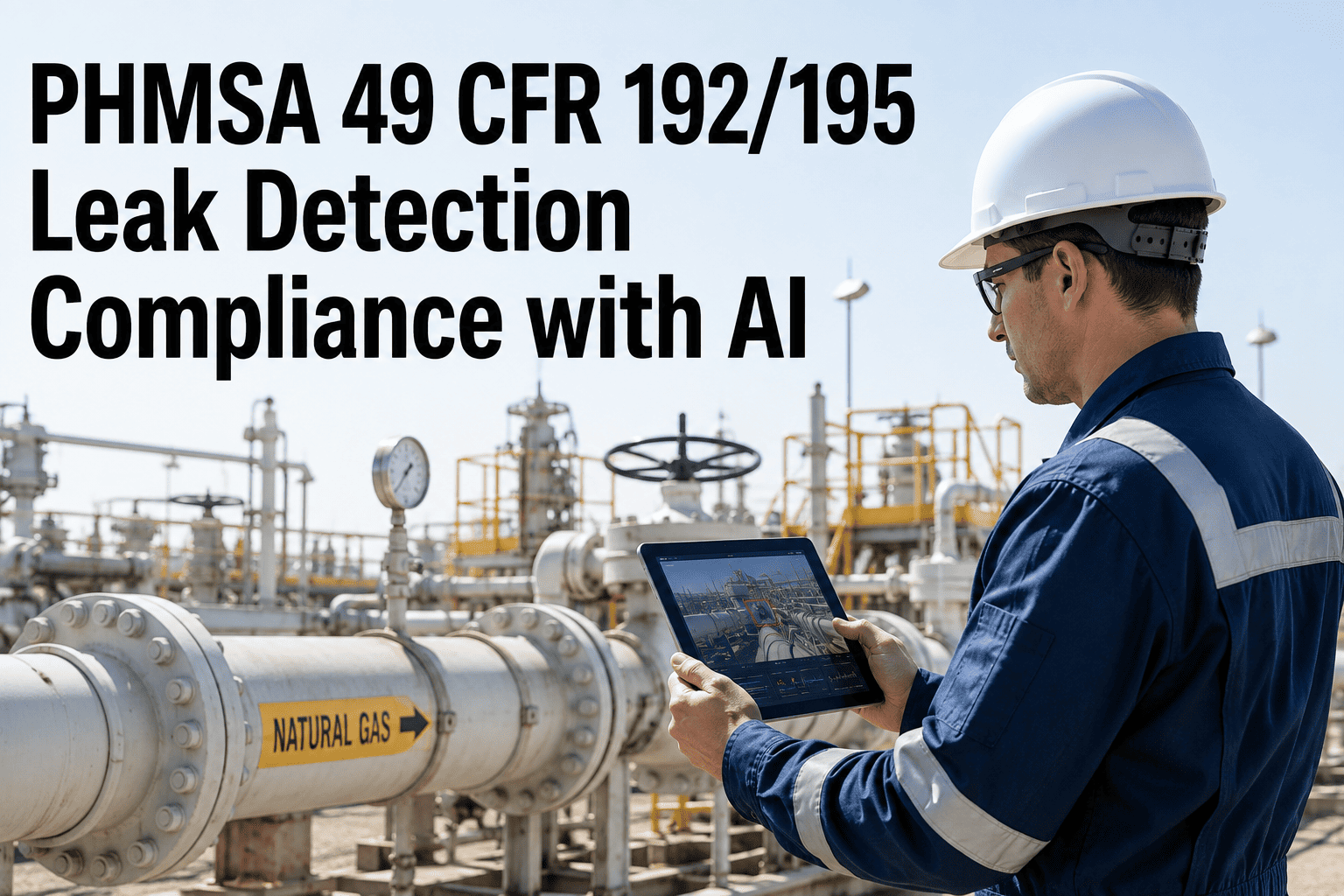
Two different rulebooks govern leak detection on a mixed gas-and-liquid pipeline system, and most operators are managing both with the same overworked integrity team. 49 CFR Part 192 sets patrol and leak survey requirements for gas pipelines, whil
Read More
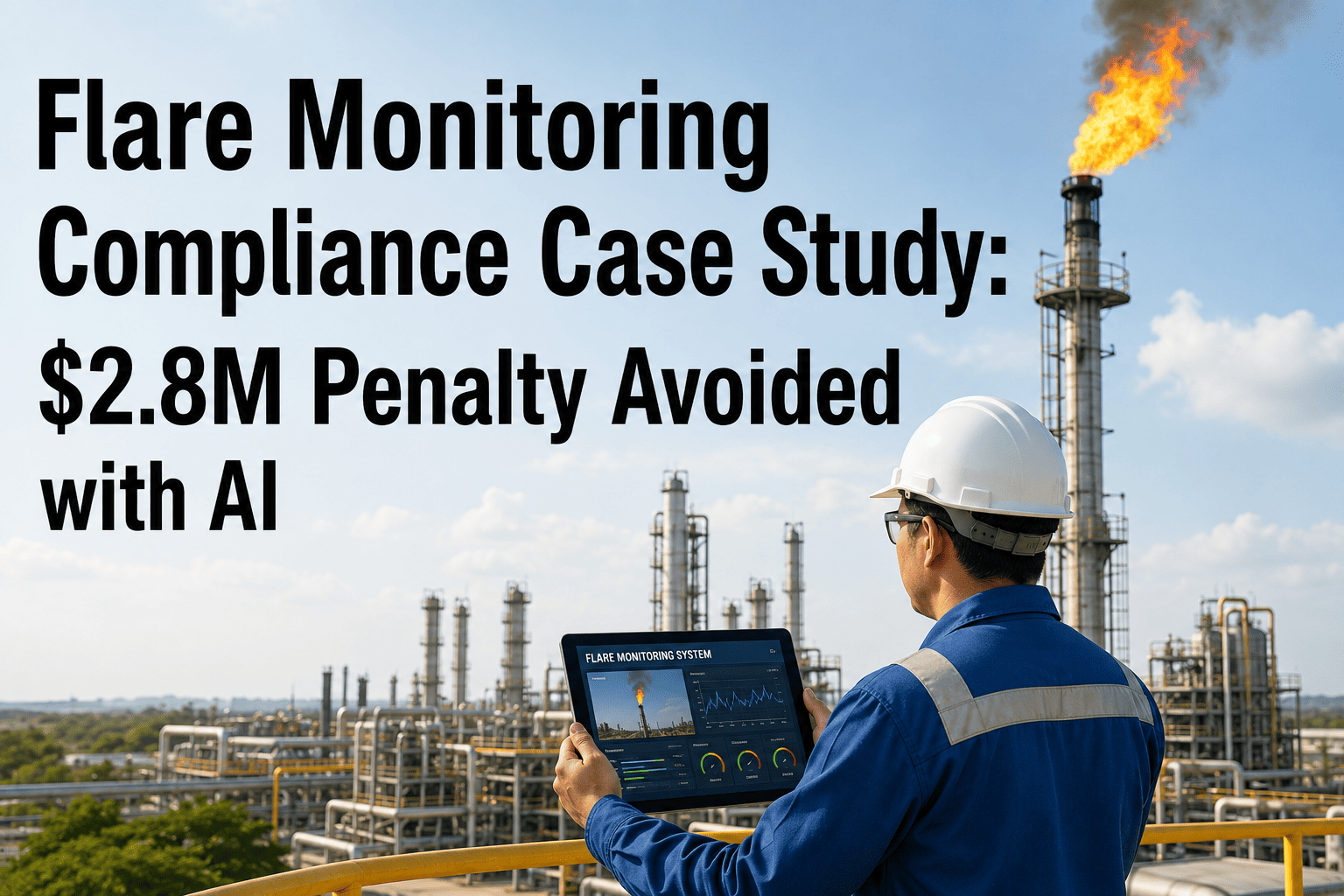
A mid-size Permian Basin operator ran the numbers on their reported methane emissions across 140 flare points and did not like what they saw. Under the EPA's Waste Emissions Charge, their calculated exposure sat close to $2.8 million a year, drive

Read More
Most oil and gas facilities are not short on data — they are short on access to it. Compressor stations, tank batteries, and wellhead RTUs installed a decade or more ago are still running fine on the factory floor, quietly recording pressure, flow
Read More
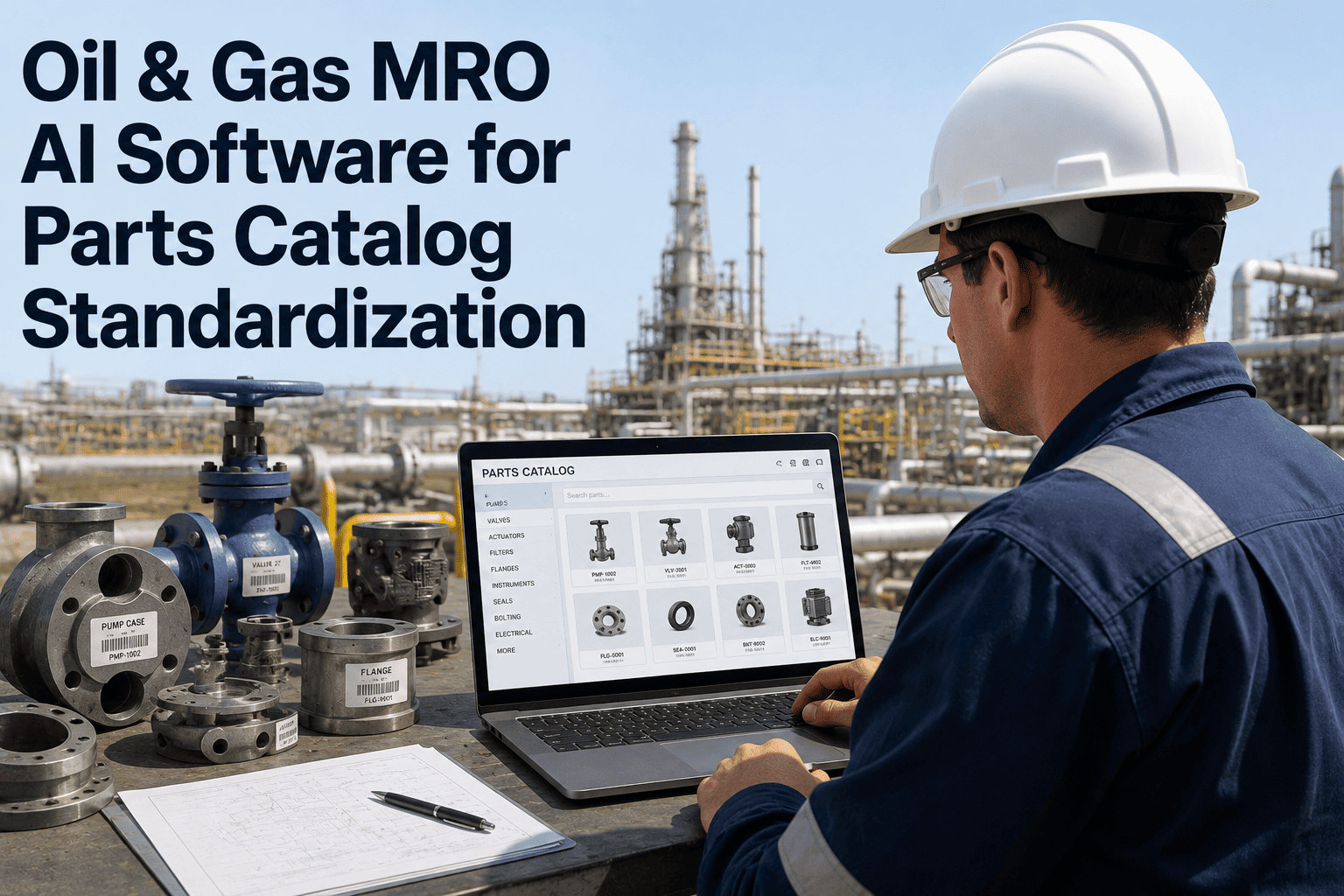
A pump fails at a remote wellsite at 2 a.m. The on-call planner searches the material master for the seal kit and gets three results: "seal kit, mechanical, 2in," "2 inch mechanical seal kit," and "kit-mech-seal-2.0in-VITON." Each one has a differ
Read More
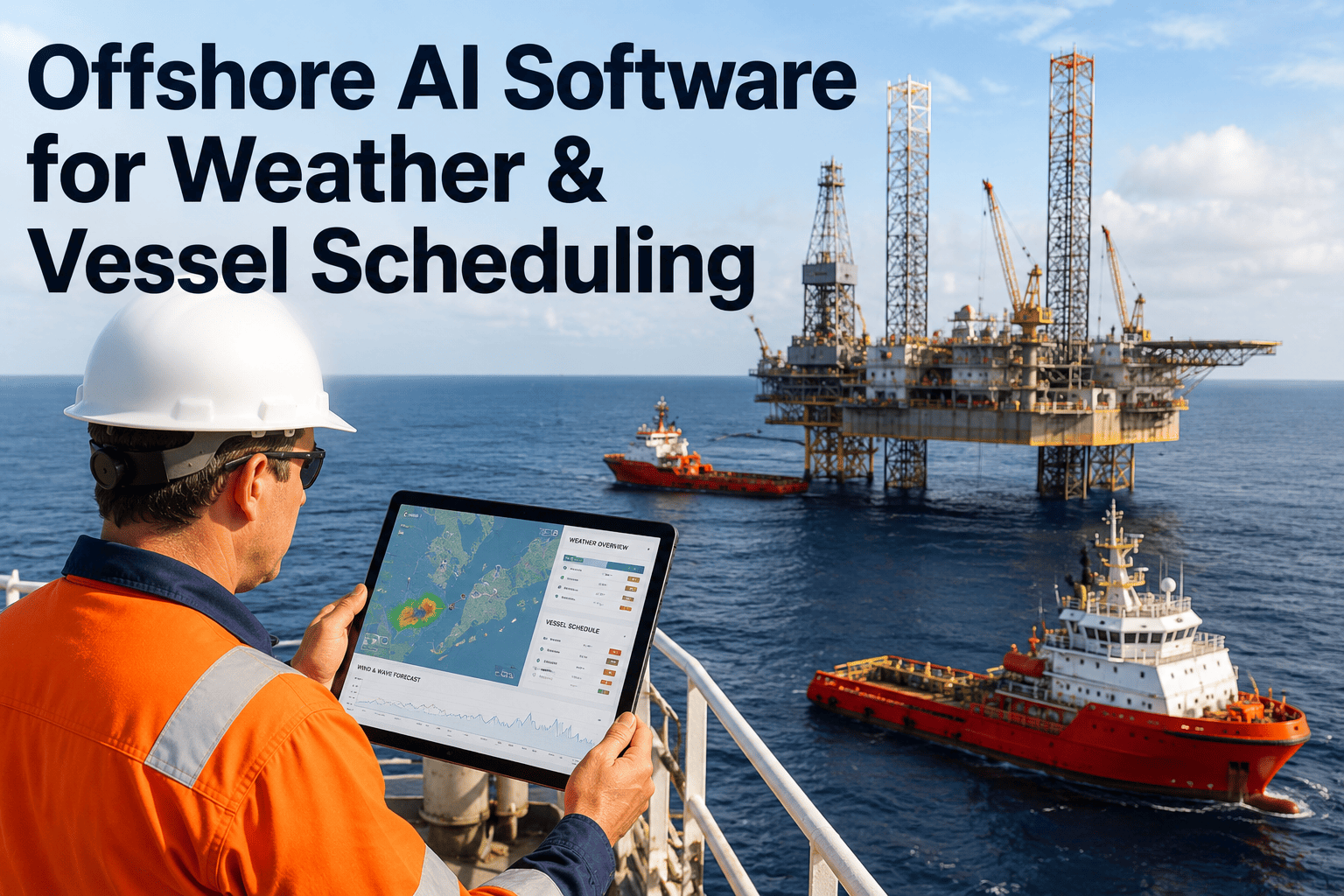
A single day of weather-related downtime on an offshore vessel can cost $500,000 or more, and that number climbs fast when a marginal call turns into a missed window and a full crew standing by with nothing to do. Every offshore operation, crane l

Read More
Under-deposit corrosion doesn't announce itself with a uniform wall-thickness loss an inspector can trend easily, it hides underneath sand, scale, and biofilm sitting at the six o'clock position of a pipeline, corroding a small localized area far

Read More
Any oil and gas facility storing more than 1,320 gallons of oil above ground falls under the EPA's SPCC rule, and that same site almost always carries a separate stormwater permit obligation running in parallel, two regulatory programs that freque

Read More
A sour gas field can go from routine to fatal in the time it takes a worker to draw two breaths, since H2S concentrations above 700 ppm can cause collapse and death almost instantly, with no reliable warning from smell once concentrations climb pa

Read More
North Dakota regulators hold Bakken operators to a 91% gas capture target, and every winter the basin's own weather makes that number harder to hit than the rest of the year combined. Wind chills near -60F turn wellhead lines, compressor suction s
Read More
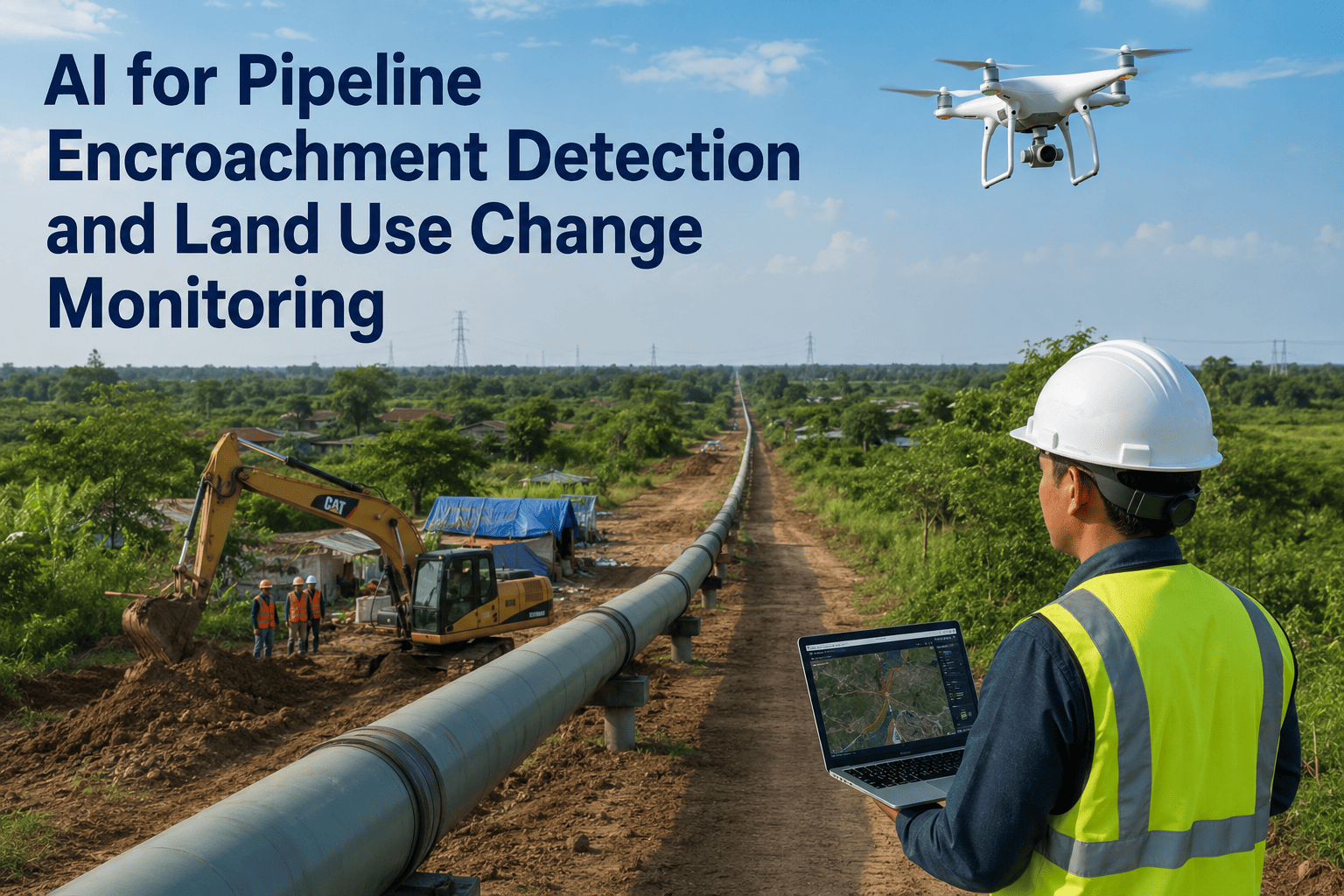
Since 2005, excavation damage alone has caused more than 875 pipeline incidents in the U.S., killing 40 people and costing roughly $322 million in property damage. Almost none of those started as a catastrophe. Most started months earlier as a new

Read More
For every new entrant under 25 in the energy workforce, roughly 2.4 experienced workers are heading toward retirement. Card reading has traditionally lived in the heads of pumpers who learned it over a decade, not in a manual anyone can hand a new
Read More
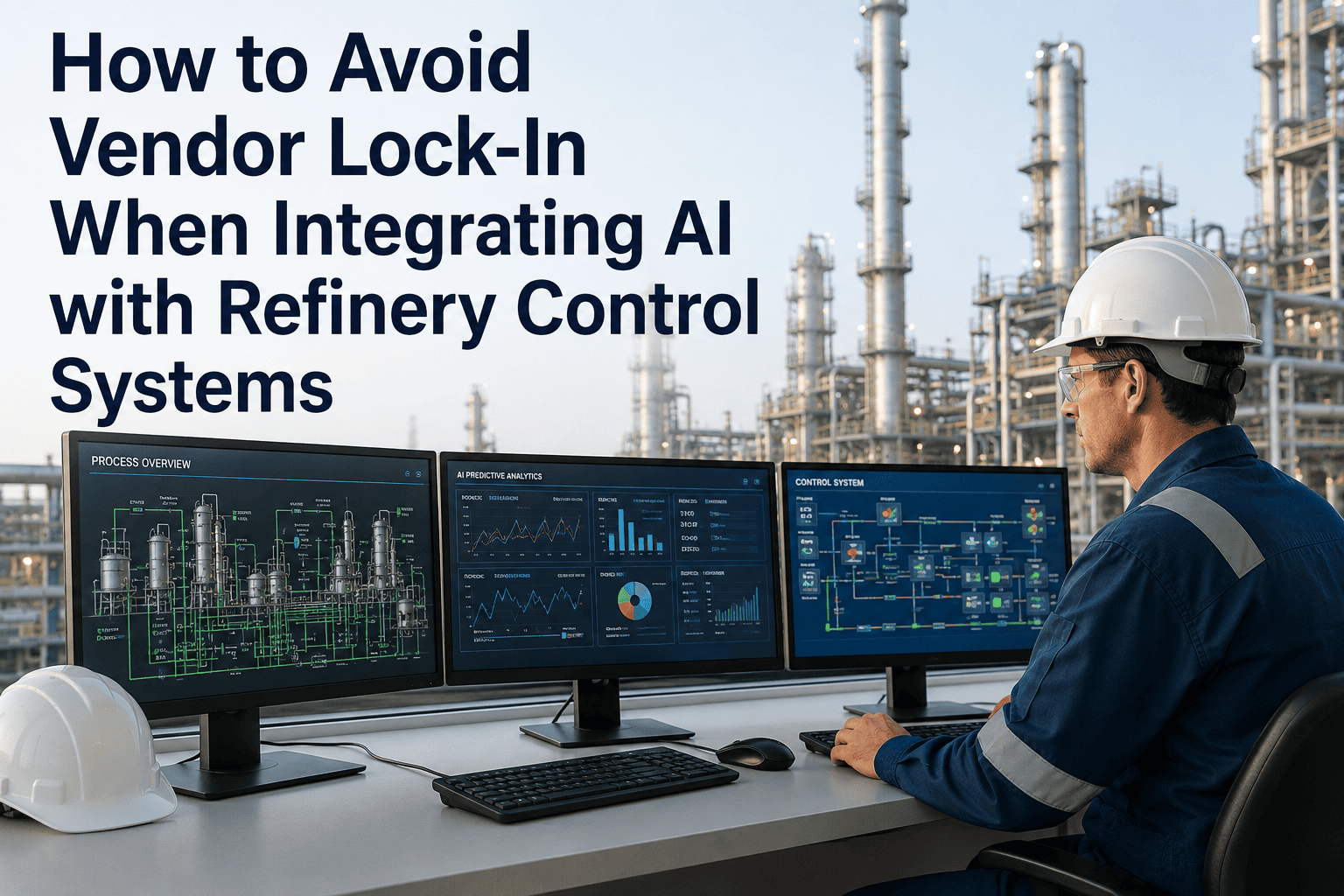
One manufacturer spent $315,000 migrating forty AI workflows after its platform vendor collapsed. Refineries face the same risk at a larger scale, since a DCS is typically a 25 to 30 year commitment, and a proprietary AI module bolted onto it can
Read More
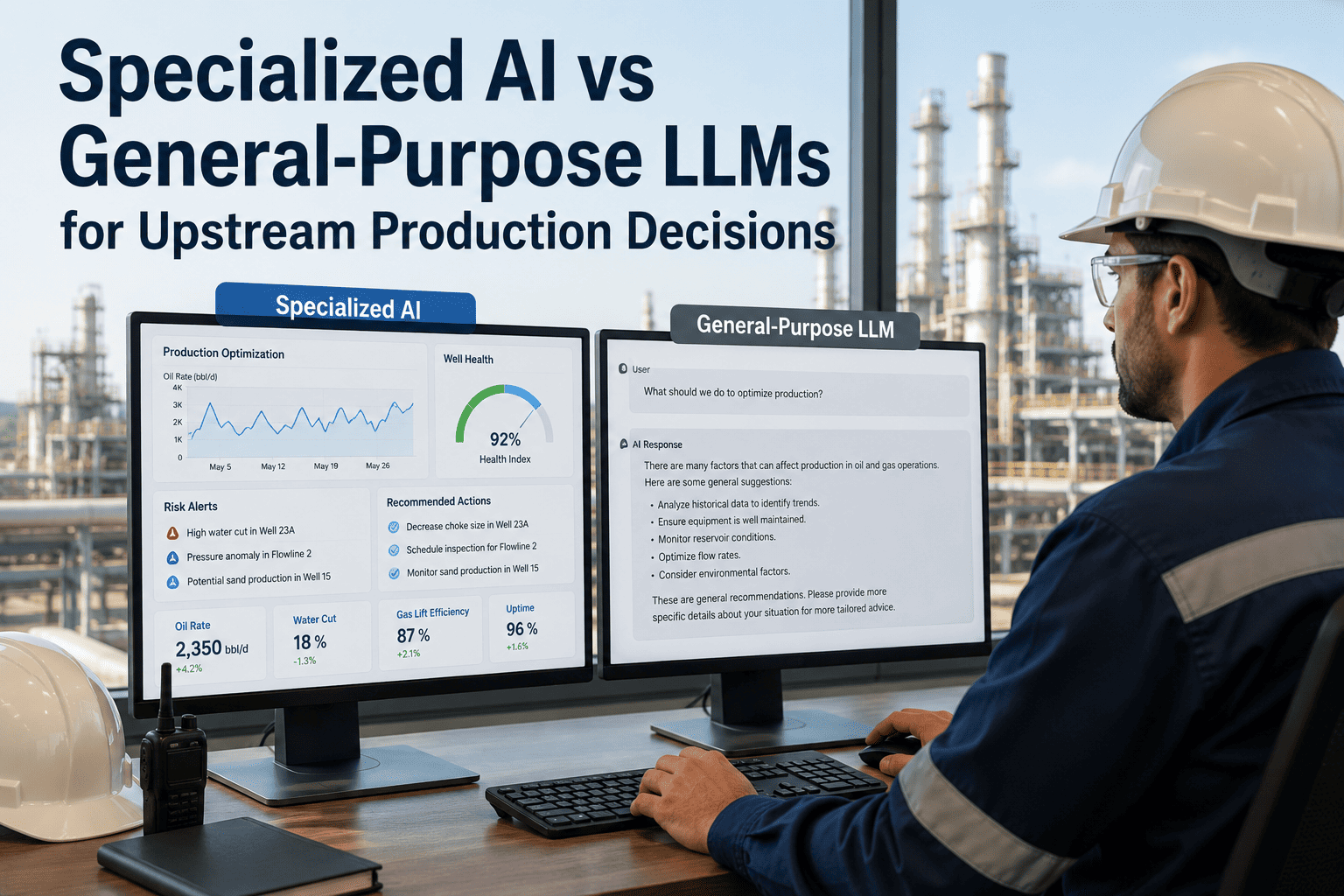
Ask a general-purpose chatbot how much a well will produce next quarter and it will answer with confidence, in fluent prose, with a number that sounds entirely plausible. It will also be wrong in ways that are almost impossible to catch from the o
Read More
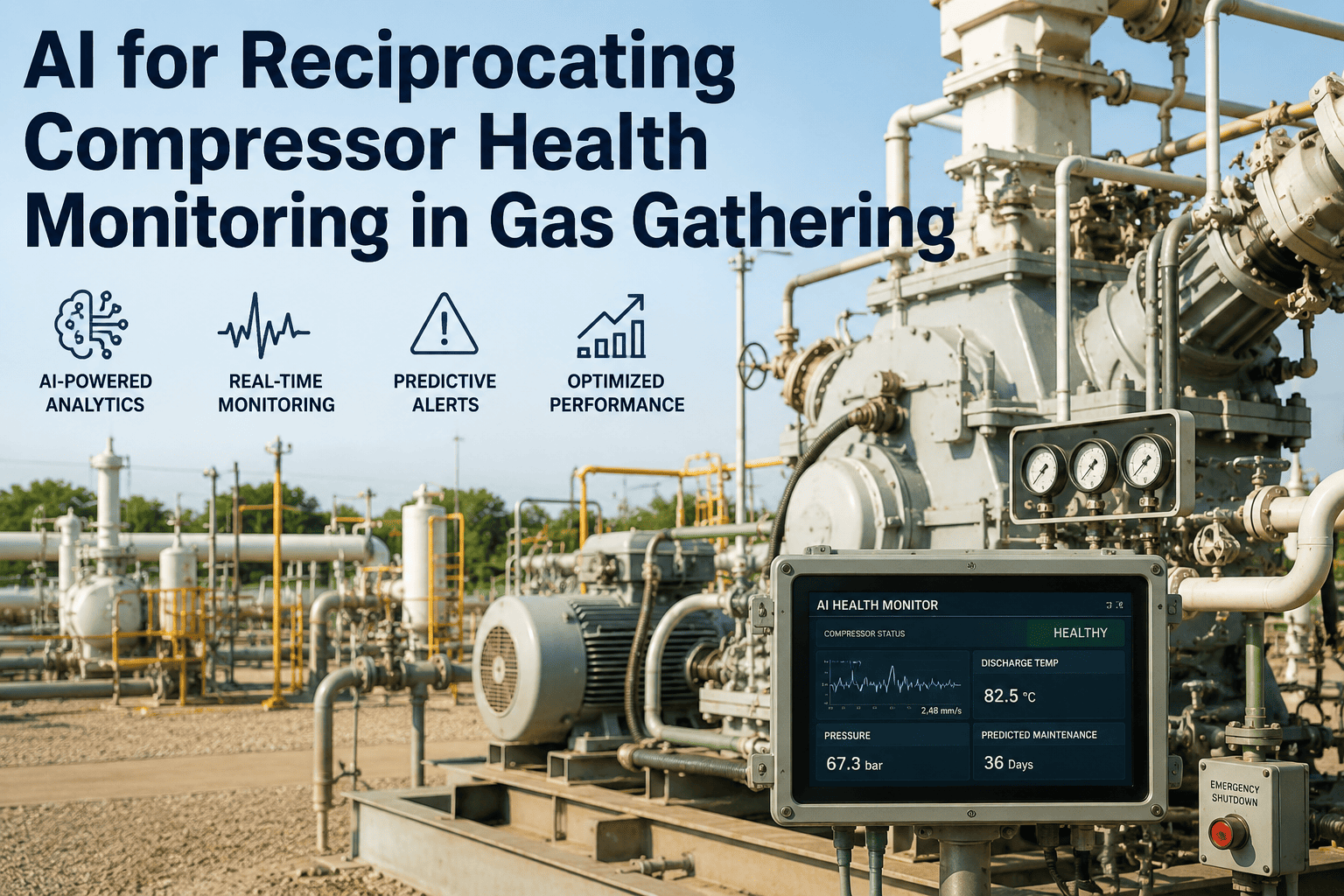
Reciprocating compressors run gas gathering operations, and they also fail more often than any other major rotating asset on the field. Every stroke loads and unloads the rod, valves slam open and closed at line frequency multiples, rider bands we
Read More
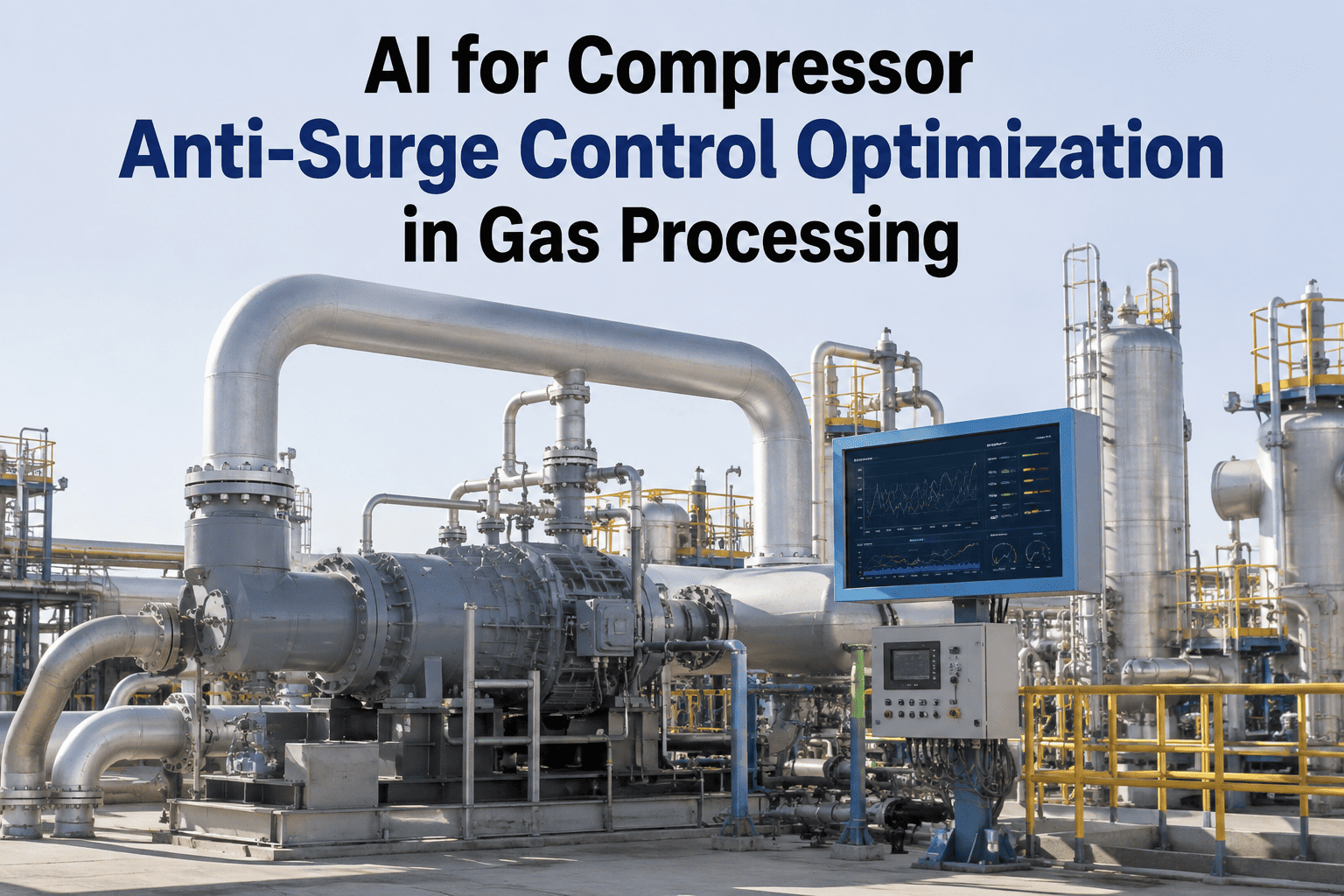
Every anti-surge control system on a centrifugal compressor is protecting against a boundary that was fixed once, at commissioning, and treated as permanent ever since. In reality the surge line shifts continuously with inlet temperature, gas comp
Read More
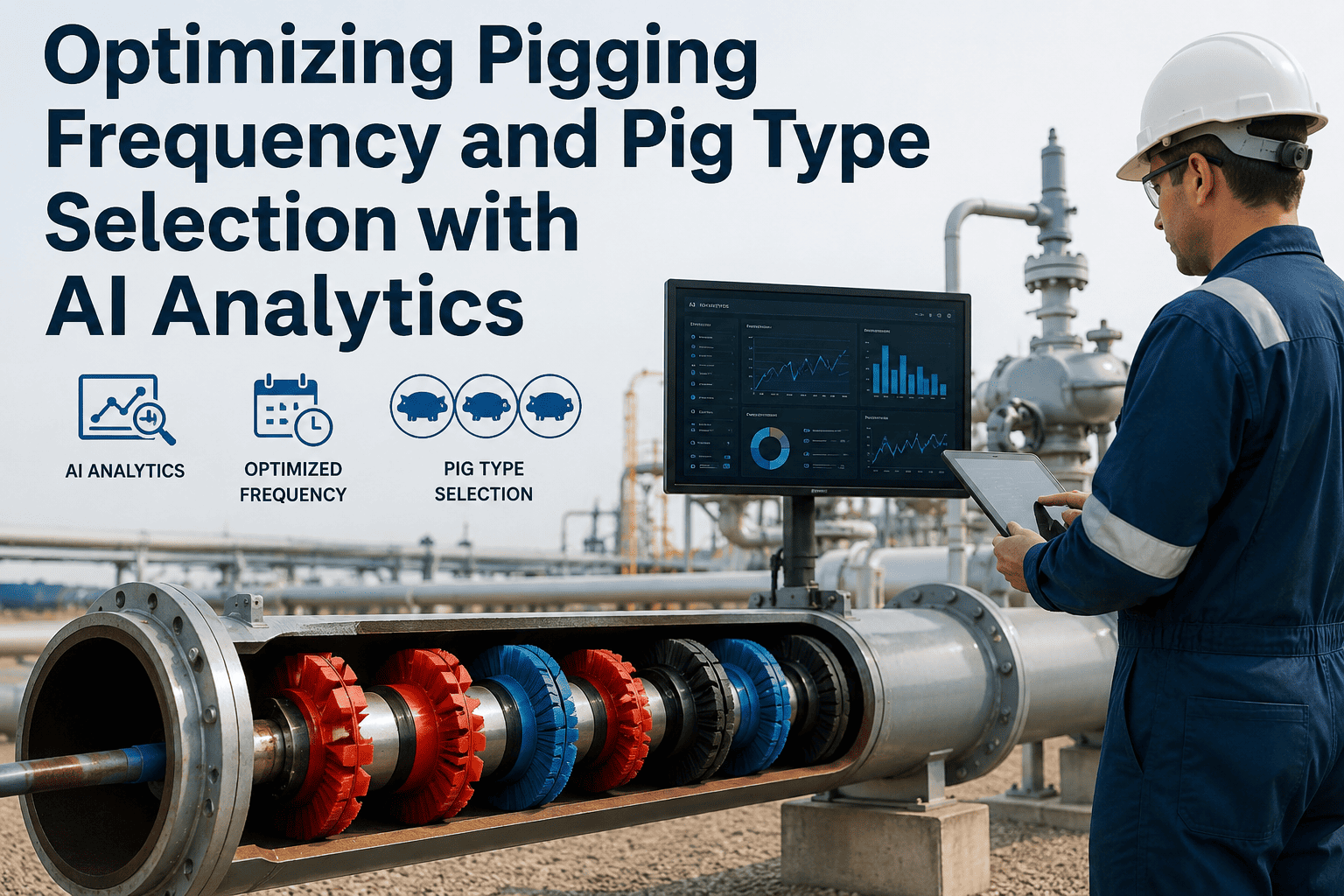
Most pipeline pigging schedules are still set the same way they were decades ago, on a fixed calendar interval that has almost nothing to do with how fast wax, corrosion debris, or scale is actually accumulating inside a specific line. A pipeline
Read More
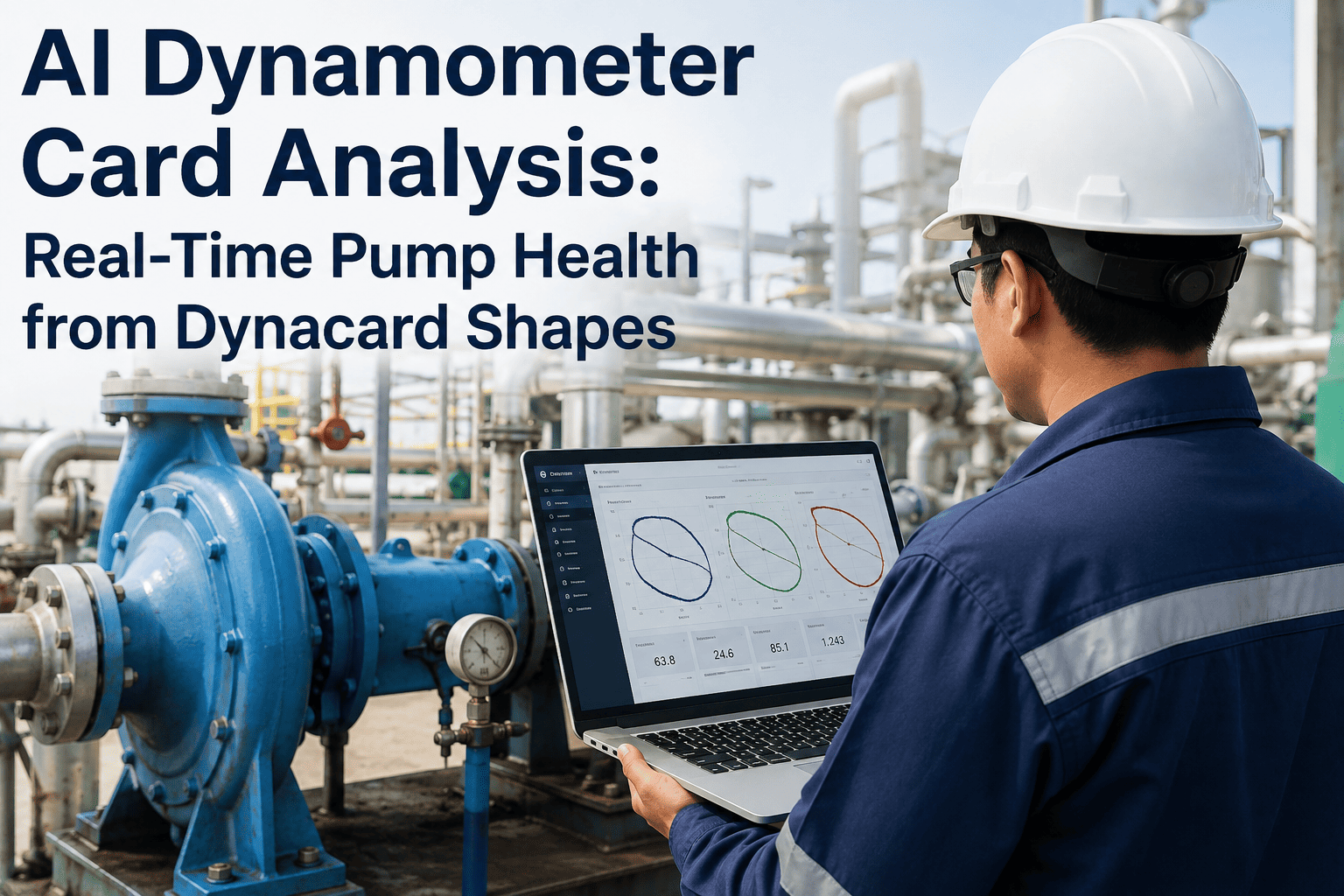
A dynamometer card is one of the richest diagnostic signals a sucker rod pump ever produces, plotting rod load against position to trace out a shape that quietly encodes whether the pump is filling properly, whether a valve is leaking, or whether
Read More
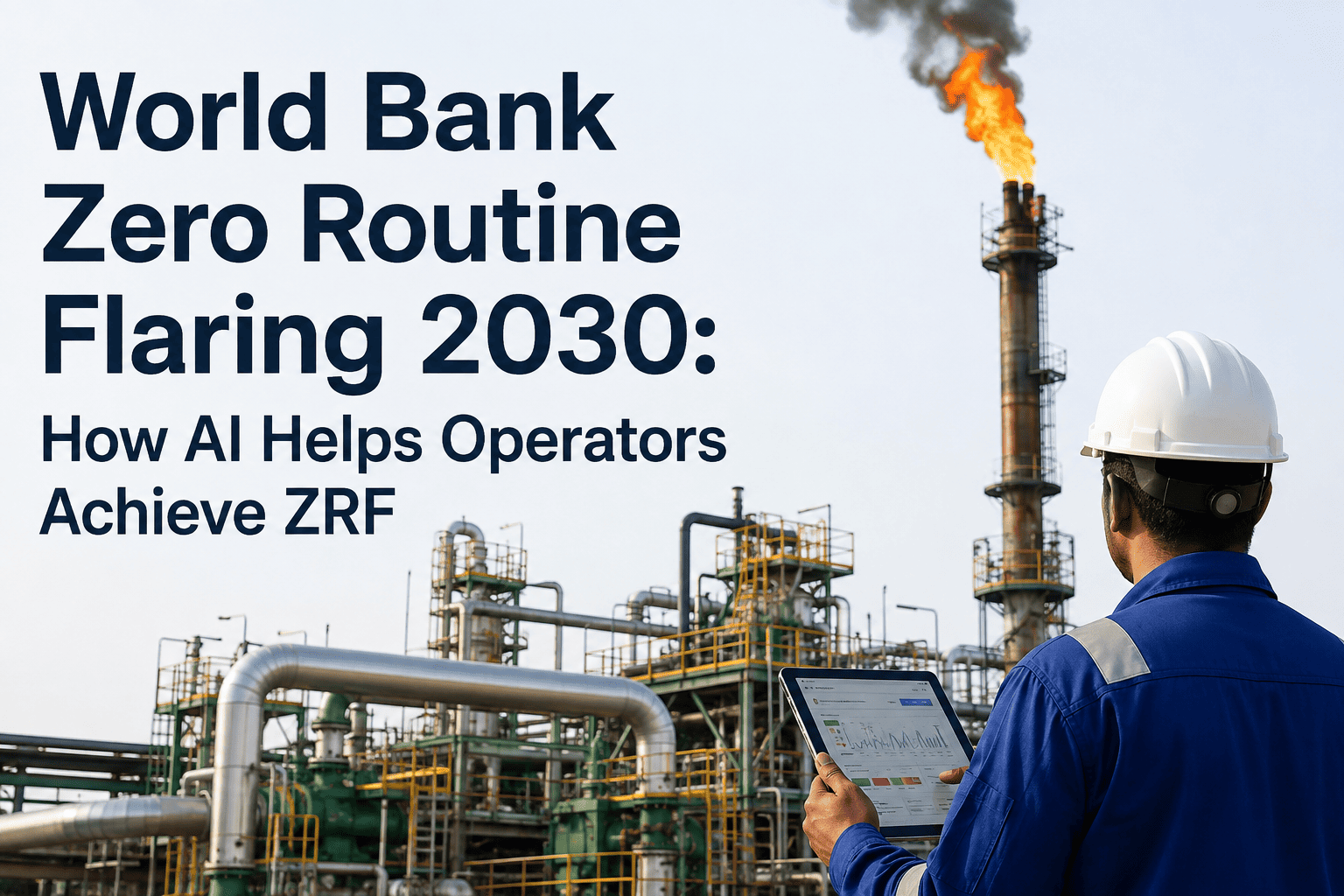
Most operators already report a flaring number every year, and most of those numbers understate the problem, because the volume that actually counts toward the World Bank's Zero Routine Flaring by 2030 initiative is not total flare volume, it is r
Read More
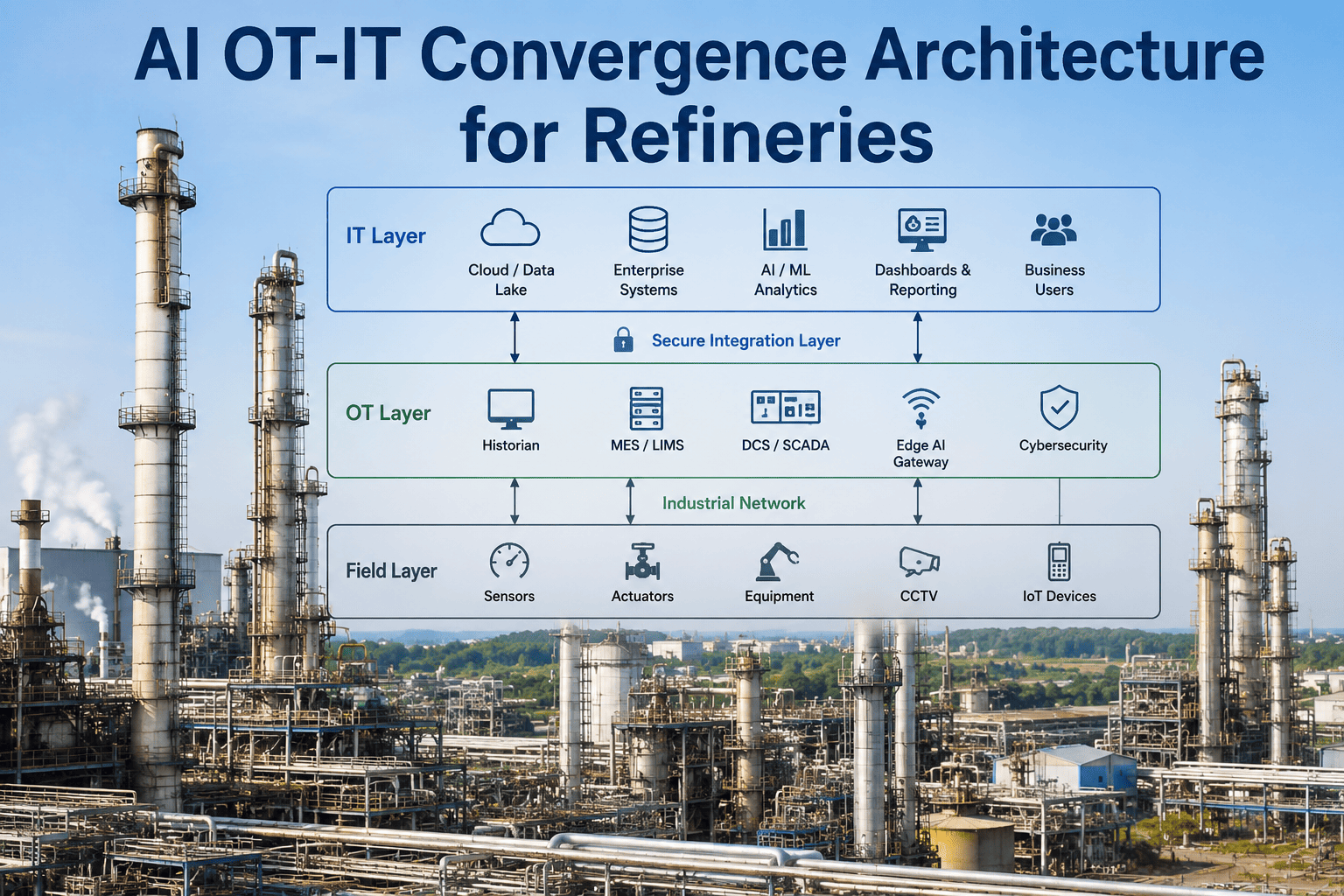
Refineries piloting AI for process optimization or predictive maintenance keep hitting the same wall: the control network that keeps a distillation unit safe was never built to talk to a model, and the IT network hosting that model was never built

Read More
An AI model that runs perfectly in a cloud environment onshore can fail completely the moment it's asked to run on an offshore platform, and the reason rarely has anything to do with the model itself. Offshore platforms operate on satellite-only c

Read More
A pipeline right-of-way has one job beyond carrying product: staying visible enough that a patrol, aerial or on foot, can actually see the ground it's supposed to be watching. PHMSA is direct about why that matters, requiring operators to keep the
Read More
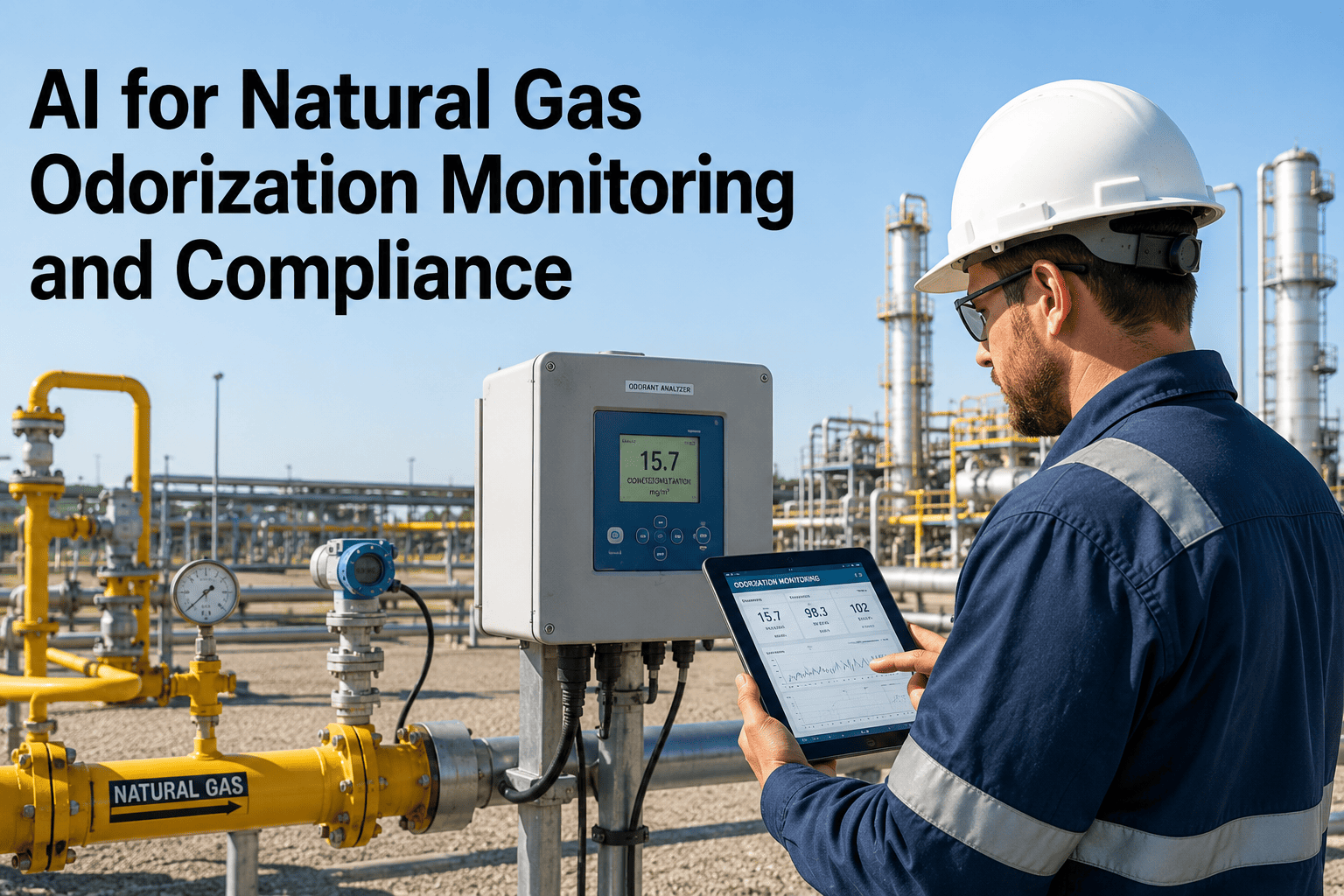
Natural gas distribution operators know the rule by heart: gas must be odorized so it is readily detectable at one-fifth of the lower explosive limit, and periodic sampling has to confirm that threshold holds at the far ends of the system. What fa
Read More
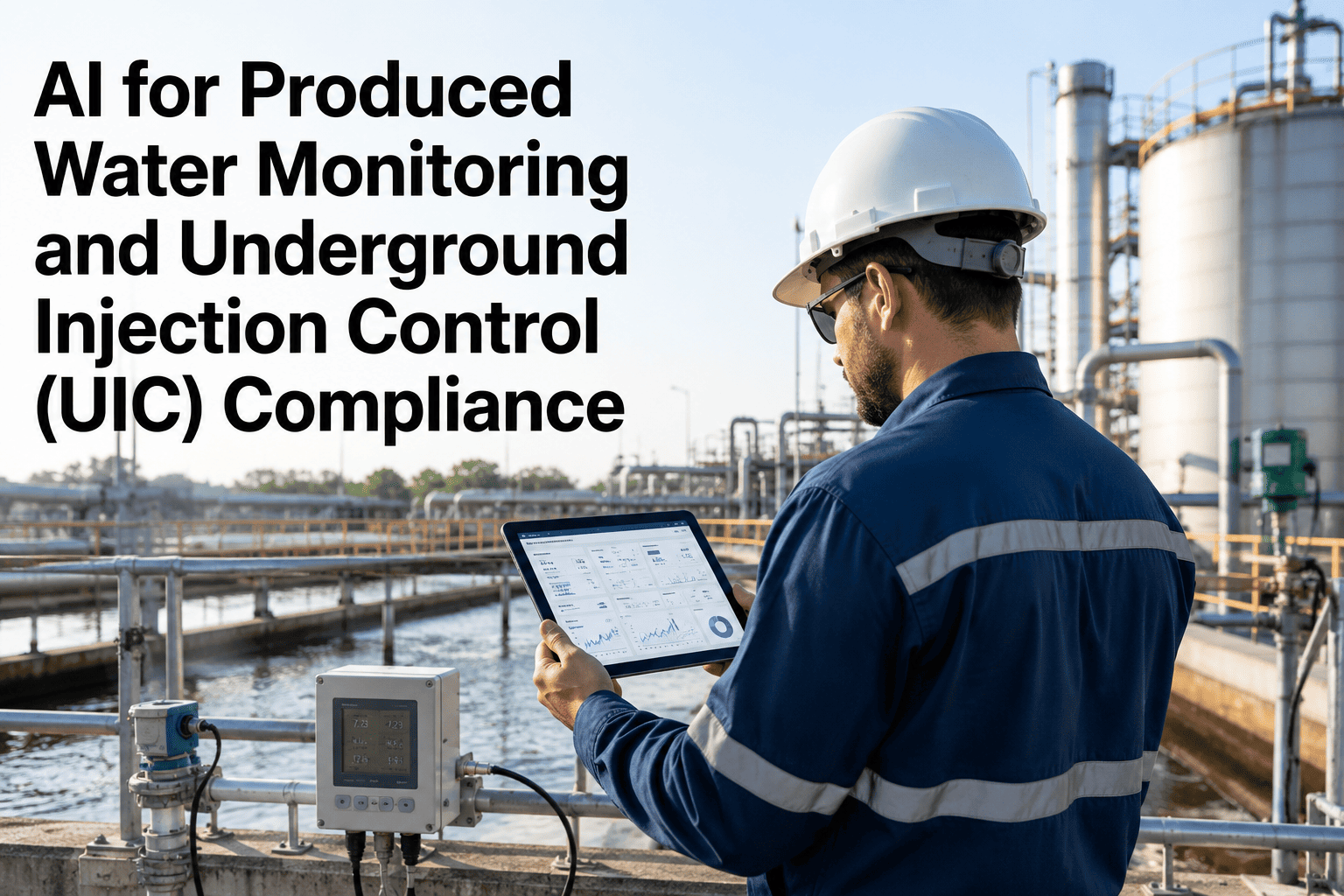
A Class II disposal well does not fail without warning, it drifts. Injection pressure creeps closer to the permitted maximum over weeks as near-wellbore permeability declines from suspended solids and scale, and by the time a monthly report shows
Read More
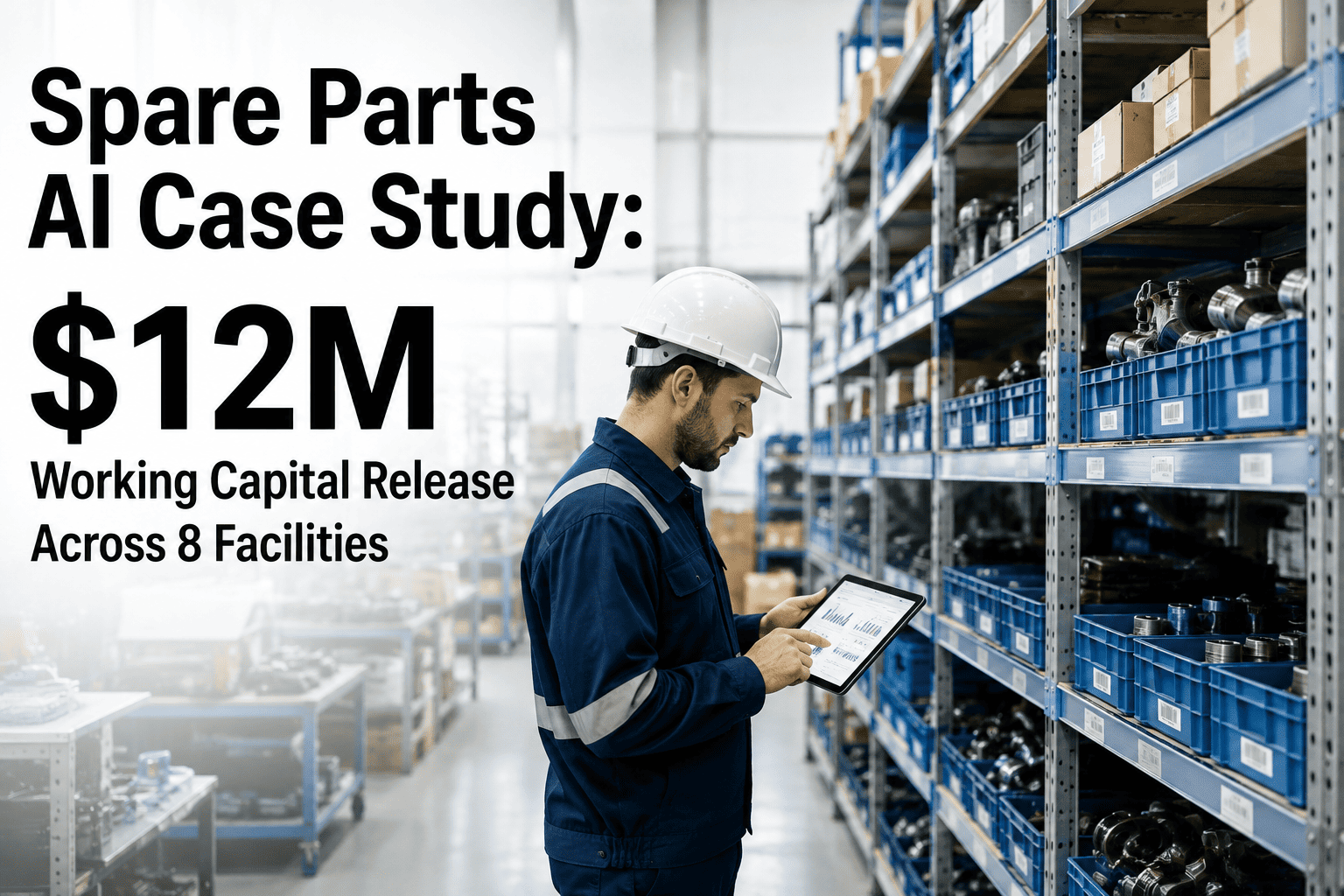
Eight oil and gas facilities — refineries, gas processing plants, offshore platforms, pipeline terminals, and drilling support yards — ran their spare parts inventory on eight separate ERP instances, each with its own reorder logic, its own critic
Read More
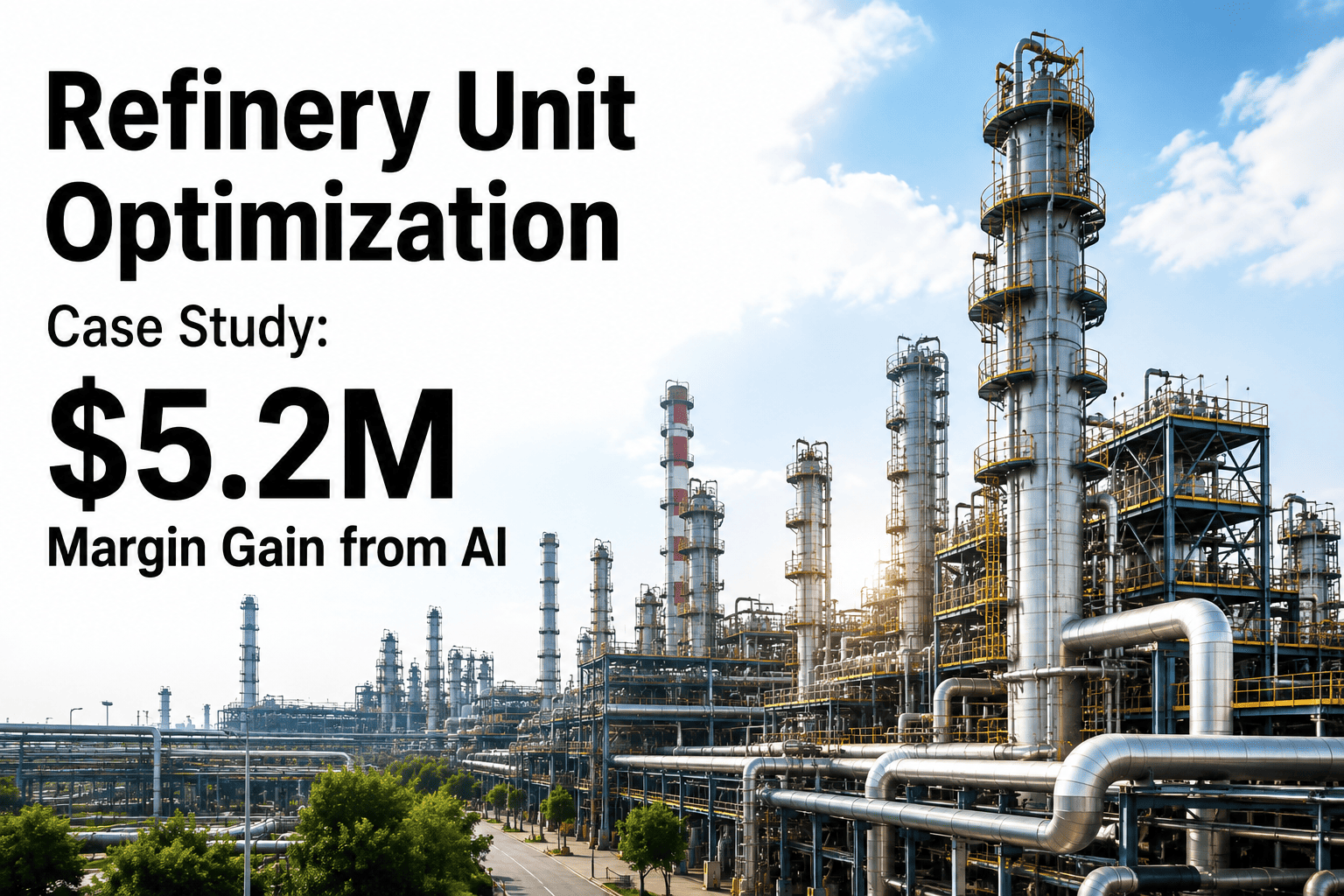
A 200,000 bpd refinery ran four major units — crude distillation, fluid catalytic cracking, catalytic reforming, and product blending — on advanced process control tuned years apart, each optimized in isolation against targets that hadn't been rev
Read More
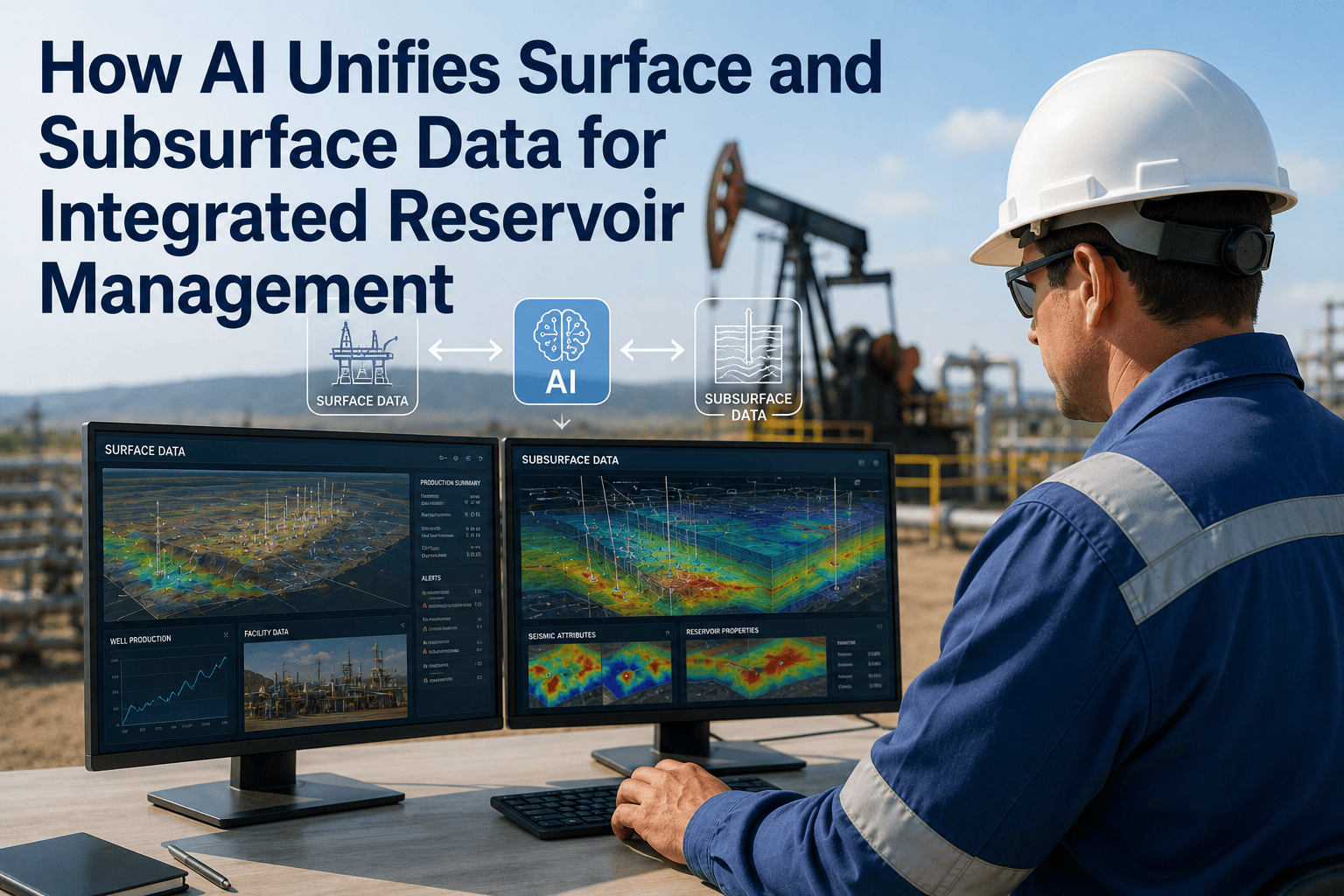
Two teams can sit on the same asset for years and still work from two different pictures of it. The subsurface team sees geology — porosity, permeability, pressure compartments, sweep efficiency — updated on a quarterly simulation cycle. The surfa

Read More
An LLM that answers a maintenance question with total confidence is not the same thing as an LLM that answered it correctly, and on a plant floor that difference is the entire problem. Independent benchmarking through 2026 has found hallucination
Read More
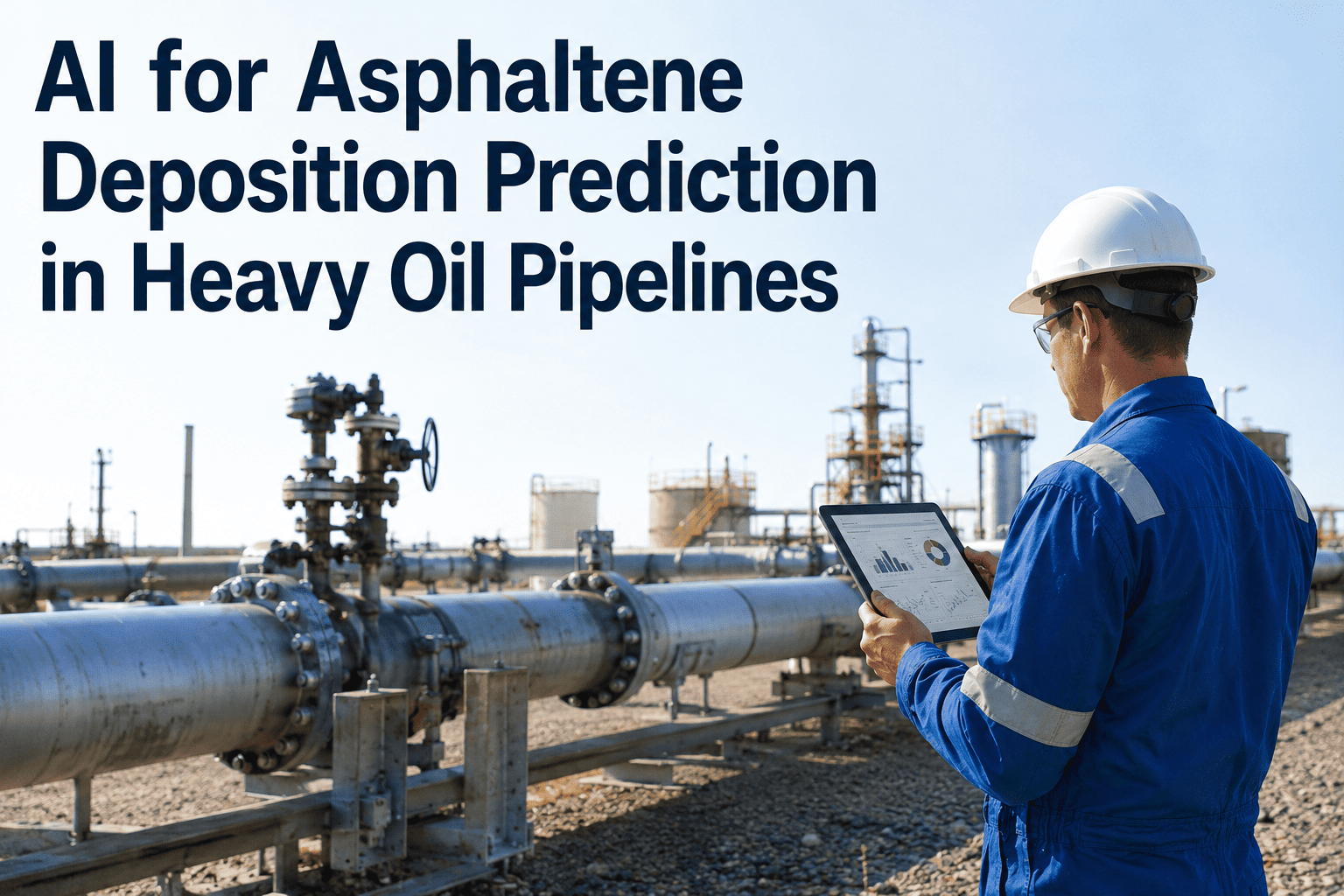
A heavy oil pipeline can run clean for months and then lose forty percent of its effective diameter in a matter of weeks once asphaltenes cross their onset pressure and begin flocculating out of solution. The chemistry behind that shift is well un
Read More
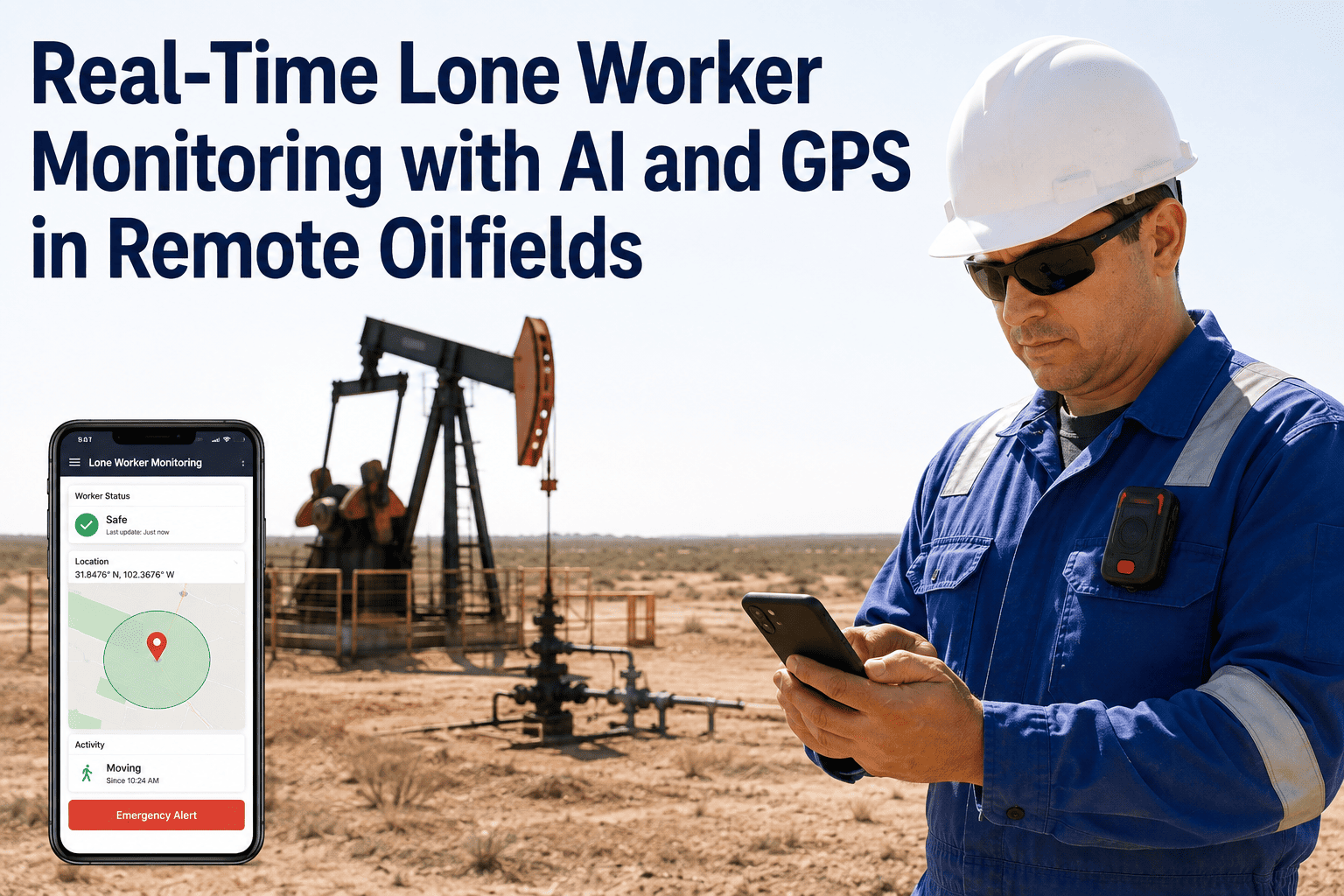
A wellsite forty miles from the nearest paved road does not care whether the pumper checking pressure gauges is having a cardiac event, has been struck by a swinging valve handle, or has simply gone quiet because the truck radio lost signal on sch
Read More
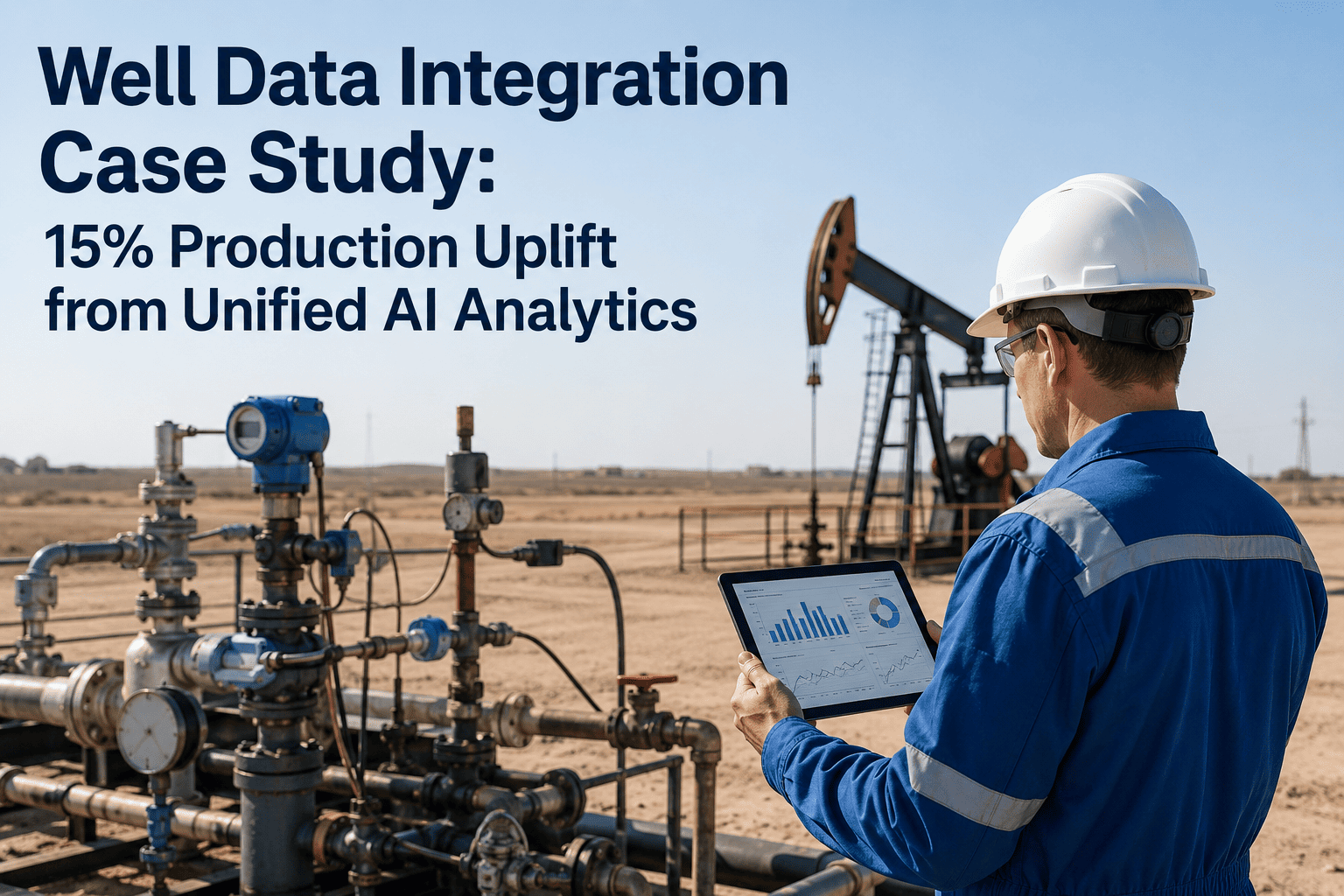
A production engineer covering 320 wells across two mature basins used to start every morning the same way — one login for SCADA trend screens, a second for the historian export, a third for the well test spreadsheet a pumper had emailed the night
Read More
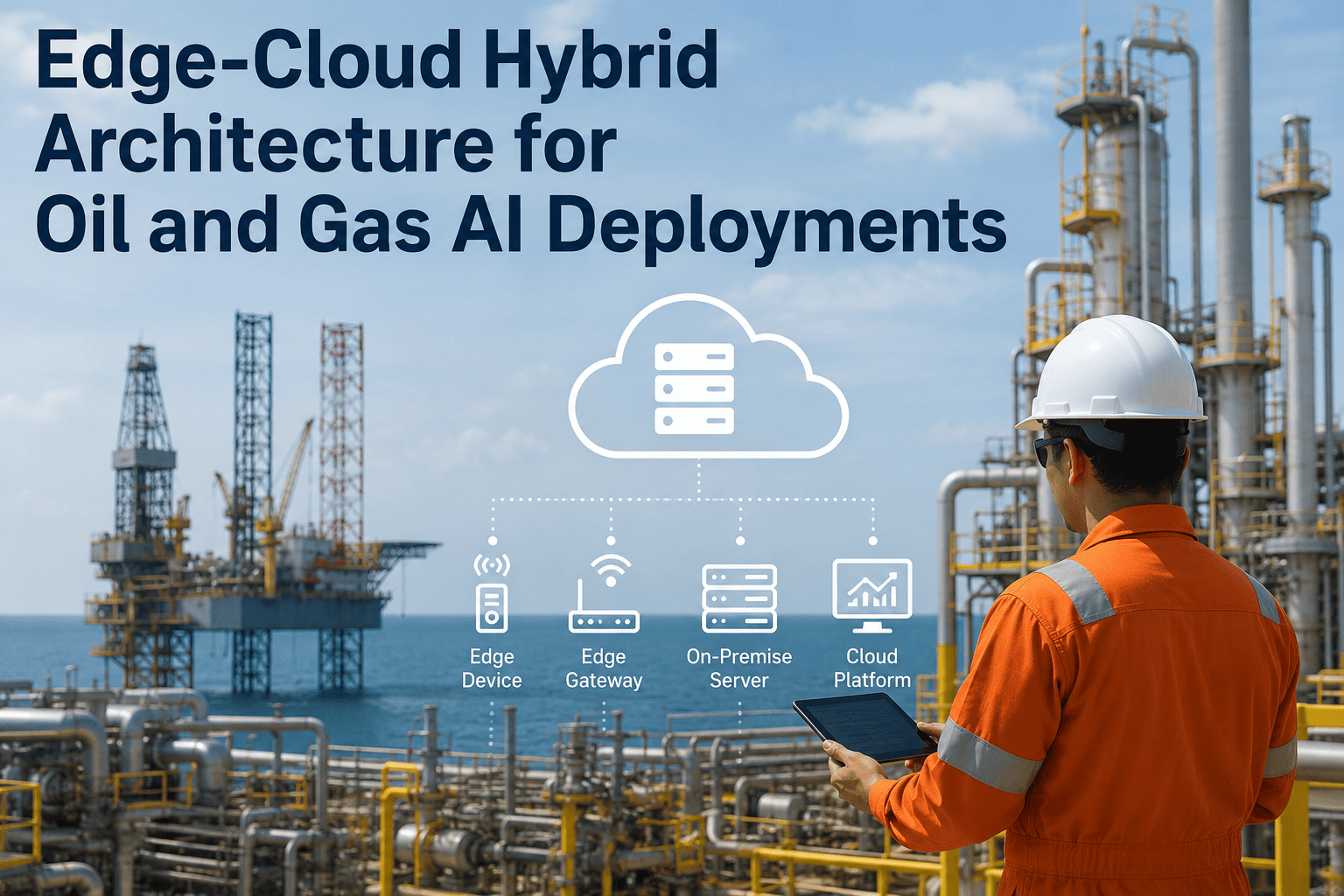
In upstream oil and gas, the sensor that catches a stuck-pipe condition or a compressor surge has milliseconds to matter, and by the time raw data crawls from a remote wellsite over a 10-100 kbps satellite or cellular link to a data center hundred

Read More
Every foot drilled sits inside a narrow margin between pore pressure and fracture gradient, and mud weight has to stay inside that margin the entire way down. Too light, and formation fluid influx risks a kick. Too heavy, and the wellbore fracture
Read More
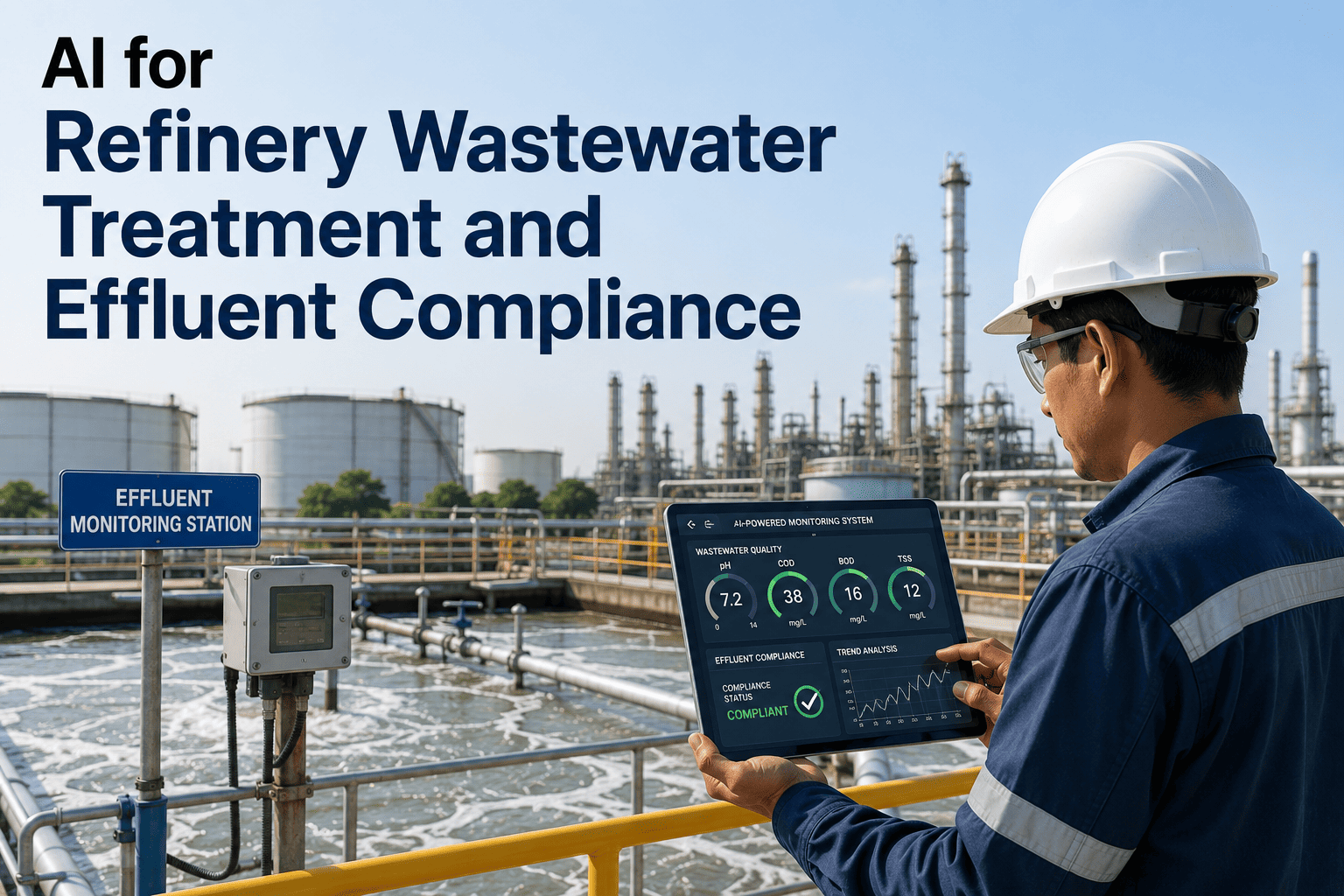
A refinery wastewater treatment system runs as a sequence of stages, and a problem at any one of them, an oil carryover past the API separator, a DAF unit losing float efficiency, a biological process losing microbial health, shows up hours later
Read More
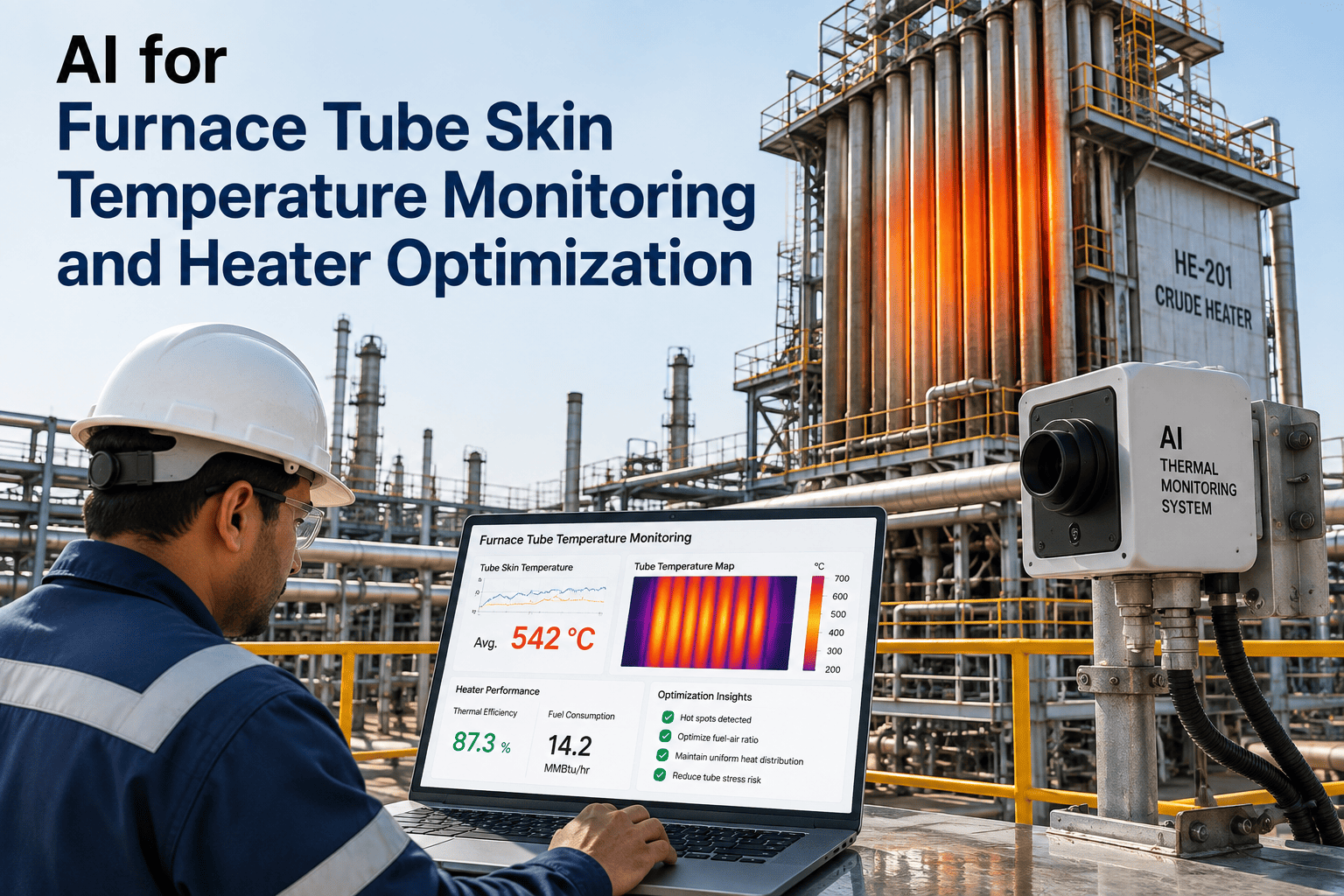
A fired heater tube rarely fails without warning. It fails after months of a hot spot that nobody was watching closely enough, slowly creeping past the metal's design temperature until the tube either ruptures or gets pulled for emergency replacem
Read More
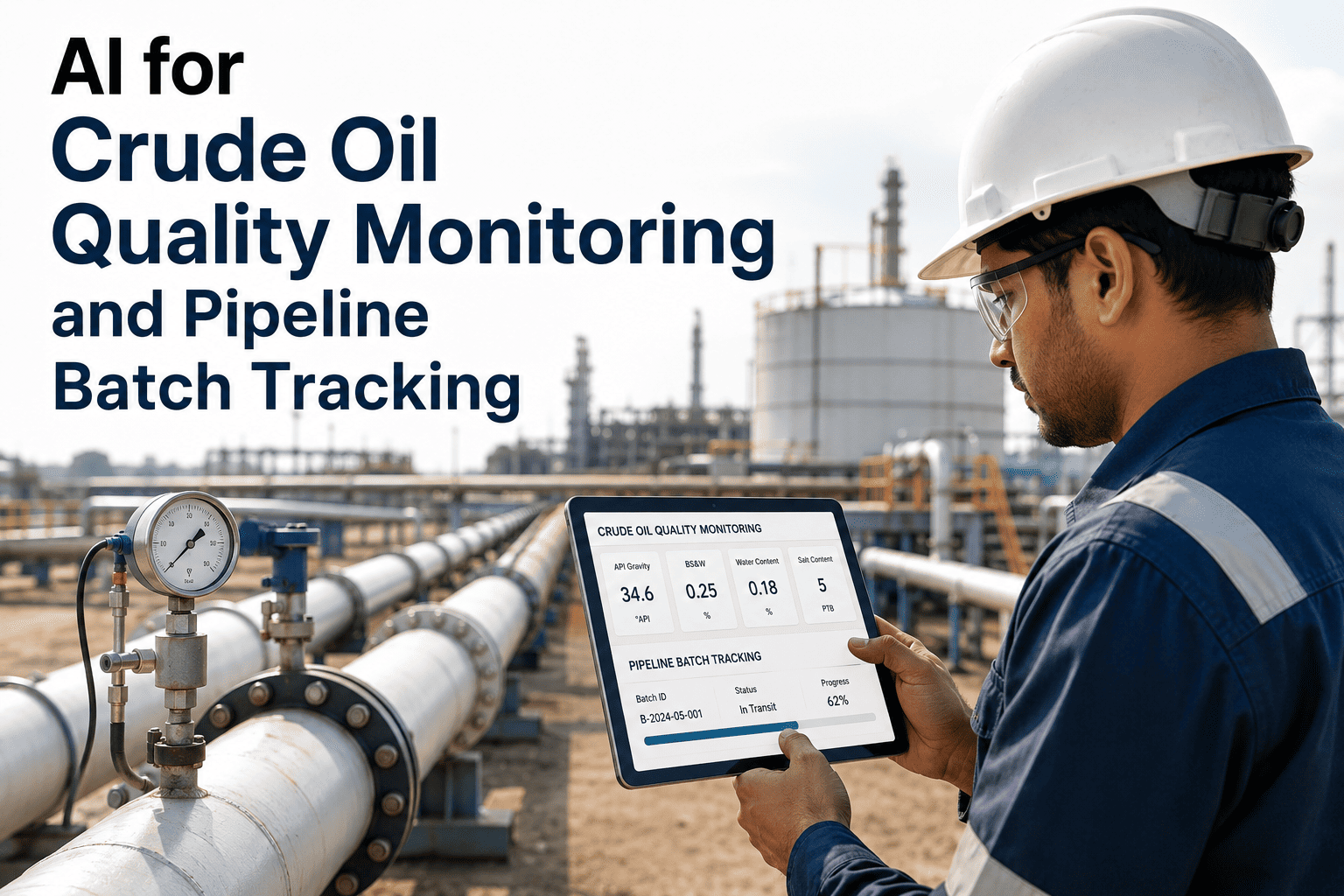
A common carrier pipeline rarely moves just one grade of crude, it moves a sequence of batches, light sweet behind medium sour behind a high-TAN opportunity crude, each one owned by a different shipper and priced against a different quality specif
Read More
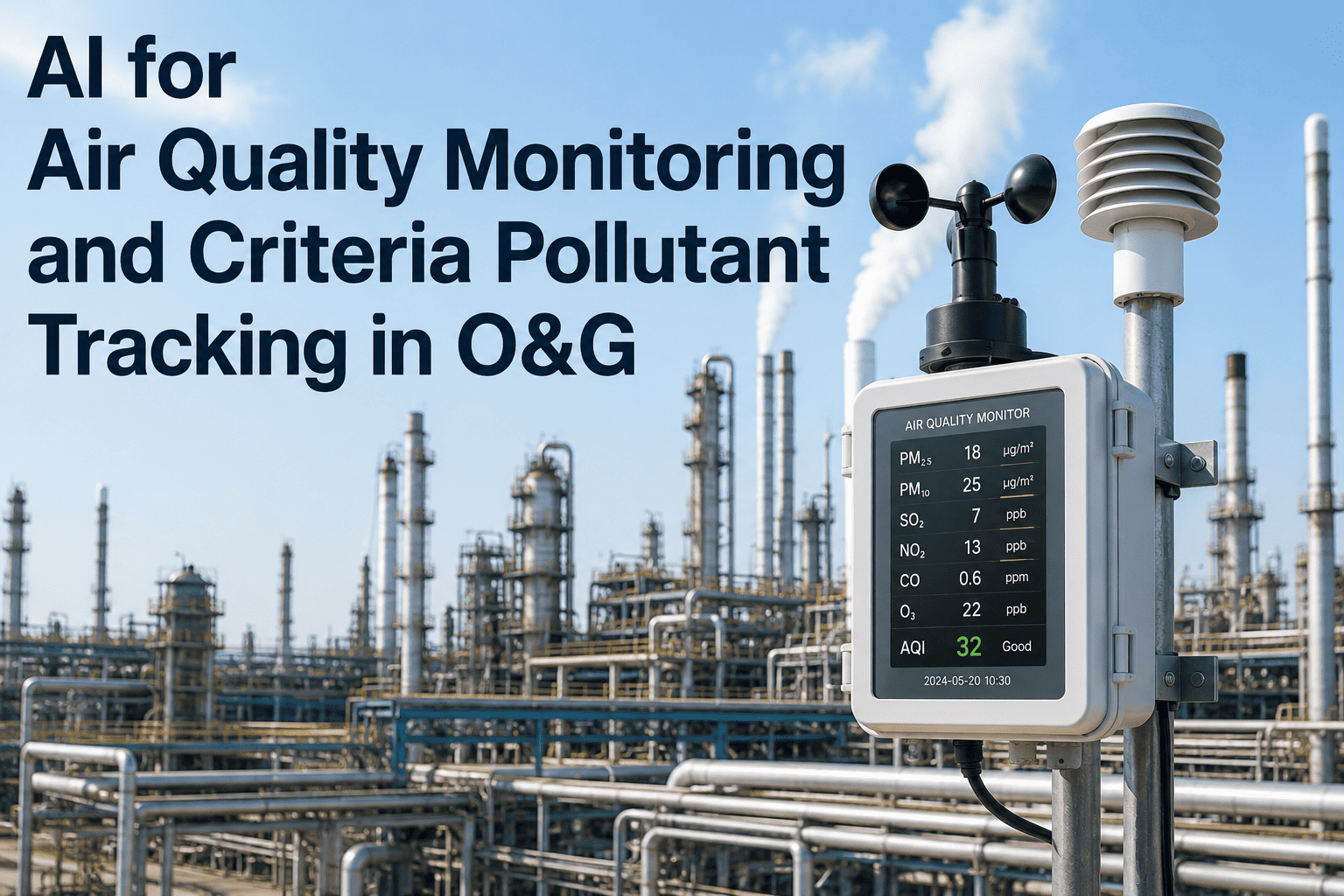
Most oil and gas facilities still find out about an air permit exceedance the same way they've found out for decades, a stack test performed once a quarter, an annual emissions inventory compiled months after the fact, or a regulator's inspector s
Read More
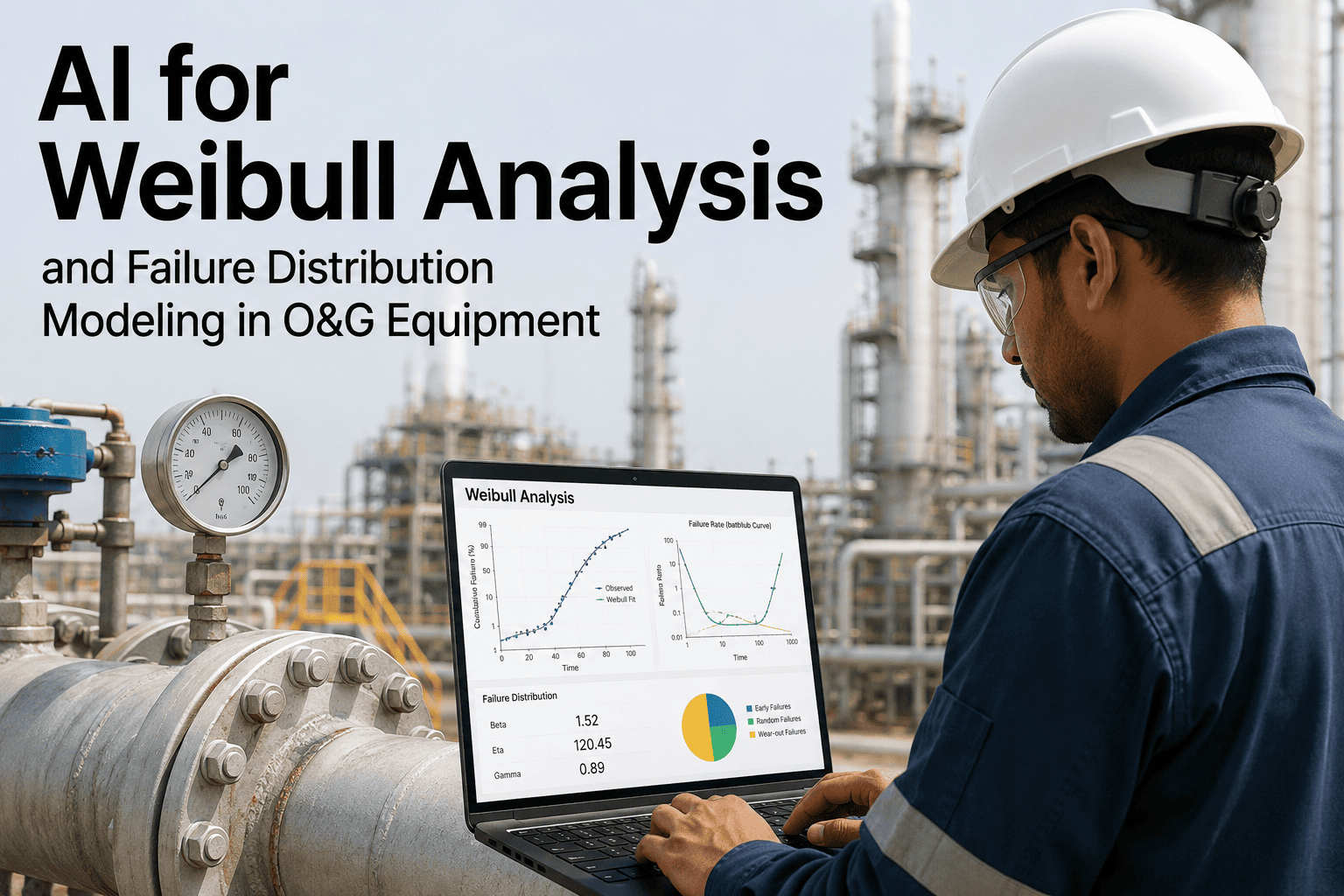
A single MTBF number tells you the average time between failures, but it says nothing about whether those failures cluster early in a component's life, spread randomly across it, or pile up as parts wear out, and that distinction is exactly what d
Read More
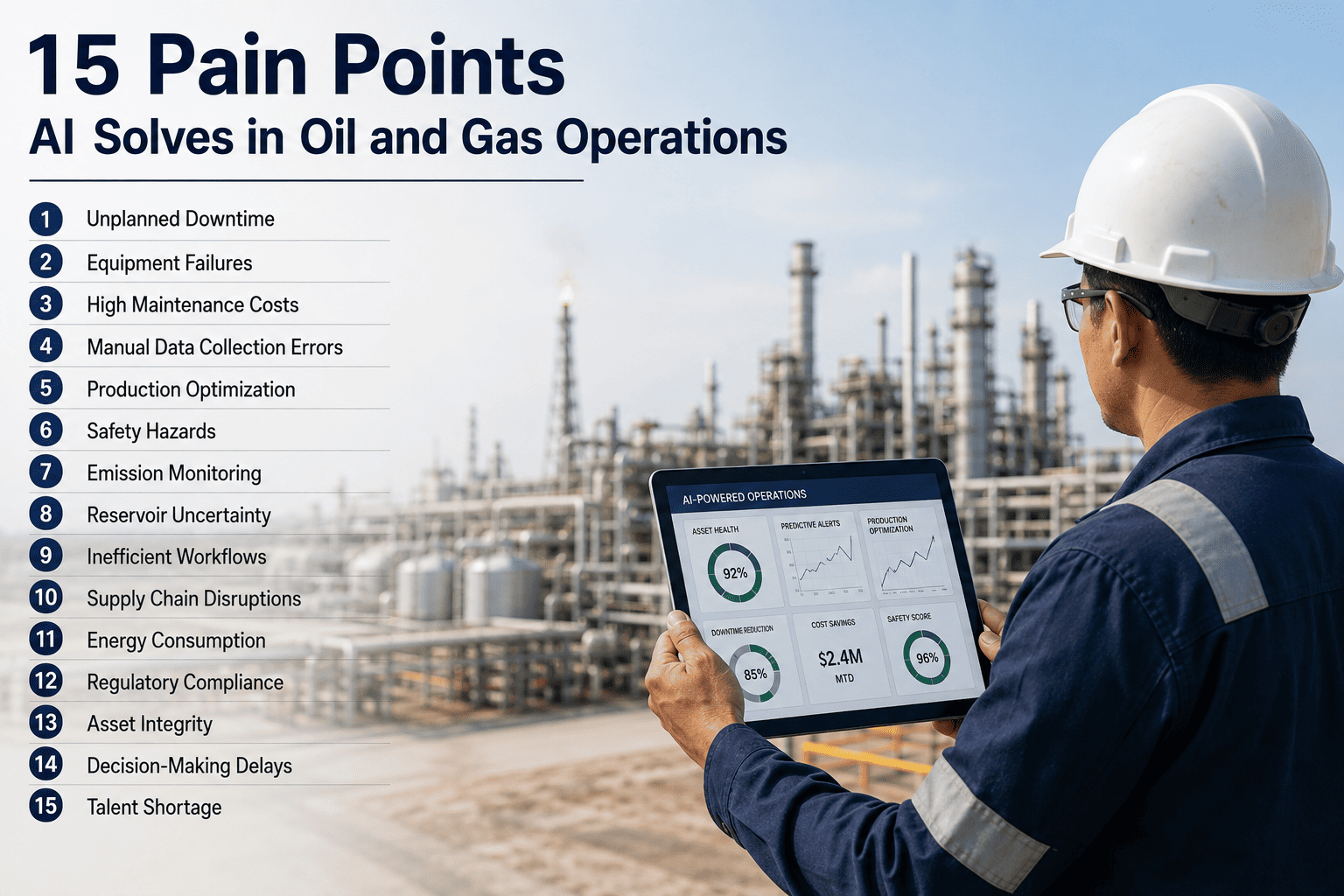
Every oil and gas operation carries the same handful of costly blind spots, whether the asset is a rod pump in a remote field, a pipeline crossing three states, or a crude unit running a turnaround. Unplanned downtime alone costs the sector close
Read More
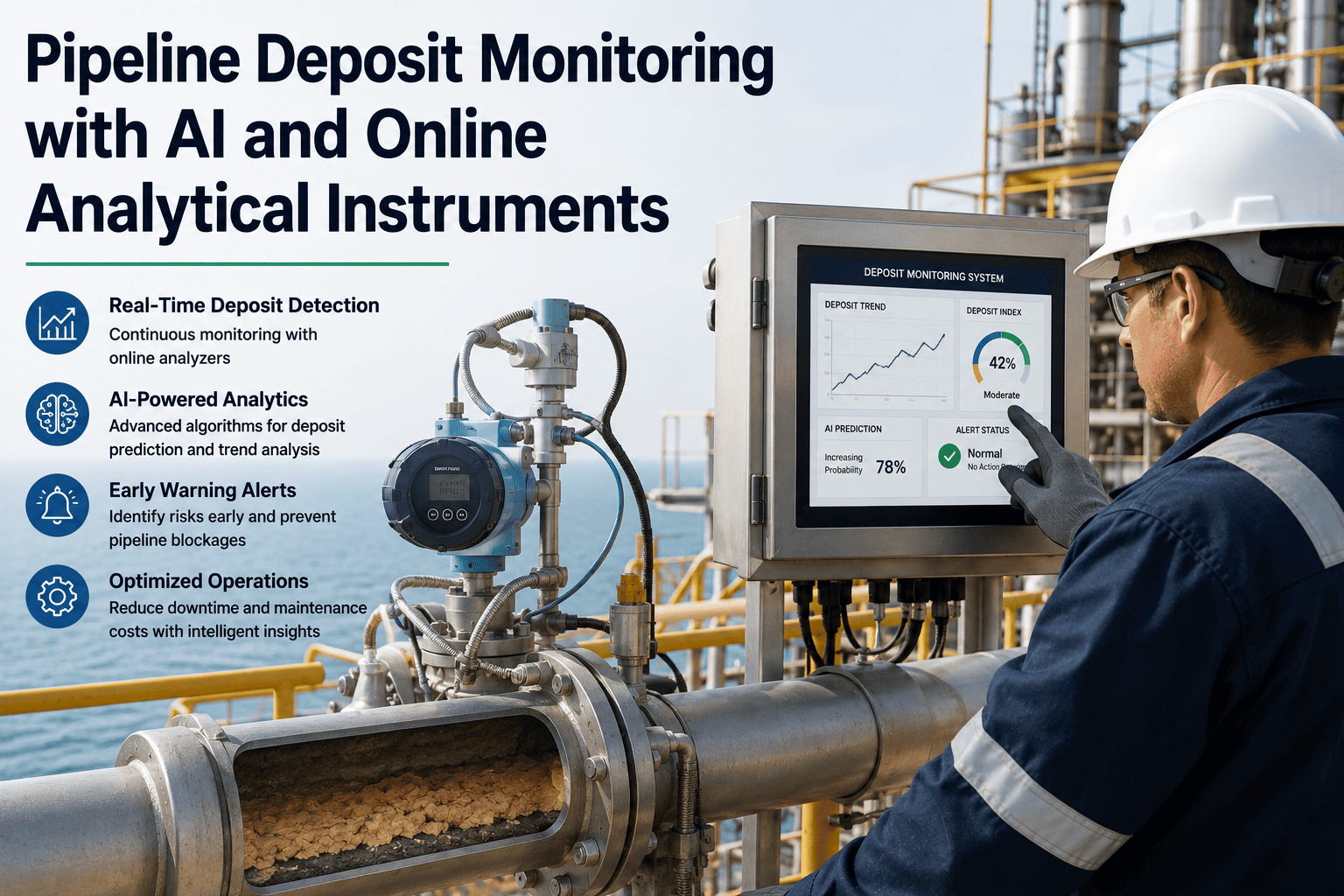
Deposits build up inside a pipeline long before anyone sees the evidence. Paraffin waxes out of crude as it cools, scale precipitates out of produced water, sand and clay settle at low points, and none of it announces itself until a pig run comes

Read More
A surface dynamometer card only tells half the story. It records the load and position measured at the polished rod, at the very top of the well, while the pump itself works thousands of feet below, hidden from view and hard-wired instrumentation.
Read More
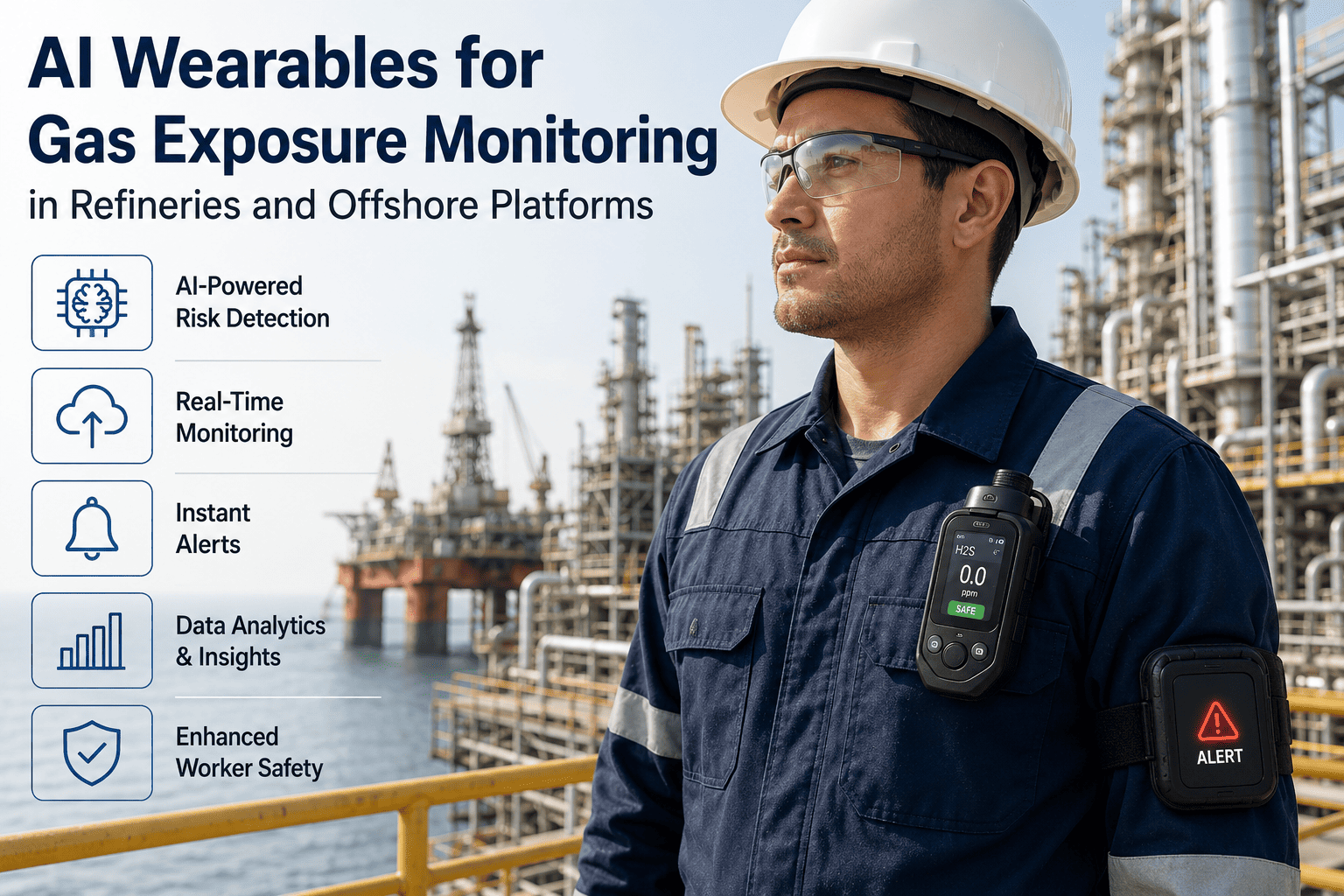
A worker's clip-on H2S monitor beeps once, briefly, during a shift change near a sour gas separator. Nobody logs it, the alarm resets itself, and the exposure never gets added to anything because the device only knows how to alarm, not to remember

Read More
A wellpad forty miles from the nearest cell tower does not stop producing data just because the connection drops. Pressure, temperature, and vibration readings keep generating on schedule, and the difference between a monitoring system that surviv
Read More
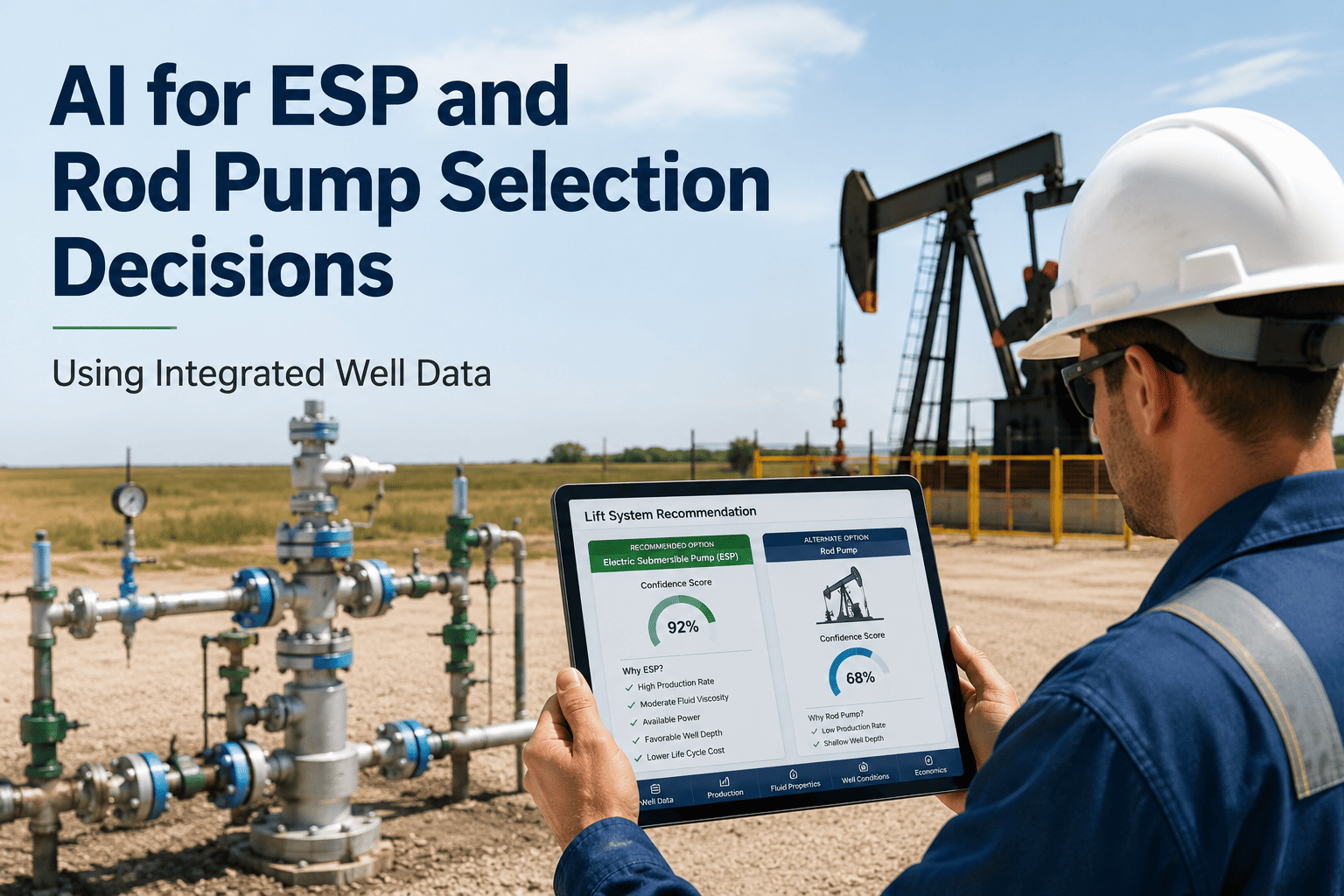
An operator picks ESP for a well that would have run for years on a rod pump, or sizes a rod pump for a well that quietly needed ESP volume the moment water cut climbed. Neither choice looks wrong on the day it is made. Reservoir pressure, fluid P
Read More
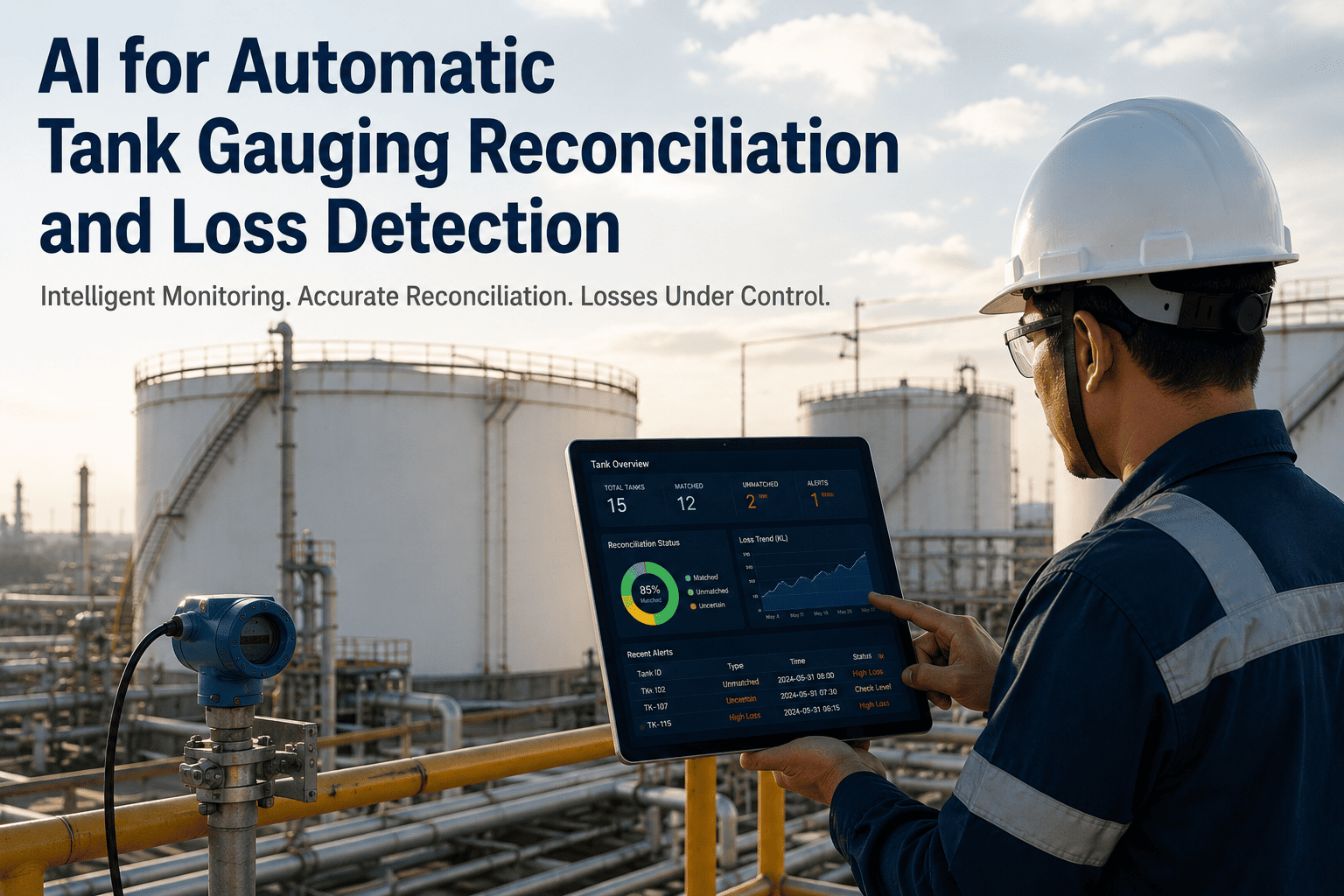
A tank farm can have a perfectly functioning automatic tank gauge, a perfectly functioning pipeline meter, and a perfectly functioning truck loading system, and still lose track of product every single month — because each of those three systems m
Read More
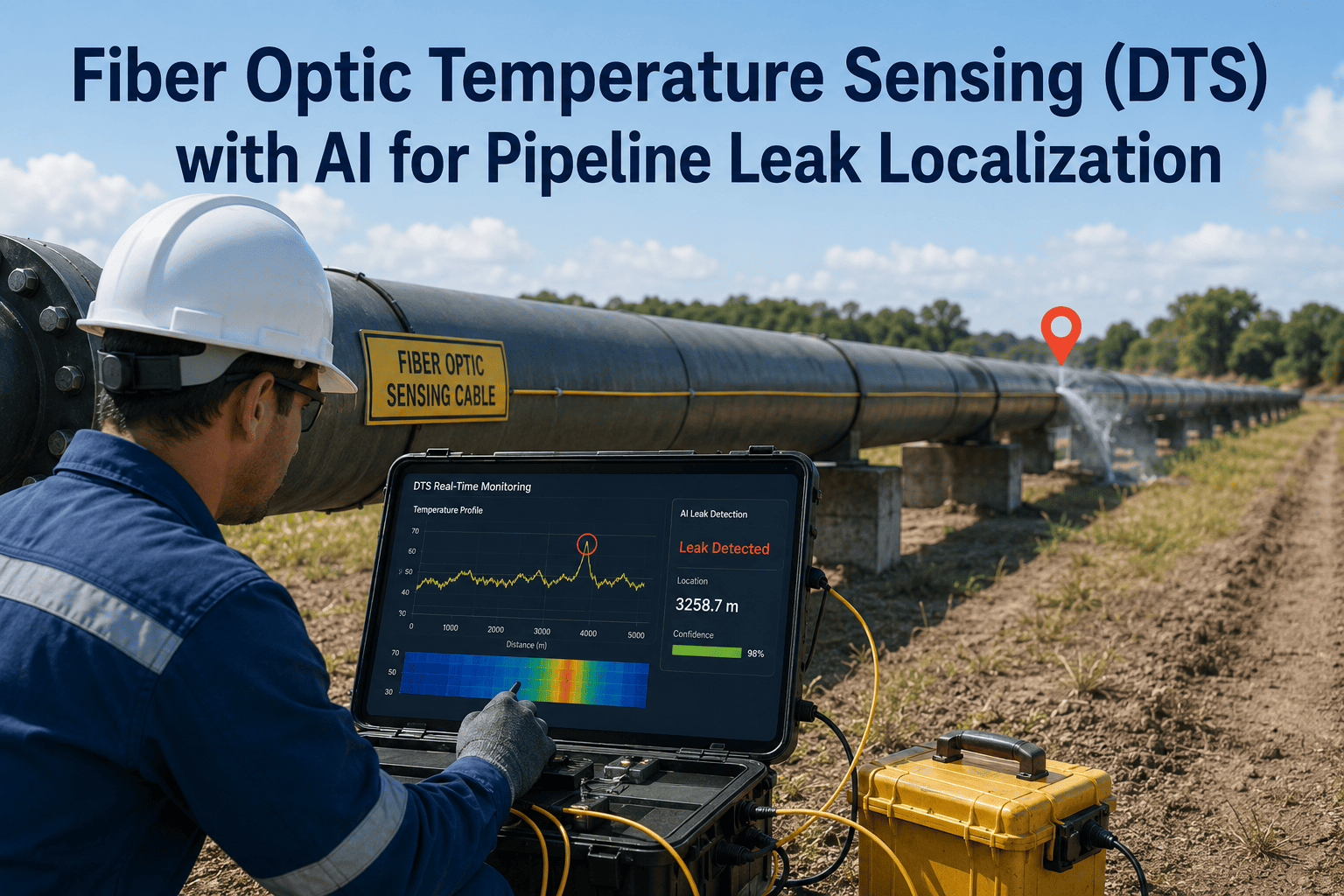
A single strand of fiber optic cable laid alongside a pipeline can act as tens of thousands of individual temperature sensors spread across its entire length, and it does this without a single electronic component buried anywhere along the route.
Read More
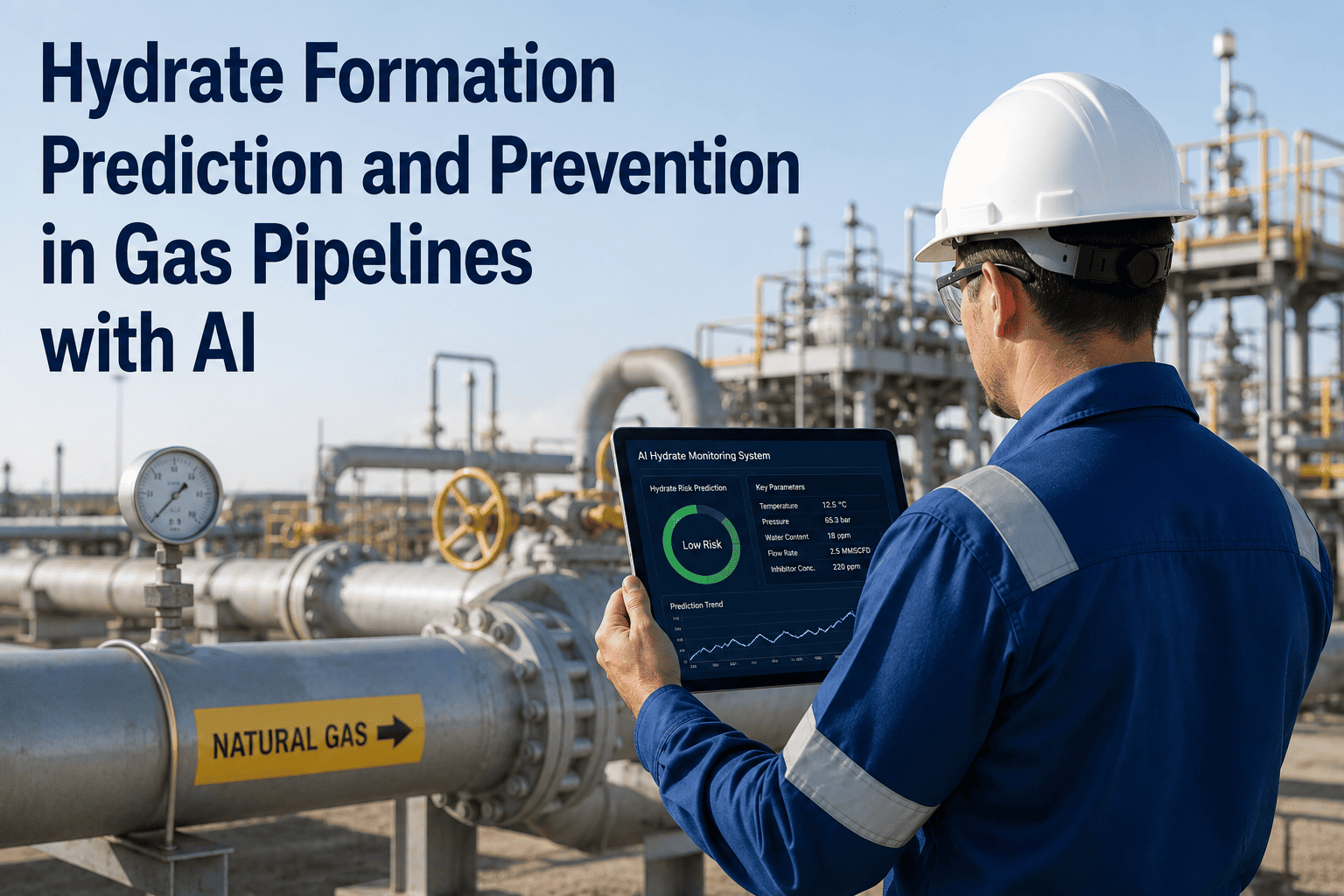
A subsea gas pipeline sitting at 3,000 psi and 4°C on the seafloor is living inside a hydrate formation window whether anyone is watching the number or not — and for decades, the only way to know how close to that line the system actually was ran
Read More
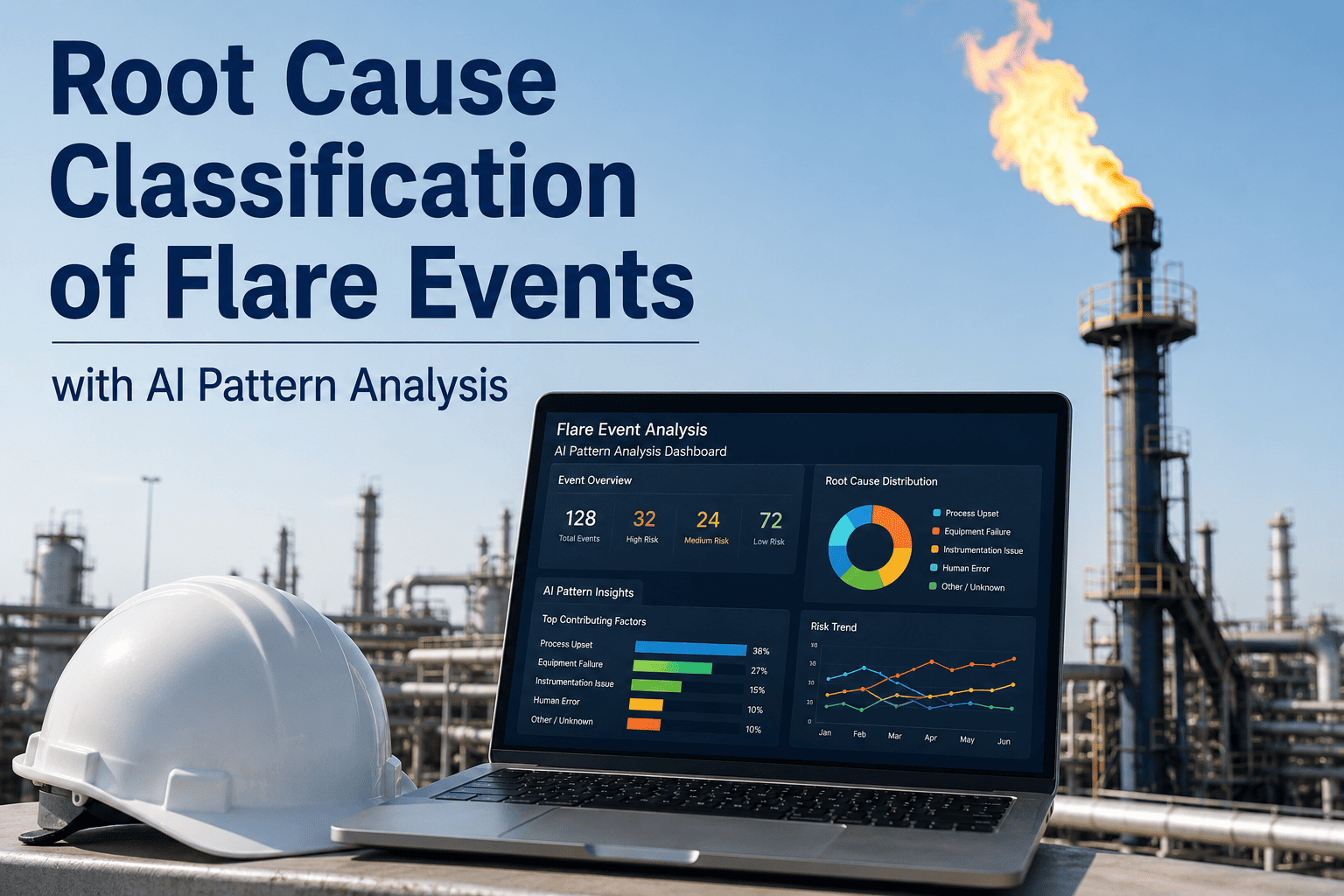
A small number of flaring events drive almost all of a refinery's flare volume and emissions — historical air district data consistently shows that so-called "significant events" account for more than 90 percent of total flaring, while the much la
Read More
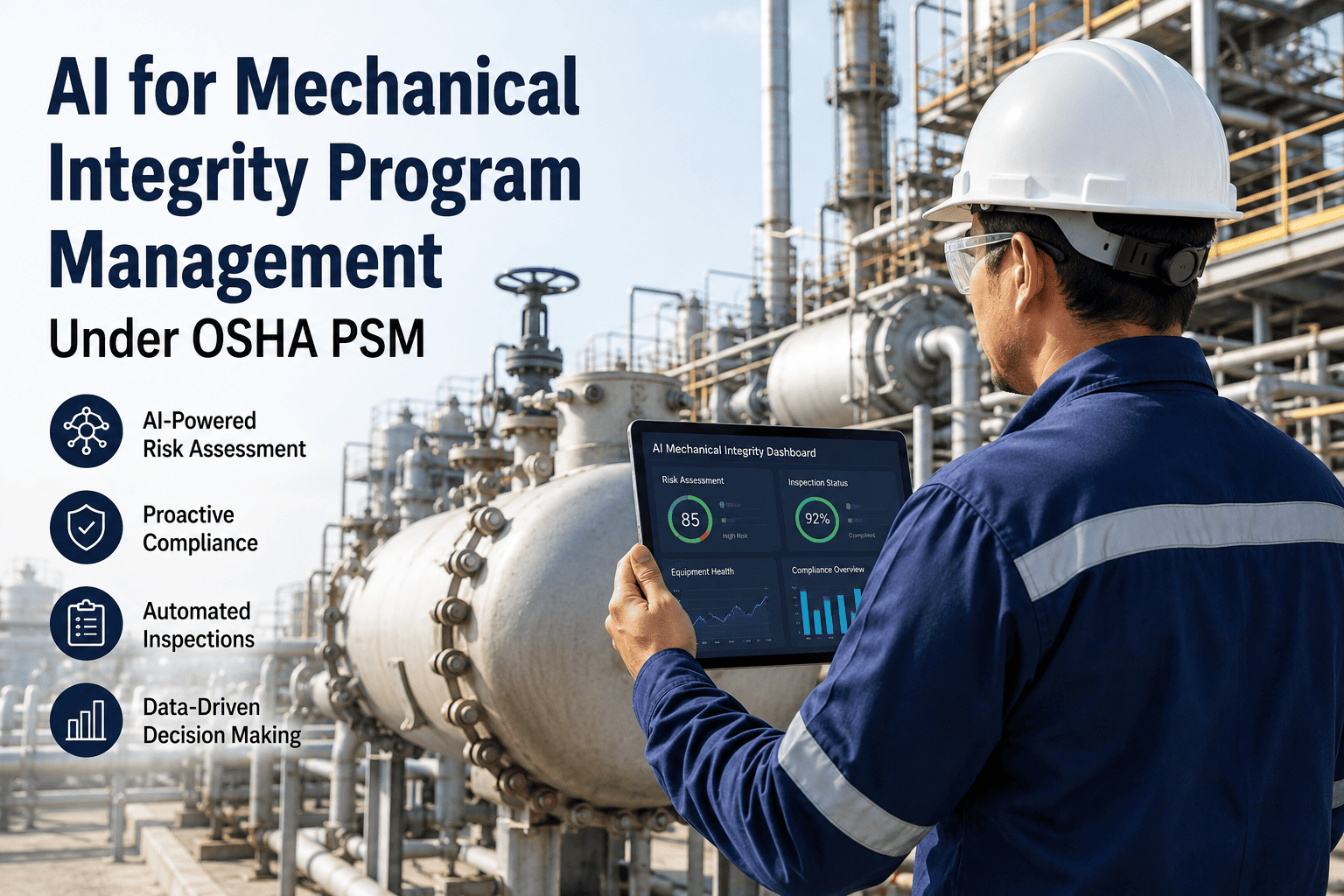
Mechanical Integrity is consistently one of the most-cited elements of OSHA's Process Safety Management standard, trailing only Operating Procedures across decades of enforcement data — and most of those citations aren't for broken equipment, they
Read More
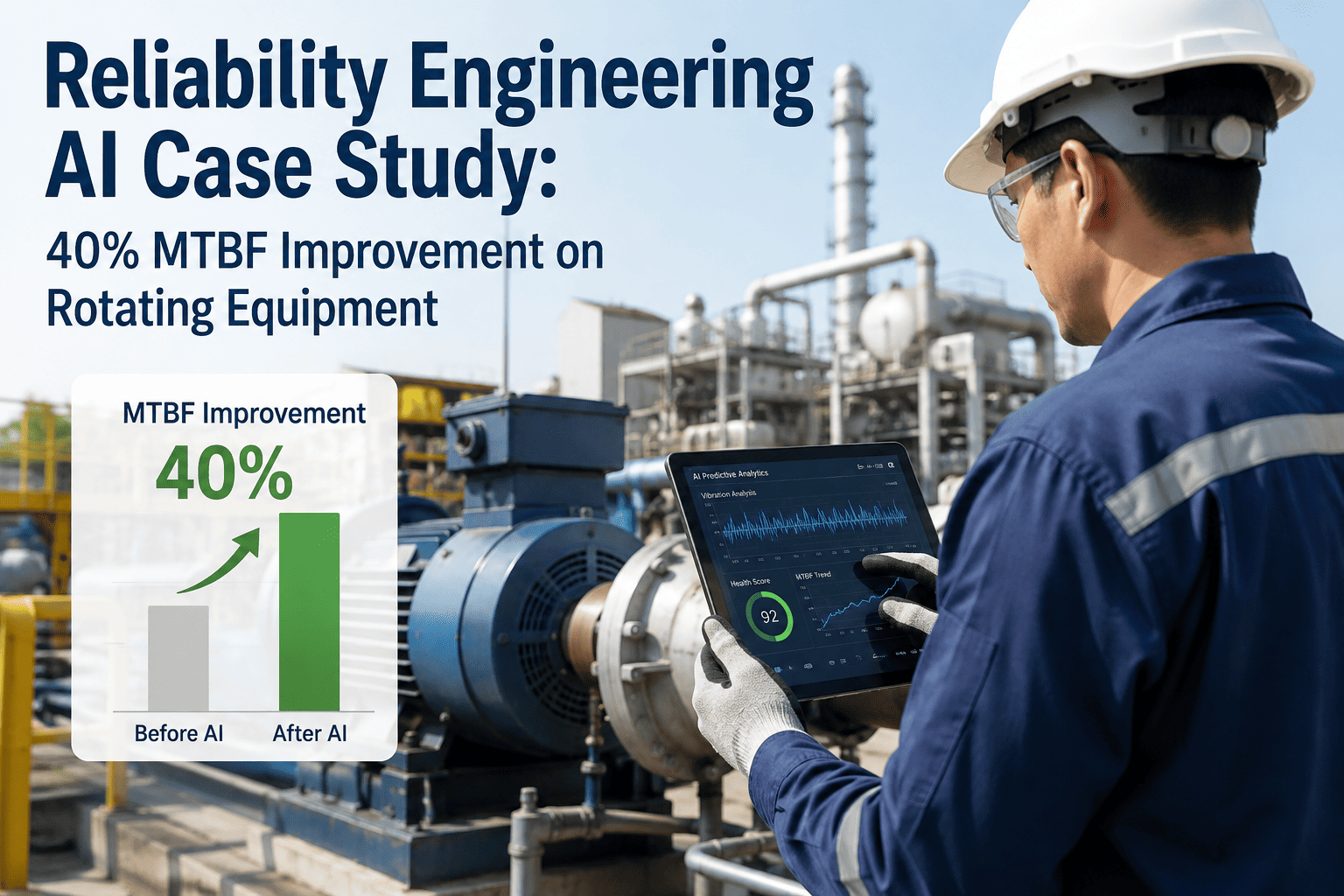
A mid-size fuels refinery running roughly 1,200 rotating assets — pumps, compressors, fans, and motors across its crude, FCC, and utilities units — spent years treating repeat failures as isolated events rather than a pattern worth measuring. Cent
Read More
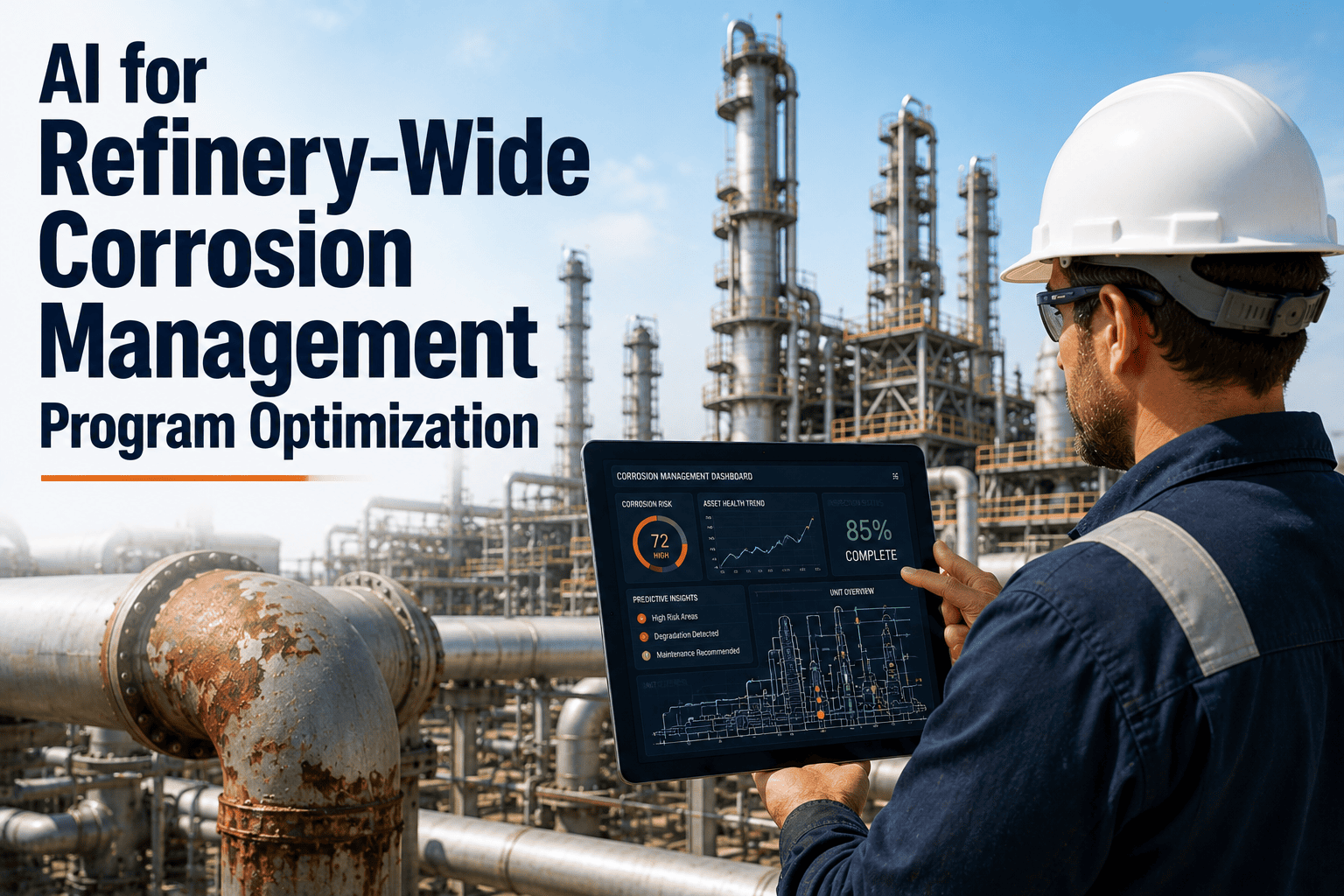
A typical refinery corrosion program is really three separate programs pretending to be one. Condition monitoring locations track wall thickness by ultrasonic testing on a fixed inspection interval. Electrical resistance and linear polarization pr
Read More
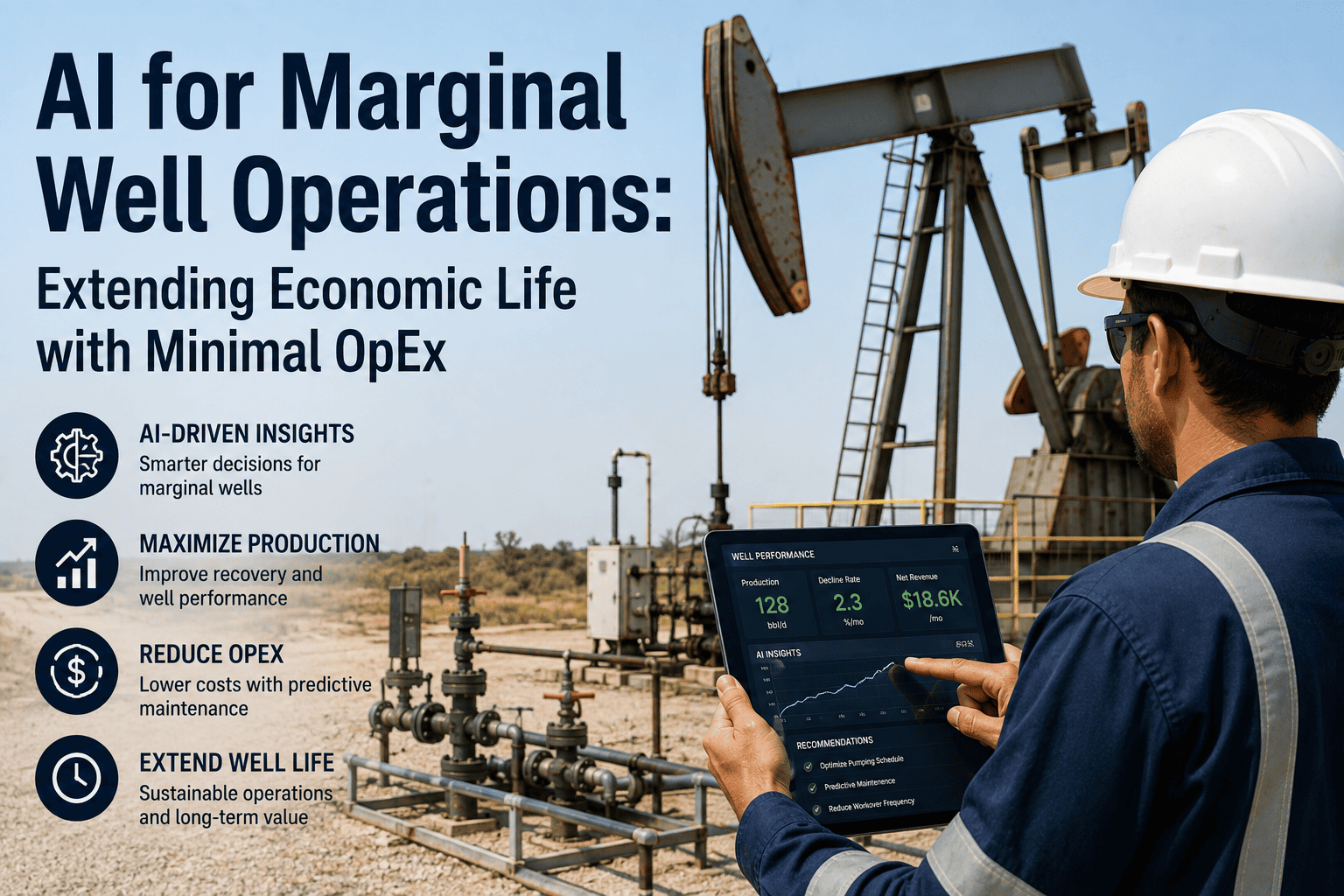
Most AI platforms built for oil and gas are priced and engineered for the wells that can absorb the cost. That leaves out the largest population of wells in the country. Roughly three out of every four producing wells in the United States pump 15
Read More
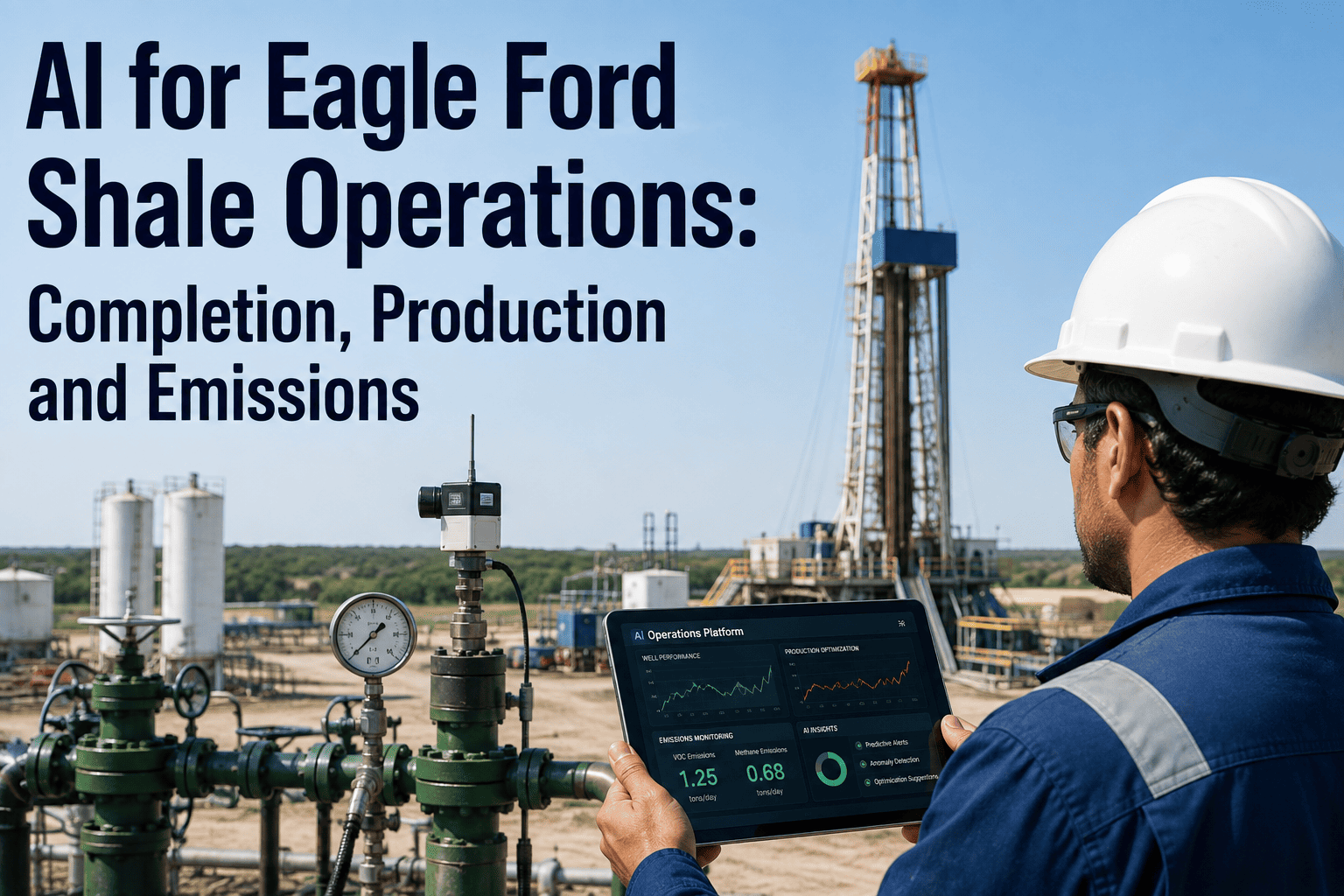
Eagle Ford operators run three different plays inside one shale trend. A well in the oil window behaves nothing like a well thirty miles south in the condensate window, and a dry gas well in Webb County has its own decline curve, its own artificia
Read More
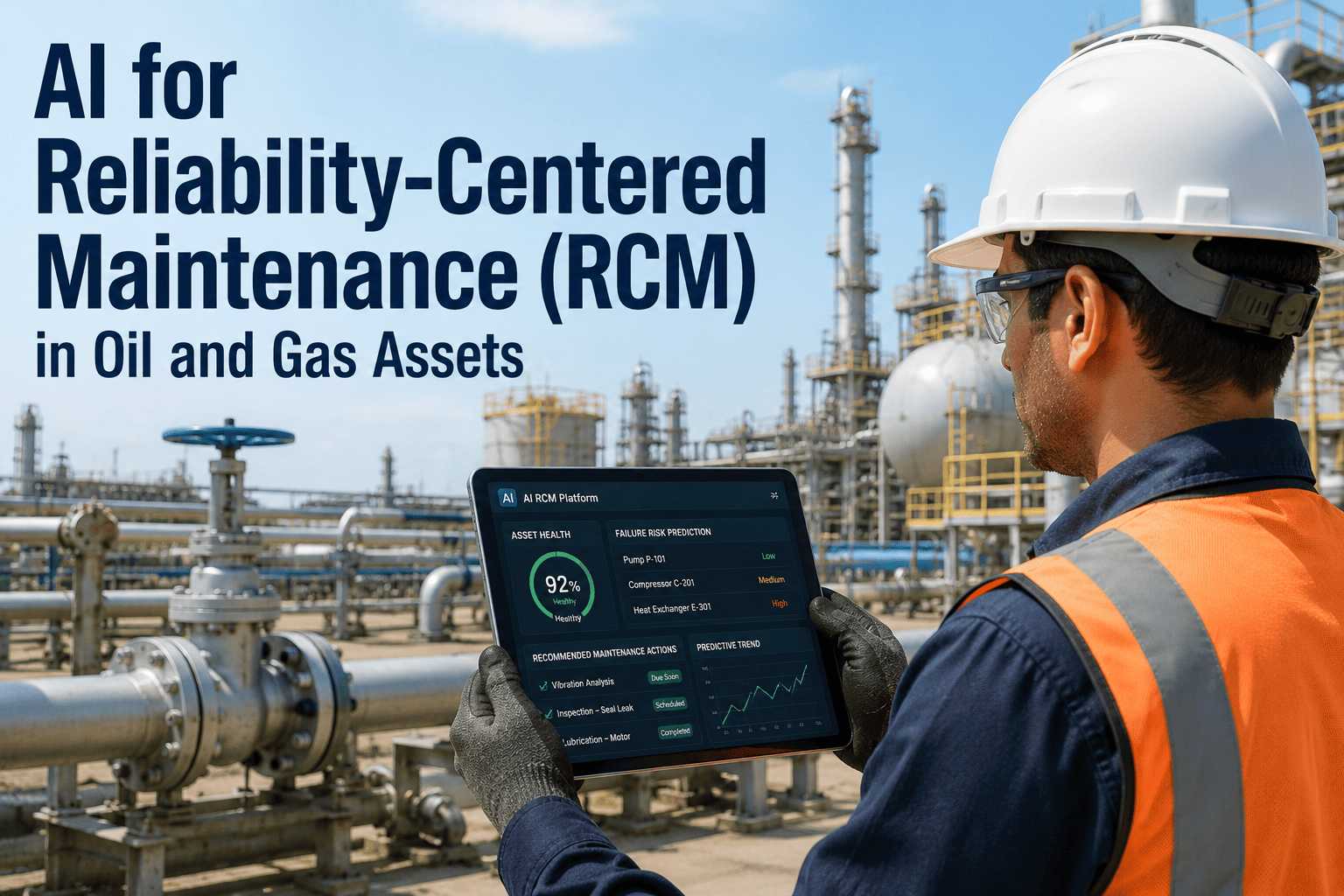
Most oil and gas facilities have a maintenance strategy on paper that gets called "RCM" in a planning meeting, and most of those programs are not actually reliability-centered maintenance under the definition that matters. SAE JA1011 sets the mini
Read More
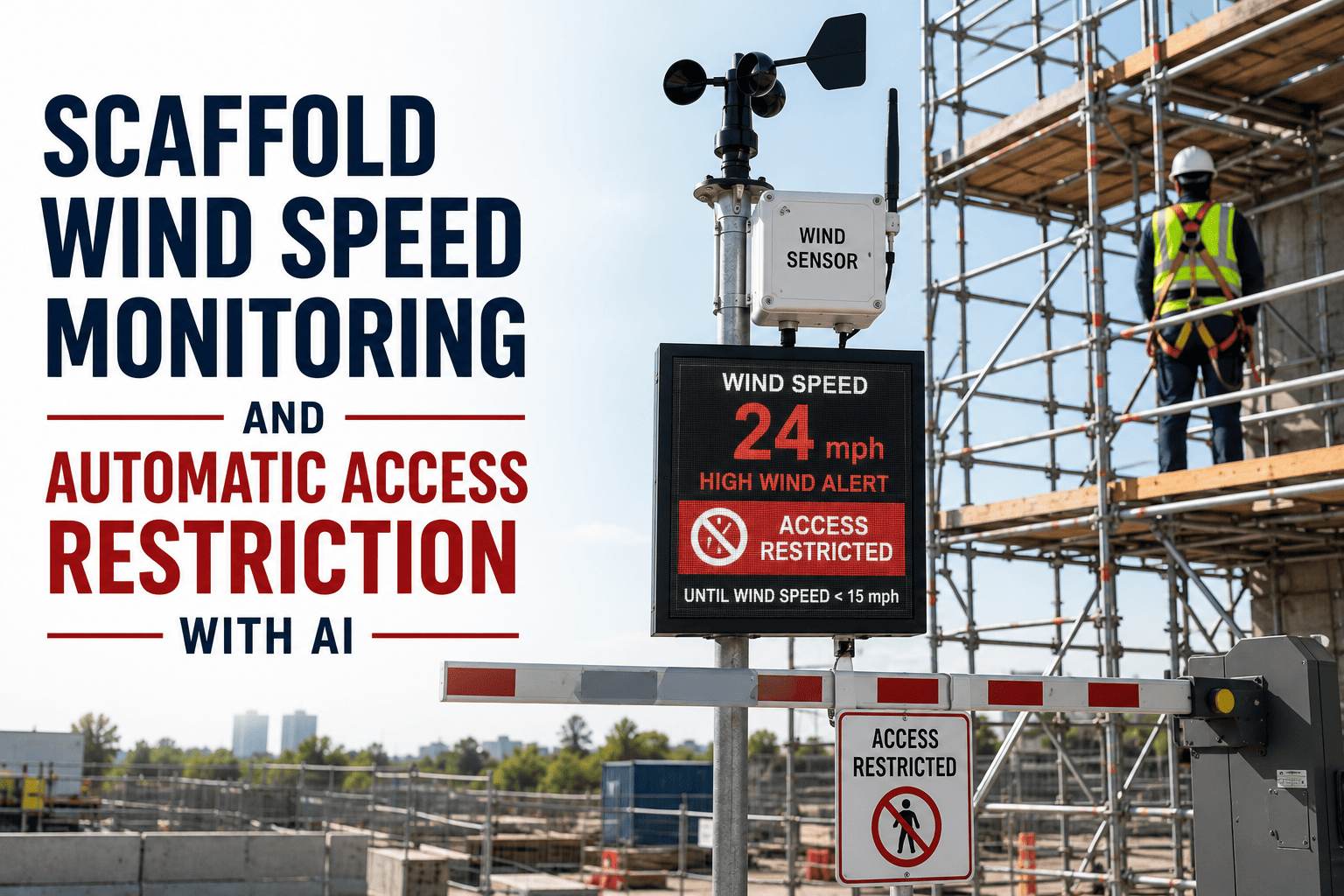
A gust doesn't need to be dramatic to put someone on a scaffold in danger, it just needs to hit a platform sixty feet up while a worker is leaning out to reach a joint, holding a sheet of plywood, or standing on a suspended stage with nothing but

Read More
Every scaffold on an active jobsite is supposed to be inspected by a competent person before each shift and after anything that could affect its structural integrity, and that inspection is supposed to leave a record someone can produce on demand.
Read More
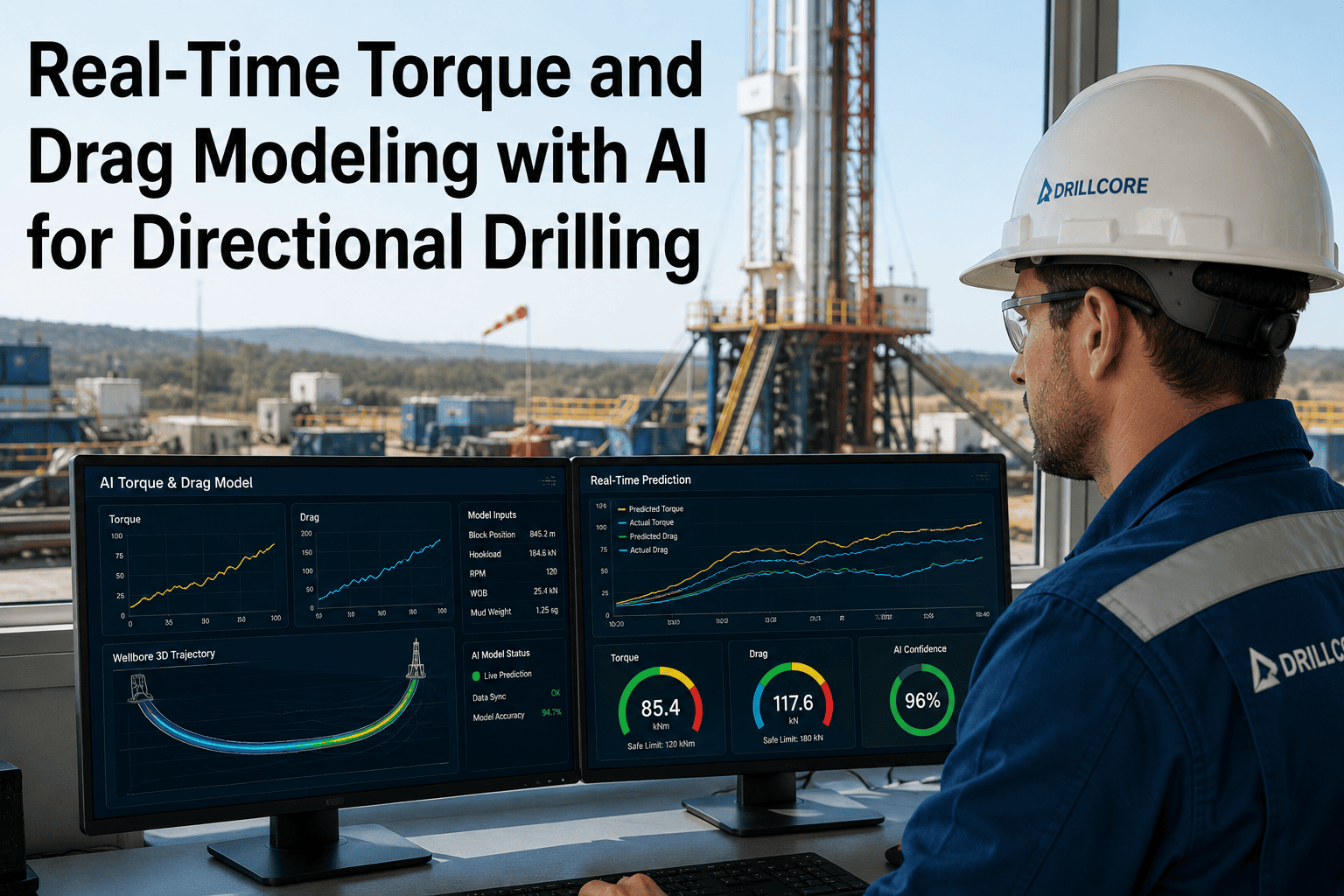
A torque and drag model gets built during well planning, calibrated against assumed friction factors and an idealized wellbore trajectory — and it starts drifting from reality the moment bit meets rock. Formation changes, cuttings accumulate in th
Read More
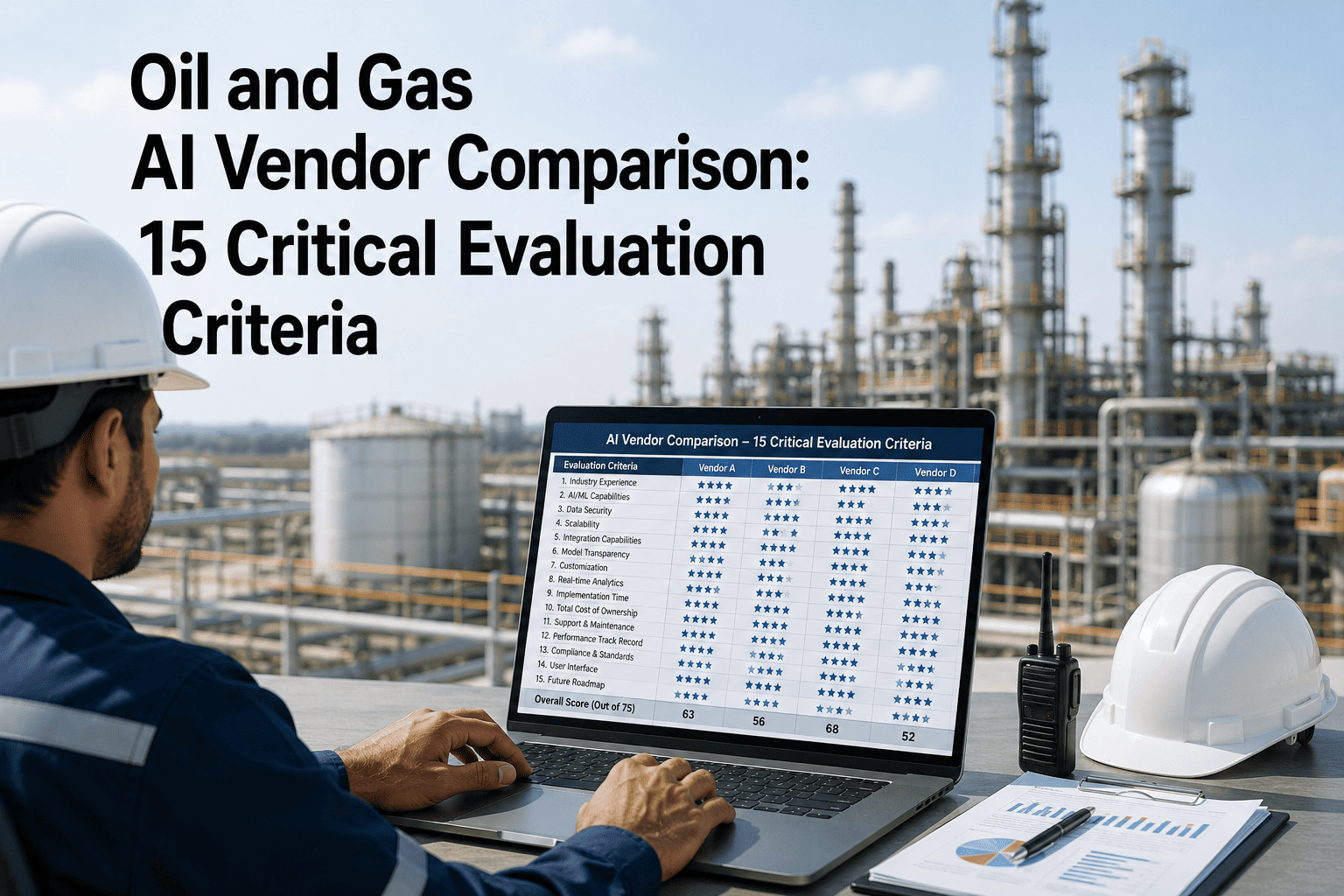
Most oil and gas operators evaluating an AI platform end up comparing vendors against whatever criteria happened to come up in each individual sales call — one vendor gets asked about SCADA integration, another gets asked about pricing, and by the
Read More
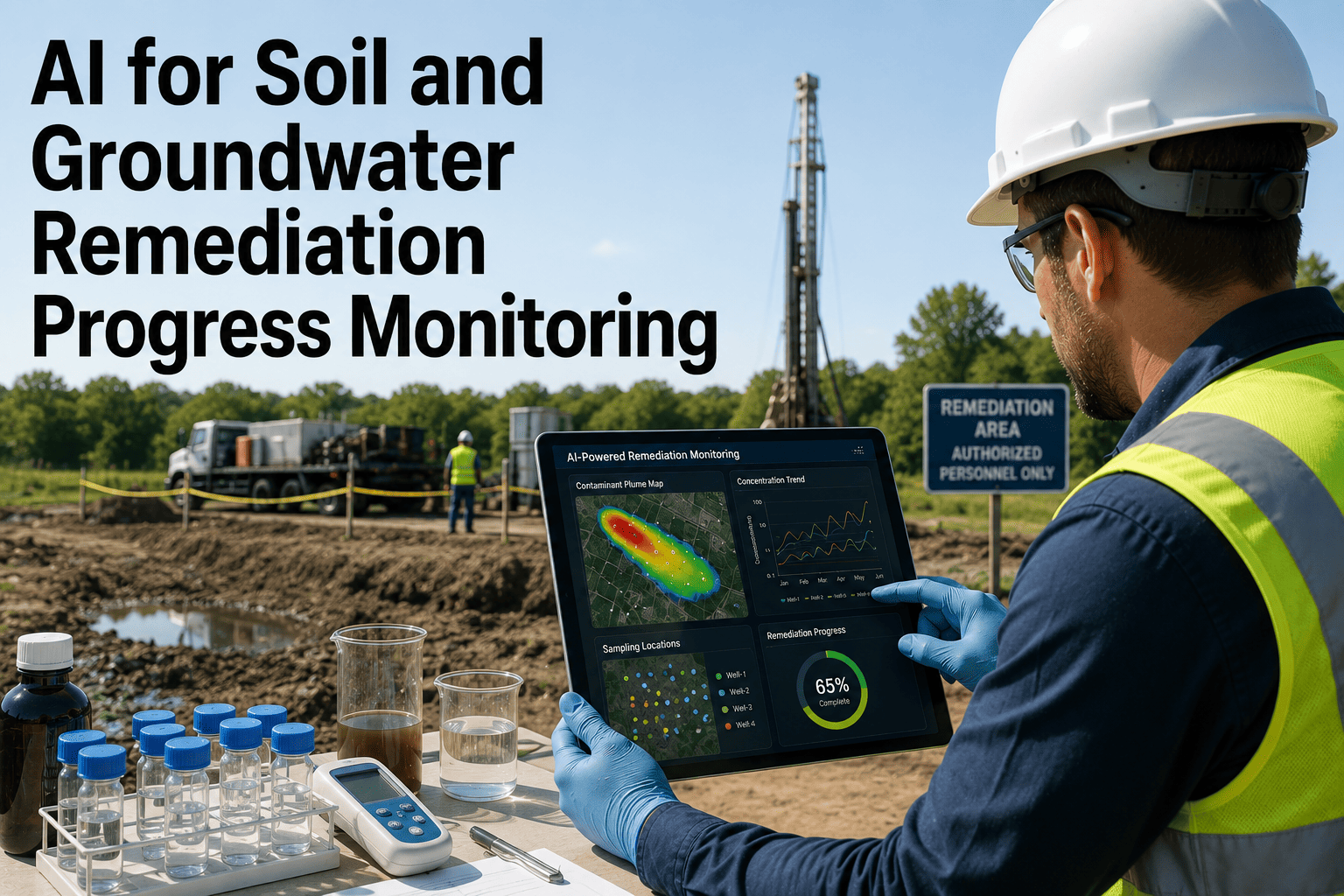
Every quarter, a remediation team pulls samples from a network of monitoring wells, ships them to a lab, and waits two to four weeks for results that describe conditions that existed a month earlier. By the time the report lands on a project manag
Read More
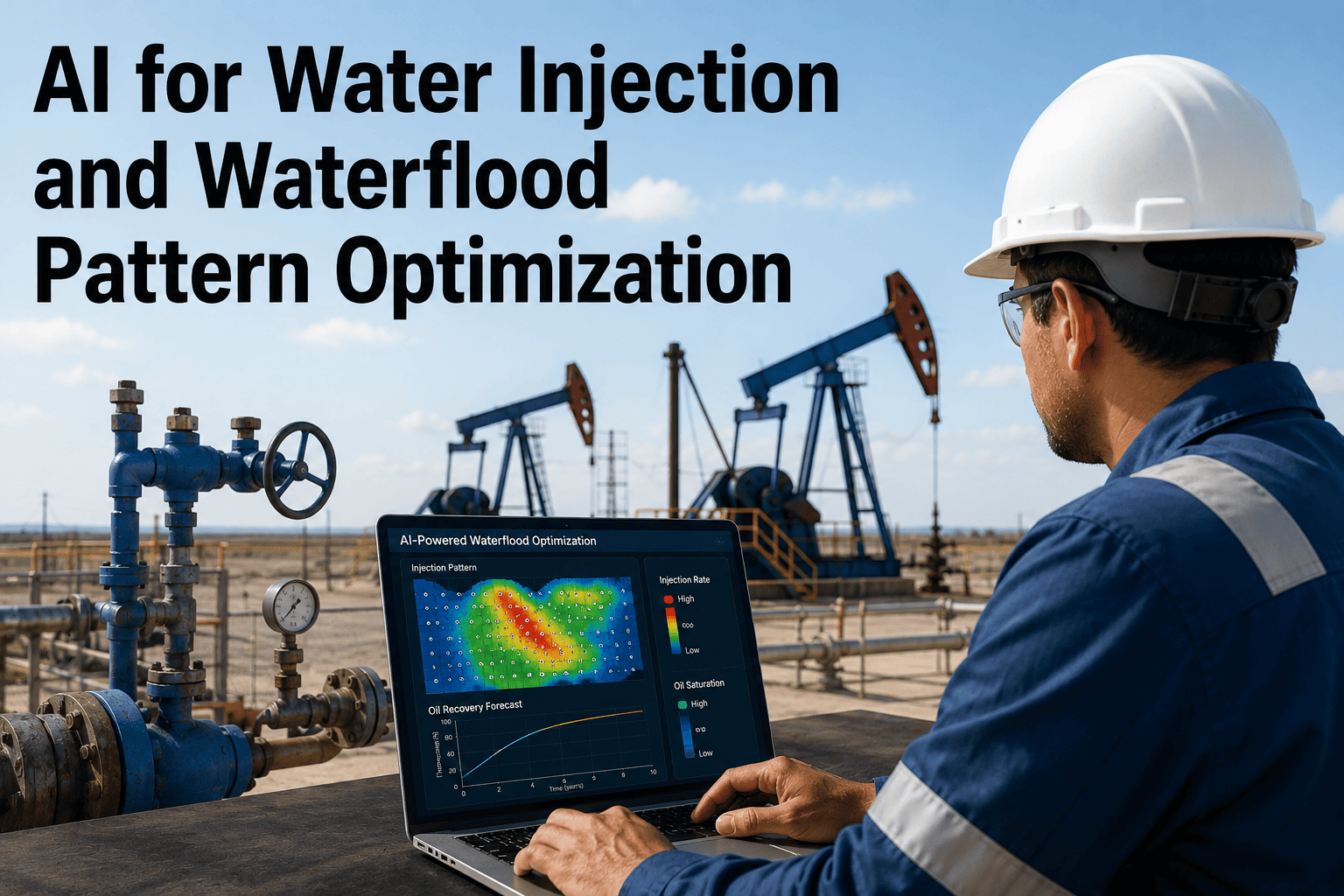
Most waterfloods start with a reasonable injection plan and drift away from it one quarter at a time. A pattern that looked balanced at first-fill develops a fast layer nobody adjusted for, a producer starts cutting water early while its neighbor
Read More
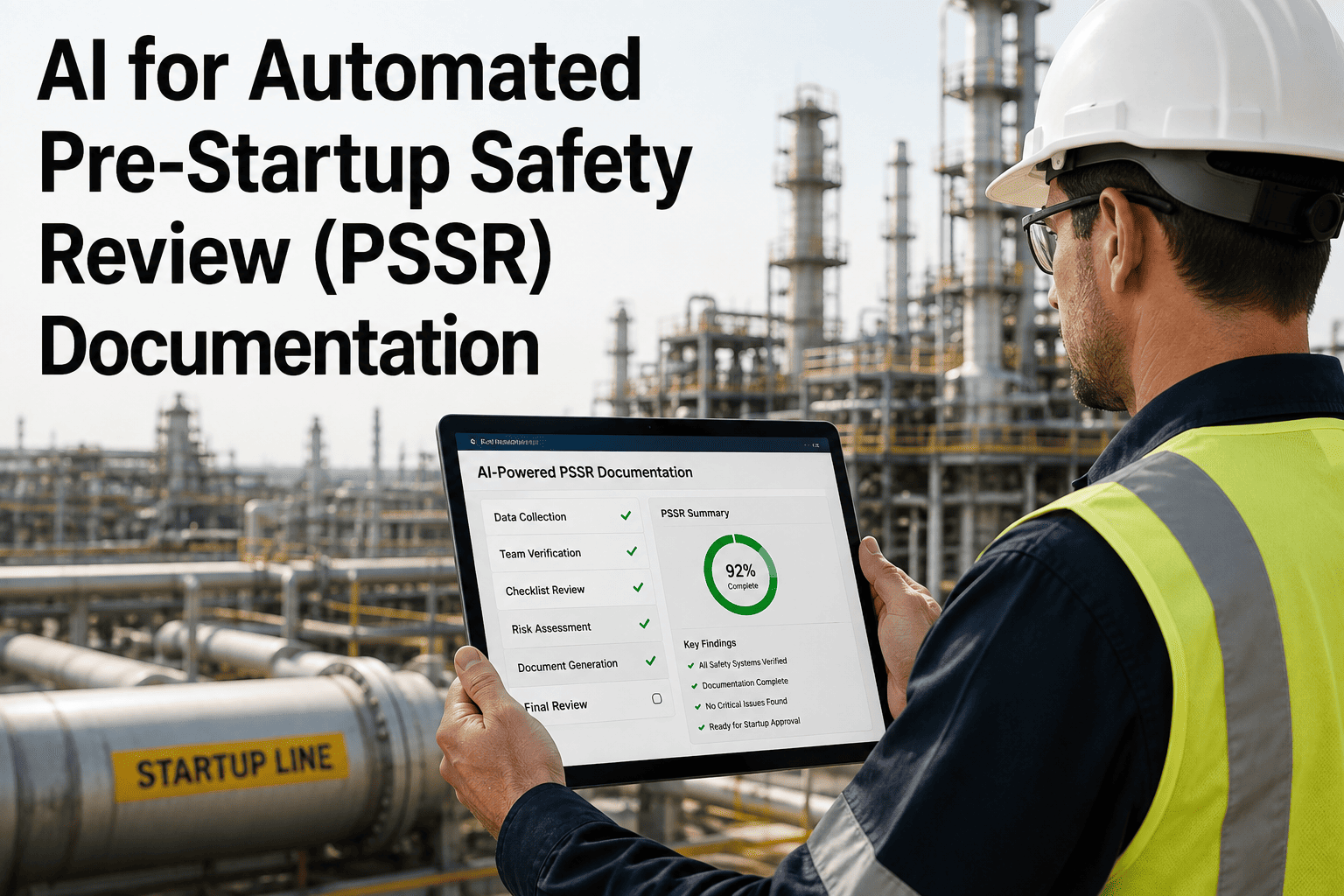
Every PSM-covered facility eventually reaches the same moment: construction is finished, instruments are calibrated, and the only thing standing between an empty line and live hydrocarbons is a signature. That signature is supposed to mean every o
Read More
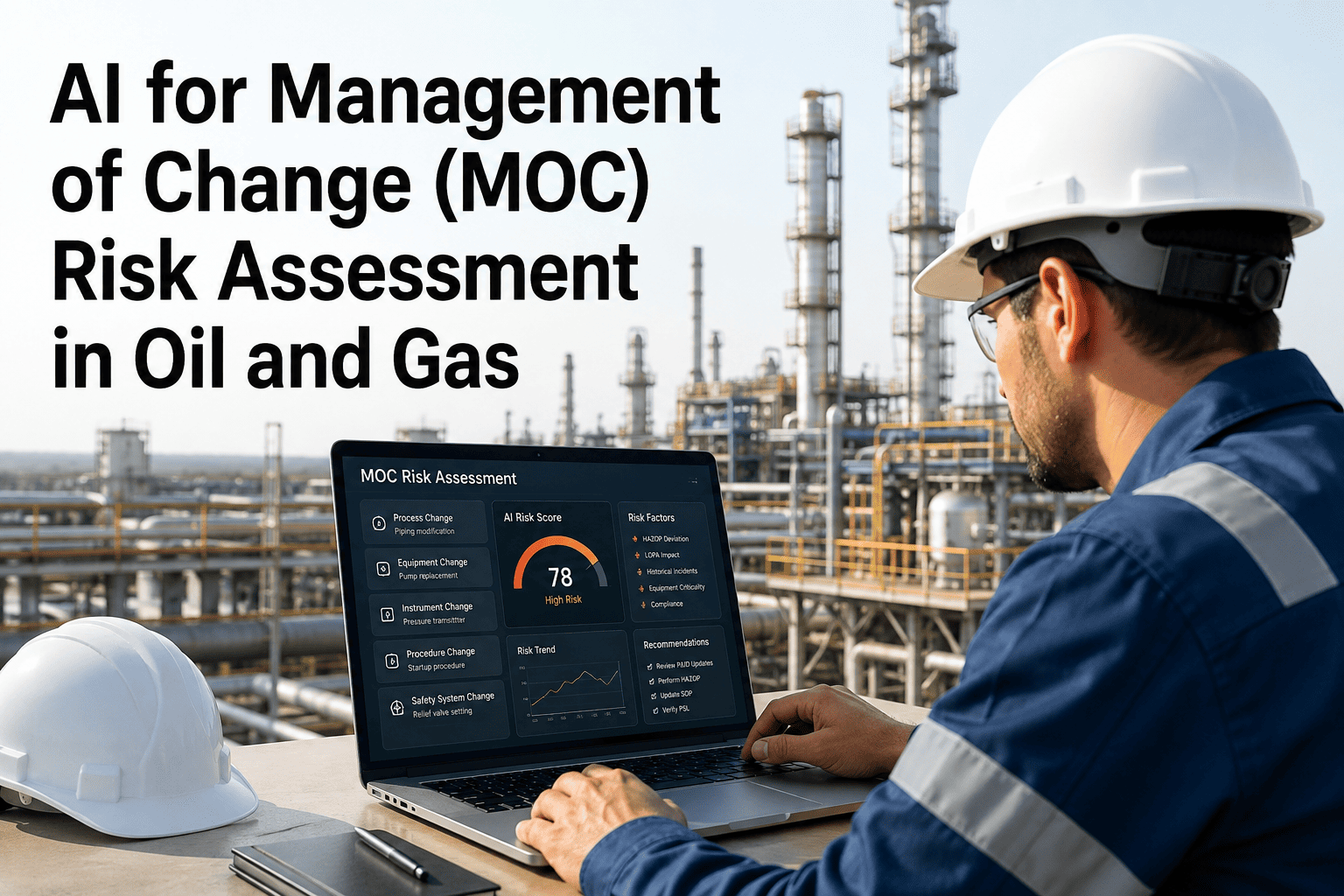
When a facility replaces a valve, changes a setpoint, or swaps a chemical supplier, that single administrative decision can quietly outdate the process safety information, P&IDs, and hazard analysis the entire safety case was built on. Investi
Read More
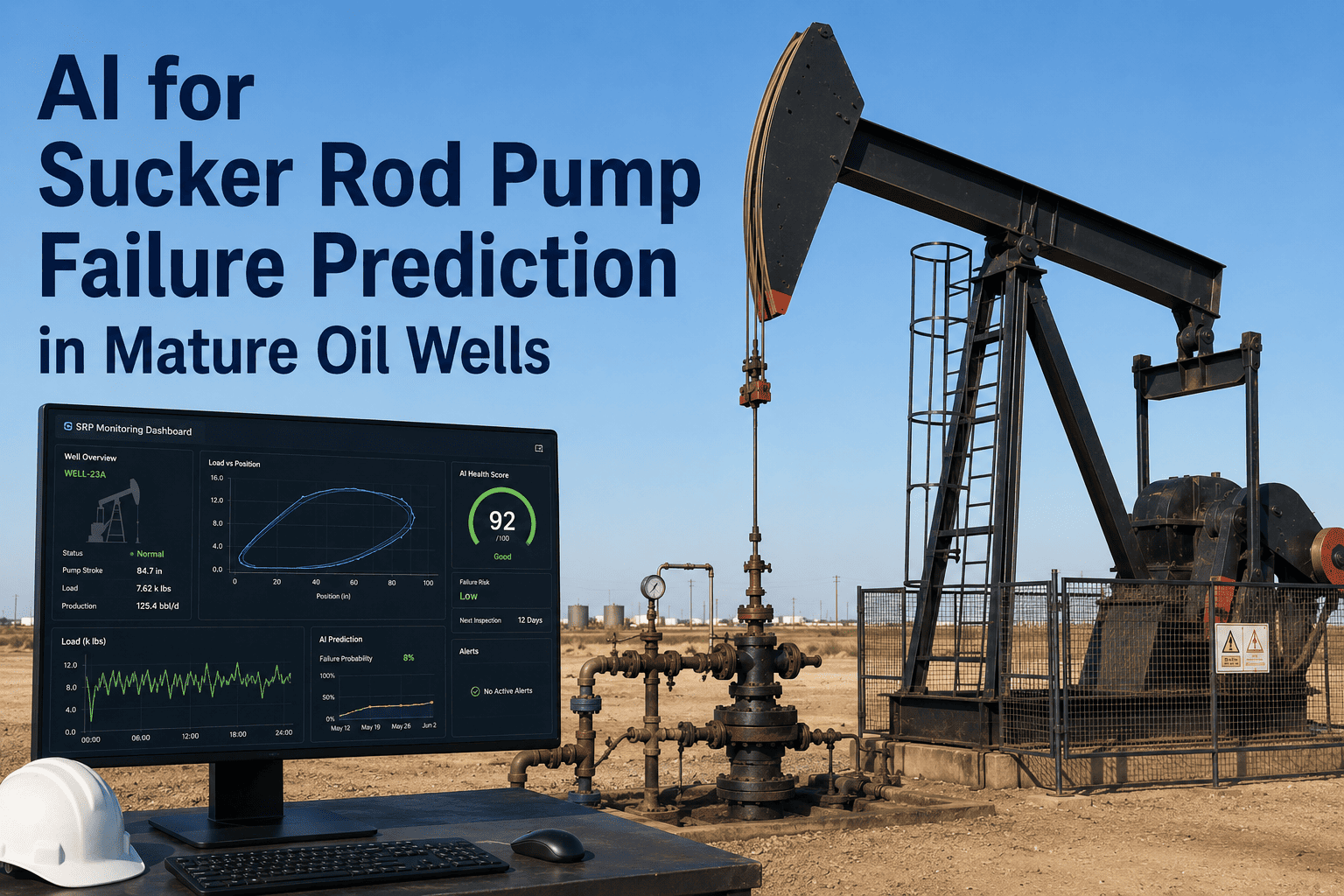
Sucker rod pumps drive the majority of artificial lift in mature oil fields, and their failure rate is the single largest controllable expense in upstream operations. Every rod parting, tubing leak, or pump wear event forces a workover that costs
Read More
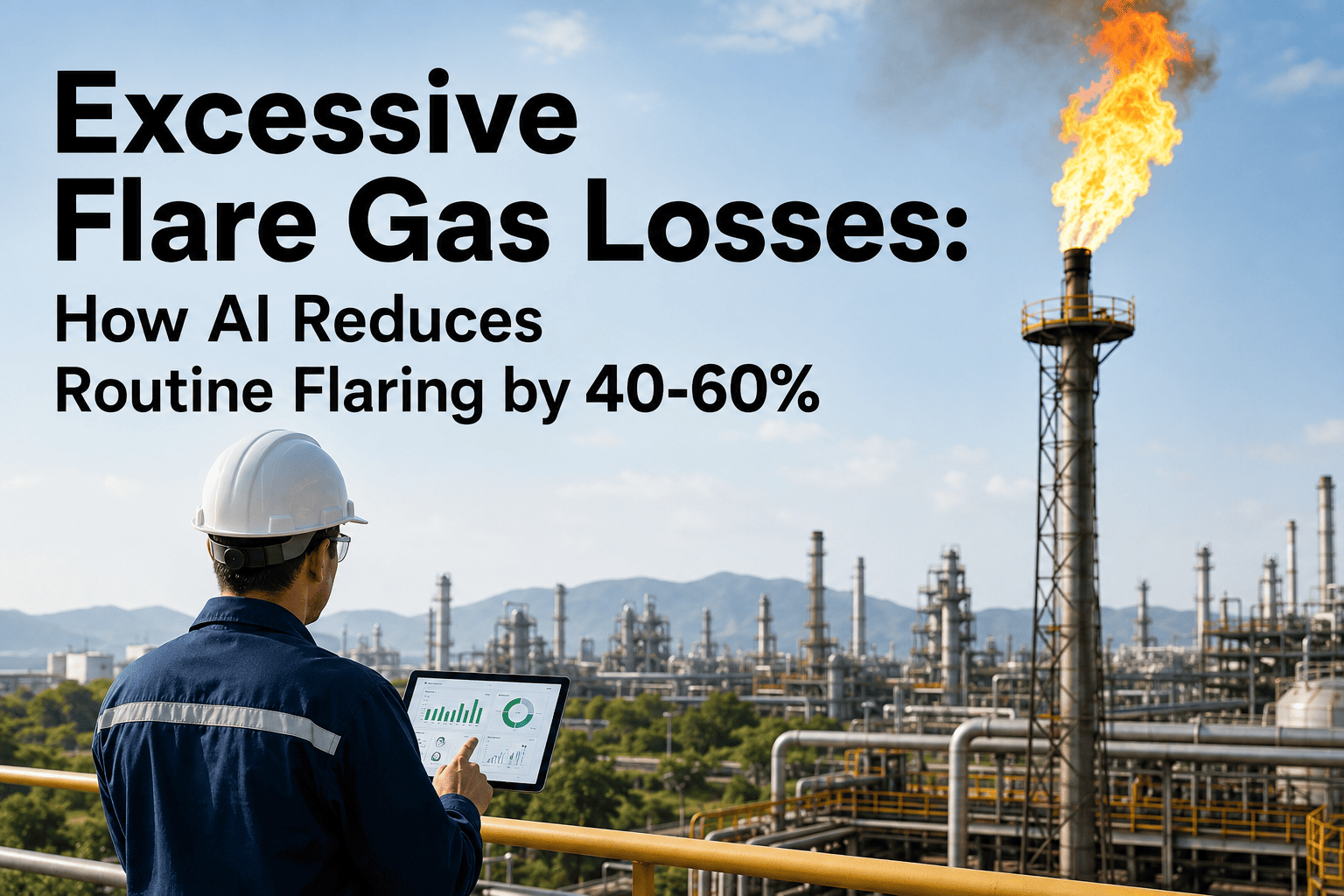
Refineries globally flare approximately 140 billion cubic meters of natural gas annually, translating to roughly $5.8 billion in lost revenue and 400 million tons of CO2 emissions, according to World Bank Zero Routine Flaring data. While emergency
Read More
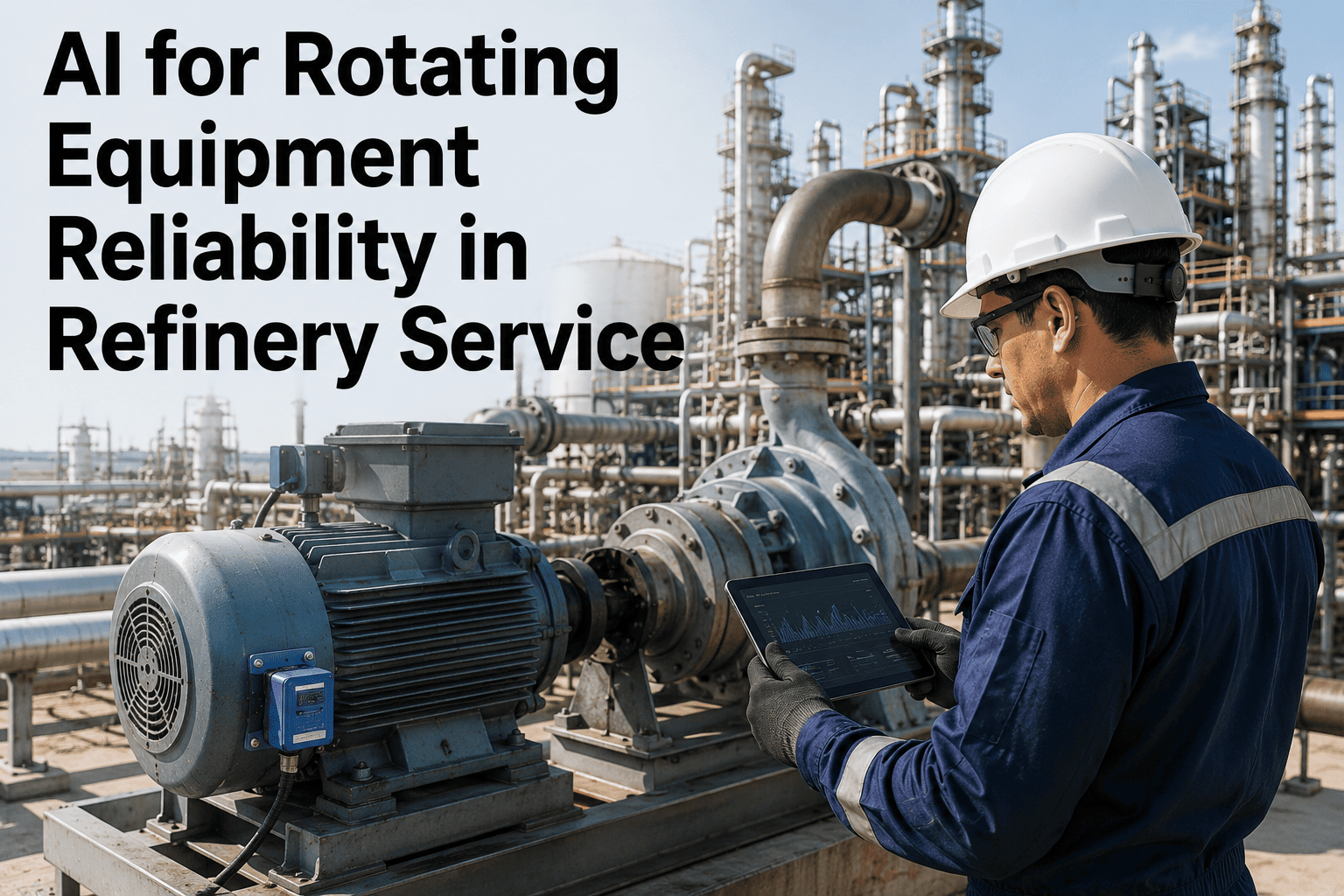
A centrifugal compressor bearing does not fail on the day it fails — it fails weeks earlier, the moment a subtle vibration pattern first departs from its baseline signature, and every day between that first deviation and the eventual trip is a day

Read More
Most oil and gas AI platform evaluations get decided in a conference room, on the strength of a polished demo running on clean, pre-loaded data that never has to survive a real SCADA feed, a legacy DCS, or a rig with intermittent connectivity. The
Read More
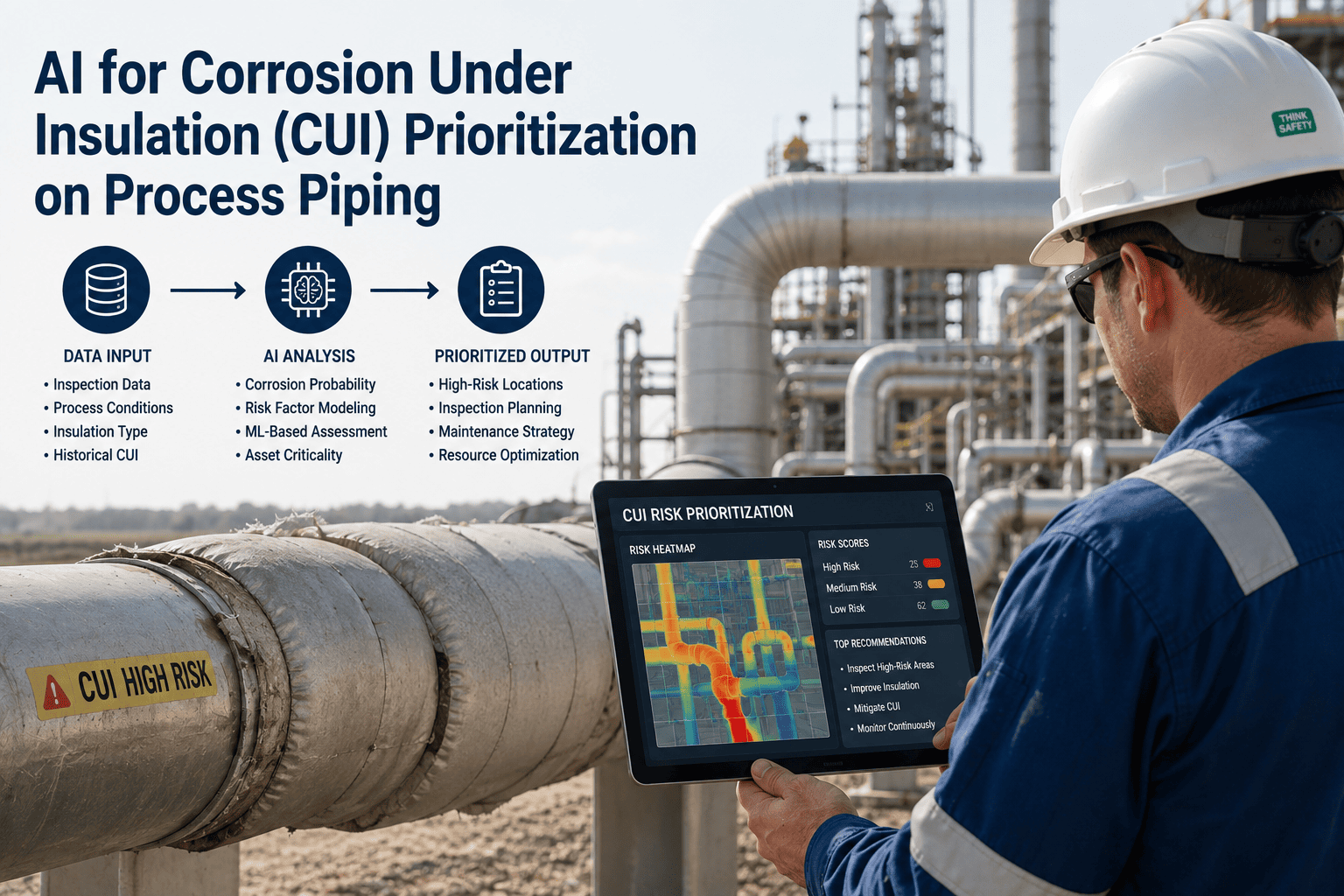
A carbon steel line running at 180°F under mineral wool insulation looks identical from the outside to the line next to it running at 400°F — insulation hides operating temperature, wall condition, and moisture exposure equally well, whether the p
Read More
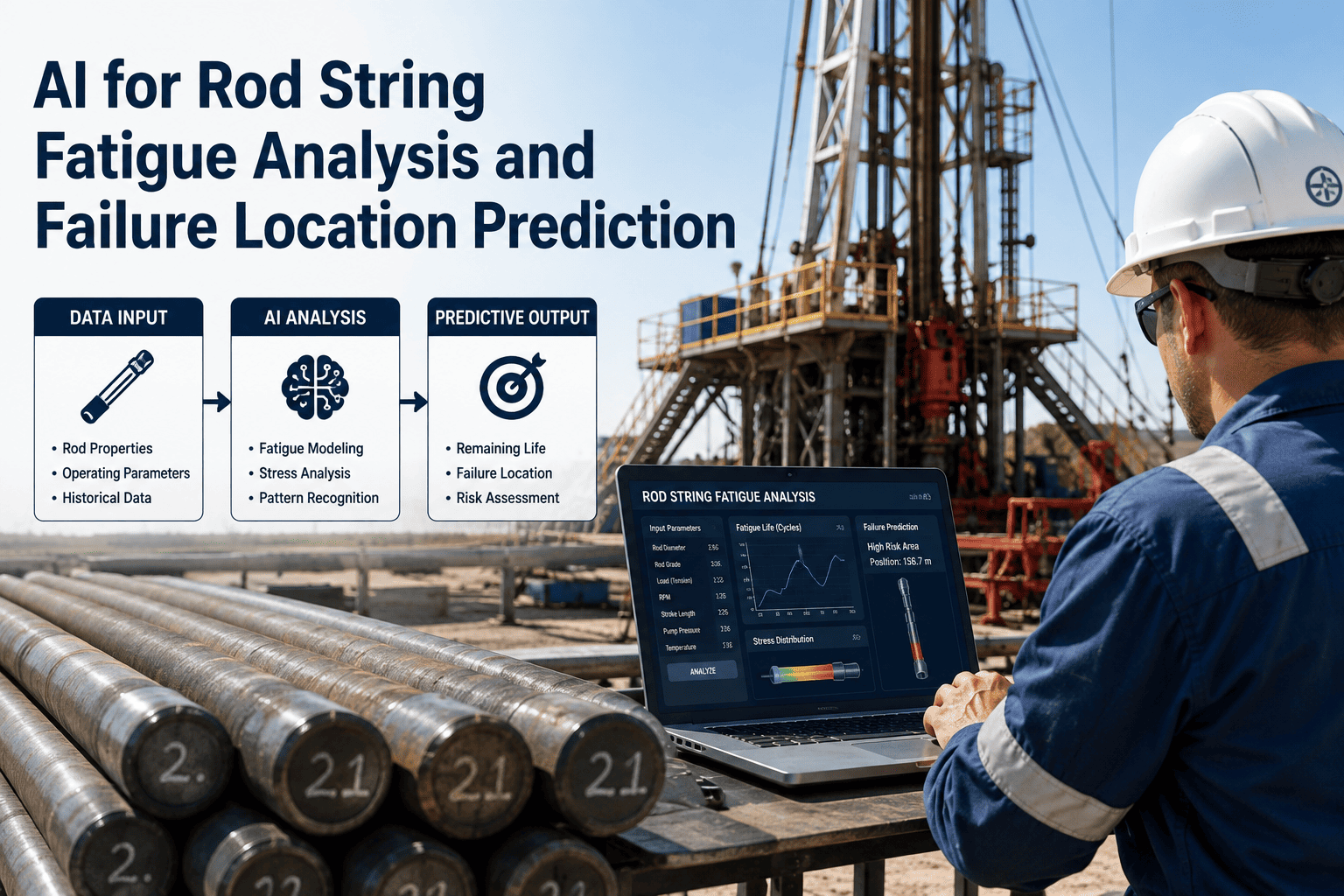
A sucker rod almost never breaks where the load is highest — it breaks where a stress raiser meets that load, which is usually a coupling thread, an upset end, or a corrosion pit hundreds or thousands of feet from where a static design chart would

Read More
Ask a general-purpose LLM to explain the isolation sequence for a specific exchanger on a specific unit, and it will answer confidently — using patterns learned from millions of documents that have nothing to do with your plant. Enterprise benchma
Read More
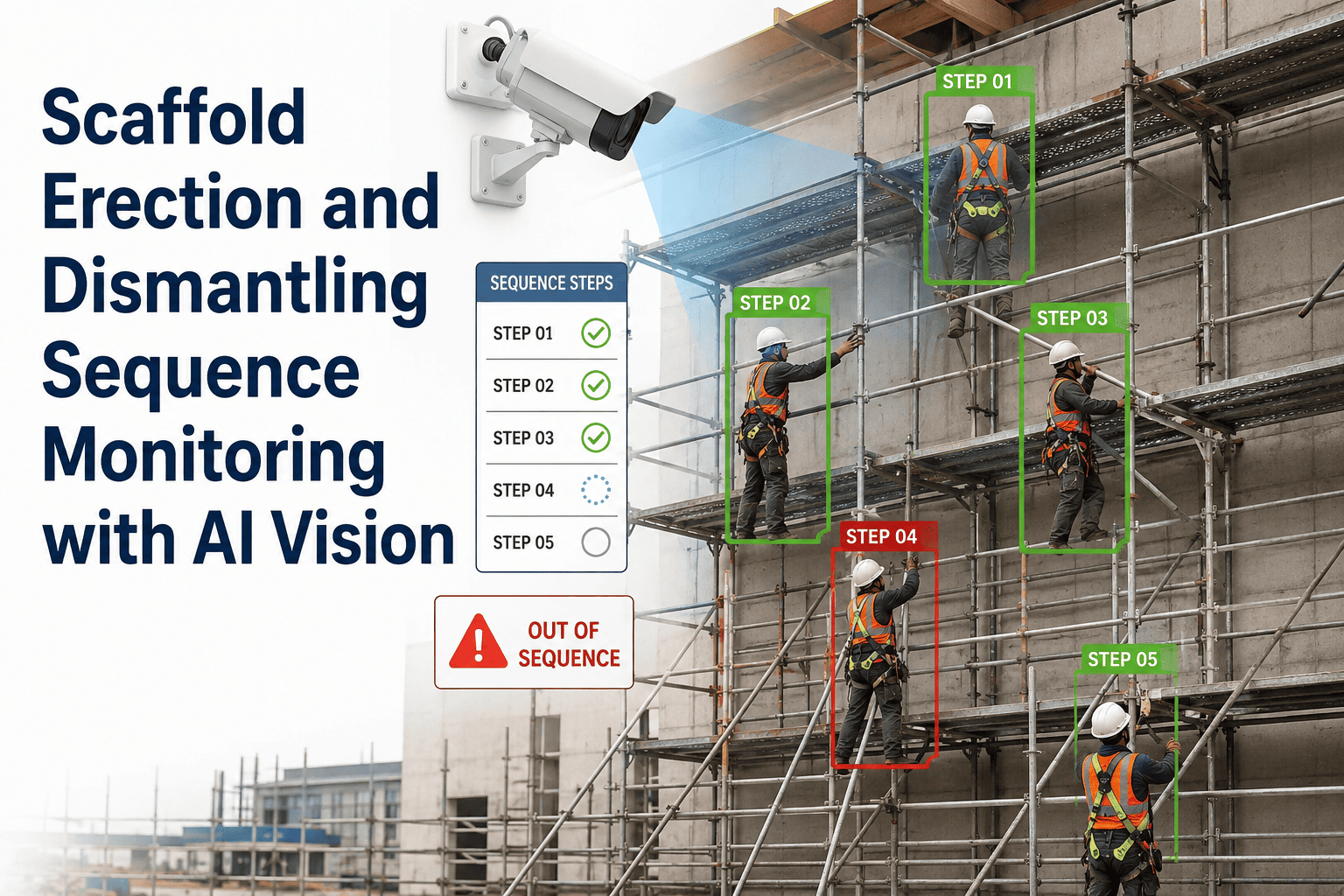
Scaffold collapses and falls rarely happen because a crew ignored safety altogether — they happen because one lift went up before its base was tied, or a guardrail came down before the level beneath it was cleared. On a fast-moving erection or str
Read More
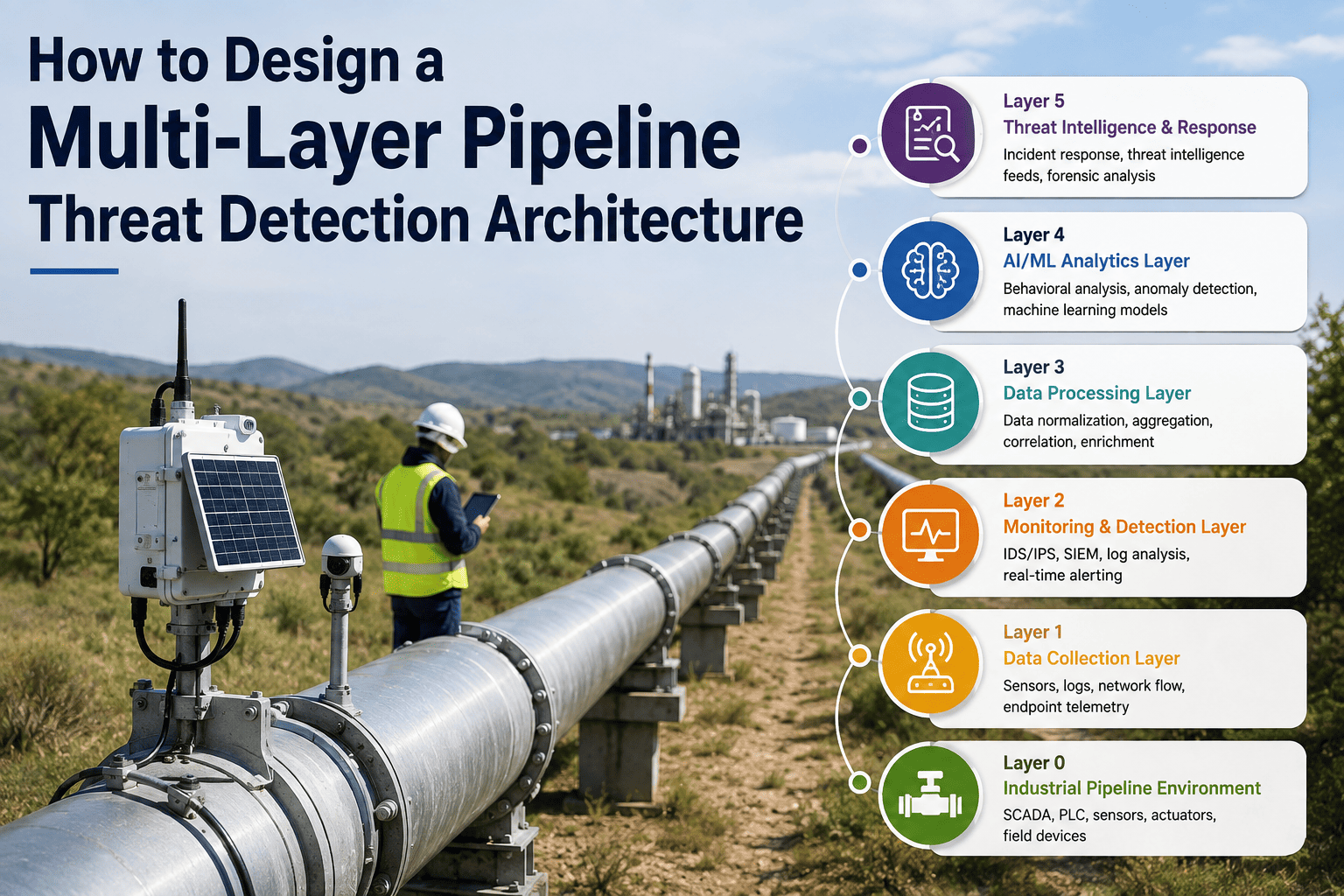
A pressure drop that stays under the SCADA alarm threshold. A slow seep that a fiber-optic cable never picks up because it sits fifty meters off the line. A right-of-way encroachment that nobody sees until the excavator bucket is already through t
Read More
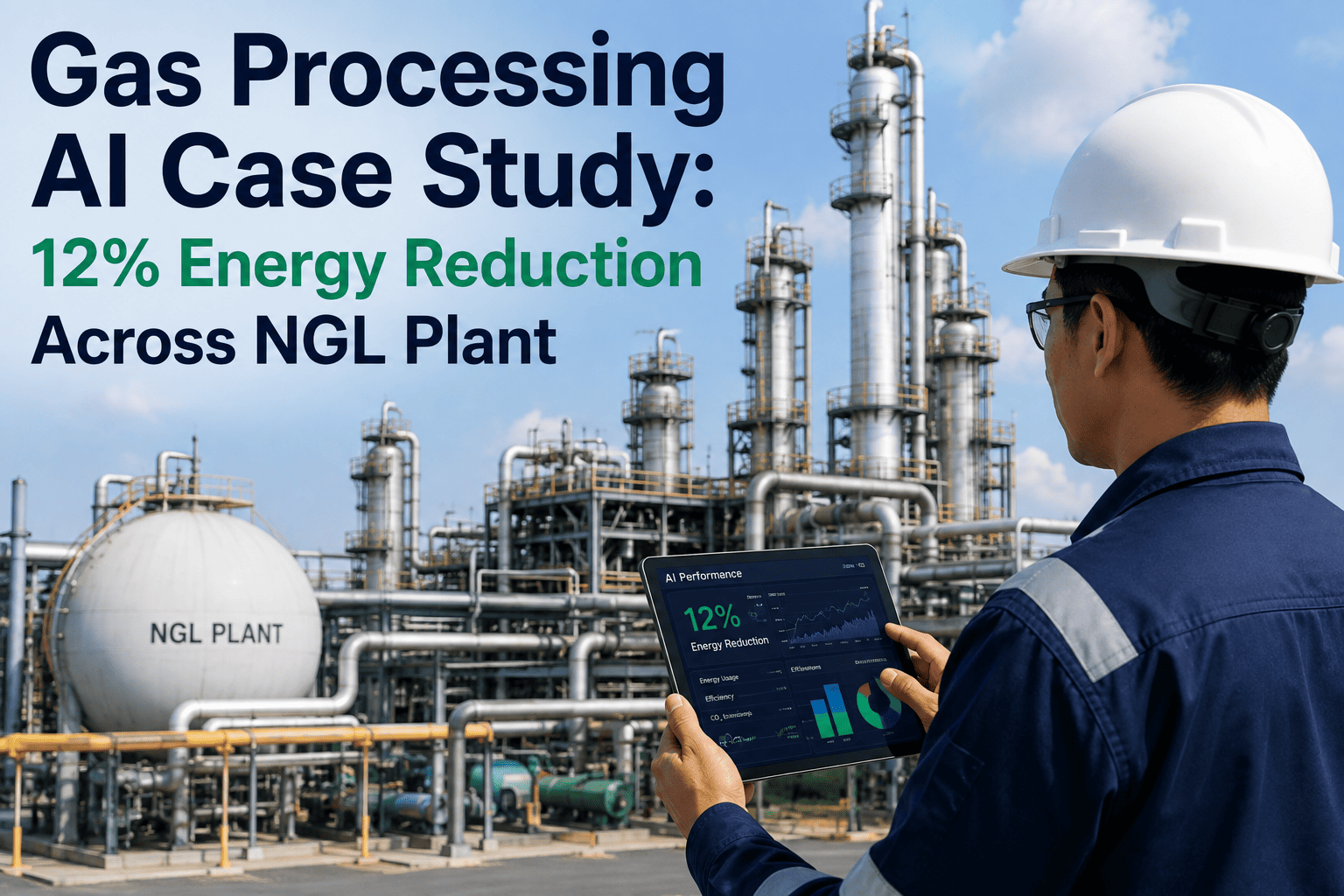
A gas processing plant burns fuel gas continuously to run three energy-hungry units at once — the amine reboiler stripping acid gas, the molecular sieve beds regenerating on a fixed schedule, and the fractionation train's reboilers holding product
Read More
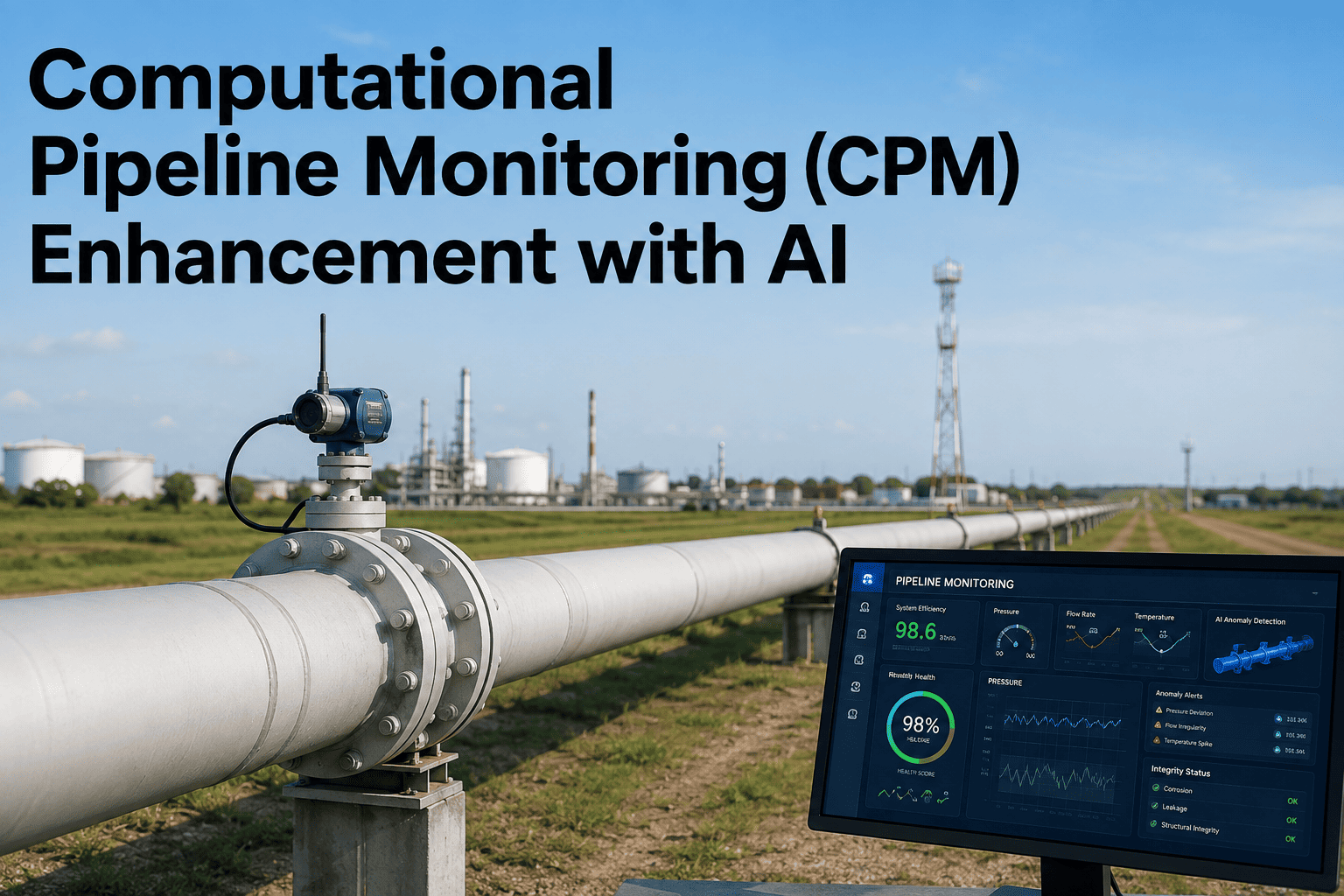
A control room dispatcher watching a CPM alarm fire for the fourth time in a shift, only to trace it back to a routine pump start again, learns something dangerous over time — to expect the next alarm to be nothing too. That learned hesitation is
Read More
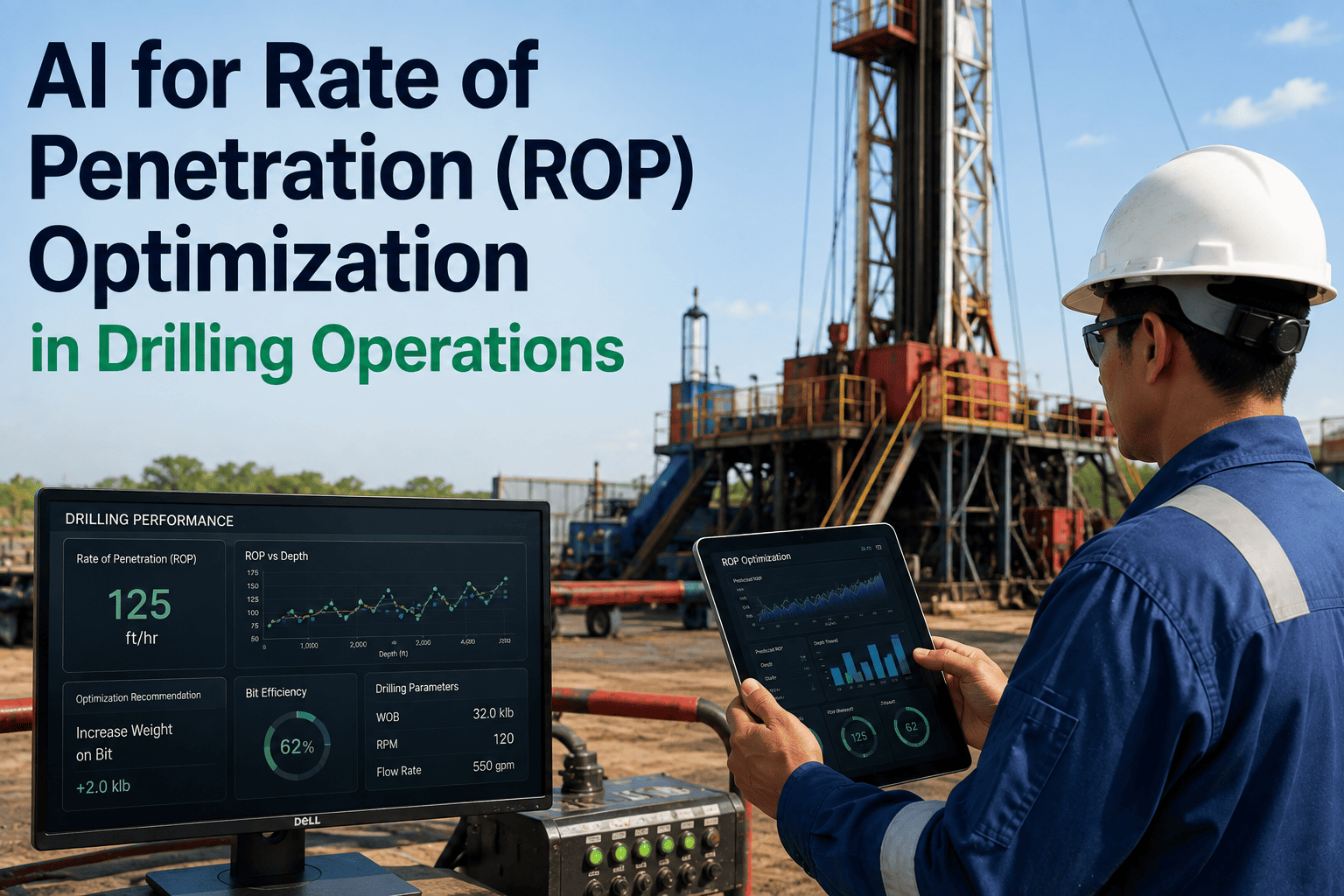
A driller nudging weight on bit up by two thousand pounds on gut feel, then backing rotary speed down when torque starts to climb, is making dozens of small decisions an hour with only surface indicators to go on — no direct view of what the bit i
Read More
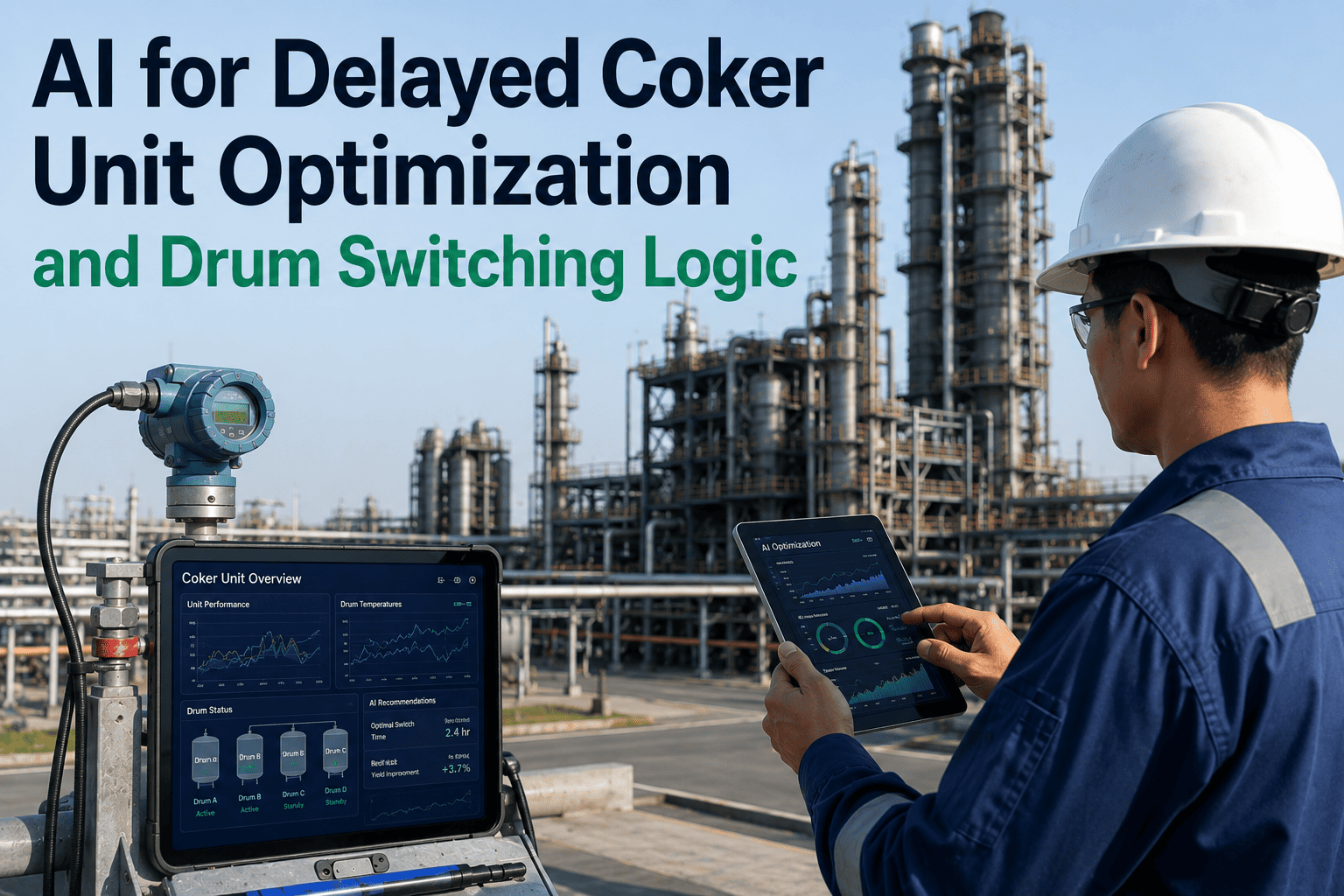
A coke drum running two hours past its optimal switch point does not announce itself with an alarm. It shows up months later as a bulged shell, a stuck unheading valve, or a liquid yield that quietly drifted below where the unit's design case said
Read More
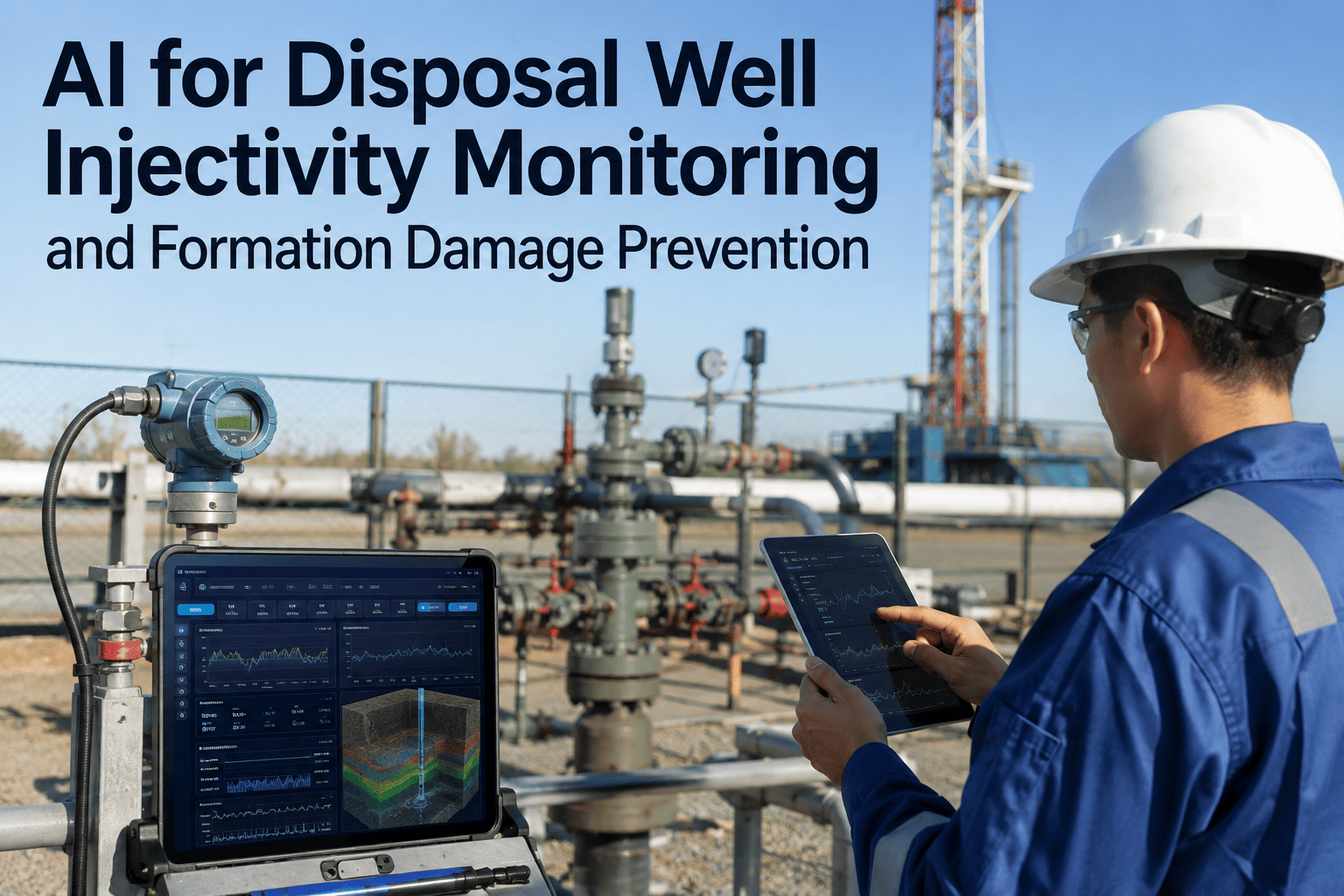
A saltwater disposal well rarely fails all at once. What actually happens is a slow climb in wellhead injection pressure at the same injection rate, week after week, until an operator either catches it early or gets a call from the regulator. Disp
Read More
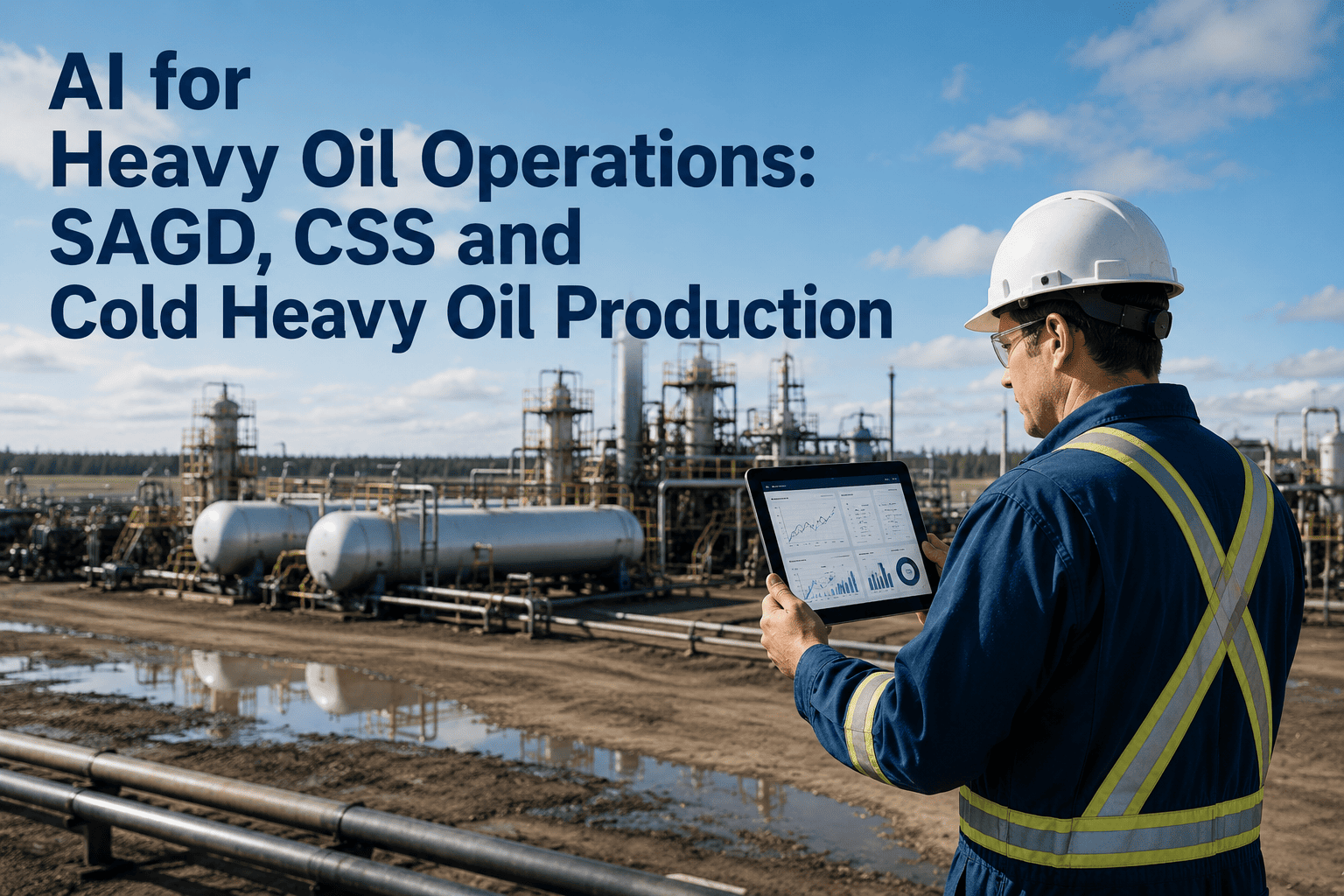
Three heavy oil recovery methods dominate the reservoirs too viscous for conventional pumping, and each one lives or dies on a different number. SAGD lives on steam-to-oil ratio — every barrel of steam costs fuel, water treatment, and emissions, s
Read More
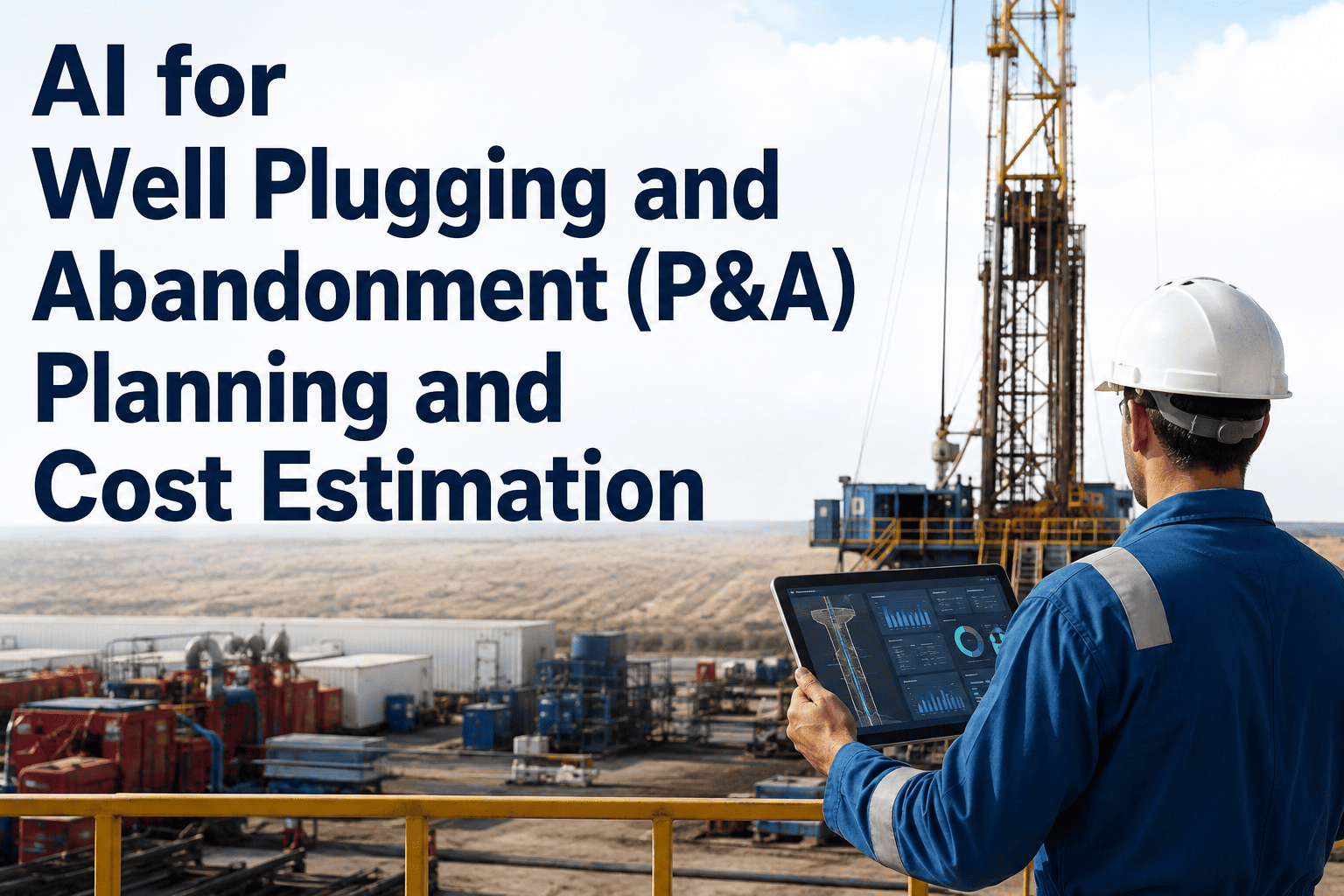
Plugging and abandonment used to be the line item operators budgeted for last and understood least. A single onshore well can run anywhere from roughly $20,000 for cement-only plugging past $300,000 once casing removal, surface reclamation, and re
Read More
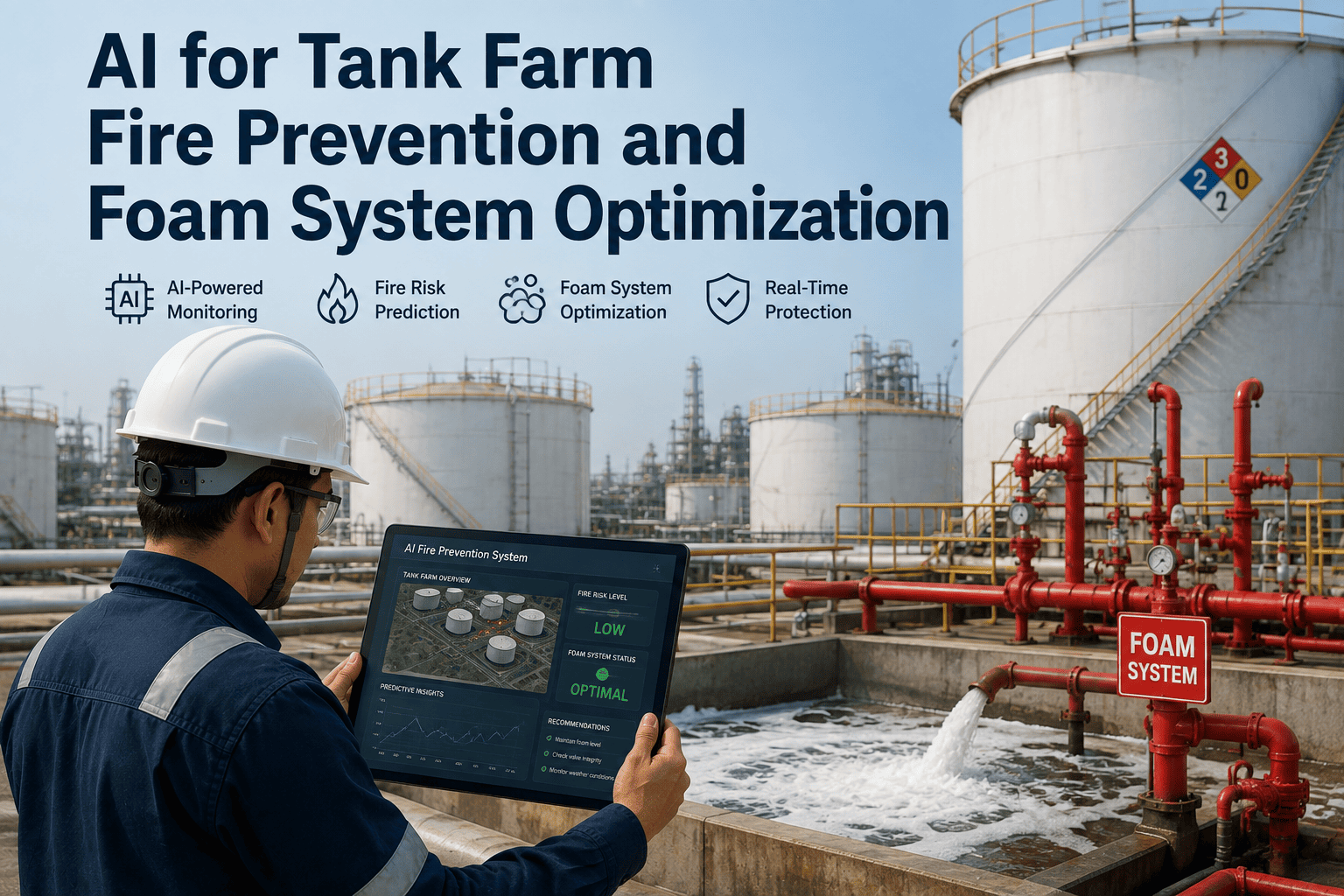
Rim-seal fires are the most common ignition event on floating roof tank farms, and roughly 95% of them trace back to a single, largely invisible trigger — lightning-induced arcing across a seal gap that no operator can see from the ground. A refin
Read More
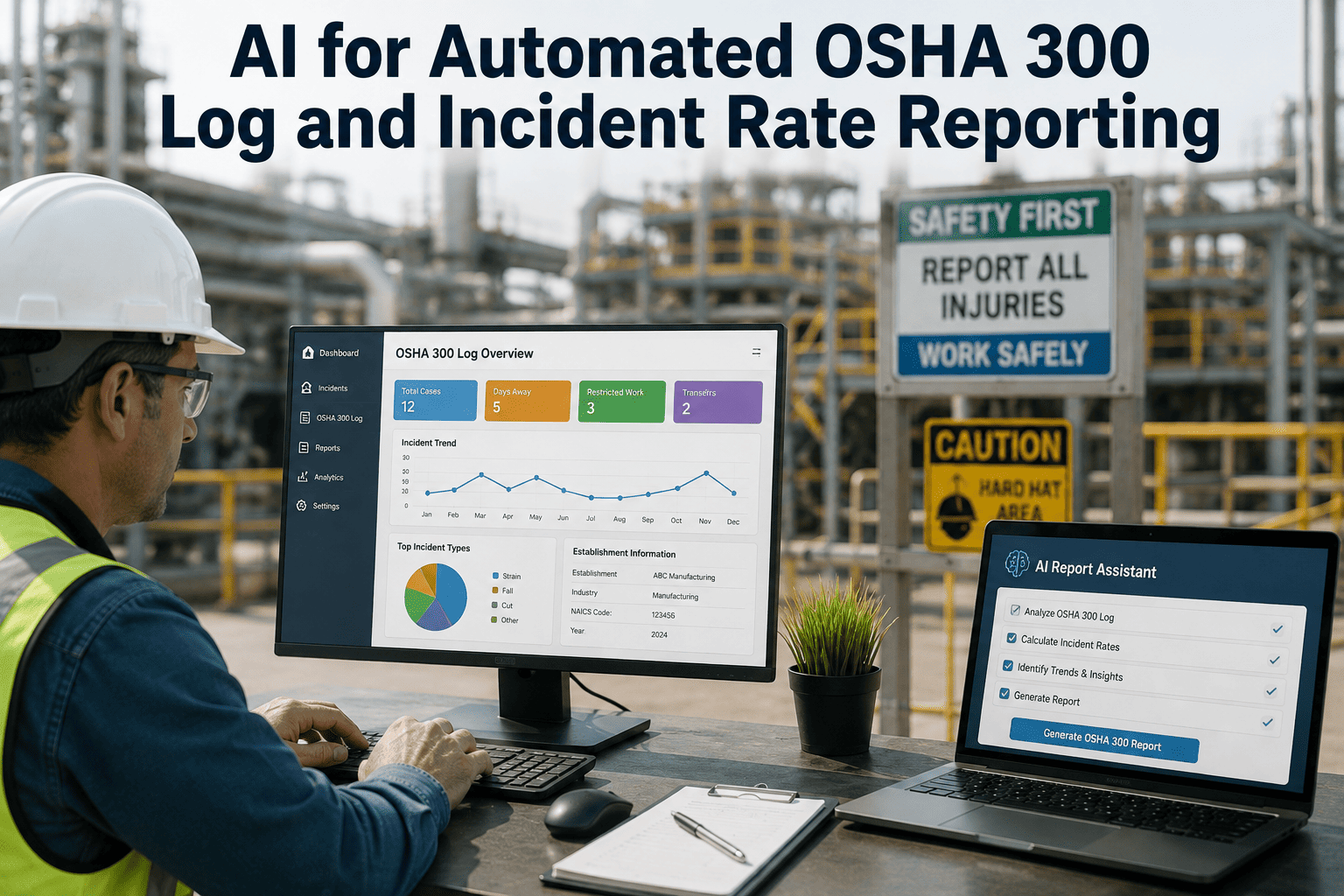
Every recordable injury eventually has to become a line on the OSHA 300 log, a number inside a TRIR calculation, and a field in the 300A summary that gets posted where employees can see it and, for many establishments, submitted electronically whe
Read More
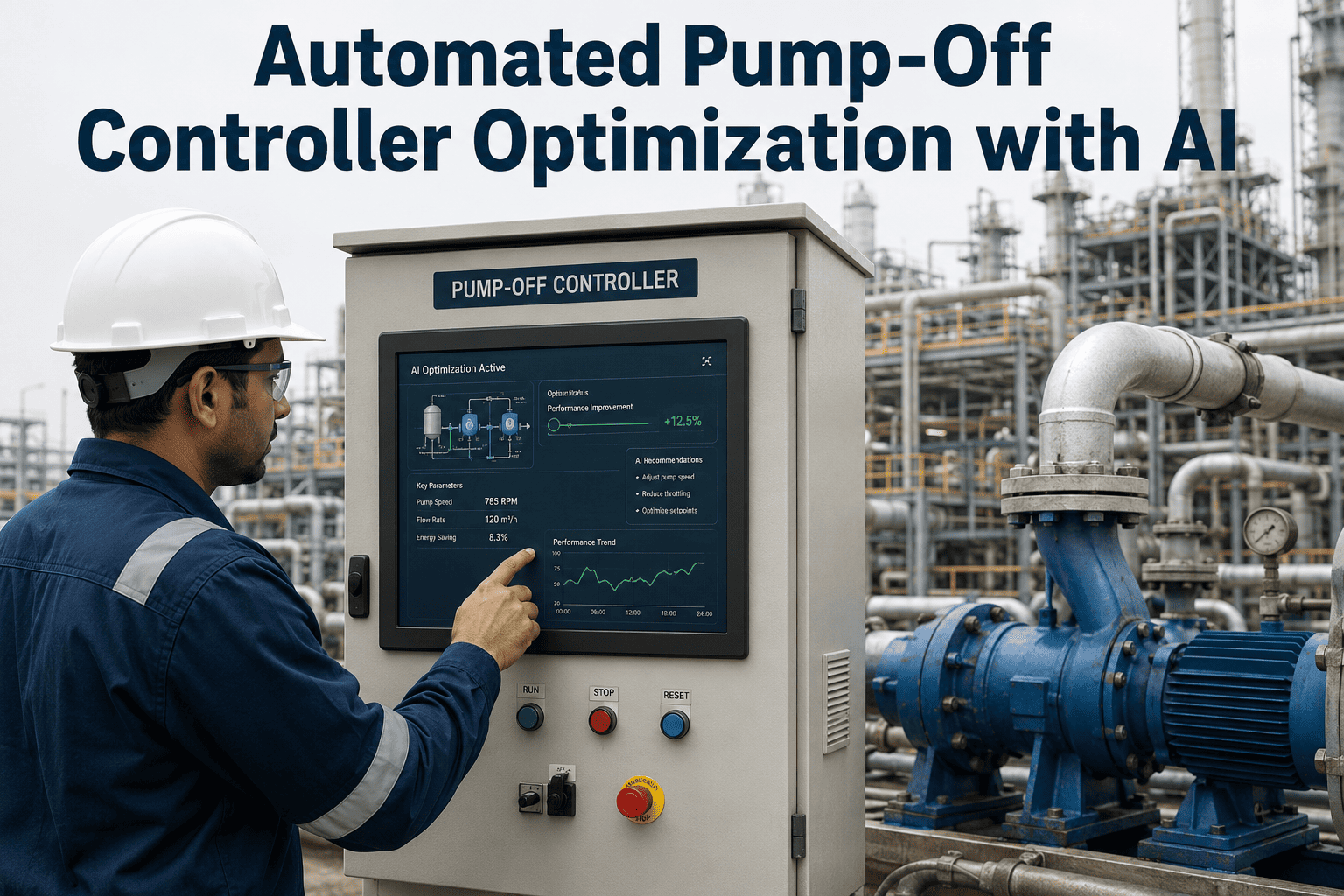
A pumping unit sized correctly for a well's peak output almost always outpaces the reservoir once that well matures, and the industry has been managing that mismatch with pump-off controllers for decades. The standard fix, a fixed idle timer that
Read More
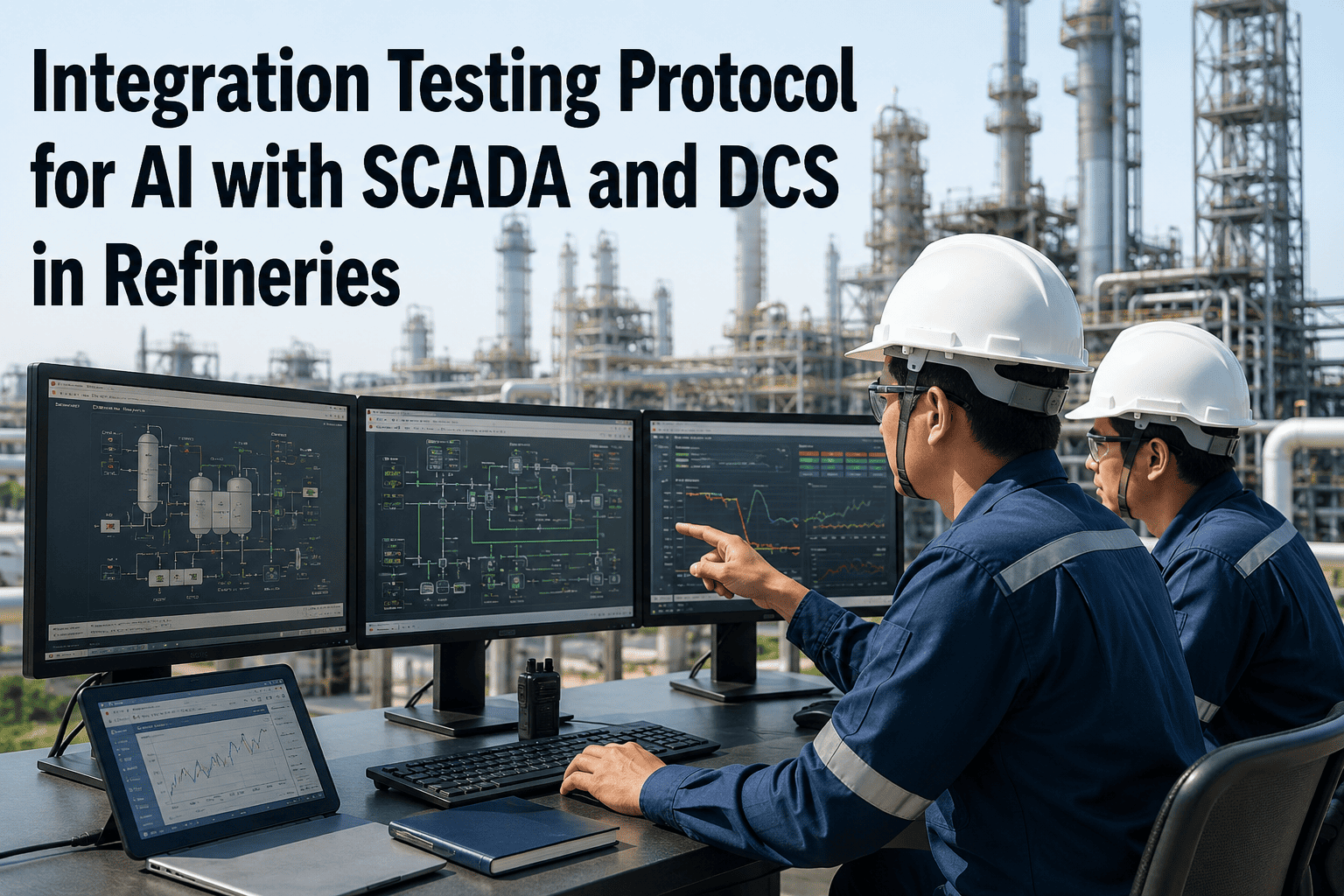
A refinery's DCS has been running the same crude unit for fifteen years without a single unplanned trip caused by its own logic. An AI layer that reads tags from that DCS for the first time has no such track record, and the two systems are about t
Read More
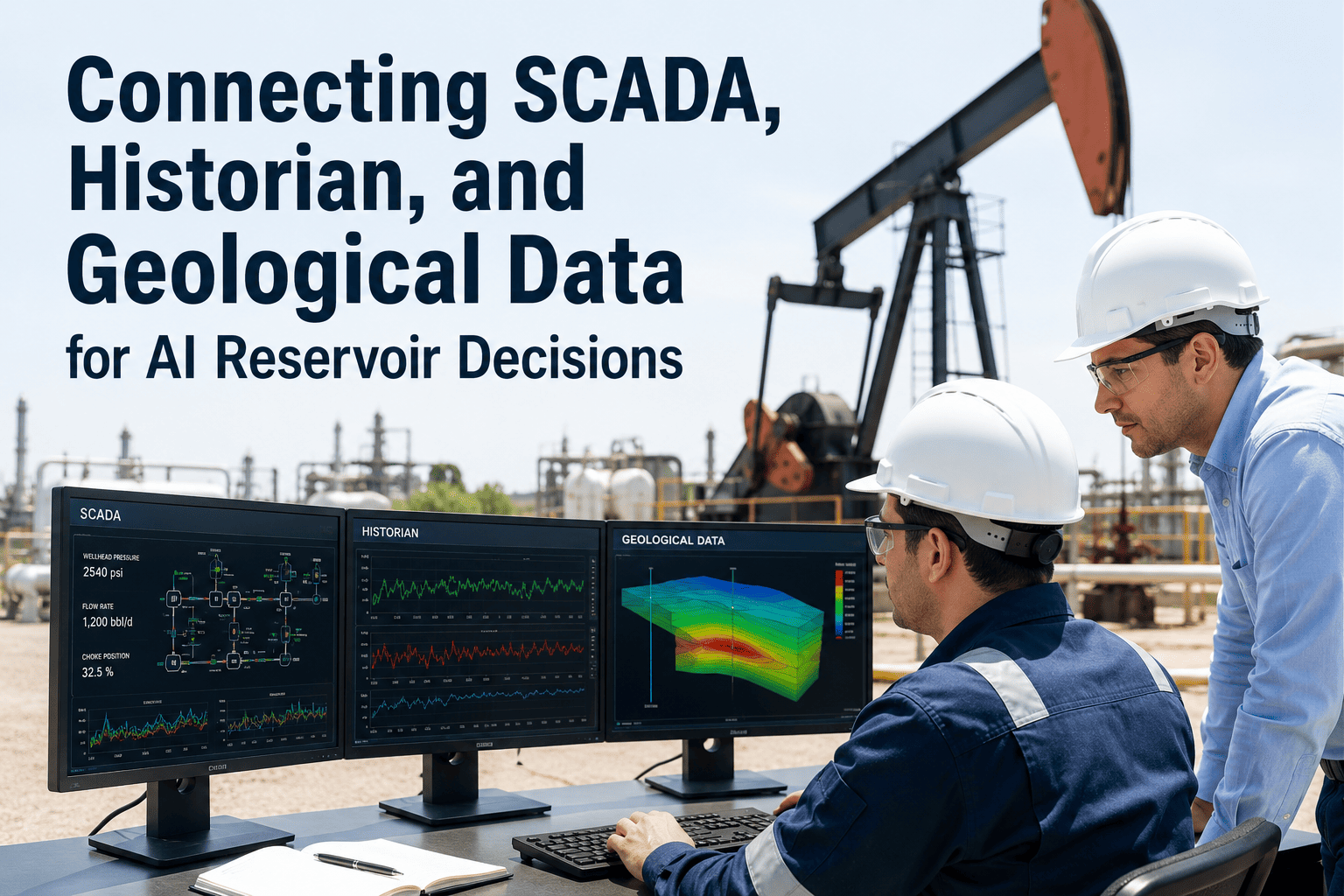
Most reservoir engineers can tell you exactly what a well is doing right now, and exactly what it did five years ago — but almost never on the same screen, in the same units, on the same timeline. SCADA feeds show live flow, pressure, and choke po

Read More
A shift supervisor pulls up a chat assistant to confirm the maximum allowable working pressure on a vessel before signing off on a repair, and the model returns a confident number, cites the wrong edition of the code, and lands twelve percent off
Read More
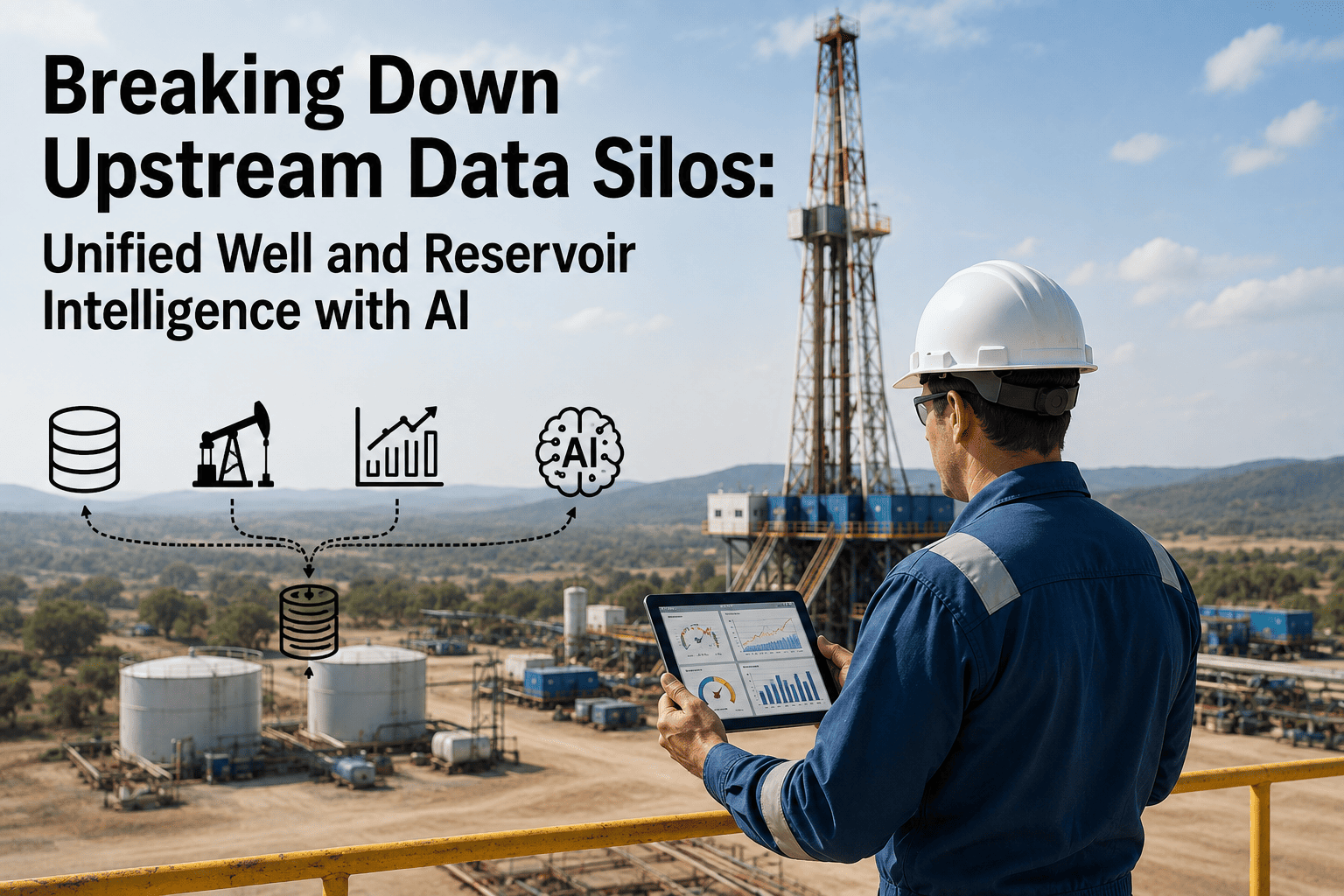
A well test result sits in a spreadsheet on a production engineer's laptop. SCADA pressure and flow readings stream into a historian that only the control room checks. Geological interpretation lives in Petrel on a subsurface workstation. Cost and
Read More
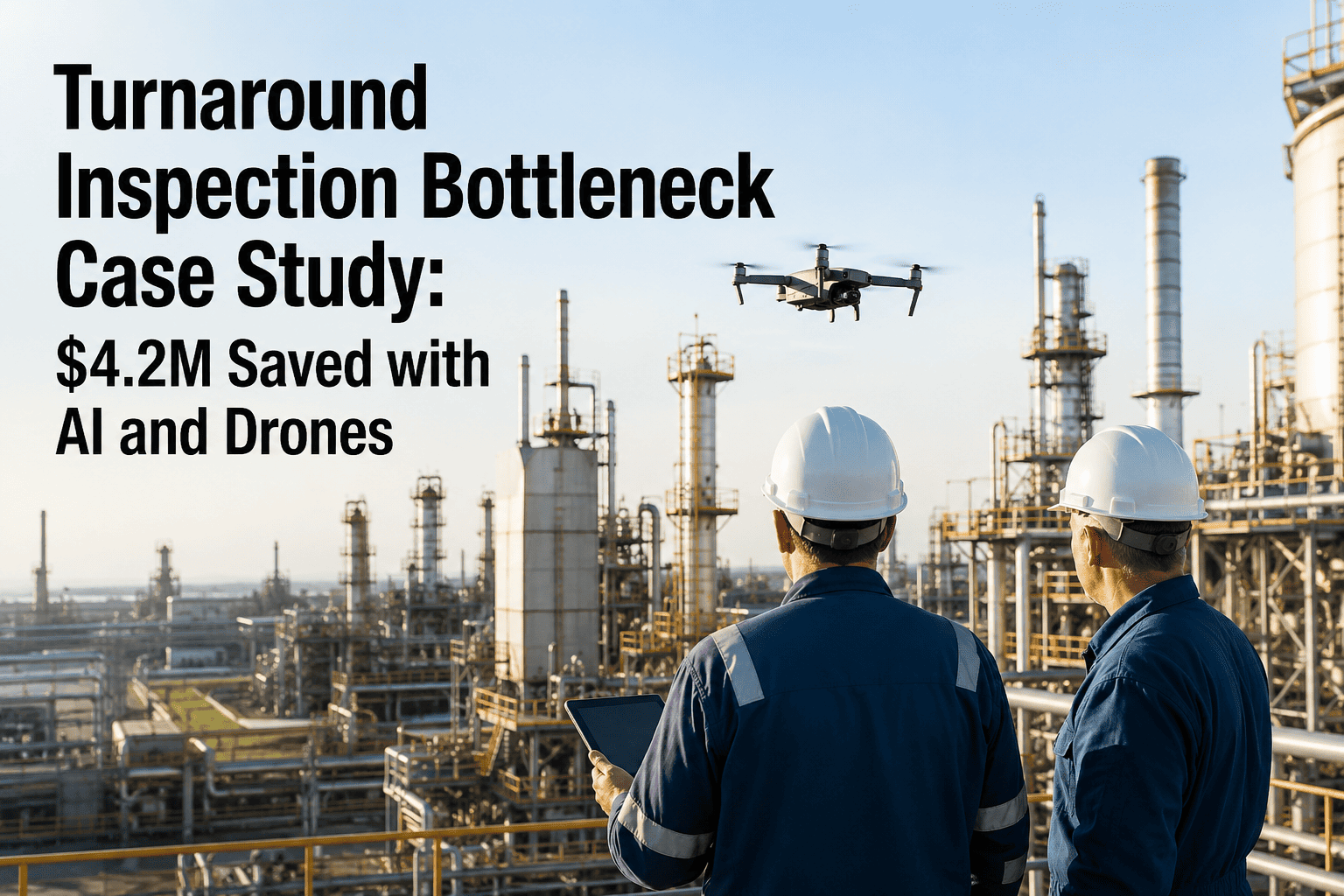
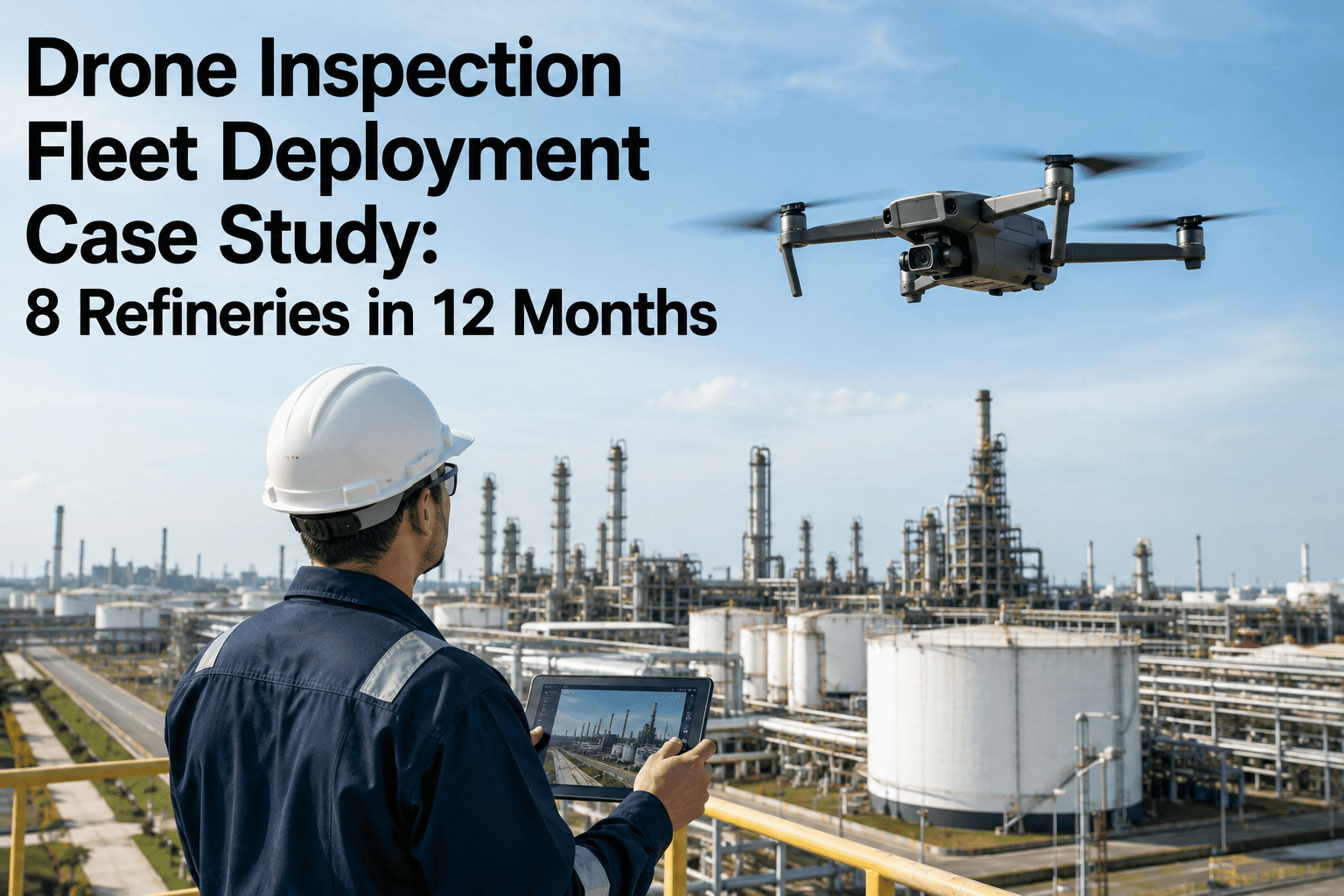
Every refinery turnaround has one phase that quietly eats the critical path: internal vessel and column inspection. Crews wait for scaffold to go up, wait again for confined space permits, and wait once more for inspectors to climb, photograph, an
Read More
A multi-site refining group running eight facilities across three regions was budgeting close to five million dollars a year on scaffolding alone, before counting the rope access crews, the shutdown days, and the fall-exposure incidents that come
Read More
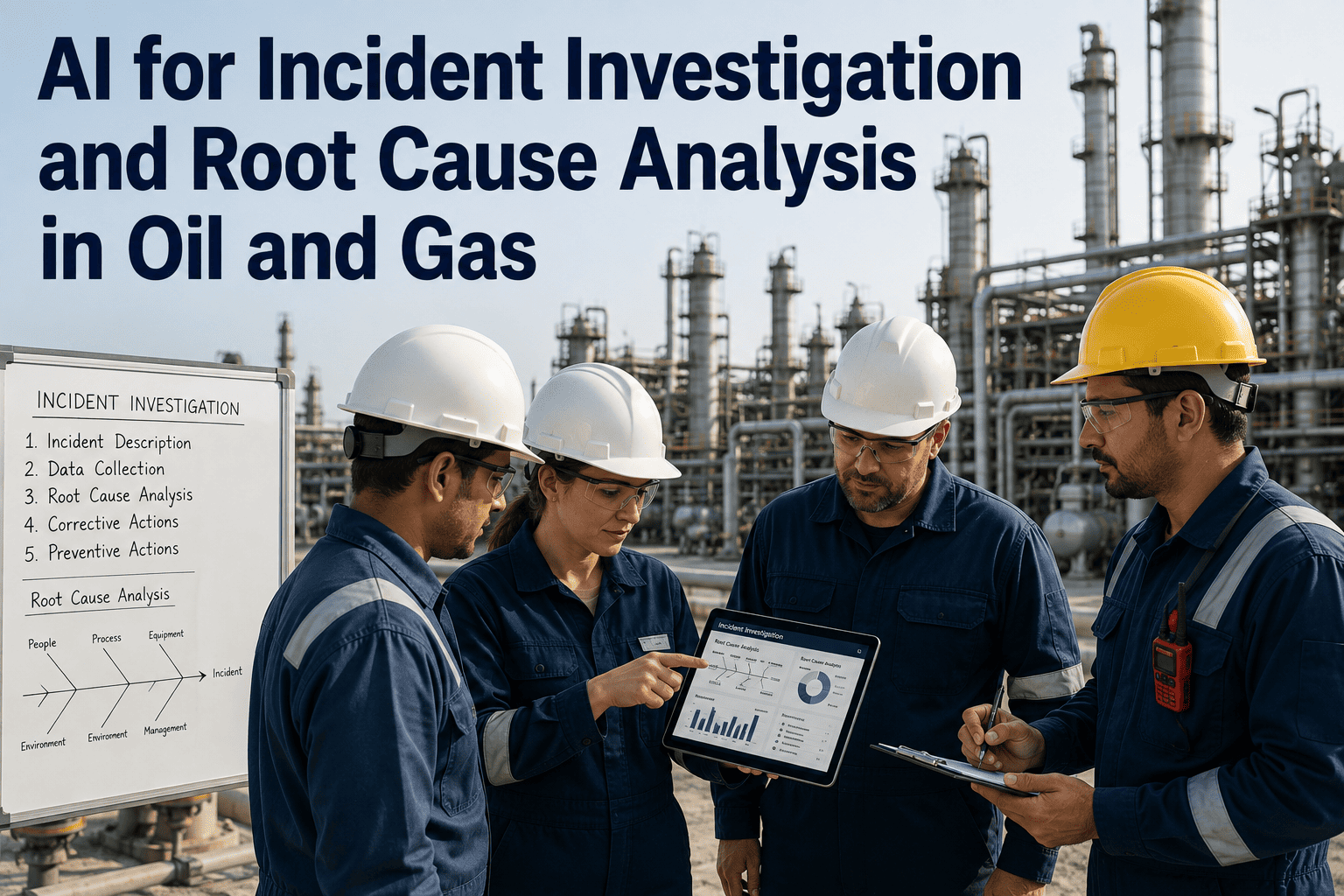
Three weeks after the event, the investigation report lands on a desk and concludes that an operator failed to follow procedure. Everyone signs it. Retraining is assigned. Eleven months later something remarkably similar happens on a different uni
Read More
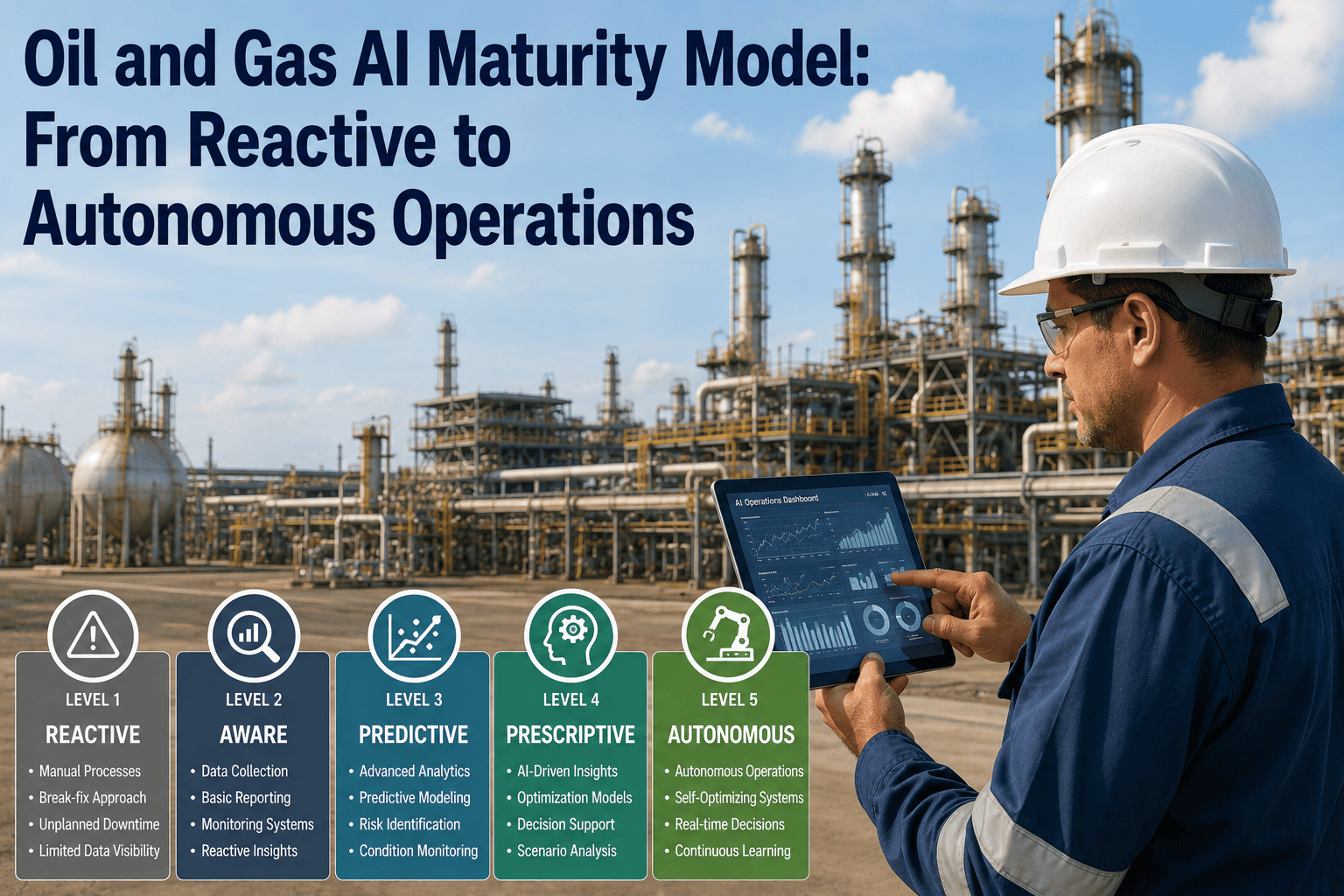
Ask ten operators where they sit on the AI journey and nine will say "somewhere in the middle." That answer is comfortable and almost always wrong, because the gap between having dashboards and having a system that decides is not a matter of degre

Read More
A vapor recovery unit that runs at 78 percent capture instead of 94 percent does not announce itself. There is no alarm, no trip, no work order — just a flare tip that stays lit a few more hours each day and a gas sales meter that quietly reads lo
Read More
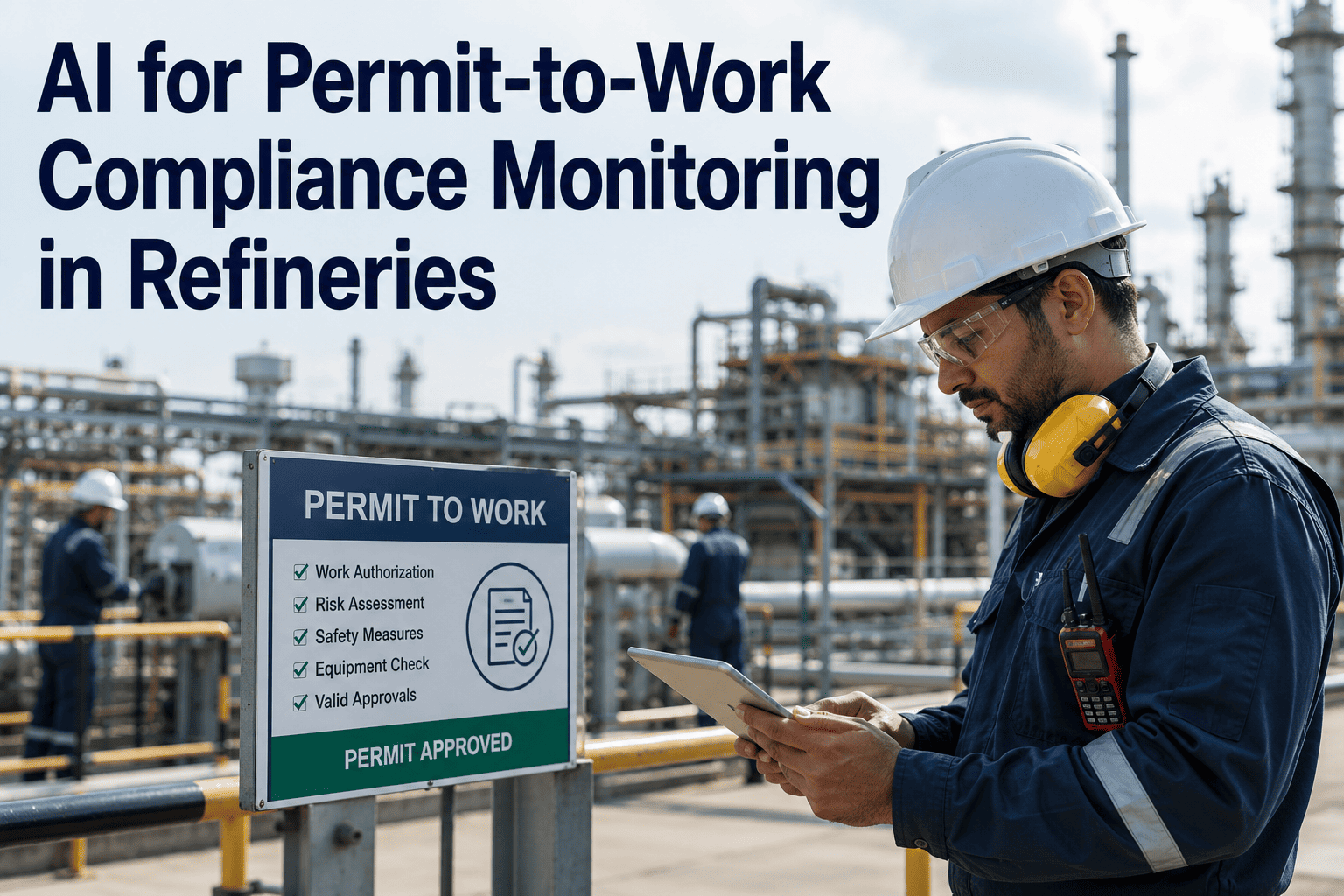
A permit approved at 7am does not guarantee the conditions it describes are still true at 11am. The isolation point that was locked out at shift start can get bumped by an adjacent job. The gas monitor left running at the work zone can drift off c
Read More
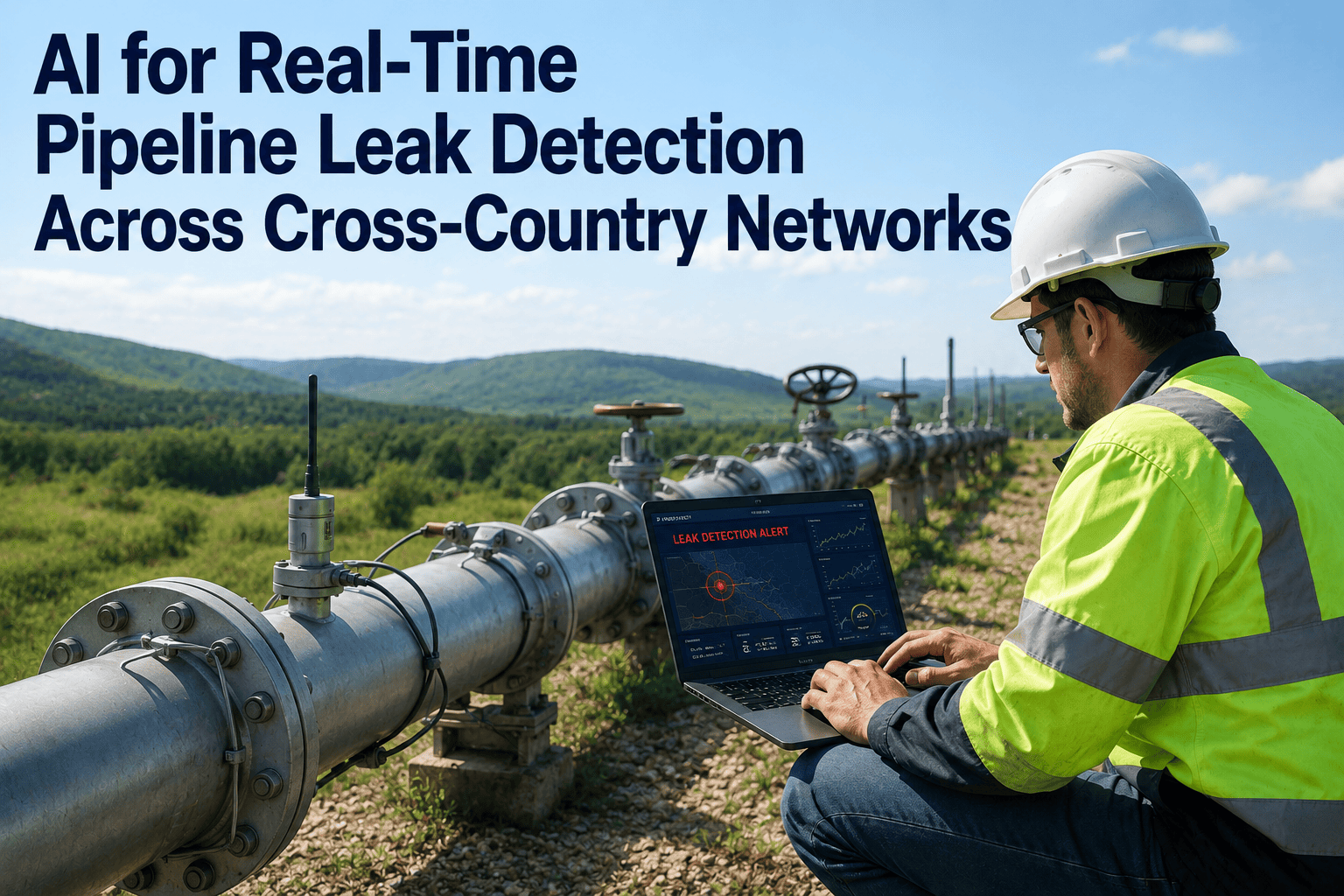
Most pipeline leaks are not found on a control room screen. They are found by a landowner who smells product in a ditch, a farmer who notices dead vegetation in a straight line across a field, or a drone flyover that spots a sheen weeks after the
Read More
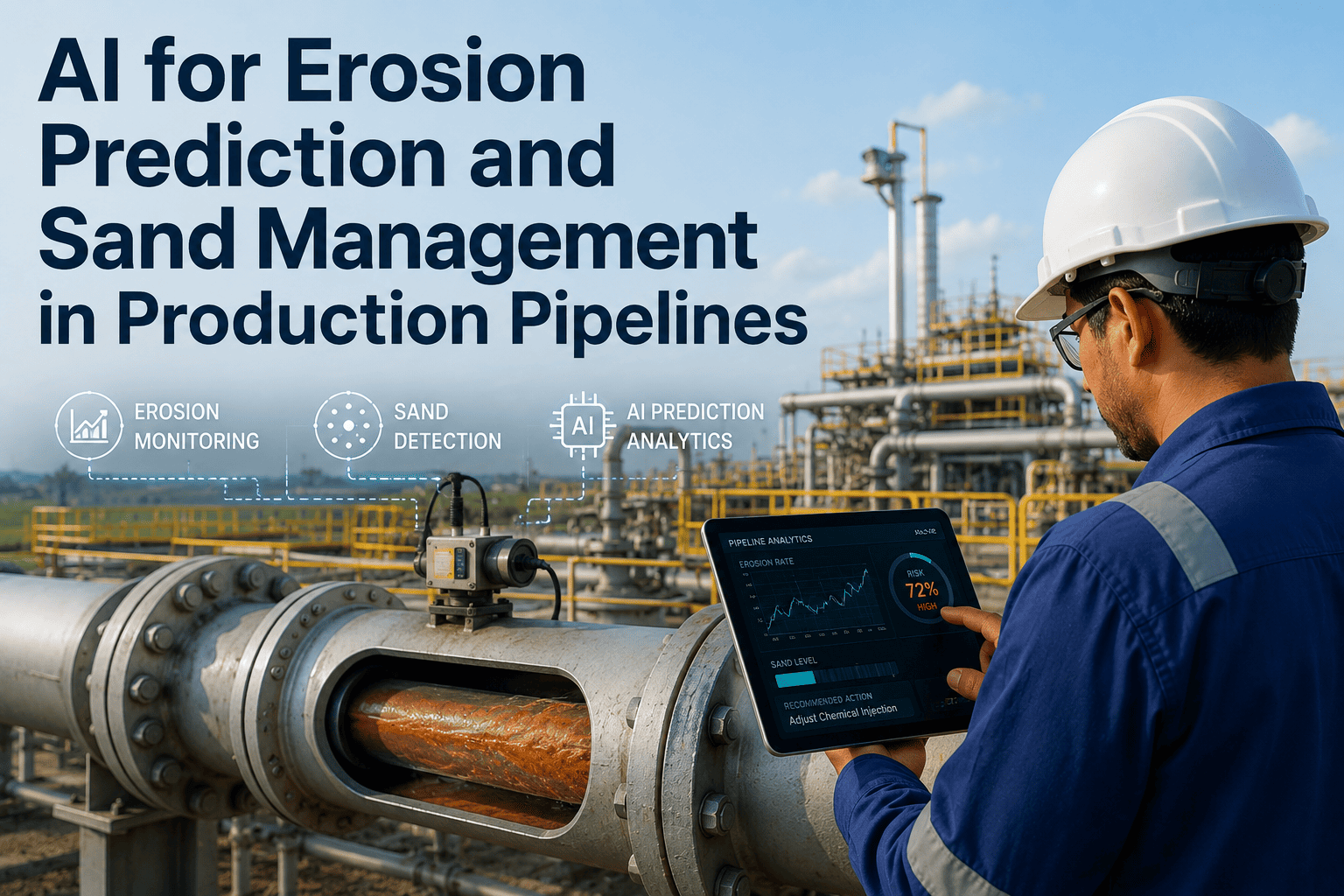
Sand does not care about your production forecast. A well that has produced clean for three years can start lifting fines the week after a workover, and by the time a choke shows a visible drop in performance, the erosion behind that drop has usua

Read More
Wax does not announce itself. A crude stream that looked perfectly clear on yesterday's flow test can be laying down a paraffin film on a cold pipeline wall right now, thinning the effective bore a fraction of a millimetre at a time until a piggin
Read More
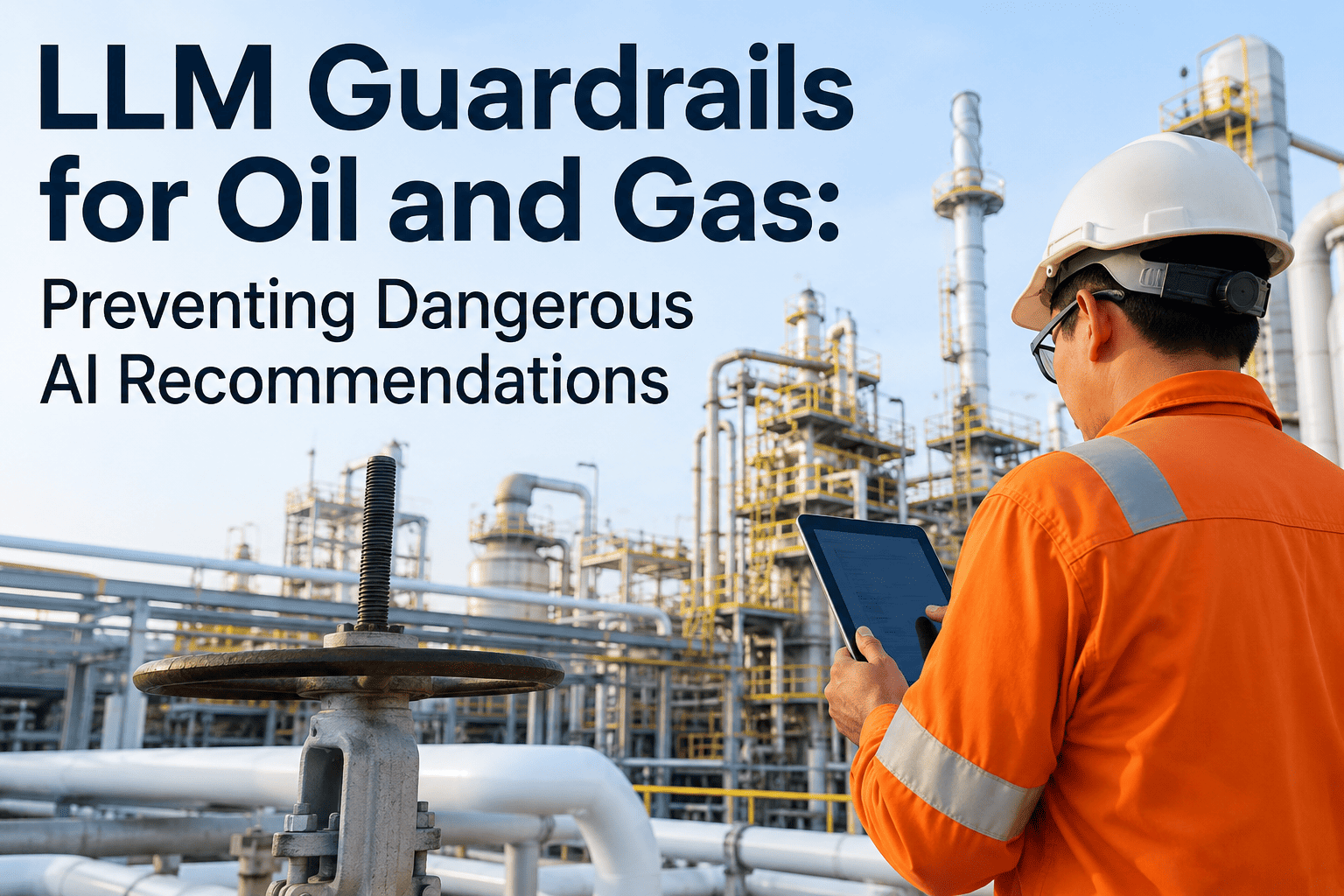
A large language model does not know it is wrong. It will recommend a relief valve setting, a chemical dosage, or a maximum operating pressure with exactly the same fluent confidence whether the number came from a validated source or from a statis
Read More
Wax deposition is the flow-assurance problem that never announces itself in time. A crude pipeline can run for weeks with pressure trending upward by a fraction of a percent every shift, and by the time the operator escalates the trend, the wax la

Read More
A flare gas recovery system exists to capture hydrocarbon that would otherwise burn off at the flare tip, but most FGRS units are run against fixed compressor setpoints that were tuned once at commissioning and rarely revisited since. Flare header
Read More
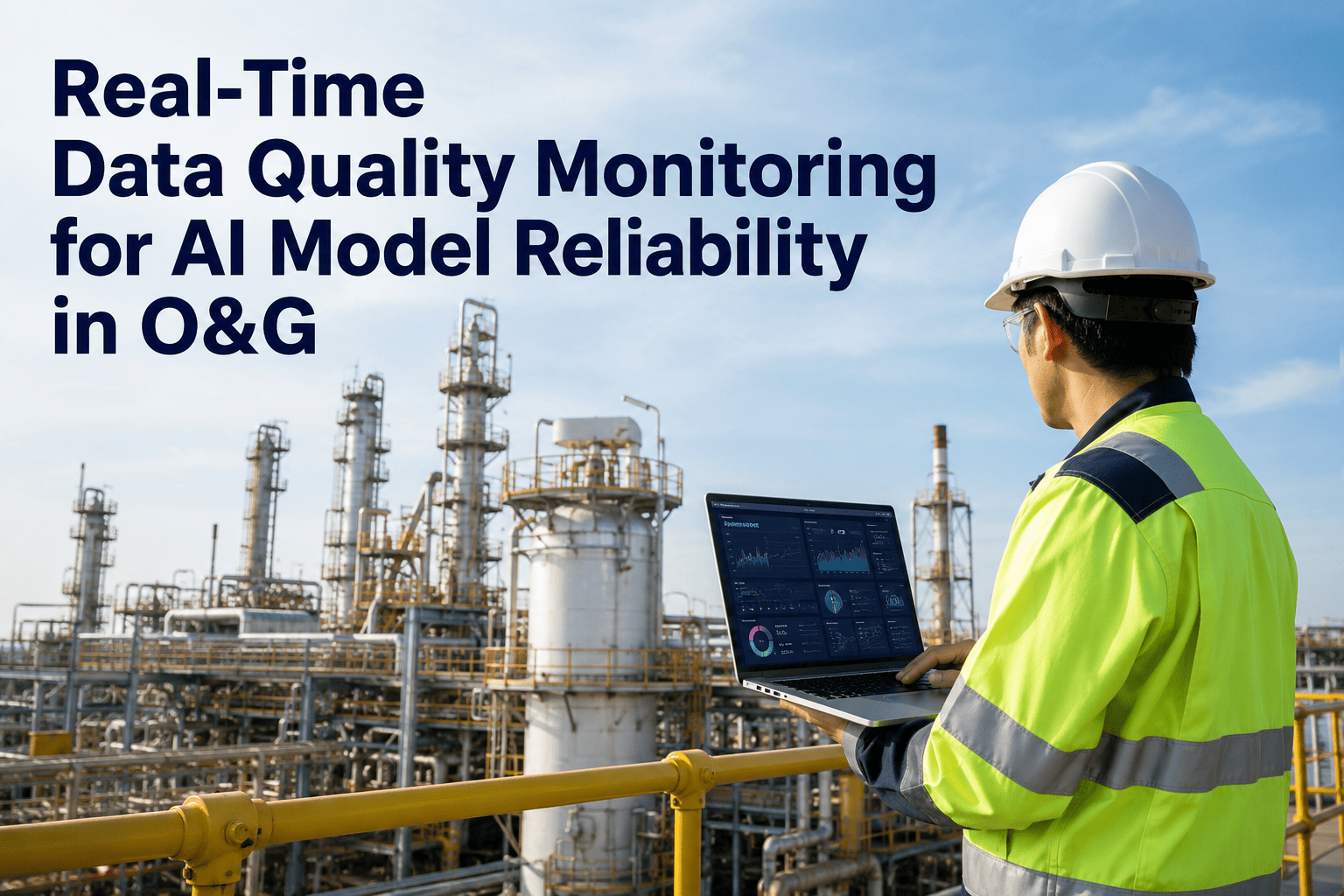
An AI model trained to predict pump failure or pipeline corrosion is only as trustworthy as the sensor data flowing into it, and in oil and gas operations that data is far messier than most predictive maintenance programs assume going in. A stuck

Read More
The AI model works beautifully in the lab. It runs cleanly against historical data, hits solid accuracy numbers, and gets sign-off from the data science team. Then it goes into production and cannot see the plant, because nobody built the pipe con
Read More
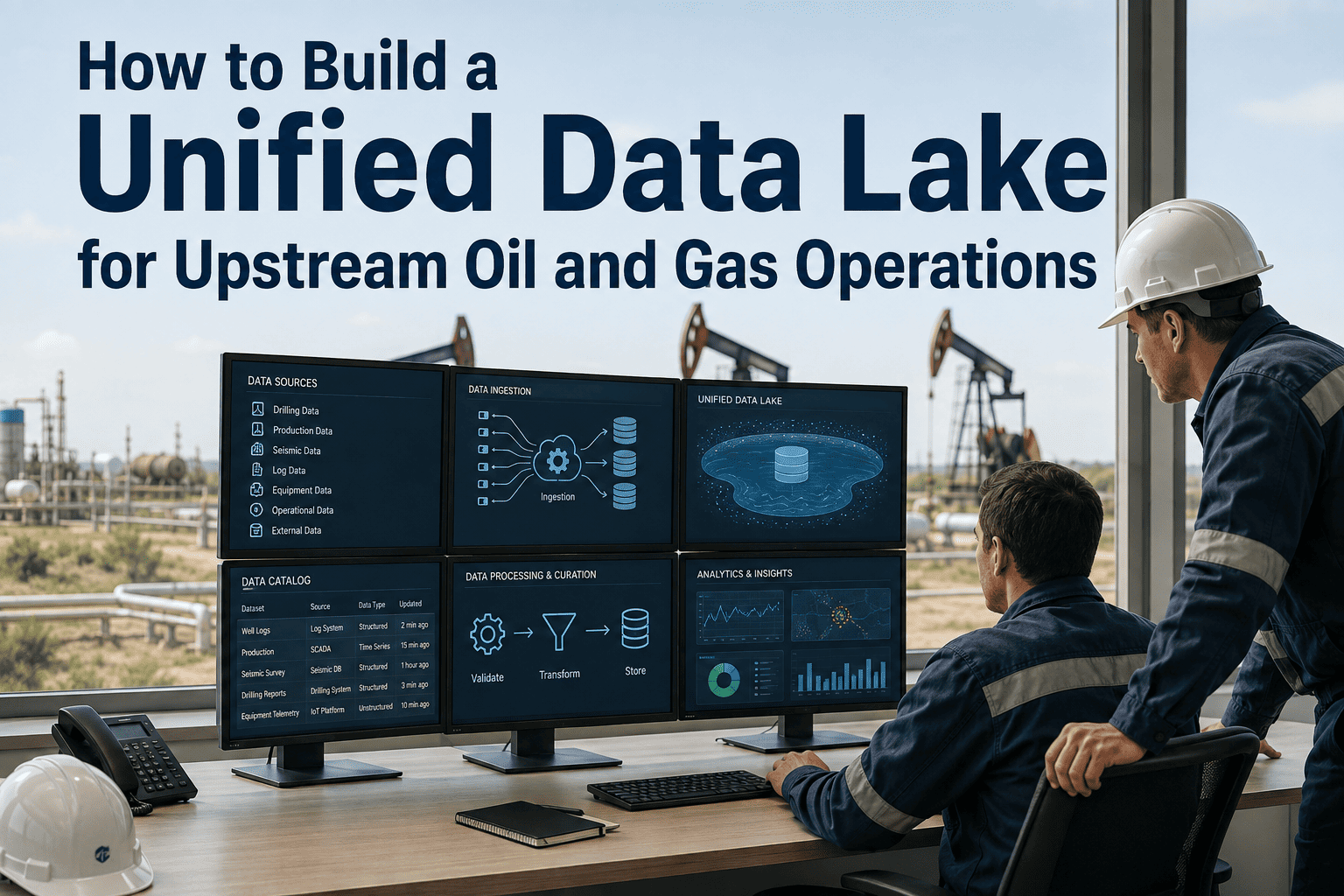
A data lake sounds like a storage decision, but for upstream oil and gas operations the hard part is almost never storage, it is the four different protocols standing between your field data and anything queryable. SCADA speaks OPC UA, your histor

Read More
At field-level scale, unifying data from a handful of wells is a manageable integration project. At five hundred wells and beyond, it becomes an entirely different engineering problem, because the number of SCADA remote terminal units, rod pump co

Read More
Ask five different roles at an upstream operator where to check well performance and you will likely get five different answers: SCADA for real-time rates, a rod pump controller portal for stroke data, an ESP vendor dashboard for motor health, a s

Read More
Every turnaround budget carries a line item that has almost nothing to do with the equipment being inspected: scaffolding. On a mid-size refinery or petrochemical turnaround, scaffold erection, rental, and dismantling can consume ten to fifteen pe
Read More
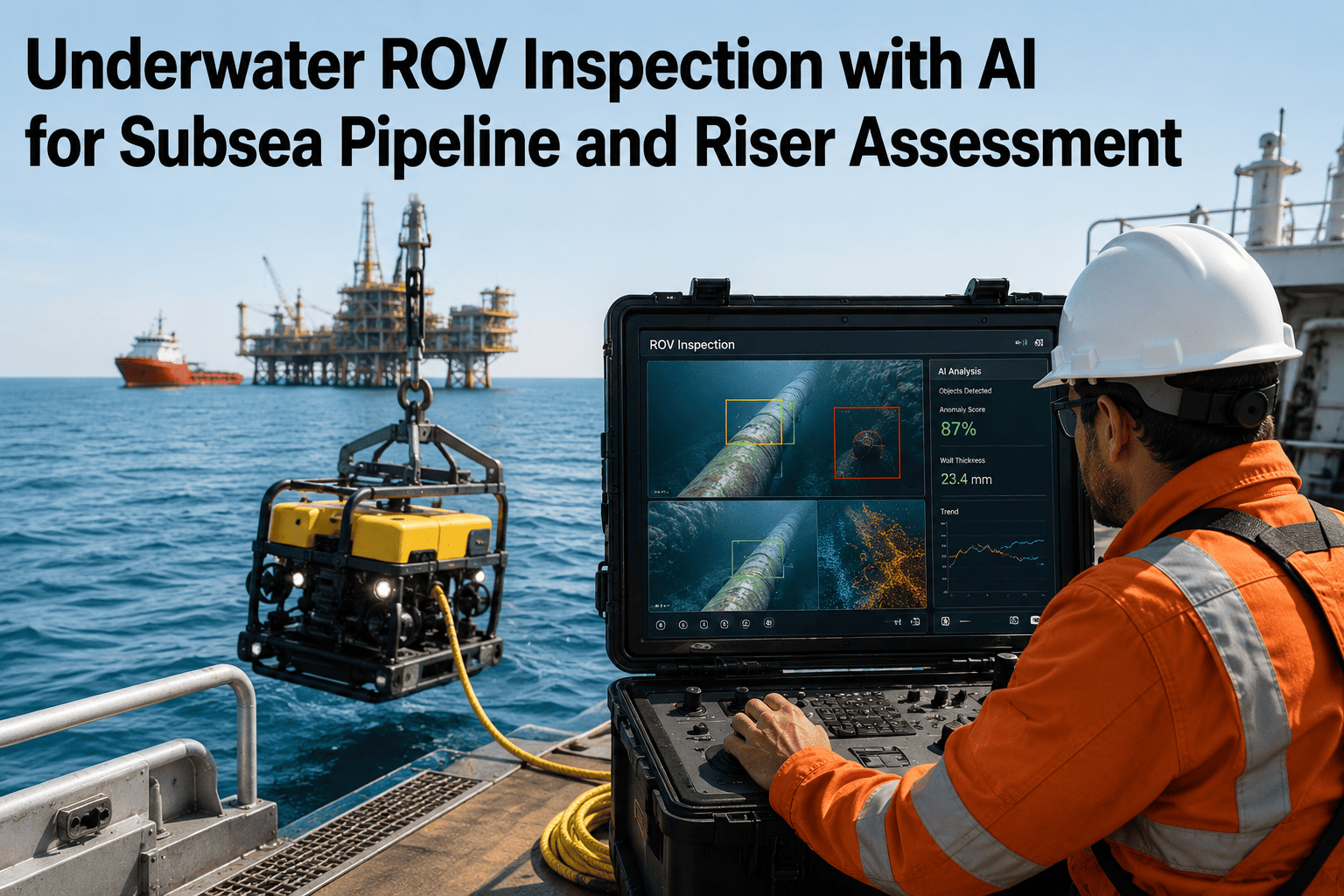
A subsea pipeline inspection has always been, at its core, a video review problem. An ROV pilot on a support vessel flies the vehicle along kilometers of pipe, the cameras stream 4K video back to a control cabin, and somewhere in that footage sit

Read More
Most AI vendor pitches in oil and gas lead with a single eye-catching number — a 295% ROI, a $400 million annual saving — pulled from someone else's best-case deployment at a scale that has nothing to do with your operation. The number that actual
Read More
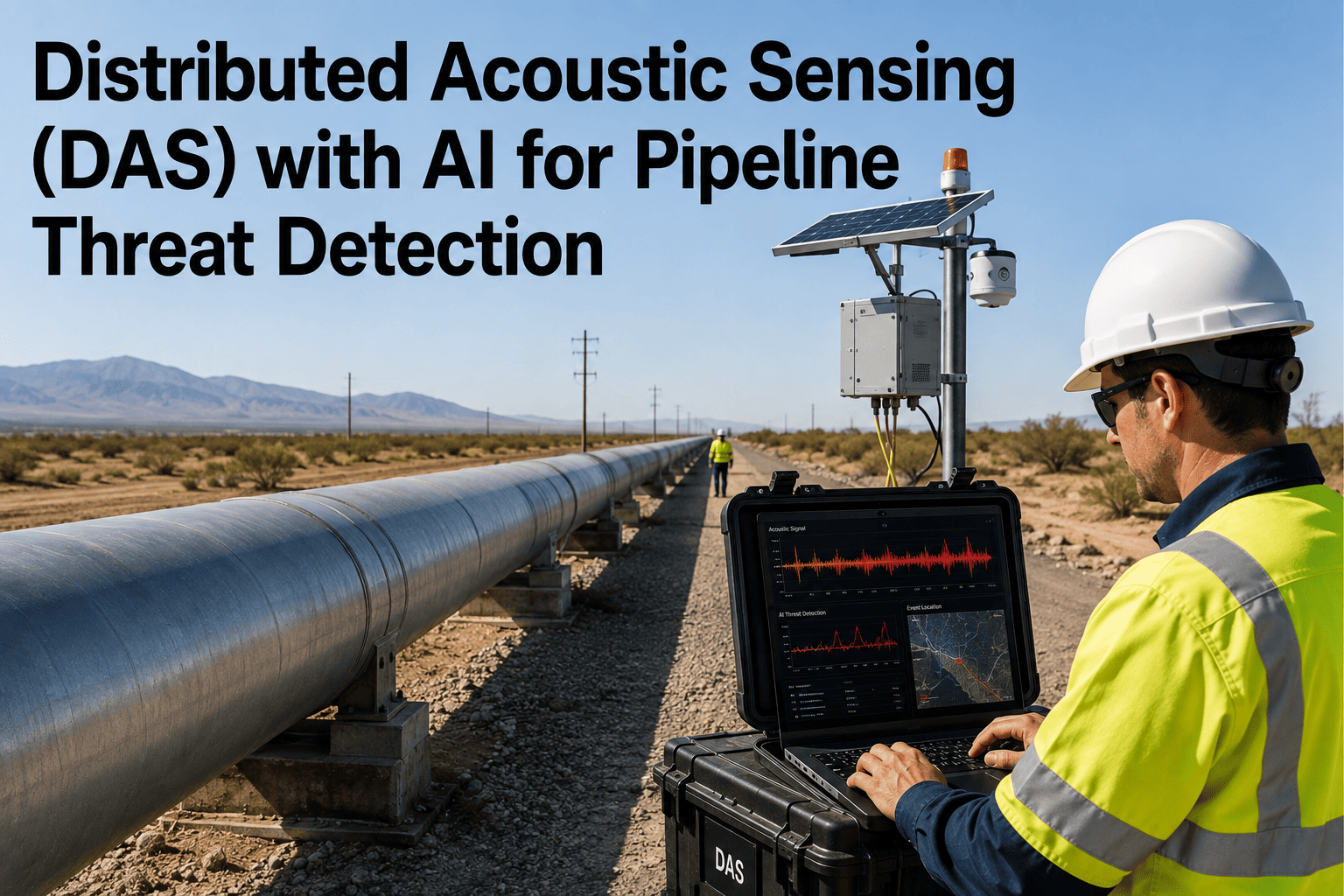
An excavator digging near a buried pipeline right-of-way sounds different, mechanically, than a passing truck, a farmer's tractor, or a person walking the line — and a fiber optic cable running alongside that pipeline can hear the difference from
Read More
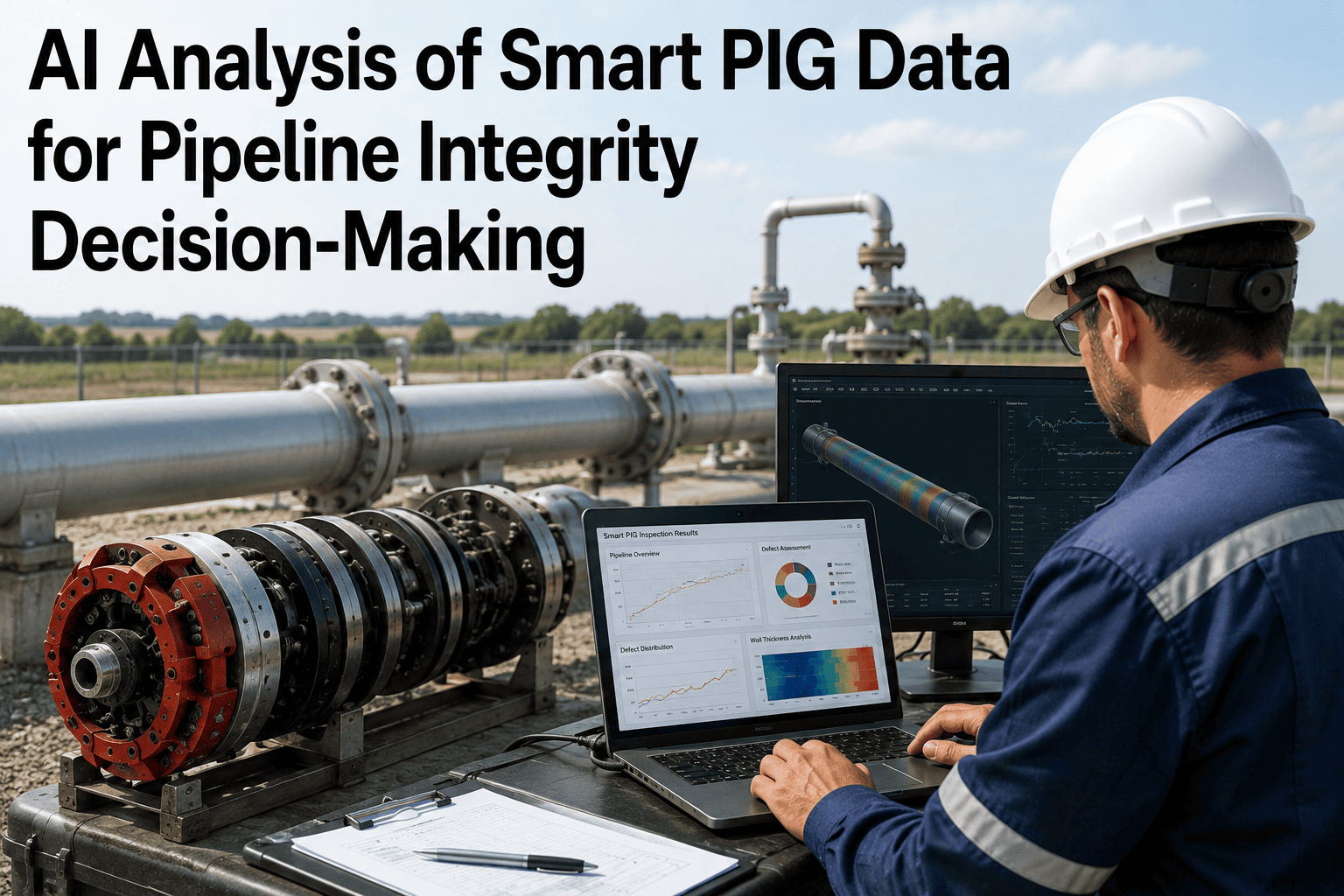
A single smart pig run generates gigabytes of MFL, ultrasonic, and caliper readings, and somewhere in the middle of it is a handful of anomalies that actually matter — the ones close enough to the pressure limit, or growing fast enough, to justify
Read More
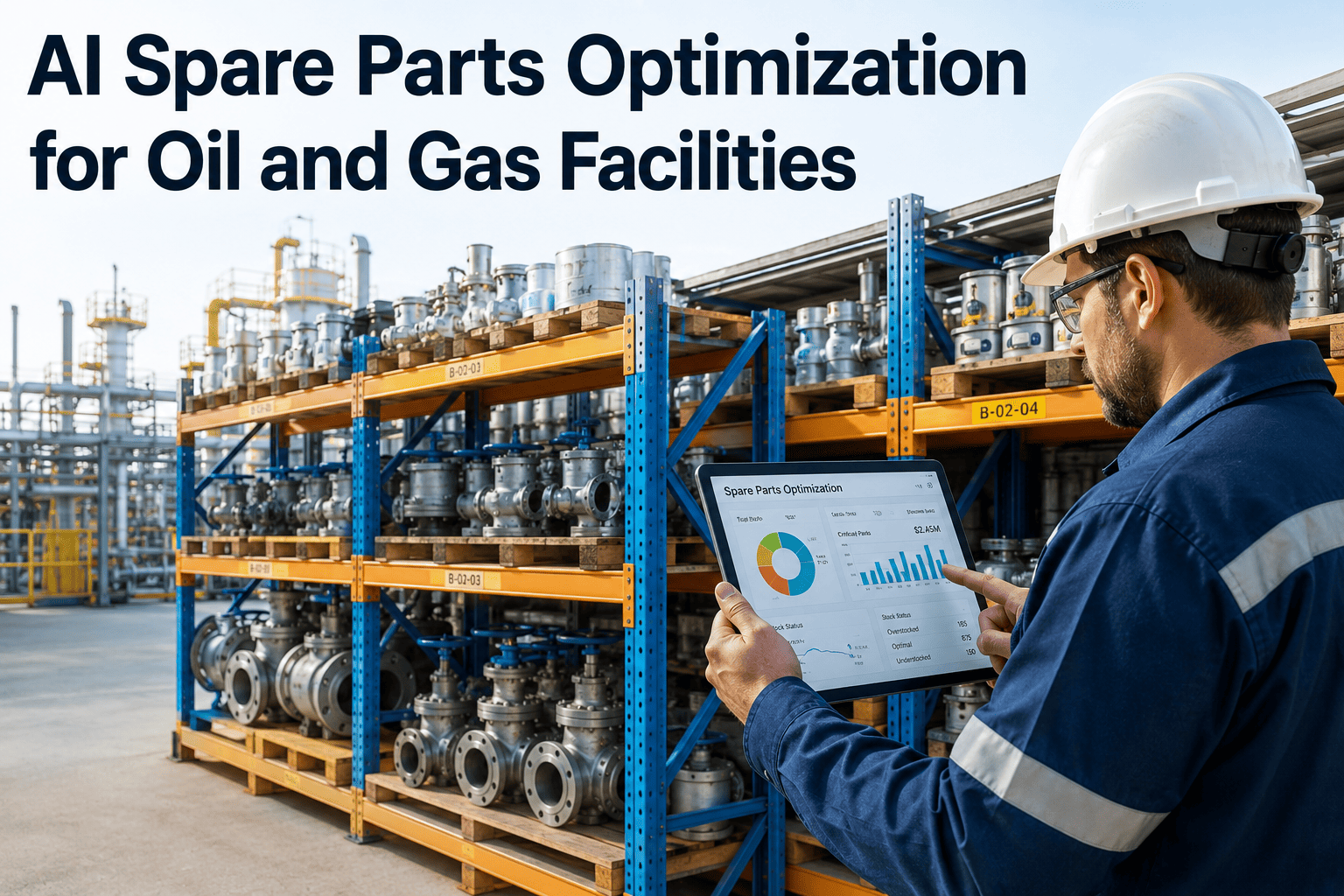
Somewhere in your warehouse is a shelf of spare parts nobody has touched in six years, sitting next to a critical seal that's been on backorder twice this quarter because nobody flagged it as high-risk. Across the industry, operators are holding m
Read More
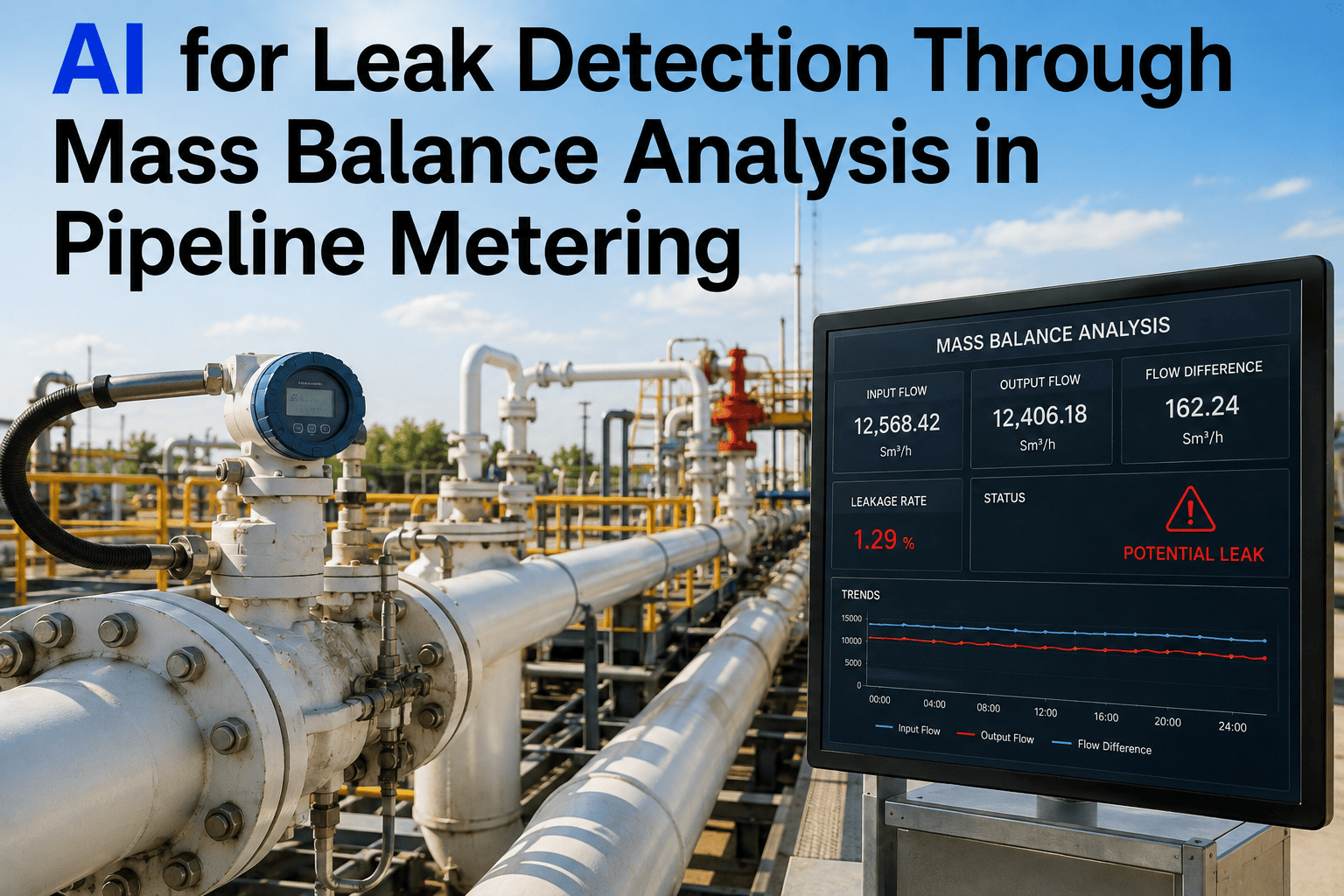
A pipeline can lose product for weeks before anyone notices, not because the leak is small in absolute terms, but because it's small relative to the noise in how inlet and outlet metering data gets reconciled. Temperature swings, pressure correcti
Read More
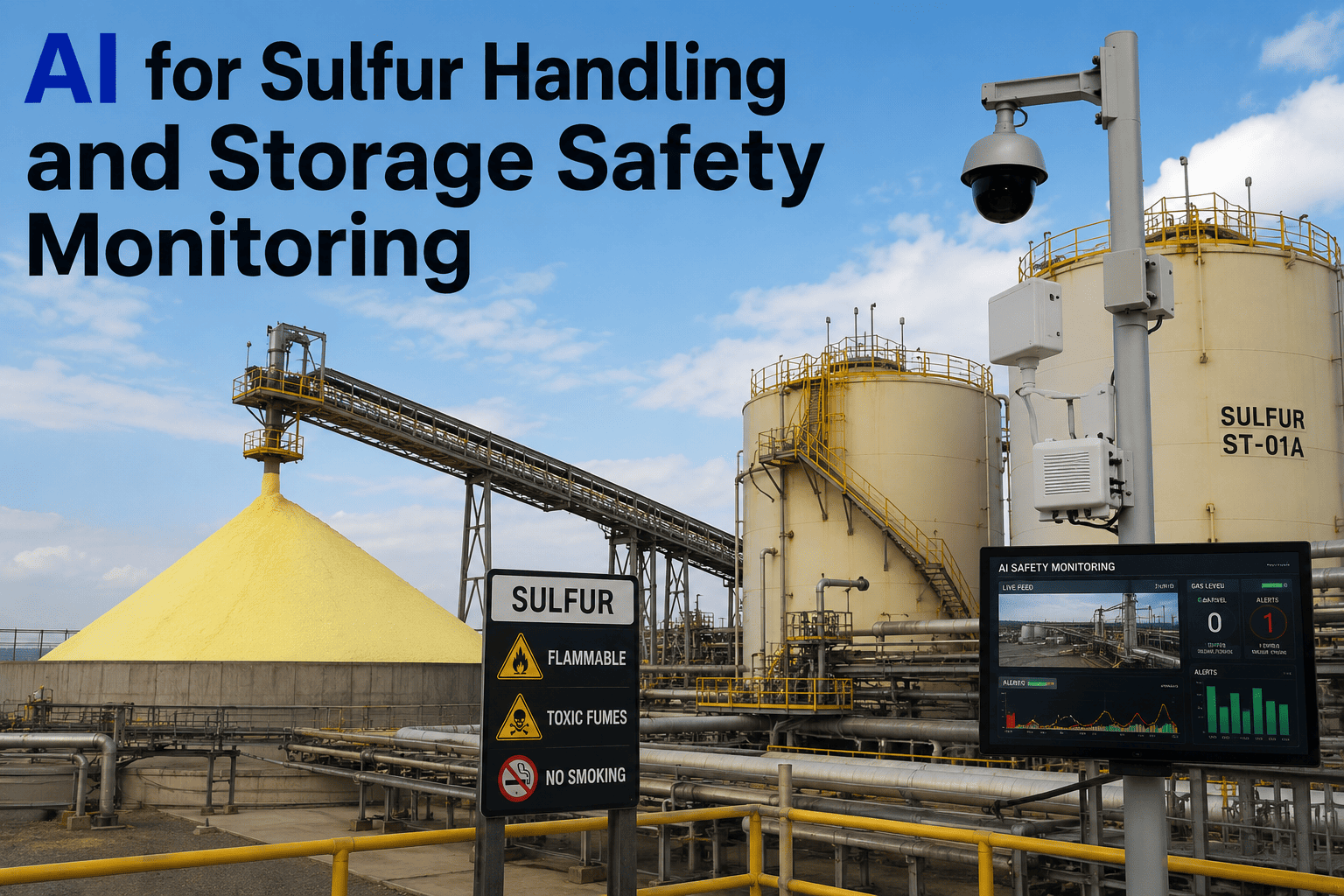
Molten sulfur looks harmless in a storage pit — a dull yellow liquid sitting quietly at a controlled temperature. It is also the source of one of the more overlooked hazard chains in a gas plant: let it cool unevenly, let ventilation lapse, or let
Read More
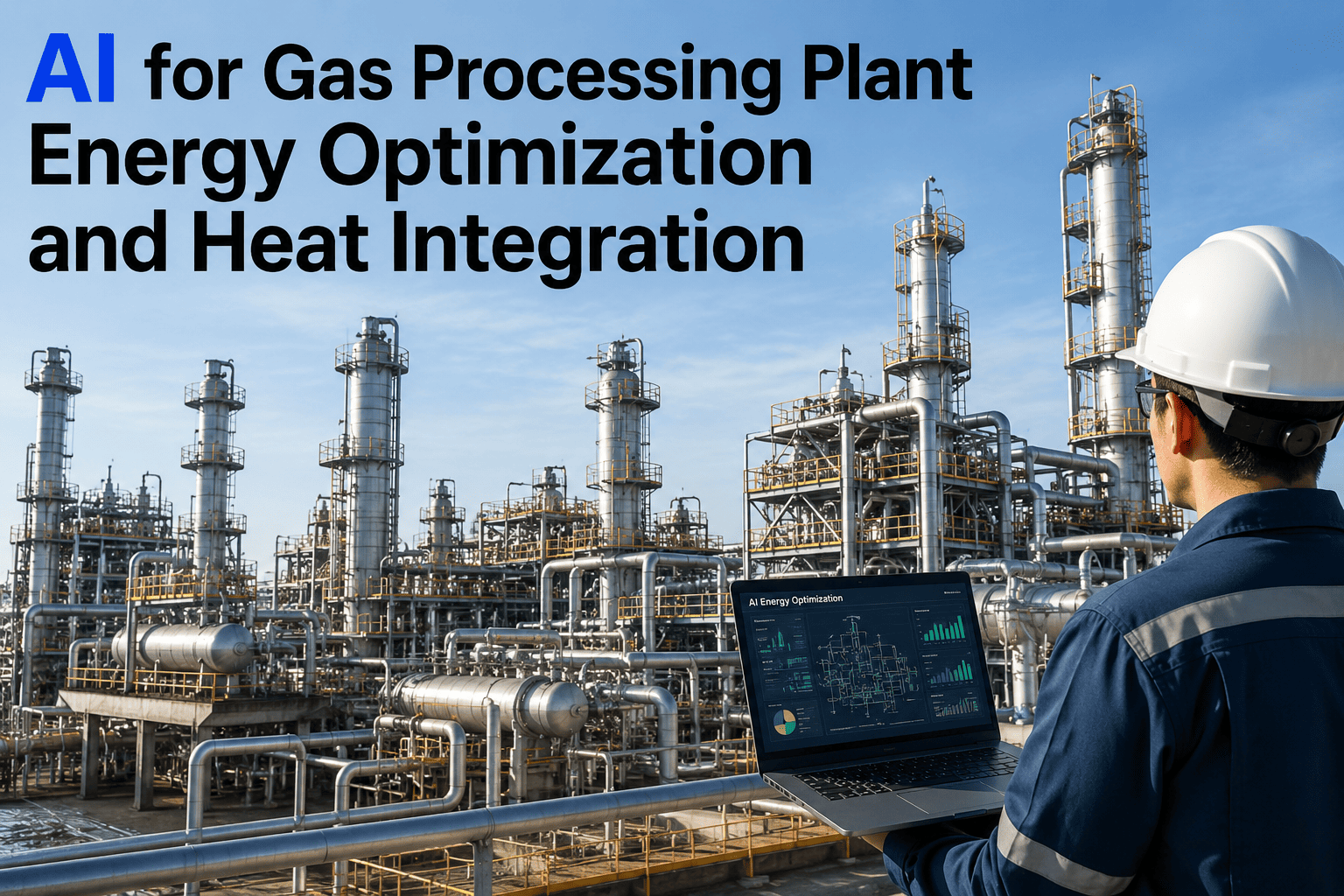
A gas processing plant burns fuel gas around the clock to keep fired heaters, reboilers, and compressors running, and most of that energy spend is never questioned because it has always been that way. Somewhere in the process there is a hot stream

Read More
A scaffold rated 50 psf medium-duty across a 200 square foot platform can carry 10,000 pounds of workers, tools, and material — until it can't. The failure envelope on any scaffold is a hard number, spelled out on the manufacturer's rated capacity
Read More
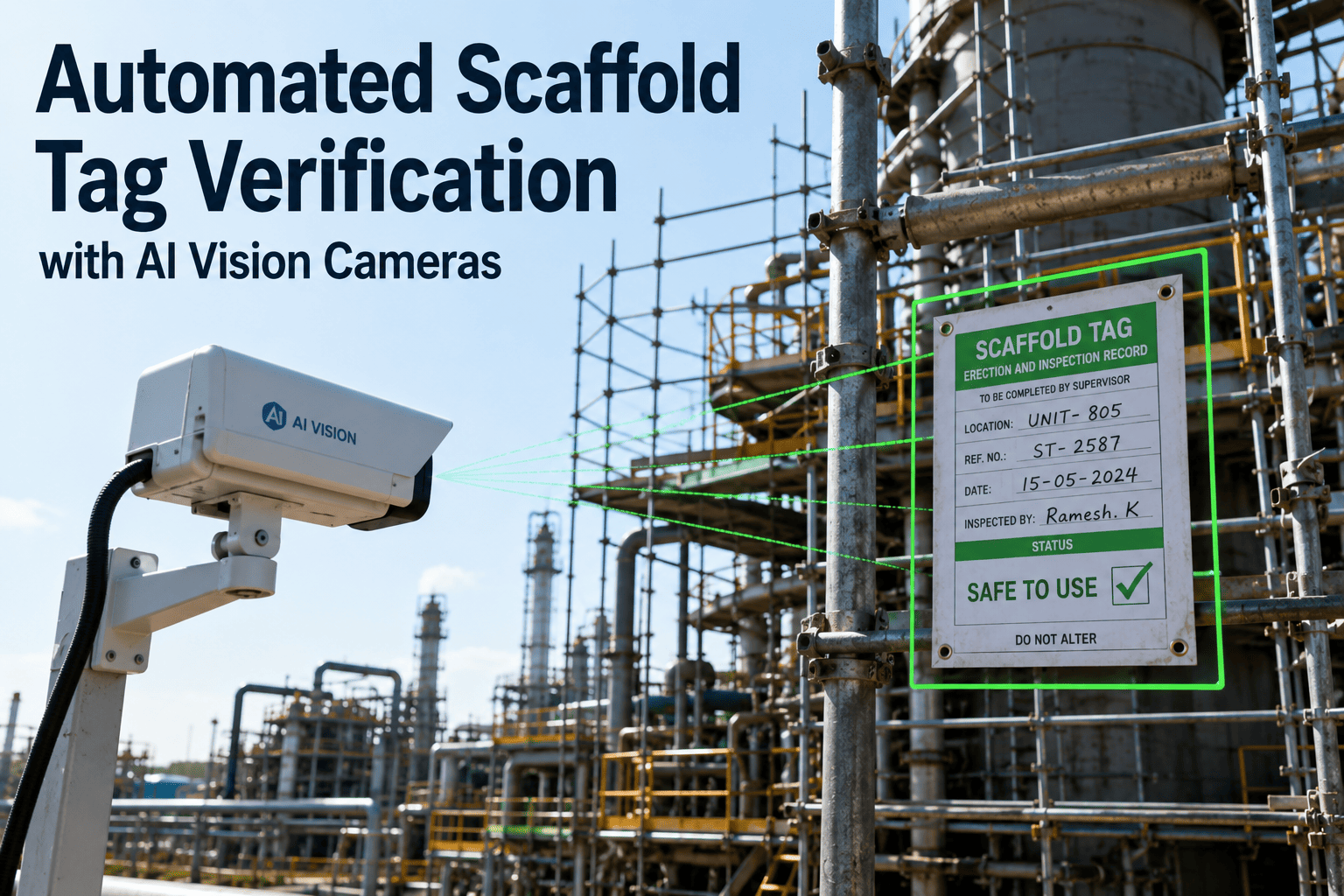
A green scaffold tag is a promise — that a competent person put eyes on the structure before the shift started, checked the planking and guardrails and base plates, and signed the tag holder to certify the scaffold is safe to work on. But the prom

Read More
A turnaround at a chemical plant or a refinery is where scaffold density peaks and human oversight thins simultaneously. The site erects hundreds of scaffolds across a two-week window, each one built by a rotating crew, each one supposed to carry
Read More
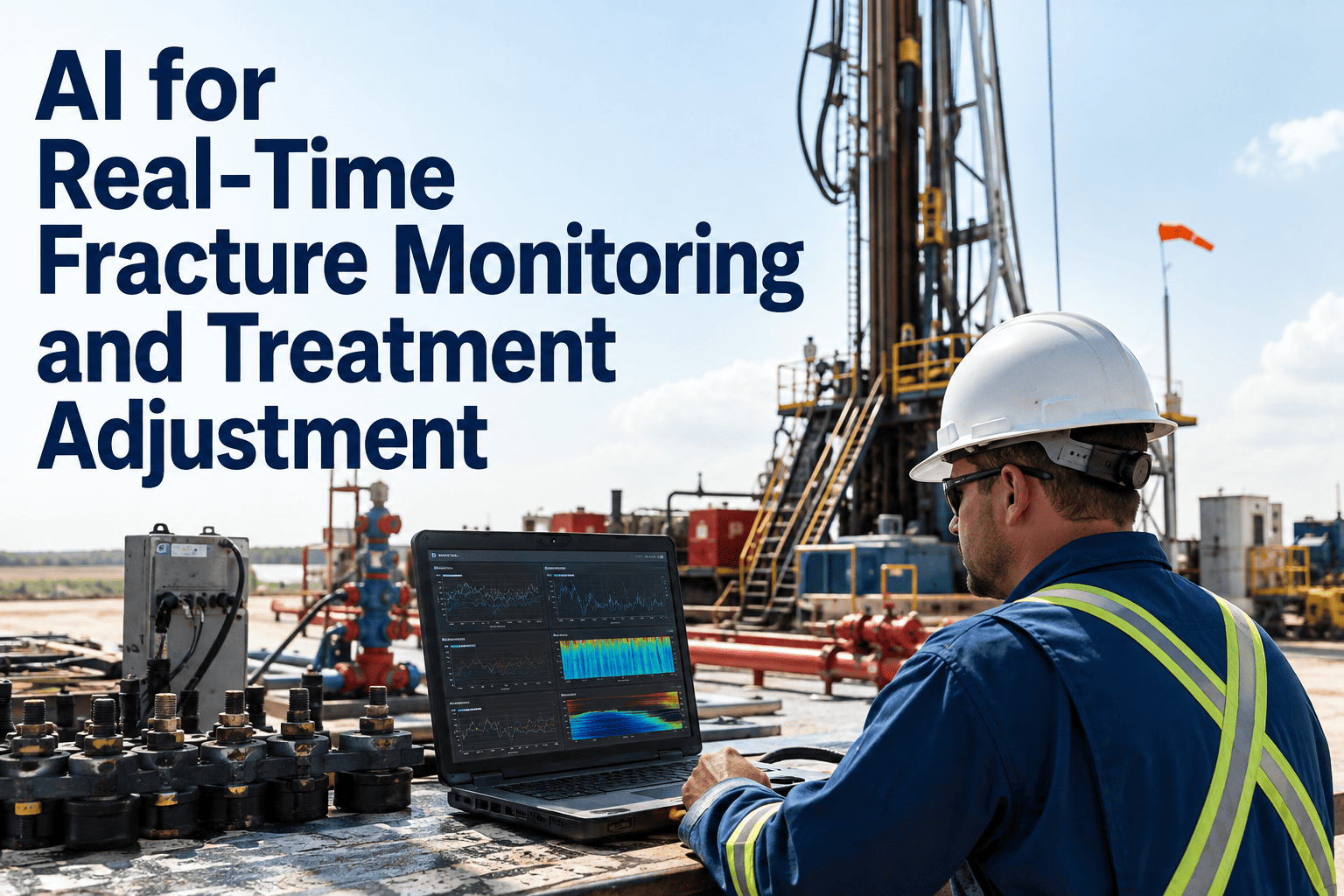
By the time a screenout shows up as a sudden treating pressure spike on the pump chart, the stage is usually already lost — the warning signs were present in the microseismic and pressure data minutes earlier, just not assembled into a clear signa
Read More
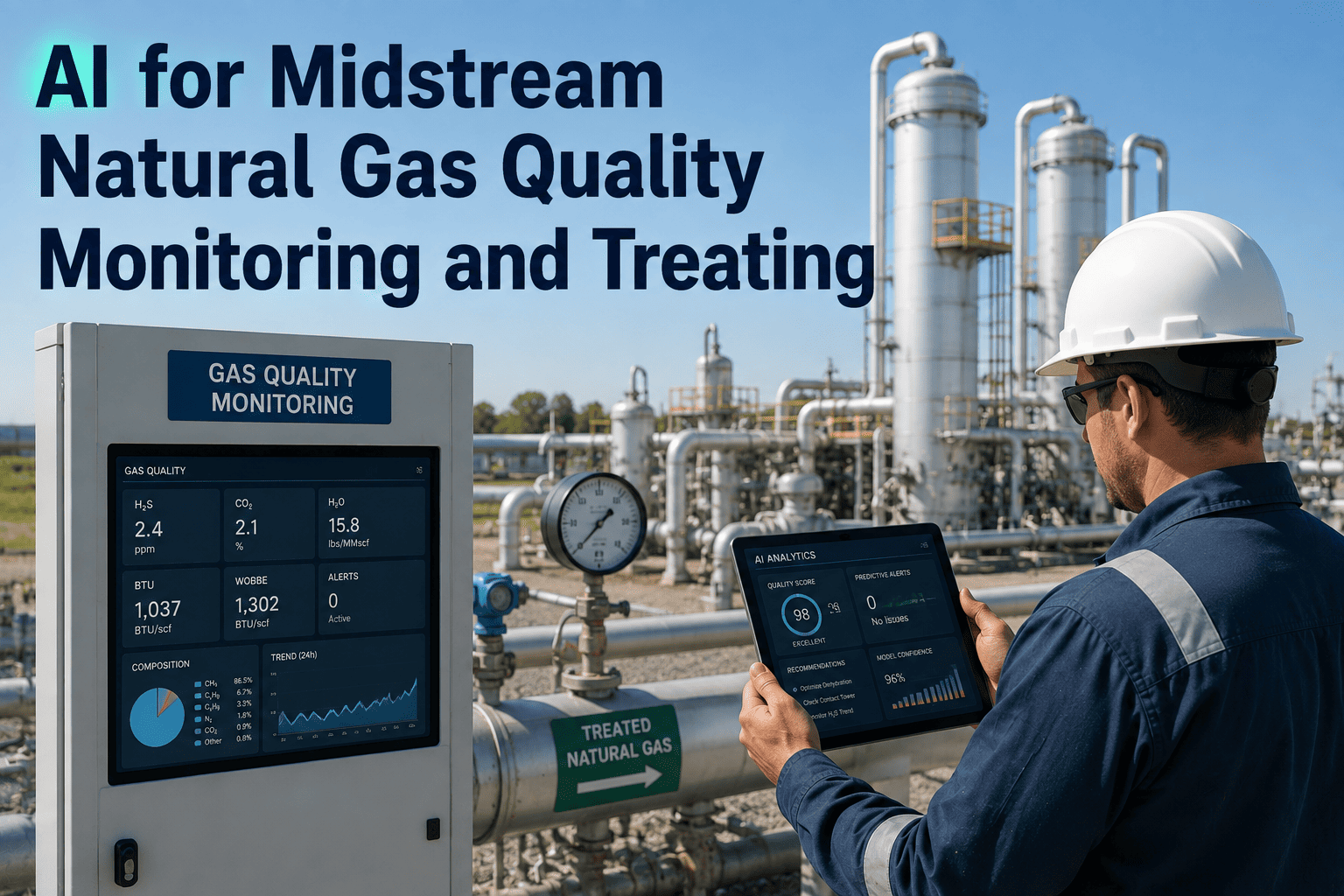
Pipeline gas specifications exist for a reason — too much H2S, CO2, or moisture and the gas becomes unsalable or corrosive to the very infrastructure carrying it, yet many treating units are still operated against fixed setpoints tuned for average
Read More
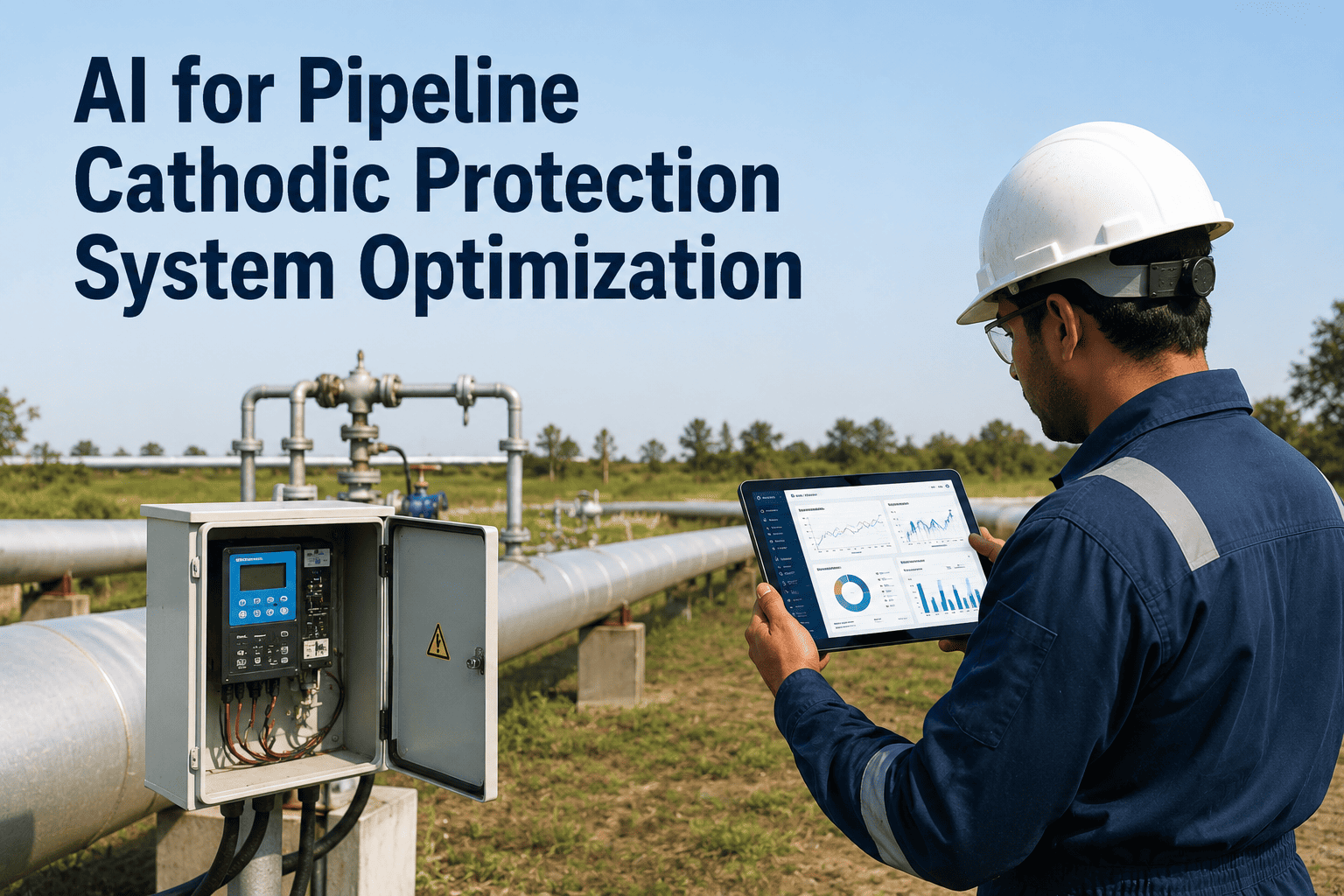
A cathodic protection system that is technically "on" is not the same as one that is actually protecting the pipe — rectifiers get set once at commissioning and rarely revisited, pipe-to-soil potentials drift as soil resistivity changes with the s
Read More
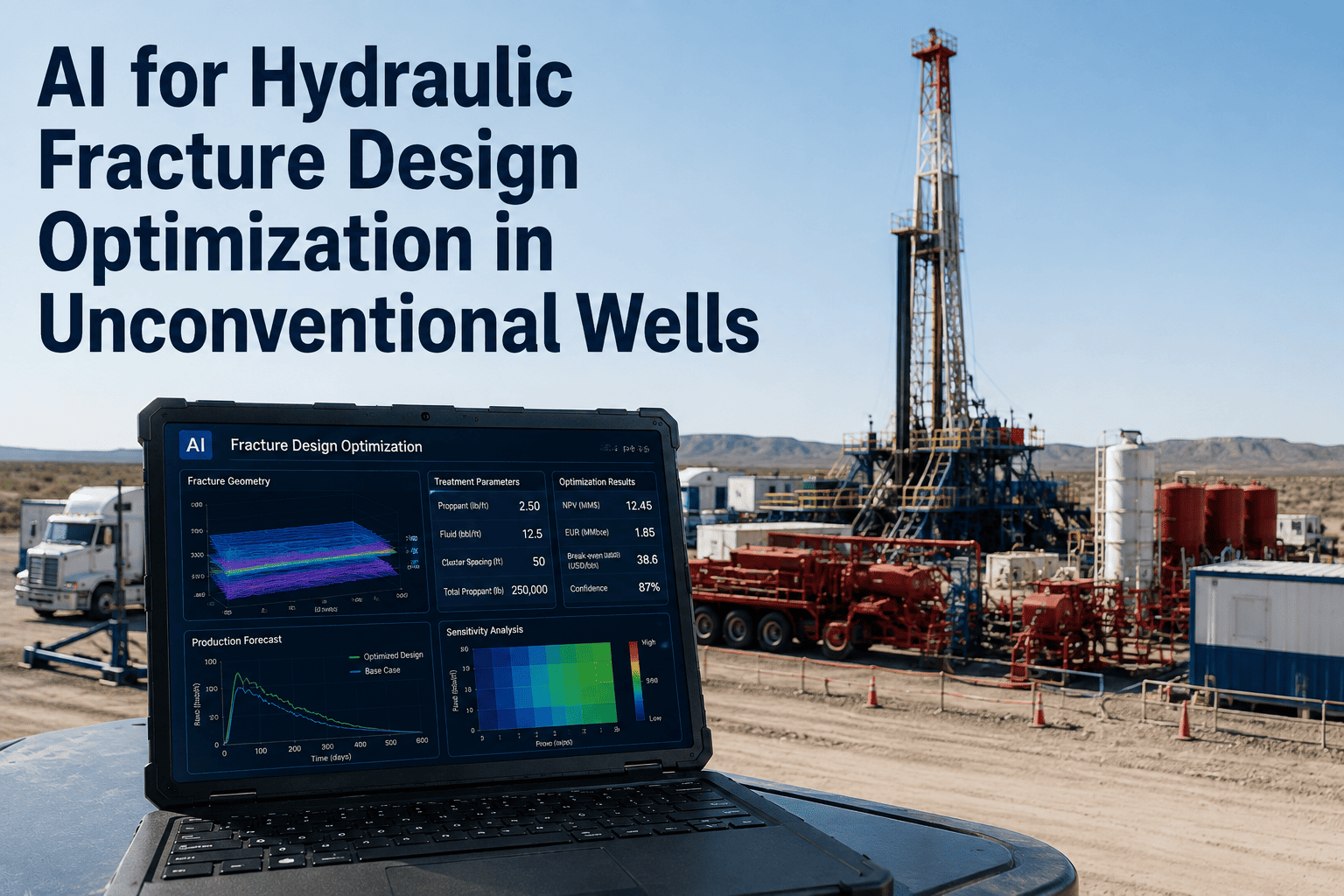
Two wells drilled a few hundred feet apart in the same formation can produce very different results from nearly identical frac designs, and the difference usually traces back to fluid volume, proppant concentration, pump rate, and stage spacing de
Read More
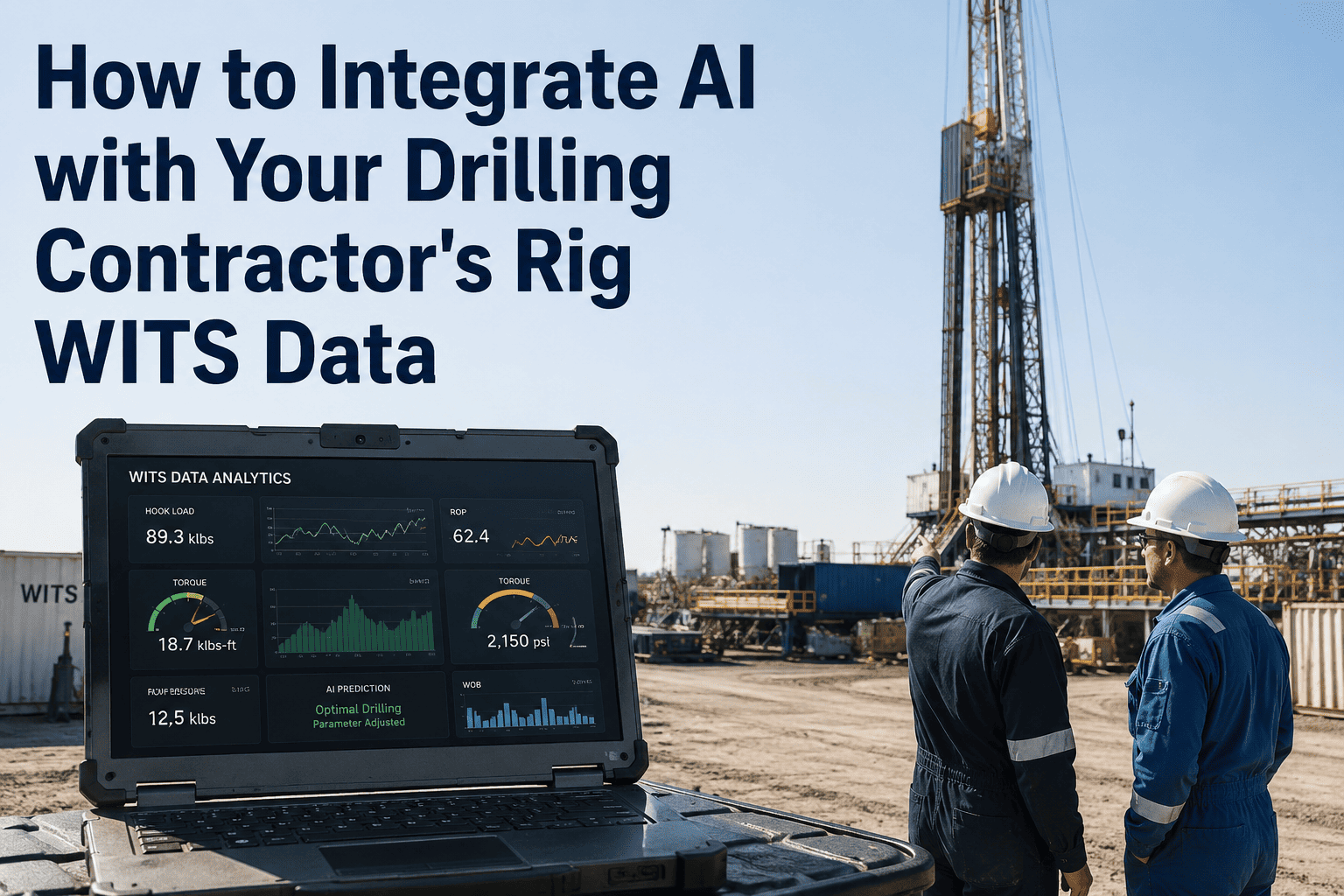
Most drilling contractors already have the data an AI optimization platform needs — it is sitting inside the WITS (Wellsite Information Transfer Specification) stream flowing off the rig's data acquisition system every second, unused beyond a dril
Read More
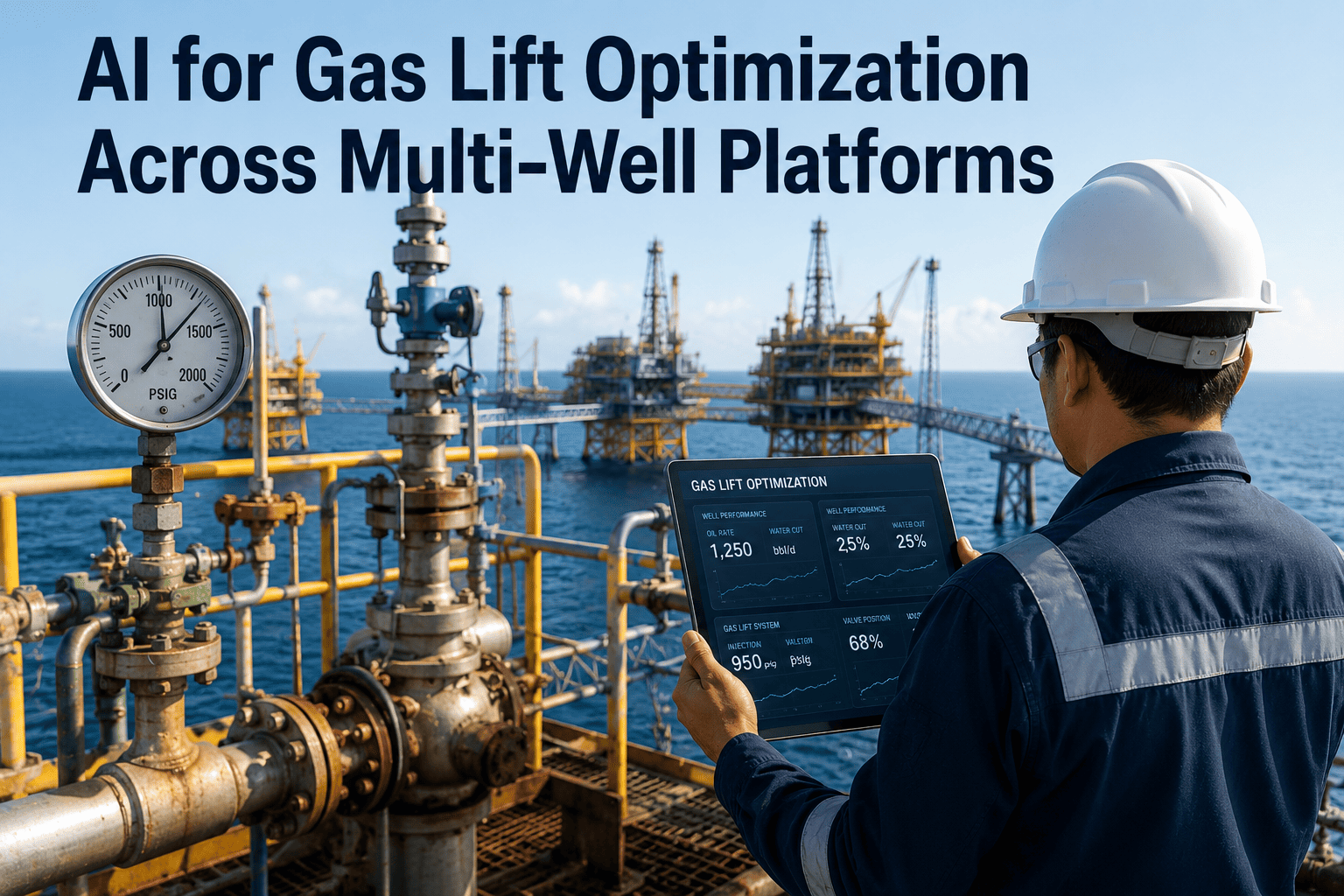
Every gas lift platform runs into the same constraint eventually: compression capacity is fixed, lift gas is expensive to produce and compress, and a platform with twenty or more wells competing for a limited gas supply has to decide, well by well
Read More
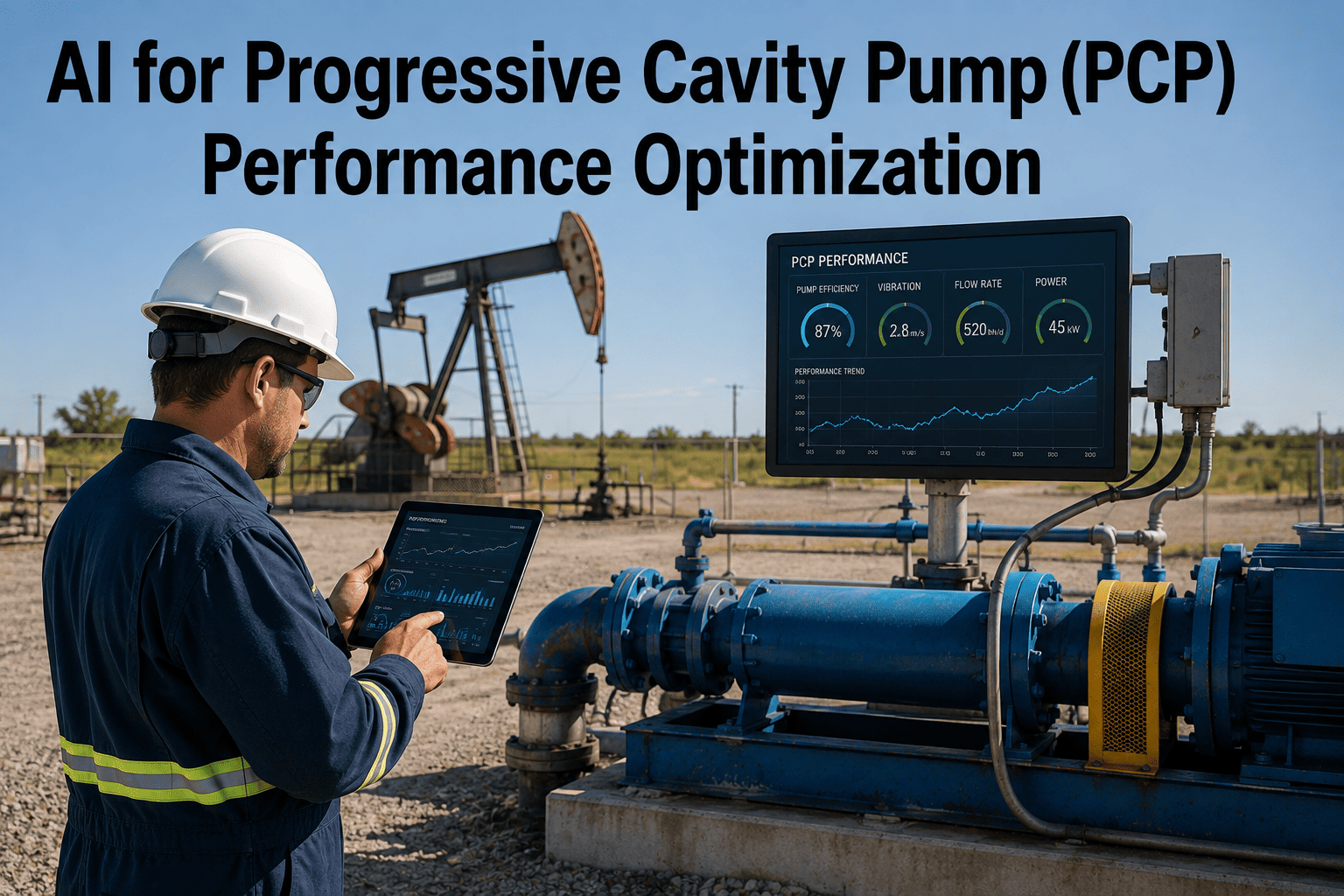
Progressive cavity pumps are a workhorse of artificial lift in heavy oil and high-viscosity wells, and their biggest advantage — a simple rotor-stator design that tolerates solids and viscous fluid — is also what makes their failure modes so easy
Read More
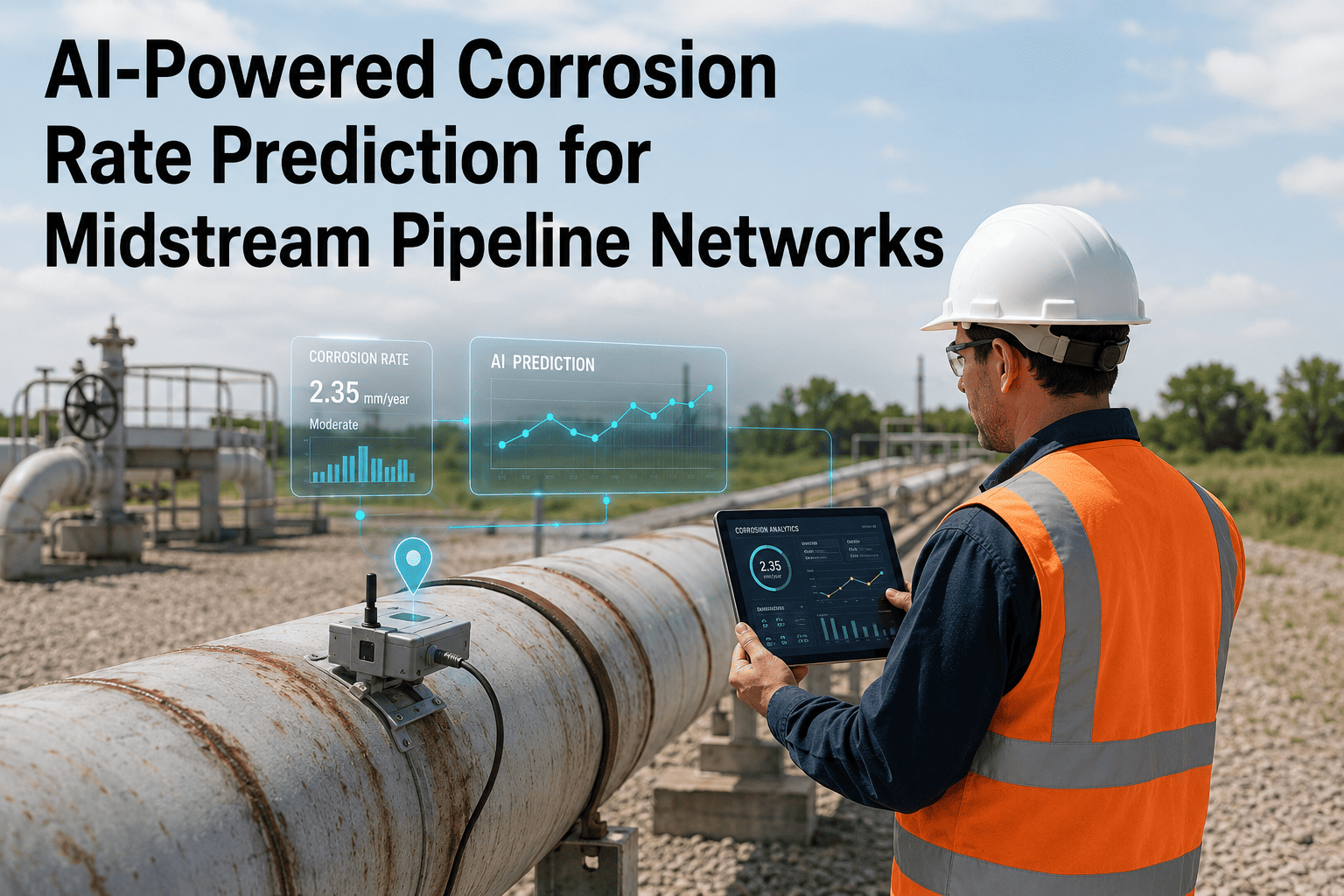
Internal corrosion is the failure mode midstream pipeline operators worry about most and see the least, because it happens on the inside of a pipe wall that nobody can visually inspect without shutting the line down and running an intelligent pig.
Read More
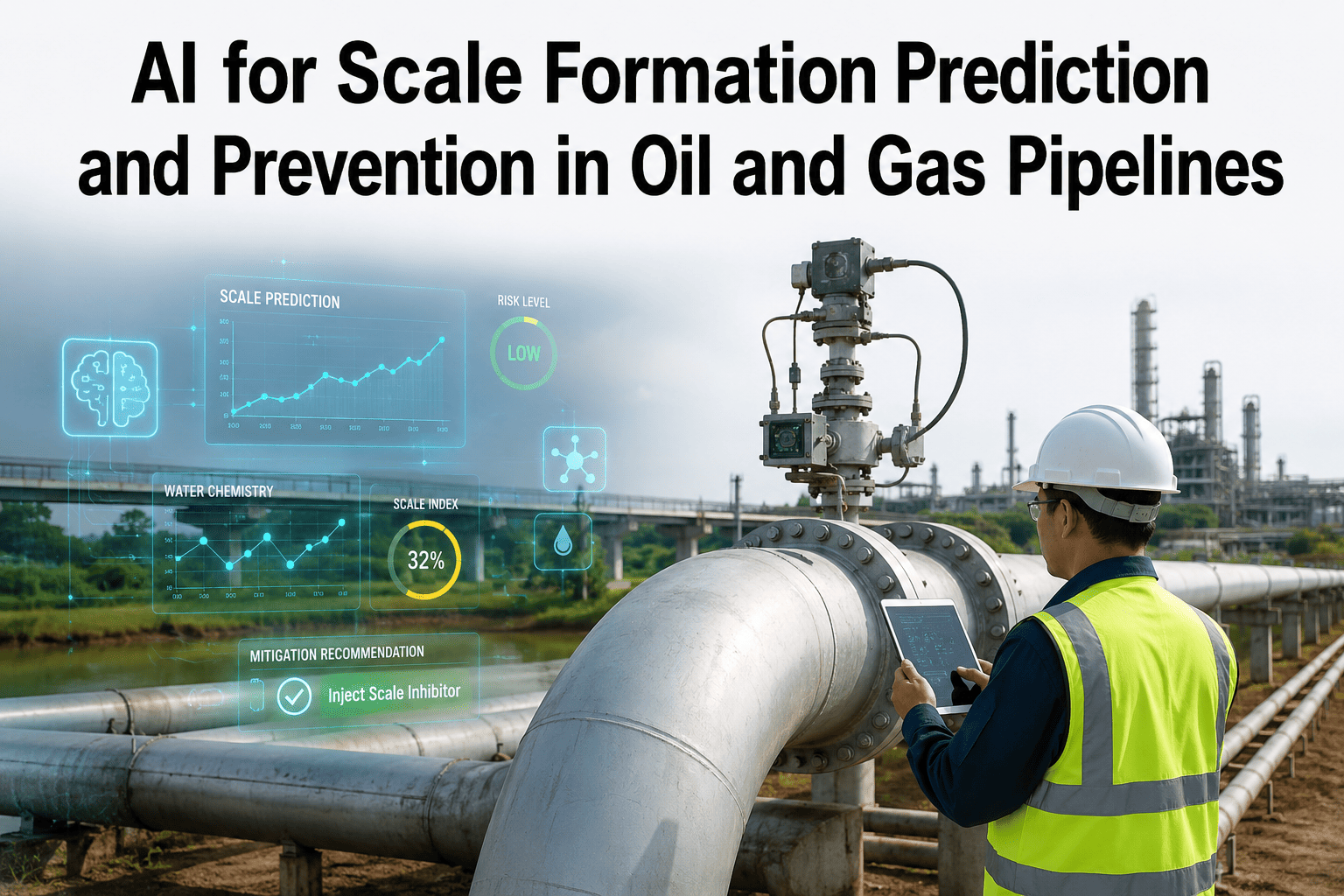
Scale doesn't announce itself until it has already narrowed the pipe — calcium carbonate, barium sulfate, and iron sulfide deposits build up quietly on the inside of tubing and flowlines long before a pressure drop or production decline gives an o
Read More
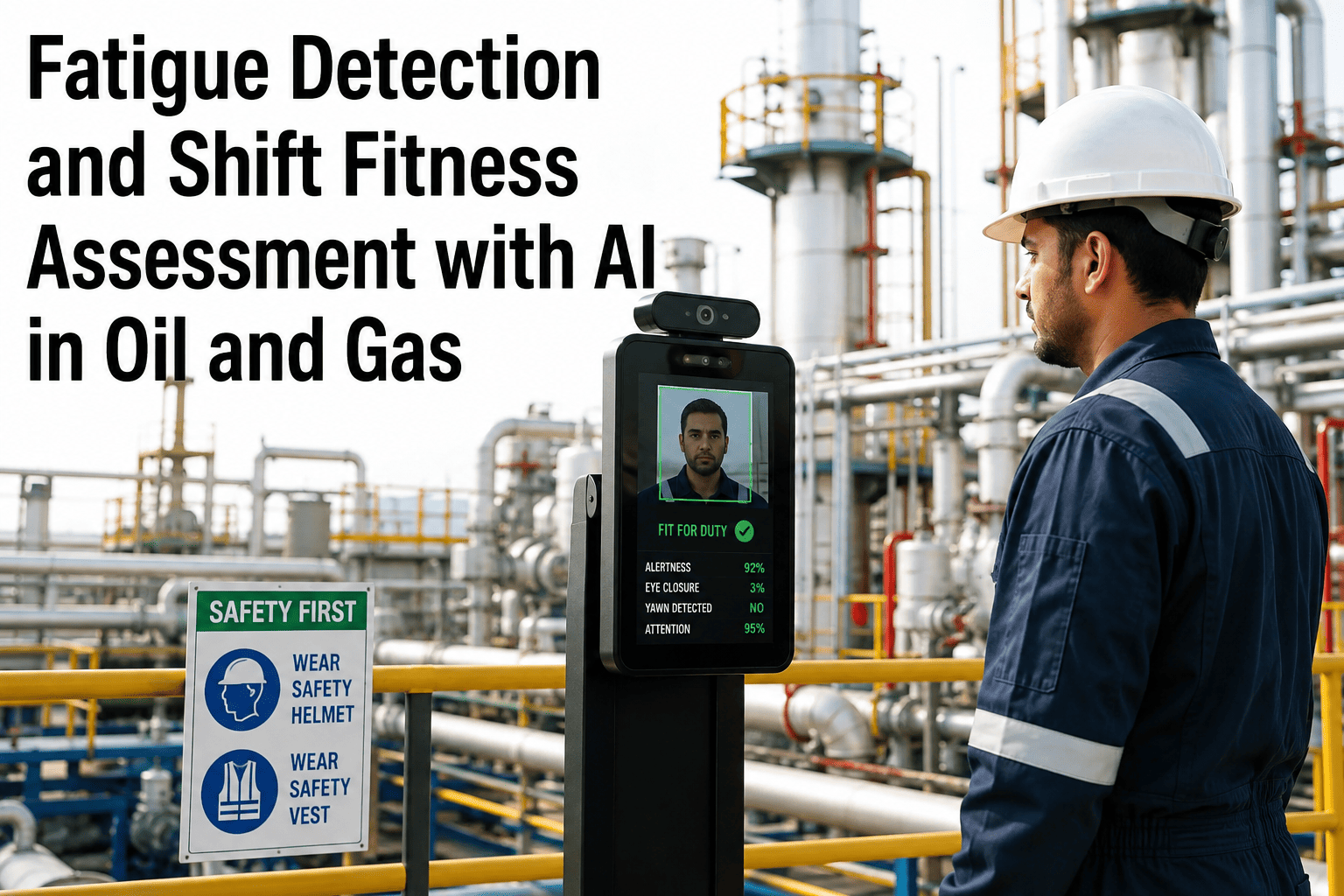
A worker who slept four hours before a night shift can pass a pre-shift breathalyzer, answer a fit-for-duty questionnaire honestly and still be operating equipment with reaction times comparable to someone legally impaired, because fatigue does no
Read More
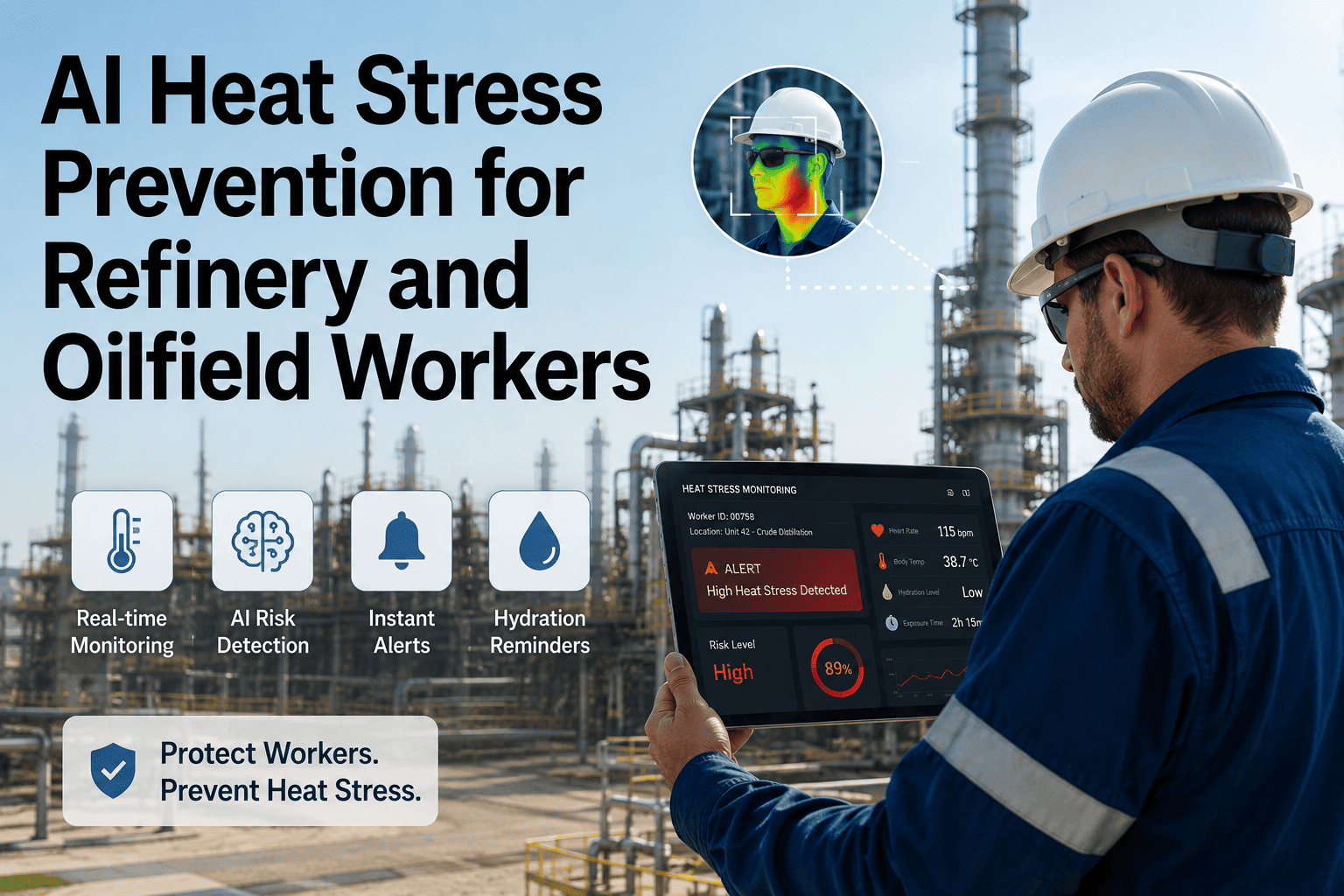
A WBGT reading of 88°F on the ambient monitor tells a safety team almost nothing about which specific worker on the unit is actually approaching a dangerous core temperature, because two people standing in the same heat, wearing the same PPE, doin
Read More
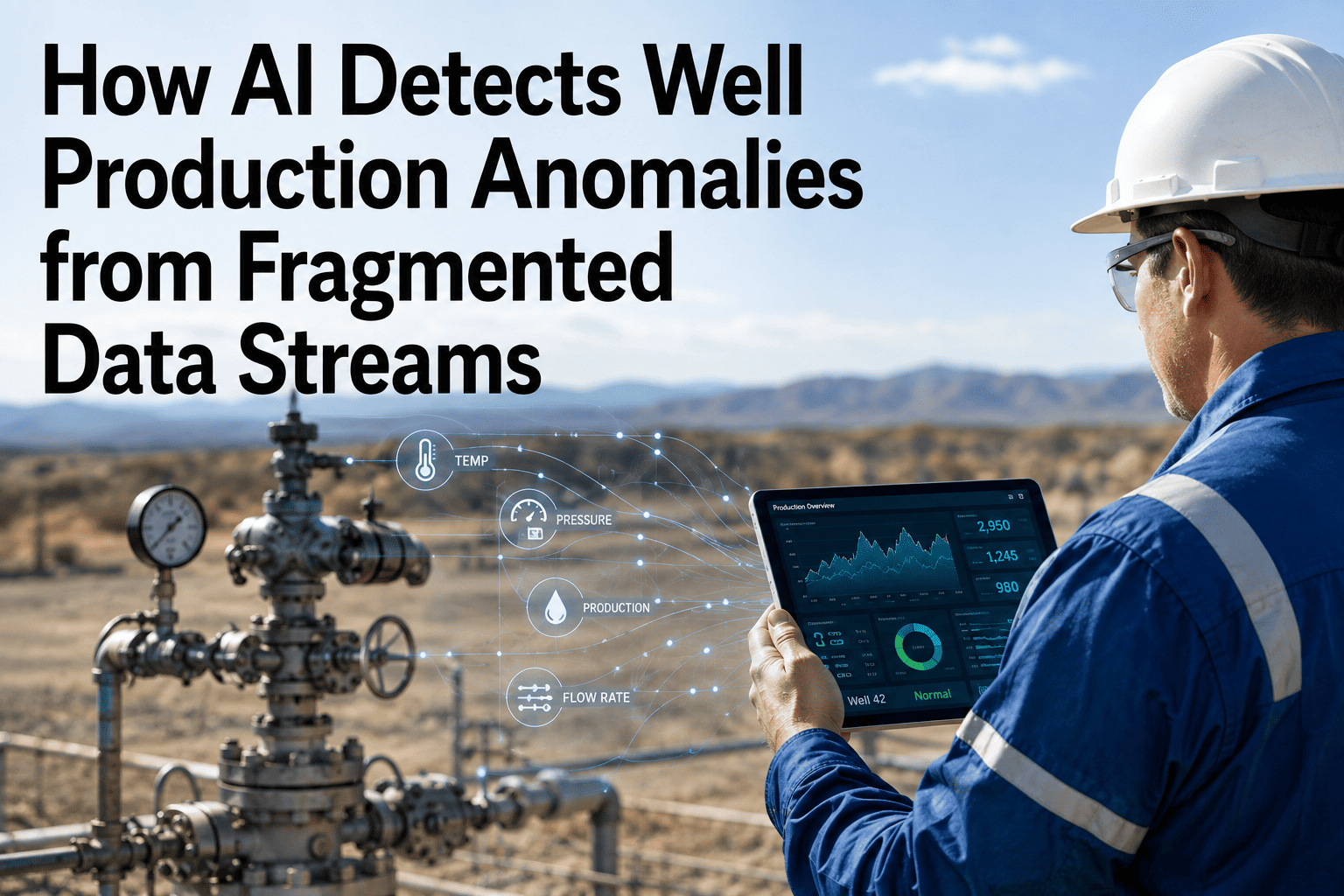
A well starting to load up with liquids, a gas lift valve beginning to fail, and a pump heading toward a mechanical failure all leave early signatures — but almost never in a single data stream a production engineer happens to be watching at the r
Read More
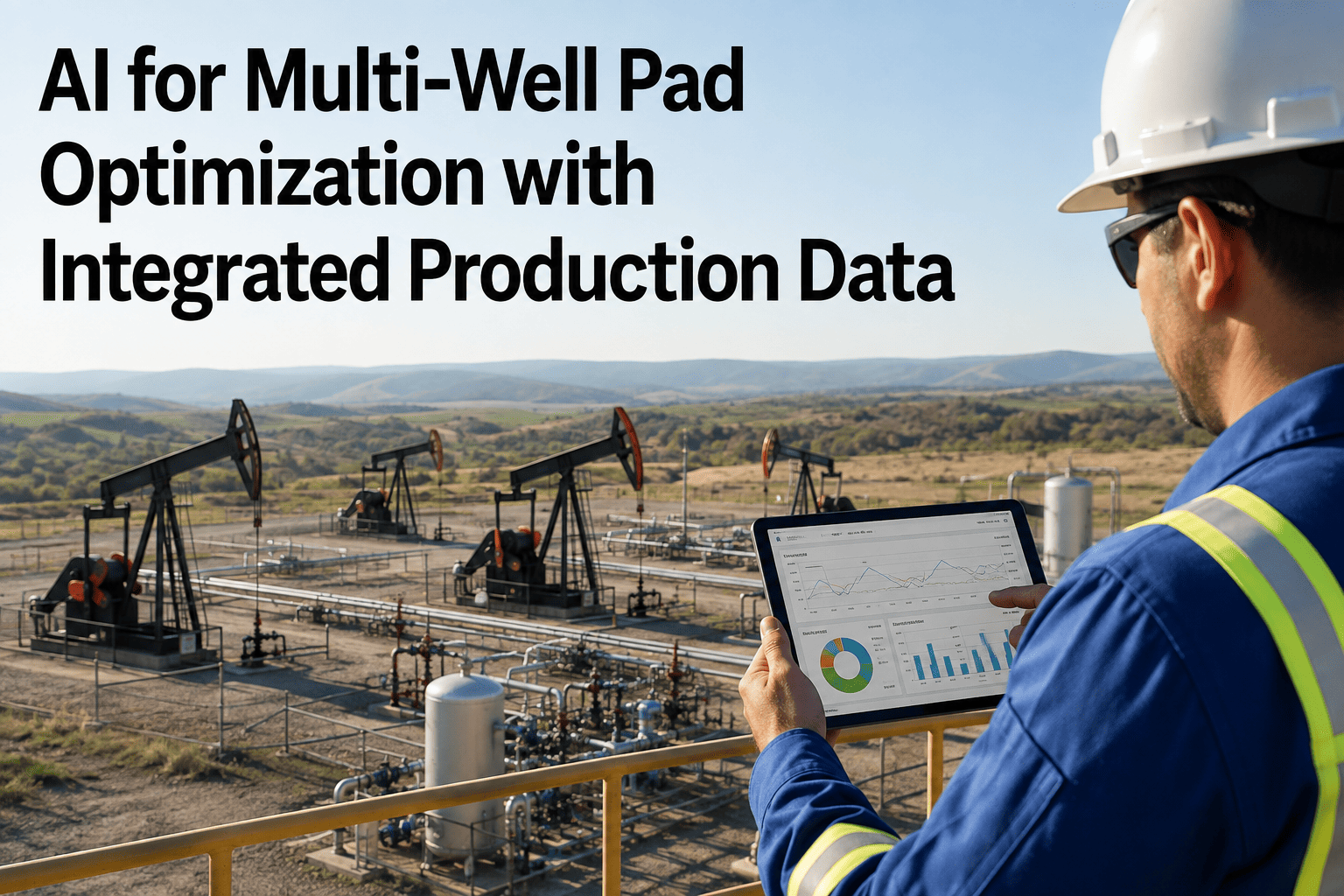
A single well pad rarely operates as sixteen independent wells that happen to share a fence line — it operates as one shared hydraulic and mechanical system, where every artificial lift adjustment, chemical injection rate, and separator setpoint o
Read More
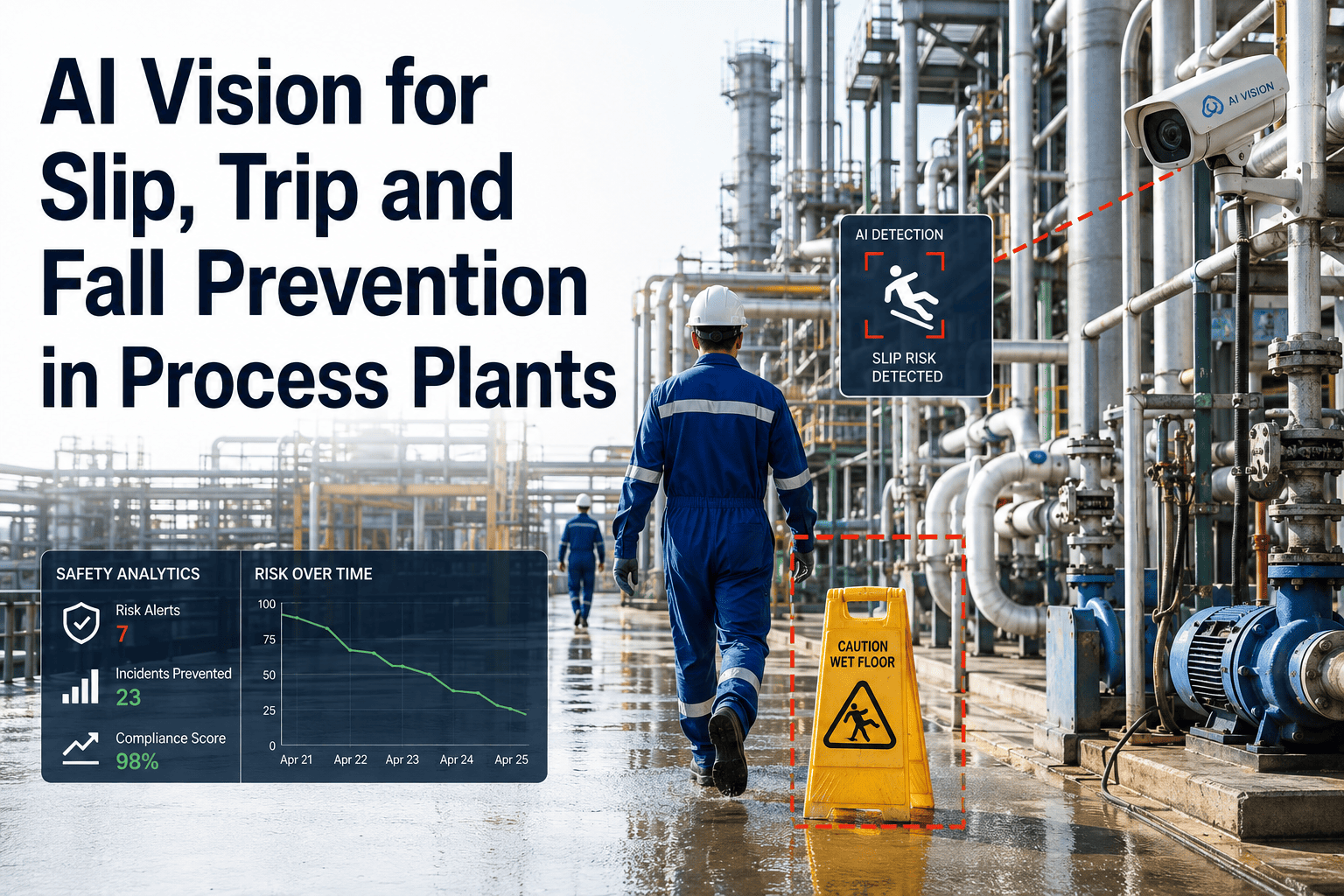
Slips, trips, and falls remain the single largest source of workplace injury incidents in process plants, and the ones that lead to the most days-away-from-work claims across oil and gas, refining, chemical processing, and heavy manufacturing. The

Read More
Walk into the IT room of a typical mid-size oil and gas operator and count the vendor logos on the rack. Predictive maintenance platform from one vendor, computer vision for flare monitoring from another, methane leak detection from a third, pipel

Read More
A turnaround schedule can look perfectly sound on paper right up until the first day of mobilization, when a scaffold crew discovers that the access route drawn on the plan runs directly through a pipe rack nobody accounted for, or a crane pad s
Read More
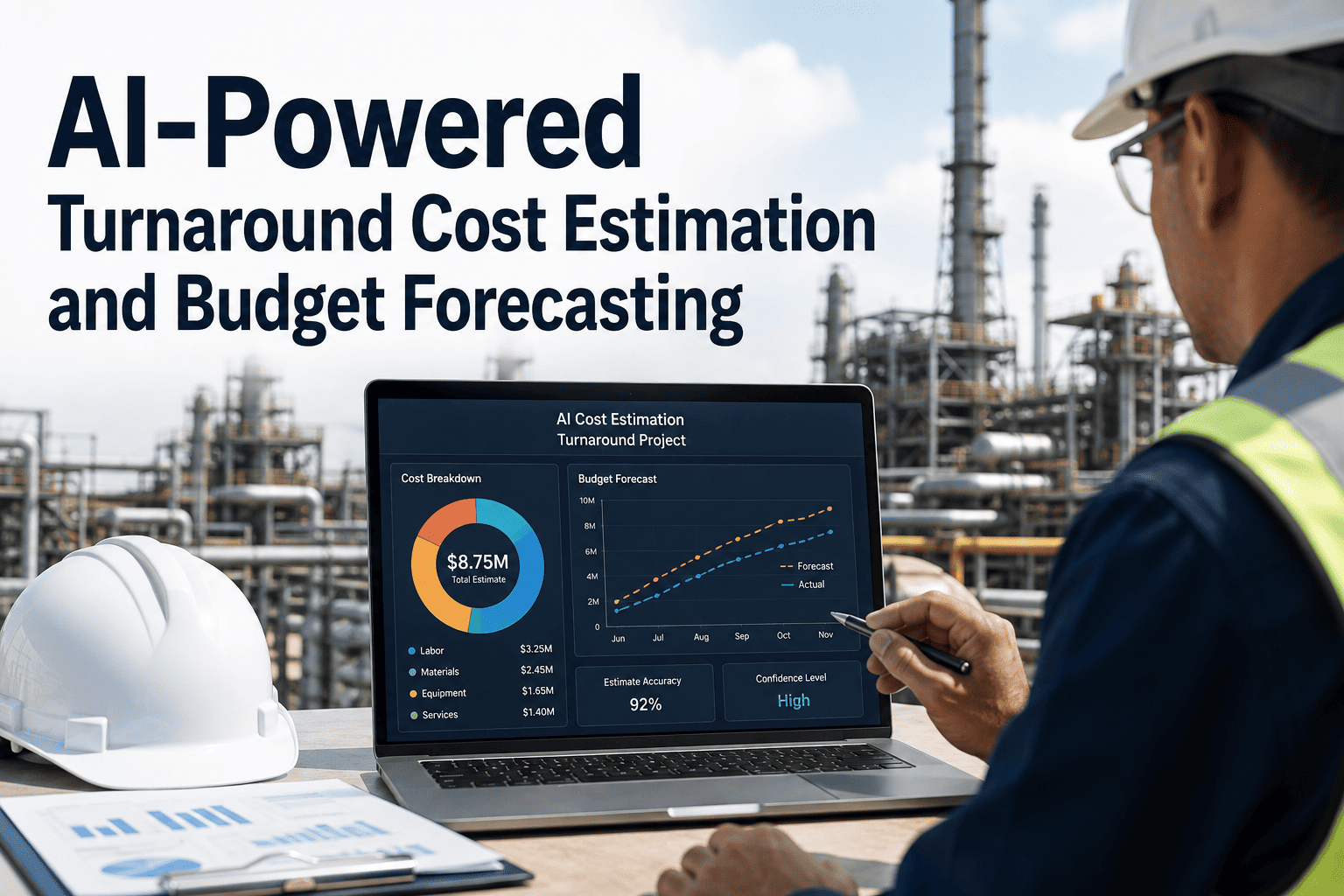
Turnaround budgets get built the same way at most refineries: pull last time's actual cost for a similar unit, add a contingency percentage that feels roughly right, and present it to leadership as a number with far more confidence than the method
Read More
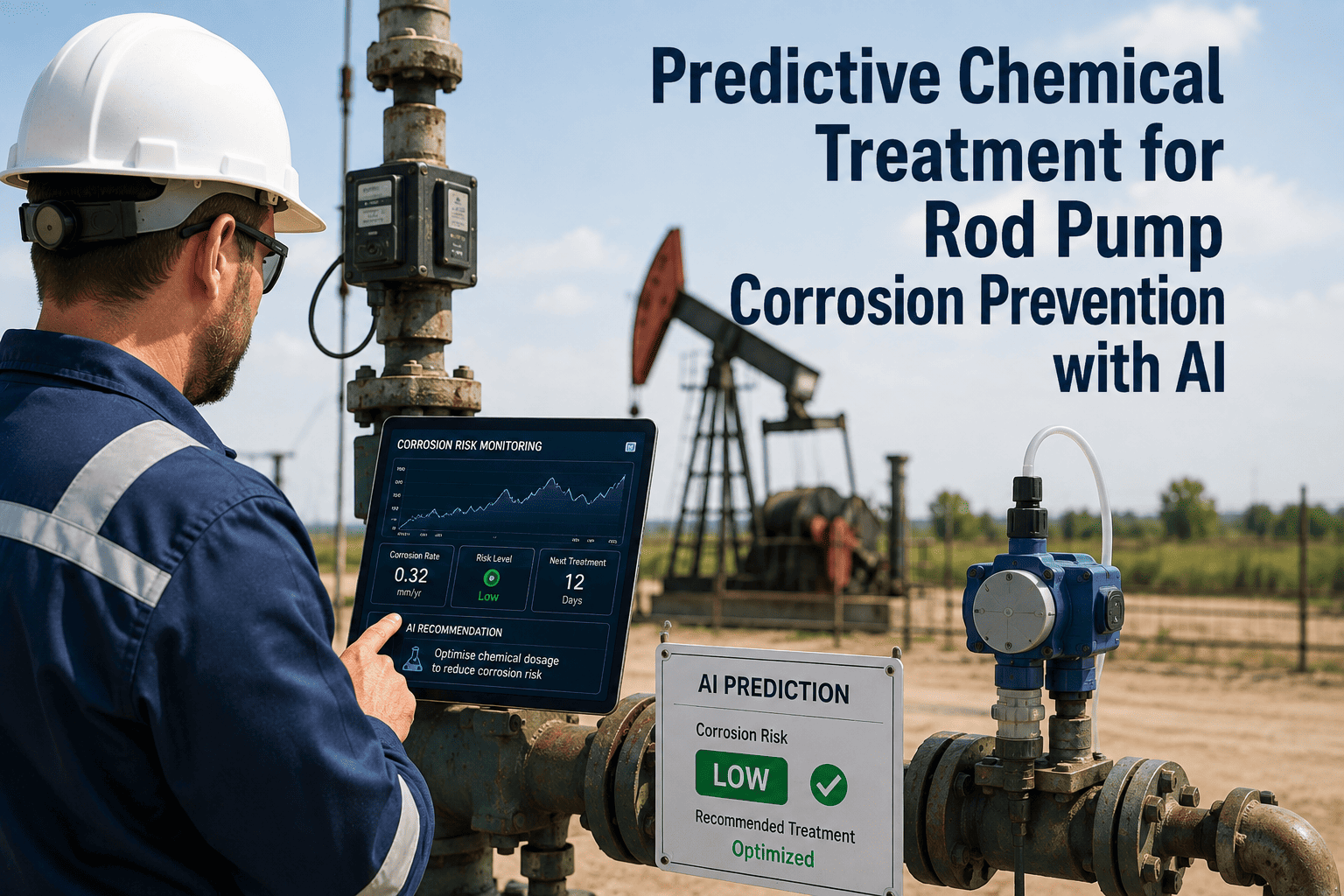
Optimizing one rod pump well against its dynamometer card is a solved problem that most production engineers can do in their sleep. Optimizing a hundred wells at once, against a shared power budget, uneven equipment condition, and a field-wide pro

Read More
Optimizing one rod pump well against its dynamometer card is a solved problem that most production engineers can do in their sleep. Optimizing a hundred wells at once, against a shared power budget, uneven equipment condition, and a field-wide pro

Read More
A gas monitor beeping on a worker's belt and a heads-up display flashing a warning inside a hard hat are two separate events until something connects them, and on most sites nothing does. The monitor logs locally, the hard hat's alert disappears t
Read More
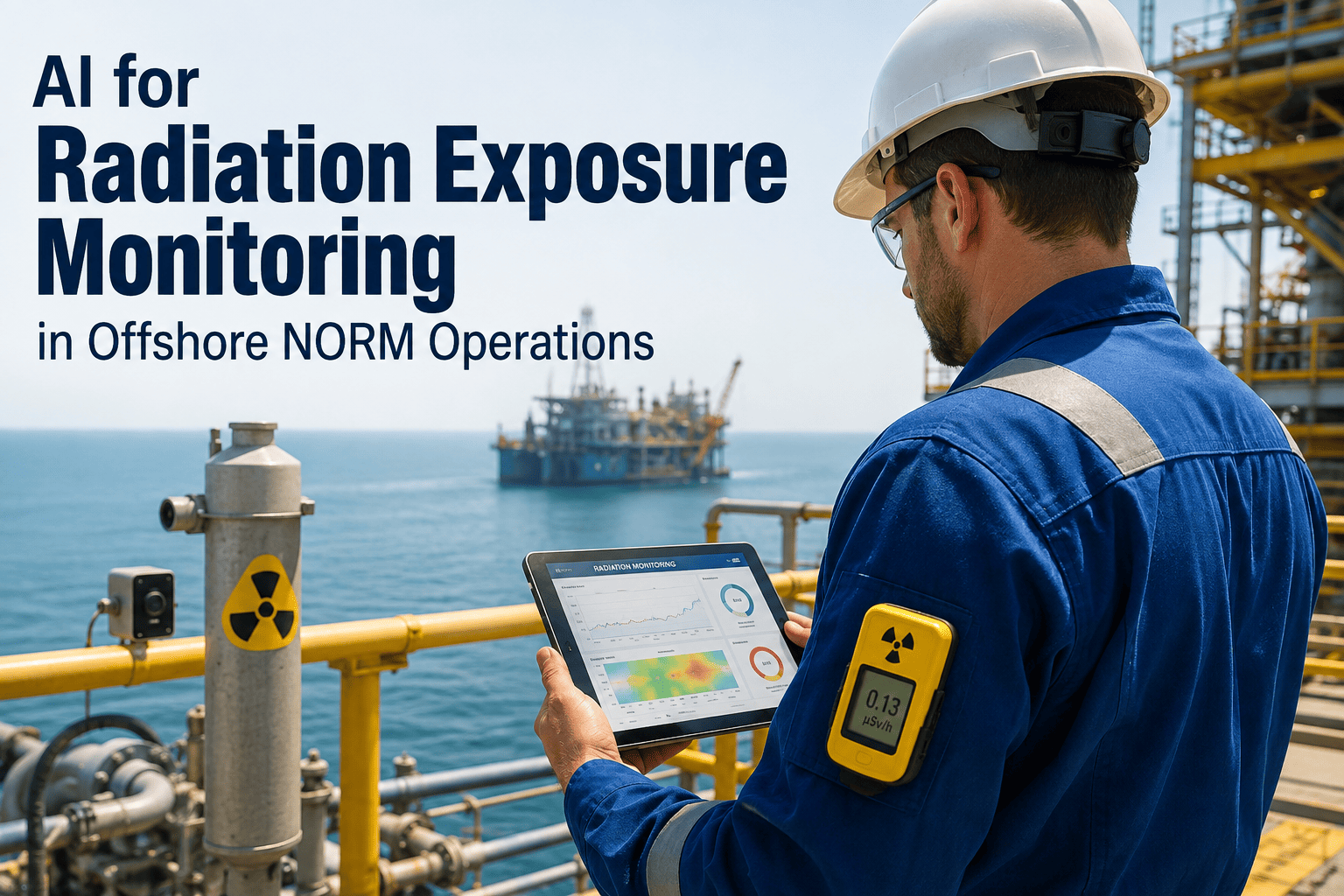
Produced water, scale inside pipework, and sludge left in separators and tanks all carry trace radioactivity that builds up quietly over the life of an offshore field. Naturally Occurring Radioactive Material, or NORM, isn't the kind of hazard tha
Read More
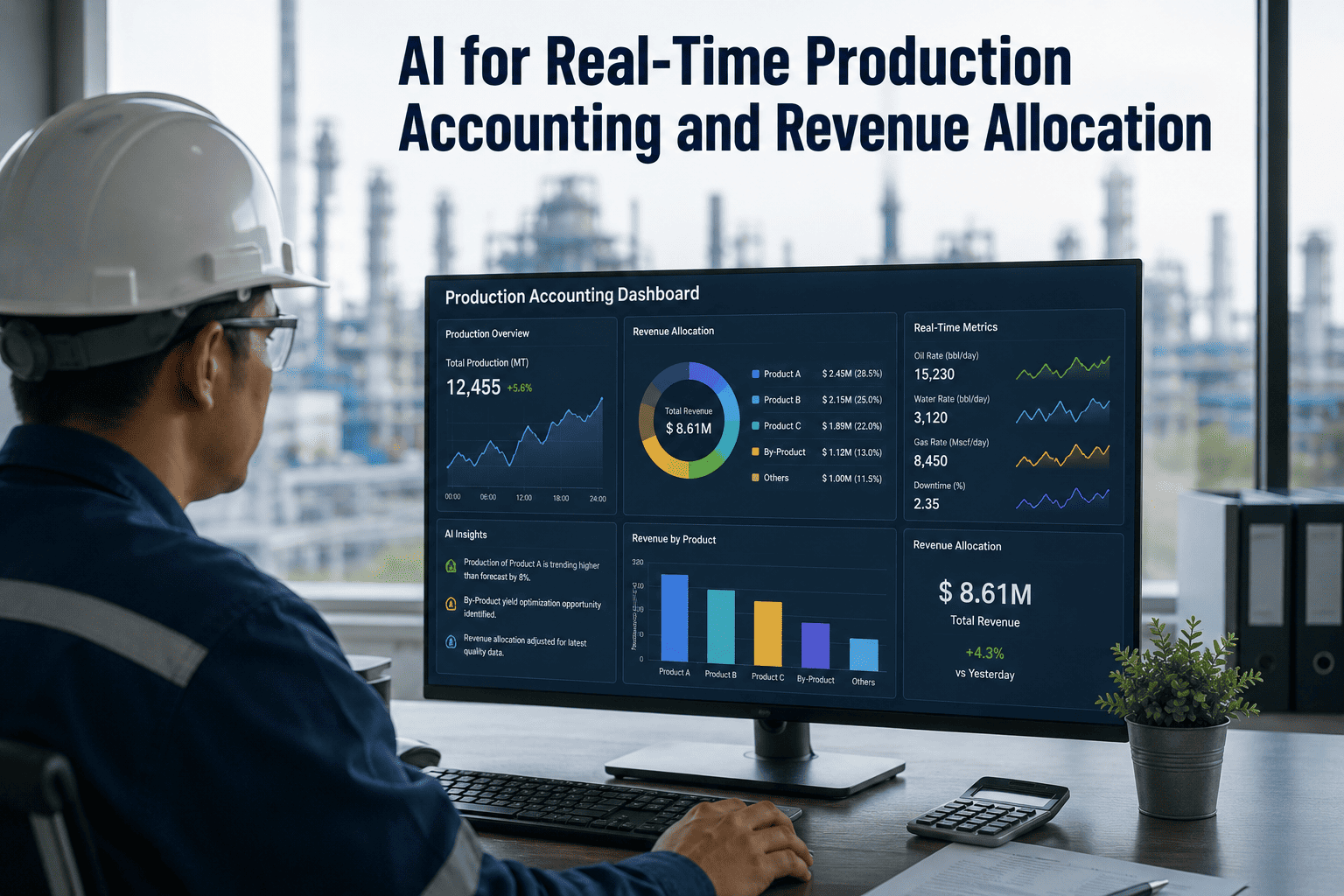
Month-end production close is one of those upstream rituals that everyone accepts as broken and nobody has time to fix. Field data trickles in from wellheads, test separators, and pipeline meters over 30 days. Someone reconciles it against sales m
Read More
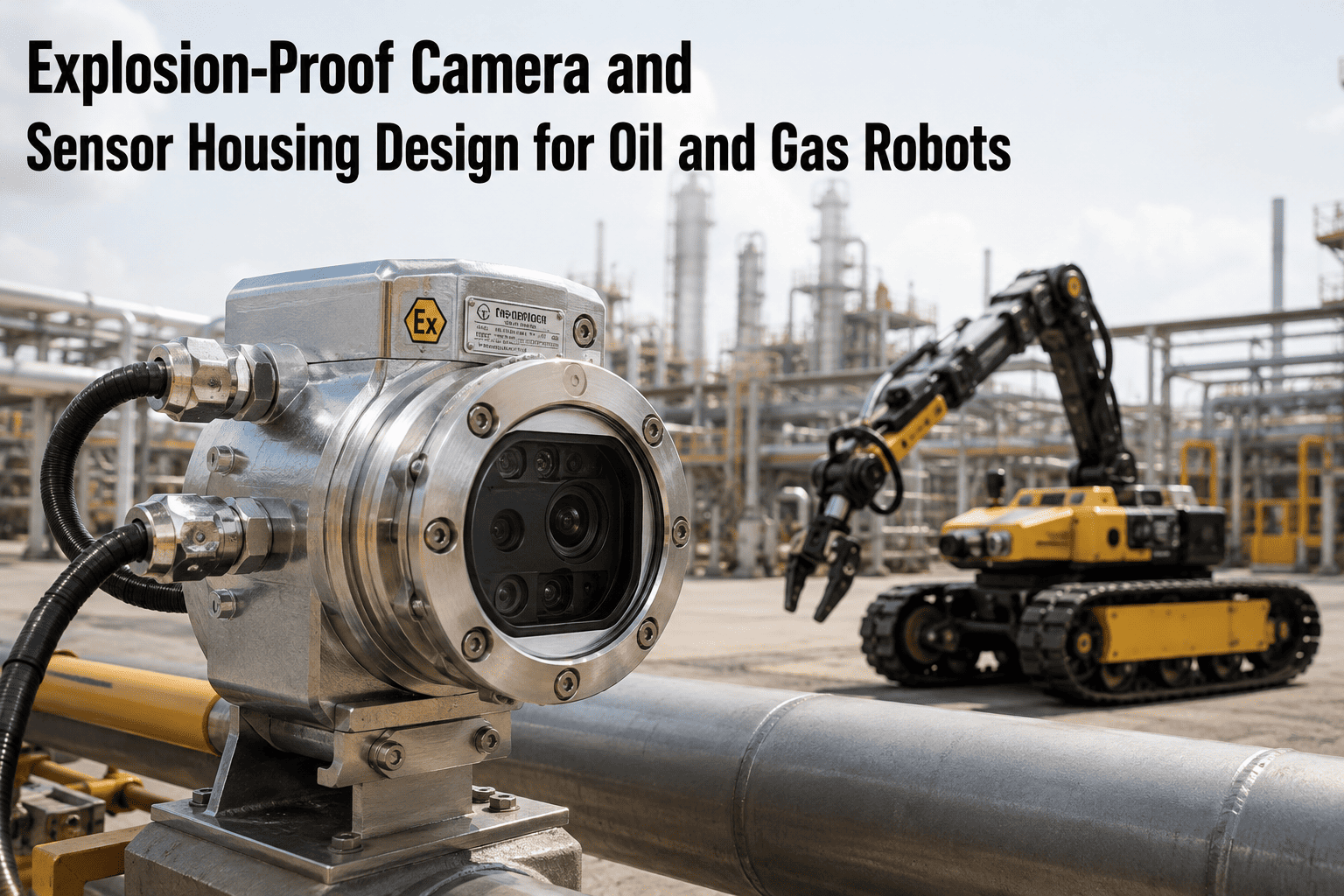
A standard industrial camera housing will not survive certification testing in a Zone 1 refinery unit, and the reason has nothing to do with build quality — it has to do with what the housing is actually designed to contain. An Ex d enclosure is n
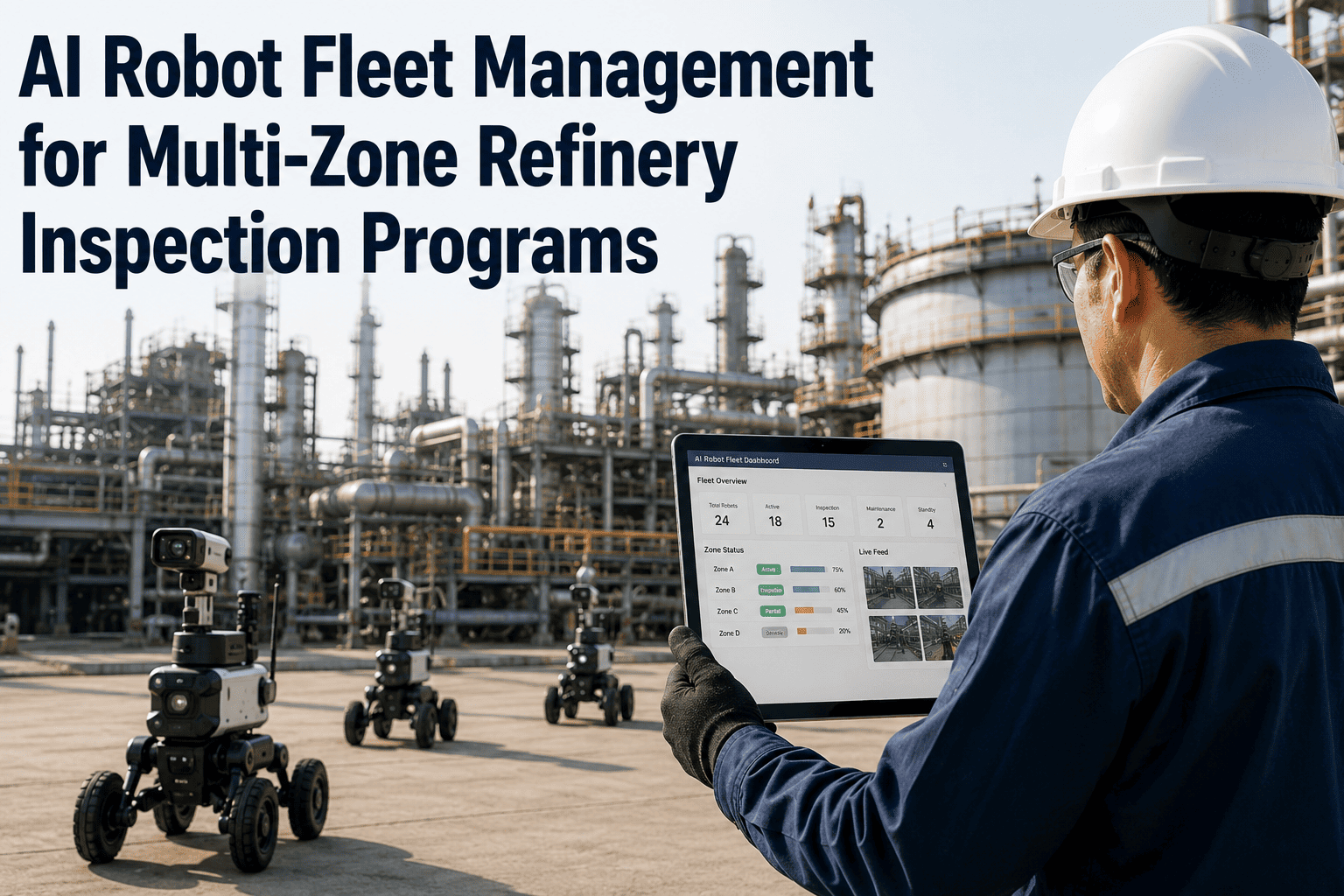
Read More
A single quadruped robot can complete 40 to 60 inspection points during a shift in a high-temperature or hazardous zone — the same window in which a human inspector, slowed by PPE, heat stress limits, and confined-space entry procedures, typically
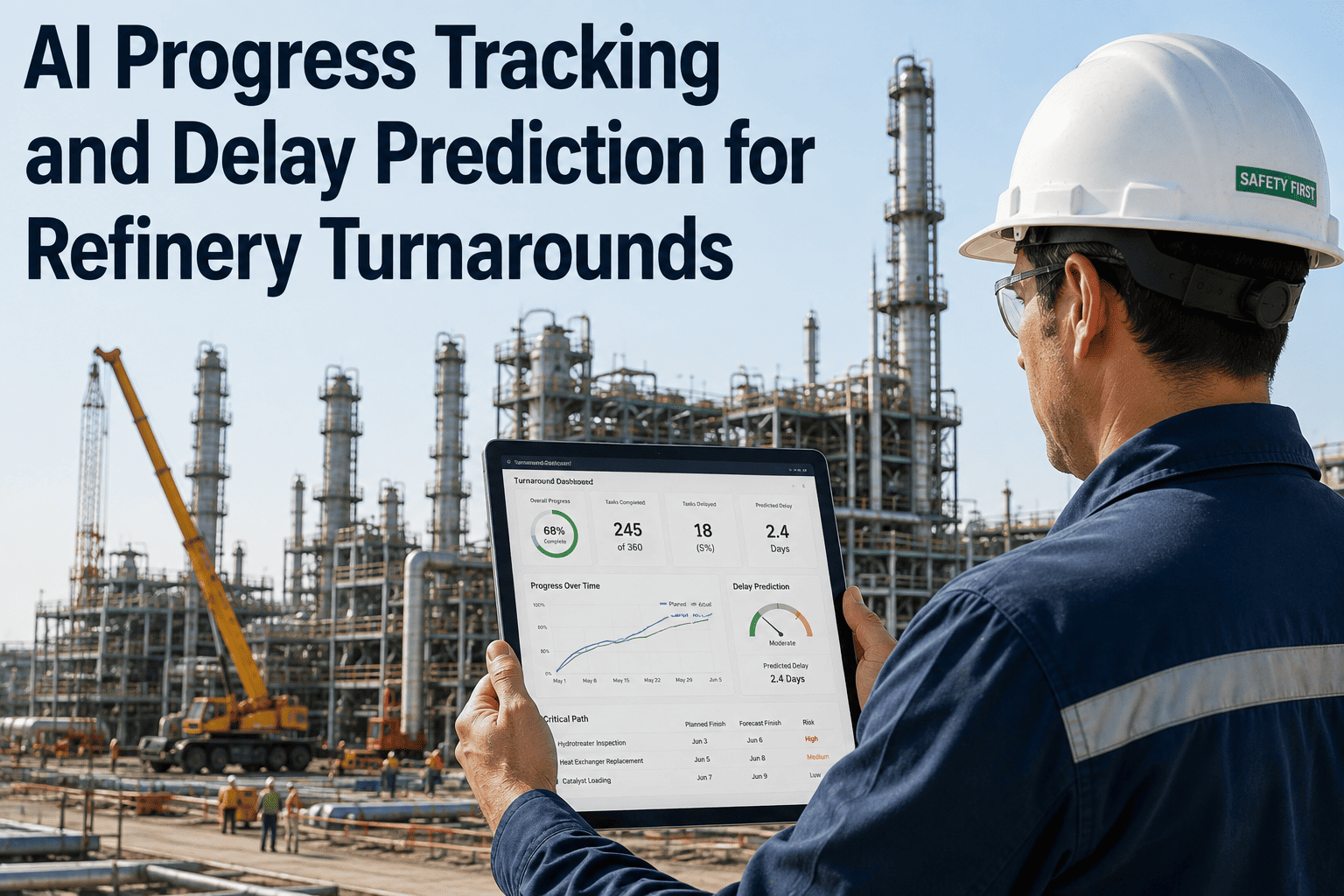
Read More
A turnaround schedule slips two hours on day one. Nobody notices, because two hours does not trigger any alarm in a system built around daily status meetings. By day four, that discipline is running a day and a half behind, still invisible until t
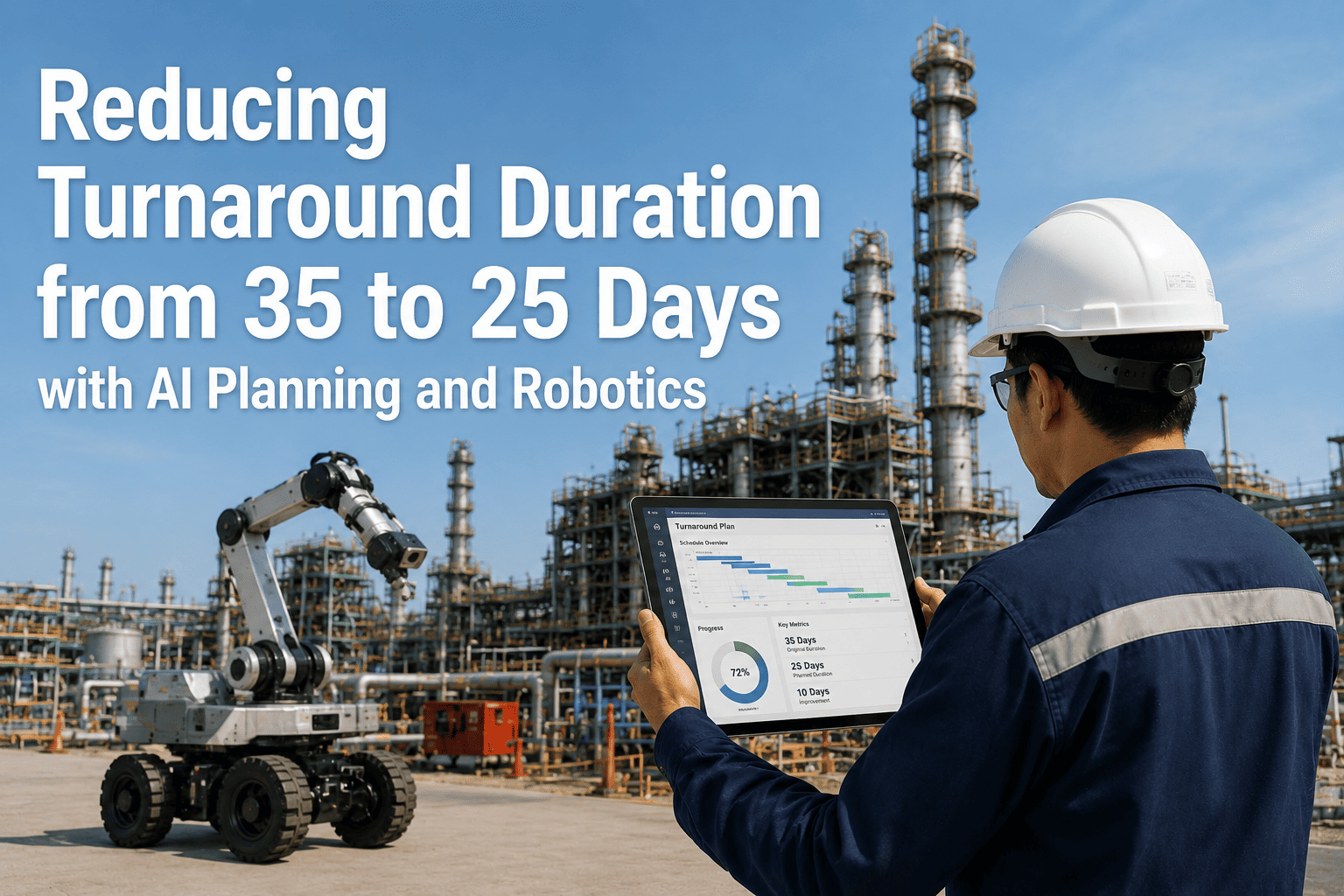
Read More
A 35-day turnaround costs a plant more than the direct labor and materials on the schedule — every extra day is a day of lost production, and on a large process unit that number runs into the millions. Most of that extra time is not caused by any
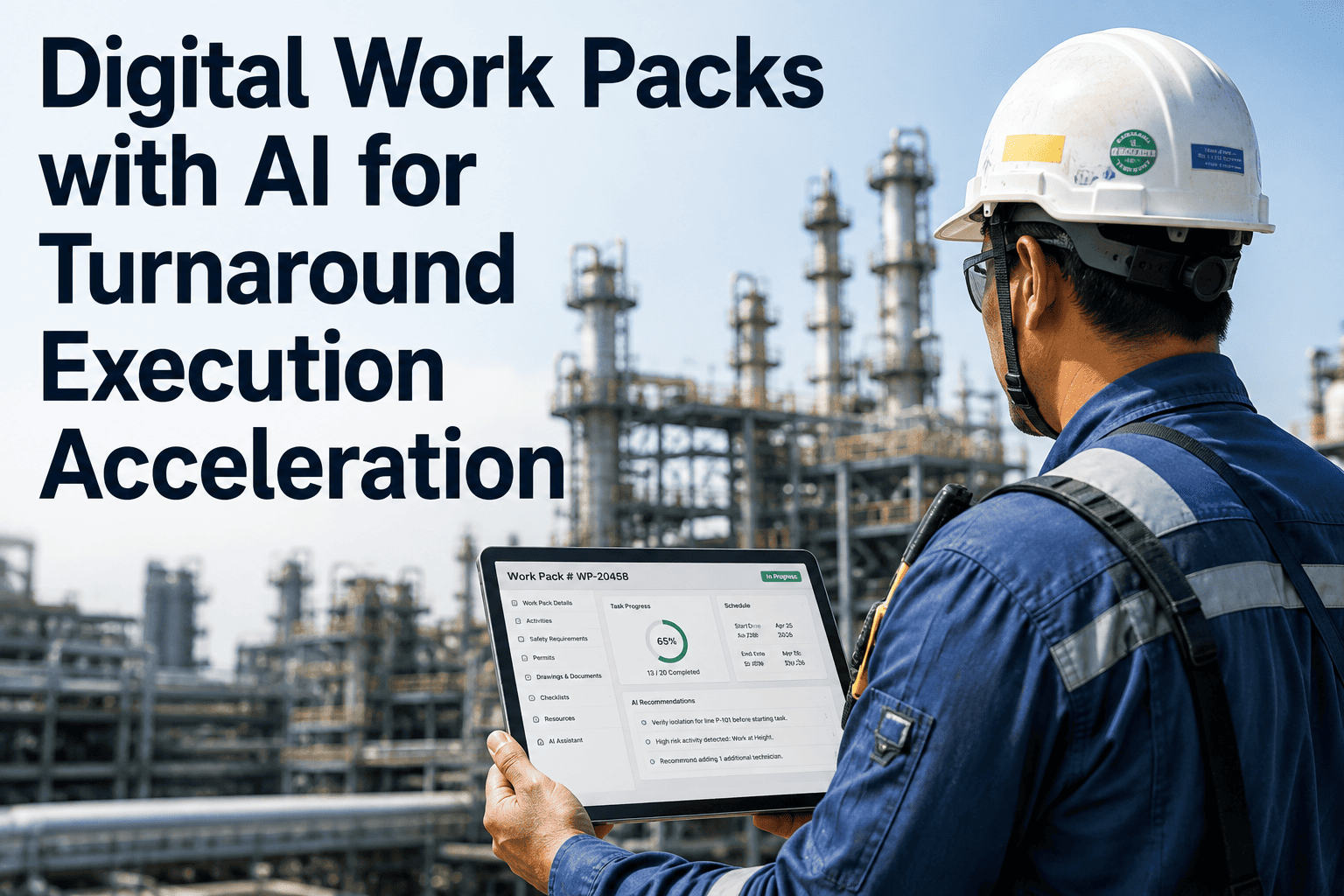
Read More
A crew leader shows up to a job site during a turnaround holding a paper work pack — scope sheet, procedure, permit, and material list stapled together, printed the night before from whatever the planning system looked like at the time. If the sco
Read More
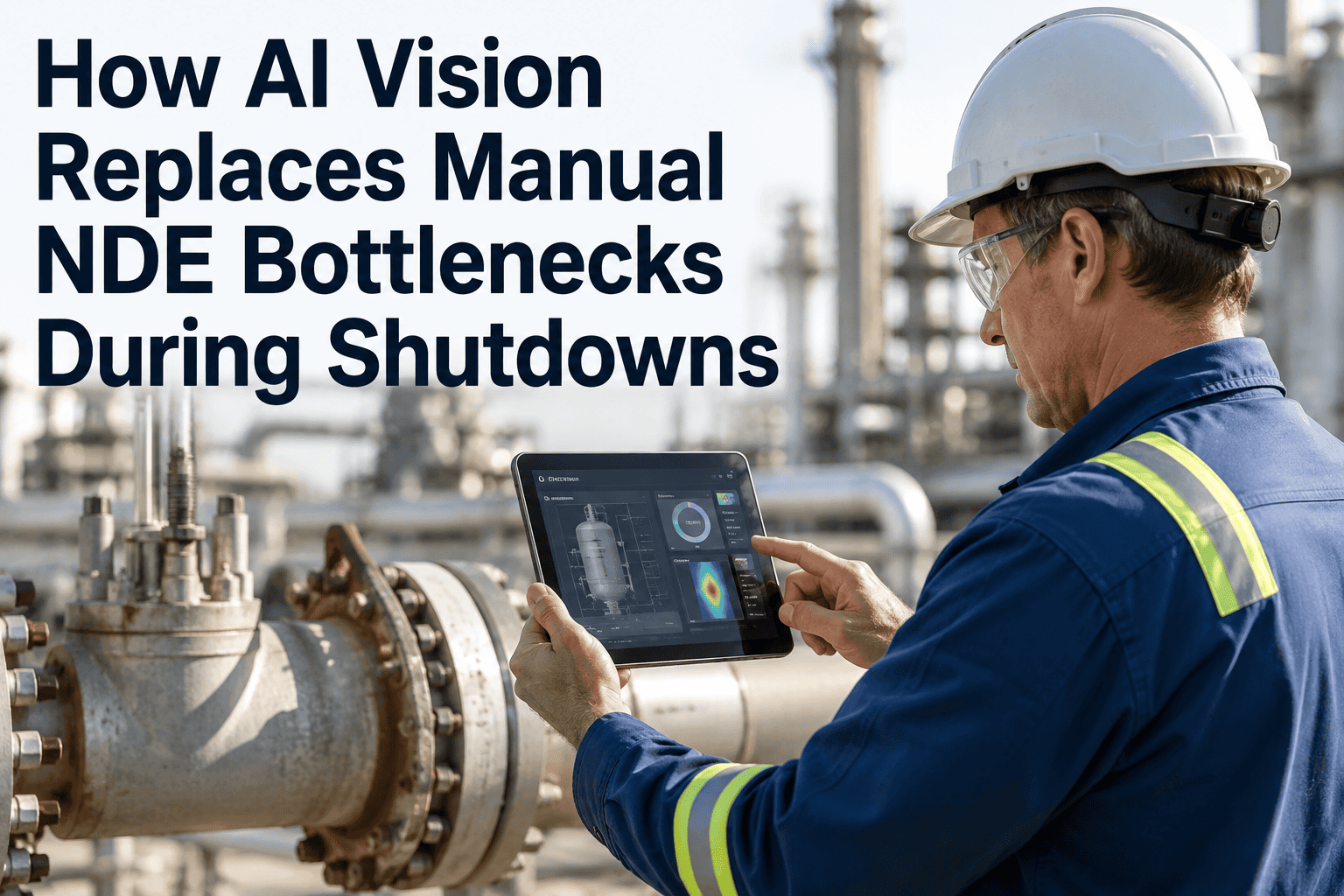
Every shutdown has one crew that everyone else is waiting on, and on most turnarounds it is the NDE crew. Ultrasonic thickness readings, visual weld inspection, and radiography all funnel through a small pool of certified technicians who can only
Read More
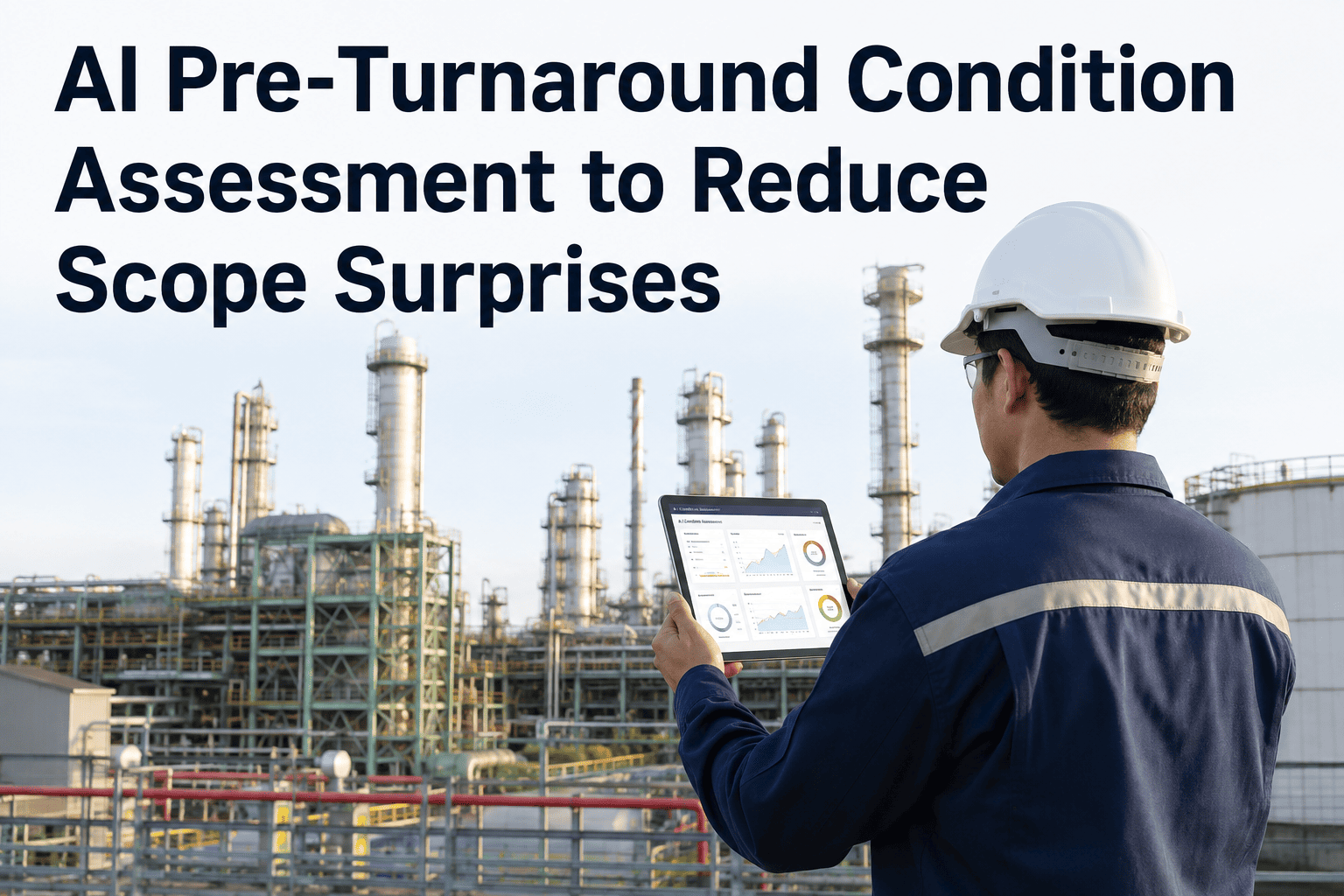
A turnaround planning team spends four months building a scope list from inspection history, OEM recommendations, and whatever the last outage report flagged as "monitor next time." Then the unit shuts down, technicians open equipment that was sco

Read More
A tank farm can report a clean book inventory and still be losing product every single day, because the number on the report is only as good as the three separate data sources that feed it, and those sources rarely agree with each other by default

Read More
Third-party excavation is not a minor entry in the pipeline incident record, it is consistently the single largest cause of failures across gas and hazardous liquid systems in the United States, ahead of corrosion and material failure combined in
Read More
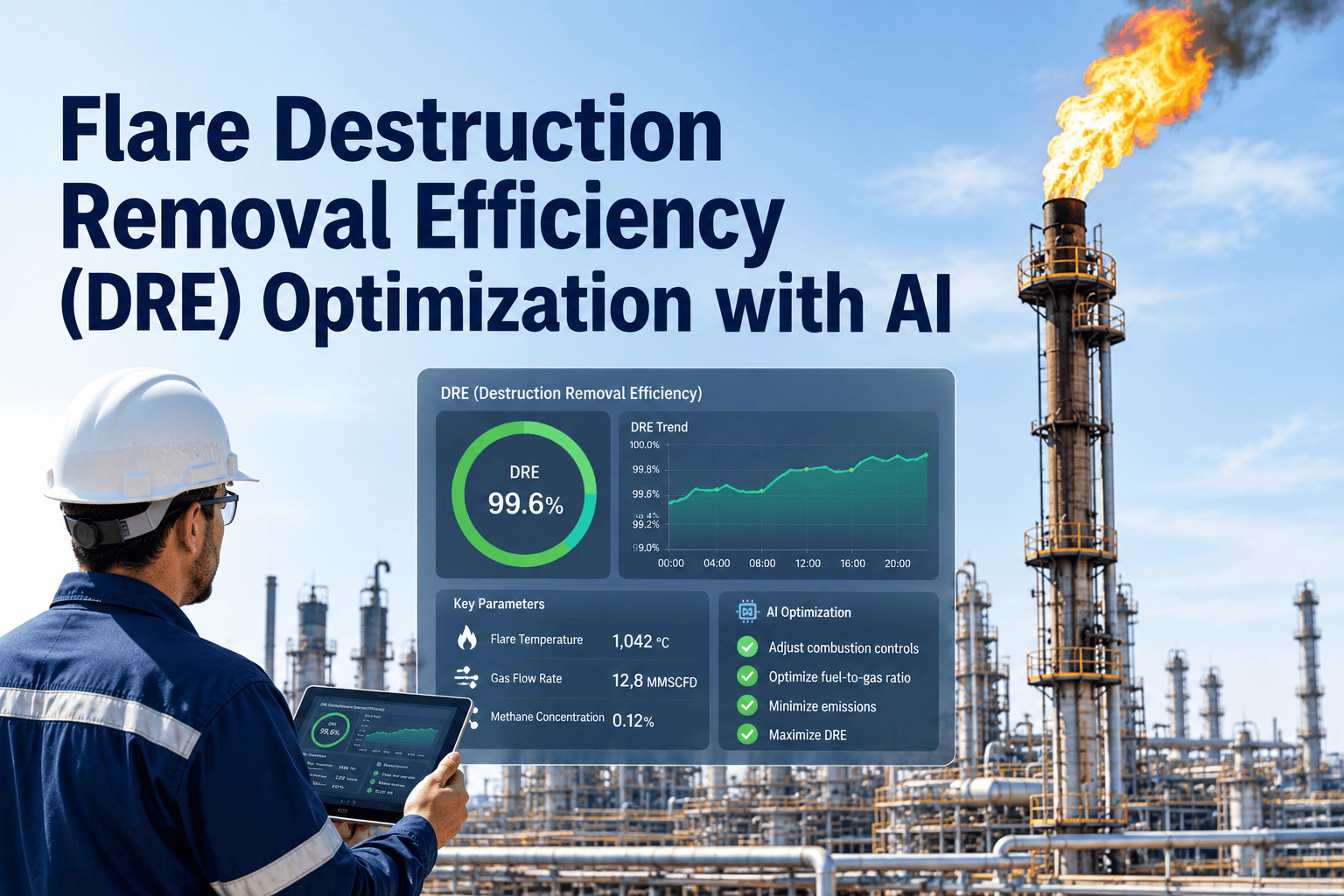
A flare that looks perfectly normal from the control room can still be quietly failing its destruction removal efficiency, because DRE is not something a stack camera or a flow totalizer shows on its own. It is the product of steam-to-fuel ratio,
Read More
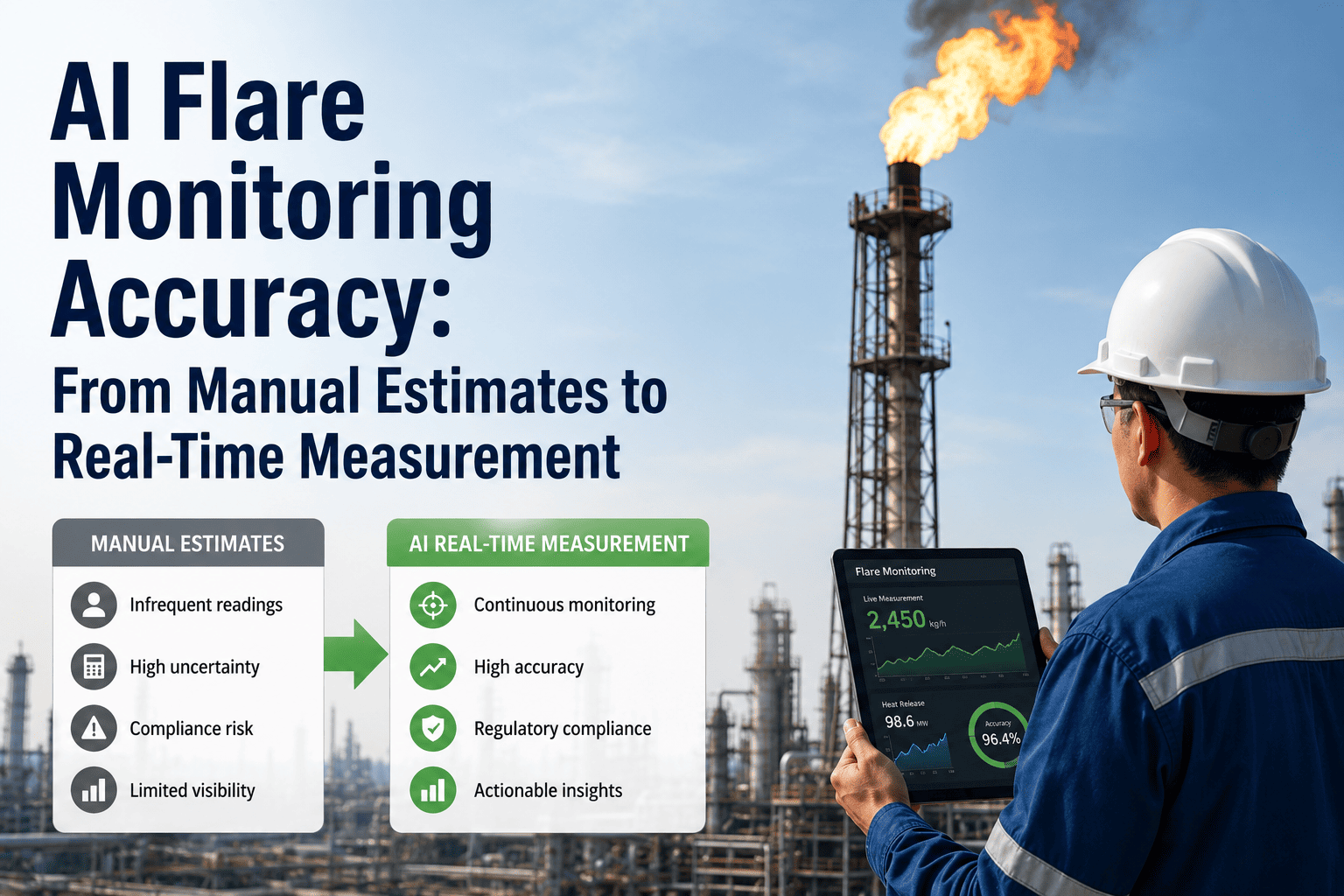
A flare stack burning at the edge of a refinery looks the same whether the reported flow rate is accurate or off by forty percent, and that gap is exactly the problem regulators and plant managers are trying to close. Most flare gas volumes report
Read More
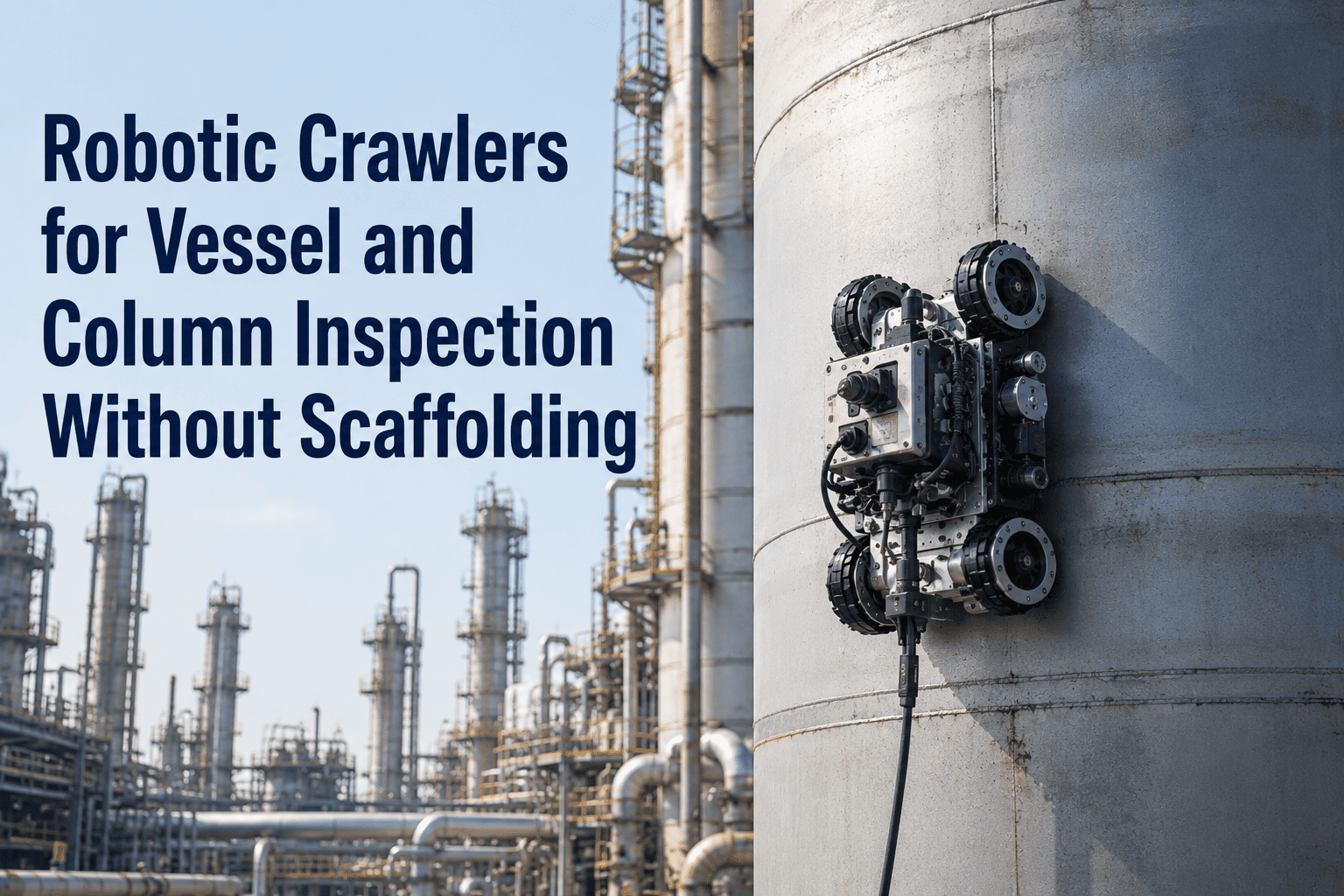
A carbon steel pressure vessel scheduled for internal inspection means draining, purging, ventilating, and clearing an OSHA 29 CFR 1910.146 confined space entry permit before a single human sets foot inside — a process that alone can take a day or
Read More
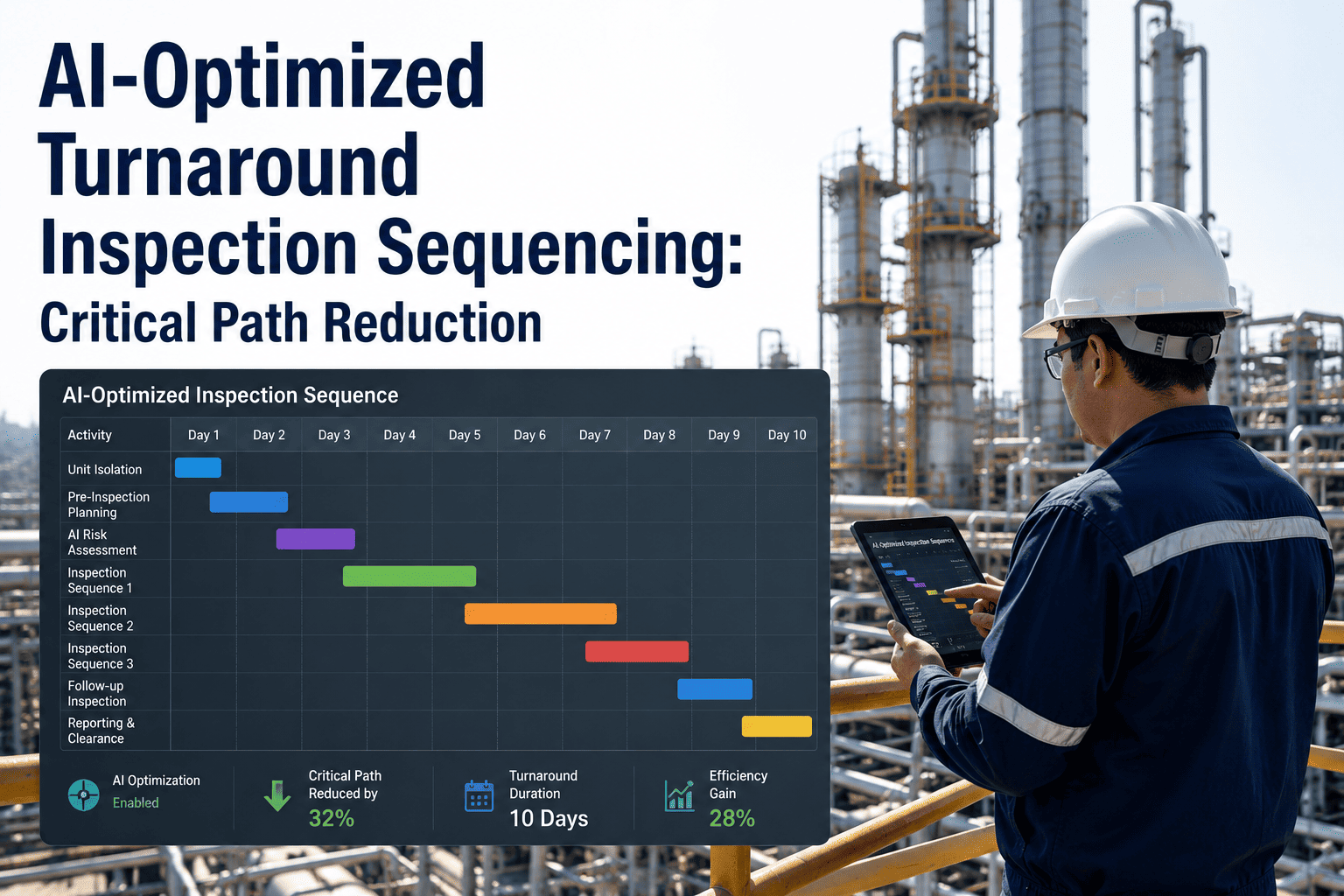
Ask a turnaround planner how inspection sequence gets decided and most will describe a spreadsheet, a planning meeting, and whoever shouts loudest about their unit's priority. The sequence rarely reflects what actually determines how fast inspecti

Read More
A flare stack inspection that used to take three days with a crane and a scaffold crew now takes two hours with a drone and a two-person team. Most scaffold requests during a turnaround exist for one reason: getting a human eye or a UT probe close
Read More
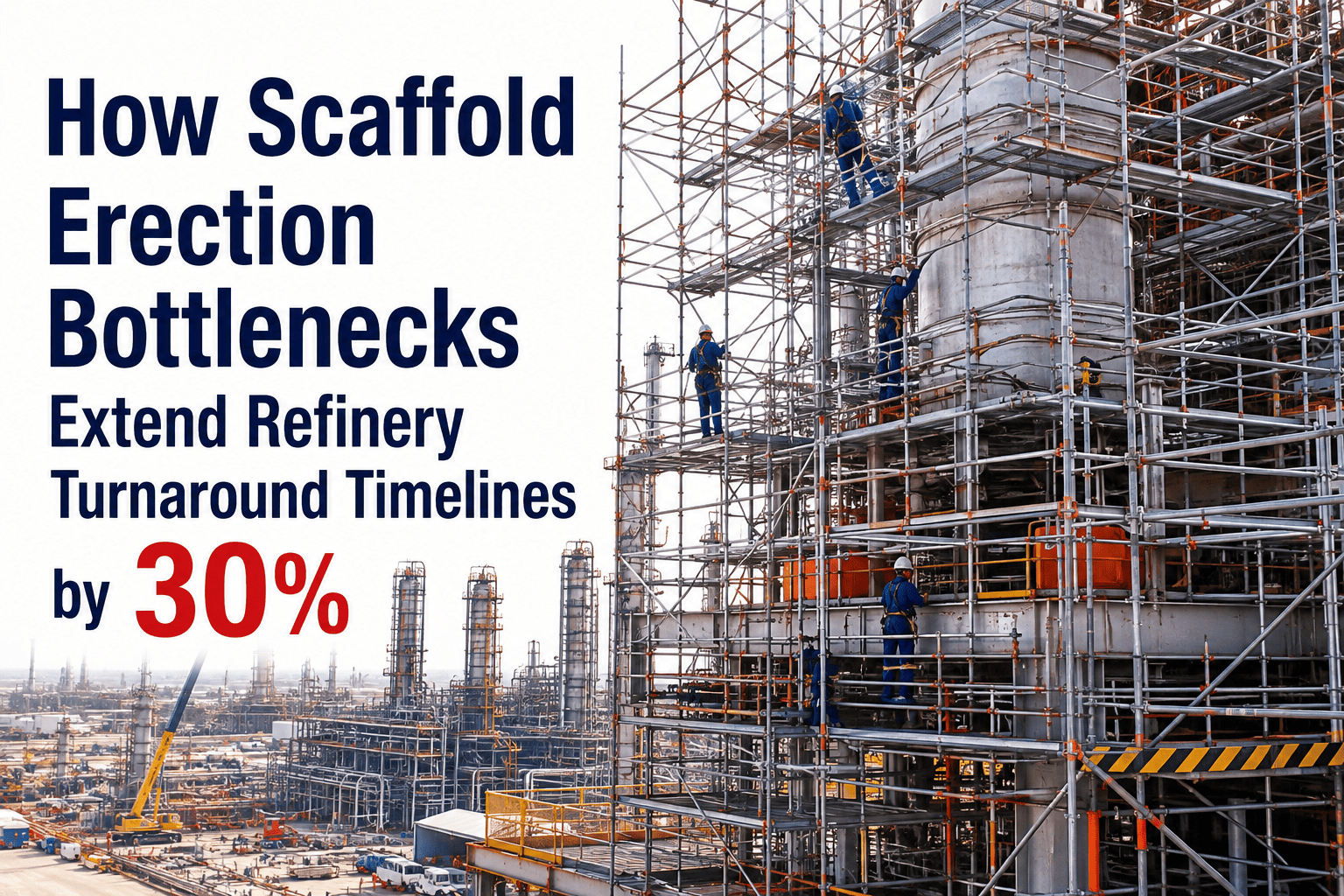
A distillation column scaffold at a Gulf Coast refinery does not go up once. It goes up for tray access, comes down for the entry permit, and goes up again when inspection finds a repair nobody scoped. Multiply that across forty vessels and a flar

Read More
Process alarms in an oil and gas facility are designed to protect product quality and prevent immediate operational failures like pump trips or compressor surges, but they do not protect the physical integrity of the equipment itself. A separator

Read More
Area classification in oil and gas facilities is the foundational step in explosion protection, determining where flammable atmospheres are likely to occur and dictating every subsequent decision about electrical equipment, piping layouts, and ven
Read More
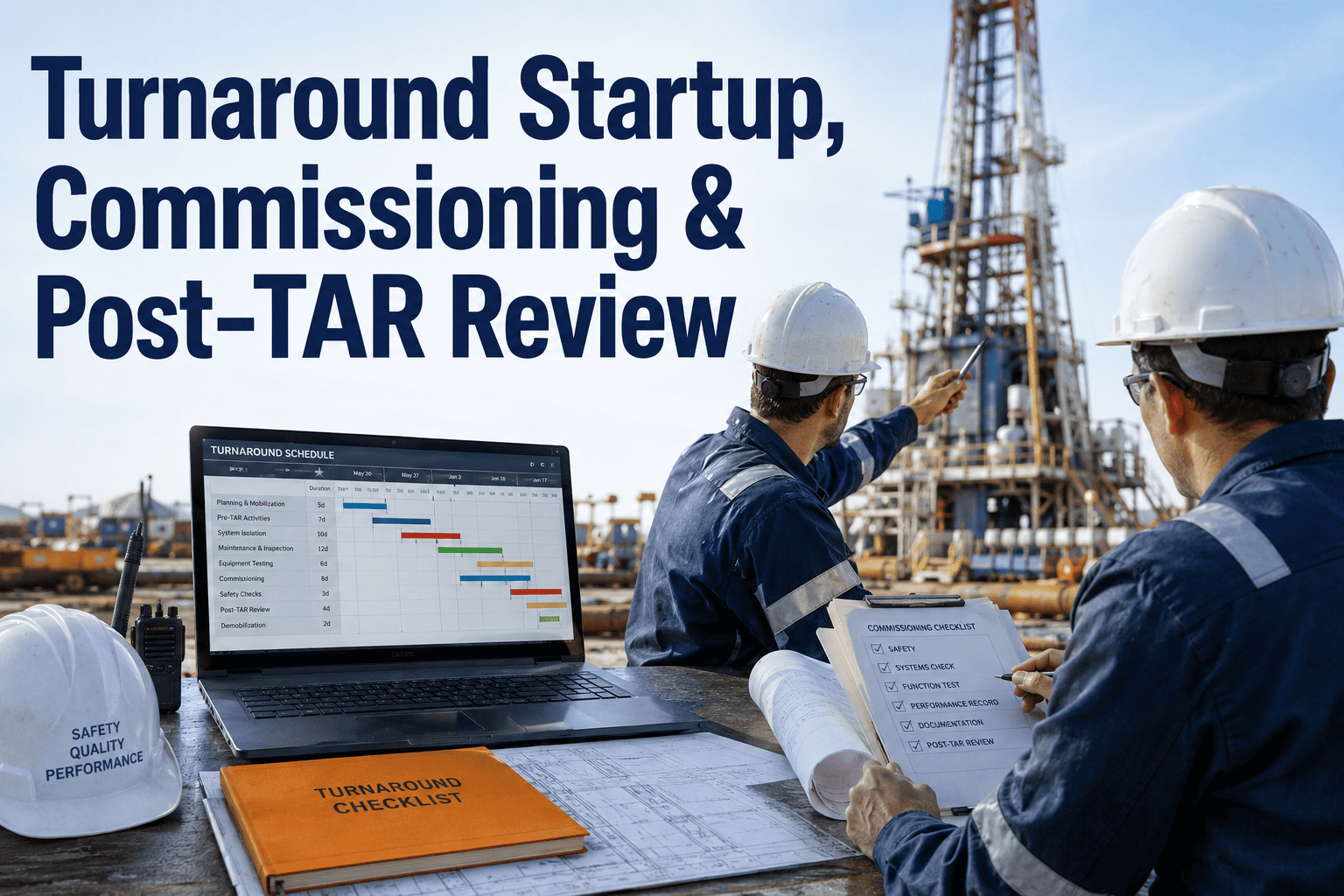
A turnaround is not complete when the last bolt is torqued and the scaffolding is down. The most consequential phase of any turnaround begins the moment the execution teams demobilize and the operations team takes ownership of a unit that has been
Read More
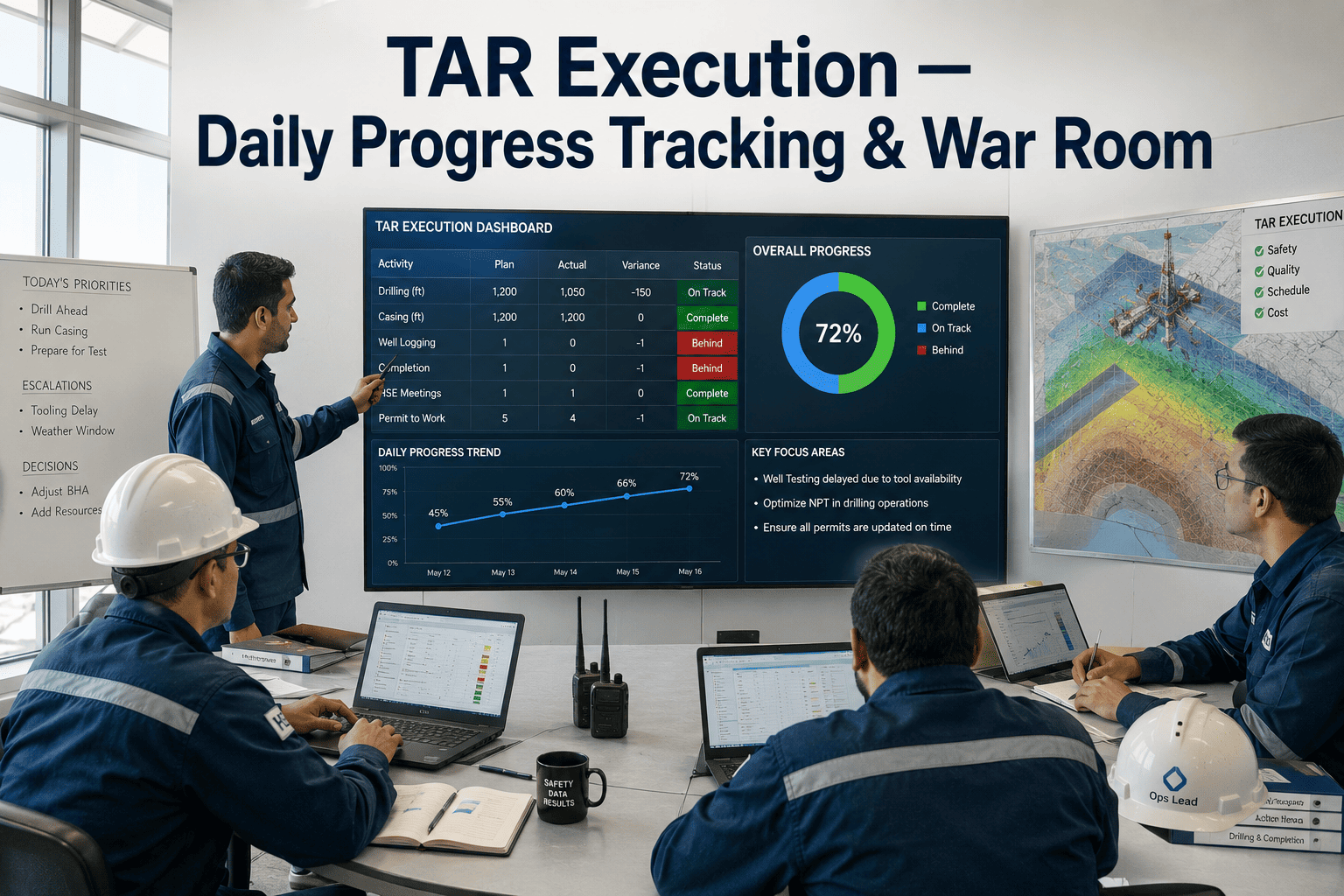
Turnaround planning can be flawless and a turnaround can still slip badly during execution, because the tool most teams use to track daily progress is a spreadsheet that's already a day out of date by the time it's updated. Execution runs on a com

Read More
A drilling program lives or dies inside a narrow window between two limits: the pore pressure that will kick the well if mud weight drops below it, and the fracture gradient that will cause losses if mud weight climbs above it. Getting that mud we

Read More
Every seismic survey design decision is really a trade-off between imaging quality and cost, and that trade-off has traditionally been made with rules of thumb and a handful of manually tested geometries rather than a genuine search across the des
Read More
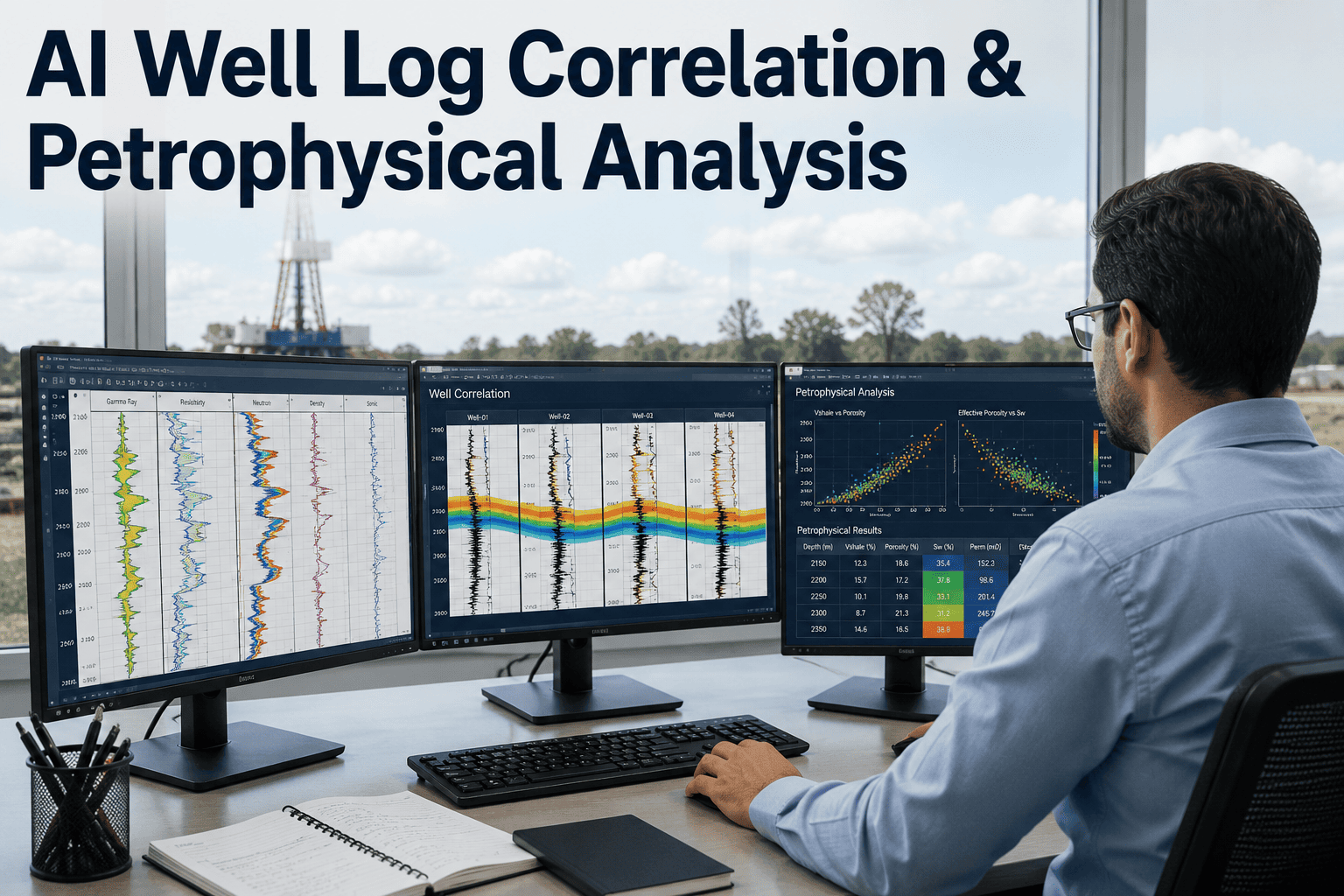
Correlating well logs across a field has always been slow, manual work: an experienced petrophysicist lines up gamma ray and resistivity curves well by well, marks formation tops by eye, and repeats the process for every new well drilled. That app
Read More
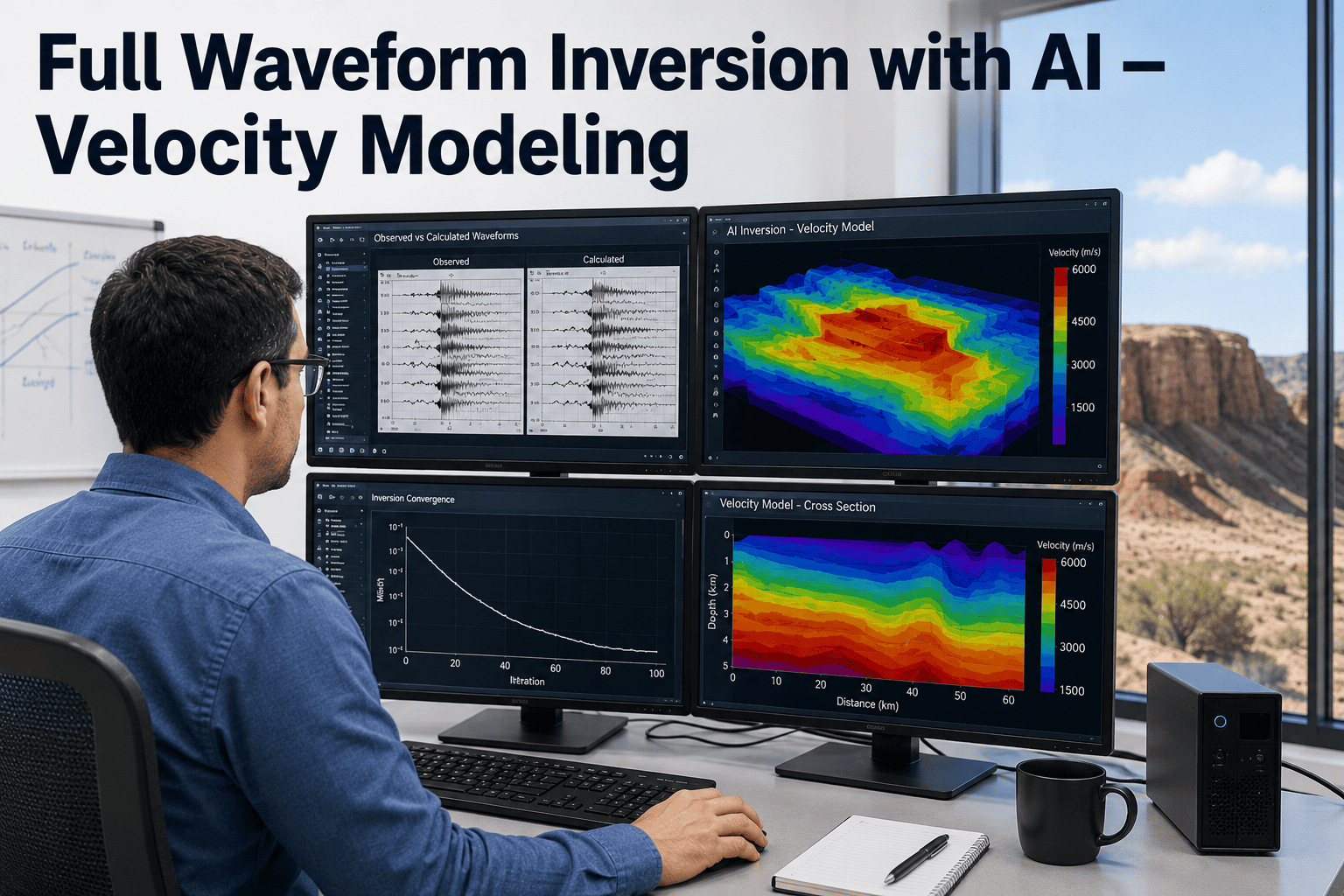
Building an accurate subsurface velocity model has always been the single biggest bottleneck in seismic imaging, and full waveform inversion was supposed to solve it by matching entire recorded waveforms instead of just travel times. In practice,
Read More
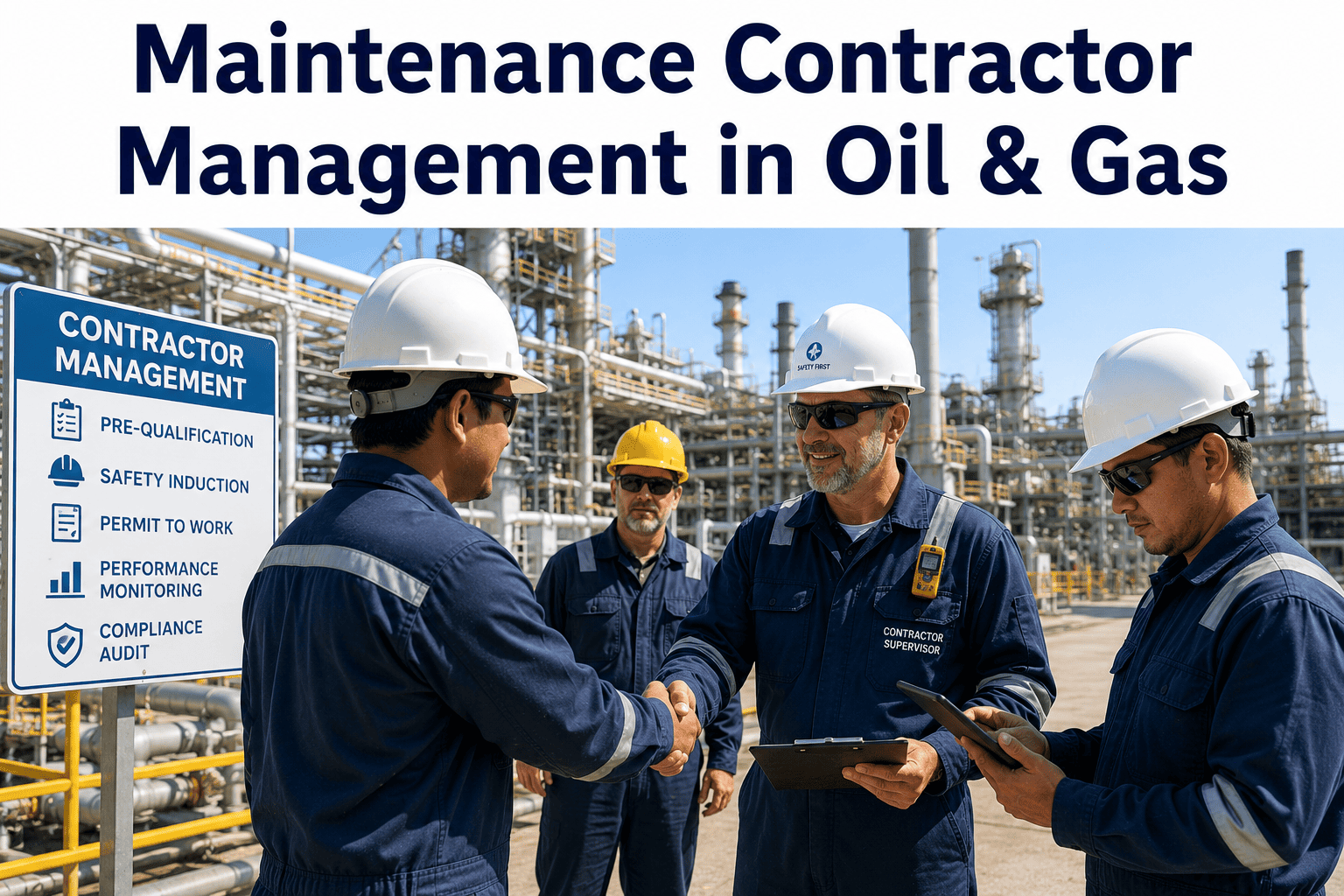
Most oil and gas operators run a meaningful share of their maintenance work through contractors, and most of those relationships are still governed by a service agreement that gets signed once a year and then never referenced again until something
Read More
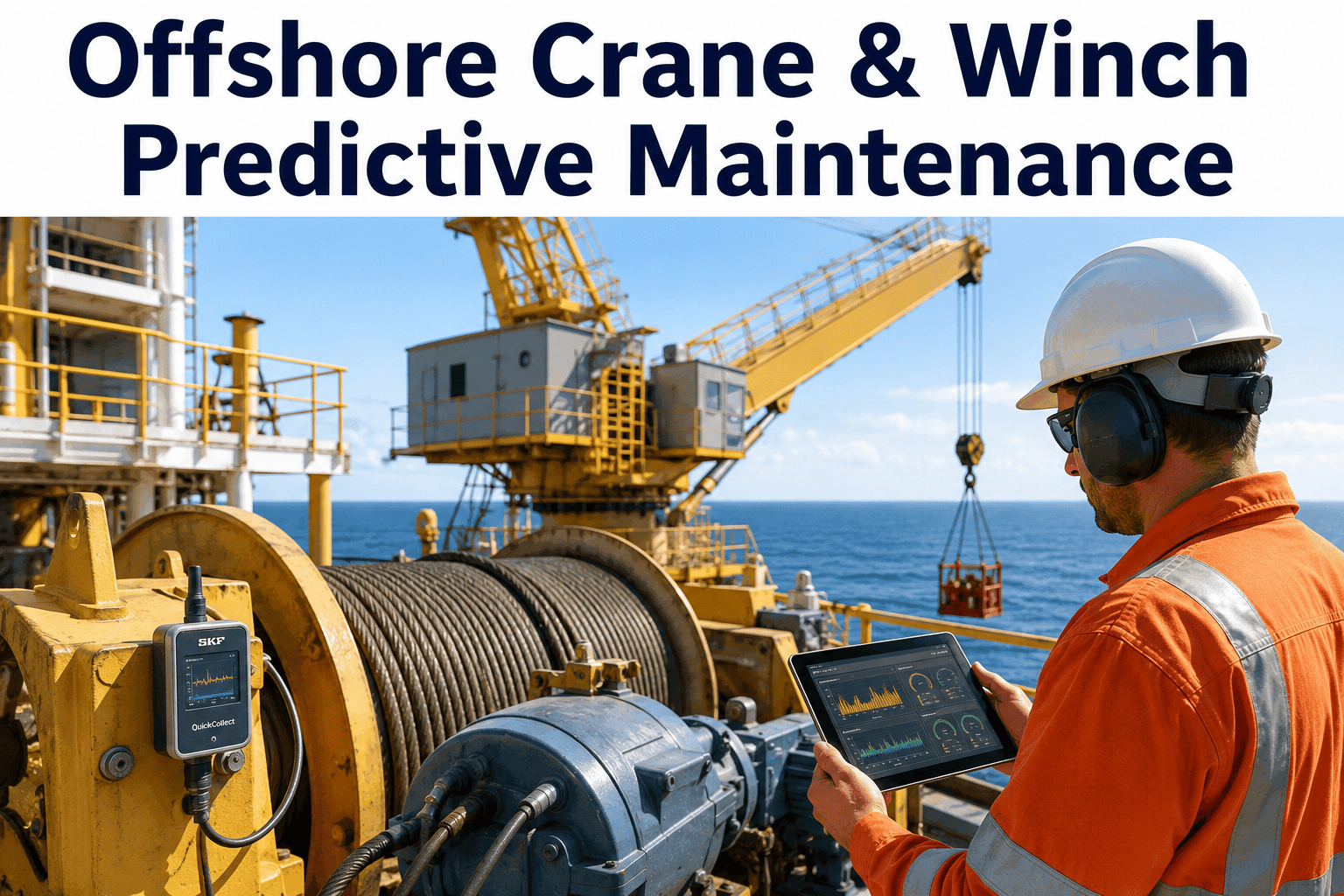
An offshore pedestal crane failure rarely announces itself with a single dramatic event — it builds through months of wire rope fatigue, brake pad wear, and accumulating load cycles that a routine visual walkaround simply cannot quantify. The U.S.
Read More
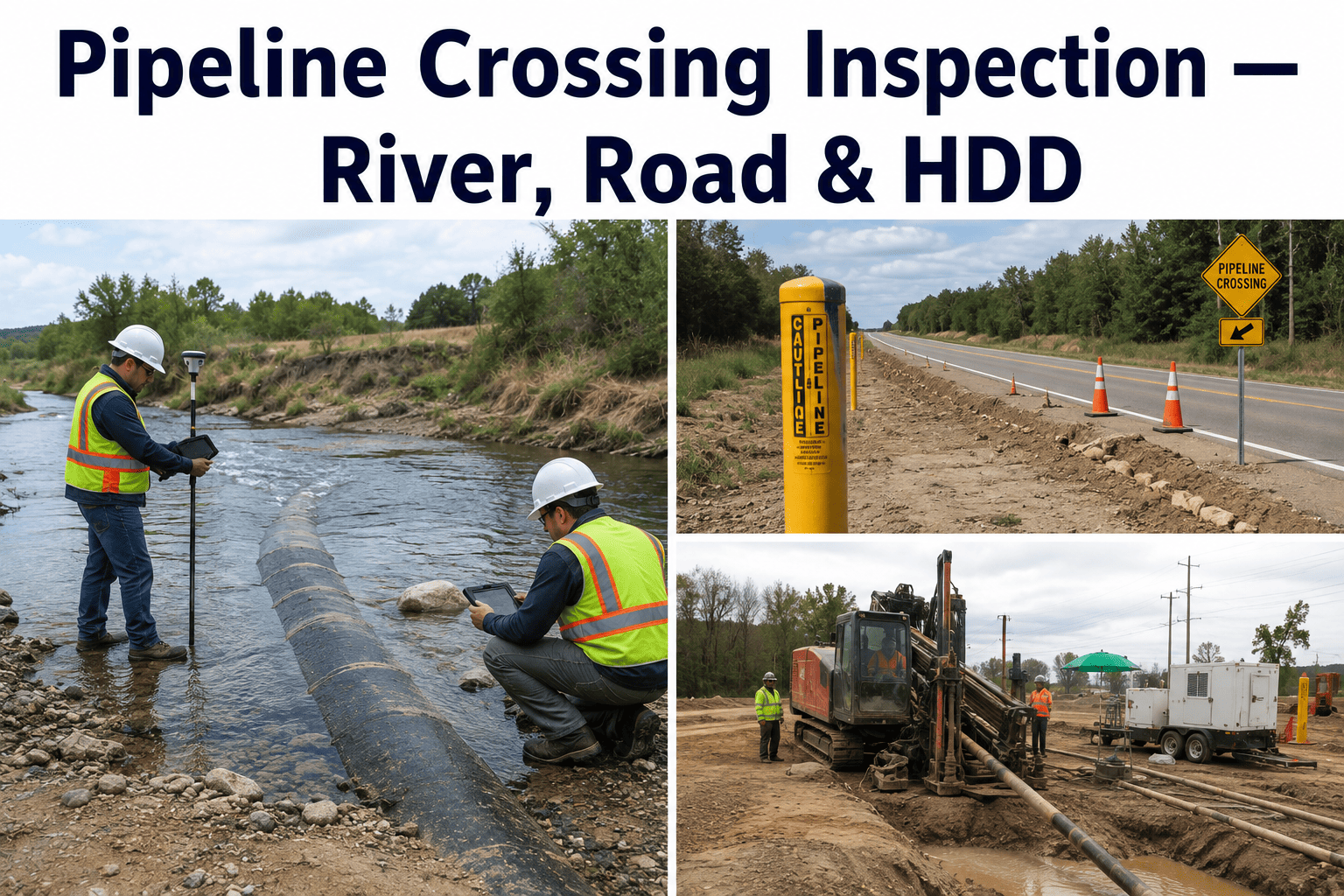
Most of a pipeline's route runs through ground an integrity team controls and can inspect on a normal schedule, but every crossing — a river, a highway, a railway, or a horizontal directional drill bore — sits in ground the pipeline doesn't fully

Read More
A pipeline can pass every hydrotest, show no external corrosion, and still be carrying cracks that started from the inside out — not from metal loss, but from hydrogen atoms working their way into the steel and pulling it apart at a microscopic le
Read More
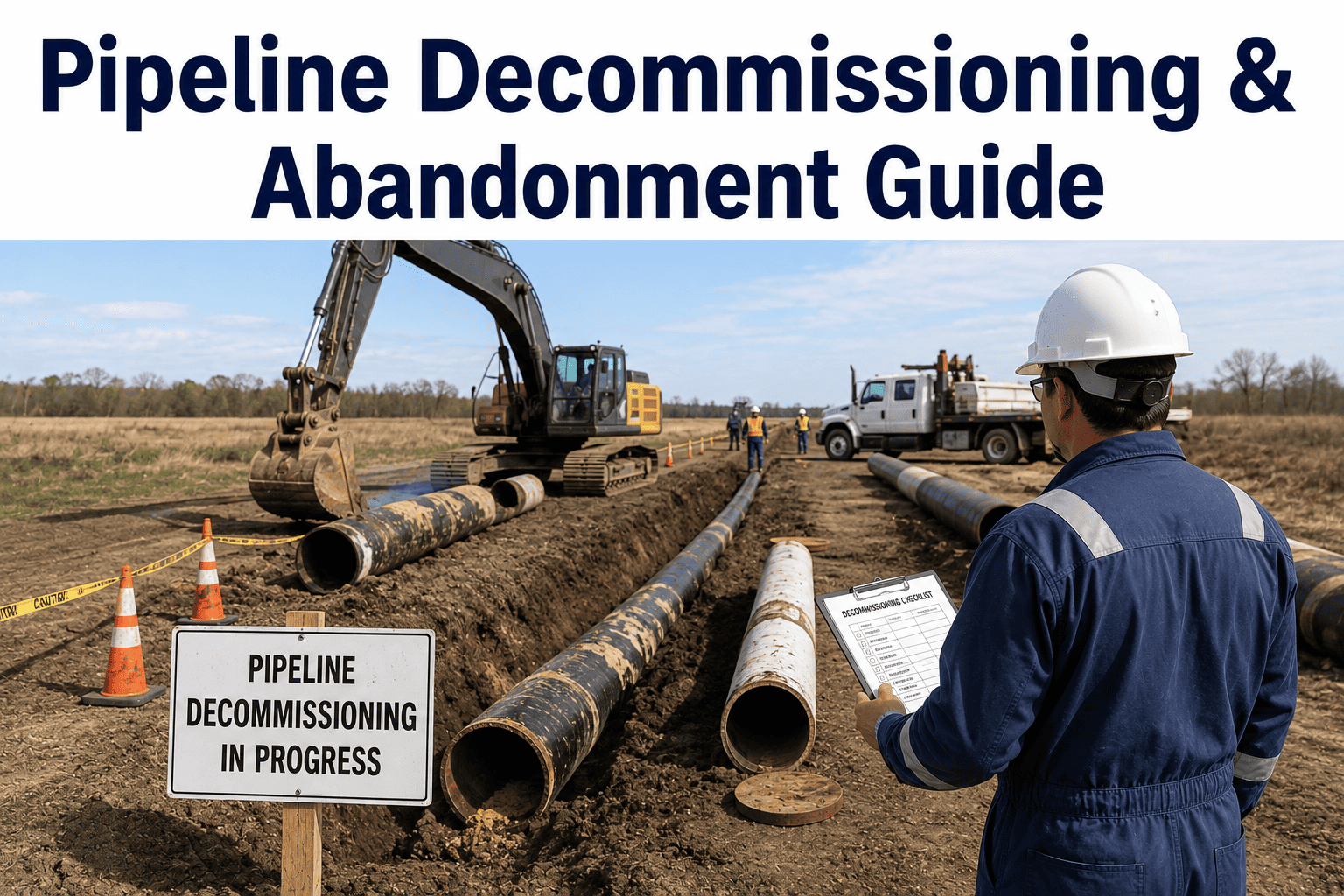
Deciding what happens to a pipeline at the end of its service life is rarely a purely technical question, even though the regulatory filings and engineering assessments make it look that way on paper. Abandonment-in-place looks cheaper on a spread
Read More
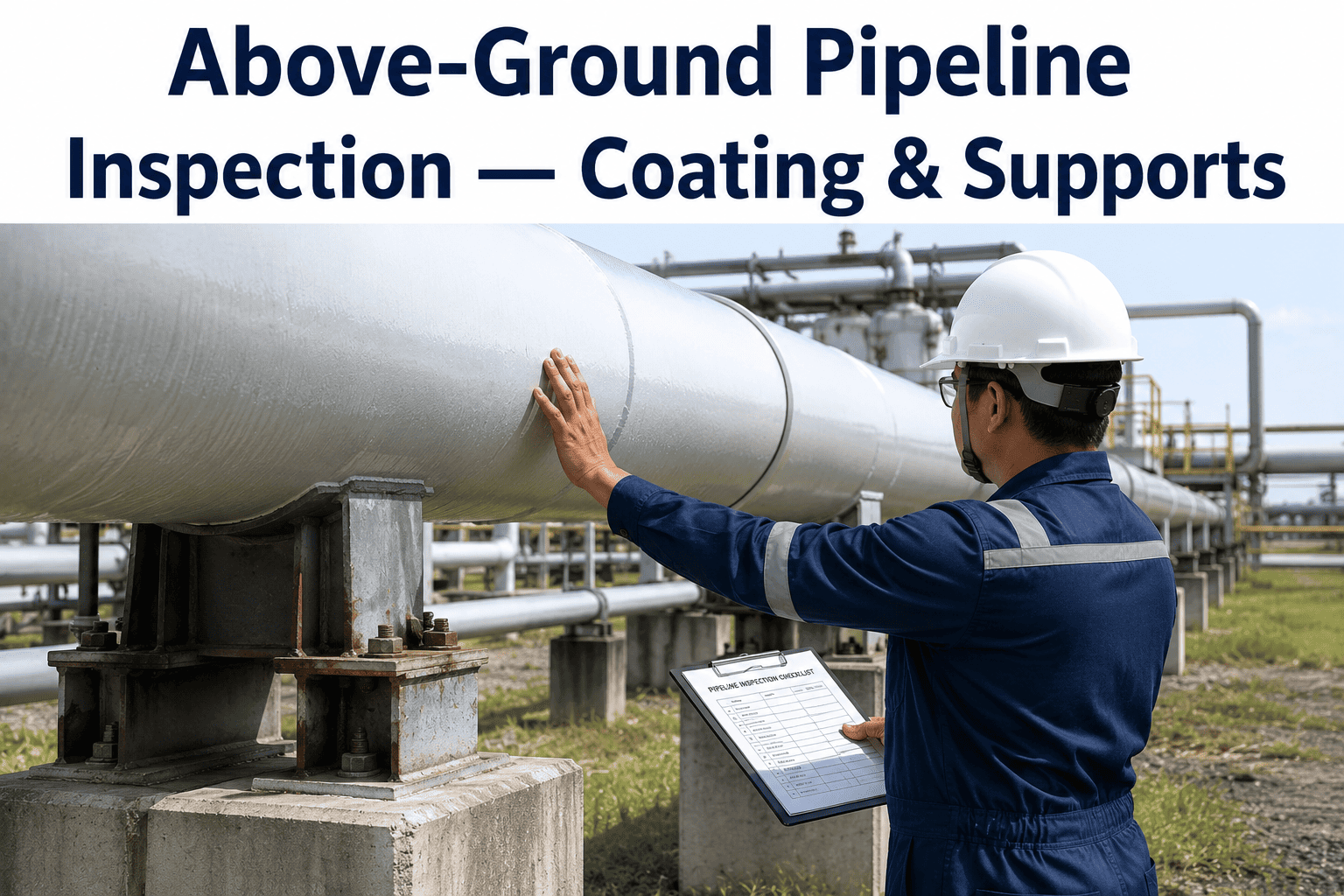
Above-ground pipeline sections get inspected less rigorously than buried pipe in a lot of integrity programs, on the assumption that anything visible must already be under control simply because someone can walk up and look at it. In practice, pip
Read More
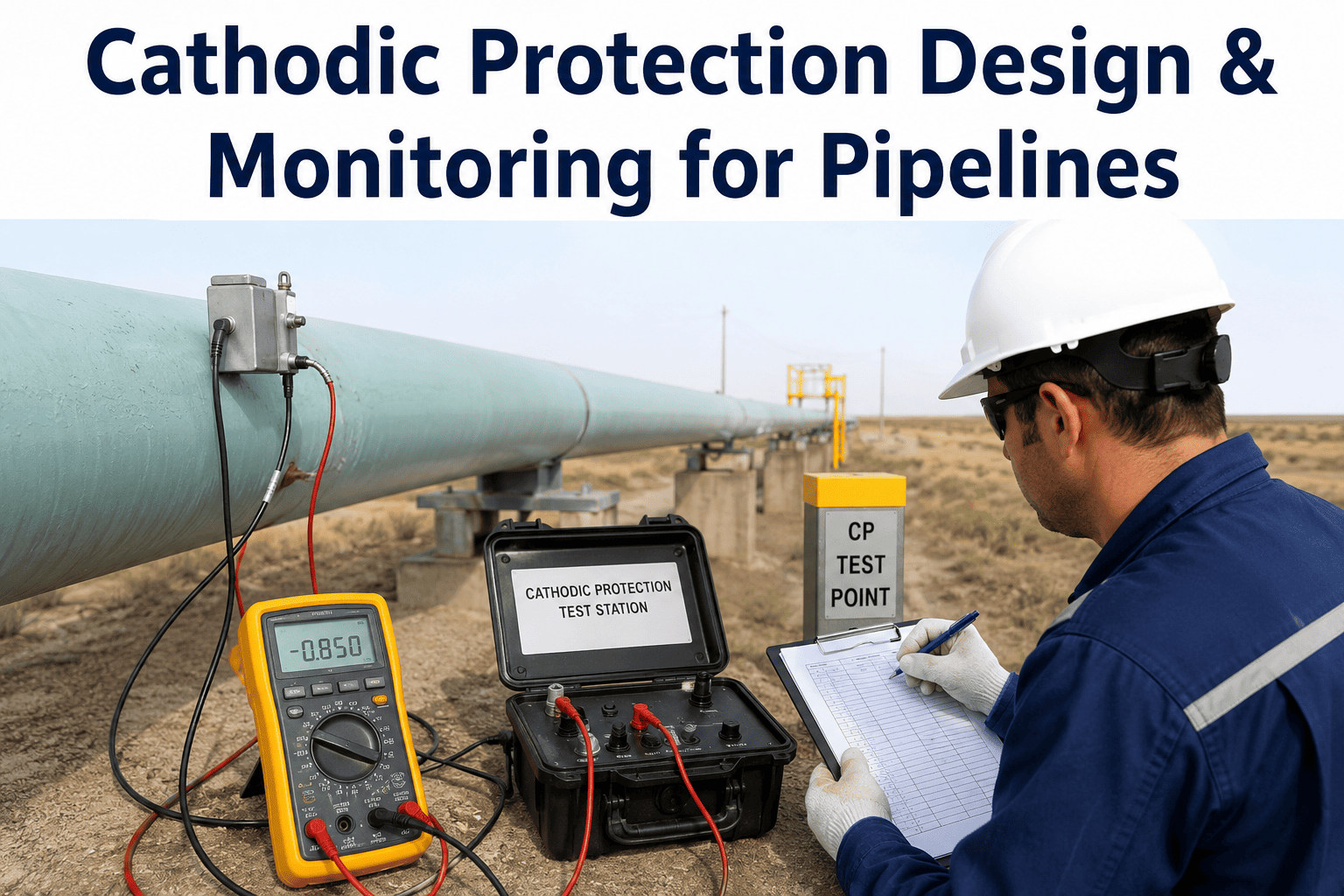
Cathodic protection is the one line item on a pipeline integrity budget that is supposed to work quietly in the background for decades without anyone thinking about it, and that is exactly why it fails so often in ways nobody notices until an inli

Read More
Offshore oil and gas platforms operate in some of the most unforgiving environments on the planet, yet they depend on continuous, high-reliability communication to function safely and profitably. Every sensor reading, SCADA telemetry packet, video

Read More
For every barrel of oil produced at a mature well, operators are commonly managing several barrels of produced water alongside it, and that ratio only climbs as fields age. Produced water is not a byproduct that can be handled loosely — its volume

Read More
Confined space entry remains one of the most tightly regulated and highest-risk activities in oil and gas operations, and internal inspection of storage tanks, pressure vessels, and columns is one of the most common reasons a worker has to go in.
Read More
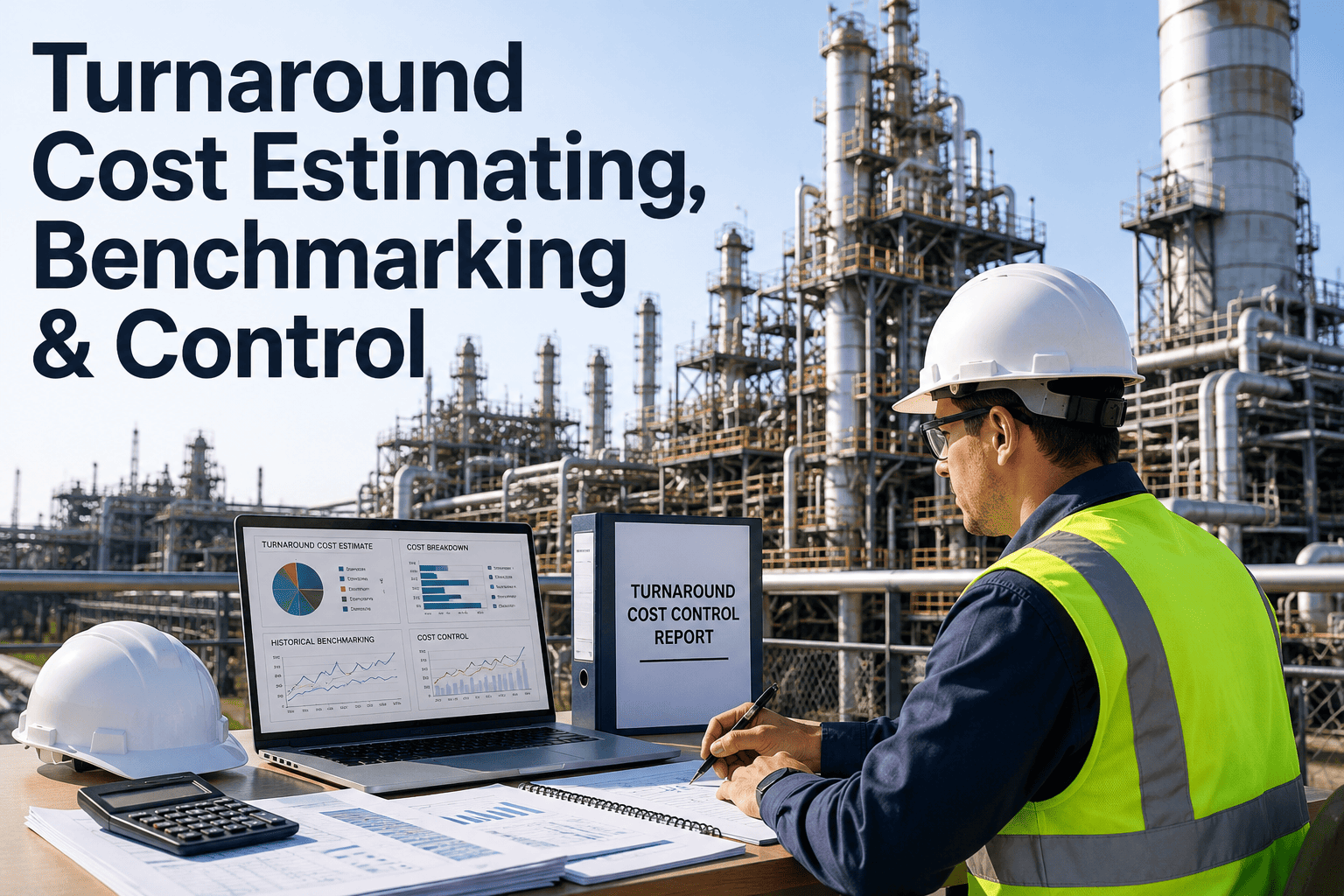
A turnaround budget is approved twelve to eighteen months before a single tool touches the unit, built on cost estimates for work that has not been fully scoped yet, executed by contractors whose final headcount is not locked until weeks before sh
Read More
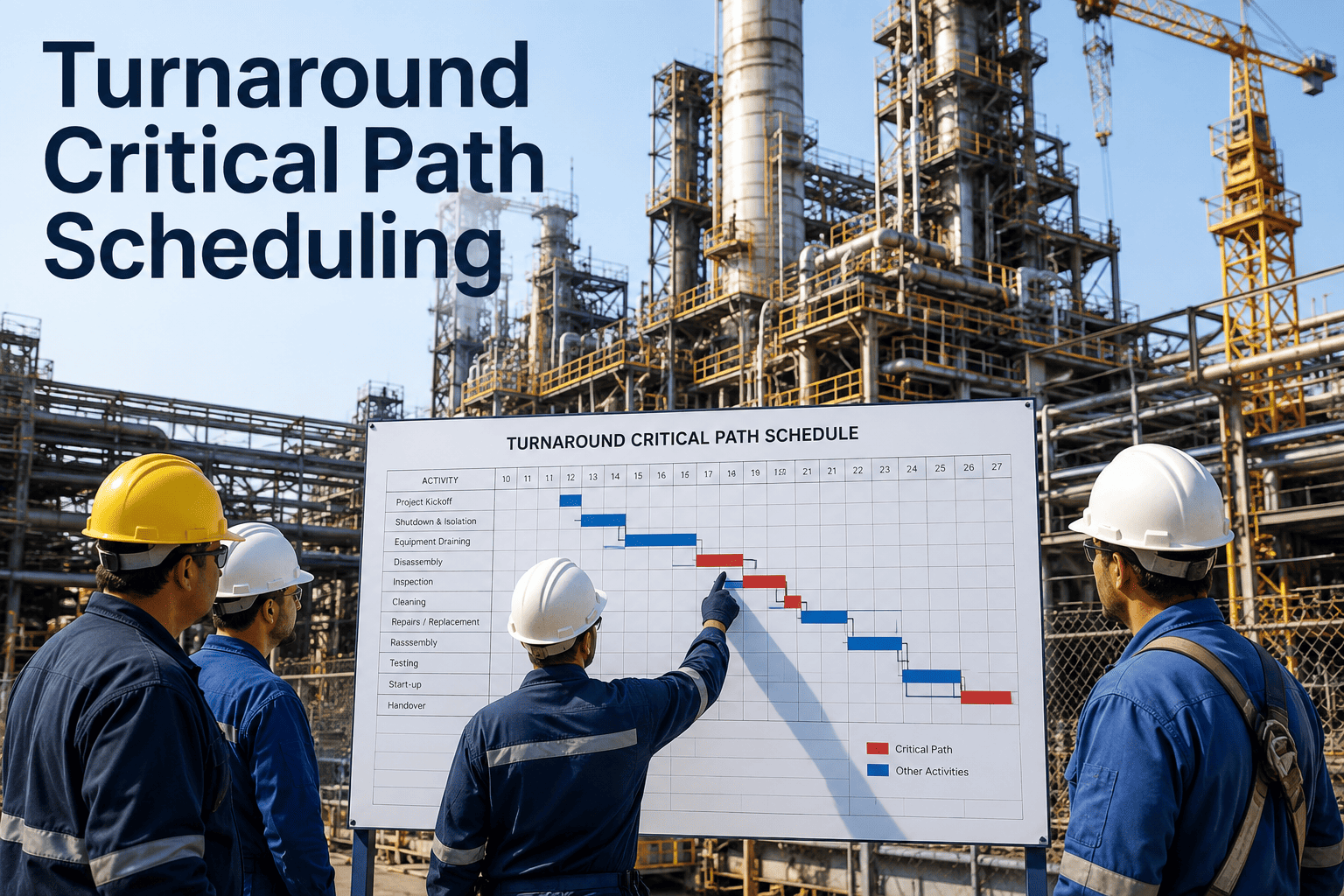
Ask any turnaround scheduler what keeps them up at night and the answer is rarely the whole schedule — it is the twenty or thirty activities that sit on the critical path, where a single day of slip anywhere in that chain becomes a day of slip on
Read More
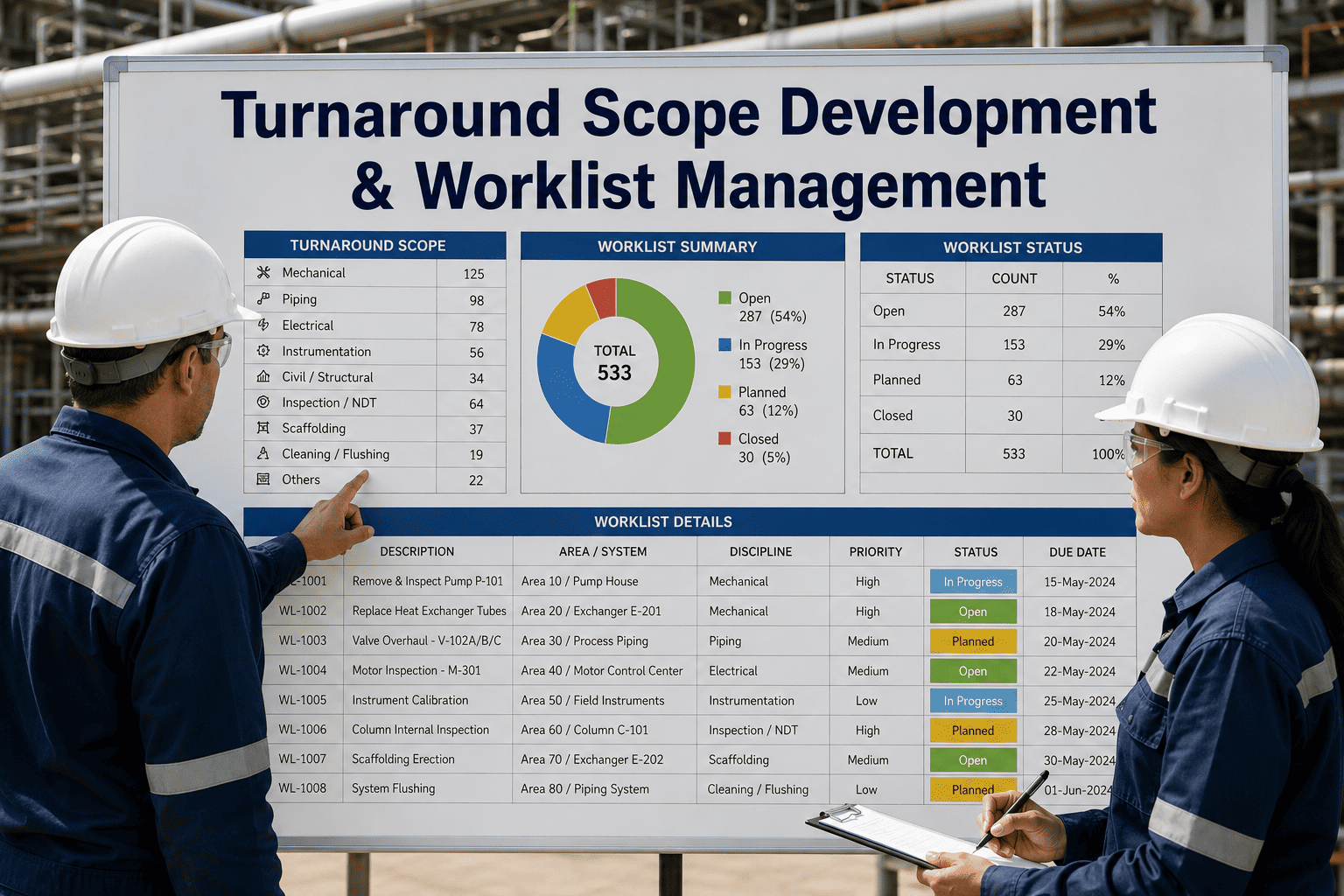
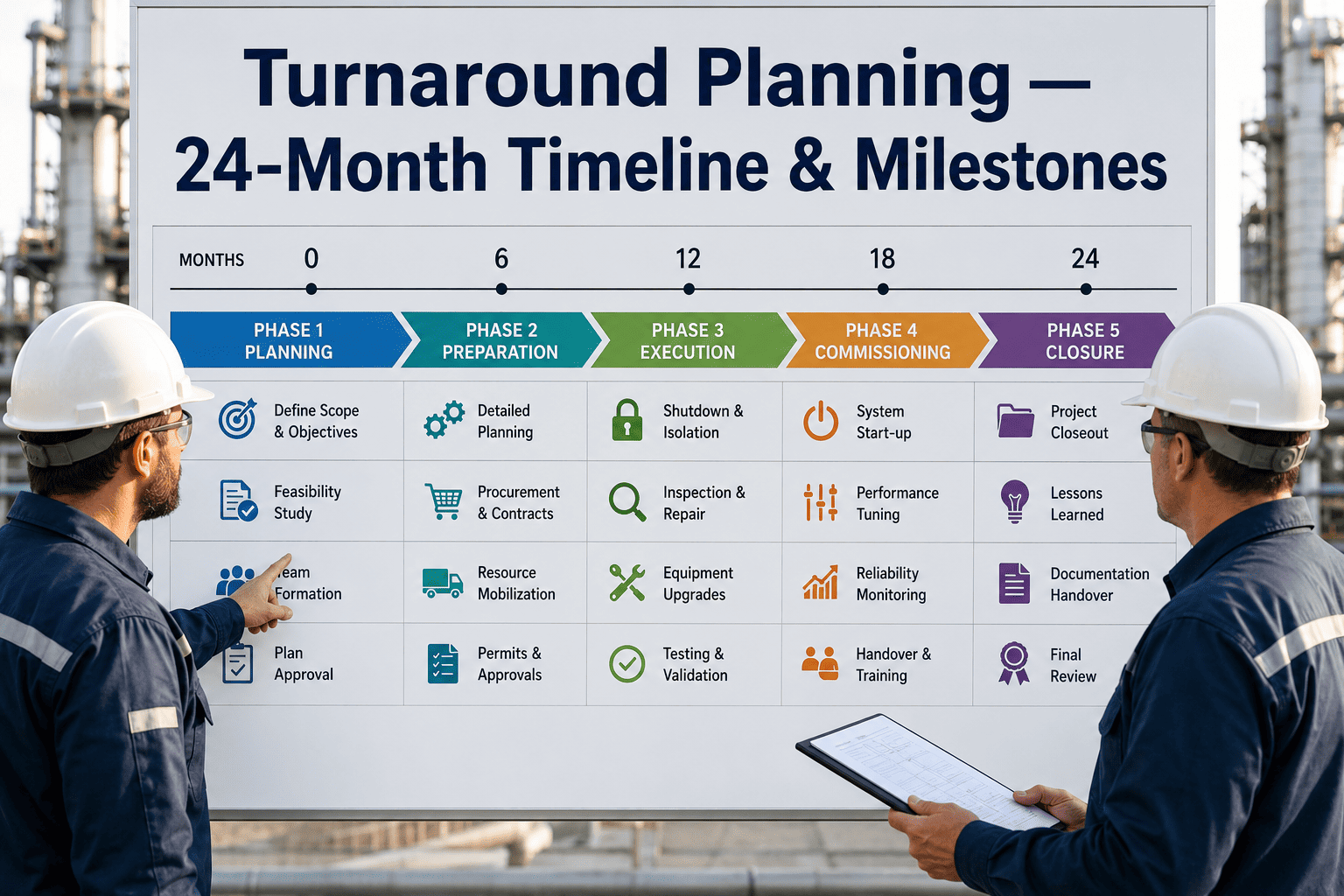
Every turnaround worklist starts too big. Operations wants a dozen deferred repairs done while the unit is finally open, reliability wants every borderline inspection finding addressed, and capital projects wants to slip in an upgrade that has bee
Read More
A turnaround does not fail during the shutdown window. It fails eighteen months earlier when scope creep goes unchallenged, twelve months earlier when a long-lead spare part misses its order window, and six months earlier when the contractor mobil
Read More
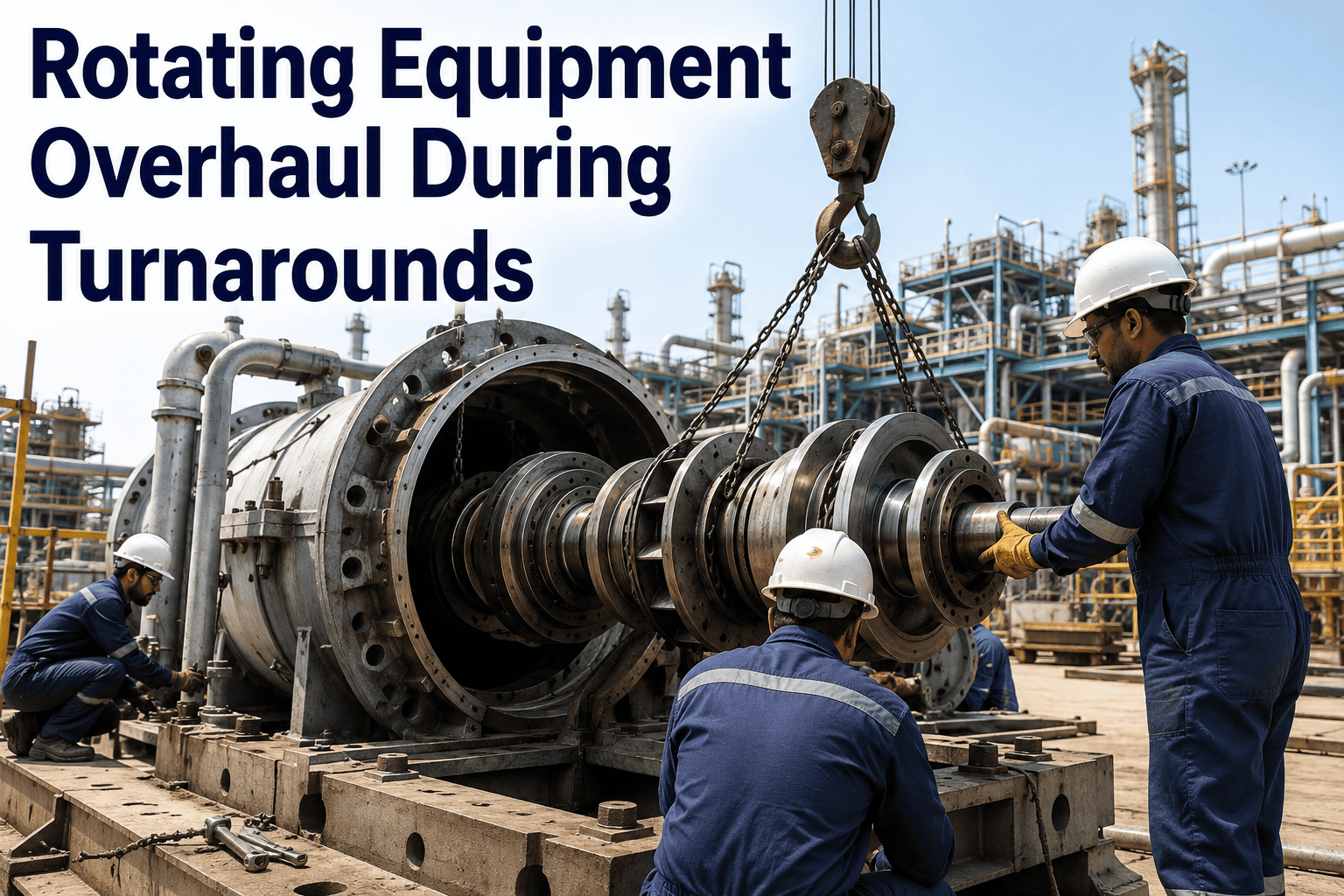
Rotating equipment overhauls represent the single largest driver of turnaround duration variability in oil and gas facilities, yet they are frequently planned using generic templates that fail to account for the specific condition, complexity, and

Read More
Turnaround performance benchmarking remains one of the most poorly practiced disciplines in oil and gas despite its direct impact on annual profitability, with most operators relying on anecdotal comparisons rather than structured data-driven anal

Read More
Human factors engineering has emerged as the most critical yet most overlooked discipline in oil and gas operations, where a single moment of operator misjudgment can trigger events costing billions in damages, environmental catastrophe, and loss
Read More
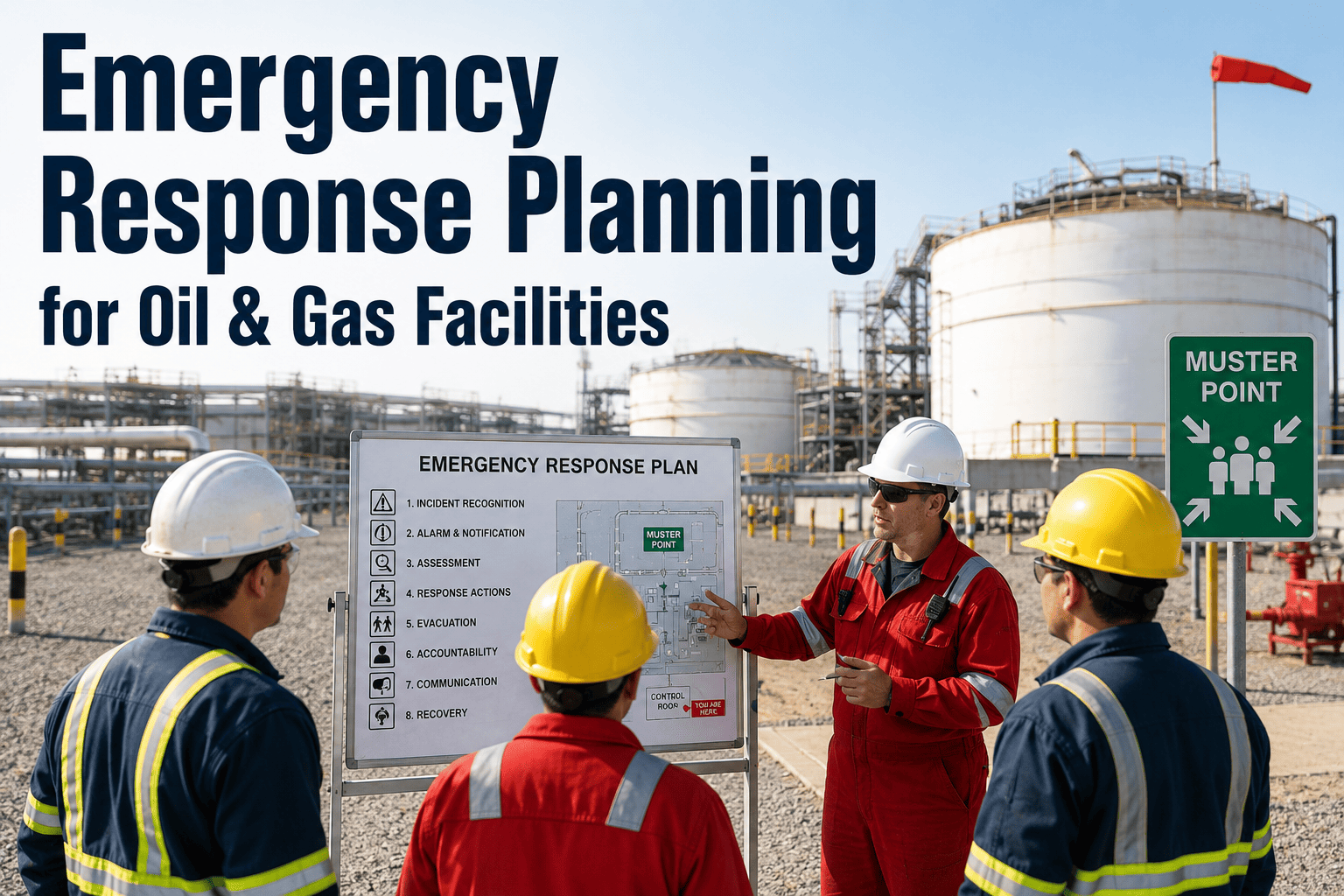
An emergency response plan for an oil and gas facility is only as reliable as the data it is built on and the drills that validate it. Most facilities develop their plans using consequence modeling results and hazard assessments that were complete

Read More
During an alarm flood at a refinery control room, an operator can receive more than one thousand alarms in the first ten minutes of a major process upset, which is roughly ten times the cognitive limit defined by ISA 18.2 for effective human respo
Read More
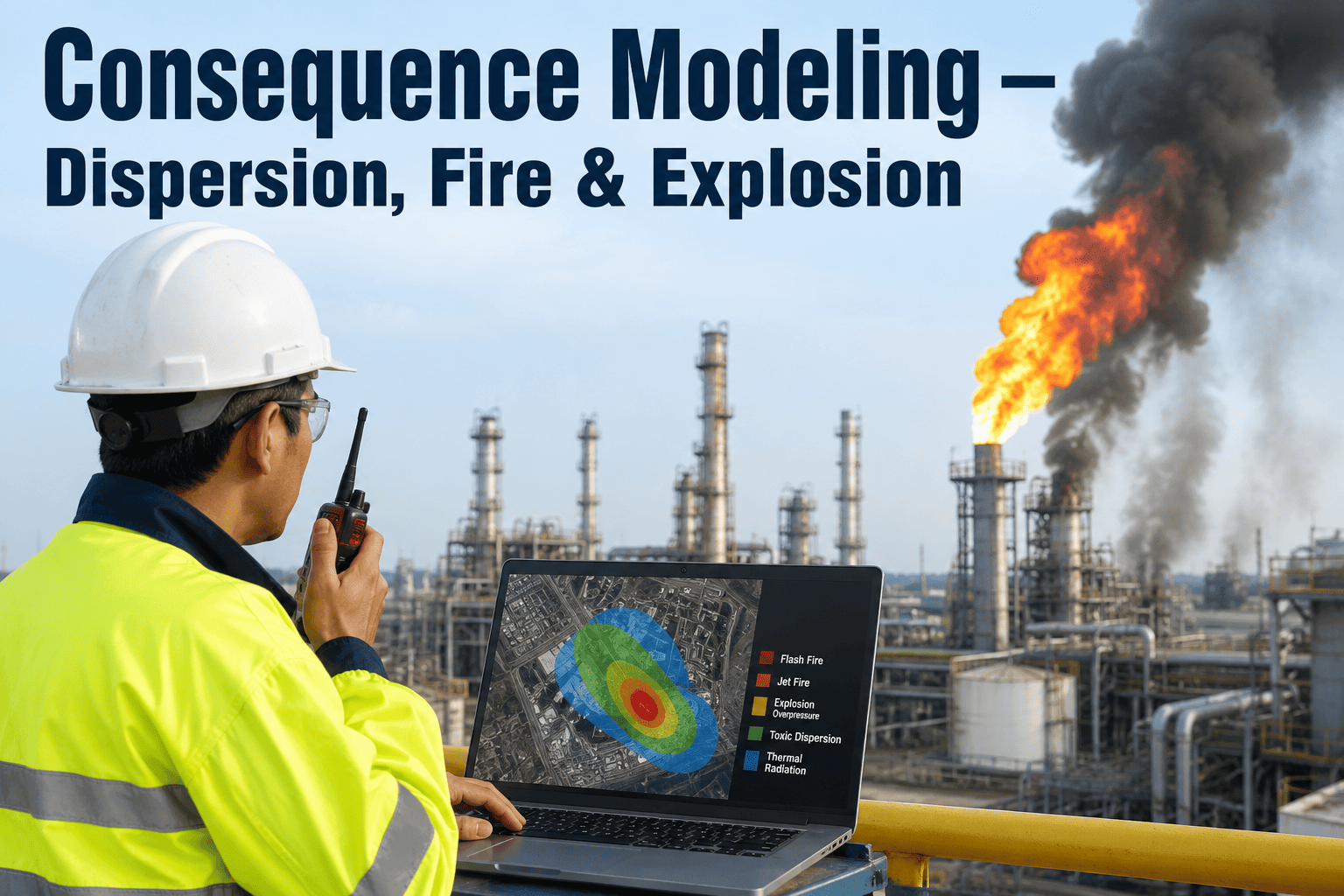
A release of flammable or toxic material doesn't become a real hazard until someone can say how far it will travel, how hot it will burn, or how hard it will hit. Consequence modeling turns a hypothetical loss of containment into a specific radius
Read More
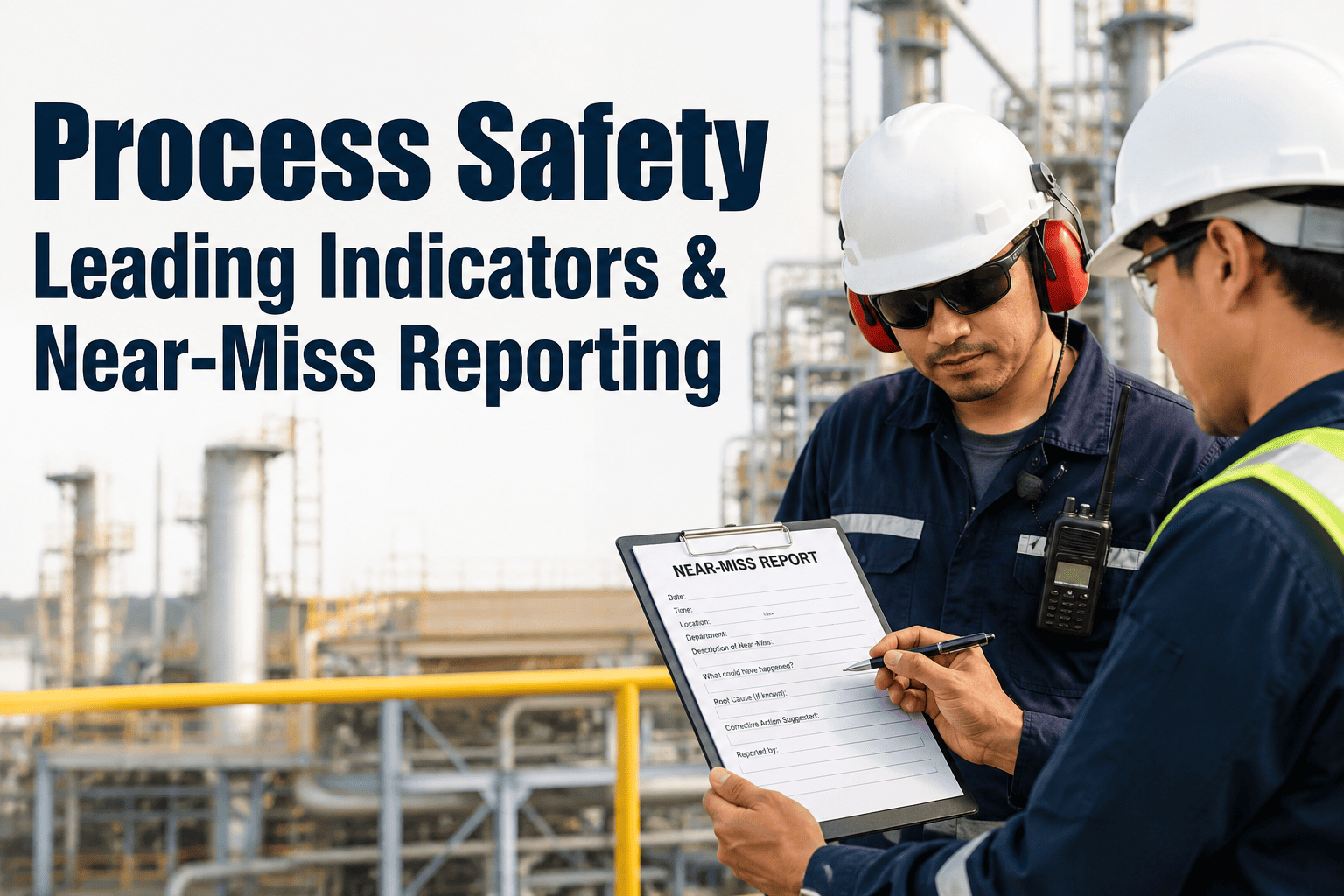
Most process safety programs are built to count what already went wrong. A recordable injury, a fire that crossed a damage threshold, a loss of containment large enough to trigger a formal report — these numbers only appear on a scorecard after th
Read More
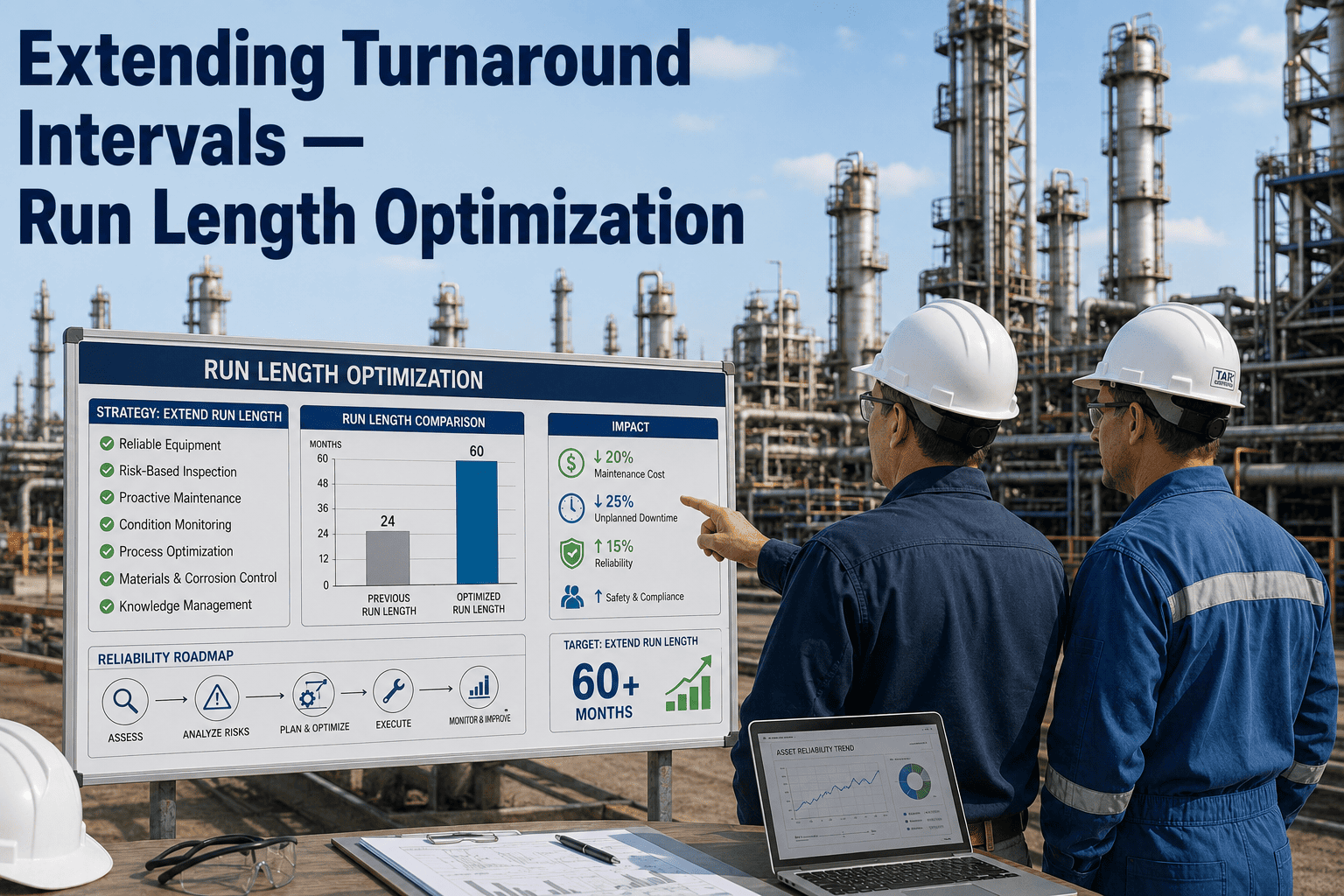
Extending a turnaround interval from four years to six or more is not simply a decision to defer maintenance. It is a fundamental shift in how a plant manages degradation, monitors equipment health, and allocates capital between scheduled events.
Read More
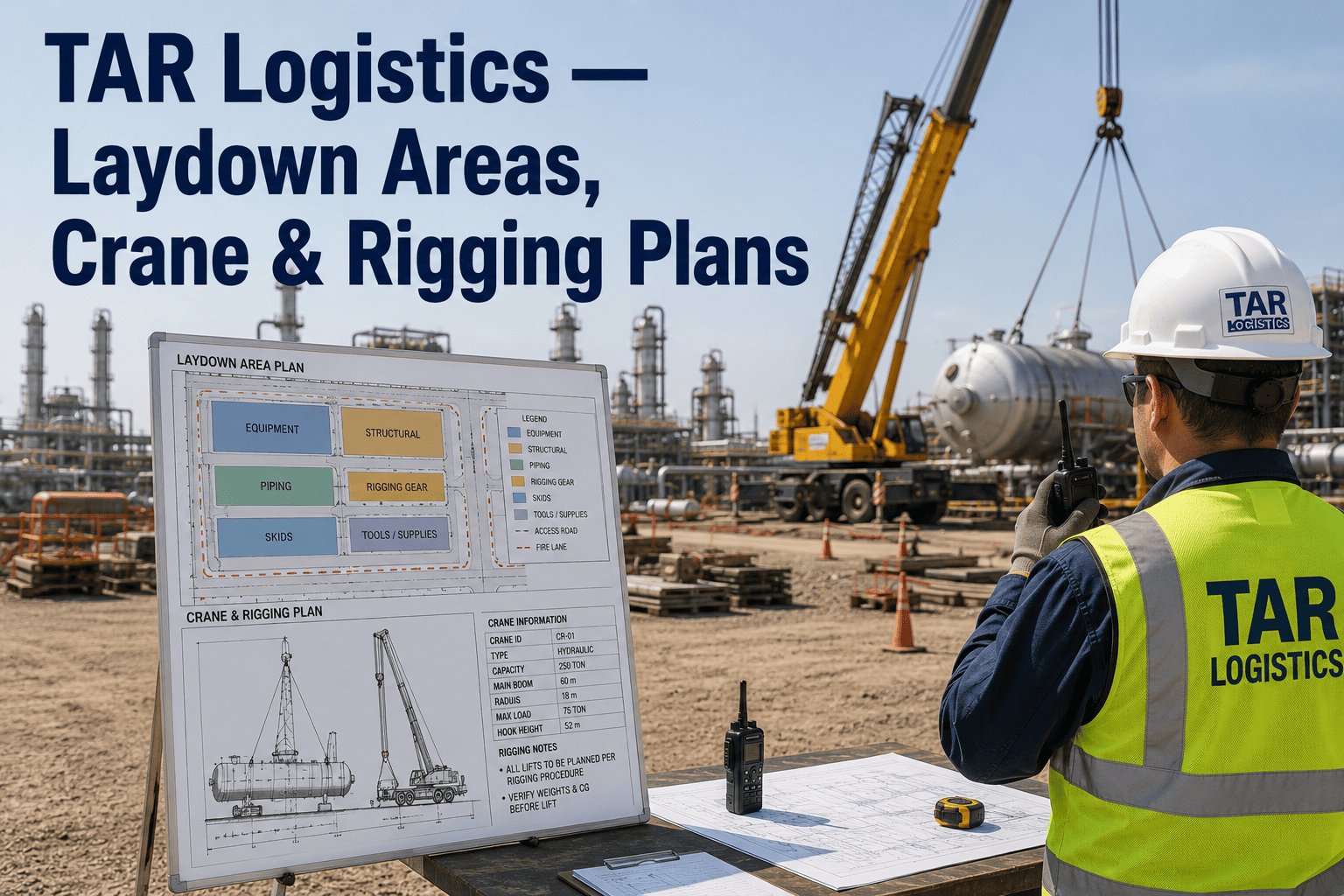
Turnaround logistics in oil and gas facilities move more tonnage in two weeks than the plant handles in six months of normal operations, yet the site layout, crane positioning, and material staging plans that make this possible are often drafted o
Read More
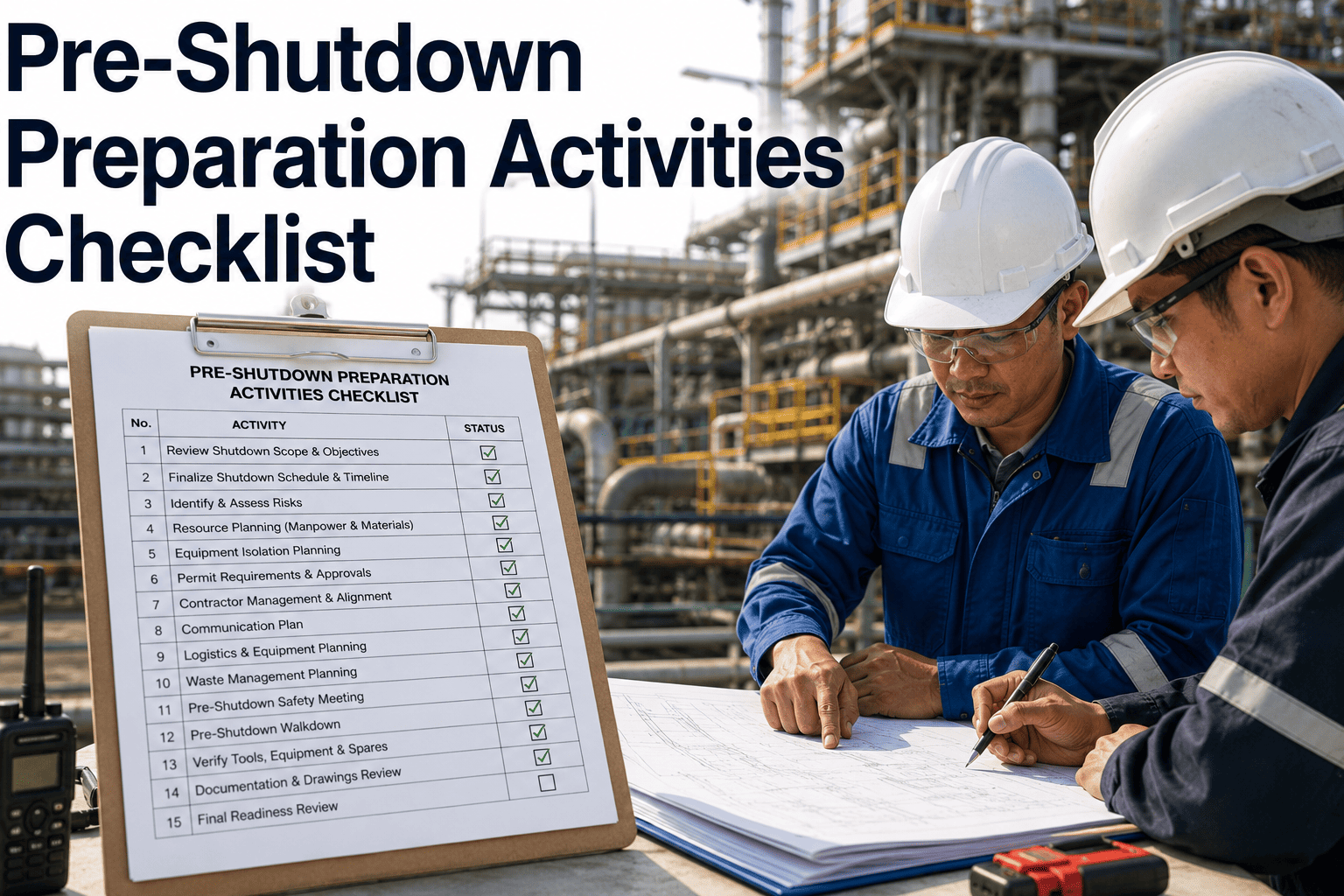
Pre-shutdown preparation in oil and gas turnarounds accounts for roughly sixty to seventy percent of the total planning effort but receives less than half the attention it deserves during project reviews. The two to four weeks immediately before a
Read More
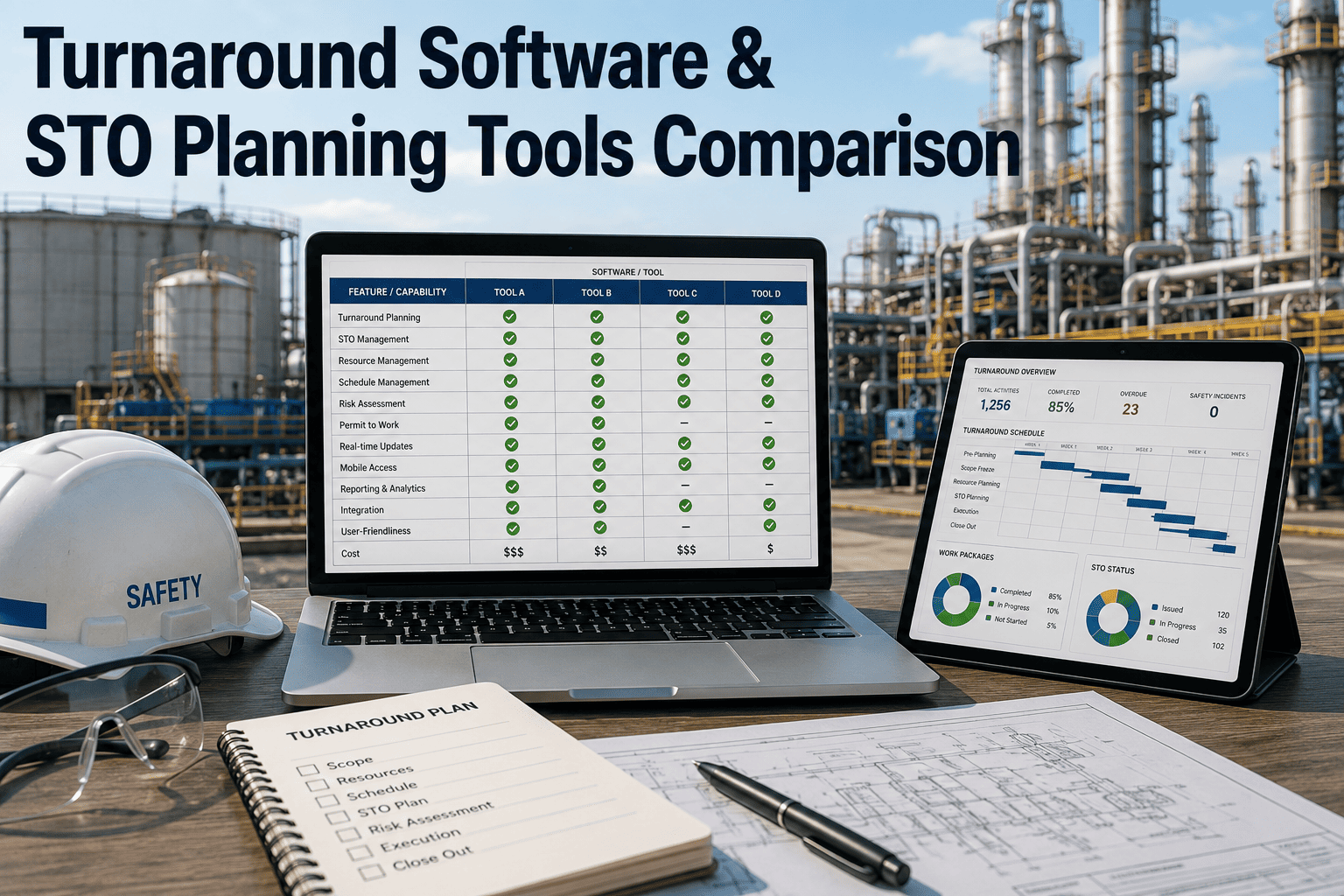
Turnarounds in oil and gas are among the most capital-intensive events on any plant calendar, with a single delayed turnaround costing between one and five million dollars per day in lost production. Yet most reliability and turnaround teams still

Read More
Third-party damage is the single largest cause of significant pipeline incidents in most jurisdictions, outpacing corrosion, equipment failure, and natural forces combined. Every year, excavators strike buried pipelines that were marked, that had
Read More
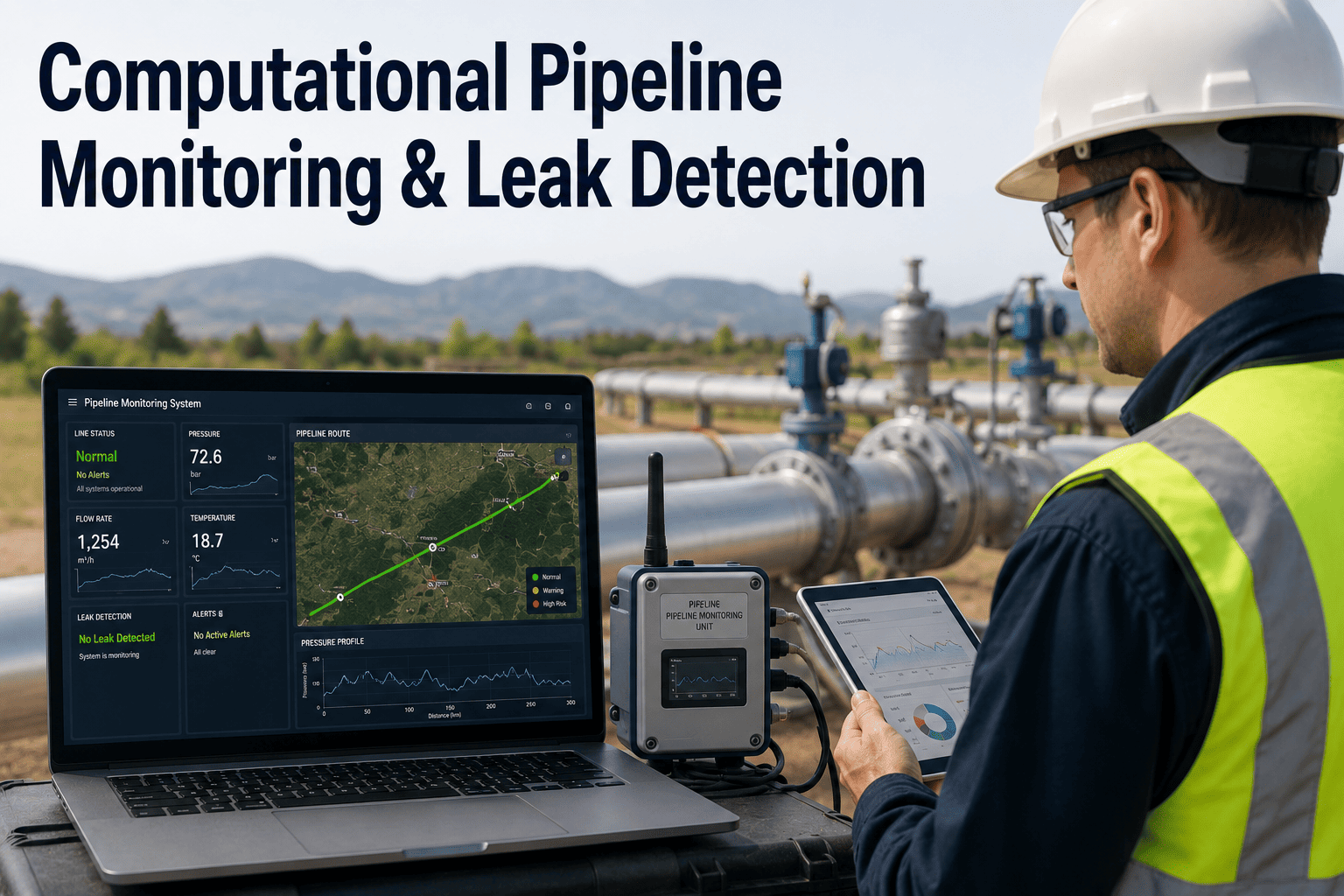
Computational pipeline monitoring exists because physical leak detection alone, whether by patrolling, aerial surveillance, or public reporting, cannot detect a small leak fast enough to prevent significant product loss or environmental damage on
Read More
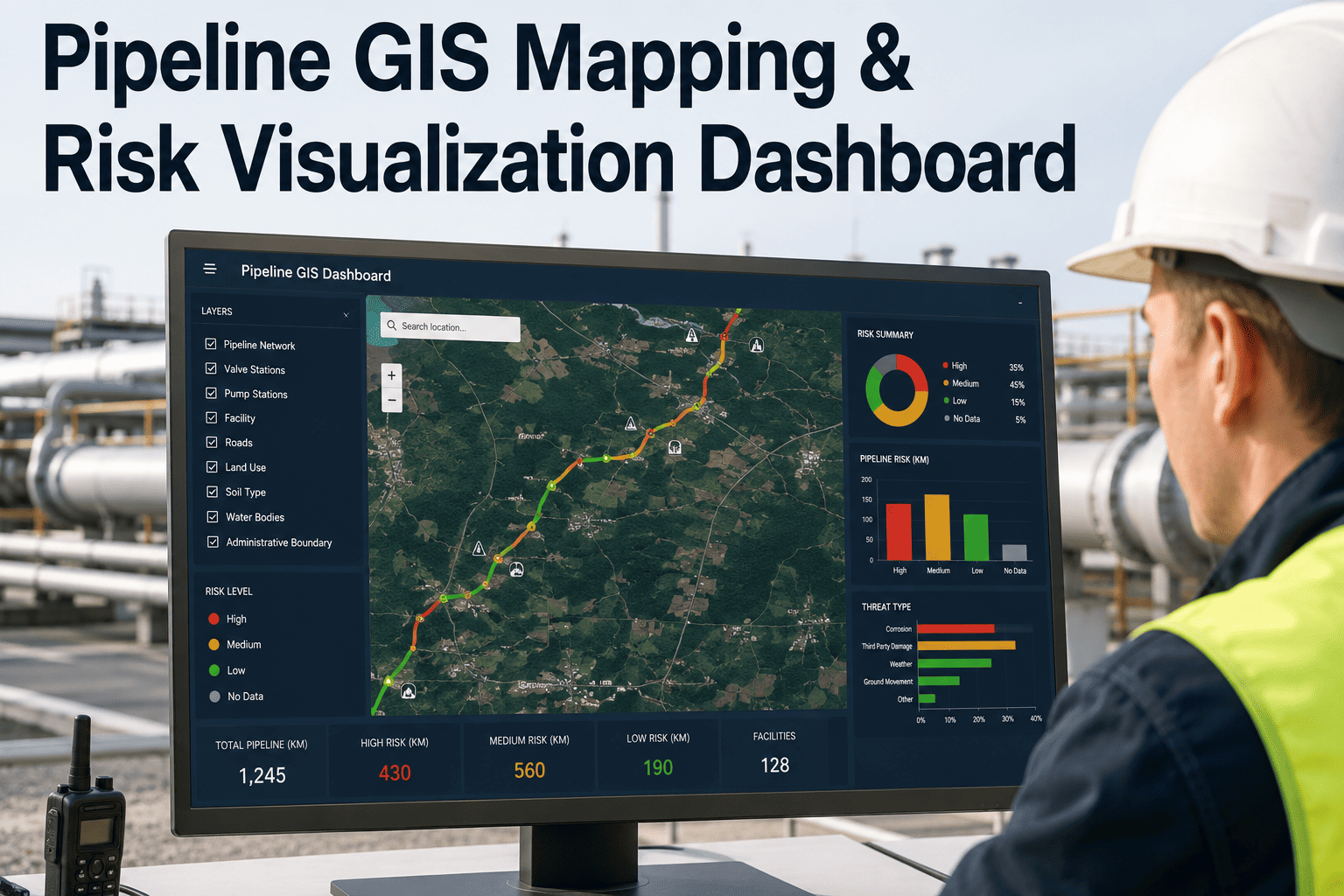
Pipeline integrity data loses most of its strategic value the moment it is extracted from a geographic context. An ILI run that identifies three hundred corrosion anomalies means very little until those anomalies are mapped against high-consequenc
Read More
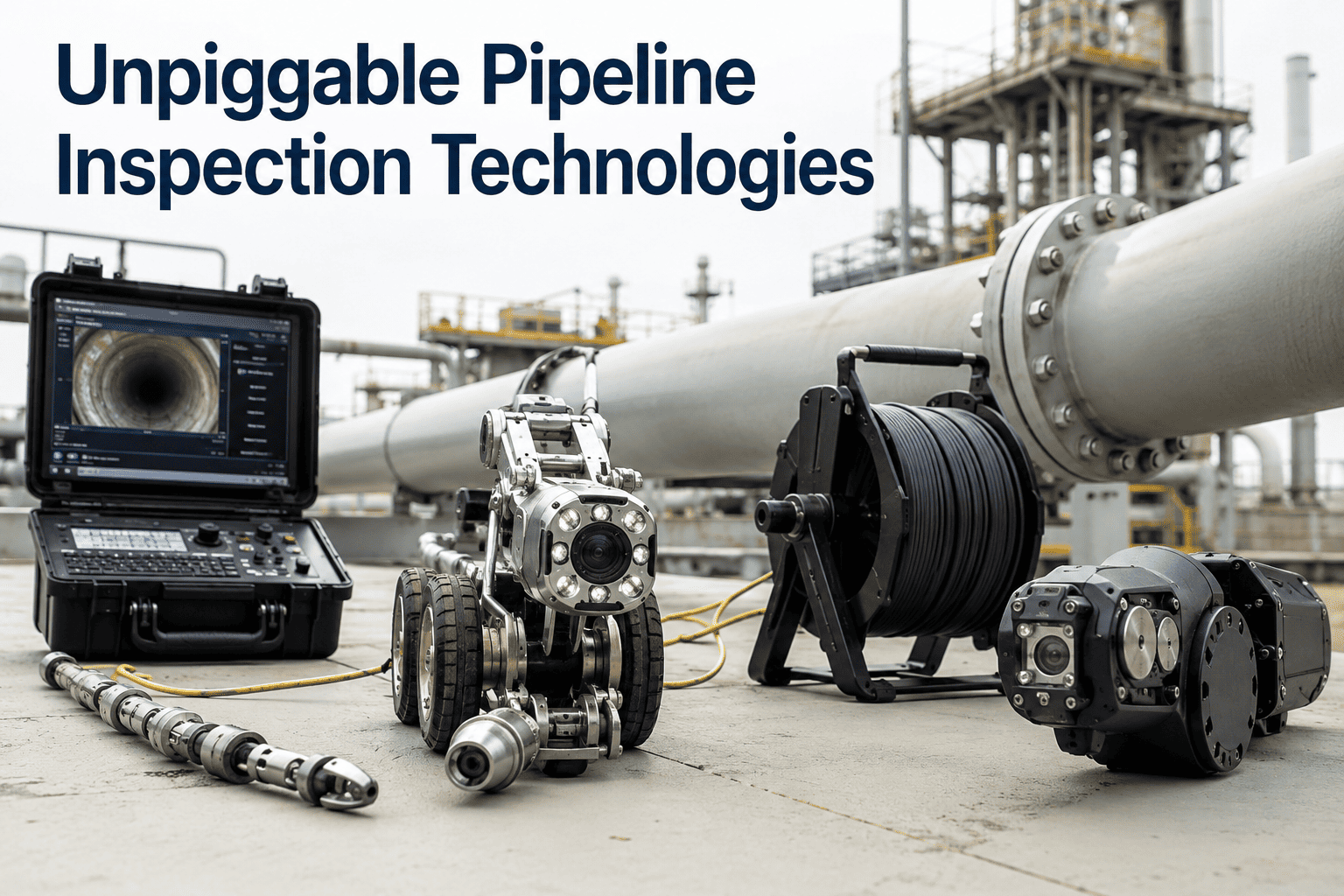
The global oil and gas network includes hundreds of thousands of miles of transmission and distribution pipelines that were never designed to accommodate inline inspection tools. These unpiggable lines carry natural gas, crude oil, refined product

Read More
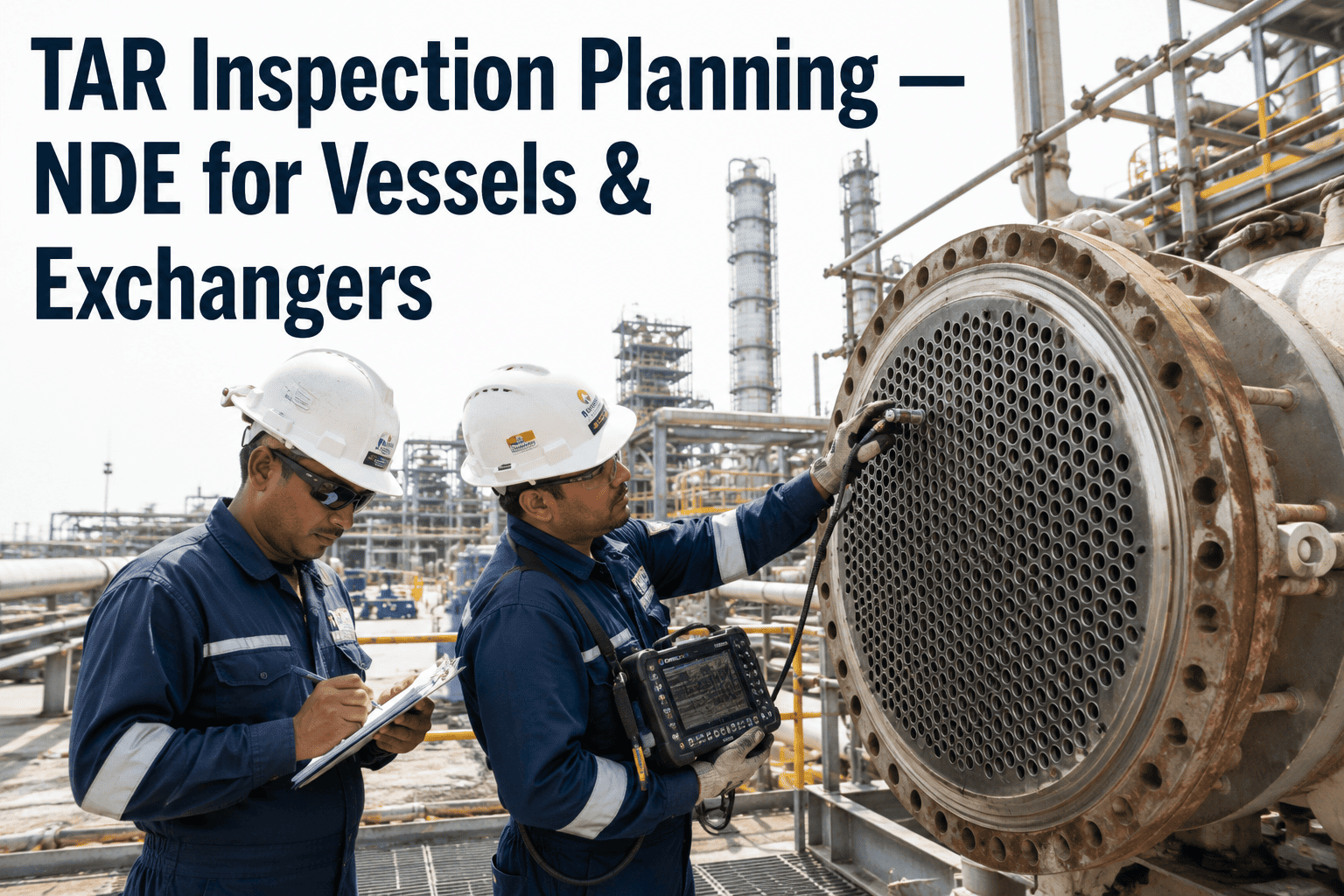
A hydrogen plant once planned its butterfly valves a full year ahead of a scheduled turnaround, well within the 52-week lead time the manufacturer quoted. Around week 32, the manufacturer hit a delay of its own and pushed delivery back another 12
Read More
A turnaround worklist that gets finalized on the fly, once a vessel is already open and the clock is already running, is how a planned three-week shutdown quietly becomes a five-week one. Every additional day a unit sits offline costs real product
Read More
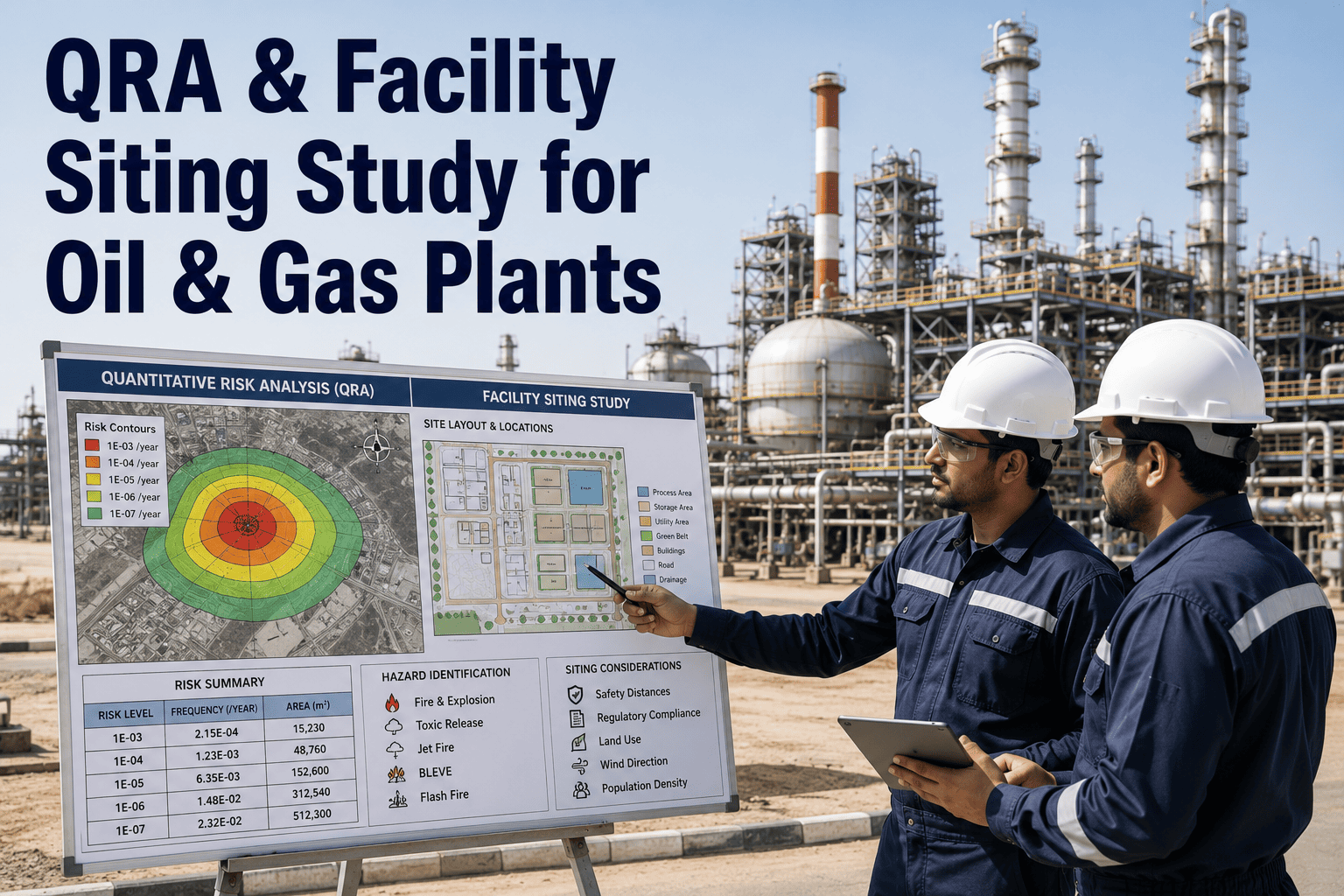
A control room built in the wrong place is not a design flaw anyone notices until the day it matters. Facility siting studies exist because occupied buildings inside a process plant sit inside blast, fire, and toxic exposure zones whether anyone h

Read More
A HAZOP study that misses one high-consequence deviation rarely announces itself at the workshop table. It resurfaces months or years later as a compressor surge nobody modeled, a relief system sized for the wrong scenario, or a revalidation that
Read More
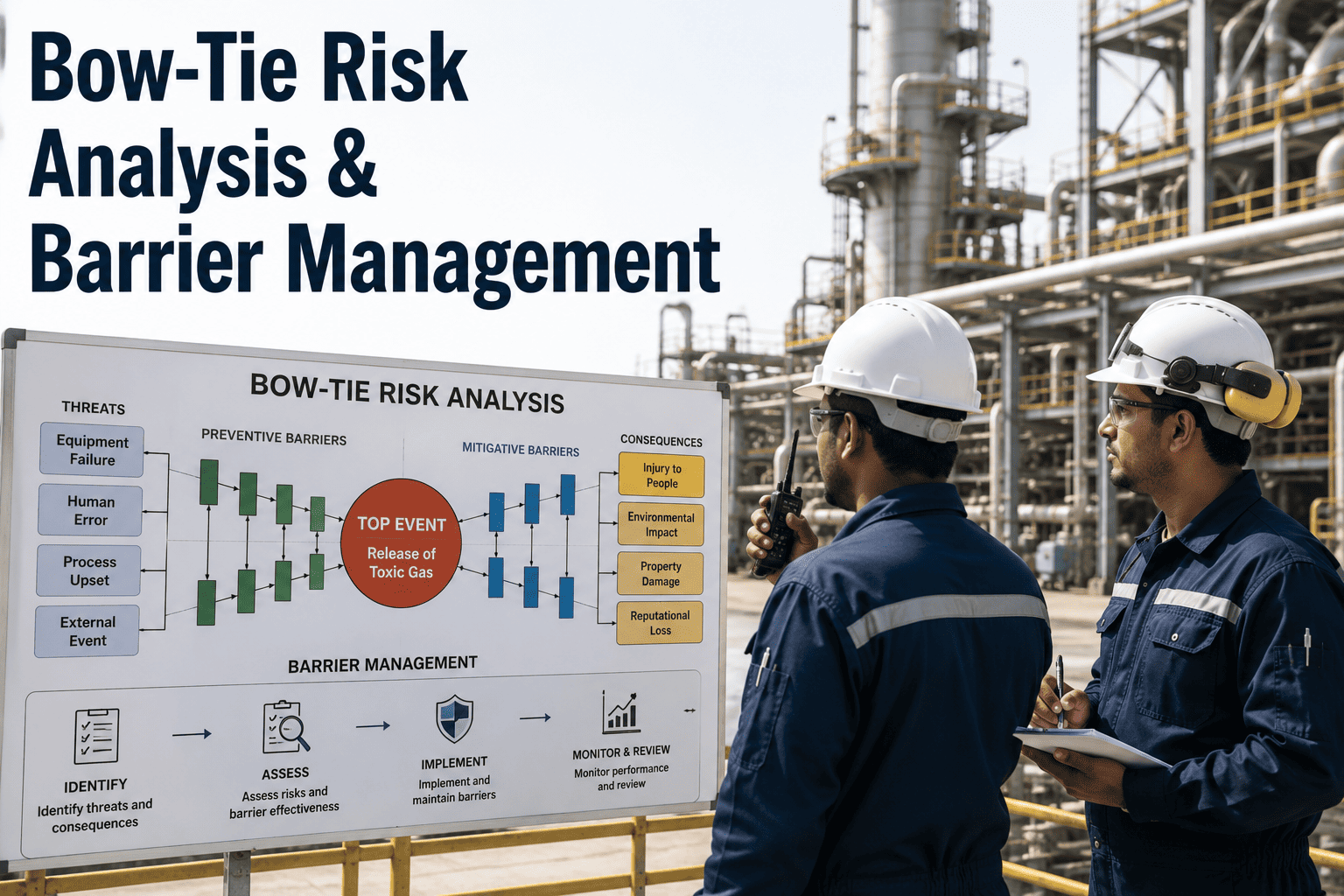
The Piper Alpha investigation did not just count the dead. It traced, barrier by barrier, exactly how a permit-to-work gap and a failed isolation turned a routine maintenance error into the worst offshore disaster in history, and that reconstructi
Read More
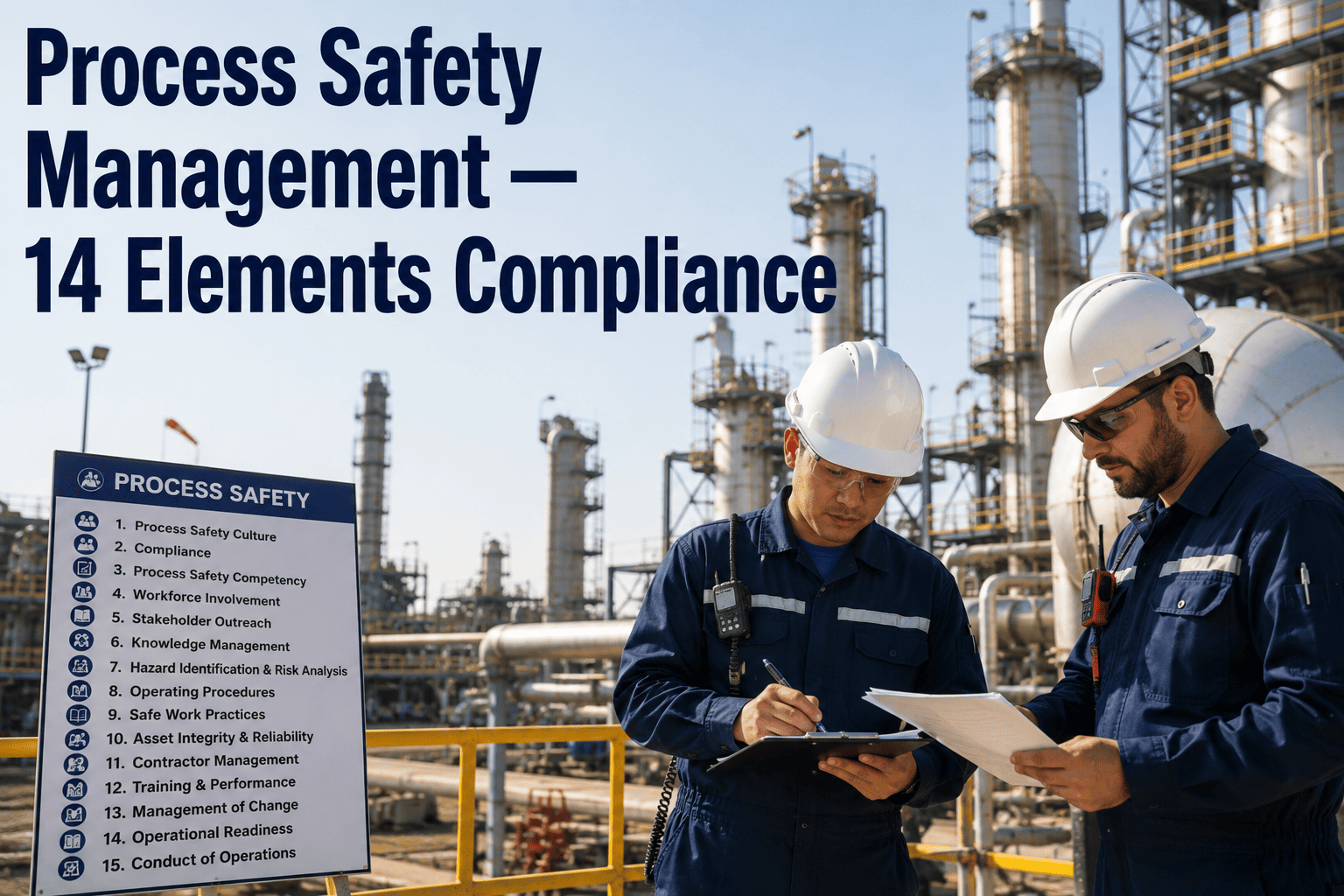
A single missed inspection on a critical relief valve, a management-of-change form that never made it to the right engineer, an operating procedure last updated before the unit's last major turnaround — none of these look like a disaster in isolat
Read More
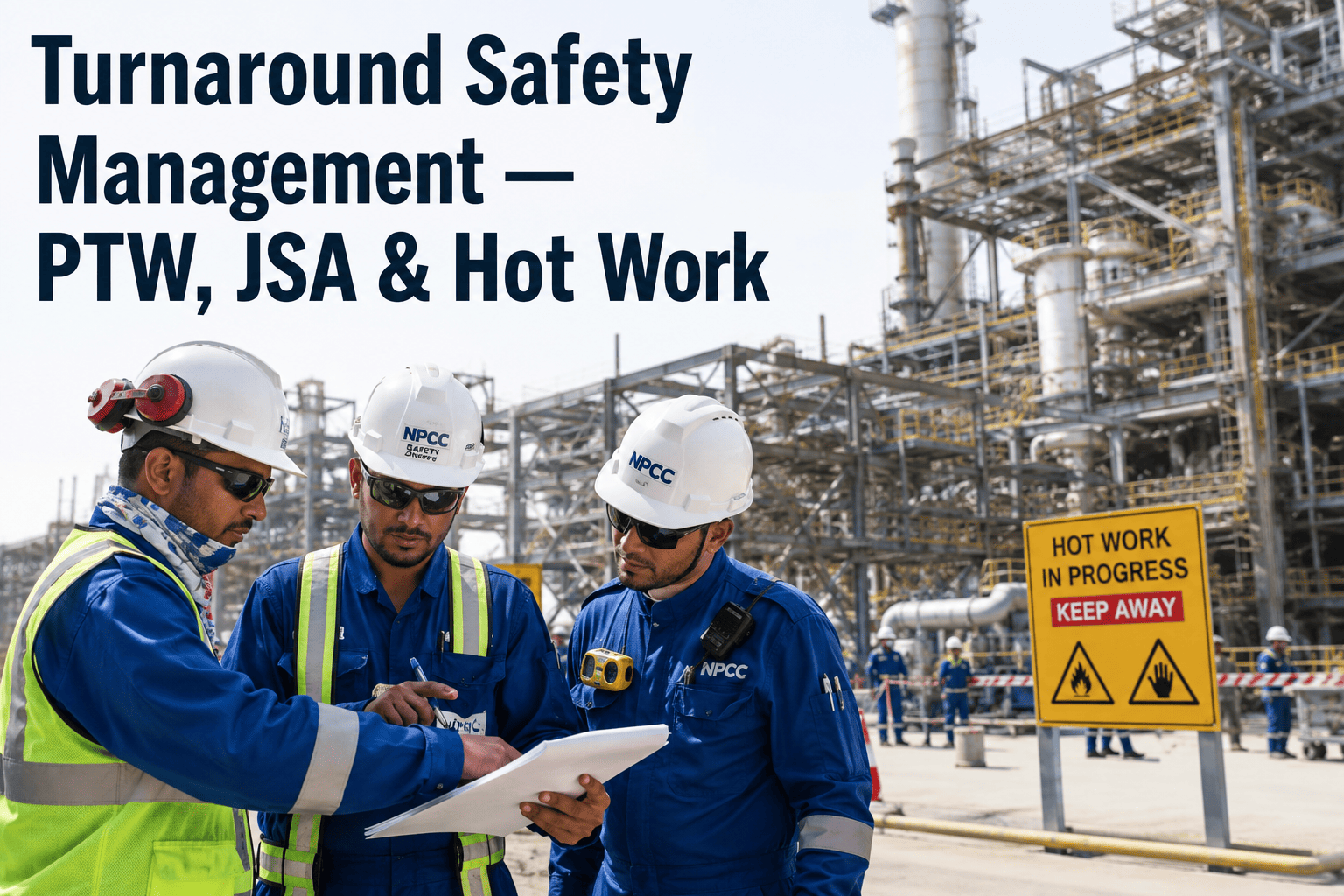
A permit-to-work binder can look flawless on paper and still miss the one thing that matters most during a turnaround: whether the fire watch assigned to a hot work permit is actually standing at that location right now. With workforce numbers d

Read More
Every planned turnaround starts with a number on a spreadsheet — six hundred contractors, four weeks, one fixed completion date. What actually shows up on day one is a parking lot full of buses, a badge line stretching past the gate, and a workf

Read More
A temporary bypass valve installed during a turnaround, never formally reviewed, still open eight months later. A "like-for-like" pump replacement that quietly used a higher-capacity motor. Under OSHA's Process Safety Management standard, 29 CFR 1
Read More
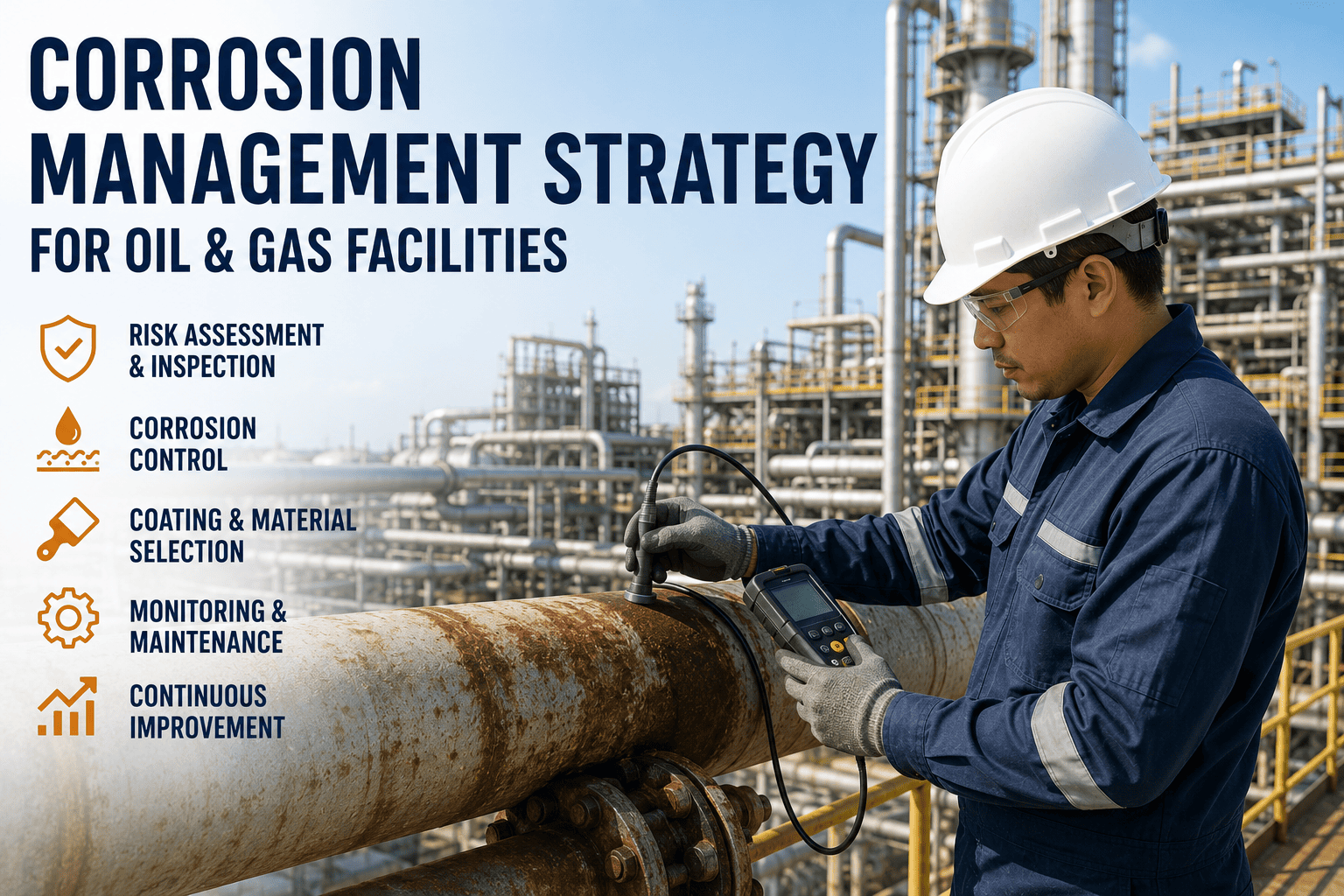
Corrosion doesn't announce itself. A pipeline losing wall thickness to CO2 and H2S, a tank floor thinning from water bottoms, a piping run under insulation hiding moisture against the metal — none of it shows up until a coupon, probe, or inspectio

Read More
A control room operator on hour eleven of a twelve-hour shift, twenty-two days into a twenty-eight day rotation, is being asked to make the same split-second decisions expected of someone fully rested. The Chemical Safety Board's investigation int
Read More
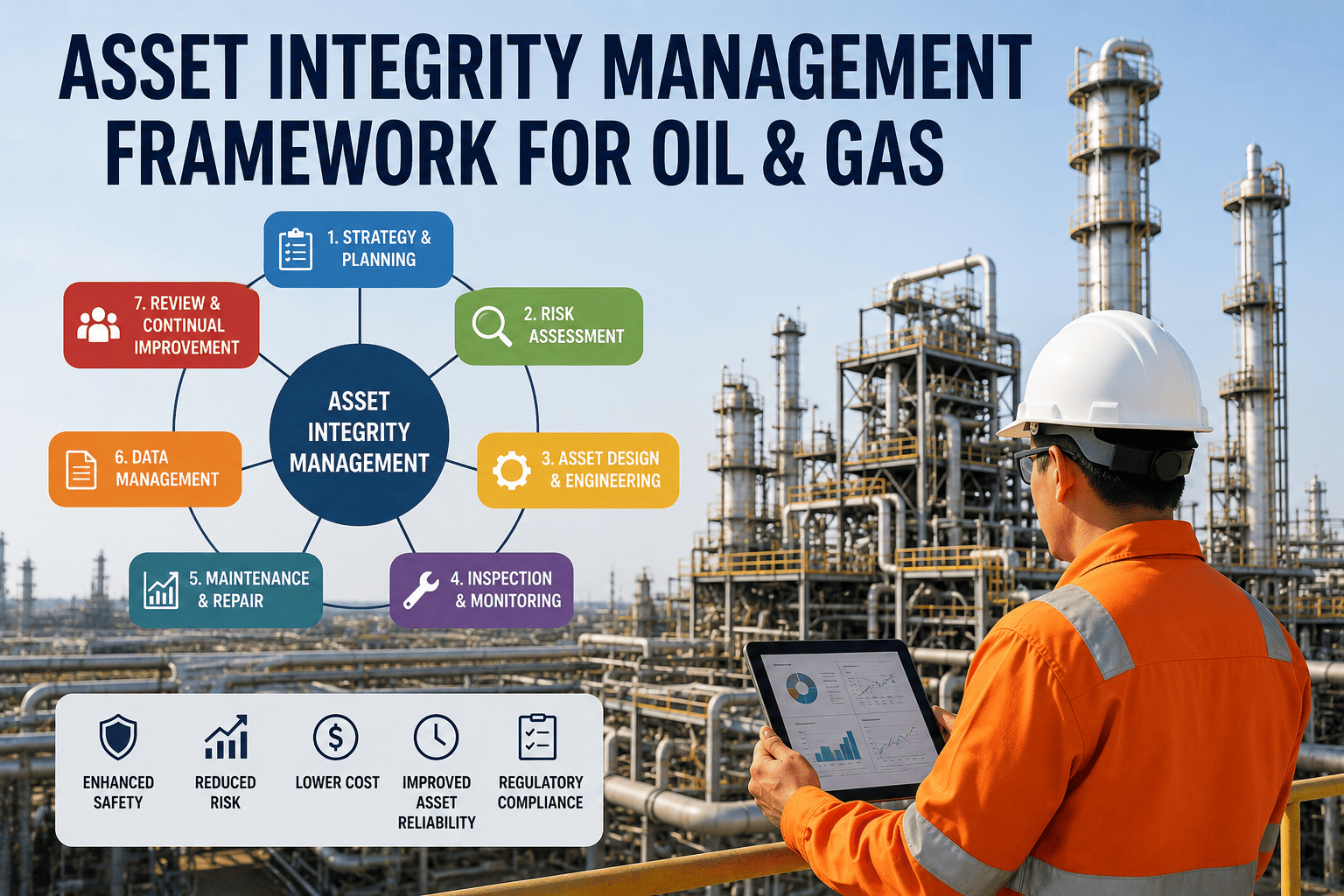
A pressure vessel that fails inspection two years early, a corroded flowline that ruptures before its next scheduled survey, a safety critical valve that hasn't been proof-tested on time — these are not rare events in oil and gas operations, they
Read More
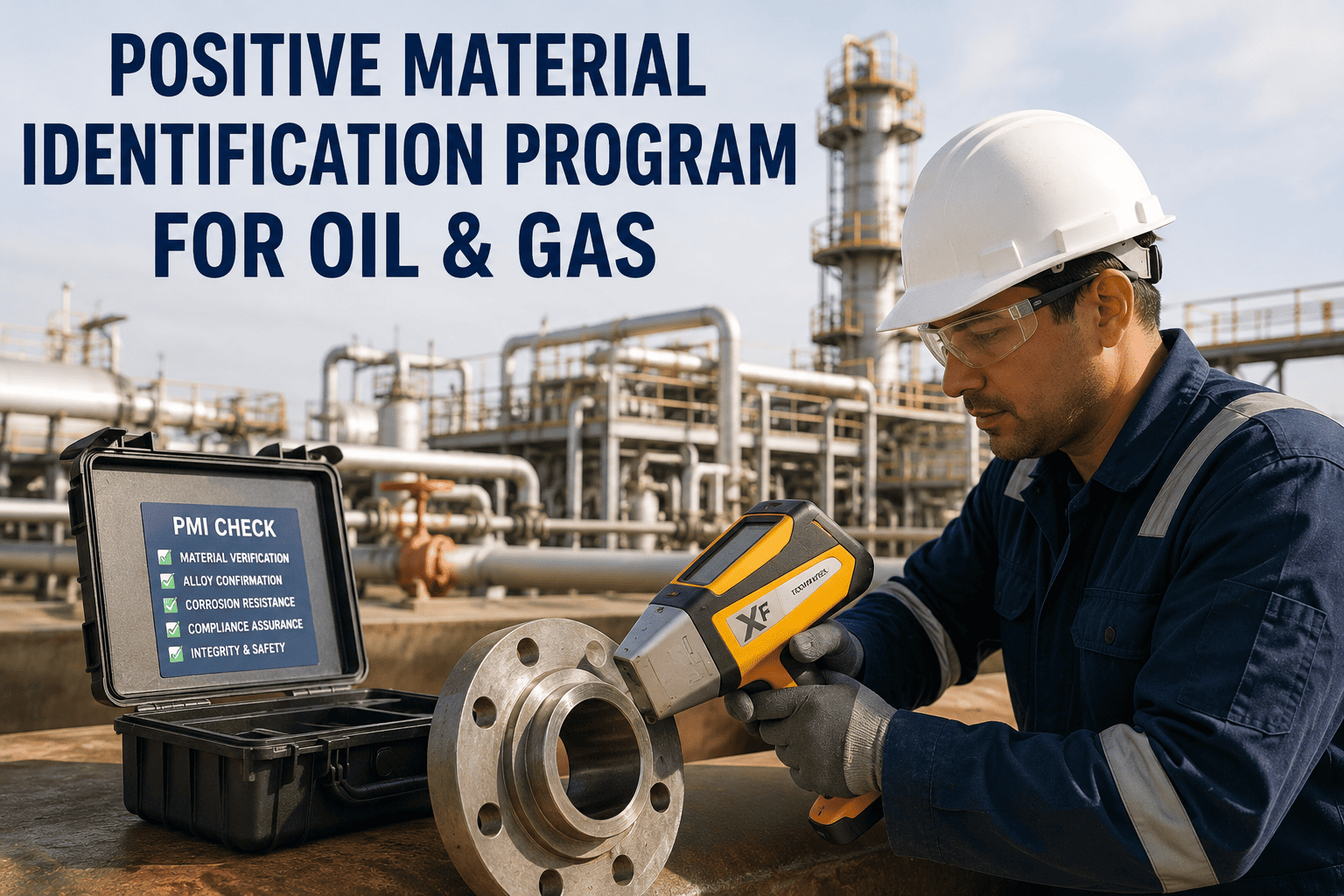
A mixed-up alloy in a piping spool or vessel nozzle can sit undetected for years until the wrong material meets the wrong service condition and fails, and by then the root cause traces back to a shop floor moment that should have been caught with
Read More
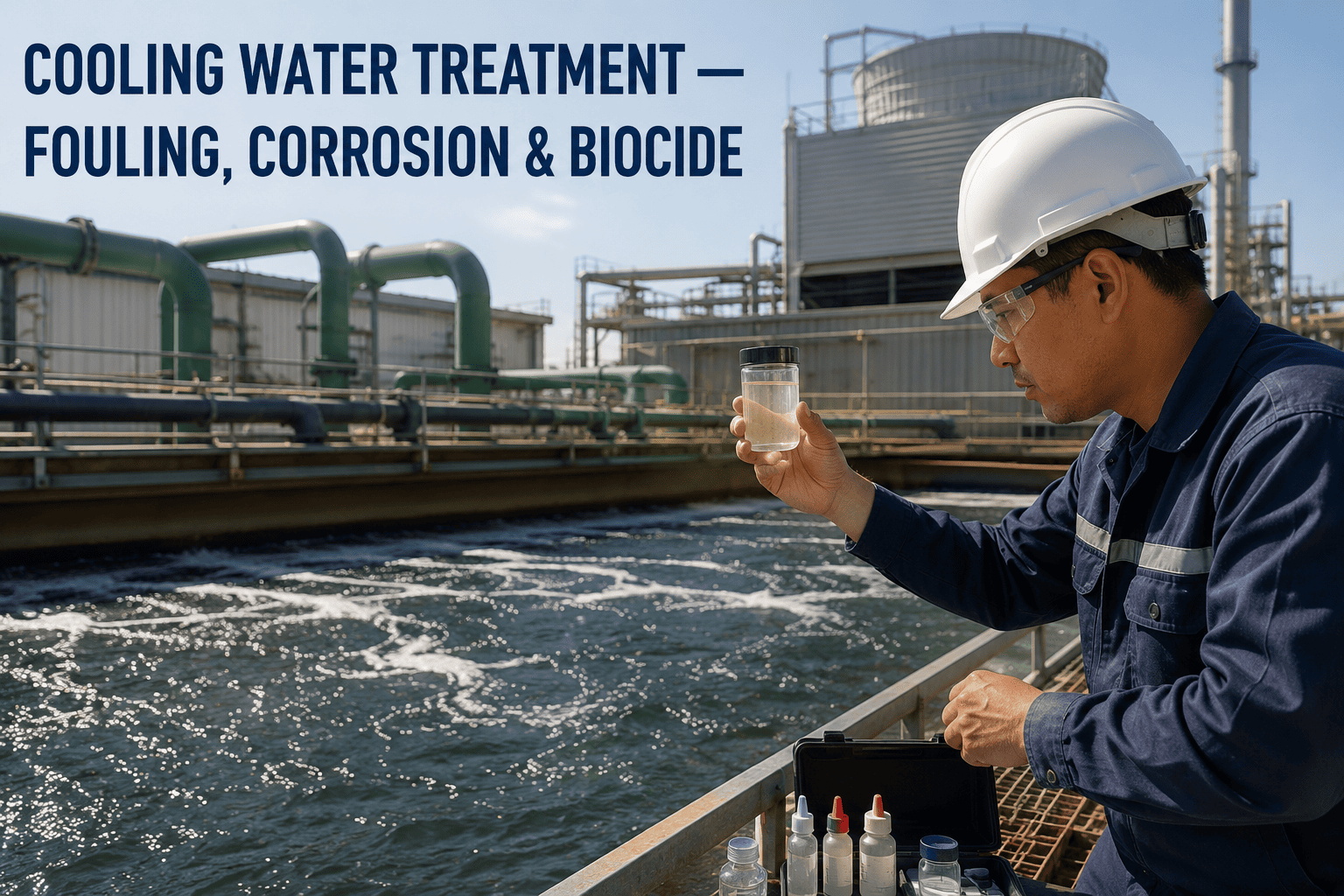
Cooling water systems quietly touch almost every major piece of rotating and heat-transfer equipment on a plant, which means a slow drift in water chemistry rarely announces itself until a heat exchanger is already fouled or a tower structure is a

Read More
A single missed weld defect on a pressure vessel or pipeline spool can turn into a hydrotest failure, a field repair, or in the worst case a containment breach months after construction is complete. Oil and gas fabrication runs under ASME, API, an
Read More
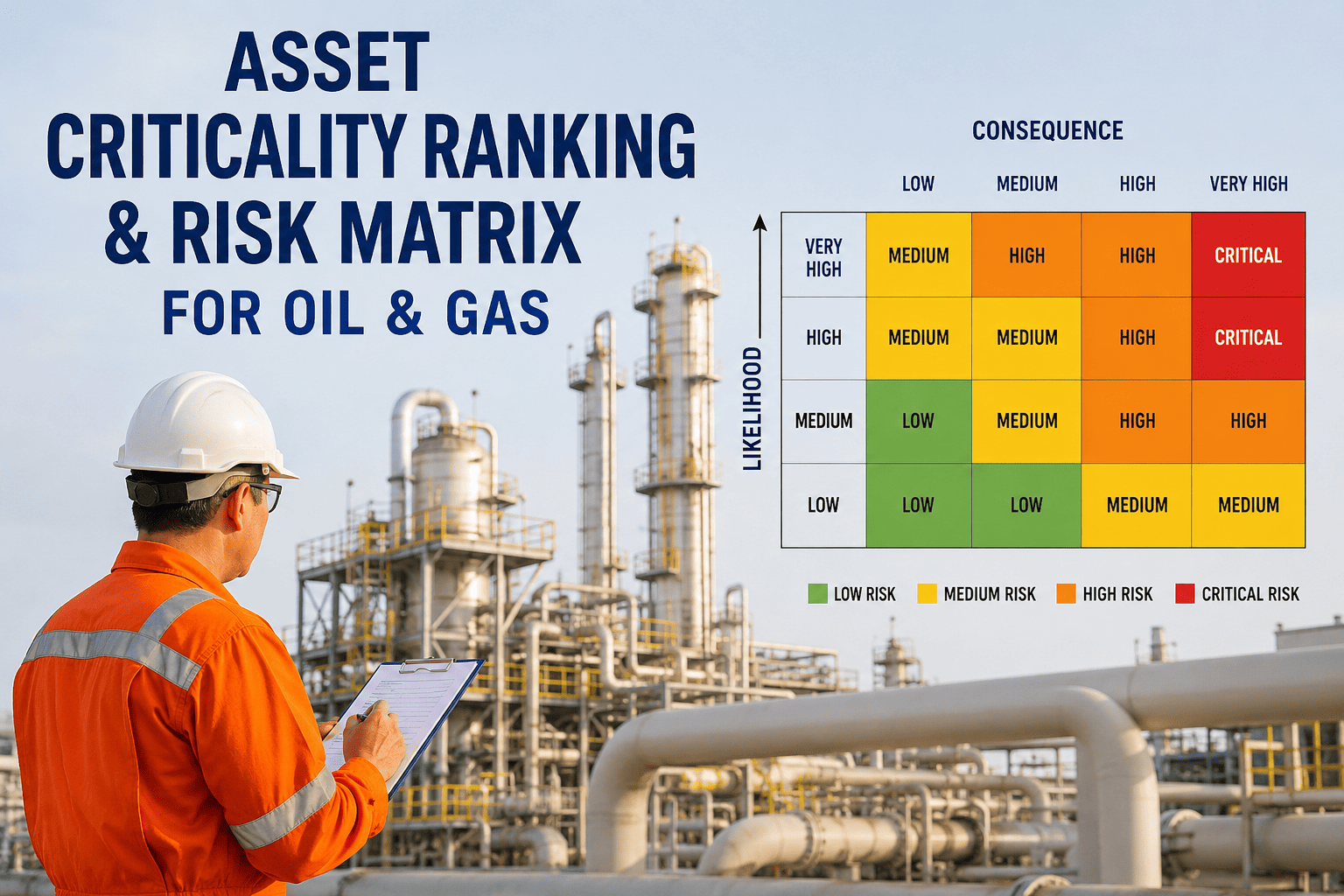
A refinery or upstream facility can carry thousands of tagged assets, and no maintenance team has the budget or headcount to inspect, spare, and monitor every single one at the same intensity. The gap between assets that genuinely threaten safety
Read More
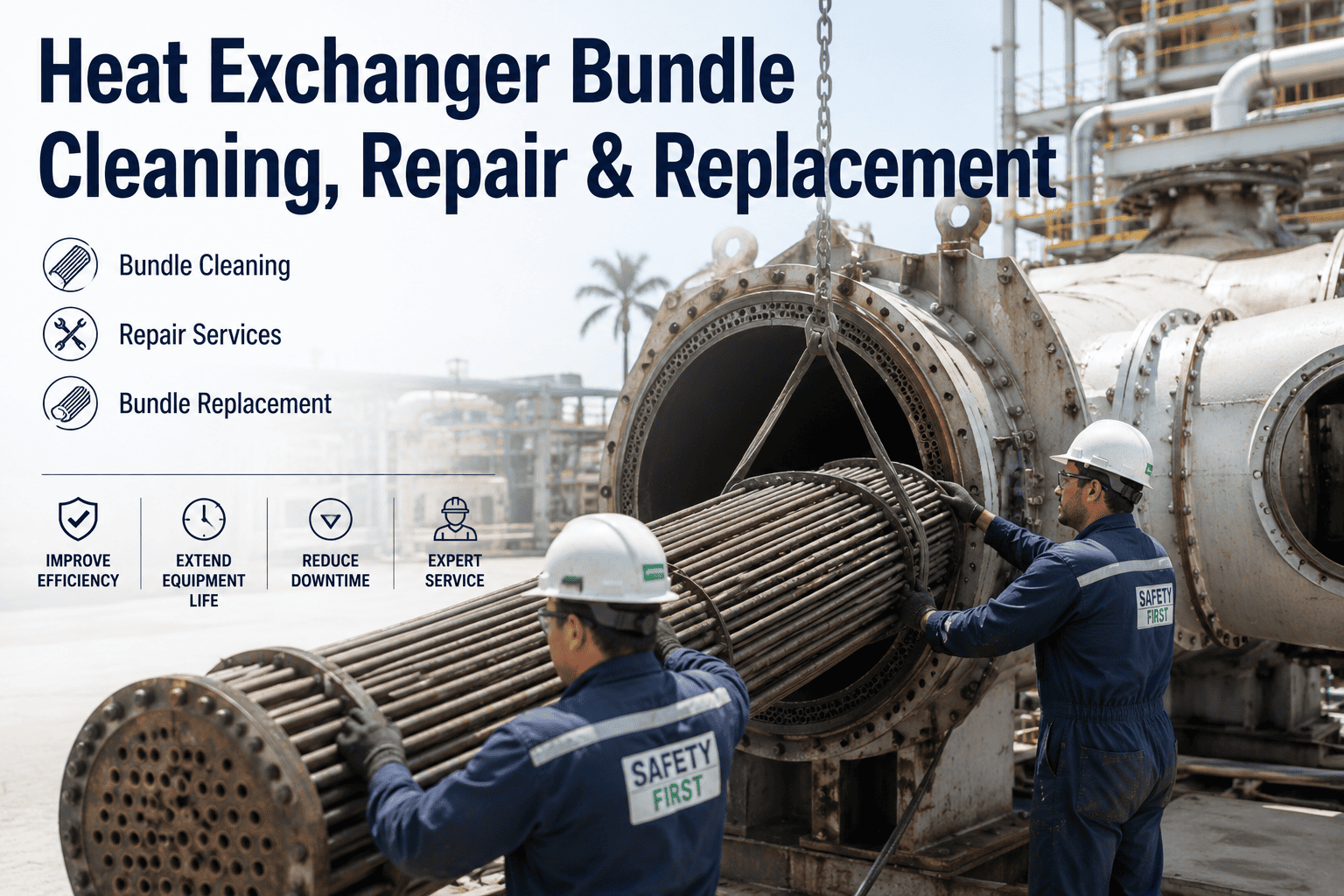
Heat exchanger bundles represent one of the highest-value asset populations in any oil and gas facility — a single shell-and-tube exchanger in refinery service can contain thousands of tubes whose individual and collective condition directly deter

Read More
Bolted joints are the most numerous mechanical connections in any oil and gas facility — a typical refinery contains 100,000 or more flanged connections, each one a potential leak path for hazardous process fluids and fugitive emissions. Despite t

Read More
Protective coatings are the primary defense between oil and gas infrastructure and the corrosive environments that continuously attack steel surfaces — yet the majority of premature coating failures trace directly back to inadequate inspection dur
Read More
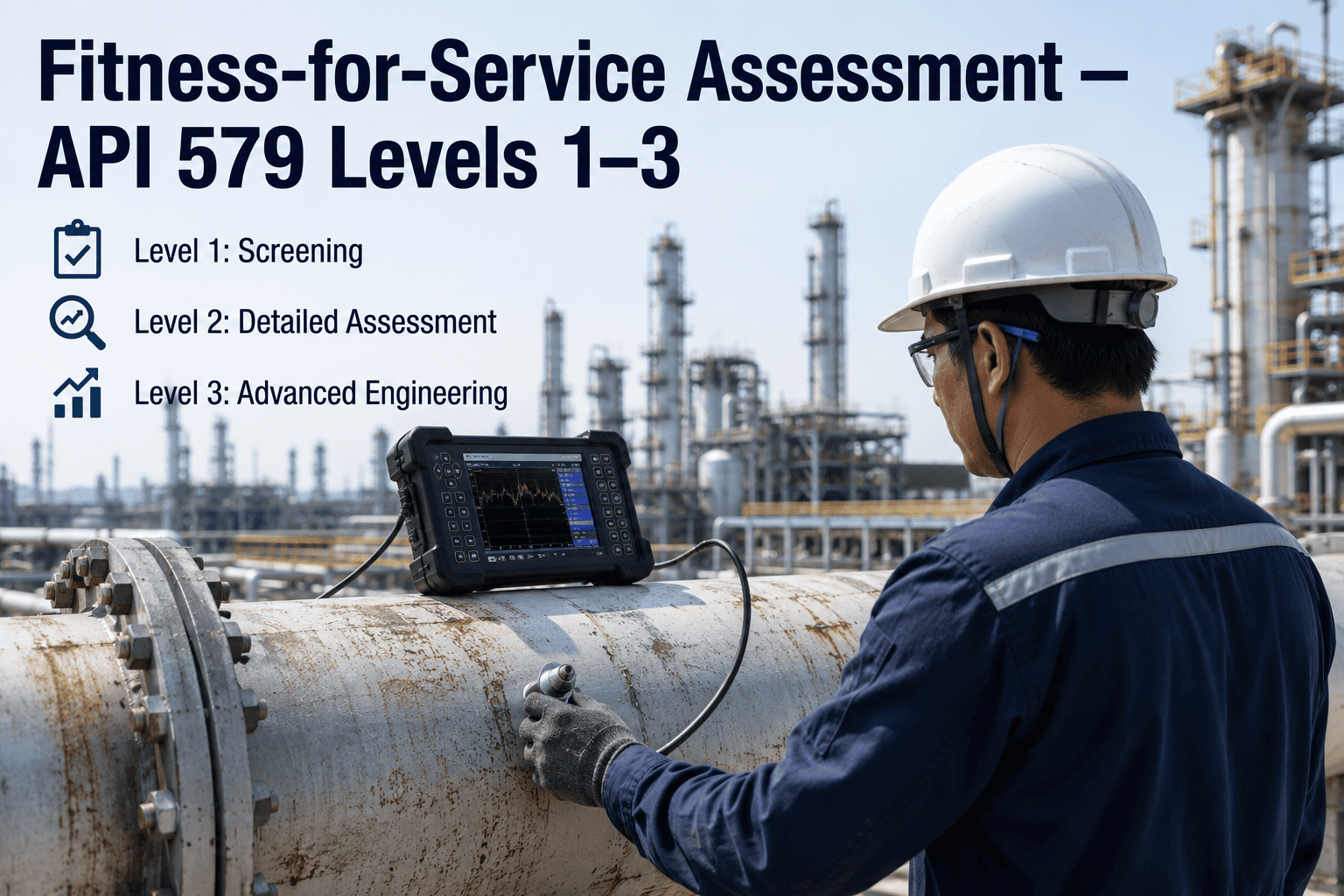
Pressure equipment in oil and gas facilities operates under extreme conditions that inevitably introduce damage over time — corrosion, cracking, denting, and creep gradually degrade structural integrity long before visible failure occurs. Fitness-

Read More
On-premise HPC centres for seismic processing demand $2M to $5M in initial hardware procurement, $800K to $1.2M in annual facility costs for power, cooling, and floor space, and a forced hardware refresh cycle every 3 to 5 years that disrupts proc
Read More
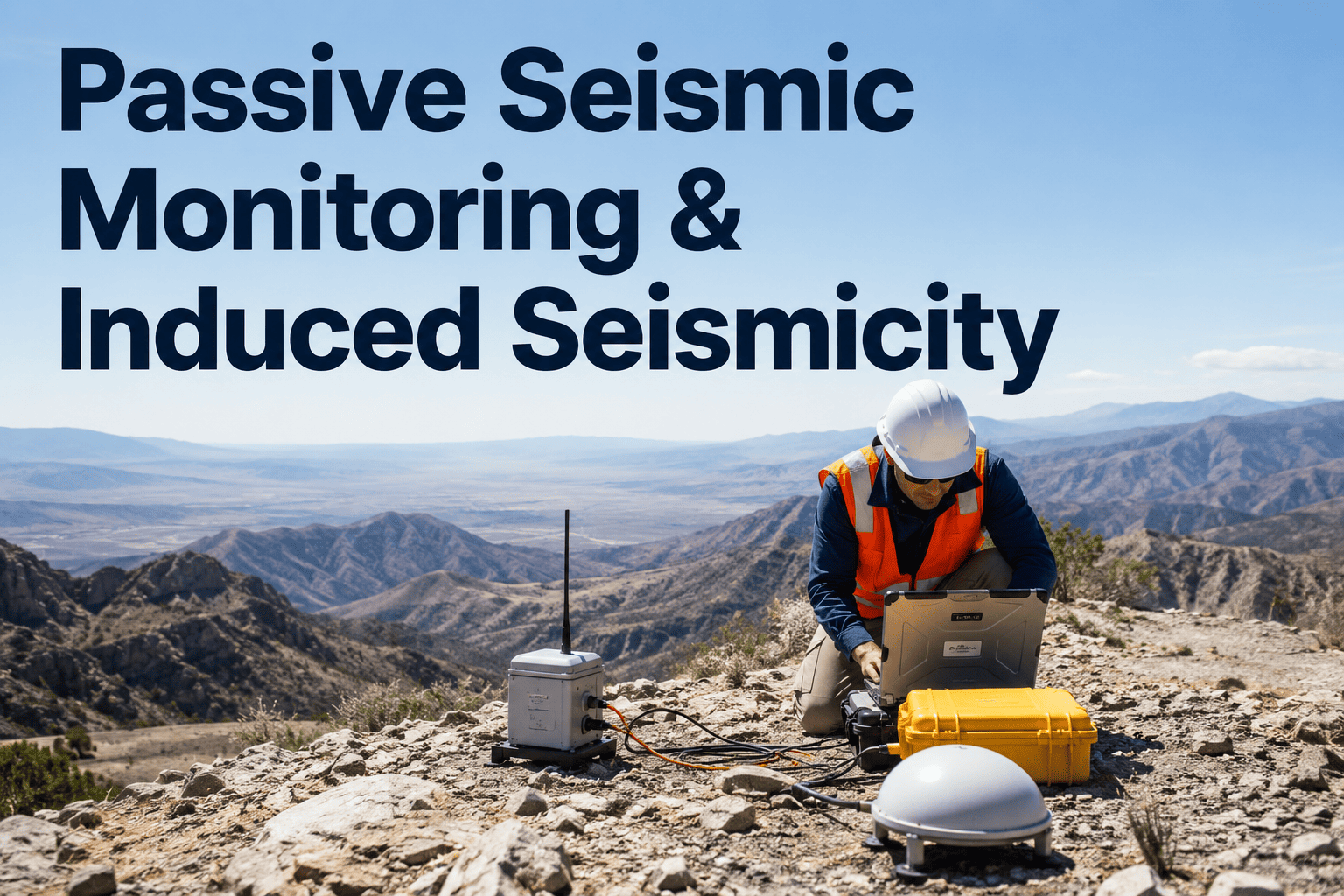
Hydraulic fracturing and wastewater injection operations generate microseismic events that can escalate to magnitudes exceeding regulatory thresholds, triggering mandatory shutdowns, operational delays, and regulatory investigations. Manual seismi

Read More
Reservoir geoscientists spend 60 to 70 percent of their interpretation time extracting and cross-referencing individual seismic attributes to estimate sand distribution, porosity trends, and net pay thickness across prospect areas. Single-attribut

Read More
Offshore drilling faces persistent threats from undetected seabed geohazards — shallow gas triggering blowouts, submarine slides severing pipelines, and hydrate zones destabilising foundations. Manual interpretation takes weeks and misses hazards
Read More
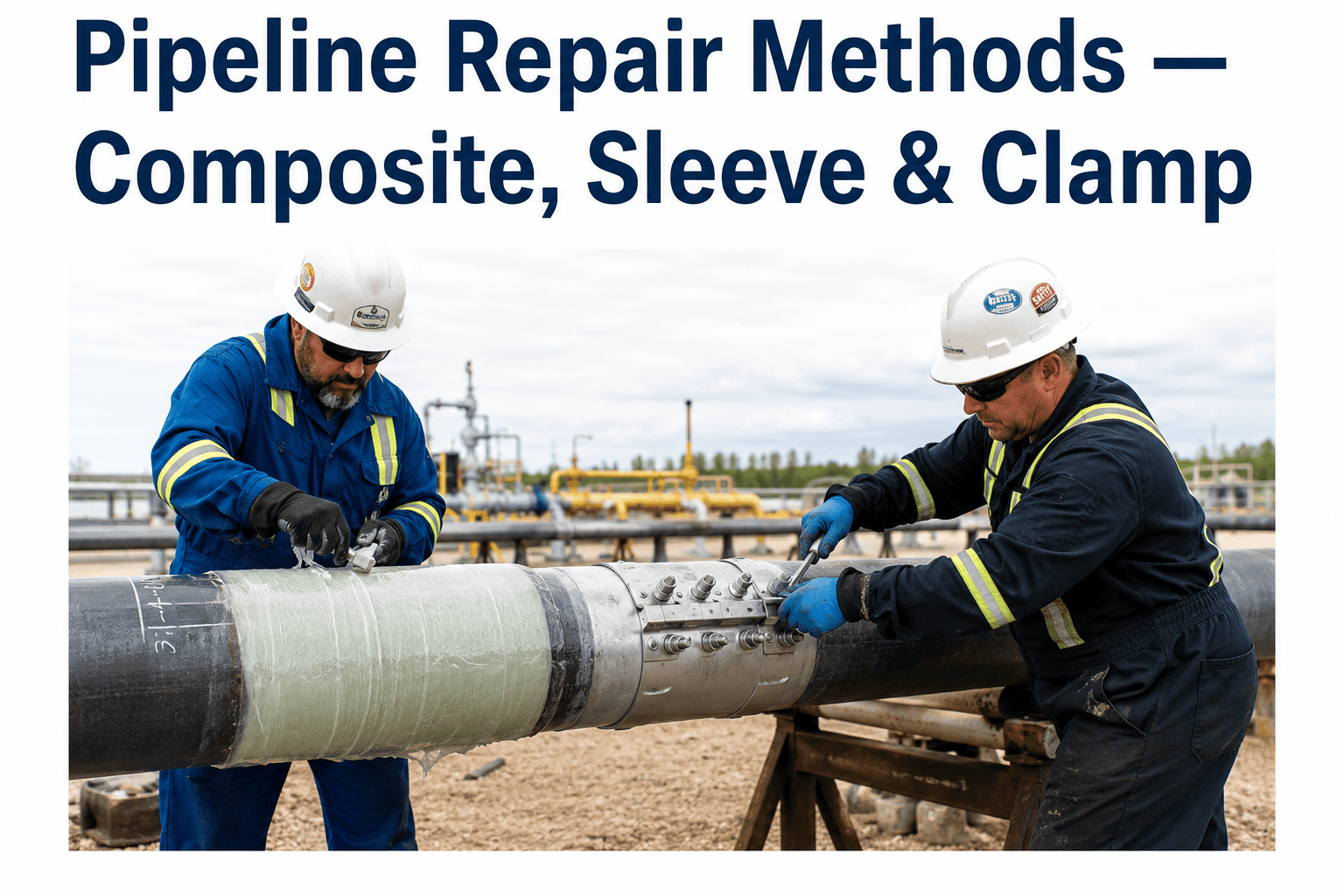
A corroded section, a mechanical dent, or a crack-like flaw found during an in-line inspection run rarely gives a pipeline operator the luxury of a single obvious repair choice. Composite wraps, full-encirclement steel sleeves, bolt-on clamps, and
Read More
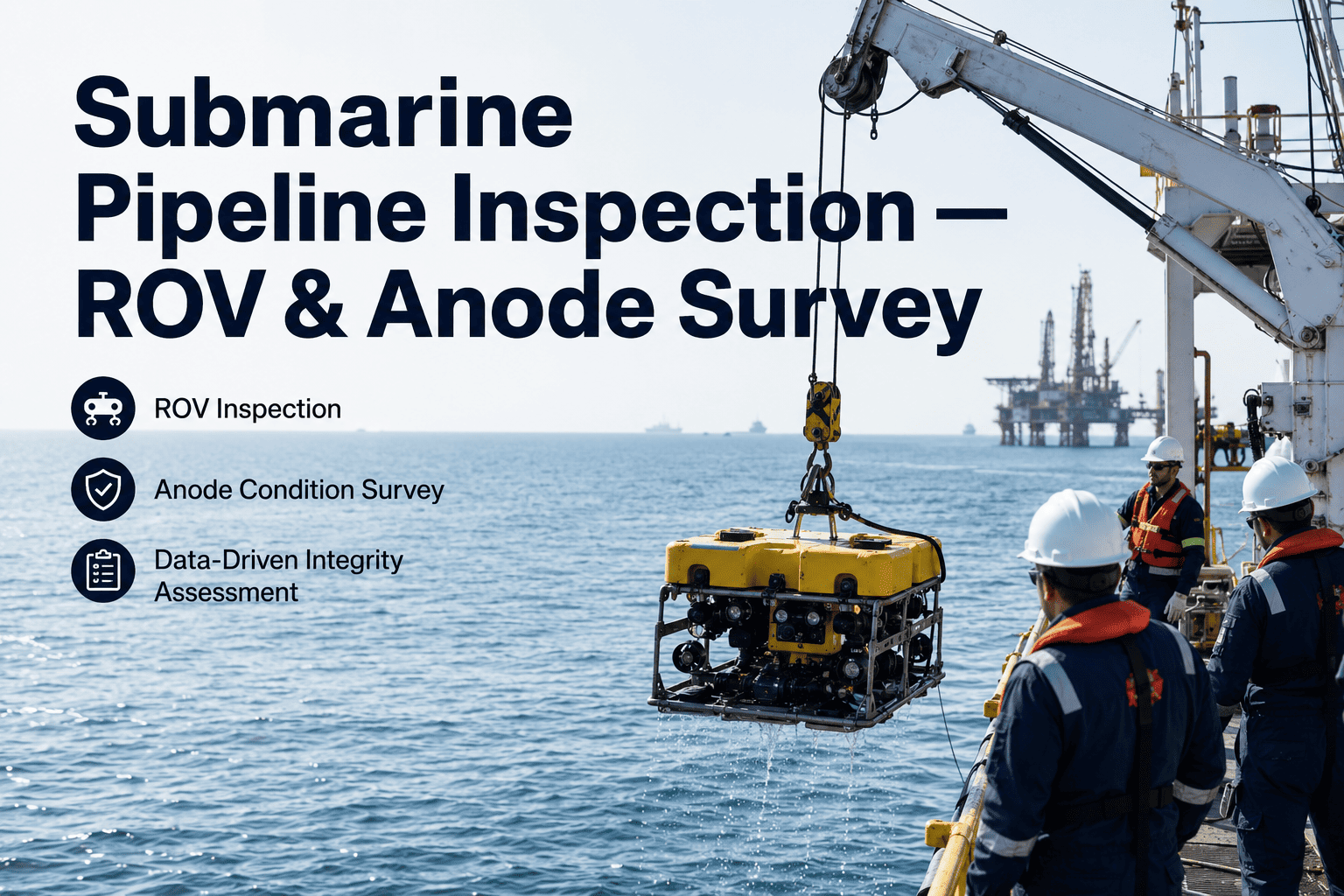
Subsea pipelines spend their entire service life in an environment nobody can walk up to and inspect by eye, which is exactly why free spans, coating breakdown, and cathodic protection depletion can progress for years before a routine survey final
Read More
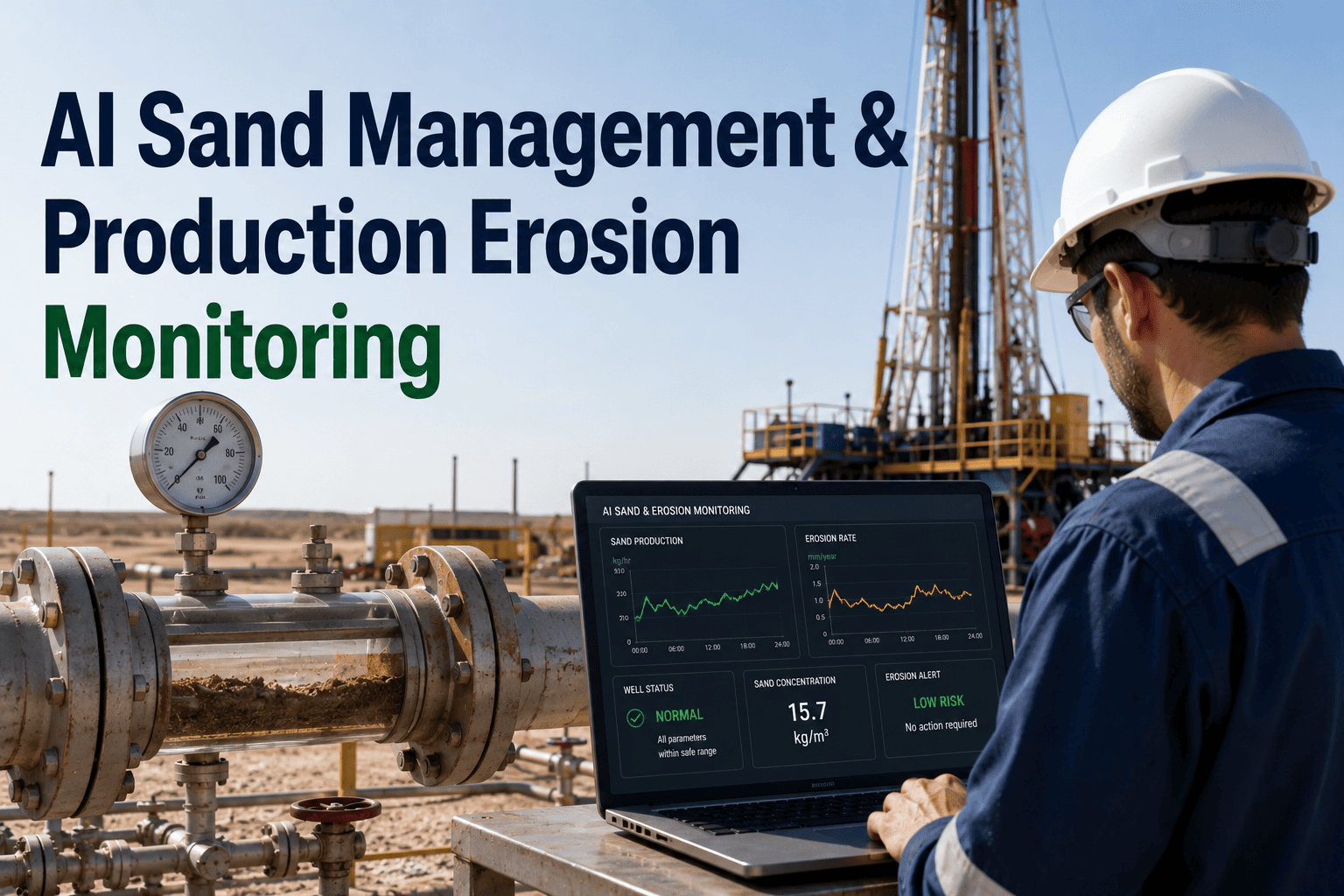
Unconsolidated and weakly consolidated reservoirs across the Gulf of Mexico, West Africa, and Southeast Asia routinely produce formation sand alongside oil and gas, and every grain that reaches surface equipment removes a small amount of metal fro
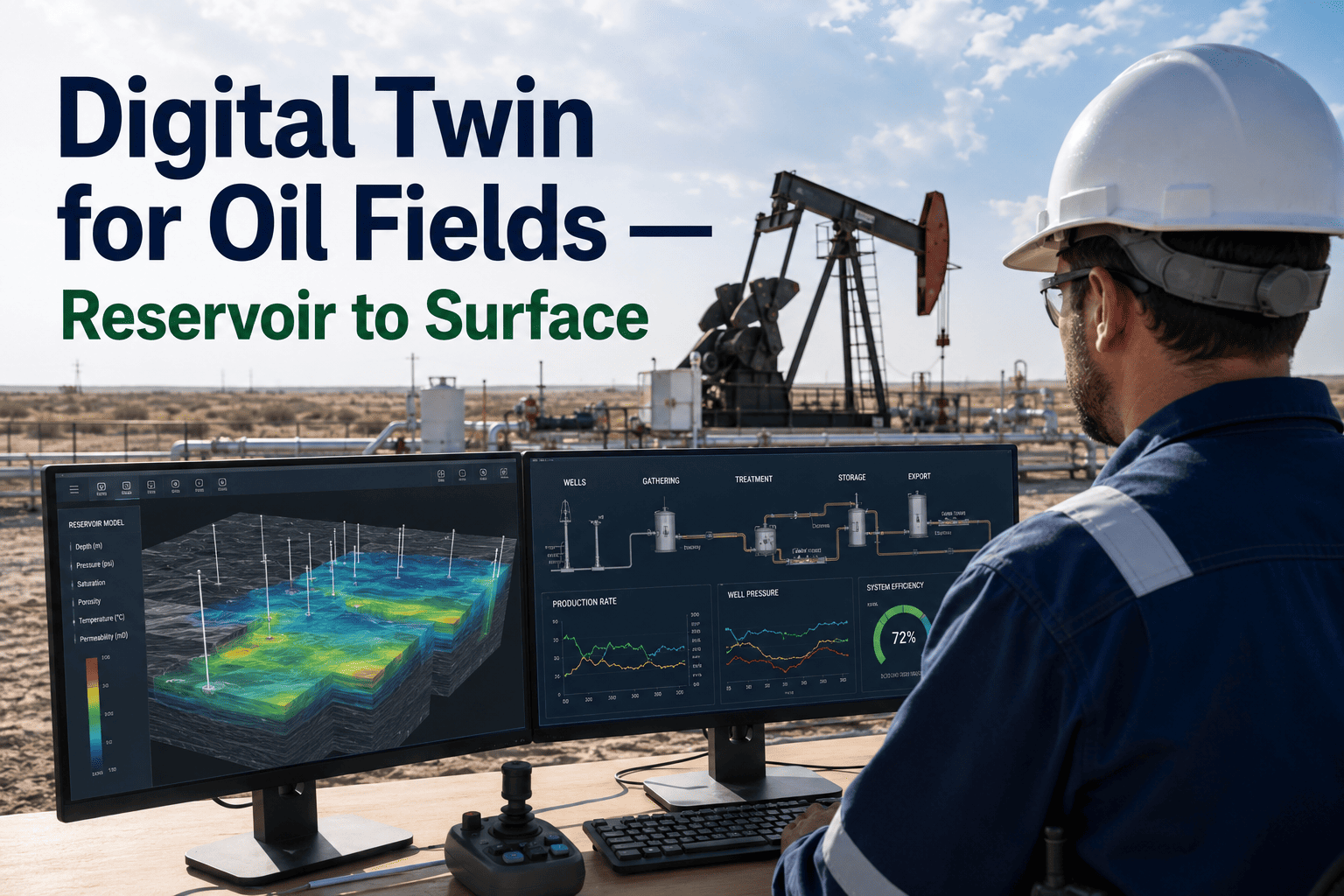
Read More
A field operations team running a mature asset used to work from three separate models that never quite agreed with each other — a reservoir simulation updated once a quarter, a wellbore hydraulics model an engineer rebuilt whenever a workover hap
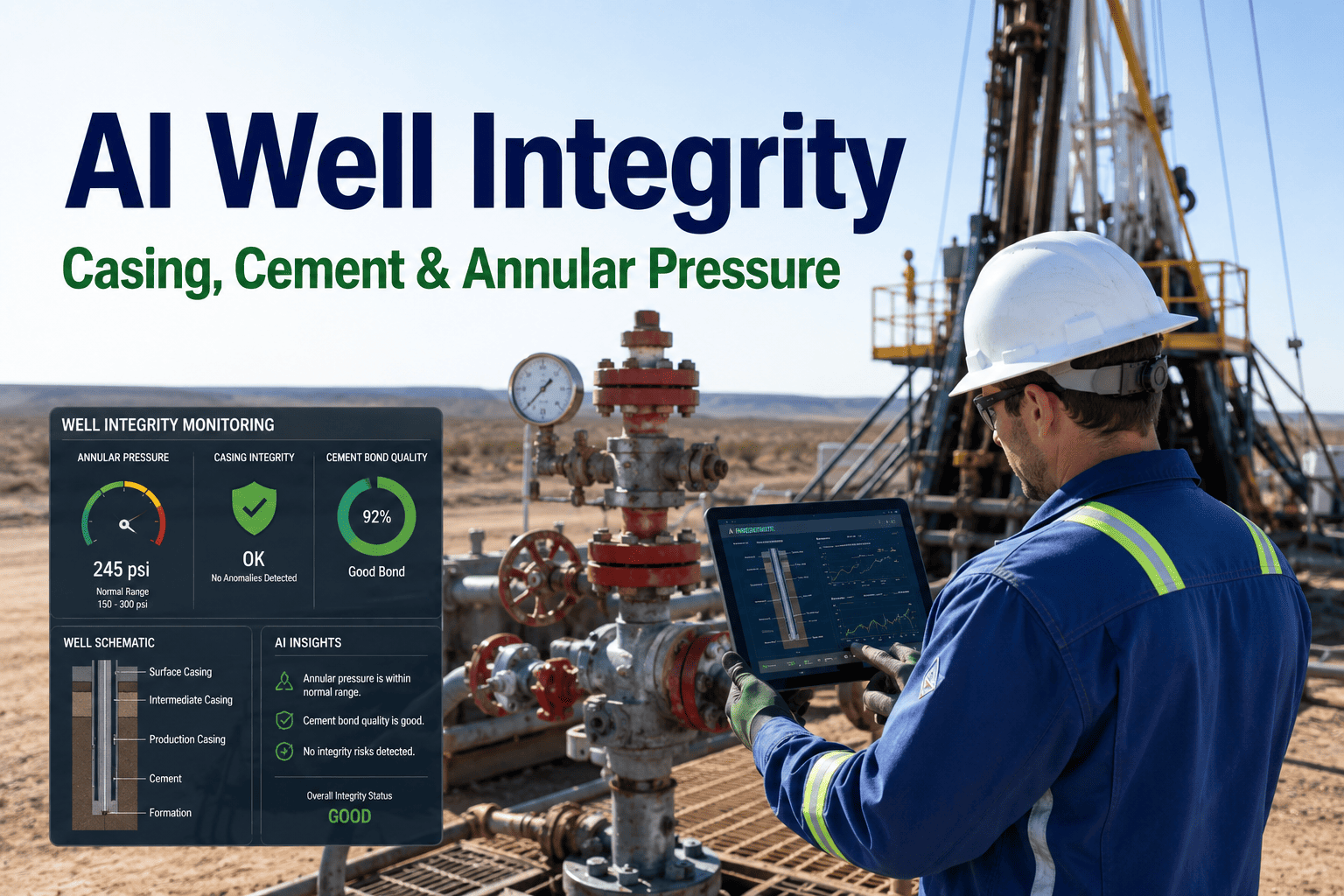
Read More
A well integrity engineer responsible for a few hundred wells across an aging field used to catch sustained casing pressure the same way most operators still do — a technician reads the annulus gauge during a scheduled semi-annual survey, notices
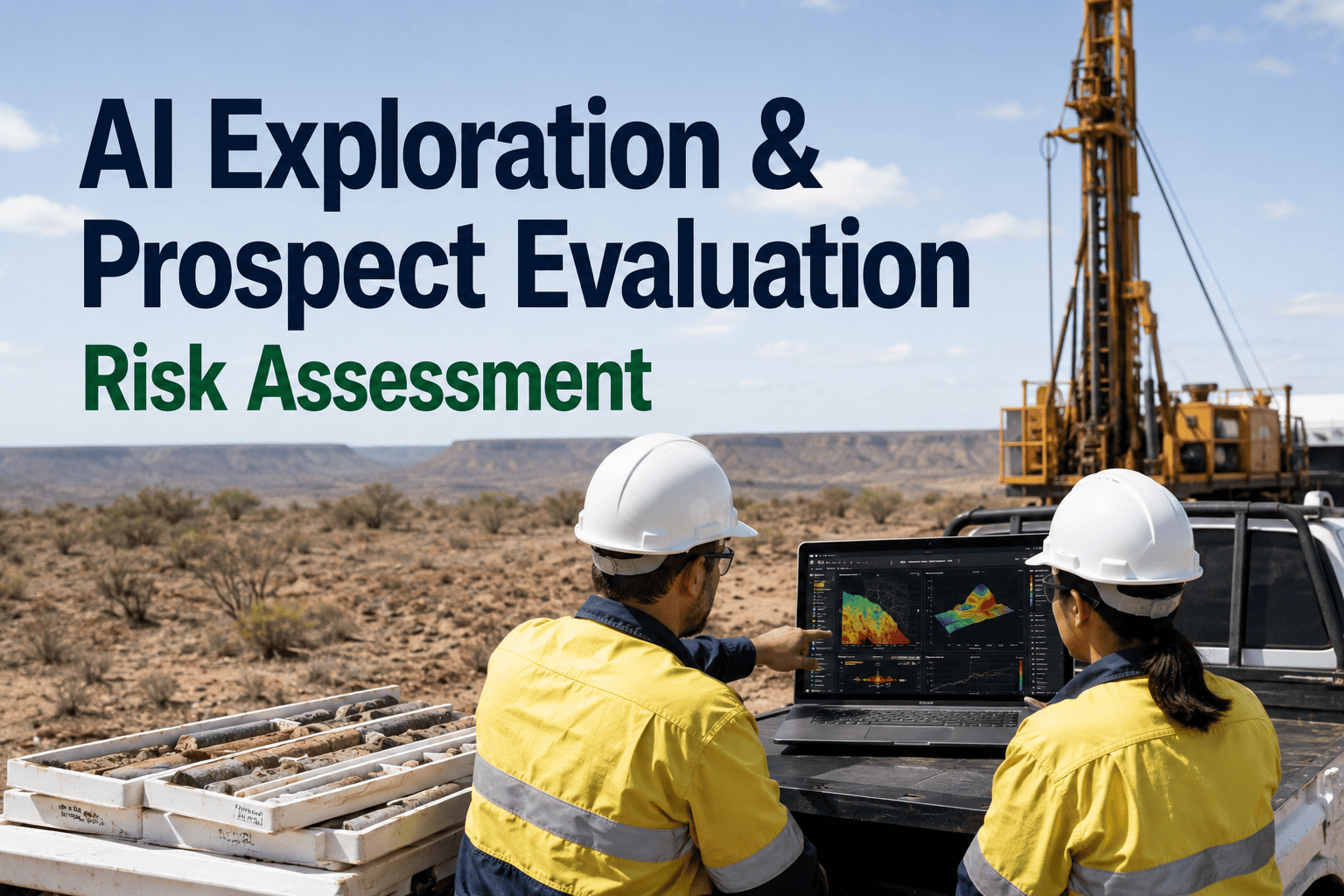
Read More
An exploration team screening twenty prospects across a new basin used to spend six weeks maturing each lead by hand — one geologist per prospect, each one applying a slightly different mental model of what counts as strong charge risk versus weak
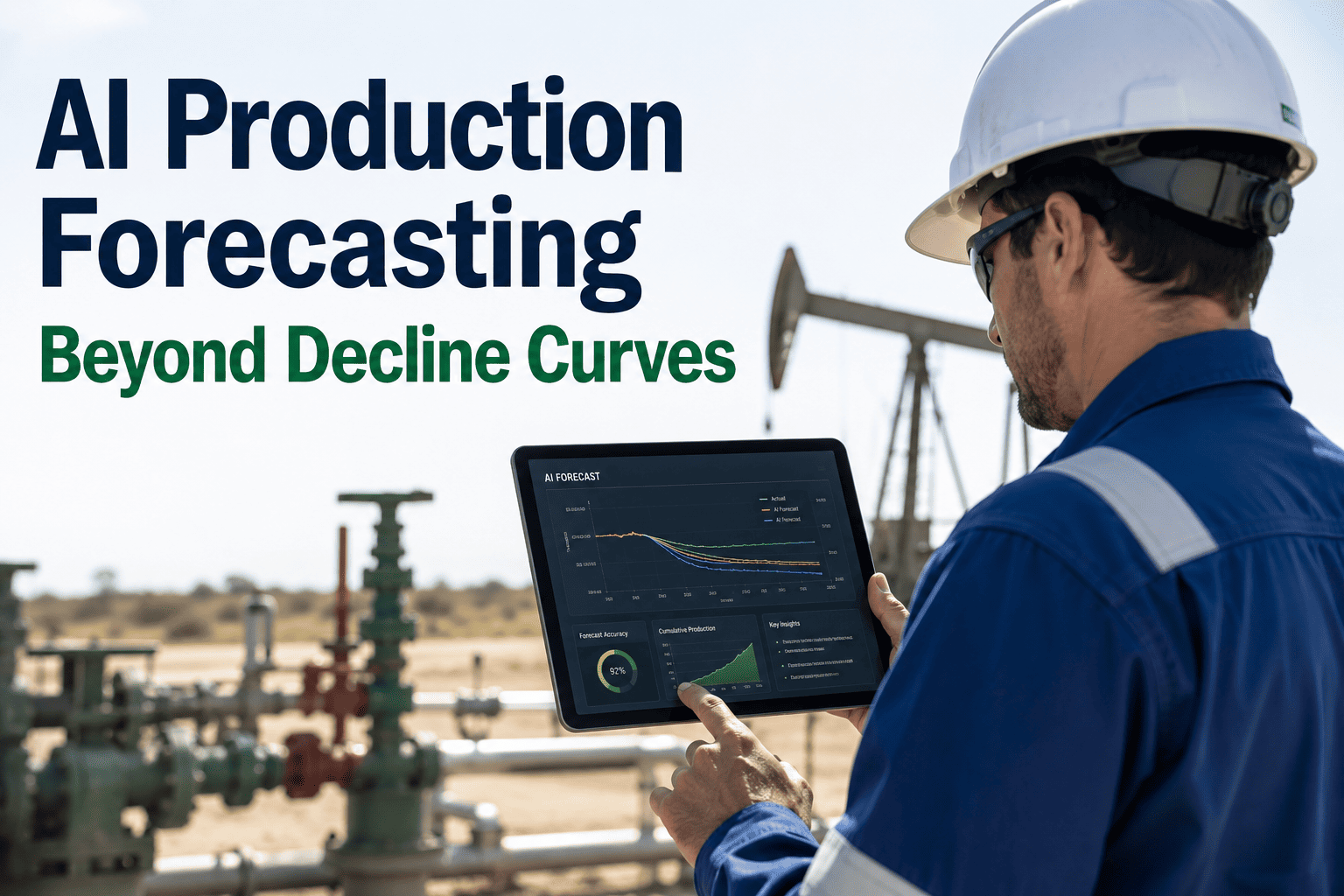
Read More
A reservoir engineer covering 300 wells across a basin used to spend the first week of every quarter re-fitting Arps decline curves one well at a time — pulling monthly rates, eyeballing the hyperbolic exponent, adjusting b-factors that did not qu
Read More
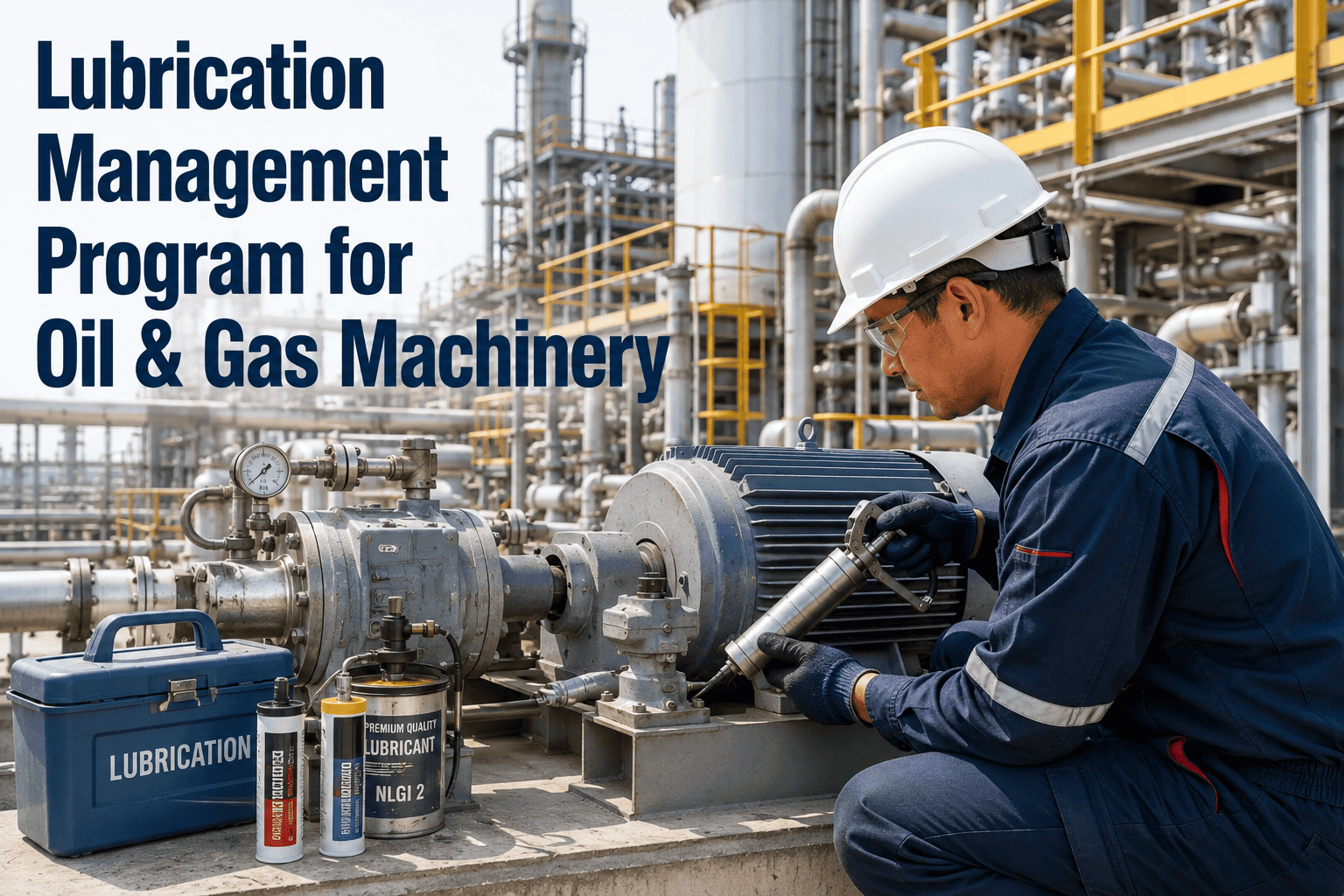
More than half of all rolling element bearing failures trace back to lubrication-related causes, and industry data consistently shows that as few as 10 percent of bearings ever reach their designed fatigue life before failing or being replaced — m
Read More
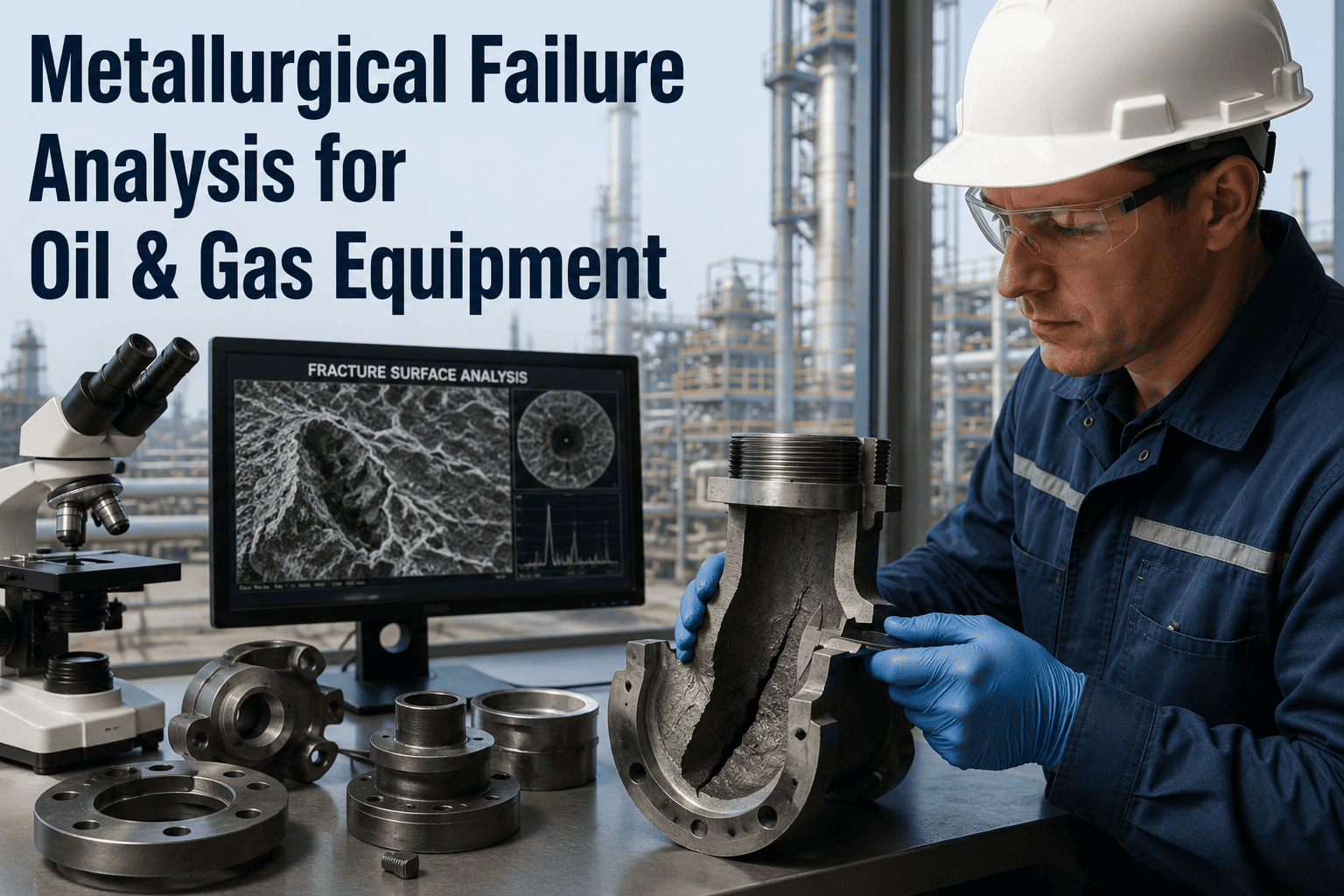
A cracked flange, a snapped sucker rod, a valve stem that failed months ahead of its rated life — every oil and gas plant eventually pulls a broken component off the line and asks the same question: why did this actually fail? The honest answer al
Read More
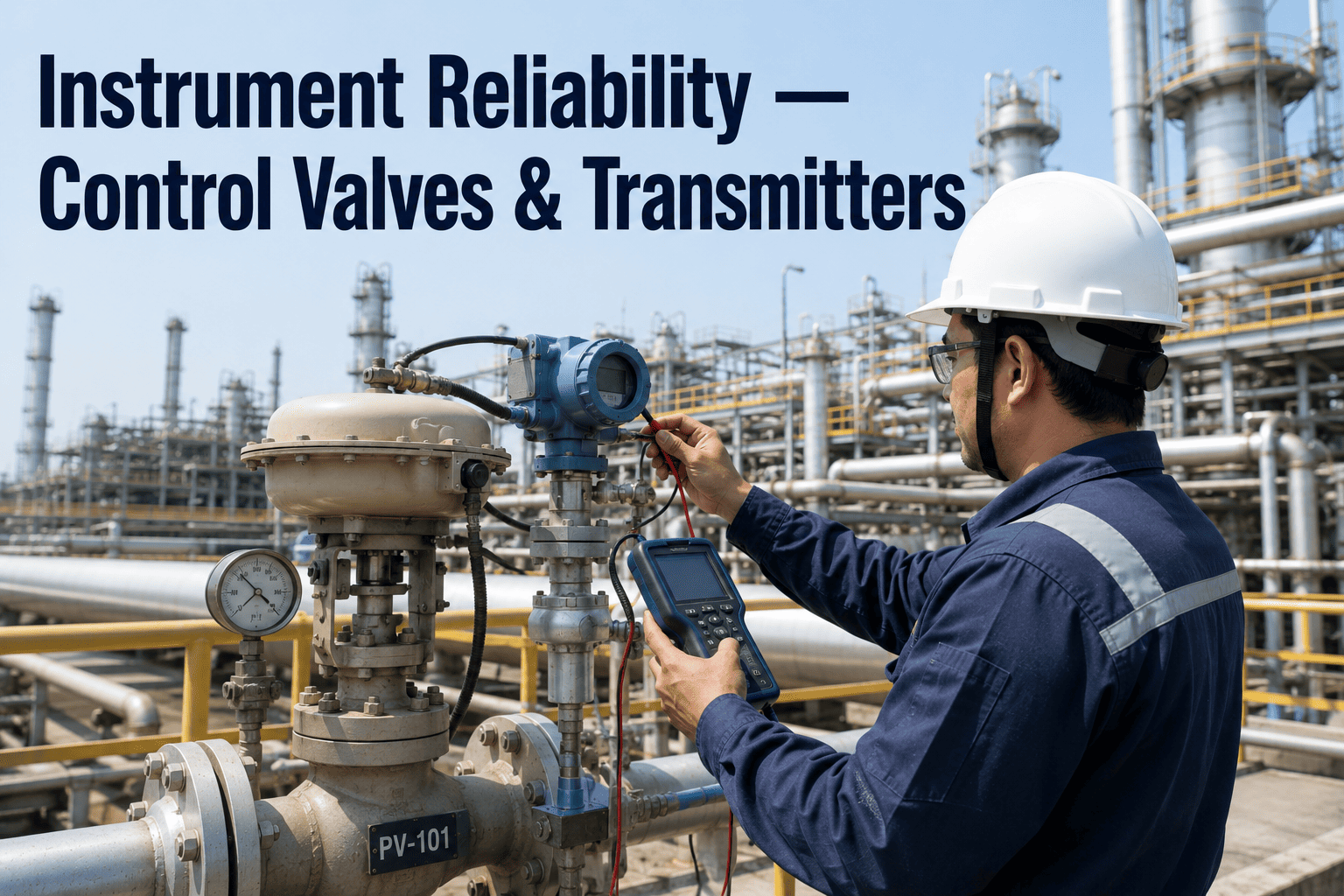
A stuck control valve rarely announces itself directly — instead, the loop it belongs to starts oscillating, the process variable drifts slightly out of its usual band, or a transmitter quietly reports a reading that has crept a fraction of a perc
Read More
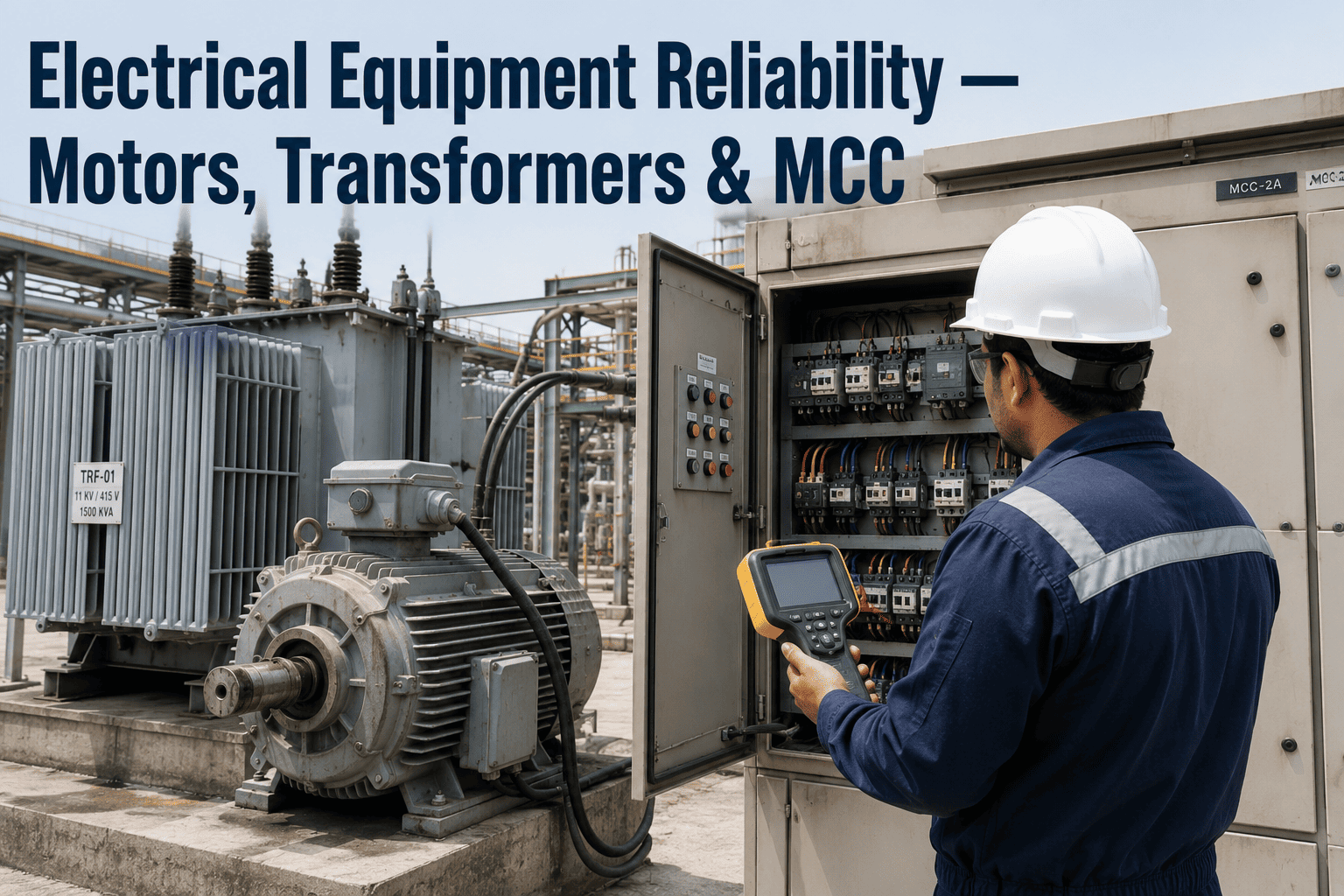
Electrical failures rarely happen without warning — a transformer that fails catastrophically has usually been generating detectable fault gases in its oil for three to twelve months beforehand, and a motor that trips offline unexpectedly has typi
Read More
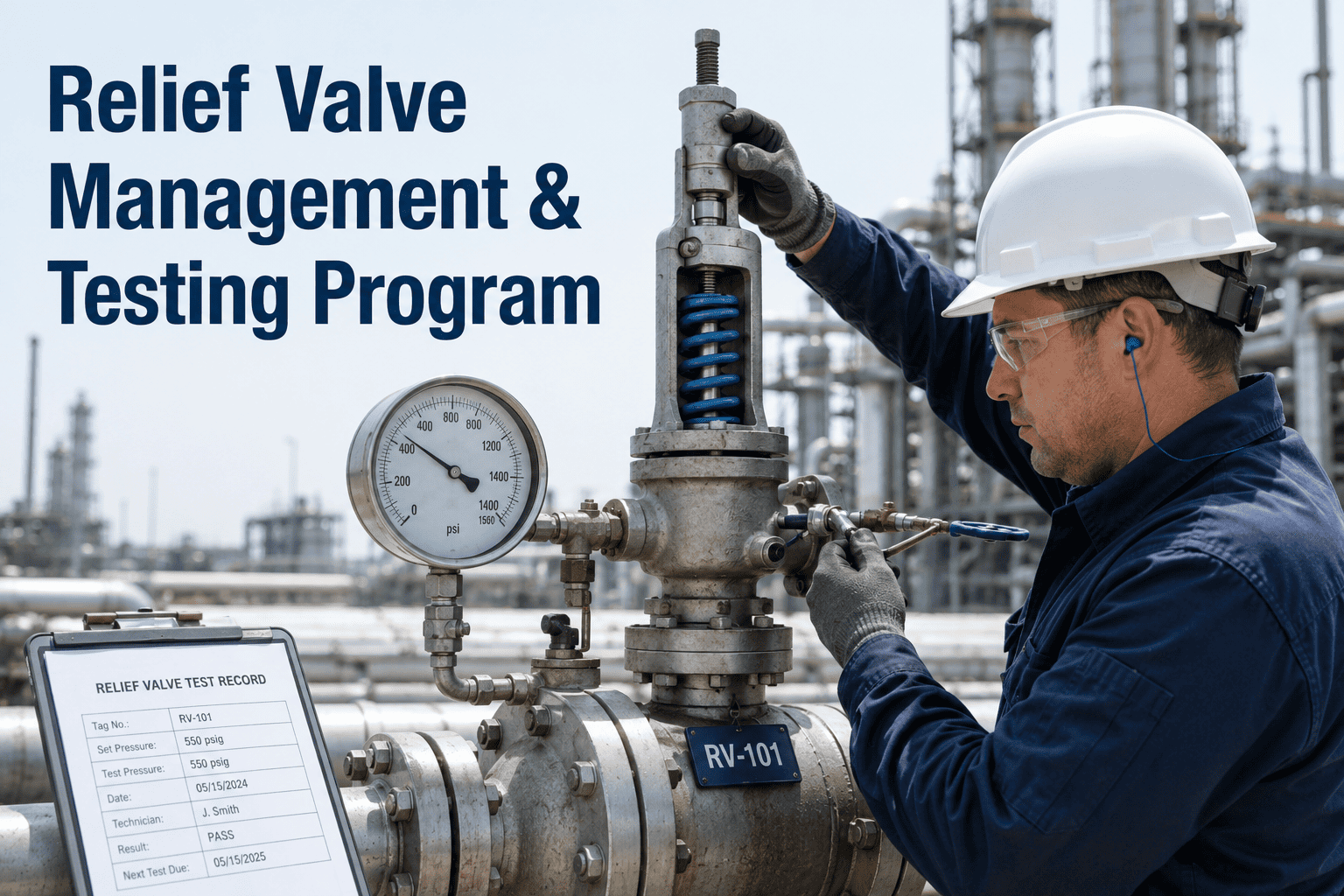
A pressure safety valve is the one piece of equipment on a unit that is designed to do almost nothing for years at a stretch, and then perform perfectly the one time it actually matters. That inversion is exactly what makes PSV and PRV management
Read More
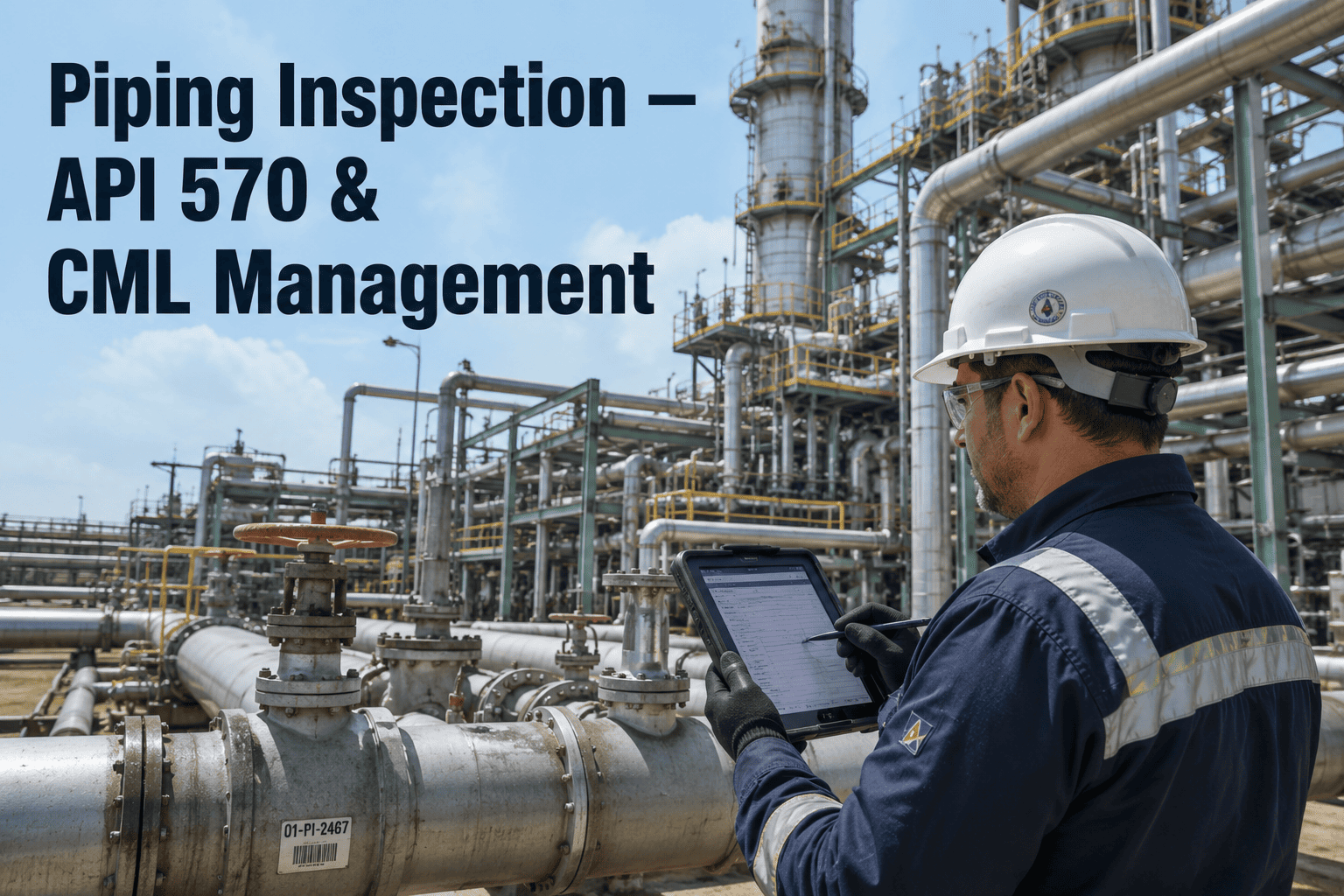
A process unit can have tens of thousands of feet of piping and only a few hundred points where anyone actually measures wall thickness — which means the entire integrity picture for that unit rests on whether those few hundred points were chosen
Read More
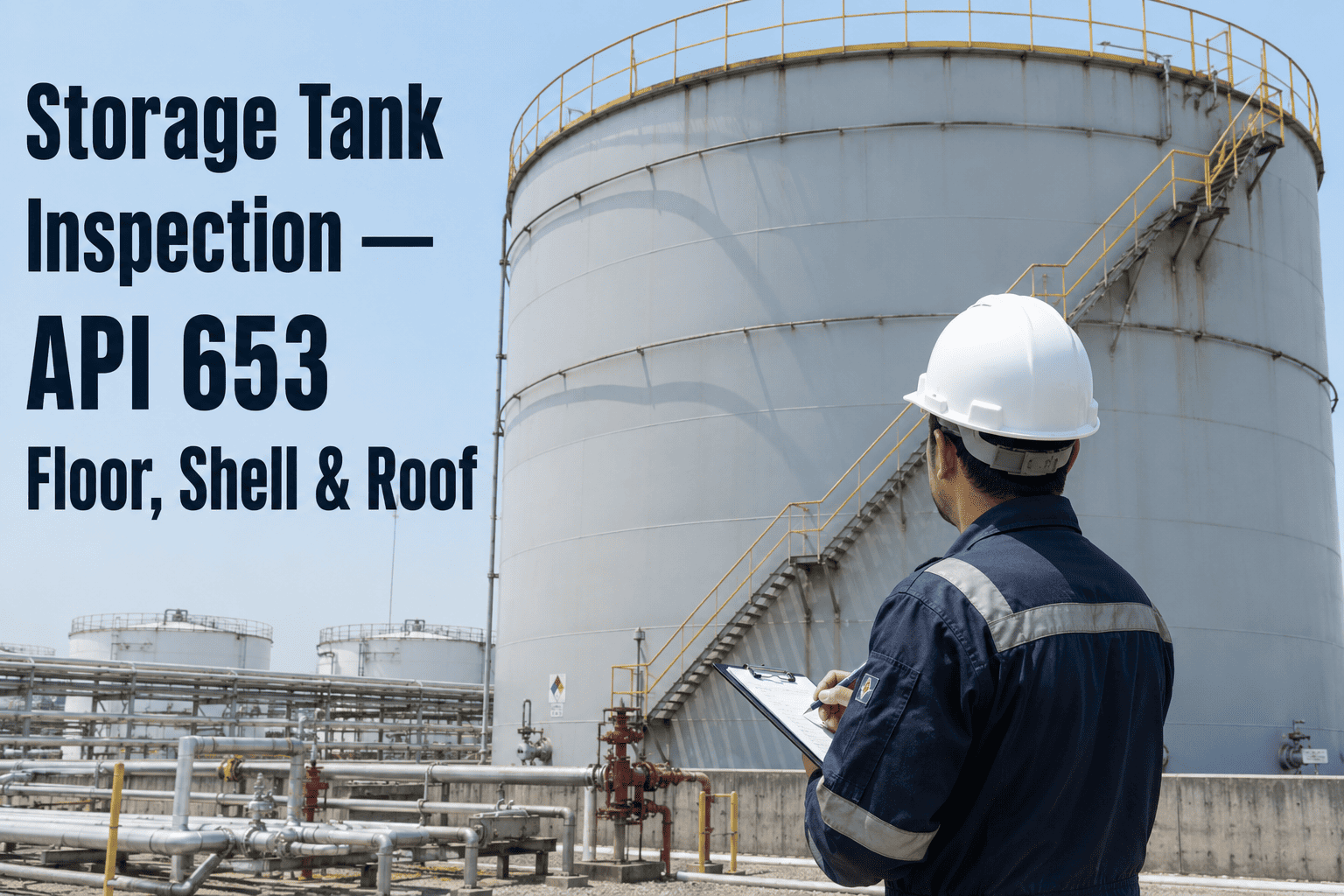
Most aboveground storage tank failures don't start with a dramatic event — they start with a corrosion pit on the underside of a floor plate that nobody could see, growing quietly for years under a layer of sediment and product. By the time a tank
Read More
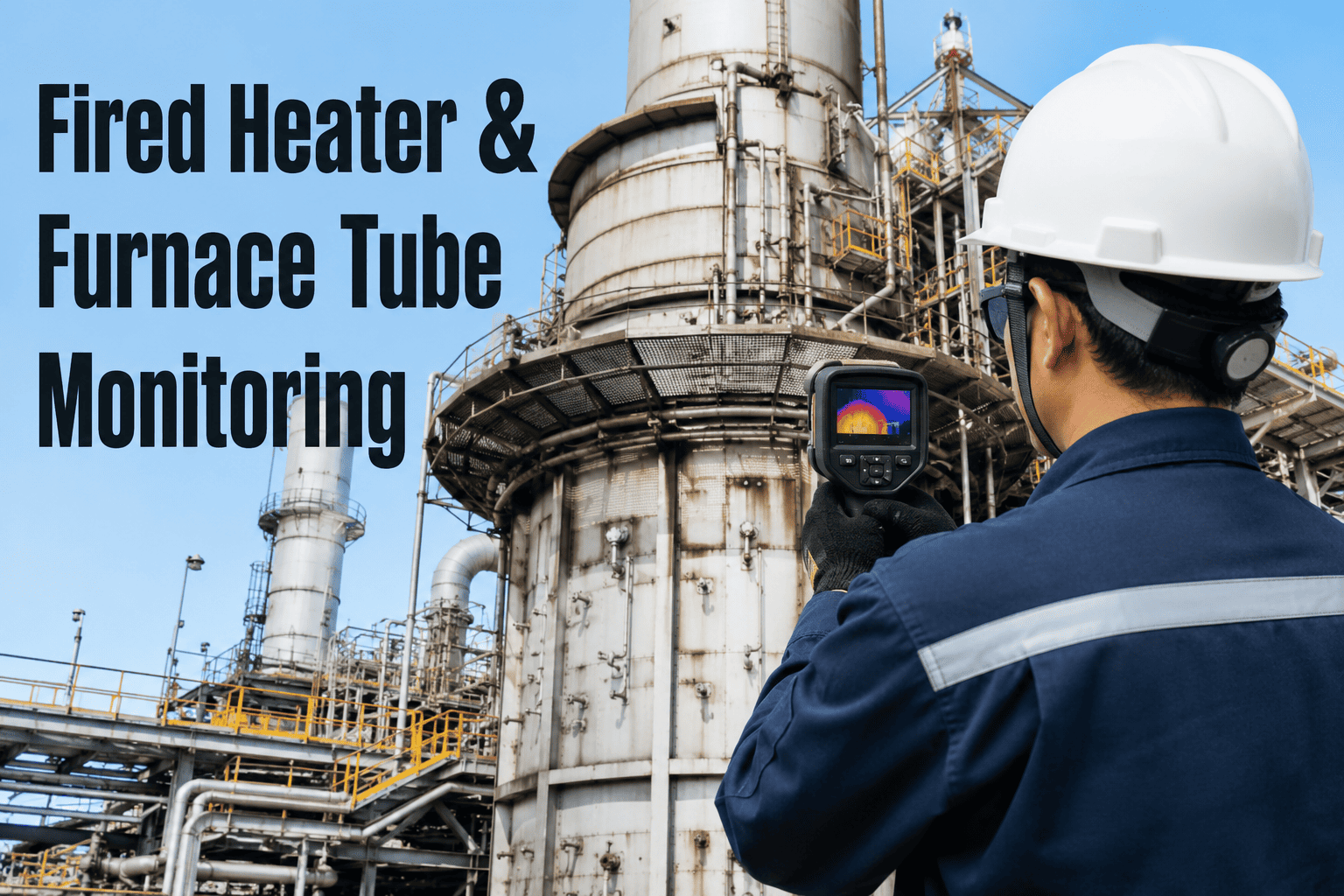
A single unplanned fired heater tube rupture can take a crude unit or reformer offline for weeks, and the difference between a controlled tube replacement during a planned turnaround and an unplanned outage almost always comes down to one thing —
Read More
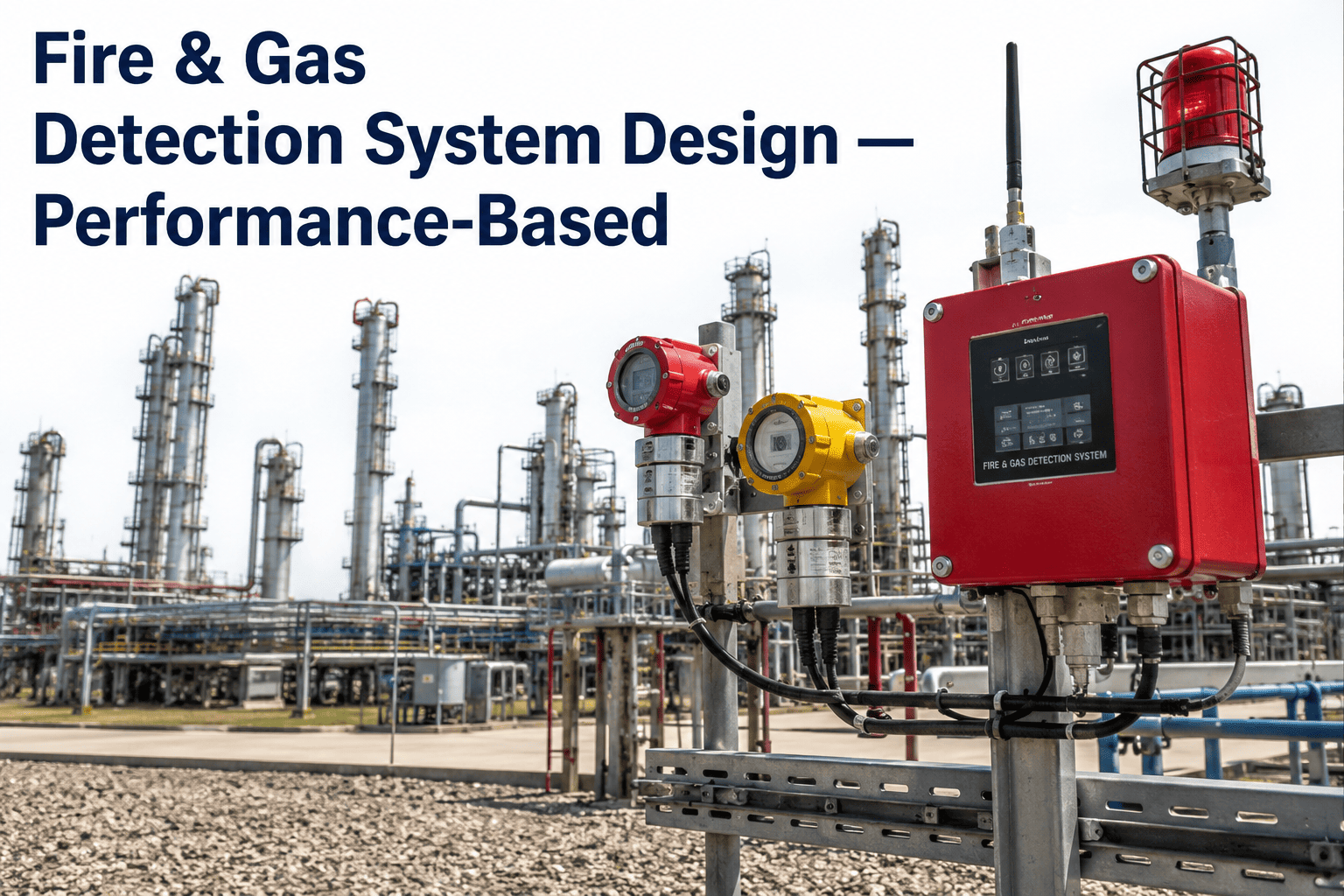
Fire and gas detection systems in oil and gas facilities have traditionally been designed by spacing detectors at prescribed intervals or following vendor recommendations without verifying whether the proposed layout actually covers the hazard sce

Read More
Process safety culture is the shared set of values, beliefs, and behaviors that determine how an organization actually manages process risks when nobody is watching. In oil and gas, the gap between stated safety commitments and frontline behaviors

Read More
Offshore oil and gas operations sit at the intersection of extreme environmental conditions, complex process systems, and regulatory frameworks that demand more than checkbox compliance. A safety case regime built on goal-based regulation shifts t
Read More
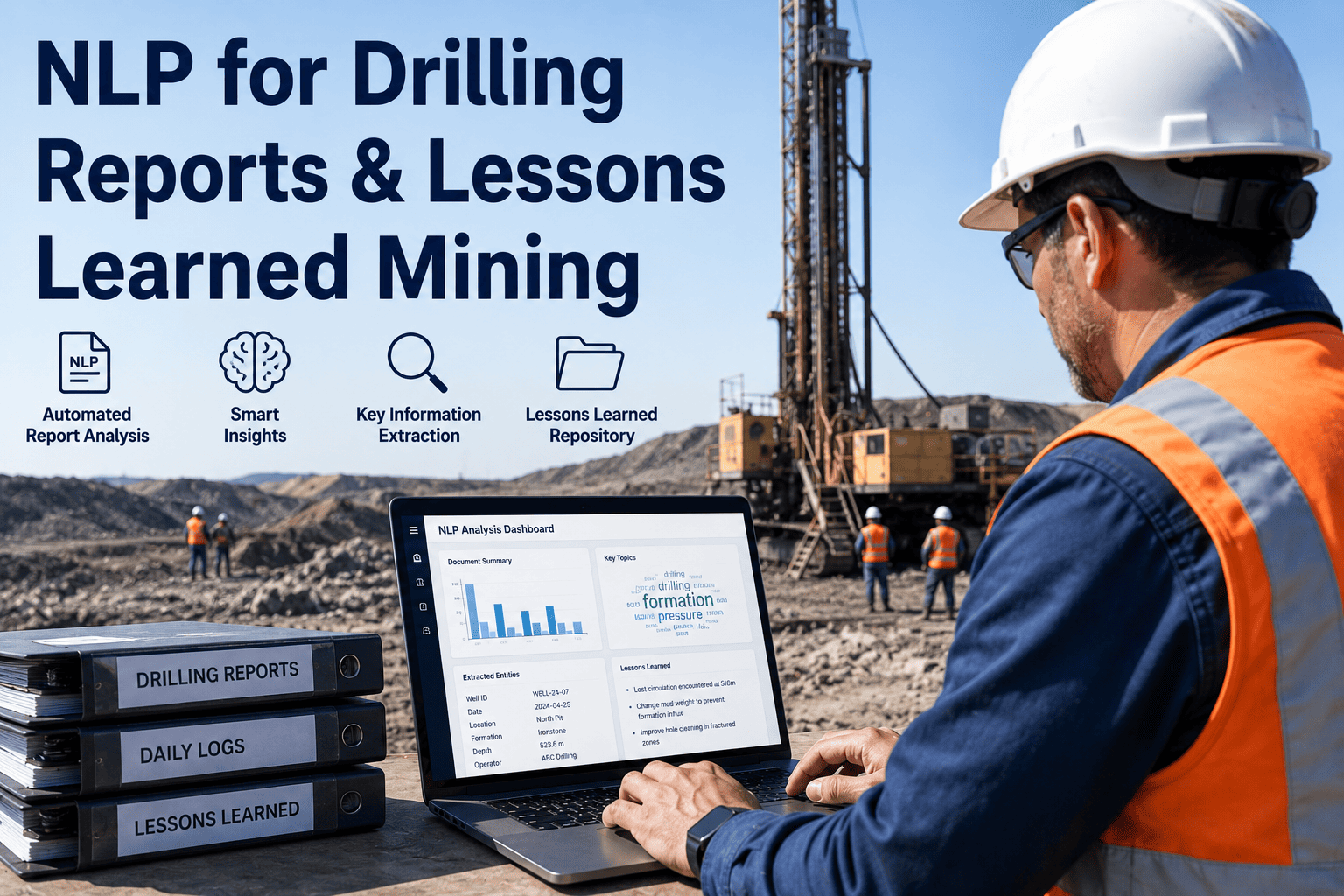
Operating companies have drilled millions of wells over the last century, and every single one generated a daily drilling report, an end-of-well report, a post-mortem, and a lessons-learned document. Those files exist — they sit in well file repos
Read More
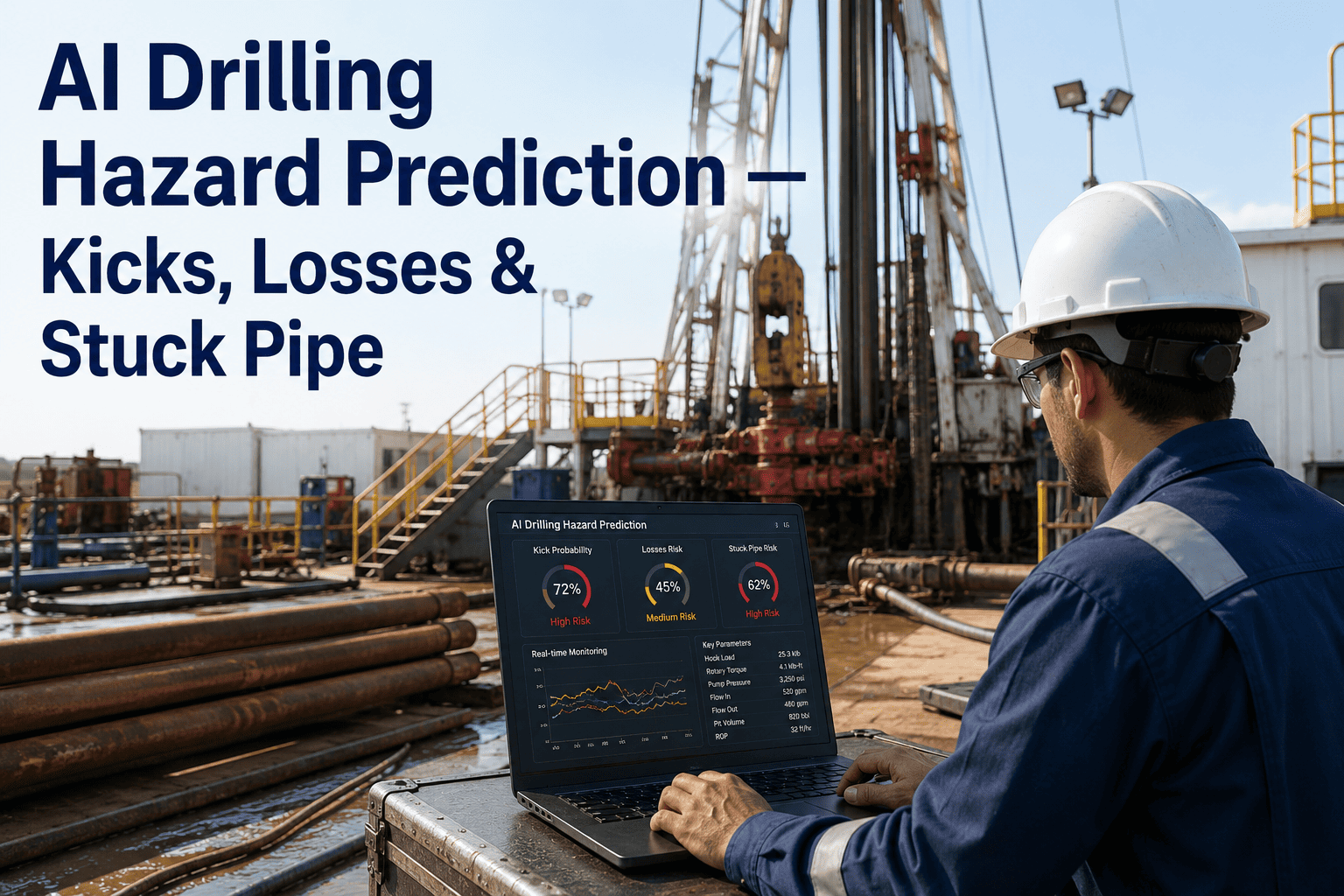
A kick that goes undetected for ten minutes can become a blowout. Lost circulation that is ignored for two hours can collapse the wellbore. Differential sticking that is not recognized until the pipe stops moving can cost millions in fishing opera
Read More
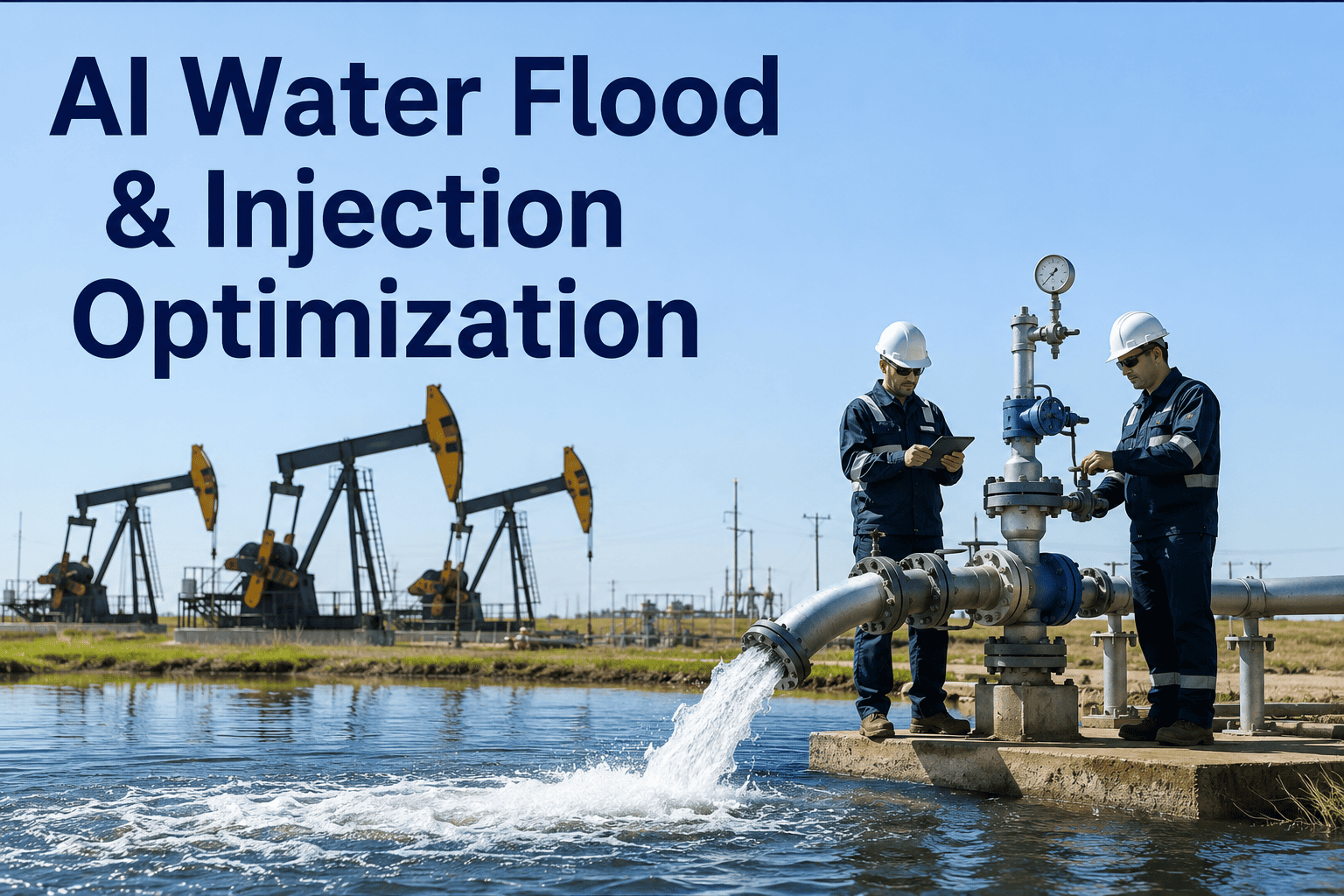
Most waterfloods are managed on monthly spreadsheets — injection rates set at the start of the quarter, voidage replacement calculated weeks after the fact, and pattern imbalances discovered only when a producer waters out unexpectedly. By the tim
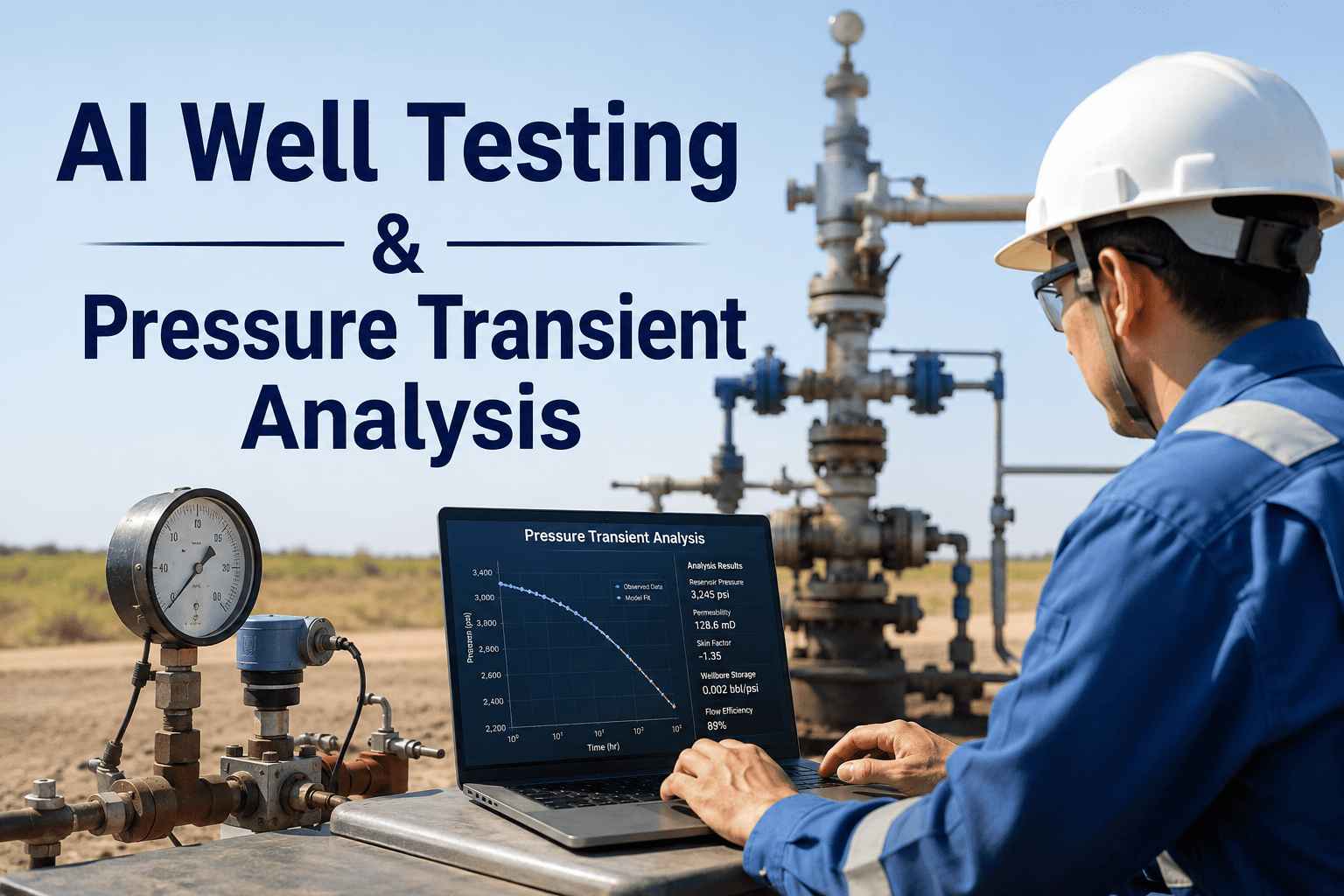
Read More
Pressure transient analysis has depended on expert interpreters staring at derivative plots for decades — identifying flow regimes by eye, matching straight-line segments, and arguing over whether a half-slope is bilinear flow or boundary effects.
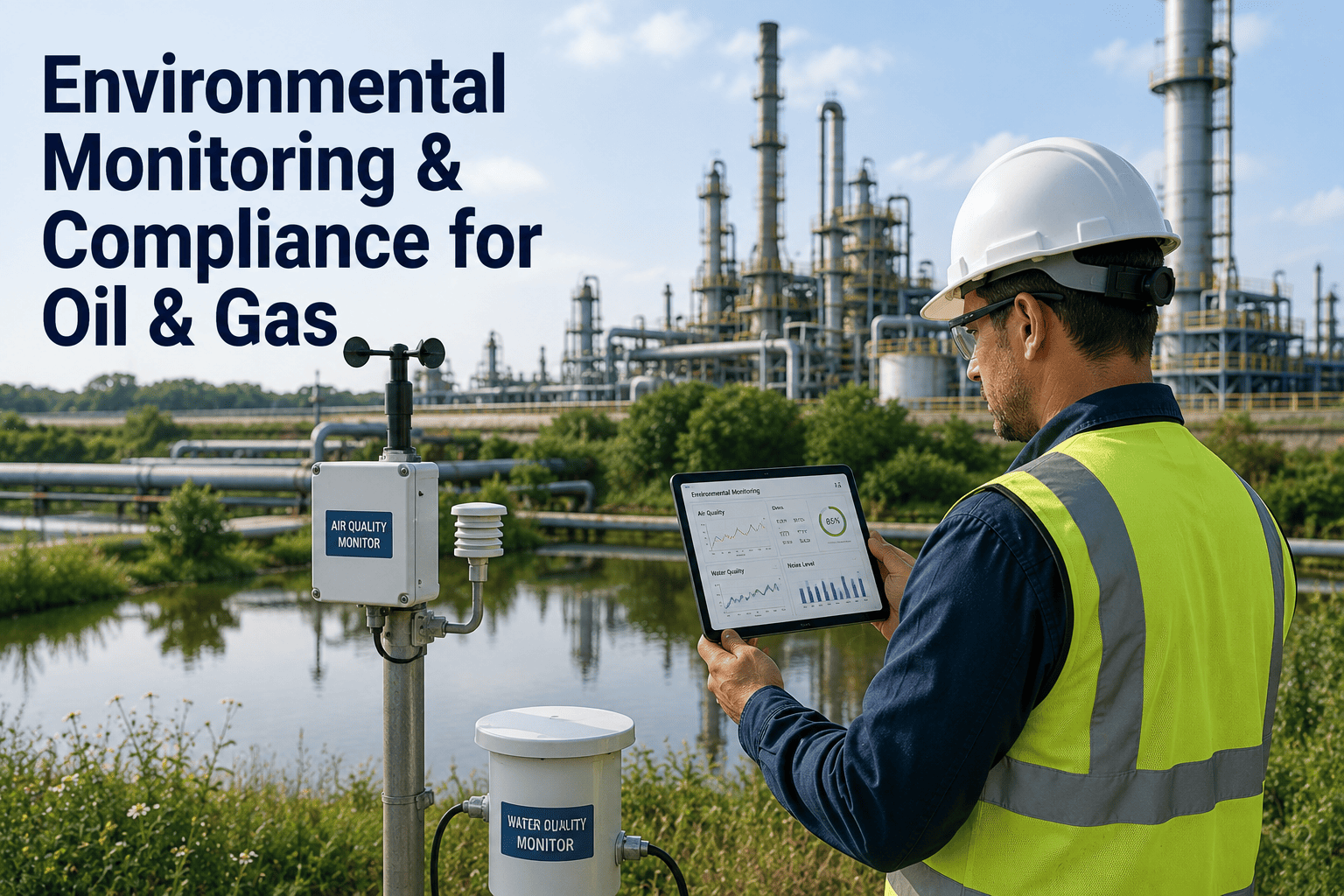
Read More
Environmental compliance in oil and gas isn't one report — it's a stack of overlapping obligations across air, water, and soil, each with its own regulator, its own measurement standard, and its own deadline. Miss one filing window or one exceedan
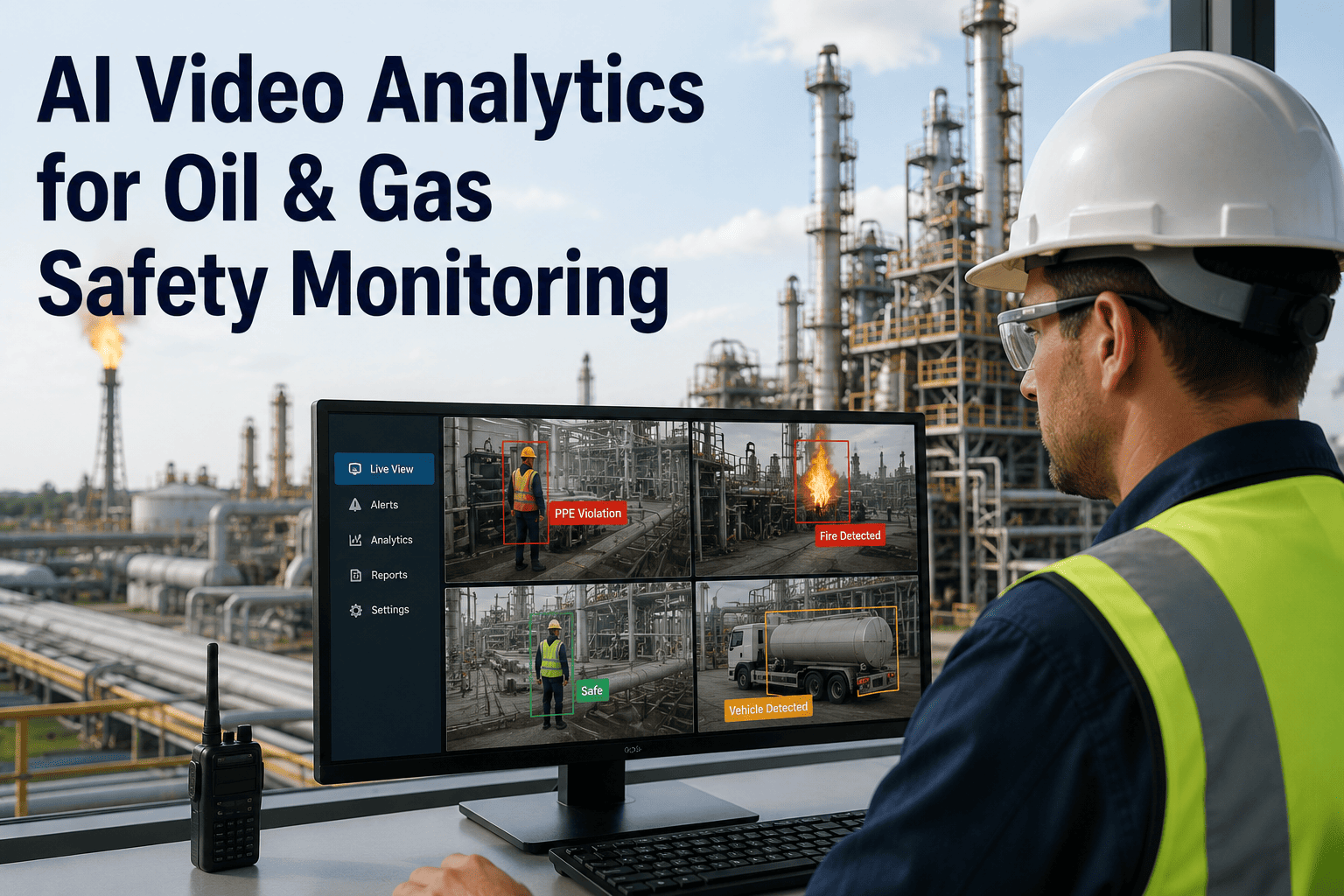
Read More
You already have the cameras. Most refineries and production sites run hundreds of them, feeding a control room screen that a handful of people are supposed to watch across every shift, every zone, every angle, all at once. No one actually can.
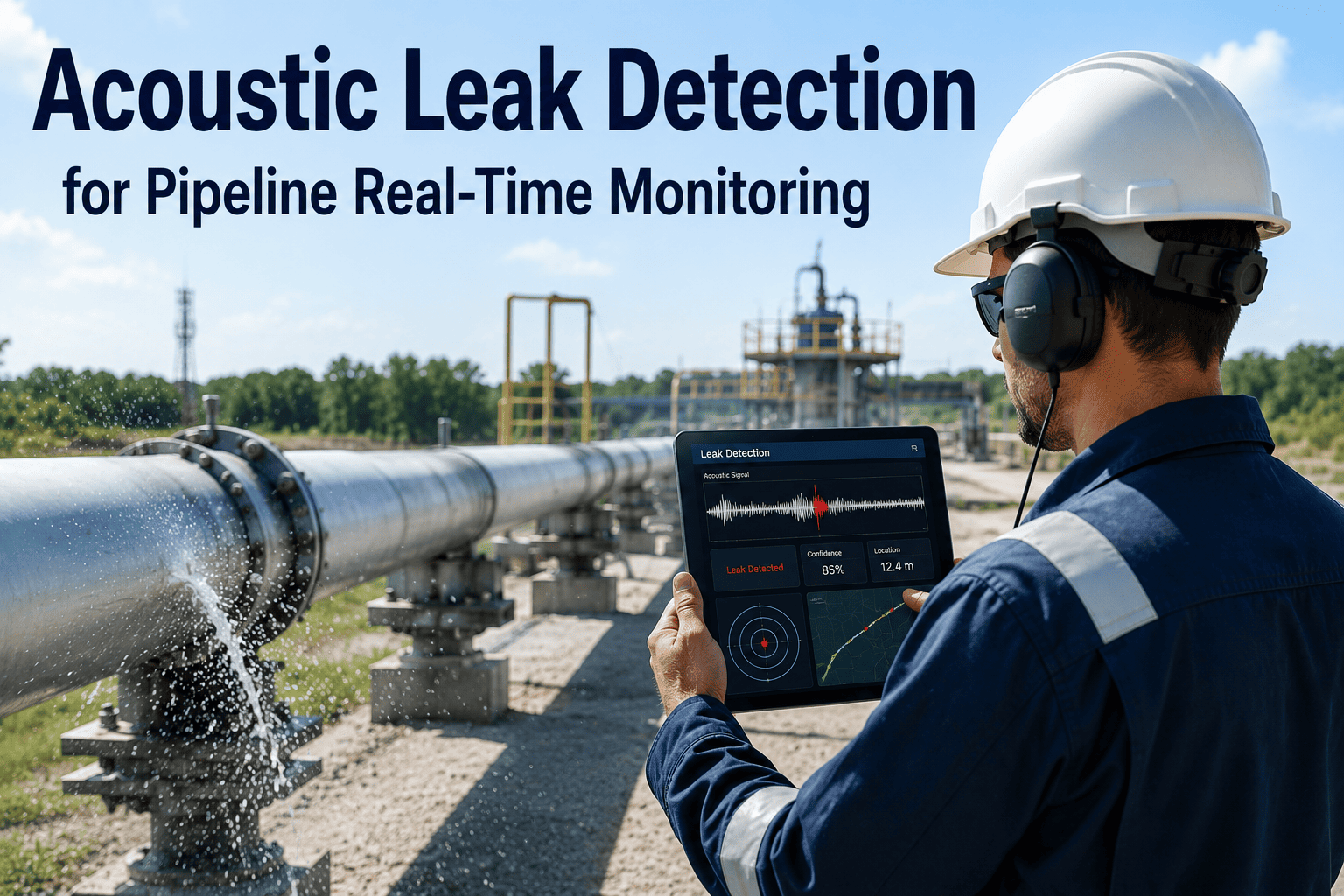
Read More
A pipeline leak rarely announces itself. By the time a pressure drop shows up on a control room trend or a drone survey catches a sheen on the ground, product has often been escaping for hours or days. The physics gives you an earlier signal than
Read More
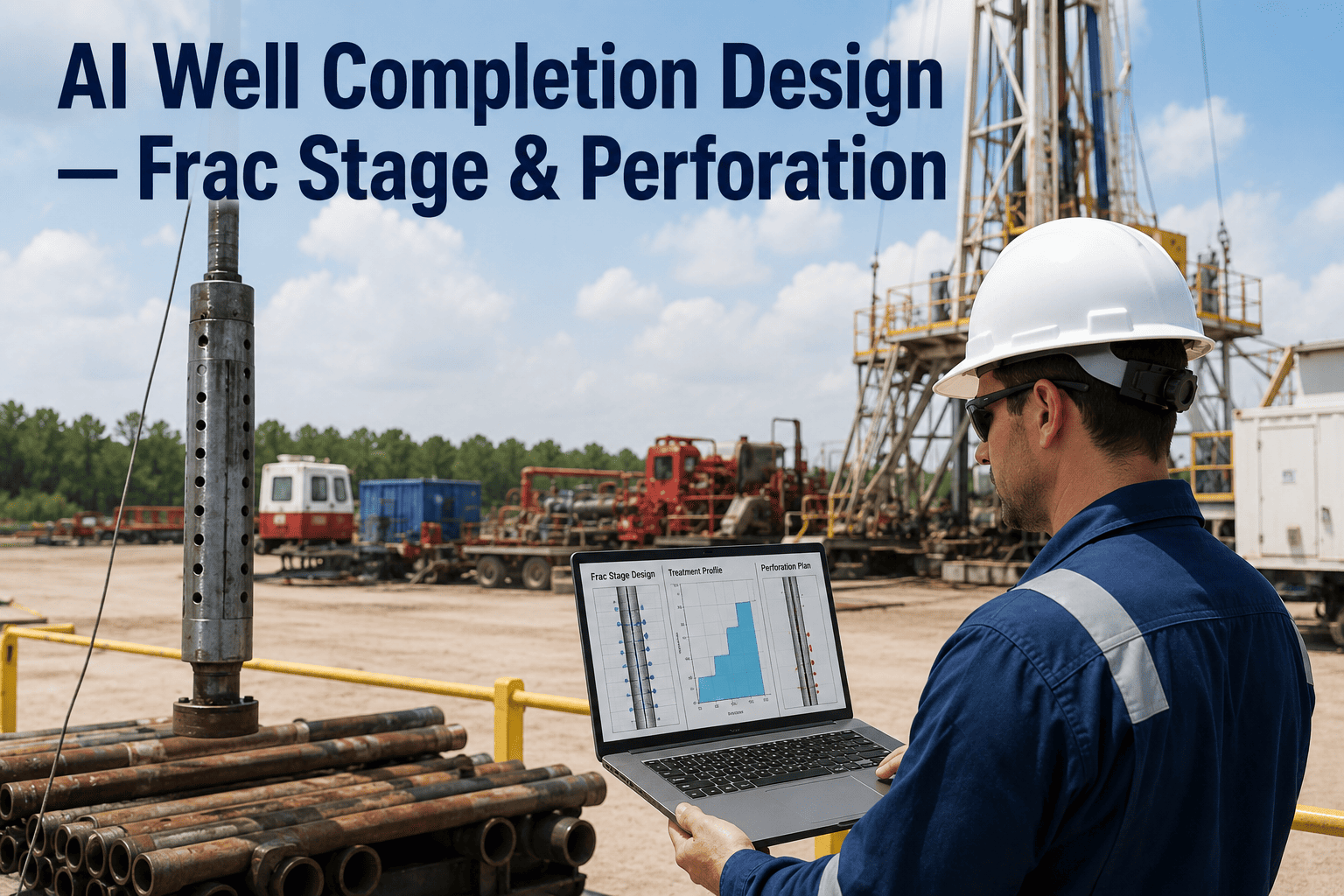
Post-fracturing production logs consistently show that a large share of perforation clusters in a multi-stage completion never contribute meaningfully to production, with published field studies putting the non-contributing share as high as 30 per

Read More
Most operators run more than one type of artificial lift across a mature field, and each one fails for a different reason: ESPs degrade from scale, gas, and thermal stress, rod pumps wear from excessive cycling, and gas lift wells lose efficiency

Read More
Reservoir simulation has always been a waiting game. A single full-physics history match on a complex, multi-well field model can take days to run, and a proper uncertainty analysis across dozens of geological realizations can stretch that to week
Read More
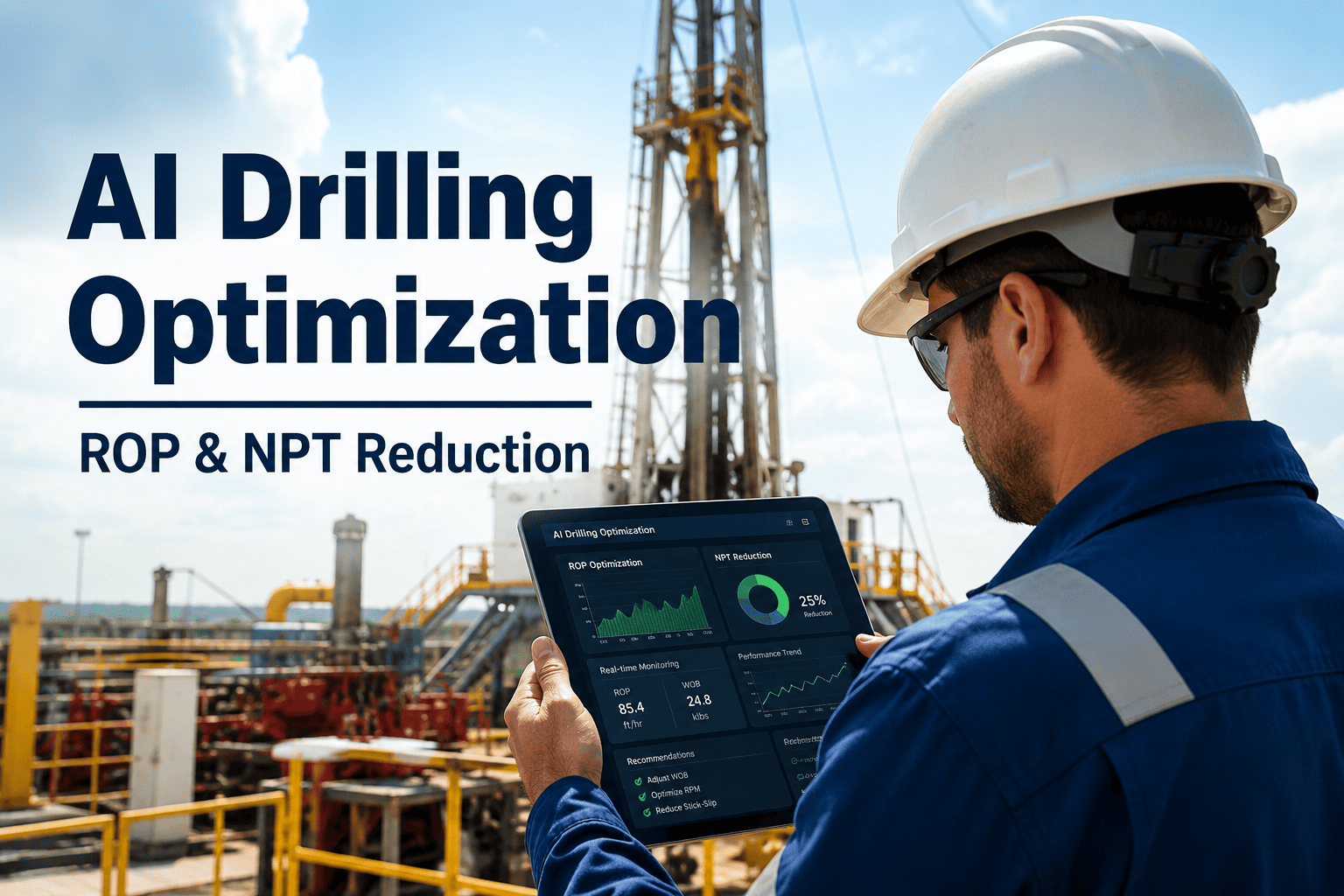
Non-productive time remains one of the most expensive line items in well construction, and it has stayed stubbornly high even as drilling technology has advanced. Industry studies show total NPT typically accounts for 10 to 15 percent of drilling
Read More
Every seismic survey represents a multi-million-dollar investment made before a single trace is processed, and the quality of that investment is locked in the moment the acquisition geometry is finalized. Source and receiver spacing, fold coverage
Read More
Well log correlation across a field development portfolio has always been a manual, iterative exercise that depends heavily on the experience of the senior petrophysicist assigned to the project. When a single field contains hundreds of wells dril
Read More
Full waveform inversion remains the most mathematically rigorous method for building high-resolution subsurface velocity models, yet the majority of FWI projects in oil and gas still fail to converge on geologically accurate results. The problem i

Read More
Seismic processing demands peak computing power for a few weeks, then sits idle for months, yet most oil and gas companies still pay to maintain on-premise HPC clusters year-round. Cloud GPU and HPC infrastructure eliminates that mismatch by letti
Read More
Induced seismicity from hydraulic fracturing and wastewater disposal has moved from a geophysical curiosity to the single largest operational risk facing operators in basins with active injection programs. Regulators across North America, Europe,

Read More
Reservoir quality mapping has always been the bridge between seismic data and drilling decisions, yet most teams still build that bridge one attribute at a time. A single amplitude map might show where the reservoir is thick, a coherence slice mig
Read More
Offshore drilling decisions worth hundreds of millions of dollars often rest on geohazard assessments that still rely heavily on manual seismic interpretation. Shallow gas pockets, submarine slides, gas hydrate zones, and shallow water flow hazard
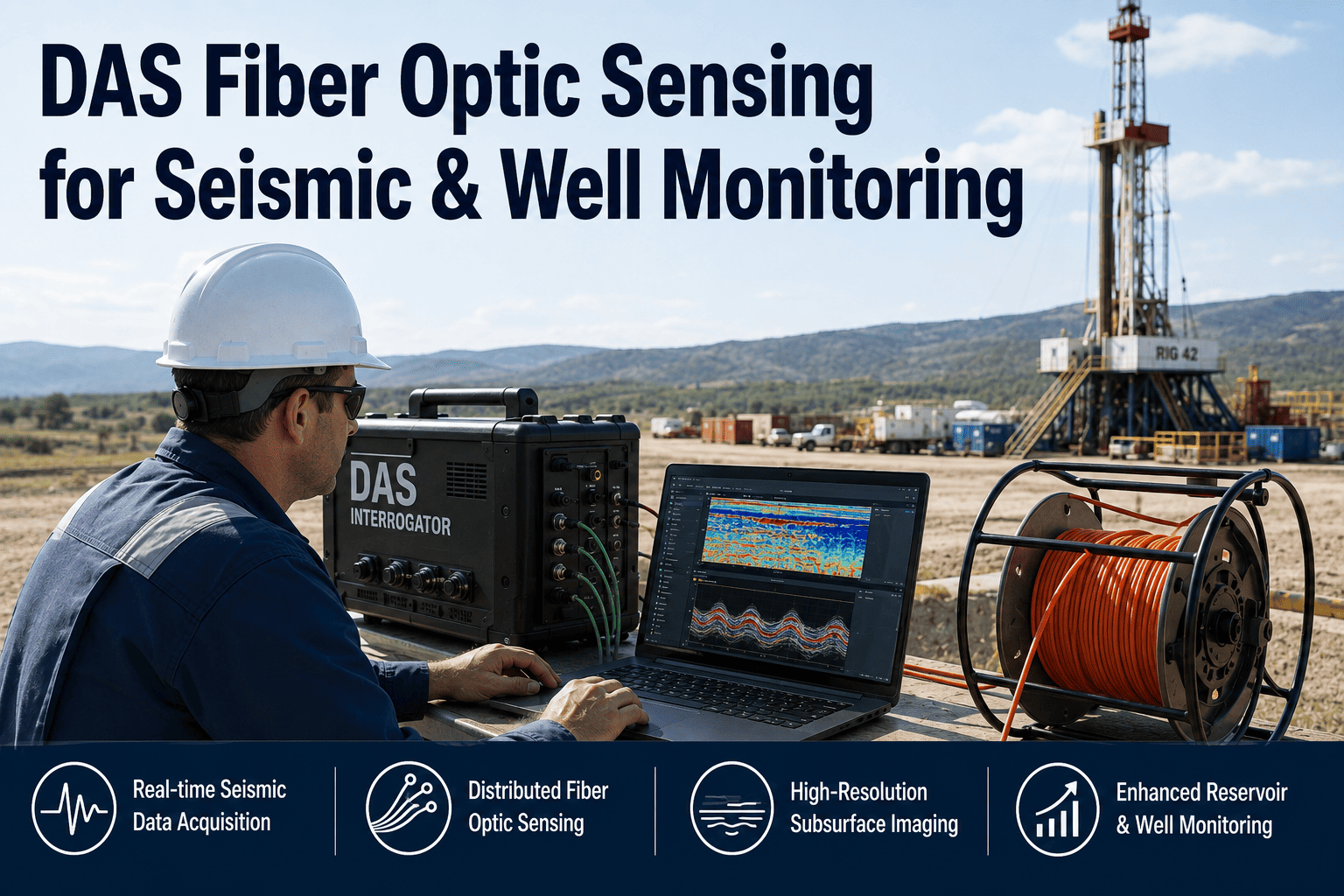
Read More
Distributed acoustic sensing transforms a standard fiber optic cable into a continuous array of thousands of acoustic sensors by analyzing the backscattered light patterns that shift when acoustic energy disturbs the glass fiber along the wellbo
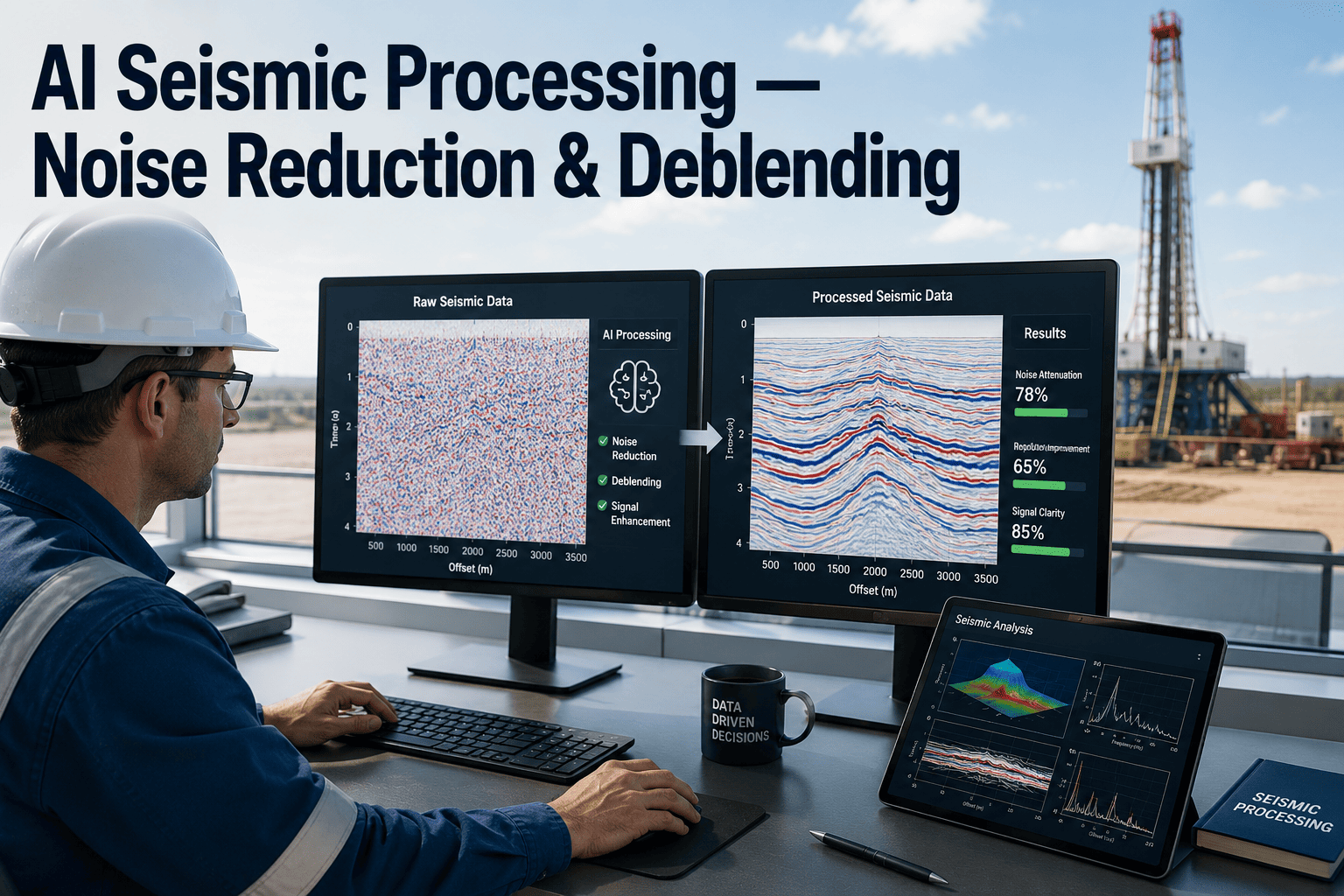
Read More
Seismic data processing has relied on the same noise attenuation and deblending algorithms for decades, and while these methods work, they require extensive manual parameter tuning, long compute cycles, and iterative quality checks that add weeks
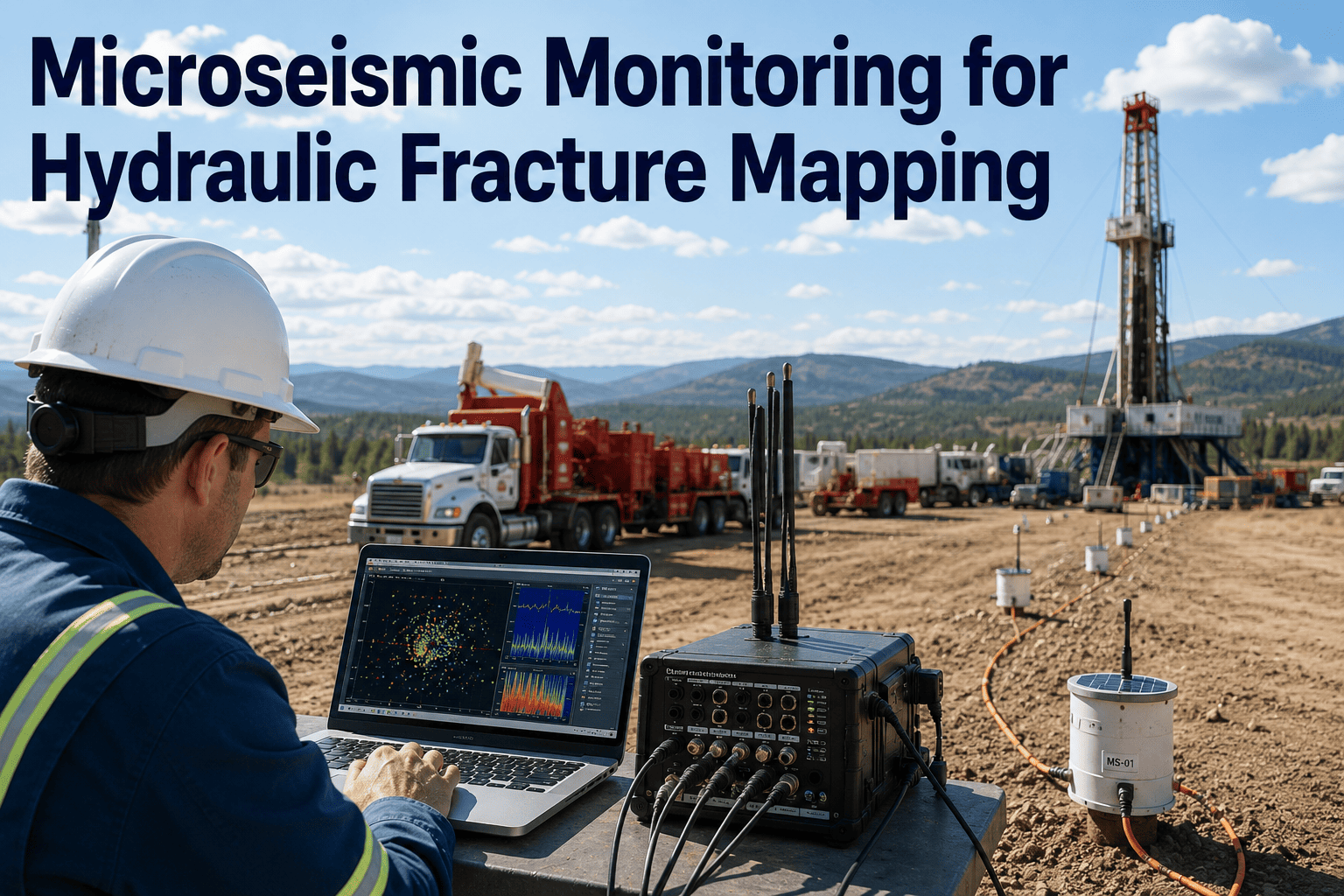
Read More
Hydraulic fracturing operations in unconventional reservoirs spend millions per well on stimulation treatments, yet most operators still rely on surface pressure data and fracture simulation models to estimate what happened thousands of feet below
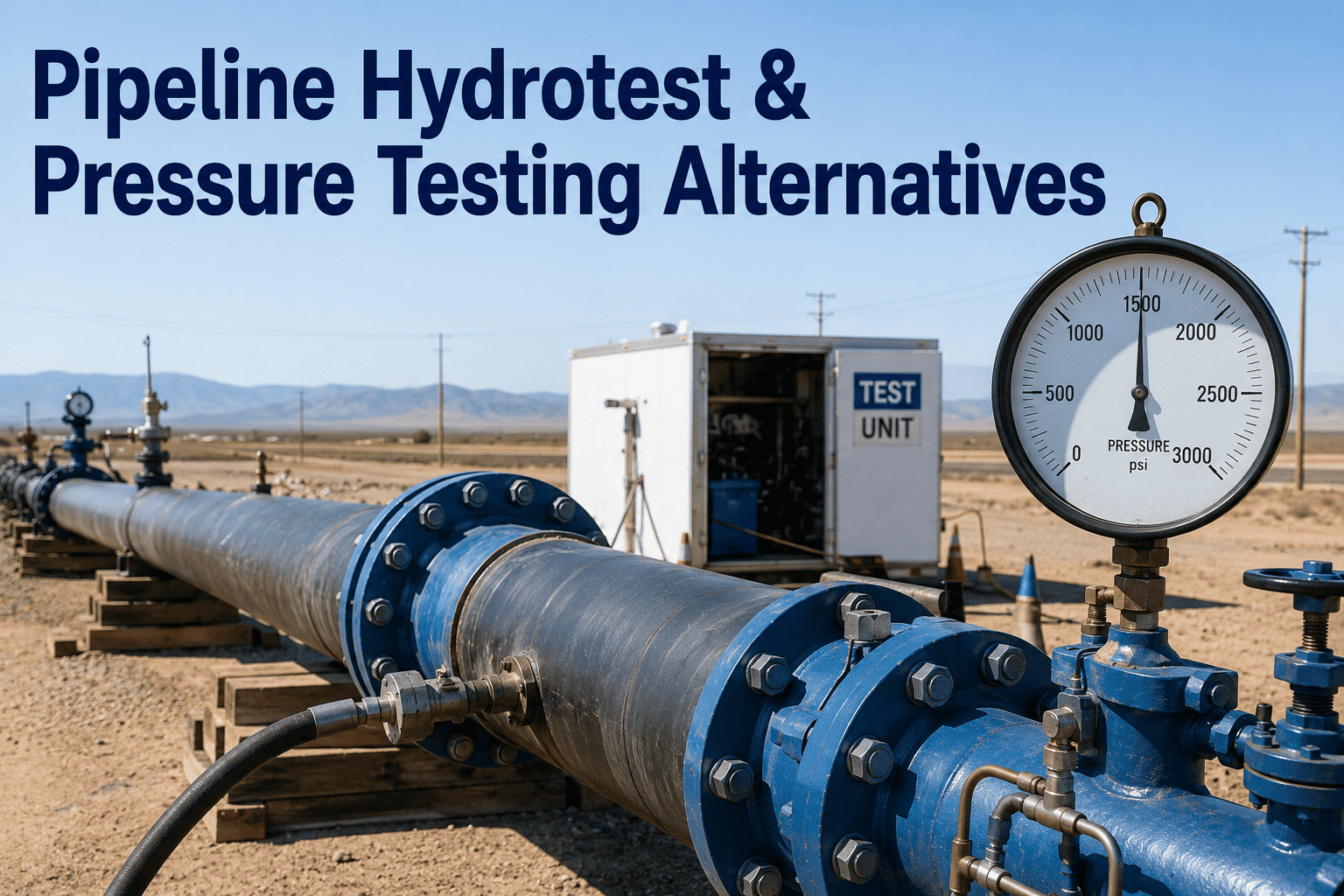
Read More
Hydrostatic pressure testing has been the accepted method for validating pipeline integrity for over five decades, establishing a track record that regulators, operators, and engineering standards all recognize as the baseline proof of fitness for

Read More
Stress corrosion cracking in high-pressure gas pipelines is widely regarded as the most insidious threat to pipeline integrity because it produces cracks that grow silently beneath coatings that appear intact, in environments where cathodic protec

Read More
Pipeline pigging is one of the most operationally critical activities in oil and gas transportation, yet it remains one of the least digitally managed processes in the industry. Every day, thousands of pigs are launched into pipelines worldwide to
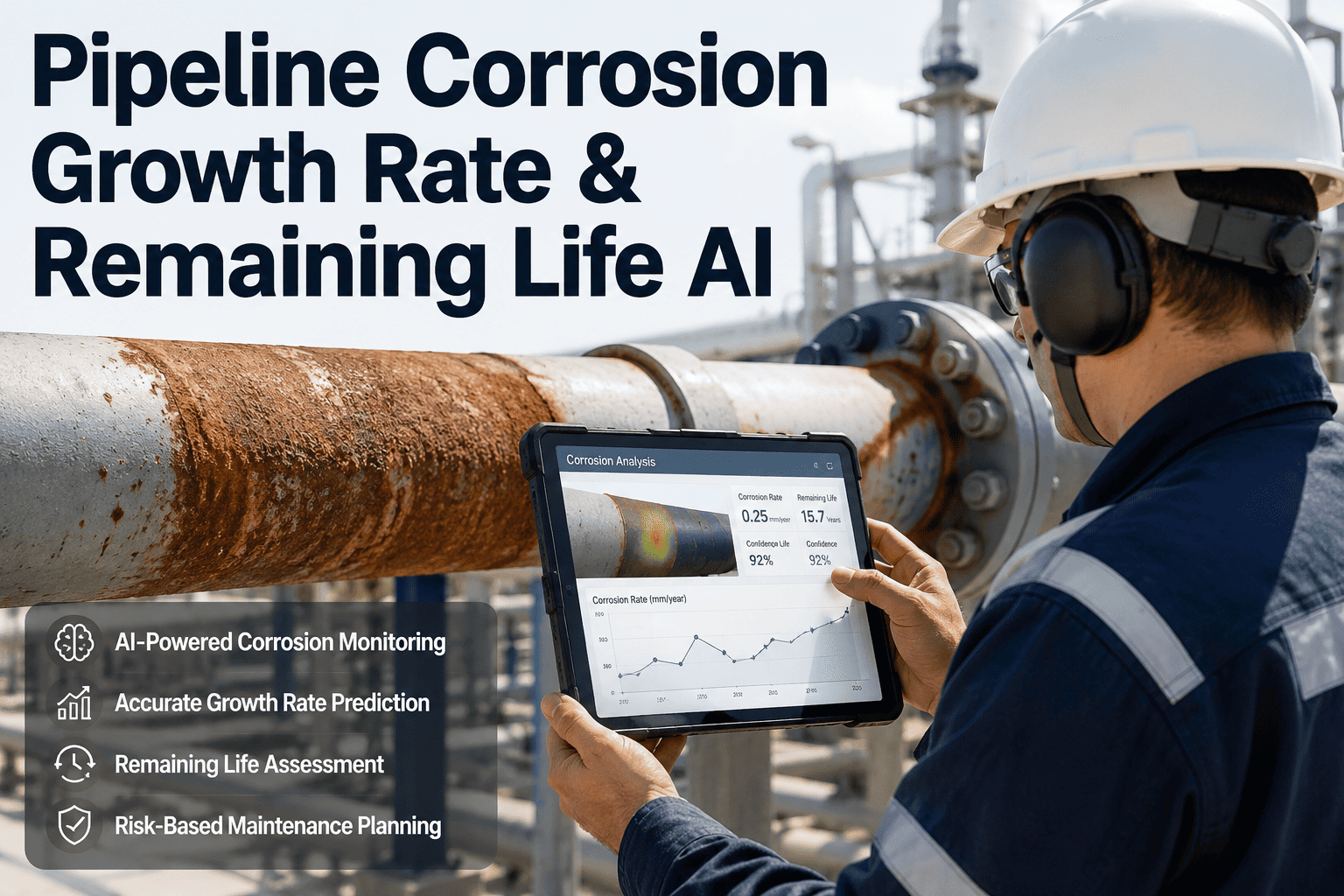
Read More
Pipeline operators running in-line inspections every 5 to 10 years face a fundamental data gap between each ILI run. Corrosion does not pause between inspections, yet most integrity management programs treat each ILI report as a standalone snapsho

Read More
Scaffolding is the skeleton of every turnaround, the temporary structure that either keeps the critical path on schedule or brings it to a complete standstill. In a typical refinery shutdown, scaffolding accounts for thirty to forty percent of the
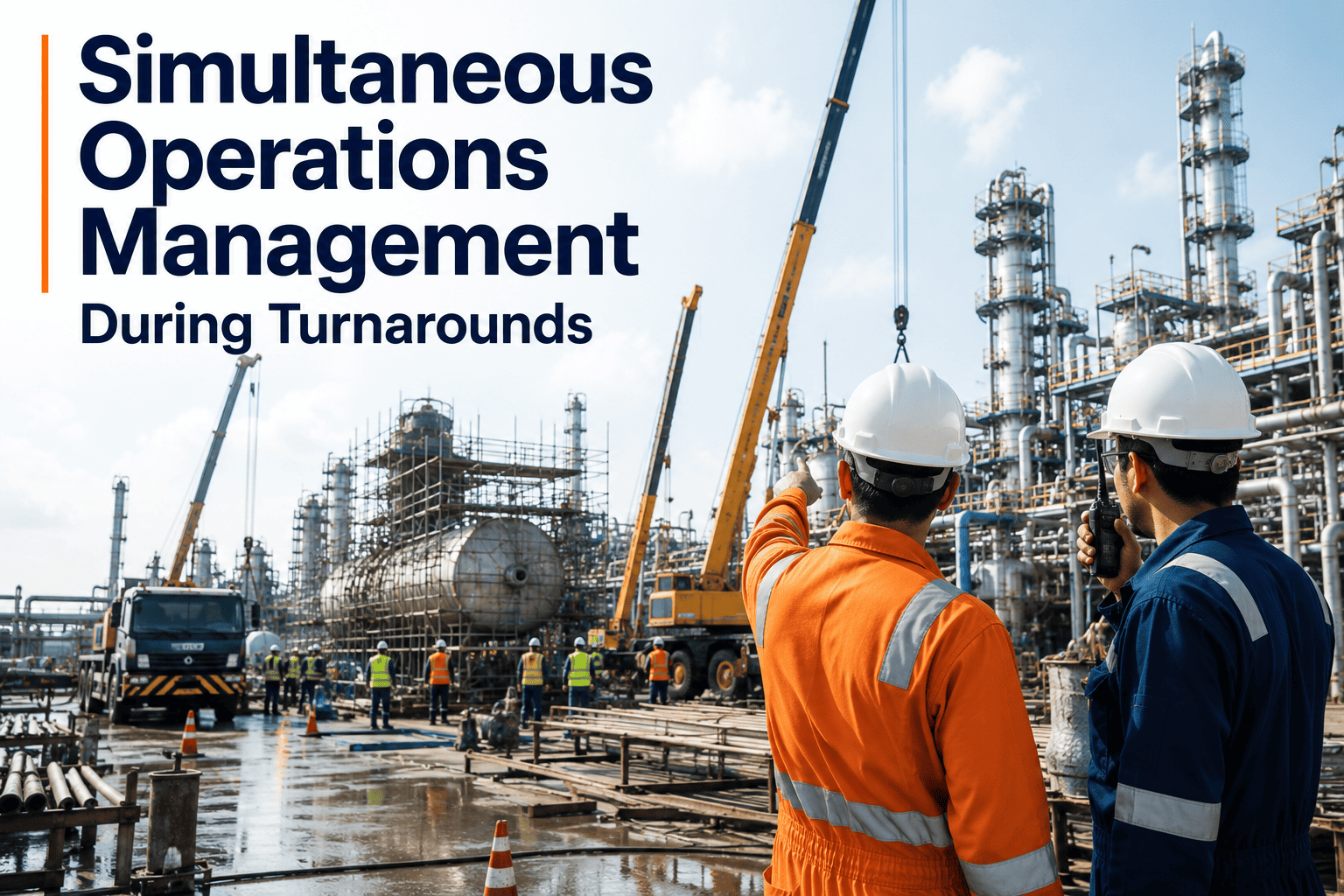
Read More
A refinery turnaround packs months of maintenance work into a shutdown window measured in weeks, and during that compressed period, hundreds of activities overlap in the same physical space at the same time. Crane booms swing over live process lin

Read More
Turnaround planning in oil and gas has always been a race against a fixed shutdown window where every lost day can drain between one and five million dollars from the budget. Traditional methods rely on outdated 2D drawings, manual walkdowns by do
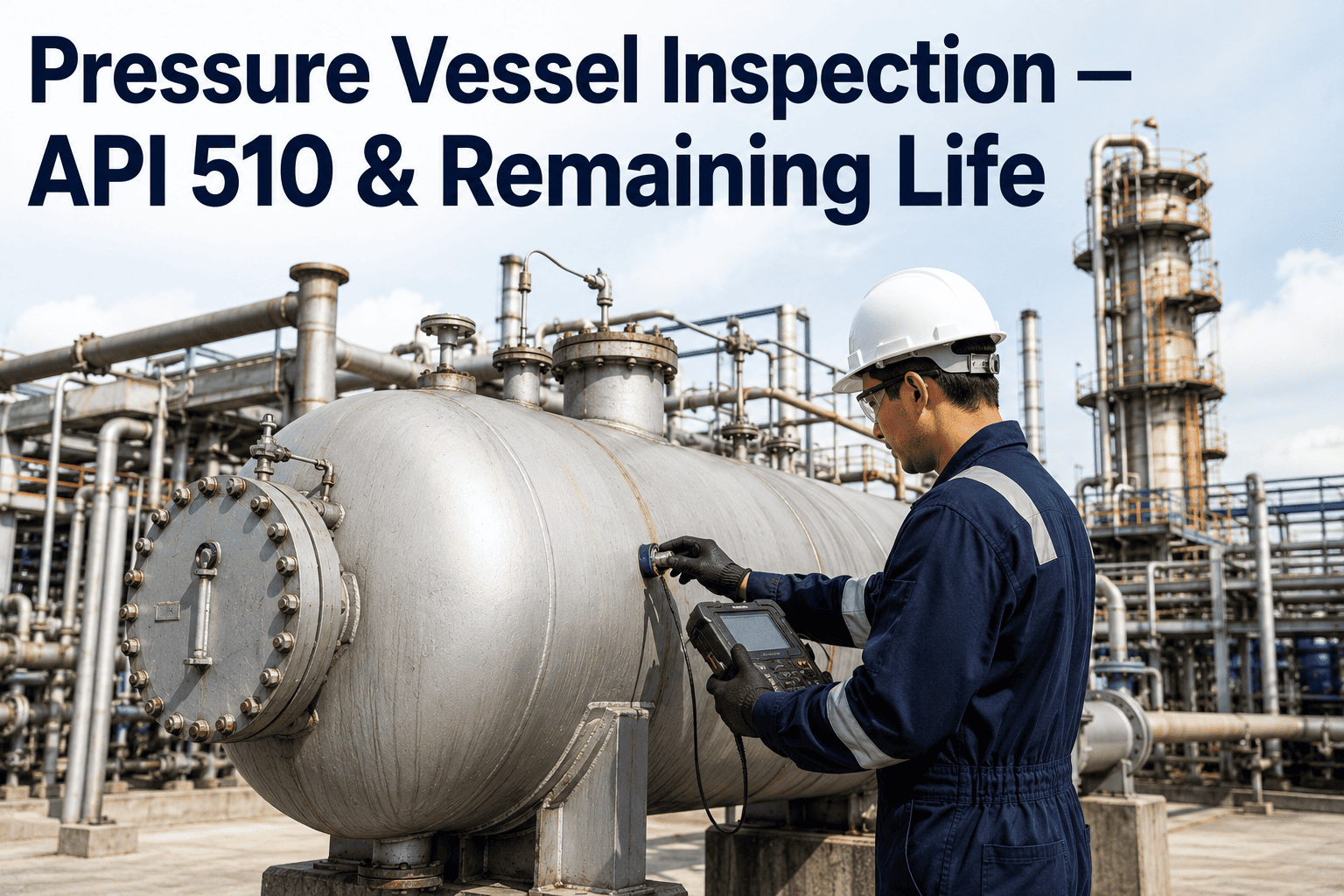
Read More
Pressure vessels operate under extreme combinations of pressure, temperature, and corrosive media for decades, and their structural integrity depends entirely on knowing how much metal remains between the internal process and the outside environme

Read More
Rotating equipment — pumps, compressors, gas turbines, and motor-driven trains — generates the pressure, flow, and power that keep oil and gas facilities producing. When a pump trips or a compressor shuts down unexpectedly, the impact cascades thr
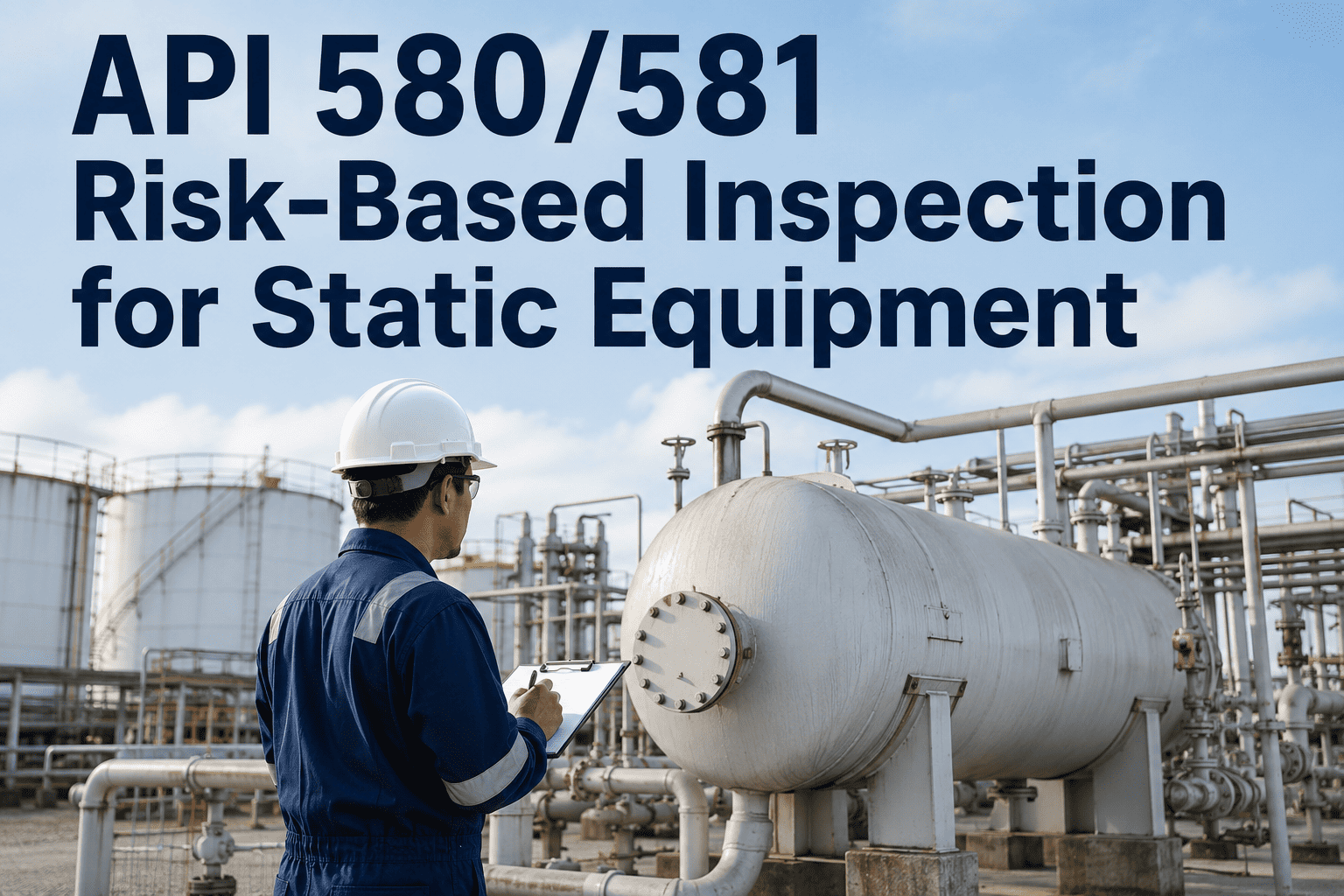
Read More
Static equipment in oil and gas facilities — pressure vessels, heat exchangers, piping systems, and storage tanks — operates under extreme conditions for decades. Traditional inspection programs assign intervals based on calendar time or regulator
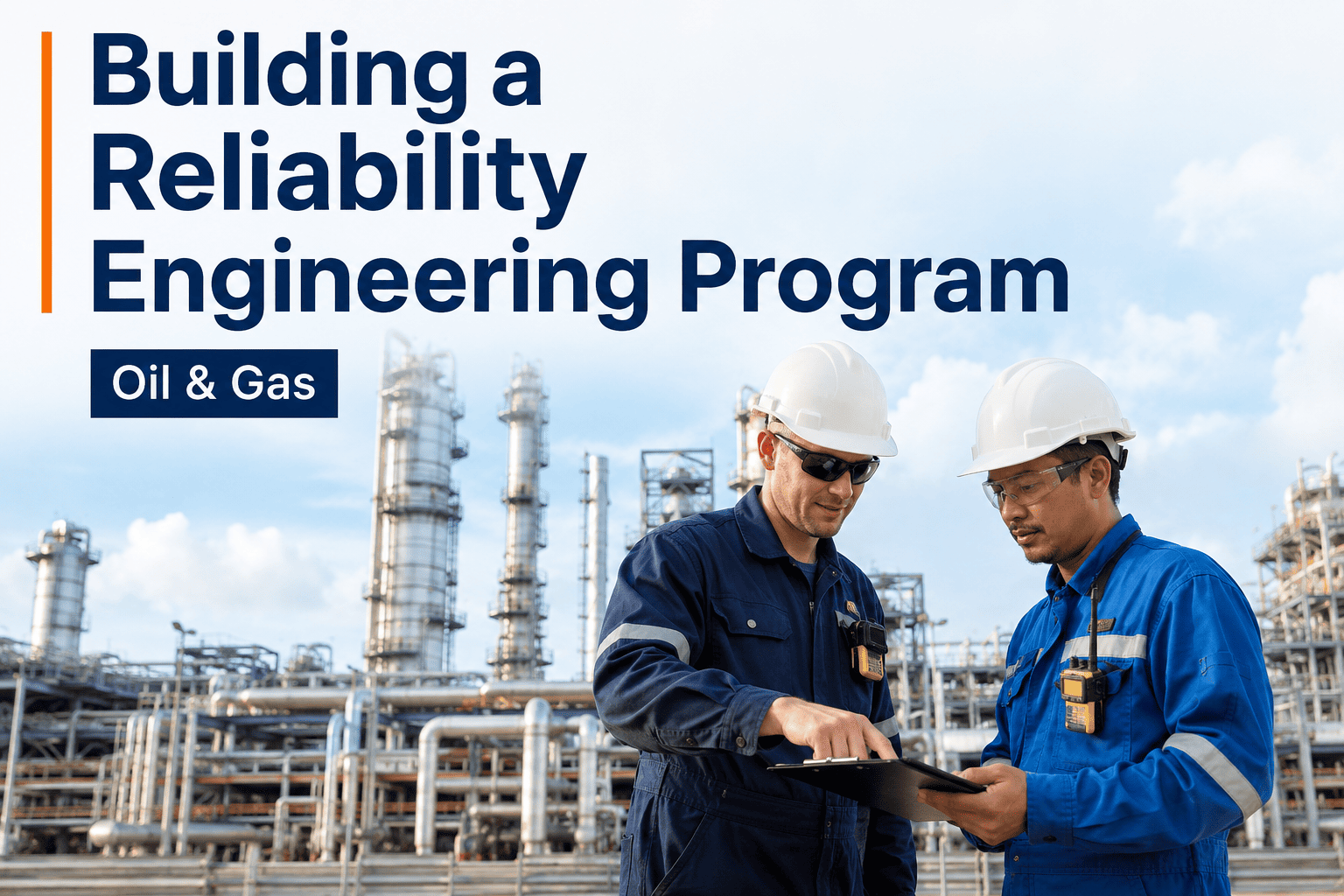
Read More
Unplanned equipment failures in oil and gas operations do not just halt production — they cascade into safety incidents, environmental exposure, and recovery costs that dwarf the original repair. Yet most facilities still operate with maintenance

Read More
Oil and gas operational technology networks were designed decades ago for reliability and availability, not for resistance against sophisticated cyber adversaries. SCADA systems controlling wellheads, compressors, and pipeline valves often run on
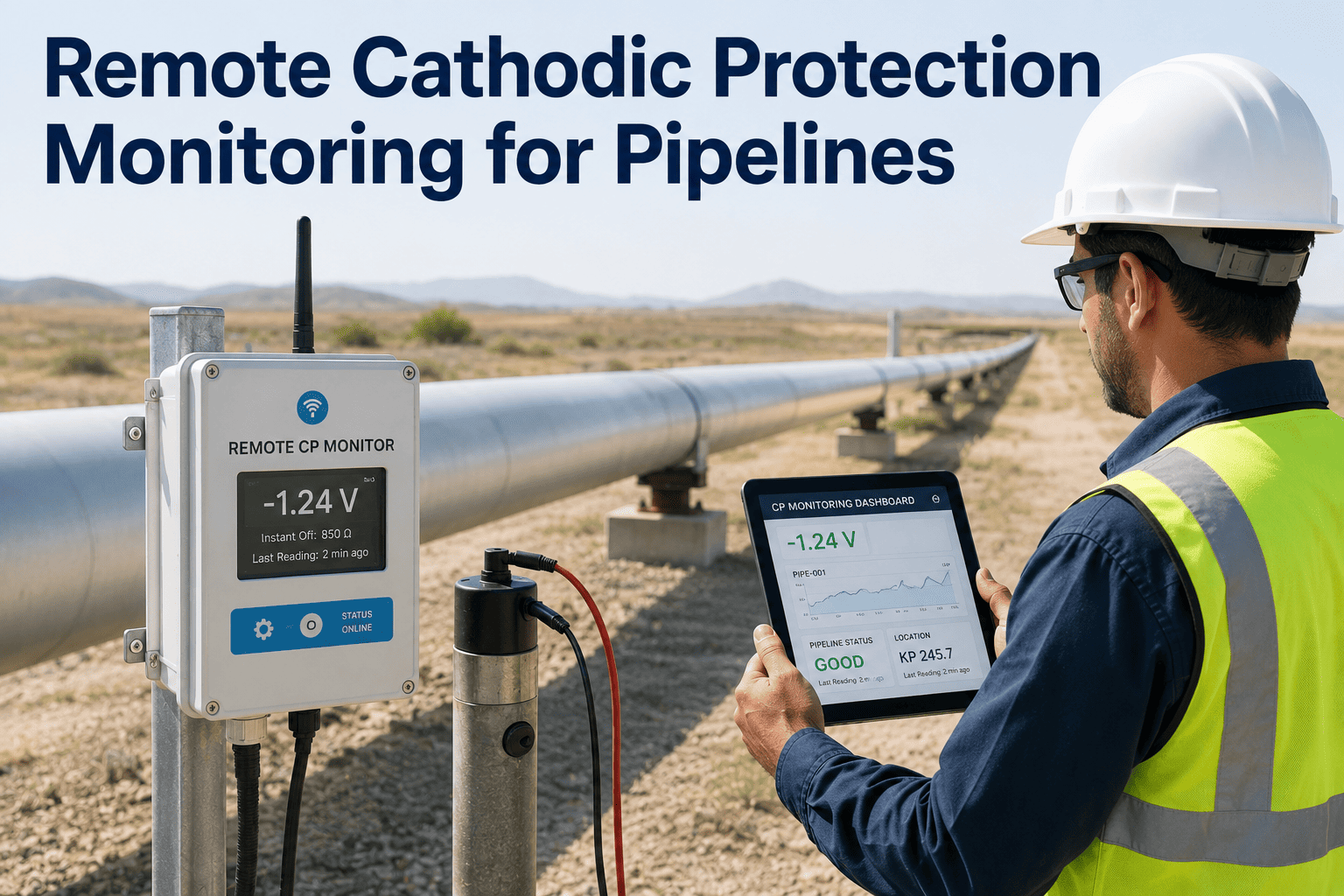
Read More
Pipelines buried underground face a relentless invisible threat: electrochemical corrosion that can weaken steel walls to the point of failure. Cathodic protection systems serve as the primary defense, applying a small electrical current to shift
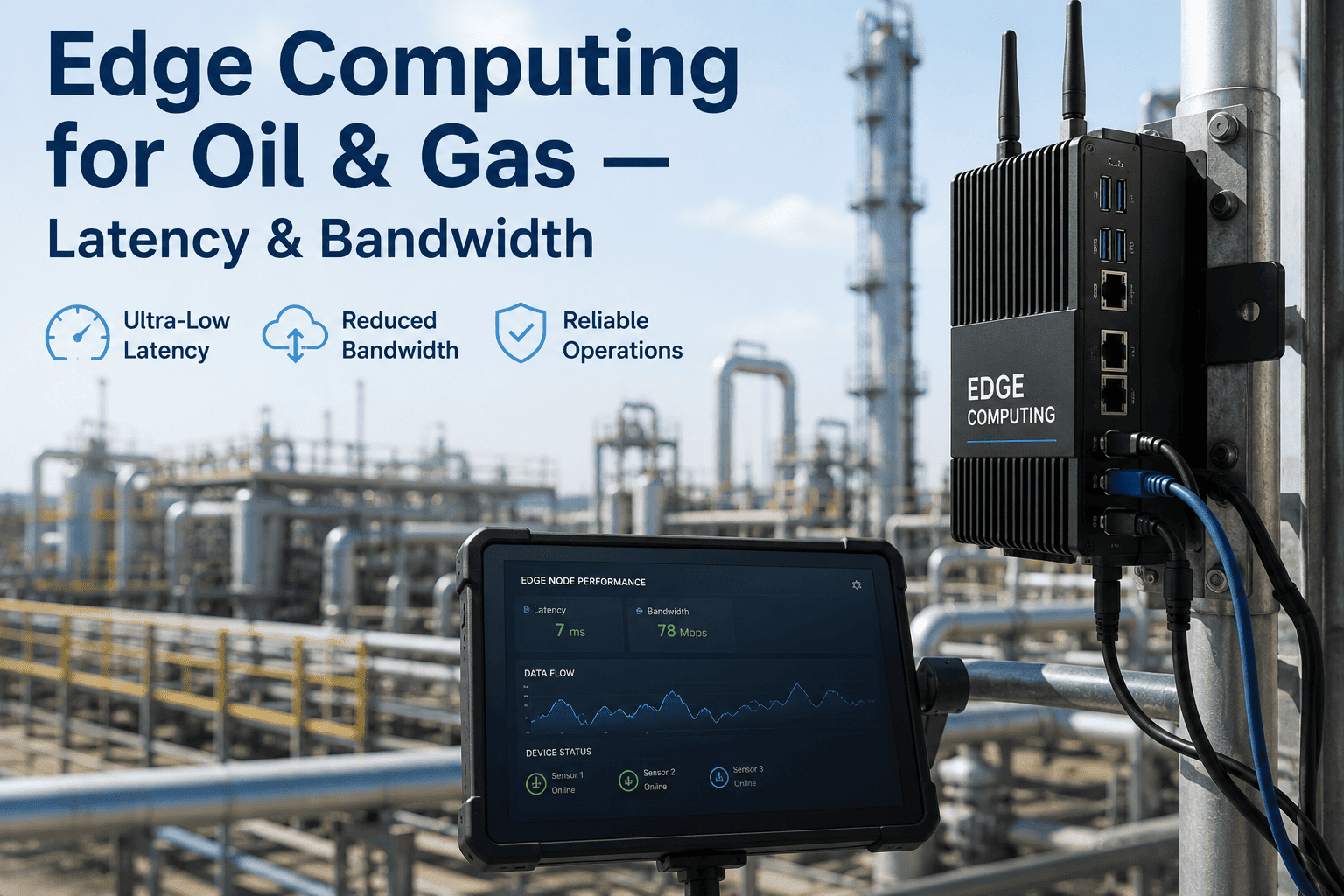
Read More
Oil and gas operations at remote wellsites, offshore platforms, and compressor stations generate thousands of data points per second from sensors, SCADA systems, and edge devices. Yet the industry continues to route the vast majority of this data
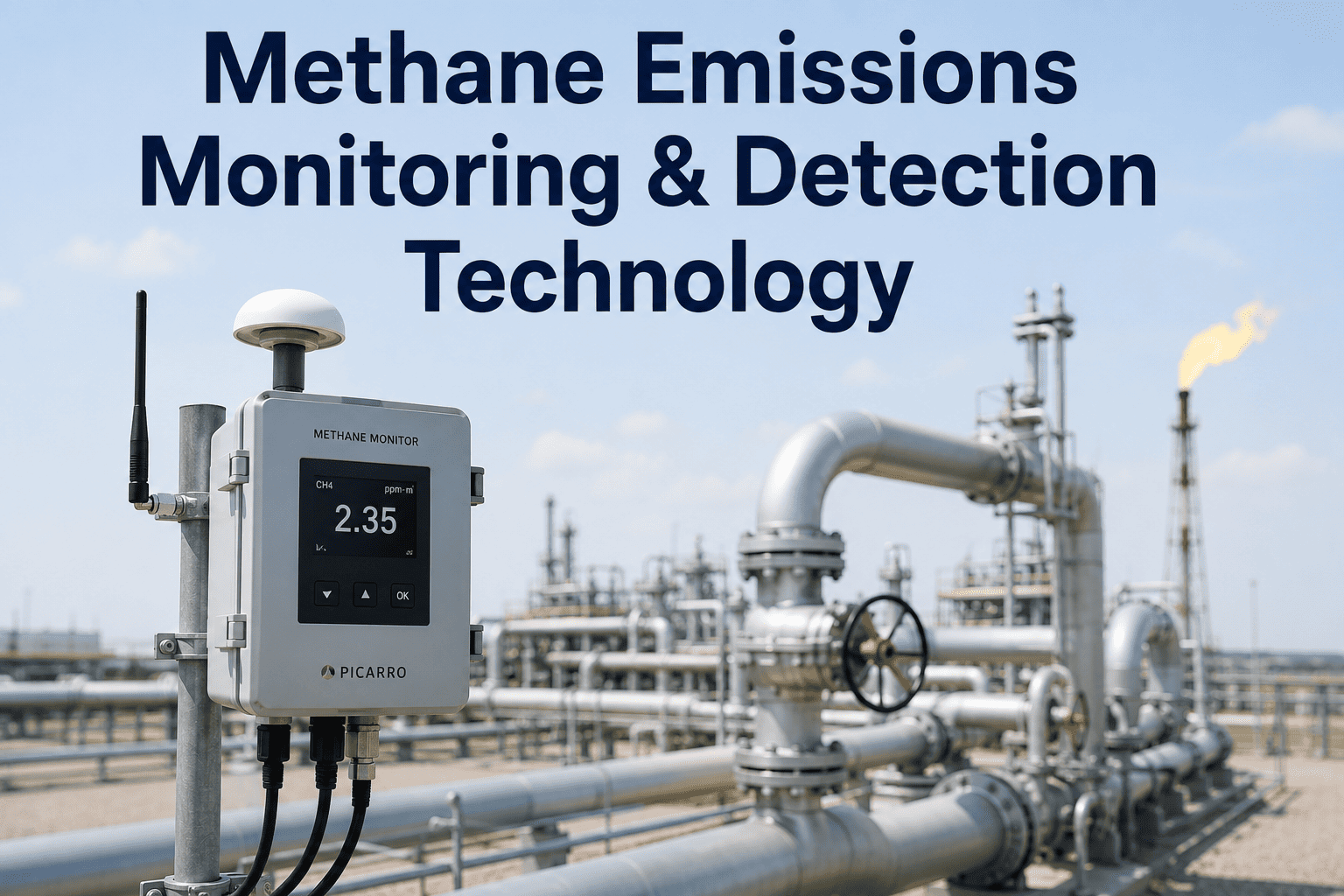
Read More
Methane is responsible for approximately 30% of global warming since the pre-industrial era, and the oil and gas sector is the largest industrial source of methane emissions worldwide. Regulatory bodies are moving rapidly from voluntary reporting
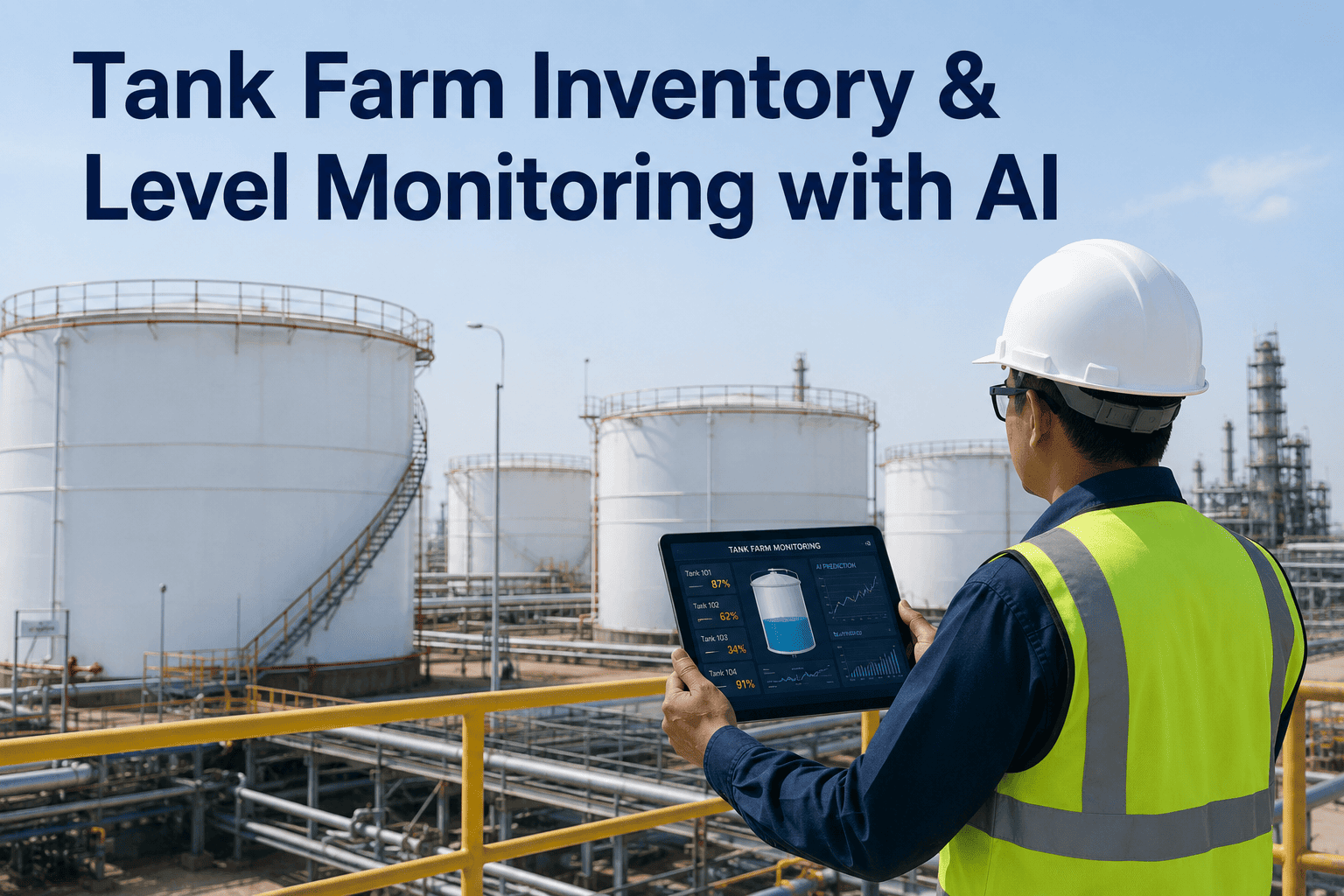
Read More
Manual tank gauging — sending a technician to climb every tank, drop a gauge tape, and record the level on a clipboard — remains the primary inventory method at a surprising number of oil storage terminals. This approach was acceptable when termin
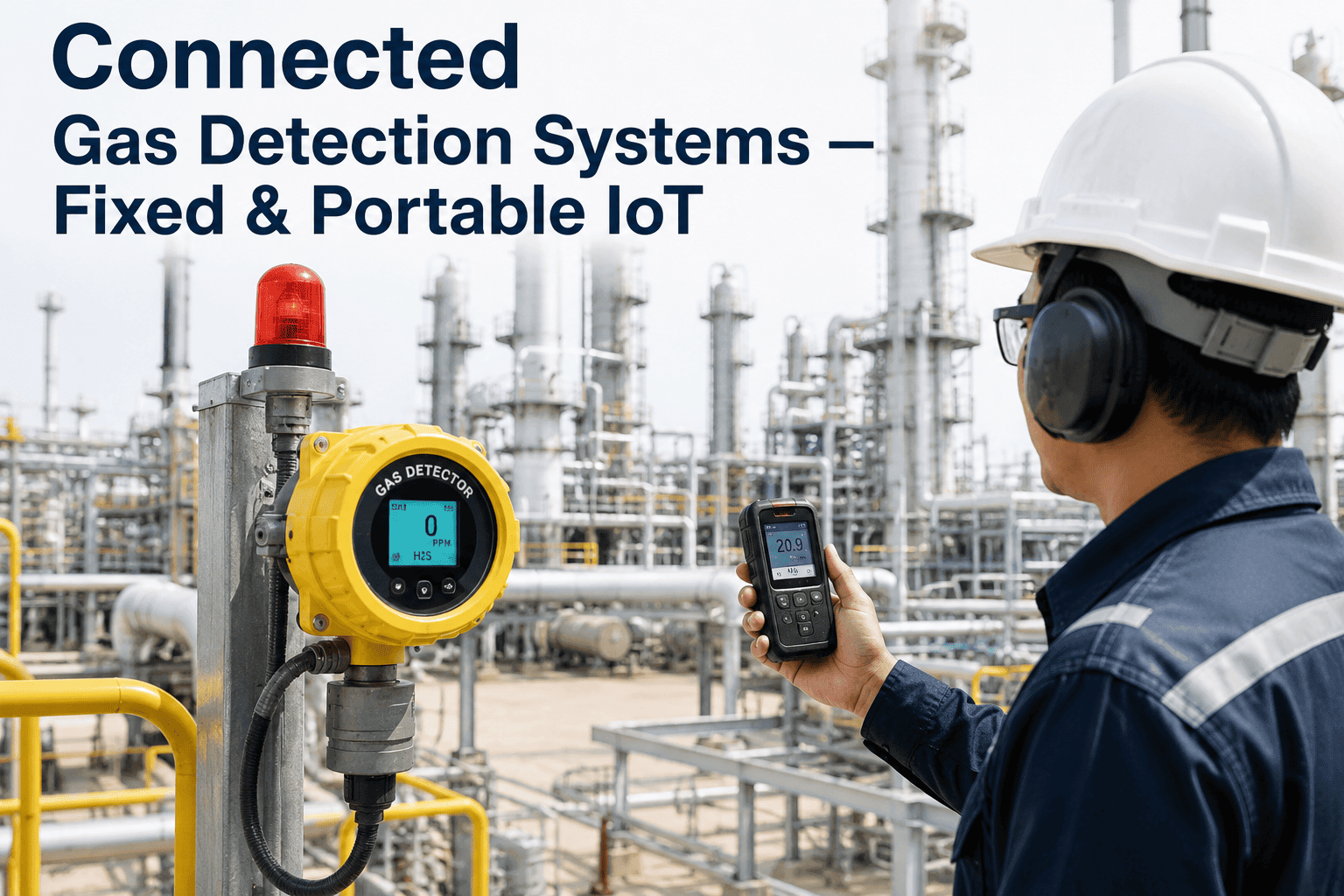
Read More
Gas detection in oil and gas operations has historically operated in isolation — fixed point detectors wired to standalone panels, portable monitors logging data locally with no real-time visibility for supervisors, and paper-based calibration rec
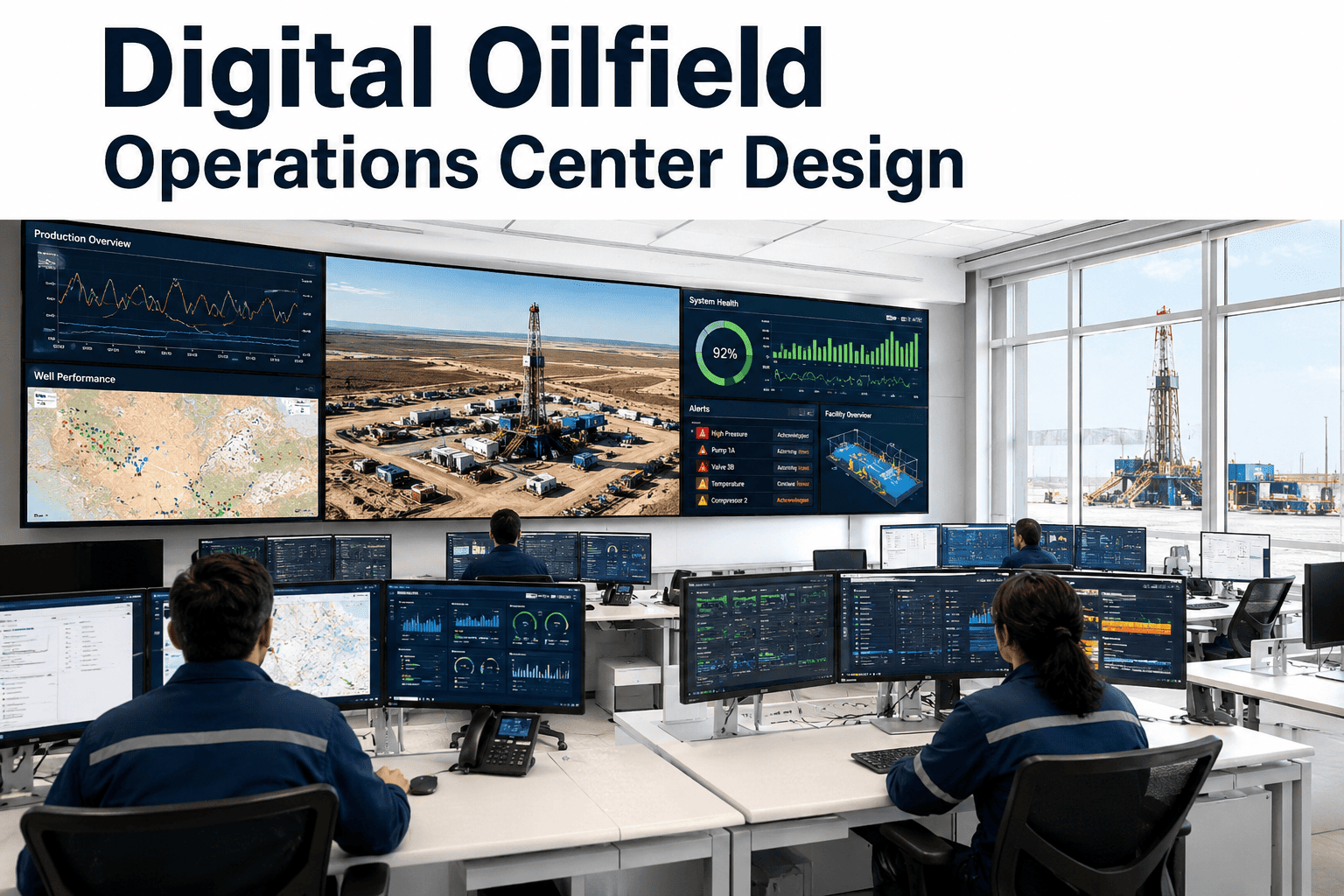
Read More
Digital oilfield operations centers are fundamentally reshaping how upstream and midstream companies monitor and control distributed assets across hundreds of miles of pipeline networks, well pads, and processing facilities. The shift from scatter
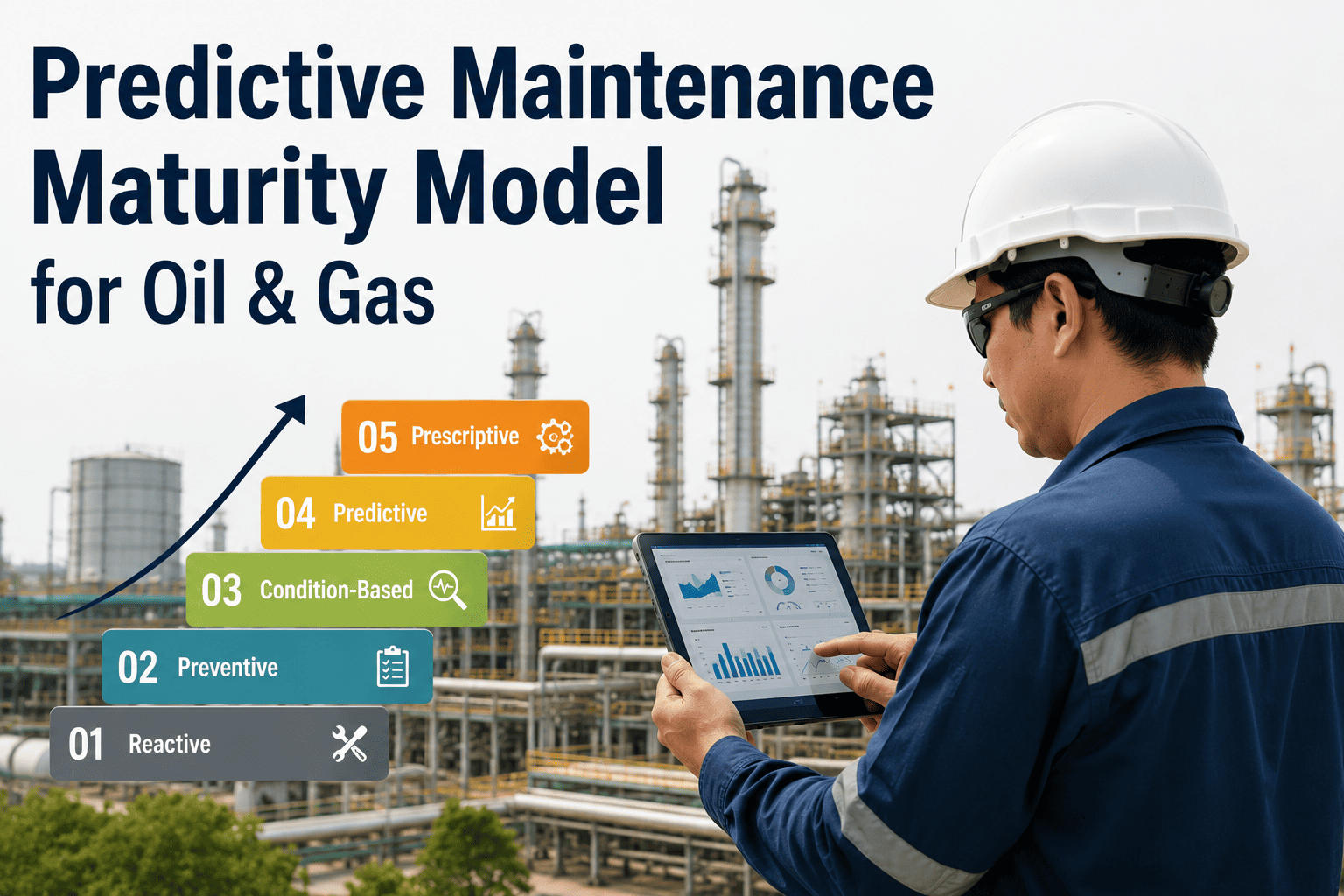
Read More
Ask three people at the same plant to describe their maintenance program's maturity and you'll often get three different answers, one based on the technology they've bought, one based on what's written in the procedures, and one based on how maint
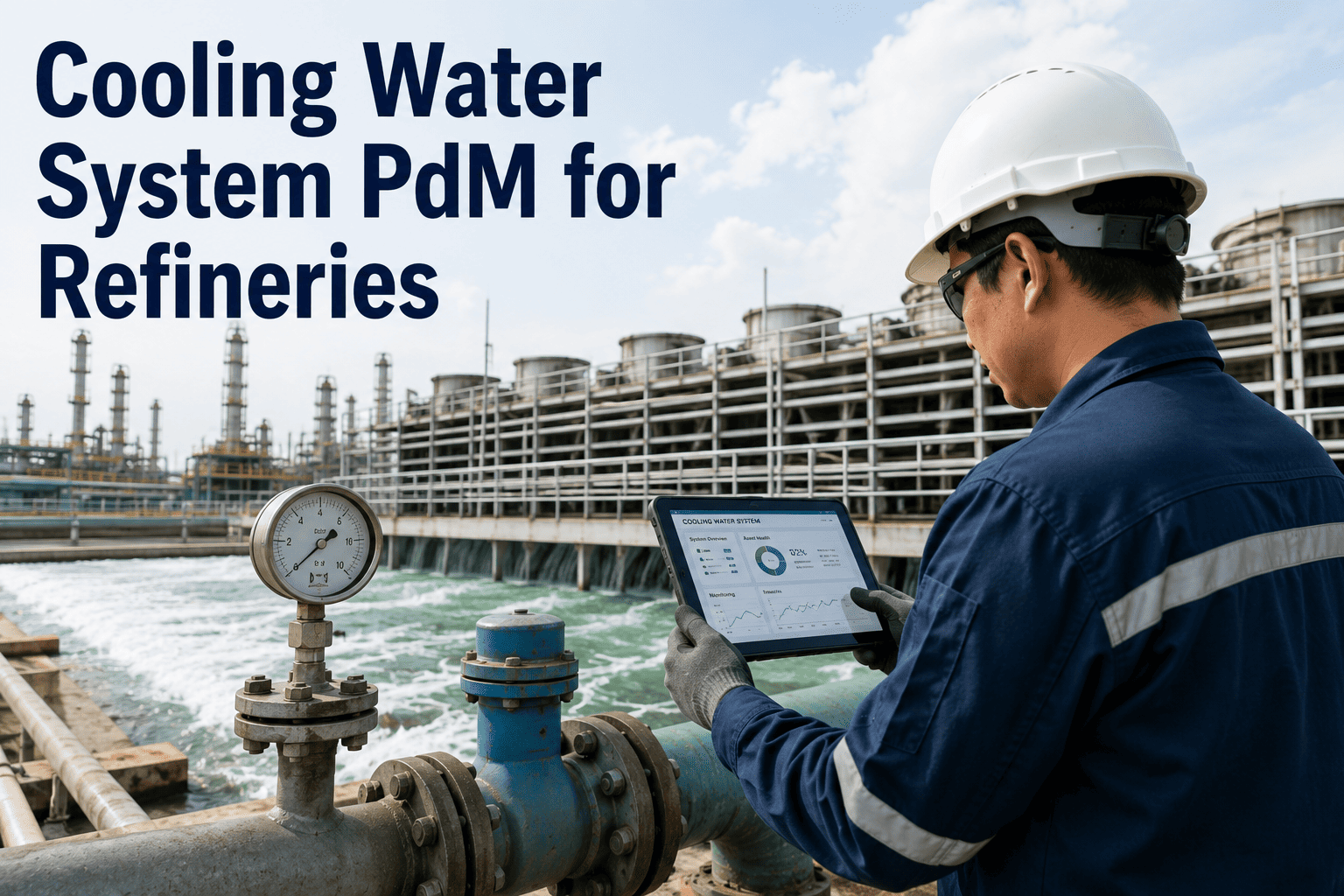
Read More
A cooling water system rarely fails all at once. It degrades quietly, a few degrees of lost approach temperature here, a slowly fouling exchanger there, until a hot summer week pushes the whole circuit past its margin and a unit has to curtail pro

Read More
Oil and gas operations carry between 15 and 25 percent more spare parts inventory than they actually need, while simultaneously experiencing stockouts on critical components that force multimillion-dollar production shutdowns. This paradox ex
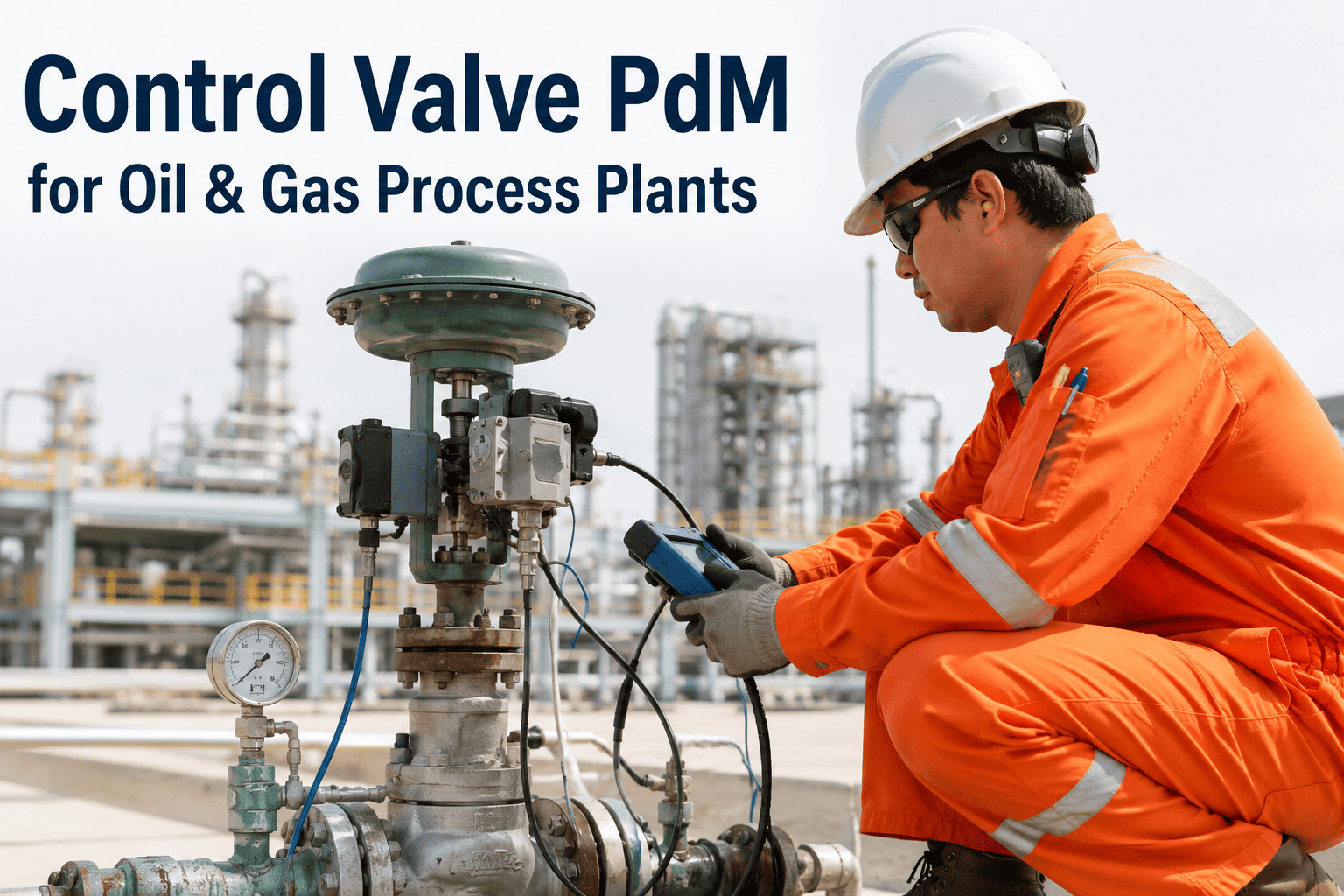
Read More
Control valves are the most mechanically active components in any process plant, cycling hundreds of thousands of times per year while handling abrasive fluids, extreme temperatures, and aggressive chemicals. When a valve begins to degrade, it doe
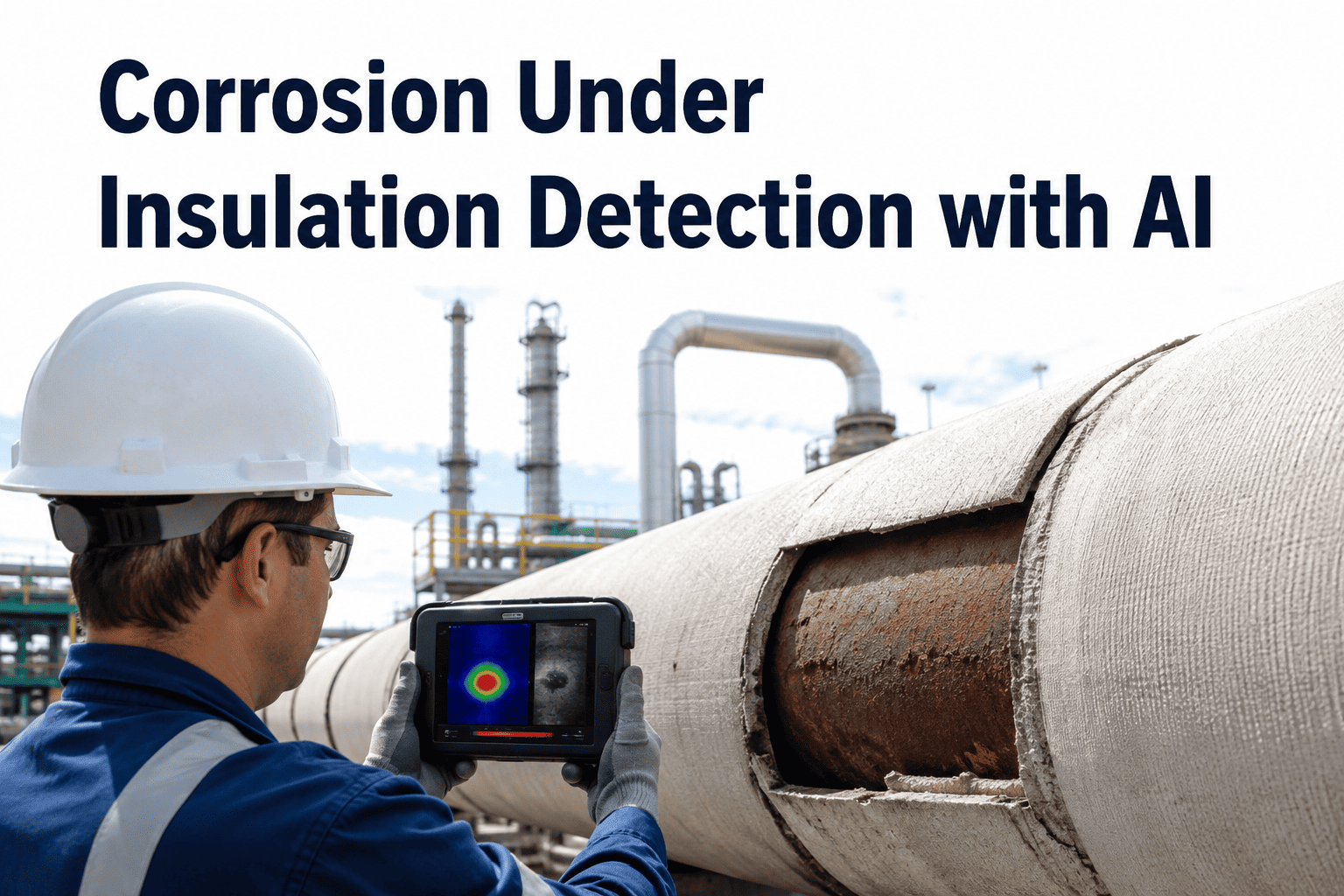
Read More
Corrosion under insulation is responsible for roughly 60 percent of all piping failures in refineries and chemical plants, yet most inspection programs still rely on removing insulation at random intervals and hoping to find the damage before it b

Read More
Flare systems are the last line of defense in any refinery, chemical plant, or upstream production facility, yet most operators still inspect their flare tip, pilot ignition, and knockout drum on a fixed calendar schedule rather than based on actu
Read More
Unplanned downtime on a single offshore production platform can exceed one million dollars per day, yet upstream and midstream operators still run maintenance programs built around spreadsheets, clipboard walk-throughs, and tribal knowledge held b
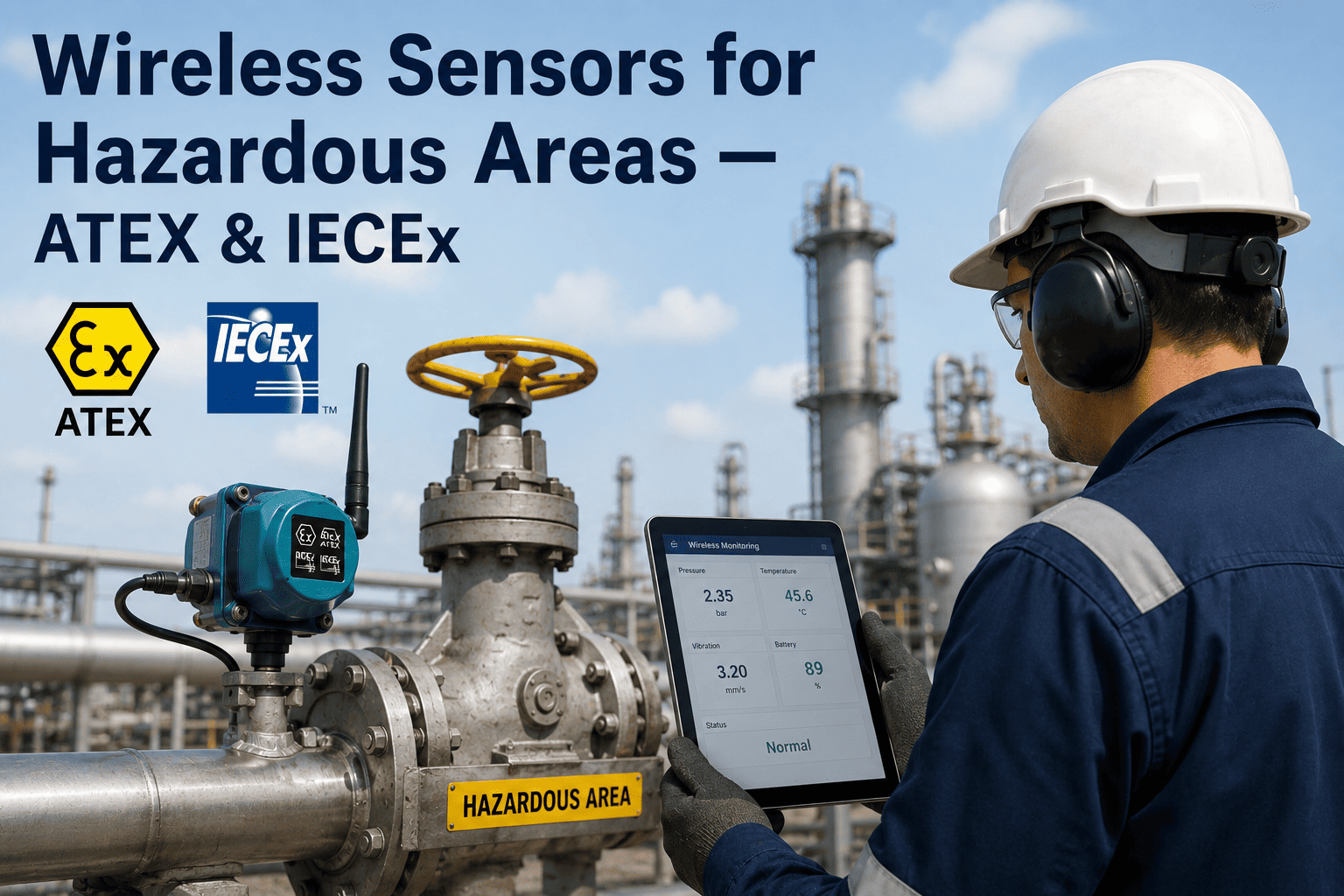
Read More
In the high-stakes environment of oil and gas operations, deploying effective monitoring solutions in hazardous areas is a critical imperative for safety, regulatory compliance, and operational continuity. Traditional wired sensor networks, while
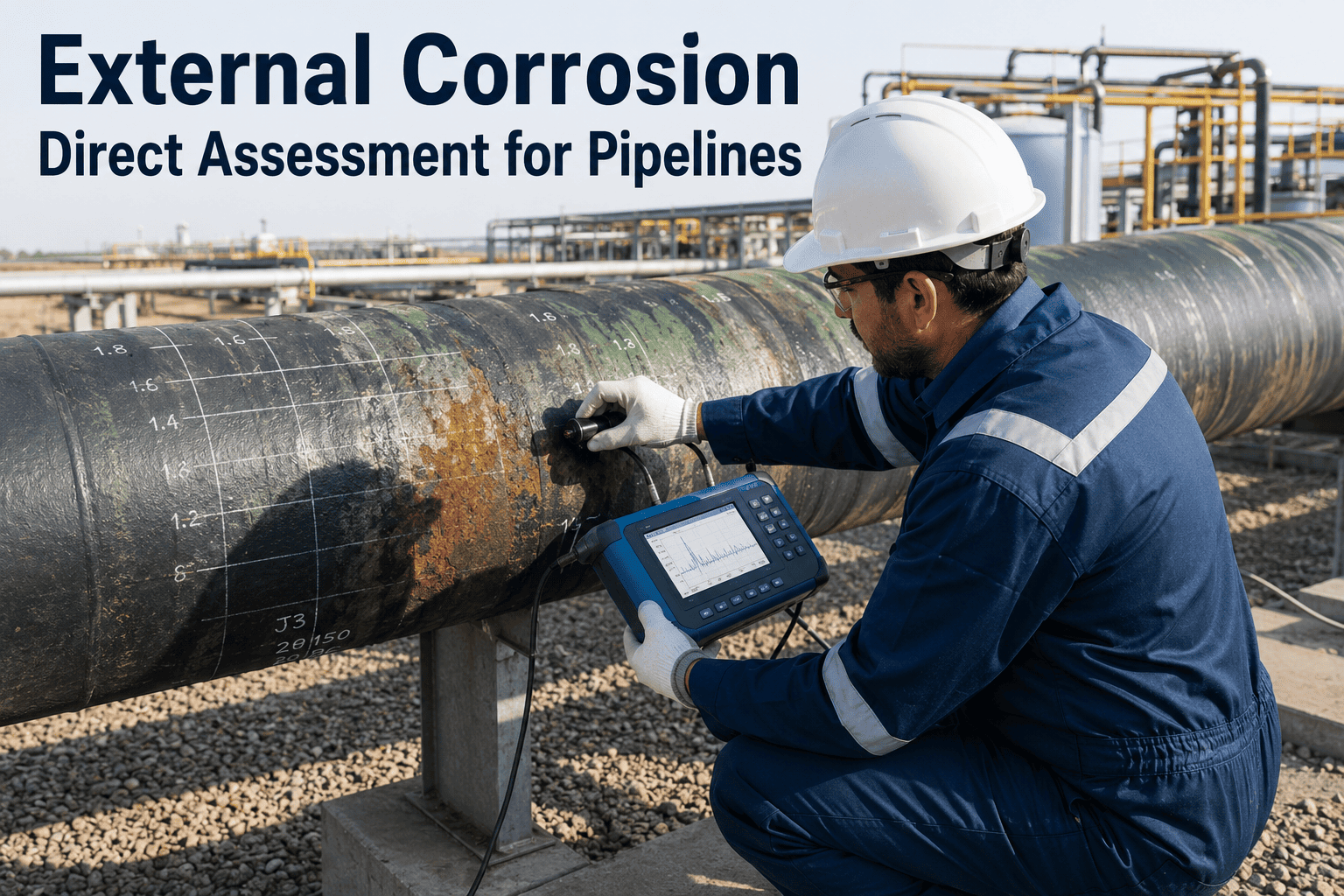
Read More
External Corrosion Direct Assessment (ECDA) is a structured, data-driven methodology for evaluating the integrity of buried pipelines where traditional In-Line Inspection (ILI) tools cannot be deployed. Governed by NACE SP0502, this process integr
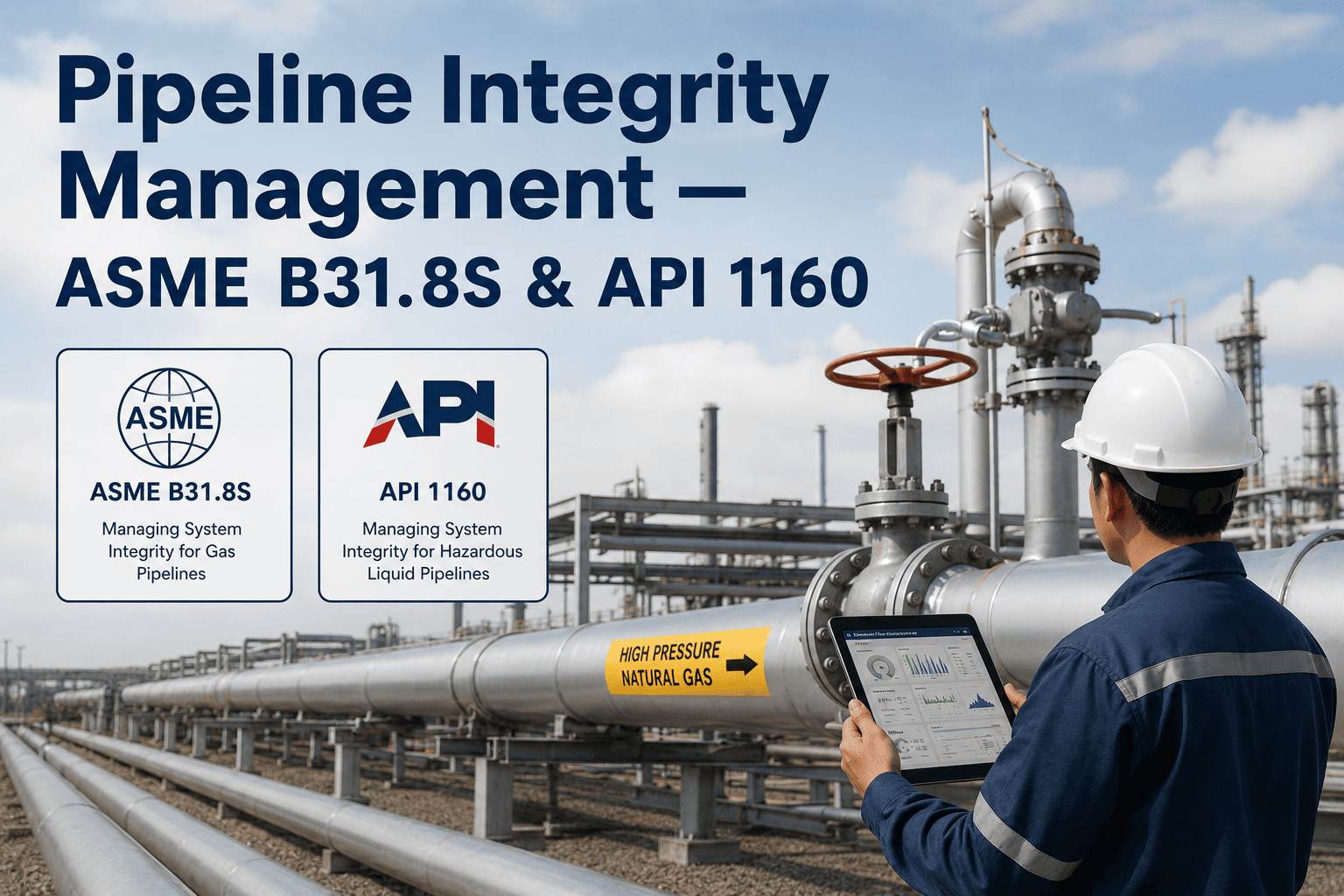
Read More
In the high-stakes world of oil and gas transmission, the integrity of pipeline assets is not merely a regulatory checkbox but the bedrock of operational continuity, environmental stewardship, and public safety. The development of a robust Pipelin
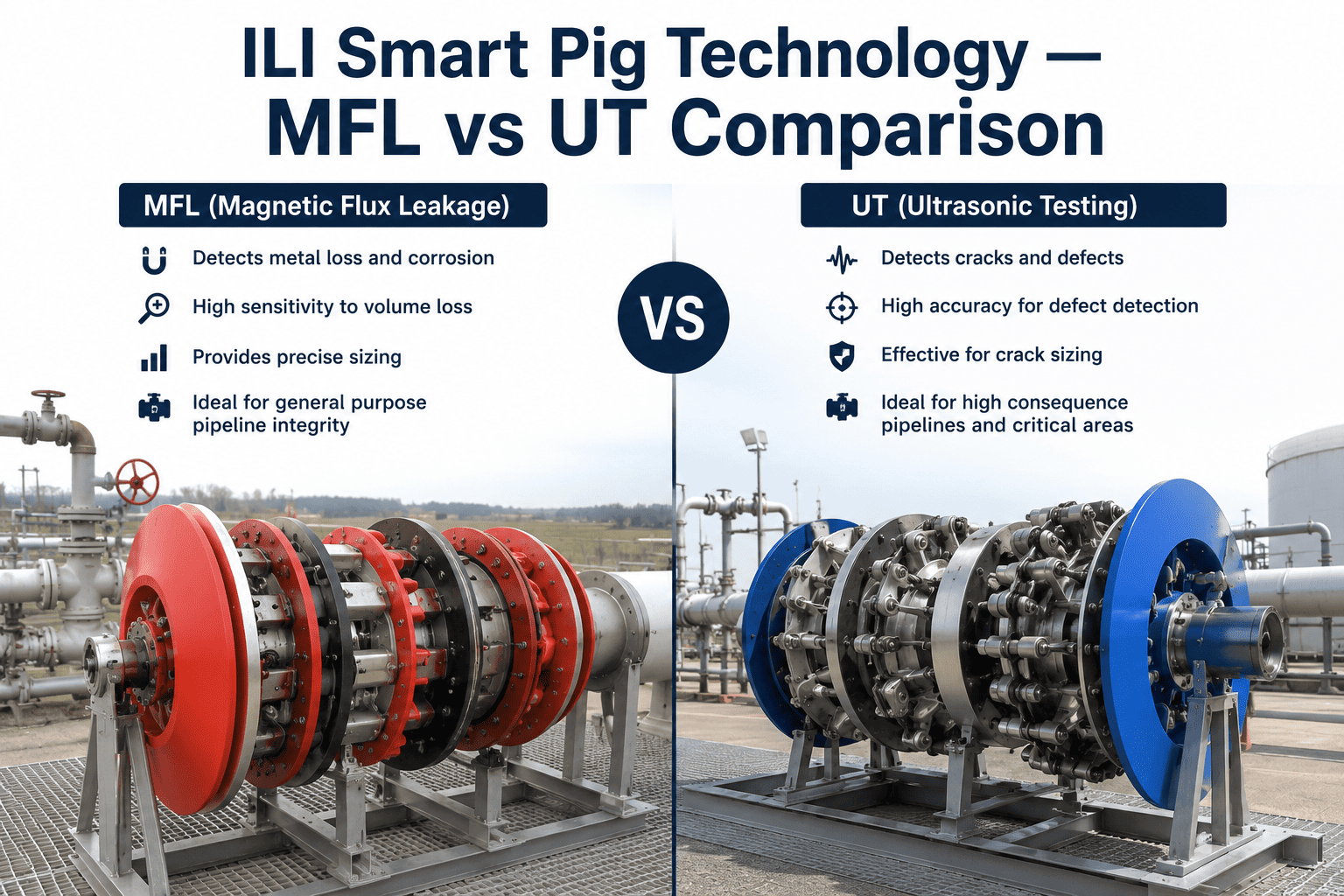
Read More
Inline inspection (ILI) using smart pigs is the cornerstone of modern pipeline integrity management in the oil and gas industry. Selecting the appropriate inspection technology between Magnetic Flux Leakage (MFL) and Ultrasonic Testing (UT) direct

Read More
The oil and gas industry has long grappled with the immense challenges of inspecting towering flare stacks, sprawling offshore platforms, and vast storage tanks. Traditional methods such as rope access, scaffolding, and manned helicopter surveys a

Read More
In the oil and gas industry, remote well monitoring has transitioned from a competitive advantage to an operational necessity. With wellsites often located in harsh, inaccessible environments—from the Permian Basin to the North Sea—operators face

Read More
The oil and gas industry is at a pivotal crossroads, where the relentless demand for operational efficiency meets the pressing need for robust cybersecurity and real-time decision-making. Legacy SCADA systems, once the backbone of remote monitorin
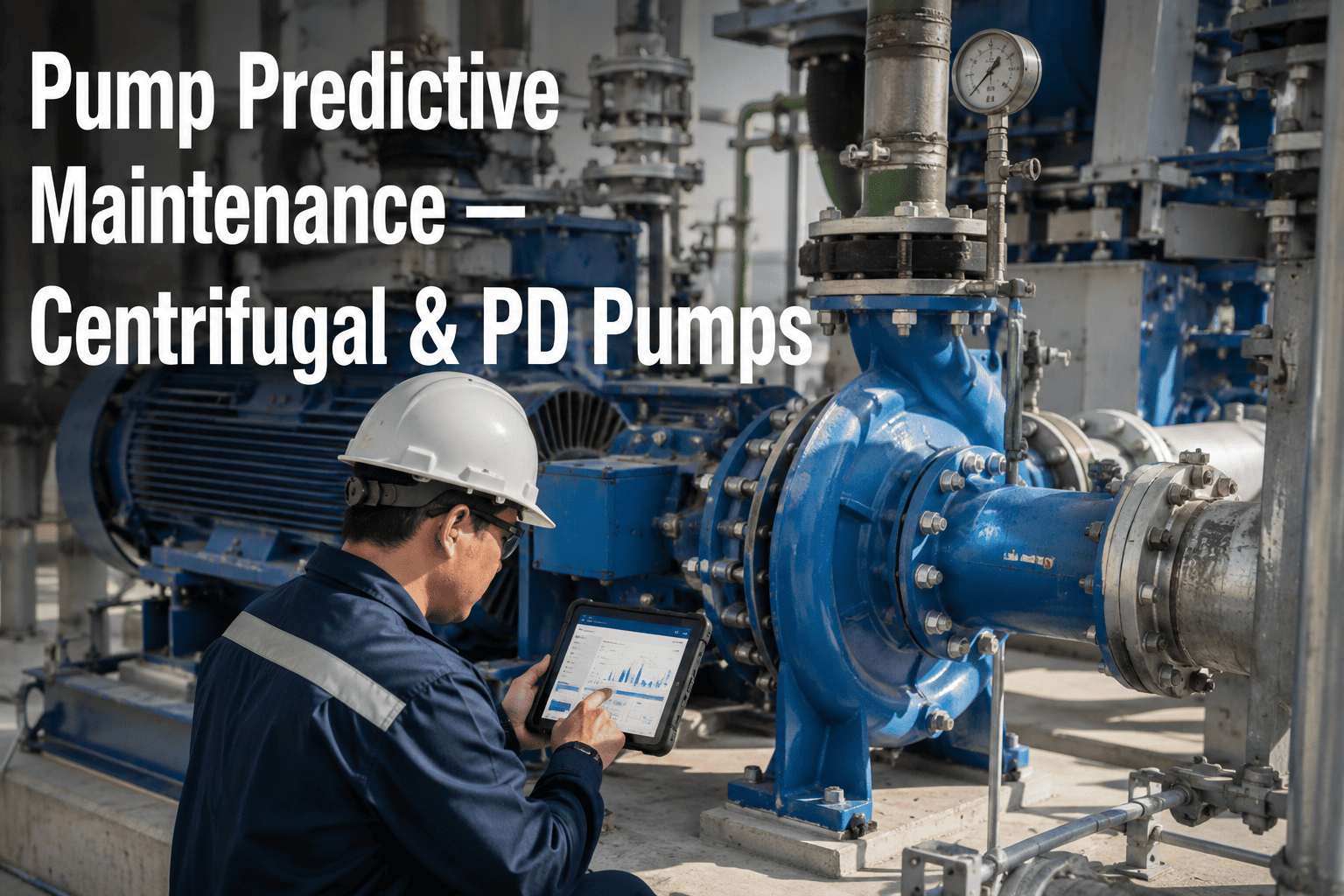
Read More
In the high-stakes environment of oil and gas operations, pump reliability is the backbone of productivity. Whether managing centrifugal pumps in upstream production or positive displacement pumps in midstream pipelines, unplanned failures can cas
Read More
In the high-stakes environment of oil and gas operations, unplanned downtime can cost millions of dollars per hour. Traditional maintenance strategies are no longer sufficient to meet the demands of Industry 4.0. Maintenance data analytics, powere
Read More
Gas turbines are the backbone of modern power generation and industrial propulsion, operating under extreme thermal and mechanical stress. The hot section—combustors, turbine blades, and nozzles—faces temperatures exceeding 1,500°C, while bearings
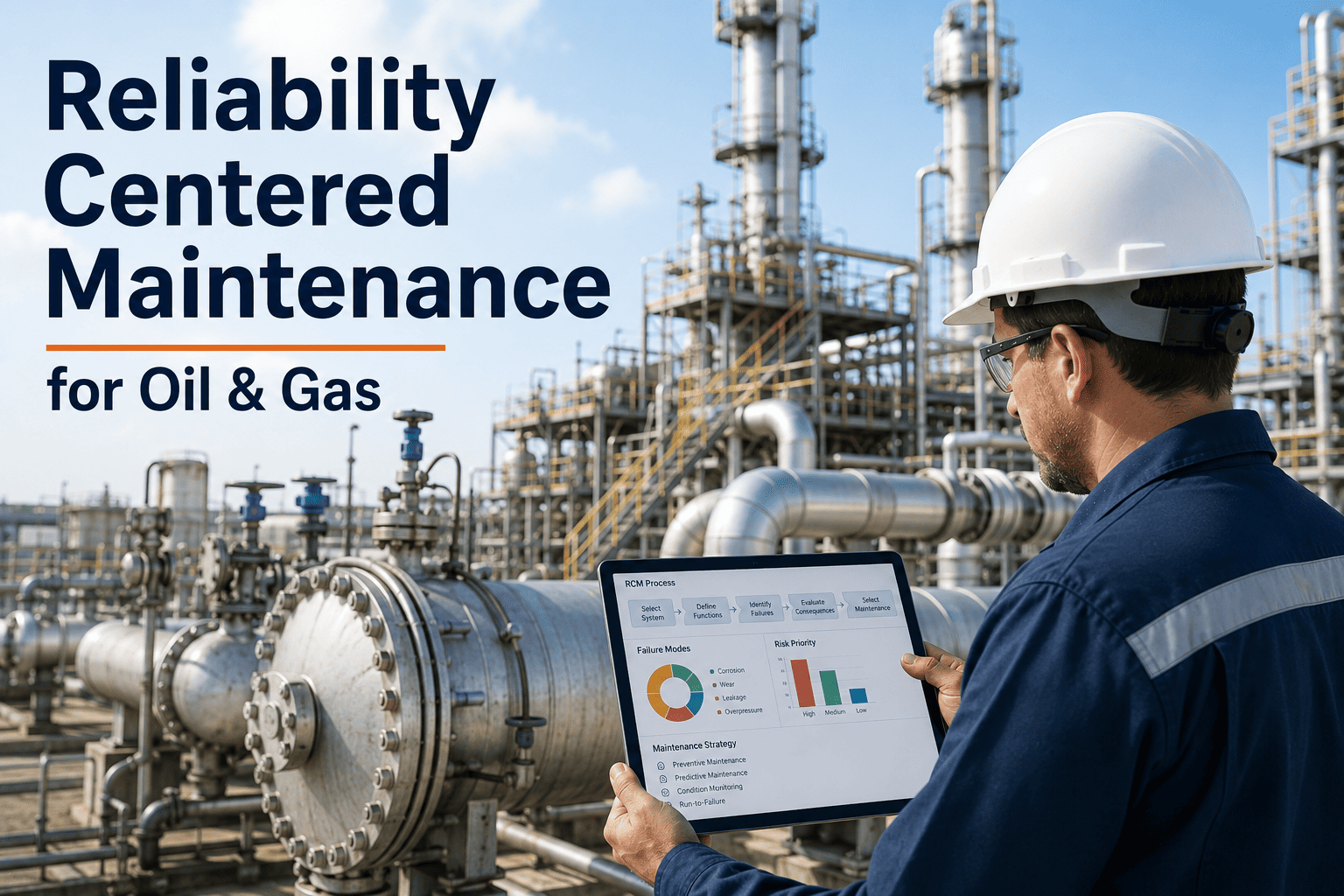
Read More
In the high-stakes environment of oil and gas operations, unplanned downtime can cost upwards of $500,000 per day for a single offshore platform. Reliability Centered Maintenance (RCM) offers a systematic, FMEA-driven framework to identify the mos

Read More
In the oil and gas industry, electric submersible pumps (ESPs) are the backbone of artificial lift operations, responsible for lifting thousands of barrels of fluid per day from deep reservoirs. Yet, despite their critical role, ESP failures remai

Read More
In the high-stakes environment of oil and gas operations, unplanned downtime is not merely a cost—it is a strategic liability. A single pump failure at a midstream facility can cascade into production losses exceeding $500,000 per day, while a com

Read More
Heat exchangers are the silent workhorses of oil & gas, chemical processing, and power generation plants, often operating under extreme thermal and corrosive conditions for years without direct inspection. However, gradual fouling, localized c
Read More
Two-thirds of the oil in a typical reservoir stays trapped underground after primary and secondary recovery run their course, and choosing the wrong enhanced recovery method to chase it can waste years and millions of dollars on a technique the re
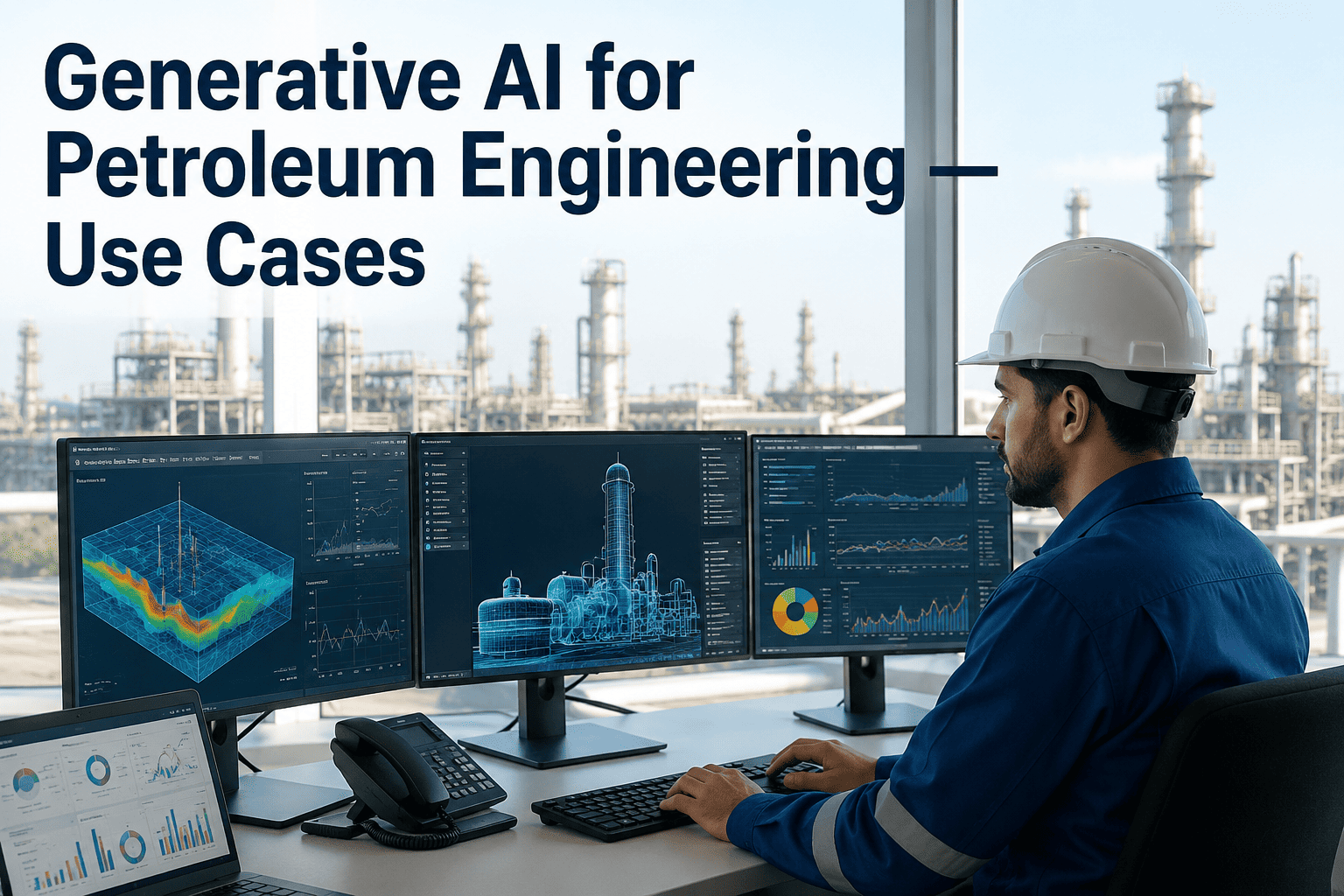
Read More
A reservoir engineer used to spend two full days assembling a single well review report, pulling numbers from four systems and formatting tables by hand. Now she asks a copilot to draft it in minutes and spends the time she saved actually interpre
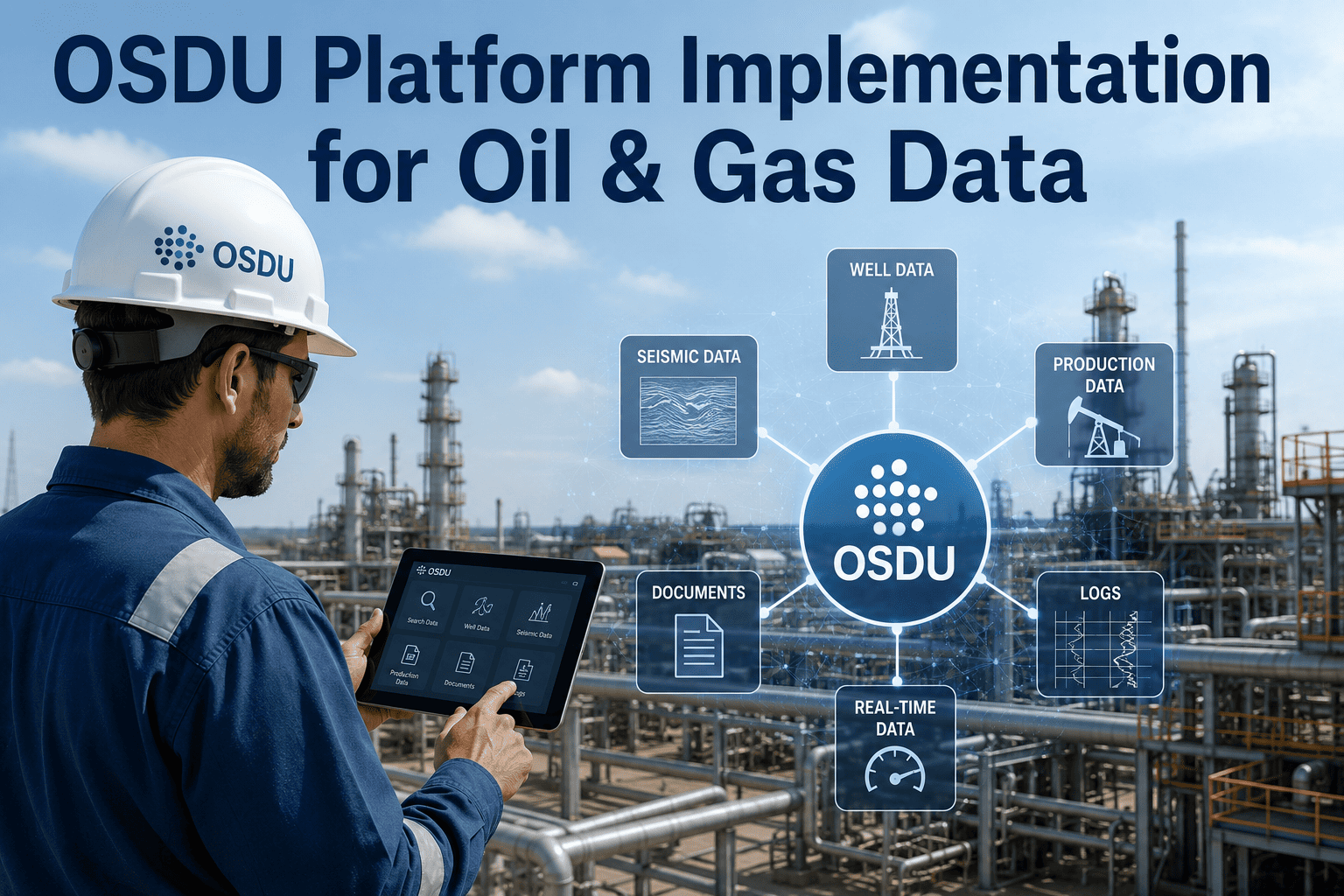
Read More
Somewhere in your organization, a geoscientist is digging through a spreadsheet to find which application holds the seismic survey for a field your team evaluated three years ago. A drilling engineer is emailing three different teams to track down
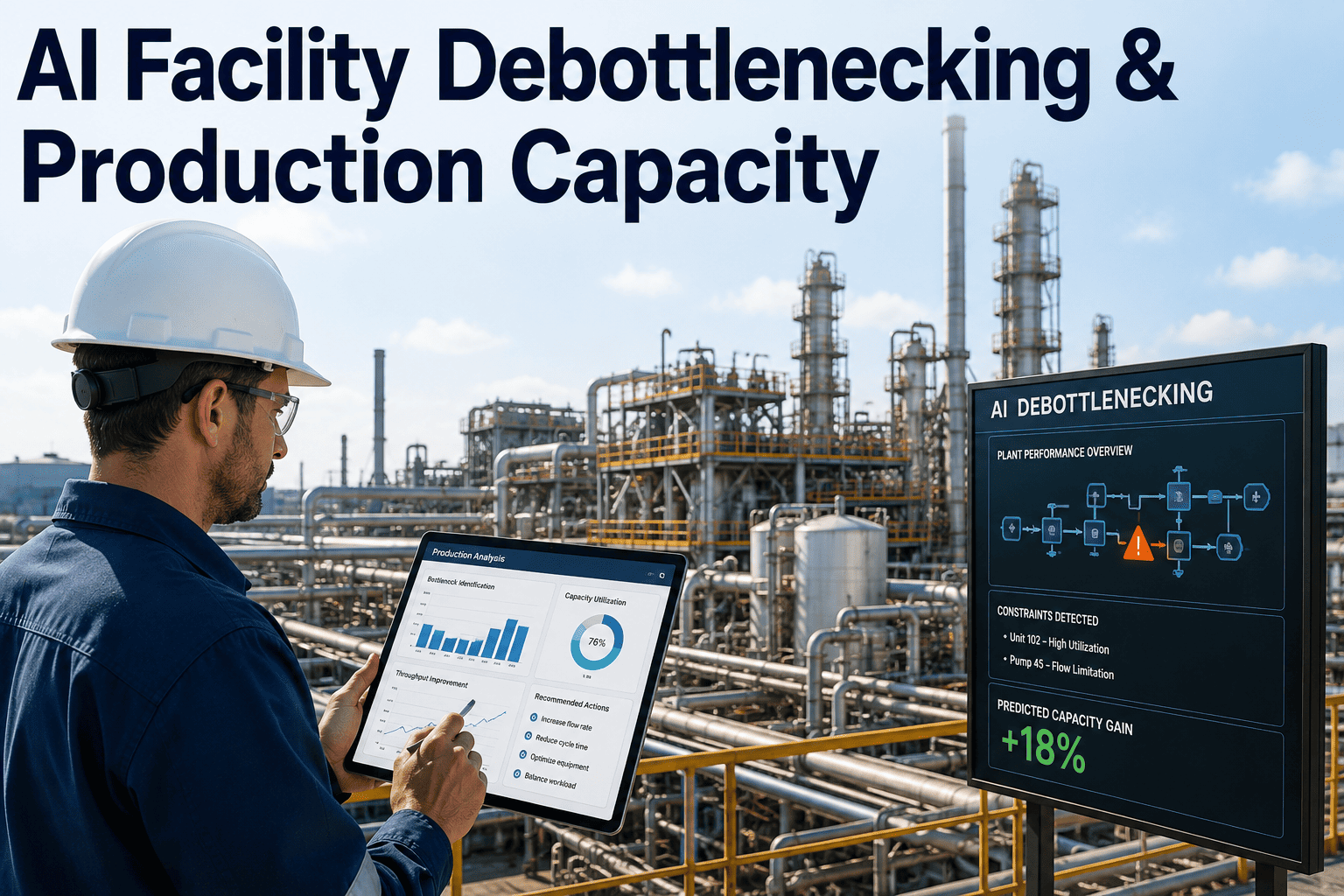
Read More
Most operators find out where their facility is actually constrained the hard way, when a well comes online and the separator can't take the extra liquid, or a compressor trips on high suction pressure during a routine rate increase. The nameplate
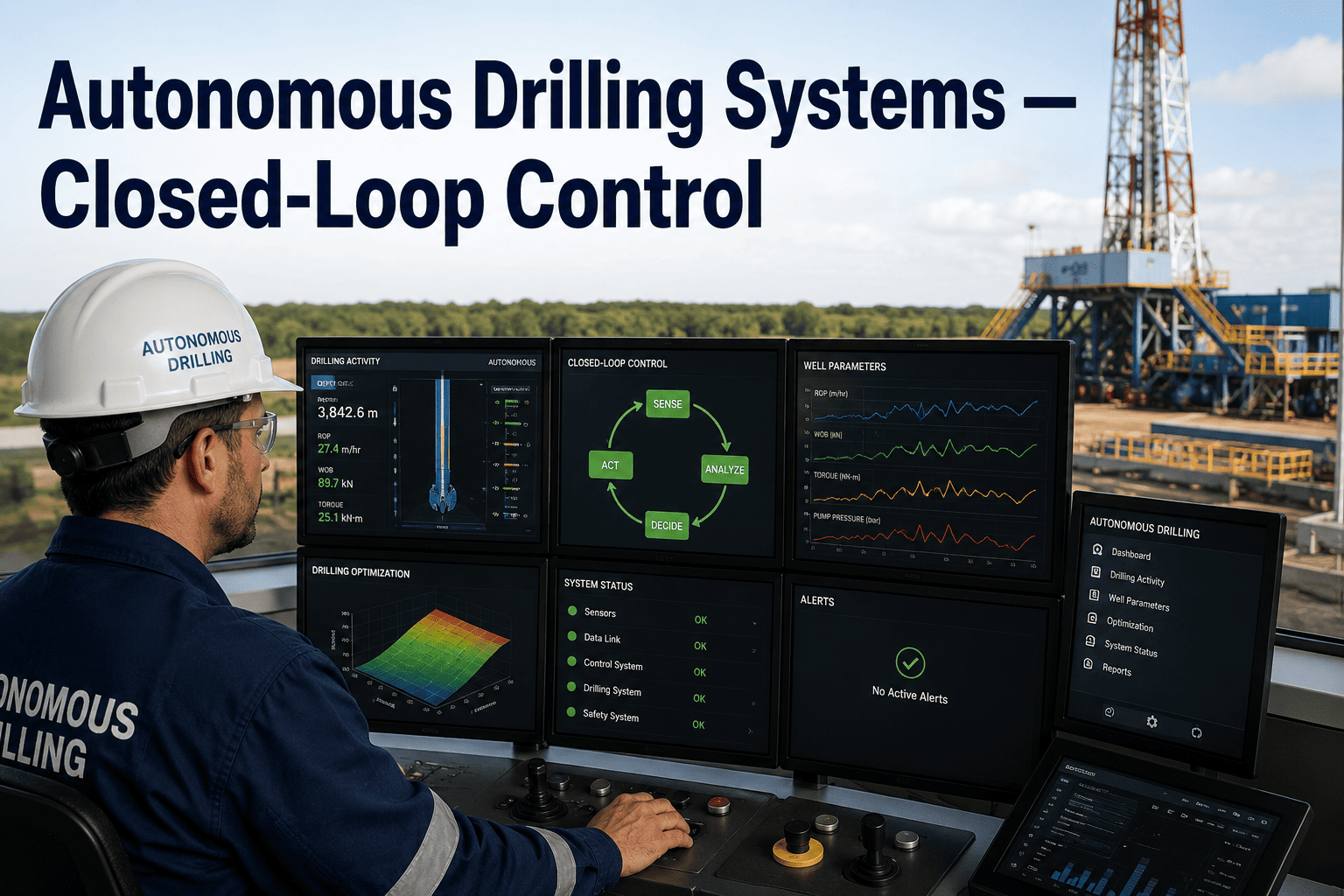
Read More
A directional driller adjusting weight on bit by feel and a screen full of trending curves has been the standard for decades, and it works, but it works at the speed of human reaction time and shift-change memory. Every kick in vibration, every su

Read More
Most operators have more workover candidates than workover budget, which means the real decision every quarter is not whether to intervene but which twelve wells out of the two hundred on the lease actually deserve the rig time. That ranking is us
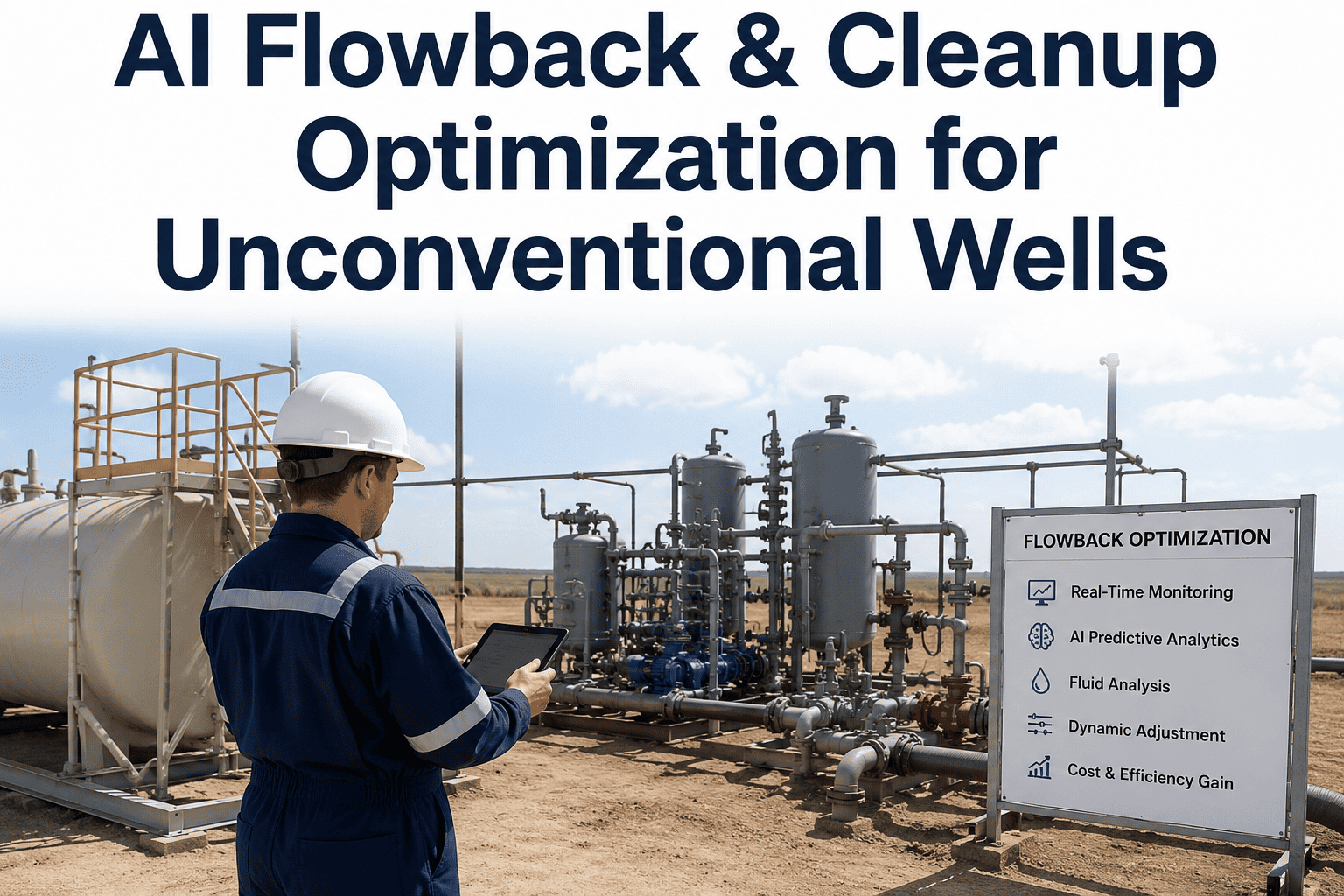
Read More
The first 72 hours after a frac crew leaves location often decide how a well performs for the next ten years, yet flowback is still frequently managed with a printed choke chart and an operator's gut feel about when to open the next bean size. Ram
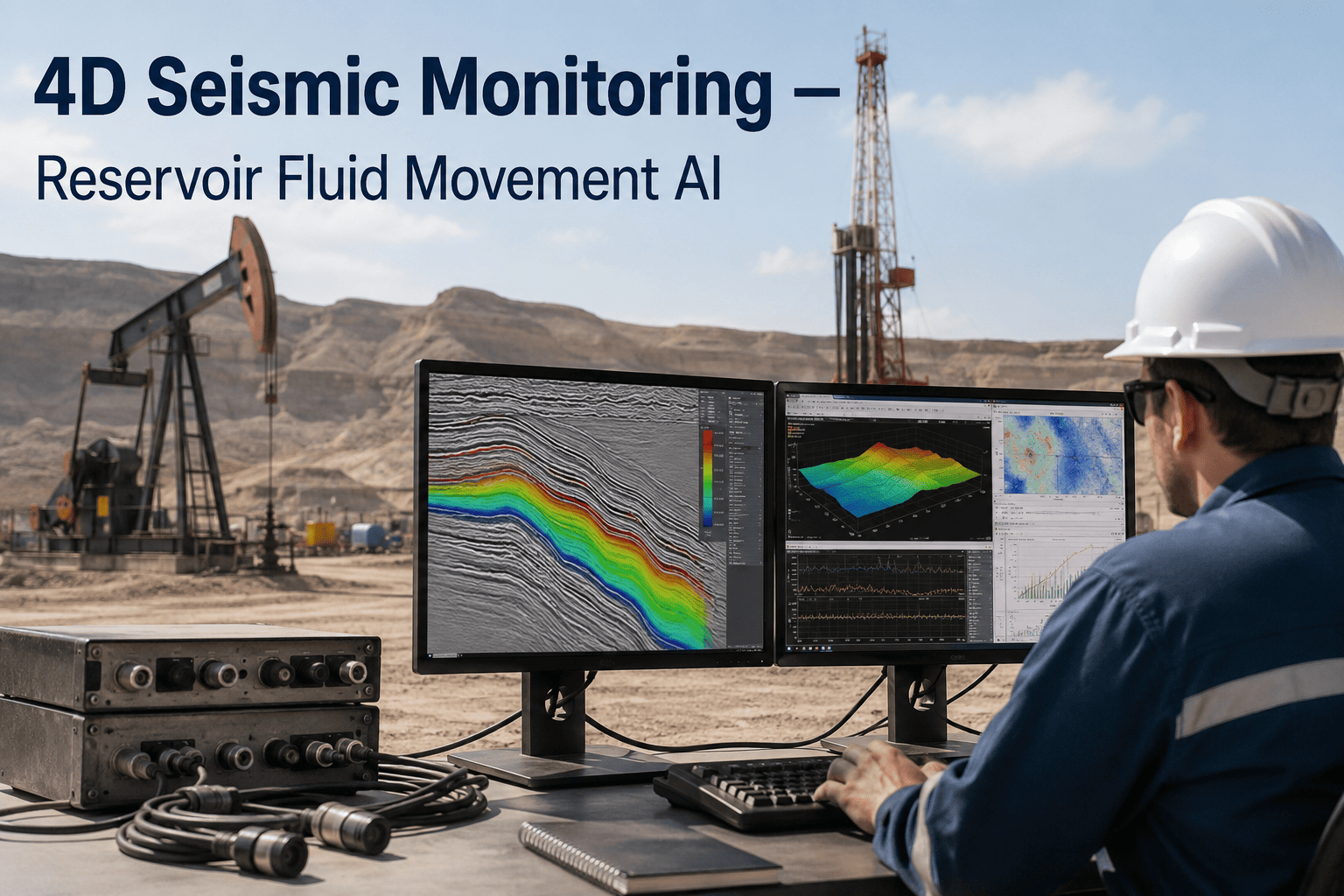
Read More
In the high-stakes environment of oil and gas reservoir management, the ability to observe fluid movements in real-time is no longer a competitive advantage—it is an operational imperative. Traditional 4D seismic monitoring, while revolutionary in

Read More
In the high-stakes environment of oil and gas exploration, the ability to accurately predict rock properties—porosity, permeability, and fluid content—directly from seismic data remains one of the most transformative capabilities available to rese
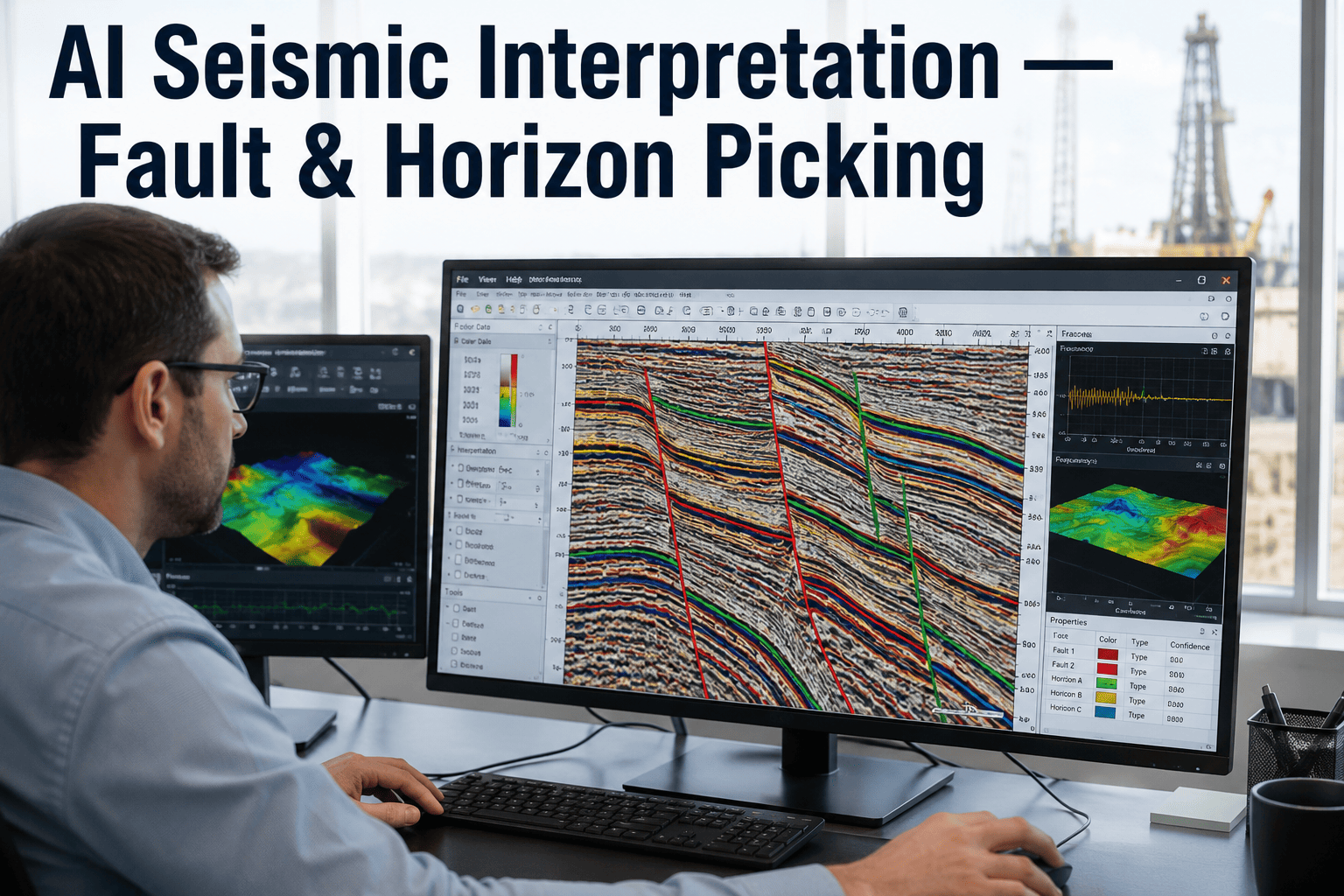
Read More
Seismic interpretation has long been the critical bottleneck in subsurface characterization workflows, with manual fault mapping and horizon picking consuming weeks of expert geoscientist time per survey. Traditional methods rely heavily on interp
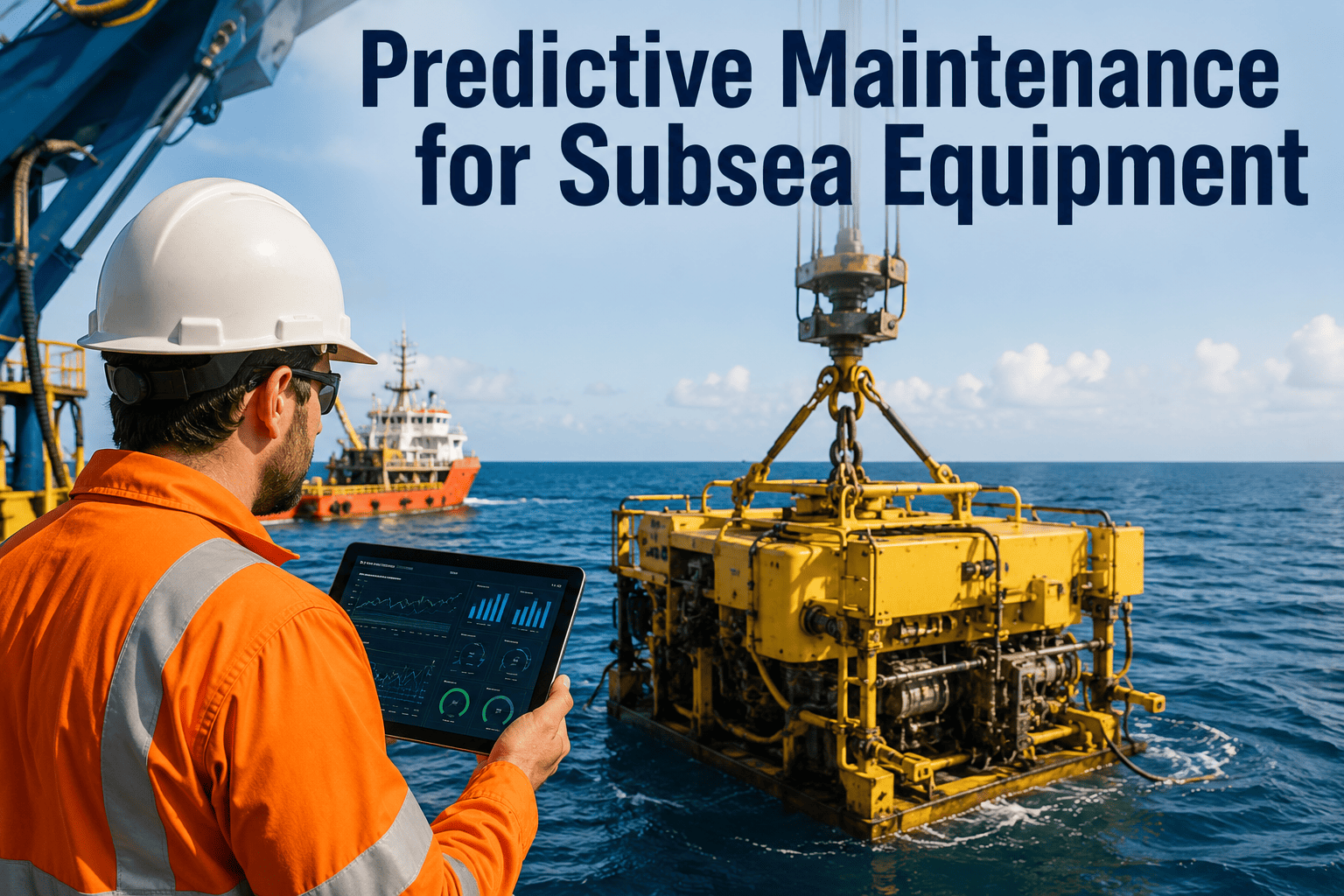
Read More
In the unforgiving depths of deepwater and ultra-deepwater environments, subsea production systems operate under immense pressure, extreme temperatures, and corrosive conditions. Equipment such as subsea trees, blowout preventers (BOPs), umbilical
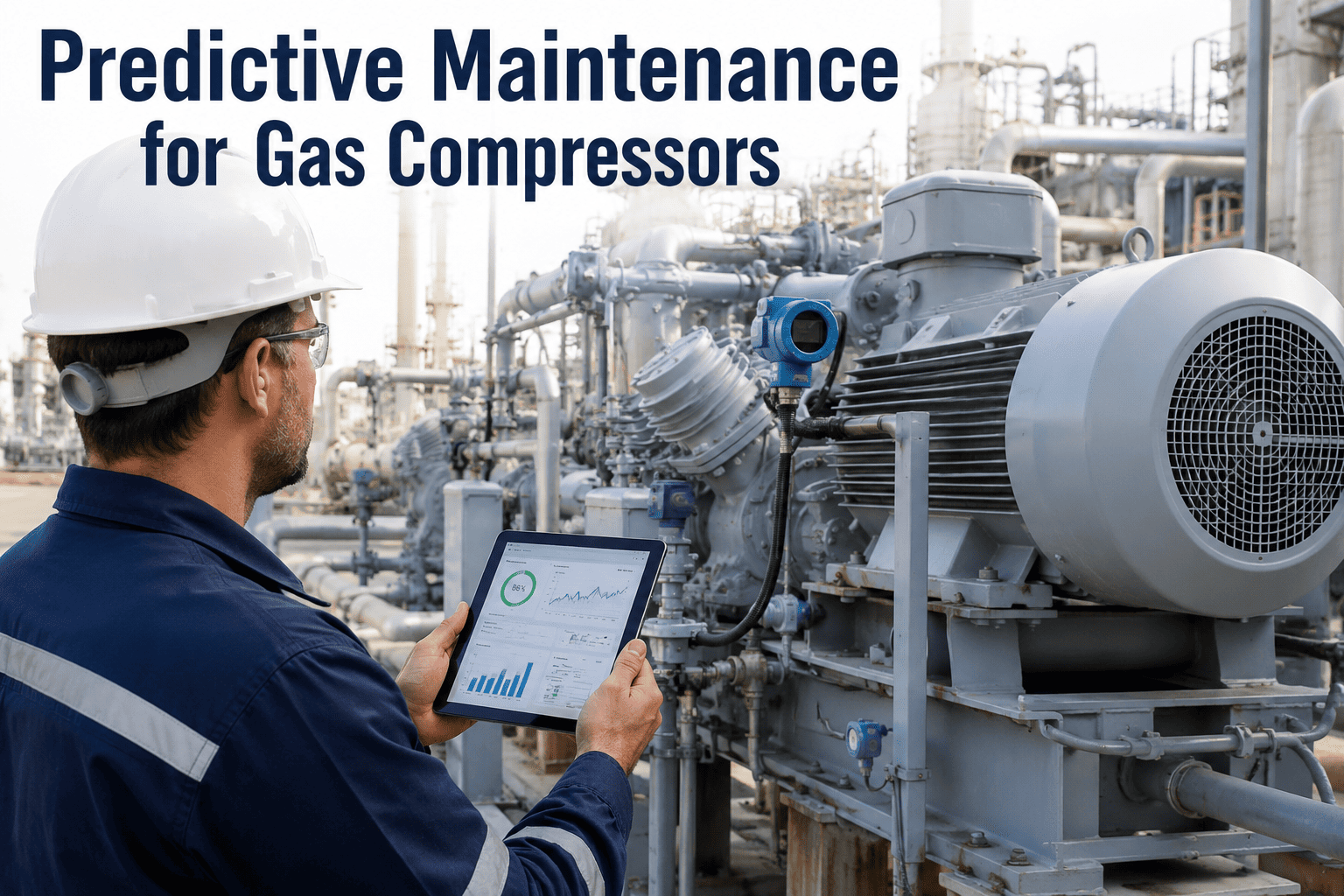
Read More
Gas compressors are the beating heart of midstream and downstream oil & gas operations, responsible for maintaining pipeline pressure, enabling gas lift in upstream wells, and driving process gas flows in refineries and petrochemical plants. A
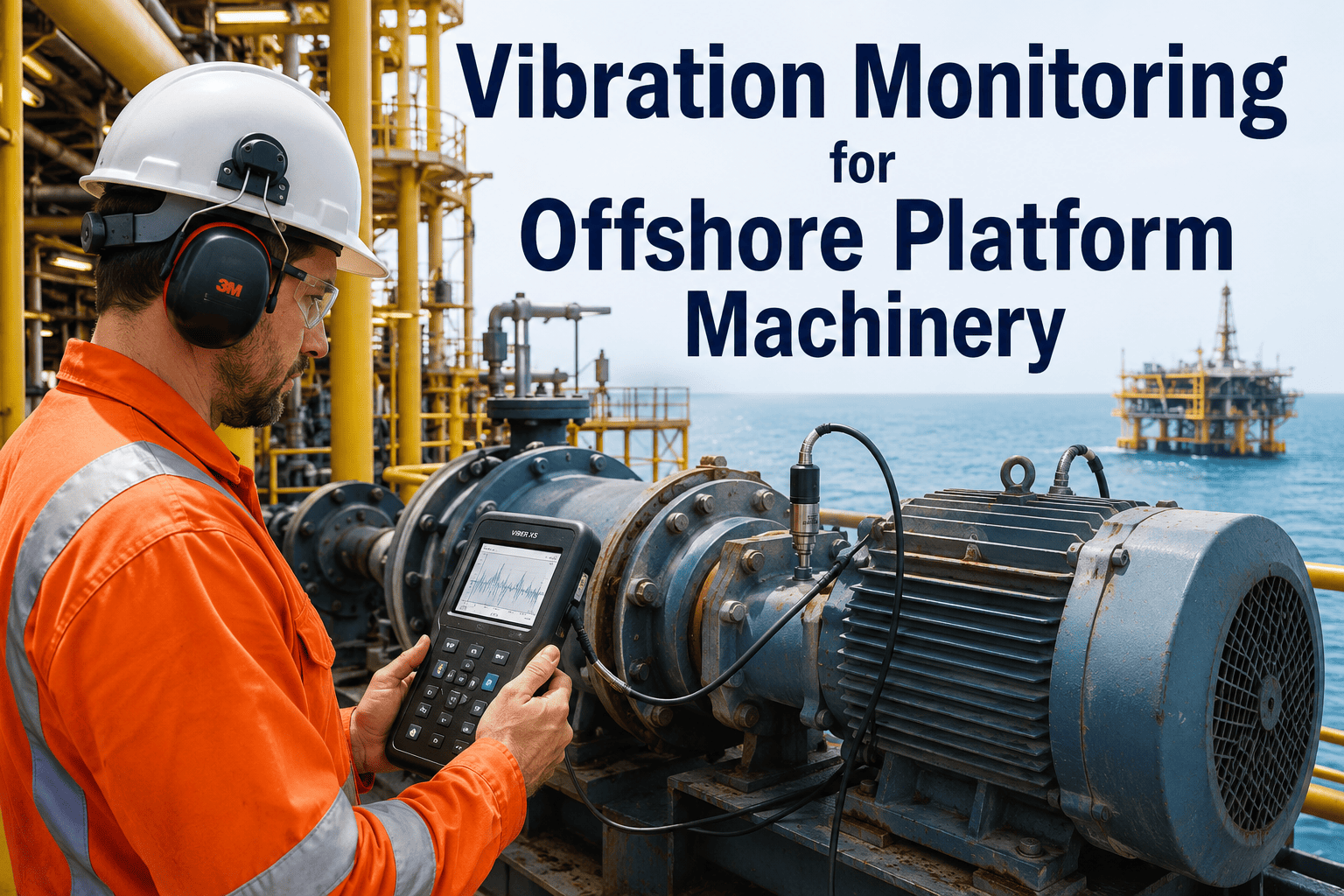
Read More
Offshore oil and gas platforms operate under extreme conditions—saltwater corrosion, dynamic loading from waves, and limited physical access for maintenance. Rotating machinery such as compressors, pumps, and turbines are the lifeblood of producti

Read More
The oil and gas industry operates under extreme conditions where rotating equipment—compressors, pumps, turbines, and generators—represents the mechanical backbone of upstream, midstream, and downstream operations. Unplanned failures in these crit
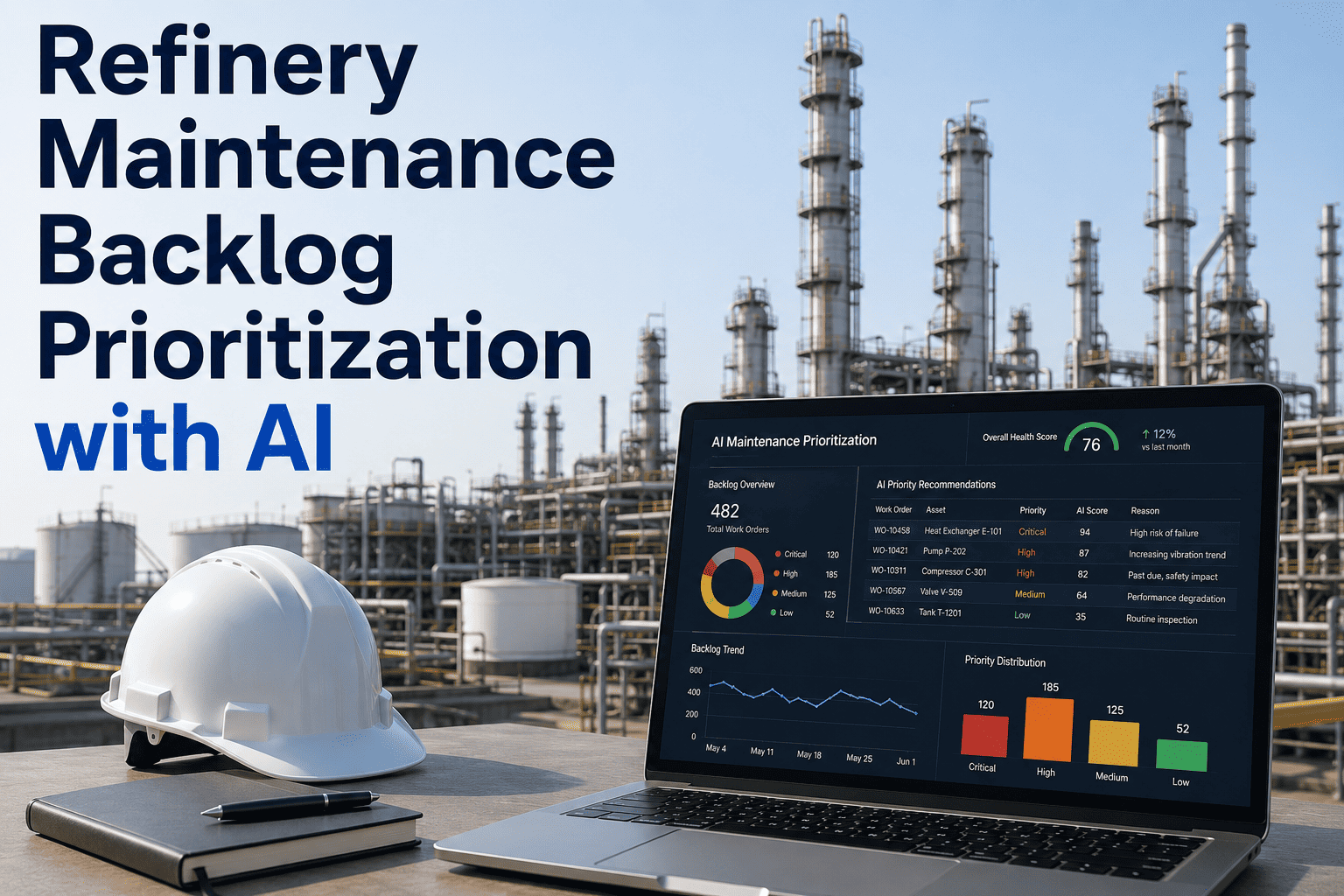
Read More
A refinery turnaround team can carry four thousand to eight thousand open work orders at any given time, and only a fraction of them close before the next planned outage. Some of those orders are cosmetic. Others are one missed inspection away fro

Read More
Every major process safety incident investigation ends up finding the same thing: a barrier that had been quietly degrading for weeks, sometimes months, before it was finally called on to work and did not. The safety instrumented valve that had no
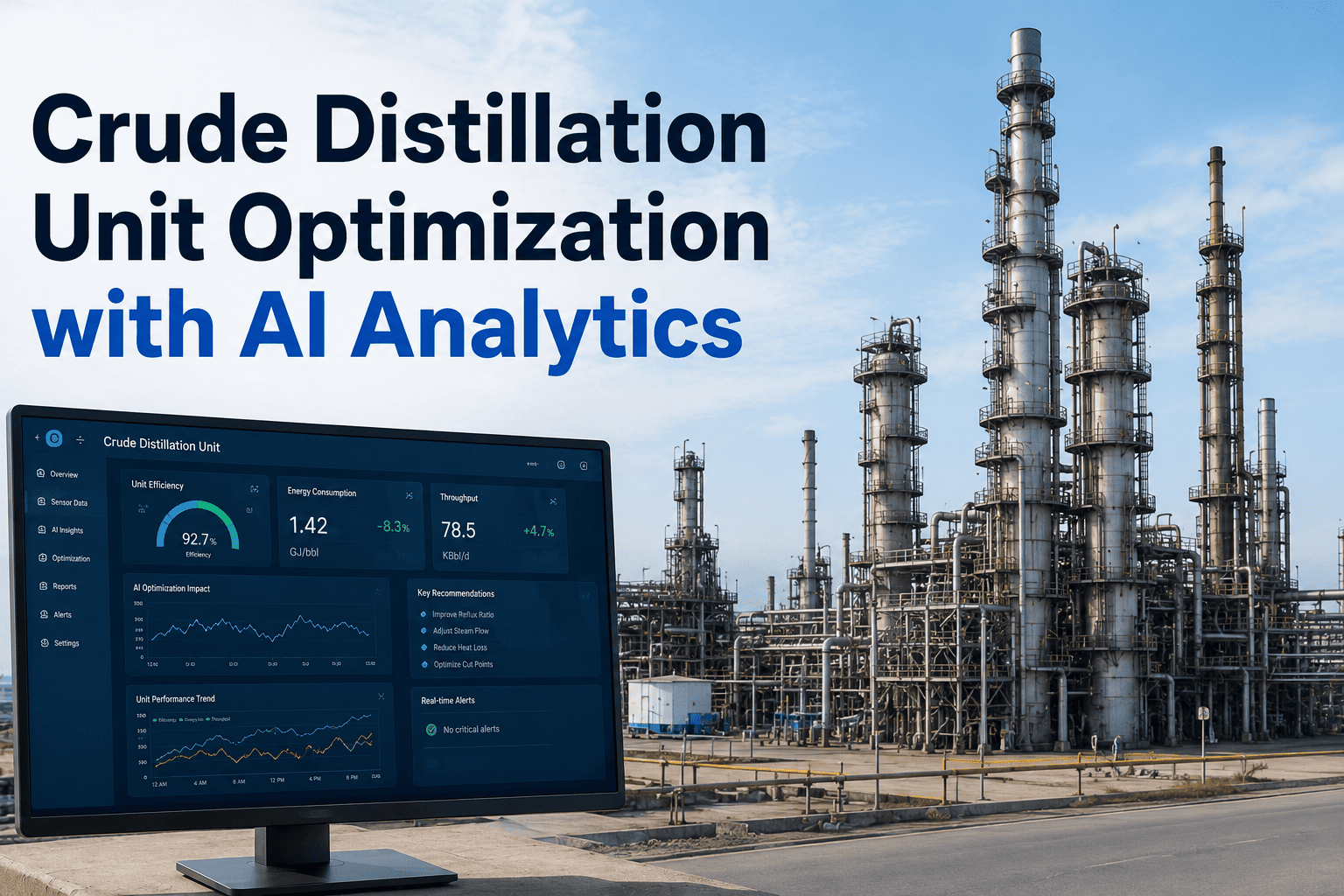
Read More
Every crude assay that hits the lab already tells you something the planning model will not update until tomorrow's run: the cut points you are holding right now are probably wrong for the crude actually flowing through the column. Not wildly wron
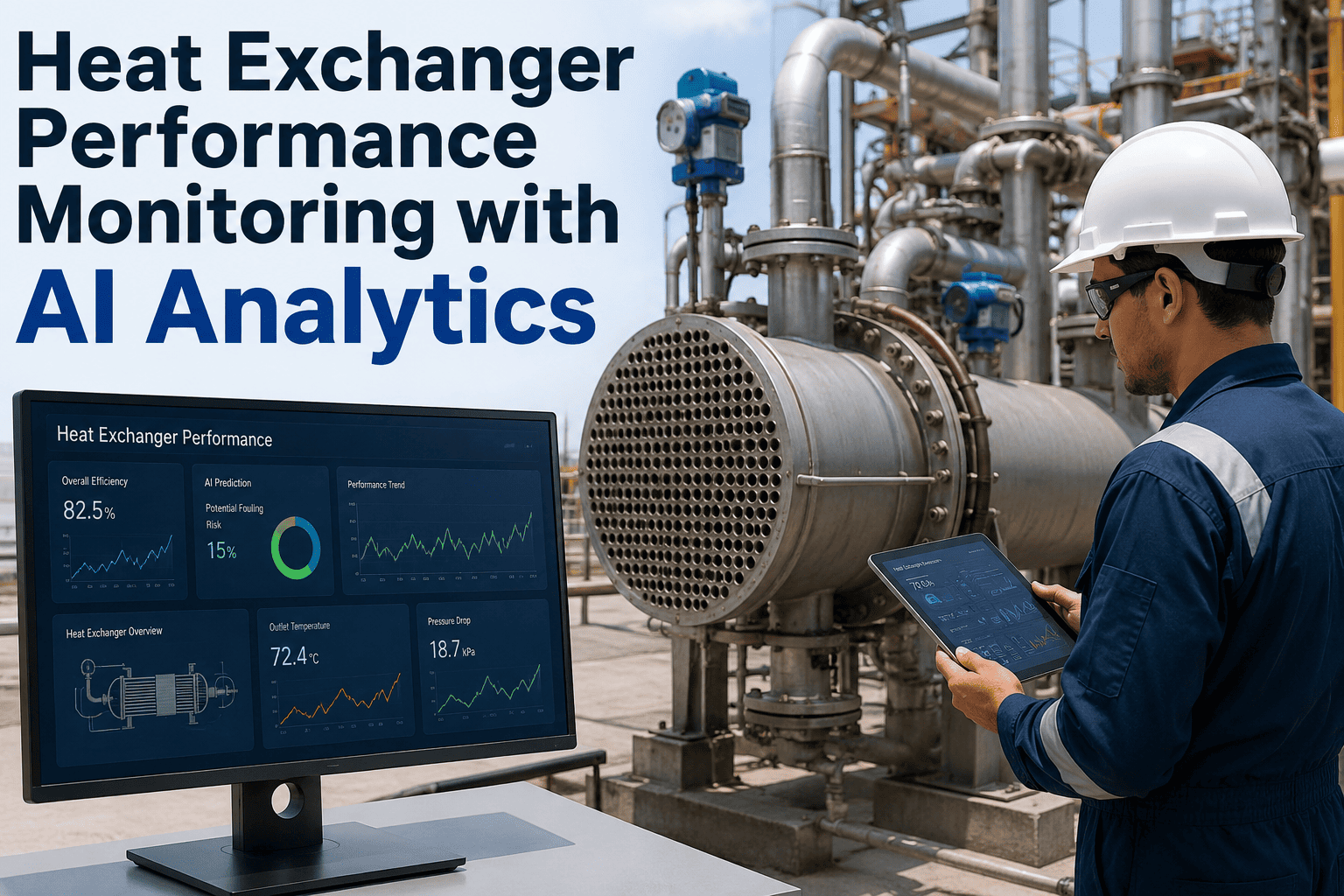
Read More
The outlet temperature on E-104 has been sliding for six weeks, half a degree at a time, and nobody has flagged it because half a degree does not trip an alarm. By week eight it is four degrees off baseline, the furnace is burning extra fuel to co
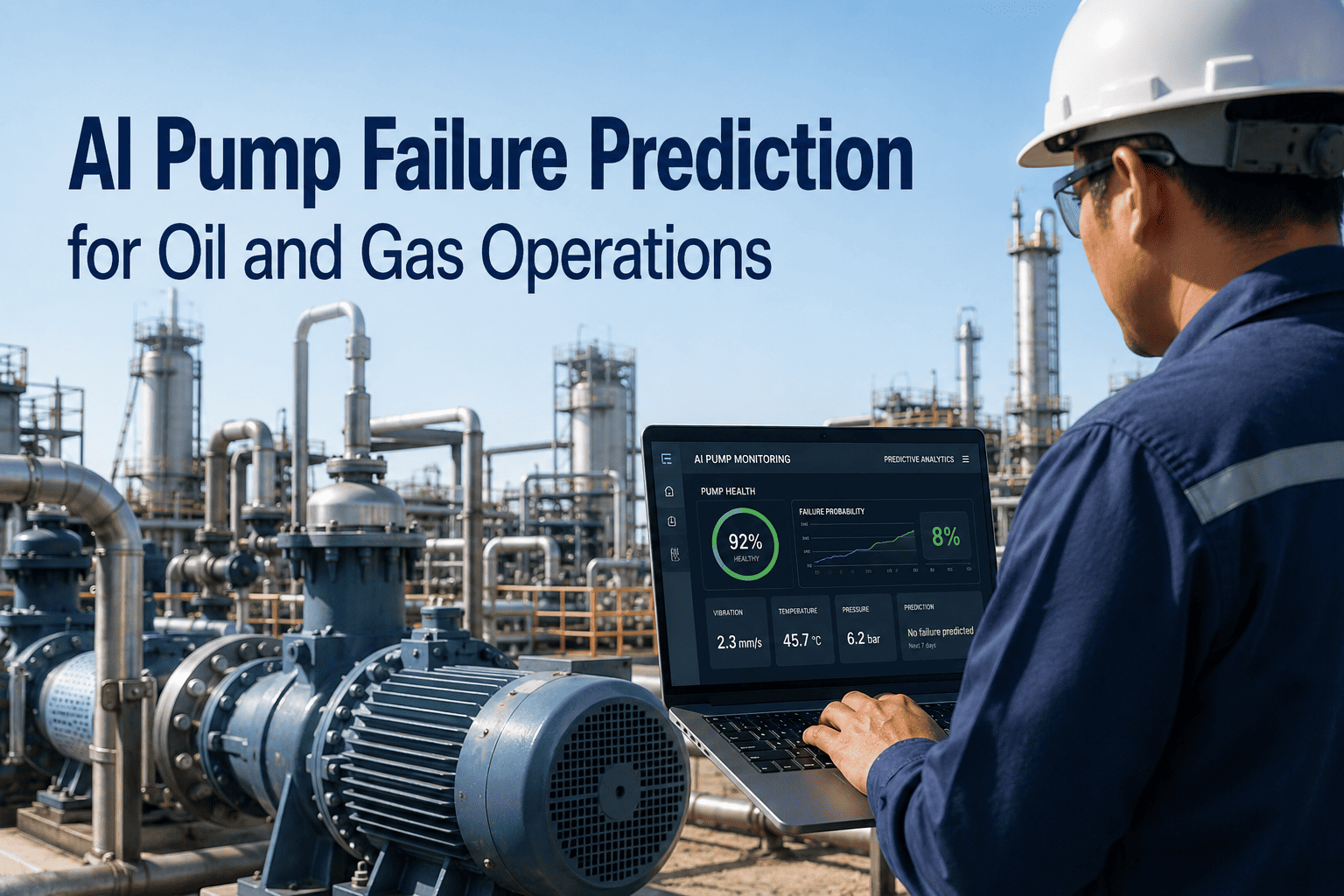
Read More
A centrifugal pump almost never fails without warning, it just doesn't warn anyone who happens to be watching. Bearing wear shows up in a vibration signature weeks before a hot bearing seizes. A weakening mechanical seal shows up in leak rate and
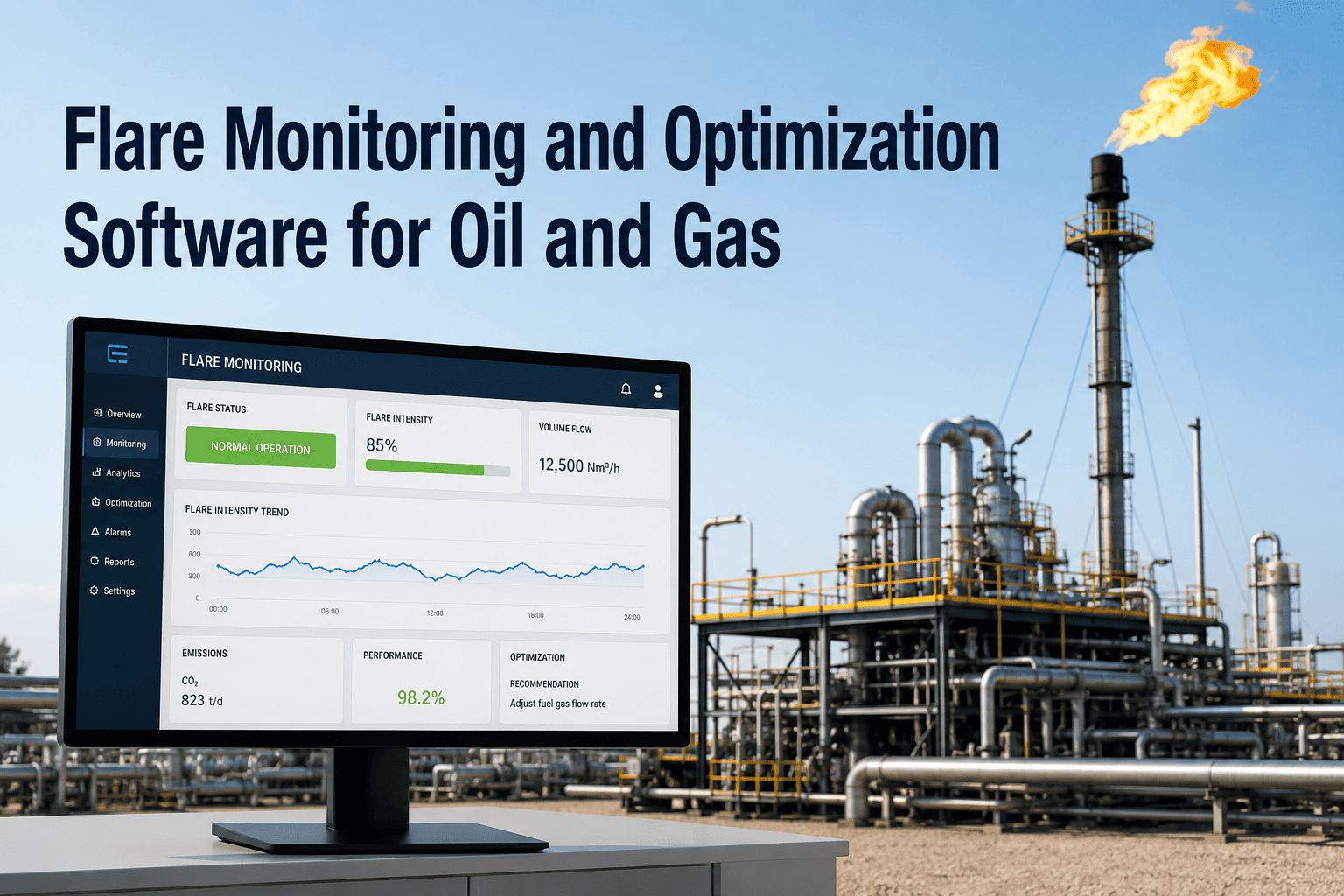
Read More
At 2 a.m., a flare tip forty feet in the air can shift from a clean, nearly invisible burn to a rolling column of black smoke, and there is rarely anyone standing underneath to see it happen. Most refineries and upstream facilities still rely on a
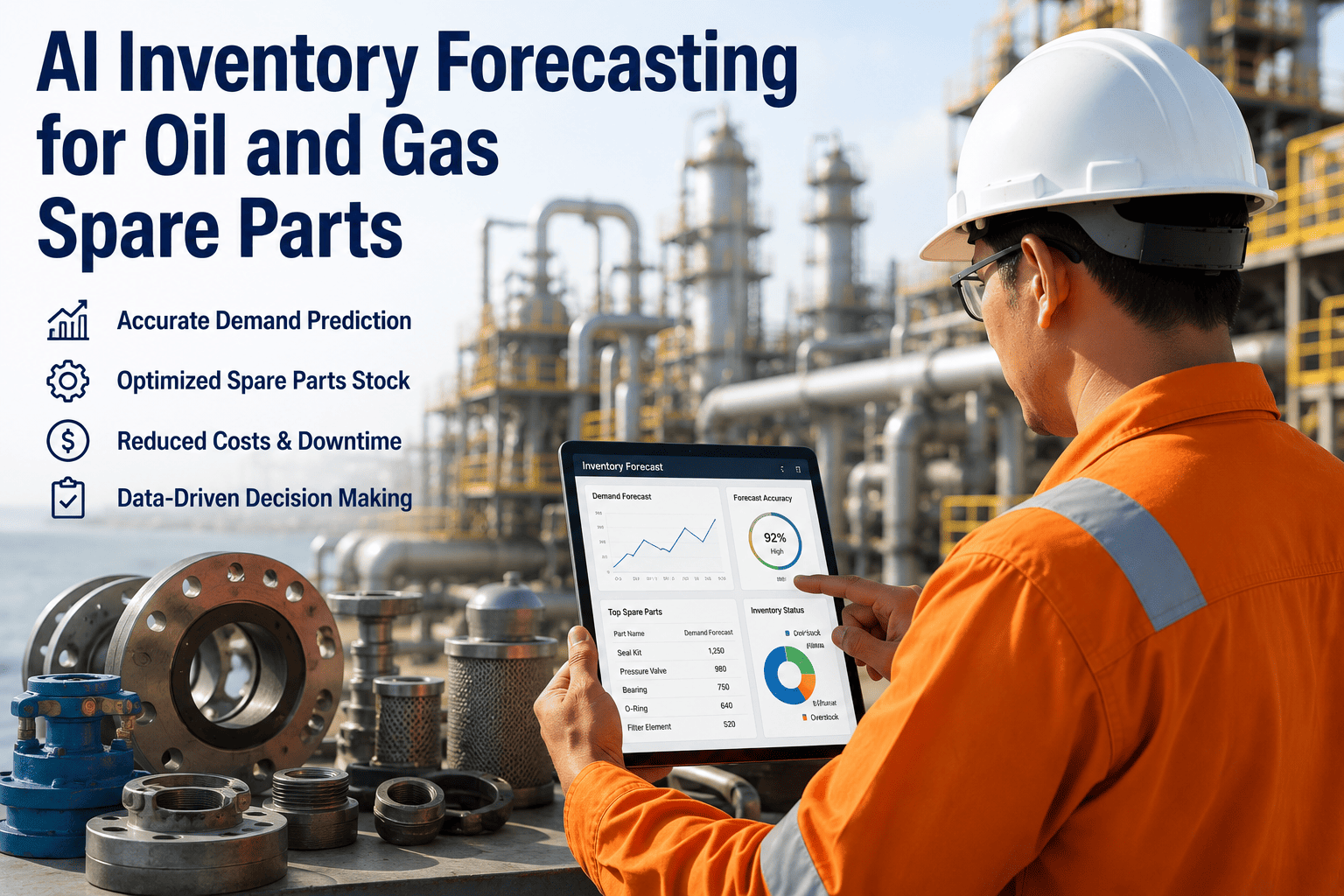
Read More
A conveyor bearing that costs less than fifty dollars can sit out of stock for over a week while the production line it feeds sits idle, because nobody connected the maintenance history that predicted the failure to the storeroom shelf that was su
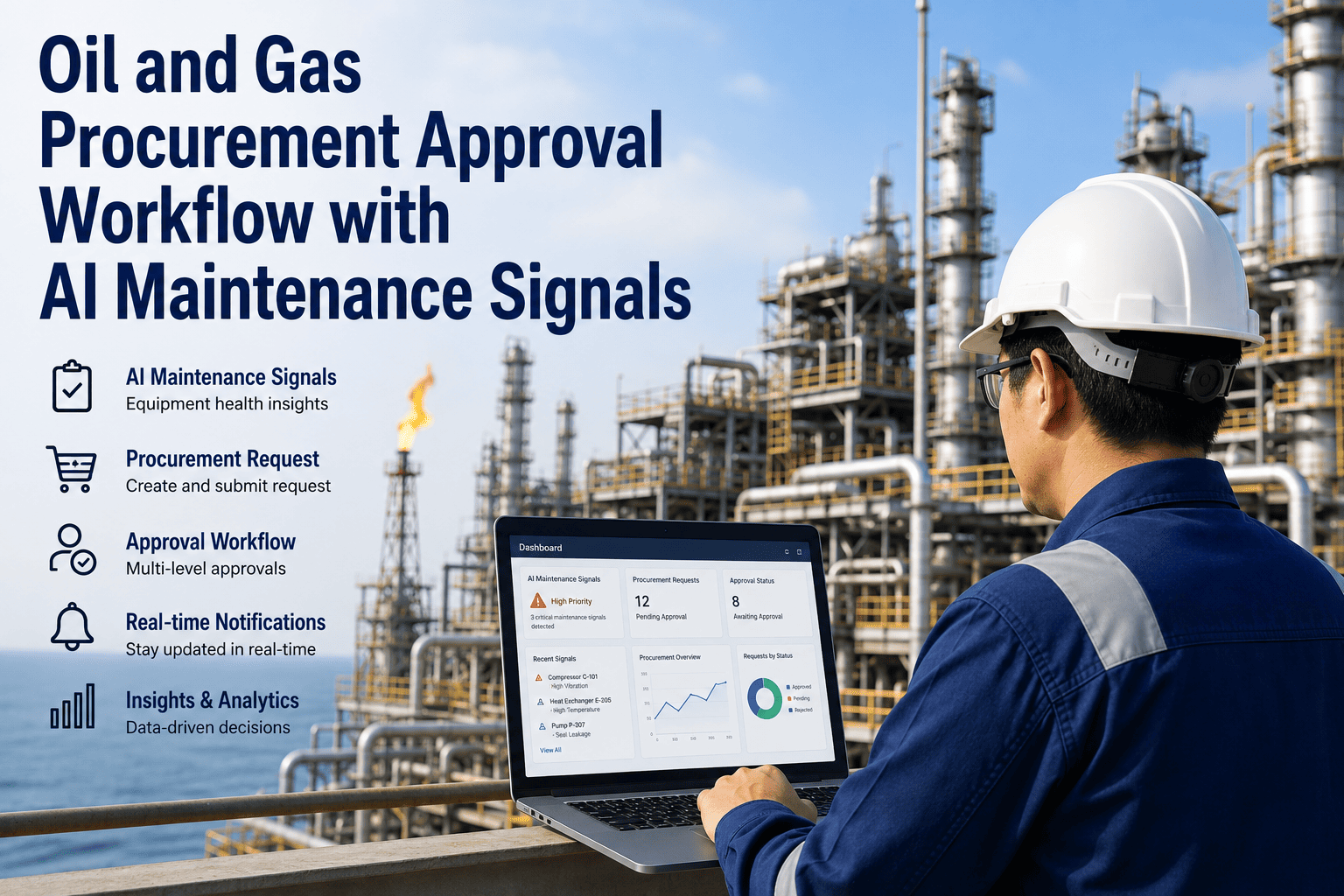
Read More
A pump seal starts drifting past its vibration threshold on a Thursday afternoon somewhere on the unit, and the maintenance team already knows a stockout is three weeks away. Procurement doesn't know that yet, because the purchase requisition that
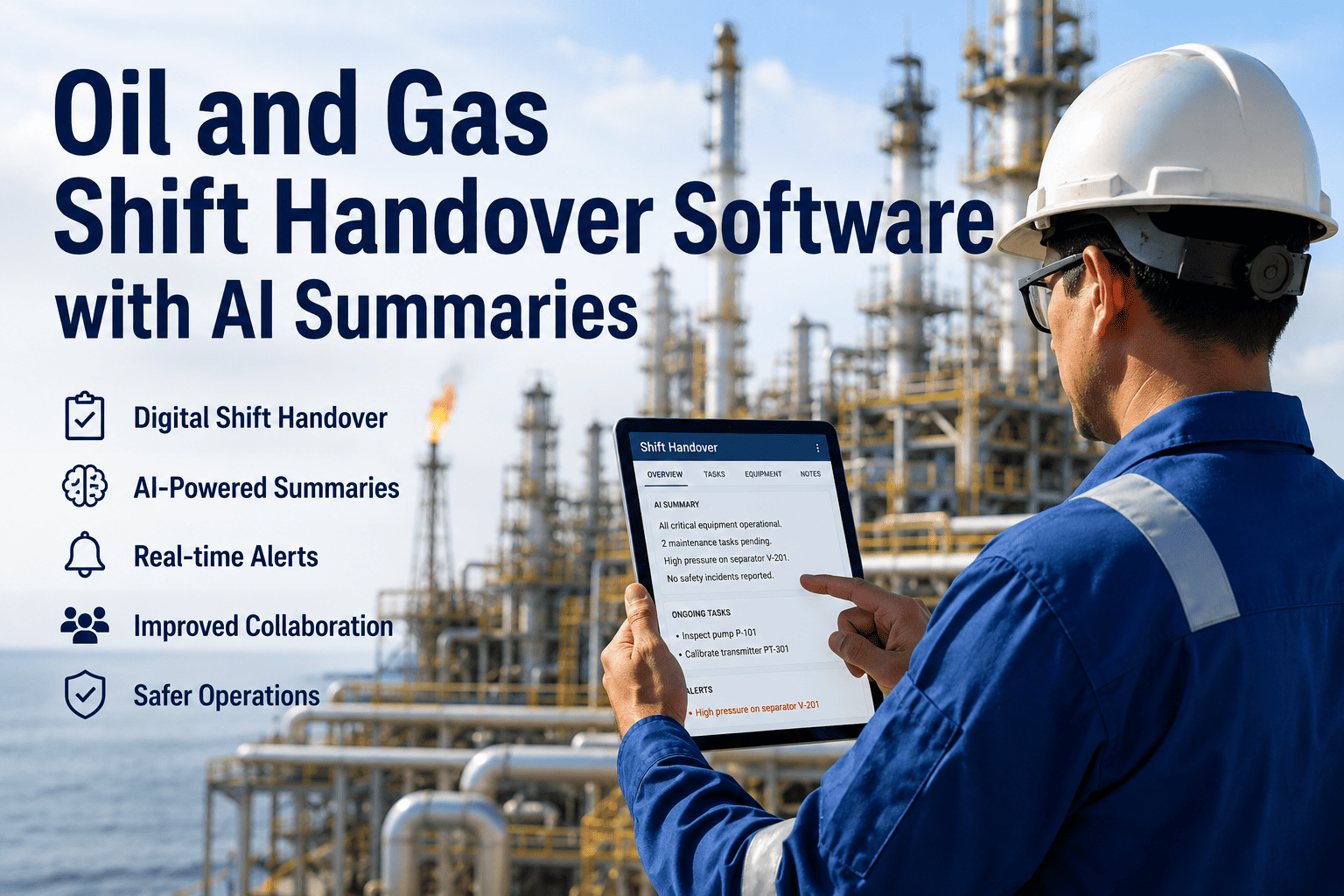
Read More
A control room supervisor who has sat through a rushed shift change already knows how thin the line is between a routine handover and a missed catastrophe: the outgoing operator has a matter of minutes to compress twelve hours of alarms, permits,
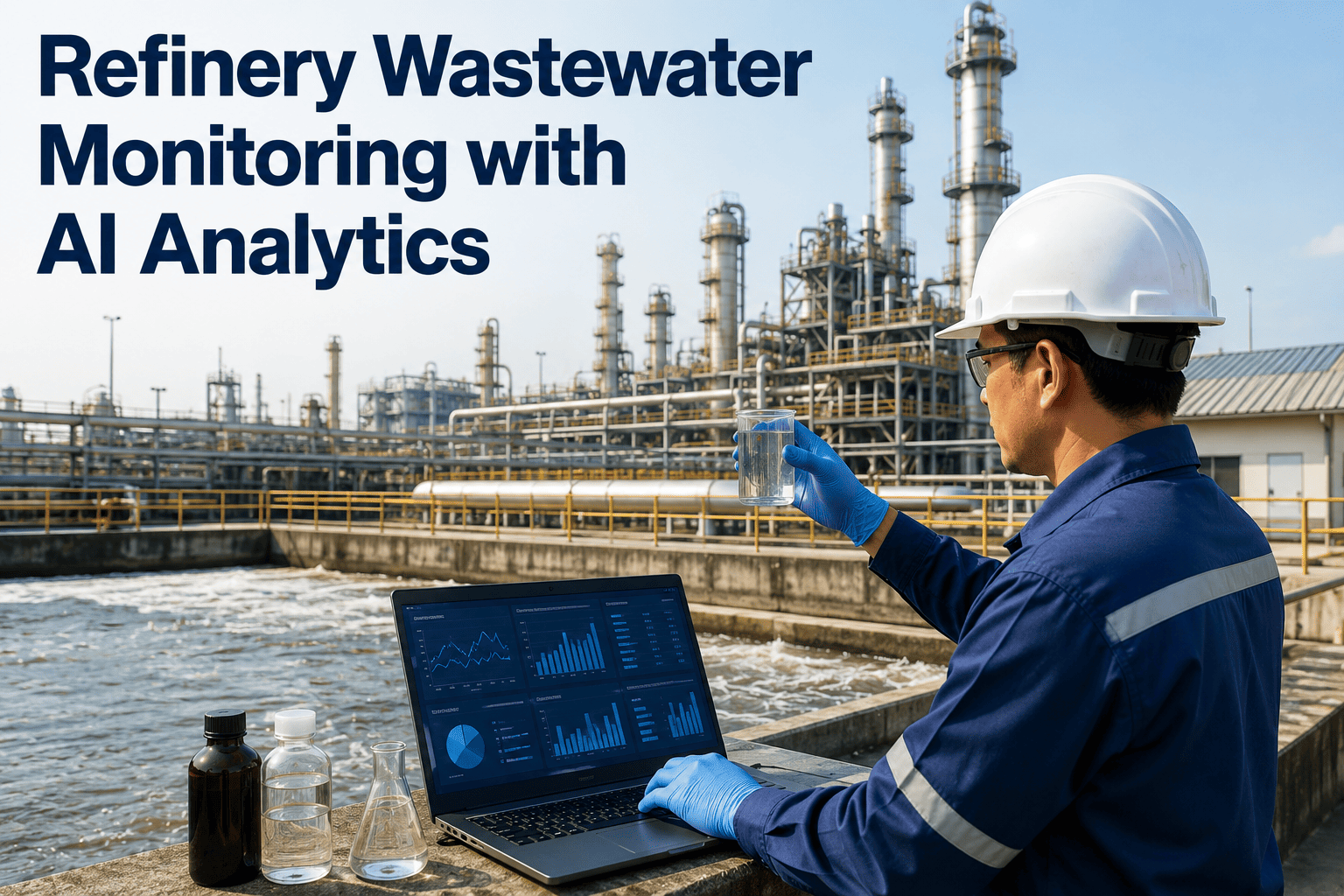
Read More
An environmental engineer running a refinery's wastewater treatment plant already knows the uncomfortable math behind a missed exceedance: a grab sample collected once a day tells you almost nothing about the eighteen hours before it was taken, an
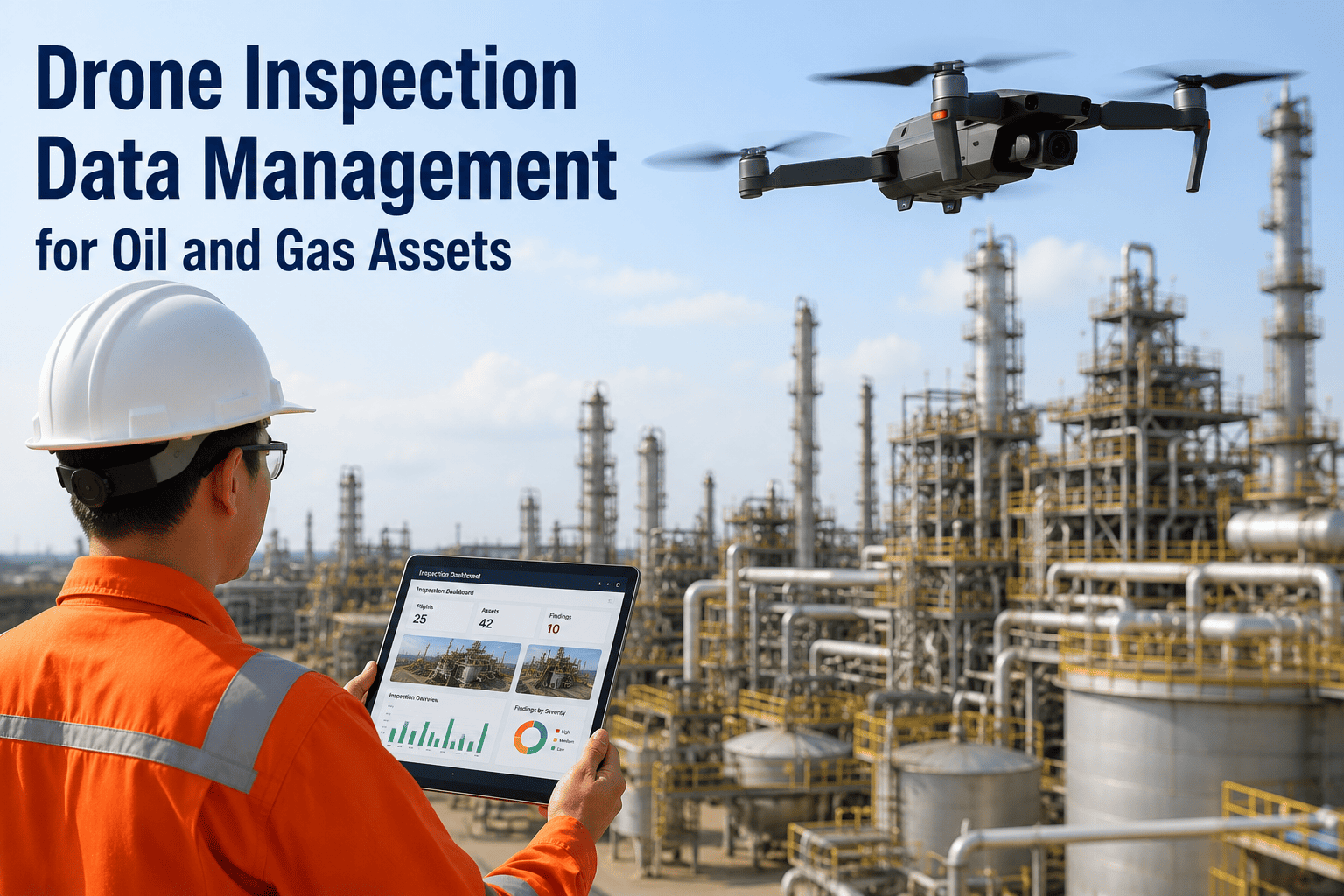
Read More
An asset integrity engineer who has run a few drone campaigns already knows the part nobody warns you about: the flight itself is the easy afternoon. A single pass over a tank farm or a flare stack can generate several thousand images and video cl

Read More
An offshore installation manager reviewing last week's incident log already knows where the real risk sits: not in the process systems everyone monitors closely, but in the ordinary moments nobody is watching. A rigger crosses the crane's slew zon
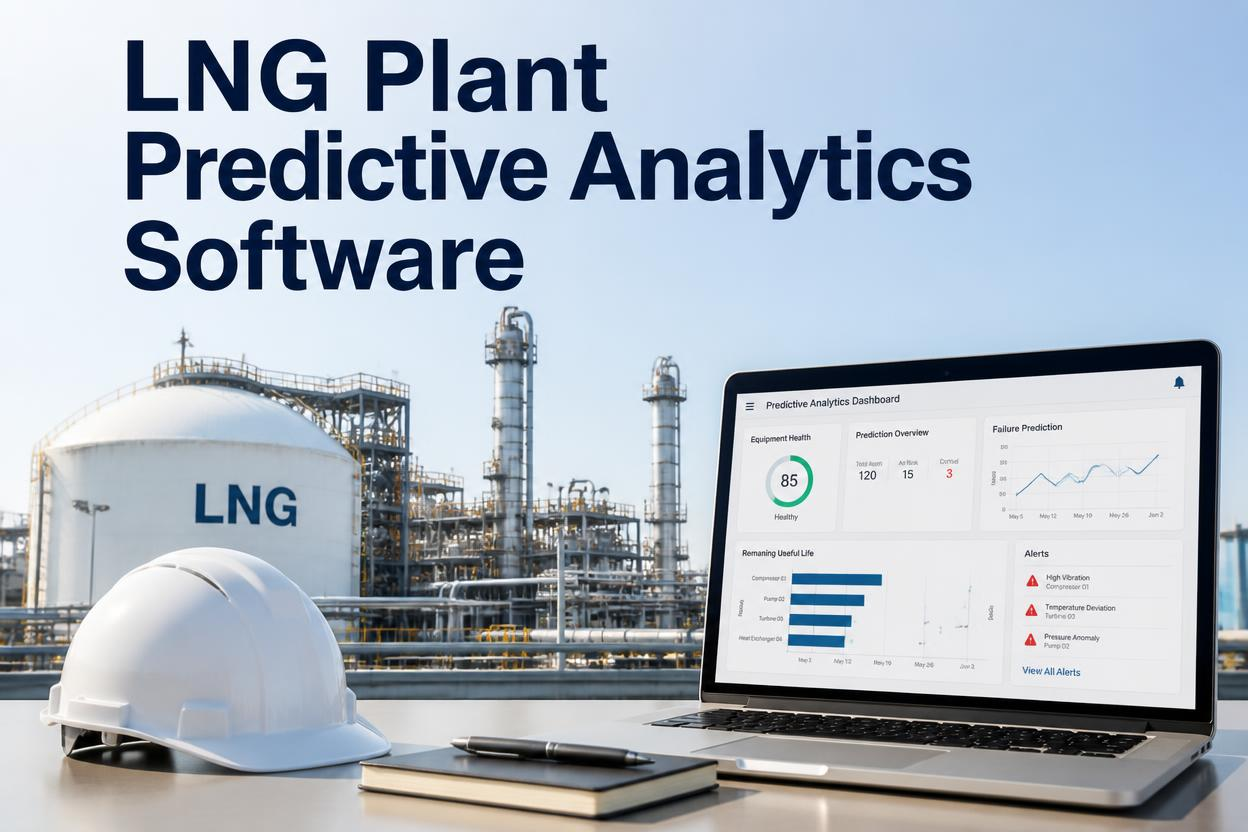
Read More
The main cryogenic heat exchanger at the heart of an LNG train is unforgiving: the moment fouling reduces its heat-transfer performance, liquefaction duty drops and the entire train throttles back, cutting into the one product the plant exists to

Read More
An offshore platform doesn't get the luxury of a quick parts run when a compressor fails. Every piece of critical equipment sits hours from shore by helicopter or boat, which turns a routine pump seal failure into a multi-day production stoppage t
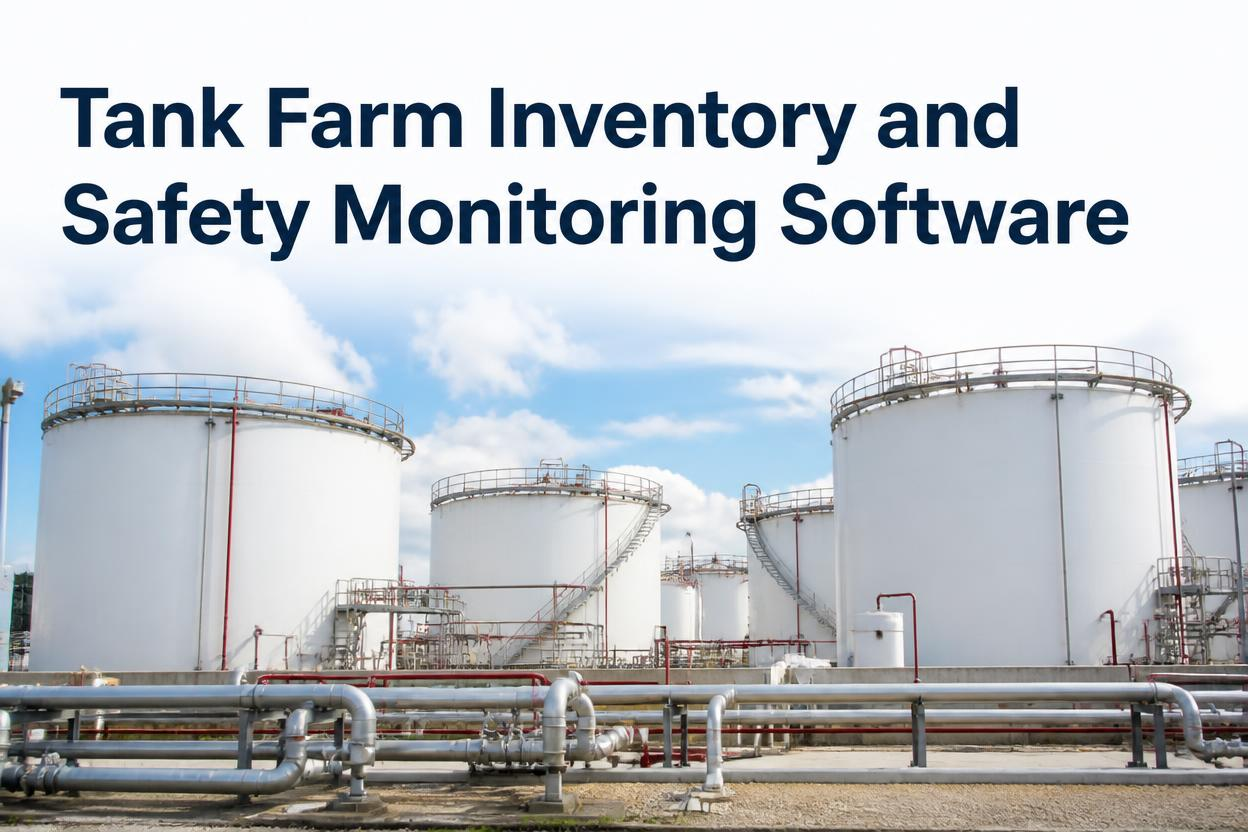
Read More
A tank farm can hold millions of dollars of product, yet many terminals still run inventory reconciliation the same way they did twenty years ago: manual gauging, end-of-shift logs, and a spreadsheet that only tells you something went wrong after
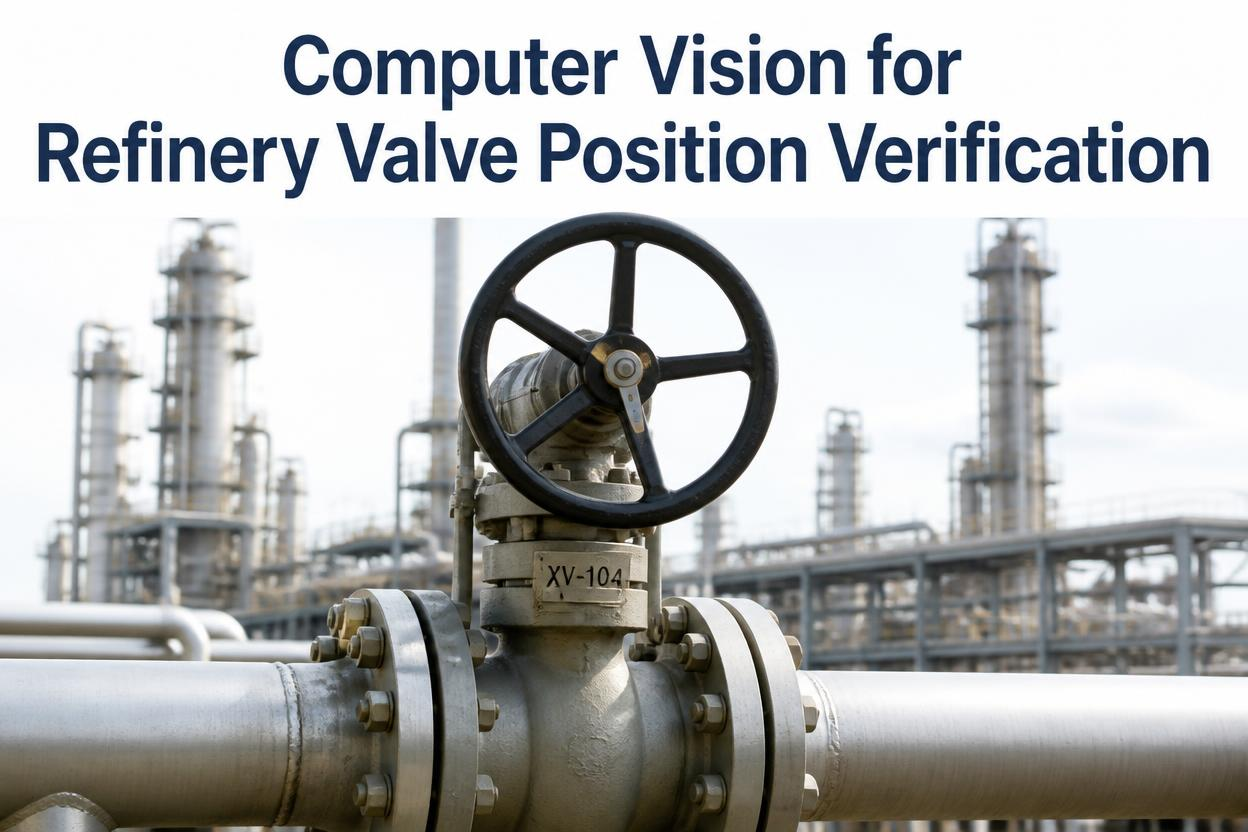
Read More
A valve left in the wrong position rarely announces itself. It sits quietly among thousands of others across a refinery until a process upset, a pressure spike, or a full shutdown reveals that someone closed what should have stayed open, or vice v
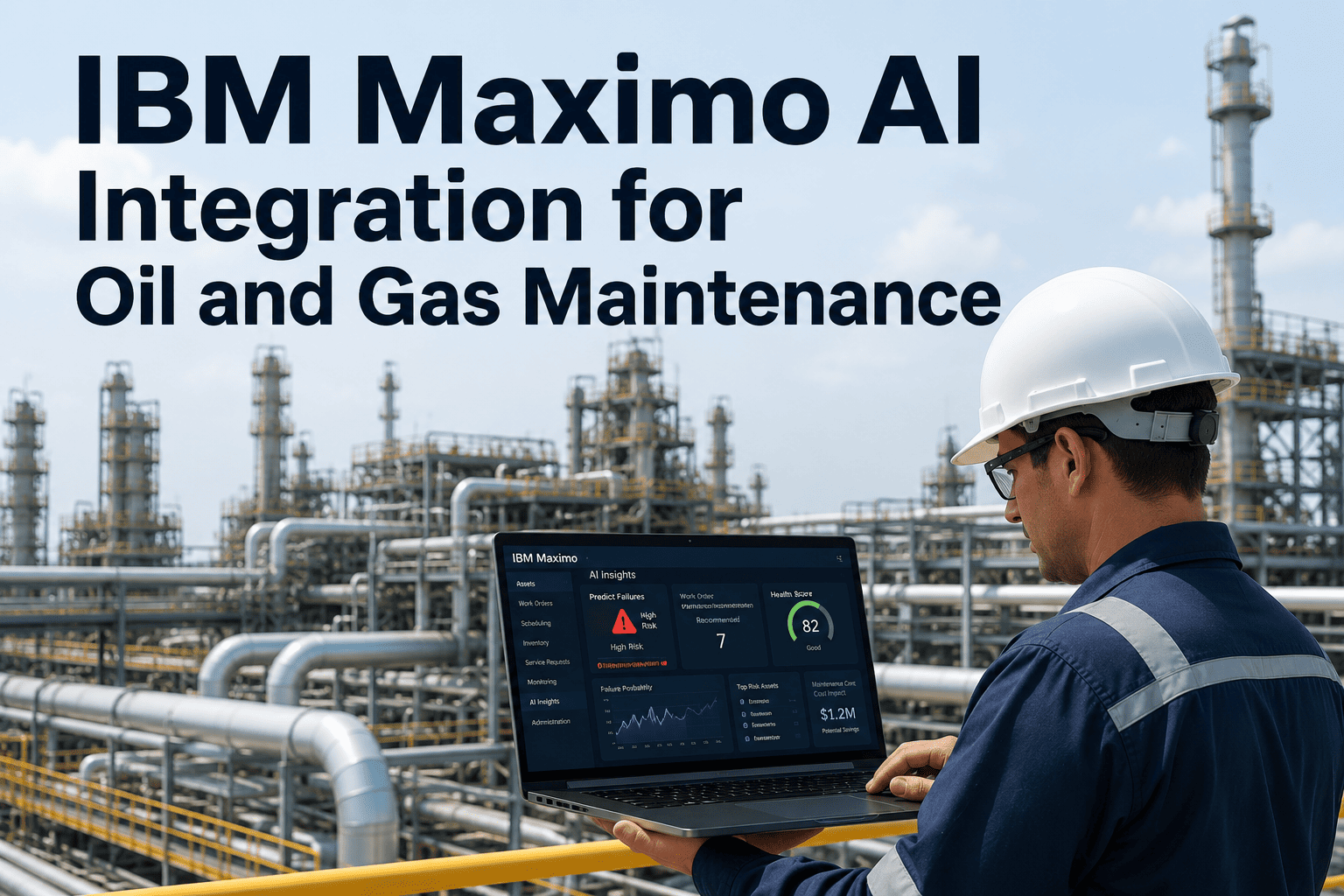
Read More
Most oil and gas operators running IBM Maximo already trust it as their system of record for work orders and asset history, but the health score sitting inside Maximo Predict is only as sharp as the data feeding it. Sensor readings, inspection not
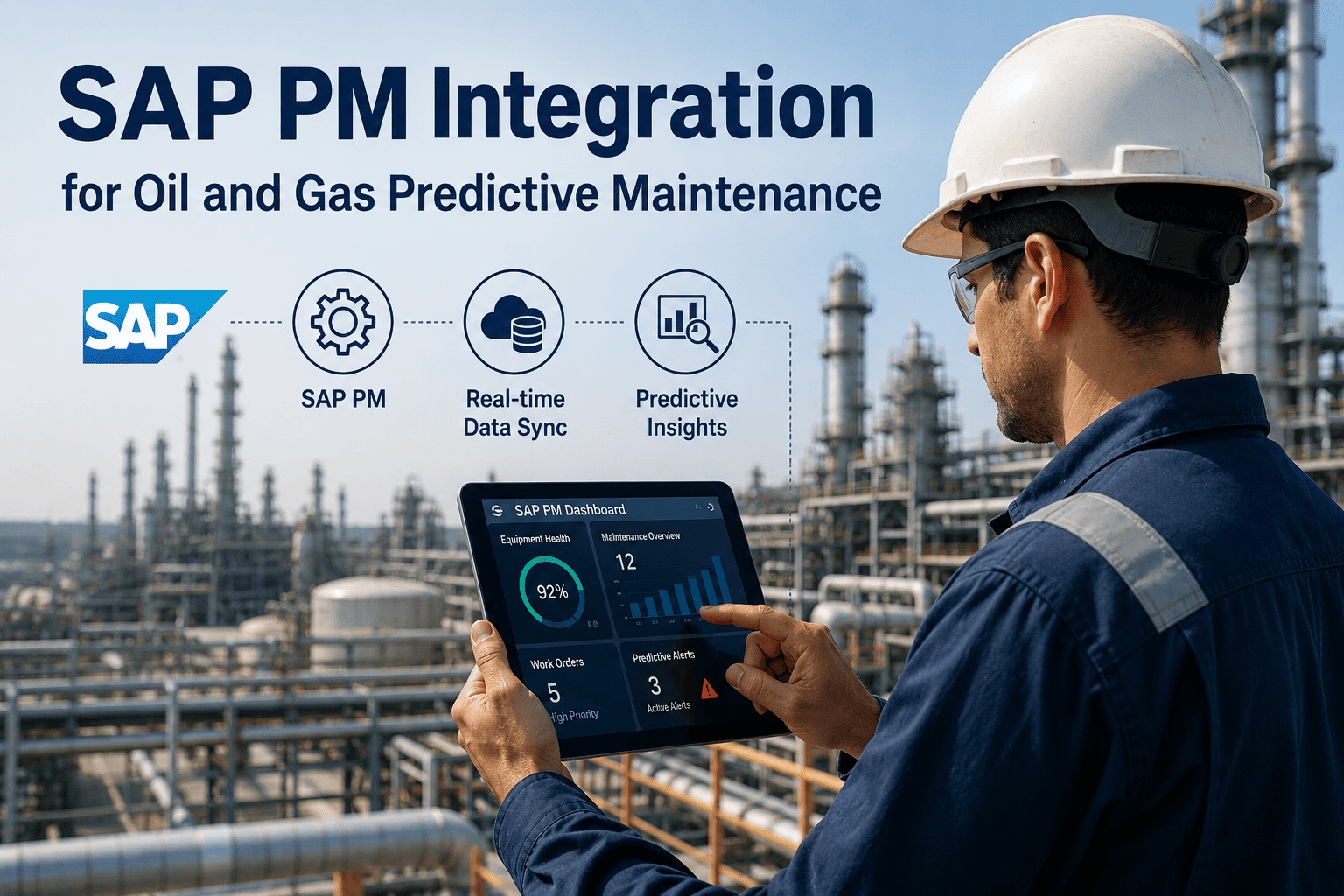
Read More
Refinery reliability teams have watched the same failure pattern repeat for years: a vibration sensor flags a bearing anomaly, an analyst writes a report, and a maintenance planner opens SAP PM three days later to finally create the work order. Th
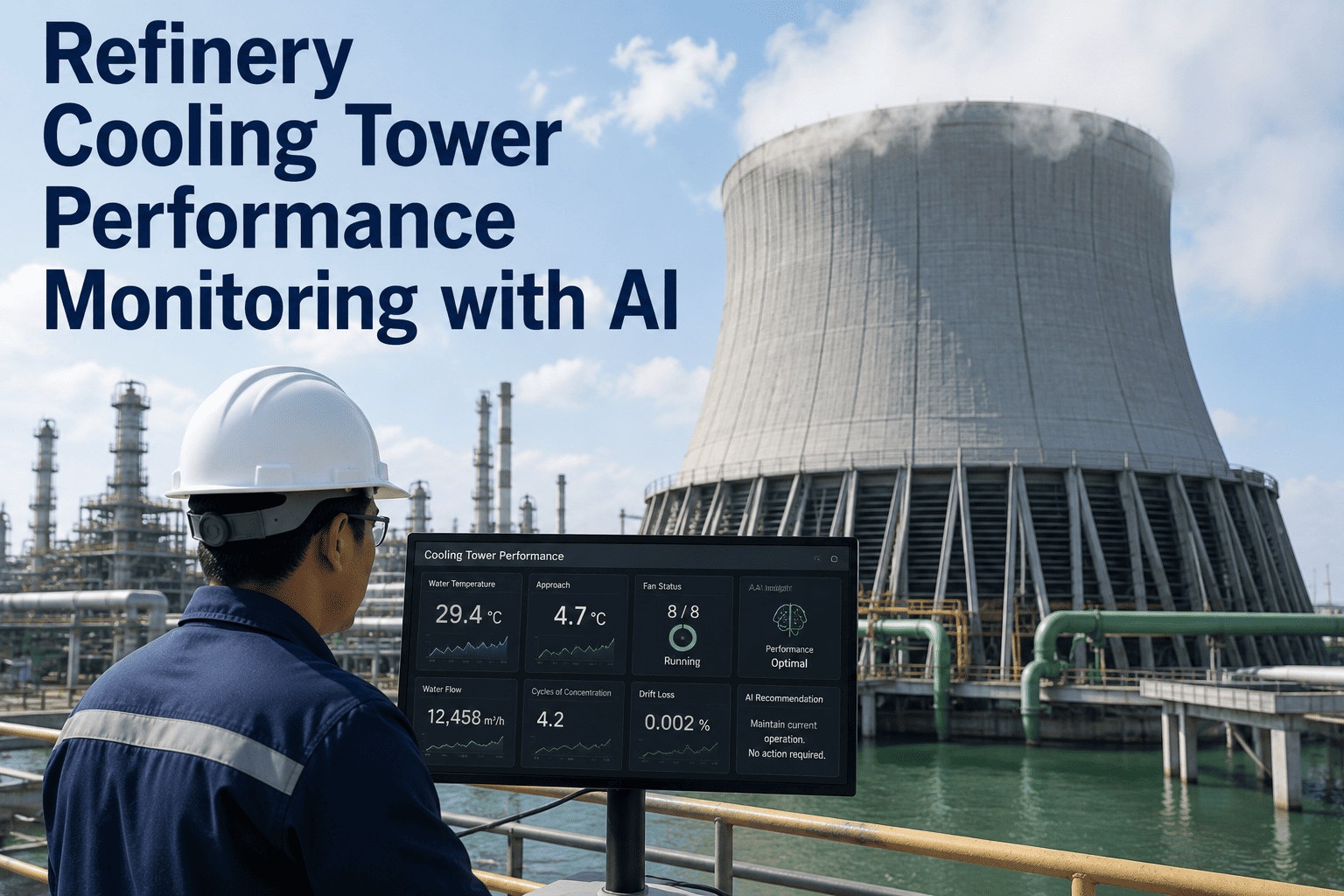
Read More
A cooling tower losing a few degrees of approach temperature doesn't set off any alarms. It just quietly lets condenser backpressure creep upward week after week, until someone finally notices output has slipped and traces it back to fill media th
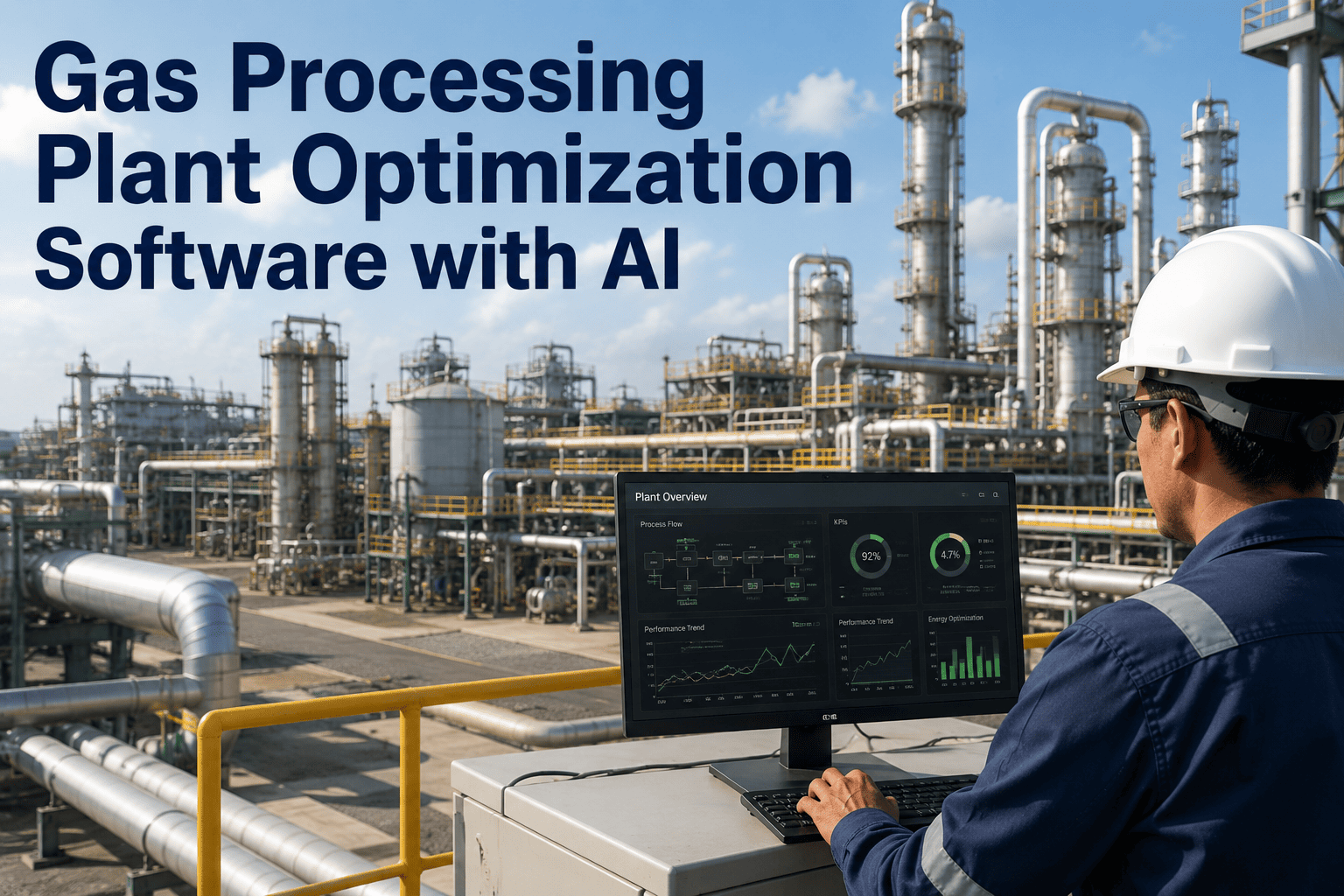
Read More
A gas processing plant is really four processes stacked in a row — sweetening, dehydration, NGL recovery, and compression — and a small inefficiency at the very first stage doesn't stay small. A slightly high water slip out of the dehydration unit
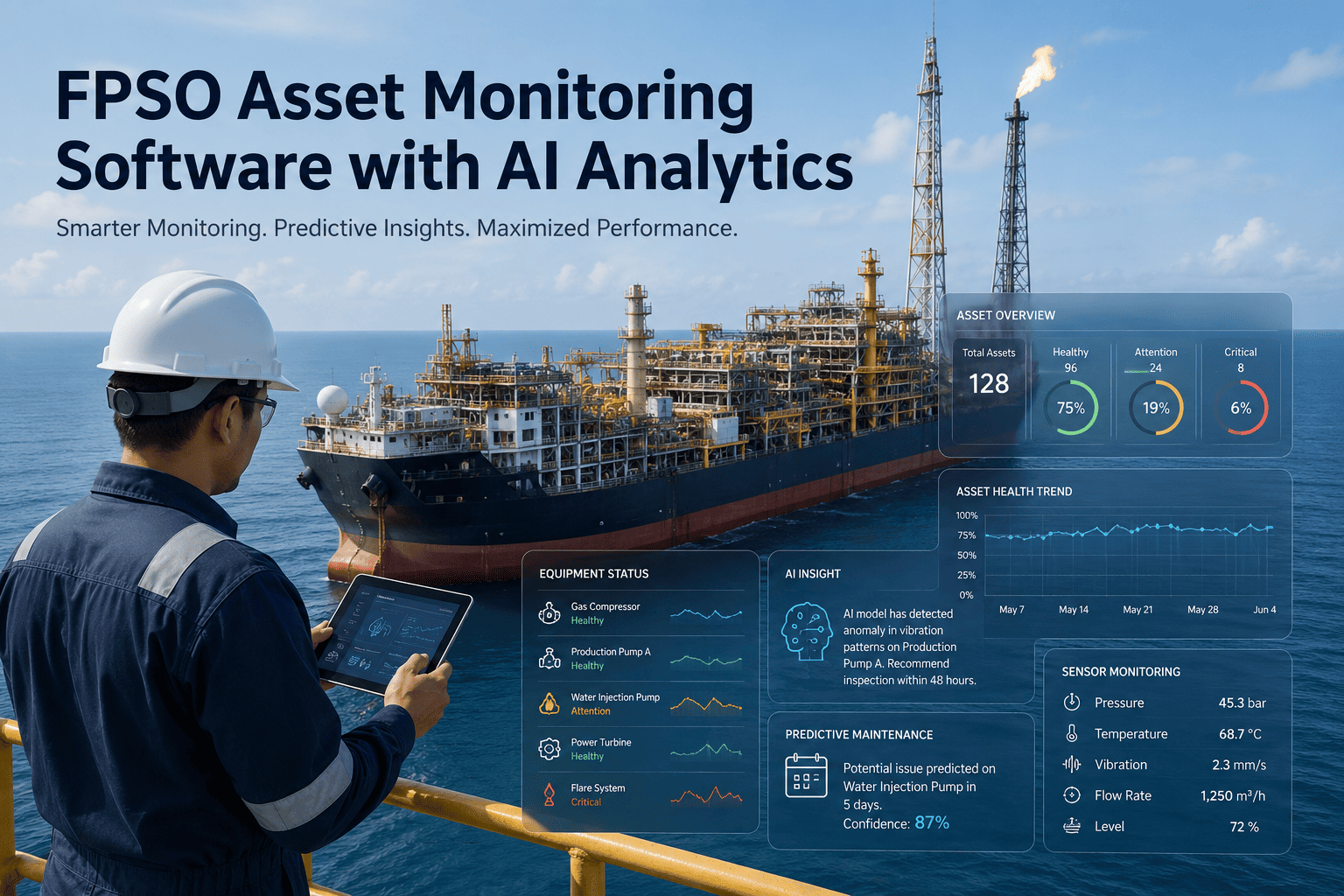
Read More
An FPSO doesn't get the luxury of a scheduled shutdown when a compressor starts drifting toward failure. It sits hundreds of miles offshore, exposed to constant vibration, corrosive salt air, and mechanical stress, with every piece of rotating equ
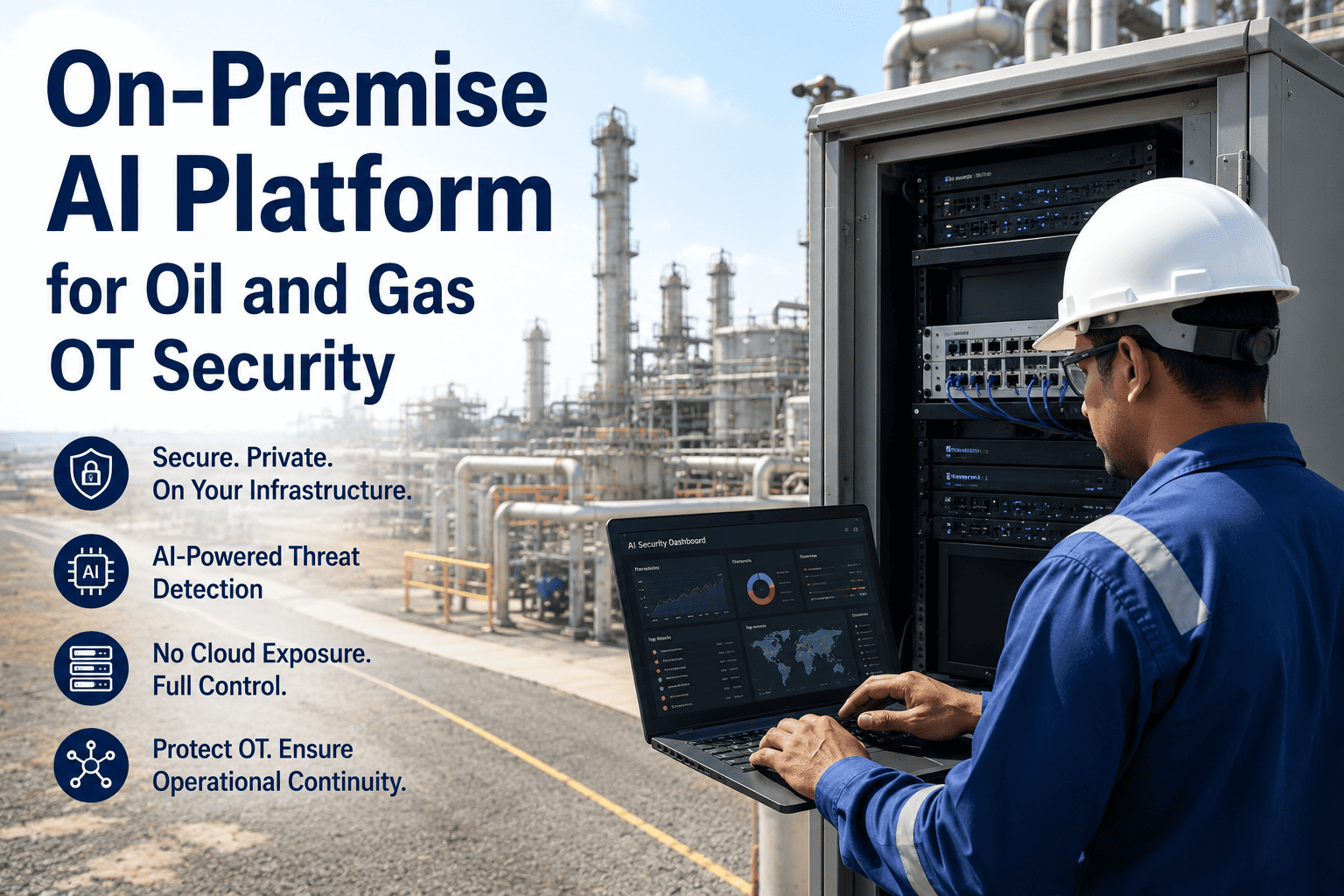
Read More
Every oil and gas facility eventually asks the same uncomfortable question: does adding AI to our control network mean opening a new door into it? For years the honest answer was yes, because most AI platforms were built cloud-first, assuming data
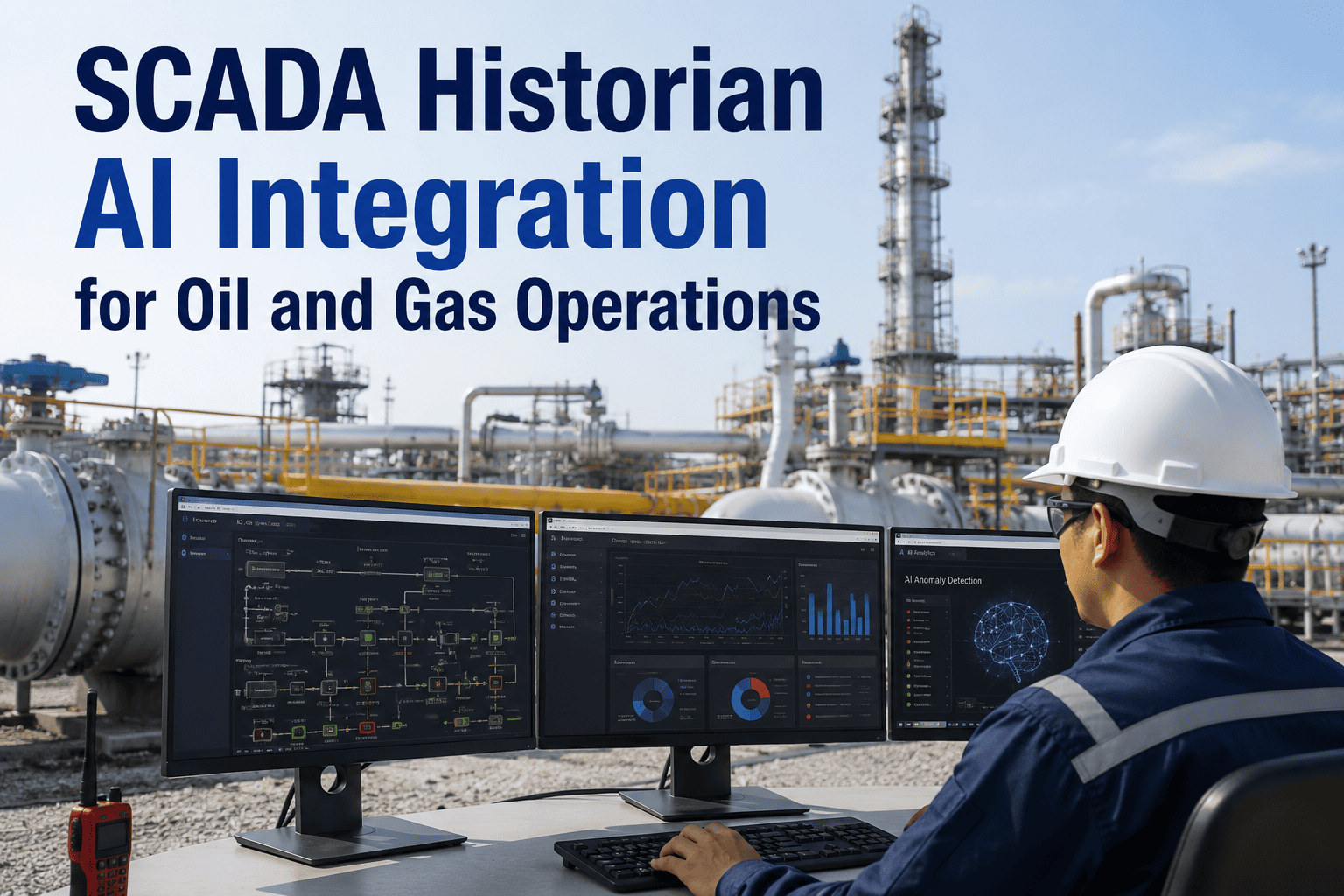
Read More
Every refinery and gas plant already has the data it needs sitting in SCADA tags, PLC registers, DCS archives, and a historian like PI System quietly compressing years of readings in the background. The problem was never a lack of data — it was th
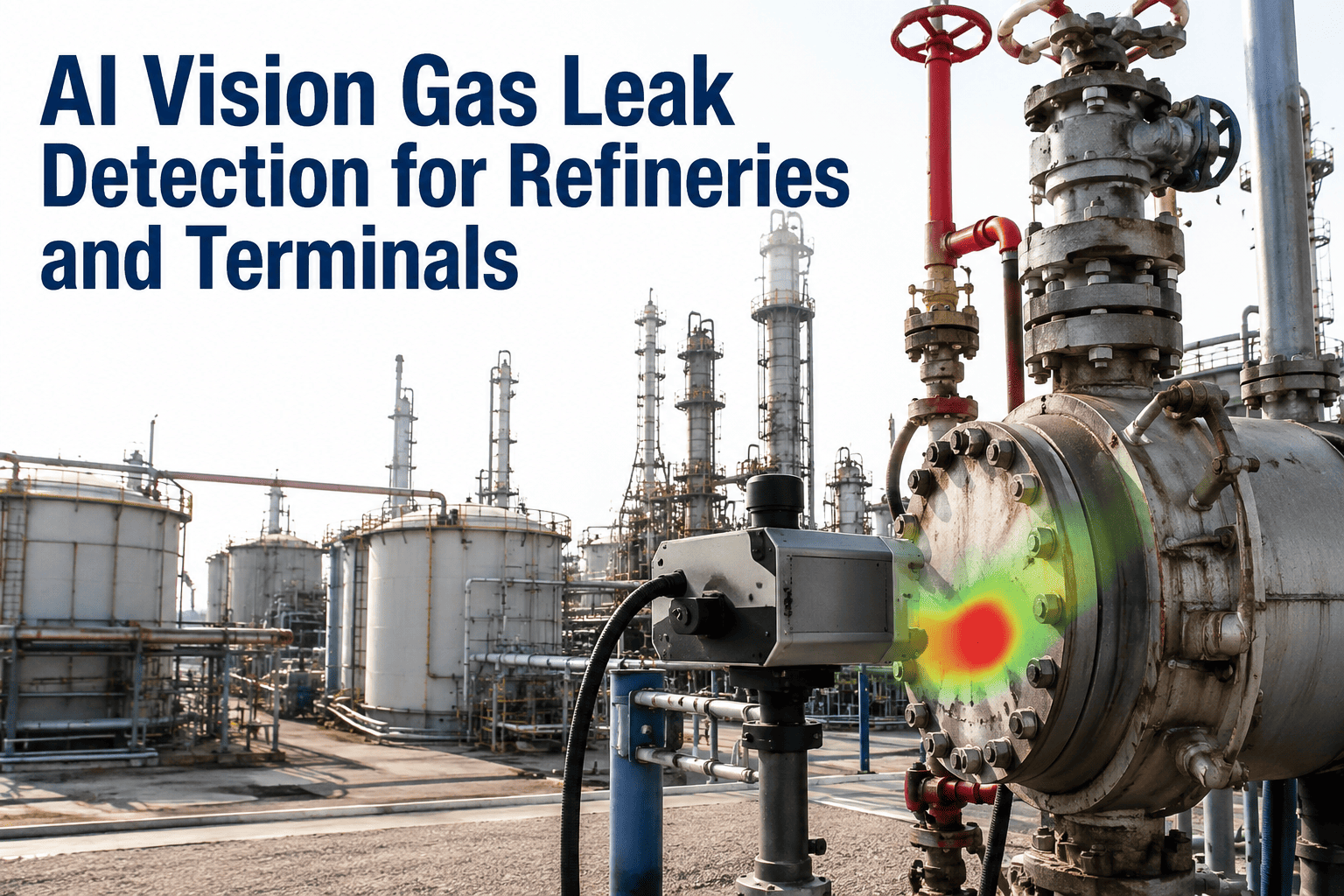
Read More
A pinhole leak on a flange rarely announces itself. It hisses at a frequency no one on the floor can hear, drifts invisibly because the gas has no color, and sits between two quarterly inspection dates where nobody happens to be standing nearby wi
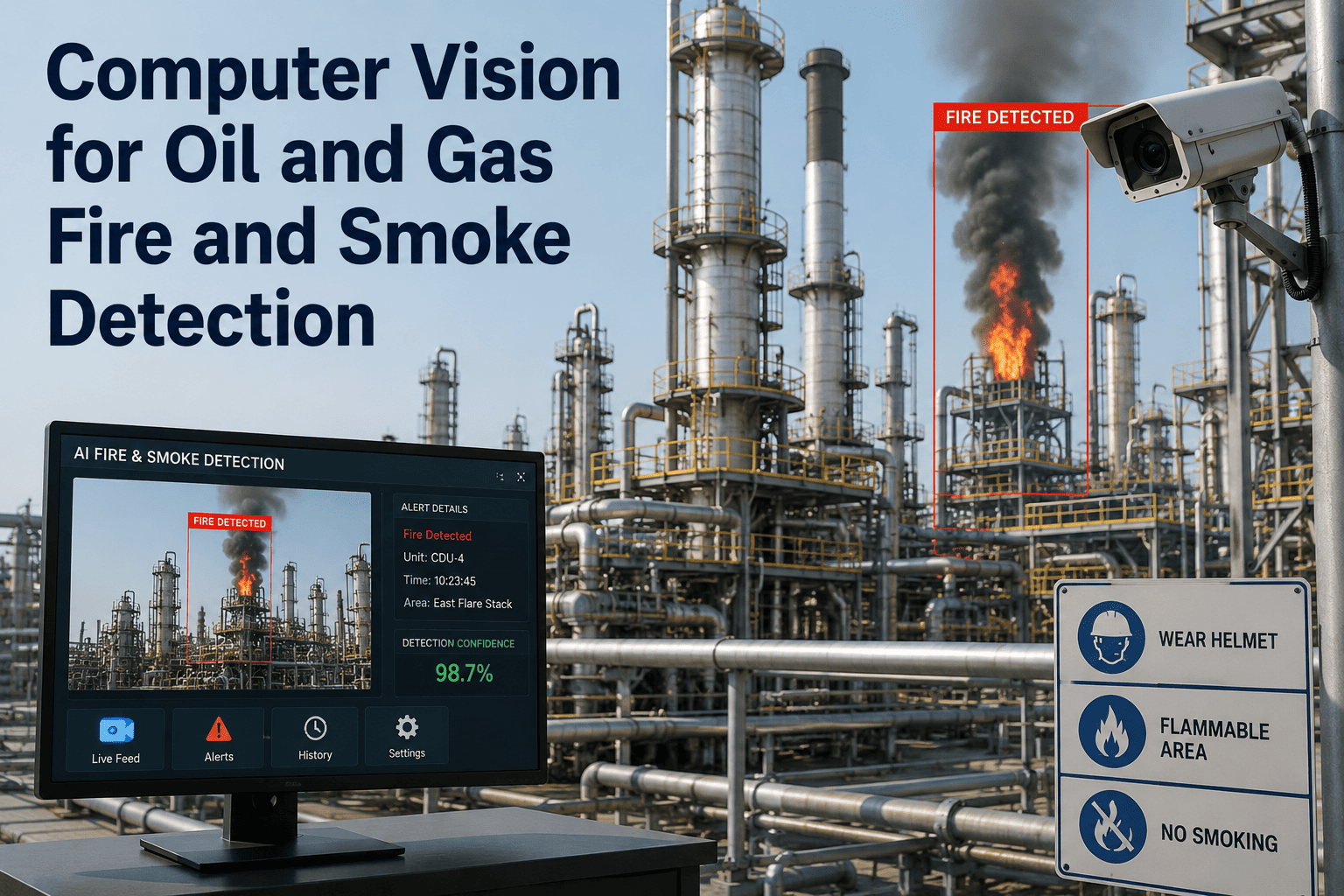
Read More
Fire and smoke incidents in oil and gas facilities escalate from a small ignition event to a major emergency within 60 to 180 seconds, a window so narrow that traditional detection technologies often fail to trigger a response before the situation
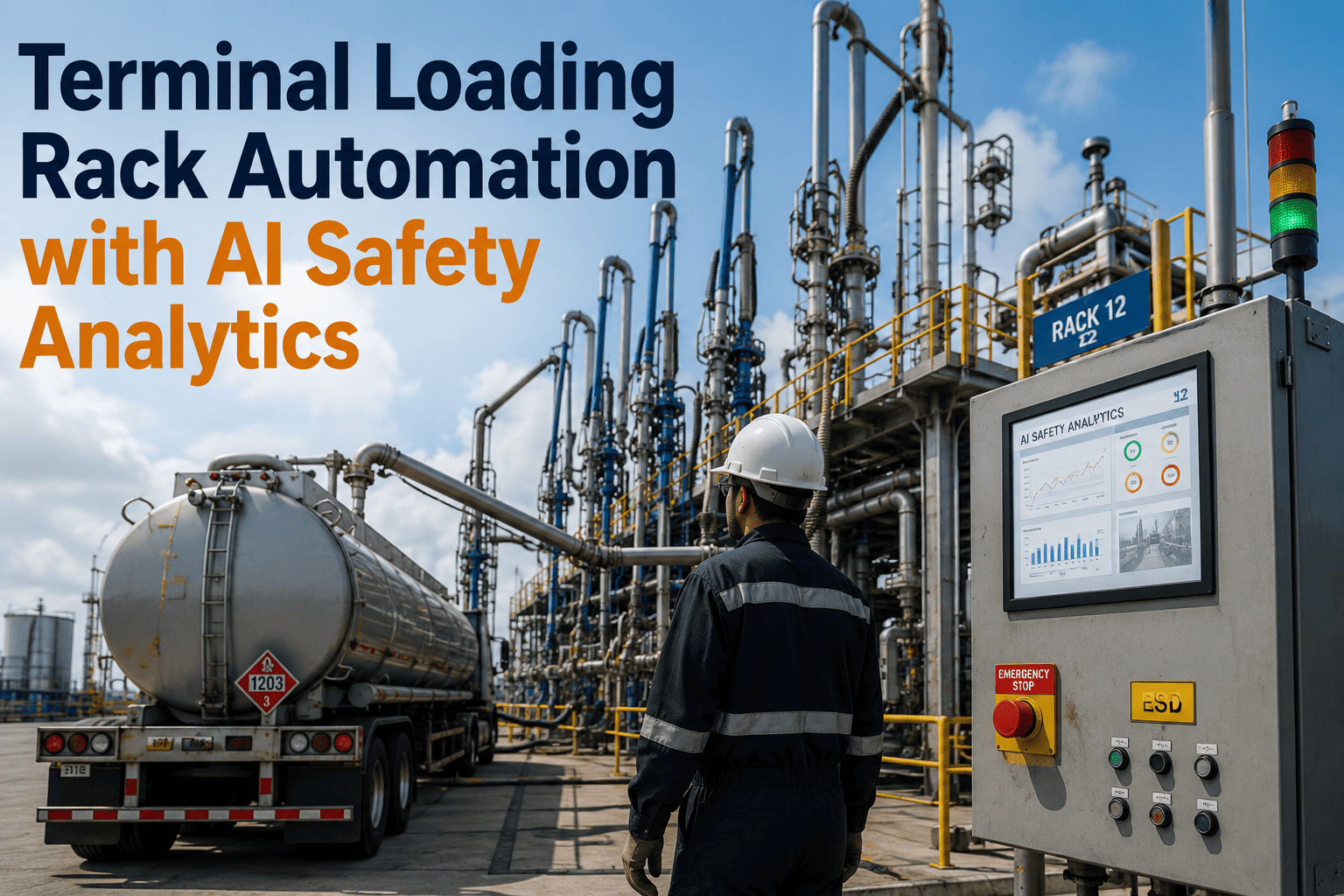
Read More
Terminal loading racks are among the highest-risk operational areas in oil and gas distribution, handling thousands of truck loading and unloading events per month where hazardous liquids are transferred through couplings, hoses, and meters under
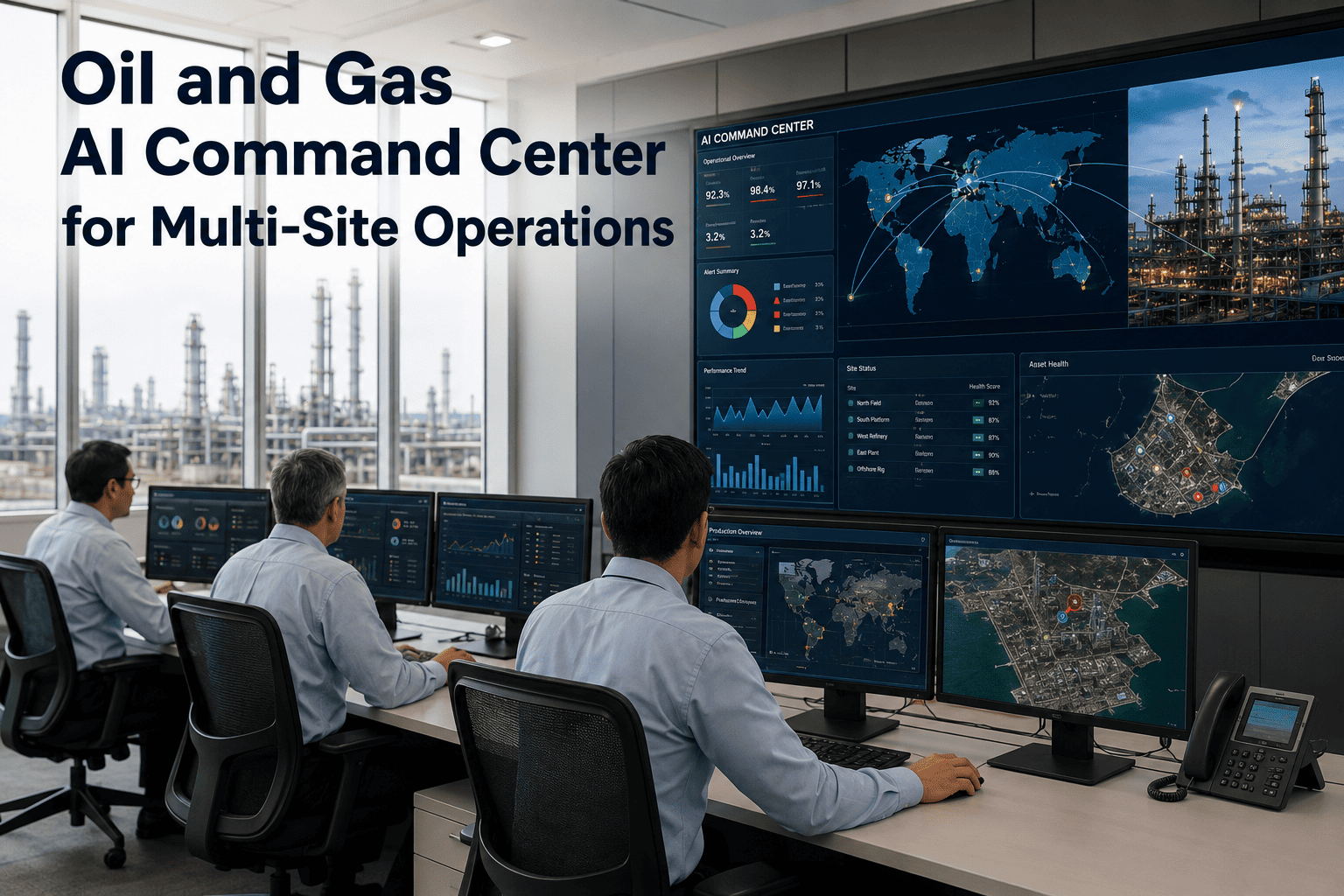
Read More
Oil and gas operators managing multiple refineries, production platforms, or midstream facilities face a fundamental visibility gap that worsens with every site added to the portfolio. Each facility generates thousands of data points per minute fr
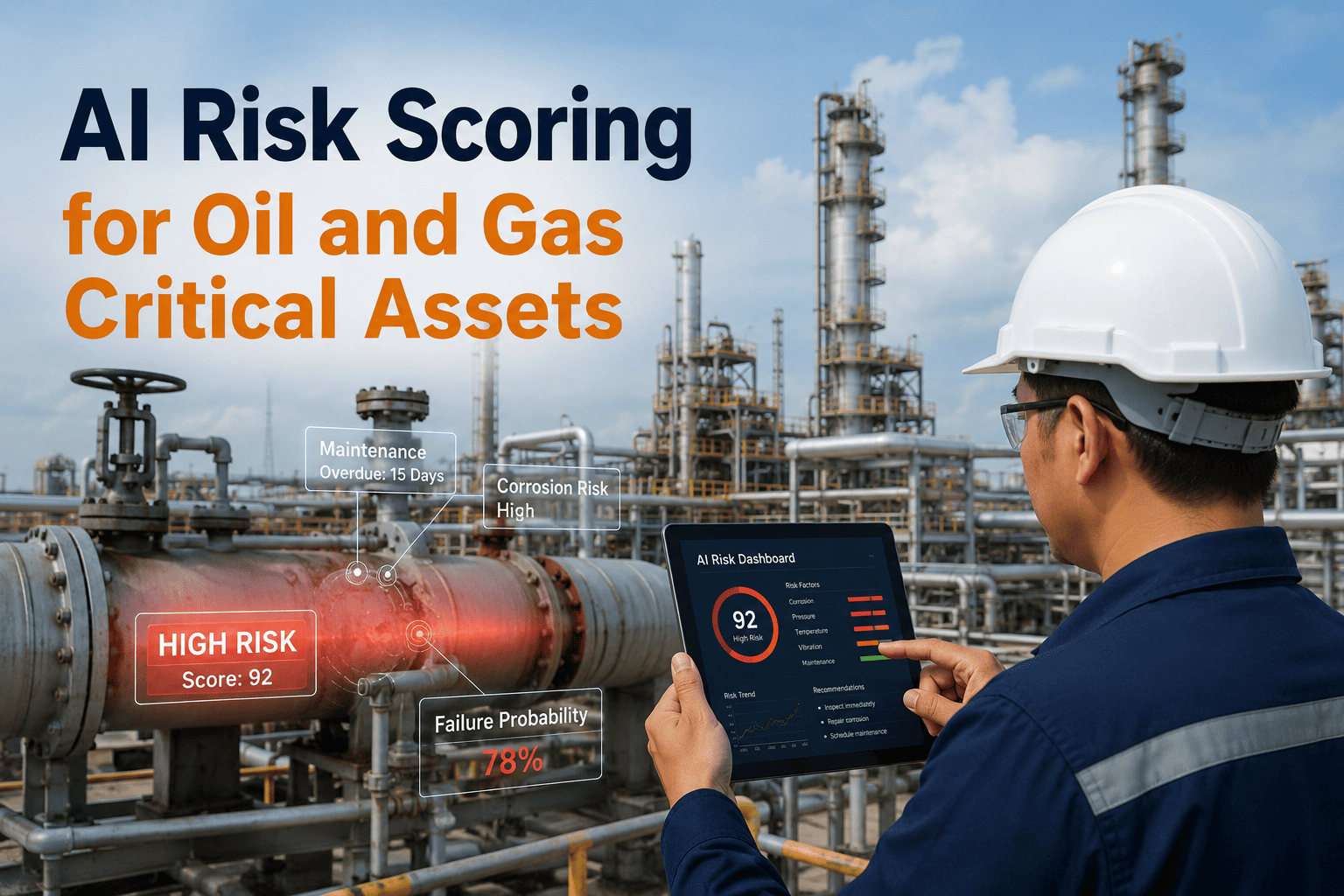
Read More
Oil and gas facilities typically manage hundreds to thousands of critical assets ranging from rotating equipment and pressure vessels to heat exchangers and safety systems. Traditional asset criticality ranking relies on static risk matrices evalu
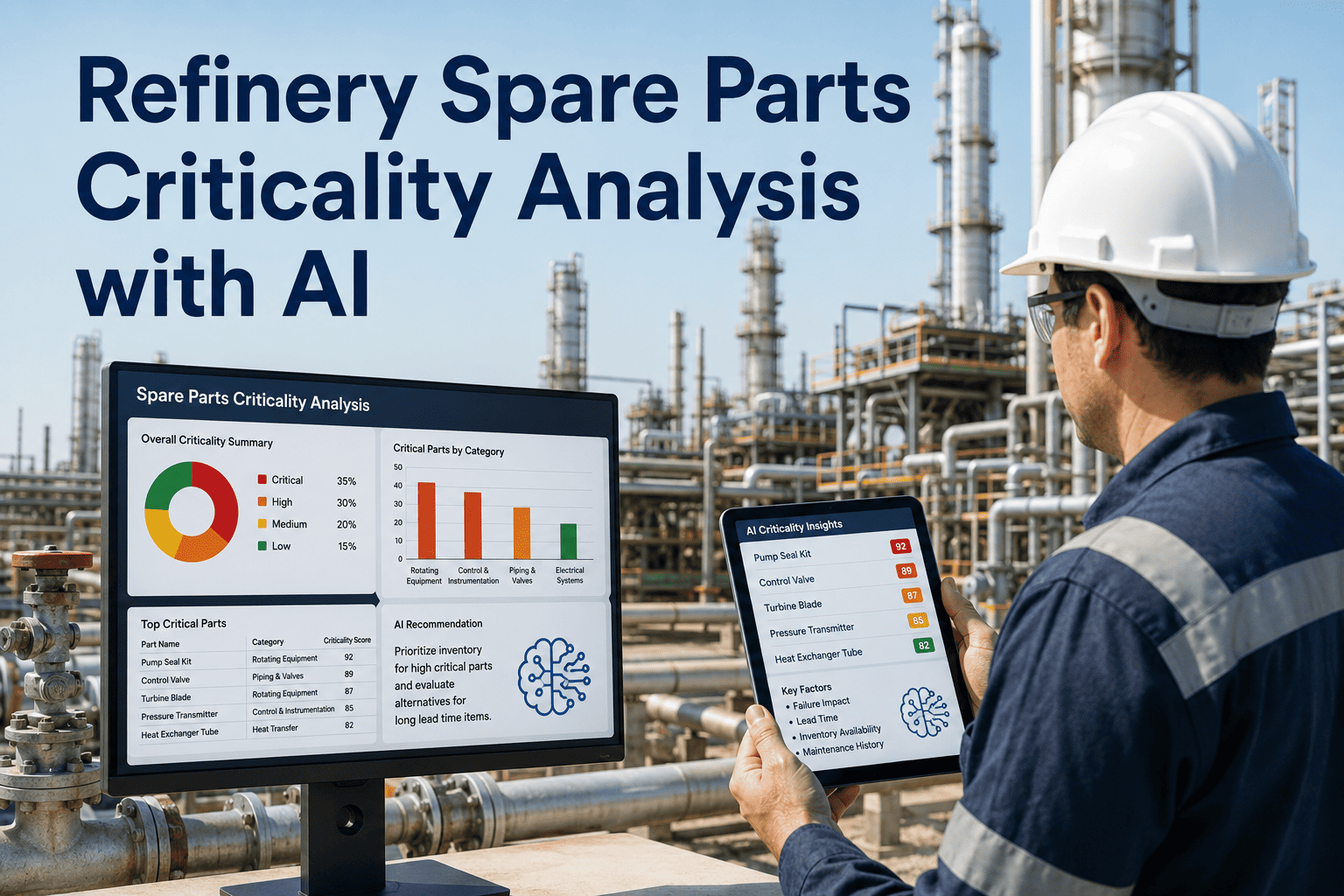
Read More
Refinery maintenance teams manage between 15,000 and 50,000 unique spare part numbers in their MRO inventory, yet industry studies reveal that 40 to 60 percent of those parts remain unused over a five-year window. At the same time, stockout events
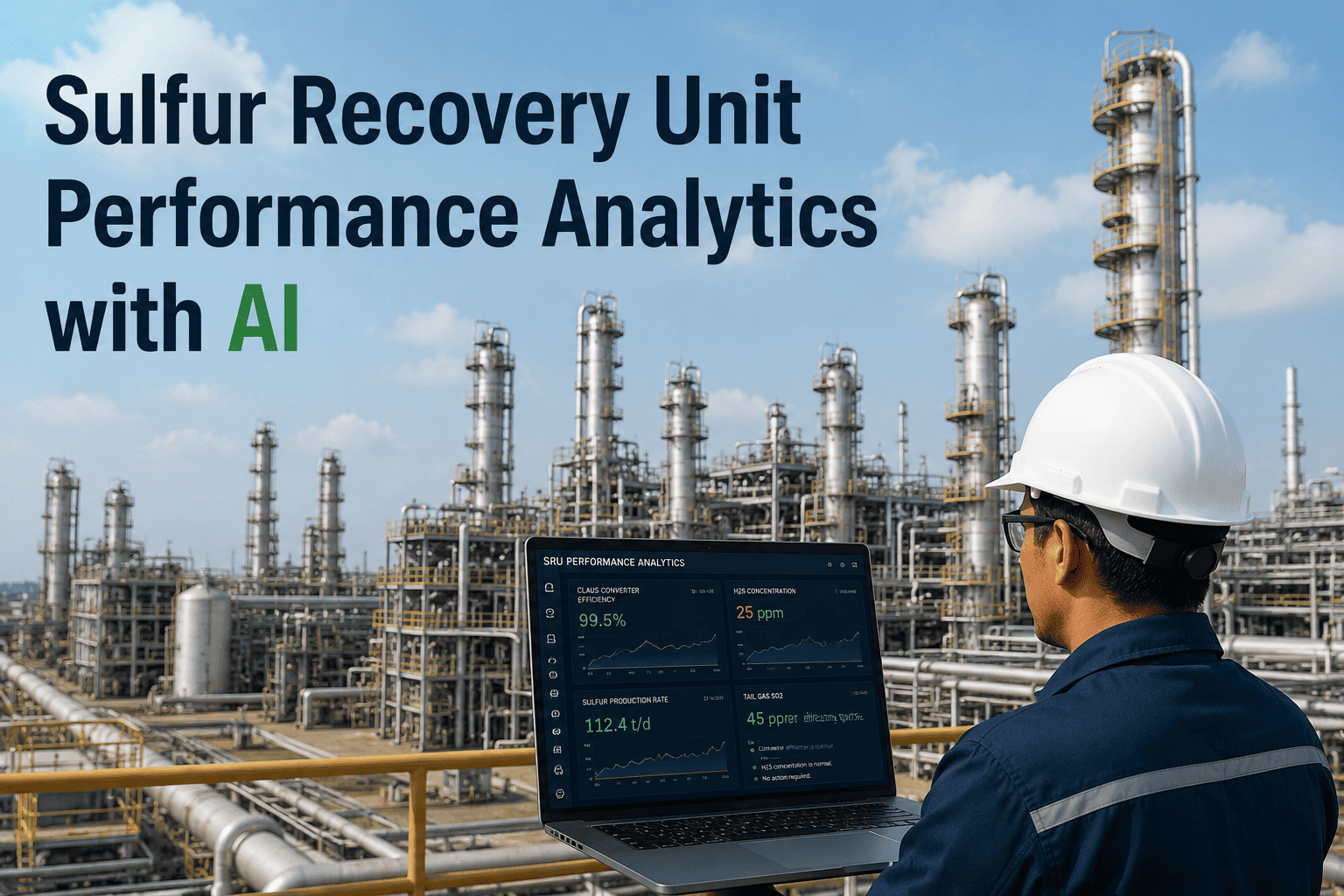
Read More
Sulfur Recovery Units are among the most environmentally critical process units in any refinery, converting toxic hydrogen sulfide from amine treating systems into elemental sulfur while maintaining emissions compliance under increasingly strict r
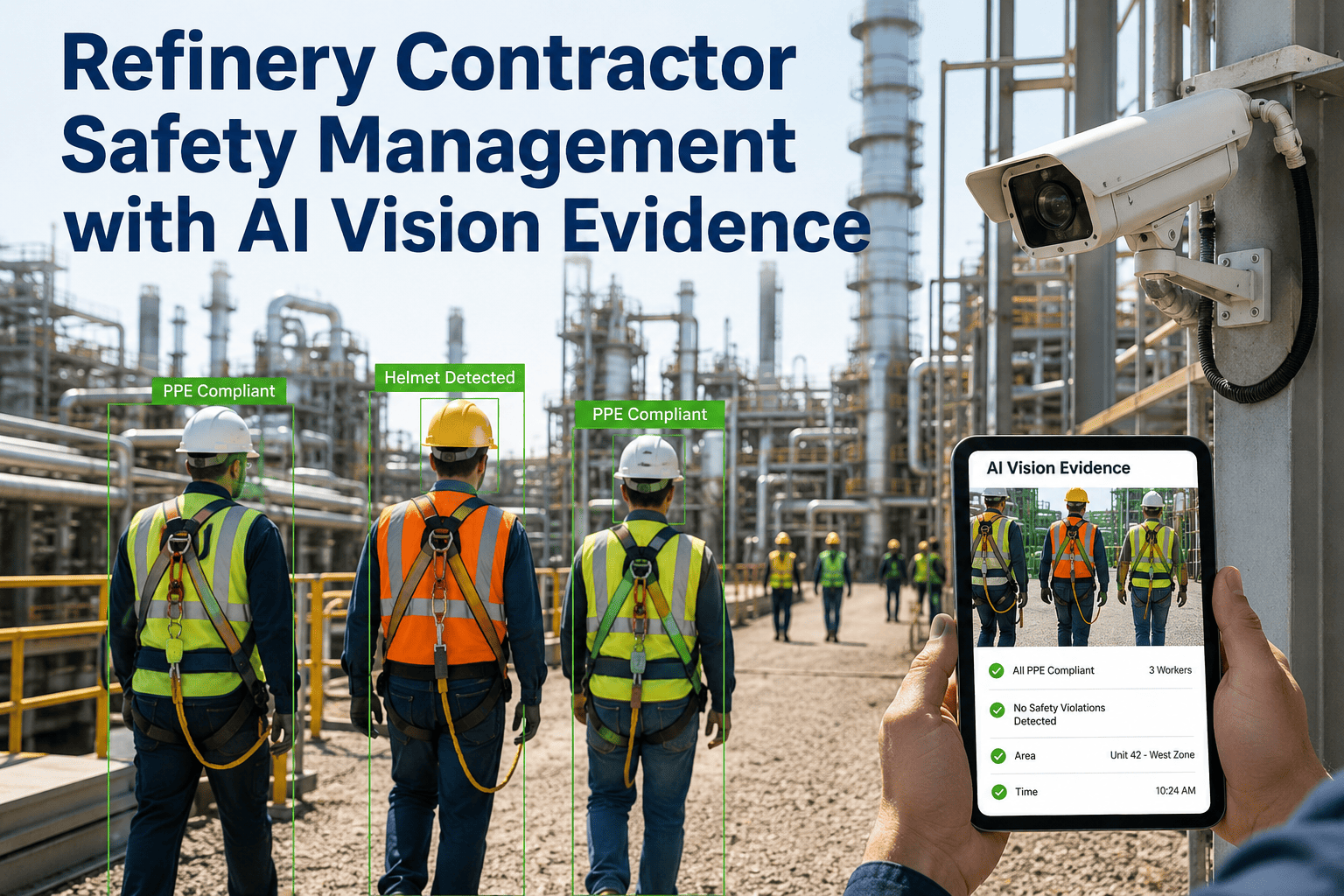
Read More
Refinery turnaround periods bring thousands of contractors on site within compressed timelines, creating the highest-risk window for safety incidents in oil and gas operations. Contractor injury rates run two to four times higher than direct emplo
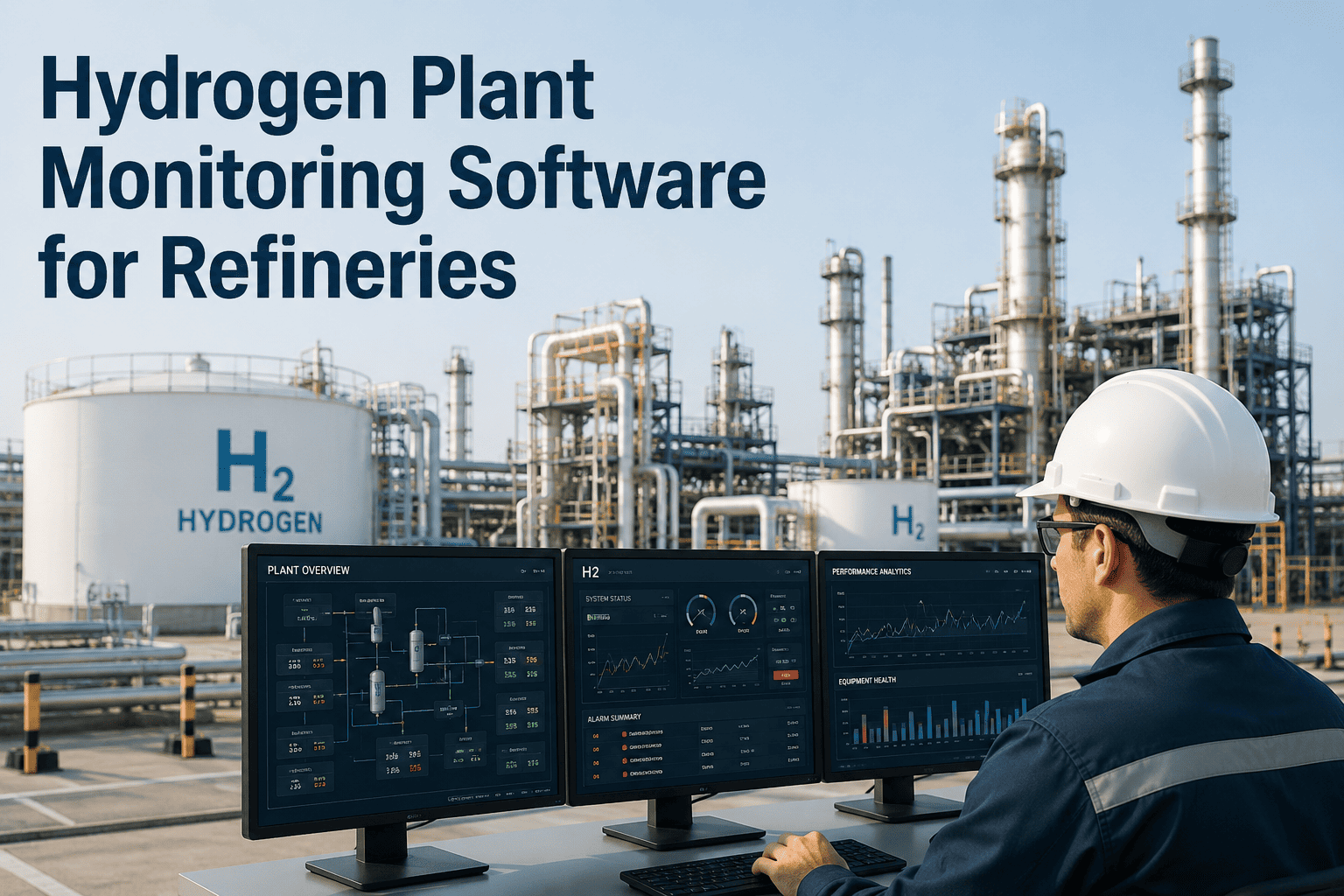
Read More
Hydrogen is the backbone of modern refinery operations, powering hydrocracking, hydrotreating, and desulfurization units that produce clean fuels meeting increasingly stringent environmental regulations. Yet hydrogen plant reliability remains one
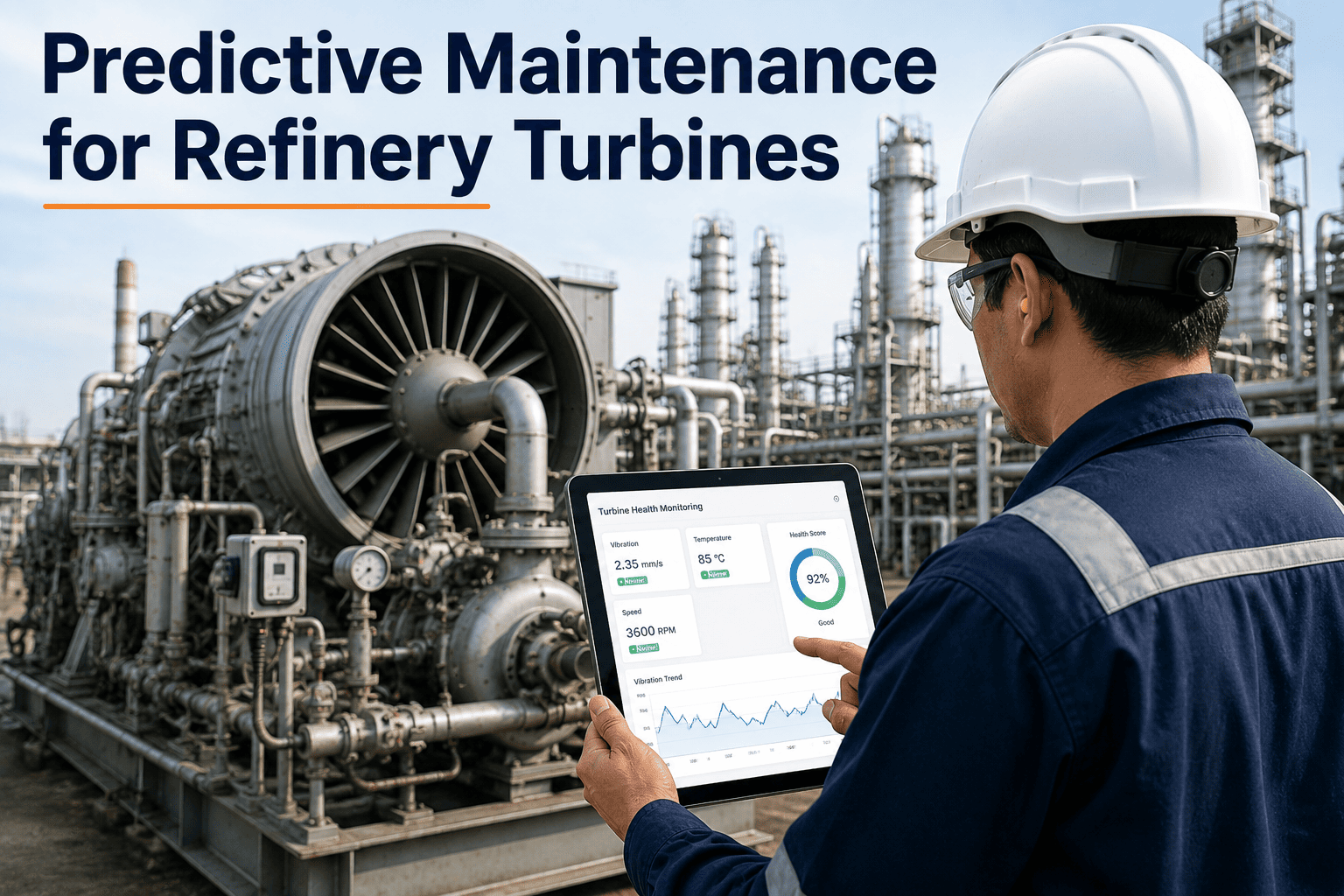
Read More
Refinery turbines — steam turbines driving process compressors, generators, and pumps, plus gas turbines in cogeneration service — represent the highest-consequence rotating equipment in any petroleum refinery. A single unplanned turbine outage ca
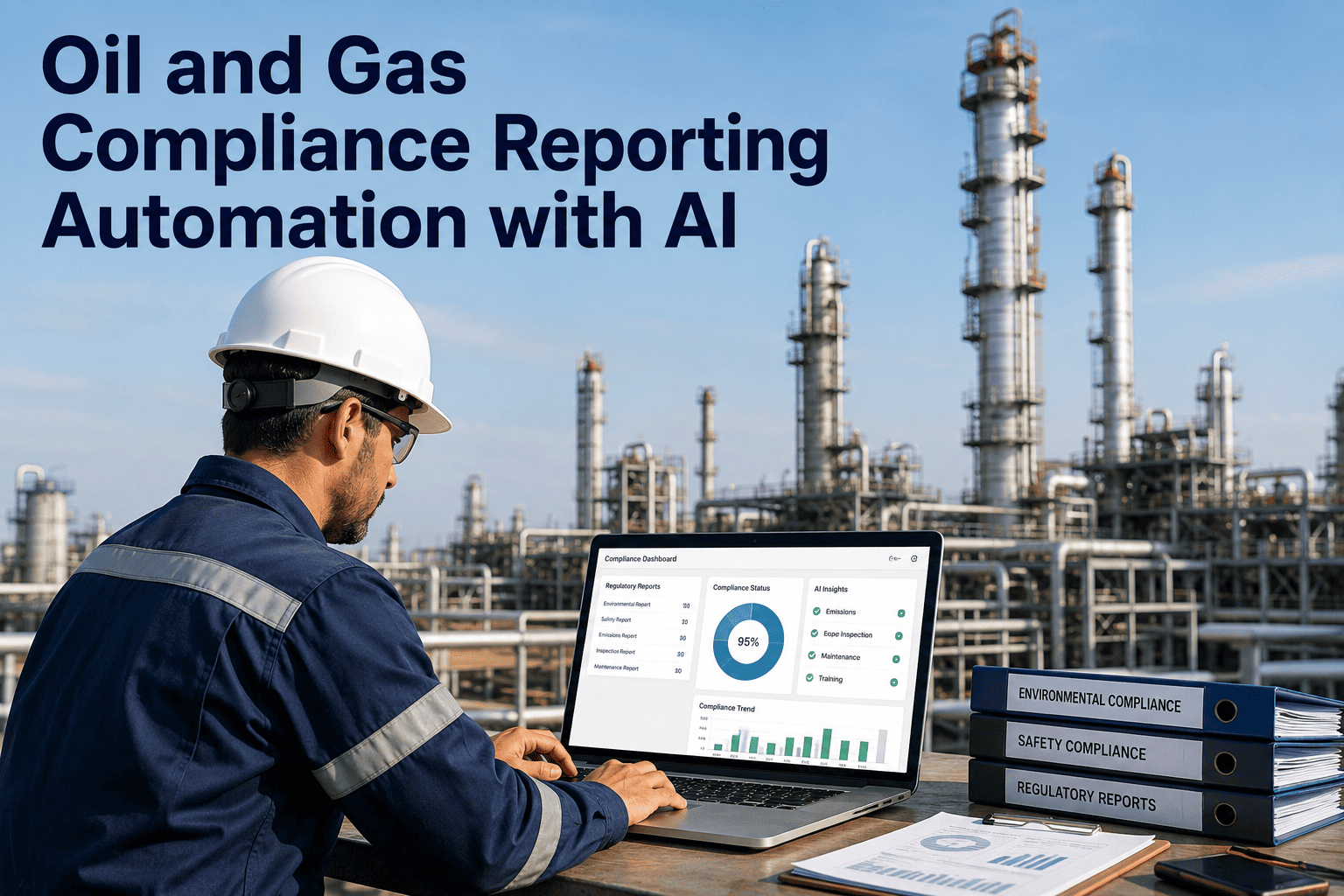
Read More
Oil and gas compliance reporting demands that operations, safety, maintenance, and emissions data be assembled into structured evidence chains satisfying OSHA PSM, EPA RMP, Clean Air Act, and state regulatory requirements. Most compliance teams co
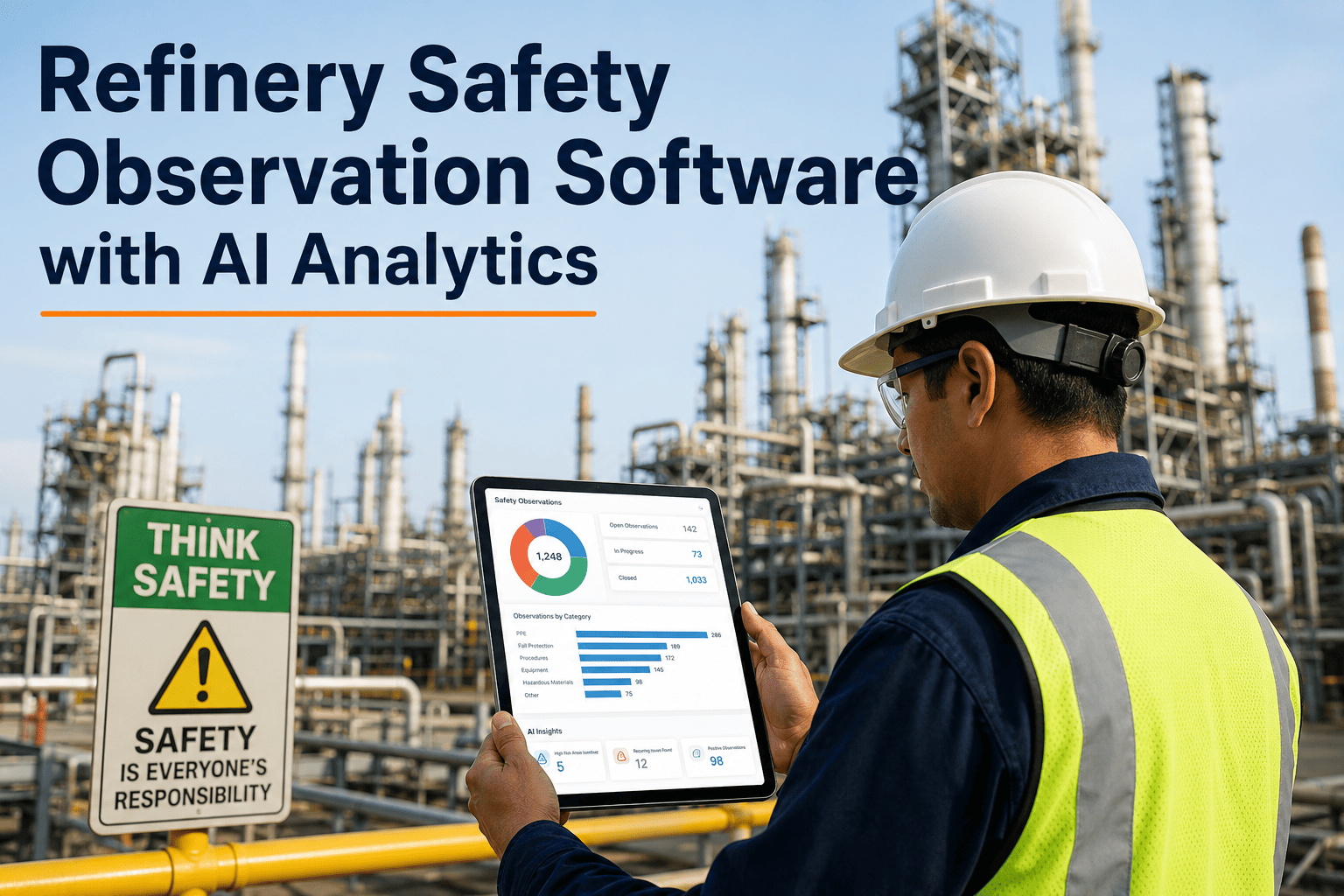
Read More
Refinery safety observation programs generate thousands of data points every month — unsafe acts, PPE violations, near misses, and hazard condition reports — yet most HSE teams process this data manually through spreadsheets and weekly summary ema
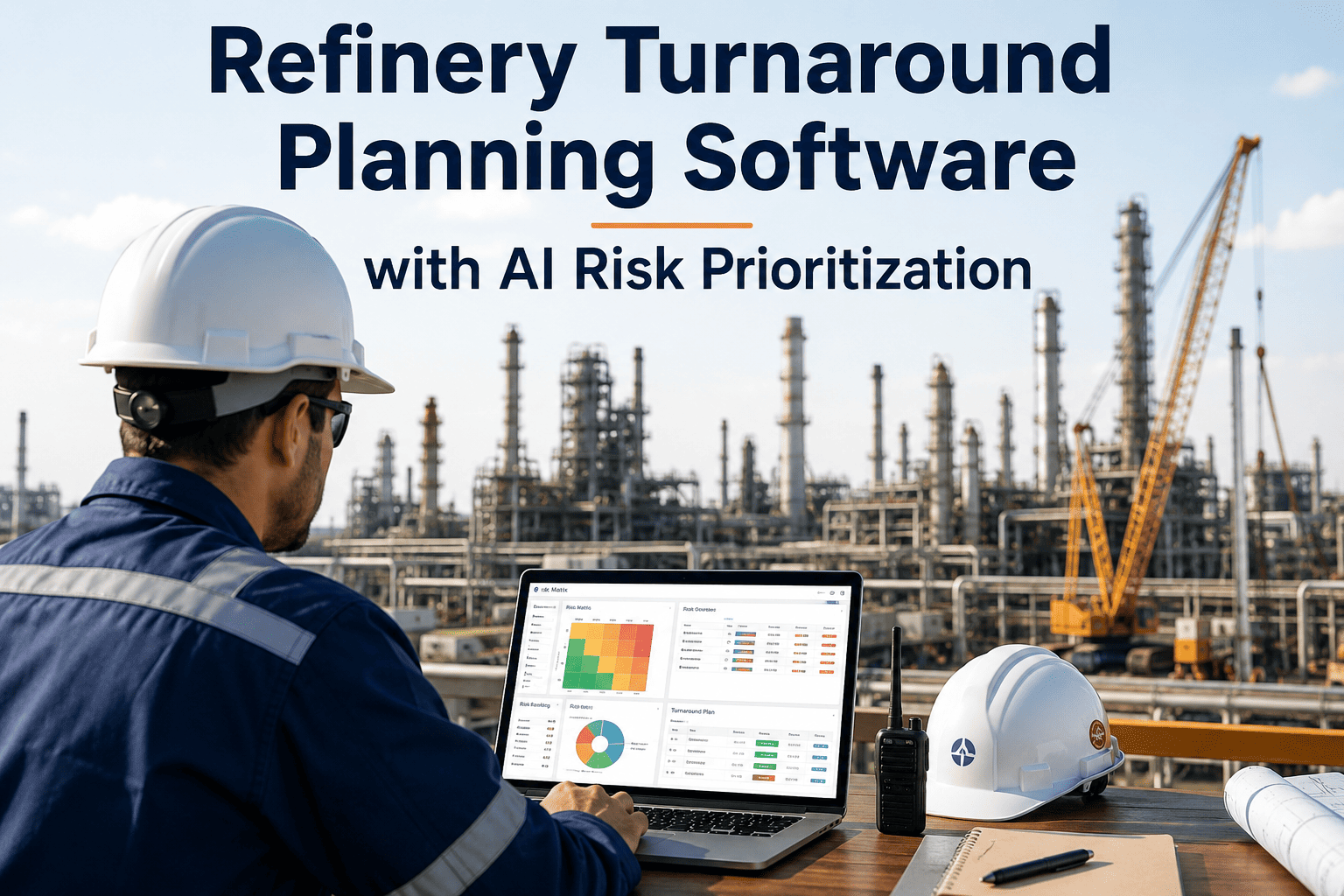
Read More
Refinery turnarounds are among the most complex, high-stakes events in the petroleum industry. A single delayed turnaround can cost between one and three million dollars per day in lost production, while poorly prioritized scope drives unplanned w
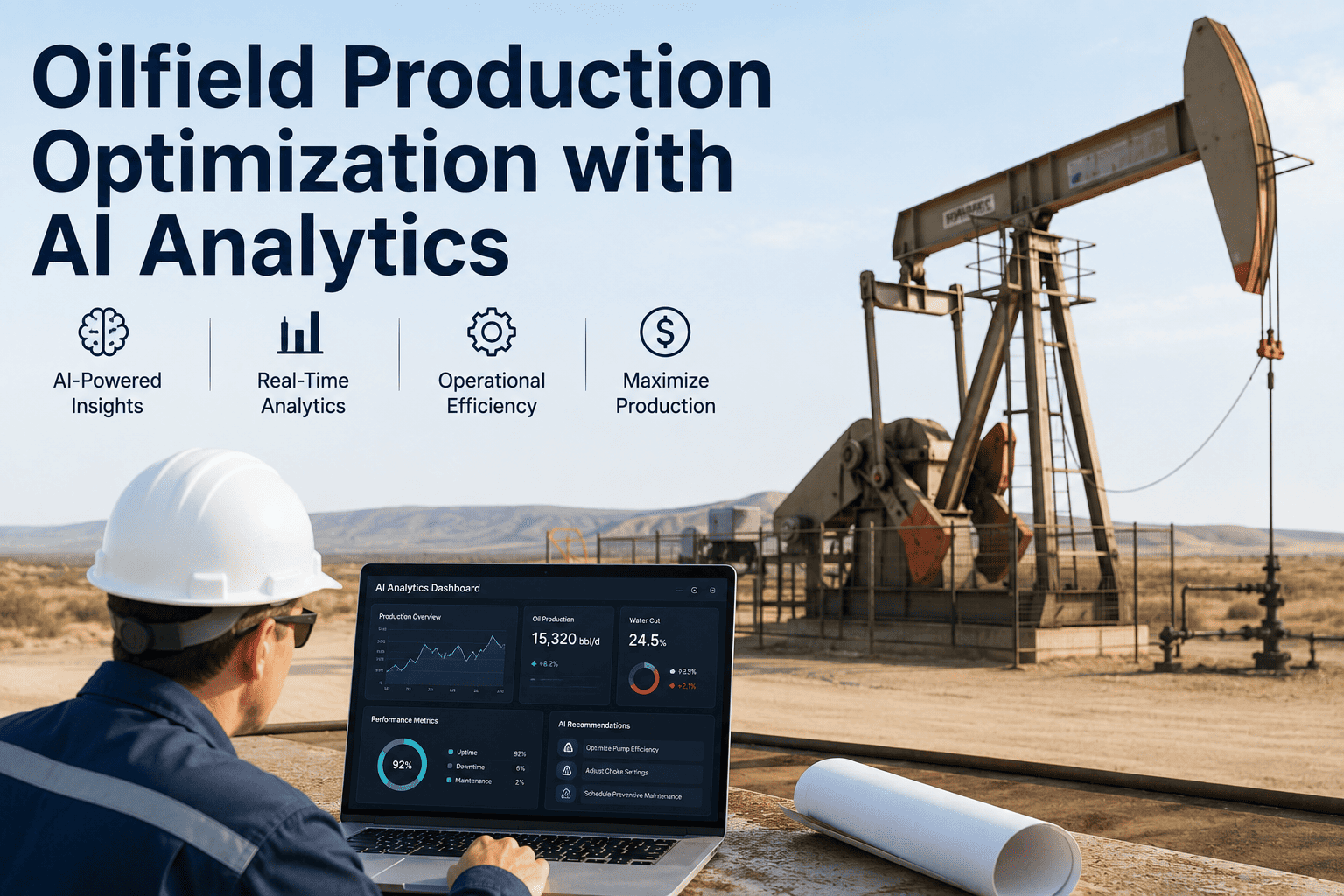
Read More
Oilfield production teams managing 50 to 500+ wells across multiple leases and production facilities face a fundamental data challenge — the production data they need to optimize well performance exists, but it is scattered across SCADA systems, f
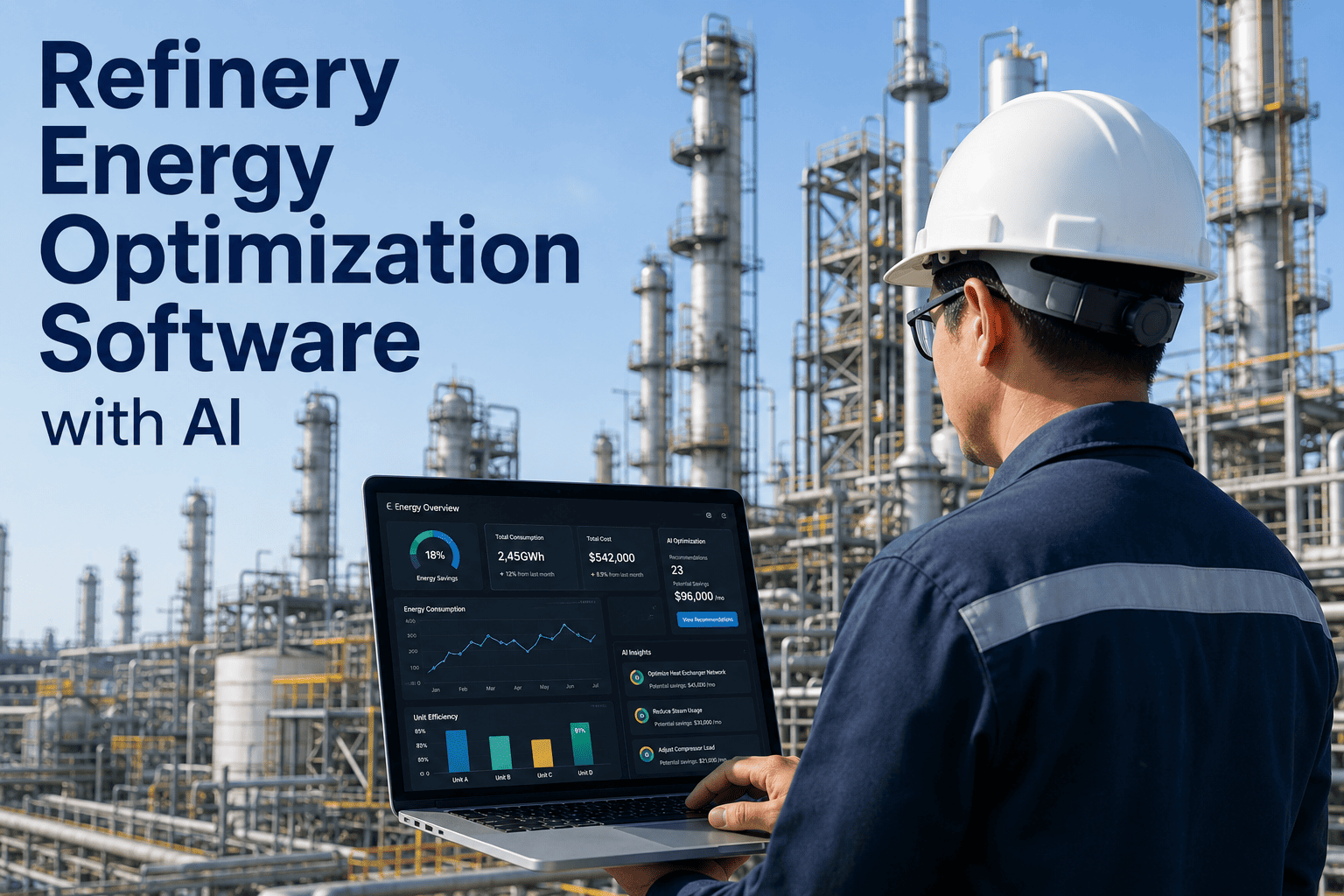
Read More
Refineries in the United States consume between 300,000 and 1.2 million BTU of primary energy per barrel of crude processed, with energy costs typically representing 30 to 50 percent of total non-crude operating expenditures. Despite decades of en
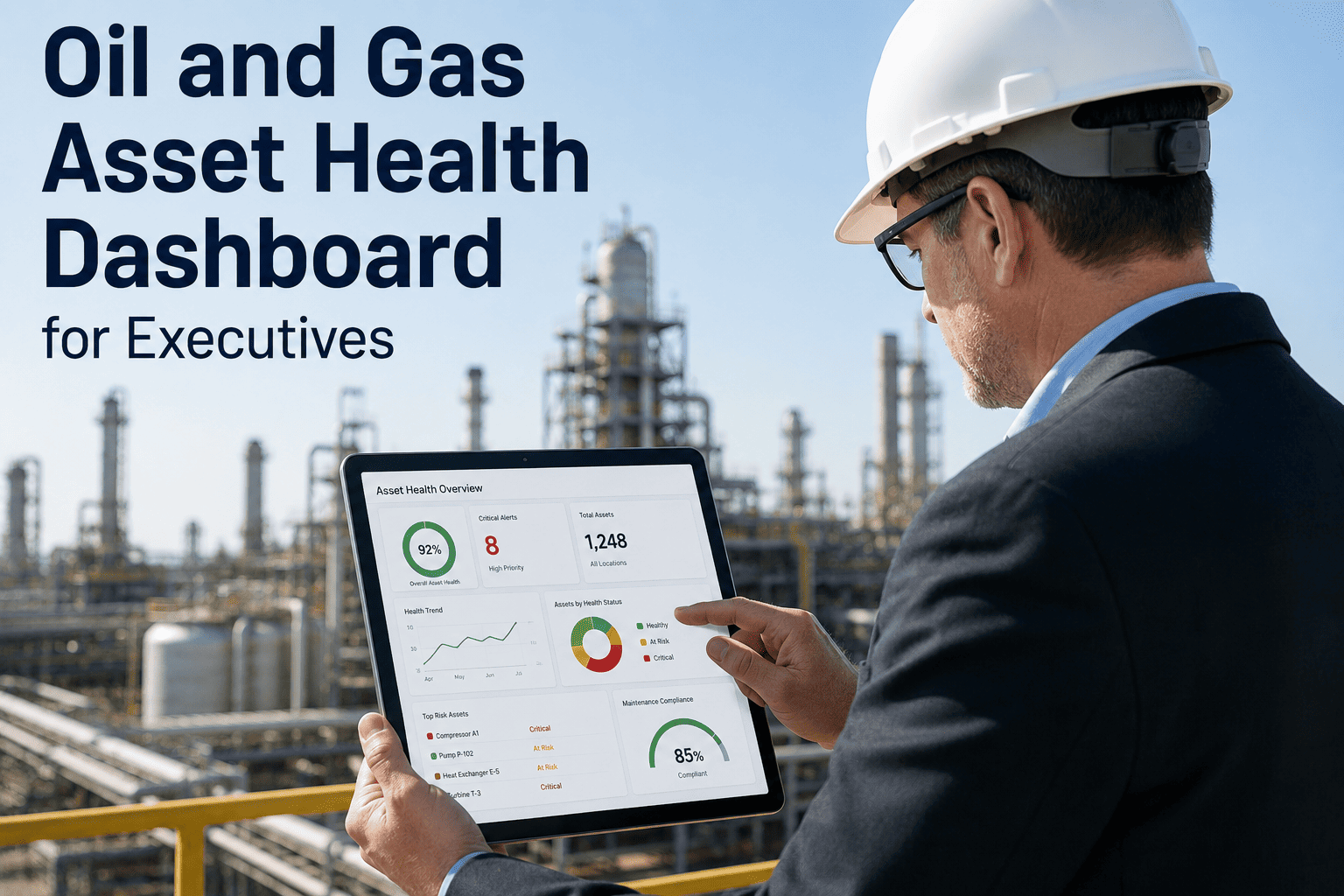
Read More
Oil and gas executives at refinery, midstream, and upstream operations make capital allocation, staffing, turnaround scheduling, and compliance investment decisions based on the asset health information they receive — yet most leaders rely on mont

Read More
Oil and gas maintenance teams at refineries and oilfield operations generate thousands of work orders annually from equipment inspections, condition monitoring alerts, vibration analysis findings, and process anomaly detections. The challenge is n
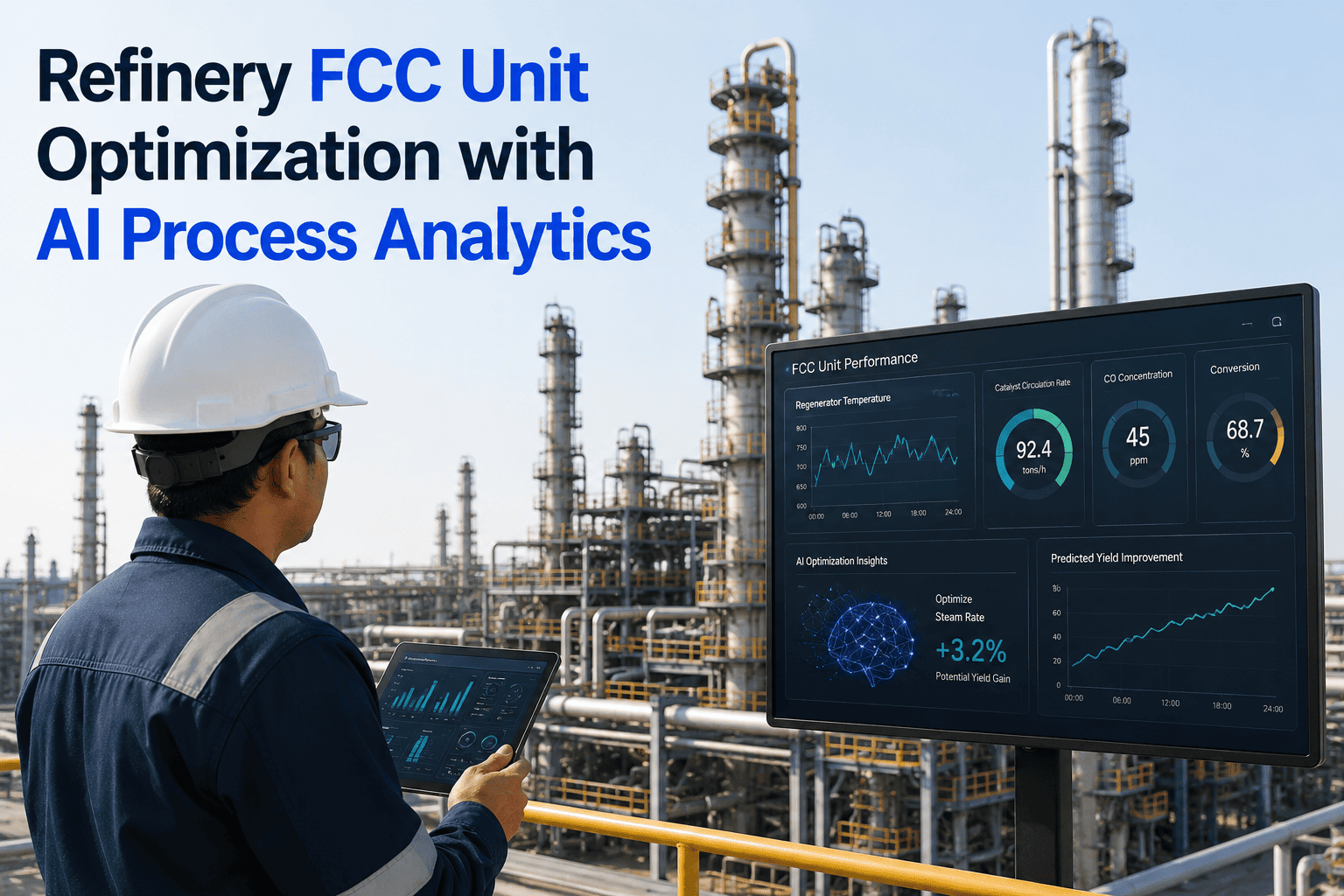
Read More
The fluid catalytic cracking unit is the highest-margin conversion process in most refineries — over 610 FCC units worldwide process more than 19 million barrels per day of feedstock, generating approximately 58% of the world's gasoline output. Ye
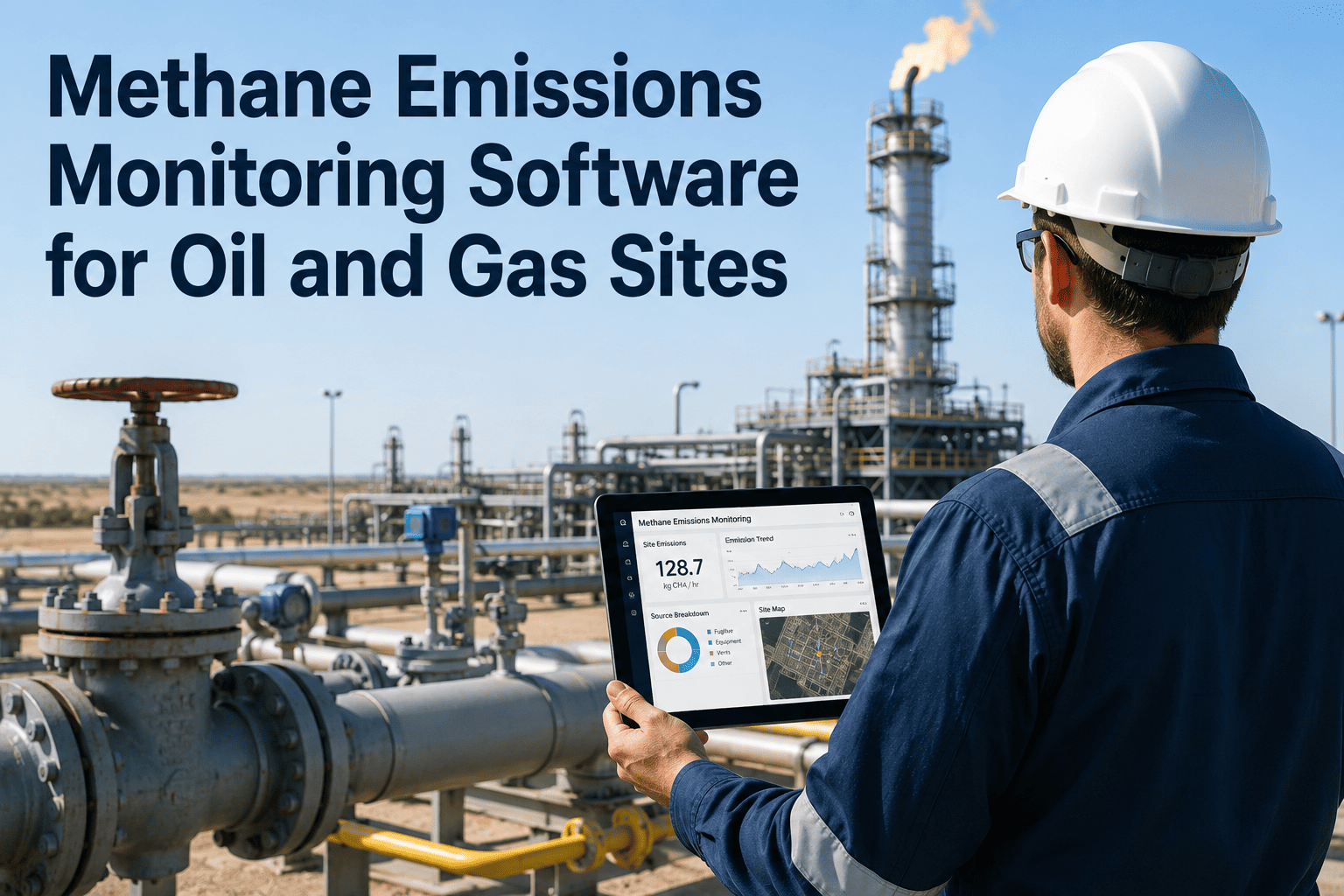
Read More
Methane is responsible for roughly 30% of the rise in global temperatures since the Industrial Revolution, and the oil and gas sector is the largest industrial source of methane pollution in the United States. The energy sector emitted nearly 150
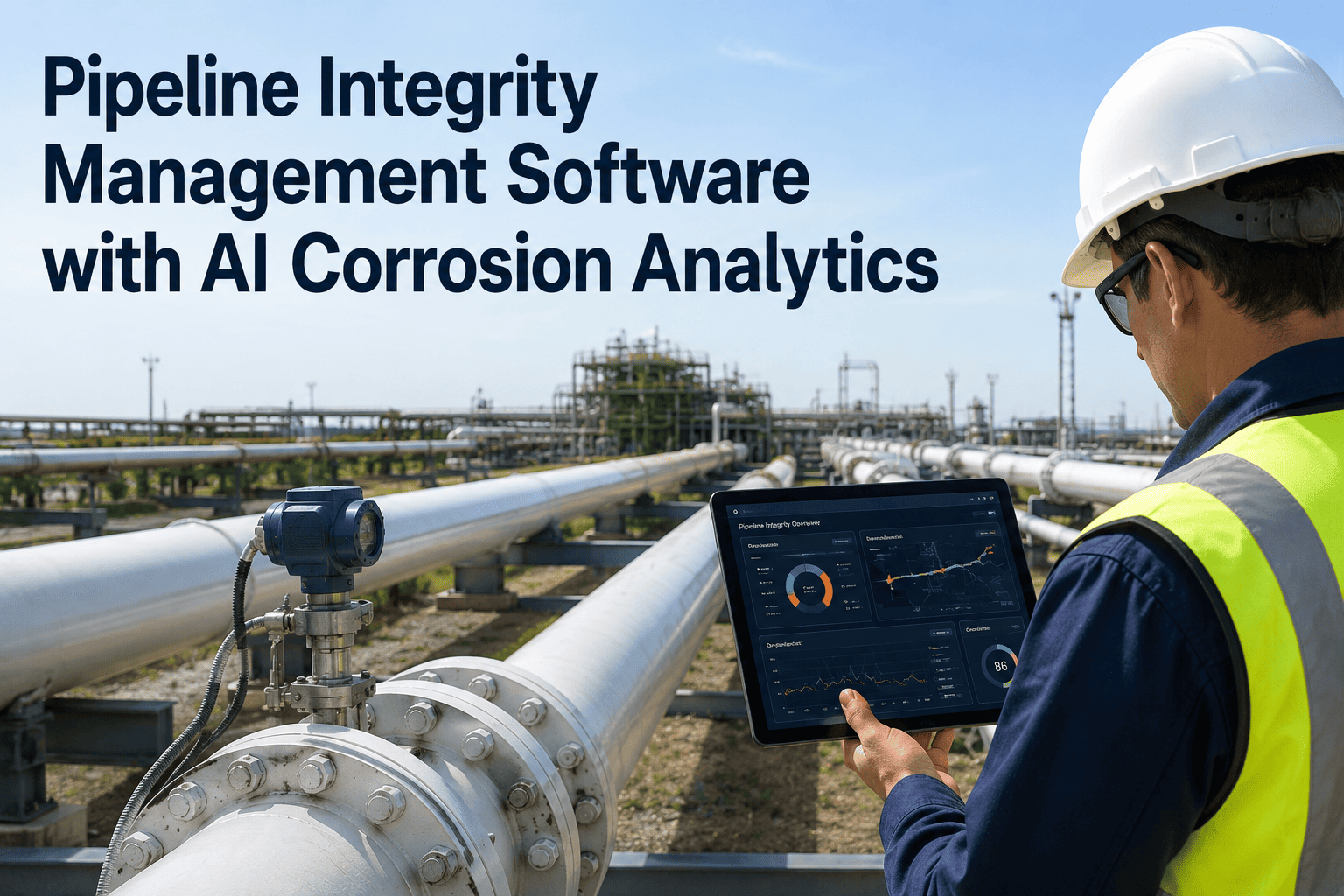
Read More
The U.S. pipeline network spans over 2.6 million miles of transmission and distribution lines — much of it installed decades ago and operating beyond its original design life. Corrosion, material fatigue, and external interference cause 61% of all

Read More
A refinery is not a single machine — it is a tightly coupled network of distillation columns, reactors, heat exchangers, compressors, and utilities where every operating decision in one process unit ripples across throughput, energy balance, produ
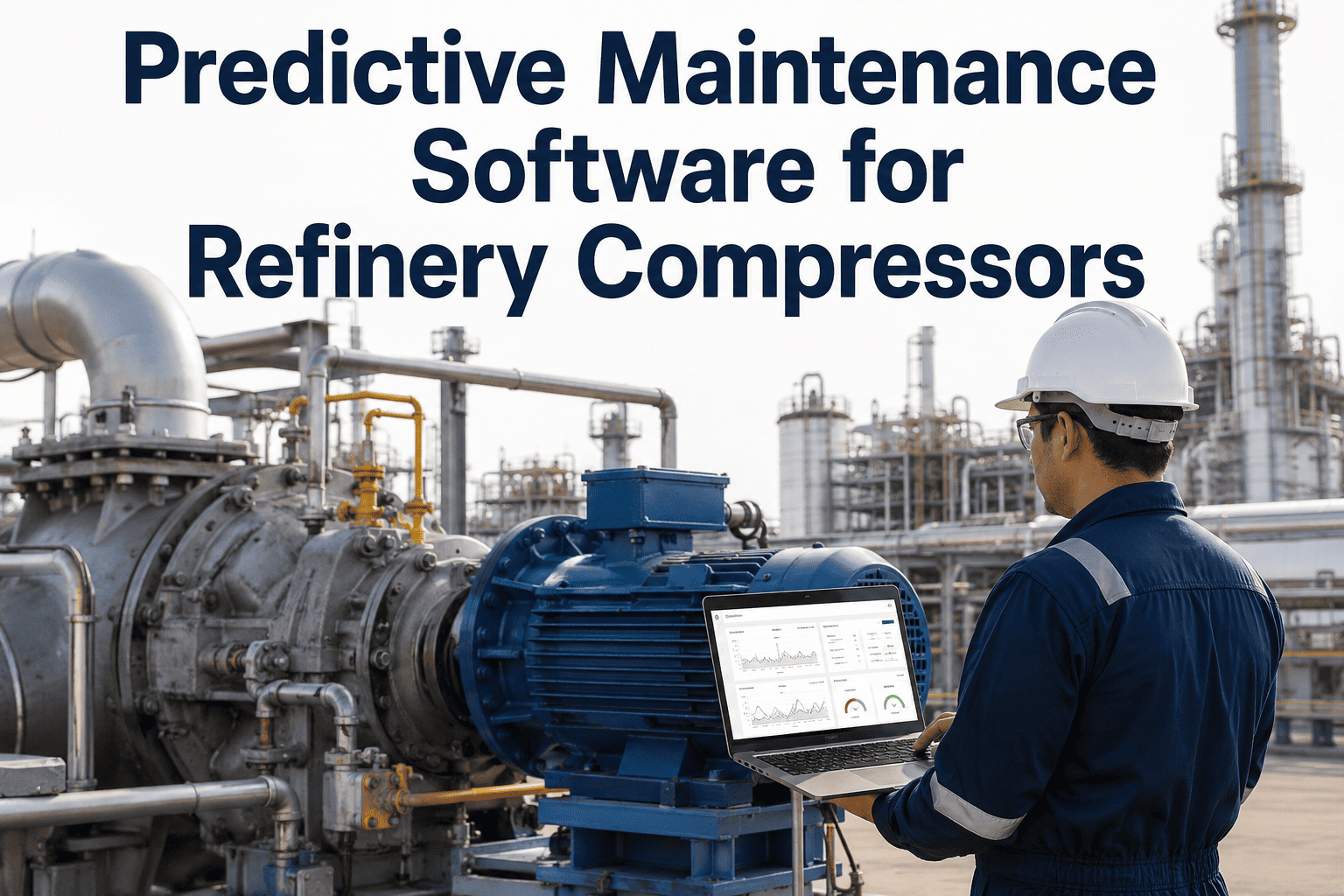
Read More
Refinery compressors — centrifugal, reciprocating, and screw — are the highest-consequence rotating assets in any downstream petroleum facility. A single unplanned compressor trip on a hydrogen recycle loop or catalytic cracker wet gas service can
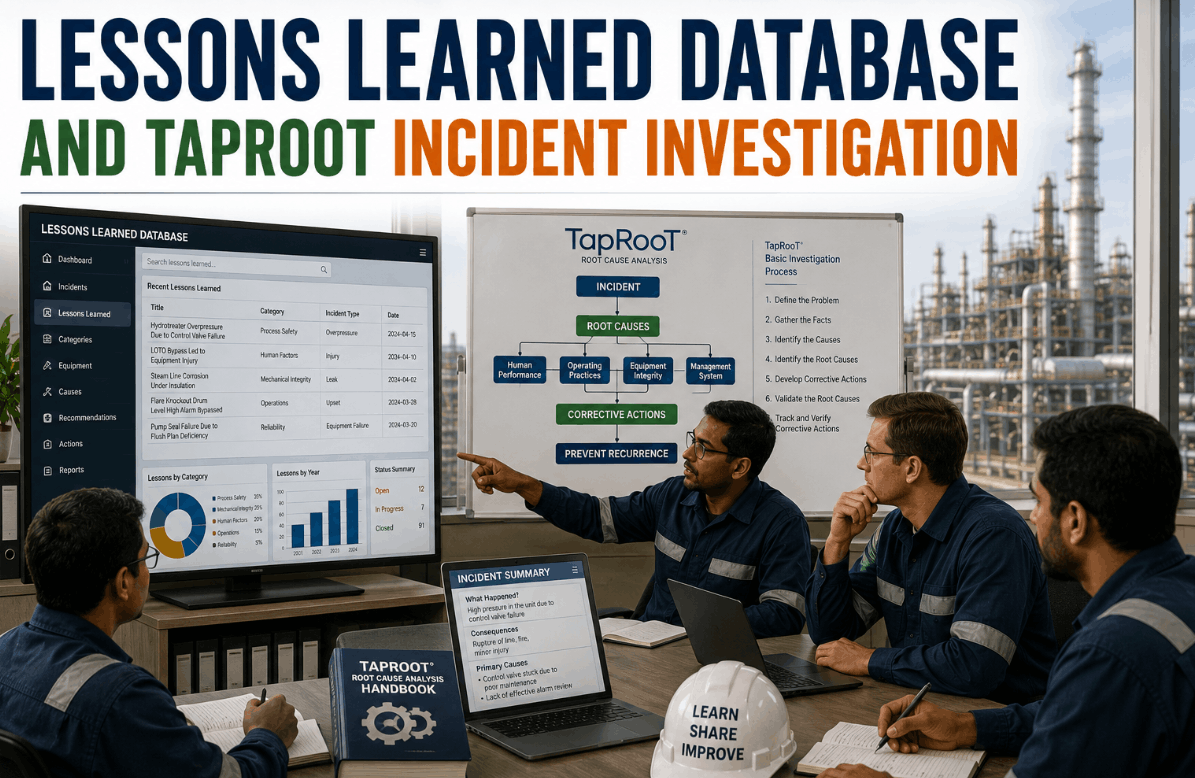
Read More
Most industrial plants relearn the same lessons every three to five years. A near-miss occurs, an investigation is completed, a corrective action is assigned — and then the finding gets buried in a folder on a shared drive, never
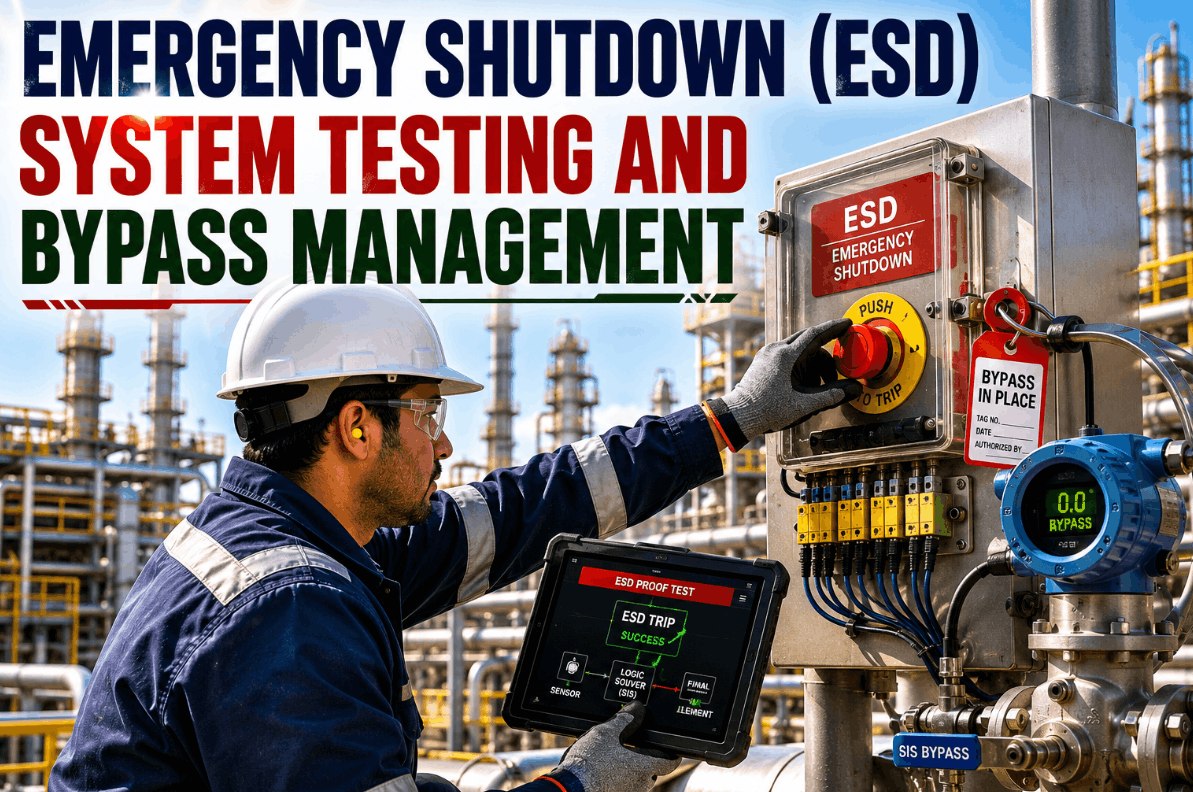
Read More
An Emergency Shutdown System that fails to trip when a hazard demands it is not a safety layer — it is a liability. For U.S. process manufacturers, refineries, and chemical facilities operating under OSHA PSM (29 CFR 1910.119) an

Read More
Paper-based operator rounds are no longer a viable quality strategy for U.S. manufacturing plants and refineries. Clipboards get lost, readings get skipped, and by the time a paper form reaches a supervisor's desk the process devi
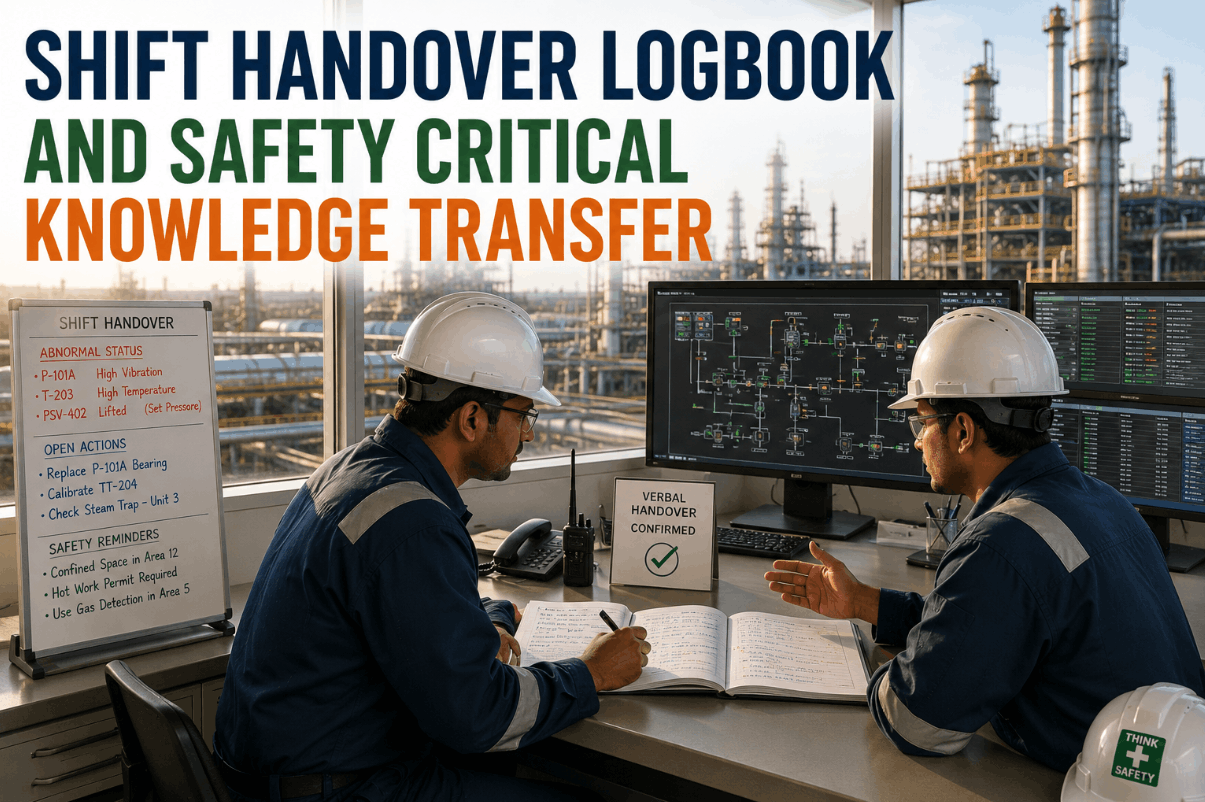
Read More
Over 40% of plant incidents at U.S. oil and gas facilities occur during start-up, shutdown, and shift change periods — despite those windows accounting for less than 5% of total operational time. That statistic is not a coincidence. It is the dire
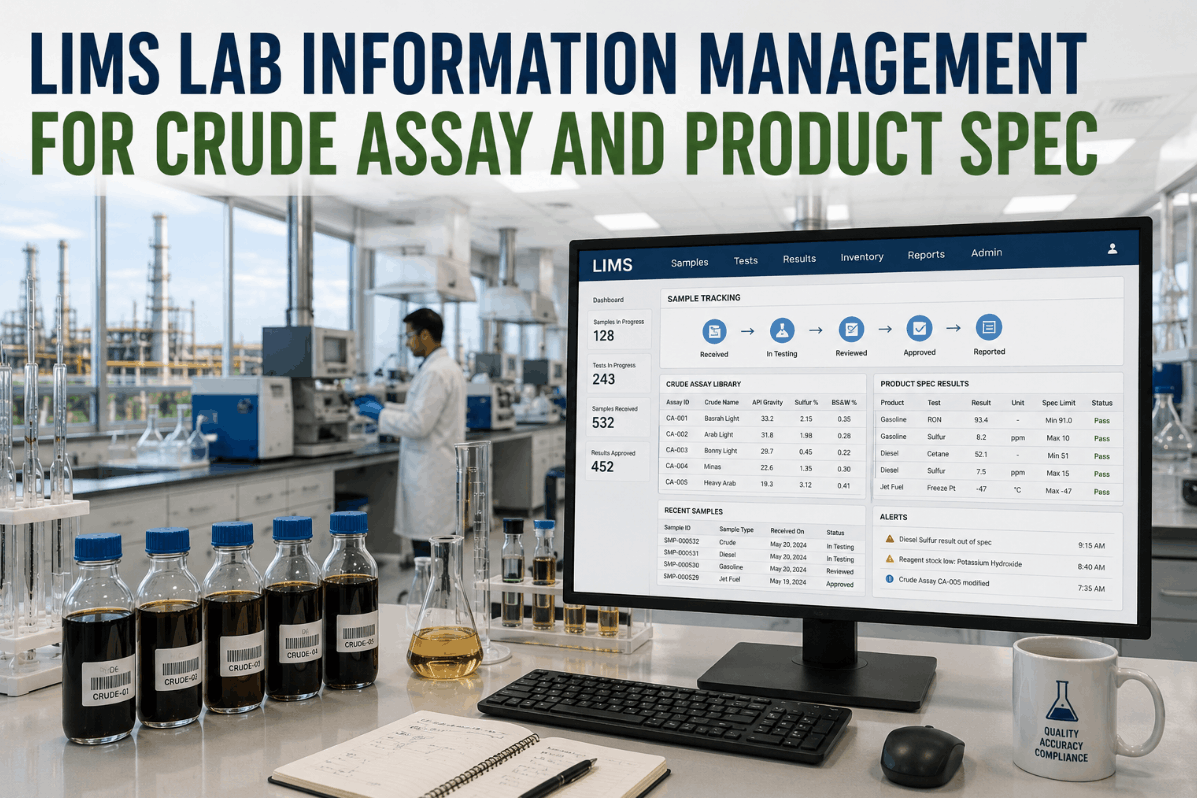
Read More
Every barrel of crude oil entering a U.S. refinery arrives with a different density, sulfur content, distillation profile, and contamination signature — and every finished product leaving the gate has to meet precise customer specs, ASTM test meth
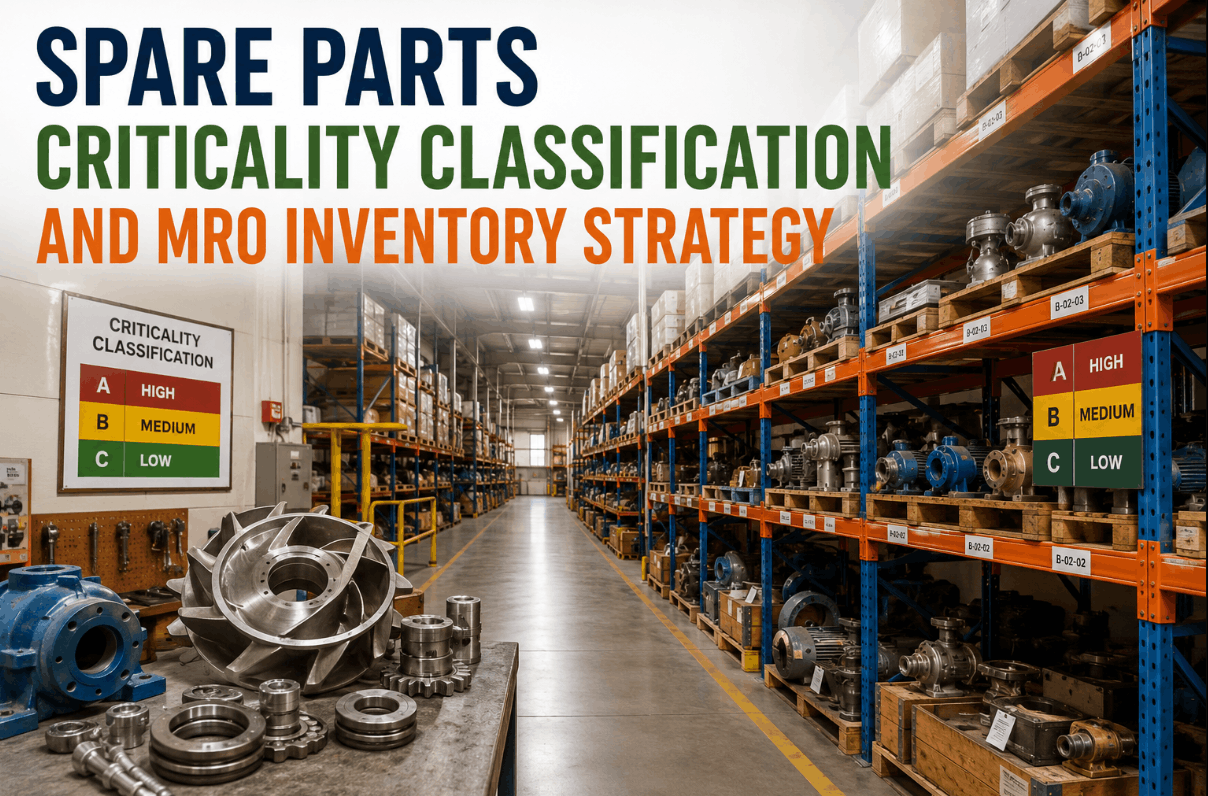
Read More
Every U.S. manufacturing facility carries two inventory risks simultaneously — overstocking parts that never move and understocking the one component that triggers a $150,000-per-hour production halt. Neither risk is inevitable. The difference bet
Read More
Most domestic refining capacity growth since the 1980s has come not from new grassroots refineries but from expansions, debottlenecking projects, and revamps at existing sites — and that pattern has only accelerated. When a refine
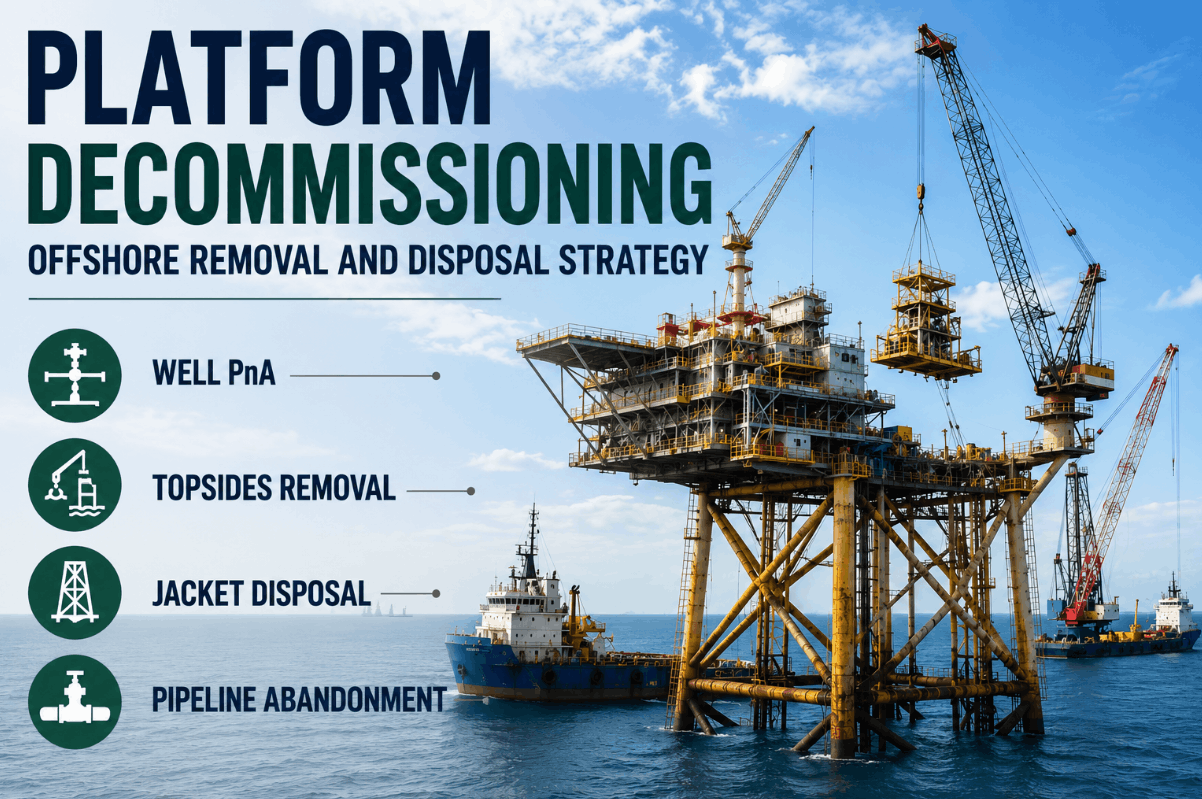
Read More
Offshore platform decommissioning is one of the most capital-intensive, operationally complex, and regulatory-sensitive undertakings in the energy sector. With an estimated $40 to $70 billion in total decommissioning liability sit
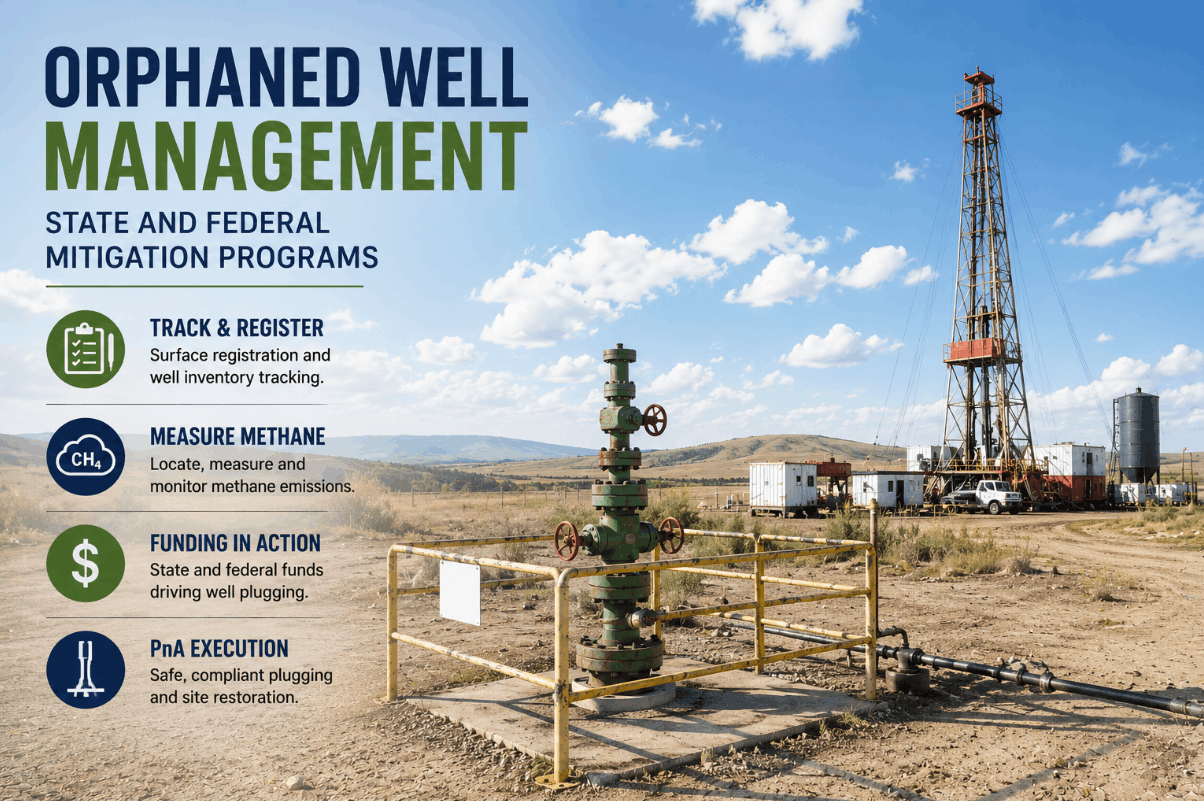
Read More
Three million abandoned oil and gas wells are scattered across the United States — from century-old Appalachian fields to depleted Gulf Coast formations — leaking methane, contaminating aquifers, and creating liability exposure th
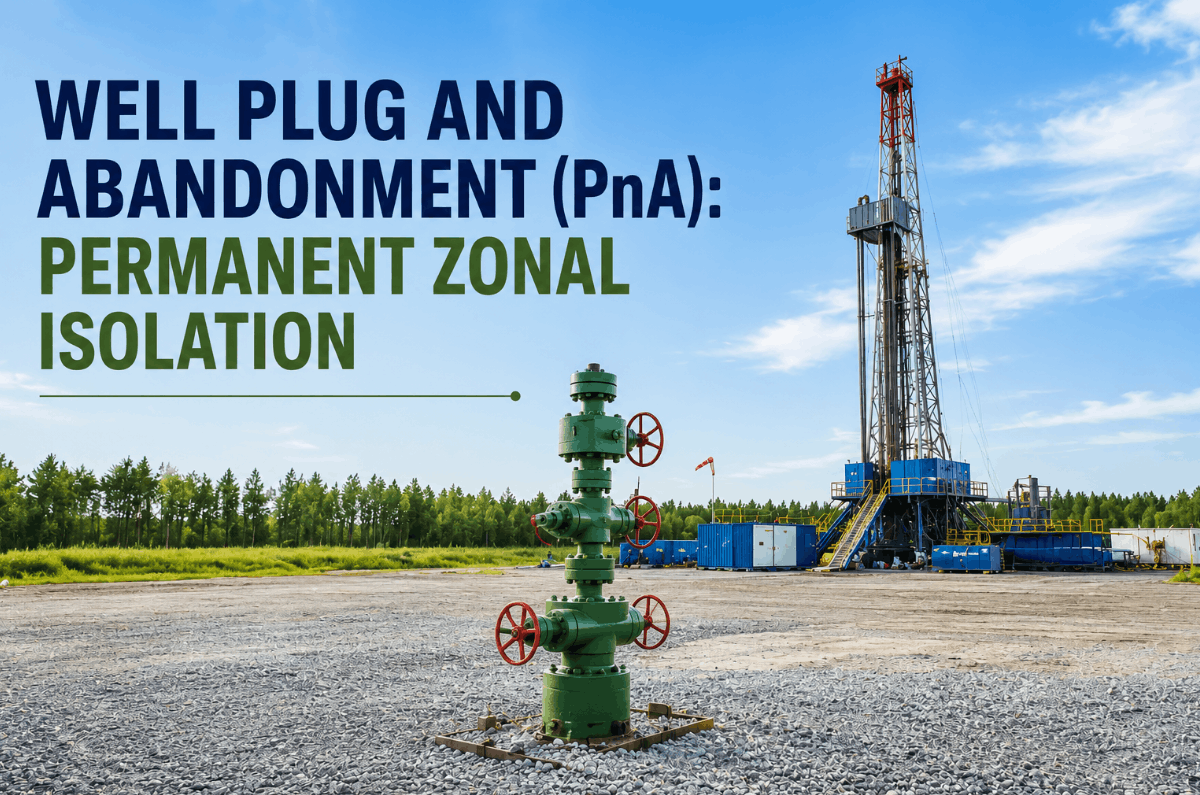
Read More
Well plug and abandonment (P&A) is among the most consequential engineering decisions in the lifecycle of an oil and gas asset — not because it is technically complex in the same way that drilling a directional well is comple
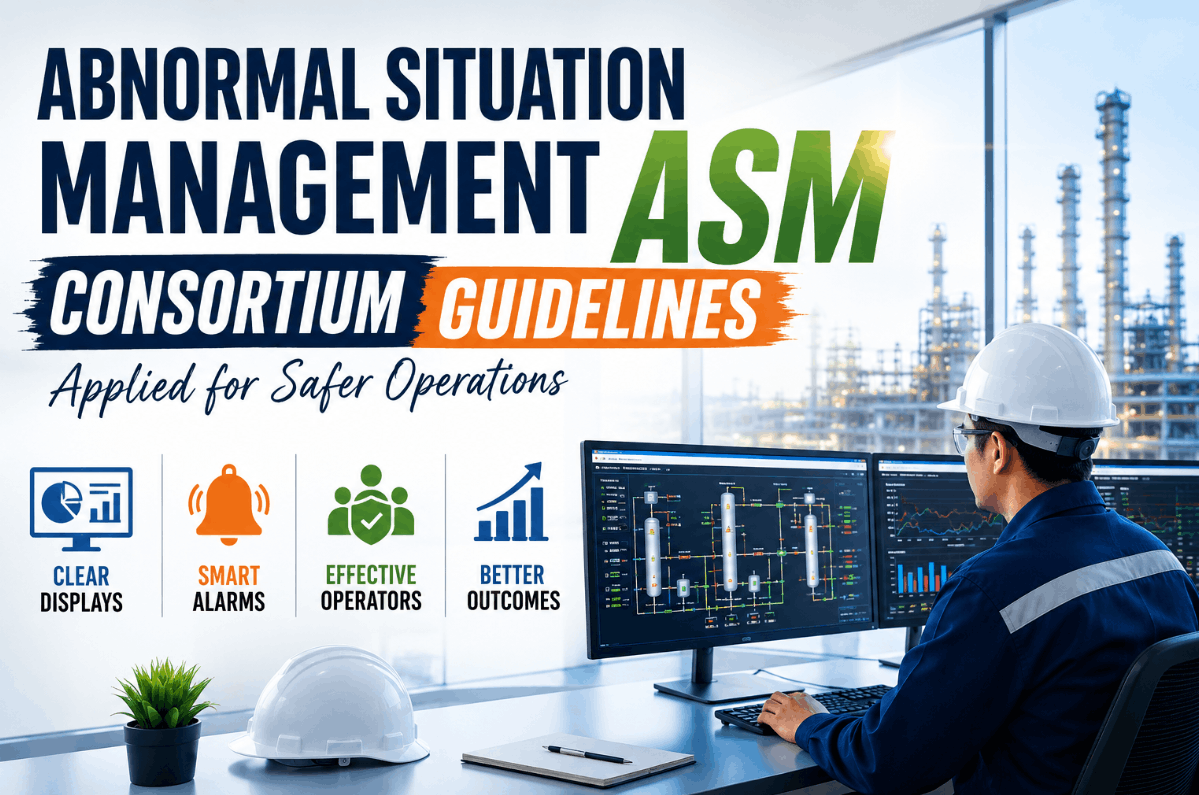
Read More
Abnormal Situation Management (ASM) Consortium guidelines represent the most rigorously field-tested framework available for reducing operator-driven incidents in refinery and chemical process operations. Founded in the early 199
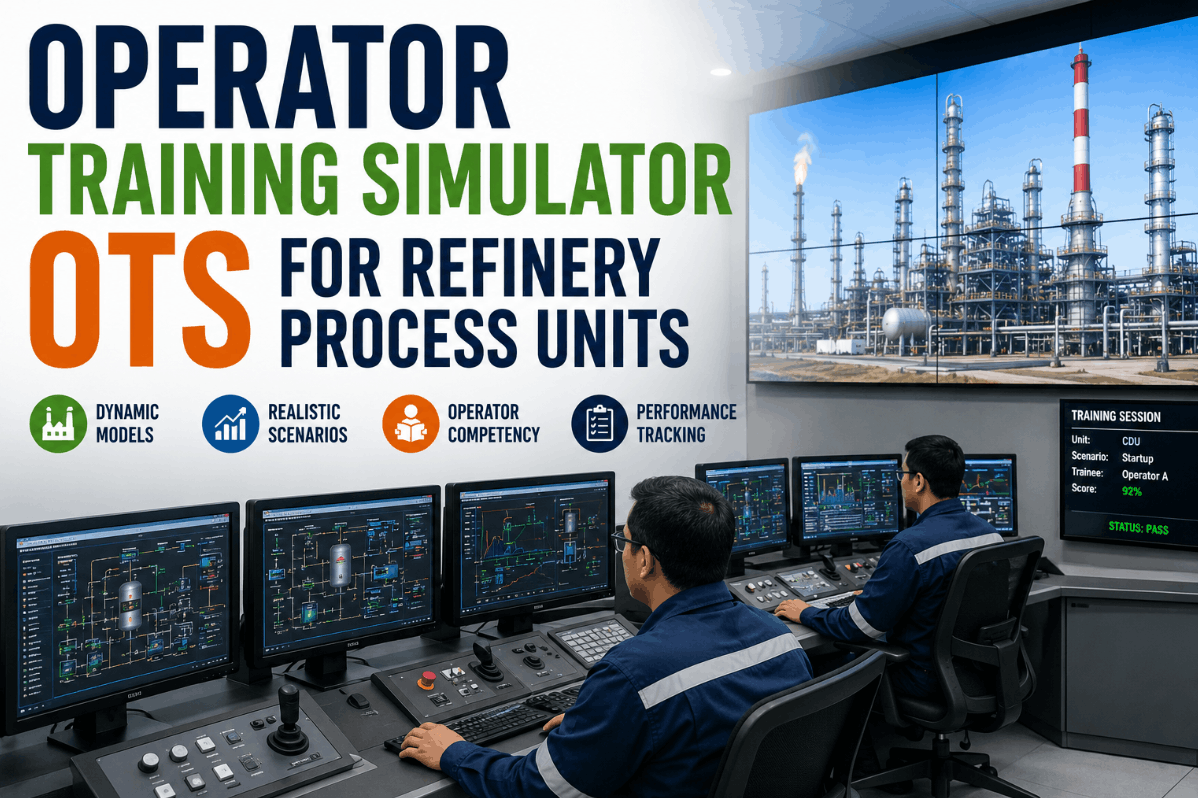
Read More
Operator training simulator (OTS) programs for refinery process units are redefining how U.S. facilities close the gap between classroom theory and live-console readiness. In an industry where 90–95% of plant accidents trace ba

Read More
Most control room incident investigations don't find a single dramatic failure. They find an operator who missed a critical alarm buried in a flood of forty others, a shift handover where a key detail never made it from one team t

Read More
A DCS rarely fails all at once. It fails by attrition — spare controller cards that no longer ship, an operating system the vendor stopped patching years ago, an engineer who understood the legacy logic retiring without a replacem
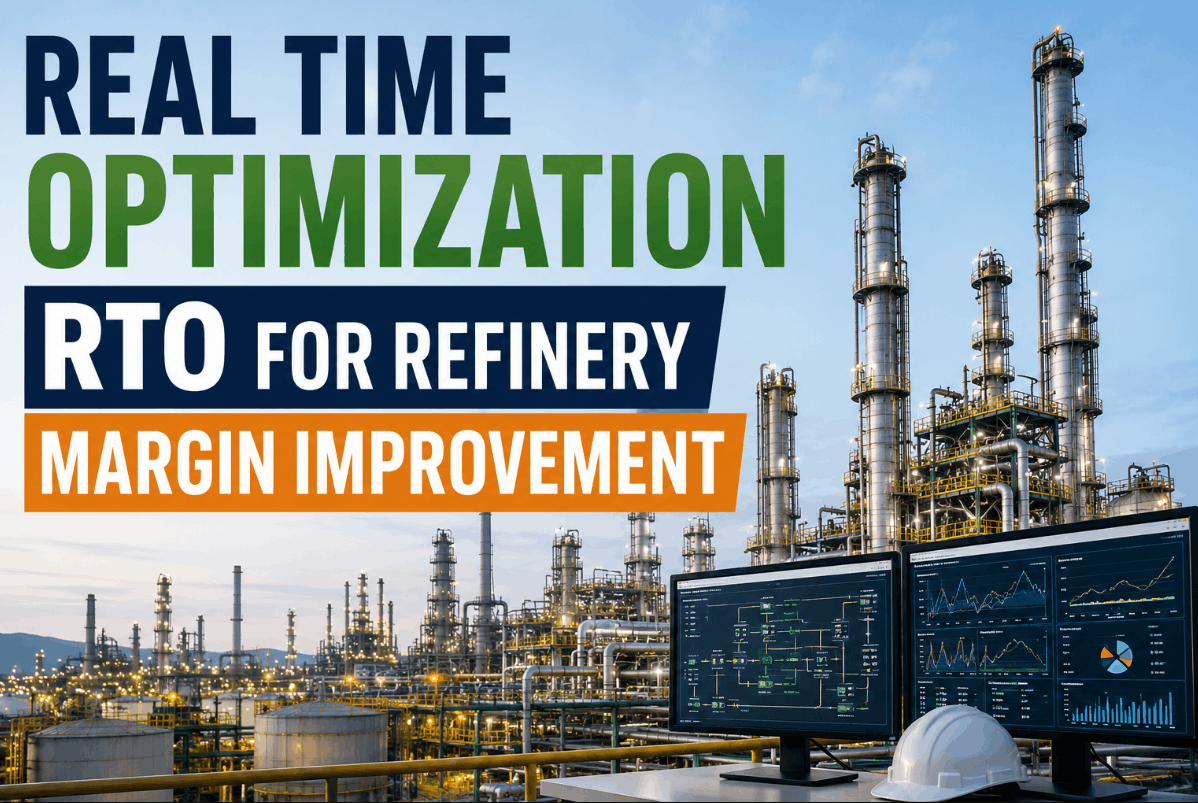
Read More
Advanced process control keeps a unit stable and pushes against operating constraints, but it has no concept of which constraint is actually worth pushing against on any given day. That question — given today's crude assay, today'
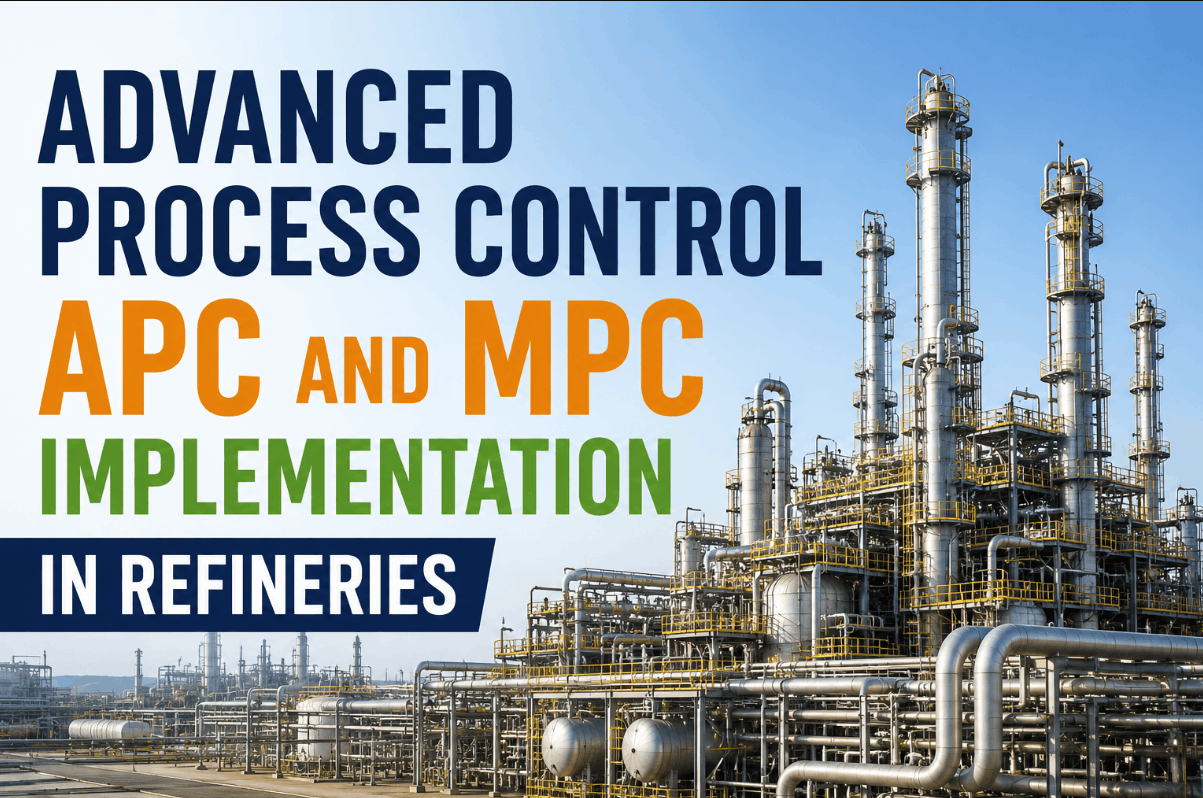
Read More
Advanced process control is the layer that sits above basic regulatory control and decides how close a unit can safely run to its real constraints — not the conservative constraints written into the operating manual a decade ago,
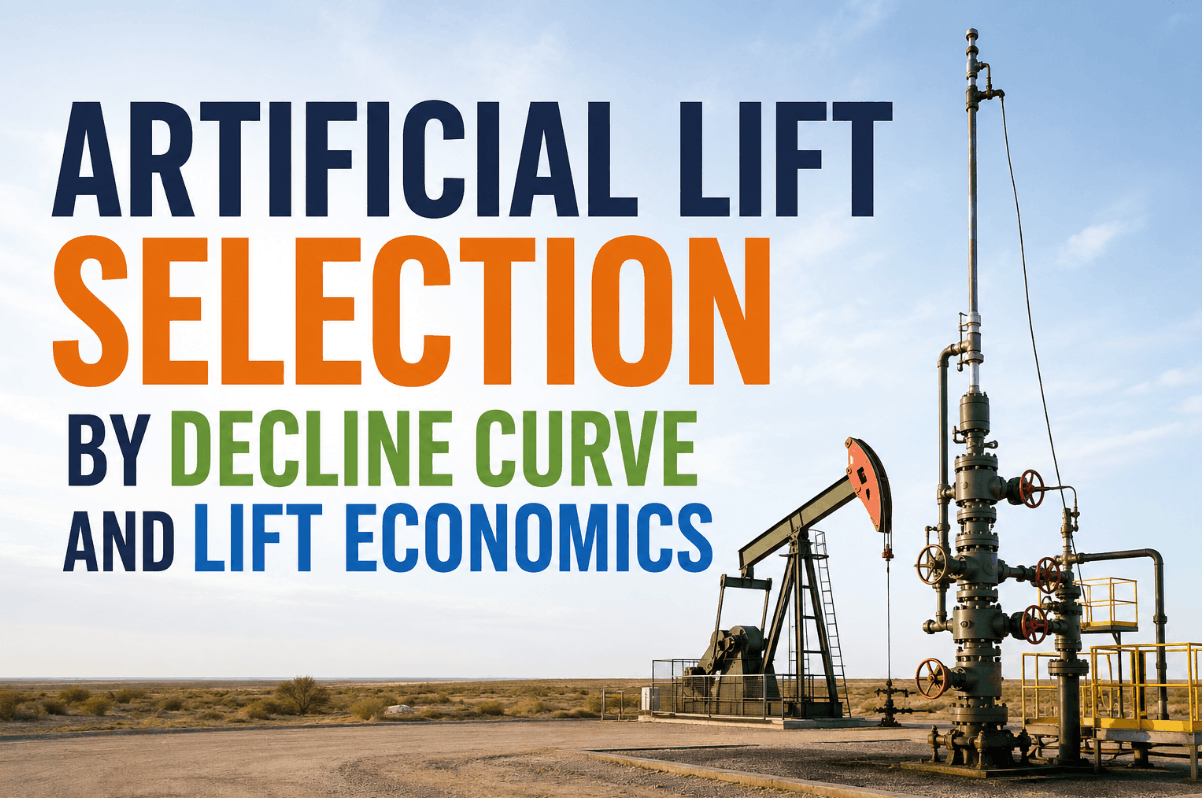
Read More
Every artificial lift decision is really an economics decision wearing engineering clothes. The mechanical question — ESP, gas lift, rod pump, PCP, or jet pump — gets all the attention in vendor meetings, but it's the wrong question to start with.

Read More
On a six-well pad in the Permian Basin, a production engineer spent two hours every morning pulling test separator data, entering rates into a spreadsheet, and manually reconciling allocation factors that were already twelve hours stale. His MPFM
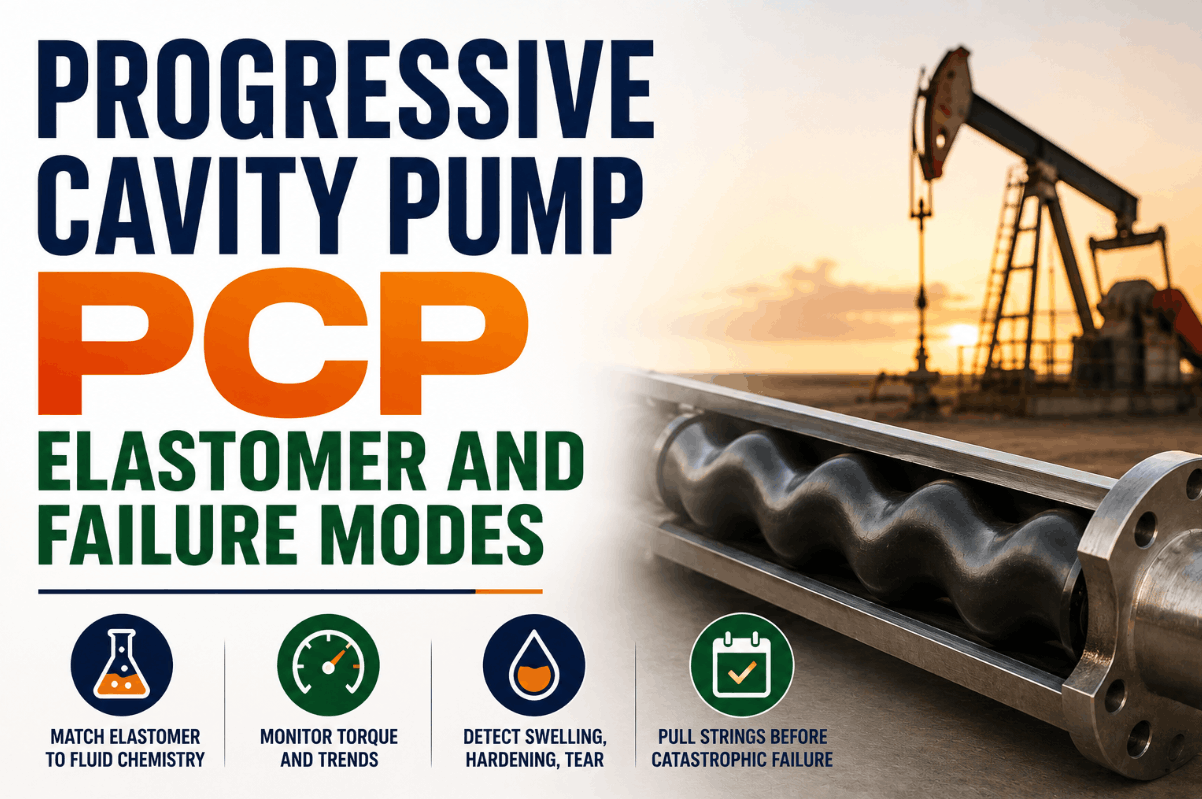
Read More
Progressive cavity pumps are the workhorse of heavy oil, viscous fluid, and high-solids production across the Permian Basin, San Joaquin Valley, Canadian oil sands, and unconventional fields where centrifugal or beam pump lift simply cannot hand
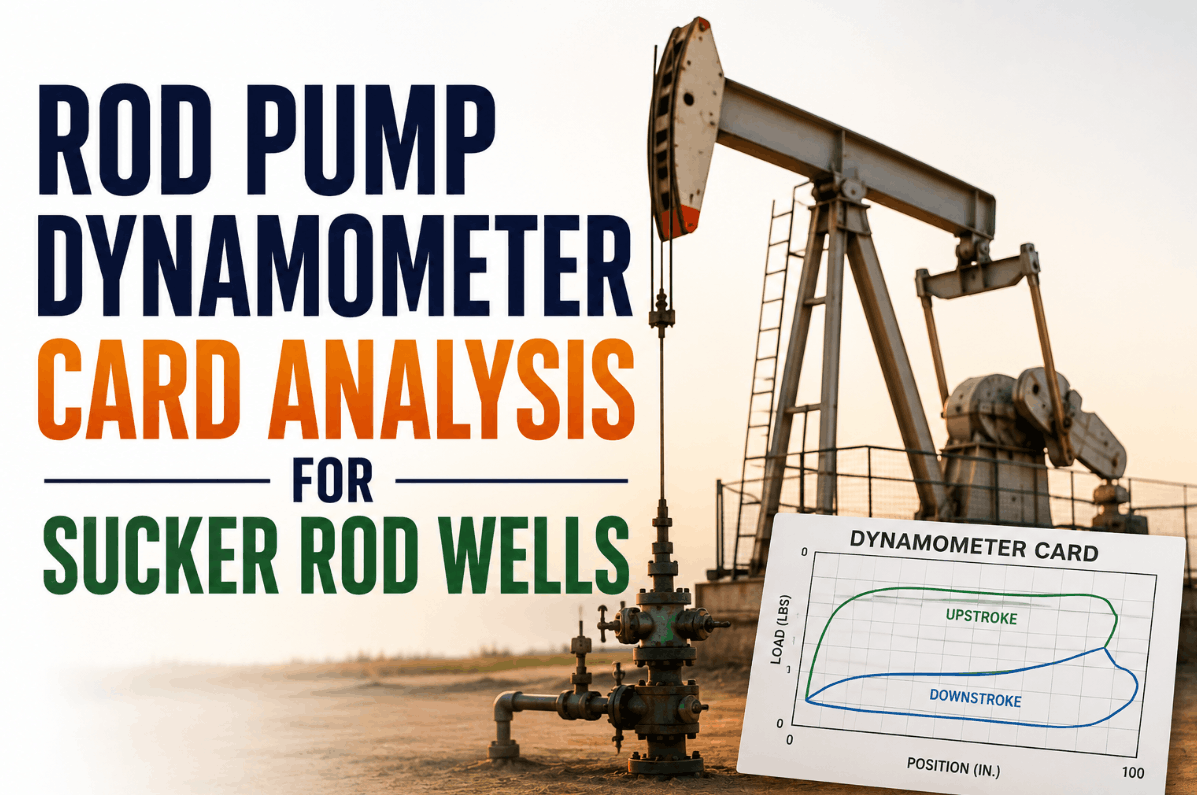
Read More
The dynamometer card is the most information-dense diagnostic instrument available to a rod pump production engineer — and the most underutilized. Every stroke of a sucker rod pump generates a surface dynamometer card that encodes the complete m
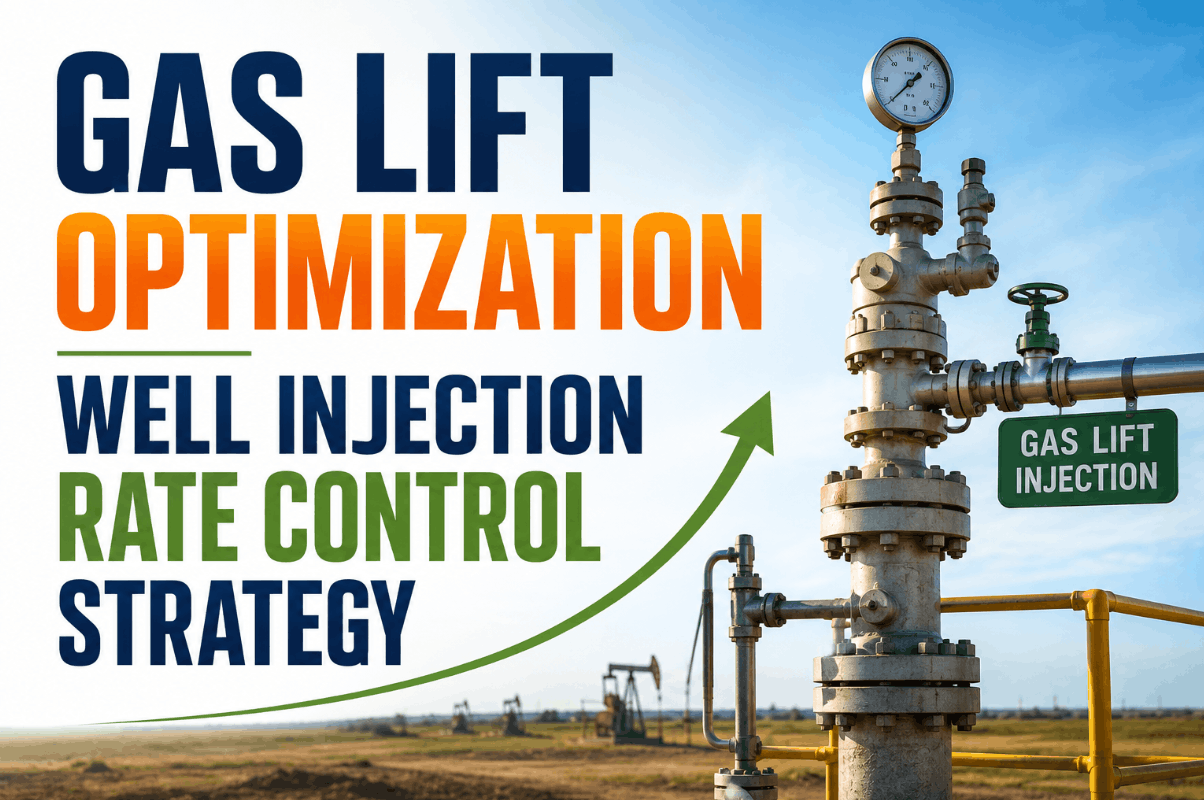
Read More
Gas lift is one of the most widely deployed artificial lift methods in U.S. oil and gas production — and one of the most chronically mismanaged. Across the Permian Basin, Gulf of Mexico shelf, and mid-continent fields, wells are over-injecting o
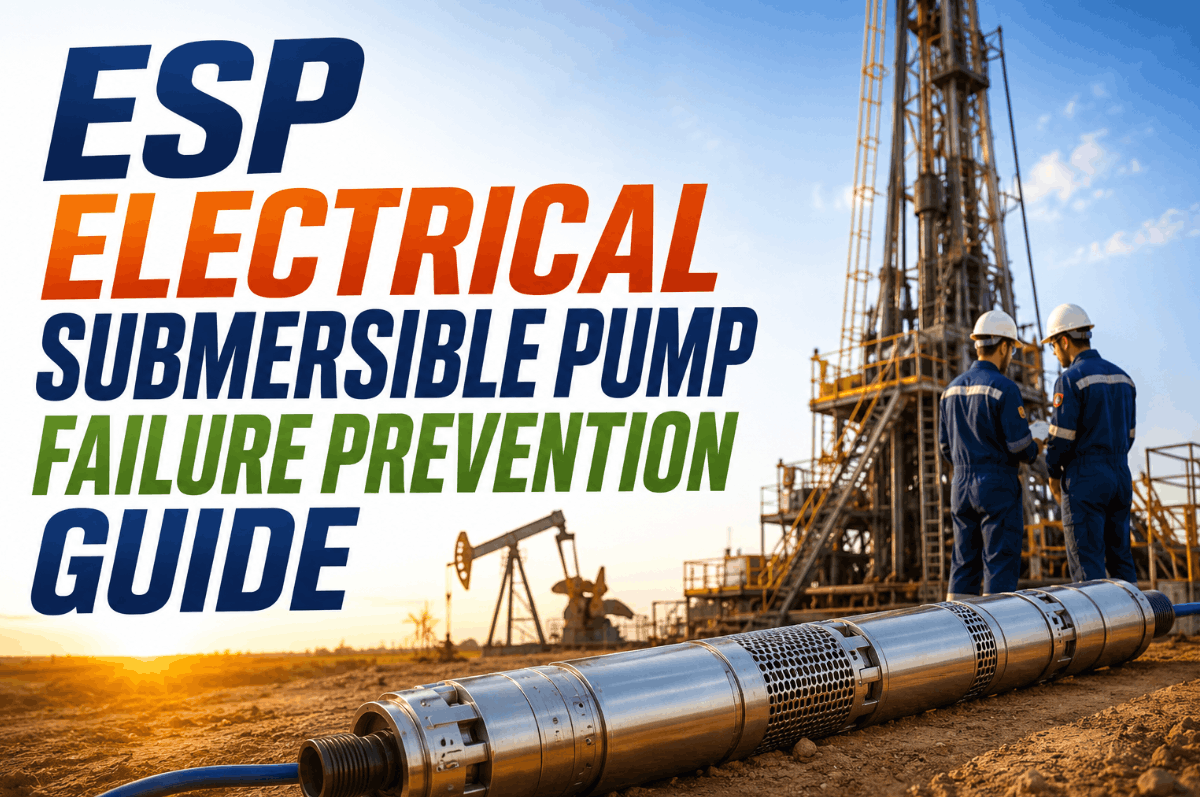
Read More
In high-volume oil and gas production, Electrical Submersible Pumps (ESPs) are the workhorse of artificial lift—quietly moving thousands of barrels per day from depths that no conventional pump can reach. Yet for all their output, ESPs remain on
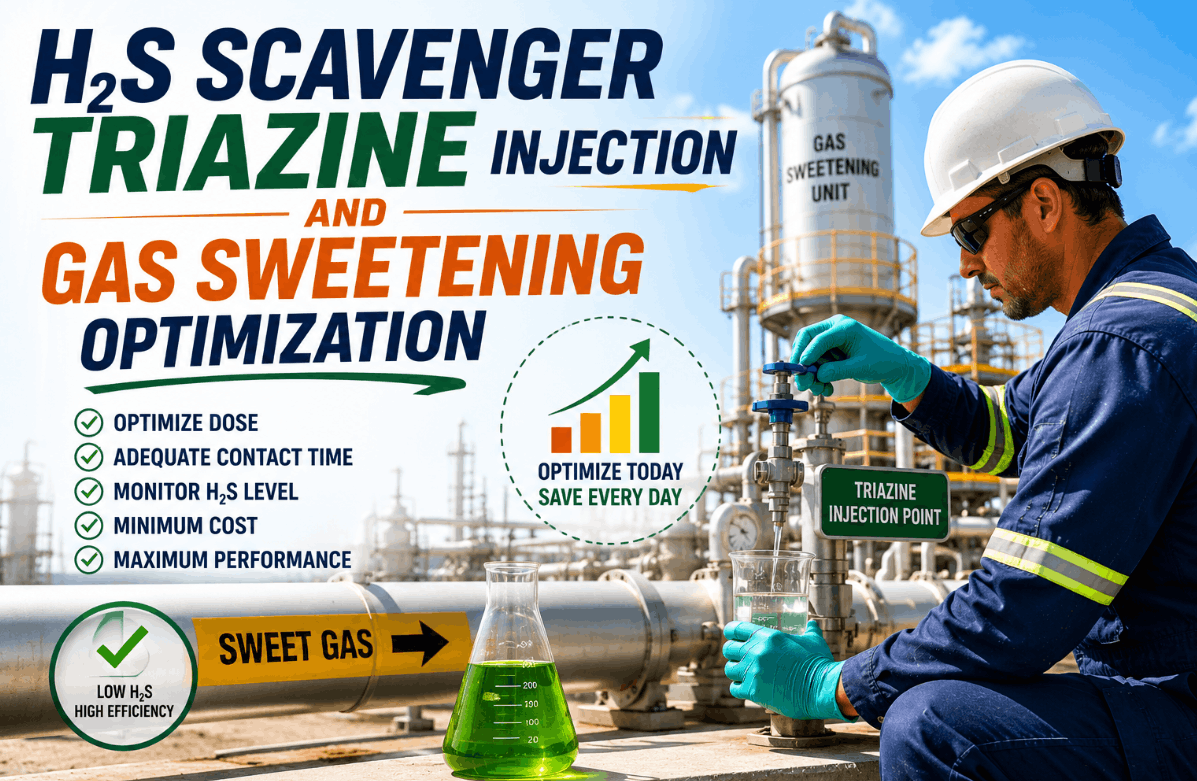
Read More
Triazine has been the default answer to sour gas for four decades, and for good reason — it is fast, inexpensive relative to amine treating, and simple to inject at a wellhead or pipeline tie-in with no rotating equipment required
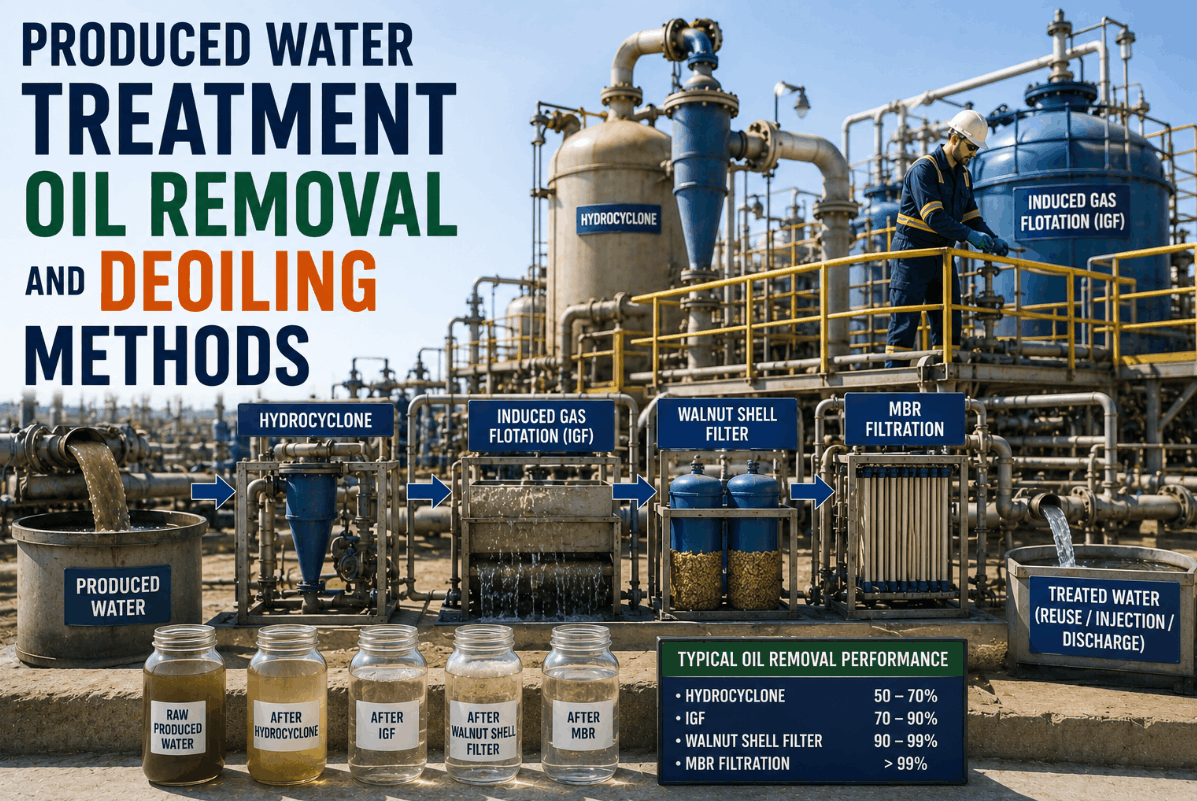
Read More
On a typical onshore well, every barrel of crude can arrive with three, five, sometimes ten barrels of produced water riding along with it — brine, dispersed oil droplets, dissolved solids, and trace solids that all have to be sep
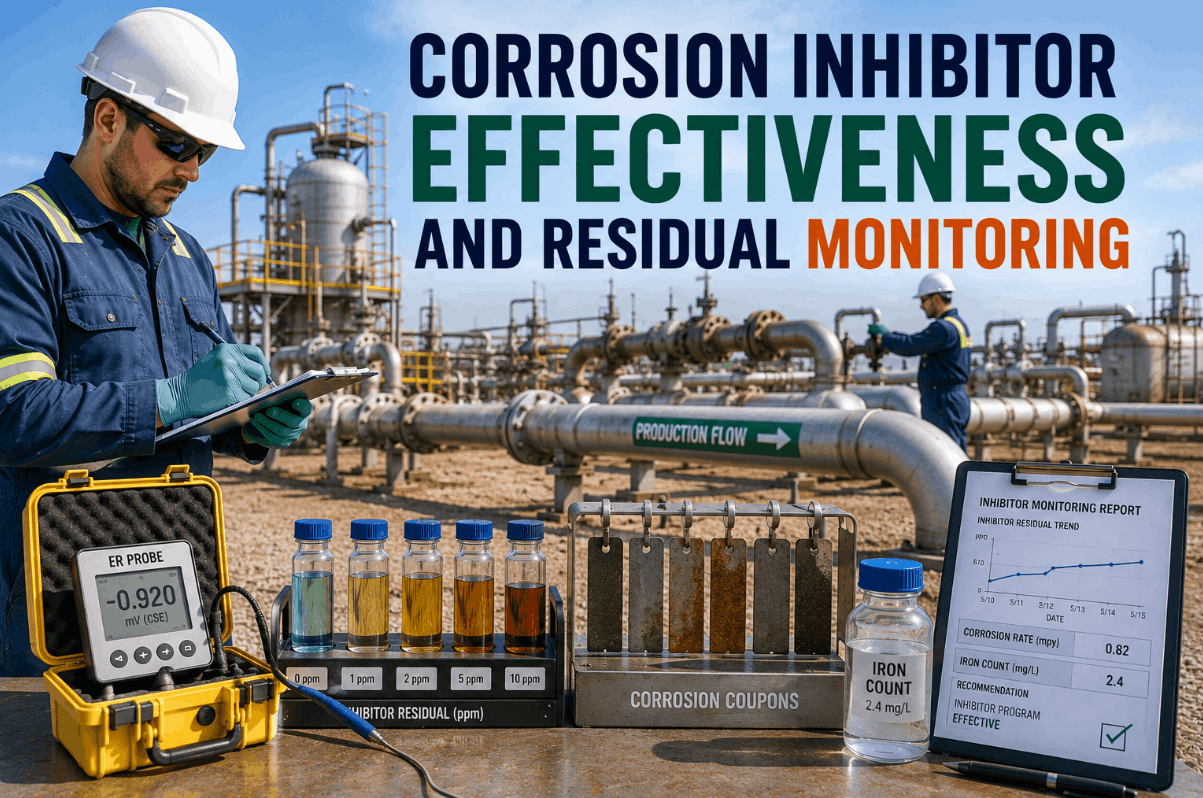
Read More
Injecting a corrosion inhibitor and assuming it is working is one of the most expensive habits in oilfield production chemistry. Inhibitor film performance depends on dose rate, water cut, flow regime, and CO2 or H2S partial pressure
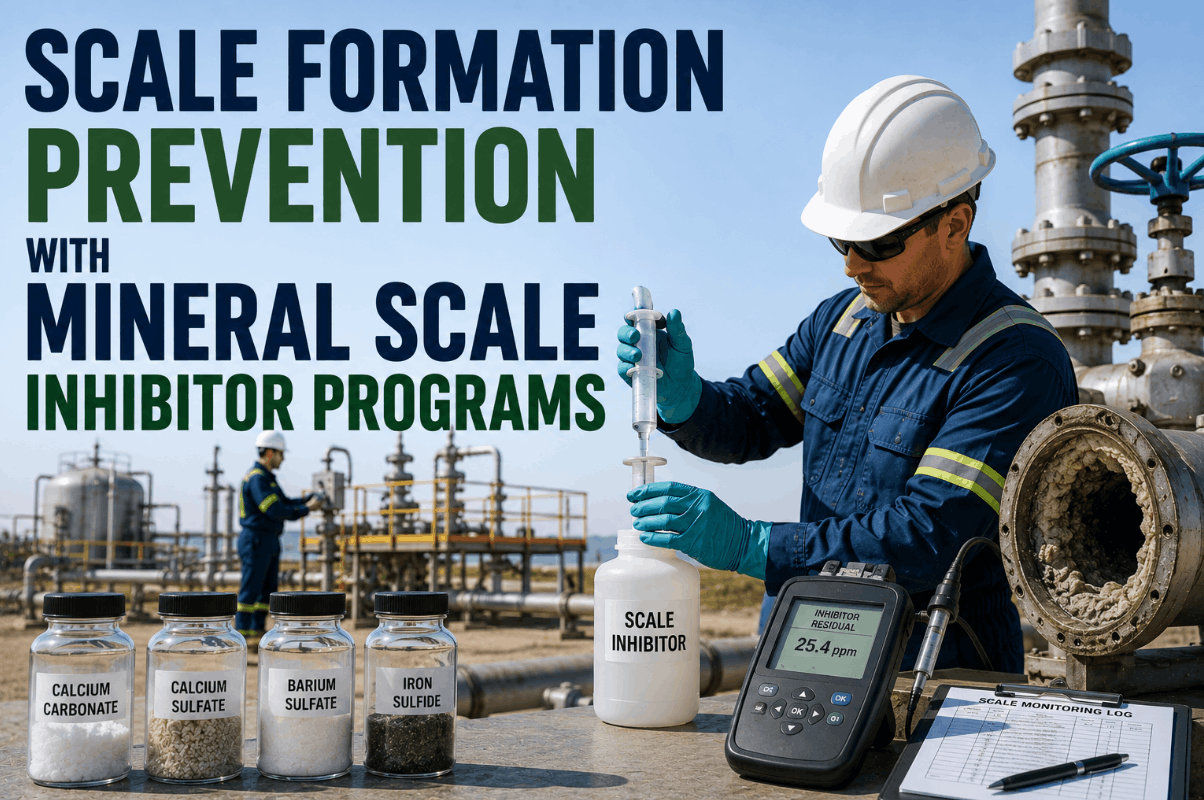
Read More
Mineral scale is one of the quietest production killers in oil and gas operations — calcium carbonate, calcium sulfate, and barium sulfate deposits build up gradually inside tubing, perforations, and surface equipment until a wel
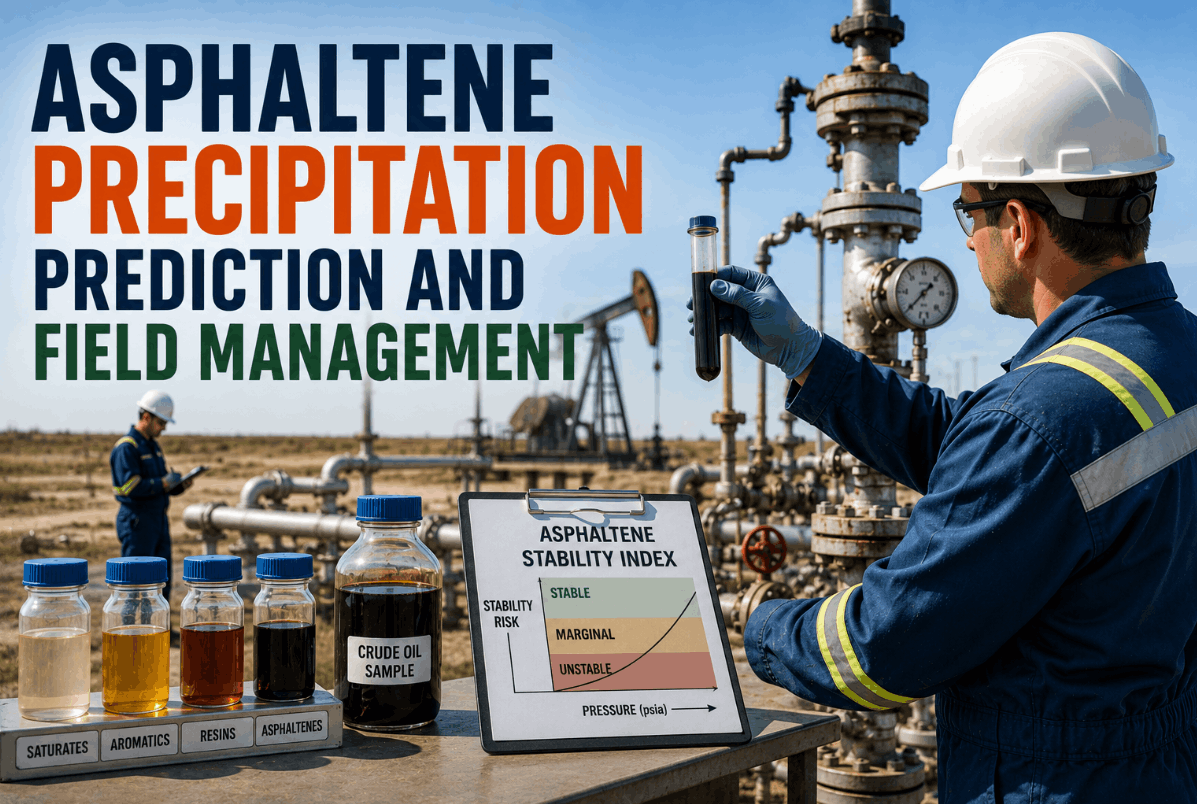
Read More
Asphaltene precipitation is one of the most disruptive flow assurance threats in oil production, capable of plugging tubing, near-wellbore formation, and surface facilities within days once the asphaltene onset pressure is cross
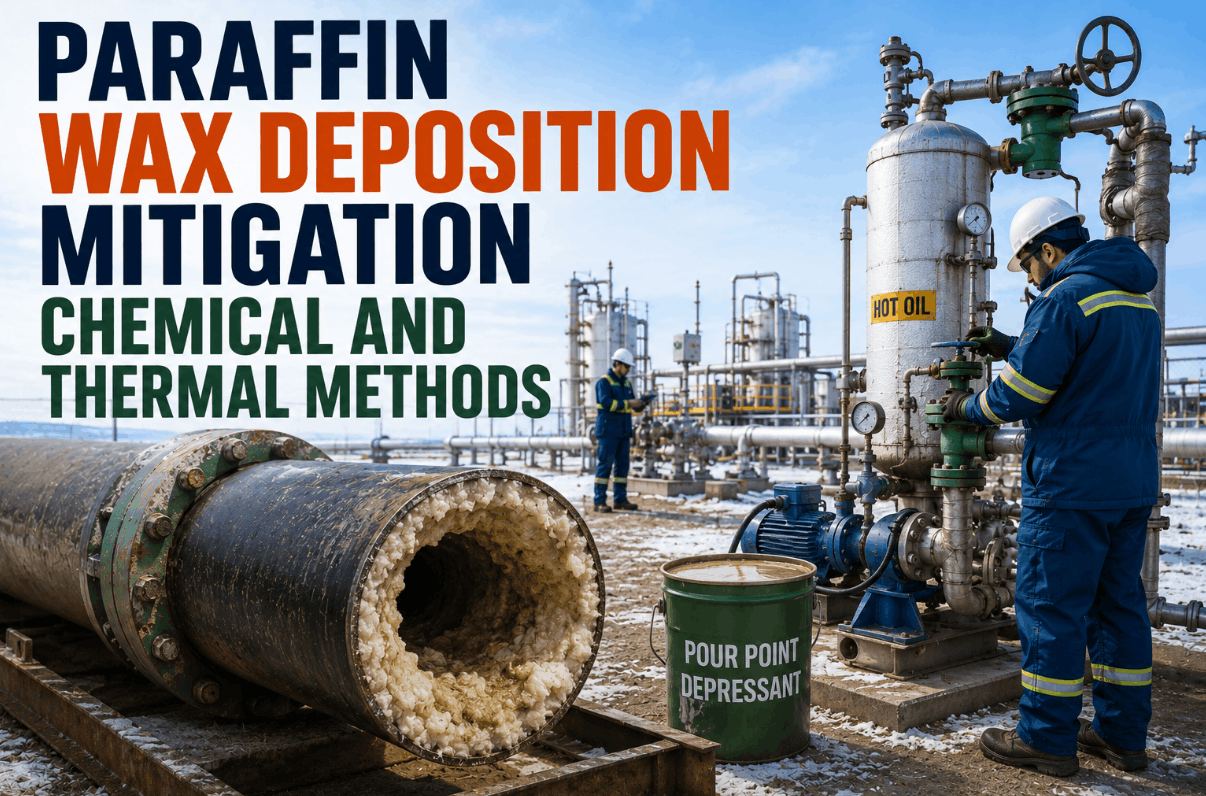
Read More
Paraffin wax deposition remains one of the most persistent flow assurance challenges facing upstream and midstream operators today. As crude oil cools below its wax appearance temperature (WAT), dissolved n-alkanes crystallize a
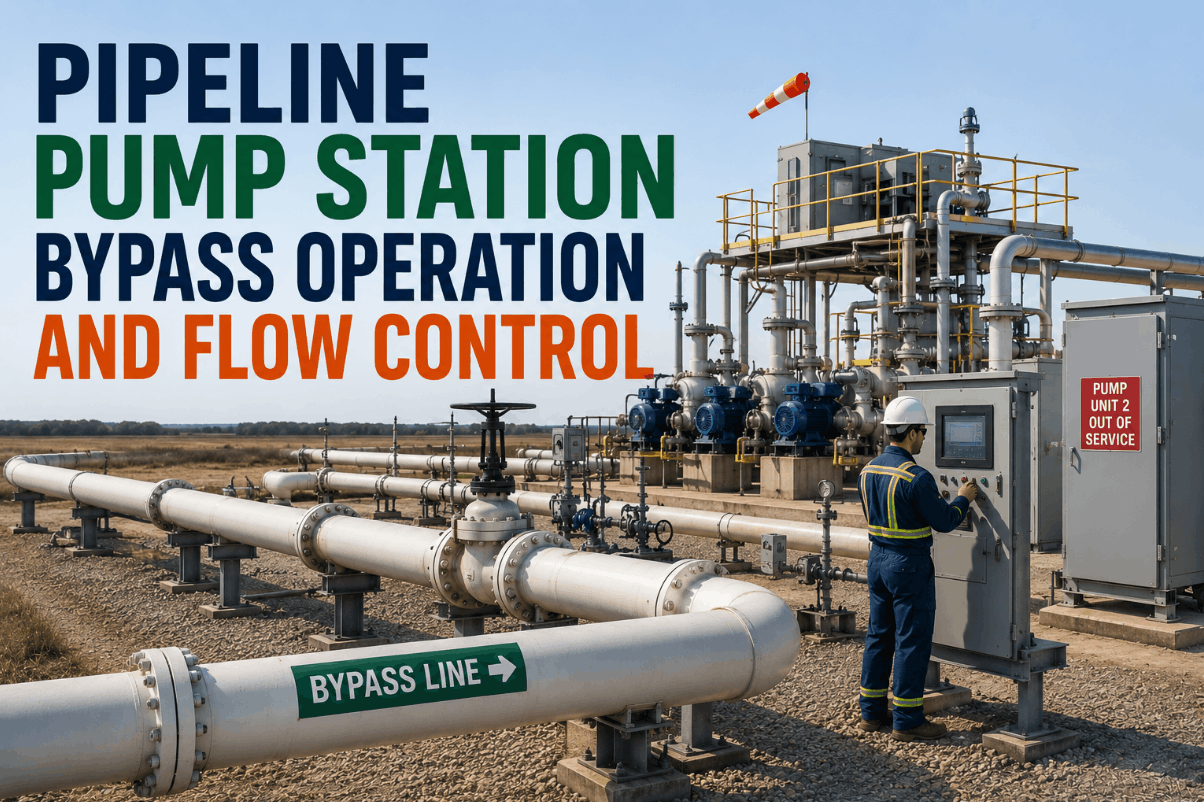
Read More
A pump station going down for scheduled maintenance or tripping unexpectedly should never mean the pipeline stops moving product. Yet that is exactly the failure mode that an under-designed bypass and flow control strategy produce
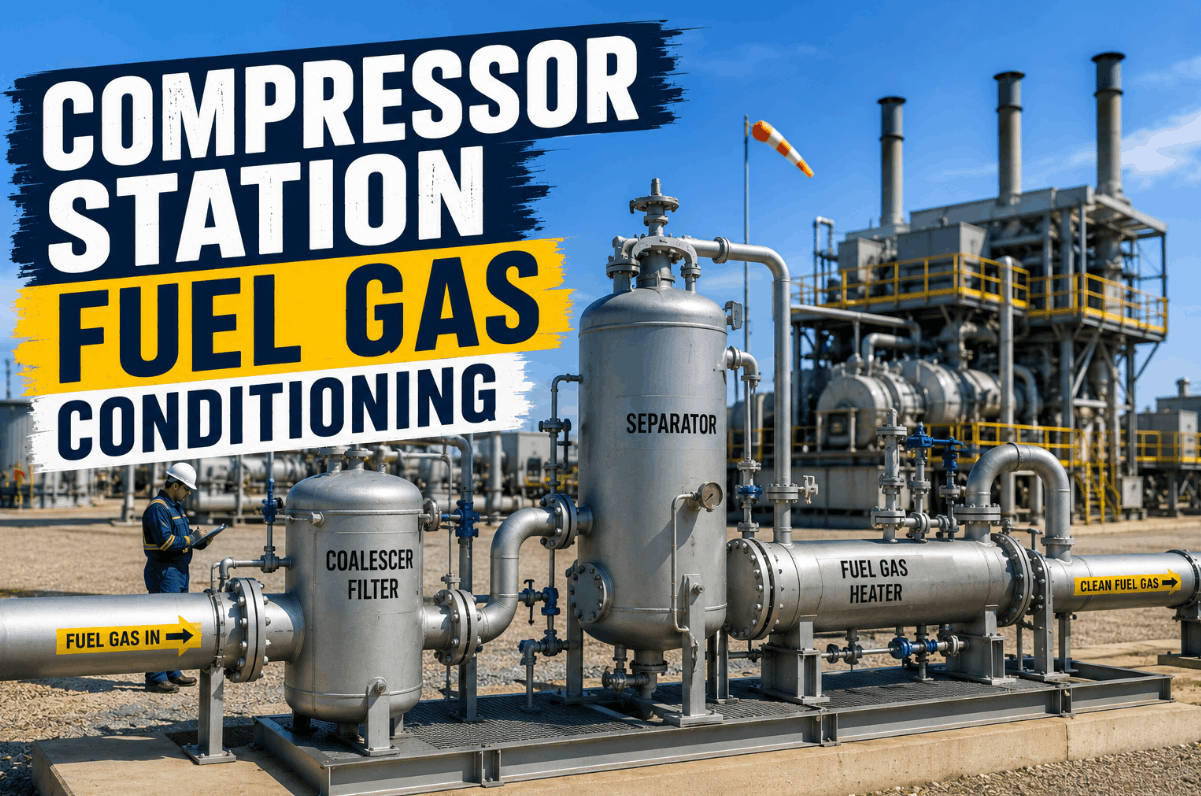
Read More
A compressor station's gas turbine or reciprocating engine is only as reliable as the fuel gas reaching its combustion chamber. Raw fuel gas pulled off a pipeline tap carries free liquids, condensed hydrocarbons, compressor oil ca
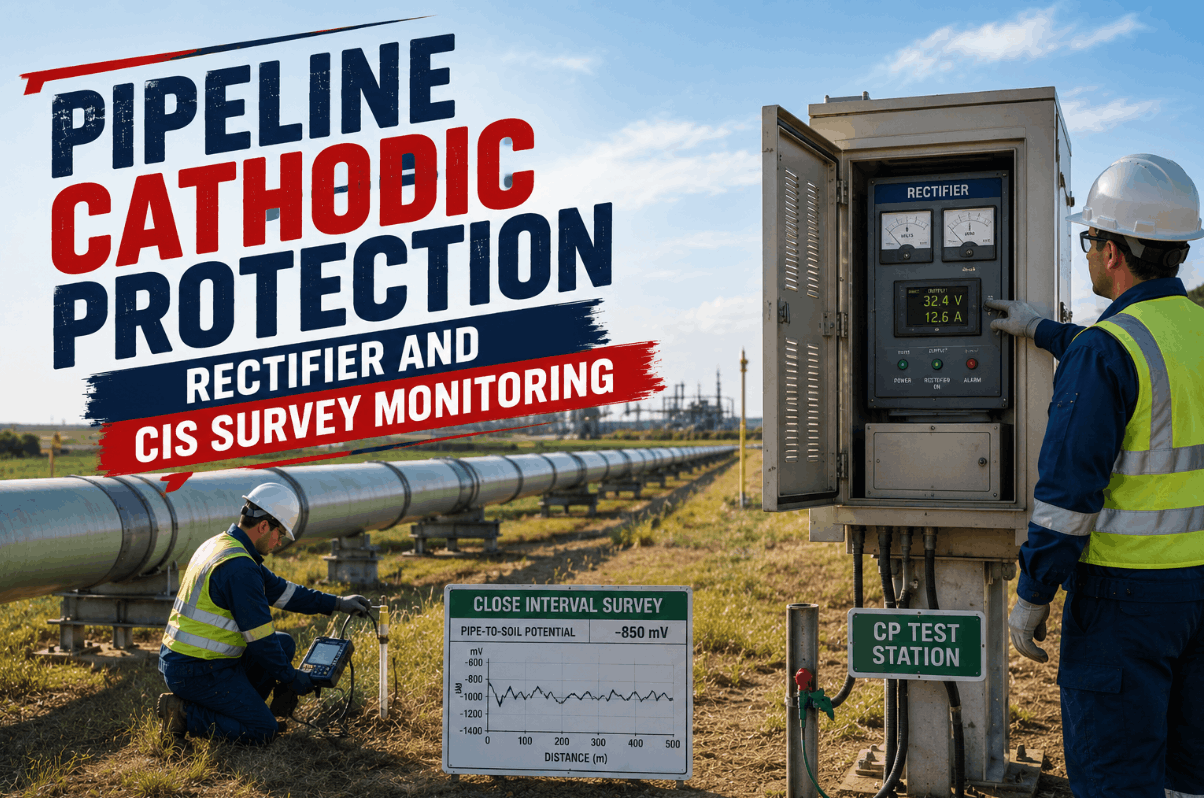
Read More
A pipeline does not fail at the rectifier — it fails at the holiday in the coating that the rectifier was supposed to keep polarized, weeks or months after the rectifier output drifted and nobody caught it. Cathodic protection is
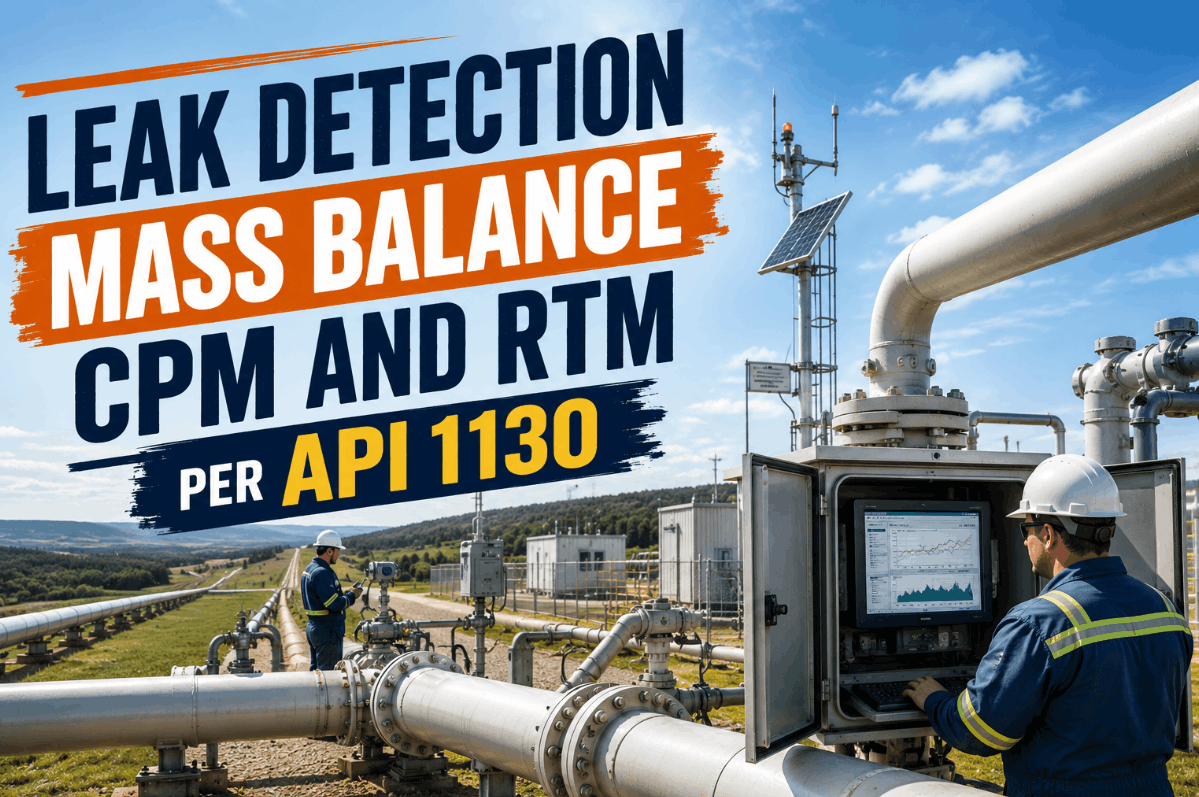
Read More
Pipeline controllers do not get to choose when a leak signature shows up in their data. It shows up buried inside normal flow noise, inside meter drift, inside the pressure transients that happen every time a pump starts or a valve throttles — and

Read More
Every multi-product pipeline creates interfaces — the mixed-product zones that form at the boundary between consecutive batches of crude, distillates, gasoline, diesel, or jet fuel. Those interfaces are unavoidable physics. What is not inevitable

Read More
A pipeline without a pigging program is a pipeline operating blind. Wax deposition, scale buildup, corrosion pitting, and liquid slugging develop silently inside a line — reducing throughput, elevating pressure drop, accelerating corrosion, and ul

Read More
Hydrate plugs are among the most operationally damaging events in wet gas pipeline systems. When natural gas combines with water under elevated pressure and low temperature, it forms ice-like crystalline structures — gas hydrates — that can block

Read More
A slug catcher only earns its name on the worst day of a pipeline's operation — the moment a pig sweeps days of accumulated liquid ahead of it, or a terrain low point finally lets go and pushes a wall of condensate toward the pla

Read More
A Boiling Liquid Expanding Vapor Explosion doesn't begin as an explosion at all. It begins as a small fire under a sphere, an undetected leak near a flange, or a deluge valve that didn't open the way the test card said it would. LPG spheres hold

Read More
Underground storage tanks don't announce their failures. A steel UST corroding three feet below a fuel island gives no visible warning until product reaches groundwater, a vapor monitor alarms, or a tank tightness test fails outr
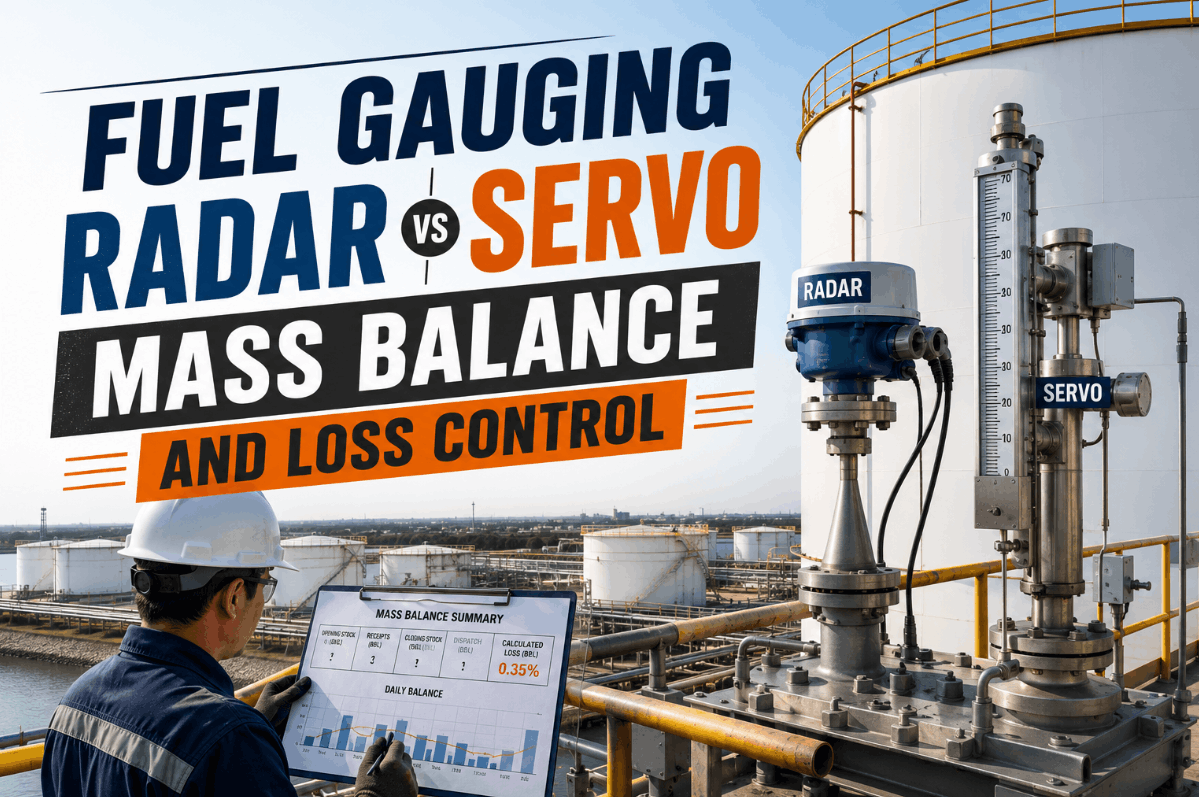
Read More
A terminal "loss" that triggers a theft investigation, a shortage claim, and a strained relationship with a custody transfer counterparty is, more often than not, a measurement problem wearing a different name. Radar and servo gau

Read More
A vapor recovery unit only delivers value while it's actually capturing vapor at design efficiency — and that's a narrower window than most facility teams assume. EPA's default compliance assumption is that a VRU captures 95% of t

Read More
A crude oil storage tank that's never been desludged is quietly losing money every single day it sits in service. Sediment thicknesses of just 1 to 2 meters in a large-diameter tank can eat 5 to 10% of total storage capacity, an
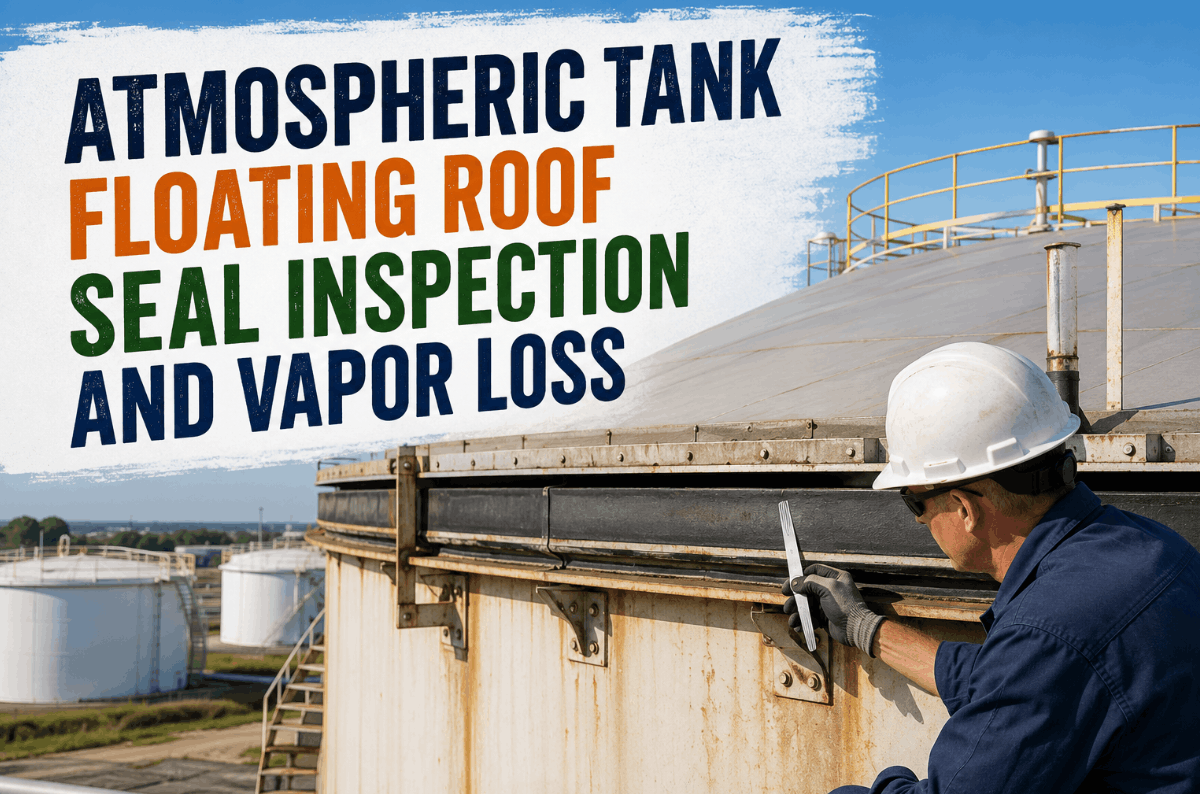
Read More
Floating roof seals are the only barrier standing between stored product and the atmosphere, and when they fail, the cost shows up in two places at once: lost product going up as vapor, and a compliance file that EPA inspectors

Read More
Mechanical completion sounds like a paperwork milestone, but it is the single point where a construction project either hands over a plant that's genuinely ready to run or quietly passes its problems downstream into commissioning, startup, and the
Read More
Industry data shows that Book a Demo isn't the first thing most maintenance leaders think about when a turnaround budget starts slipping—but it should be. Roughly
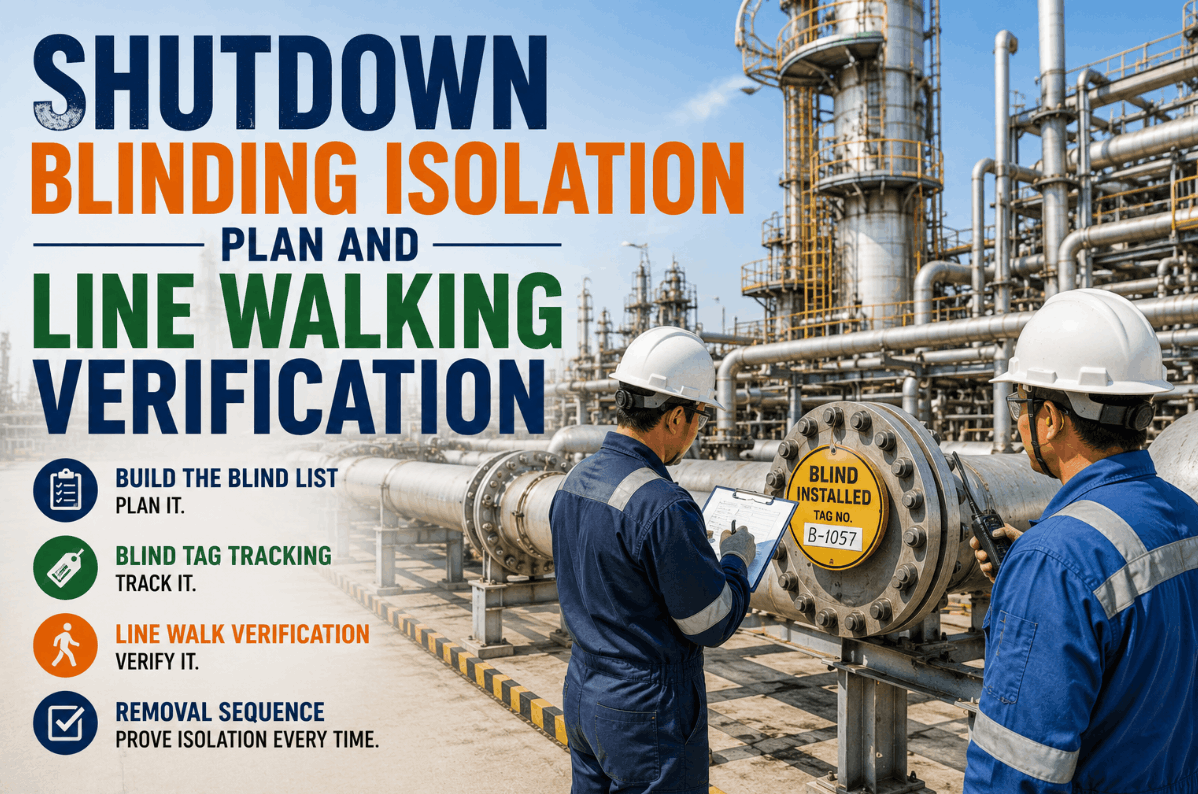
Read More
A worker entering a vessel believing it is isolated, when the wrong blind was installed or a blind was never removed from the open position, is one of the most well-documented causes of fatal incidents during refinery and chemical
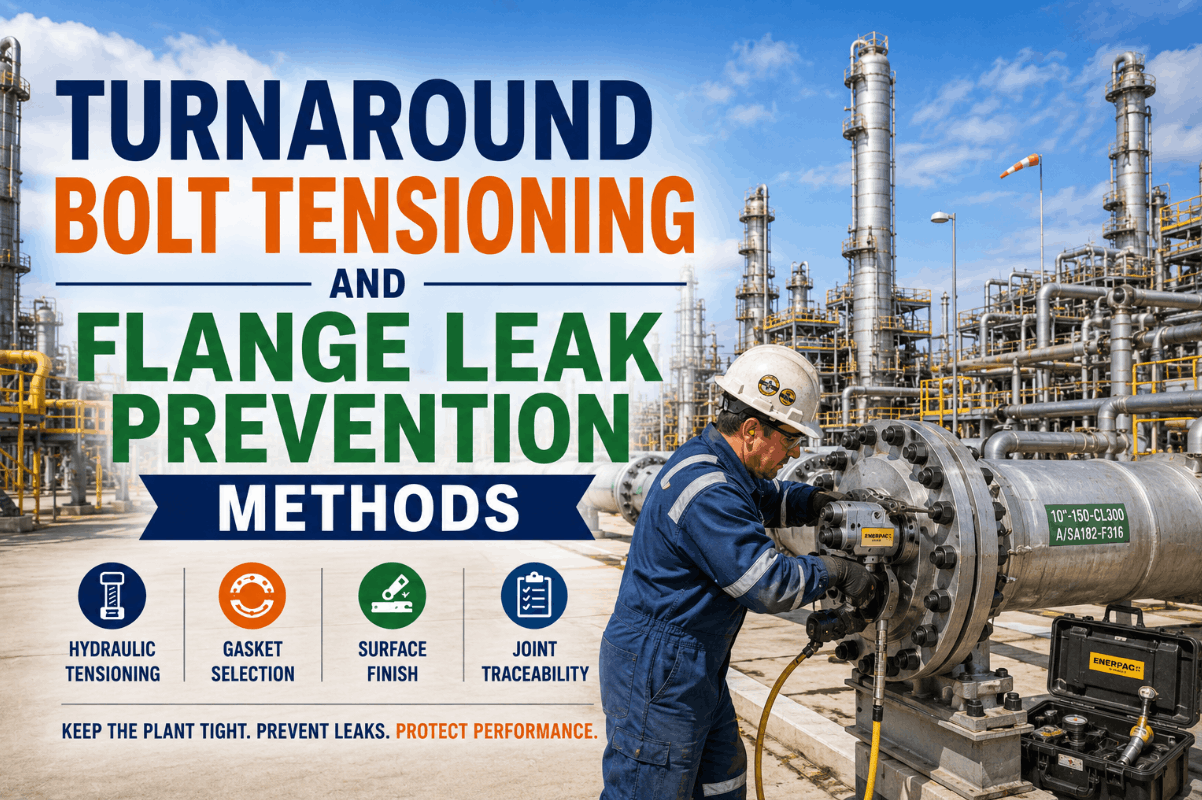
Read More
Half of all leaks discovered in the first weeks after a turnaround trace back to one source: bolted flange joints that were torqued, not tensioned, and never verified against a documented joint trace. A flange that looks correctly
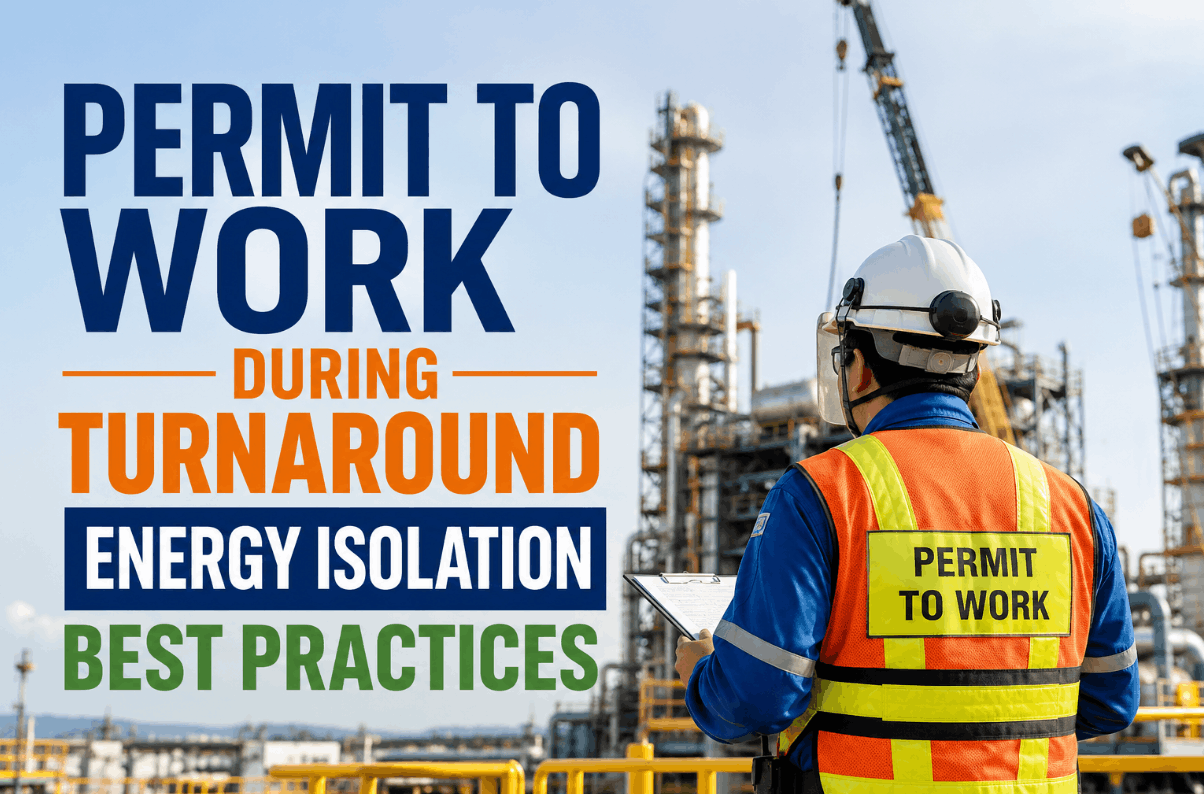
Read More
Turnarounds are where permit-to-work systems break — not because the rules change, but because the volume does. A unit that runs 40–60 active permits on a normal week can carry 600–1,200 simultaneous permits during a major TAR, executed by a contr

Read More
Scaffolding is one of the most underestimated cost and risk drivers in a refinery or chemical plant turnaround. Accounting for 5–10% of total TAR budget — often reaching $250,000 to $500,000 per unit on a Gulf Coast refinery — sc
Read More
A major refinery or chemical plant turnaround can triple the on-site headcount in a matter of days — bringing in 500 to 2,000 contract workers who arrive with varying trade certifications, safety training histories, and zero familiarity with your

Read More
Refinery turnarounds rank among the most capital-intensive events in downstream operations — frequently running $200 million to $500 million in total cost exposure while determining a facility's annual profit margin. Yet industry benchmarking cons
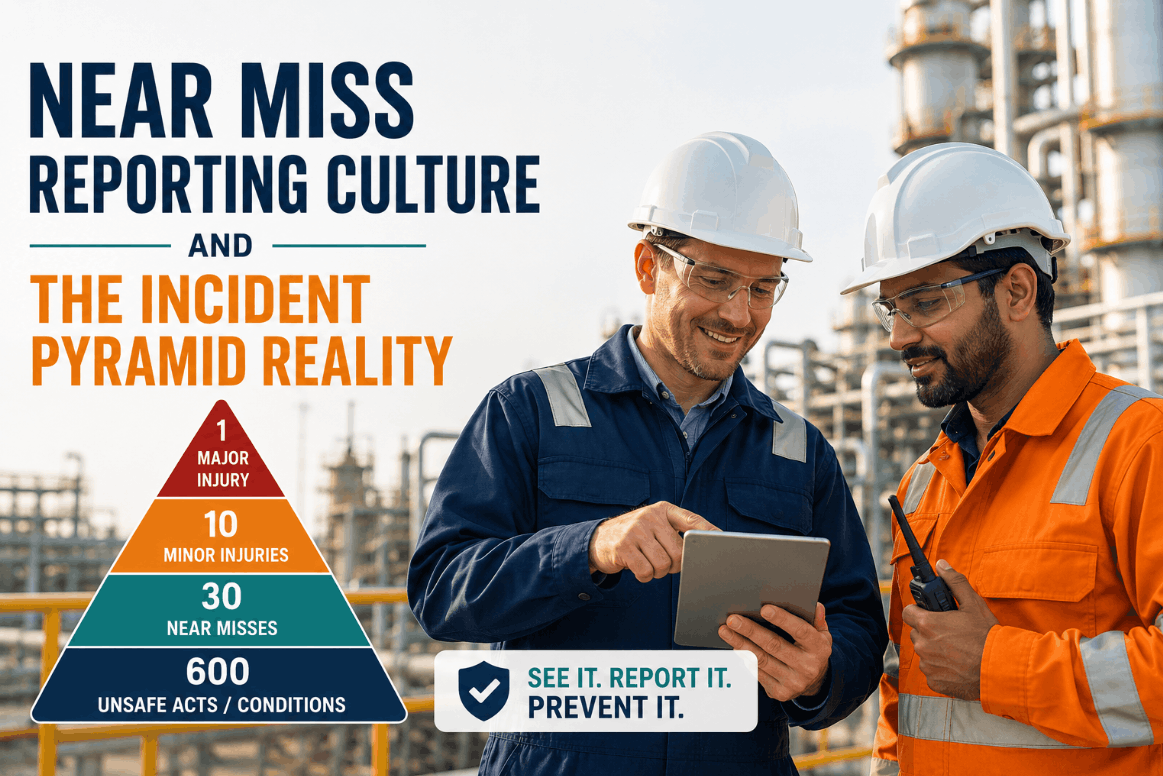
Read More
Most safety programs still talk about near misses using a number that was never actually true. Herbert William Heinrich's 1931 study proposed that for every fatality or major injury, there are 29 minor injuries and 300 incidents w

Read More
A printed permit folder tells you what was authorized an hour ago — not what is happening on the unit right now. In a paper-based control of work program, a hot work permit can be approved in the morning while a confined space en
Read More
An alarm system that announces everything announces nothing useful. In control rooms running without a disciplined ISA 18.2 lifecycle, operators face hundreds of annunciations a day, and during a process upset that number can spik
Read More
Lagging indicators tell a process safety team what already went wrong. A Tier 1 process safety event under API RP 754 means a loss of primary containment has already occurred at a consequence severe enough to injure someone, trigger a fire, or cos
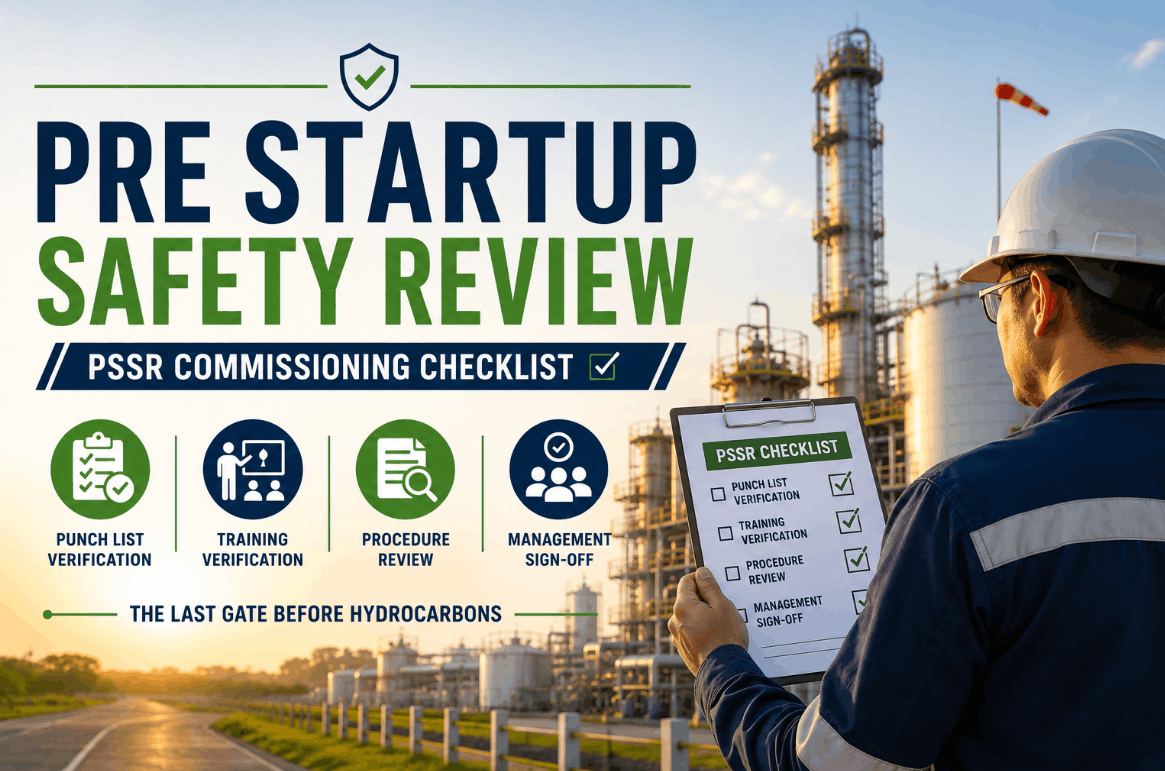
Read More
Every PSM-covered facility eventually reaches the same moment: construction is finished, instruments are calibrated, and the only thing left between an empty pipe and live hydrocarbons is a signature. That signature is supposed to mean something.
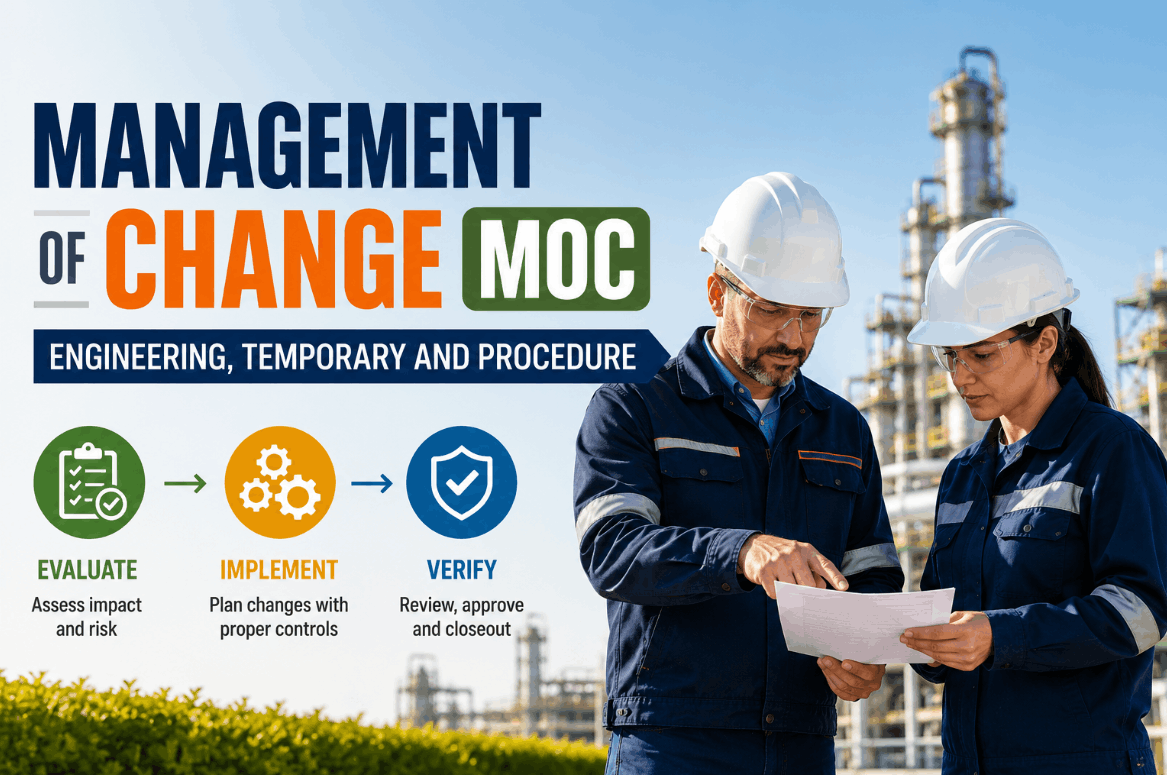
Read More
Most catastrophic process safety incidents do not trace back to a single bad decision. They trace back to an uncontrolled change — a temporary bypass that never got reversed, a procedure tweak that skipped review, or an equipmen
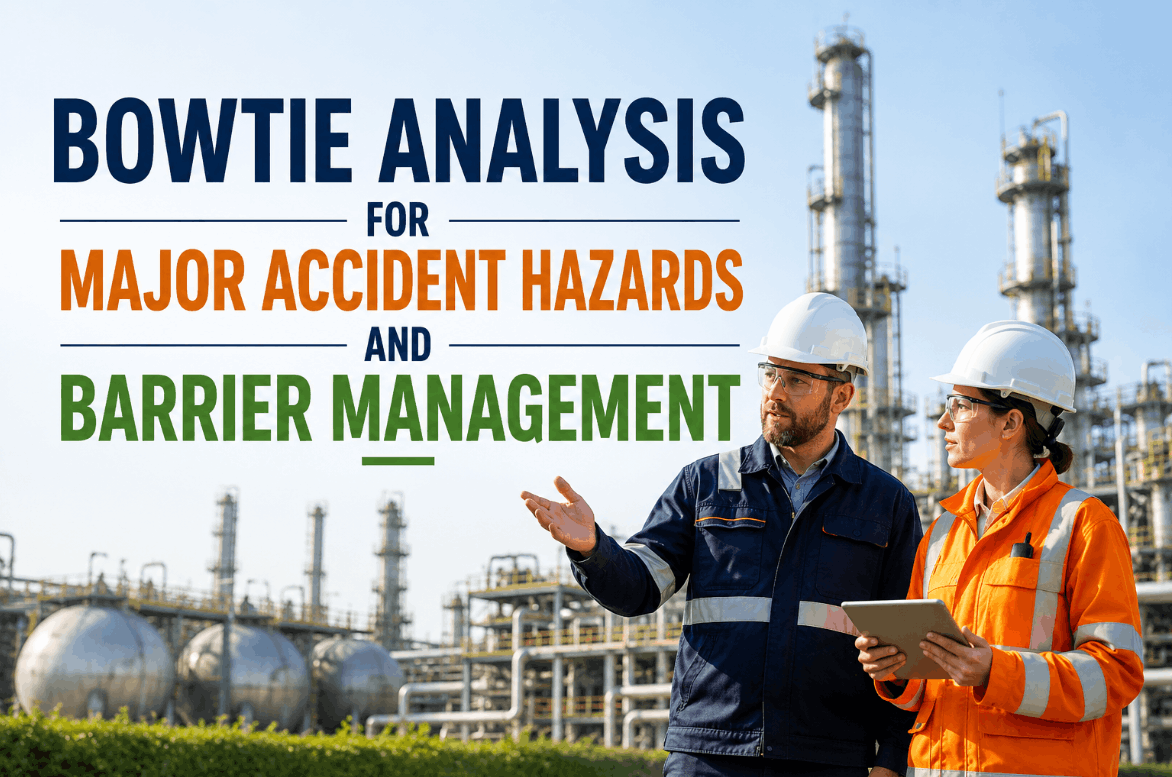
Read More
For facilities managing Major Accident Hazards, a written narrative buried in a process safety report rarely tells a maintenance technician or control room operator what actually stands between a routine deviation and a catastrophic loss of contai
Read More
For any U.S. facility covered under OSHA's Process Safety Management standard, the Process Hazard Analysis is never a one-time deliverable. Under 29 CFR 1910.119(e)(6), every PHA must be updated and revalidated at least every five years from its c

Read More
A HAZOP tells you that a scenario is hazardous. It does not tell you how hazardous, and it does not tell you whether the safeguards already on the P&ID are enough or whether you need another layer. That gap is exactly what Lay

Read More
A Safety Instrumented Function that has never been verified is an assumption wearing the shape of a safeguard. Assigning a target SIL during hazard and risk assessment tells you what level of risk reduction the process needs — it
Read More
Snubbing into a live well means pushing pipe down against full wellhead pressure while the only thing standing between the crew and an uncontrolled release is a correctly stacked BOP, a correctly run tally, and a crew that knows exactly where the
Read More
Coiled tubing strings fail by fatigue in well intervention operations more frequently than any other downhole tool — and the failure is almost always preventable through systematic fatigue-life tracking that accounts for the cumulative effect of e
Read More
Every well completion is designed for a specific set of downhole conditions — pressure, temperature, fluid chemistry, sand production potential, and stimulation requirements — but when those conditions exceed what the completion
Read More
Every well construction team knows that a failed primary cementing job is not a drilling problem — it is a well-life problem. When cement does not isolate zones as designed, sustained casing pressure appears at the surface within weeks or months,
Read More
Wellbore instability remains one of the most expensive and persistent problems in drilling operations across the United States, Canada, the UK, and Australia — stuck pipe, hole pack-off, lost circulation, and outright wellbore collapse account for
Read More
As wells trend deeper, longer, and increasingly deviated to reach stacked pay zones or extended-reach targets, casing wear has shifted from a secondary maintenance concern to a primary well integrity risk. Every foot of rotated drill pipe contac
Read More
Drill string vibration is one of the most destructive and expensive sources of non-productive time in modern drilling operations. Stick-slip, lateral whirl, and axial bit bounce do not just reduce rate of penetration — they wash o
Read More
Late kick detection is one of the most consequential failure modes in modern drilling operations. When formation fluid influx goes undetected until pit gain exceeds several barrels, the well-control response is reactive, compresse
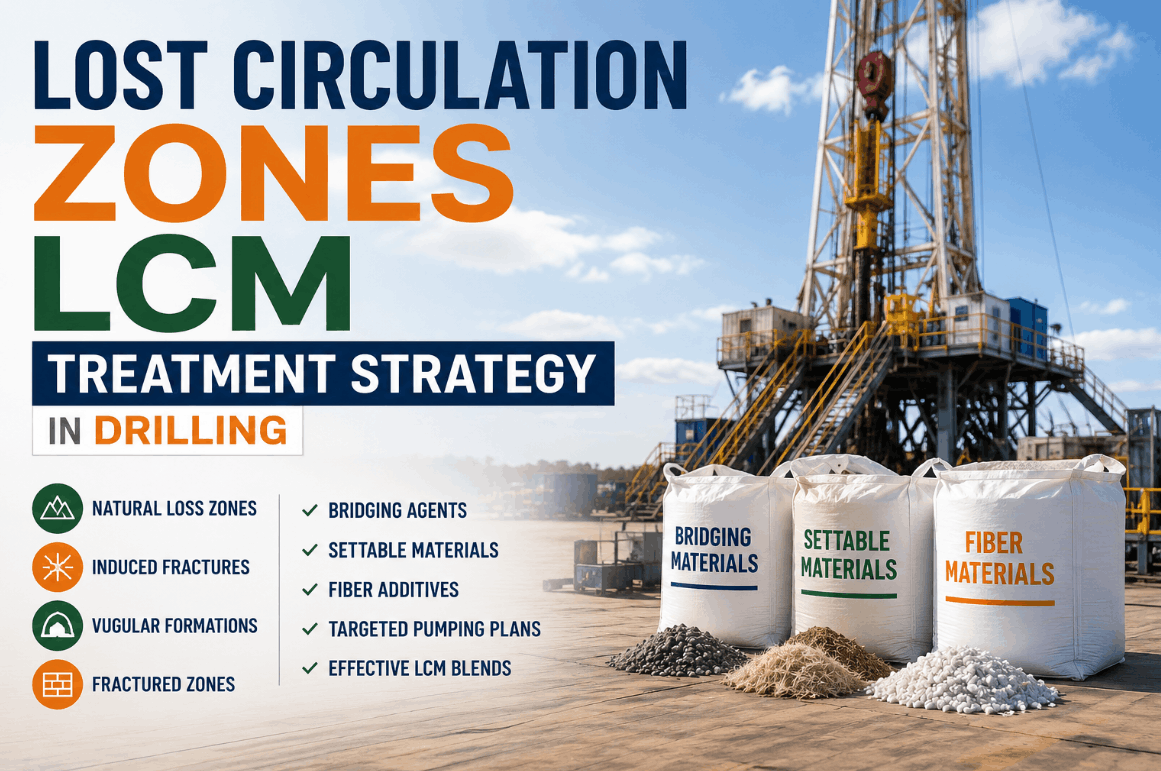
Read More
Lost circulation rarely announces itself with one dramatic event. It shows up as a flow-out deficit on the pit volume totalizer, a return rate that quietly drops below flow-in, and a drilling team that has minutes — not hours — to decide whether t
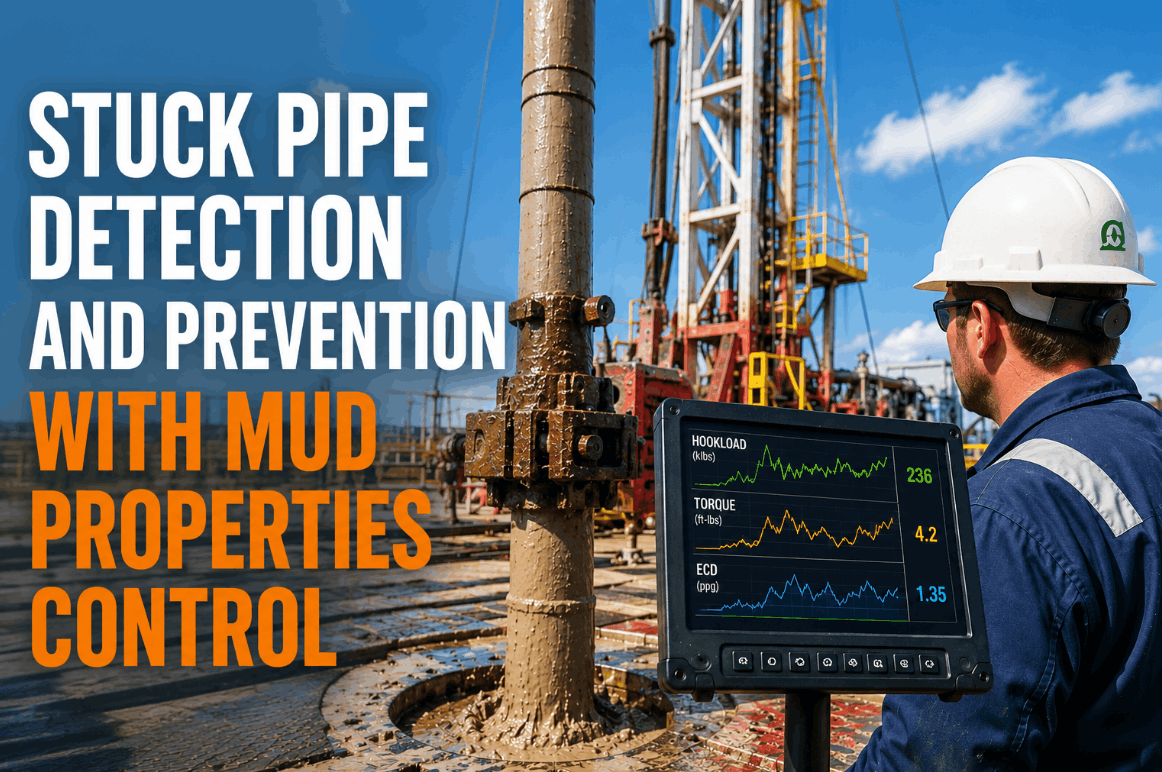
Read More
A stuck pipe event rarely announces itself in advance—until hookload drags a few thousand pounds beyond the drag model, torque climbs without an obvious cause, or the equivalent circulating density quietly drifts past a safe margin. Drilling teams
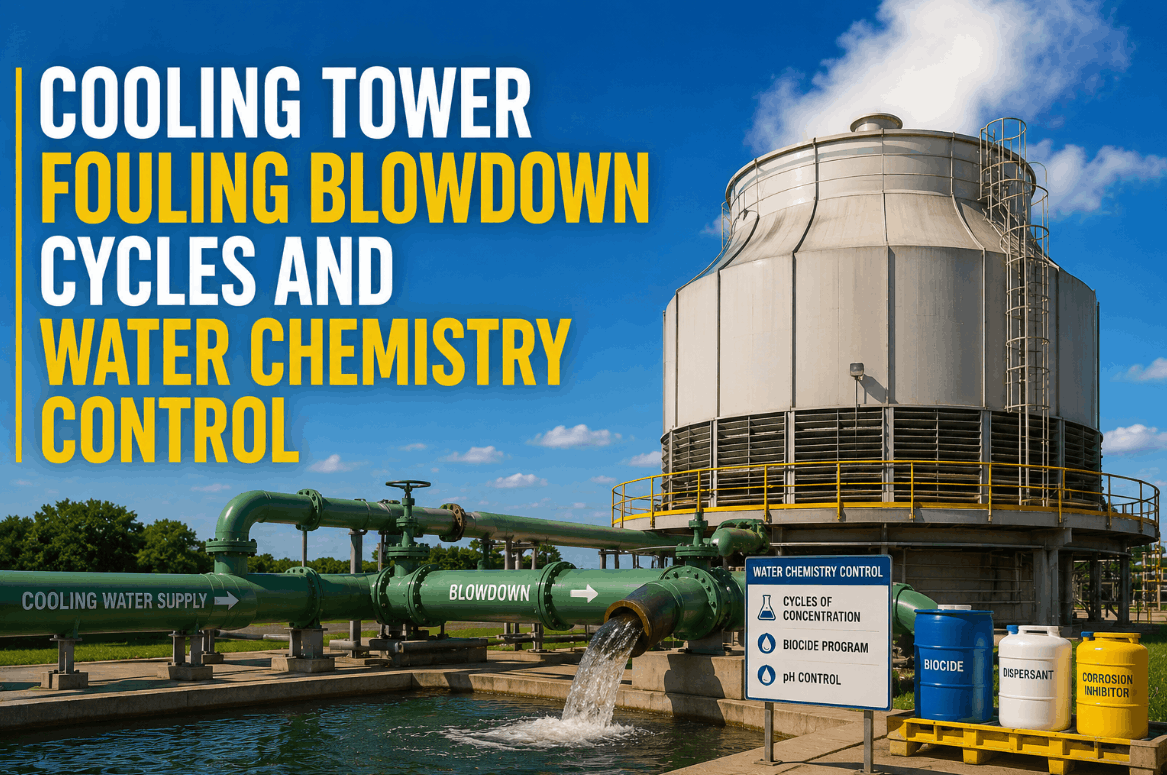
Read More
A fouled cooling tower rarely announces itself with an alarm — it shows up as a condenser that won't hold vacuum, an overhead exchanger that's lost approach temperature, and a maintenance team chasing symptoms instead of the root
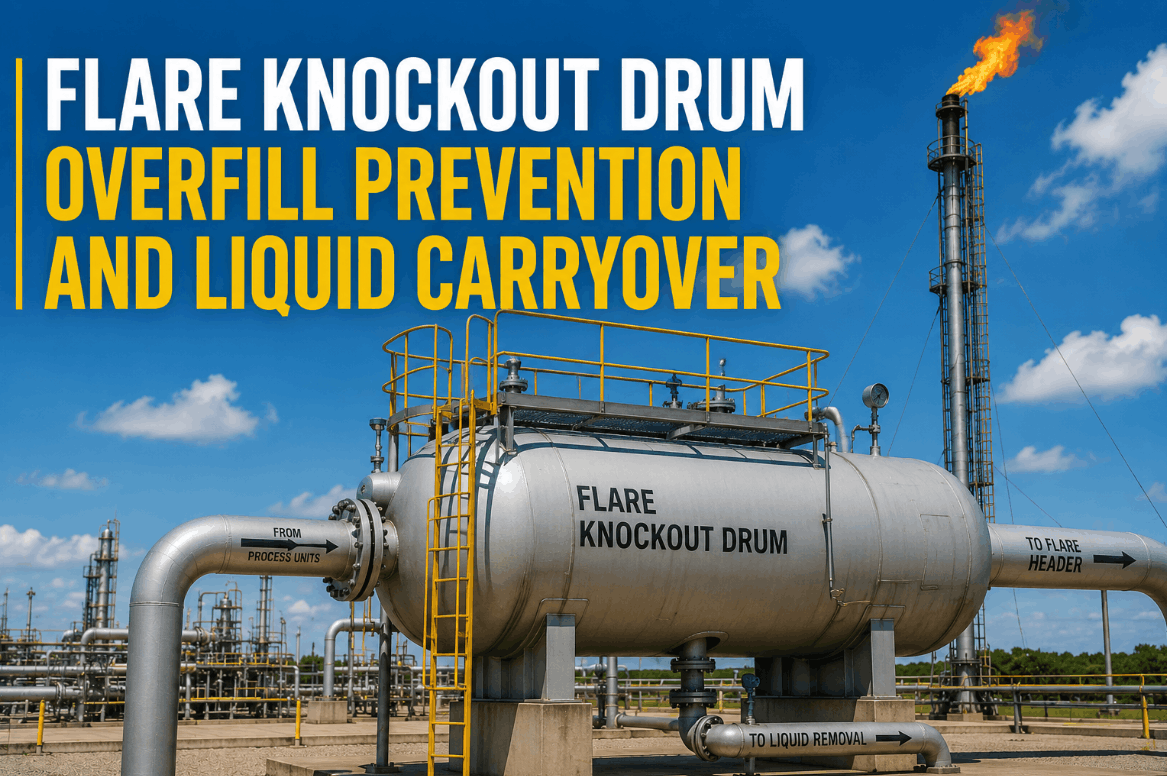
Read More
A flare that's pushing liquid instead of vapor is one of the most visible safety failures a refinery can have, and it almost never happens because the flare tip failed — it happens because the knockout drum upstream of it didn't d
Read More
Hydrogen has quietly become the most expensive utility molecule in a modern refinery, and most plants are still managing it the way they managed it twenty years ago — with fixed allocation rules, manual purity checks, and an SMR (
Read More
Crude blending is where refinery margins are won or quietly lost. Get the tank mixer placement, blend ratio control, and analyzer feedback wrong, and the result is rarely a dramatic failure — it's a slow bleed of quality give-away
Read More
Amine treating unit foaming is not a nuisance event — it is a process integrity failure with a predictable escalation sequence that too many U.S. refineries and gas plants manage reactively, one antifoam shot at a time. The foamin
Read More
Catalytic reformer profitability is not determined at the product slate meeting — it is determined at the reactor inlet temperature, the chloride injection rate, and the coke laydown curve that no one in the control room is watching closely enough
Read More
The alkylation unit is the most hazardous operating area in any petroleum refinery — not because the chemistry is poorly understood, but because both primary catalyst systems, hydrofluoric acid (HF) and sulfuric acid (H2SO4), are capable of causin
Read More
Falling sulfur conversion in a Claus sulfur recovery unit (SRU) does not announce itself cleanly — it shows up as creeping SO2 violations, unexplained drops in outlet purity, or a tail gas treating unit working overtime to compensate for upstream
Read More
Coker furnace tubes foul on a predictable schedule — coke deposits accumulate on tube walls from the first day of operation, forcing outlet firing to increase steadily to maintain target throughput temperatures, until tube skin
Read More
A hydrocracker temperature runaway is not a gradual failure — it is a cascading exothermic event that can escalate from a 20°F bed deviation to a full reactor breach in less than seven minutes. Operators managing fixed-bed hydrocr
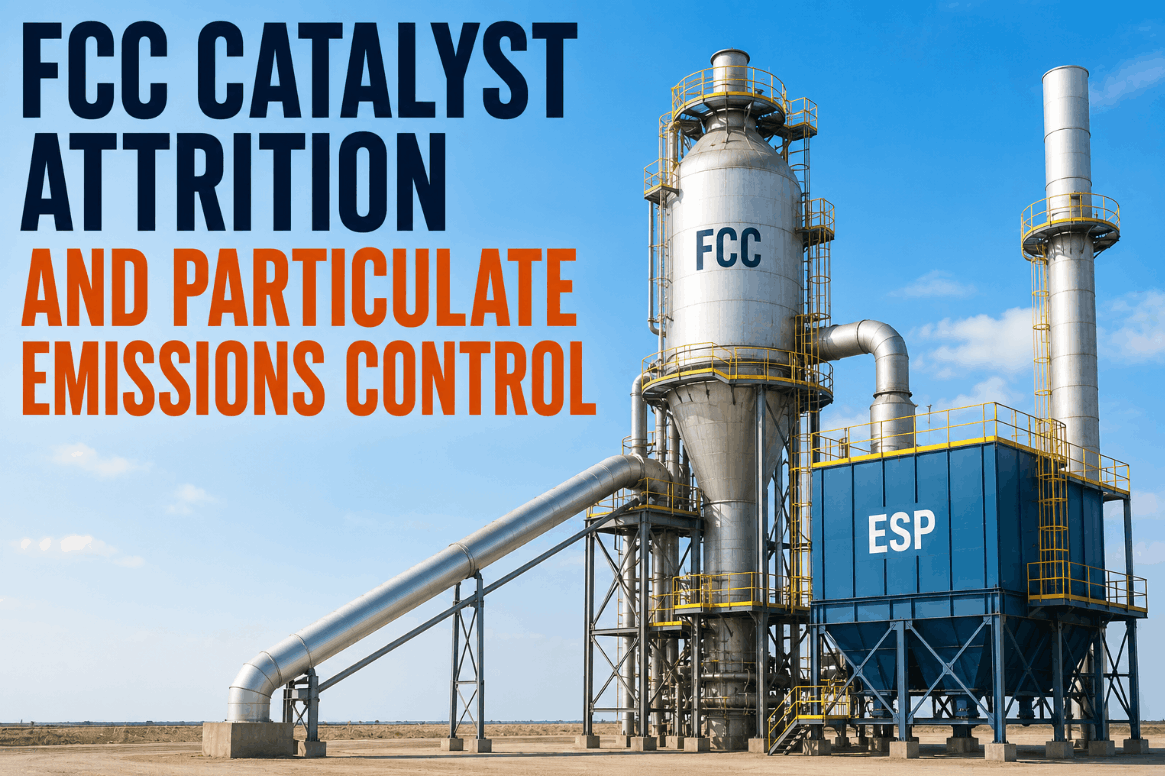
Read More
In a fluid catalytic cracking unit, catalyst is simultaneously the most expensive consumable and the most consequential emissions source — and the two problems are directly linked. Fresh FCC catalyst costs $3,000 to $4,000 per sh
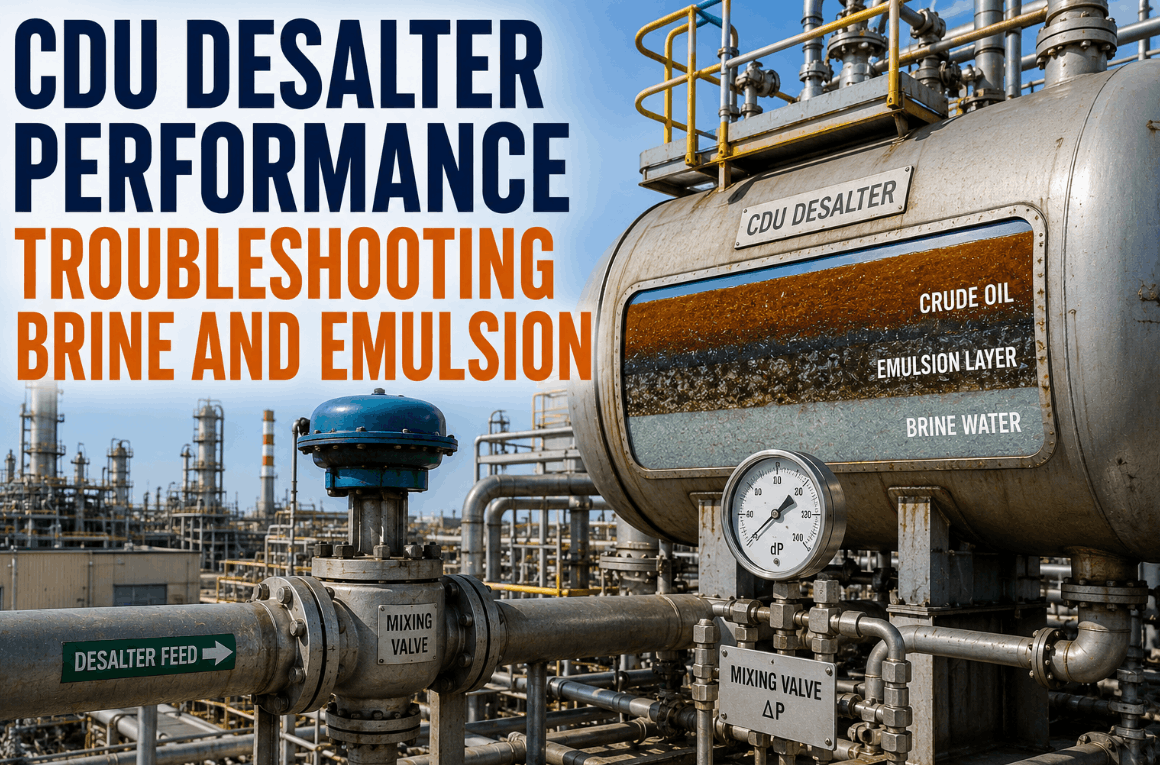
Read More
In a crude distillation unit, the desalter is the first and most consequential quality gate in the entire refinery process train — and it is the one that fails most quietly. When desalter performance degrades, the consequences do
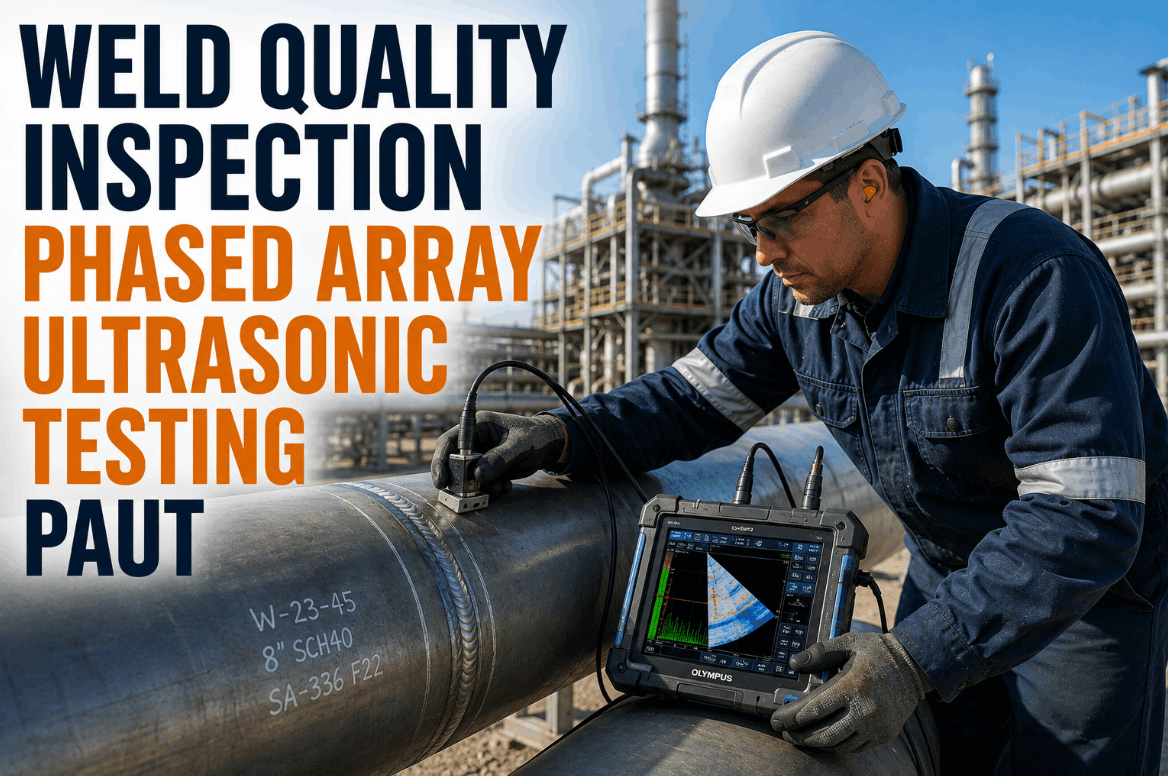
Read More
In critical manufacturing and refinery environments, a missed weld defect isn't a quality statistic—it's a structural failure waiting to happen. Phased Array Ultrasonic Testing (PAUT) and Time-of-Flight Diffraction (TOFD) have fu
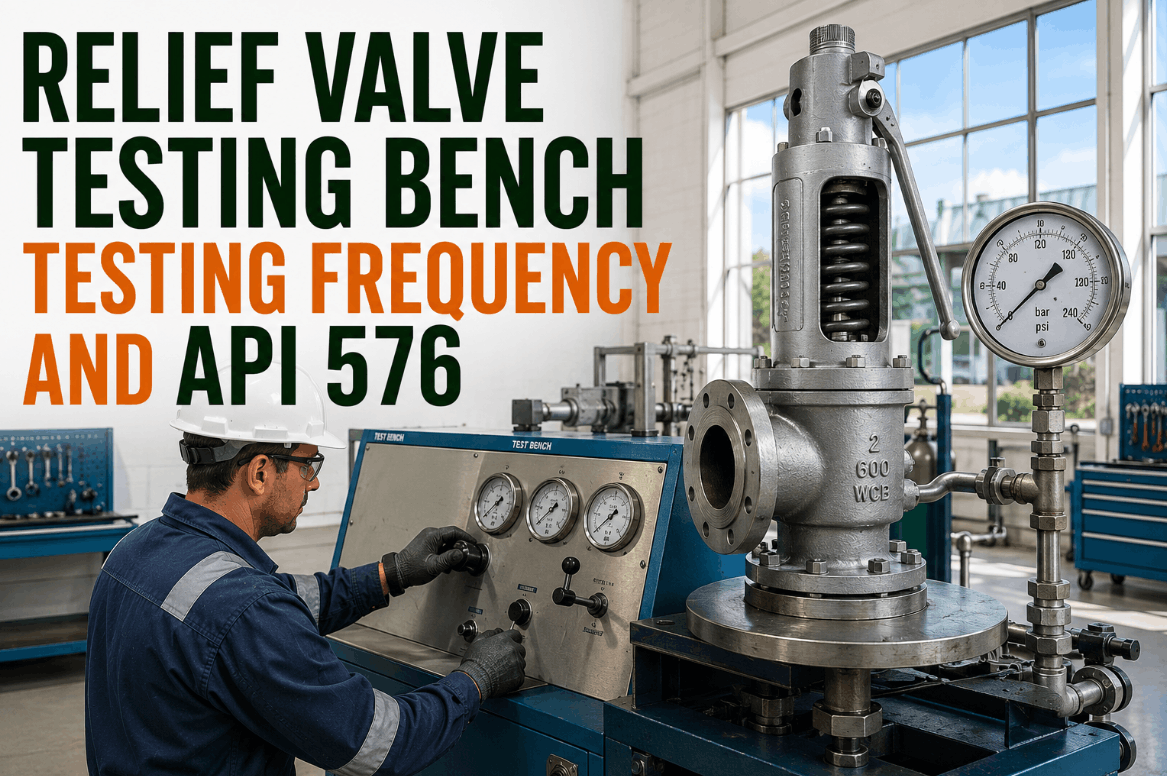
Read More
For any refinery, terminal, or chemical facility operating aboveground storage tanks, the difference between a well-managed API 653 program and a reactive one is measured in product losses, environmental liabilities, and unplanned
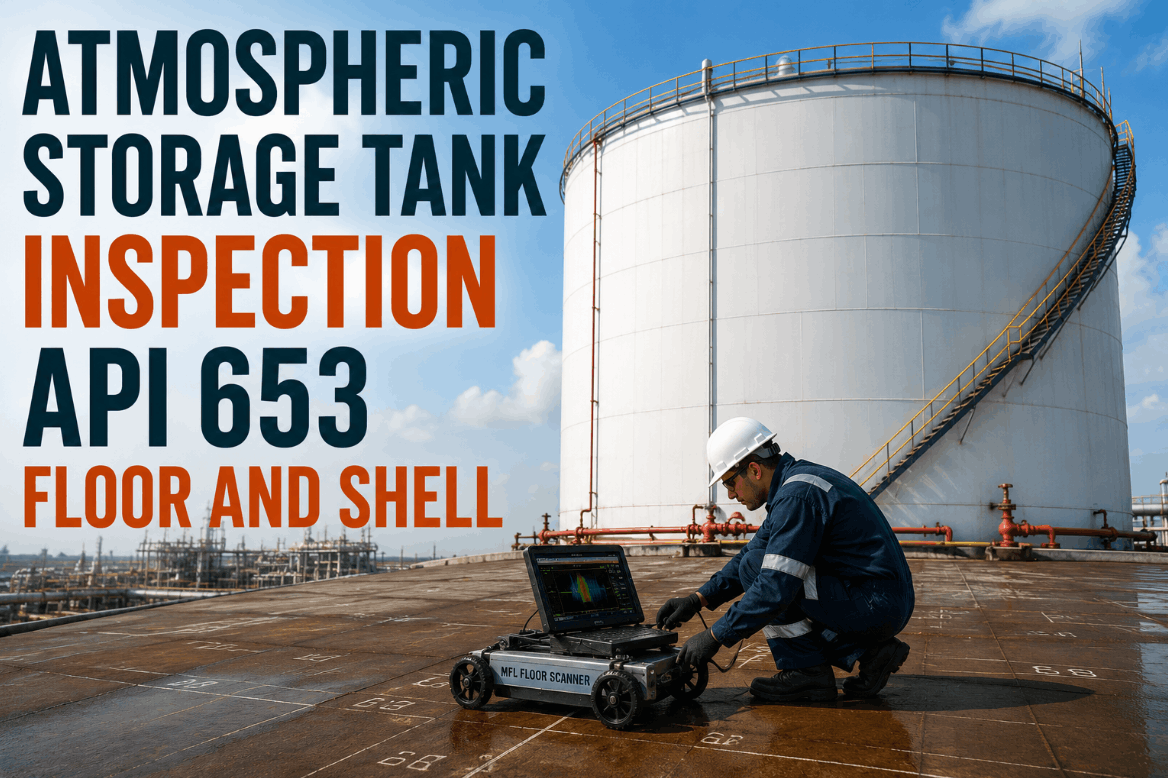
Read More
For any refinery, terminal, or chemical facility operating aboveground storage tanks, the difference between a well-managed API 653 program and a reactive one is measured in product losses, environmental liabilities, and unplanned
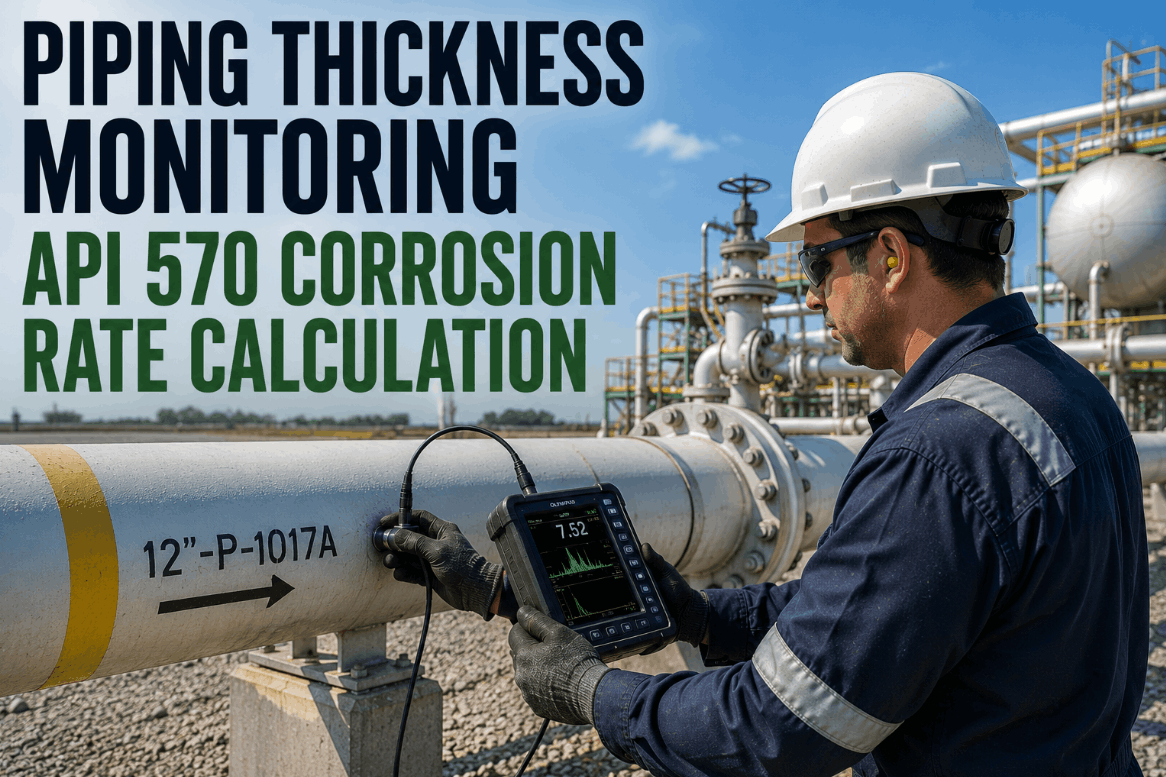
Read More
In refinery and petrochemical piping systems, the gap between a detected thickness anomaly and a scheduled re-inspection is where failures are born. API 570 — the industry's governing code for in-service piping inspection — demand
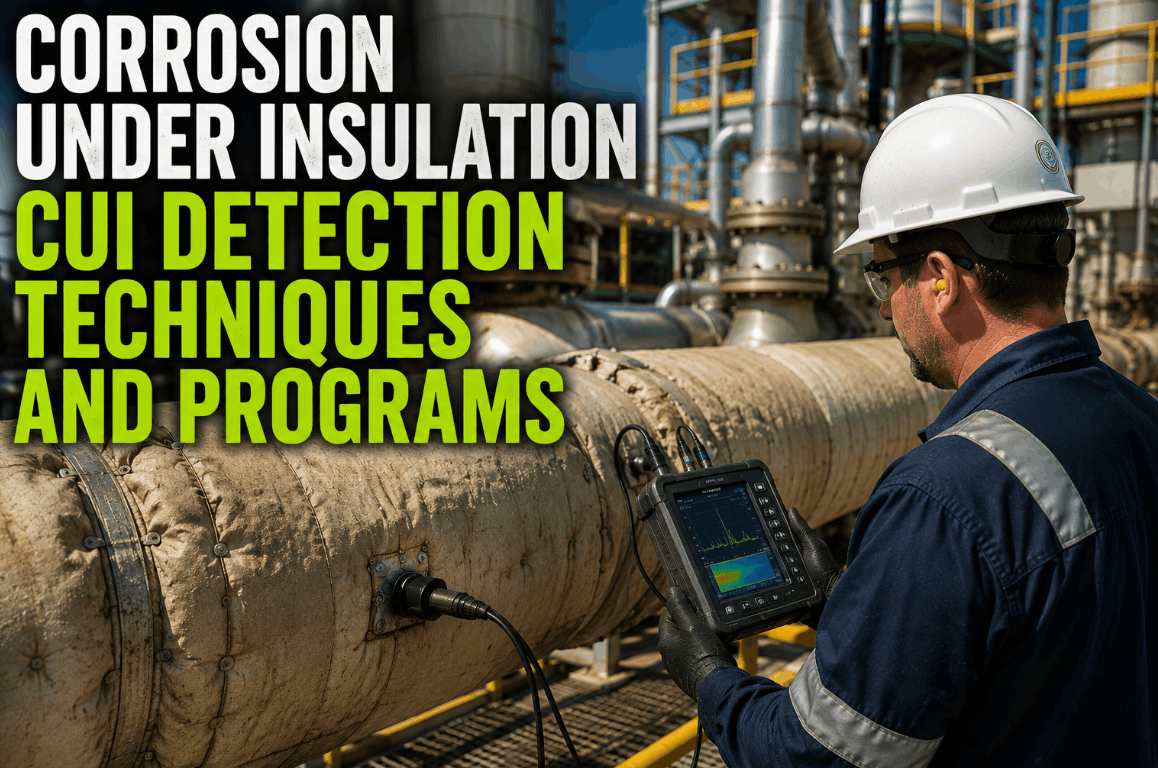
Read More
Corrosion under insulation accounts for 40–60% of piping failures in U.S. refineries and petrochemical plants — and unlike most damage mechanisms, it develops entirely out of sight beneath insulation jacketing that was installed
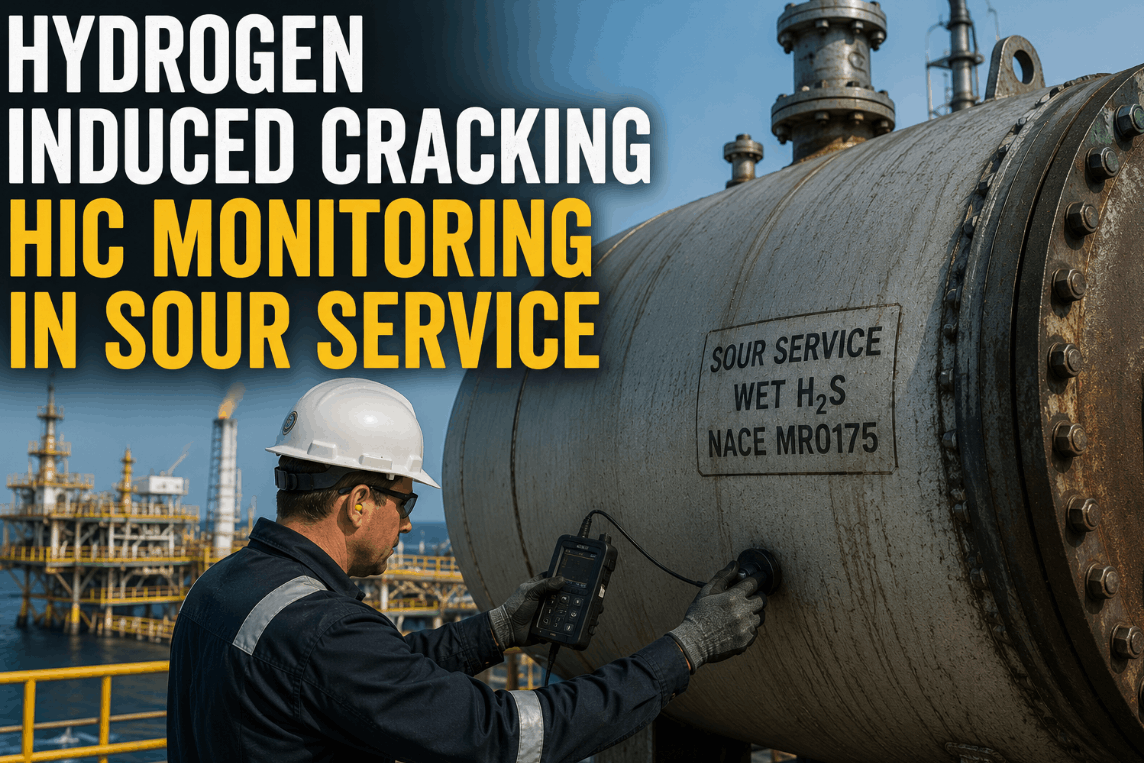
Read More
Hydrogen induced cracking is among the most insidious damage mechanisms operating in U.S. refinery and gas processing infrastructure — it progresses silently through carbon steel walls under wet H2S exposure, produces no visible
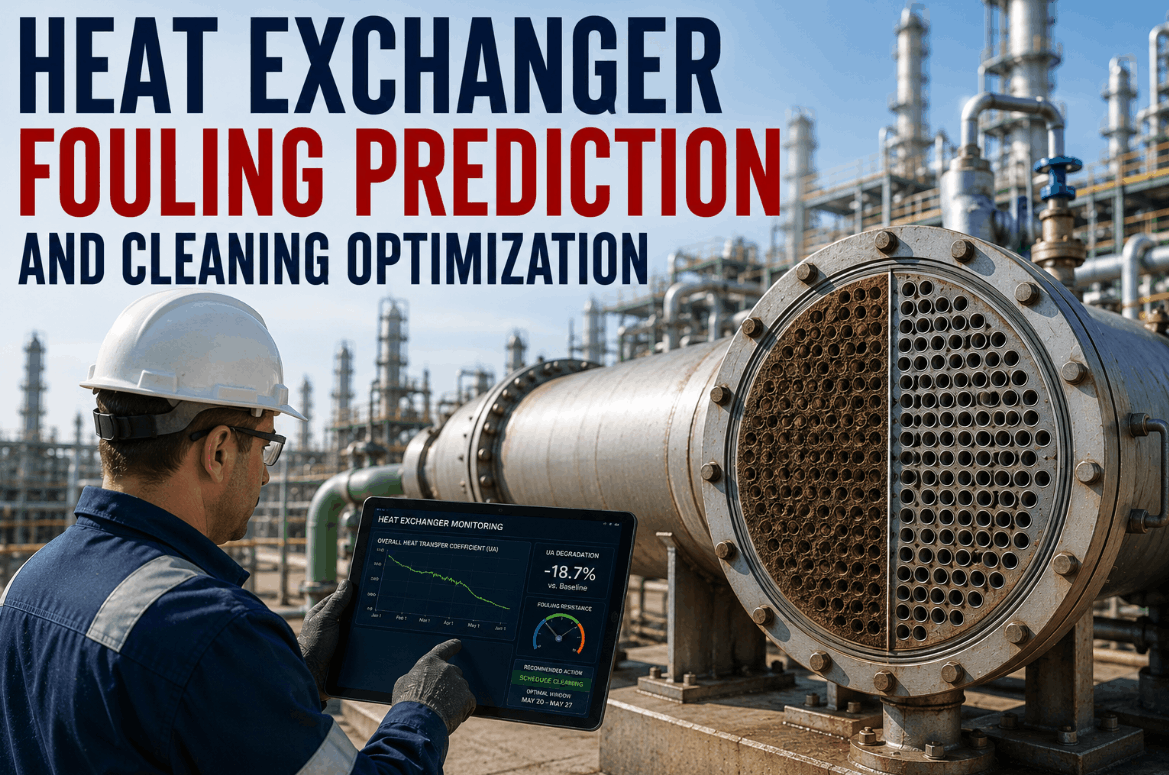
Read More
Refineries lose 5–15% of total energy consumption to fouled heat exchangers — and the cost is almost entirely preventable. The crude preheat train is the most fouling-sensitive heat transfer system in the refinery: as exchangers foul, the inlet te
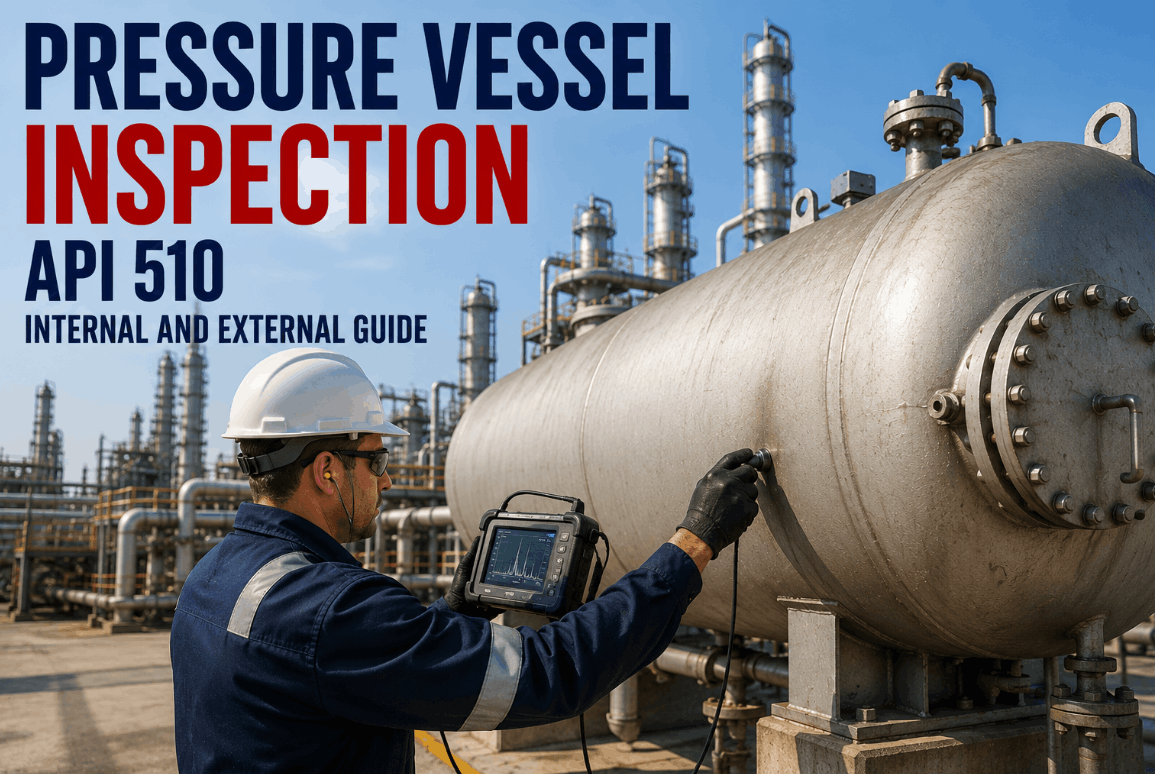
Read More
Pressure vessels are the backbone of every refinery, chemical plant, and industrial processing facility — and their catastrophic failure is the single event that most mechanical integrity programs are designed to prevent. API 510,
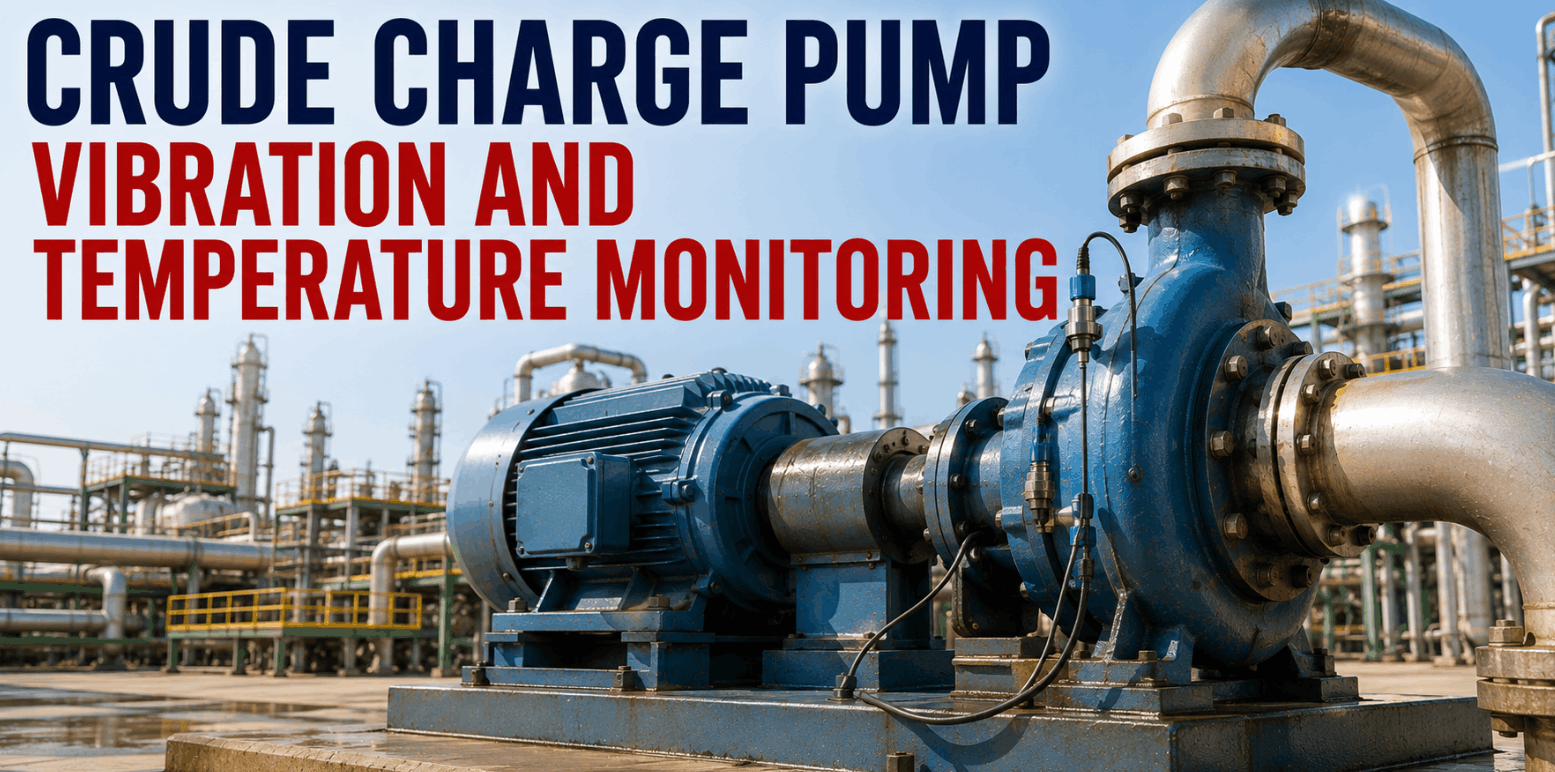
Read More
Crude charge pumps are the most critical rotating assets in any petroleum refinery — they feed unprocessed crude oil from storage to the Crude Distillation Unit, making them the first line of process availability. When a charge pu
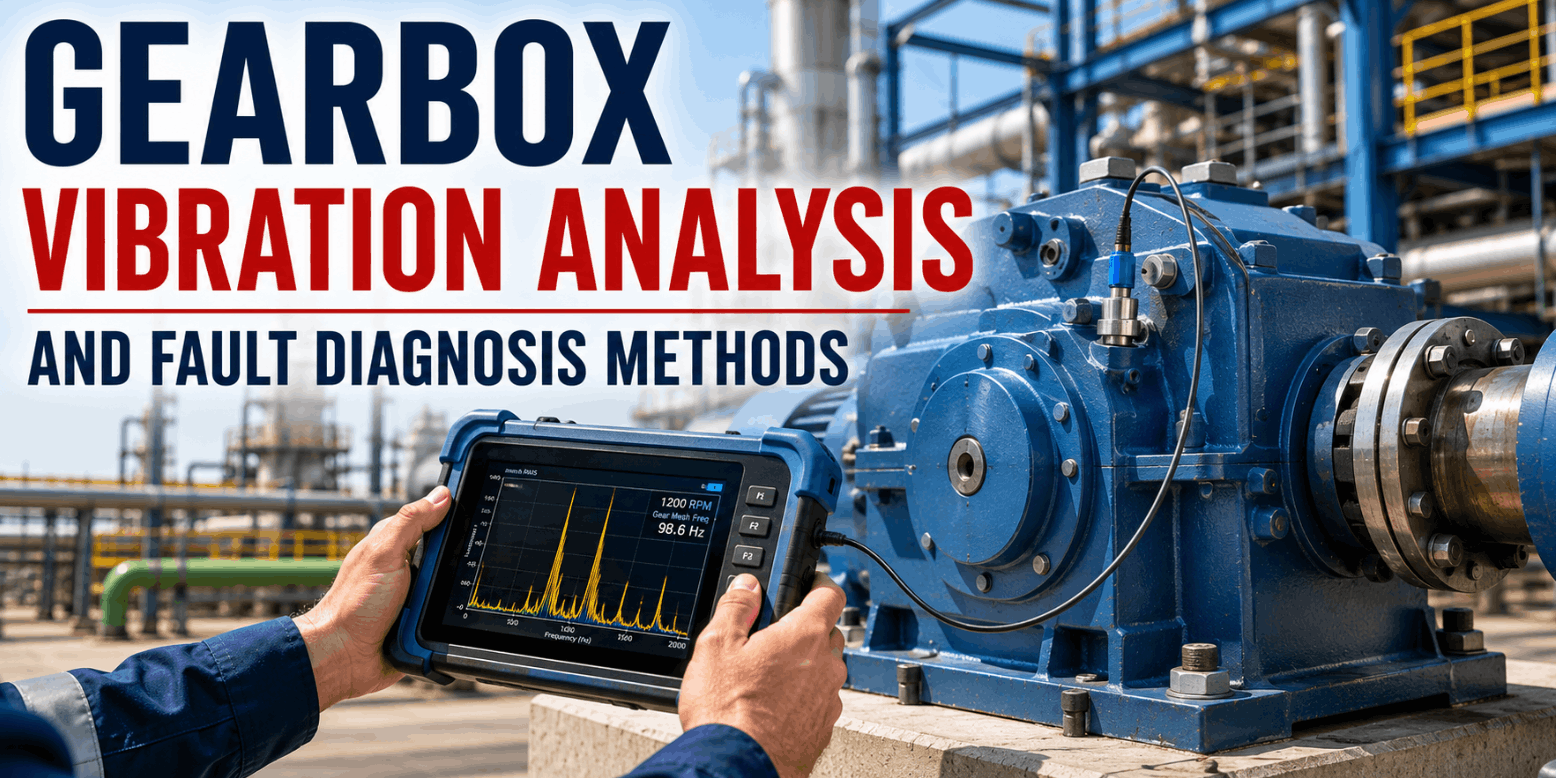
Read More
Gearbox vibration analysis is the most reliable early warning system for rotating equipment faults in industrial plants, yet thousands of gearboxes operate without continuous vibration monitoring until a tooth fracture or bearing
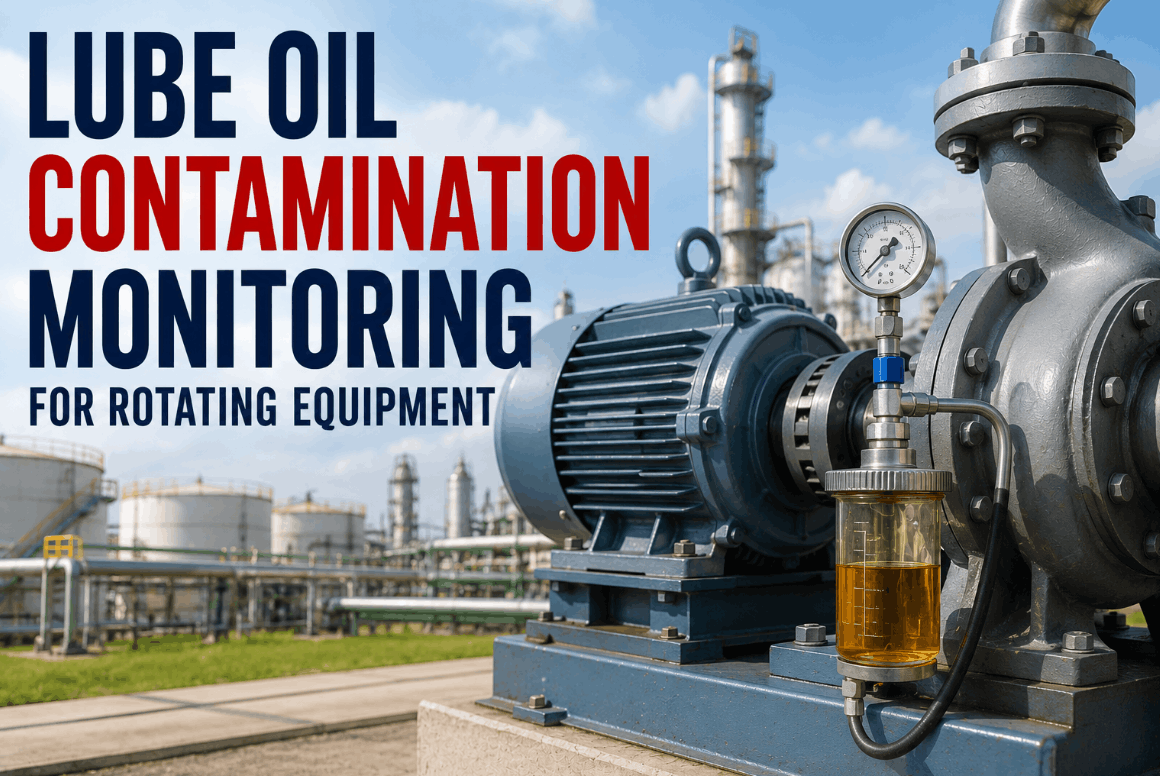
Read More
Lube oil contamination is the single most preventable cause of rotating equipment failure in industrial plants, yet most reliability programs still rely on quarterly oil sampling and reactive maintenance. In a typical refinery or
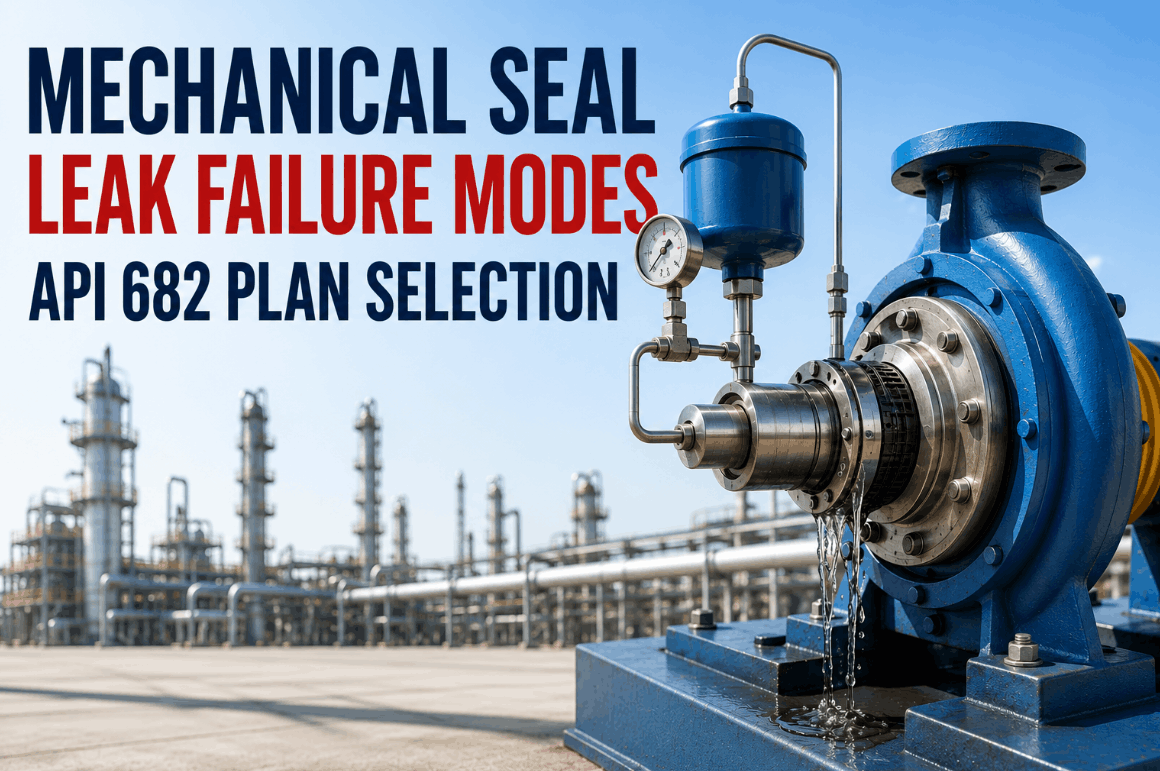
Read More
Mechanical seal failure is the single most common cause of pump downtime in U.S. refinery and petrochemical operations — and in hydrocarbon service, a seal leak is never just a maintenance event. It is a process safety incident, a
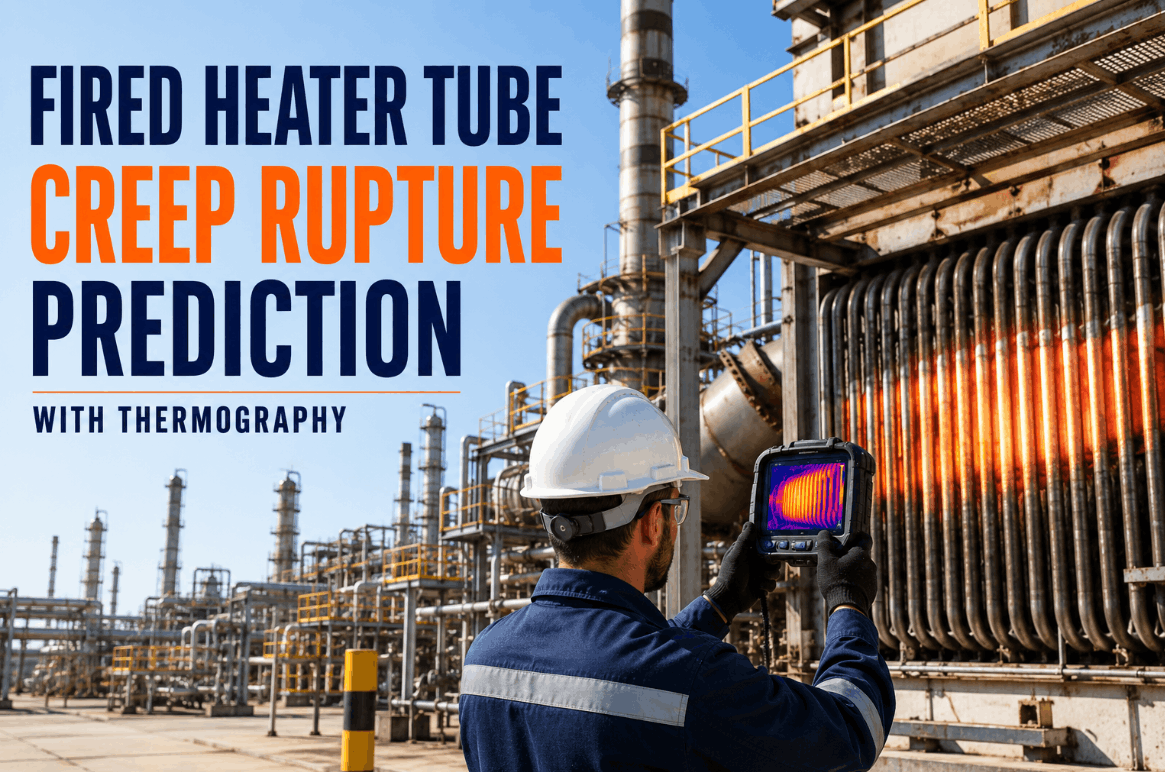
Read More
Fired heater tube creep rupture is one of the highest-consequence failure modes in U.S. refinery and petrochemical operations — a tube rupture in a radiant section can take a process unit offline for 30 or more days, triggering

Read More
Wet steam erosion is one of the most consequential and least-detected failure mechanisms in industrial power generation. Low-pressure (LP) turbine blades — particularly last-stage blades — operate continuously in the wet-steam zone, where water dr
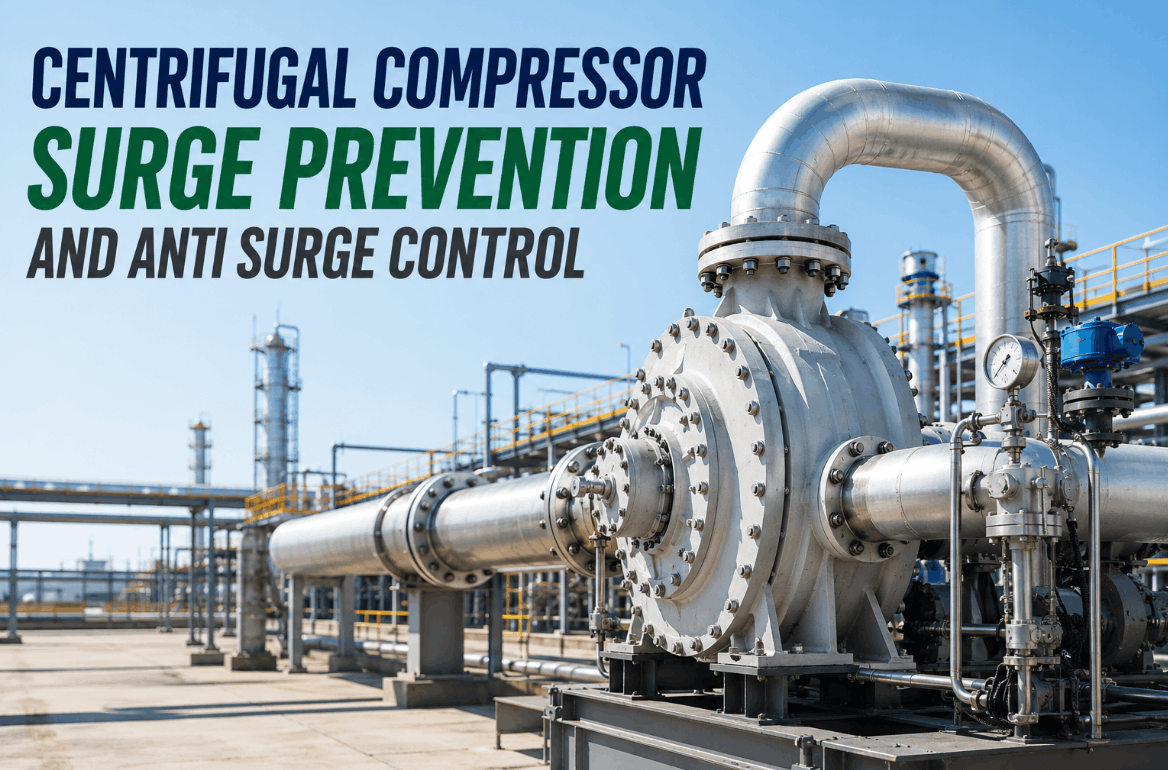
Read More
Centrifugal compressor surge is one of the most mechanically violent and financially destructive events in oil and gas, petrochemical, and industrial gas processing operations. A single surge event — lasting milliseconds — subject
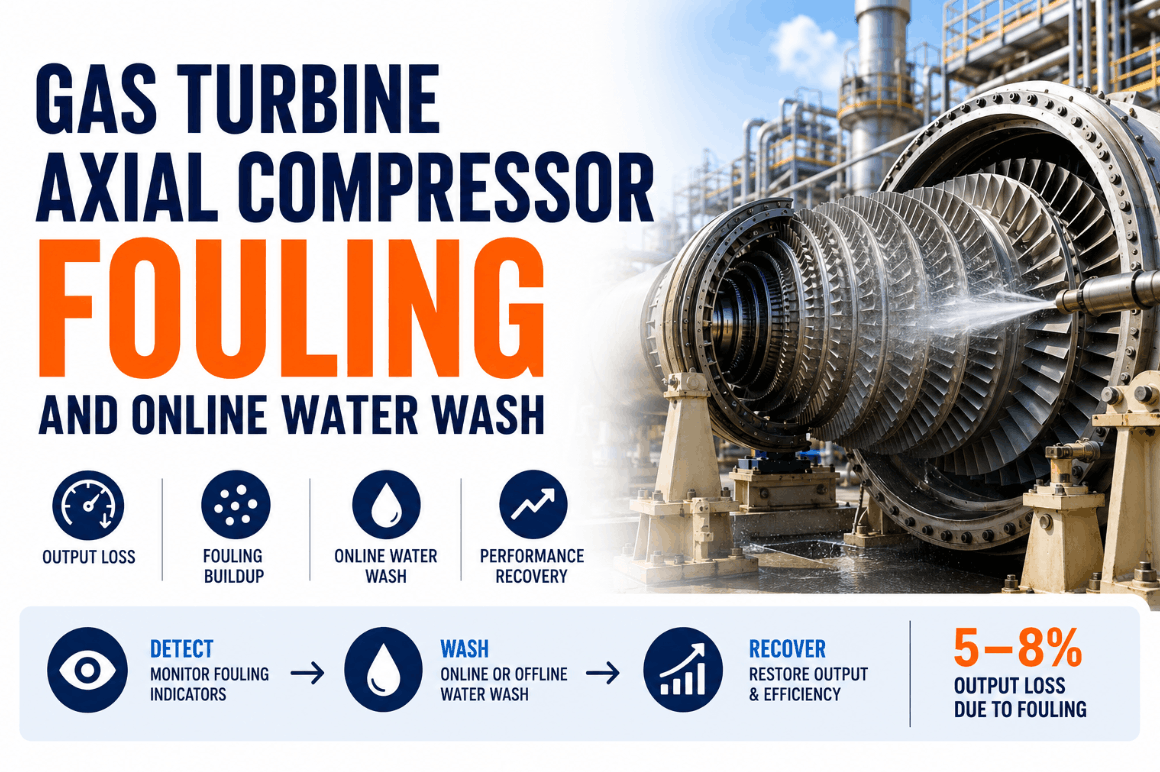
Read More
Axial compressor fouling is one of the most financially consequential and routinely underestimated performance losses in gas turbine operations. A fouled compressor section can silently strip 5–8% of rated turbine output over week
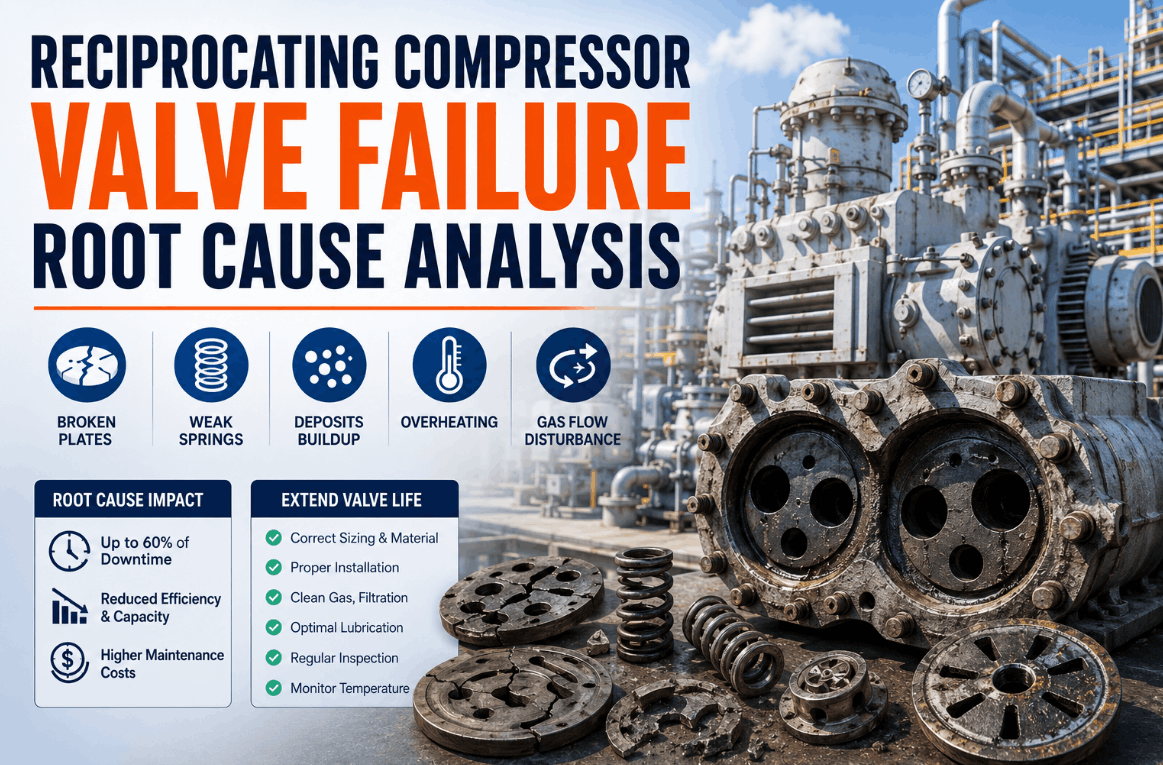
Read More
Reciprocating compressor valve failures account for more than 60% of all unplanned compressor downtime in process industries — and yet most plants still rely on manual inspection intervals that miss the early warning signs entirel
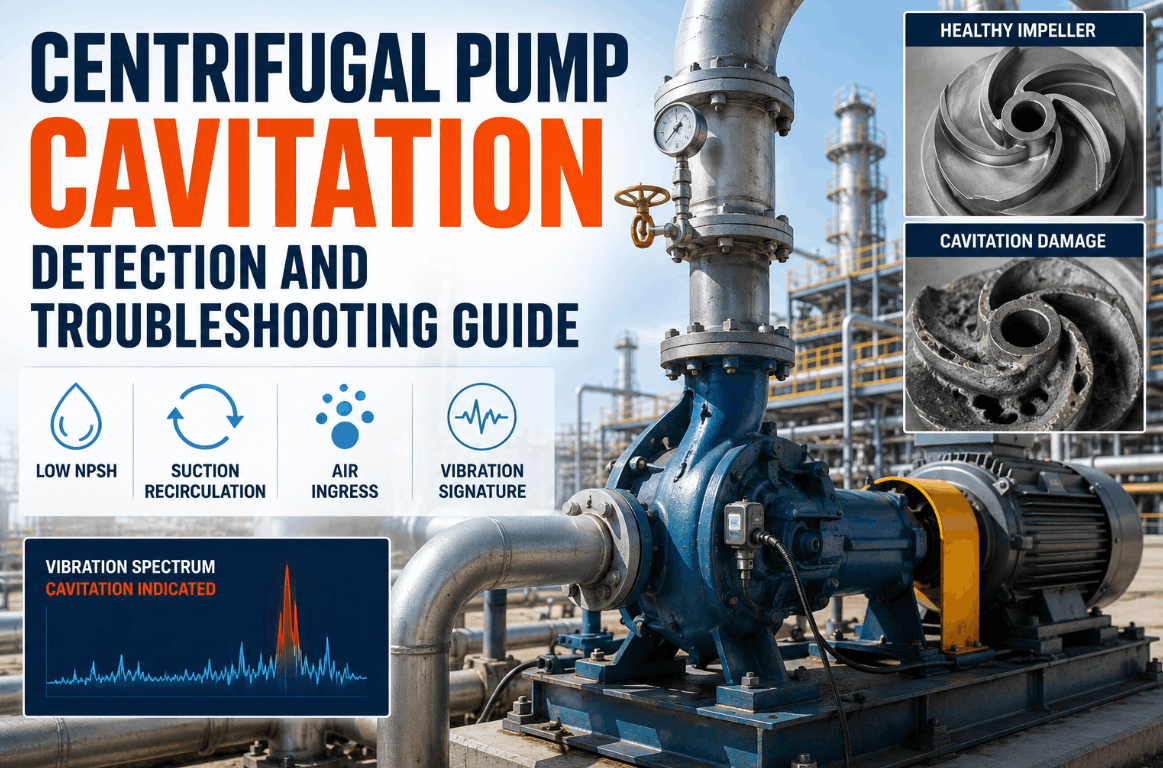
Read More
Centrifugal pump cavitation does not announce itself with a single, unmistakable failure. It announces itself with a sound like gravel in the casing, a vibration signature that drifts upward over days, a suction pressure that drops a few PSI below
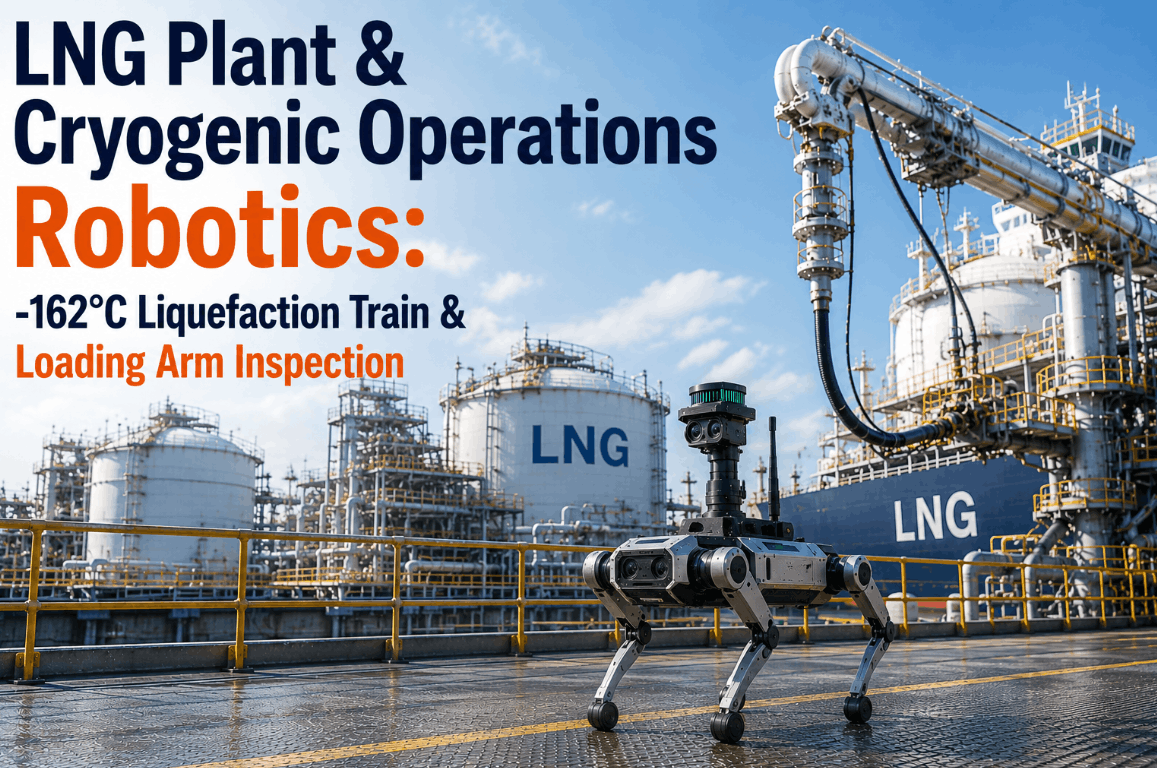
Read More
Across U.S. LNG export terminals and import regasification facilities, a new operational reality is taking shape. Robotics and AI-driven inspection platforms are replacing manual walkthroughs on liquefaction trains, loading arms, and BOG compresso

Read More
Oil and gas tank farms represent one of the highest-consequence, most inspection-intensive asset classes in the downstream energy sector. Atmospheric storage tanks, floating roof vessels, sphere tanks holding LPG and butane, and p

Read More
Floating production platforms — FPSOs, FLNGs, FSRUs, MODUs, and drillships — represent the most operationally demanding, geographically isolated, and personnel-cost-intensive segment of global offshore energy infrastructure. A single FPSO processi

Read More
The global oil and gas industry crossed a structural threshold in 2025: robotic inspection, autonomous patrol, and AI-driven asset integrity programs moved from pilot projects to permanent capital line items at every major operator. Saudi Aramco

Read More
Physical AI is no longer a research concept in the oil and gas sector — it is a procurement category. In 2026, the convergence of foundation models like NVIDIA Isaac GR00T, Gemini Robotics ER, and agentic AI platforms like ADNOC

Read More
The pressure on midstream and downstream oil & gas operators to maintain pipeline and tank farm integrity has never been greater. Regulatory frameworks like 49 CFR Part 195 for hazardous liquid pipelines and ASME B31.4 for pressure piping dema

Read More
In the oil and gas industry, hydrogen sulfide (H2S) — the silent signature of sour gas — is among the most lethal occupational hazards on any production site. Colorless, heavier than air, and capable of overwhelming the human olfactory system wi

Read More
Offshore oil and gas platforms represent the highest-risk human work environment on earth — extreme weather, toxic atmospheres, confined spaces, and 24/7 production pressure combine to create an environment where robotic intervention is not a futu
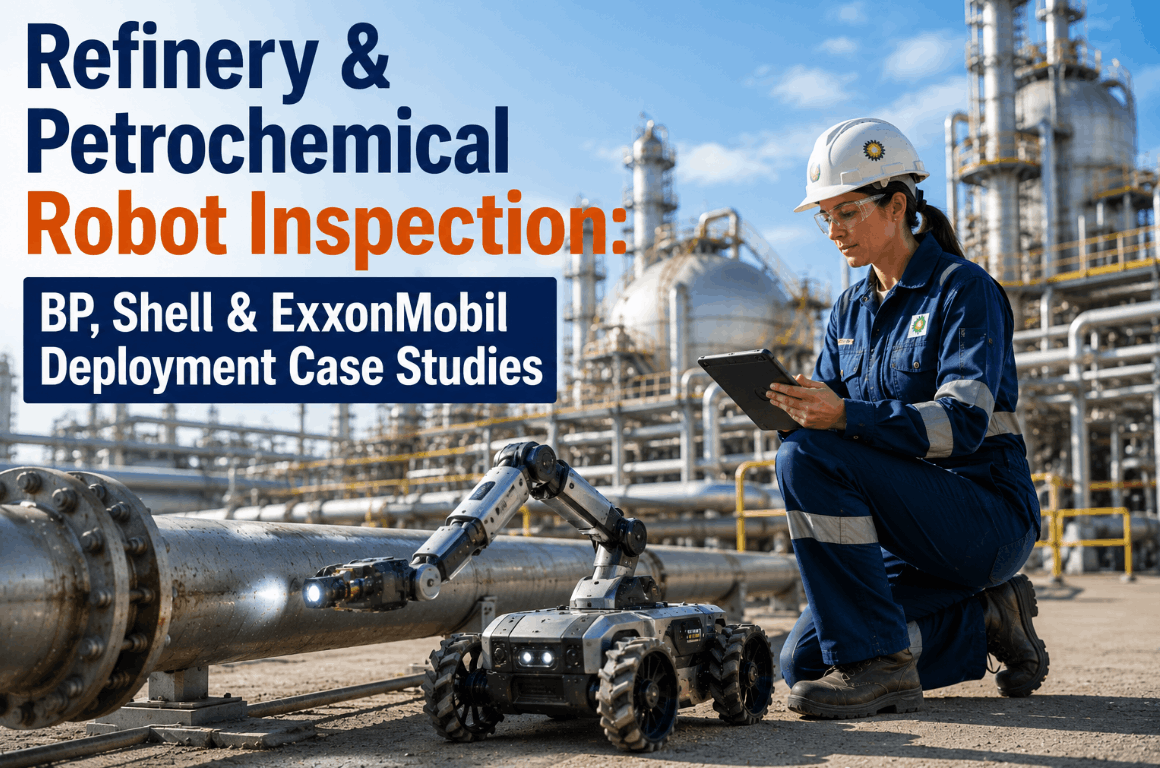
Read More
Autonomous robotic inspection in refineries and petrochemical plants has moved decisively past the pilot phase. BP, Shell, Aker BP, and a growing list of Tier-1 oil majors have deployed quadruped and mobile inspection robots acros
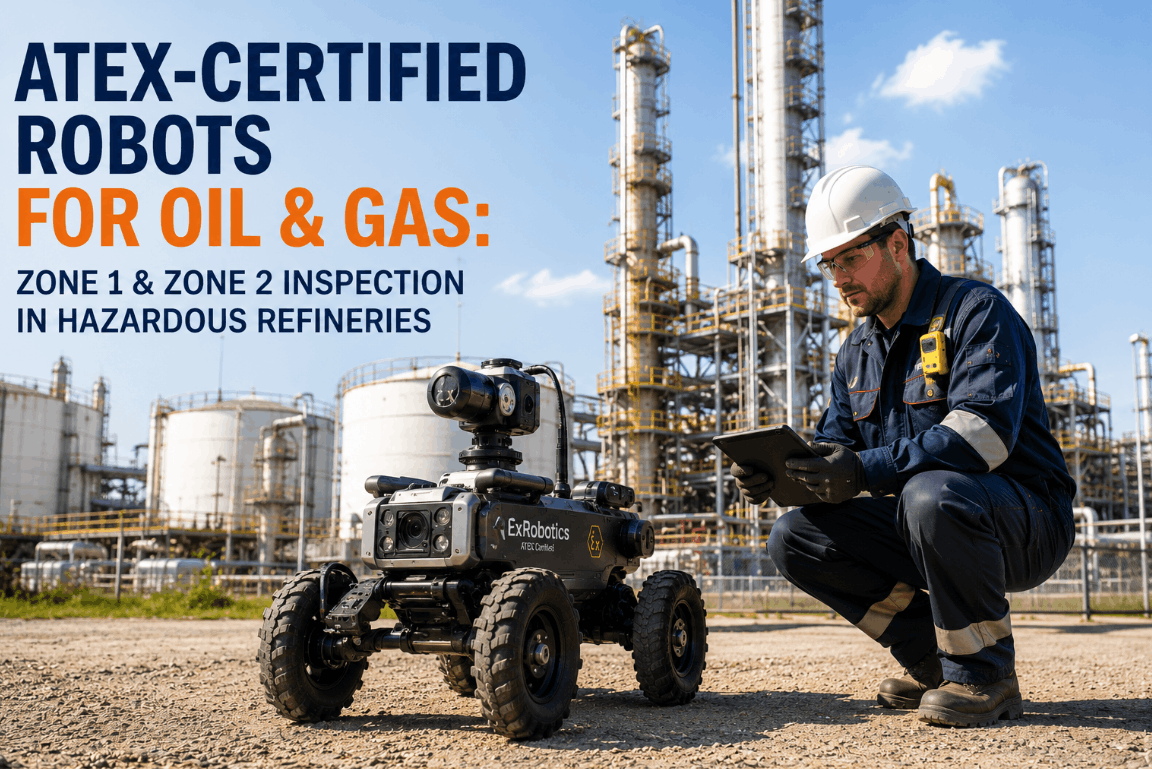
Read More
Deploying any electrical or mechanical equipment inside an active refinery, petrochemical plant, or offshore platform without verified ATEX or IECEx certification is not a compliance gap — it is a direct operational and legal li

Read More
The oil and gas industry is undergoing a fundamental operational shift in 2026. Humanoid and quadruped robots are moving beyond pilot programs and into live production environments — at refineries, on offshore platforms, and across upstream drilli

Read More
The oil and gas industry has spent decades drilling, logging, and characterizing sedimentary basins across the United States and internationally — generating an extraordinary volume of subsurface data that describes rock formation temperatures, re

Read More
Offshore oil and gas platforms have powered the global economy for decades — but they have also been among the most carbon-intensive industrial facilities on earth, burning natural gas in turbines around the clock to sustain extr
-ai-s-critical-role.png)
Read More
Carbon capture, utilization, and storage has moved from pilot-scale demonstration to commercial-scale deployment across the U.S. oil and gas value chain, with more than 30 operational facilities and 200-plus projects in development as
Read More
The oil and gas industry is undergoing a fundamental shift. As global energy markets respond to decarbonization pressure, hydrogen has emerged as a critical transition fuel — and artificial intelligence is rapidly becoming the operational backbone
Read More
The oil and gas industry is under mounting pressure to reduce its carbon footprint while continuing to meet global energy demand. Across upstream, midstream, and downstream operations, producers are navigating tightening emission
Read More
Oil and gas decommissioning is one of the most technically complex, cost-intensive, and regulatory-sensitive undertakings in the energy sector. Across the U.S. Gulf of Mexico, the North Sea, and aging onshore basins, operators are managing a growi
Read More
Sustainability reporting has moved from a voluntary disclosure exercise to a core compliance obligation for oil and gas companies operating in U.S. and global markets. GRI (Global Reporting Initiative) and CDP (formerly the Carbon Disclosure Proje
Read More
Refineries operate under some of the most demanding environmental compliance requirements in U.S. industry. NOx and SOx emissions — byproducts of combustion processes in heaters, furnaces, flue gas systems, and sulfur recovery units — are subject

Read More
Contractor workforce management is one of the highest-risk, least-digitized aspects of oil and gas operations in the United States. At any major upstream or downstream facility, contractors can outnumber direct employees three to one — yet their o

Read More
Regulatory compliance in U.S. oil and gas has never been more complex — or more consequential. OSHA 1910.119 Process Safety Management, API 580/581 Risk-Based Inspection, EPA 40 CFR Part 68 Risk Management Programs, and an expanding web of environ
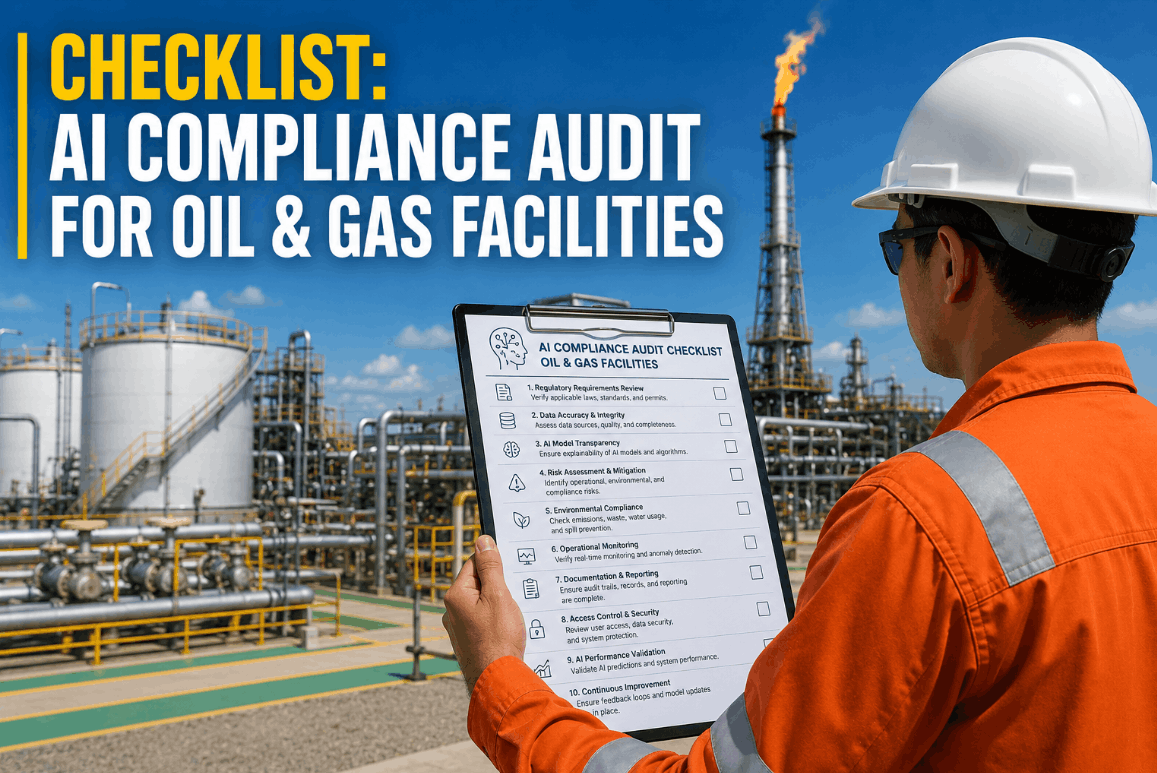
Read More
Running an AI system inside an oil and gas facility without a structured compliance audit is one of the fastest ways to accumulate regulatory exposure across OSHA, EPA, and API frameworks. As AI tools take on roles in emissions monitoring, permit-
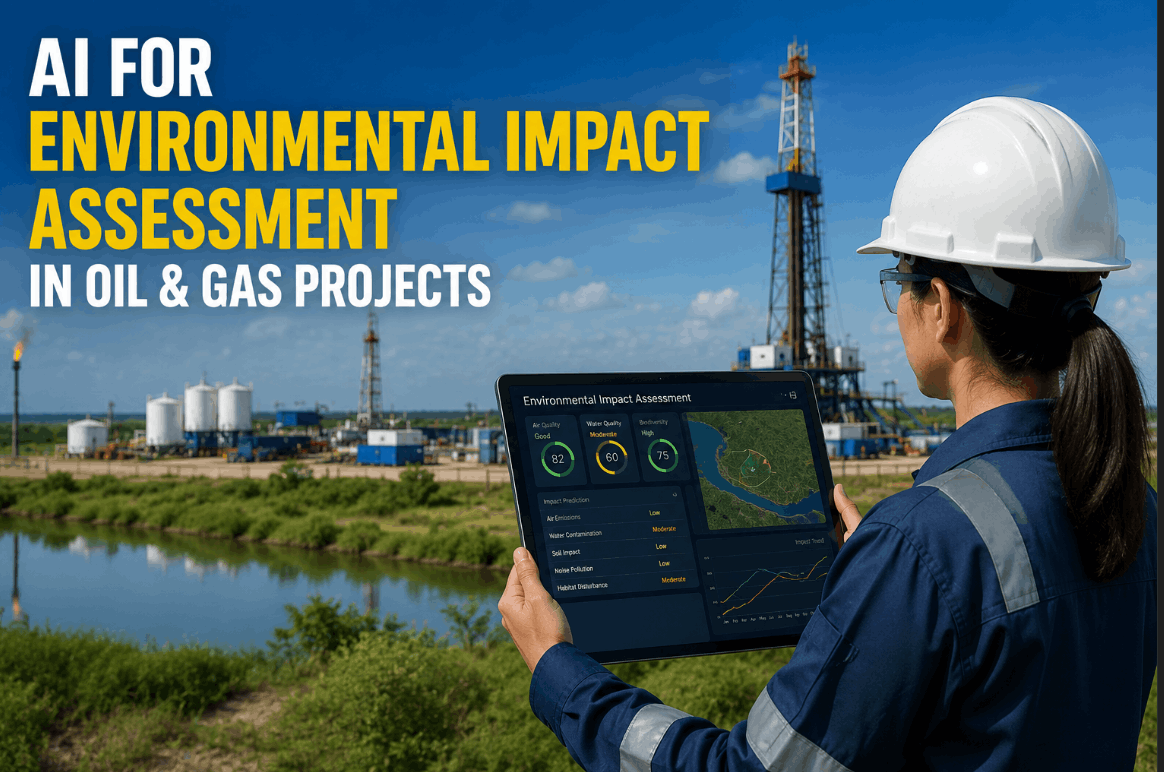
Read More
Environmental impact assessment (EIA) in oil and gas has historically been a slow, document-heavy process — field surveys, lab sampling, regulatory filings, and months of review cycles before a single project gets approved. AI i

Read More
In high-hazard oil and gas environments, a single missed approval can cascade into a catastrophic incident. Permit-to-work (PTW) systems are the frontline control that authorizes every high-risk task — hot work, confined space entry, electrical is
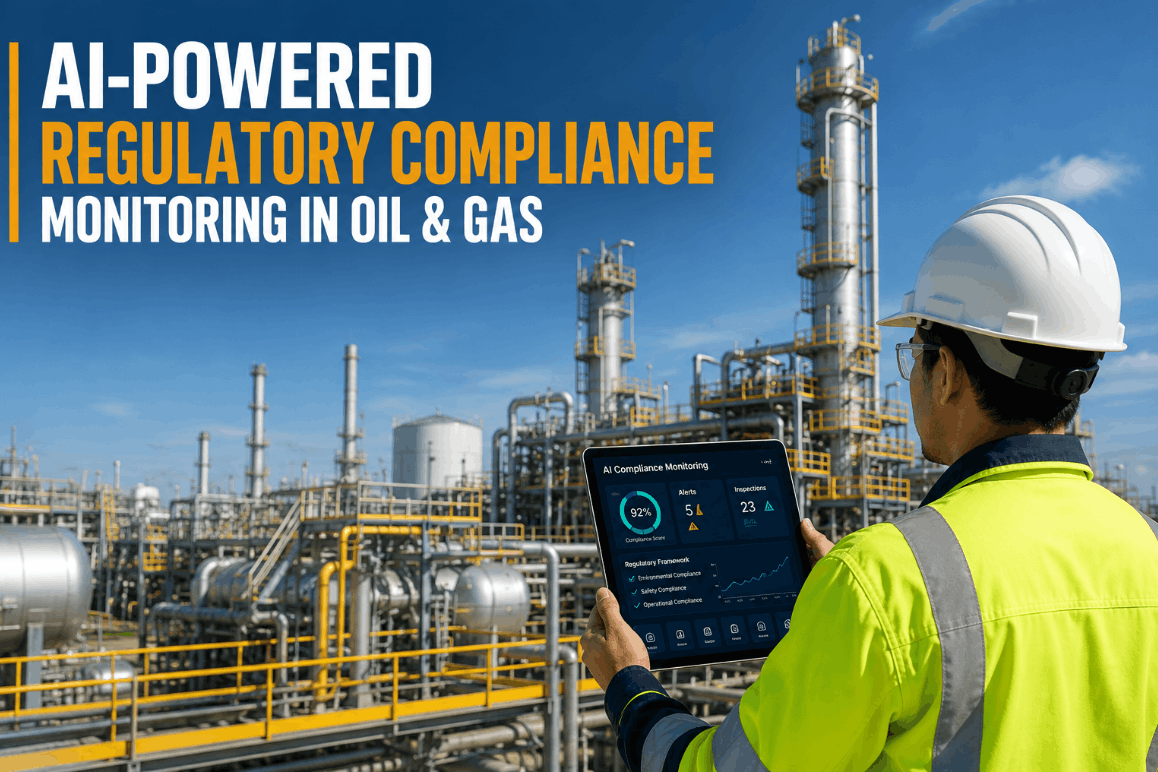
Read More
Oil and gas operations in the United States sit at the intersection of nine federal regulatory agencies — the EPA, OSHA, PHMSA, BSEE, and more — each with its own inspection cadence, documentation obligations, penalty structures, and enforcement p
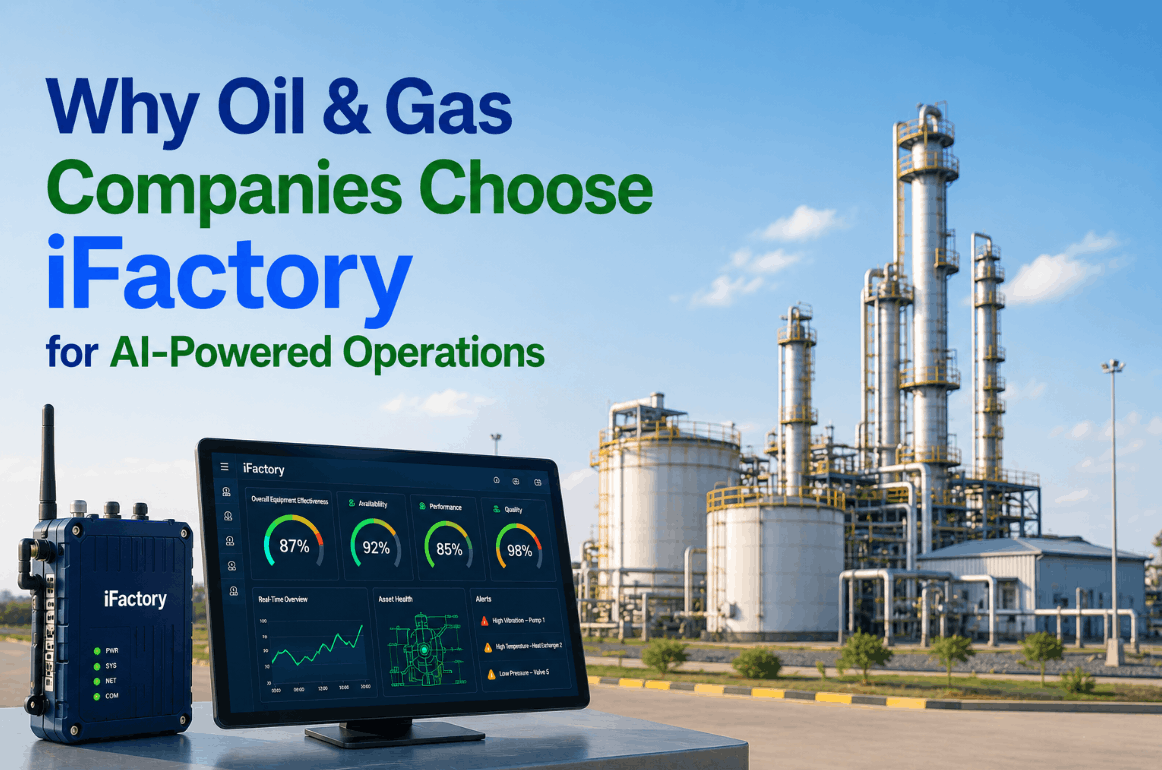
Read More
The oil and gas industry is in the middle of a decisive shift. Over 75% of major energy operators are now deploying digital platforms across parts of their value chain, and the global AI in oil and gas market is projected to grow from roughly $7.6

Read More
iFactory AI-powered OEE analytics platform helps oil and gas processing facilities move beyond reactive maintenance cycles and build a measurable, continuous improvement model for equipment performance. For plants where a single hour of unplanned

Read More
For U.S. oil and gas operators managing upstream production assets, midstream pipeline networks, or downstream refining facilities, the question is never whether AI-driven operations technology delivers value. The question is how
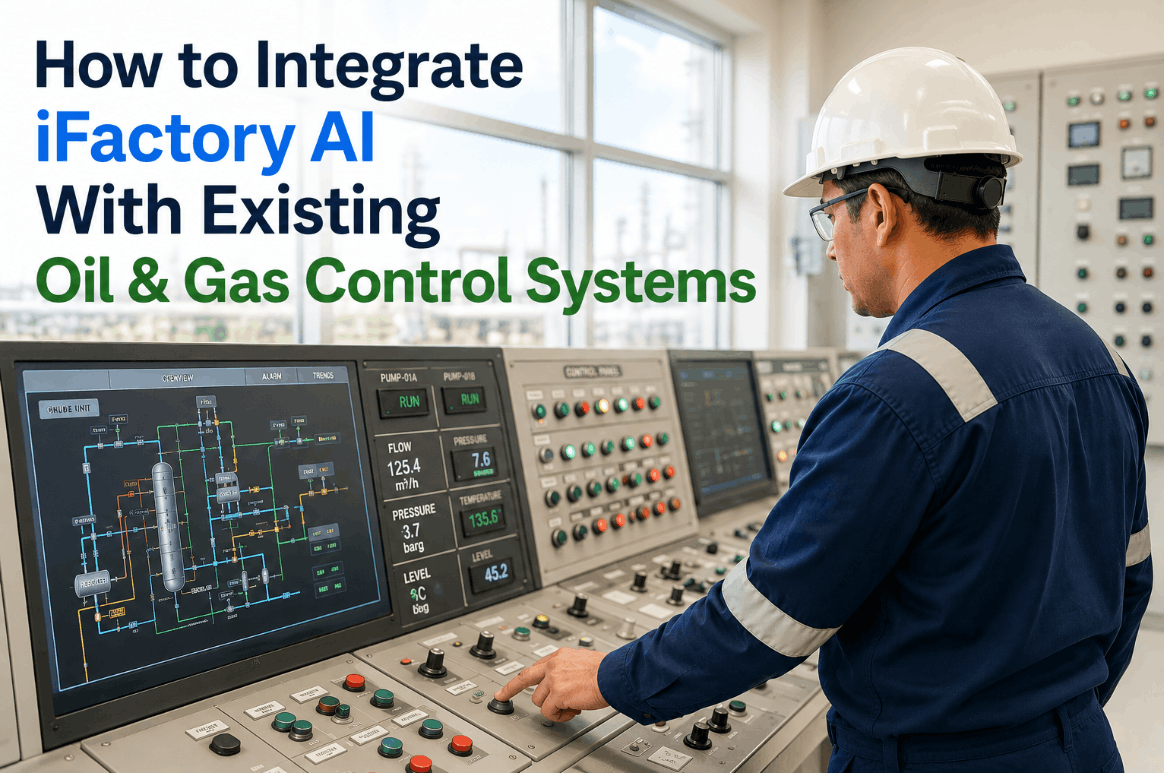
Read More
Oil and gas facilities across the USA, Canada, UK, and Australia are running some of the most complex control system environments in industrial operations — Honeywell Experion DCS managing refinery process units, Emerson DeltaV coordinating HRSG c

Read More
Refineries across the USA, Canada, UK, and Australia are losing 12–18% of productive capacity every year to equipment failures that could have been predicted — and prevented. Crude distillation units cycling through forced shutdowns, heat exchange

Read More
Energy costs in oil and gas operations have never been more visible — or more controllable. Compression stations, pump systems, gas separators, and upstream processing equipment collectively consume millions of kilowatt-hours every month, yet mo

Read More
A mid-size oil and gas processing facility operating a gas compression train, crude separation units, and a network of centrifugal pumps across two process trains was losing an estimated 340 production hours annually to unplanned

Read More
In oil and gas operations, equipment downtime is not just a maintenance problem — it is a revenue problem, a safety problem, and often a regulatory problem. The question most reliability engineers and plant managers are now asking

Read More
Oil and gas maintenance teams are sitting on a paradox. Facilities are generating more sensor data than ever — pressure transmitters, vibration monitors, SCADA historians, DCS alarms — yet most operations still run on calendar-ba

Read More
Oil and gas operations run on margins that leave almost no tolerance for unplanned downtime, wasted maintenance spend, or delayed failure detection. Whether you are managing a midstream pipeline network, a downstream refinery, o

Read More
The oil and gas industries of Indonesia, Malaysia, and Vietnam are at an inflection point. As production from mature fields becomes costlier and global energy demand climbs, operators across Southeast Asia are turning to artific
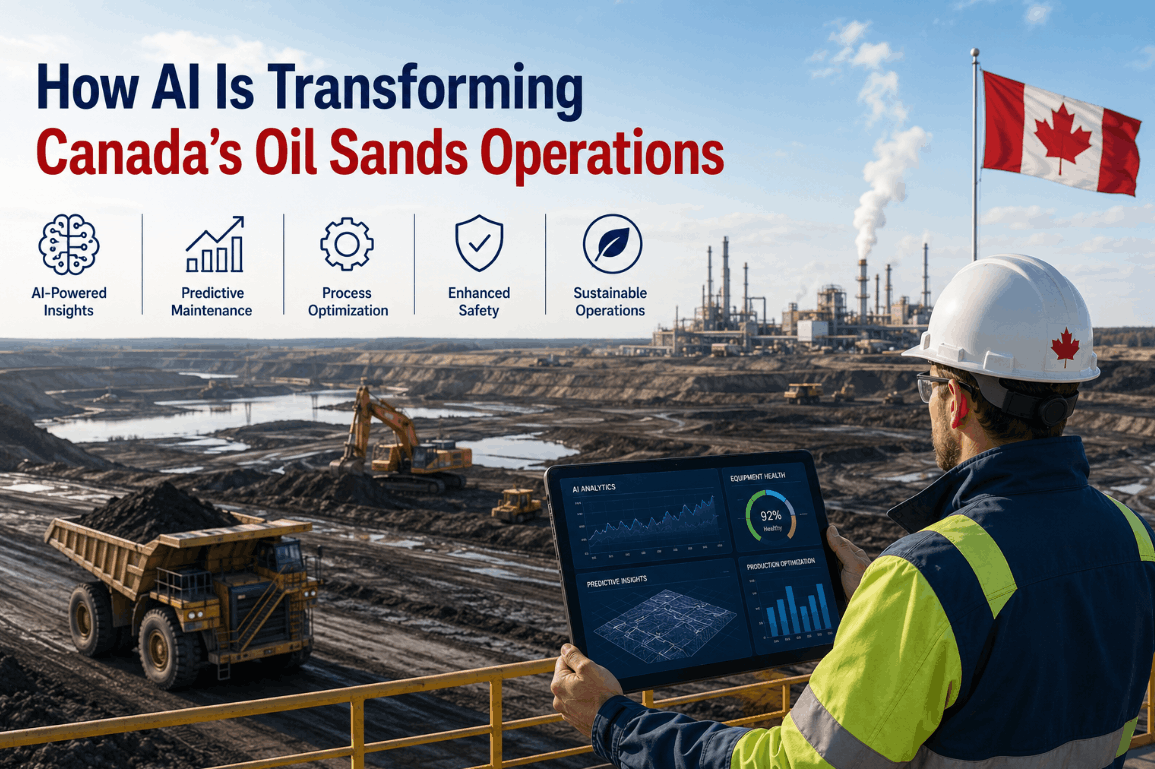
Read More
Canada's oil sands represent one of the most operationally complex and capital-intensive industrial environments on the planet. Spread across the Athabasca region of northern Alberta, these assets produce over 3 million barrels of oil per day and

Read More
Norway's offshore oil industry has always been defined by technical ambition. Operating in some of the world's most demanding marine environments — from the harsh swells of the North Sea to the remote waters of the Barents Sea — Norwegian operator

Read More
The UAE's energy sector is undergoing one of the most ambitious digital overhauls in the global oil and gas industry. At the center of this transformation stands ADNOC — the Abu Dhabi National Oil Company — which has evolved from a conventional st
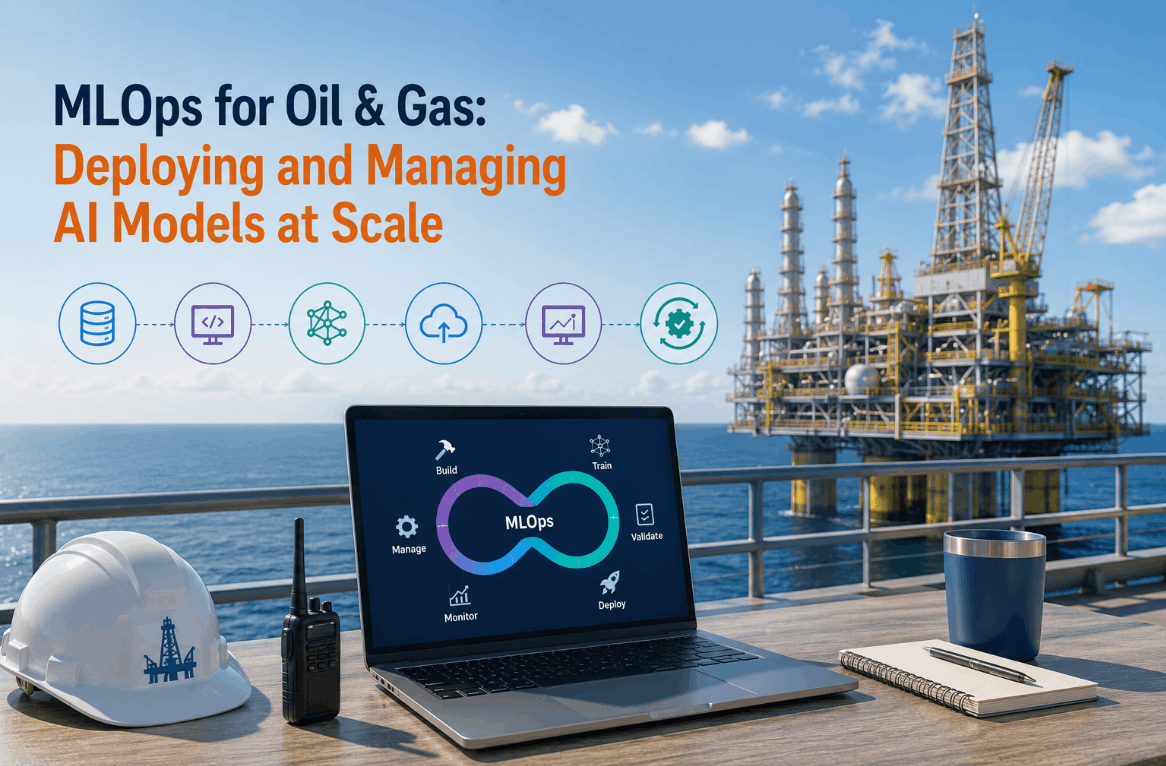
Read More
Machine learning models that perform brilliantly in a controlled pilot environment routinely fail within six months of production deployment in oil and gas operations. The reason is rarely the algorithm — it is the absence of a di

Read More
The oil and gas industry sits on one of the largest untapped data reserves in the world. Offshore rigs, pipeline networks, refineries, and wellheads generate millions of sensor readings every hour — yet the vast majority of that data never reaches

Read More
For oil and gas operators deploying AI across upstream, midstream, or downstream assets, the single greatest predictor of model success is not algorithm selection or cloud infrastructure — it is the maturity of data governance before any AI worklo

Read More
For oil and gas operators running SAP ECC, S/4HANA, Oracle JD Edwards, or Microsoft Dynamics, the gap between enterprise resource planning and real-time field operations has traditionally forced manual data entry, delayed planning cycles, and hidd

Read More
For U.S. oil and gas operators, digital transformation readiness is no longer optional — it is the threshold separating facilities that scale AI-driven reliability from those trapped in spreadsheet-dependent workflows and fragmented OT/IT architec

Read More
The oil and gas industry has spent the last decade accumulating AI pilots — discrete, well-funded experiments in predictive maintenance, reservoir modeling, and production optimization that deliver impressive results within thei

Read More
Every oil and gas organization is generating more operational data than at any prior point in its history — and most of it is going nowhere useful. SCADA systems are streaming pressure, temperature, and flow readings every second.

Read More
The oil and gas industry is sitting on one of the most complex, data-intensive operational environments in the world — and legacy infrastructure is no longer keeping up. From upstream exploration to downstream refining, companies are generating pe

Read More
The oil and gas industry is at the sharpest inflection point in its history. Compressed margins, accelerating energy transition pressures, aging field infrastructure, and an entirely new generation of AI-capable competitors are forcing U.S.

Read More
Regulatory reporting in oil and gas has never been simple — and in 2025, it is only getting more complex. U.S. operators face an expanding web of EPA emissions mandates, OSHA Process Safety Management requirements, DOT pipeline integrity reporting

Read More
The oil and gas industry is at a pivotal inflection point. As generative AI matures, upstream and downstream operators are asking a question that carries real financial weight: should we deploy a general-purpose AI like ChatGPT, or invest in speci

Read More
Engineering teams in oil and gas have always operated at the edge of operational complexity — managing wellbore integrity, processing vast volumes of sensor data, navigating regulatory requirements, and making high-stakes decisions under time pres
-are-used-in-oil-&-gas-decision-making.png)
Read More
Large Language Models are quietly reshaping how energy companies handle one of their most persistent challenges: turning massive volumes of unstructured data into decisions that move fast enough to matter. In oil and gas operations, engineers and
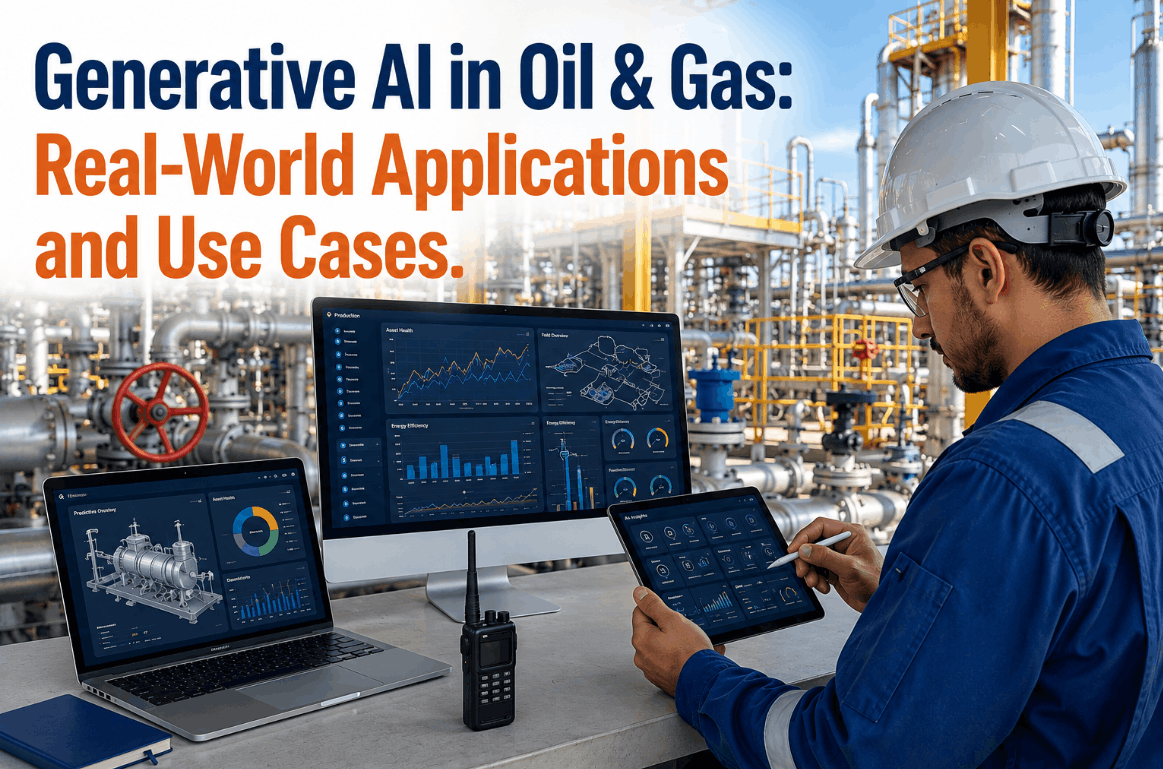
Read More
Generative AI has crossed the threshold from research curiosity to operational tool in oil and gas, and the pace of adoption in 2025 and 2026 is accelerating faster than most operations and engineering teams anticipated. Upstream geoscience teams
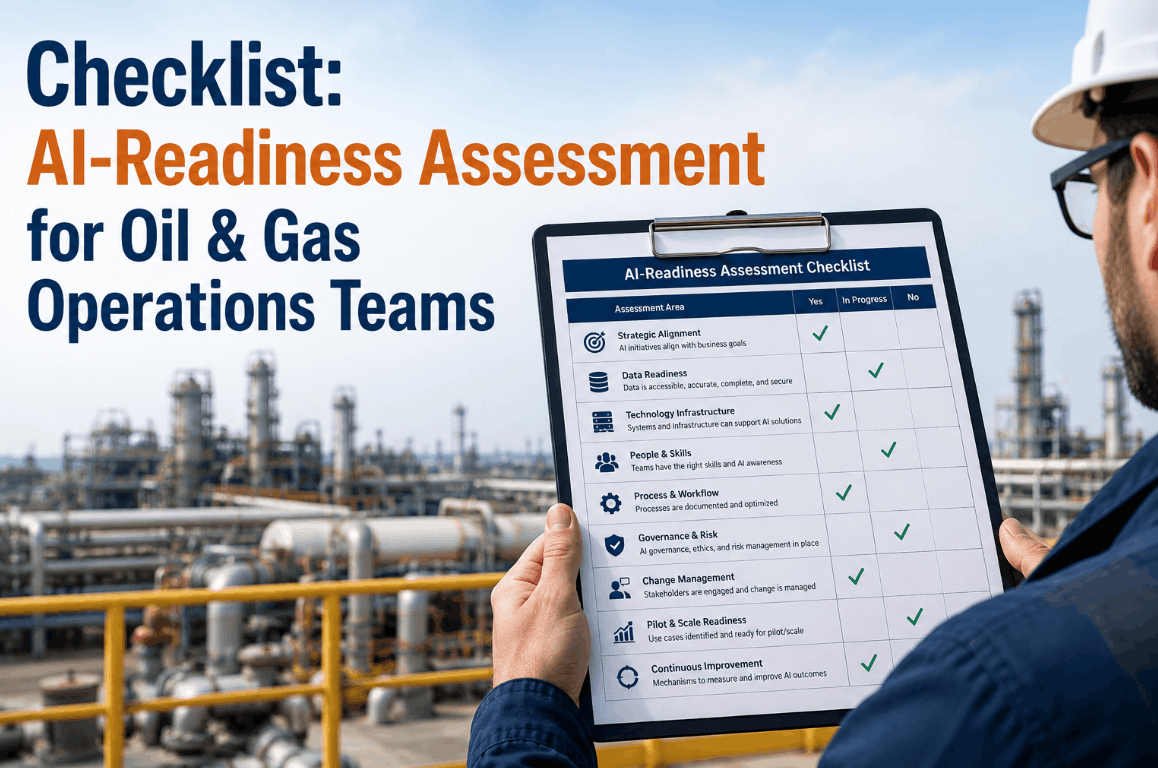
Read More
Oil and gas operations teams across upstream, midstream, and downstream environments are under mounting pressure to integrate AI — yet the gap between a leadership mandate to "implement AI" and an operations team genuinely prepared to use it safel
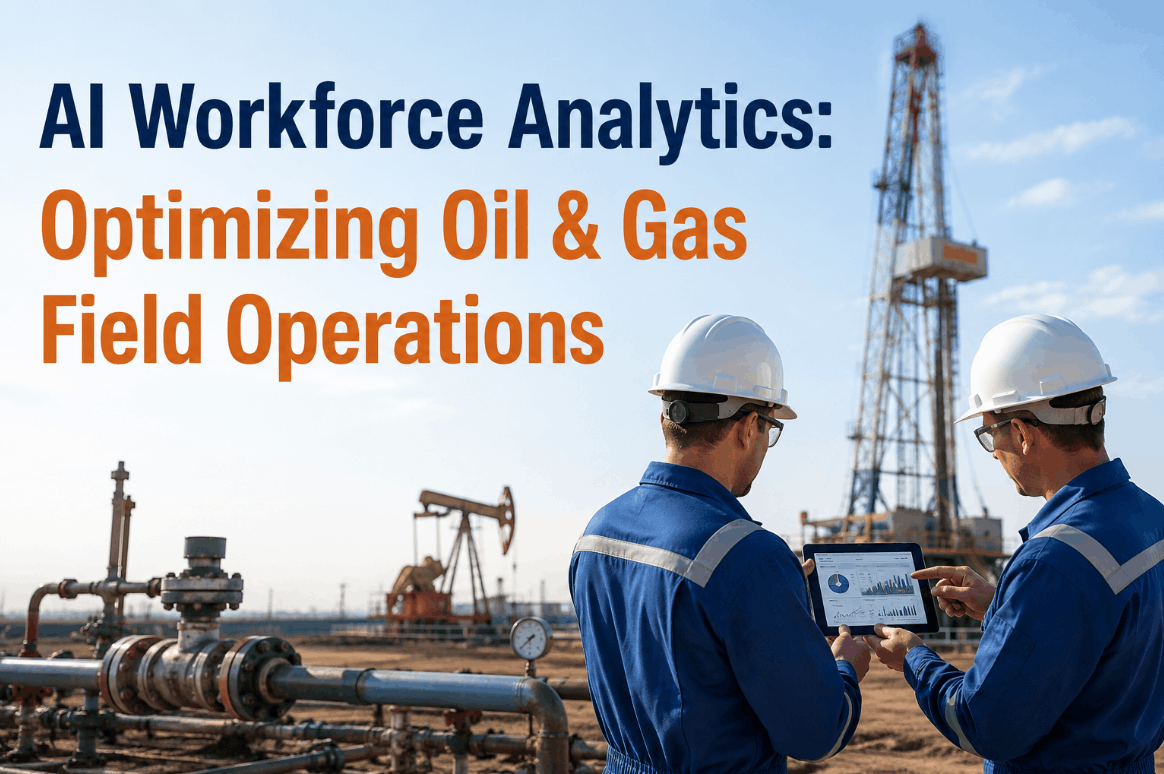
Read More
The oil and gas industry is navigating one of the most demanding talent environments in its history. Aging workforces, complex field environments, tightening safety regulations, and the pressure to do more with fewer skilled workers have created a

Read More
The oil and gas industry operates in environments where a single safety lapse can have catastrophic consequences — offshore platforms, refinery units, pipeline corridors, and well sites present hazards that demand rigorous, continuous safety tra

Read More
The oil and gas industry is confronting an unprecedented workforce challenge as veteran engineers and skilled technicians retire in accelerating numbers, taking decades of operational expertise with them. With an estimated 50% o

Read More
AI-powered training simulations are fundamentally reshaping how oil and gas companies prepare their workforce for high-stakes operational environments — from deepwater drilling platforms and LNG terminals to refinery process uni
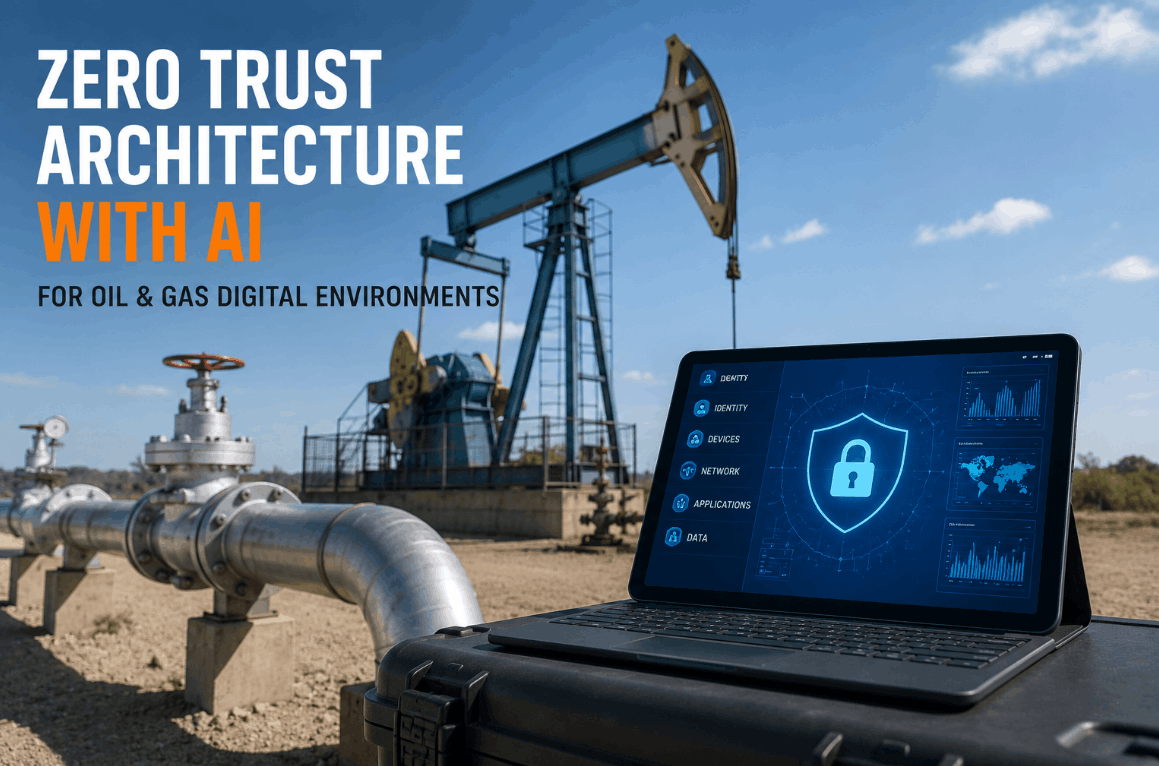
Read More
The oil and gas sector's accelerating shift to connected digital infrastructure — remote wellhead automation, cloud-integrated SCADA, and cross-facility IIoT networks — has fundamentally erased the concept of a trusted network perimeter. In 2025

Read More
AI-powered cybersecurity auditing is reshaping how oil and gas facilities identify, assess, and respond to operational technology (OT) threats. Facilities across upstream, midstream, and downstream segments face a rapidly evolving threat landscape
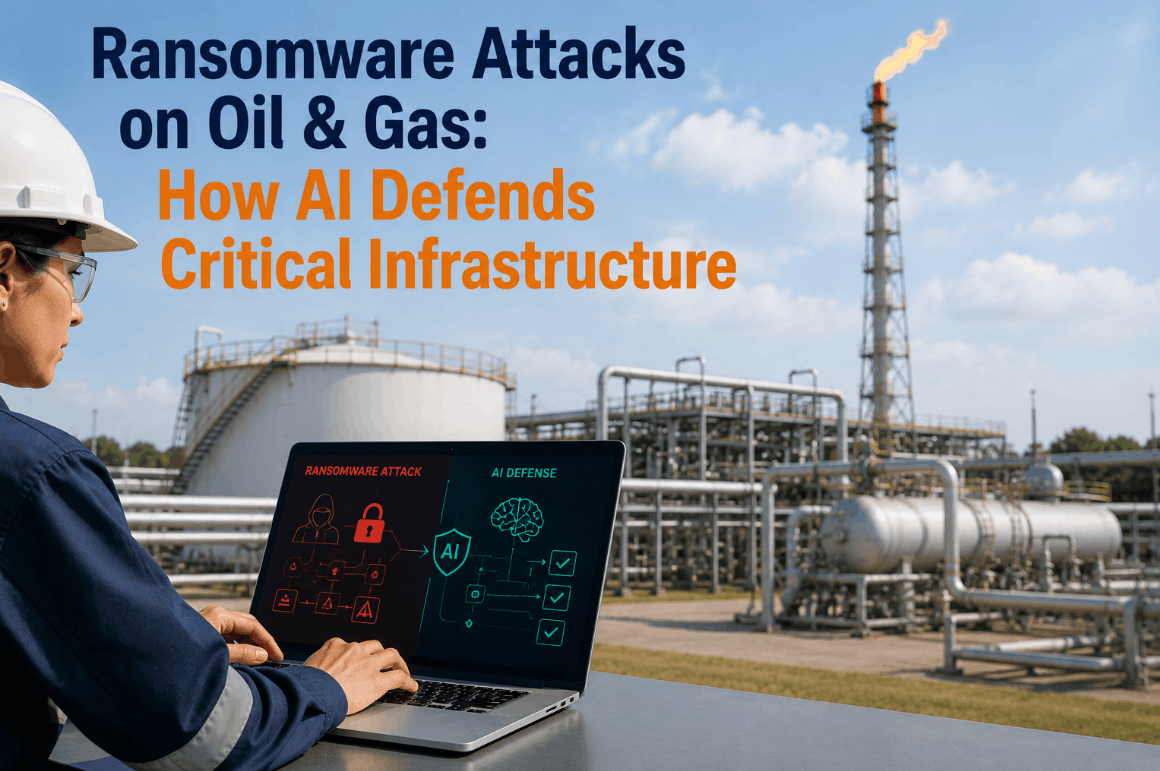
Read More
Ransomware attacks on oil and gas infrastructure have escalated from an IT inconvenience into a direct threat to national energy security, operational continuity, and physical safety systems. The 2021 Colonial Pipeline shutdown — which halted 45

Read More
Operational technology networks in oil and gas have become the most actively targeted segment of critical infrastructure globally — and the attack surface is expanding faster than traditional ICS protection frameworks can keep pace. Pipeline contr

Read More
Oil and gas SCADA systems are among the most targeted industrial control environments in the world — and the threat landscape is accelerating. From the 2021 Colonial Pipeline ransomware attack to coordinated intrusions at offshore drilling platfor

Read More
Oil and gas operations run on operational technology (OT) infrastructure — SCADA systems, distributed control systems (DCS), programmable logic controllers (PLCs), and safety instrumented systems (SIS) — that was designed for rel
-challenges-and-opportunities.png)
Read More
National oil companies — Saudi Aramco, Abu Dhabi National Energy Company (TAQA), Petrobras, ONGC, and over 70 other state-owned energy producers — collectively control more than 70 percent of the world's proven oil and gas reserve

Read More
The relationship between OPEC+ production policy and artificial intelligence is no longer a future-looking conversation — it is happening now, and its implications for global oil markets are material and accelerating. On one side
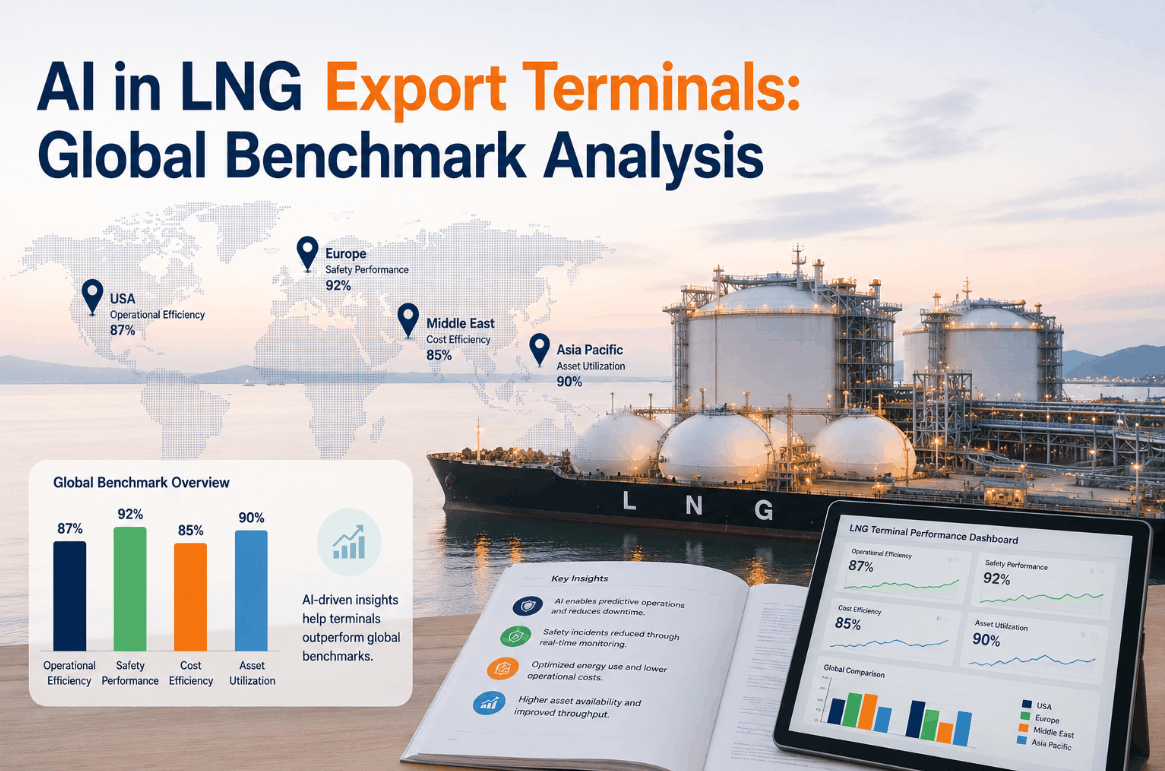
Read More
The global LNG export terminal industry is in the middle of a structural transformation that goes beyond new liquefaction capacity additions — it is a fundamental shift in how these facilities are operated, maintained, and optimized. The LNG termi

Read More
The Gulf of Mexico has long been the backbone of U.S. offshore energy production — accounting for roughly 15% of total domestic crude output and hosting some of the most technically demanding deepwater operations in the world. What is changing in
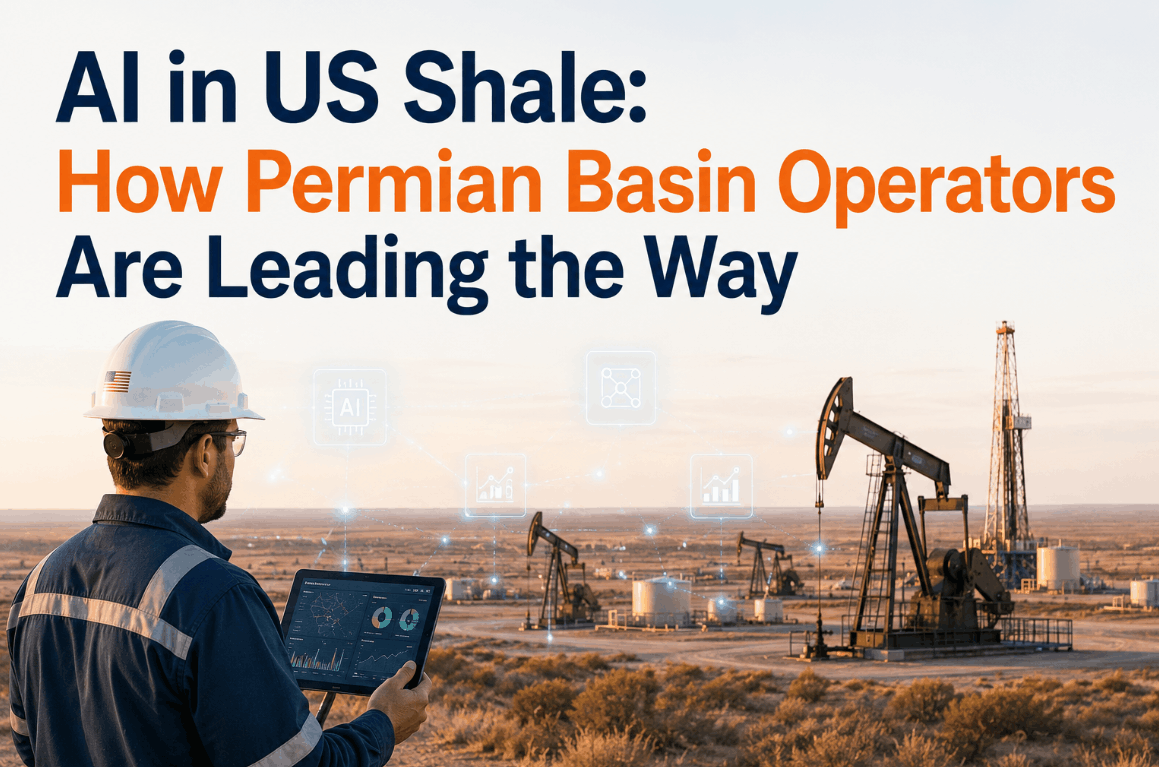
Read More
The Permian Basin — stretching across West Texas and southeastern New Mexico — has become the world's most technologically advanced unconventional oil and gas producing region, not merely because of the scale of its resource base but because of th

Read More
The North Sea basin — spanning UK, Norwegian, Dutch, and Danish waters — represents one of the world's most technically demanding and operationally costly upstream environments. Aging infrastructure, harsh weather conditions, remote offshore locat

Read More
The oil and gas industry is undergoing the most consequential technology transformation in its history — and artificial intelligence is at the center of it. What began as isolated pilot programs for seismic interpretation and pred

Read More
The Middle East oil and gas sector is no longer defined solely by its reserves — it is increasingly defined by its intelligence. Across Saudi Arabia, the UAE, and Qatar, national oil companies are deploying artificial intelligence

Read More
The global oil and gas industry is undergoing a technology shift that no major producing nation can afford to ignore. Artificial intelligence — applied across reservoir characterization, drilling optimization, pipeline integrity, pred

Read More
The global AI in oil and gas market is undergoing a structural transformation that extends far beyond operational efficiency gains. From autonomous drilling systems in deepwater Gulf of Mexico platforms to real-time pipeline integ

Read More
Shale gas basins — from the Permian to the Marcellus — have transformed U.S. energy production over the past two decades, yet accurate production forecasting remains one of the most computationally demanding challenges in reservoi

Read More
Production allocation across multiple oil wells has always been one of the most data-intensive, error-prone, and consequentially expensive challenges in upstream operations. When a shared separator receives commingled flow from ei

Read More
Implementing AI-driven reservoir surveillance is one of the highest-impact decisions an upstream oil and gas operator can make — but only when the rollout follows a validated, phase-by-phase sequence. Without a structured AI reservoir surveillance

Read More
In mature oil fields, waterflood programs represent the single largest lever available for recovering incremental barrels without the capital intensity of new drilling. Yet most operators are leaving significant production on the table—not because

Read More
Pressure transient analysis has been a cornerstone of reservoir characterization since the 1950s, yet the interpretation of buildup and drawdown curves has always been one of the most time-intensive and specialist-dependent task
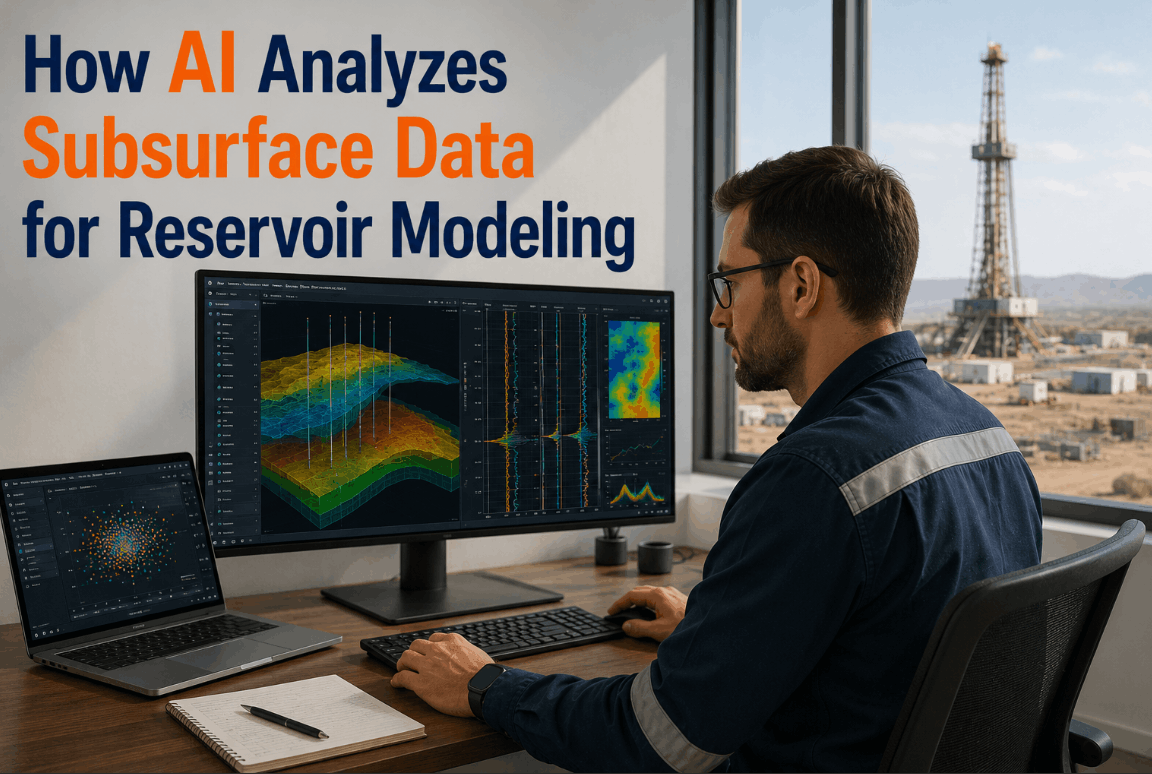
Read More
The subsurface has always been the most data-rich and least understood layer of any oil and gas operation. Seismic surveys, well logs, core samples, pressure transient tests, and production histories generate enormous volumes of information—yet fo
-optimization.png)
Read More
The oil and gas industry is under constant pressure to maximize recovery rates from existing reservoirs while keeping operational costs in check. Traditional enhanced oil recovery (EOR) methods—thermal injection, gas flooding, and chemical EOR—hav

Read More
Reservoir simulation has been the backbone of subsurface decision-making in oil and gas for more than four decades — but the computational cost, data requirements, and turnaround time of full-physics eclipse models have always imp
Read More
Reservoir management has always demanded the sharpest intersection of subsurface science, production engineering, and real-time decision-making — but the data volumes, heterogeneous geology, and economic pressures facing today's u
Read More
Unplanned equipment failures in oil and gas operations do not announce themselves. They develop through a sequence of detectable degradation signals — vibration trends on rotating assets, temperature anomalies on heat exchangers, pressure drift ac

Read More
Every oil and gas plant operates equipment that ages, corrodes, and accumulates damage — pressure vessels exposed to hydrogen sulfide, pipelines experiencing wall thinning, heat exchangers degraded by fouling and erosion. The eng
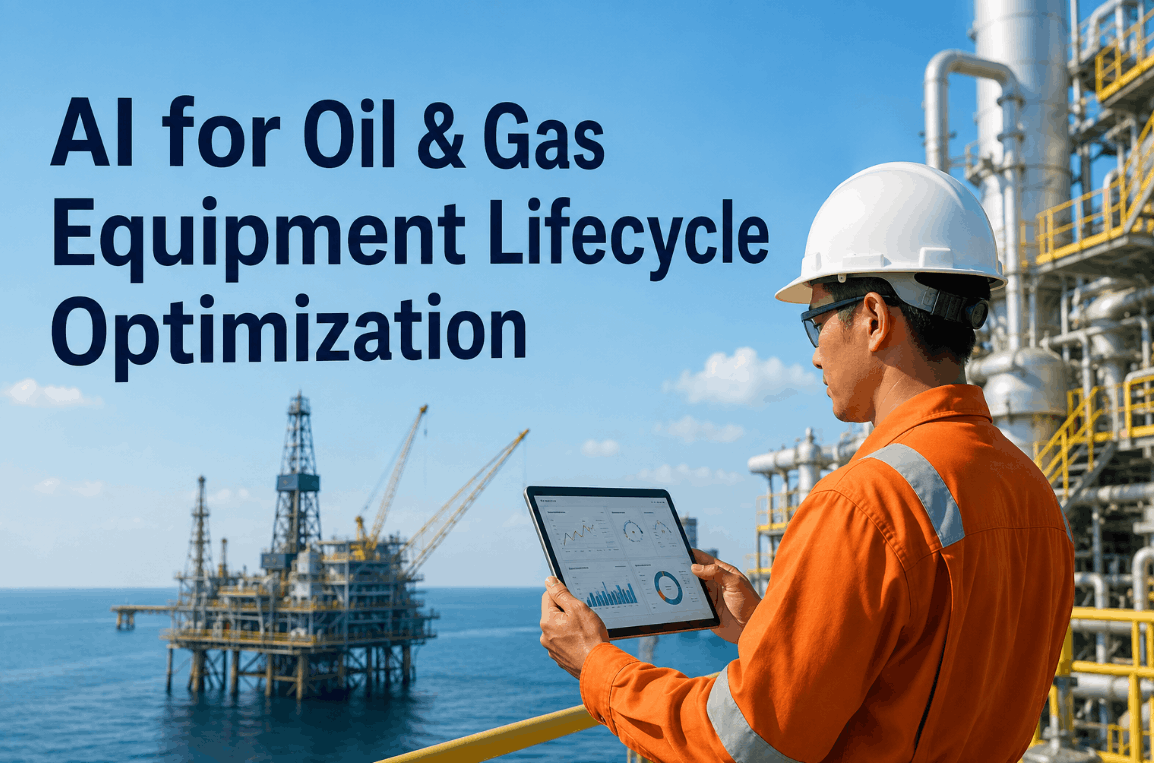
Read More
Oil and gas operators have known for decades that equipment lifecycle decisions — when to inspect, when to intervene, when to replace — shape plant profitability as directly as crude prices do. What has changed in 2025 is that AI has made it possi
-rollout.png)
Read More
Implementing AI-based Asset Performance Management (APM) in oil and gas operations is one of the highest-leverage investments a reliability or integrity engineering team can make — but only when the rollout follows a structured, validated sequence

Read More
AI-powered digital asset management is reshaping how oil and gas operators monitor equipment health, schedule maintenance, and protect asset integrity across upstream, midstream, and downstream operations. From offshore platforms and pipeline netw

Read More
Oil & gas operators in the U.S. are under sustained pressure to reduce operating expenditure without compromising asset reliability, regulatory compliance, or safety performance. The answer increasingly lies in AI-powered Asset Performance Man

Read More
In oil & gas operations, unplanned equipment downtime costs the industry an estimated $50 billion annually — and the root cause is almost always the same: maintenance programs that react to failures instead of predicting and preventing them. T
-in-oil-&-gas-a-practical-guide.png)
Read More
Traditional inspection programs in oil and gas facilities operate on a simple but costly logic: inspect everything on a fixed schedule, regardless of actual condition or risk. The result is a maintenance organization that spends significant resour

Read More
Across upstream drilling platforms, midstream pipelines, and downstream refineries, the economic case for extending equipment lifespan has never been stronger. Replacement costs for major rotating equipment — compressors, pumps, h

Read More
As aging infrastructure, volatile commodity cycles, and increasingly stringent regulatory requirements converge, oil and gas operators face a fundamental question: can legacy inspection and maintenance routines keep pace with the scale and compl
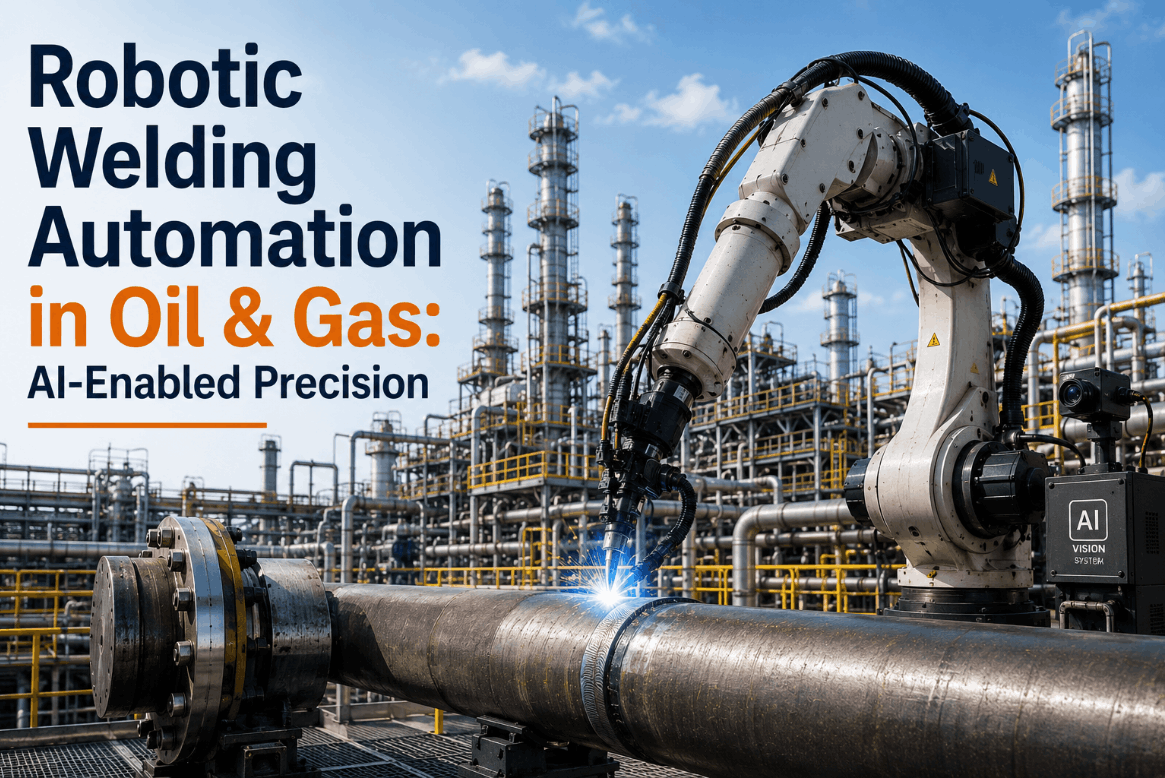
Read More
Robotic welding AI oil gas applications are no longer experimental — they are defining competitive advantage in a sector where a single weld failure can trigger a catastrophic blowback, costly shutdown, or regulatory penalty worth

Read More
Undetected gas clouds are among the most consequential operational hazards in oil and gas — invisible to the naked eye, capable of propagating across a facility in minutes, and historically dependent on manual walk-down inspectio

Read More
Flare stack inspection is among the most hazardous routine tasks in any refinery, upstream platform, or petrochemical facility — and for most of the industry's operational history, it has been executed by rope access technicians suspended at heigh
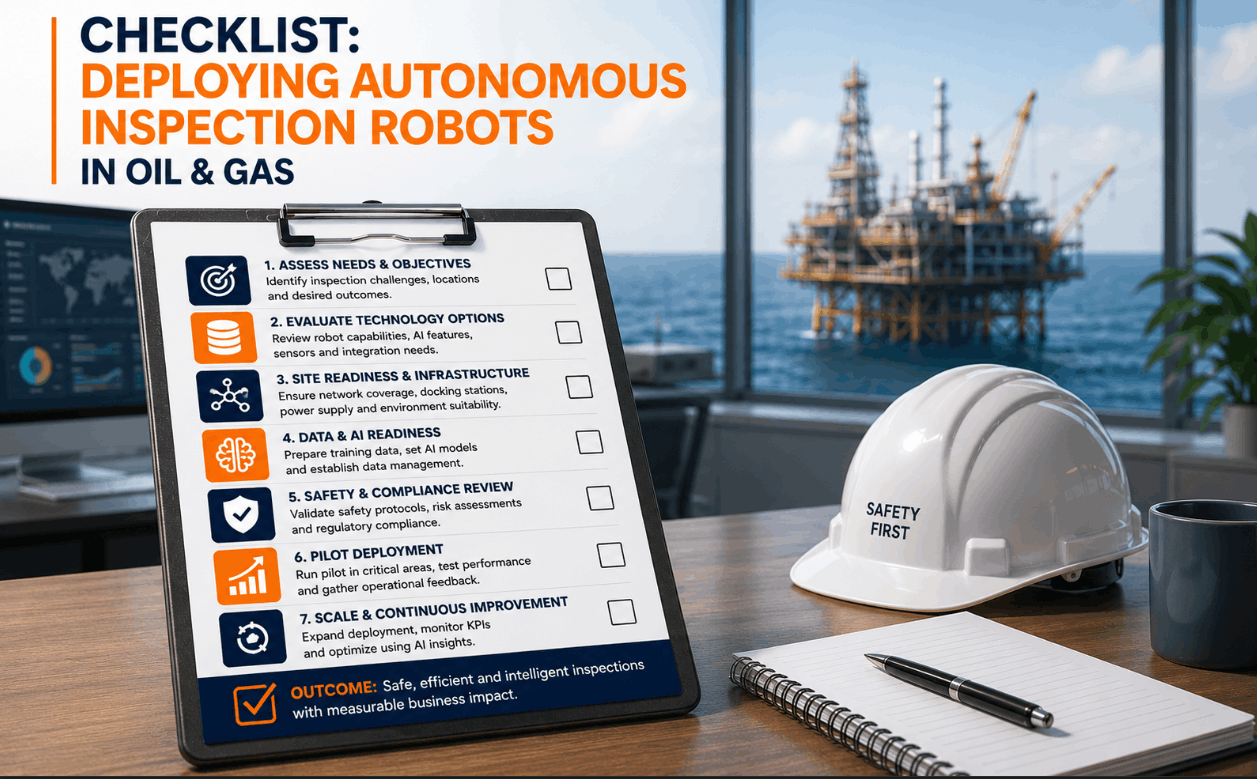
Read More
Deploying autonomous inspection robots in oil and gas facilities is one of the highest-impact decisions a reliability or operations team can make — and also one of the most technically complex. From ATEX zone classification and sensor payload sele
-in-oil-&-gas-back-office.png)
Read More
Robotic Process Automation driven by artificial intelligence is fundamentally reshaping how oil and gas companies manage the dense, high-volume administrative workflows that run beneath every barrel produced, every well permitted, and every regula
-for-offshore-environmental-monitoring.png)
Read More
Autonomous surface vehicles for offshore environmental monitoring are rapidly becoming the operational standard for oil and gas operators, port authorities, and offshore energy developers who can no longer justify the cost, safety exposure, and da
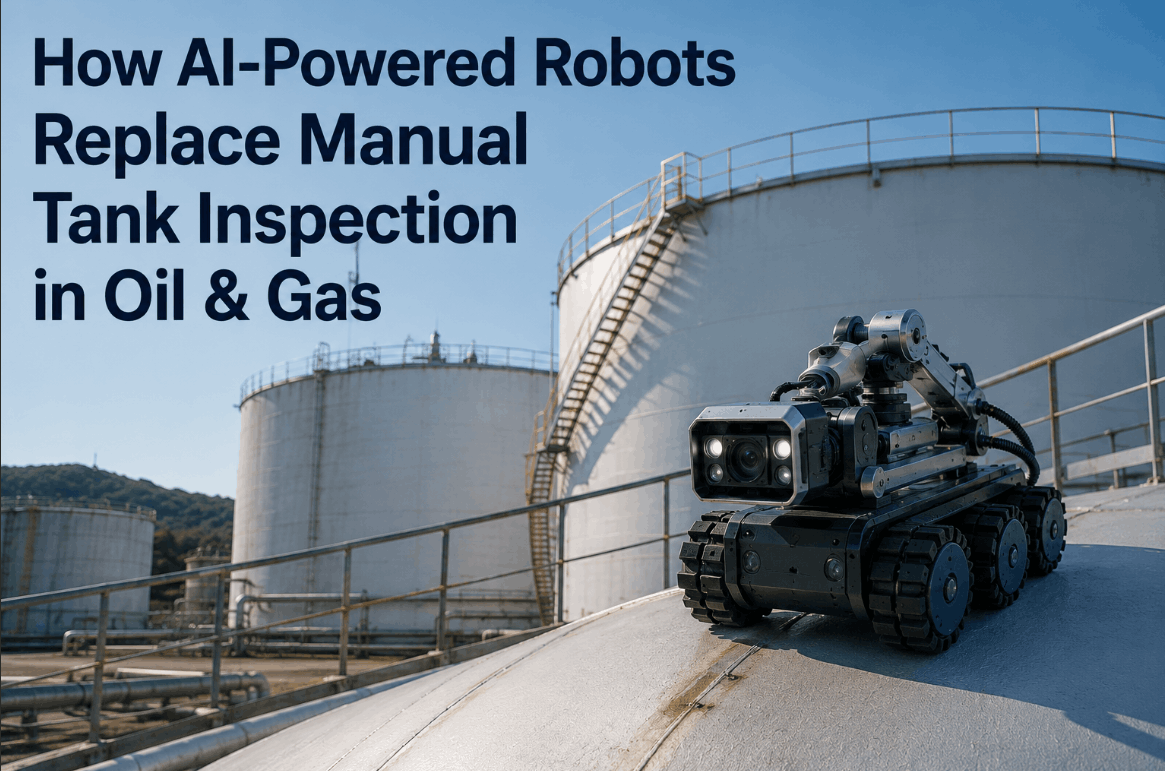
Read More
In oil & gas facilities, manual tank inspection is one of the most dangerous and operationally expensive tasks a workforce can perform. Confined-space entry, toxic gas exposure, and structural collapse risk make it a leading cause of industrial fa
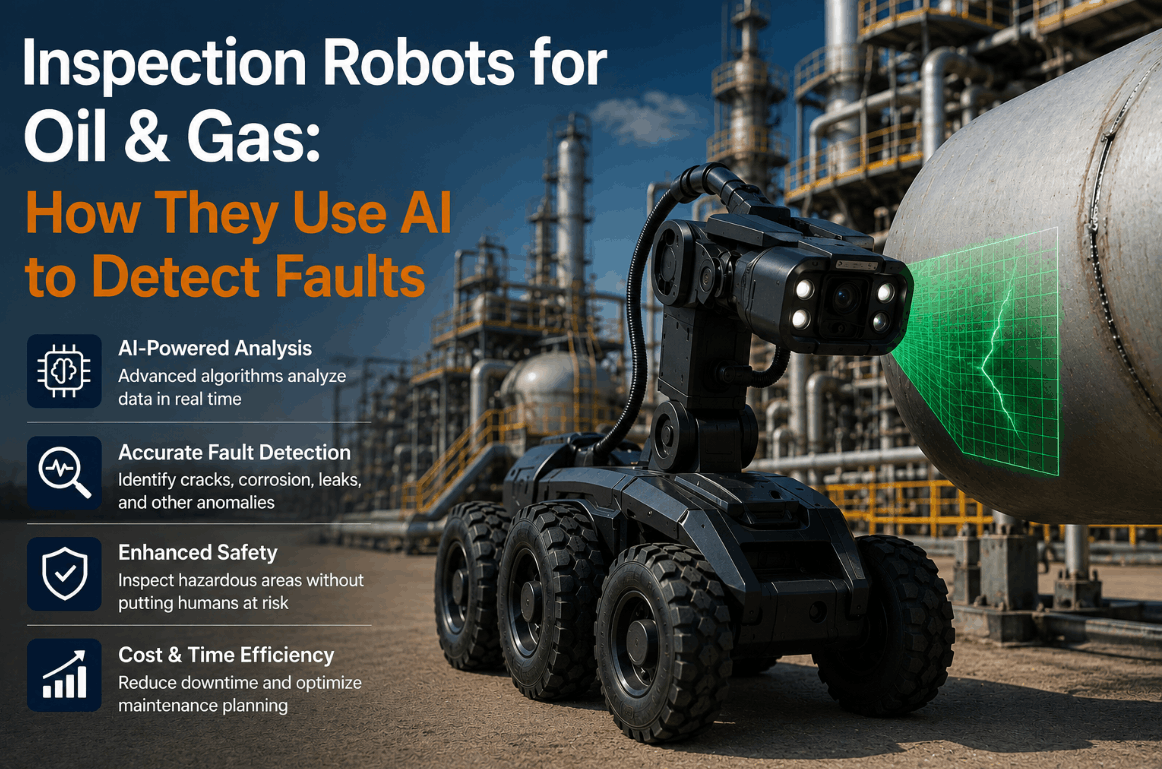
Read More
Oil and gas facilities face some of the most unforgiving inspection environments on the planet — pressurized pipelines, high-temperature furnaces, confined vessel interiors, and offshore platforms battered by corrosive salt air. Traditional manual
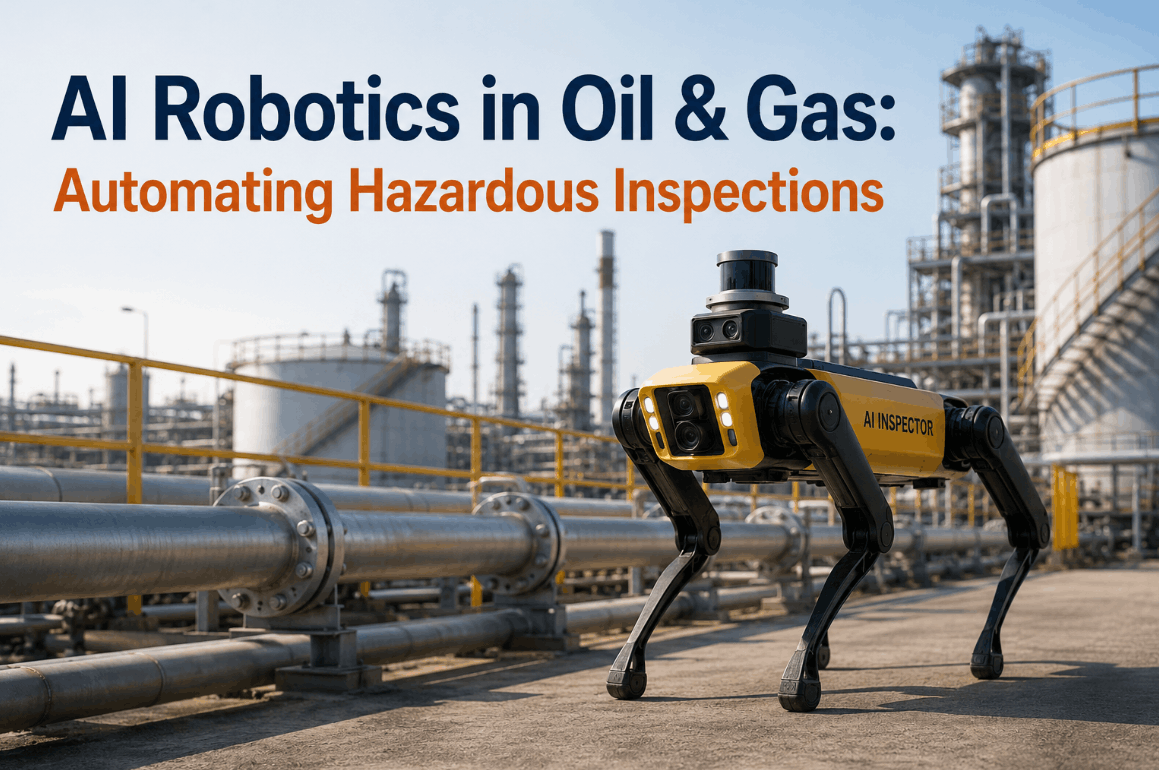
Read More
The oil and gas industry operates at the intersection of extreme hazard and operational precision. Confined spaces, flammable atmospheres, high-pressure vessels, and toxic gas exposure make routine infrastructure inspection one of the most dangero
Read More
Digital transformation in the oil and gas supply chain has moved from strategic ambition to operational necessity. U.S. midstream operators managing crude gathering, NGL fractionation, LNG logistics, pipeline scheduling, and terminal throughput ar
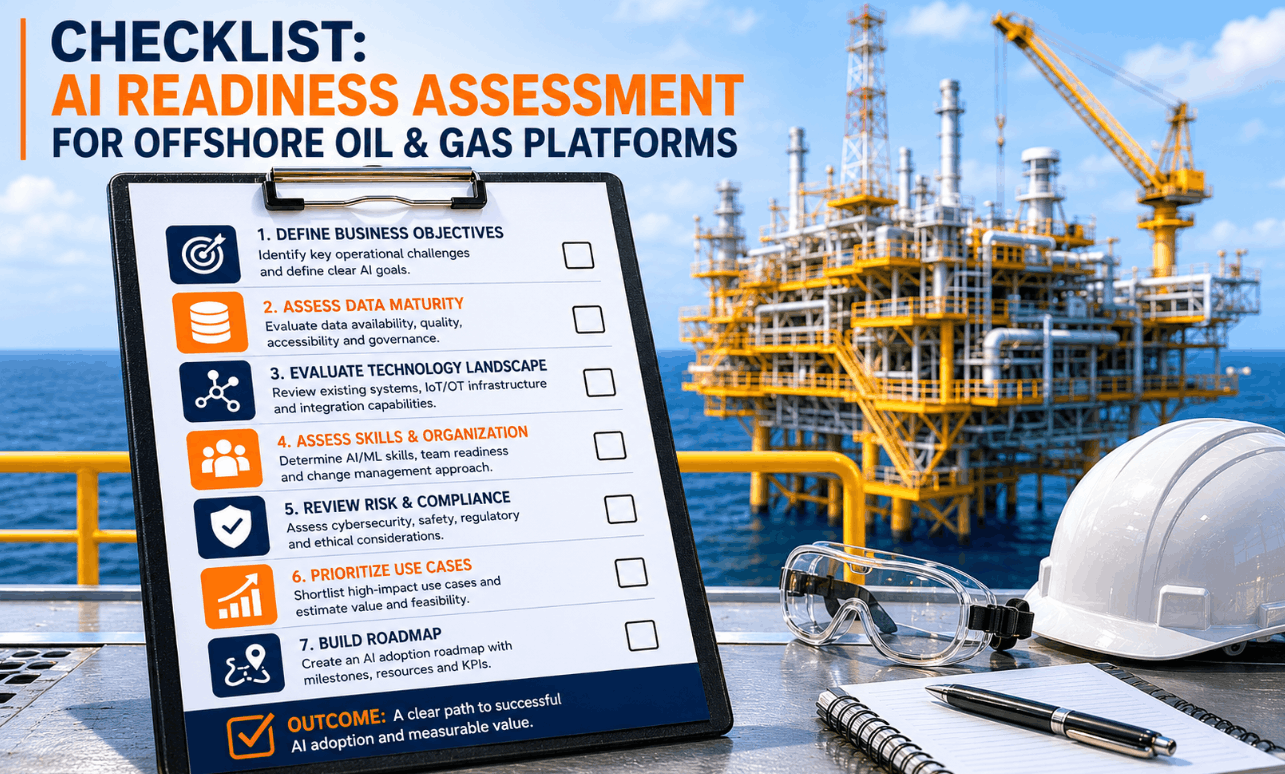
Read More
Offshore oil and gas platforms operate in some of the most demanding environments on earth — remote locations, extreme weather, subsea complexity, and safety-critical systems that leave no room for error. AI is rapidly transforming how operators m
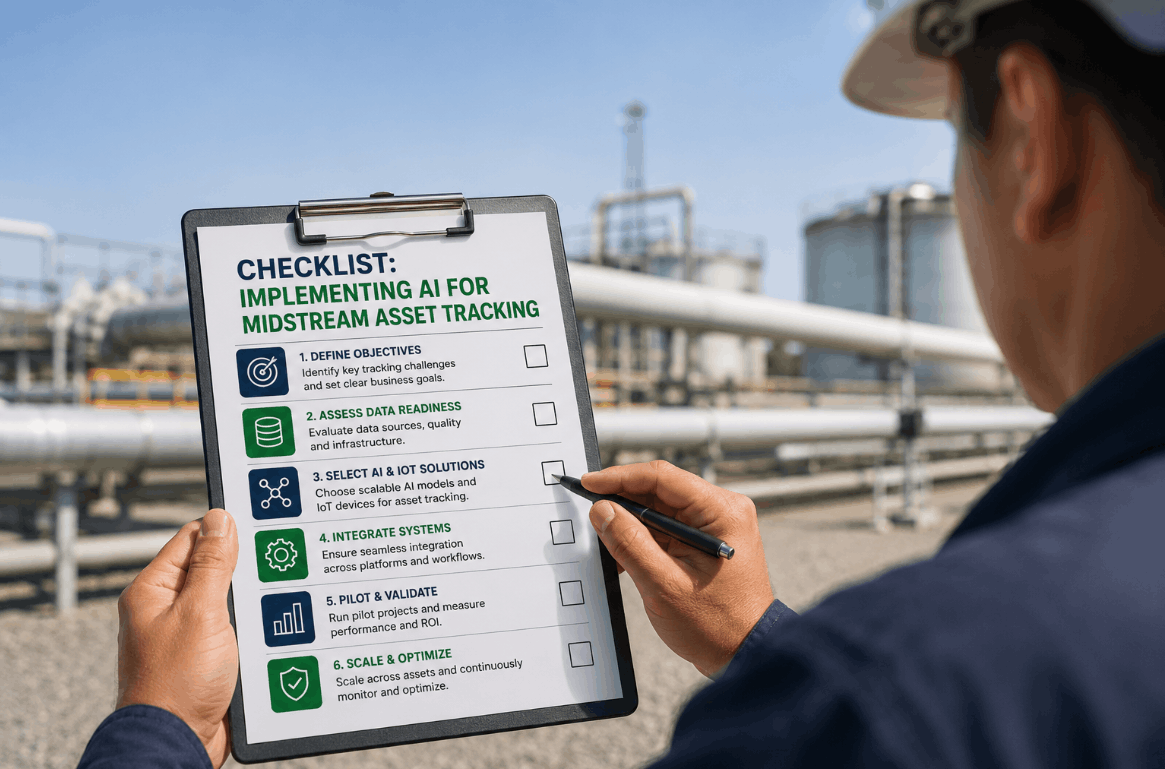
Read More
AI-powered asset tracking is reshaping how midstream operators manage pipelines, terminals, and logistics networks. From crude oil batch monitoring to LNG terminal throughput, the gap between manual processes and real-time digital oversight is wid
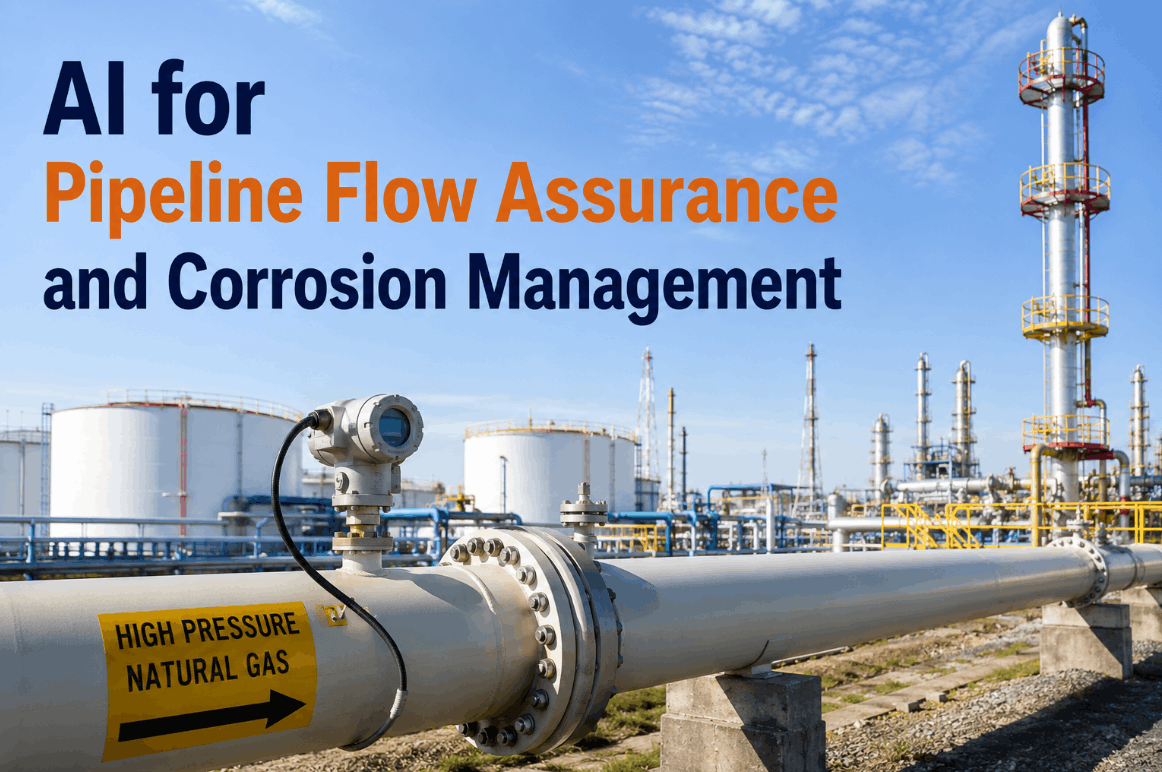
Read More
Pipeline infrastructure in midstream oil and gas operations faces a compounding threat: flow assurance failures and corrosion-driven degradation that together cost U.S. operators over $1.4 billion annually in direct damage, regula
Read More
Terminal operations in oil and gas midstream have long relied on manual workflows, paper-based inventory records, and disconnected SCADA feeds that leave operators reacting to problems hours after they begin. Smart terminal management with
Read More
Underground gas storage facilities — salt caverns, depleted reservoirs, aquifer formations, and lined rock caverns — are the pressure regulation backbone of North American natural gas supply. Operating at injection rates of 1–4 Bcf per day across
Read More
Oil and gas companies collectively hold hundreds of billions of dollars in trapped working capital — locked inside overstocked spare parts warehouses, misaligned procurement cycles, and inventory buffers sized for worst-case scenarios that rarely
.png)
Read More
Machine learning is fundamentally reshaping how oil and gas operators predict crude oil prices — transforming what was once an art of macroeconomic intuition into a data-driven discipline with measurable forecast accuracy. For midstream operators,
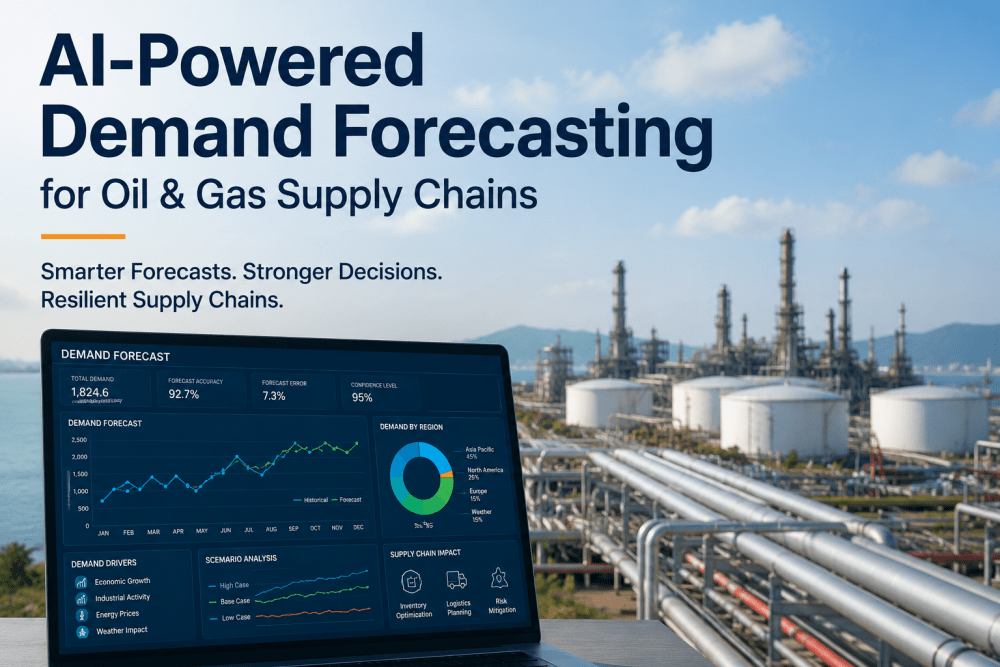
Read More
AI demand forecasting is transforming how oil and gas companies plan, procure, and move product across complex, high-stakes supply chains. Crude producers, midstream operators, LNG terminal managers, and refined product distributors all face the s
Read More
Artificial intelligence is reshaping how LNG cargoes move across the world's oceans — from algorithmic fleet routing and predictive vessel maintenance to real-time terminal slot optimization and AI-powered demand forecasting. For midstream operato
.png)
Read More
Midstream oil and gas operations — the pipelines, compression stations, storage terminals, and LNG logistics networks that move energy from wellhead to end-user — have historically been the least digitized segment of the oil and gas value chain. T
Read More
AI mooring system monitoring for FPSOs has moved from experimental to operational-critical in less than a decade. Floating Production Storage and Offloading vessels carry some of the most financially consequential mooring systems in the offshore i

Read More
Offshore energy infrastructure sits at the intersection of extreme value and extreme risk. A single unplanned shutdown on an FPSO can cost operators $500,000 or more per day in lost production alone — before factoring in repair mobilization, helic
.png)
Read More
The oil and gas industry loses $38 billion annually to unplanned subsea infrastructure failures. For decades, the answer was sending divers — at $50,000 to $200,000 per day — into some of the most dangerous work environments on the planet. Today,
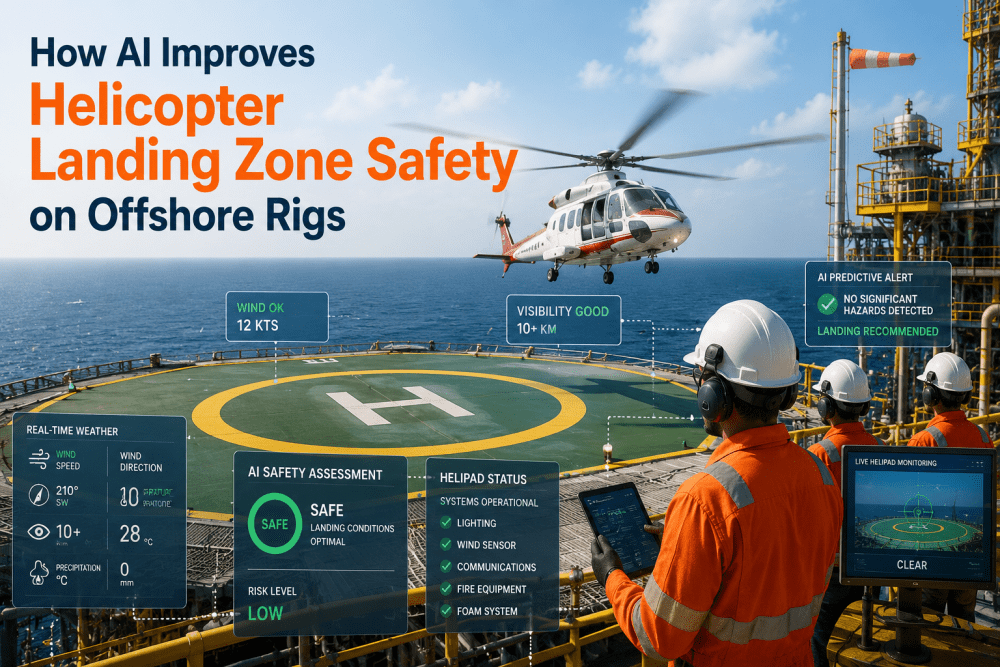
Read More
Offshore helicopter operations are among the most unforgiving segments of aviation. A landing pad on a floating production platform moves in three axes simultaneously, wind gusts shift without warning, and visibility can drop to near zero in minut
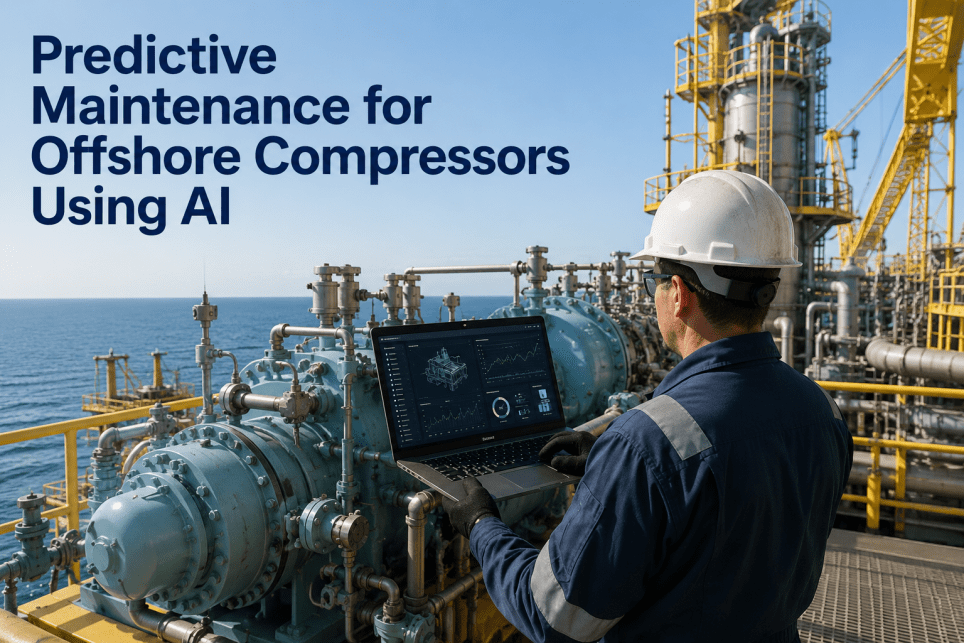
Read More
Offshore compressors are among the most demanding assets in the energy sector—operating under extreme pressure, corrosive marine environments, and 24/7 production schedules where unplanned downtime can cost operators upwards of $500,000 per day. T
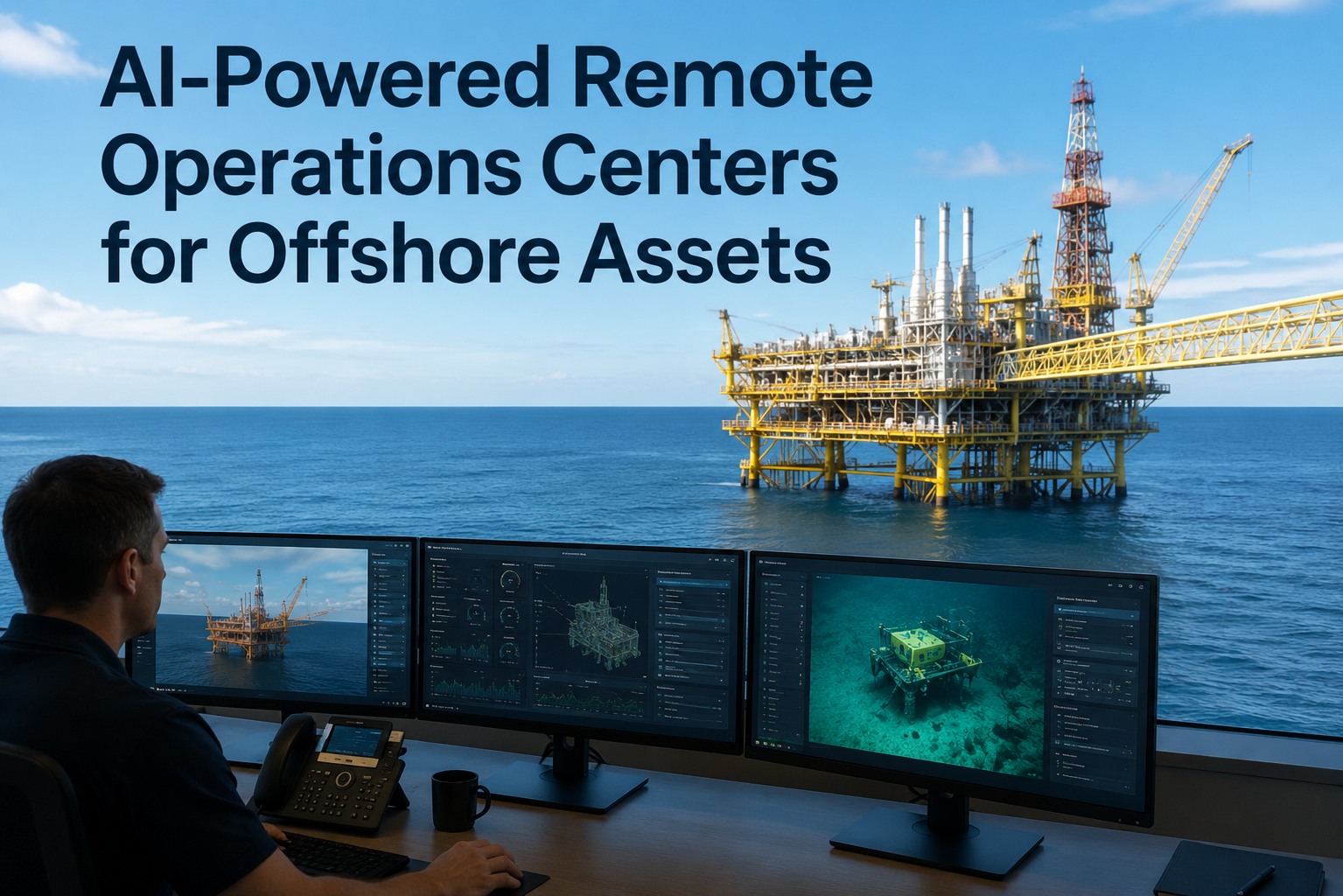
Read More
The offshore oil and gas industry has always operated at the edge of what is physically possible. Platforms perched hundreds of miles from shore, subsea infrastructure sitting at depths exceeding 3,000 meters, FPSOs processing hundreds of thousand
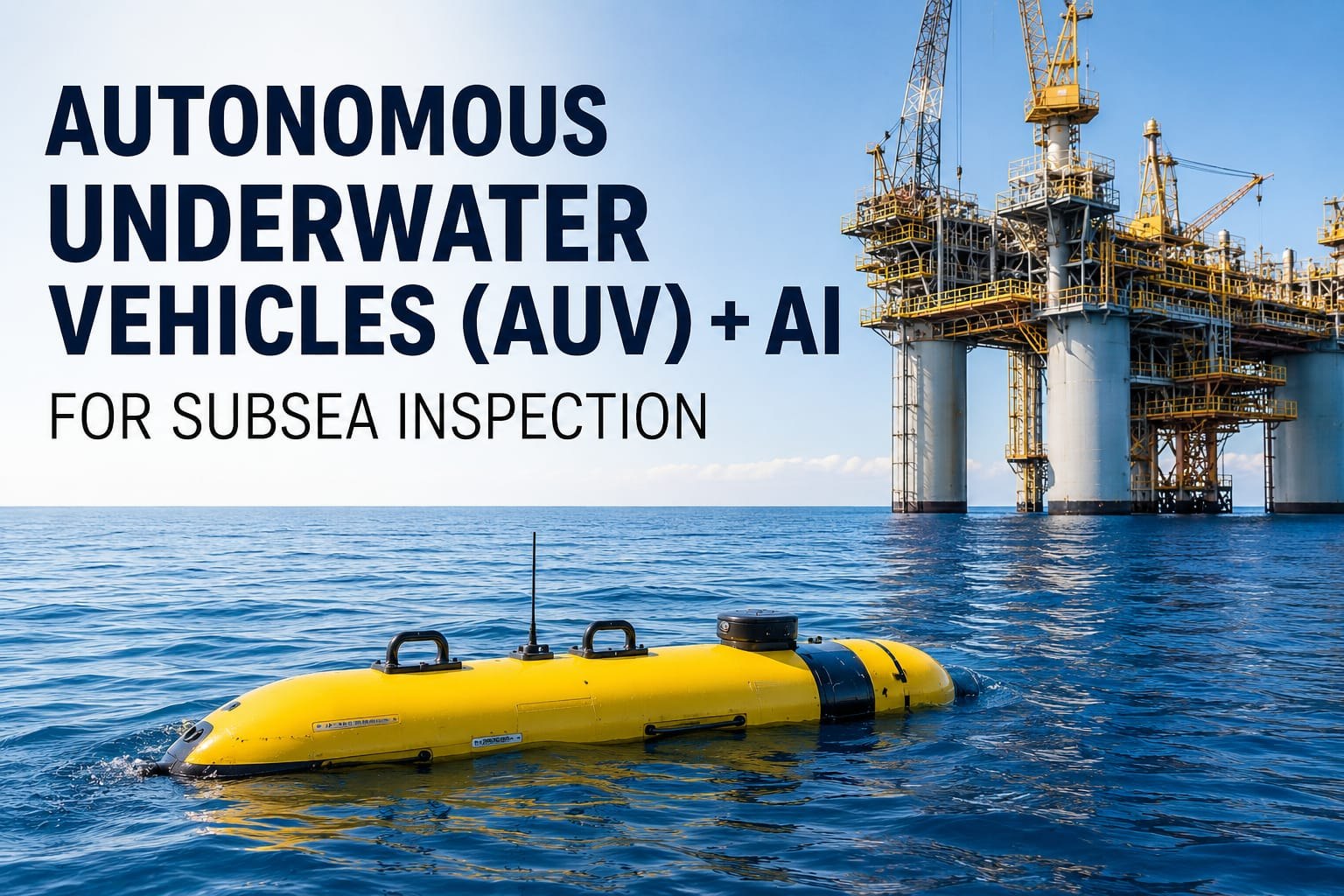
Read More
Offshore oil and gas operators managing subsea assets across deepwater pipelines FPSO moorings and wellhead infrastructure rely on costly diver inspections ROV deployments and s
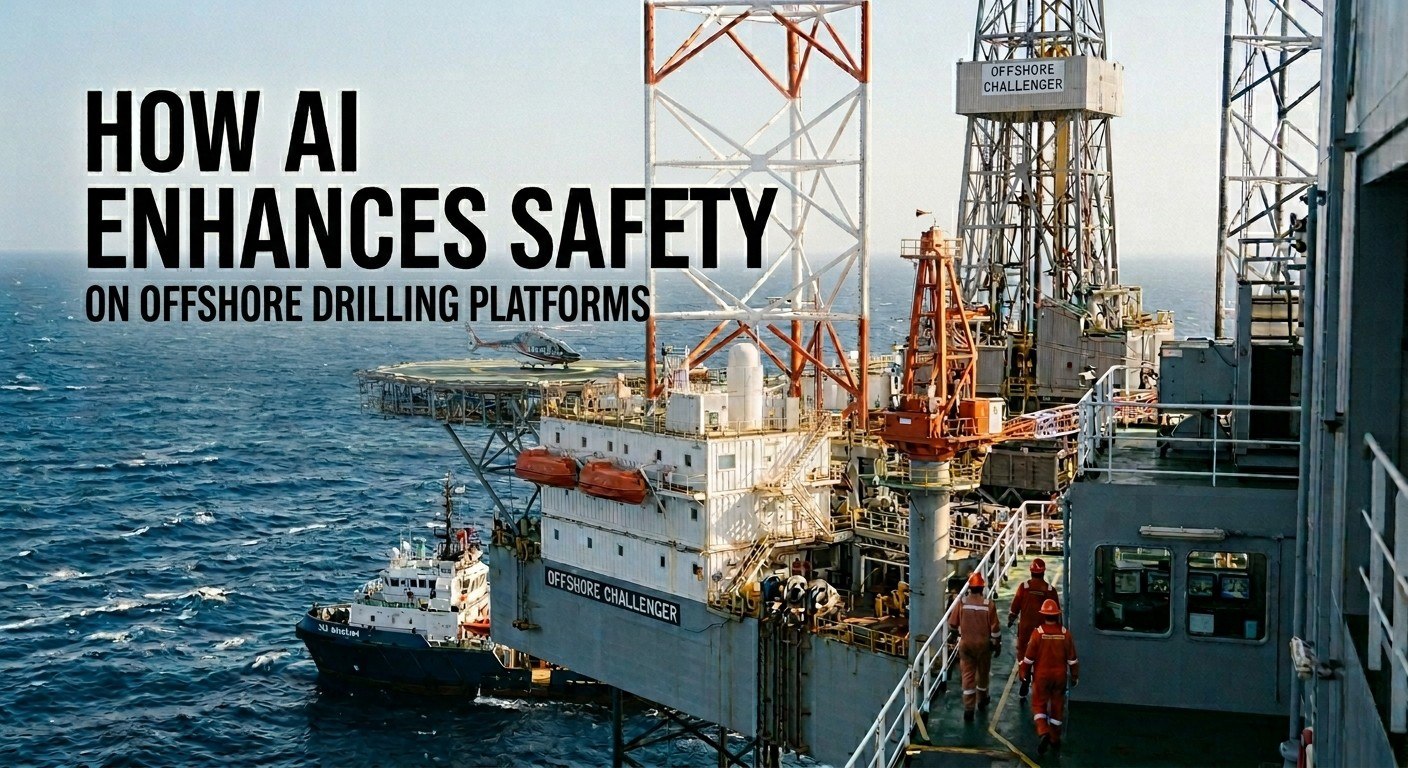
Read More
AI is transforming safety management across offshore drilling platforms — detecting equipment failures before they occur, monitoring hazardous conditions in real time, and reducing incident rates by 30–60%. For operators managing complex subsea an

Read More
The 5G AI intelligent oilfield is no longer a future concept — it is the operational standard separating facilities that hit net-zero targets and energy efficiency benchmarks from those that miss both. Oil and gas operations consuming 2–4% of glob

Read More
Offshore oil and gas platforms operate in some of the most hostile environments on earth—deepwater FPSO vessels, subsea wellhead systems, and remote Arctic installations where equipment failures cost millions per hour, manual inspections expose cr
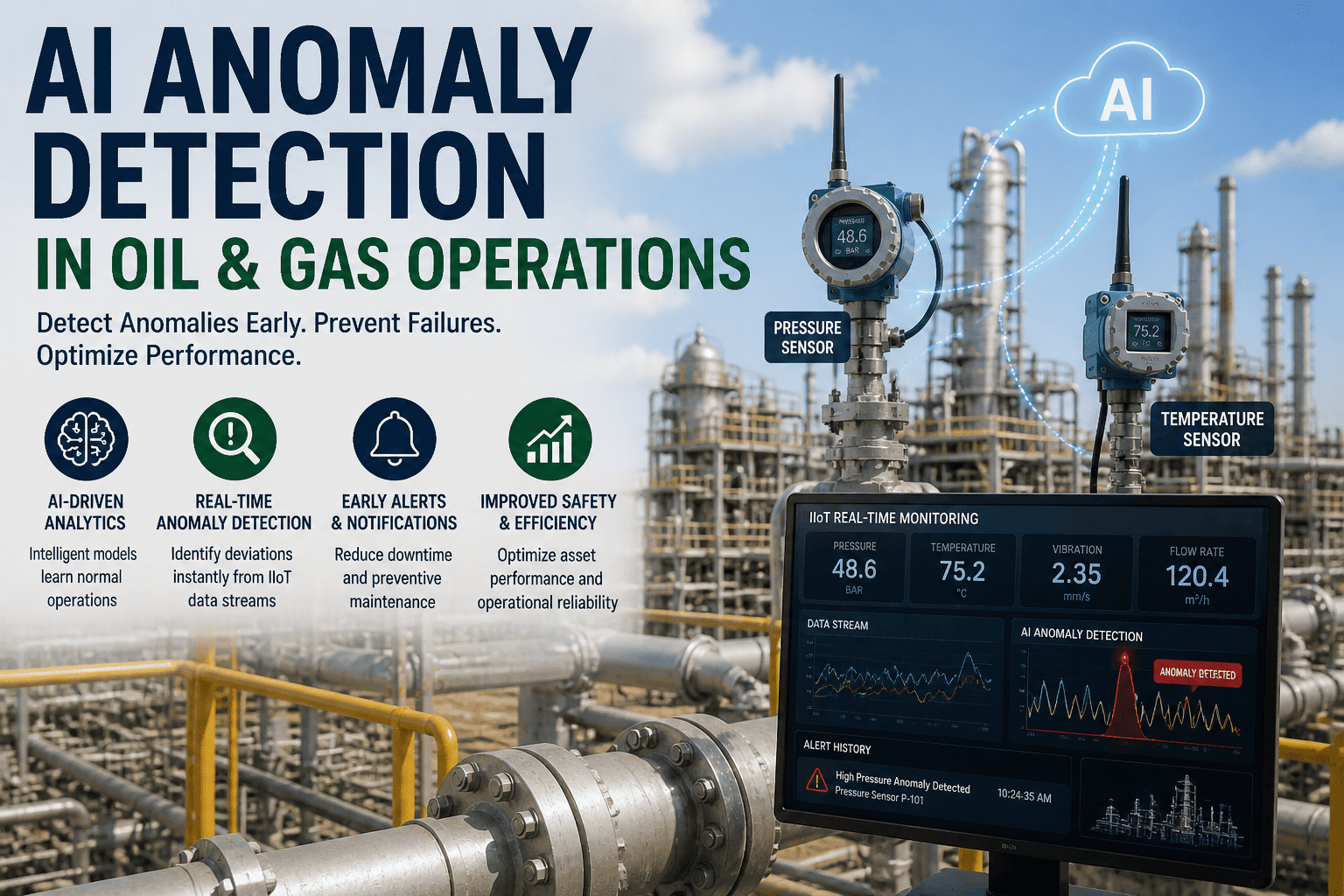
Read More
Power plants face mounting pressure when energy efficiency and real-time loss detection are tracked across disconnected SCADA screens. Without unified monitoring, critical deviations go unnoticed and regulatory reporting becomes fragmented. iFacto
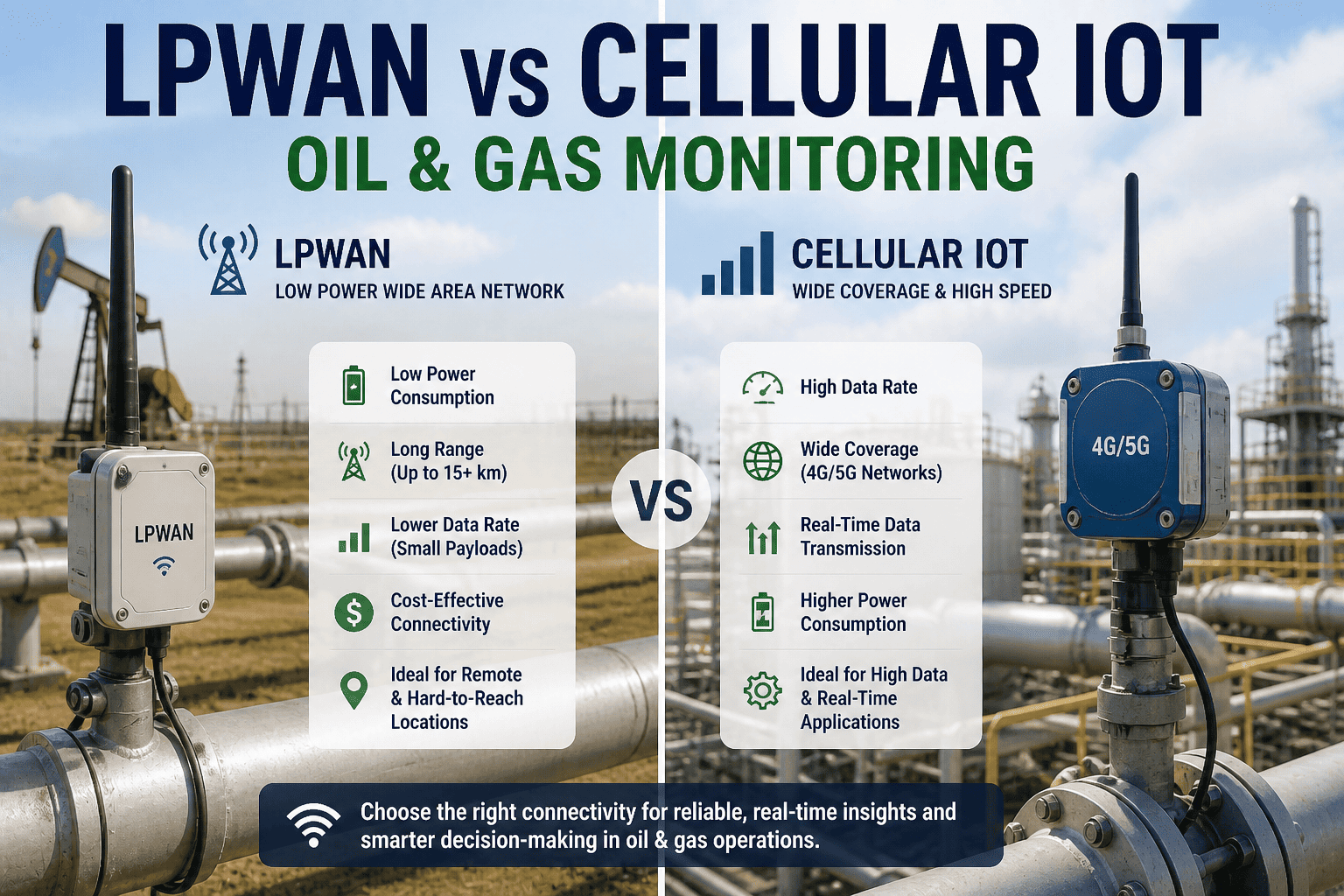
Read More
Oil and gas operations face mounting pressure to monitor remote assets across thousands of square miles where wellheads, pipelines, and production equipment operate in isolated locations 50-200 miles from central facilities. Traditional hardline c
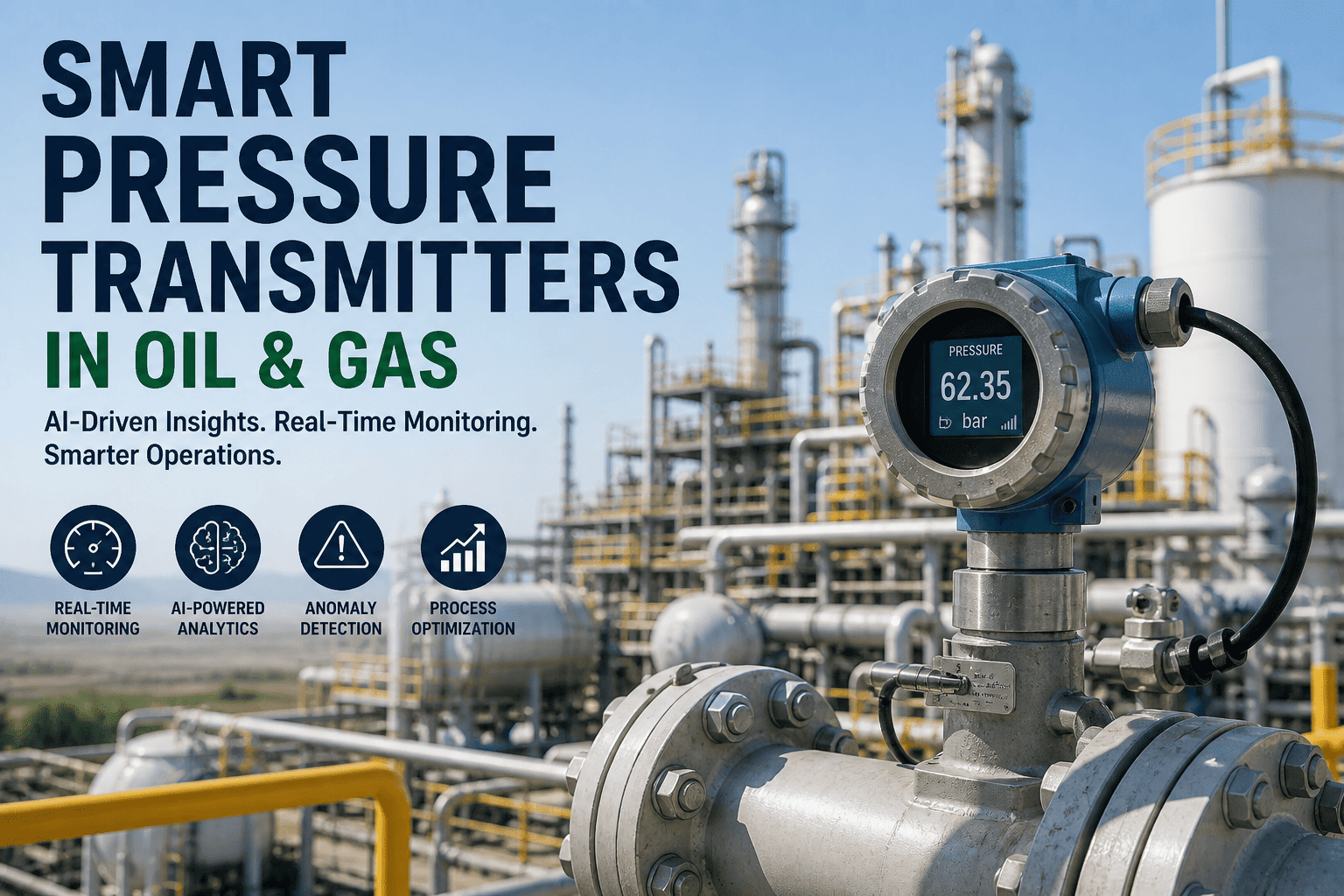
Read More
Power plants managing complex generation assets face mounting operational pressure when energy efficiency, heat rate optimization, and real-time loss detection are tracked across disconnected SCADA screens, manual logs, and siloed analytics tools.
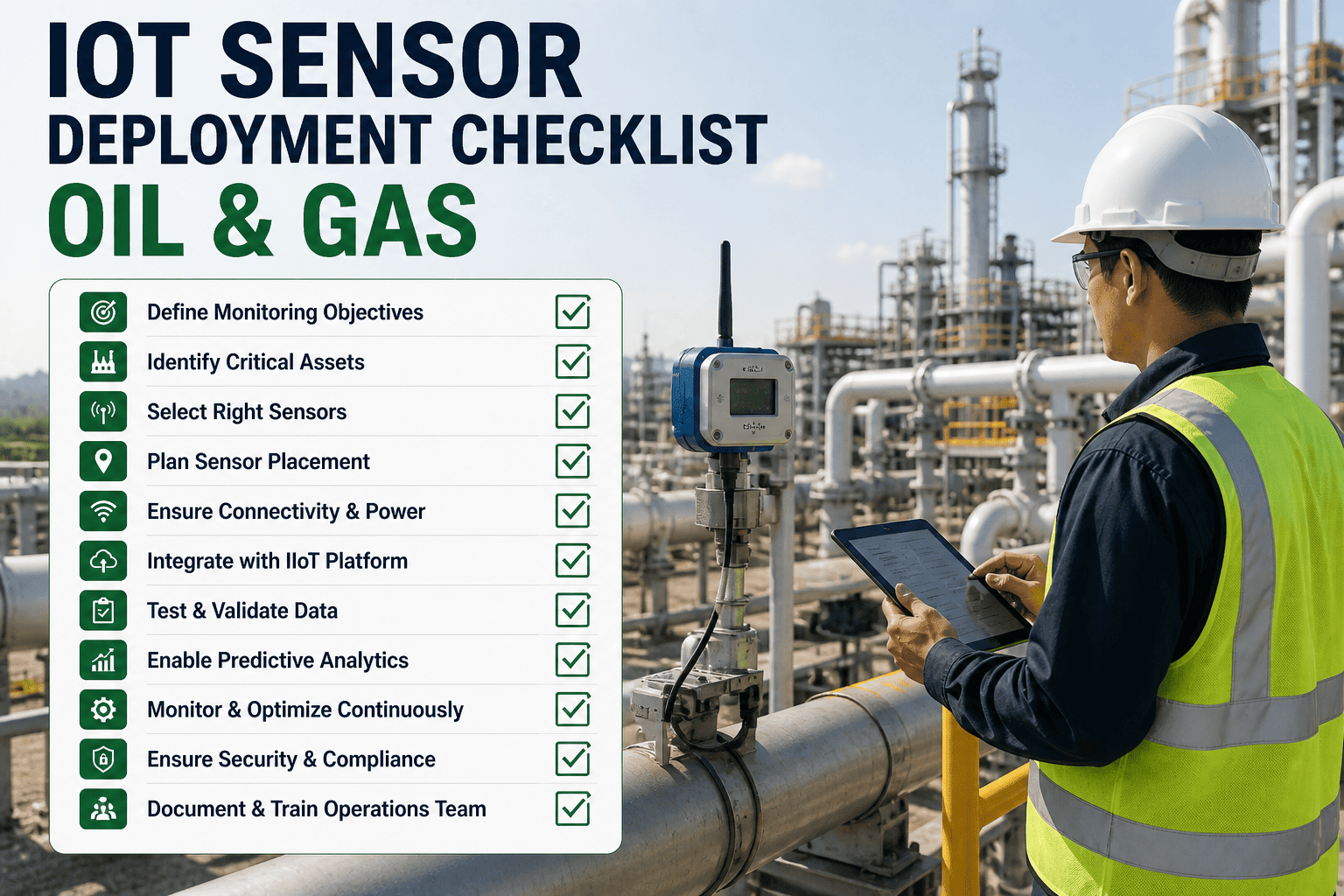
Read More
Oil and gas operations depend on real-time data from equipment scattered across hazardous terrain—wellheads, pipelines, compressor stations, and processing fa
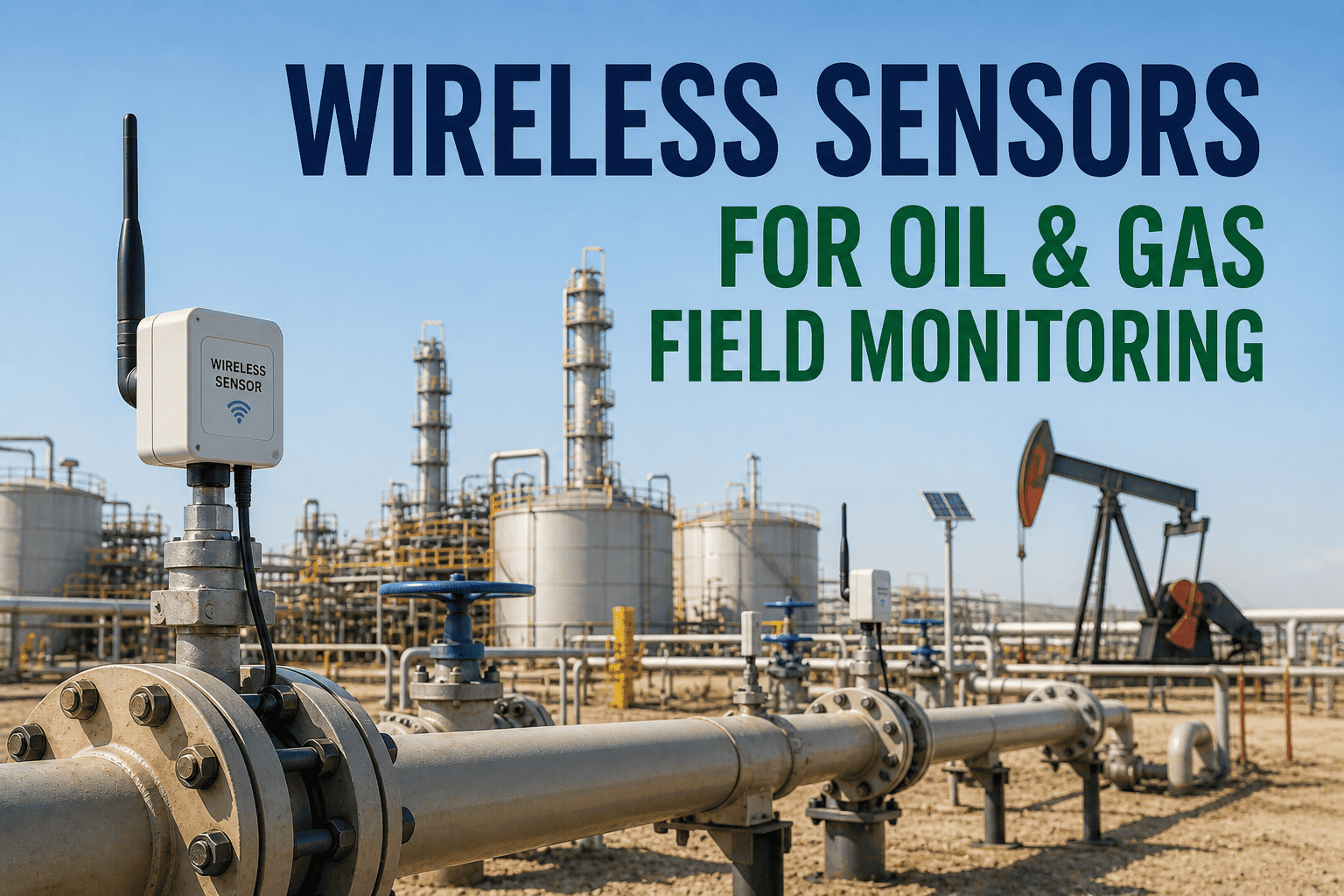
Read More
An upstream oil & gas operator managing 450+ wellheads and 240 miles of pipelines across a remote production field discovered that critical equipment failures were being detected only when production stopped: a centrifugal pump at a gathering

Read More
Oil and gas wellhead operations manage 40-120 concurrent production wells across expansive geographic areas where each wellhead generates continuous sensor data from pressure gauges, temperature sensors, and flow meters yet without real-time integ

Read More
Oil and gas operations generate massive quantities of operational data every second. SCADA systems stream pressure, temperature, and flow readings from thousands of sensors across upstream wells, midstream pipelines, and downstr

Read More
Oil and gas operations generate unprecedented volumes of data SCADA systems stream pressure, temperature, and flow readings every second; IoT sensors monitor equipment vibration, bearing wear, and corrosion; DCS platforms log process parameters ac

Read More
Oil and gas operations are inherently data-rich environments. Every pump, compressor, heat exchanger, and pipeline segment generates continuous signals about its physical state: vibration, temperature, pressure, flow rate, acoustic emissions. Yet

Read More
The decision to deploy a digital twin across oil and gas operations is fundamentally a financial decision. Upstream drilling managers, midstream pipeline operators, and downstream refinery directors all face the same question: what is the return o
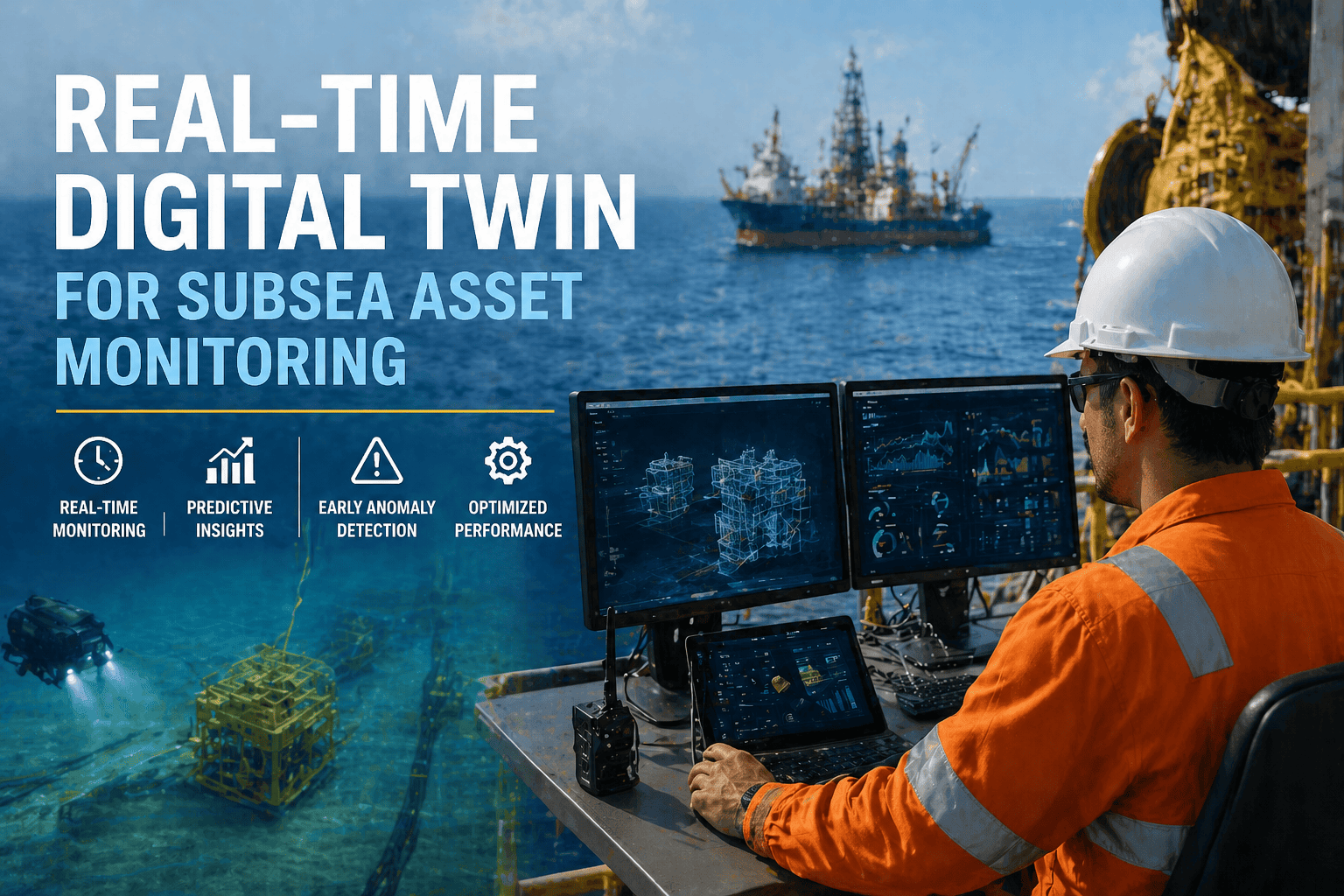
Read More
Subsea asset operators face unprecedented monitoring challenges. Deepwater pipelines, subsea trees, and export risers operate at crushing pressures thousands of feet below the surface, generating continuous sensor data that traditional SCADA syste
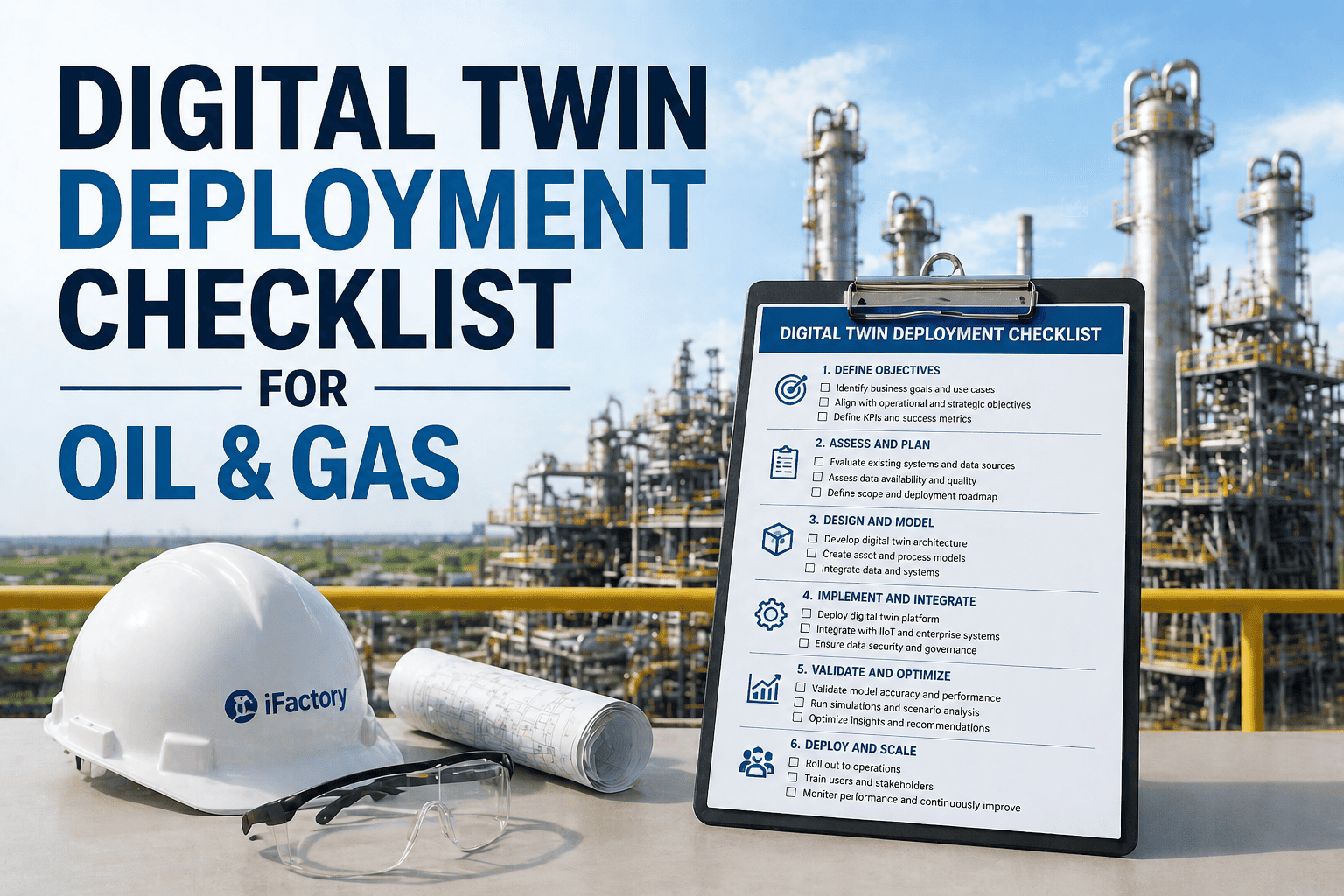
Read More
Oil and gas operators lose an average of 4,200 production hours annually to unplanned equipment downtime, with 68% of failures preventable through structured digital twin inspection programs. A single pipeline leak or facility shutdown costs $150,

Read More
Oil and gas operations span upstream drilling, midstream pipeline networks, and downstream refining where equipment asset lifecycles determine production economics yet real-time visibility into equipment condition remains fragmented across SCADA h

Read More
Wellbores are among the most complex and costly assets in oil and gas operations. A single well can cost $5 to $20 million to drill, yet its integrity depends on thousands of interrelated variables: casing pressure, cement bond quality, formation

Read More
Oil and gas operations span vast geographic scales and extreme operating conditions, where a single equipment failure can cascade across pipelines thousands of miles long or halt an offshore platform producing 100,000 barrels per day. Yet most ope
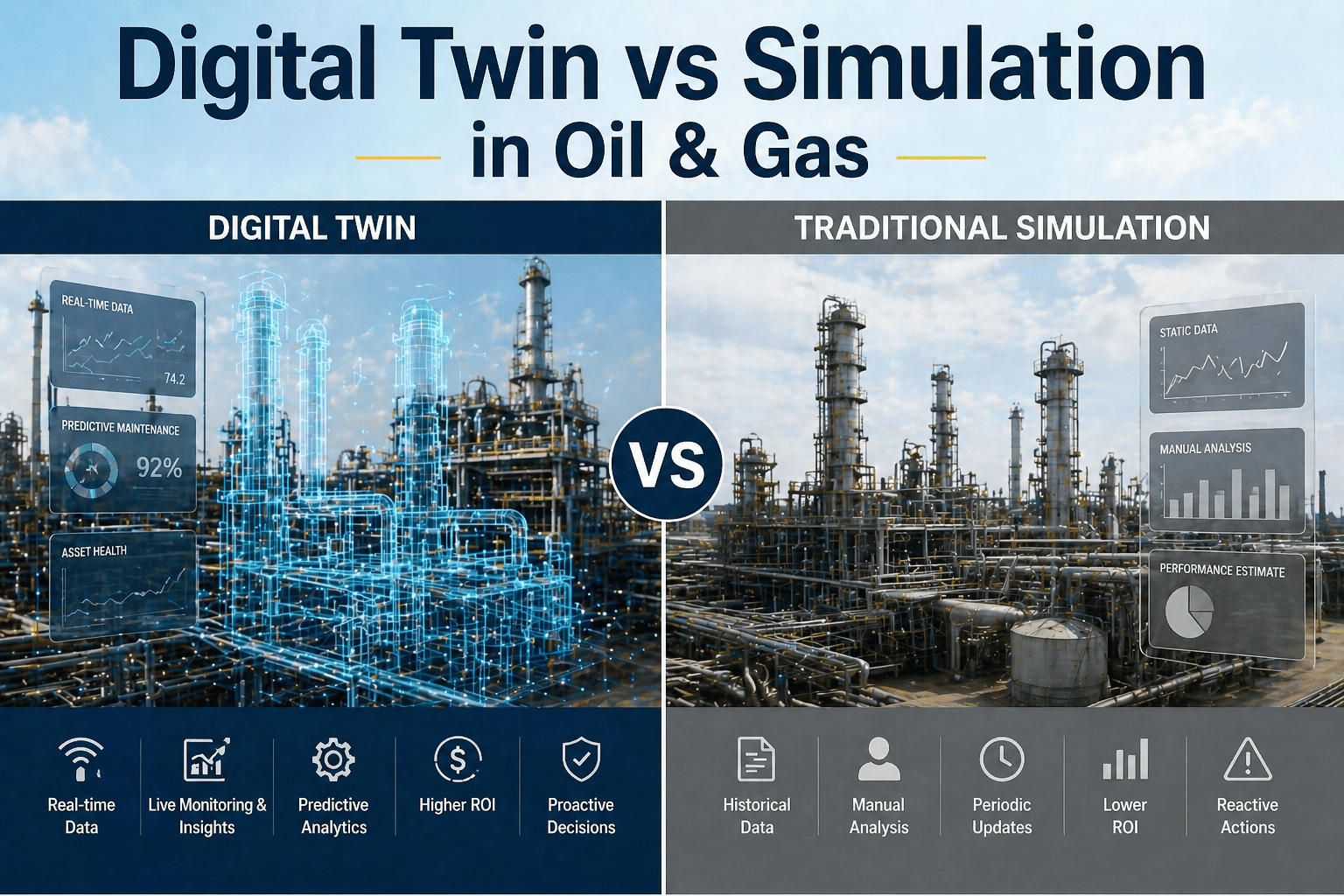
Read More
Oil and gas operators evaluating operational technology platforms choose between traditional simulation software and modern AI-powered digital twins, each fundamentally different in architecture, real-time capability, and ROI impact. Traditional s

Read More
Offshore oil and gas platform operators face $8.2-18.4M annual cost penalty from lack of real-time asset visibility and predictive intelligence equipment failures detected hours or days after onset trigger emergency response costs 4-8 times
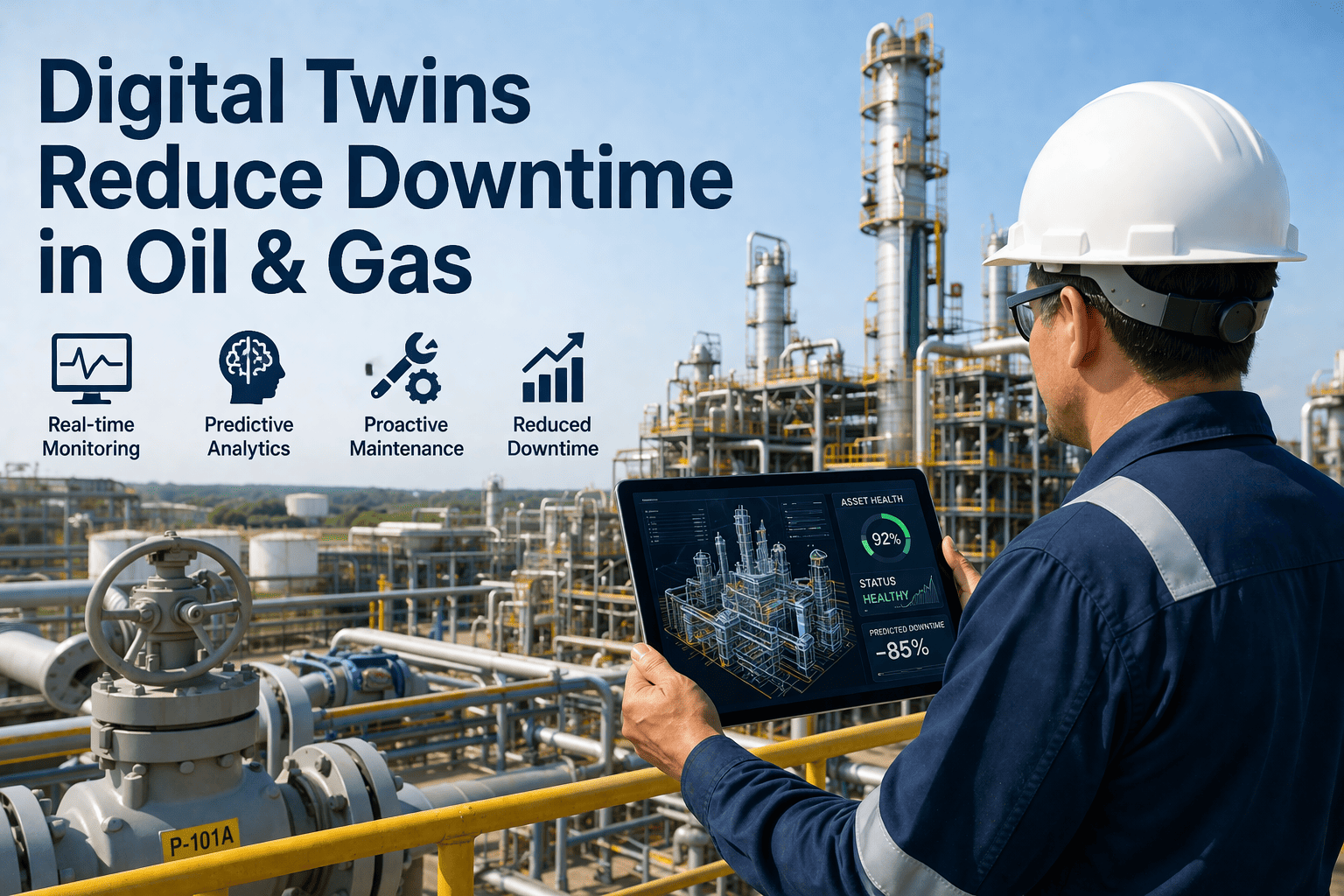
Read More
Oil and gas operators managing upstream drilling platforms midstream pipeline networks and downstream refinery operations struggle to predict equipment failures before they cascade into catastrophic shutdowns causing $500K+ hourly production losse

Read More
Oil and gas facilities lose 12-18% of productive capacity annually to unplanned downtime from equipment failures that digital twin technology prevents through continuous real-time asset performance monitoring, predictive failure detection, and per

Read More
Oil and gas operations generate 2.8 billion tonnes CO2e annually, with 70-80% from Scope 1 direct emissions (equipment fuel consumption, methane leaks, flaring) and Scope 2 from purchased electricity in downstream operations. Upstream platforms, m
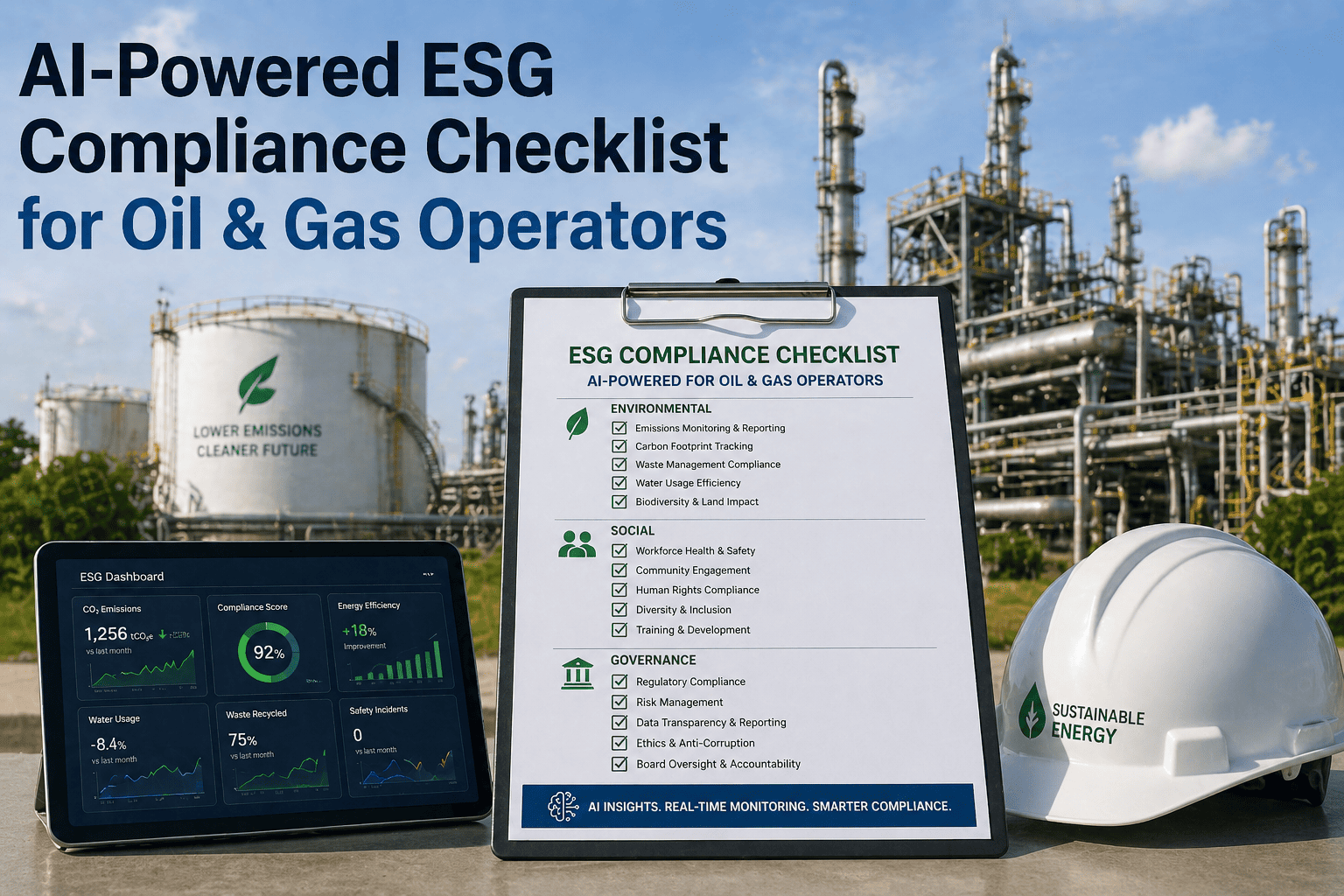
Read More
Oil and gas operators managing upstream exploration, midstream transportation, and downstream refining operations face increasingly complex ESG (Environmental, Social, Governance) compliance requirements spanning emissions reporting, environmental
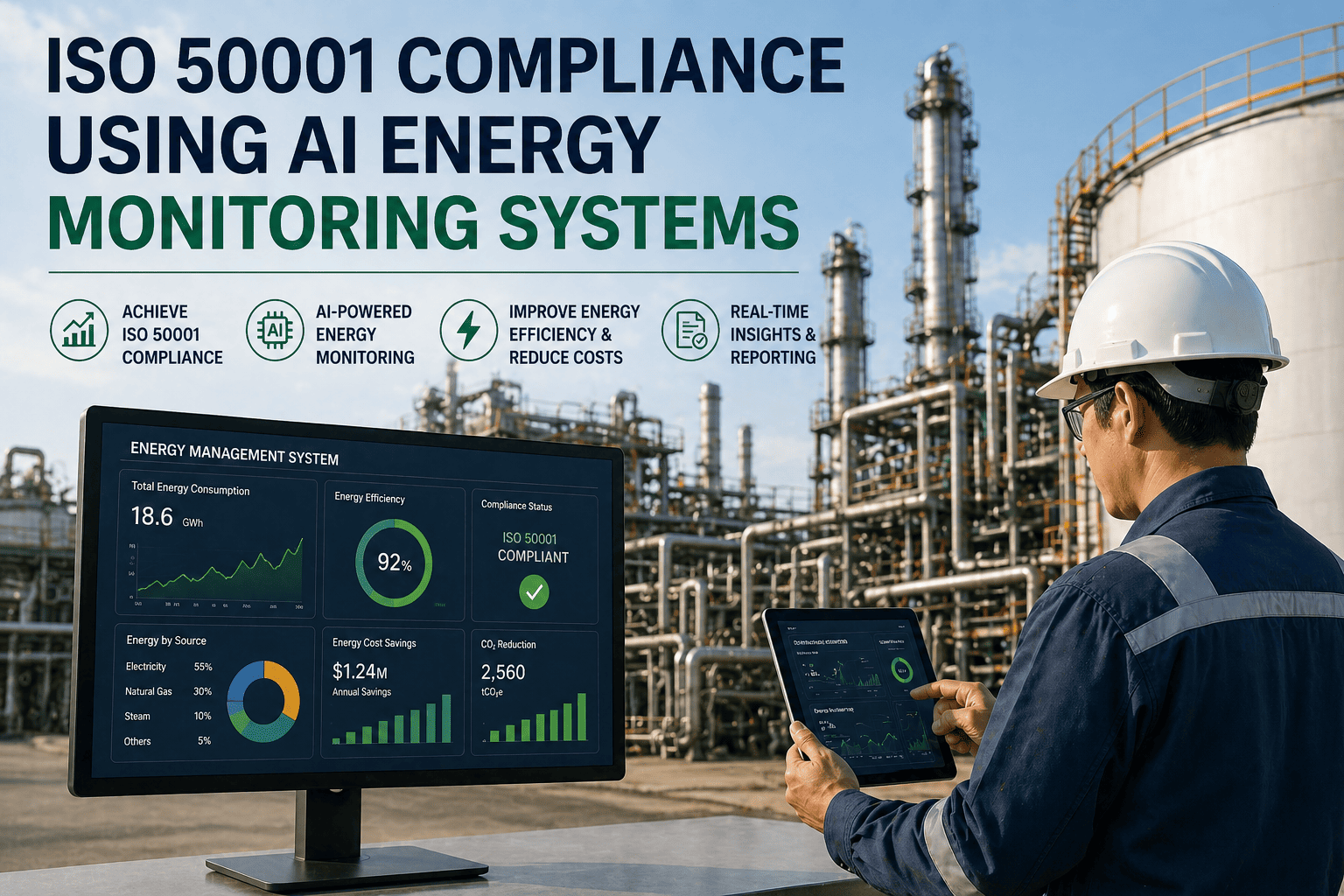
Read More
Oil and gas operators lose an average of 24-38% of operational energy efficiency annually to undetected energy waste, equipment inefficiencies, and suboptimal process parameters, not from catastrophic failures, but from gradual, invisible degradat
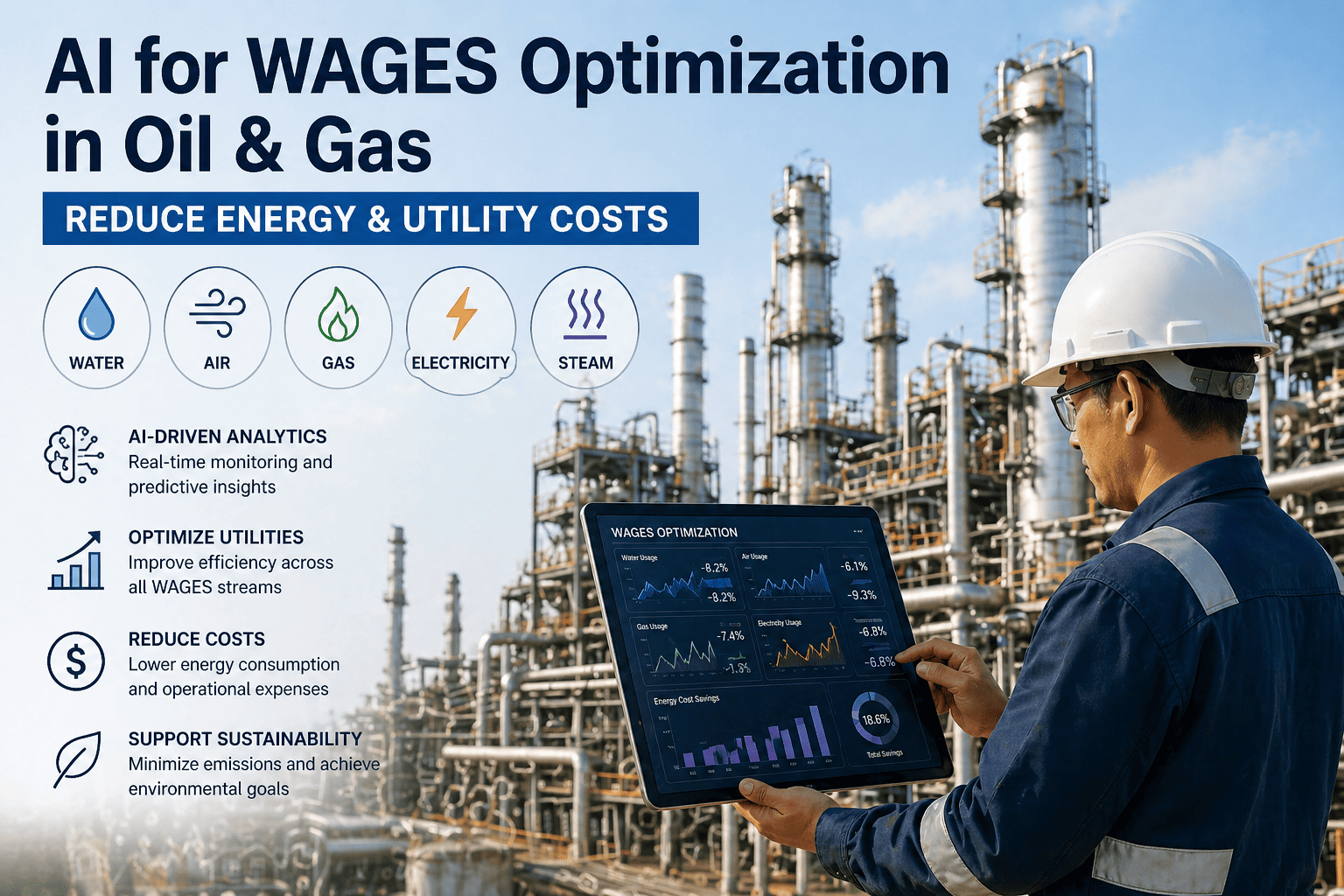
Read More
Oil and gas facilities consume $14.2 billion annually in utility costs where upstream drilling operations, midstream pipeline compressor stations, and downstream refining plants operate continuous energy-intensive processes consuming 8-15 megawatt
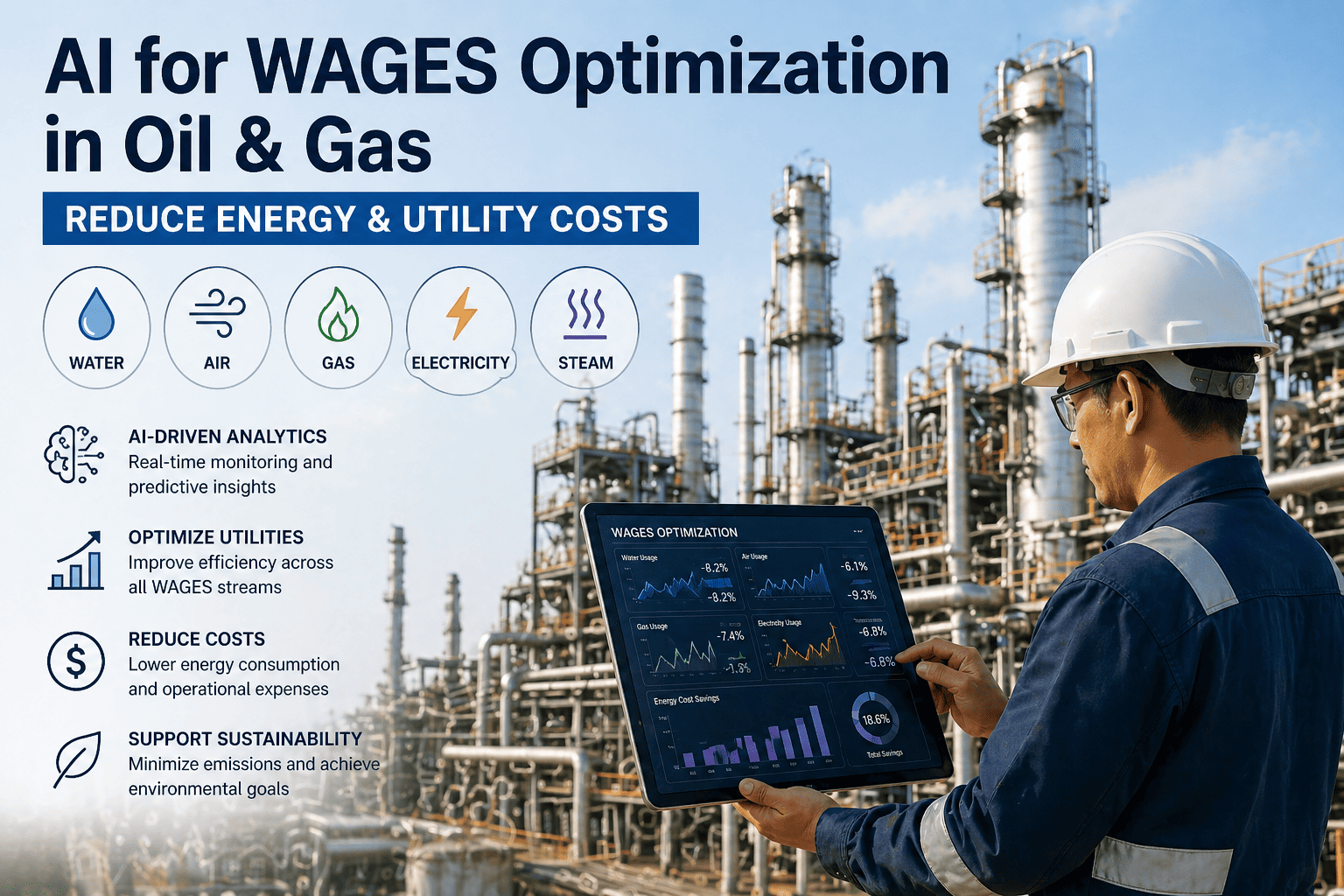
Read More
Oil and gas operators managing upstream production, midstream processing, and downstream refining facilities face $18 to $52 million annual costs from inefficient utilities consumption across WAGES systems (Water, Air, Gas, Electricity, Steam). Cu
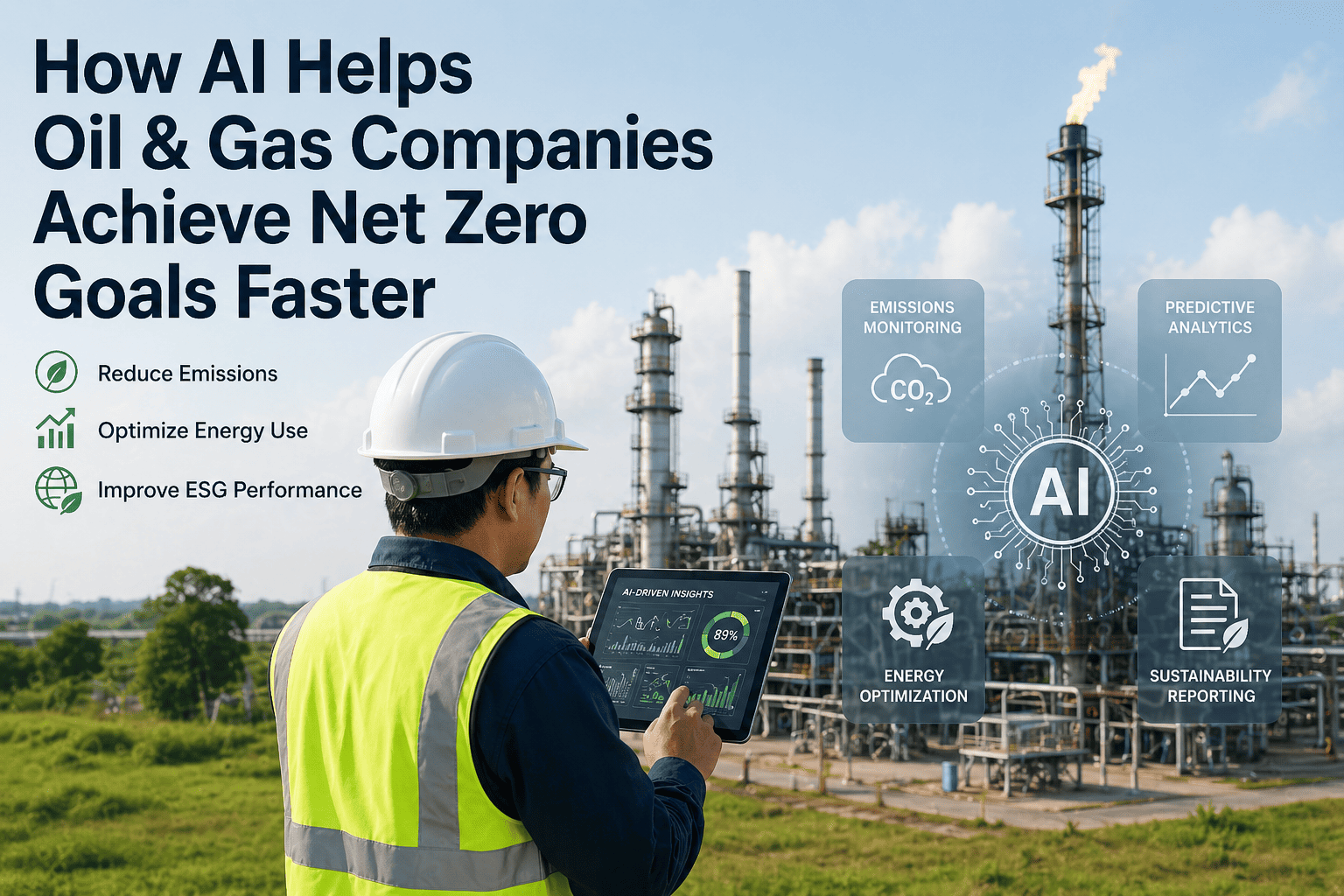
Read More
Oil and gas companies operating upstream exploration, midstream pipelines, and downstream refining facilities face mounting pressure to achieve net zero carbon goals by 2030-2050 while maintaining profitable operations. Current operations emit 1,2
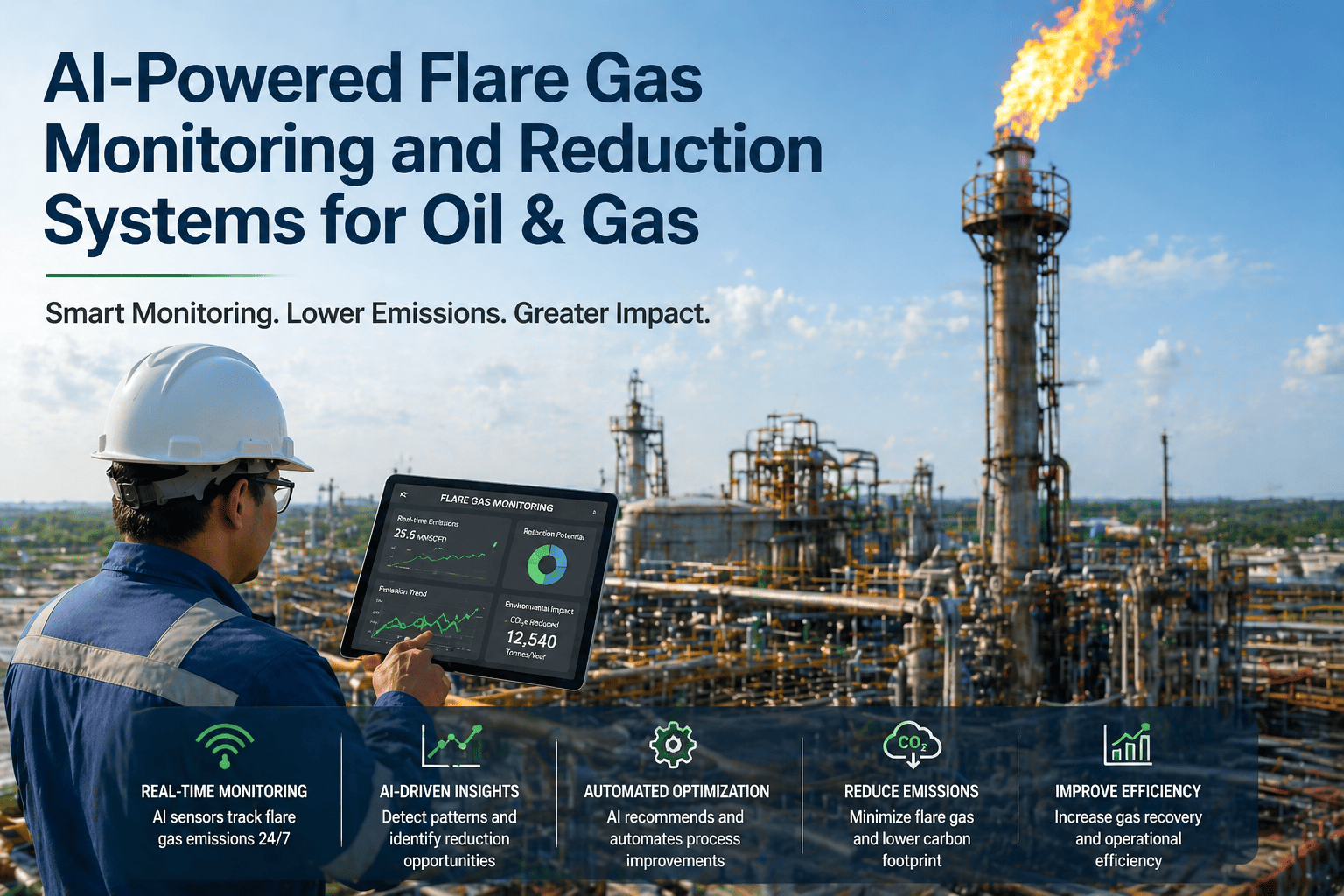
Read More
Oil and gas operations globally waste 15-25% of produced gas to flaring — an estimated $5.8B annually in lost energy value combined with 400+ million tons CO2-equivalent emissions and 2-5% production loss as methane venting to atmosphere. Manual f
Read More
Oil and gas operations globally waste 15-25% of produced gas to flaring — an estimated $5.8B annually in lost energy value combined with 400+ million tons CO2-equivalent emissions and 2-5% production loss as methane venting to atmosphere. Manual f
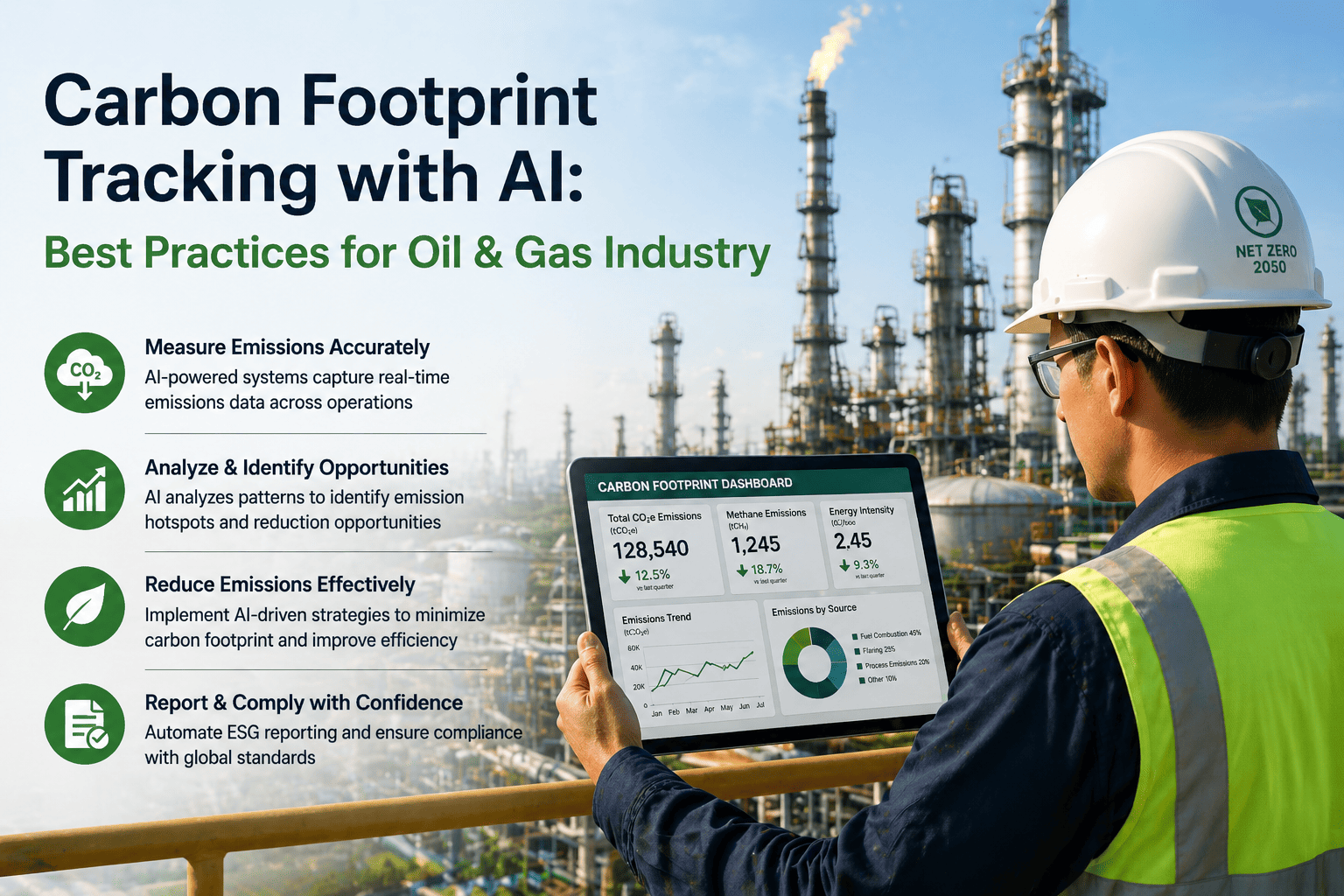
Read More
Oil and gas operators managing carbon footprint tracking across upstream drilling midstream pipelines and downstream refining operations struggle with fragmented emissions data
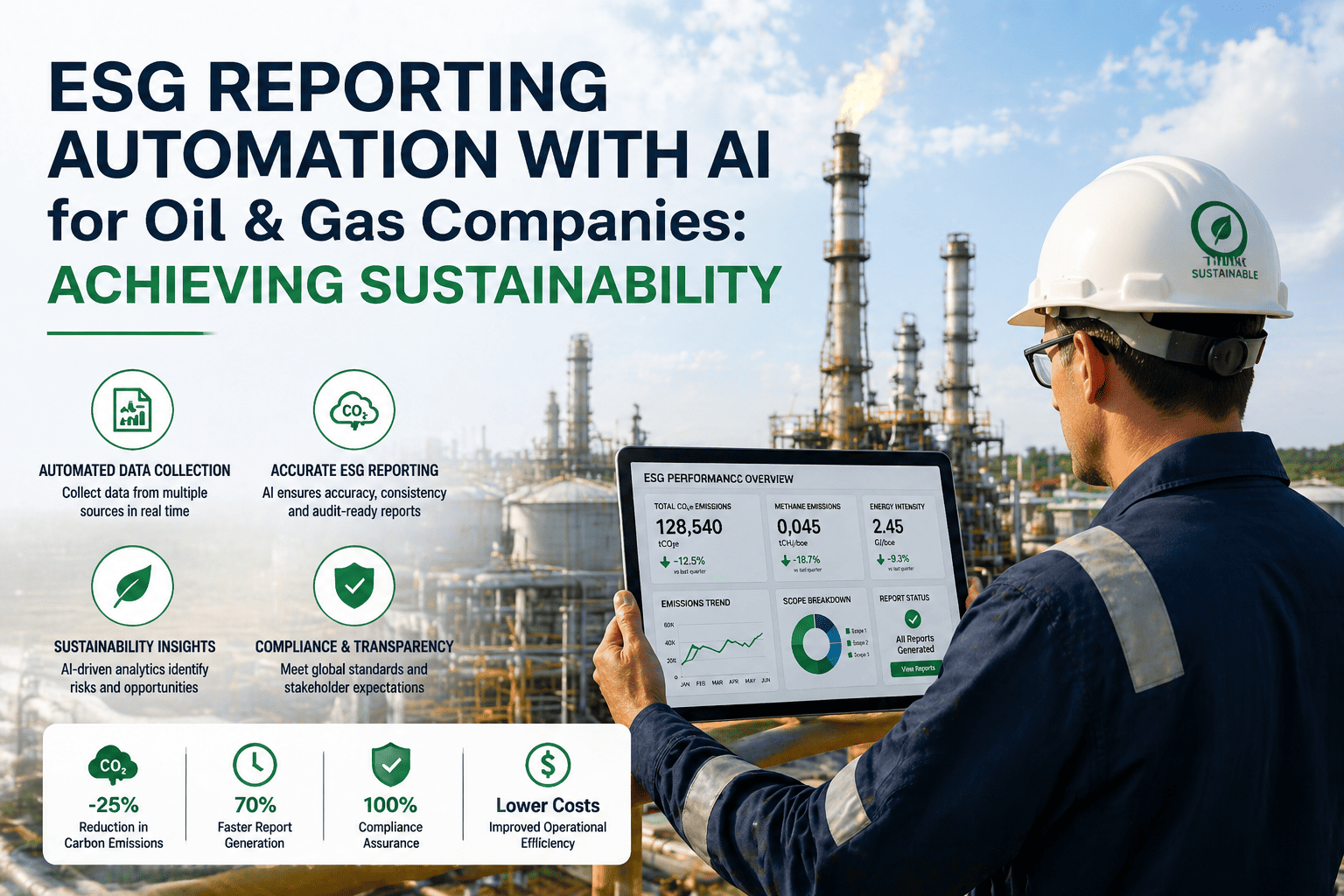
Read More
Oil and gas operators facing intensified EPA methane regulations GHGRP reporting mandates and institutional investor ESG transparency demands struggle with fragmented emissions data captured across disconnected SCADA systems DCS historians IoT sen
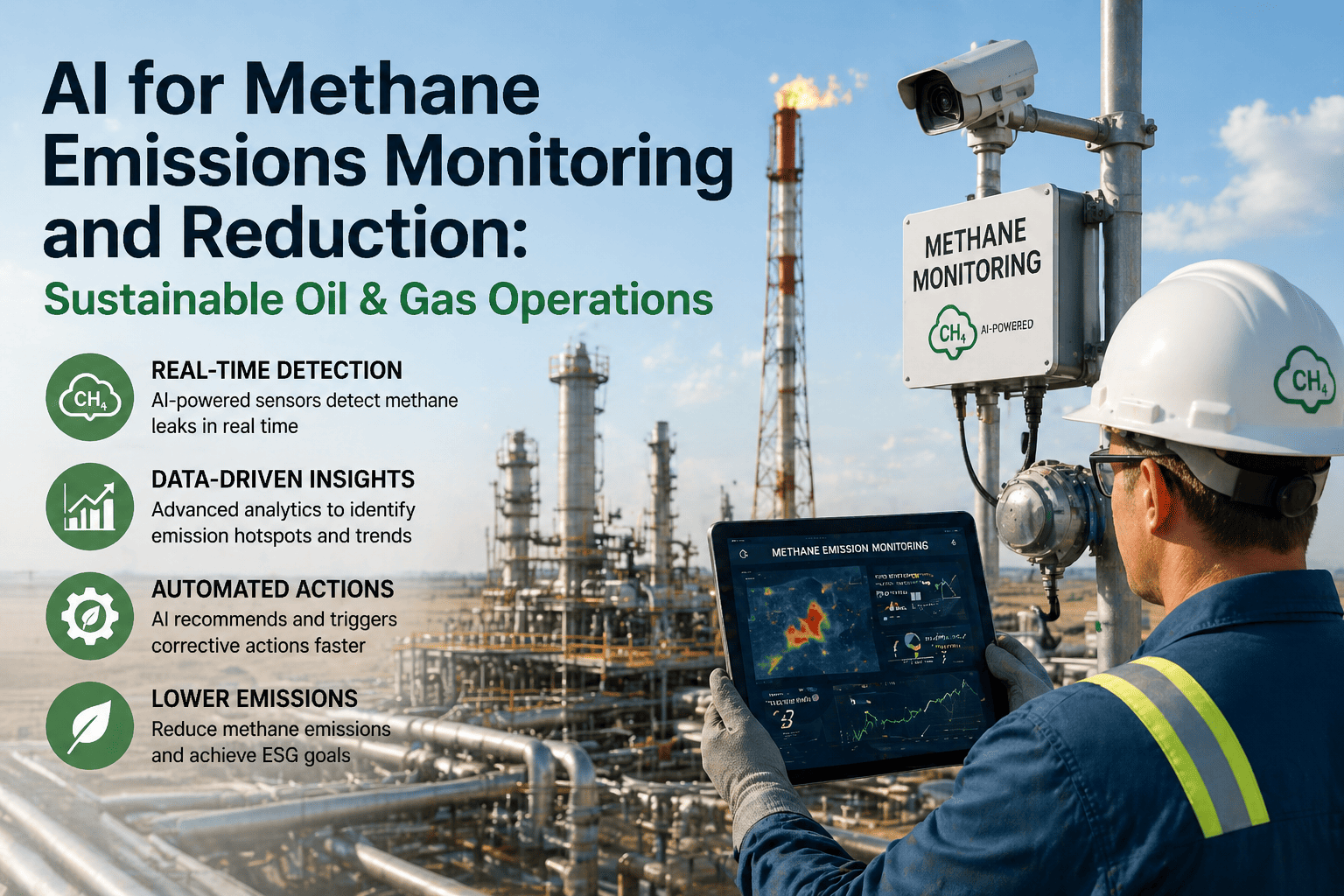
Read More
Oil and gas operations release 7-9 million metric tons of methane annually equivalent to 250-360 million tons of CO2 emissions while facing escalating regulatory pressure and investor mandates to achieve 50-75% methane reduction by 2030 as prerequ
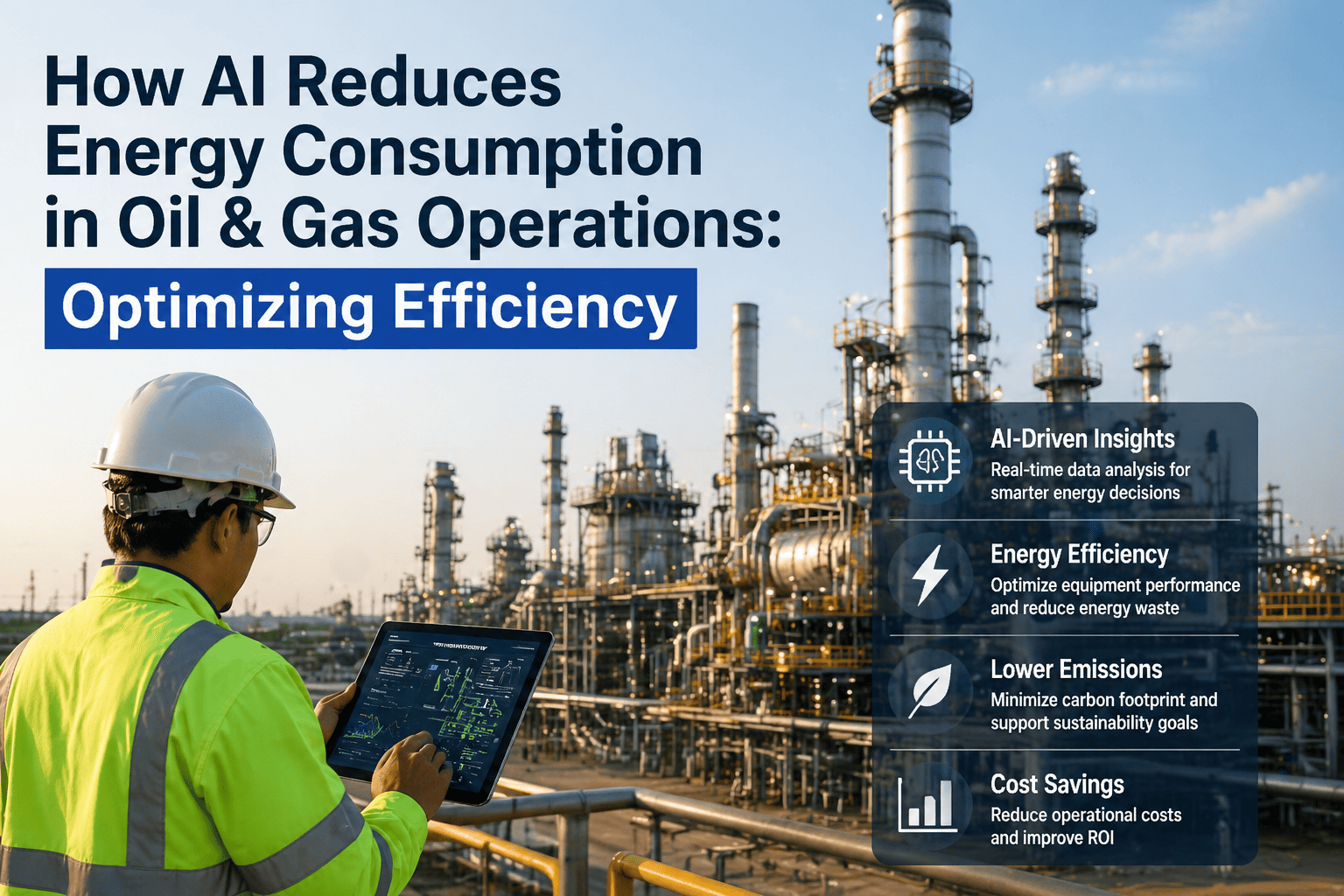
Read More
Oil and gas operations consume 2-4% of global energy production annually while facing escalating pressure to reduce operational energy intensity, carbon footprint, and methane emissions to meet ESG compliance requirements and net-zero targets by 2
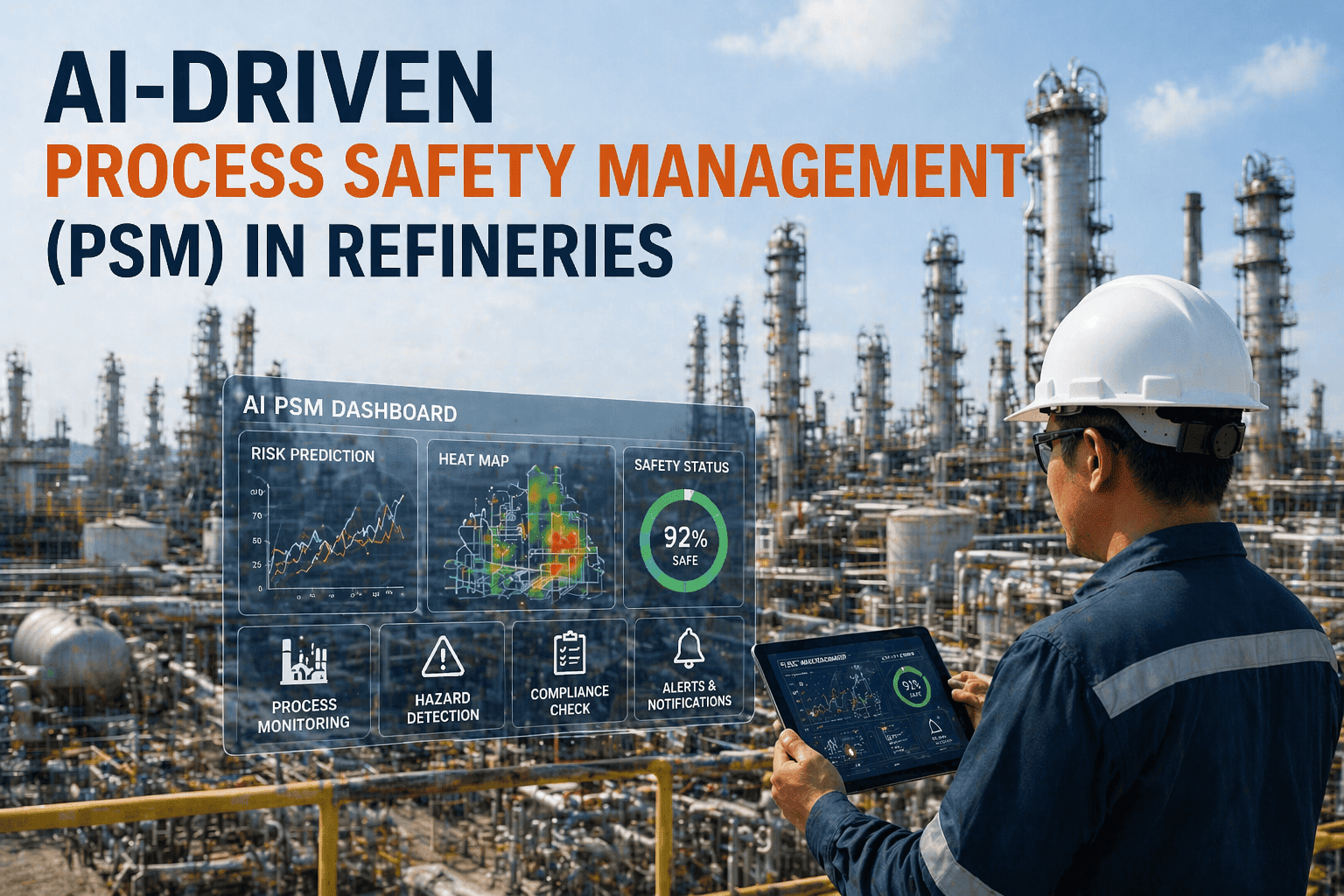
Read More
Refinery operations lose $68 billion annually to process safety incidents that AI-powered monitoring could prevent through real-time hazard detection, yet 71% of facilities still rely on manual safety audits, quarterly compliance inspections, and
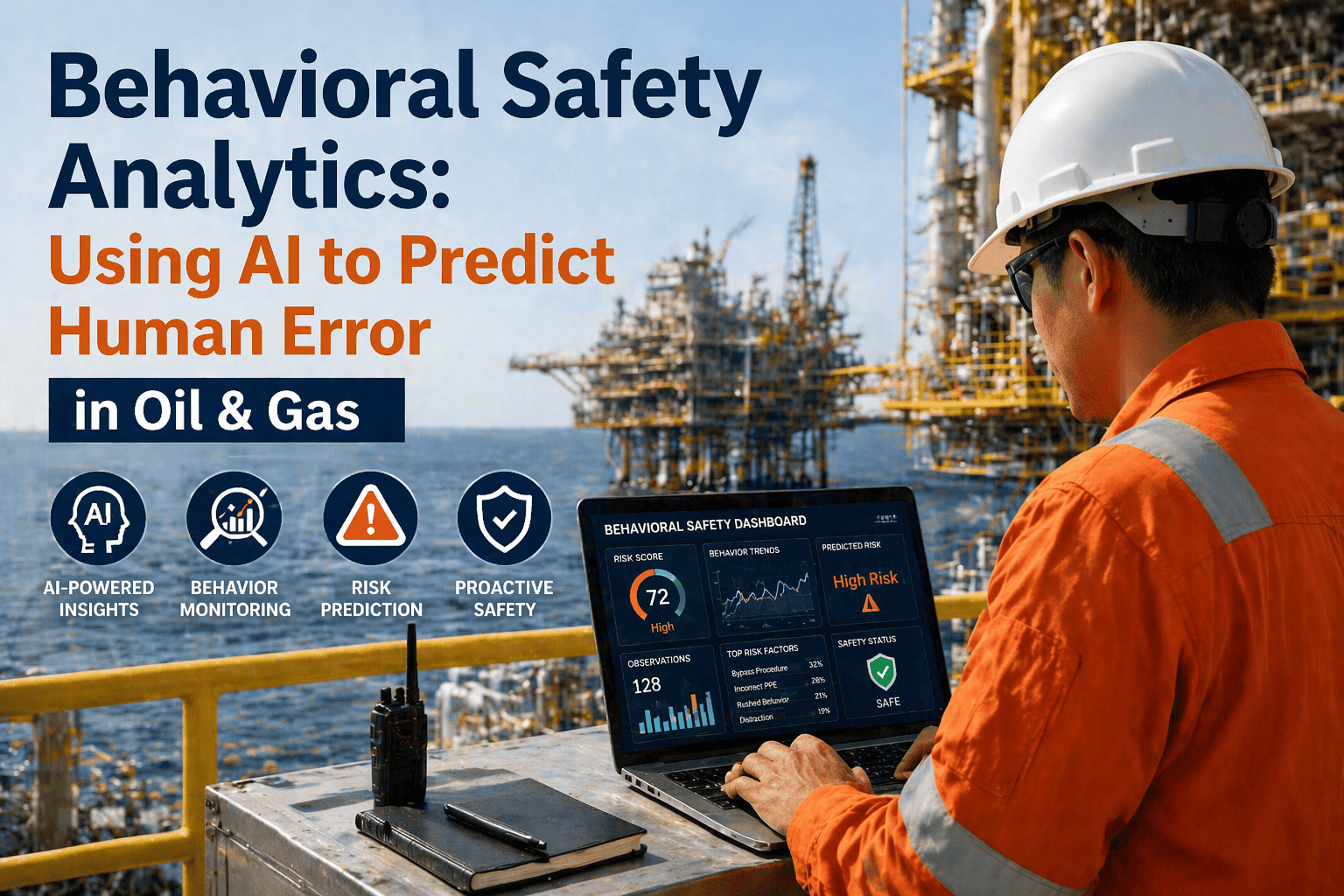
Read More
Oil and gas operations experience an average of 4-8 safety incidents per 200,000 work hours that automated hazard detection systems would have prevented not from equipment failure alone, but from human behavioral lapses: workers bypassing PP
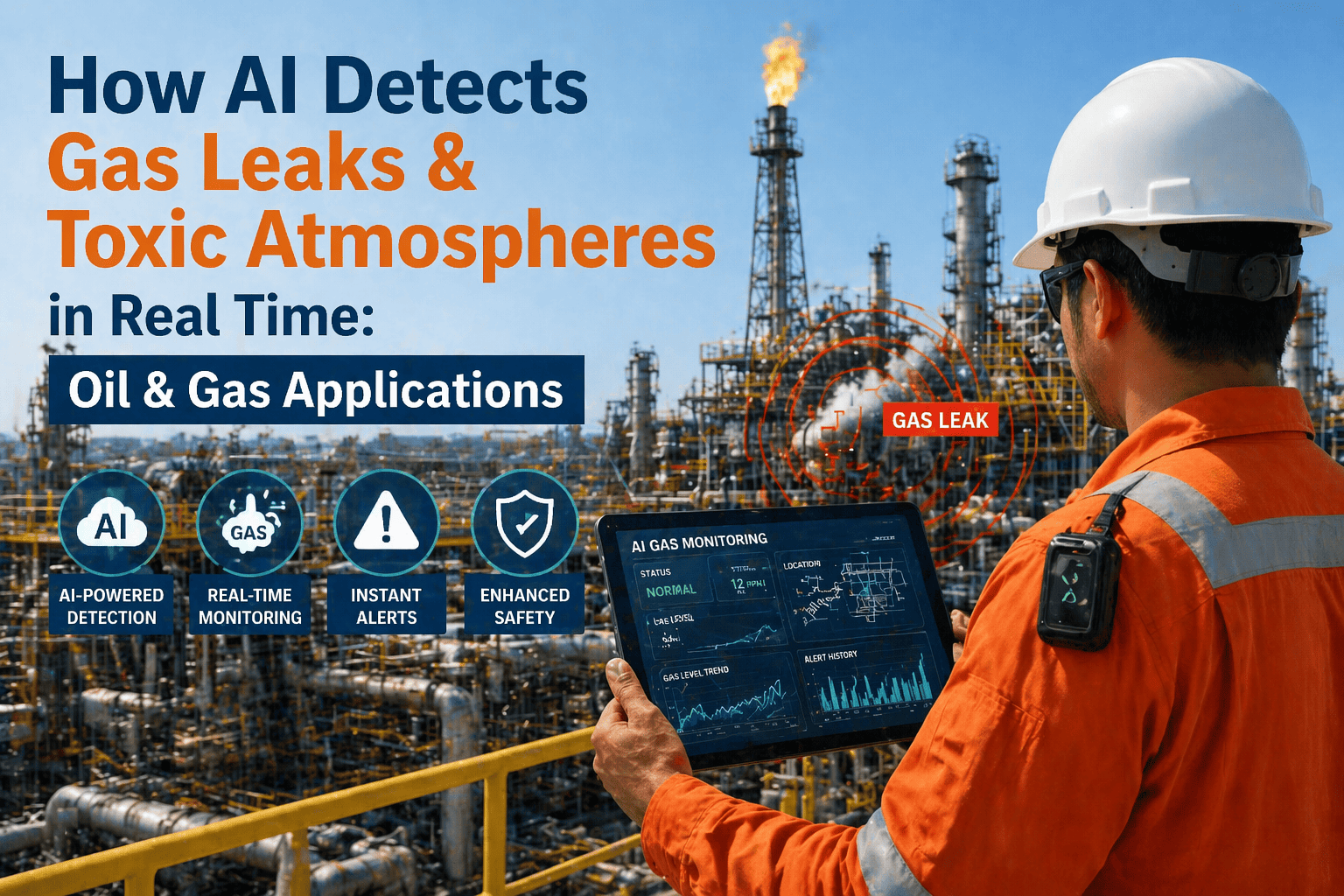
Read More
Oil and gas operations detecting gas leaks through manual field inspections face 3-6 week detection delays costing $50,000+ per incident while toxic atmospheres pose immediate worker safety risks in ATEX Zone 1 areas where explosive gases concentr

Read More
Oil and gas operations lose 6-12% of workforce productivity annually to safety incidents and hazard exposure, not from catastrophic accidents, but from gradual undetected hazard accumulation, delayed near-miss response, and reactive incident inves
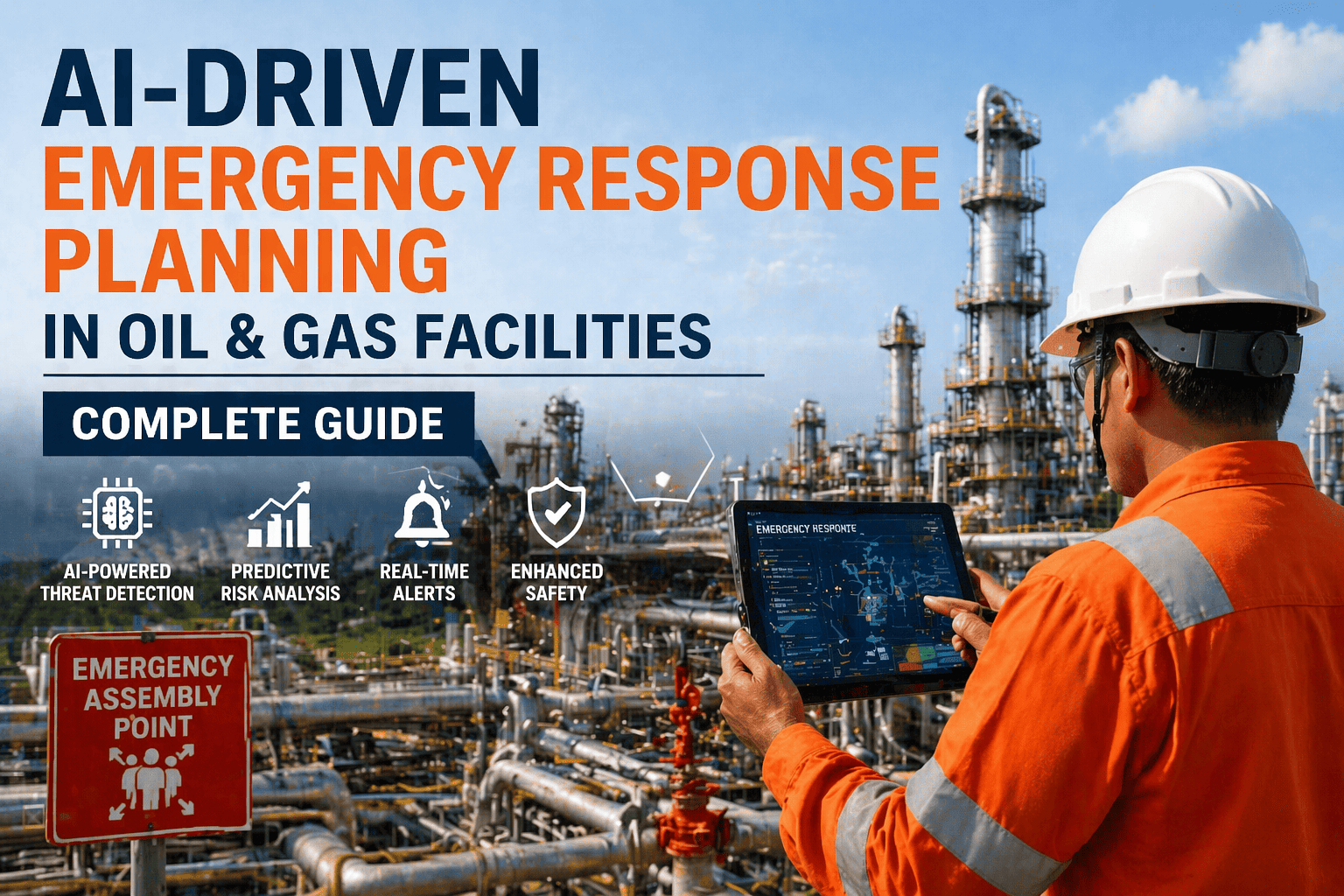
Read More
Oil and gas facilities experience 12-18 unplanned emergency events annually — not all from equipment failures, but from cascading hazard chains that emergency teams cannot predict or simulate fast enough. When explosions, fires, hydrocarbon releas

Read More
Offshore platforms record over 3,400 safety incidents annually across global operations, with 68% attributable to delayed hazard detection that AI-powered monitoring systems identify 7-30 days before incident thresholds. A single offshore safety v

Read More
Oil and gas facilities operating in ATEX-classified hazardous zones lose an average of 14-28% of operational safety margin annually to undetected combustible gas accumulations, equipment hot surface formations, and electrostatic discharge risks, n
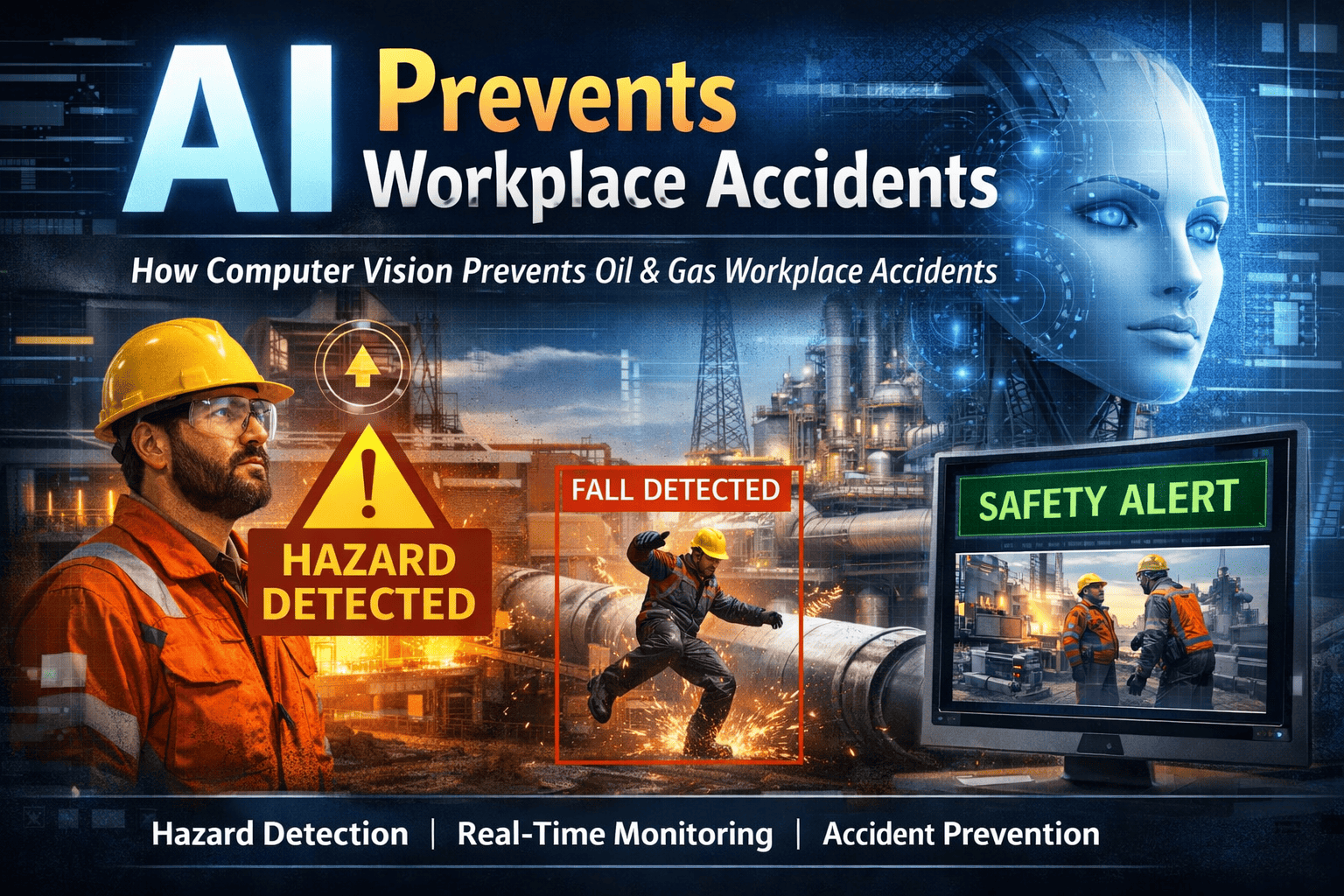
Read More
Oil and gas facilities experience an average of 2.8 recordable safety incidents per 100 workers annually — not from instantaneous hazards, but from gradual safety protocol drift, undetected confined space risks, and personnel proximity violations
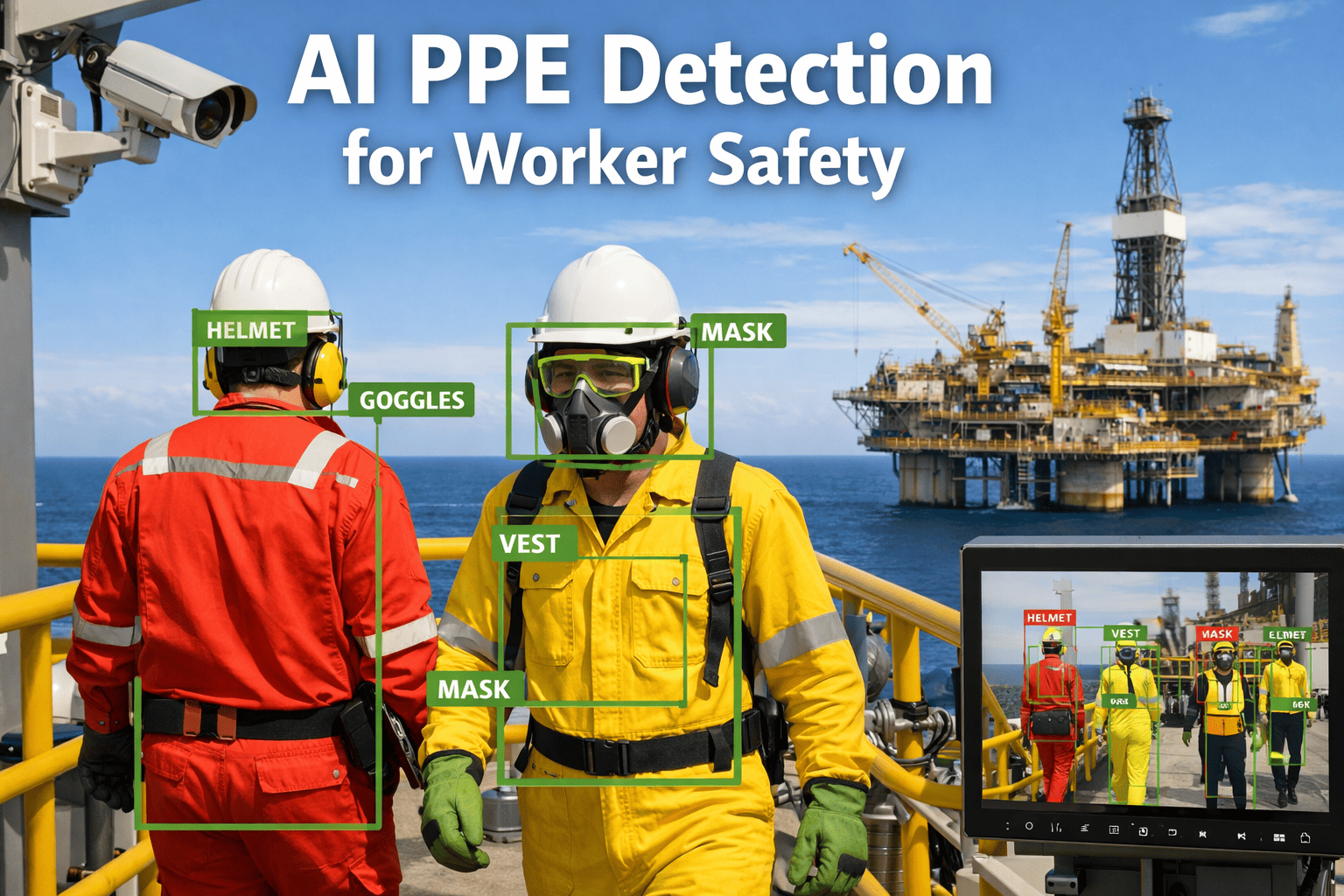
Read More
Oil and gas operations lose 8-14% of production capacity annually to safety incidents and compliance violations, not from catastrophic explosions, but from gradual PPE non-compliance, undetected hazard exposure, and unsafe work practices that no m
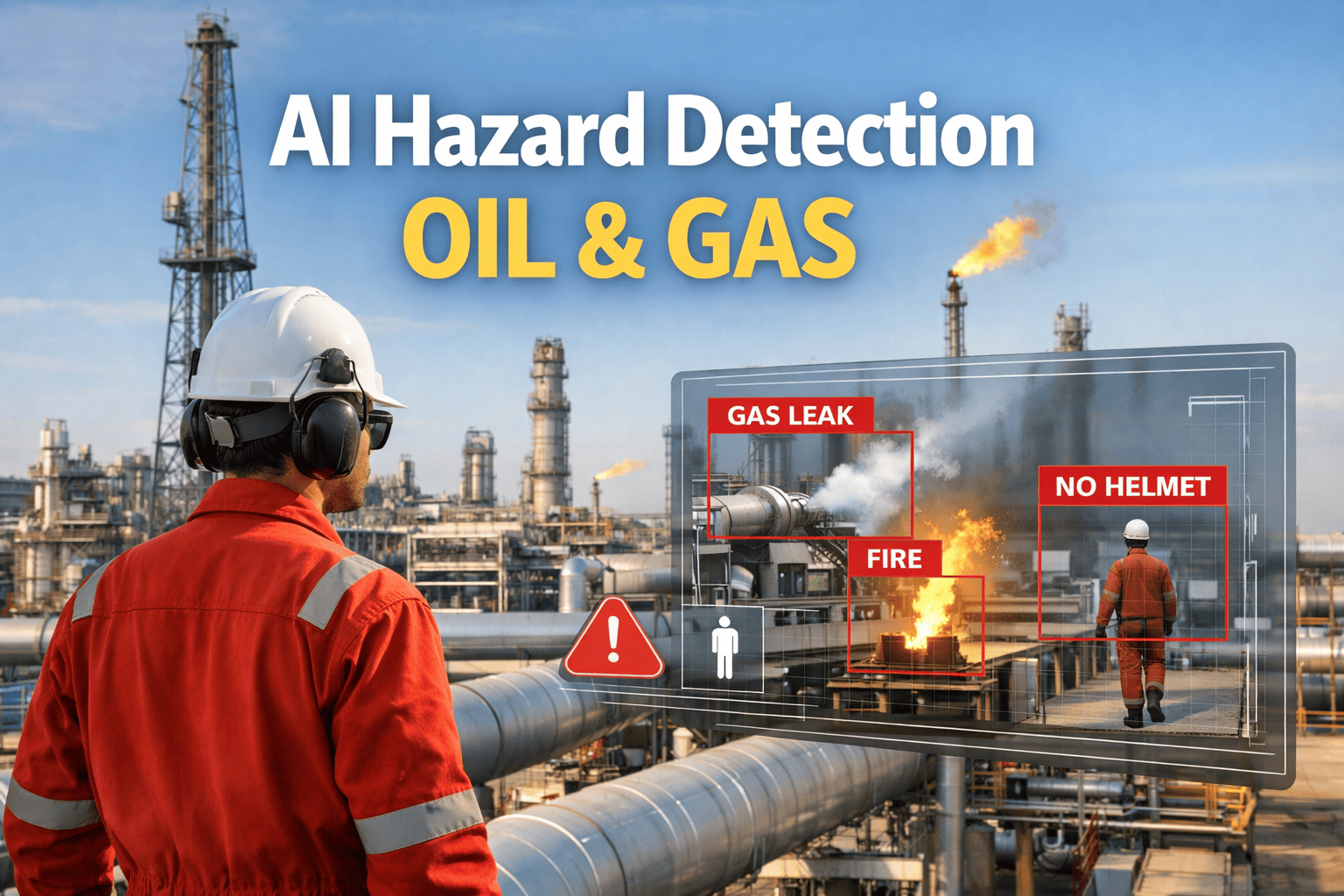
Read More
Oil and gas facilities lose an average of $8.4M annually to safety incidents that predictive hazard identification could have prevented not from catastrophic failures, but from slow-developing risk patterns that no manual JSA review, periodic safe

Read More
Offshore oil and gas platforms lose an average of 14-22% of operational capacity annually to HSE compliance gaps, not from catastrophic incidents, but from gradual safety protocol drift, manual permit-to-work delays, hazardous gas detection blind

Read More
Oil and gas operations record over 3,400 reportable safety incidents annually across upstream, midstream, and downstream facilities, with manual hazard identification missing 62-78% of high-risk conditions before incidents occur. By the time safet
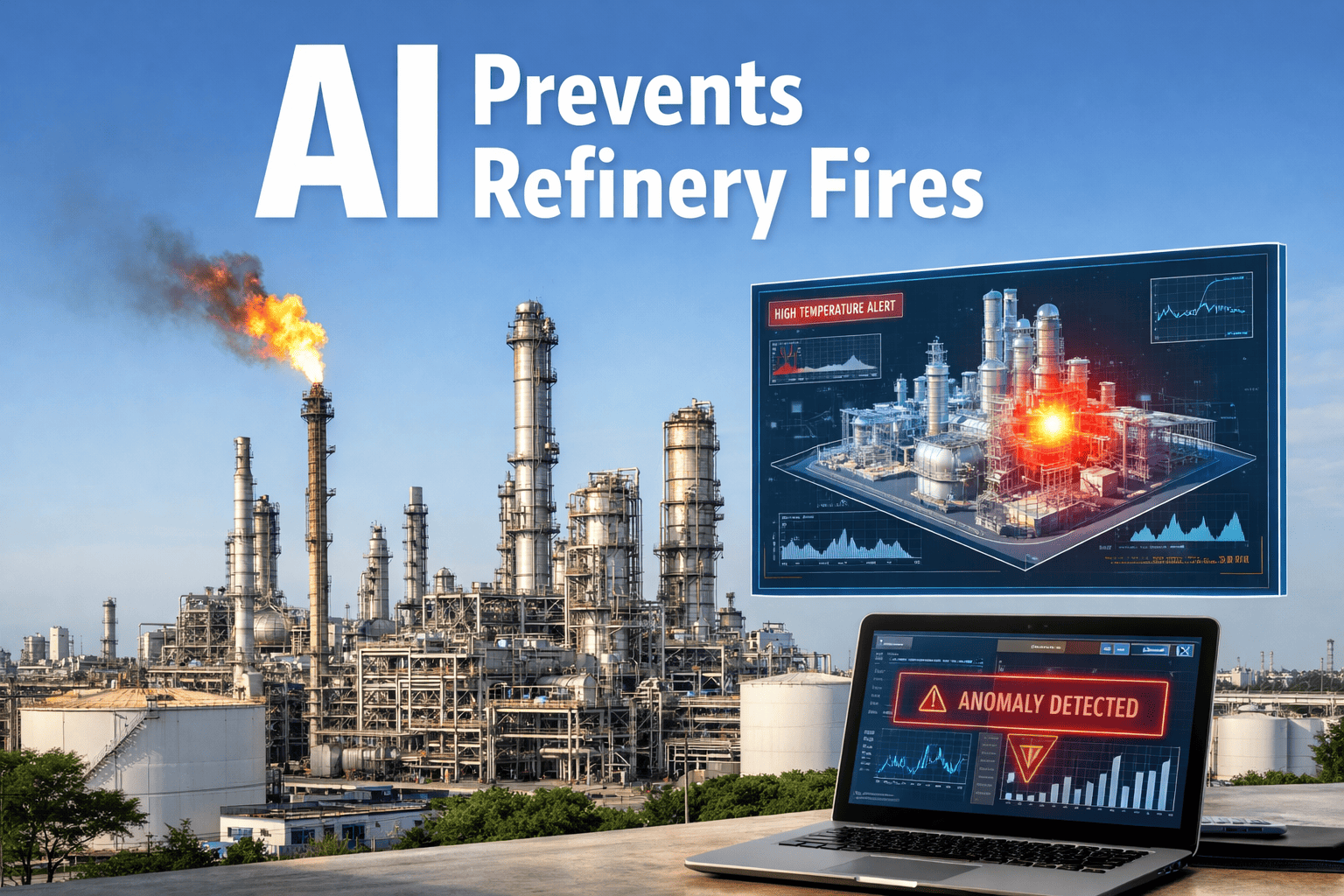
Read More
Oil and gas operations lose an average of $4.2 billion annually to preventable safety incidents, HSE violations, and workforce injuries that no manual permit system or quarterly compliance audits can prevent in real time. By the time a near-miss e

Read More
Refineries experience an average of 1.4 catastrophic fire or explosion incidents per 100 operating years — not from instantaneous equipment failures, but from gradual temperature drift, pressure boundary degradation, and hydrocarbon release patter
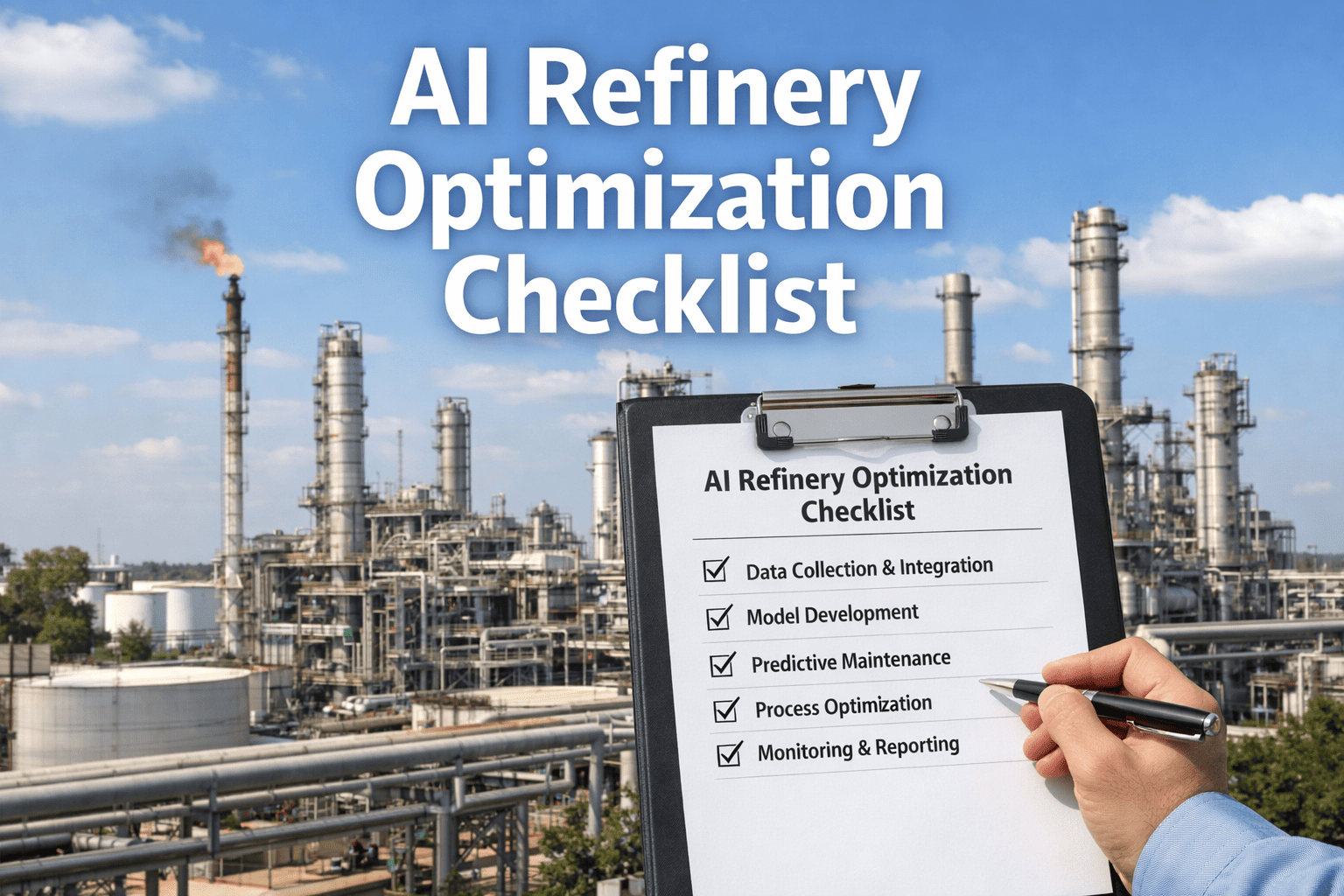
Read More
Deploying AI across refinery operations to optimize catalyst performance, reduce unplanned downtime, improve product yields, and enhance safety requires systematic planning covering data infrastructure assessment, system integration scoping, stake
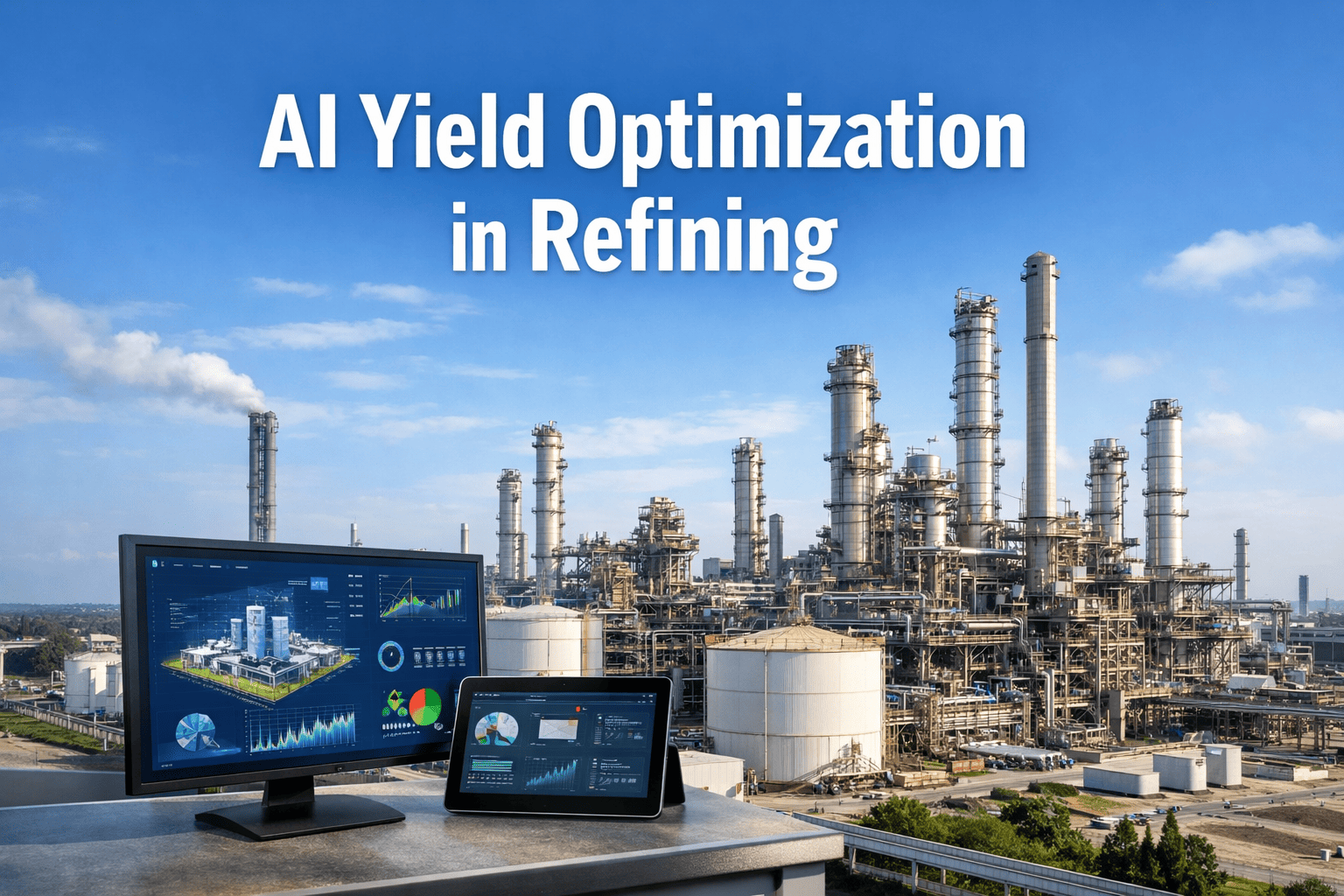
Read More
Petroleum refineries lose an average of 3.2-6.8% of potential product yield annually to unoptimized distillation cuts, reactor operating conditions, and blending inefficiencies that no manual process engineer or legacy DCS optimization can capture
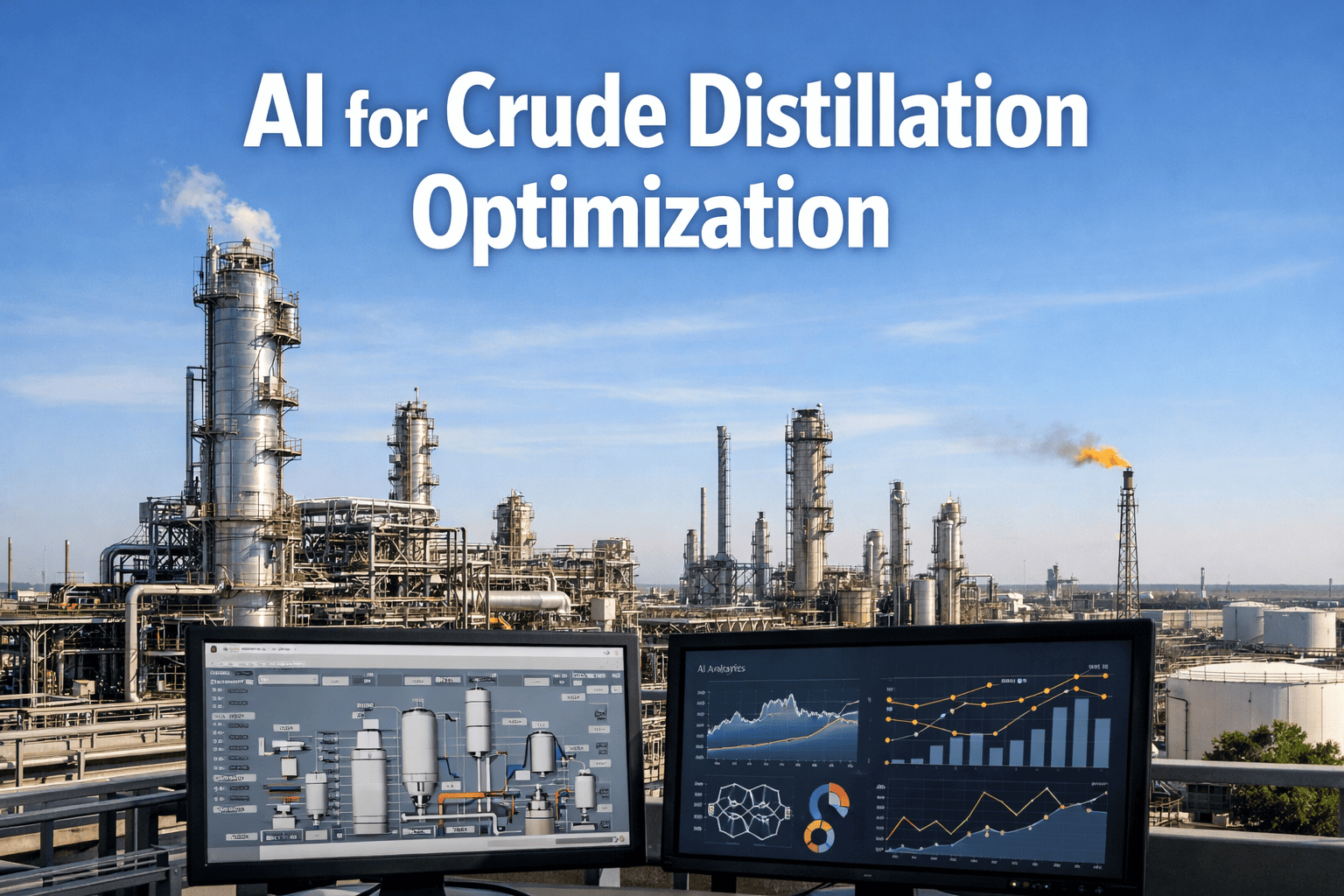
Read More
Refineries lose 11-24% of potential yield annually to suboptimal crude distillation operations while crude units consume 20-24% of total refinery energy processing $80+ million in crude throughput daily at mid-size facilities. Traditional control
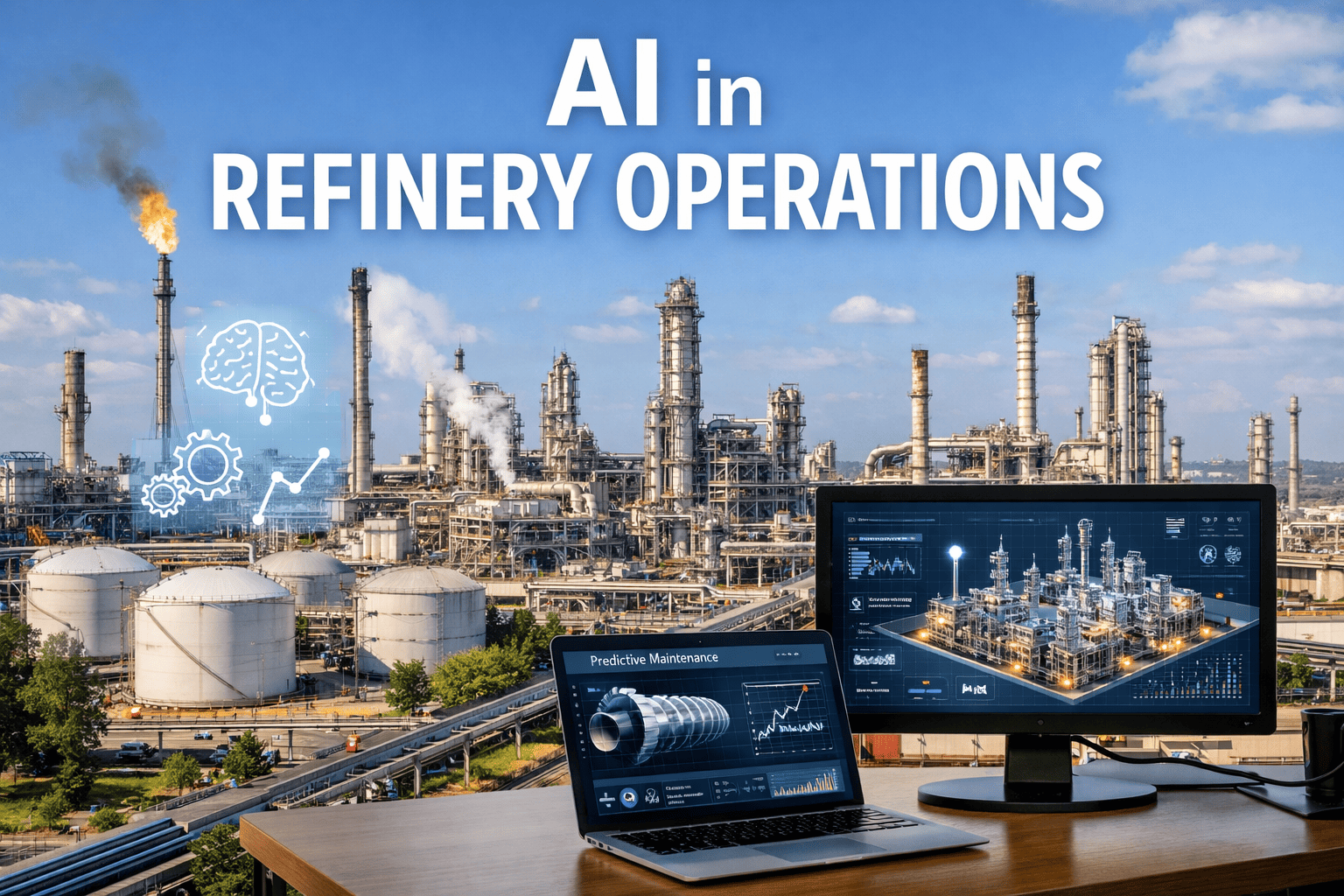
Read More
Refineries lose an average of 14-22% of process efficiency annually to undetected equipment degradation, not from catastrophic failures, but from gradual, invisible performance drift in distillation columns, heat exchangers, and critical rotating
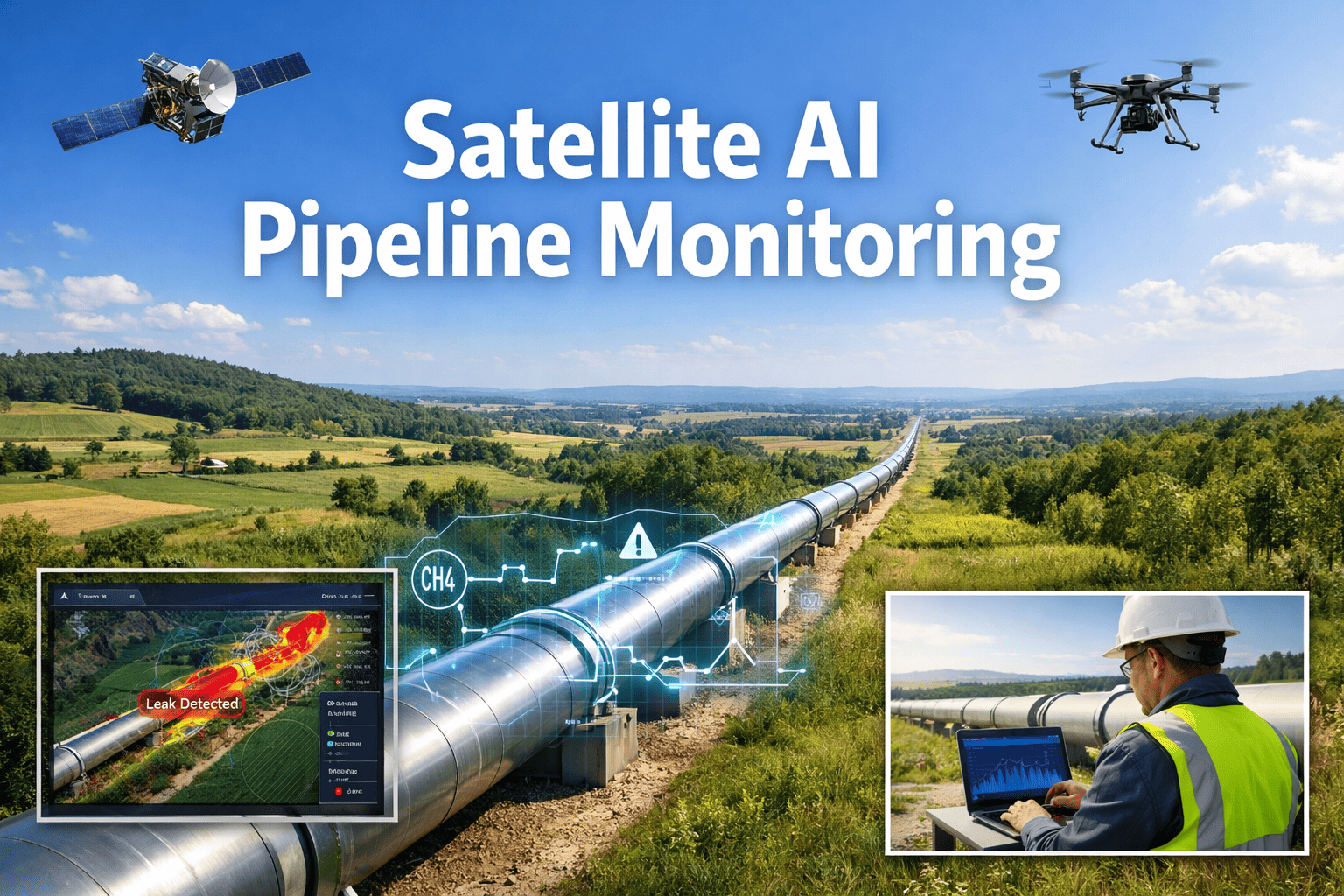
Read More
Oil and gas operators lose an average of 14-28% of pipeline integrity visibility annually to undetected surface changes, right-of-way encroachments, and ground movement that no quarterly aerial patrol or monthly walking survey catches in time. By
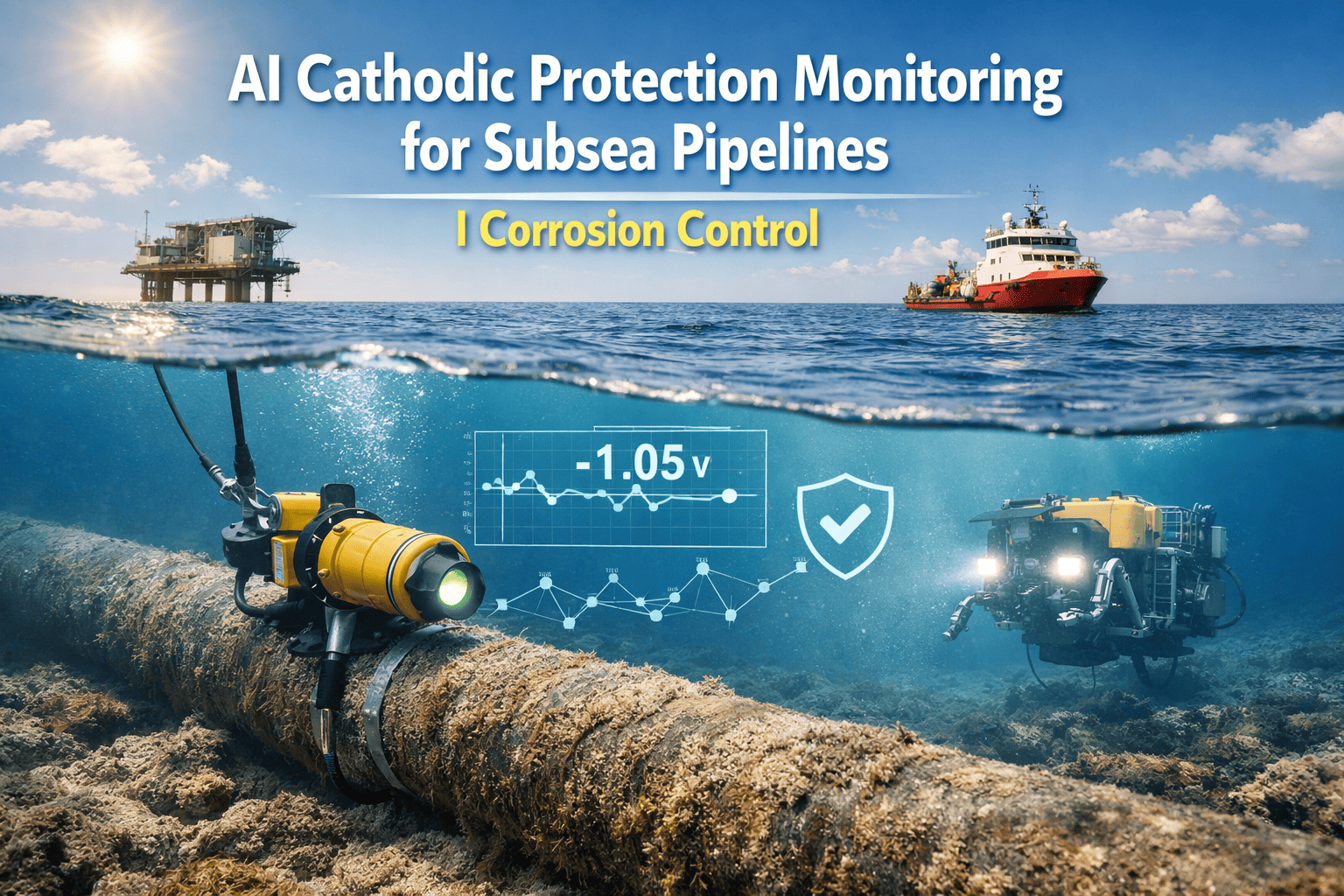
Read More
Pipeline leaks and corrosion risks, equipment failures and downtime, manual inspections in hazardous subsea environments, disconnected SCADA and monitoring systems, lack of predictive insights create cascading failures where a single corroded pip
Read More
Pipeline leaks and corrosion risks, equipment failures and downtime, manual inspections in hazardous subsea environments, disconnected SCADA and monitoring systems, lack of predictive insights create cascading failures where a single corroded pip
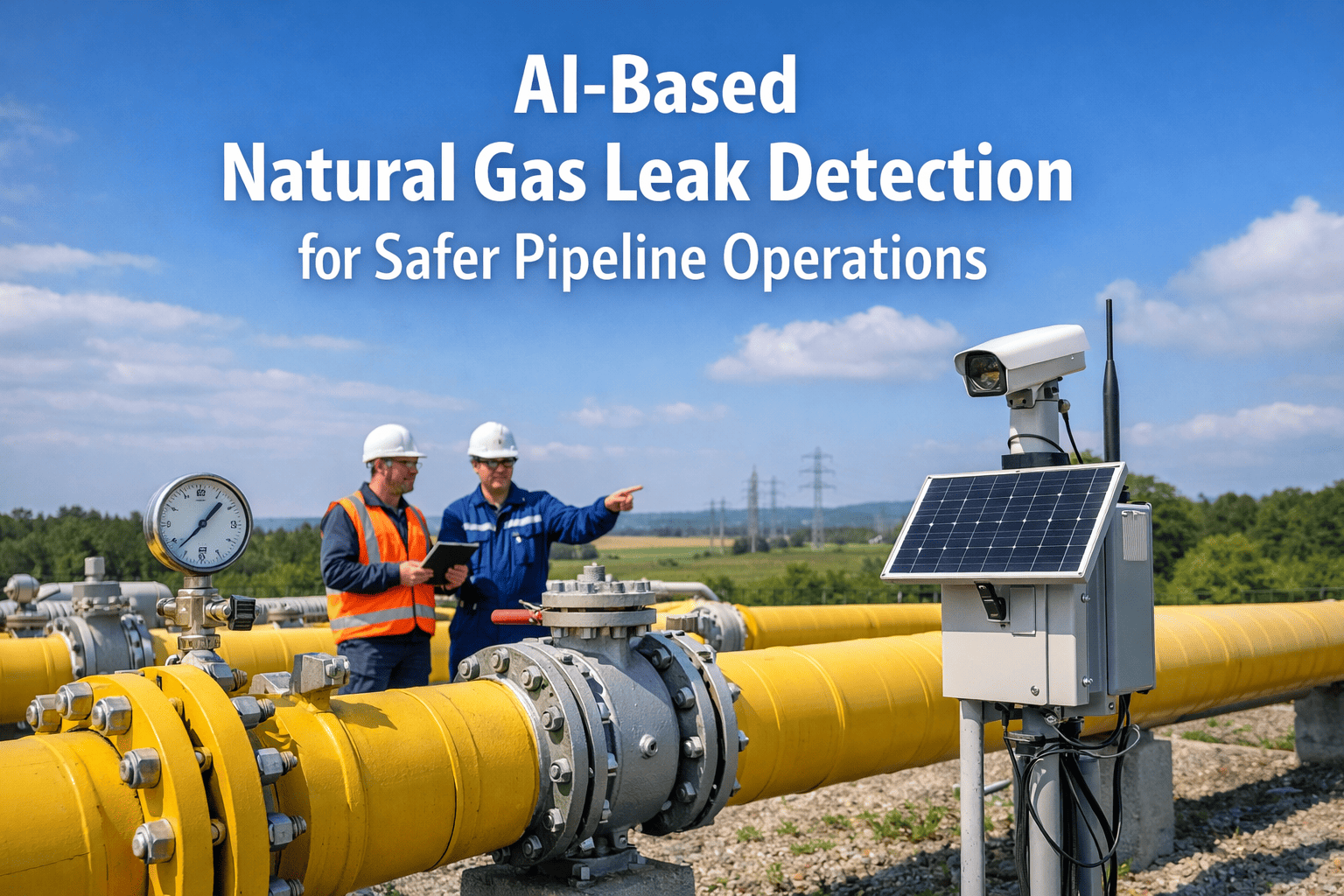
Read More
Natural gas pipeline operators lose $180M to $420M per major undetected leak when traditional quarterly patrol inspections and annual smart pig runs miss small but persistent methane releases that accumulate into environmental catastrophes, regula
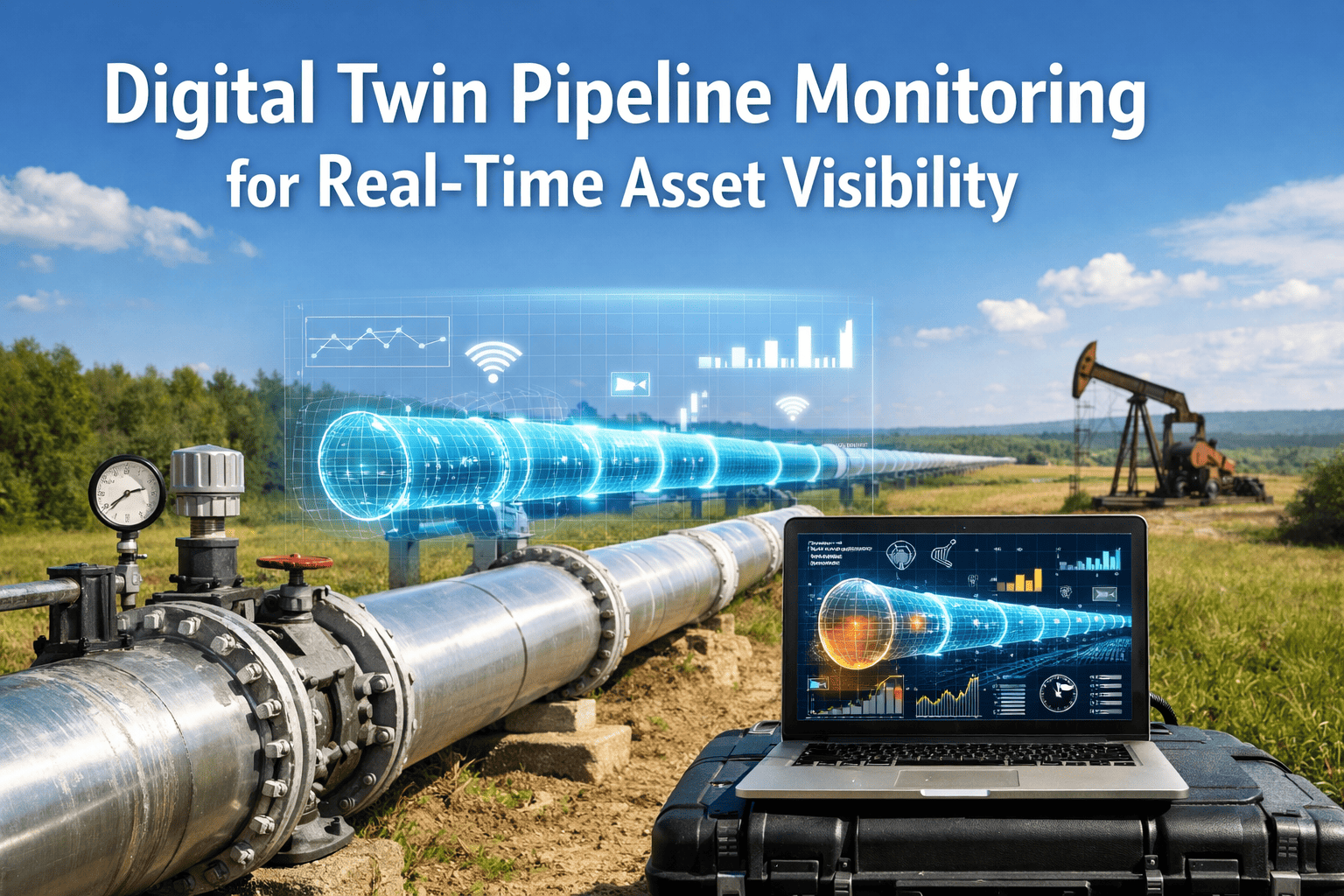
Read More
Pipeline operators managing thousands of miles of transmission infrastructure lose billions annually to unplanned failures because traditional monitoring systems provide static snapshots of asset condition days or weeks after inspections rather th
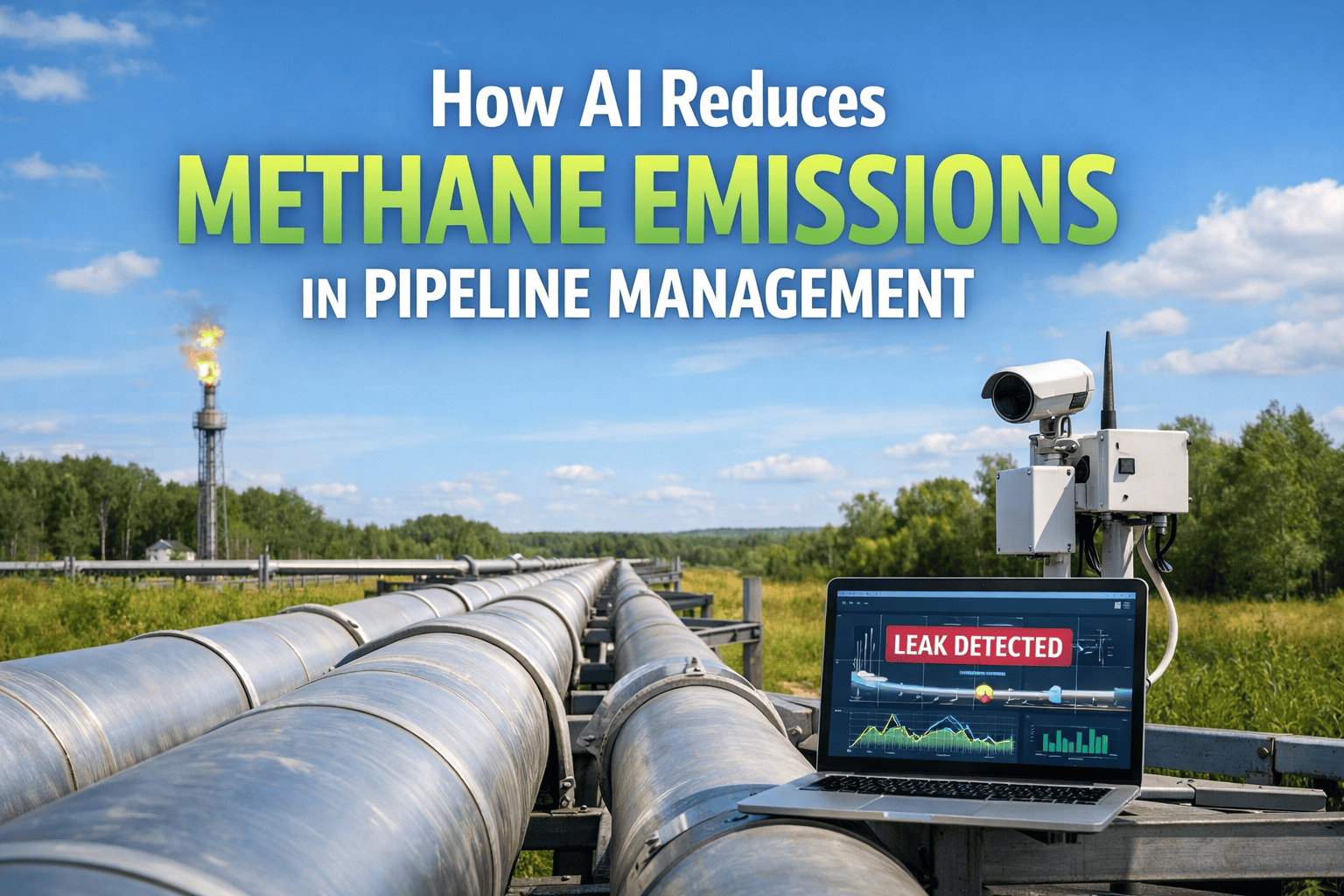
Read More
Oil and gas operators emit 14 million tonnes of methane annually at $2.8 billion economic value lost and face escalating EPA penalties averaging $840,000 per facility for incomplete emissions monitoring because manual leak detection surveys conduc

Read More
Midstream pipeline operators lose $840 million annually to undetected leaks, corrosion-driven failures, and reactive inspection programs that identify integrity threats only after pressure drops or product loss triggers alarms, by which time the d
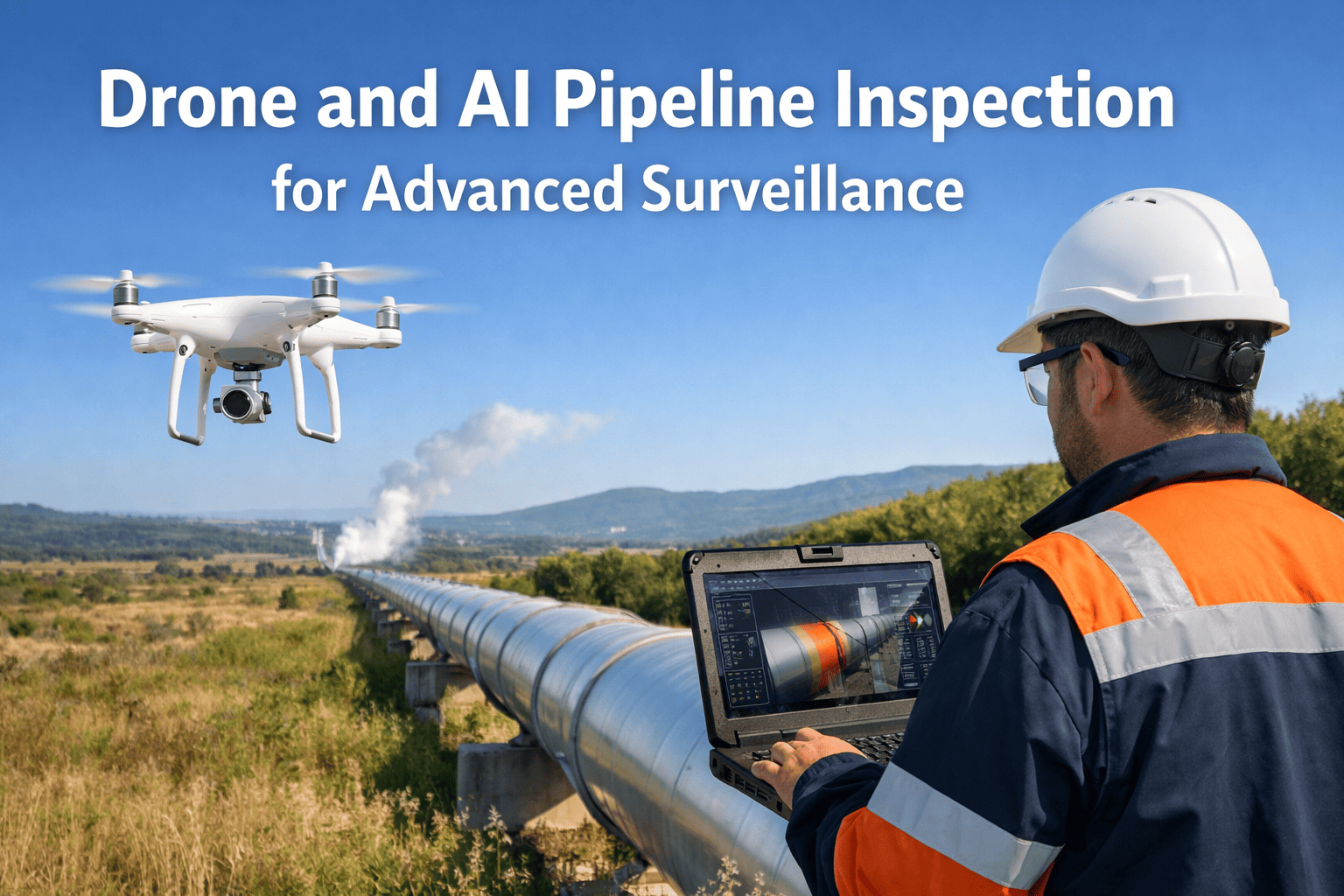
Read More
IFactory's autonomous drone fleet integrated with AI-powered analytics completes comprehensive pipeline corridor surveys at 15-30 miles per hour flight speeds capturing thermal imagery detecting temperature anomalies from leaks or coating defects,
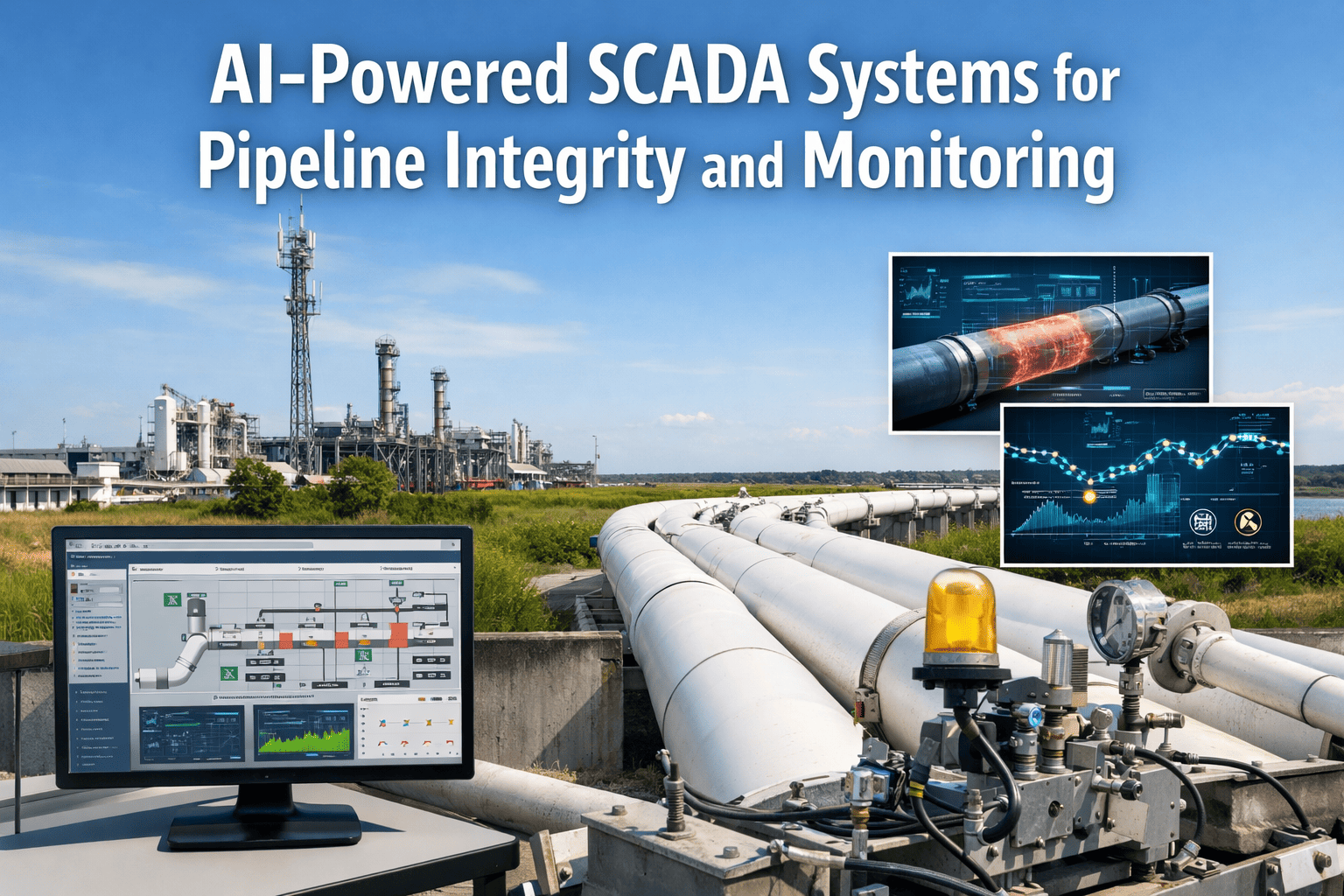
Read More
iFactory's AI-powered SCADA enhancement continuously analyzes real-time data streams from existing DCS, PLC, and SCADA infrastructure using machine learning trained on 15 million equipment failure events to detect 0.8% pressure anomalies indicatin
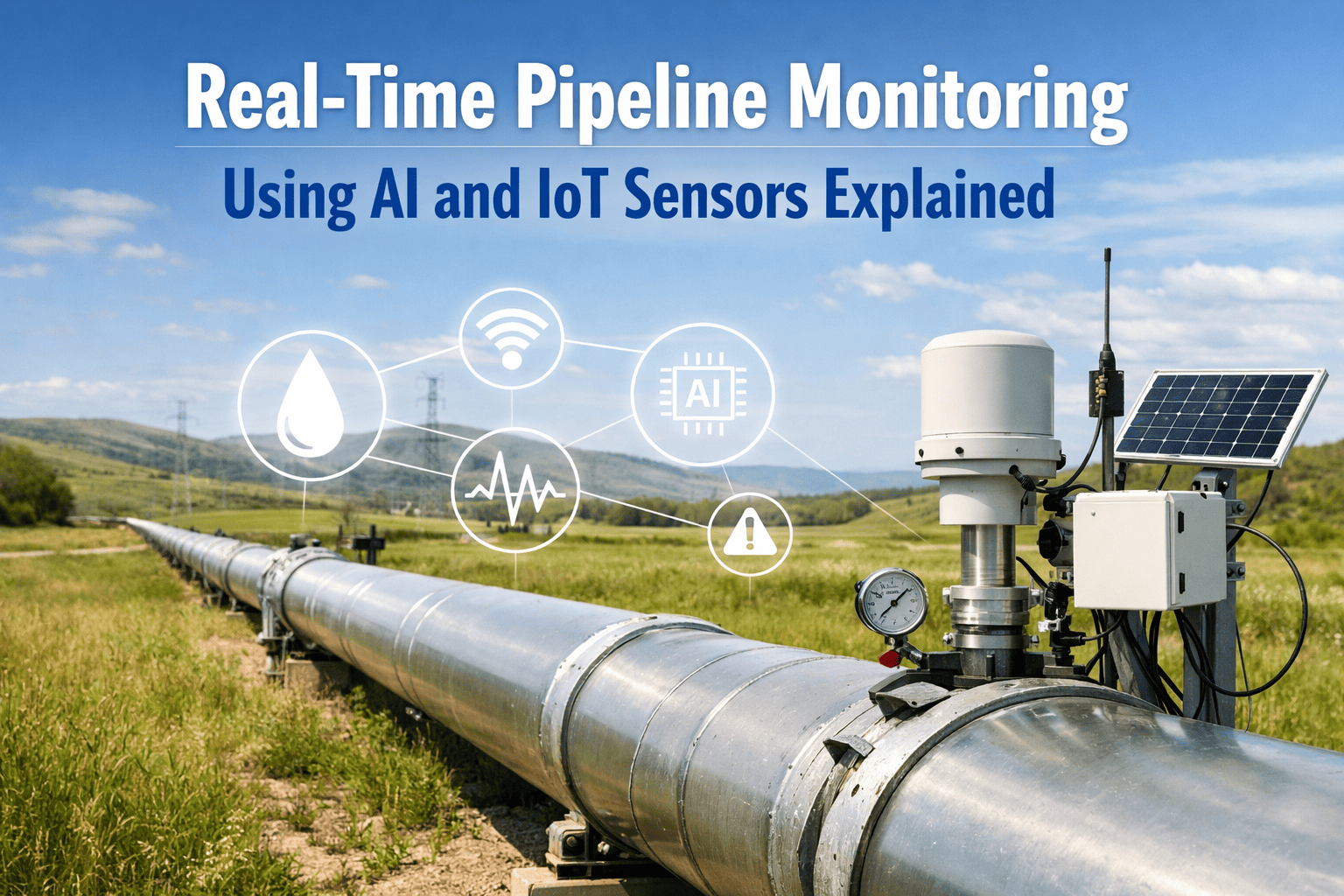
Read More
Pipeline integrity failures from undetected internal corrosion, external coating degradation, and third-party mechanical damage cost midstream operators $180M to $420M per major incident when traditional inline inspection programs conducted every
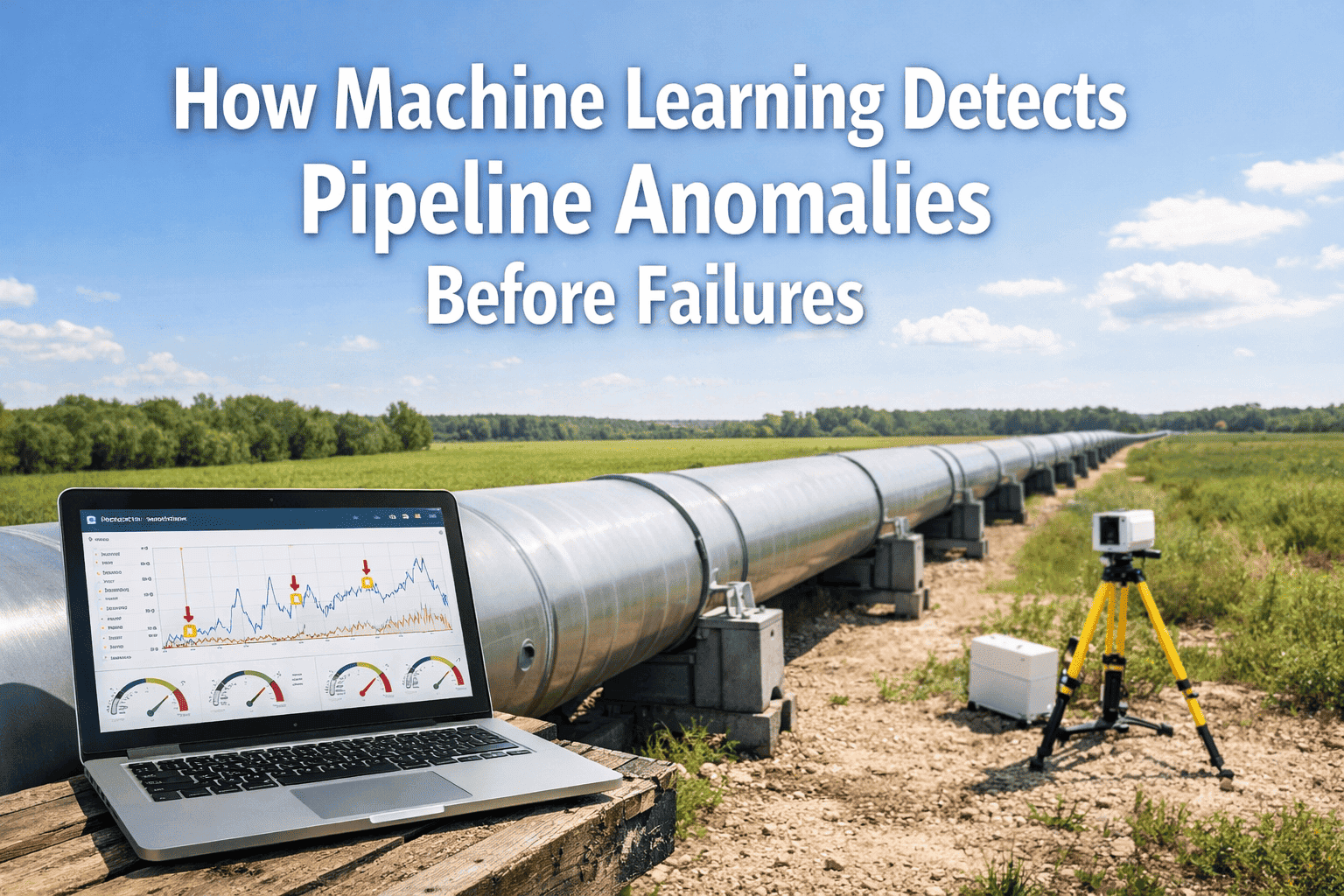
Read More
Pipeline failures cost oil and gas operators $2.8 to $12.5 million per incident in emergency response, environmental remediation, regulatory penalties, and production losses, yet traditional SCADA monitoring detects only 35% to 45% of developing a
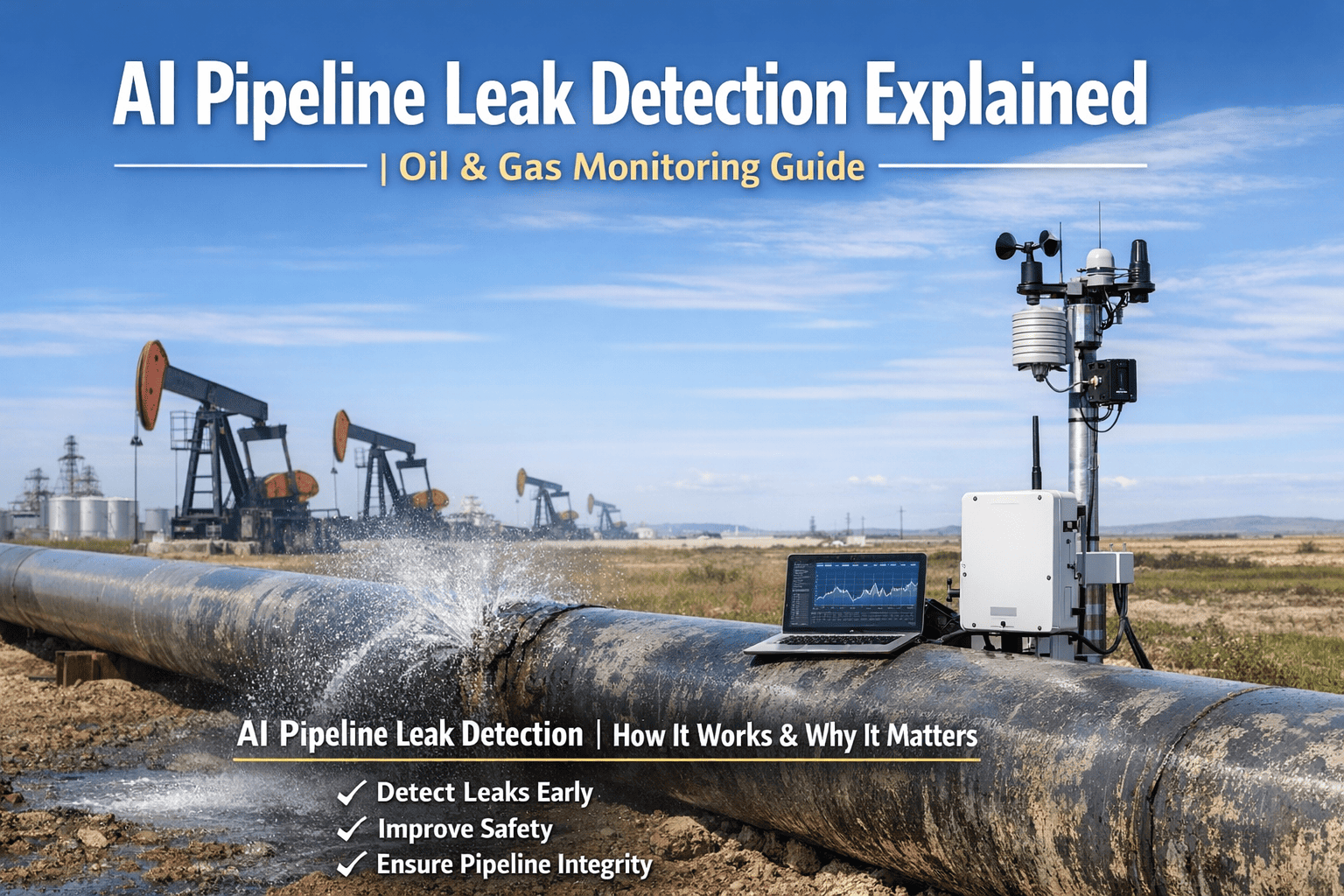
Read More
Oil and gas operators lose $4.8 million annually per site to undetected pinhole leaks that release pressurized fluids for weeks between monthly inspection visits, accumulating product losses, environmental violations, and emergency repair costs th
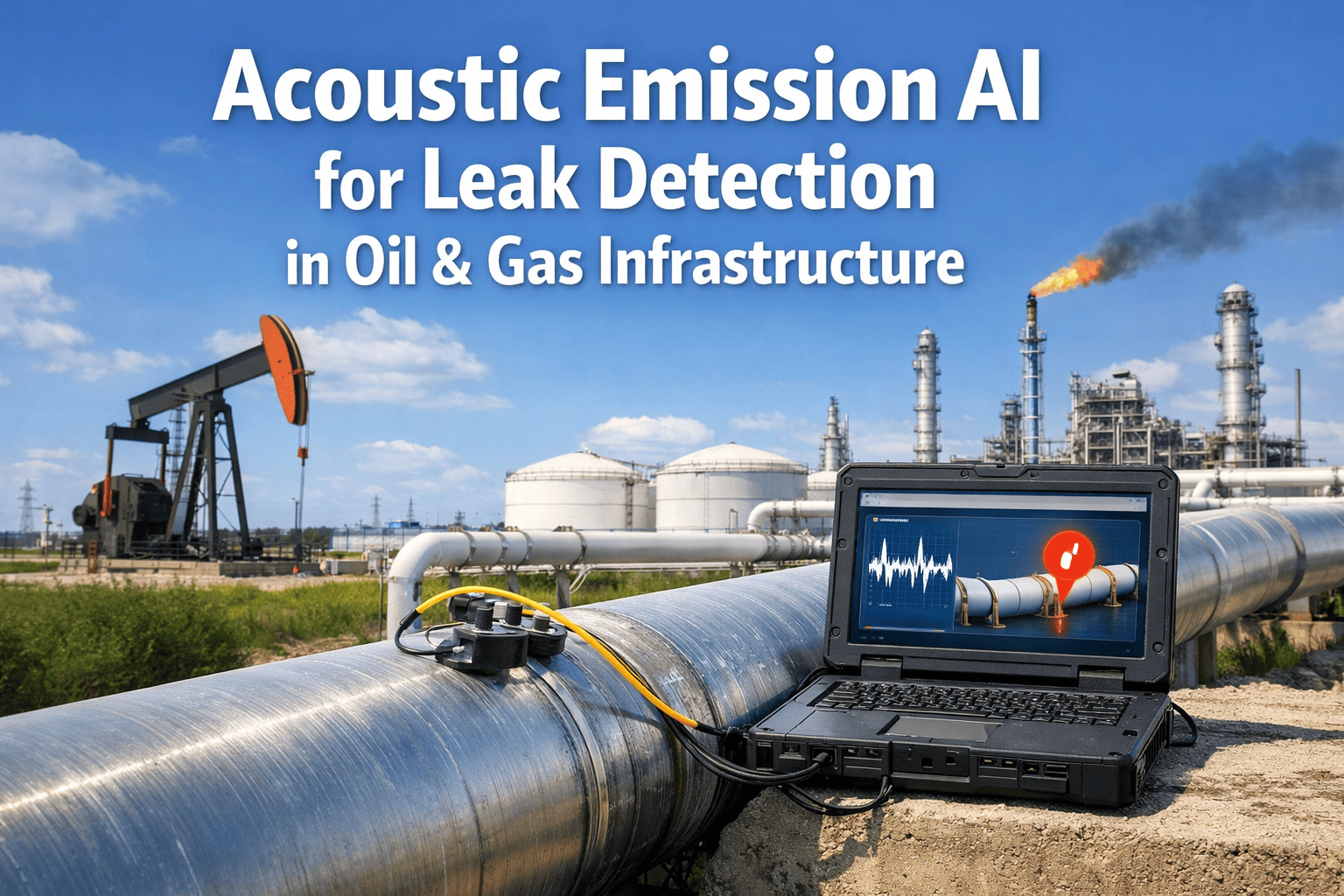
Read More
A pinhole leak releasing 2 gallons per minute of pressurized natural gas shouldn't go undetected for 14 days until field technicians smell hydrocarbons during routine inspection, triggering emergency shutdown of a 42-inch transmission pipeline ser
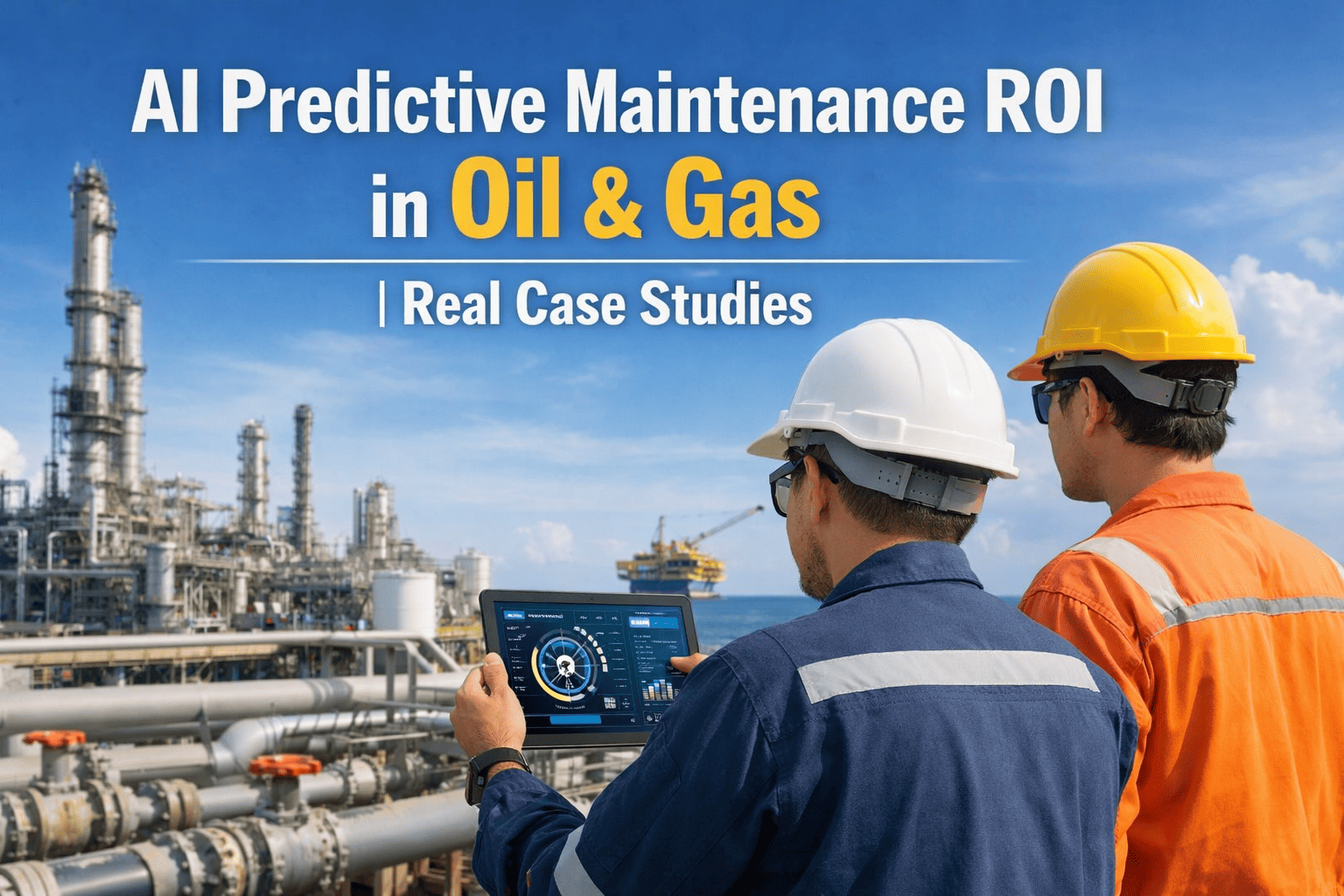
Read More
Oil and gas operators waste $850,000 to $2.4 million annually per facility on reactive maintenance strategies that repair equipment after failures occur, causing unplanned downtime averaging 15 to 22% of operating time, emergency parts procurement
Read More
Oil and gas operations running traditional time-based maintenance spend up to 20% of operational budgets on unplanned repairs responding to equipment failures after they occur, experiencing downtime costing $1.5 trillion annually across the indust
Read More
Oil and gas plants lose an average of $50 million annually to unplanned equipment failures, with compressors, rotating machinery, and heat exchangers responsible for over 60% of critical downtime events. Manual inspection cycles, disconnected SCAD
Read More
Oil and gas operators lose $42 billion annually to unplanned equipment downtime, with 78% of critical failures occurring between scheduled inspection intervals when deteriorating compressors, pumps, and rotating equipment show no visible warning s

Read More
Corrosion destroys pipelines and pressure vessels from the inside out, often undetected until a catastrophic failure occurs. In upstream, midstream, and downstream oil and gas operations, unchecked corrosion causes billions in unplann

Read More
Conventional handheld thermal cameras require trained technicians performing monthly or quarterly facility walkarounds generating static images lacking trend analysis, historical comparison, or automated anomaly detection, resulting in inconsiste
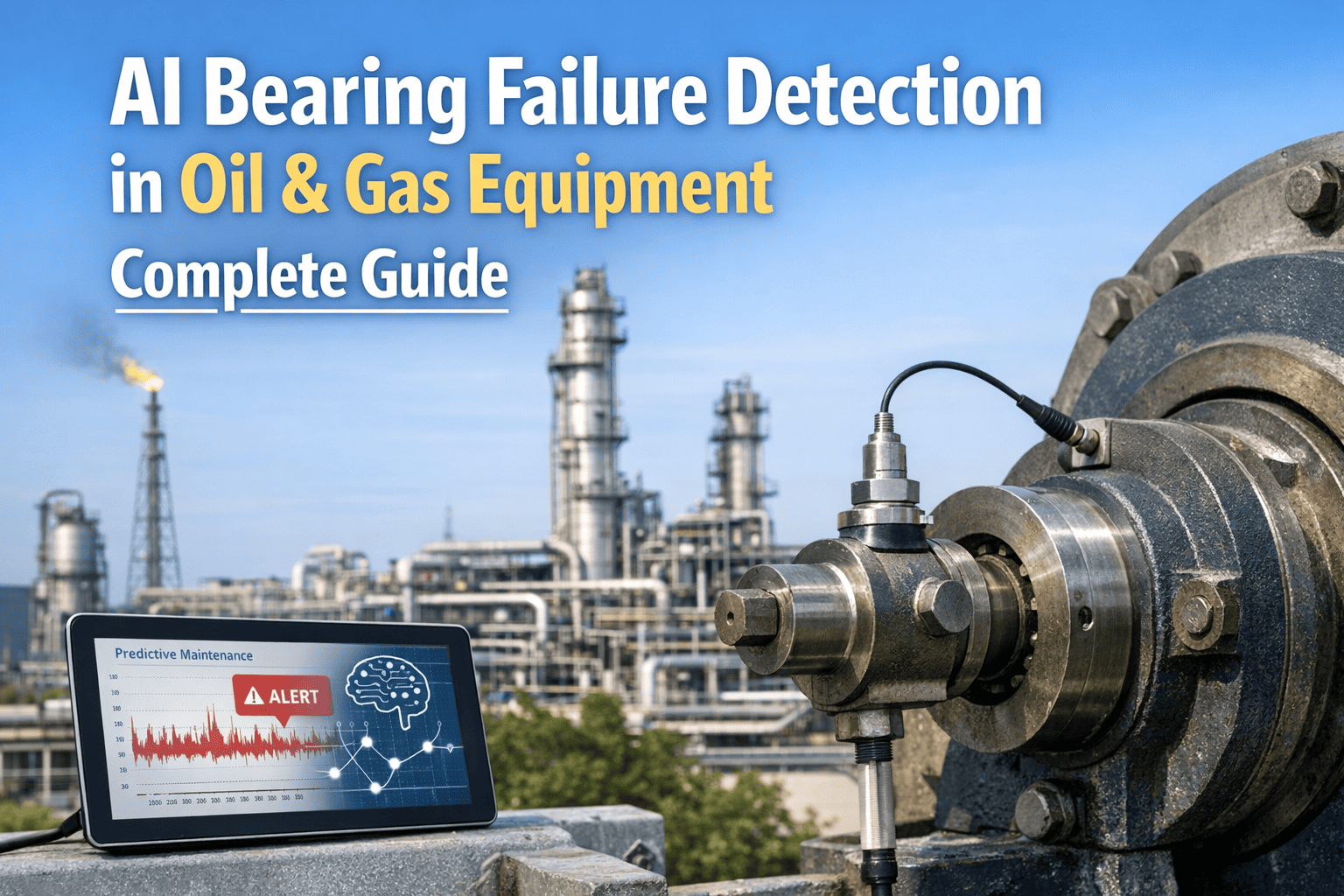
Read More
iFactory's AI-powered bearing condition monitoring analyzes vibration, temperature, and acoustic data in real-time from edge sensors, detects bearing defect signatures invisible to manual analysis including race defects, ball spin frequency anoma

Read More
Compressor failures in oil and gas operations account for up to 30% of unplanned downtime — each incident costing $50,000 to $500,000 in lost production, emergency repairs, and safety exposure. Traditional time-based
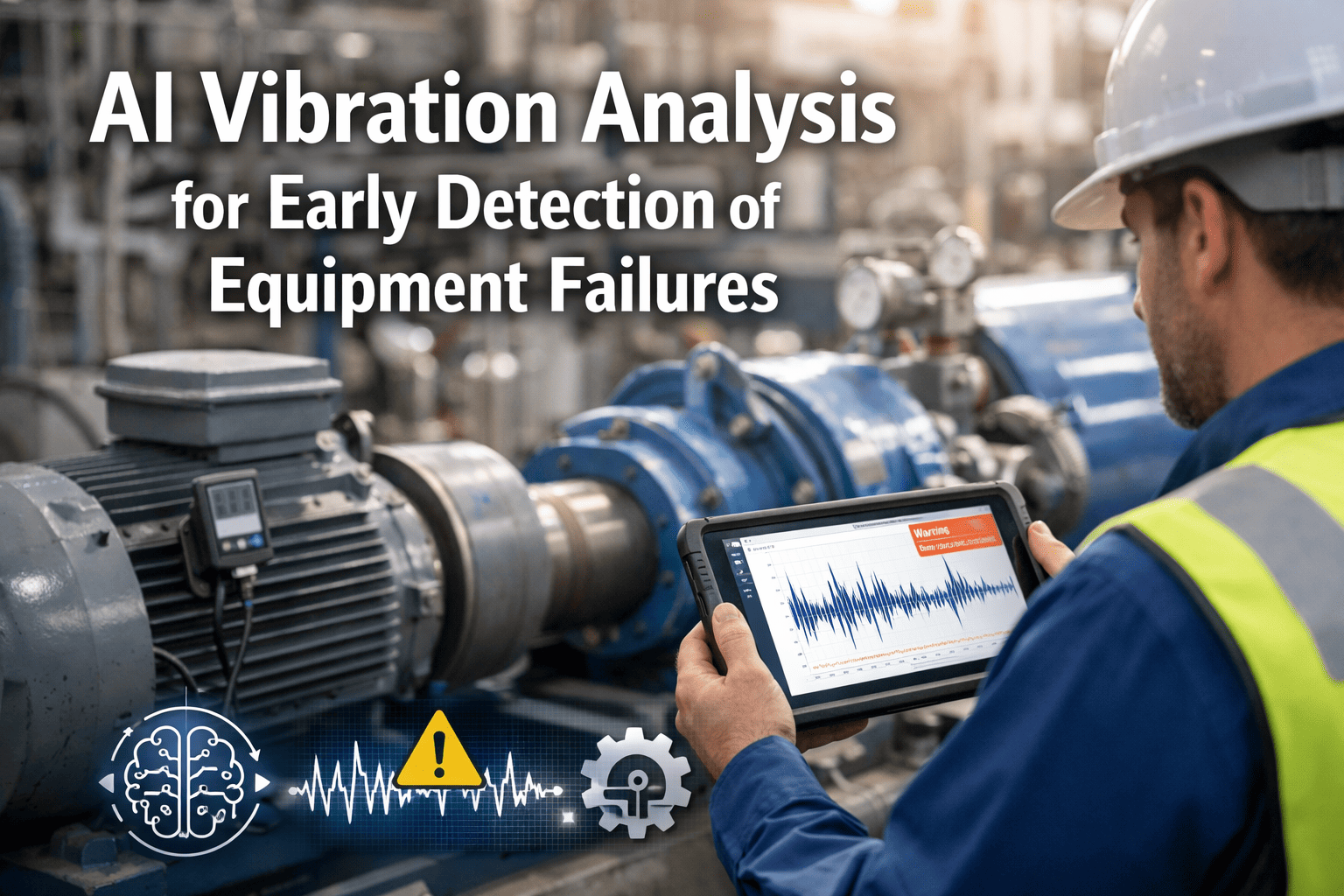
Read More
iFactory deploys AI analyzing FFT spectral patterns, harmonic distortion signatures, and bearing defect frequencies detecting degradation at 1.2g threshold providing 4-6 week advance warning enabling planned maintenance during scheduled turnaroun

Read More
A single undetected paint defect on a luxury sedan door panel costs $2,400 in rework when caught at final inspection, $8,700 if discovered at the dealership during pre-delivery, and $23,000 in warranty claims plus brand damage when the customer re
Read More
Traditional time-based preventive maintenance schedules replacement of components at fixed intervals (bearings every 18 months, seals every 12 months, catalyst recharge every 24 months) regardless of actual equipment condition, resulting in 35-45
Read More
Factory's AI-powered predictive maintenance platform continuously monitors equipment health across upstream drilling operations, midstream pipeline networks, and downstream refining facilities, detecting failure signatures 14-21 days before breakd
Read More
Oil and gas operations lose $42 billion annually to unplanned equipment downtime, pipeline integrity failures, and reactive maintenance cycles that could have been prevented with predictive insights available months before catastrophic failure.The

Read More
Exploration drilling decisions based on incomplete wireline log interpretation and manual petrophysical analysis cost operators $2.4M to $8.7M per dry hole when subsurface formation evaluation missed hydrocarbon-bearing zones or incorrectly predic

Read More
Smart drilling operations lose $450,000 to $1.2 million per well annually from unplanned downtime, inefficient bit selection, suboptimal drilling parameters, and undetected downhole conditions that cause stuck pipe incidents, lost circulation even
Read More
Offshore drilling operations lose $1.2 million per day when autonomous systems fail to prevent stuck pipe incidents, wellbore instability, or equipment breakdowns because traditional manual drilling relies on human reaction times 8 to 12 seconds s

Read More
Traditional hydrocarbon exploration relies on manual seismic interpretation consuming 6-8 weeks analyzing subsurface data, hand-correlating fault patterns across hundreds of seism

Read More
Digital twin technology in oilfield operations creates virtual replicas of physical drilling assets, reservoir formations, and production systems, enabling operators to simulate drilling scenarios, predict equipment failures, and optimize producti
Read More
Drilling a horizontal wellbore that misses the productive reservoir zone by 15 vertical feet wastes $2.8 million in drilling costs and loses 40% of projected EUR because traditional geosteering relies on lagging gamma ray measurements interpreted
Read More
Drilling a horizontal wellbore that misses the productive reservoir zone by 15 vertical feet wastes $2.8 million in drilling costs and loses 40% of projected EUR because traditional geosteering relies on lagging gamma ray measurements interpreted

Read More
When a well log analyst spends 6 hours interpreting gamma ray, resistivity, and neutron porosity curves to identify reservoir zones, only to discover after drilling that the interpreted sandstone layer is actually shale with zero permeability, the
Read More
Deploying AI in upstream exploration without structured implementation fails because data sits in incompatible formats, legacy systems cannot connect to ML models, and teams resist predictions they don't understand. Result: $200K AI software unuse
Read More
A drilling operation loses $180,000 per day when unexpected formation pressure causes stuck pipe at 12,400 feet because manual wellbore monitoring relies on surface measurements delayed by mud circulation time, surface sensors that cannot detect d

Read More
Traditional seismic surveys miss 30-40% of subsurface hydrocarbon indicators because human interpreters cannot process the massive data volumes generated by modern acquisition systems, analyze complex fault patterns across multi-dimensional datase
Read More
Unplanned drilling delays cost operators $150,000 to $500,000 per day in rig standby charges, yet 30% of drilling time is classified as non-productive time (NPT) caused by equipment failures, stuck pipe incidents, wellbore instability, and formati
Read More
Upstream oil and gas operations face mounting pressure to reduce costs, improve drilling efficiency, and maximize reservoir recovery while managing complex geological uncertainties and volatile commodity prices. The result is predictable: drilling
Read More
Reservoir engineers analyzing 3D seismic volumes manually to identify productive zones miss 34% of hydrocarbon-bearing formations because human pattern recognition cannot process the 2.8 billion data points in a typical offshore survey within proj
Read More
Seismic data interpretation teams spend 6-8 weeks analyzing subsurface imaging to identify drilling targets, manually correlating fault lines across hundreds of traces, interpreting horizon boundaries from amplitude patterns, and calculating reser

Read More
AI processes seismic data in 72 hours versus 8 weeks manual analysis, with 40% higher accuracy identifying hydrocarbon zones. Legacy workflows delay drilling decisions by months, missing optimal targets. Delayed offshore wells cost $500K per day i
Total Posts:
Real Results
What Oil & Gas Operators See After Going Live
Real numbers from refineries, pipelines, and upstream operators running the iFactory AI platform worldwide.
50%
Less Unplanned Downtime
AI + robotics catch failures before cascade
25%
Energy Optimized
AI process optimization + energy network
100%
HSE Compliant
Zero violations, audit-ready always
40%
Fewer Pipeline Failures
AI corrosion models + integrity management
"iFactory's AI vision detected 14 methane leaks in our first month that manual LDAR surveys missed. We eliminated $3.2M in potential EPA penalties and reduced our methane intensity by 52%."
VP HSE
Major E&P Operator, Permian Basin"The CDU optimizer paid for itself in 6 weeks. We shifted distillate yield by 3.2% and saved $4.8M in the first year — all while reducing energy consumption by 18%. The ROI is undeniable."
Refinery Manager
200,000 bpd Refinery, Middle East"Pipeline integrity management went from spreadsheets and 6-week ILI analysis cycles to real-time AI corrosion modeling. We prevented 3 potential ruptures in year one and achieved full PHMSA compliance."
Director of Integrity
Midstream Operator, 8,000+ miles
FAQ
Frequently Asked Questions About AI for Oil & Gas
Answers for refinery managers, pipeline integrity engineers, HSE directors, and CXOs evaluating Industry 4.0 for oil and gas operations.
iFactory's AI monitors 5,000+ parameters per second across your crude distillation unit (CDU), fluid catalytic cracker (FCC), hydrocracker, and reformer — cut points, reflux ratios, catalyst activity, reactor temperatures, and crude blend ratios. ML models optimize product yield to maximize high-value distillates, reduce energy consumption by 15-25%, and extend catalyst life by 20%. For a 200,000 bpd refinery, AI-driven crude blend optimization alone saves $2-5M annually by selecting optimal crude slates. The platform also optimizes hydrogen network balancing and sulfur recovery unit efficiency.
iFactory deploys AI vision across upstream, midstream, and downstream: optical gas imaging (OGI) for methane and VOC leak detection per EPA OOOOa/b requirements, flame and smoke detection with sub-3-second alerting for process units, PPE compliance monitoring in H2S and hydrocarbon zones, pipeline right-of-way surveillance, tank farm corrosion and weld inspection for API 653 compliance, and flare combustion efficiency monitoring. All detections process on-premise in under 50ms at 99%+ accuracy across 24+ simultaneous camera feeds.
Oil and gas facilities have the highest confined space fatality rate of any industry. iFactory replaces manual entry with: quadruped robots for tank farm patrol, process unit gas monitoring, and offshore topside inspection; pipeline crawlers with MFL and UT sensors for internal wall thickness mapping; OGI-equipped drones for wellpad methane surveys, flare stack inspection, and pipeline corridor surveillance. All findings — thermal images, UT data, gas readings, visual defects — auto-generate GPS-tagged work orders in the CMMS. This cuts inspection costs by 60% and eliminates confined space entry.
iFactory provides end-to-end pipeline integrity management compliant with PHMSA 49 CFR 192/195, API 1160, and ASME B31.8S. The platform ingests inline inspection (ILI/PIG) data — MFL, UT, caliper — corrosion coupon readings, cathodic protection (CP) potentials, and SCADA pressure/flow data to build AI-driven corrosion growth models. It predicts remaining wall thickness, risk-ranks anomalies, schedules dig verifications, tracks repair history, and auto-generates DOT compliance reports. For a 5,000-mile pipeline network, iFactory reduces integrity-related failures by 40% and cuts ILI data analysis time from weeks to hours.
Yes. Oil and gas OT networks are critical national infrastructure targeted by advanced persistent threats. iFactory deploys on NVIDIA-powered edge servers with all AI processing running locally — zero cloud dependency, sub-10ms inference, full air-gap capability. This meets IEC 62443 industrial cybersecurity standards (SL-2/SL-3), API 1164 (pipeline SCADA security), TSA Pipeline Security Directives (SD-02D), and NIST Cybersecurity Framework v2.0. All operational data stays within your Purdue Model security architecture. Full air-gapped deployment available for NOCs and offshore installations.
Methane regulations are tightening globally — EPA's Methane Emission Reduction Program charges $1,500/ton for excess methane starting 2026, the EU Methane Regulation mandates LDAR frequency, and the World Bank's Zero Routine Flaring initiative targets 2030. iFactory monitors methane and VOC emissions in real-time using AI-powered OGI cameras, CEMS data, and satellite correlation. It optimizes flare combustion to 98%+ DRE, tracks routine vs. non-routine flaring events, and auto-generates GHGRP, EU ETS, CDP, and ISSB carbon reports. Typical operators reduce methane intensity by 40-60% and eliminate $2-8M in annual carbon penalty exposure.
Yes. iFactory integrates with all major oil and gas automation platforms — Honeywell Experion PKS, Yokogawa CENTUM VP, ABB Ability 800xA, Emerson DeltaV, Schneider Foxboro — through OPC-UA, OPC-DA, MQTT, and Modbus protocols. It connects natively to OSIsoft PI, Aveva PI (IP.21), and other process historians. ERP integration covers SAP PM/MM, Oracle EAM, and IBM Maximo. LIMS, SIS, fire & gas, and tank gauging systems connect through standard APIs. Zero rip-and-replace — iFactory layers on top of your existing Purdue Model architecture.
Deployment varies by module and facility type: Core CMMS with pre-built oil & gas templates — 1-2 weeks. AI vision cameras for leak and safety detection — operational in 3-5 days. Robot/drone inspection routes — mapped in 1-2 weeks. Refinery process optimization — 4-6 weeks of baseline data. Pipeline integrity data migration — 2-4 weeks. Full platform deployment is typically 6-10 weeks. Deployment is unit-by-unit with zero impact on production. 90-day hands-on support included with API, PHMSA, EPA, and IEC 62443 compliance setup.
Transform Your Operations
Ready to Transform Your Oil & Gas Operations?
Join IOCs, NOCs, and independent operators worldwide running iFactory's complete AI platform. Get a free assessment and see exactly how much downtime, energy cost, and compliance risk you can eliminate.
No credit card required
90-day support included
IEC 62443 compliant