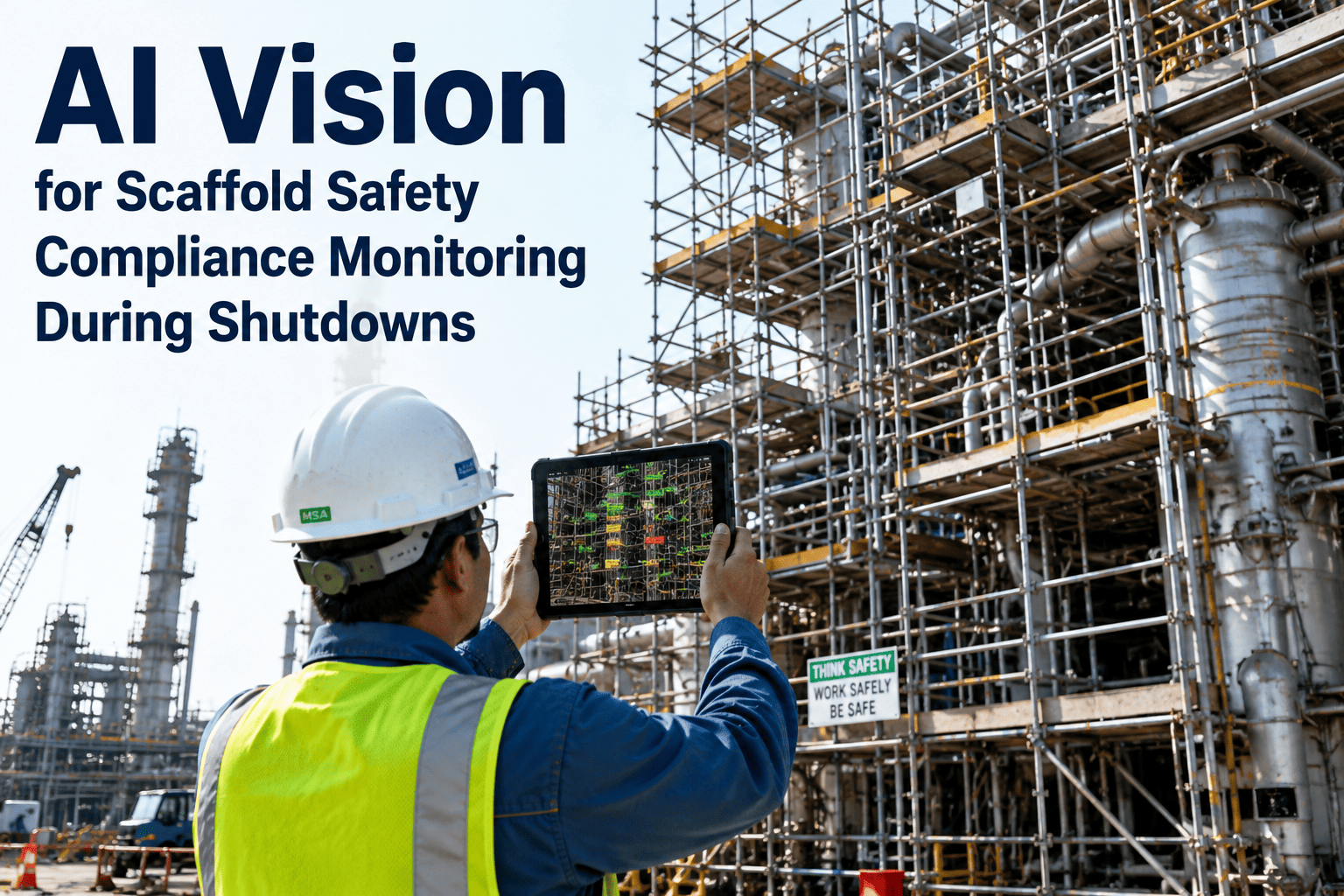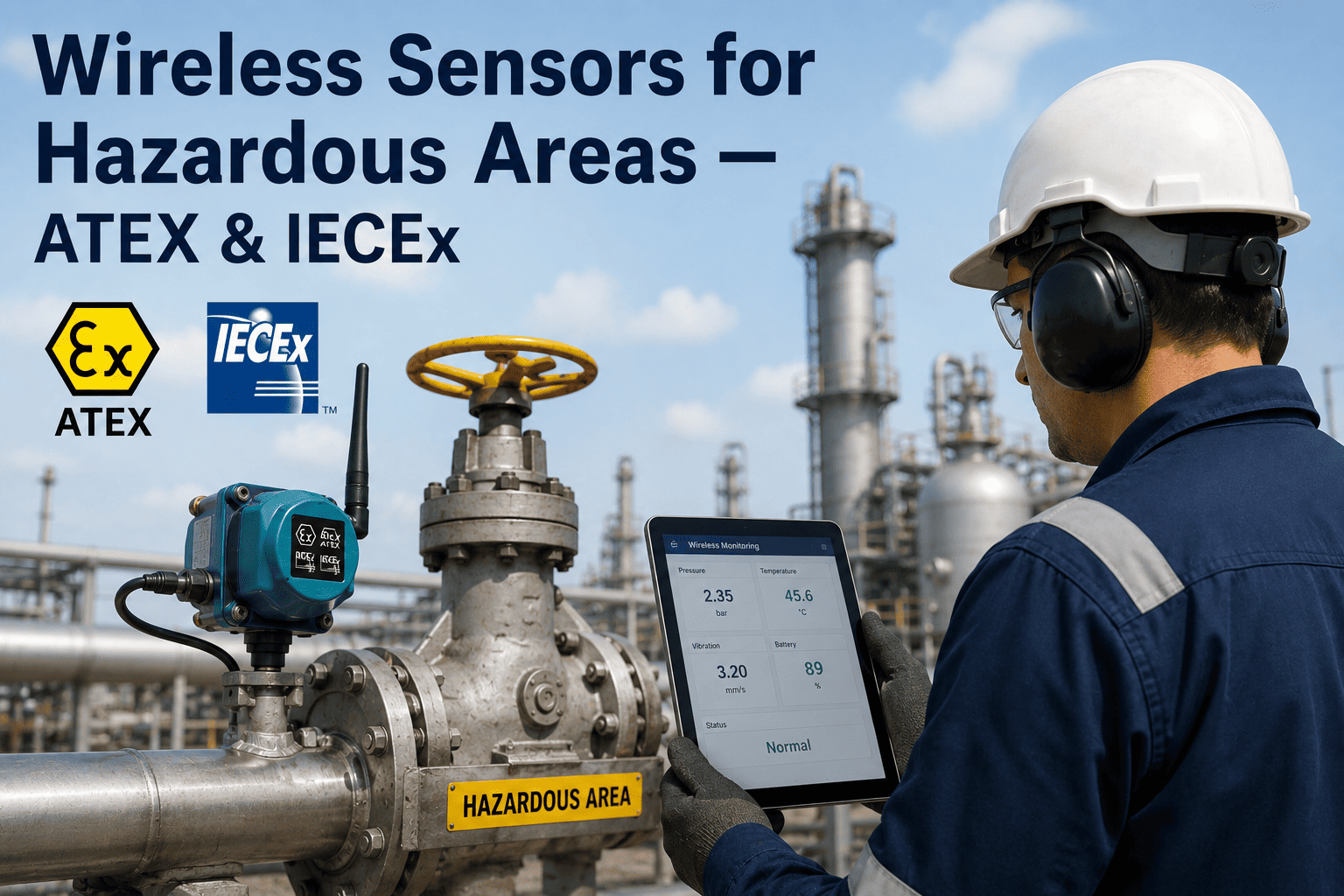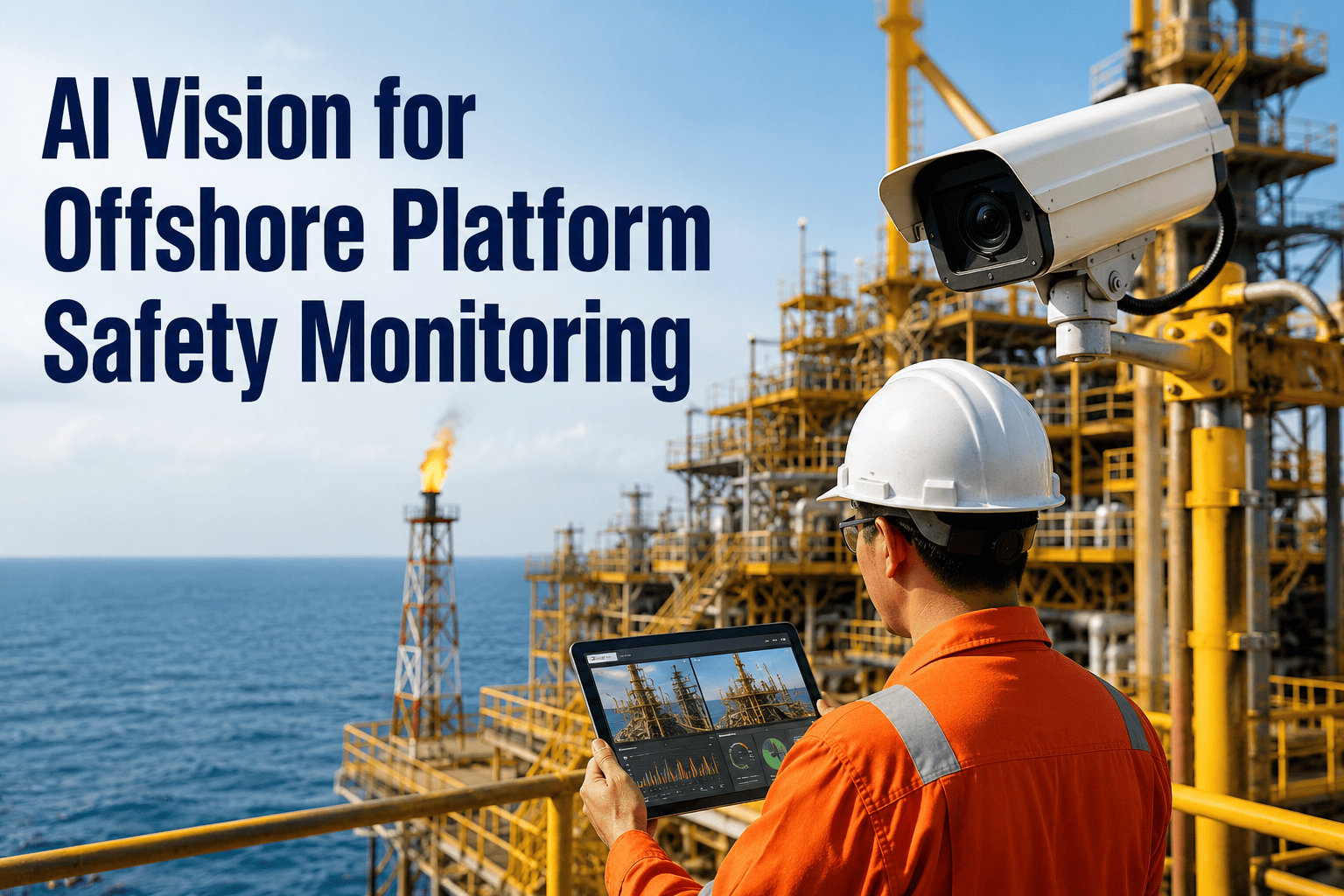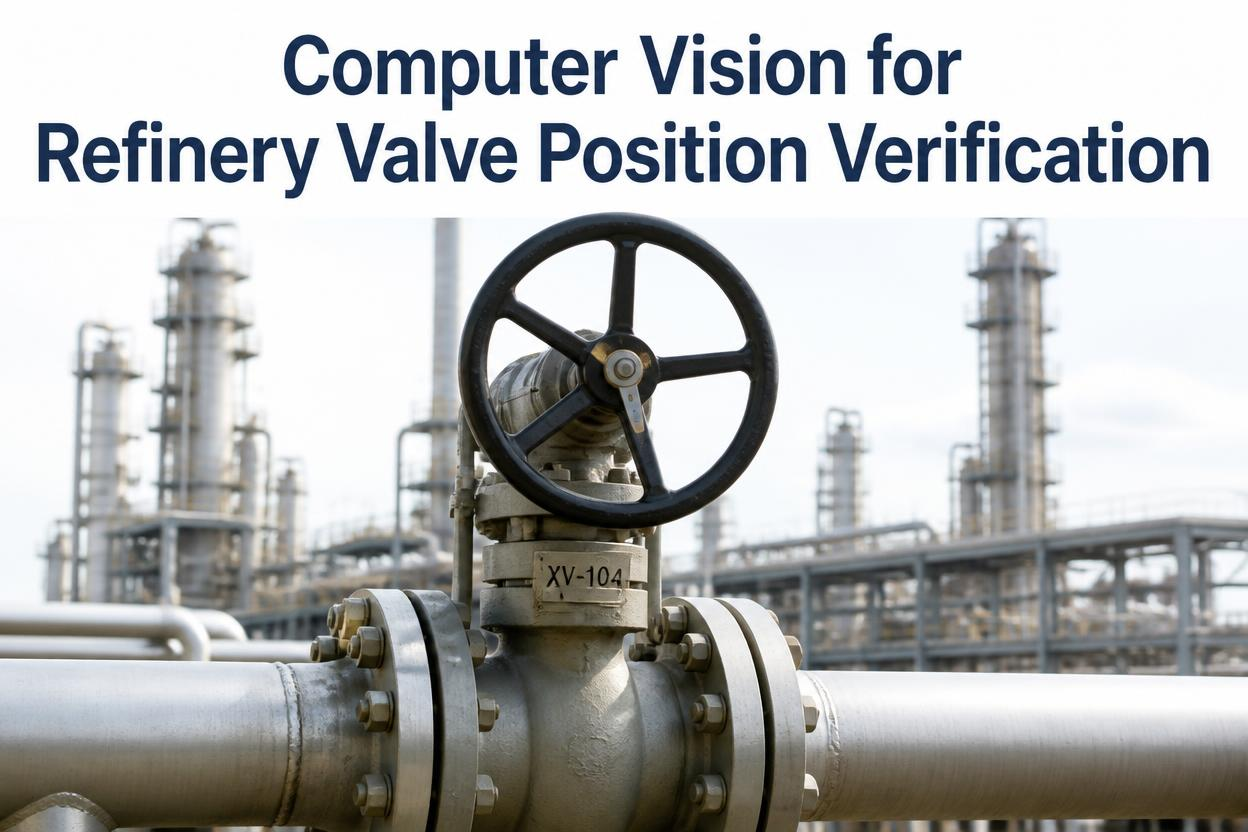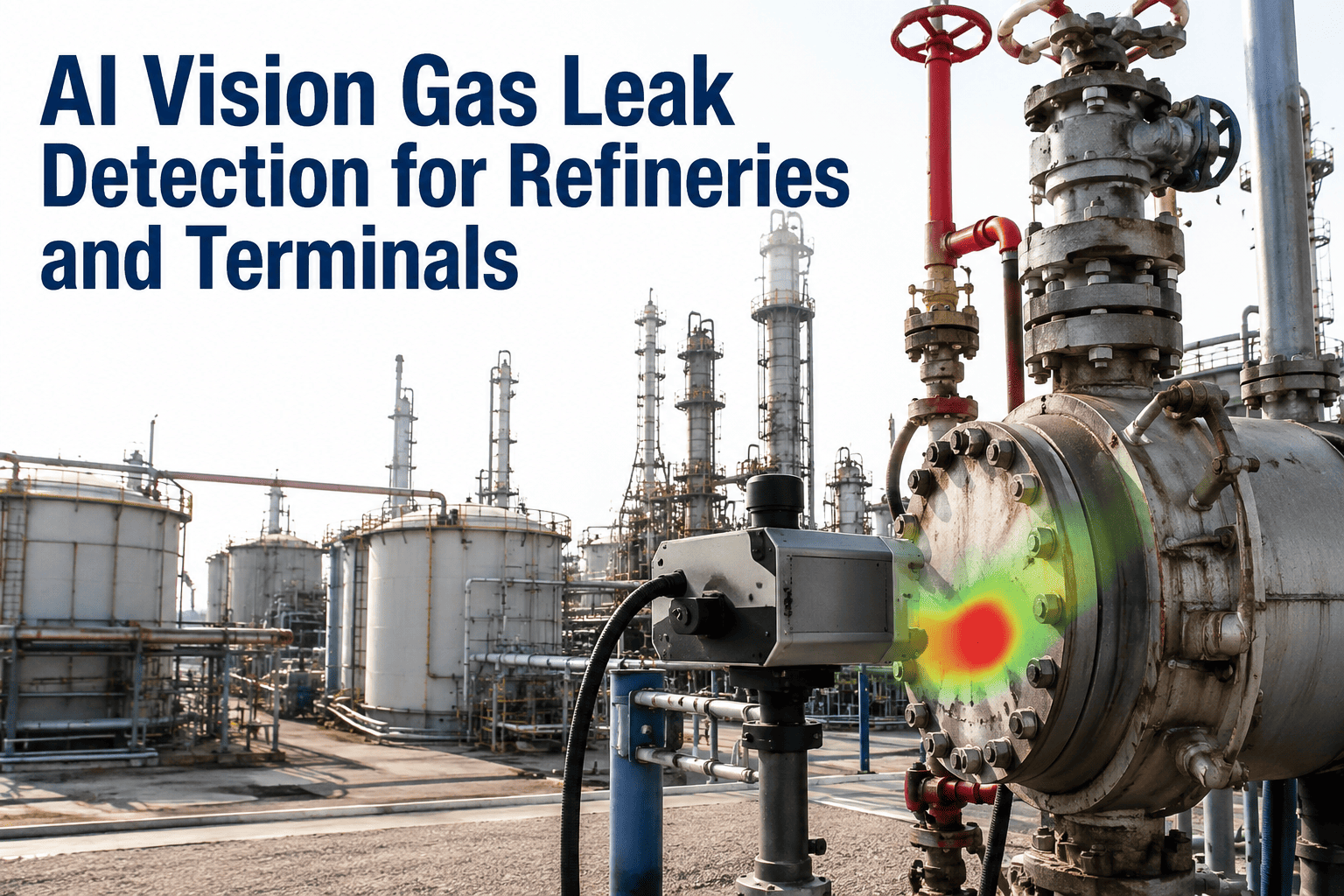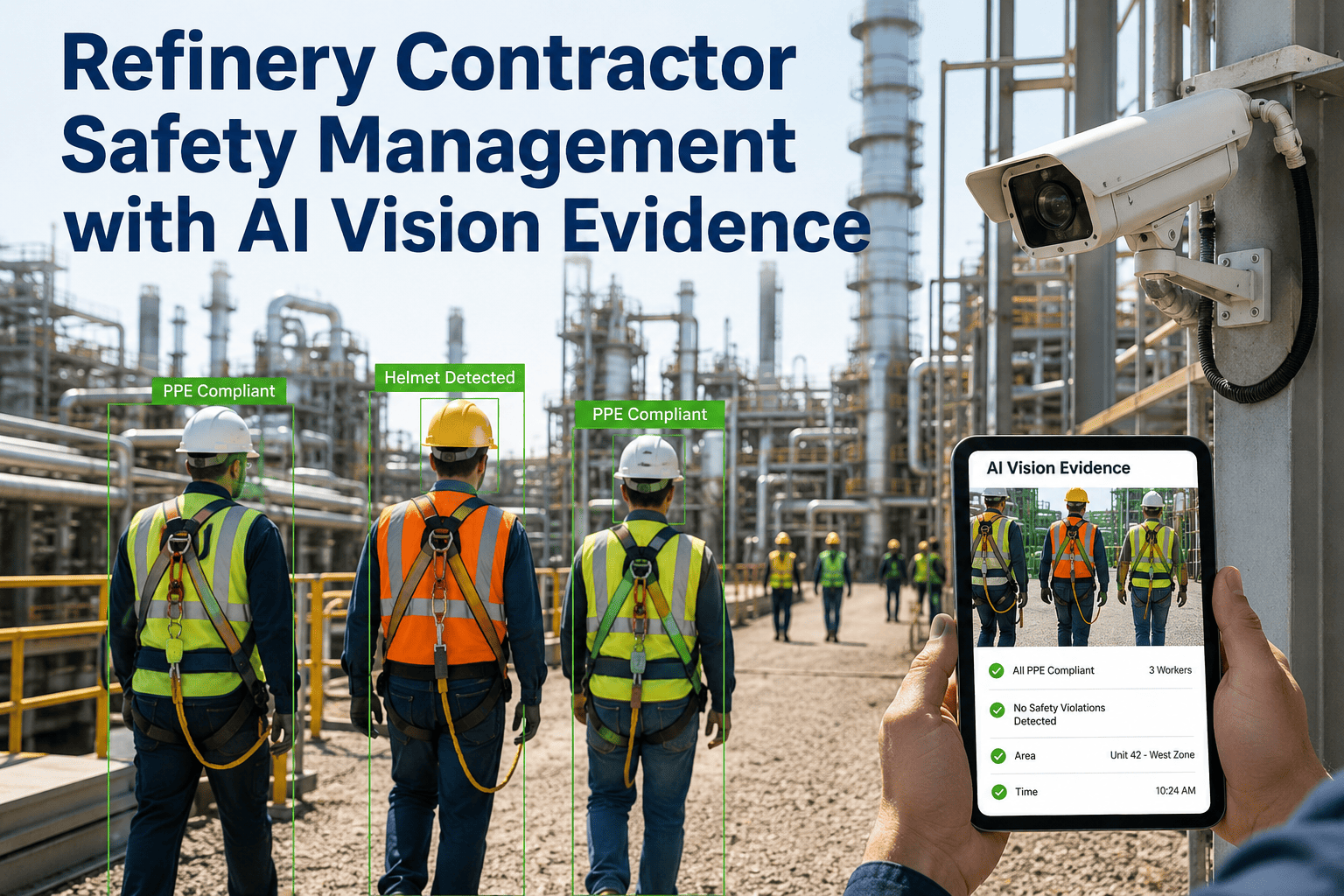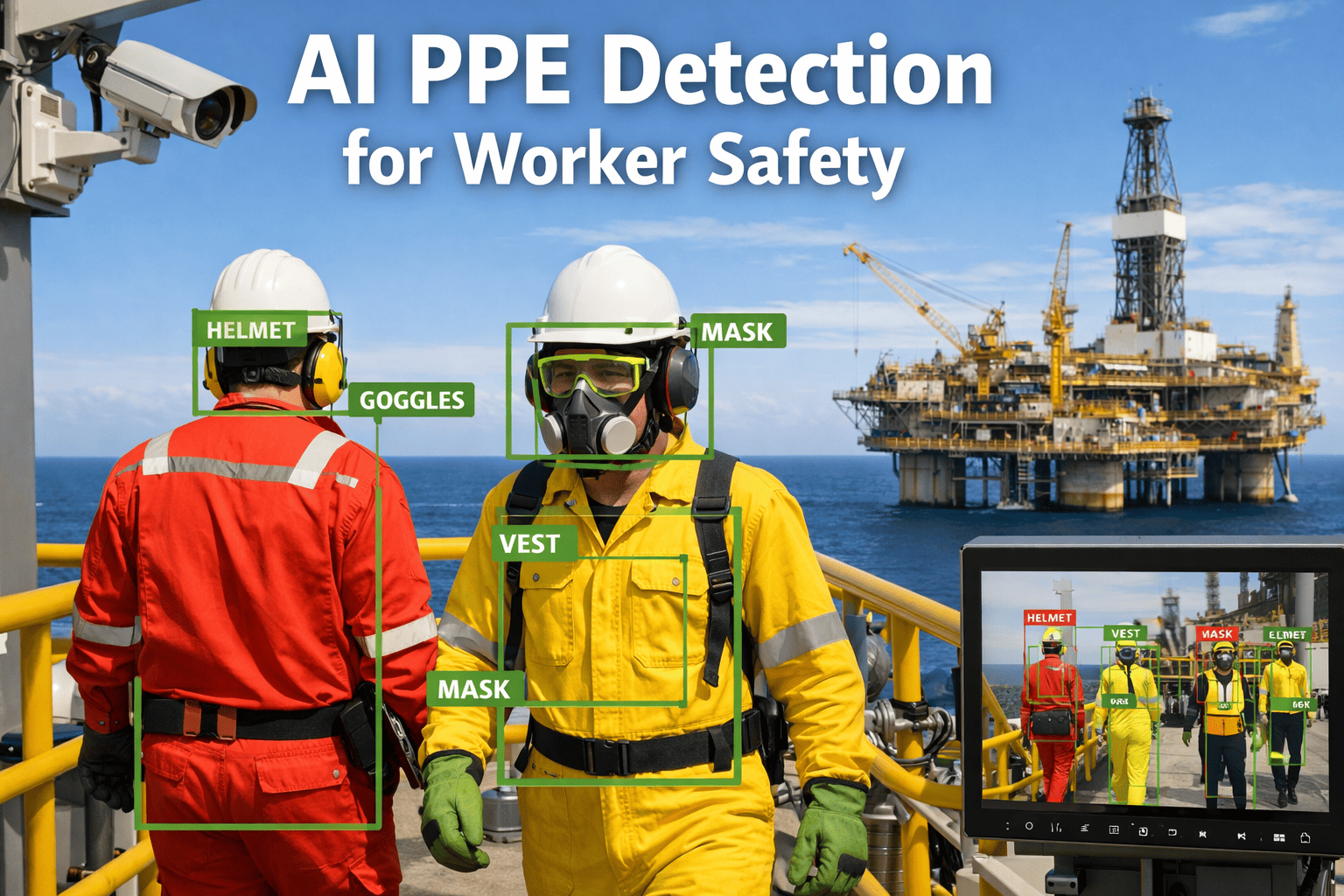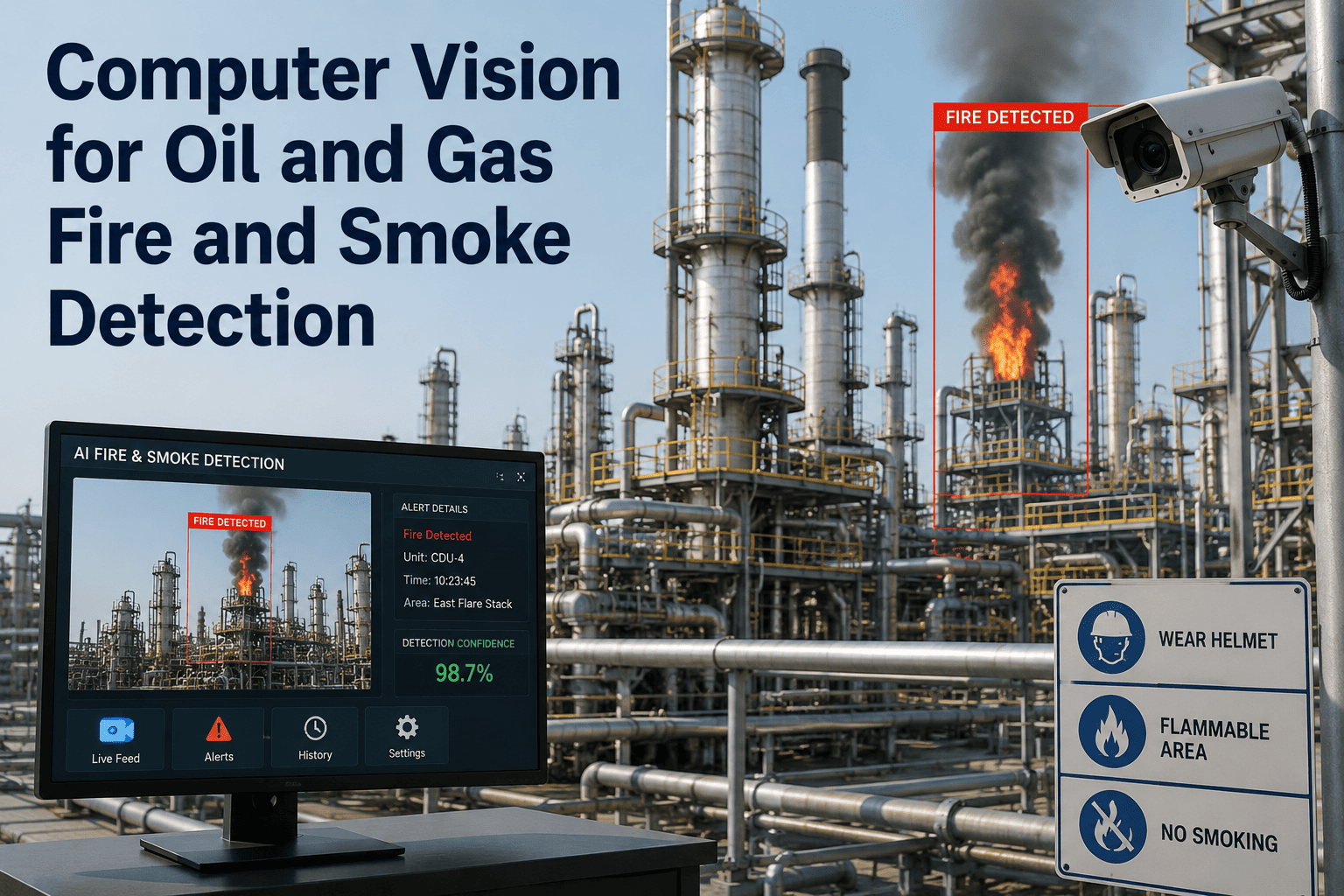
Fire and smoke incidents in oil and gas facilities escalate from a small ignition event to a major emergency within 60 to 180 seconds, a window so narrow that traditional detection technologies often fail to trigger a response before the situation becomes uncontrollable. Point heat detectors respond only when thermal energy reaches their fixed mounting location, UV-IR flame detectors require a direct line of sight to the flame source, and optical smoke detectors cannot distinguish between process steam, dust, and actual combustion smoke in the harsh refinery environment. Computer vision changes this equation entirely by analyzing the full camera frame for visual signatures of fire, smoke, flare anomalies, and liquid pool formation within two to four seconds of visual onset, regardless of the event location within the camera field of view. Book a demo to see AI fire detection analyzed on live refinery footage.
See Fire Before Sensors Feel It
iFactory AI Vision detects fire, smoke, and flare anomalies in under 4 seconds using your existing camera infrastructure across every hazardous zone in your refinery.
The 180-Second Fire Escalation Clock in Refineries
Every fire event in a process plant follows a predictable escalation path. The detection technology in place determines which stage you discover the event and how much response time remains before containment becomes impossible.
Which Technology Catches Which Fire Scenario
No single detection technology covers every fire scenario. Computer vision fills the gaps that point sensors and optical detectors leave exposed in refinery environments.
| Fire Scenario | Point Heat Detector | UV-IR Flame Detector | Optical Smoke Detector | Computer Vision AI |
|---|---|---|---|---|
| Small pool fire at grade | 4-8 min delay | Requires direct LOS | Smoke may not reach ceiling | 2-4 sec if in camera view |
| Elevated flange leak ignition | Heat rises past sensor | Likely detects if unobstructed | Smoke disperses before ceiling | 2-4 sec if in camera view |
| Smoldering cable tray fire | Very slow response | No flame, no detection | May detect if smoke reaches sensor | 4-8 sec from visible smoke |
| Liquid spill fire spreading | Delayed until heat arrives | Detects flame front | Heavy smoke may trigger | 2-4 sec with spread tracking |
| Flare system abnormality | No relevance | Cannot distinguish abnormal | No relevance | Classifies flare pattern changes |
| Fire behind equipment or structure | Depends on airflow path | Blocked by obstruction | Smoke may eventually reach sensor | Detects smoke above obstruction |
| Process steam misidentified as smoke | No false alarm risk | No false alarm risk | High false alarm rate | Distinguishes steam from smoke |
Five Visual Events AI Vision Classifies in Real Time
Computer vision models trained on refinery-specific fire and smoke data go beyond simple motion detection to classify the type, intensity, and trajectory of visual events.
Seconds to Action: The AI Vision Response Chain
Detection speed is only valuable if it translates into faster response. The AI vision response chain compresses every stage from visual onset to human action.
Refinery Zone Coverage and Camera Placement Strategy
Fire detection coverage requirements vary dramatically across refinery zones based on hazard type, equipment density, and ignition probability.
Computer Vision vs Traditional Fire Detection Systems
Understanding where computer vision complements and where it outperforms existing detection technologies helps plan an integrated fire safety strategy.
| Parameter | Point Heat Detectors | UV-IR Flame Detectors | Computer Vision AI |
|---|---|---|---|
| Detection Mechanism | Temperature threshold at fixed point | Ultraviolet and infrared radiation | Visual pattern analysis of full camera frame |
| Coverage Area per Device | Single point, 3-5m radius | 15-30m cone, requires direct LOS | Full camera field, up to 200m range |
| Response Time | 60-240 seconds from ignition | 5-15 seconds if unobstructed | 2-4 seconds from visual onset |
| False Alarm Rate | Low in stable environments | Moderate, triggered by welding and lightning | Low after refinery-specific calibration |
| Obstruction Tolerance | None, heat must reach the sensor | Zero tolerance, any blockage prevents detection | Detects smoke above obstructions, tracks around partial blocks |
| Visual Evidence | None, binary alarm signal only | None, binary alarm signal only | Full video clip, annotated snapshot, event timeline |
| Environmental Limitations | Slow in outdoor or ventilated areas | Blinded by thick smoke or fog | Reduced in dense fog or heavy rain without thermal assist |
| Maintenance Requirement | Annual calibration and cleaning | Quarterly lens cleaning, annual calibration | Camera cleaning schedule, model retraining annually |
Measured Safety Impact of AI Fire and Smoke Detection
Refineries and petrochemical plants that have deployed computer vision fire detection alongside existing systems report measurable improvements in detection speed and response effectiveness.
Frequently Asked Questions
How does computer vision distinguish between process steam and actual combustion smoke in a refinery environment?
The AI model uses multiple visual features to differentiate steam from smoke with high accuracy after refinery-specific calibration. Steam has a uniform, translucent appearance with rapid dissipation patterns and tends to follow predictable upward paths influenced by ambient temperature gradients. Combustion smoke has a more opaque, textured appearance with slower diffusion, often carries a color tint depending on the burning material, and exhibits turbulent, irregular edge patterns. The model also uses contextual awareness, knowing from the site map which camera views contain known steam sources such as vent stacks, cooling towers, and blowdown systems. Events originating from these known sources are classified with higher confidence as steam, while similar visual patterns appearing in unexpected locations trigger smoke alerts with elevated urgency. The system improves its classification accuracy over time as operators provide feedback on alert correctness during the initial calibration period. Book a demo to see steam versus smoke classification on refinery footage.
Can computer vision fire detection work at night or in low-light conditions typical of offshore platforms?
Computer vision fire detection operates effectively at night and in low-light conditions because fire and flame are self-illuminating events that produce their own visible light signature. The flicker pattern, color gradient from white-hot core to orange-red edges, and spatial dynamics of flame are equally detectable in darkness as in daylight, and in some cases the contrast is actually improved at night because background visual noise is reduced. For smoke detection in low light, the system relies on any available ambient light, facility lighting, or paired thermal camera feeds that provide heat-based smoke visualization. On offshore platforms where lighting infrastructure is limited, the recommended approach combines standard visible-light cameras with strategically placed thermal imaging cameras that feed into the same AI analysis pipeline. The iFactory AI Vision module supports fused visible-thermal analysis where both camera types cover the same zone, providing robust detection across all lighting and weather conditions. Contact support to discuss offshore lighting and camera options.
Does AI fire detection replace existing fire and gas systems or work alongside them?
Computer vision fire detection is designed to complement and augment existing fire and gas detection systems, not replace them. Point heat detectors, UV-IR flame detectors, and gas detectors remain the primary safety-rated devices that directly trigger deluge systems, fire pumps, and emergency shutdown logic through hardwired safety instrumented functions. AI vision adds a parallel detection layer that provides faster initial alerting, visual verification of events, and coverage in areas where point sensors have known gaps such as outdoor process areas with high ventilation rates. The integration architecture routes AI vision alerts to the control room as supplementary alarm indications with associated camera feeds, giving operators immediate visual context to validate and prioritize responses to safety system activations. In advanced implementations, AI vision can provide a confirmation signal that reduces false shutdown activations by verifying whether a UV-IR detector alarm corresponds to an actual visible fire event. Book a demo to review integration architectures with your existing F&G systems.
What is the false alarm rate for AI vision fire detection in refinery environments and how is it controlled?
False alarm rates for AI vision fire detection in calibrated refinery deployments typically range from 0.5 to 2 false alerts per camera per month, which is significantly lower than optical smoke detectors in outdoor refinery applications that can generate 5 to 15 false alarms per device per month. False alarm control is achieved through three mechanisms. First, refinery-specific model training on local camera footage teaches the AI the visual signatures of normal operations at that specific facility, including routine flaring, steam venting, and lighting conditions that might trigger generic models. Second, spatial context awareness uses the site map to apply different detection thresholds based on zone hazard classification, reducing sensitivity in low-risk areas while maintaining maximum sensitivity in process zones. Third, temporal filtering requires detection persistence across multiple consecutive frames before triggering an alert, eliminating single-frame anomalies from reflections, lightning, or transient lighting changes. The system also learns from operator feedback, where dismissed alerts are used to refine future detection behavior. Contact support for false alarm benchmarking data.
How is the AI model maintained and updated as refinery operations and camera positions change over time?
AI fire detection models require ongoing maintenance to maintain accuracy as the refinery environment evolves through turnarounds, equipment modifications, and seasonal changes. The maintenance approach follows three tiers. The first tier is continuous self-tuning where the model automatically adjusts its background baseline reference as lighting conditions change with seasons, weather patterns, and time of day, requiring no manual intervention. The second tier is periodic retraining performed quarterly using the most recent 90 days of camera footage and operator feedback data, which captures changes from turnarounds, new equipment installations, or modified pipe routing that alter the visual baseline. The third tier is event-driven retraining triggered by significant facility changes such as a new process unit coming online, a major camera repositioning, or a change in flare stack configuration. iFactory manages the retraining process remotely, pushing updated model weights to edge processing devices without requiring on-site visits or system downtime. Book a demo to understand the model maintenance lifecycle.
Every Camera Becomes a Fire Watch That Never Blinks
iFactory AI Vision turns your existing refinery cameras into an intelligent fire detection network that sees threats in seconds and gives your responders the visual evidence they need to act fast.