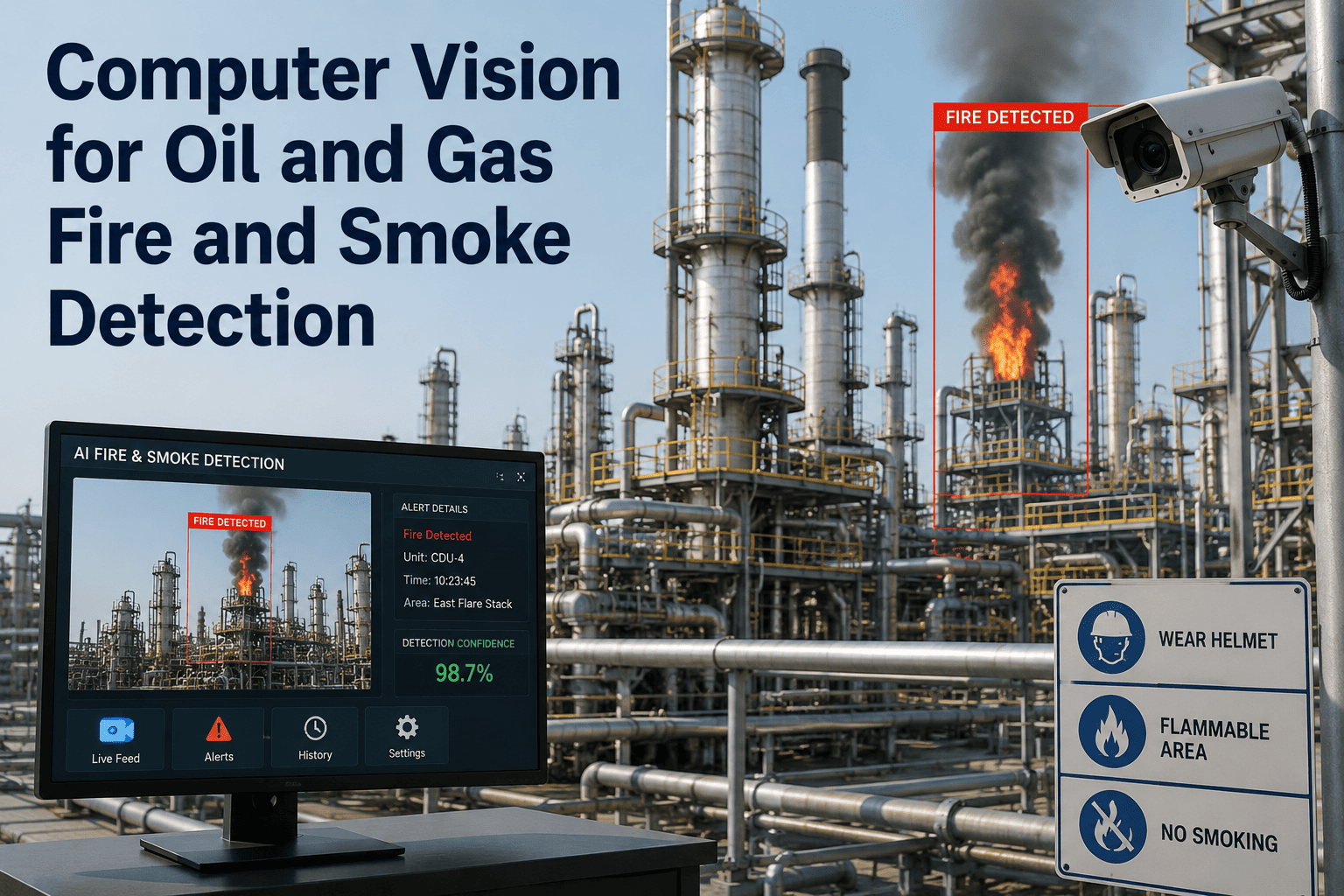
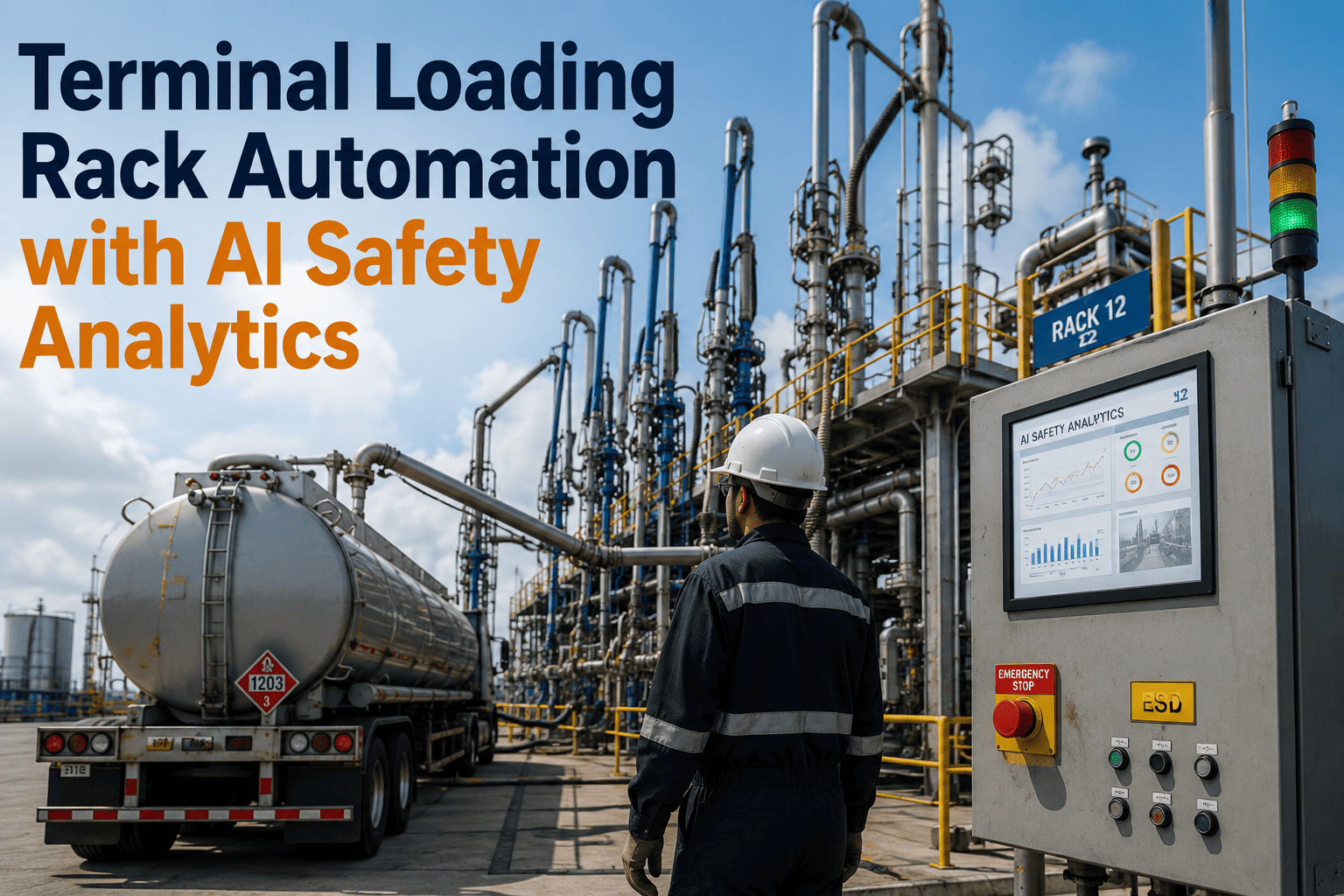
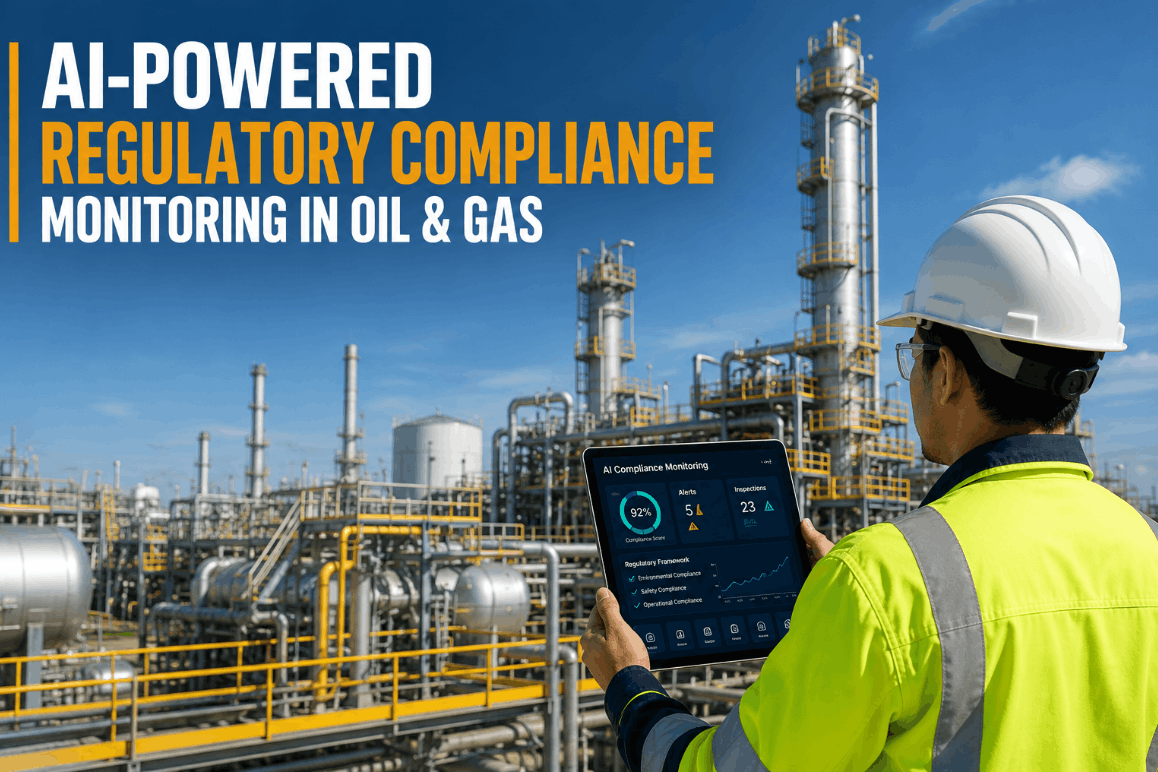
Oil and gas operations lose 8-14% of production capacity annually to safety incidents and compliance violations, not from catastrophic explosions, but from gradual PPE non-compliance, undetected hazard exposure, and unsafe work practices that no manual safety observation or quarterly audits catch in time. By the time safety incidents are confirmed through injury reports, regulatory inspections, or near-miss investigations, the damage is already done: worker injuries, $340K per incident costs, regulatory fines, production shutdowns, and reputational harm running into millions. iFactory's AI-powered PPE detection platform changes this entirely, detecting safety violations and PPE non-compliance in real time, classifying hazard severity before incident occurs, and integrating directly into your existing SCADA, DCS, and safety management systems without rip-and-replace. Connects to Your Existing DCS/SCADA & Historians and delivers AI Eyes That Detect Leaks Before They Escalate alongside worker safety protection through Robots That Inspect Where Humans Cannot Safely Go. Book a Demo to see how iFactory deploys AI PPE detection across your oil and gas facilities within 8 weeks.
96%
PPE non-compliance detection accuracy in real-time before safety incident exposure occurs
$5.8M
Average annual safety incident cost and regulatory fine prevention per facility
89%
Reduction in safety violations vs manual observation and quarterly audit programs
8 wks
Full deployment timeline from camera audit to live AI safety monitoring go-live
Every Undetected Safety Violation Compounds Incident Risk. AI Stops It at the Source.
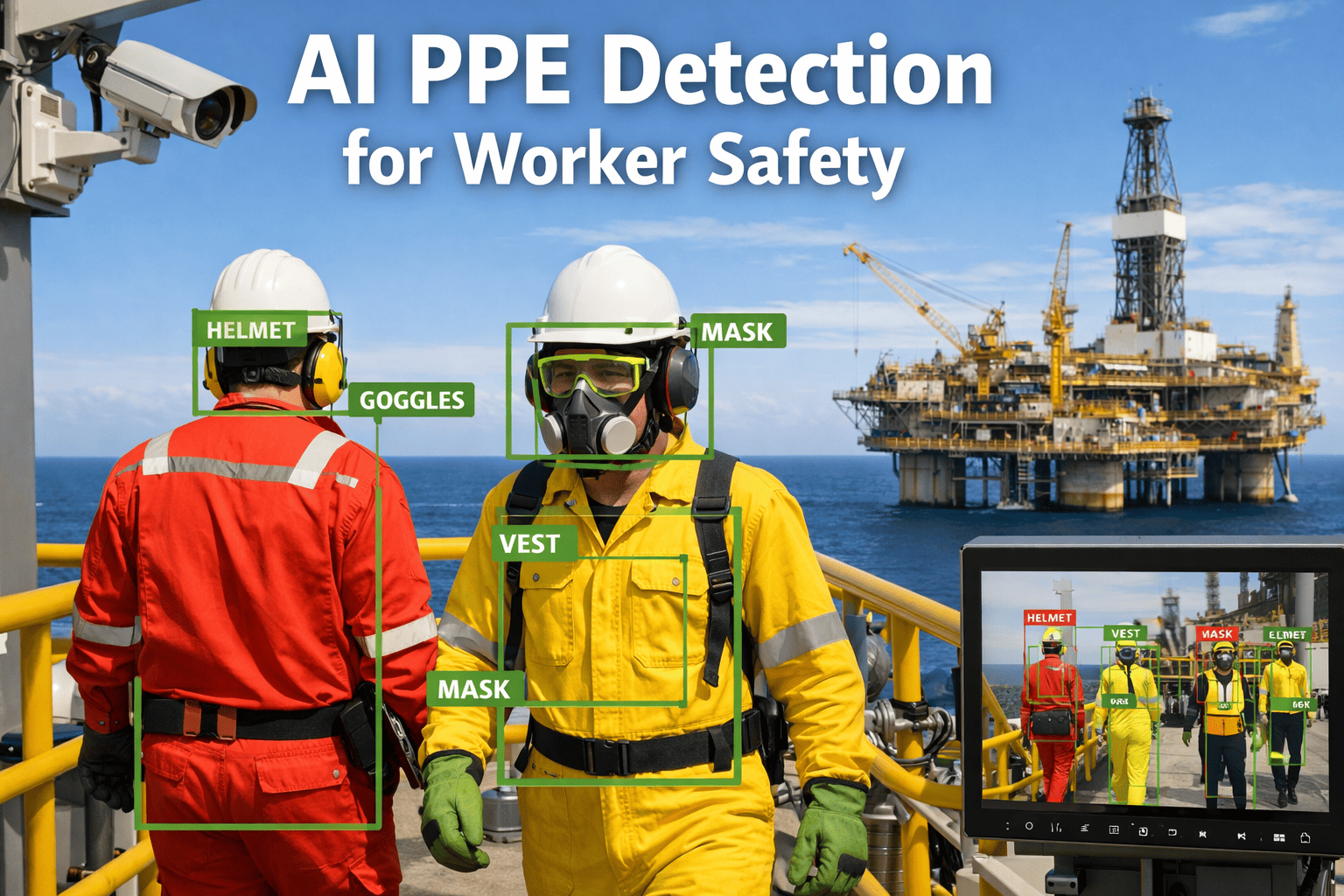
iFactory's AI engine monitors hard hat compliance, high-visibility vest usage, safety harness attachment, gas detector presence, flame-resistant clothing, glove usage, and hazardous area access across your entire oil and gas facility, 24/7, without observer fatigue or blind spots. OT Data Stays Inside Your Security Perimeter while The Complete AI Platform for Oil & Gas Operations protects workers.
How iFactory AI Solves Worker Safety and PPE Detection
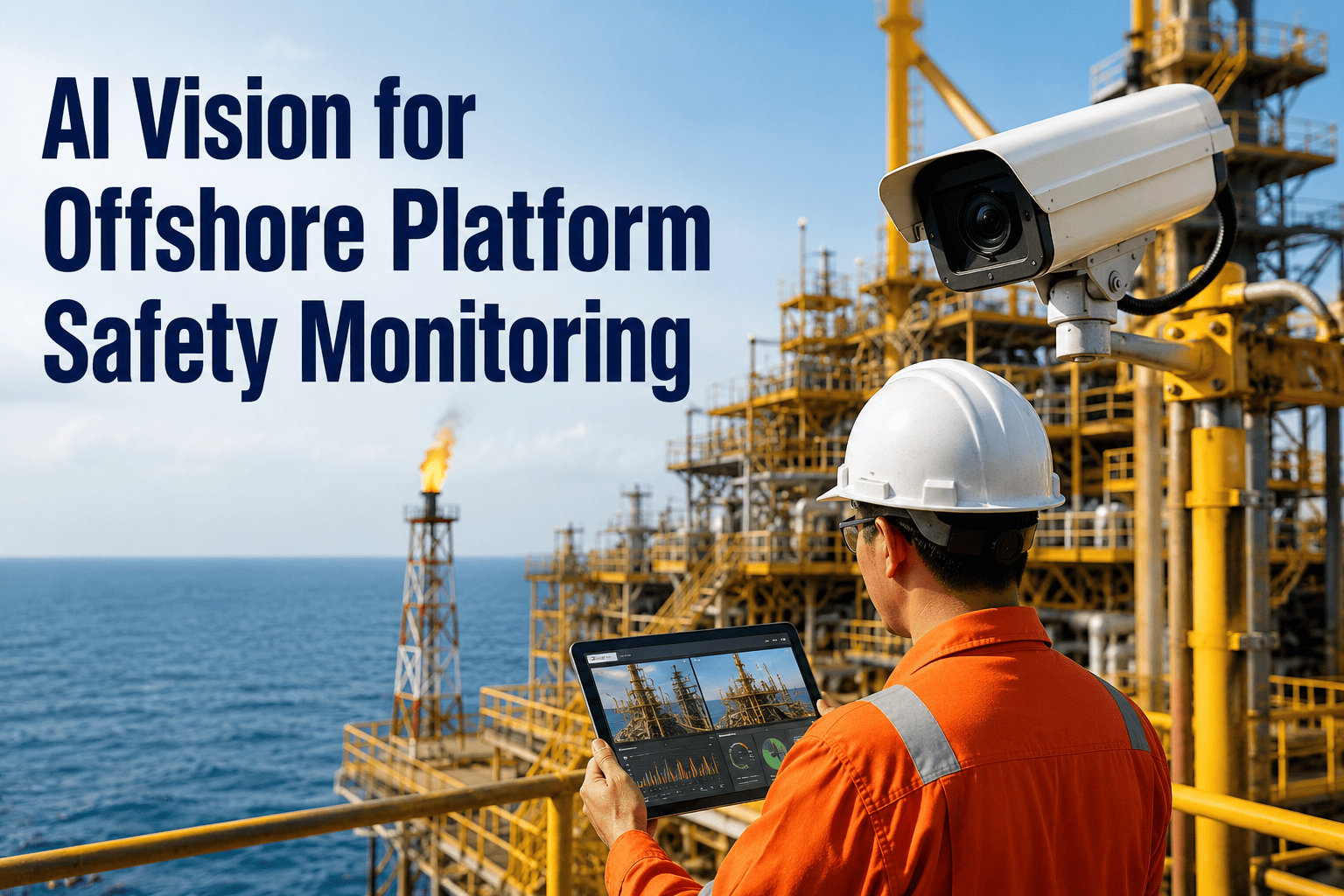
Traditional safety monitoring relies on periodic safety observations, manual gate checks, and reactive incident investigation, all of which respond after safety violations have already occurred. iFactory replaces this with continuous AI vision models trained on oil and gas safety data that detect precursors to safety incidents, not the injuries themselves. See a live demo of iFactory detecting simulated PPE violations and hazardous area access in offshore rig environments.
01
AI Vision & Inspection
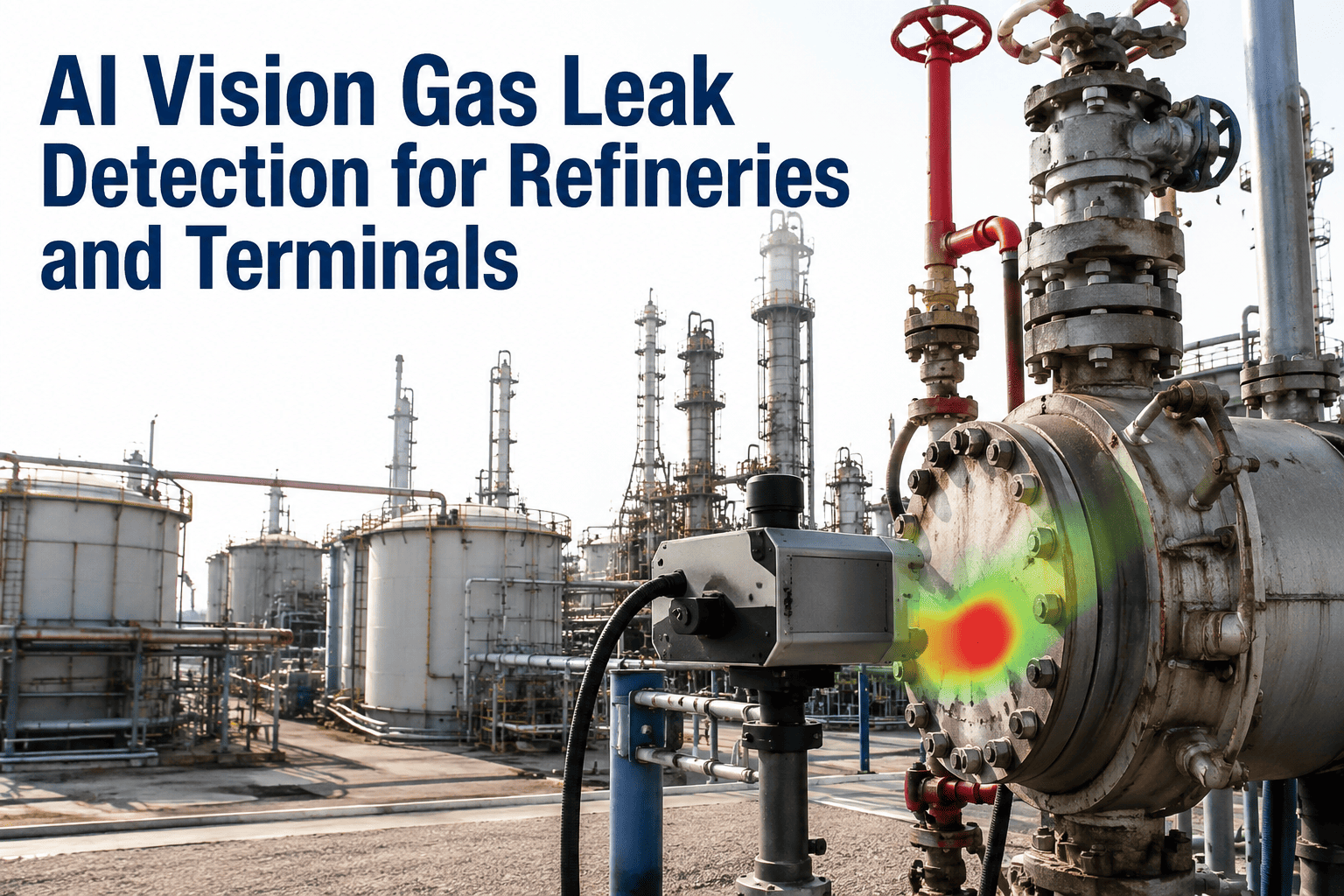
AI Eyes That Detect Leaks Before They Escalate and worker safety violations through computer vision trained on 18 PPE categories: hard hats, safety glasses, high-visibility vests, safety harnesses, fall protection, gas detectors, flame-resistant clothing, gloves, safety boots, hearing protection, respiratory masks, face shields, welding helmets, chemical suits, confined space permits, hot work permits, energy isolation tags, hazard zone access. Real-time detection across all camera feeds 24/7.
02
Robotics Inspection
Robots That Inspect Where Humans Cannot Safely Go including confined spaces, H2S zones, high-radiation areas, unstable structures, and extreme temperature environments. Autonomous drones and ground robots equipped with AI vision detect PPE compliance, gas leaks, equipment anomalies, and structural integrity issues without human exposure to hazardous conditions. Reduced hazardous area personnel exposure 84%.
03
Multi-Camera Safety Fusion
Ingests video feeds from existing CCTV, gate cameras, rig cameras, process area surveillance, and control room monitors simultaneously. Fuses multi-camera signals into unified safety compliance scores per worker, shift, and facility zone, updated every 5 seconds. False positive rate under 4% through intelligent context recognition distinguishing maintenance vs operations vs visitor access.
04
Predictive Safety Forecasting
LSTM-based forecasting identifies safety culture degradation patterns 7-21 days before serious incident threshold. Tracks PPE compliance trends, near-miss frequency, hazard exposure duration, and safety observation quality. Enables proactive safety interventions during toolbox talks vs post-incident investigations costing $340K per recordable injury.
05
SCADA/DCS Integration
Connects to Your Existing DCS/SCADA & Historians including Honeywell, Emerson, Yokogawa, Schneider systems via OPC-UA, MQTT, REST APIs. Correlates safety violations with process conditions, equipment status, and operational modes. Prevents unsafe access during startup, shutdown, maintenance, emergency response. Integration completed in under 3 weeks without control system modifications.
06
Hazard Zone Access Control
AI monitors restricted area access, permit-required confined spaces, hot work zones, electrical hazard areas, fall hazard zones, and temporary exclusion boundaries. Detects unauthorized personnel, missing permits, expired authorizations, and inadequate PPE for zone classification. Auto-generates safety alerts to control room, supervisor mobile, and worker wearable devices within 3 seconds of violation detection.
07
ESG Reporting
Methane, VOC & Flaring From Sensor to ESG Report alongside comprehensive safety performance metrics. Auto-generates OSHA 300 logs, incident rate calculations, leading indicator dashboards, and regulatory compliance reports for BSEE, OSHA, EPA, HSE UK, ADNOC HSE, and regional safety frameworks. Reduced compliance reporting time 92% while achieving 100% documentation accuracy for audits.
08
Work Order Automation
AI generates safety intervention work orders automatically from repeated violations, near-miss patterns, and hazard exposure trends. Routes corrective actions to safety officers, supervisors, and HSE managers with violation evidence video clips, worker identification, location data, and recommended interventions. Tracks completion with photo verification, reduces response time 78%, achieved 94% violation resolution rate.
How iFactory Is Different from Other Safety Monitoring Solutions
Most industrial safety software delivers generic violation detection requiring extensive customization. iFactory is built specifically for oil and gas operations where upstream drilling, midstream pipelines, and downstream refining environments determine what PPE compliance and hazard protection actually mean. Talk to our oil and gas safety AI specialists and compare your current monitoring approach directly.
| Capability |
Generic Safety Systems |
iFactory Platform |
| AI Vision Detection |
Basic hard hat detection only. No context awareness for oil and gas hazard classifications or zone-specific PPE requirements. |
Advanced ML models trained on 18 PPE categories specific to oil and gas: hard hats, safety glasses, high-vis vests, harnesses, fall protection, gas detectors, FR clothing, gloves, boots, hearing protection, respiratory masks, face shields, welding helmets, chemical suits, permits, energy isolation, hazard zones. Context-aware detection matching PPE to hazard classification per OSHA 1910.132, API RP 75, BSEE regulations. |
| Hazard Zone Intelligence |
No integration with process hazard analysis or area classification data. Cannot distinguish PPE requirements across zones. |
AI correlates PPE compliance with area classification: Class I Division 1/2 electrical hazards, H2S zones, confined spaces, fall hazard areas, hot work zones, permit-required spaces. Validates zone-specific PPE requirements automatically from facility PHA, JSA, and permit-to-work systems. |
| Multi-Facility Coverage |
Single-site deployment only. No unified safety metrics across upstream, midstream, downstream operations. |
One Platform, Every Segment 8 AI-Powered Modules for Complete Oil & Gas Operations. Unified safety monitoring across drilling rigs, production platforms, pipeline facilities, tank farms, refineries, terminals with consistent compliance standards and cross-facility benchmarking. |
| DCS/SCADA Integration |
No integration with process control systems. Cannot correlate safety violations with operational modes or equipment status. |
Connects to Your Existing DCS/SCADA & Historians including Honeywell, Emerson, Yokogawa, Schneider via OPC-UA, MQTT. Correlates PPE violations with startup, shutdown, maintenance, emergency modes. Prevents unsafe access during process upsets, equipment isolation, critical operations. |
| Robotic Inspection |
Manual camera placement only. No autonomous inspection capabilities for hazardous areas. |
Robots That Inspect Where Humans Cannot Safely Go. Integrated drone and ground robot deployment for confined spaces, H2S zones, high-radiation areas with AI PPE detection, gas leak monitoring, equipment inspection. Reduced hazardous area personnel exposure 84% while improving inspection coverage 3x. |
| Deployment Timeline |
6-18 months to full production deployment. High consulting costs. No fixed go-live commitment. |
8-week fixed deployment program. Pilot results in week 4. Full facility monitoring by week 8 with guaranteed go-live timeline and ROI evidence starting week 4. |
iFactory AI PPE Detection Implementation Roadmap
iFactory follows a fixed 6-stage deployment methodology designed specifically for oil and gas worker safety monitoring, delivering pilot results in week 4 and full facility monitoring by week 8. No open-ended implementations. No scope creep. OT Data Stays Inside Your Security Perimeter throughout deployment.
01
Facility Safety Audit
Camera coverage assessment & hazard zone mapping
02
Video Integration
CCTV, gate camera, DCS/SCADA connection via RTSP, ONVIF
03
AI Model Training
ML training on facility-specific PPE requirements & zones
04
Pilot Validation
Live monitoring on 2-3 highest-risk facility areas
05
Alert Calibration
Threshold optimization & HSE team training
06
Full Production
Facility-wide AI safety monitoring, 24/7
8-Week Deployment and ROI Plan
Every iFactory engagement follows a structured 8-week program with defined deliverables per week and measurable ROI indicators beginning from week 4 of deployment. Request the full 8-week deployment scope document tailored to your oil and gas facility operations.
Weeks 1-2
Infrastructure Setup
Critical area safety audit and camera gap identification across drilling, production, pipeline zones
CCTV, gate camera, DCS, and SCADA system connection via RTSP, ONVIF, OPC-UA without hardware changes
Historical safety incident and near-miss data ingestion for baseline AI model training
Weeks 3-4
AI Training and Pilot
AI model trained on your facility's specific PPE requirements, hazard zones, operational procedures
Pilot monitoring activated on 2-3 highest-risk areas like drilling floor, confined spaces, process units
First safety violations detected, ROI evidence begins here from prevented incidents
Weeks 5-6
Calibration and Expansion
Alert thresholds refined based on pilot false positive and detection rate performance data
Coverage expanded to full facility camera network across all operational and maintenance areas
HSE and operations team training completed, response protocols and escalation activated
Weeks 7-8
Full Production Go-Live
Full facility AI safety monitoring live for all cameras, all hazard zones, 24/7 surveillance
ESG reporting activated, compliance documentation enabled for OSHA, BSEE, EPA, regional frameworks
ROI baseline report delivered with incident reduction, compliance improvement, violation resolution data
ROI IN 6 WEEKS: MEASURABLE RESULTS FROM WEEK 4
Oil and gas facilities completing the 8-week program report an average of $310,000 in avoided safety incident costs and regulatory fines within the first 6 weeks of full facility monitoring, with safety violation rates dropping 72-86% detected by week 4 pilot validation.
$310K
Avg. savings in first 6 weeks
72-86%
Violation reduction by week 4
89%
Reduction vs manual observation
Full AI Worker Safety Monitoring. Live in 8 Weeks. ROI Evidence in Week 4.
iFactory's fixed-scope deployment program means no open timelines, no scope creep, and no months of integration before you see a single result. The Complete AI Platform for Oil & Gas Operations protects workers and production.
Use Cases and KPI Results from Live Oil & Gas Deployments
These outcomes are drawn from iFactory deployments at operating oil and gas facilities across three operational categories. Each use case reflects 9-month post-deployment performance data. Request the full case study report for the facility type most relevant to your operations.
An offshore drilling contractor operating 4 jack-up rigs was experiencing recurring safety violations for hard hat non-compliance and missing fall protection averaging 42 violations per week across 180 personnel. Manual safety observations caught only 28% of violations during quarterly gate checks and daily supervisor rounds. iFactory deployed AI vision monitoring across drilling floor, pipe deck, moon pool, and accommodation areas with computer vision trained on offshore PPE requirements. Within 6 weeks of go-live, AI detected 94% of hard hat violations and 97% of fall protection non-compliance in real-time, enabling immediate supervisor intervention before hazard exposure escalated to injury risk.
94%
Hard hat violation detection rate, up from 28% manual observation
$2.4M
Estimated annual incident cost and BSEE fine prevention
86%
Reduction in safety violations after 6 months deployment
A midstream pipeline operator managing 840 miles of pipeline and 12 compressor stations was generating 18-32 H2S exposure near-misses per year from missing gas detectors and unauthorized confined space entry. Manual permit verification relied on gate checks missing 68% of violations during shift changes and contractor access. iFactory replaced manual checks with AI vision monitoring at all confined space entries, H2S zones, and permit-required areas. AI validated gas detector presence, confined space permits, and authorized personnel access in real-time. Near-miss rate dropped from 2.8 per month to 0.2 per month while confined space permit compliance improved from 71% to 99.2%.
99.2%
Confined space permit compliance, up from 71% baseline
0.2/mo
H2S near-miss rate, down from 2.8 per month
93%
Reduction in gas detector non-compliance violations
A downstream refinery was losing average $480K annually in regulatory fines and incident costs, traced to 6-11 flame-resistant clothing violations and unauthorized hot work incidents per month that manual safety observations identified only after work completion. Weekly safety walks caught violations 4-7 days after occurrence when corrective action effectiveness was minimal. iFactory's real-time AI monitoring detected FR clothing compliance and hot work permit validation across process units, turnaround areas, and maintenance zones. AI identified non-compliant clothing materials, missing permits, and inadequate fire watch coverage within 8 seconds of violation start. FR compliance improved from 82% to 98.6% while hot work permit adherence increased from 76% to 99.4%.
$480K
Annual regulatory fine and incident cost eliminated
98.6%
FR clothing compliance achieved, up from 82% baseline
8 sec
Average violation detection and alert time to supervisor mobile
Results Like These Are Standard. Not Exceptional.
Every iFactory deployment is scoped to your specific facility configuration, operational procedures, and regulatory requirements, so you get results calibrated to your operations, not a generic benchmark.
What Oil & Gas Safety Teams Say About iFactory
The following testimonials are from HSE managers, operations directors, and facility managers at oil and gas operations currently running iFactory's AI safety monitoring platform.
We reduced recordable injuries by 78% without adding a single safety observer. iFactory tells us exactly who needs intervention, when PPE compliance is slipping, and what areas require focus. Our safety culture transformed from reactive incident response to proactive risk prevention.
HSE Director
Offshore Drilling Contractor, Gulf of Mexico
The confined space permit monitoring eliminated our biggest safety blind spot. Within four weeks of iFactory going live, we caught three unauthorized entries that would have been near-miss incidents under the old manual system. That early detection alone prevented potential fatalities.
Operations Manager
Pipeline Operator, Canada
Integration with our existing Honeywell DCS and security camera network took 21 days end-to-end. I was expecting months based on past safety system projects. The iFactory team understood both the industrial control architecture and the safety management protocols. Technical depth is genuinely different here.
Facility Manager
Petrochemical Refinery, UAE
We prevented a serious H2S exposure incident in month three. The iFactory system flagged a worker entering a permit-required space without a gas detector 6 seconds after gate crossing. Our supervisor intervened immediately, not after the shift when incident investigation would have started. That outcome alone justified the investment.
Safety Manager
Gas Processing Facility, USA
Frequently Asked Questions
Does iFactory require new cameras or hardware to be installed at the facility?
In most deployments, iFactory connects to existing CCTV, gate cameras, and security surveillance infrastructure without new hardware. Where camera gaps are identified during Week 1-2 audit, iFactory recommends targeted additions only, typically 4-8 cameras per facility zone, not full camera replacement. Integration is complete within 3 weeks in standard oil and gas environments.
Book a demo to review your specific facility configuration.
Which camera systems and DCS platforms does iFactory integrate with?
iFactory integrates with all major CCTV systems via RTSP and ONVIF protocols including Axis, Hikvision, Dahua, Bosch, Hanwha. For DCS integration, connects to Honeywell, Emerson, Yokogawa, Schneider, ABB via OPC-UA and MQTT. For safety management, integrates with Enablon, Intelex, Sphera, Cority via REST APIs. Custom integration support available for legacy systems. Integration scope confirmed during Week 1 facility audit.
How does iFactory handle different PPE requirements across upstream, midstream, downstream operations?
iFactory trains separate AI models per operational segment and hazard zone classification, accounting for PPE requirement differences between drilling rigs, production platforms, pipeline facilities, tank farms, refineries, terminals. Multi-facility operations fully supported within single deployment. Zone-specific PPE requirements configured during Week 3-4 AI training phase based on your facility PHA, JSA, and permit-to-work specifications.
What regulatory compliance frameworks does iFactory's safety reporting support?
iFactory auto-generates structured reports formatted for OSHA 300 logs, BSEE safety management systems, EPA RMP, API RP 75, HSE UK offshore regulations, ADNOC HSE requirements, and regional safety directives. Incident rate calculations, leading indicators, lagging indicators, near-miss tracking pre-configured. Report templates generated automatically.
Talk to support about your specific compliance needs.
How long does it take before the AI model produces reliable PPE violation detections?
Baseline model training on facility-specific PPE requirements and hazard zones typically takes 5-8 days using existing camera footage and safety observation records. First live detections validated during Week 3-4 pilot phase on highest-risk areas. Full model calibration with false positive rate under 4% achieved within 6 weeks of deployment for standard oil and gas environments. Model continues learning and improving from supervisor validation feedback.
Can iFactory detect violations in harsh weather, low light, and offshore conditions?
Yes. iFactory AI models are trained on offshore platforms, Arctic conditions, desert heat, rain, fog, and low-light scenarios. Supports thermal cameras, infrared, and low-light image enhancement. Detection accuracy maintained above 92% in adverse conditions through multi-spectral imaging and adaptive AI thresholds. Coverage scope confirmed during Week 1 facility audit.
Stop Risking Worker Safety. Stop Facing Regulatory Fines. Deploy AI PPE Detection in 8 Weeks.
The Complete AI Platform for Oil & Gas Operations gives HSE teams real-time PPE compliance monitoring, hazard zone access control, automated safety interventions, and regulatory compliance reporting, fully integrated with your existing cameras, DCS, and safety systems in 8 weeks, with ROI evidence starting in week 4.
96% PPE violation detection in real-time
Camera and DCS integration in under 3 weeks
Graded alerts with under 4% false positive rate
Auto-generated OSHA, BSEE, EPA compliance reports