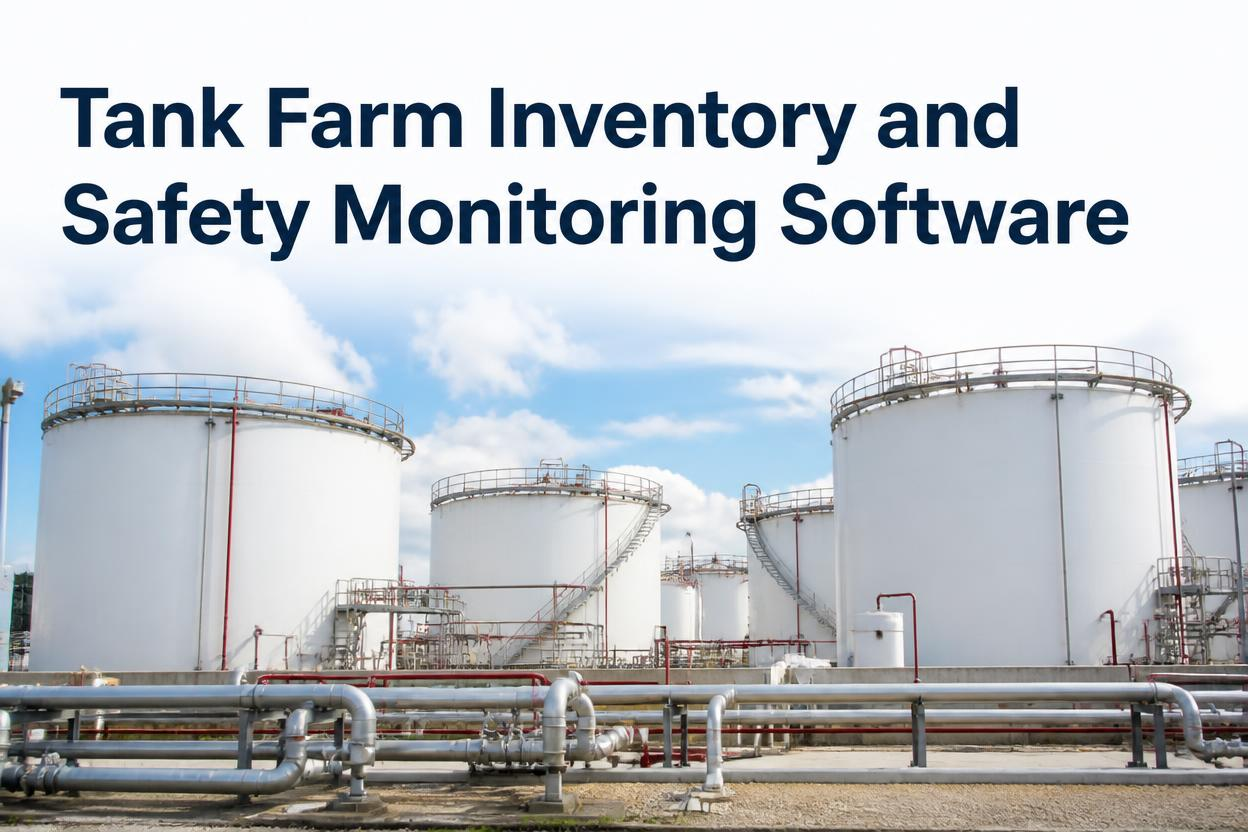
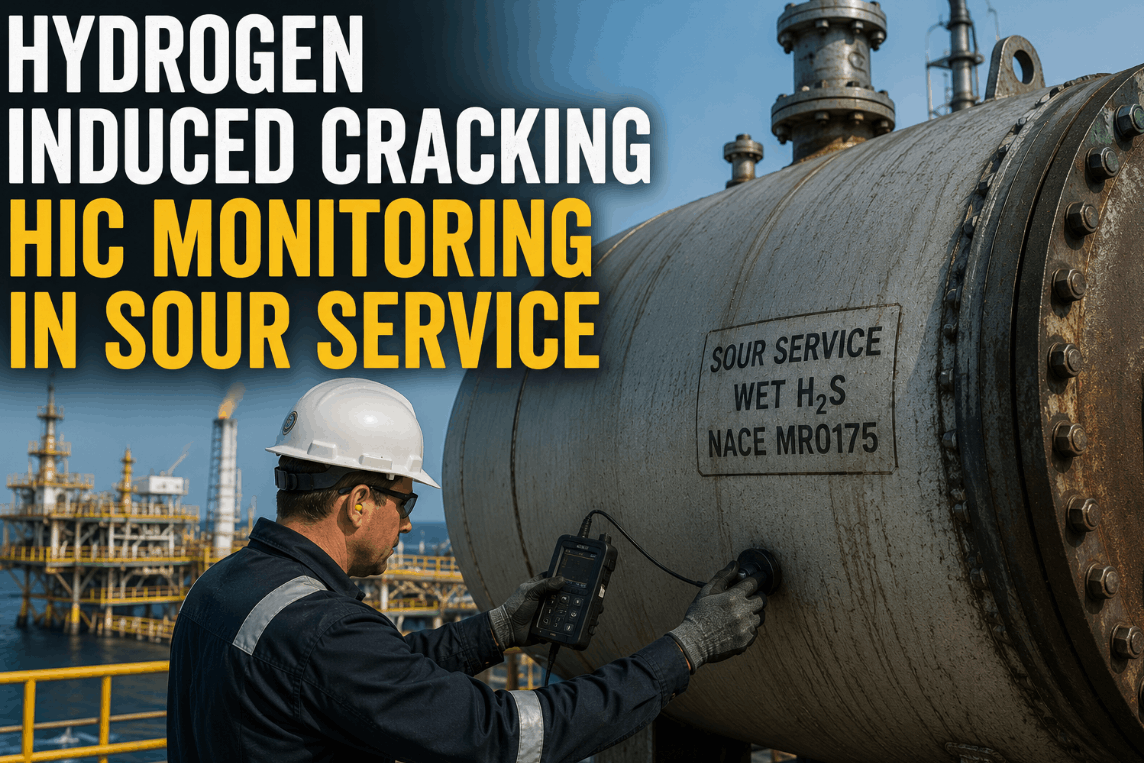
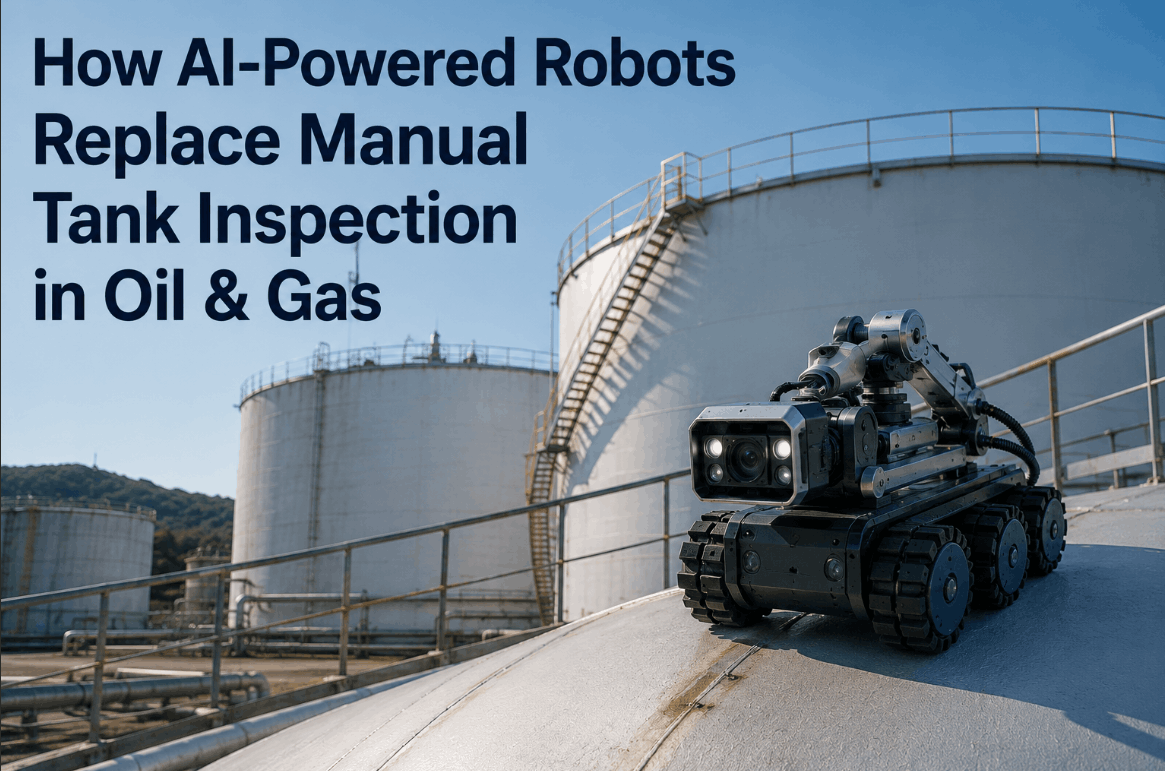
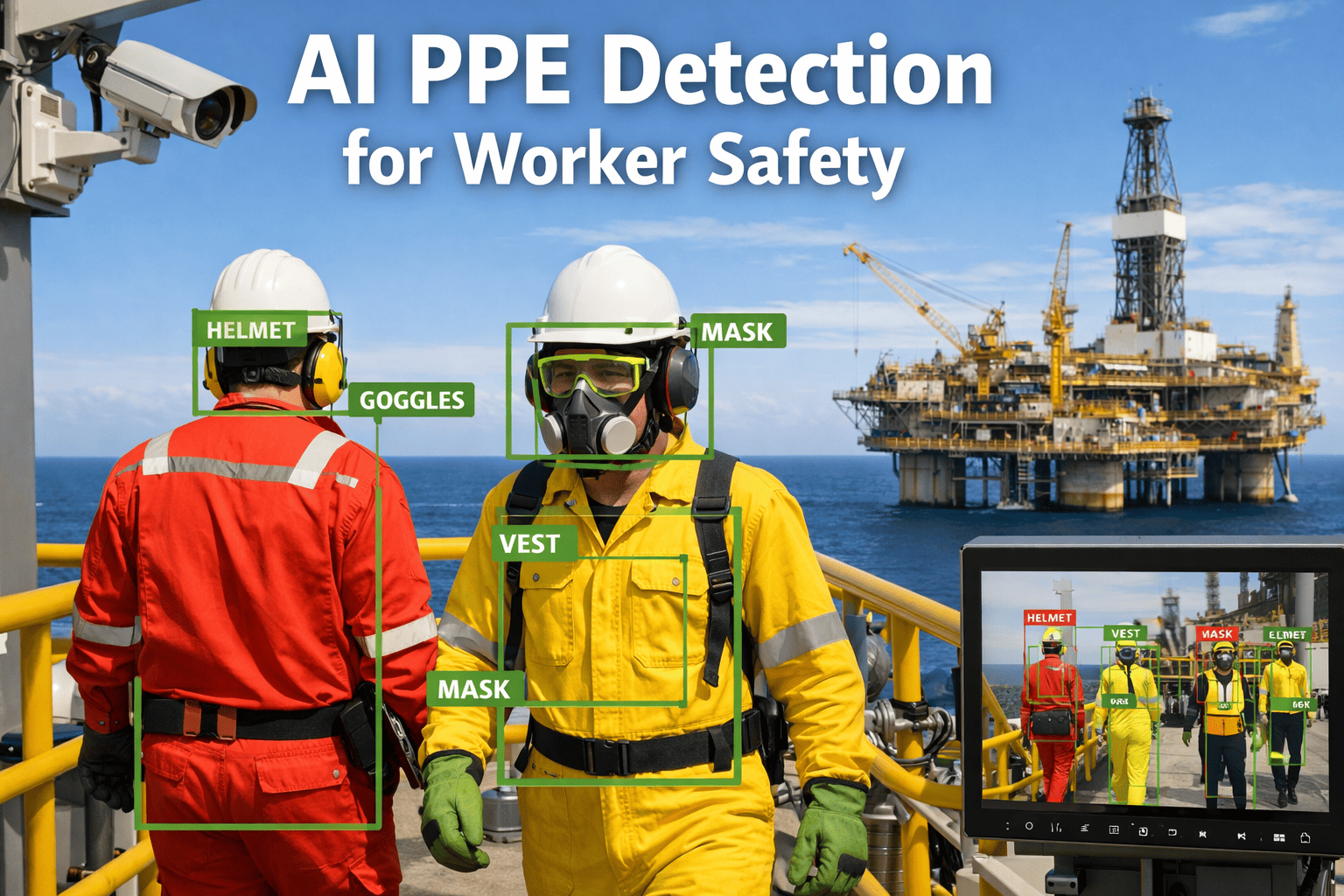
In the oil and gas industry, hydrogen sulfide (H2S) — the silent signature of sour gas — is among the most lethal occupational hazards on any production site. Colorless, heavier than air, and capable of overwhelming the human olfactory system within seconds, sour gas has claimed hundreds of lives across upstream and downstream operations. Yet in 2026, the same facilities operating under NACE MR0175, OSHA Process Safety Management (PSM) regulations, and EU CBAM emissions disclosure requirements are still depending on fixed-point sensor grids and human walk-around inspections to defend against a hazard that moves, migrates, and accumulates in unpredictable dead zones. That gap between regulatory mandate and operational reality is precisely where robotic H2S detection platforms, integrated with iFactory's AI analytics engine, are transforming worker safety and compliance posture across refineries, gas processing plants, sour crude storage yards, and offshore topsides.
Robotic H2S Sour Gas Detection: Continuous Monitoring & Real-Time Worker Safety Alerts
A technical framework for deploying AI-powered quadruped and crawler robots equipped with multi-gas sensor payloads to deliver 24/7 sour gas monitoring, geo-tagged leak attribution, and automated safety escalation in oil and gas facilities.
Upgrade Your H2S Safety Architecture Today
Connect with an iFactory specialist to deploy a robotic sour gas monitoring mesh across your facility and close the coverage gaps that fixed-point sensors can't reach.
Why Fixed H2S Sensor Grids Fail in Sour Gas Environments
Conventional fixed-point electrochemical H2S sensors were engineered for stable, predictable emission sources. But sour gas in production environments does not behave predictably. Pressure transients, thermal cycling, wind channeling, and localized dead zones — common in tank farms, compressor decks, and pig launchers — routinely allow dangerous H2S concentrations to accumulate between sensor nodes without triggering a single alarm. According to OSHA data, roughly 70% of H2S-related fatalities in U.S. workplaces involve areas that were considered monitored. The problem is spatial resolution: a fixed grid measures where the sensors are, not where the gas goes. Robotic inspection platforms solve this by bringing the sensor to the gas rather than waiting for the gas to reach the sensor. Book a Demo to see how iFactory closes these detection gaps.
Dead-Zone Accumulation
H2S is 1.19x denser than air and pools in sumps, trenches, and low-lying confined spaces that fixed sensors positioned at breathing height routinely miss. Robotic crawlers navigate these zones autonomously.
Sensor Poisoning & Drift
Electrochemical cells degrade in high-concentration sour gas environments, producing false lows after saturating events. AI-based drift detection in the iFactory platform flags compromised nodes before they create a compliance gap.
Manual Inspection Latency
Walk-around inspections are typically scheduled every 4–8 hours. In sour gas conditions, a ruptured seal or corroded valve can produce a lethal H2S plume well within that interval, exposing responders who arrive without real-time concentration data.
Regulatory Exposure Without Data
OSHA PSM and EPA RMP mandates require facilities to document leak detection responses. Without timestamped, geo-tagged evidence of monitoring coverage, a sour gas incident becomes a citation event regardless of outcome.
H2S Olfactory Fatigue
Workers adapt to low-level sour gas odors in minutes, removing the behavioral warning that signals increasing concentration. Robotic monitoring platforms maintain objective, quantified detection without this human limitation.
Corrosion Underreporting
H2S-induced sulfide stress cracking (SSC) per NACE MR0175 develops silently in pipework and vessels. Robotics-integrated acoustic and visual inspection layers catch corrosion precursors before structural failures generate catastrophic releases.
H2S Exposure Thresholds: What the Robot Must Detect
iFactory-integrated sensor payloads track H2S continuously across all regulatory alarm tiers, from OSHA TWA to IDLH, and escalate alerts automatically based on detected concentration bands.
Detectable odor range. iFactory logs concentration and time-stamps for OSHA 29 CFR 1910.1000 recordkeeping. Continuous robot patrol maintains ambient baseline.
iFactory triggers real-time worker safety alerts via tablet, wearable, and control-room push notification. Robot autonomously increases patrol frequency in the affected zone.
Automated permit suspension, area lockout, and emergency response escalation. iFactory maps plume spread in real time to direct responders to safe approach vectors.
Full site alarm, ESD system integration, and incident logging for OSHA PSM and EPA RMP audit trail. The robot continues monitoring while personnel are evacuated.
iFactory Robotic H2S Detection Architecture: Four Deployment Tiers
Oil and gas facilities range from single-wellhead pad sites to multi-train LNG complexes. iFactory's phased deployment model allows operators to match robotic monitoring scope to site risk profile and budget, with each tier delivering measurable H2S compliance and safety outcomes. Facilities can Book a Demo to determine which tier aligns with their current PSM documentation requirements.
Autonomous Patrol & Detection
Quadruped or wheeled robots equipped with IP69K multi-gas payloads (H2S, LEL, O2, CO, VOC) conduct pre-programmed patrol routes across storage tanks, compressor buildings, and piping manifolds on configurable intervals.
AI Plume Mapping & Source Attribution
iFactory's atmospheric dispersion model analyzes sequential concentration readings from robot patrol waypoints to triangulate the probable leak source, reducing emergency response time from hours to minutes.
Wearable & Control-Room Integration
Robot-detected H2S events push real-time alerts to wearable devices worn by field crews, DCS consoles, and mobile operations apps — creating a unified safety loop that removes communication latency from emergency response chains.
OSHA PSM & CBAM Compliance Automation
All robot patrol routes, concentration readings, alarm events, and response actions are logged to an immutable audit record with blockchain timestamping — providing the verifiable documentation layer required for OSHA PSM, EPA RMP, and emerging EU CBAM sour gas disclosures.
Sour Gas Robotics vs. Traditional Monitoring: Performance Benchmarks
Quantifying the operational and safety impact of replacing static detection with iFactory-powered robotic H2S monitoring across four critical metrics.
Regulatory Compliance Matrix: What Sour Gas Robots Document for You
Sour gas H2S compliance is multi-jurisdictional. From material selection governed by NACE MR0175/ISO 15156 to personnel protection under OSHA 1910.119, every operational tier has a documentation obligation. iFactory's robotic monitoring platform generates the evidence layer automatically, removing the manual record-keeping burden that exposes facilities to citation risk during PSM audits or incident investigations.
| Regulatory Framework | H2S / Sour Gas Requirement | iFactory Robot Data Contribution |
|---|---|---|
| OSHA 29 CFR 1910.119 (PSM) | Continuous monitoring & incident documentation for highly hazardous chemicals | Timestamped, geo-tagged patrol logs with concentration history and alarm event records. |
| NACE MR0175 / ISO 15156 | Material qualification for H2S partial pressure environments; SSC risk documentation | Continuous H2S partial pressure mapping to validate sour service material zone boundaries. |
| EPA 40 CFR Part 68 (RMP) | Worst-case release scenario modeling and emergency response documentation | Live plume dispersion data and automated emergency response timeline for RMP incident records. |
| EU CBAM (Carbon Border) | Verified emissions and process gas release quantification | Immutable blockchain logs of detected sour gas release events with quantified concentration data. |
| OSHA 1910.146 (Confined Space) | Pre-entry atmospheric testing and continuous monitoring during permit-required entries | Robot pre-entry scouting generates atmospheric clearance data before human personnel enter. |
How iFactory's AI Engine Processes Sour Gas Robot Data
Deploying a robot with a gas sensor is only the first step. The data that robot generates — thousands of geo-tagged H2S concentration readings per shift — is only actionable if an intelligent analytics layer is processing it in real time. This is where iFactory's platform delivers value beyond the hardware. Operators looking to understand the full data pipeline can Book a Demo to see it live.
Multi-Gas Payload Acquisition
The robot's IP69K sensor module samples H2S (electrochemical), LEL (catalytic bead), O2, CO, and VOC at 15-second intervals across all patrol waypoints. Raw concentration vectors are streamed via encrypted 4G/LTE or on-site Wi-Fi to the iFactory edge gateway.
Edge-Level Anomaly Pre-Filter
The onboard iFactory edge module applies a baseline deviation filter, flagging readings that exceed pre-configured dynamic thresholds derived from each zone's historical concentration profile — eliminating false positives from wind transients or calibration drift.
AI Plume Triangulation
Confirmed anomalies trigger the atmospheric dispersion model, which correlates multi-waypoint concentration gradients with wind direction and facility topology to identify the probable leak source within a 5-meter radius — guiding maintenance to the exact equipment, not just the zone.
Multi-Channel Safety Escalation
iFactory pushes graded alerts — advisory, caution, evacuation — simultaneously to field wearables, DCS operator stations, safety officer mobile apps, and the facility's PA system integration. Each alert carries concentration level, source coordinates, and a recommended safe approach vector.
Immutable Compliance Record Generation
Every patrol, detection event, alarm trigger, and response action is automatically written to a blockchain-anchored audit log — generating the verifiable, tamper-proof H2S monitoring record required for OSHA PSM annual reviews, insurance audits, and EU CBAM submissions.
"Our sour gas processing unit operates with H2S concentrations that can spike to 3,000 ppm in the event of a quick-open valve failure. Before iFactory, our response protocol depended entirely on the nearest fixed sensor and a radio call. Now, the robot has already mapped the plume boundaries before our HAZMAT team is suited up. The AI-generated source attribution alone has cut our average emergency response decision time from 22 minutes to under 5. It has fundamentally changed how we think about H2S safety — from reactive hazard management to proactive environmental awareness."
Sour Gas Robot Deployment: Frequently Asked Questions
Q: Can the robot operate safely in ATEX/IECEx classified sour gas zones?
Yes. iFactory integrates with Ex-certified robotic platforms rated for Zone 1 and Zone 2 explosive atmospheres, including H2S-rich environments classified under IEC 60079 and NEC 500/505.
Q: How does the platform handle sensor poisoning in high-concentration H2S events?
iFactory's AI drift monitor detects electrochemical cell saturation signatures and flags the sensor for recalibration while seamlessly switching alert logic to redundant payload channels — maintaining continuous coverage without operator intervention.
Q: Does the system integrate with our existing DCS and SCADA infrastructure?
Yes. iFactory supports standard industrial protocols including Modbus TCP, OPC-UA, and MQTT, allowing bidirectional integration with DCS, SCADA, and safety instrumented systems (SIS) from all major vendors.
Q: How is the NACE MR0175 partial pressure mapping data used in practice?
Continuous robot-generated H2S concentration data is processed to produce dynamic partial pressure heat maps, which maintenance engineers use to validate that sour service equipment is operating within its MR0175-qualified H2S partial pressure boundaries.
Q: What is the typical deployment timeline for a sour gas processing facility?
Initial robot commissioning, route programming, and iFactory platform integration typically completes within 2 to 3 weeks, with AI baseline calibration and full predictive alert capability active within the first 30 days of live patrol operation.
Conclusion: Sour Gas H2S Detection Can No Longer Depend on Static Infrastructure
Hydrogen sulfide in sour gas environments is a dynamic, migratory hazard that exploits the spatial gaps between fixed-point sensor nodes. As oil and gas operators face tightening OSHA PSM enforcement, increasing NACE MR0175 audit scrutiny, and emerging EU CBAM sour gas disclosure requirements, the gap between fixed-grid monitoring and regulatory expectation is becoming an unacceptable liability. Robotic H2S detection platforms, integrated with iFactory's AI analytics engine, close that gap by delivering continuous spatial coverage, sub-minute worker safety alerts, AI-powered plume attribution, and fully automated compliance documentation. For facilities looking to move beyond reactive sour gas management and build a defensible, audit-ready H2S monitoring program, iFactory provides the architecture to do it — scalable from single-unit wellpad deployment to multi-train LNG complex integration.
Ready to Build a Sour Gas-Safe Smart Facility?
Speak with an iFactory H2S robotics specialist today about deploying continuous sour gas monitoring across your production and processing assets.