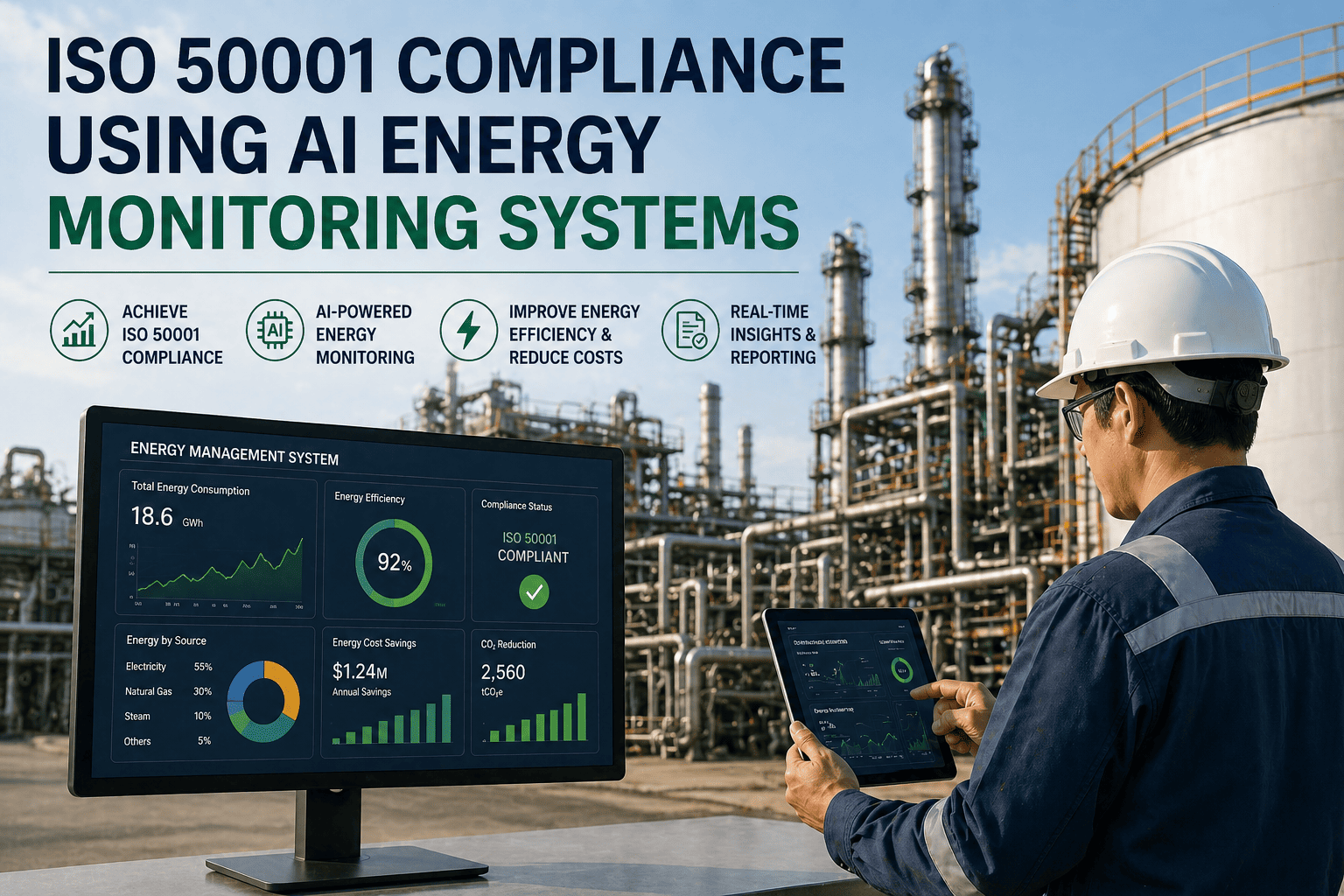
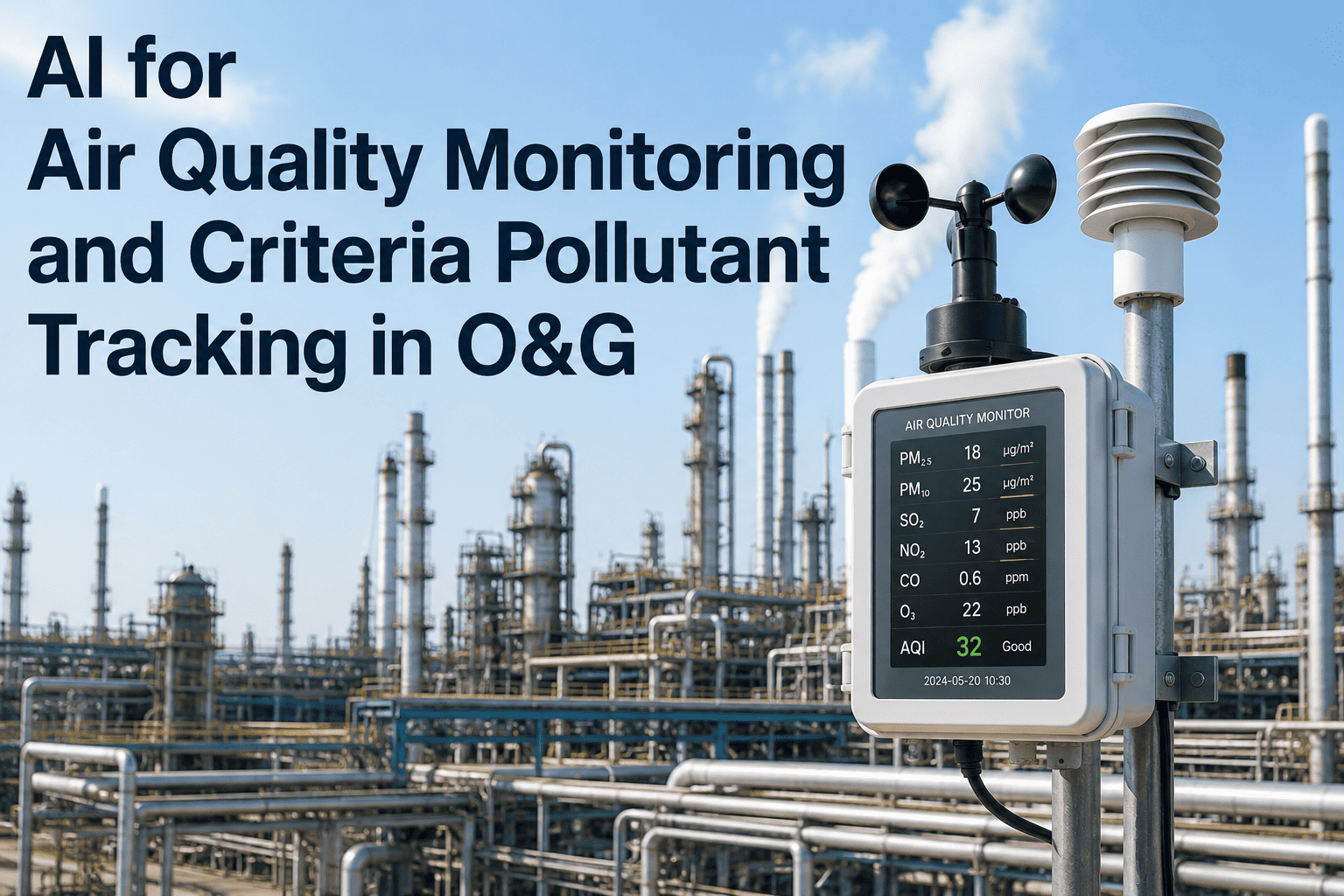
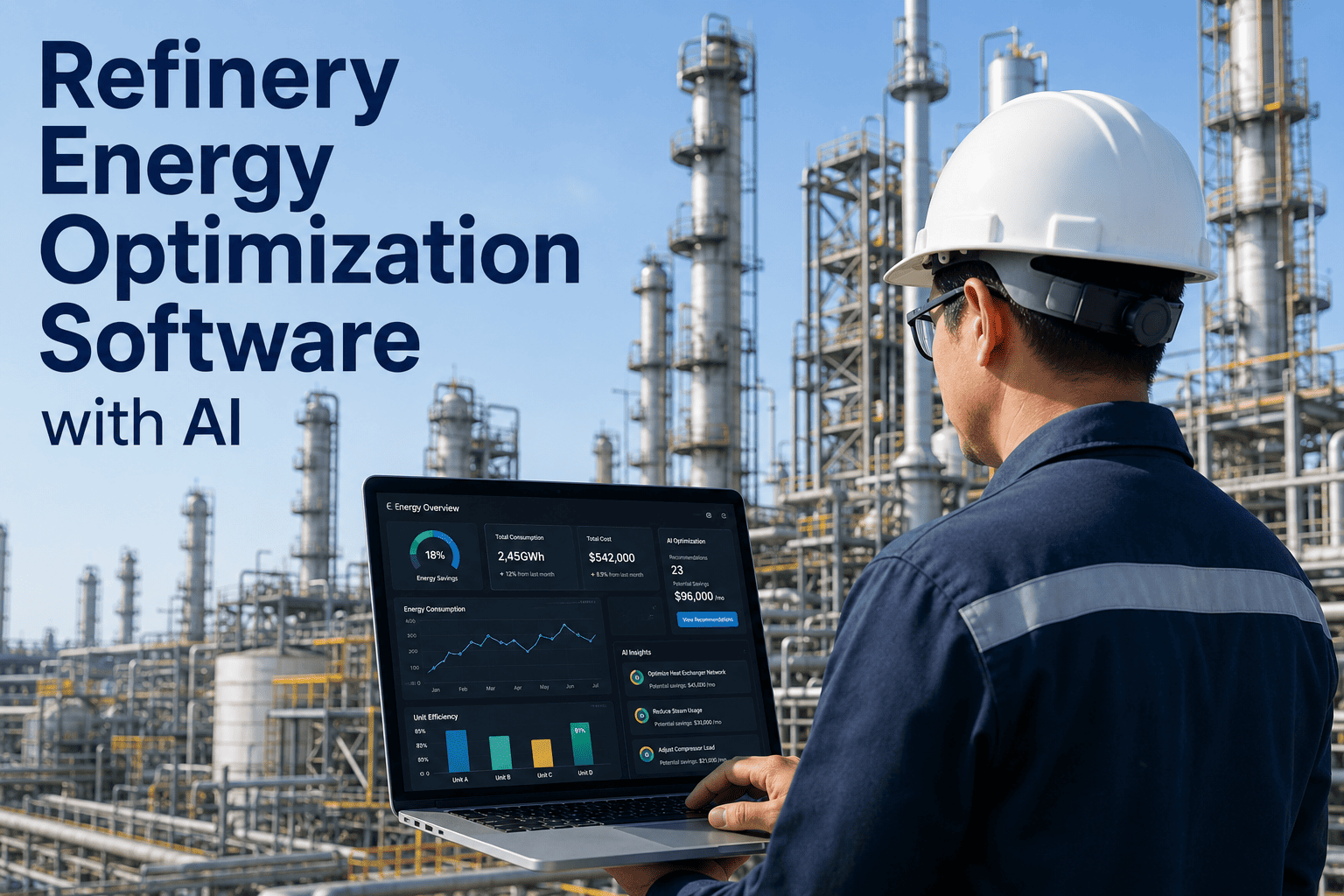
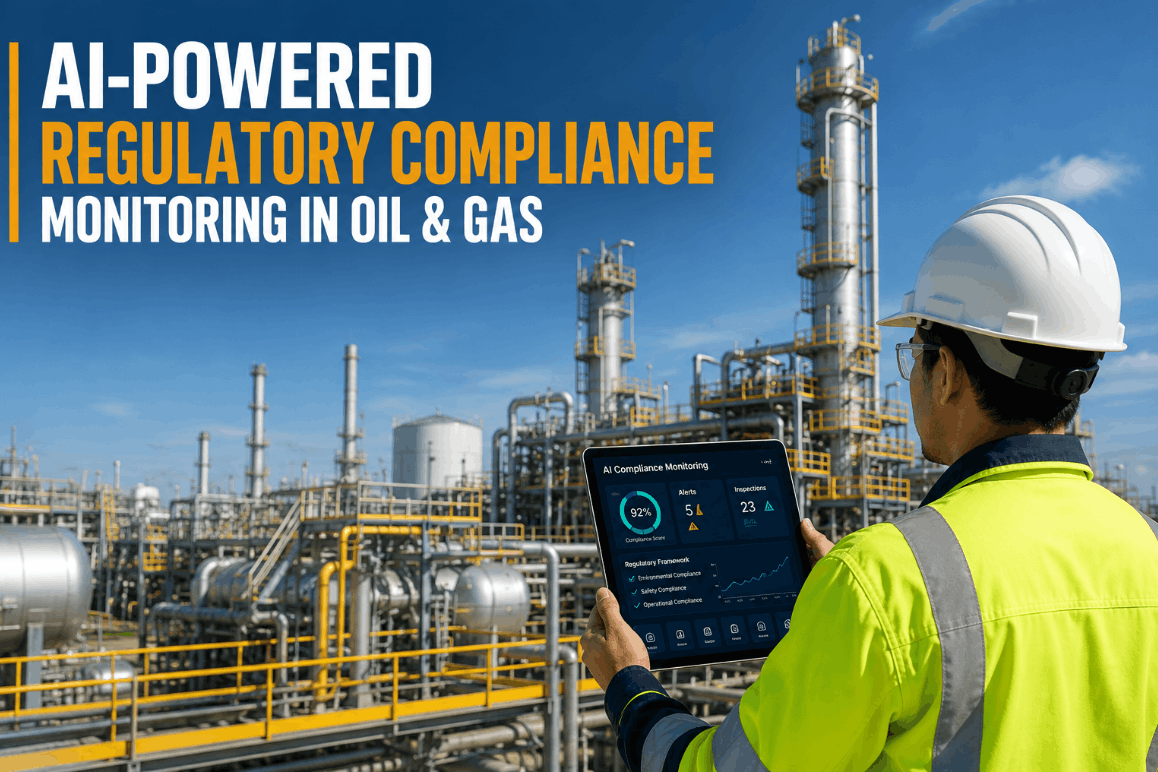
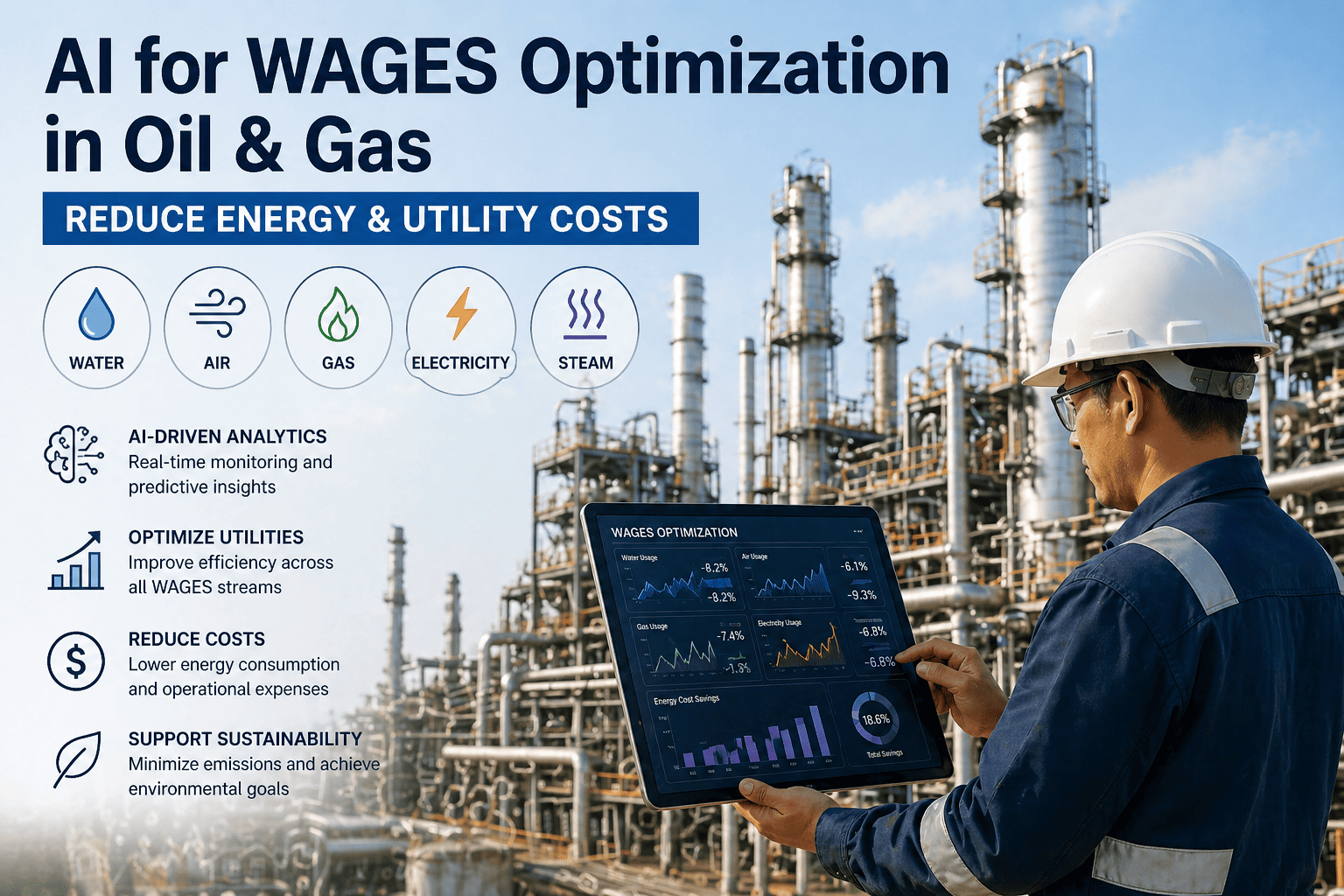
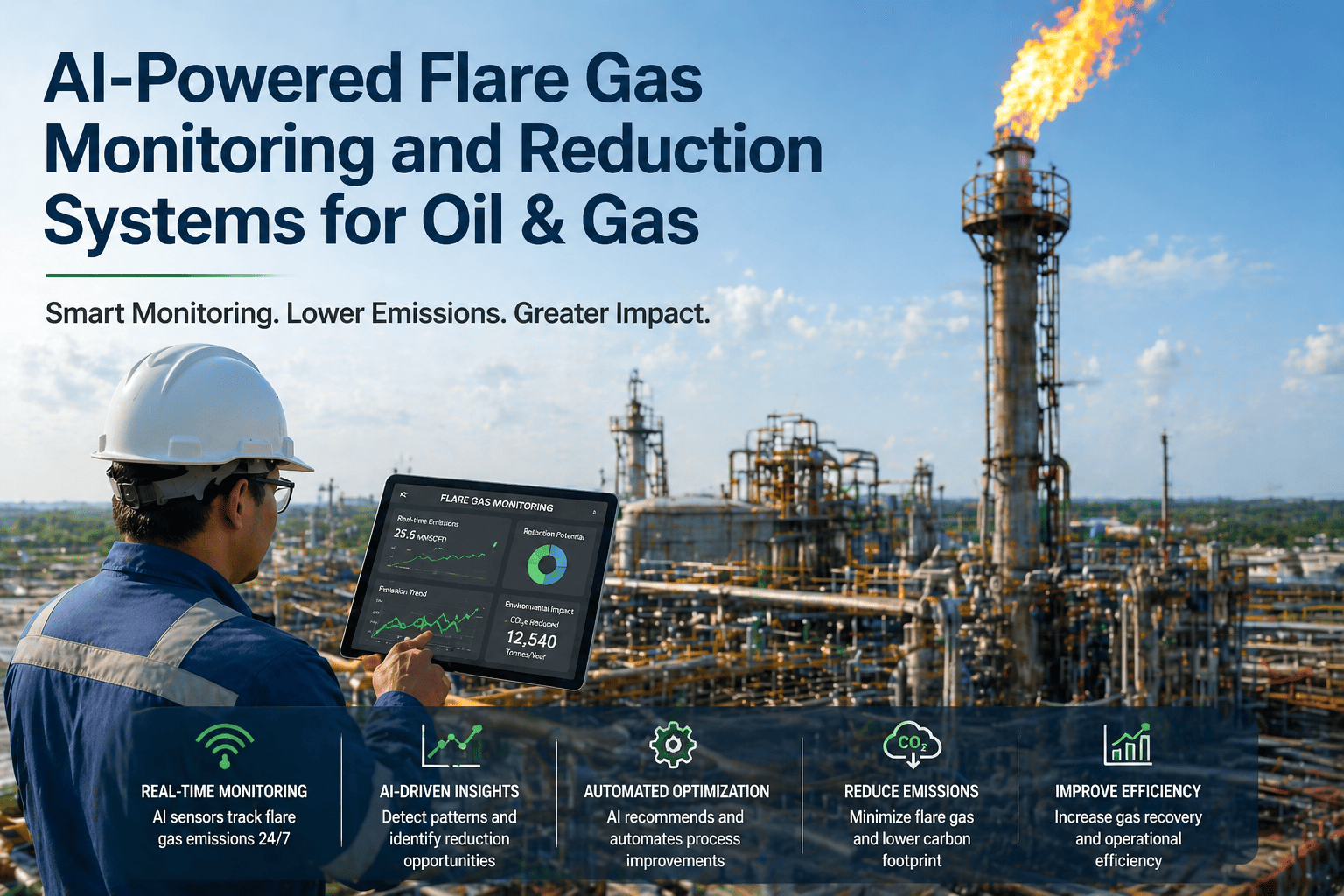
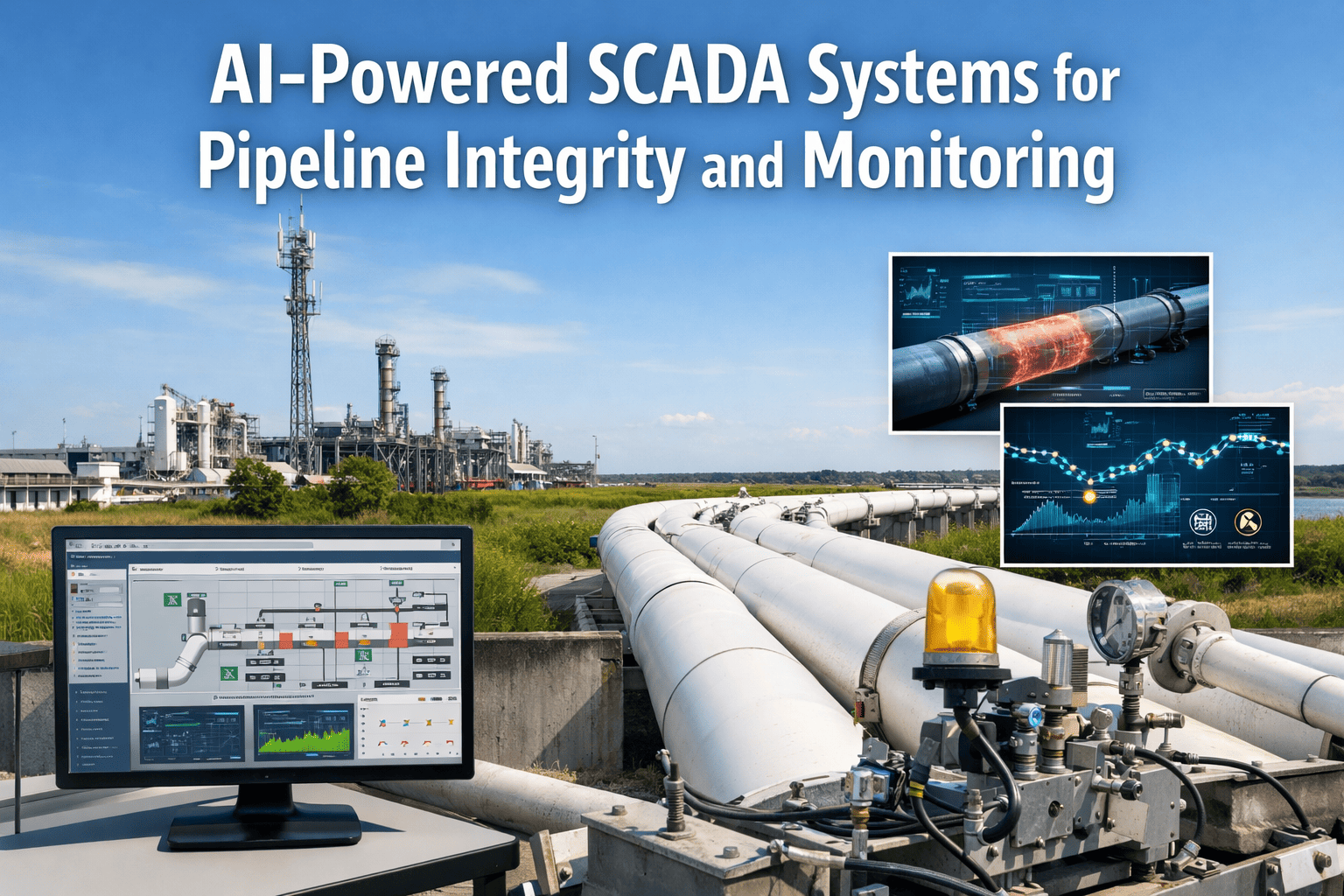
Oil and gas operators lose an average of 24-38% of operational energy efficiency annually to undetected energy waste, equipment inefficiencies, and suboptimal process parameters, not from catastrophic failures, but from gradual, invisible degradation across upstream drilling equipment, midstream pipeline compression, downstream refinery process units, and support systems where traditional static energy audits, manual meter readings, and reactive efficiency response provide only periodic snapshots missing real-time energy consumption dynamics that develop between monthly or quarterly audit cycles. iFactory's AI-powered energy monitoring platform changes this entirely, deploying machine learning models across equipment power consumption, process thermodynamics, system efficiencies, and operational parameters to detect energy waste 4-8 weeks before cumulative inefficiency compounds into significant operational cost, automatically optimizing equipment performance reducing energy consumption 18-26% while maintaining production targets, and integrating directly into your existing SCADA, DCS, PLC, and historian systems providing real-time ISO 50001 compliance evidence eliminating manual documentation burden. Book a demo to see how iFactory deploys AI energy monitoring across your oil and gas operations within 8 weeks.
22%
Average energy consumption reduction from AI efficiency optimization
$18.6M
Average annual energy cost savings per oil and gas facility with AI monitoring
96%
ISO 50001 compliance automation through real-time data and evidence generation
8 wks
Full deployment from SCADA integration to live AI energy monitoring
Every Undetected Energy Inefficiency Is Compounding Operational Cost. AI Stops It at the Source.
iFactory's AI engine monitors equipment power consumption, process efficiencies, system parameters, and energy baselines across upstream, midstream, and downstream operations, 24/7, without human monitoring limitations or manual audit delays.
How iFactory AI Solves ISO 50001 Compliance and Energy Optimization
Traditional oil and gas energy management relies on annual energy audits, manual meter readings, quarterly efficiency reports, and reactive performance adjustments, all of which respond after energy waste has already accumulated through quarters of suboptimal operation. iFactory replaces this with continuous AI monitoring trained on thermodynamic principles and energy management standards that detects the precursors to energy inefficiency, not the accumulated losses themselves. See a live demo of iFactory detecting equipment power degradation, process inefficiency, and optimization opportunities 4-8 weeks before they compound into significant operational cost.
01
Multi-Parameter Energy Consumption Analysis
AI Eyes That Detect Leaks Before They Escalate. iFactory ingests real-time power consumption data from all equipment (compressors, pumps, motors, heaters, cooling systems) across upstream wellsites, midstream compression stations, downstream process units, and support systems, simultaneously analyzing electrical demand, thermal output, mechanical efficiency, and process parameters. AI correlates energy input with production output detecting efficiency degradation and optimization opportunities missed by traditional steady-state monitoring.
02
Equipment Efficiency Prediction and Degradation Detection
Machine learning models trained on thermodynamic principles and equipment performance curves identify equipment operating below design efficiency (compressor degradation, motor losses, heat exchanger fouling, control valve wear). AI predicts equipment-driven energy waste 4-8 weeks ahead before cumulative inefficiency becomes operationally significant, enabling maintenance interventions during planned service windows rather than reactive efficiency recovery after major degradation.
03
Process Optimization and Setpoint Tuning
iFactory analyzes process operating parameters (pressure setpoints, temperature control, flow rates, bypass usage, equipment cycling) against energy-optimal baselines and production requirements. AI recommends parameter adjustments and operational strategies reducing energy consumption 18-26% without impacting production throughput or product quality, enabling optimal balance between efficiency and operational objectives.
04
SCADA, DCS and Historian Integration
Connects to Your Existing DCS/SCADA & Historians. iFactory integrates with Honeywell Experion, Emerson DeltaV, Yokogawa CENTUM DCS plus historians (OSIsoft PI, Aspen IP.21, Aveva) via OPC-UA, Modbus, MQTT extracting real-time and historical energy data. OT Data Stays Inside Your Security Perimeter with edge deployment options. Integration typically completes within 2 weeks with read-only connections preserving operational system integrity.
05
ISO 50001 Compliance Automation
Methane, VOC & Flaring: From Sensor to ESG Report. Every energy consumption event, optimization, and efficiency improvement is documented automatically with timestamp, baseline, actual consumption, and recommended actions. AI generates ISO 50001 compliance reports including energy baseline establishment, consumption monitoring data, variance analysis, corrective action evidence, and continuous improvement documentation meeting regulatory requirements and audit expectations.
06
Real-Time Energy Optimization Recommendations
iFactory presents ranked energy optimization recommendations prioritized by cost savings potential and implementation complexity: equipment efficiency improvements, setpoint optimization, bypass elimination, load shifting, demand management. AI provides weekly optimization briefings enabling operators to make informed decisions about efficiency enhancement aligned with production priorities and operational constraints.
How iFactory Is Different from Traditional Energy Audits
Most oil and gas operators conduct annual energy audits by consultants requiring weeks of planning, facility disruption, and technical data compilation. Audit results provide static recommendations implemented over months with limited follow-up on actual energy savings achieved. iFactory is built differently, using continuous AI monitoring specifically for energy-intensive oil and gas operations where equipment degradation, process parameter drift, and operational variability determine actual energy efficiency beyond annual audit snapshots. Talk to our energy management specialists and see how continuous monitoring transforms your ISO 50001 compliance and cost reduction approach.
| Capability |
Traditional Energy Audits |
iFactory Platform |
| Monitoring Frequency |
Annual or biennial energy audits conducted by external consultants. Static snapshot assessments capturing single moment missing seasonal variations, equipment degradation progression, and operational changes throughout year. |
Continuous real-time energy monitoring 24/7/365 analyzing consumption across all equipment and processes. AI detects efficiency degradation developing over days/weeks enabling preventive optimization before energy waste accumulates into significant operational cost. |
| Efficiency Analysis |
Consultants compare energy consumption against historical baselines and industry benchmarks. Limited ability to identify equipment-specific efficiency degradation or process-level optimization opportunities. Analysis delayed weeks/months after audit completion. |
AI analyzes energy consumption correlated with production output, equipment performance curves, process parameters, and operating conditions identifying equipment efficiency losses and process optimization opportunities. Real-time analysis enables immediate optimization recommendations. |
| Equipment Monitoring |
Auditors assess equipment efficiency through performance testing or vendor curves. Limited visibility into real-time performance changes. Equipment degradation discovered through failure incidents or failed preventive maintenance inspections. |
Continuous monitoring of equipment electrical input, mechanical/thermal output, and efficiency metrics. AI identifies equipment operating below design efficiency (compressor degradation, motor losses, valve wear) 4-8 weeks ahead enabling planned maintenance interventions. |
| Optimization Recommendations |
Audit reports provide general efficiency recommendations requiring engineering analysis to develop specific implementation plans. Capital costs for efficiency improvements often substantial. Implementation timelines extend 6-12 months from audit to deployment. |
AI recommends specific setpoint adjustments, operational parameter changes, and equipment modifications with estimated energy savings and implementation timelines. Low-cost operational improvements deployable within days/weeks enabling rapid cost reduction. |
| ISO 50001 Compliance |
Manual compilation of energy audit reports, consumption records, corrective action documentation required for compliance evidence. Compliance preparation requires weeks of engineering effort before regulatory submission or audit. |
Auto-generated ISO 50001 compliance packages from continuous AI monitoring including energy baselines, consumption data, variance analysis, corrective actions, improvement evidence with full audit trails. Regulatory submission preparation automated reducing compliance burden to hours. |
| Deployment Timeline |
Audit scheduling, consultant engagement, facility access planning, measurement equipment setup, analysis, report writing, remediation planning. Full cycle from audit planning to implementation 4-8 months typical. Energy waste continues during extended audit/implementation timeline. |
8-week fixed deployment program. SCADA integration Week 1-2. AI energy monitoring live Week 3-4. First efficiency optimizations recommended Week 4. Full facility coverage with continuous monitoring by Week 8. Energy savings begin immediately upon deployment. |
iFactory AI Implementation Roadmap
iFactory follows a fixed 6-stage deployment methodology designed specifically for oil and gas energy monitoring, delivering pilot results in week 4 on highest-energy-consuming equipment and full facility coverage by week 8. No open-ended implementations. No scope creep.
01
Energy Audit
Equipment and system assessment across upstream, midstream, downstream
02
SCADA Integration
DCS and historian connections via OPC-UA and data APIs
03
AI Baseline
Energy model training on facility operations and equipment efficiency
04
Pilot Optimization
First energy efficiency recommendations on highest-load equipment
05
Tuning
Energy baseline refinement and operations team training
06
Full Scale
Facility-wide energy AI, all equipment, all processes, 24/7
8-Week Deployment and ROI Plan
Every iFactory engagement follows a structured 8-week program with defined deliverables per week, and measurable ROI indicators beginning from week 4 with first energy optimization recommendations on pilot equipment. Request the full 8-week deployment scope document tailored to your facility operations.
Weeks 1-2
Infrastructure Setup
Energy consumption audit across upstream wells/drilling, midstream compression/pipelines, downstream refinery/processing, and support systems identifying major energy consumers and efficiency opportunities
SCADA/DCS connection setup to Honeywell, Emerson, Yokogawa systems extracting real-time power consumption, process parameters, and equipment status data
Historical energy data ingestion (12-24 months minimum) from historians and utility records for baseline energy efficiency pattern analysis
Weeks 3-4
AI Training and Pilot
Machine learning models trained on your facility's specific equipment, process parameters, operating conditions, and historical energy consumption patterns
Pilot energy monitoring activated on highest-energy-consuming equipment (major compressors, large motors, heater units) with first efficiency optimizations recommended
ROI evidence begins here with predicted energy consumption reduction and optimization opportunity validation
Weeks 5-6
Calibration and Expansion
Energy baseline refined based on pilot results, seasonal variations incorporated, equipment efficiency factors updated
Coverage expanded to all equipment and process areas across entire facility including all compressors, pumps, motors, heaters, cooling systems
Operations team training completed on energy optimization interpretation, priority assessment, implementation procedures
Weeks 7-8
Full Production Go-Live
Full facility energy AI monitoring live across all equipment, all processes, all operational modes with 24/7 efficiency analysis and optimization recommendations
ISO 50001 compliance reporting activated with auto-generated energy baselines, consumption documentation, efficiency improvement records for audit readiness
ROI baseline report delivered with energy consumption reduction achieved, cost savings, equipment efficiency improvements, optimization roadmap for ongoing efficiency gains
ROI IN 6 WEEKS: MEASURABLE RESULTS FROM WEEK 4
Facilities completing the 8-week program report an average of $4.6M in energy cost savings within the first 6 weeks of AI energy monitoring deployment, with equipment efficiency improvements of 18-26% and optimization recommendations validated by week 4 pilot results on highest-load equipment.
$4.6M
Avg. savings in first 6 weeks
18-26%
Energy consumption reduction by week 4
96%
ISO 50001 compliance automation
Full AI Energy Monitoring. Live in 8 Weeks. ROI Evidence in Week 4.
iFactory's fixed-scope deployment program means no open timelines, no scope creep, and no months of consulting before you see measurable energy cost reduction and ISO 50001 compliance improvements.
Use Cases and KPI Results from Live Deployments
These outcomes are drawn from iFactory deployments at operating oil and gas facilities across three operational segments. Each use case reflects 6-month post-deployment performance data. Request the full case study report for the operational segment most relevant to your facility.
A natural gas transmission operator managing 8 compression stations across 2,400 miles of pipeline was experiencing elevated energy consumption from equipment degradation, suboptimal control settings, and thermal losses not visible through traditional monthly energy billing. Annual energy cost exceeded $18M with limited insight into efficiency drivers or optimization opportunities. Compressor units degraded progressively from normal wear, increasing power consumption 8-12% annually requiring excessive driver loading and bypass losses to manage delivery pressure. Traditional annual efficiency audits captured only snapshot conditions during audit window missing progressive degradation throughout operating year. iFactory deployed AI energy monitoring across all compression stations analyzing compressor inlet/discharge pressure, flow rates, driver power consumption, and thermal parameters continuously. AI identified 6 compressors operating 8-14% below design efficiency from fouling and internal wear, recommended maintenance interventions (cylinder overhaul, valve restoration, intercooler cleaning), and detected 12 control setpoint opportunities reducing bypass losses 18%. Plant implemented AI recommendations achieving 22% energy cost reduction ($3.96M annually).
22%
Energy consumption reduction from equipment optimization and control tuning
$3.96M
Annual energy cost savings from AI-guided optimization
6
Compressors identified with efficiency degradation 4-8 weeks before failure risk
A 400,000 barrel/day refinery processing crude into gasoline, diesel, and jet fuel was operating with legacy control systems and manual process optimization limiting energy efficiency. Refinery energy intensity exceeded industry benchmark by 18% from suboptimal crude unit temperatures, inadequate heat integration between process sections, oversized equipment operating at partial load, and cooling tower inefficiency. Annual energy cost reached $68M consuming 8-10% of operational expenses with limited visibility into efficiency drivers. Quarterly planning meetings reviewed energy consumption against production but lacked specific optimization recommendations or equipment efficiency assessments. iFactory deployed AI energy monitoring across crude distillation unit, reformer, hydrotreater, alkylation unit, and auxiliary systems analyzing energy consumption against production throughput and product yields continuously. AI identified 18 process optimization opportunities: crude unit temperature optimization reducing furnace duty 8%, heat integration between distillate and naphtha streams, equipment load balancing reducing oversized motor losses, cooling tower management improving heat rejection efficiency. Plant implemented AI recommendations achieving 19% energy intensity reduction ($12.9M annual savings) while maintaining product yields.
19%
Energy intensity reduction improving competitiveness vs regional refineries
$12.9M
Annual energy cost savings from process and equipment optimization
18
Process efficiency opportunities identified across refinery units
A 200,000 barrel/day upstream oil production operation managing 180+ producing wells across 8 surface locations was experiencing high energy costs from excessive electrical pumping, inefficient water disposal, and suboptimal production allocations. Well production declined progressively from natural reservoir depletion and water cut increase requiring 35% more lift energy annually for same oil production. Surface facility energy consumption included produced water disposal, gas compression, and crude conditioning consuming equivalent energy to actual oil production. Annual energy cost exceeded $22M with limited insight into well-specific energy efficiency or optimization opportunities. Traditional approach reallocated production across wells based on production potential without considering energy requirements per barrel produced. iFactory deployed AI energy monitoring across all wells and surface facilities analyzing production rate, water disposal volume, electrical power consumption, and gas compression correlated with wellhead pressure and reservoir conditions continuously. AI identified 18 wells operating with excessive pump speeds consuming 12-28% more energy than optimal for achieving required production rates, recommended pump speed reductions and sucker rod balancing, and evaluated alternative water disposal strategies reducing surface energy demand 16%. Plant implemented AI recommendations achieving 24% energy cost reduction ($5.28M annually) while increasing net oil production (less energy per barrel).
24%
Energy cost reduction from well optimization and water handling efficiency
$5.28M
Annual energy savings with increased net oil production
18
Wells identified with pump optimization opportunities
Results Like These Are Standard. Not Exceptional.
Every iFactory deployment is scoped to your specific facility configuration, equipment inventory, process complexity, and operational objectives, so you get results calibrated to your actual operations, not generic energy benchmarks.
What Oil & Gas Energy Leaders Say About iFactory
The following testimonials are from energy managers and plant directors at oil and gas facilities currently running iFactory's AI energy monitoring platform.
Continuous energy monitoring detected compressor degradation 4-8 weeks ahead enabling planned maintenance before efficiency losses compounded into major cost. AI identified 22% energy reduction opportunity through equipment optimization and control tuning that annual audits completely missed. ISO 50001 compliance is now automatic from continuous AI documentation.
Operations Director
Midstream Compression, USA
The refinery energy intensity reduction of 19% puts us competitive with regional benchmarks. iFactory's process optimization recommendations across distillation, reforming, and hydrotreating units identified $12.9M in annual savings without capital investment. That kind of operational improvement was impossible before continuous AI monitoring.
Energy Manager
Downstream Refinery, Europe
SCADA integration was seamless completing in 2 weeks with read-only historian connections. AI optimized well production allocations for energy efficiency discovering 18 wells operating at suboptimal pump speeds. We achieved 24% energy cost reduction while actually increasing net oil production. That is game-changing for upstream economics.
Production Manager
Upstream Oil Operations, Middle East
ISO 50001 compliance documentation generated automatically from continuous monitoring eliminates weeks of manual audit preparation. Regulators see that iFactory provides real-time energy data, continuous monitoring, and documented improvements, not historical audit reports. Our compliance position transformed.
HSE and Compliance Manager
Integrated Oil and Gas Operation
Frequently Asked Questions
How does iFactory integrate with our existing SCADA, DCS, and historian systems?
iFactory connects via OPC-UA, Modbus, and MQTT to Honeywell Experion, Emerson DeltaV, Yokogawa CENTUM DCS systems plus historians (OSIsoft PI, Aspen IP.21, Aveva) via native APIs. Read-only data connections preserve system integrity with edge deployment options keeping OT data inside your security perimeter. Integration typically completes within 2 weeks with minimal IT disruption.
Book a demo to review your specific SCADA architecture and integration requirements.
Can AI energy monitoring optimize across upstream, midstream, and downstream operations simultaneously?
Yes. iFactory's energy models account for segment-specific equipment (drilling motors, compression drives, refinery furnaces), process parameters, and optimization objectives. Upstream, midstream, and downstream operations are analyzed independently with facility-specific energy baselines and recommendations, though integrated operators can view consolidated energy performance across the entire value chain.
What historical data is required to train the AI energy models?
Baseline training requires 12-24 months of historical energy consumption and process parameter data from SCADA/historians. If historical data unavailable, iFactory can bootstrap with industry energy benchmarks, refining models progressively as more facility-specific data accumulates over first 4-6 weeks of monitoring operation.
Does iFactory provide ISO 50001 compliance documentation automatically?
Yes. iFactory auto-generates ISO 50001 compliance packages including energy baseline establishment, consumption monitoring data, variance analysis documentation, optimization recommendations with estimated savings, implemented improvements with actual results, and continuous improvement records. Compliance documentation compiled from continuous AI monitoring eliminates weeks of manual audit preparation.
How quickly do energy savings materialize after deployment?
First energy optimization recommendations appear within 2-3 weeks of pilot activation (Week 3-4). Quick-deploy recommendations (control setpoint adjustments, equipment operating procedure changes) yield measurable savings within 1-2 weeks of implementation. Capital-intensive optimizations (equipment replacement, system modifications) provide full benefit within 8-12 weeks of completion.
Can AI optimize energy efficiency while maintaining production targets and product quality?
Yes. iFactory's energy optimization models are constrained by production requirements and product specifications ensuring that energy efficiency improvements never compromise production throughput or product quality. Optimization algorithms balance energy cost reduction with operational constraints identifying Pareto-optimal solutions maximizing efficiency without operational penalties.
Stop Energy Waste. Stop ISO 50001 Compliance Burden. Deploy Energy AI in 8 Weeks.
One Platform, Every Segment 8 AI-Powered Modules for Complete Oil & Gas Operations. iFactory gives oil and gas energy teams continuous AI energy monitoring, equipment efficiency detection, process optimization, and ISO 50001 compliance automation, fully integrated with your existing SCADA/DCS/historians in 8 weeks, with ROI evidence starting in week 4.
18-26% energy consumption reduction from continuous AI optimization
$18.6M average annual energy cost savings per facility
Equipment efficiency degradation detected 4-8 weeks ahead for planned maintenance
96% ISO 50001 compliance automation eliminating manual documentation burden