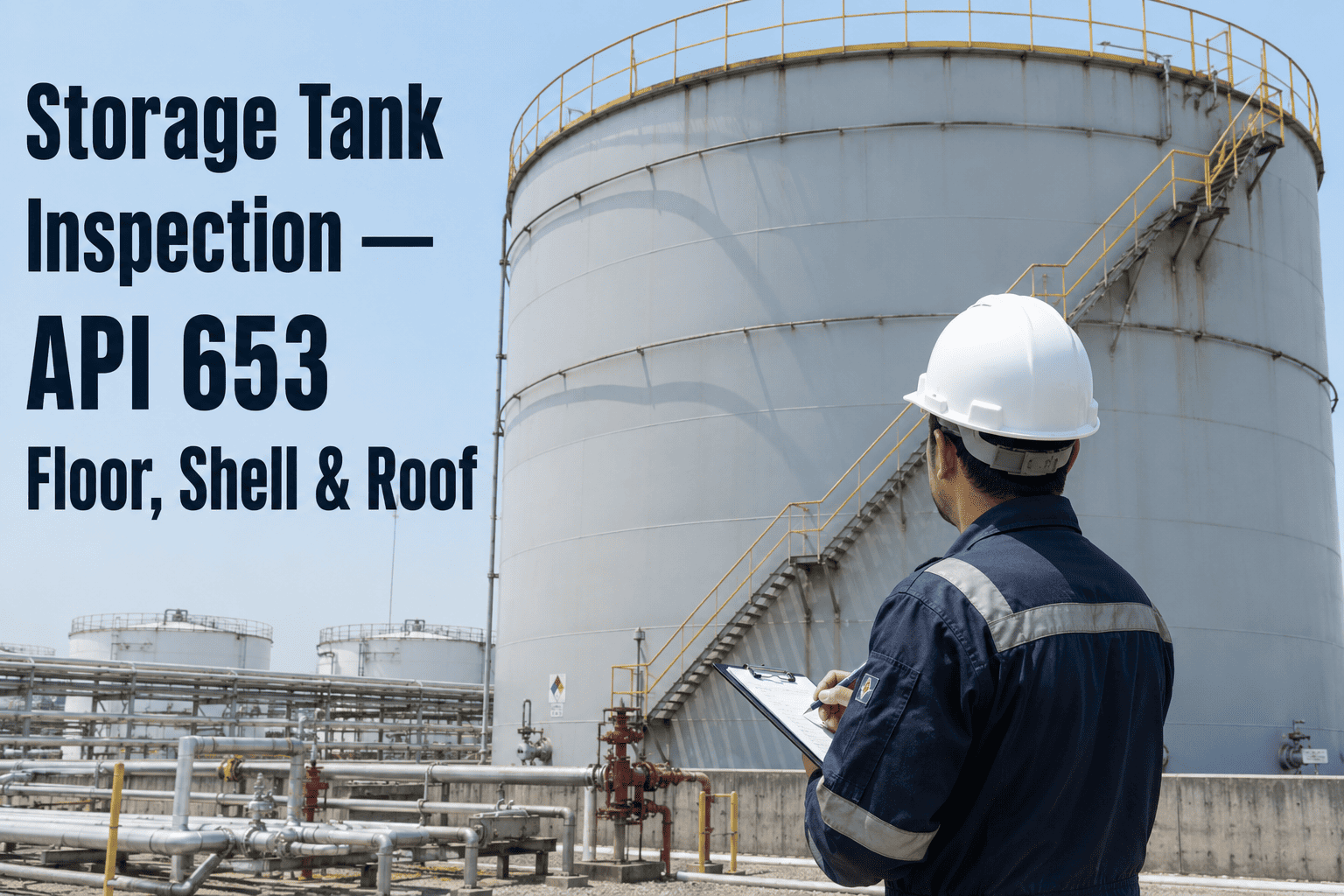
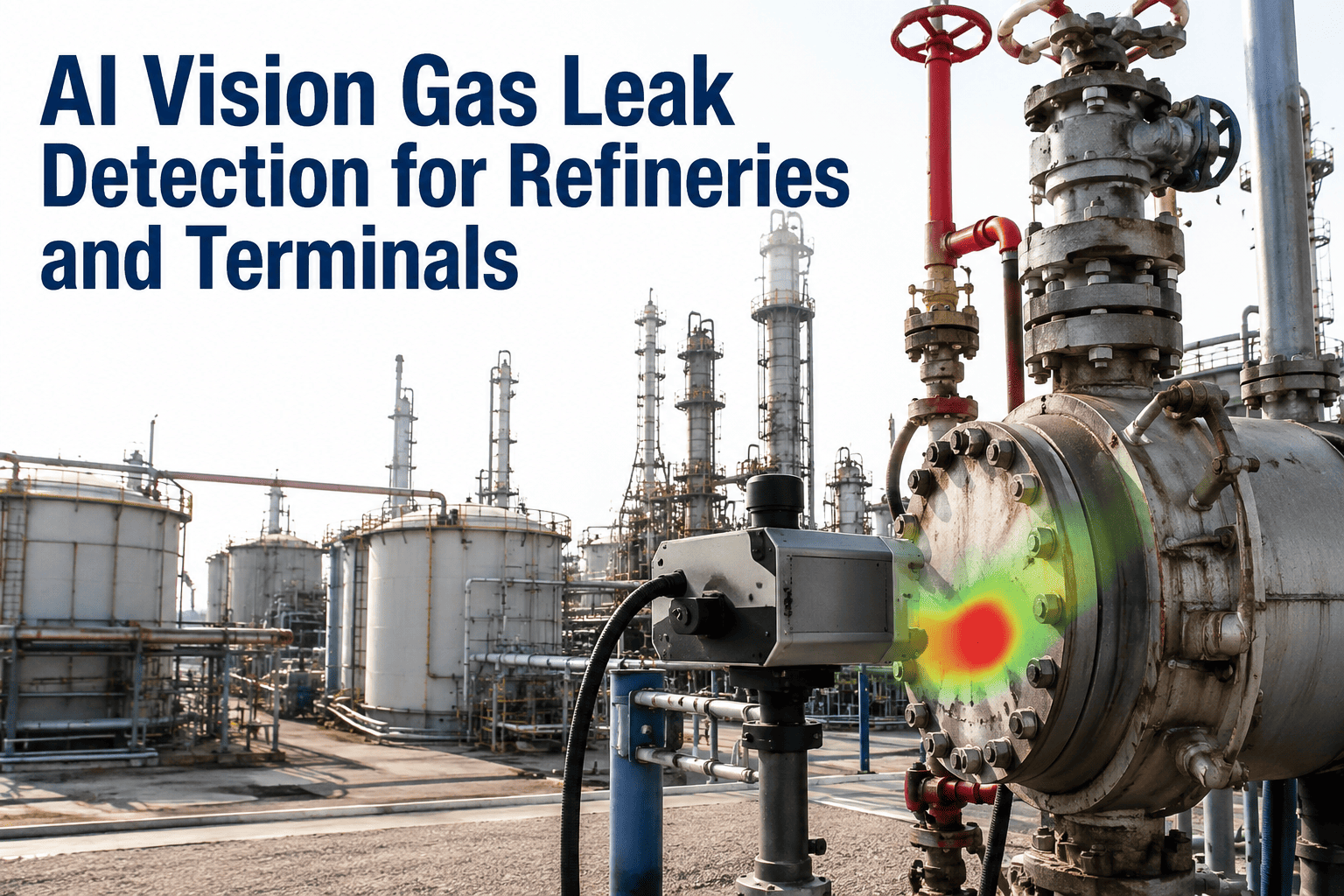
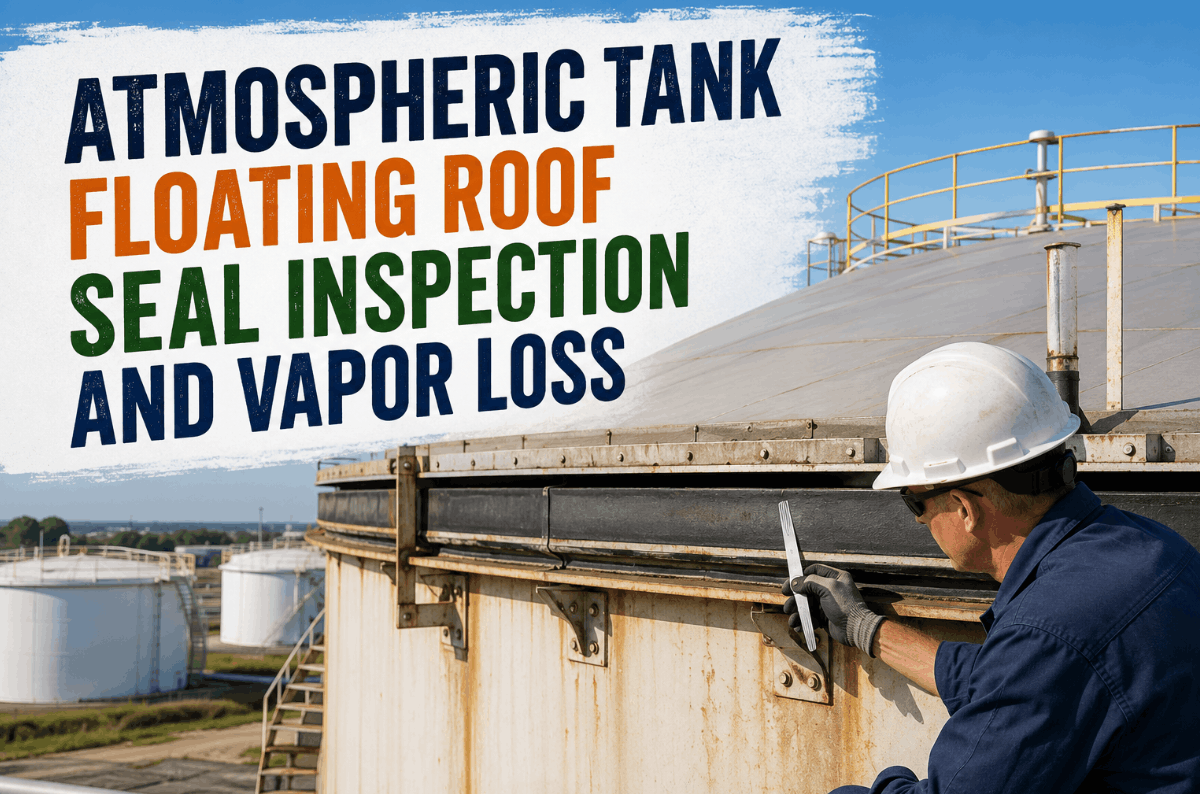
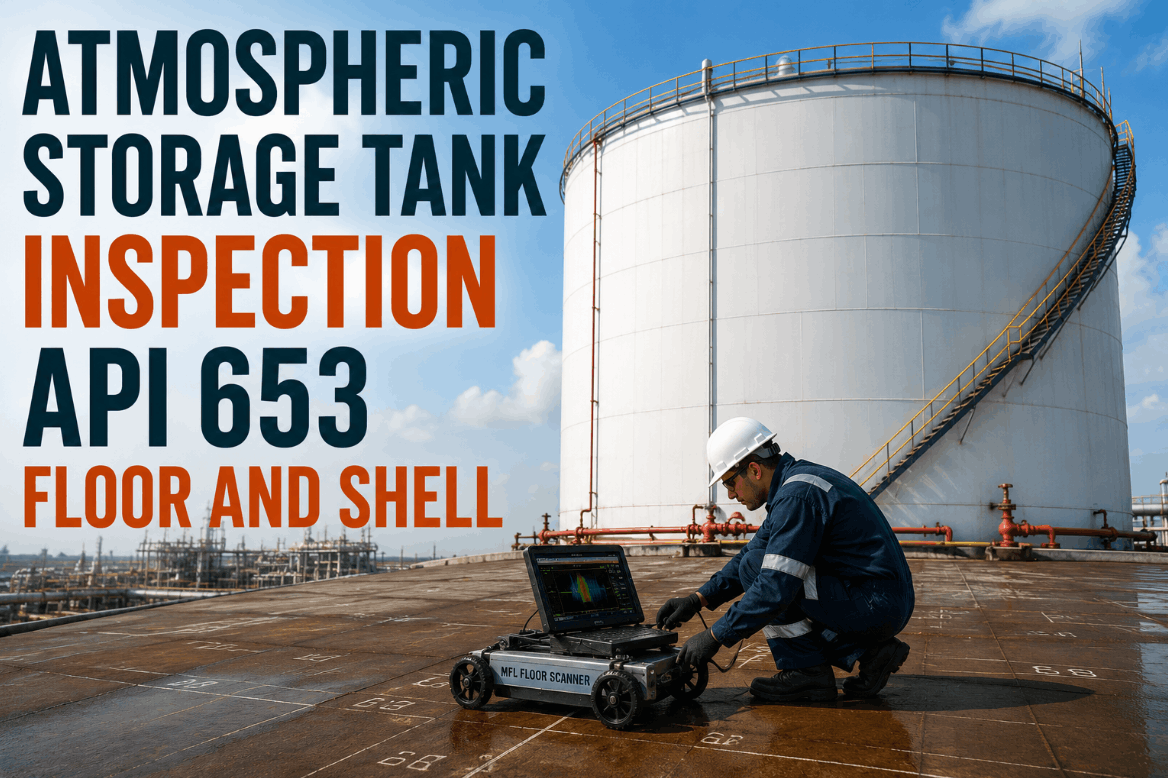
Oil and gas tank farms represent one of the highest-consequence, most inspection-intensive asset classes in the downstream energy sector. Atmospheric storage tanks, floating roof vessels, sphere tanks holding LPG and butane, and pressurized bullets operating under API 653, API 12R1, and NFPA 30 requirements generate recurring inspection obligations that have historically consumed enormous field hours, introduced personnel exposure risk, and produced documentation records that satisfy regulators but rarely drive predictive maintenance decisions. The convergence of AI vision systems, autonomous robotic inspection platforms, and cloud-based compliance analytics is fundamentally changing that operational model — and iFactory's tank farm AI vision monitoring platform is purpose-built for the unique regulatory, structural, and hazard management requirements of oil and gas storage facilities. Operators managing multi-tank terminal assets are discovering that continuous AI-driven monitoring delivers earlier detection of floating roof subsidence, coating disbondment, shell deformation, and cathodic protection degradation than any calendar-based inspection program can achieve — while simultaneously automating the API 653 documentation trail that regulators and insurers require.
Stop Calendar-Driven Tank Inspection. Switch to AI Vision Monitoring That Detects Failures Before They Become Incidents.
iFactory's tank farm AI platform continuously monitors sphere tanks, floating roof vessels, and atmospheric storage assets — with automated API 653 documentation, roof subsidence alerts, coating defect detection, and cathodic protection tracking integrated into one compliance-ready dashboard.
Why AI Vision Monitoring Is Redefining Tank Farm Inspection Programs
Tank farm inspection programs across the U.S. downstream sector are operating under a structural compliance burden that manual methods can no longer efficiently sustain. API 653 requires documented internal and external inspection intervals tied to corrosion rate calculations, fitness-for-service assessments, and remaining-life determinations that must be performed by a certified API 653 inspector. API 12R1 governs the setting, maintenance, inspection, and operation of tanks, while NFPA 30 and NFPA 11 establish the fire protection and foam system requirements that interact directly with tank structural integrity. A single atmospheric storage tank in a mid-size terminal can generate 200 to 400 individual inspection data points per inspection cycle — points that are currently captured on paper, entered into spreadsheets, and stored in systems that have no analytical connection to the tank's real-time condition. Operators who Book a Demo consistently discover that their tank farms are generating continuous visual and structural data that — once connected to an AI analytics layer — can detect coating failures, roof anomalies, and settlement deviations weeks before they would appear in a scheduled inspection cycle.
The economic case for AI vision deployment on tank farm assets is reinforced by the cost structure of conventional inspection: internal inspections requiring hot-work permits, confined space entry, tank cleaning, dewatering, degassing, and multi-day scaffolding installation routinely cost $80,000 to $250,000 per tank per inspection cycle. AI-assisted robotic inspection and continuous external monitoring reduces that cost profile materially while improving the frequency and spatial resolution of condition data available to integrity engineers.
Four High-Consequence Tank Farm Asset Groups Where AI Vision Delivers the Most Impact
Not every tank in a terminal carries equal risk, and not every inspection method is equally appropriate across asset types. iFactory's tank farm monitoring platform is calibrated to the specific failure modes, regulatory requirements, and consequence hierarchy of each principal storage asset class. Operators managing mixed terminal portfolios — atmospheric cone roof tanks, external floating roof tanks, sphere tanks, and pressurized bullets — require a platform that addresses each asset's distinct monitoring physics. Book a Demo to see how iFactory maps your terminal asset register to a tailored monitoring configuration.
External Floating Roof Tanks
Continuous AI vision monitoring of roof position, seal condition, pontoon drainage status, and roof leg contact — detecting subsidence, seal degradation, and rainwater accumulation before they become API 653 non-conformances or fire events.
Sphere Tank Inspection
Robotic crawler and drone-based shell inspection of LPG, butane, and propane sphere tanks — external coating assessment, weld inspection, support leg condition monitoring, and nozzle area examination without personnel on the sphere surface.
Atmospheric Cone Roof Tanks
Bottom plate corrosion mapping, shell course UT thickness trending, roof structural condition monitoring, and cathodic protection system performance tracking — all integrated into the API 653 remaining-life calculation workflow.
Pressurized Bullets and Horizontal Vessels
External inspection robotics for pressurized LPG and ammonia bullets — shell coating condition, corrosion under insulation risk scoring, support saddle condition, and ASME pressure vessel interval compliance tracking automated by iFactory.
How iFactory's AI Vision Platform Converts Tank Condition Data into API 653 Compliance Actions
The gap between raw tank inspection data and a compliant API 653 fitness-for-service assessment is where most tank farm inspection programs lose efficiency. Data is collected by field inspectors, entered manually into spreadsheets or standalone CMMS records, and then assembled by an API 653 certified inspector weeks or months later for the formal assessment. The result is a compliance process that is expensive, slow, and structurally incapable of delivering the early warning that prevents tank failures. iFactory closes this gap by connecting AI vision sensor output, robotic inspection data, and existing SCADA historian records into a continuous analytics workflow that produces compliance-ready documentation in real time.
Tank Asset Registry and Inspection Baseline Build
Every tank in the terminal is registered in iFactory with its API 653 inspection history, corrosion rate data, remaining life calculation, next required inspection date, and applicable regulatory standard. This creates the compliance baseline that all subsequent monitoring data is measured against.
Continuous AI Vision Sensor Integration
Fixed camera arrays, thermal imaging sensors, and LiDAR scanners positioned at optimal coverage angles around the terminal perimeter connect to iFactory's AI analytics layer. Floating roof position, shell deformation, settlement markers, and coating condition are monitored continuously at user-defined intervals.
Consequence-Weighted Anomaly Scoring
Every detected anomaly is scored against the consequence hierarchy of that specific tank — a floating roof deviation on a crude oil external floating roof tank scores differently than the same measurement on an empty slops tank. Life-safety and regulatory-threshold conditions escalate immediately to the terminal integrity engineer.
Robotic Inspection Dispatch and Documentation
When AI vision detects an anomaly requiring closer examination, iFactory generates a robotic inspection dispatch work order — deploying crawler or drone platforms to the specific tank location, with the inspection scope, access requirements, and documentation checklist pre-populated from the tank's API 653 inspection record.
Automated API 653 Documentation and Interval Update
Completed inspection findings feed directly into the iFactory API 653 compliance module — updating corrosion rate calculations, adjusting remaining life estimates, generating the formal inspection record, and recalculating the next required inspection date. Every document is audit-ready for API 653 inspector review and regulatory submission.
Tank Farm Regulatory Standards: What AI Vision Monitoring Helps You Satisfy
U.S. oil and gas storage terminals operate under a layered regulatory framework that spans API inspection standards, NFPA fire protection requirements, EPA tank integrity rules, and OSHA PSM obligations for facilities with covered quantities. Managing compliance across this framework manually — with paper inspection records, disconnected spreadsheets, and calendar-triggered work orders — creates gaps that regulators find and insurance underwriters price. Terminal operators who Book a Demo to review iFactory's compliance module consistently identify two to four active documentation gaps in their current programs within the first assessment session.
| Regulatory Standard | Key Requirement | Conventional Compliance Gap | iFactory AI Approach | Compliance Benefit |
|---|---|---|---|---|
| API 653 | Internal/external inspection intervals, corrosion rate calc, RBI | Manual data entry, interval tracking in spreadsheets, late findings | Automated interval tracking, AI corrosion trending, robotic inspection dispatch | Zero lapsed intervals |
| API 12R1 | Tank setting, maintenance, and operational inspection requirements | Operational inspection records disconnected from integrity data | Operational and integrity records unified in single asset register | Full record integration |
| NFPA 30 | Flammable and combustible liquid storage tank requirements | Structural condition affecting NFPA 30 compliance untracked between inspections | Continuous shell and roof monitoring flags conditions affecting NFPA 30 compliance | Real-time compliance status |
| NACE SP0207 / ISO 15589 | Cathodic protection system inspection and performance criteria | CP survey results not correlated with coating condition or corrosion rate data | CP performance data integrated with coating AI vision and corrosion rate trending | Integrated CP monitoring |
| EPA SPCC / 40 CFR 112 | Spill prevention control and countermeasure plan integrity documentation | SPCC integrity test records maintained separately from inspection history | iFactory links integrity test records, inspection data, and SPCC plan in single audit trail | EPA audit-ready package |
| OSHA PSM (29 CFR 1910.119) | Mechanical integrity for covered process equipment including storage tanks | MI inspection records and QA procedures stored outside CMMS integration | PSM MI documentation automated — inspection records, QA specs, and findings linked per asset | PSM MI compliance automated |
Six Critical Gaps in Conventional Tank Farm Inspection Programs
Most terminal operators pursuing improvements to their tank inspection programs encounter the same set of structural limitations. These gaps are not failures of individual inspectors — they are failures of systems that were designed for a paper-based, calendar-driven inspection paradigm. Understanding them precisely is the first step toward a monitoring architecture that closes them permanently. Integrity managers who want to benchmark their program against a modern AI vision framework can Book a Demo to see iFactory's gap assessment methodology applied to their terminal asset register.
Conventional roof level monitoring relies on manual gauge readings or basic float gauges that detect major subsidence events — not the gradual differential settlement that precedes seal failure, pontoon flooding, or rim fire events.
External coating failures — blistering, delamination, holiday formation — develop continuously between five-year external inspection cycles, exposing tank shells to corrosion rates that invalidate the API 653 remaining-life calculation.
Manual external inspection of sphere tanks requires scaffolding or rope access that covers a fraction of the total shell surface area — leaving the majority of the vessel uninspected between formal survey campaigns.
CP survey results are recorded independently of coating condition data and corrosion rate history — making it impossible to identify zones where CP underperformance and coating degradation are converging toward accelerated bottom plate corrosion.
Foundation settlement is typically measured at survey monuments installed around the tank perimeter — but differential settlement developing between survey points is invisible until it has progressed to shell distortion or nozzle stress levels.
Inspection records, corrosion rate calculations, fitness-for-service assessments, and remaining-life determinations exist in separate documents with no analytical connection — making interval optimization and regulatory audit preparation manually intensive.
Industry Perspective: Why Tank Farm Integrity Programs Need AI Vision Now
"In 24 years of API 653 inspection work across refinery tank farms and bulk terminal facilities, the finding I encounter most consistently is not a missing inspection — it is a missed signal that was present in the data and went unconnected. A floating roof that settled two centimeters over six months before the seal failed. A coating system that showed early blistering on the southwest quadrant of a cone roof tank twelve months before the shell corrosion rate exceeded the API 653 alert threshold. A sphere tank support leg with a crack that had been photographed during a previous inspection but filed without a follow-up work order. In every case, the data existed. What was missing was the analytical infrastructure to connect it, score it against consequence, and deliver a work order to a decision-maker with enough lead time to intervene. AI vision platforms like iFactory are addressing exactly that gap — and the terminal operators who deploy them are not just improving their compliance documentation posture. They are fundamentally changing the economics of tank farm integrity management by converting from a reactive-inspection model to a continuous-monitoring model where the cost of each prevented failure recovers the platform investment many times over."
The Operational Case for AI Vision Monitoring on Tank Farm Assets Is Settled
Calendar-based tank inspection was the appropriate compliance paradigm when the alternative was no inspection at all. It is no longer the appropriate paradigm for a terminal managing 20, 50, or 200 storage assets under API 653, NFPA 30, NACE SP0207, and EPA SPCC obligations — where the cost of a single floating roof fire event, a sphere tank leak, or an EPA-notifiable release dwarfs the annual investment in a continuous AI vision monitoring program by an order of magnitude. The instrumentation to support continuous tank farm monitoring exists. The AI vision platforms to analyze that data exist. The robotic inspection technology to eliminate confined space entry for internal inspection exists. What iFactory provides is the integration layer that connects those capabilities to your API 653 compliance workflow, your CMMS work order system, and your terminal's consequence-weighted risk management framework — so that every condition signal your tank farm generates is converted into a prioritized, documented, actionable decision before it becomes an incident report. Book a Demo to begin the terminal asset assessment for your facility.
Deploy iFactory's Tank Farm AI Vision Platform at Your Terminal
Pre-built API 653 interval tracking, floating roof subsidence alert thresholds, sphere tank crawler inspection templates, cathodic protection performance monitoring, and SPCC compliance documentation — ready to deploy for U.S. oil and gas terminal operations.
Tank Farm AI Vision Monitoring — Common Questions Answered
Yes — iFactory's LiDAR and AI vision integration detects differential roof settlement to within 5mm resolution on a continuous basis, triggering escalation alerts at configurable thresholds aligned to the tank's API 653 tilt and settlement tolerance limits.
iFactory generates structured inspection records in API 653 format — including corrosion rate inputs, remaining life calculations, and next inspection date determinations — which are then reviewed and certified by the facility's API 653 inspector before regulatory submission.
Magnetic-track robotic crawlers achieve 95%+ shell surface coverage on sphere tanks versus 30–50% coverage typical of rope access campaigns, while eliminating personnel-on-sphere risk and reducing inspection campaign cost by 40–55% on a per-inspection basis.
Yes — iFactory's corrosion risk module correlates CP potential survey data, coating condition AI vision output, and historical UT thickness measurements to produce a spatially-resolved bottom plate and shell corrosion risk map updated with each new data input.
A 20-tank terminal deployment with iFactory — covering asset registry build, sensor integration, API 653 compliance module configuration, and staff training — typically reaches full operational status in 10–14 weeks with a total investment of $110,000–$220,000 depending on existing sensor infrastructure.