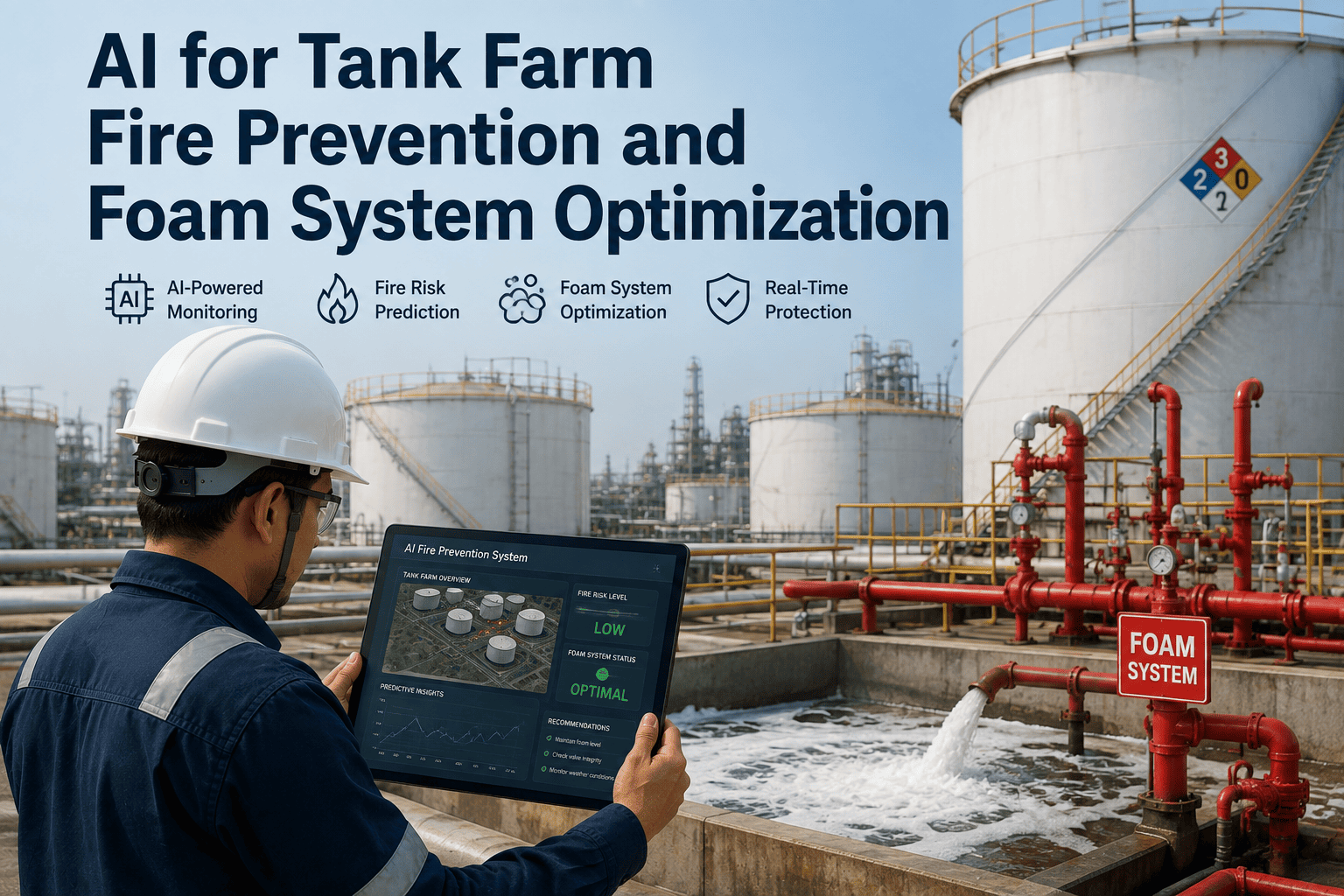
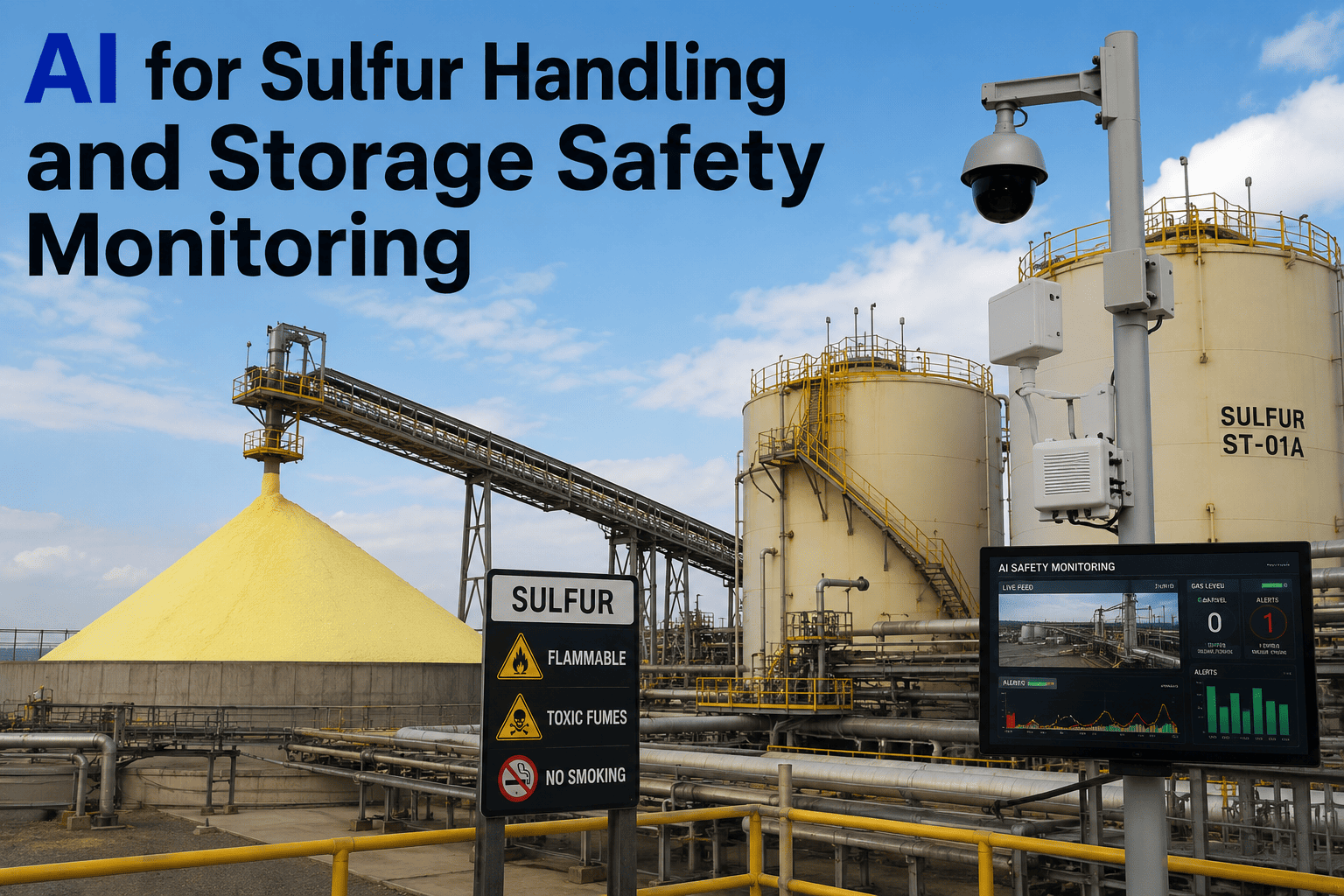
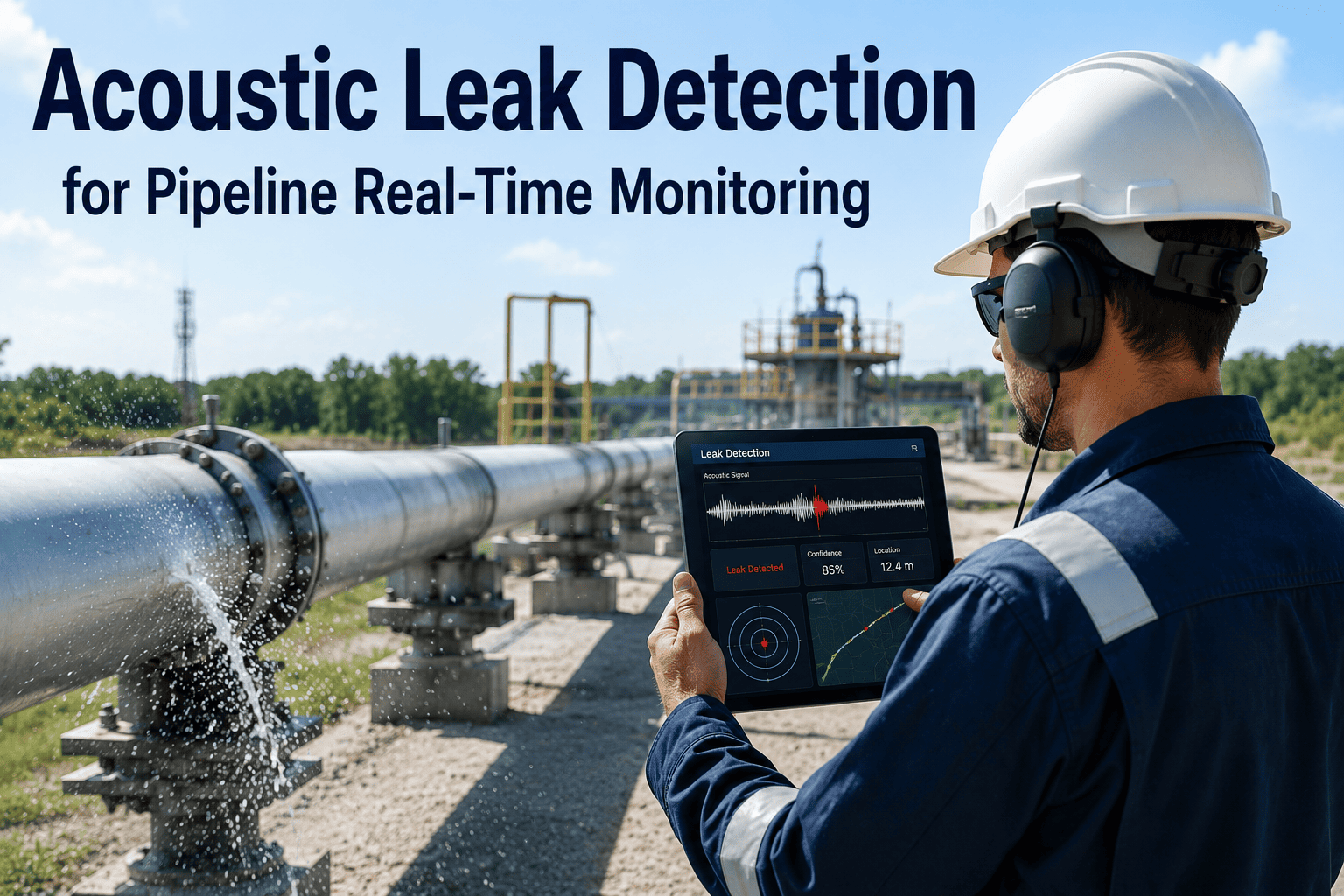
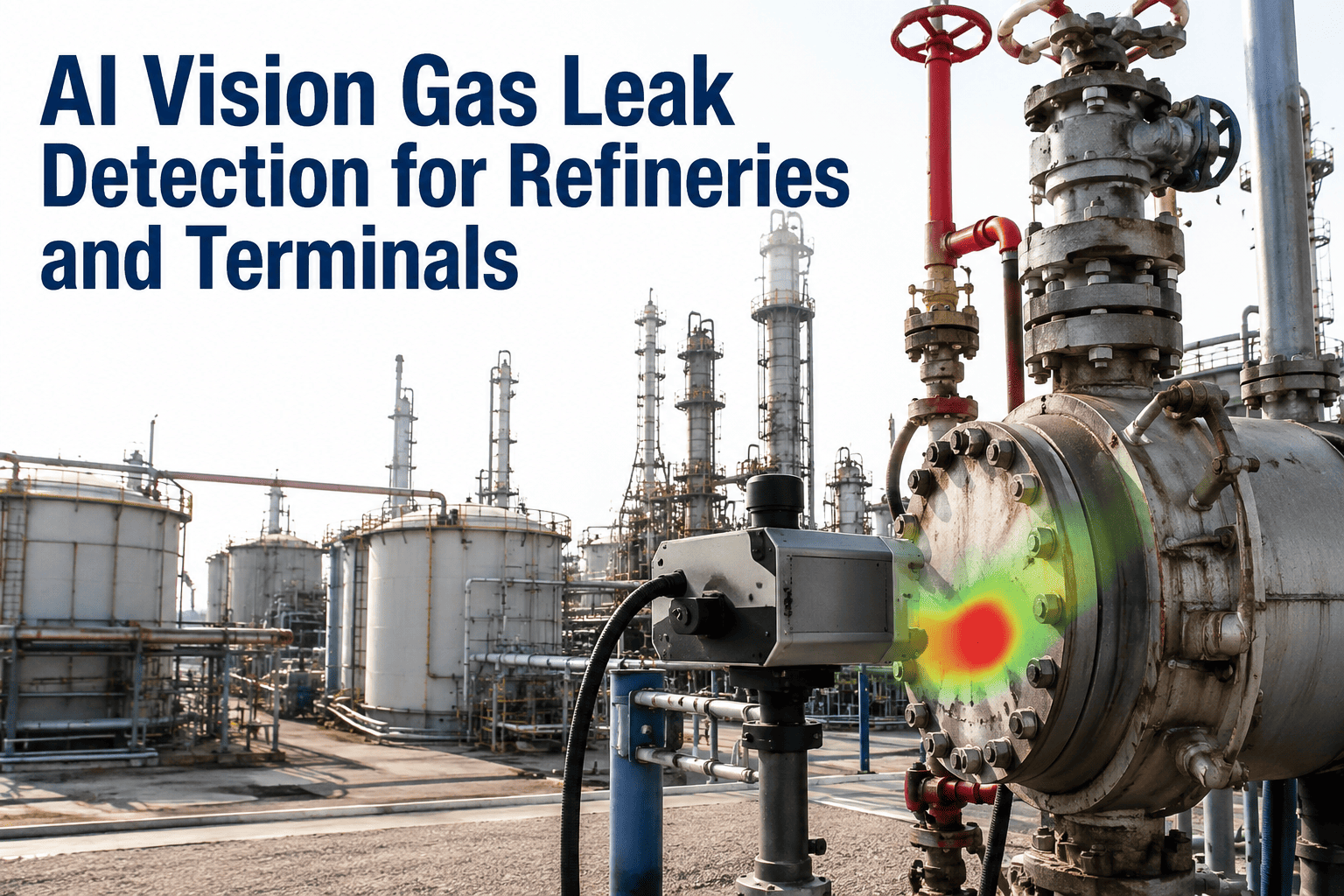
A Boiling Liquid Expanding Vapor Explosion doesn't begin as an explosion at all. It begins as a small fire under a sphere, an undetected leak near a flange, or a deluge valve that didn't open the way the test card said it would. LPG spheres hold thousands of barrels of pressurized, flammable liquid, and the entire safety case for storing that volume rests on three systems working every single time: water deluge that keeps the vessel shell below failure temperature, gas detection that catches a leak before it finds an ignition source, and isolation valves that stop flow the instant something goes wrong. NFPA 58, NFPA 15, and API 2510 spell out exactly what "working" means for each of these systems — cooling rates, alarm setpoints, valve closure times — but most terminals still verify compliance with a clipboard and an annual test date. Book a Demo to see how continuous monitoring turns that annual snapshot into a live safety record for every sphere on site.
LPG Sphere Safety Intelligence: BLEVE Prevention & Leak Detection
A technical framework for continuously verifying water deluge coverage, gas detection integrity, and isolation valve readiness across every pressurized LPG sphere in your storage field.
Replace the Annual Fire Test with a Live Sphere Safety Record
See how iFactory continuously verifies deluge coverage, gas detection, and isolation valve readiness for every LPG sphere on your site.
LPG Sphere Failures a Storage Terminal Cannot Afford to Ignore
A BLEVE is not a single point of failure — it's the result of two or three smaller failures stacking up at once: a fire that shouldn't have reached the vessel, a deluge system that didn't deliver the design flow, and a relief valve operating at the edge of its capacity. Six failure modes account for most of the risk on a typical LPG sphere field. Book a Demo to walk through how each one is monitored.
BLEVE from Inadequate Vessel Cooling
Fire impingement on an unwetted vapor space can drive shell temperature past the failure point in minutes. iFactory's thermal sensors flag any drop below the 0.25 gpm/sf cooling rate before the vessel reaches a critical surface temperature.
Water Deluge Activation Failure
Clogged nozzles, low header pressure, or a stuck deluge valve can silently disable a sphere's only active defense. We track deluge line pressure and verified flow continuously, not just on the annual fire test date.
Gas Detection Coverage Gaps
Fixed LEL sensors drift out of calibration or sit outside the real vapor path. iFactory cross-references sensor placement, wind data, and bump-test history to flag blind spots around flanges, manifolds, and the sphere skirt.
Pressure Relief Valve Set-Point Drift
A PRV that lifts late — or not at all — removes the vessel's last mechanical safeguard against overpressure. Digitized test records track every set pressure against its certified value and flag overdue testing automatically.
Emergency Isolation Valve Failure to Close
NFPA 58 requires internal valves on vessels over 4,000 gallons to close on remote or thermal command, every time. iFactory logs stroke time and full-closure confirmation on every test, not just a visual check.
Undetected Vapor Cloud Migration
A low-lying propane vapor cloud can travel past the fence line before reaching a fixed detector. AI-correlated wind and topography modeling estimates real-time vapor extent from the nearest confirmed reading.
Safety Verification Evolution: Scheduled Tests vs. Continuous Monitoring
Quantifying the impact of continuous monitoring across the two metrics that matter most on a sphere field: how fast a leak is isolated, and how confident anyone is that the deluge system will actually deliver design flow.
Strategic Architecture: Four Deployment Tiers for Sphere Field Digitization
Terminals scale their sphere safety program from basic leak alerting to fully integrated emergency shutdown using iFactory's phased framework, so every sensor added has a direct line to a safety outcome. Process safety and fire protection leads often Book a Demo to map this against their next turnaround.
Leak Detection & Gas Sensor Mesh
Fixed LEL and infrared gas detectors around spheres, manifolds, and transfer points feed a live concentration map referenced against 10% and 20–25% LEL alarm setpoints, with sensor drift and bump-test history tracked per device.
Water Deluge & Fire Water Verification
Pressure and flow sensors on deluge headers and fire pump discharge confirm every protected sphere can receive its design density on demand, not just during the scheduled annual test.
PRV & Isolation Valve Test Automation
Digitizes the test, stroke-time, and inspection records required for pressure relief devices and NFPA 58 internal valves, replacing a paper test card with a per-valve compliance history.
Autonomous ESD Integration
Full integration with plant emergency shutdown logic, automatically isolating the affected sphere and activating its deluge zone on a confirmed gas or fire signal, without waiting on manual confirmation.
Regulatory Frameworks & Process Safety Compliance
LPG sphere storage sits at the intersection of fire code, pressure equipment standards, and OSHA process safety rules. iFactory provides the auditable data each of these frameworks expects.
| Framework | Data Requirement | iFactory AI Value |
|---|---|---|
| NFPA 58 / API 2510 | Internal valve closure & fire protection design basis | Continuous monitoring of valve stroke time and deluge coverage against the original design. |
| OSHA PSM 1910.119 | Mechanical integrity for covered processes ≥10,000 lb LPG | Digital PRV, valve, and sensor history mapped directly to PSM mechanical integrity records. |
| NFPA 15 | Water spray system acceptance & periodic test records | Automated logging of deluge flow tests and nozzle inspection intervals per sphere. |
| EPA RMP / Fire Marshal | Risk management plan & local fire code documentation | Audit-ready export of detection, deluge, and valve test history for any covered sphere. |
"We used to find out a deluge nozzle was clogged once a year, during the fire test, which is the worst possible time to find out. Now we get a pressure-drop alert the week it happens. The same goes for our internal valves — we know the actual stroke time on every test, not just a pass or fail. It hasn't changed what the codes require of us, but it has changed how confident I am that we'd actually meet them in a real event."
LPG Sphere BLEVE Prevention: Frequently Asked Questions
Q: What actually causes a BLEVE on an LPG sphere?
Sustained fire impingement on the vapor space without adequate cooling overheats the steel until it fails before the relief valve can vent enough pressure. Continuous deluge cooling and early gas or fire detection are the primary defenses.
Q: How often must water deluge systems on LPG spheres be tested?
NFPA 15 calls for periodic flow testing of each protected vessel's spray system. iFactory flags any sphere whose verified flow falls below the 0.25 gpm/sf design density between scheduled tests.
Q: What gas detector alarm setpoints are standard for LPG vapor?
Low alarms are typically set near 10% LEL and high alarms near 20–25% LEL, giving enough margin to isolate the source before reaching a flammable concentration.
Q: When does OSHA's PSM standard apply to LPG storage?
Any covered process with 10,000 pounds or more of LPG on site falls under 29 CFR 1910.119, requiring documented mechanical integrity for relief valves, isolation valves, and gas detection systems.
Q: How are NFPA 58 internal isolation valves tested for reliability?
Periodic stroke testing confirms the valve fully closes on both remote and thermal signals within its rated time. Book a Demo to see digitized stroke-time records replace the manual checklist.
Ready to Build a BLEVE-Hardened Sphere Field?
Speak with an iFactory process safety specialist about continuous deluge, gas detection, and isolation valve verification across your LPG storage assets.