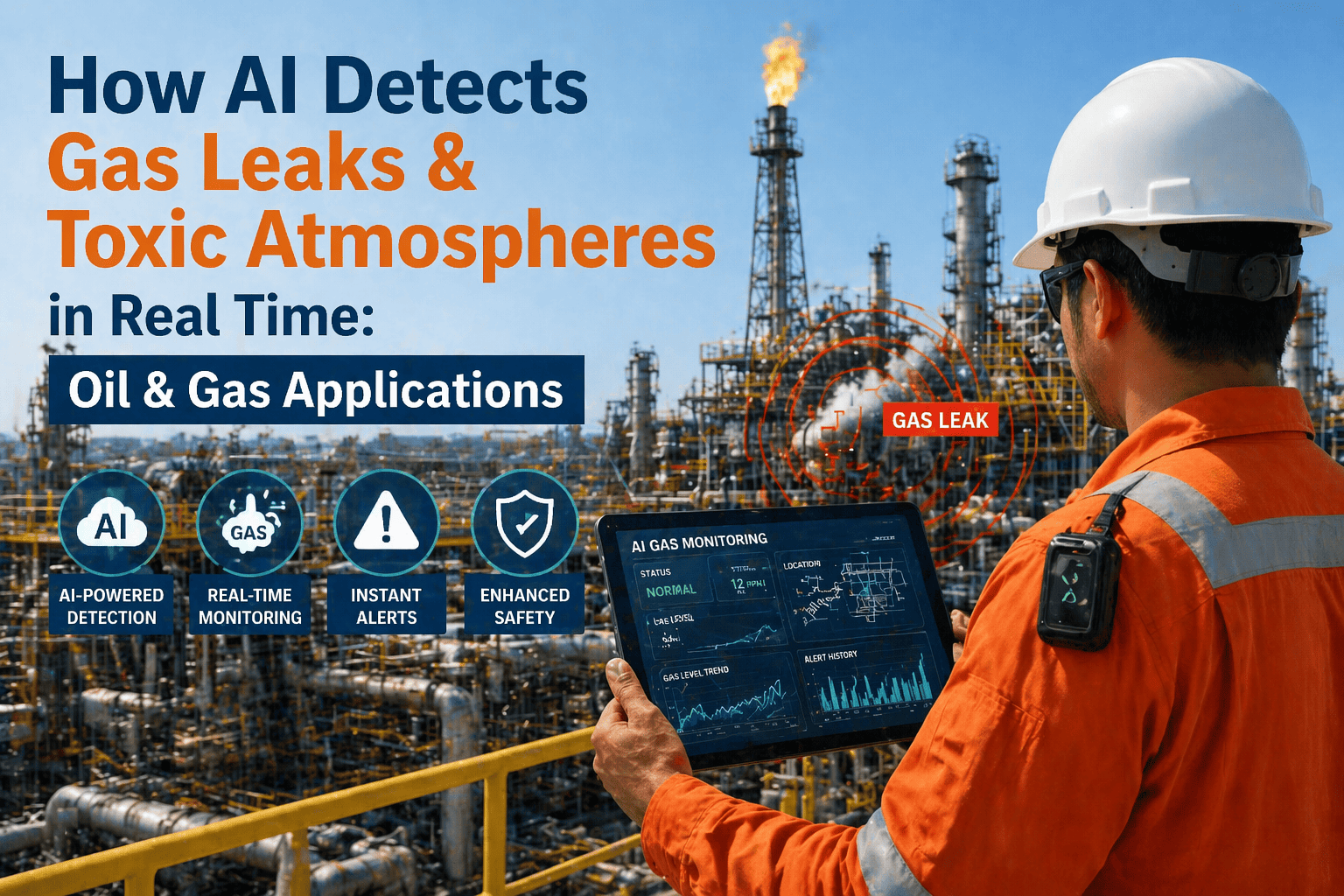
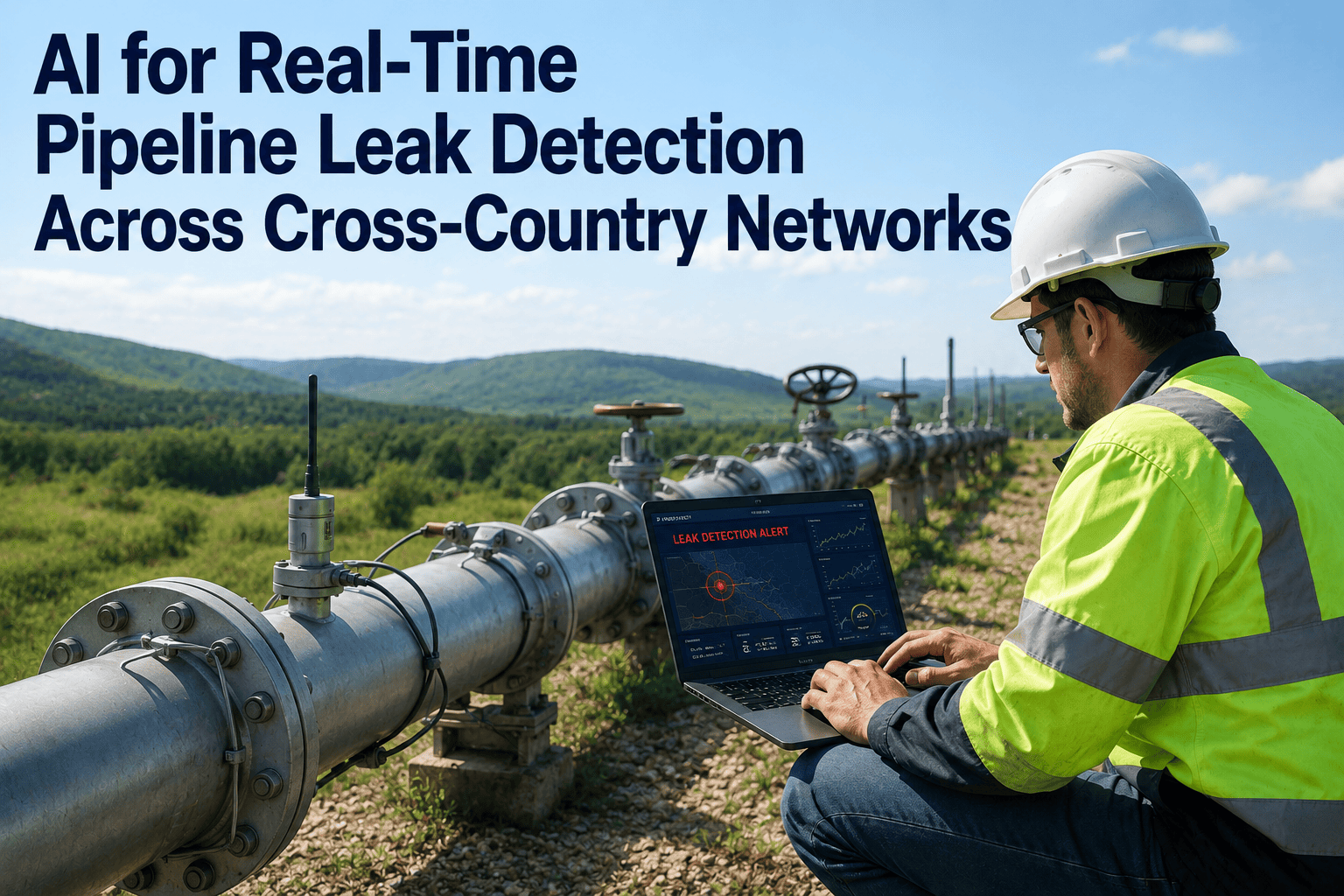
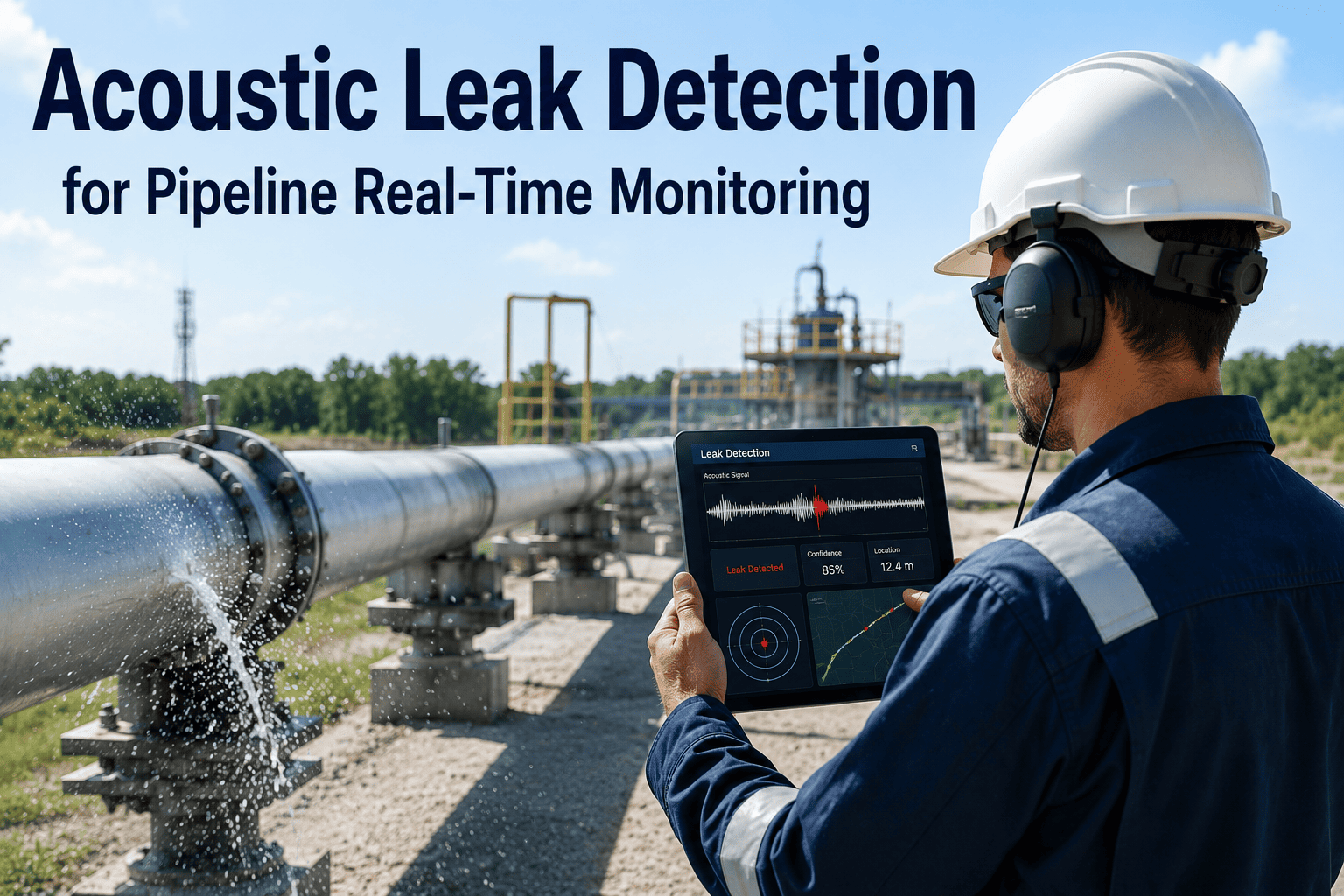
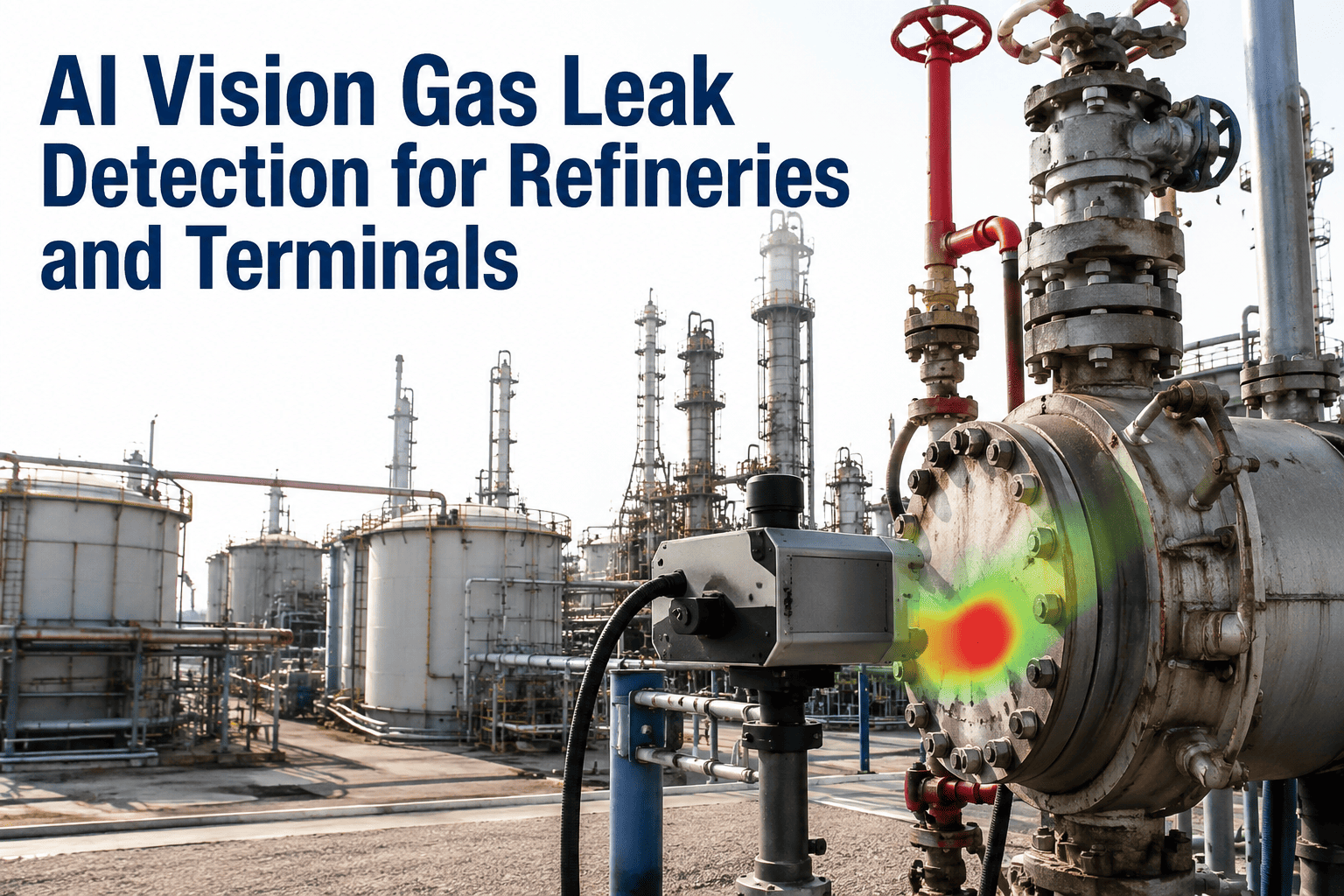
Oil and gas operations detecting gas leaks through manual field inspections face 3-6 week detection delays costing $50,000+ per incident while toxic atmospheres pose immediate worker safety risks in ATEX Zone 1 areas where explosive gases concentrate around pipelines pumps and valves. Traditional concentration measurement systems cannot detect leaks in outdoor environments with air currents while workers conducting manual inspections face hazardous exposure in confined spaces. iFactory's AI platform detects gas leaks and toxic atmospheres in real-time through acoustic imaging thermal cameras and distributed sensor networks integrated with DCS SCADA systems enabling immediate alerts when methane VOC hydrogen sulfide or other hazardous gases exceed safety thresholds. Book demo to see iFactory detect gas leaks in real-time across upstream midstream downstream operations.
99%
Real-time gas leak detection accuracy through acoustic imaging and sensor fusion
Real-Time
Immediate alerts when toxic atmospheres exceed safety thresholds eliminating detection delays
$50K+
Per-incident cost avoided through early detection preventing environmental incidents
8 wks
Complete deployment from sensor integration to real-time monitoring across operations
AI Eyes That Detect Leaks Before They Escalate. Robots That Inspect Where Humans Cannot Safely Go.
iFactory enables oil and gas operators to detect gas leaks and toxic atmospheres in real-time through AI vision robotics and sensor networks integrated with DCS SCADA systems providing immediate alerts eliminating manual inspection delays and worker safety risks.
The Reality: Why Manual Gas Leak Detection Fails in Oil & Gas Operations
Oil and gas operations relying on manual field inspections to detect gas leaks face 3-6 week delays between leak initiation and identification allowing methane VOC and hydrogen sulfide concentrations to build in confined spaces creating toxic atmospheres. Workers conducting manual inspections in ATEX Zone 1 areas around pipelines pumps and valves face hazardous exposure while traditional concentration measurement systems fail in outdoor environments with air currents providing incomplete visibility. Without real-time monitoring oil and gas operators lack early warning capability enabling leaks to escalate into environmental incidents worker exposures and costly shutdowns. Traditional SCADA systems collect historical data without predictive intelligence or real-time gas concentration analysis preventing proactive intervention before incidents occur.
Oil & Gas Leak Detection Reality
3-6 weeks detection
Average delay from leak initiation to discovery through manual inspections
$50K+ per incident
Environmental remediation costs from undetected leaks building to critical levels
Toxic atmosphere risk
Manual inspections in ATEX Zone 1 exposing workers to hazardous gas concentrations
ESG compliance gap
Regulatory violations from incomplete methane VOC flaring documentation
What Complete Oil & Gas Operations Need for Real-Time Gas Detection
AI Vision & Leaks Detection
Acoustic imaging and thermal cameras detecting methane VOC hydrogen sulfide and flaring at production rates of 30mL/min or higher with 99% accuracy across upstream midstream downstream assets.
Robotic Inspection Systems
Mobile robots with modular gas detectors and 360-degree acoustic payloads inspecting confined spaces ATEX Zone 1 areas and hazardous locations without human exposure to toxic atmospheres.
Real-Time Toxic Atmosphere Alerts
Continuous distributed sensor networks monitoring methane hydrogen sulfide and oxygen concentrations triggering immediate alerts when safety thresholds exceeded preventing worker exposure incidents.
Pipeline Integrity Monitoring
AI-Driven Integrity for Every Mile of Pipeline detecting corrosion pinhole leaks and external threats enabling predictive maintenance and preventing catastrophic failures.
Methane VOC Flaring Reporting
Methane, VOC & Flaring From Sensor to ESG Report automated capture and documentation enabling regulatory compliance and third-party verification without manual measurements.
DCS SCADA Integration
OT Data Stays Inside Your Security Perimeter with native DCS SCADA connectivity enabling real-time gas detection without exposing operational data outside facility networks.
How iFactory Enables Real-Time Gas Leak and Toxic Atmosphere Detection
Traditional oil and gas monitoring treats gas detection as periodic inspection task rather than continuous safety system. iFactory is the Complete AI Platform for Oil & Gas Operations delivering One Platform Every Segment 8 AI-Powered Modules for Complete Oil & Gas Operations with real-time acoustic imaging thermal monitoring distributed sensors and robotic inspection fully integrated with DCS SCADA systems. See live demo of iFactory gas leak detection in oil and gas operations.
01
Acoustic Imaging Networks
360-degree acoustic cameras detecting ultrasonic signatures of gas leaks at production rates 30mL/min pinpointing leak location and severity with 99% accuracy enabling rapid response.
02
Thermal Imaging Analysis
Infrared imaging coupled with deep learning detecting methane emission signatures identifying leak sources and measuring emission rates enabling quantified remediation planning.
03
Distributed Sensor Monitoring
Real-time distributed sensor networks measuring methane hydrogen sulfide oxygen concentrations across upstream midstream downstream facilities triggering immediate alerts when safety thresholds exceeded.
04
Robotic Inspection Automation
AI-driven mobile robots with modular gas detectors inspecting confined spaces ATEX Zone 1 hazardous areas and remote locations eliminating human worker exposure to toxic atmospheres.
05
Pipeline Integrity Tracking
Continuous monitoring of pipeline corrosion pinhole leaks and external damage predicting maintenance needs before failures occur preventing environmental incidents and worker exposures.
06
ESG & Compliance Automation
Automated methane VOC flaring documentation generating regulatory reports enabling third-party verification and investor disclosure without manual sampling and measurement procedures.
Why iFactory Is Different From Traditional Gas Detection Vendors
Gas detection vendors offer single-purpose sensors or standalone cameras providing no integration with DCS SCADA systems or cross-facility visibility. iFactory delivers complete real-time gas detection platform with acoustic imaging thermal monitoring distributed sensors and robotic inspection fully integrated with operational technology networks. Compare iFactory against traditional gas detection systems.
| Platform |
AI Capability |
Real-Time Detection |
SCADA Integration |
Deployment Speed |
Oil & Gas Fit |
| iFactory |
Pre-trained oil gas AI. 99% detection accuracy. |
Real-time acoustic thermal distributed monitoring. |
Native DCS SCADA connectivity bidirectional data. |
8 weeks to real-time operation. |
Purpose-built all segments. |
| Traditional Detectors |
Single-gas detection. No AI analysis. |
Manual readings required. Not real-time. |
No system integration. |
Immediate install. No setup. |
Point solutions only. |
| Acoustic Cameras |
Leak visualization. No predictive AI. |
Leak detection only. No atmosphere monitoring. |
Standalone operation. |
2-4 weeks installation. |
Limited scope application. |
| SCADA Vendors |
No gas detection AI. Historical data only. |
No real-time leak or atmosphere detection. |
SCADA monitoring only. |
3-6 months integration. |
Control system only. |
| Drones |
Camera capture. Limited AI analysis. |
Manual flight required. Not continuous. |
No integration capability. |
2-4 weeks training. |
Offline inspection tool. |
Gas Leak Detection AI Implementation Roadmap
iFactory follows structured 6-stage deployment enabling real-time gas detection in week 4 and continuous operation by week 8.
01
Sensor Deploy
DCS SCADA hookup
02
Asset Mapping
Camera robotics locations
03
AI Training
Detection models live
04
Alerts
Real-time notifications
05
Integration
Full facility coverage
06
Scale
Multi-facility deployment
8-Week Deployment and ROI Timeline
Weeks 1-2
Infrastructure Setup
DCS SCADA sensor connections
Acoustic camera robot deployment planning
Historical baseline data ingestion
Weeks 3-4
AI Model Training
Detection models trained on facility data
Pilot acoustic imaging operational
First gas leak detections validated
Weeks 5-6
Full Deployment
Real-time alerts across all facilities
Team training on alert procedures
Robotic inspection active
Weeks 7-8
ESG & Optimization
Compliance reporting live
Methane VOC flaring documented
ROI report real-time detection metrics
ROI IN 6 WEEKS: REAL-TIME GAS DETECTION FROM WEEK 4
Oil and gas operators completing 8-week program achieve real-time gas leak and toxic atmosphere detection within 6 weeks with first acoustic imaging and thermal monitoring operational by week 4 detecting methane VOC hydrogen sulfide leaks enabling immediate response preventing environmental incidents and worker exposures.
99%
Real-time detection accuracy
Real-Time
Immediate gas leak alerts
$50K+
Per-incident cost avoided
Connects to Your Existing DCS/SCADA & Historians. One Platform, Every Segment 8 AI-Powered Modules for Complete Oil & Gas Operations.
iFactory purpose-built oil and gas platform delivers real-time gas leak detection acoustic imaging thermal monitoring distributed sensors and robotic inspection fully integrated with DCS SCADA systems enabling immediate alerts eliminating detection delays and worker safety risks.
Use Cases: Real-Time Gas Detection Results From Live Oil & Gas Operations
Use Case 01
Upstream Gas Platform - Toxic Atmosphere Prevention
Upstream gas platform operating in ATEX Zone 1 areas with pipelines and compressor equipment required manual inspections every 7 days taking 12 hours per inspection with worker exposure to hydrogen sulfide concentrations. iFactory deployed acoustic imaging and distributed sensor networks monitoring toxic atmospheres in real-time. Detected hydrogen sulfide concentration spike 4 hours before worker exposure threshold reached enabling immediate isolation and maintenance. Eliminated manual inspection risk while reducing detection time from 7 days to real-time.
Real-Time
Toxic atmosphere detection vs 7-day manual
Zero
Worker exposures prevented
4 hrs
Advance detection warning
Use Case 02
Midstream Pipeline - Leak Detection & ESG Compliance
Midstream operator managing 200 miles of transmission pipelines with quarterly manual leak inspections missing 40% of active leaks between inspection cycles. iFactory deployed acoustic imaging cameras at critical points detecting methane leaks at 30mL/min production rates. Identified 15 previously undetected leaks within first month enabling remediation and quantified methane emissions for ESG reporting. Real-time monitoring eliminated 3-month detection gaps between manual inspections.
99%
Leak detection accuracy vs 60% manual
$50K+
Per leak avoided remediation cost
15
Leaks detected in first month
Regional Oil & Gas Requirements and iFactory Solutions
| Region |
Challenges |
Compliance |
iFactory Solution |
| US |
EPA methane regulations. OSHA worker safety. Investor ESG pressure. |
40 CFR Part 98 methane reporting. OSHA PSM. API standards. |
Real-time leak quantification. Automated ESG documentation. Worker safety monitoring. |
| UAE |
Offshore ATEX compliance. Extreme heat operations. Limited inspector availability. |
ATEX directives offshore safety. ADNOC standards. |
Robotic inspection replacing human offshore work. Continuous monitoring heat conditions. ATEX automated compliance. |
| UK |
HSE process safety. North Sea production decline. Decommissioning monitoring. |
Health and Safety at Work Act. HSE PSM. Oil and Gas UK guidelines. |
Real-time incident prevention. Aging asset safety monitoring. HSE compliance documentation. |
| Canada |
Alberta emissions regulations. Indigenous community safety. Cold climate hazards. |
ECCC methane reporting. Alberta energy safety. NEB process safety. |
Methane emissions quantification. Real-time hazard detection. Community safety monitoring. |
| Europe |
Methane regulation. Energy security. Just transition pressure. |
EU methane regulation 2024. SEVESO directive. IED compliance. |
Automated methane quantification. SEVESO safety automation. EU compliance reporting. |
Frequently Asked Questions
How does iFactory integrate with our existing DCS SCADA and PLC systems?
iFactory connects natively to Siemens Honeywell ABB DCS systems through standard protocols extracting real-time process data without custom middleware. Gas detection data feeds back to SCADA enabling automated responses and alerts.
Book demo to discuss your specific systems.
Can iFactory detect all types of gas leaks including toxic atmospheres?
Yes. Acoustic imaging detects methane and hydrocarbons. Distributed sensors monitor hydrogen sulfide oxygen and other toxic gases. Infrared thermal imaging captures methane emissions. Combined coverage detects upstream midstream downstream hazards.
How does iFactory help with ESG and methane emissions reporting?
Real-time gas detection data feeds automated ESG reports with quantified methane VOC and flaring emissions. Third-party verification ready documentation meets investor disclosure and regulatory requirements without manual sampling.
What is the typical ROI from implementing real-time gas leak detection?
Documented results show $50K+ cost avoided per detected leak early remediation. Combined with reduced regulatory fines worker safety incidents and ESG disclosure costs typical payback is 8-12 months with 5-10x ROI over 3 years.
How quickly can iFactory be deployed across multiple oil and gas facilities?
8-week deployment at initial facility scales to 10+ facilities within 6 months. Models and playbooks transfer accelerating subsequent deployments. Enterprise customers typically see full portfolio coverage within 12-18 months.
Detect Gas Leaks and Toxic Atmospheres in Real-Time. Complete Oil & Gas AI Platform in 8 Weeks.
iFactory is the Complete AI Platform for Oil & Gas Operations delivering real-time acoustic imaging thermal monitoring distributed sensor networks and robotic inspection fully integrated with DCS SCADA systems enabling immediate detection preventing environmental incidents worker exposures and ESG violations.
99% real-time detection accuracy proven
$50K+ per-incident cost avoided
Robotic inspection ATEX safe
Automated ESG compliance reporting