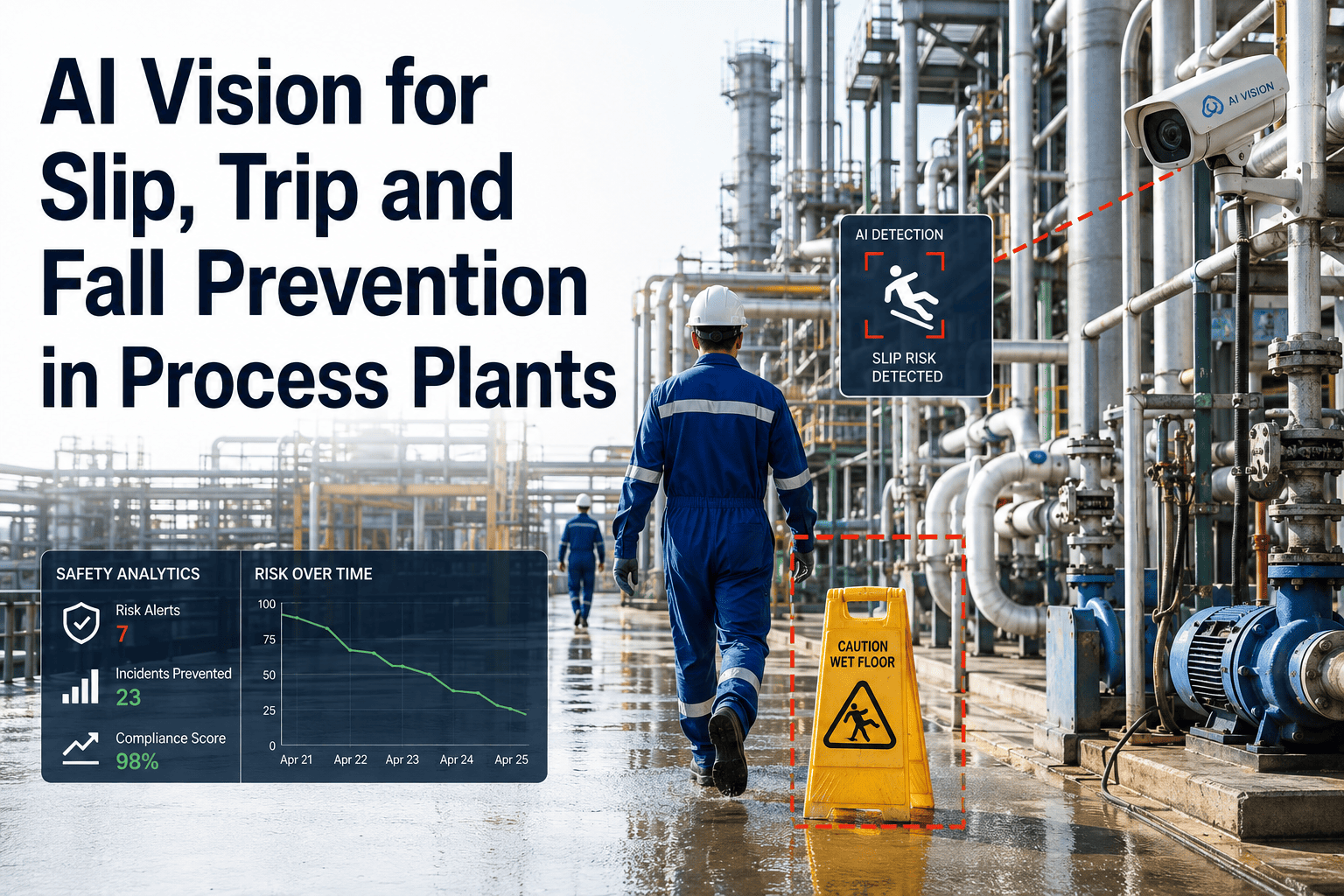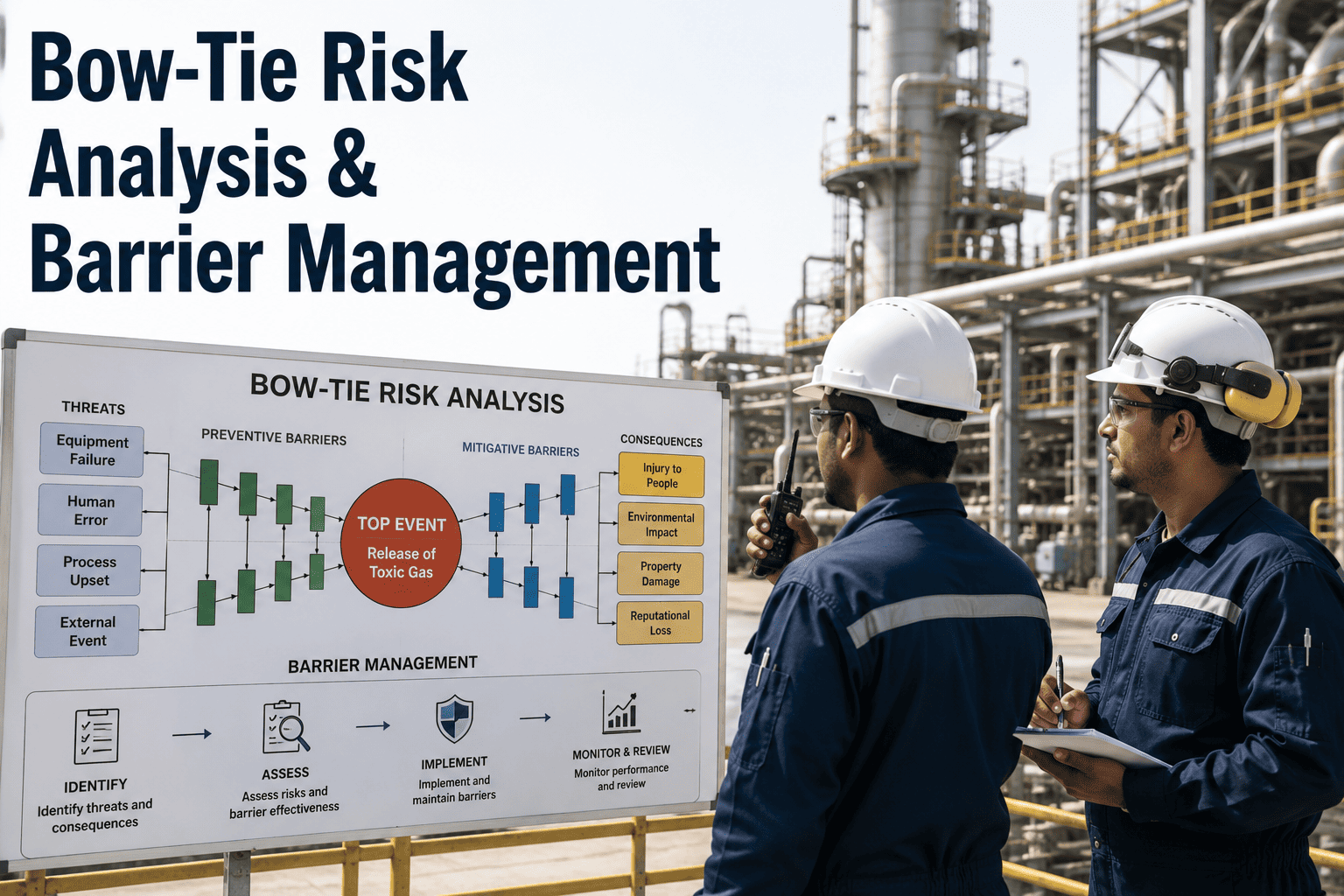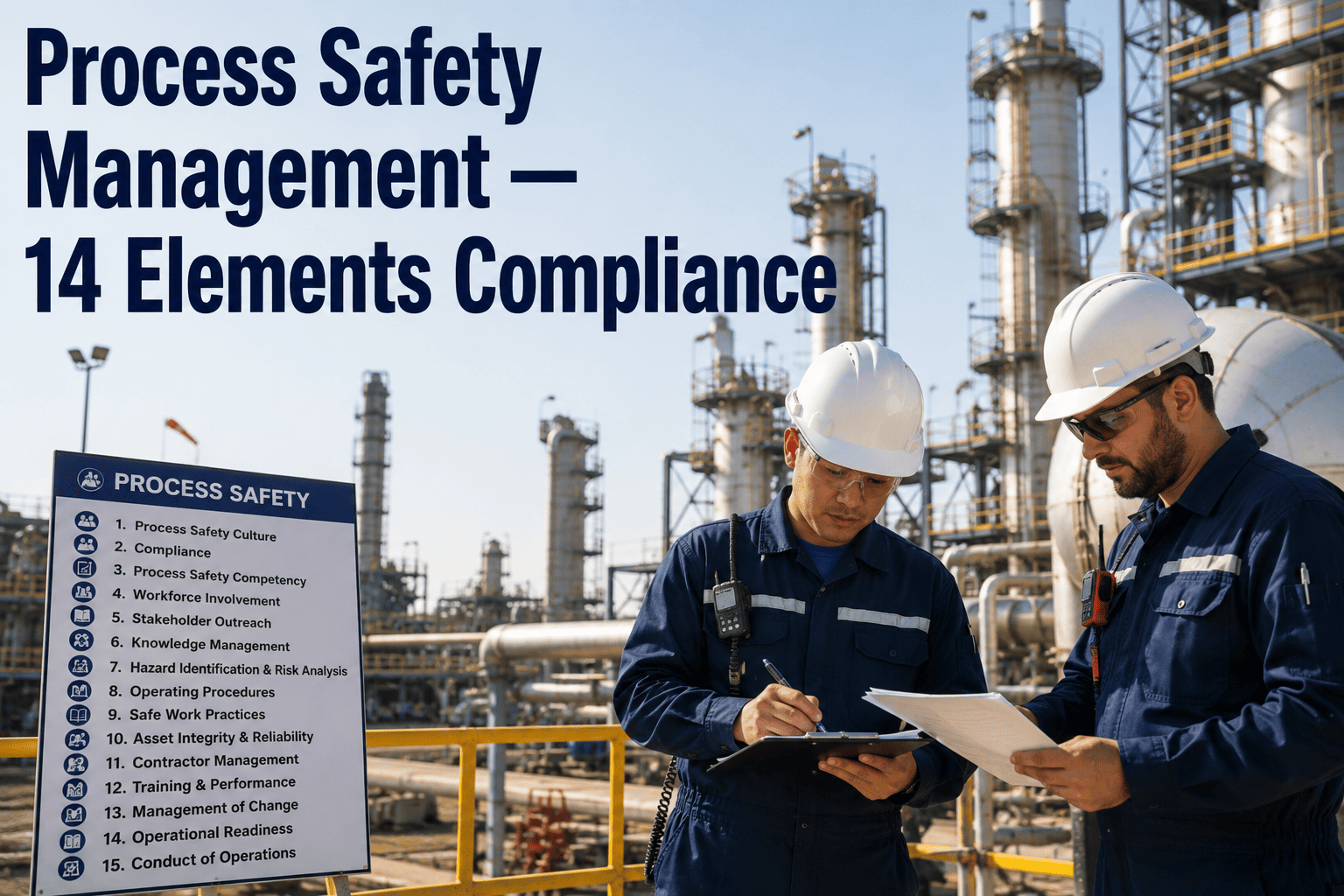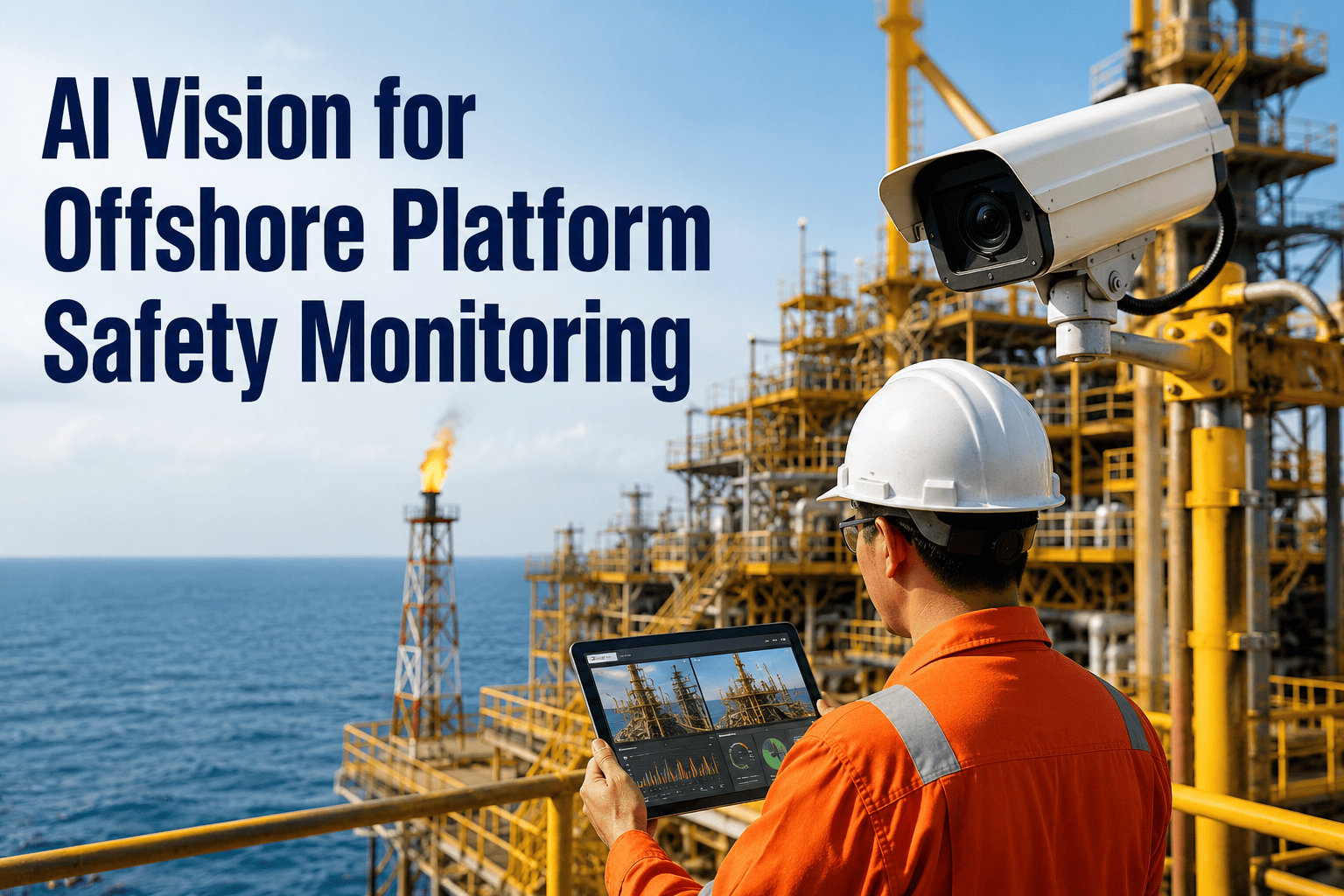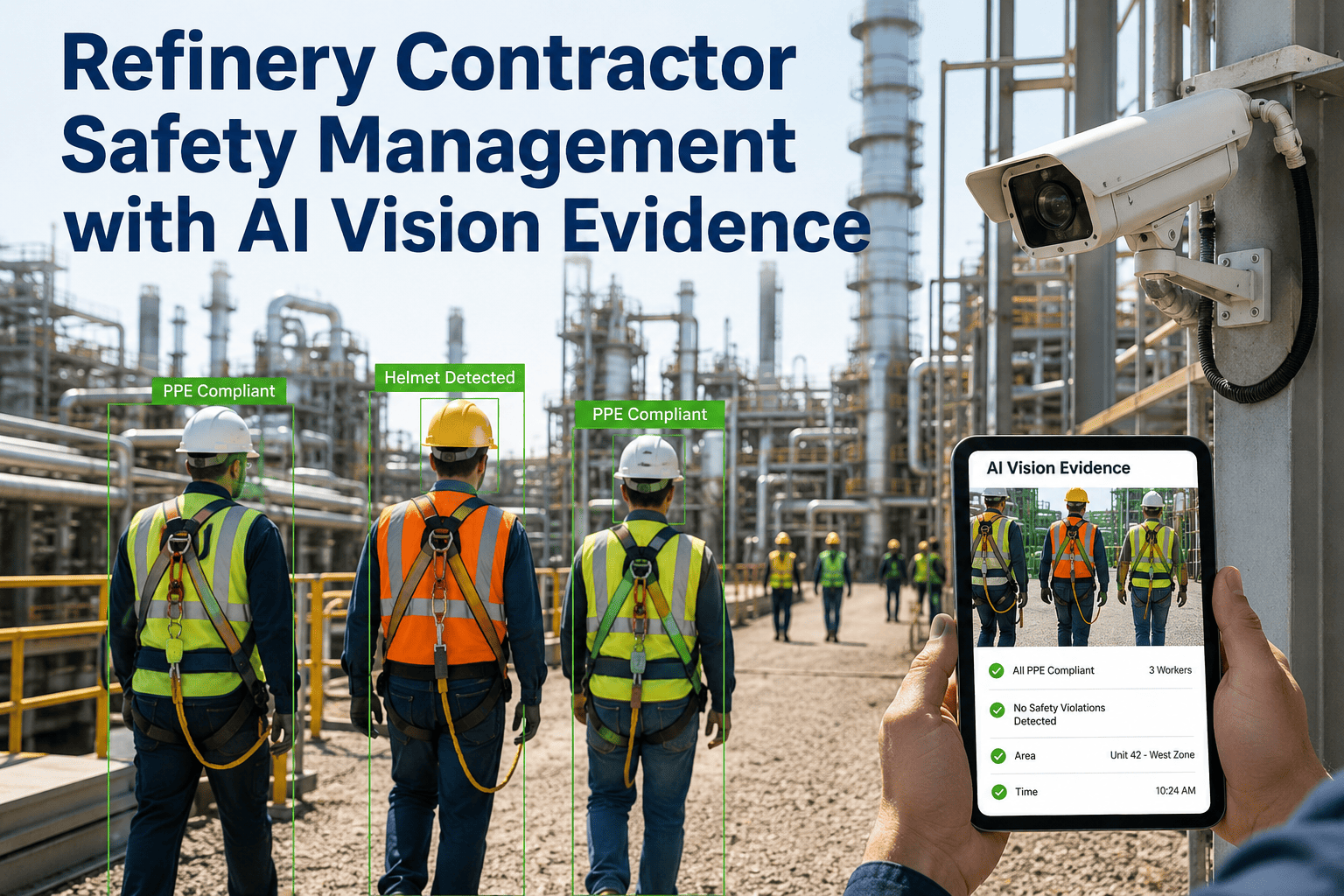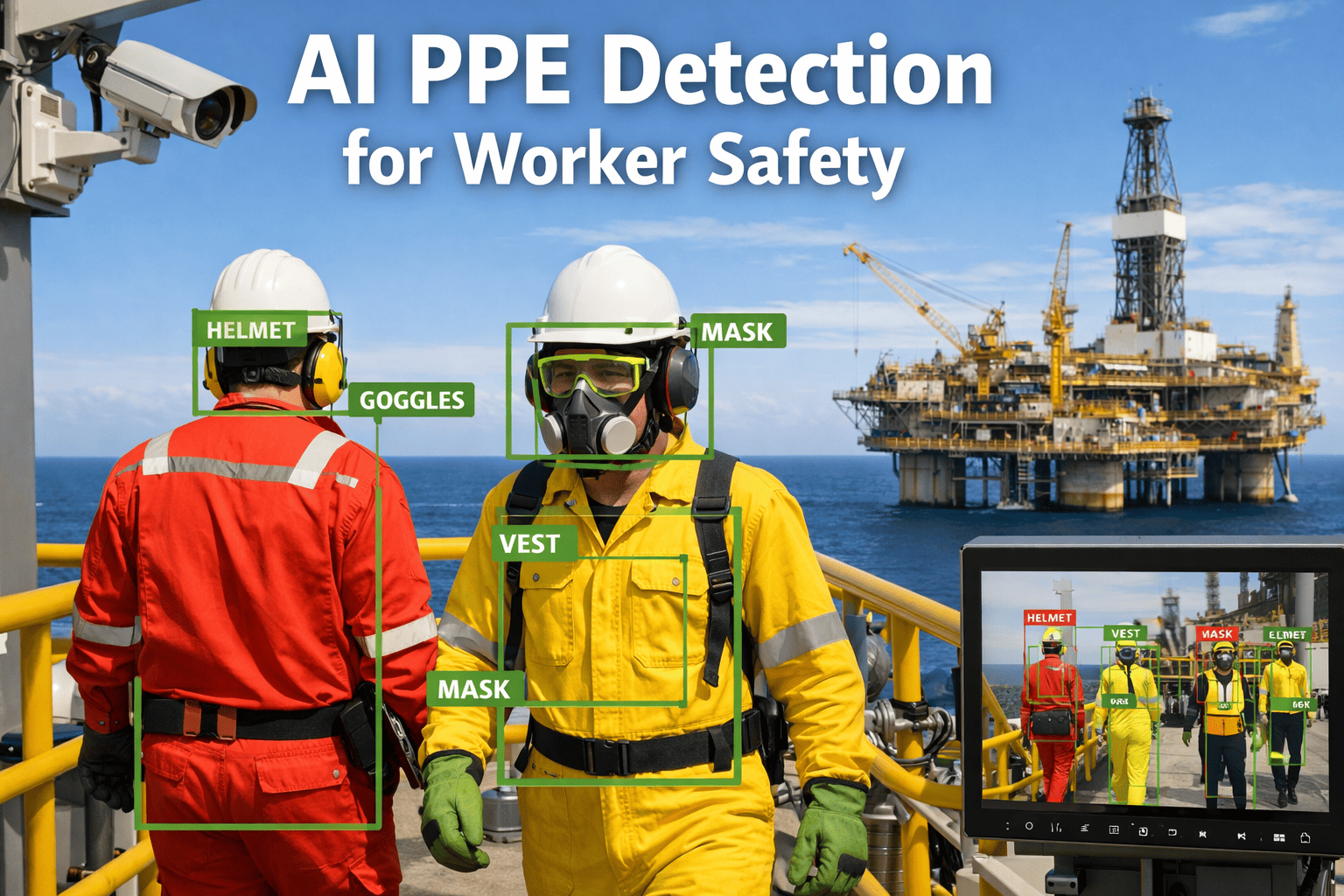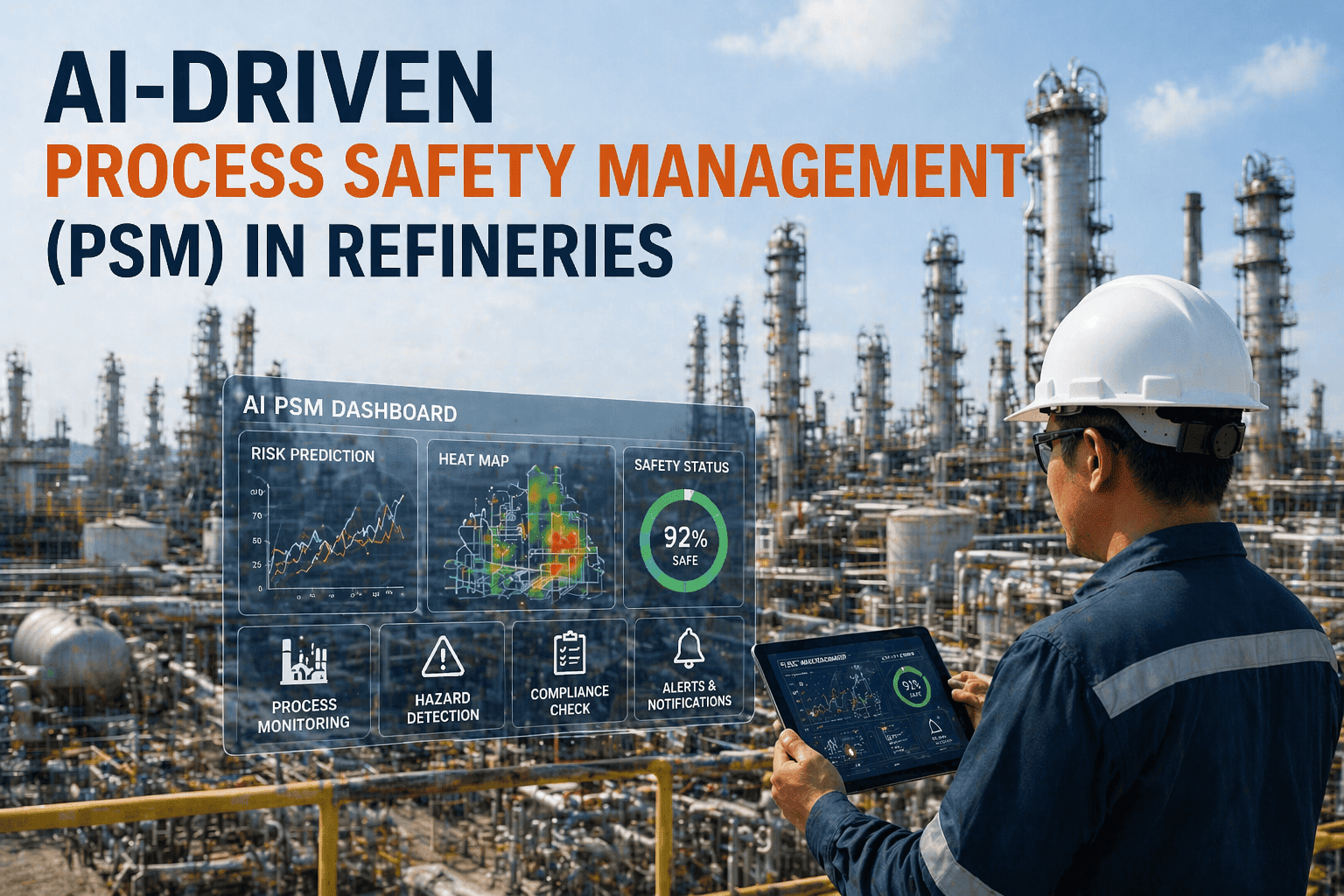
Refinery operations lose $68 billion annually to process safety incidents that AI-powered monitoring could prevent through real-time hazard detection, yet 71% of facilities still rely on manual safety audits, quarterly compliance inspections, and reactive incident investigation analyzing failures after explosions, toxic releases, or worker injuries have already occurred rather than predicting high-risk conditions 48-72 hours before catastrophic process upsets escalate beyond containment thresholds. Refineries operating high-pressure hydroprocessing units, fluid catalytic crackers, alkylation systems, and sulfur recovery plants face simultaneous hazards from flammable hydrocarbon inventories, toxic hydrogen sulfide exposure risks, high-temperature reaction vessels operating near metallurgical limits, and complex process interactions where single-point failures cascade across interconnected units triggering plant-wide emergency shutdowns costing $2.8M per incident in lost production value plus months of regulatory investigation and operational restriction. iFactory's AI-powered Process Safety Management platform transforms refinery safety operations by continuously monitoring video feeds detecting PPE compliance violations, permit deviations, and confined space entry risks in real-time; analyzing DCS process data predicting pressure relief valve challenges, temperature excursions, and abnormal operating conditions 48-72 hours before process safety thresholds; and integrating SCADA alarm patterns with maintenance histories identifying equipment degradation trajectories indicating loss-of-containment risk requiring immediate intervention before incident occurrence. Book a Demo to see how iFactory deploys AI process safety intelligence across your refinery within 8 weeks.
Oil & Gas Operations Across Every Segment
Process Safety Management requirements apply differently across upstream drilling operations, midstream pipeline terminals, and downstream refining complexes. One Platform, Every Segment. 8 AI-Powered Modules for Complete Oil & Gas Operations means iFactory addresses segment-specific safety challenges while maintaining unified incident tracking, compliance reporting, and risk analytics across entire oil and gas production chains.
How iFactory AI Solves Refinery Process Safety Management
Traditional PSM programs rely on manual audits, quarterly compliance inspections, and reactive incident investigation missing real-time safety deviations occurring during normal operations between scheduled assessments. iFactory replaces periodic sampling with continuous AI monitoring detecting every safety violation, process anomaly, and equipment degradation pattern as events occur. See a live demo of iFactory detecting PPE violations, permit deviations, and process safety limit excursions across refinery operations.
How iFactory Is Different from Generic Safety Platforms
Most industrial safety vendors deliver generic incident tracking and compliance checklists without real-time AI detection or process safety integration. iFactory is built specifically for oil and gas operations where hydrocarbon fire risks, toxic gas exposures, and high-consequence process upsets determine what safety management actually requires. Talk to our oil and gas safety specialists and compare your current PSM approach directly.
| Capability | Generic Safety Platforms | iFactory Platform |
|---|---|---|
| AI Detection Accuracy | Generic object detection models trained on consumer imagery. High false positive rates requiring constant manual review filtering irrelevant alerts. | Models pre-trained on oil and gas safety scenarios (PPE compliance in hydrocarbon environments, confined space entries, permit-to-work procedures, gas detector usage, fall protection systems). Refinery-specific fine-tuning achieves 94% detection accuracy with under 6% false positive rate in operational deployments. |
| Process Integration | Standalone safety observation system without DCS, SCADA, or process historian connectivity. Cannot correlate safety events with process operating conditions or equipment failures. | Deep integration with distributed control systems, SCADA networks, and process historians analyzing relationships between safety incidents and process upsets, equipment degradation, and operational deviations. Identifies root causes spanning behavioral compliance, mechanical integrity, and process safety management gaps. |
| Industry Expertise | Generic industrial safety without oil and gas domain knowledge. No understanding of hydrocarbon hazards, toxic gas risks, process safety elements, or segment-specific compliance requirements. | Oil and gas-first design covering upstream (H2S exposure, well control, offshore evacuation), midstream (pipeline integrity, leak detection, cathodic protection), and downstream (refinery PSM, turnaround safety, emergency response) with pre-configured compliance templates for OSHA PSM, API RP 754, and international safety standards. |
| Deployment Timeline | 6-12 months custom integration timelines requiring extensive camera infrastructure additions, network upgrades, and model training on facility-specific scenarios before operational readiness. | 8-week fixed deployment program leveraging existing CCTV infrastructure in 75% of installations. Week 4 pilot results on high-risk areas. Week 8 facility-wide monitoring across all process units and support areas with complete DCS integration and compliance reporting activation. |
| Regulatory Alignment | Generic incident tracking without automated compliance documentation for OSHA PSM, EPA RMP, or API mechanical integrity requirements. Manual report compilation from disconnected data sources. | Automated generation of PSM element documentation (management of change records, pre-startup safety reviews, mechanical integrity inspection reports, incident investigation evidence, emergency response drill verification). Pre-configured report templates for OSHA PSM audits, EPA Risk Management Program submissions, and API RP 754 process safety metrics tracking. |
| Security Architecture | Cloud-dependent processing requiring operational technology data transmission to external servers creating cybersecurity exposure and regulatory compliance concerns for critical infrastructure facilities. | Edge processing architecture with on-premises AI inference engines. OT Data Stays Inside Your Security Perimeter. Cloud connectivity optional for model updates and aggregated analytics without raw video or process data transmission. Supports air-gapped deployments for maximum security isolation in sensitive facilities. |
iFactory AI Implementation Roadmap
iFactory follows a fixed 6-stage deployment methodology designed specifically for refinery process safety management, delivering pilot safety improvements in week 4 and full facility monitoring by week 8. No open-ended implementations. No scope creep.
8-Week Deployment and ROI Plan
Every iFactory engagement follows a structured 8-week program with defined deliverables per week and measurable safety improvements beginning from week 4 of deployment. Request the full 8-week deployment scope document tailored to your refinery operations.
Use Cases and KPI Results from Live Deployments
These outcomes are drawn from iFactory deployments at operating refineries across three process safety application categories. Each use case reflects 6-month post-deployment performance data. Request the full case study report for the PSM application most relevant to your operations.
What Refinery Safety Teams Say About iFactory
The following testimonials are from HSE directors and refinery managers at facilities currently running iFactory's AI process safety management platform.