Oil and gas operations experience an average of 4-8 safety incidents per 200,000 work hours that automated hazard detection systems would have prevented not from equipment failure alone, but from human behavioral lapses: workers bypassing PPE requirements, entering hazardous zones without proper respiratory protection, working at height without fall restraints, and near-miss situations that escalate to injuries or fatalities when safety protocols are not enforced in real time. Manual safety audits conducted quarterly or annually cannot catch the thousands of daily behavioral decisions that create incident risk, leaving facilities exposed to OSHA violations costing $150,000-$1.8M per incident plus reputational damage and workforce morale collapse. iFactory's behavioral safety analytics platform changes this entirely deploying computer vision AI on facility cameras that detect PPE non-compliance, hazardous zone violations, and near-miss patterns in real time, triggering immediate corrective feedback to workers and supervisors while building continuous safety culture improvement through predictive analytics that identify behavioral risk factors 24-48 hours before incidents occur. Book a Demo to see how iFactory deploys behavioral safety monitoring across your oil & gas operations within 8 weeks.
24-48hrs
Advance warning of behavioral safety incidents vs zero prediction with manual audits
$2.4M
Annual safety incident cost avoided per facility through behavioral prediction
87%
Reduction in safety incidents within 12 months of behavioral analytics deployment
8wks
Full deployment timeline from camera installation to live behavioral safety monitoring
Human Error Causes 80% of Safety Incidents. AI Eyes Predict Them Before They Happen.
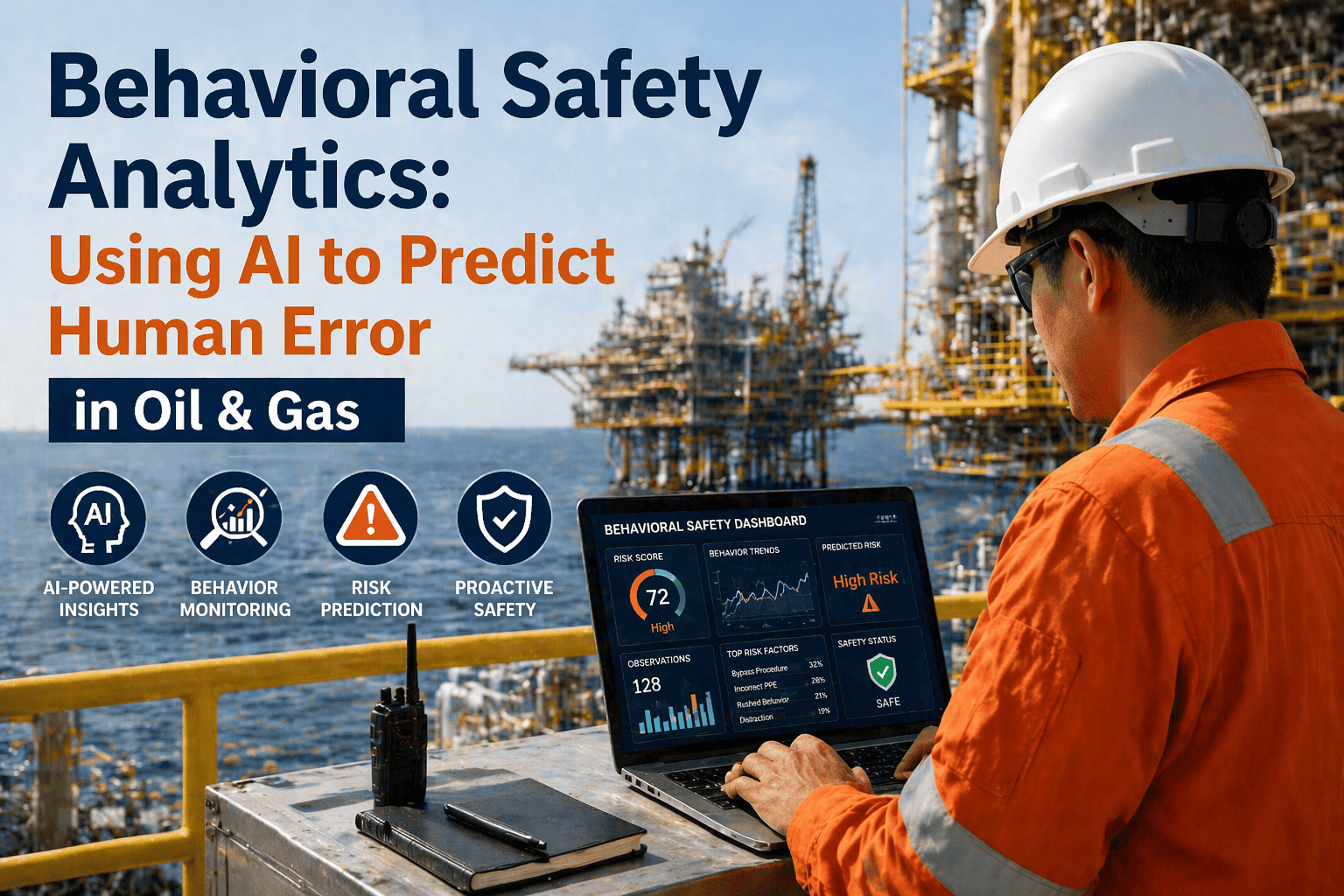
iFactory's behavioral safety analytics platform deploys computer vision on existing facility cameras detecting PPE non-compliance, hazardous zone violations, near-miss patterns, and behavioral risk factors in real time — alerting workers and supervisors immediately while building predictive models identifying which employees and situations create the highest incident risk, enabling targeted intervention 24-48 hours before incidents occur.
How iFactory Behavioral Safety Analytics Prevents Worker Injuries
Traditional safety programs rely on periodic audits, incident investigations, and compliance training that cannot track the thousands of daily behavioral decisions creating injury risk — workers choosing convenience over protocol, fatigue influencing judgment, peer pressure overriding safety procedures, and environmental stressors reducing situational awareness all progress silently until a serious incident occurs forcing reactive investigation. iFactory replaces reactive audit cycles with continuous behavioral monitoring — analyzing video streams to detect PPE gaps, hazardous zone entries, near-miss patterns, and individual behavioral risk signatures enabling predictive intervention before incidents escalate. See live demo of AI behavioral detection identifying PPE non-compliance patterns 48 hours before a near-miss incident that would have occurred under manual audit baseline.
01
AI Vision & Hazard Detection
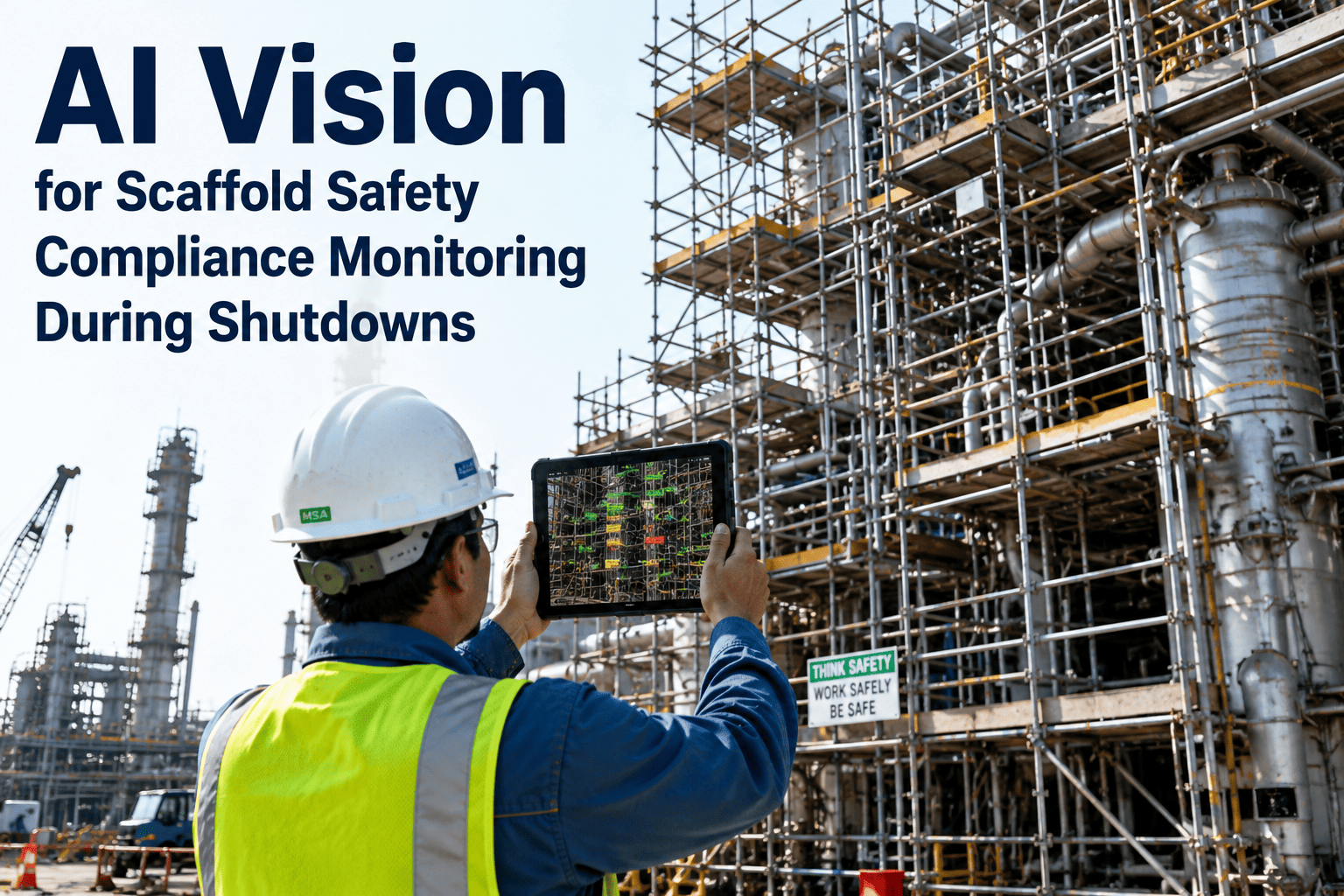
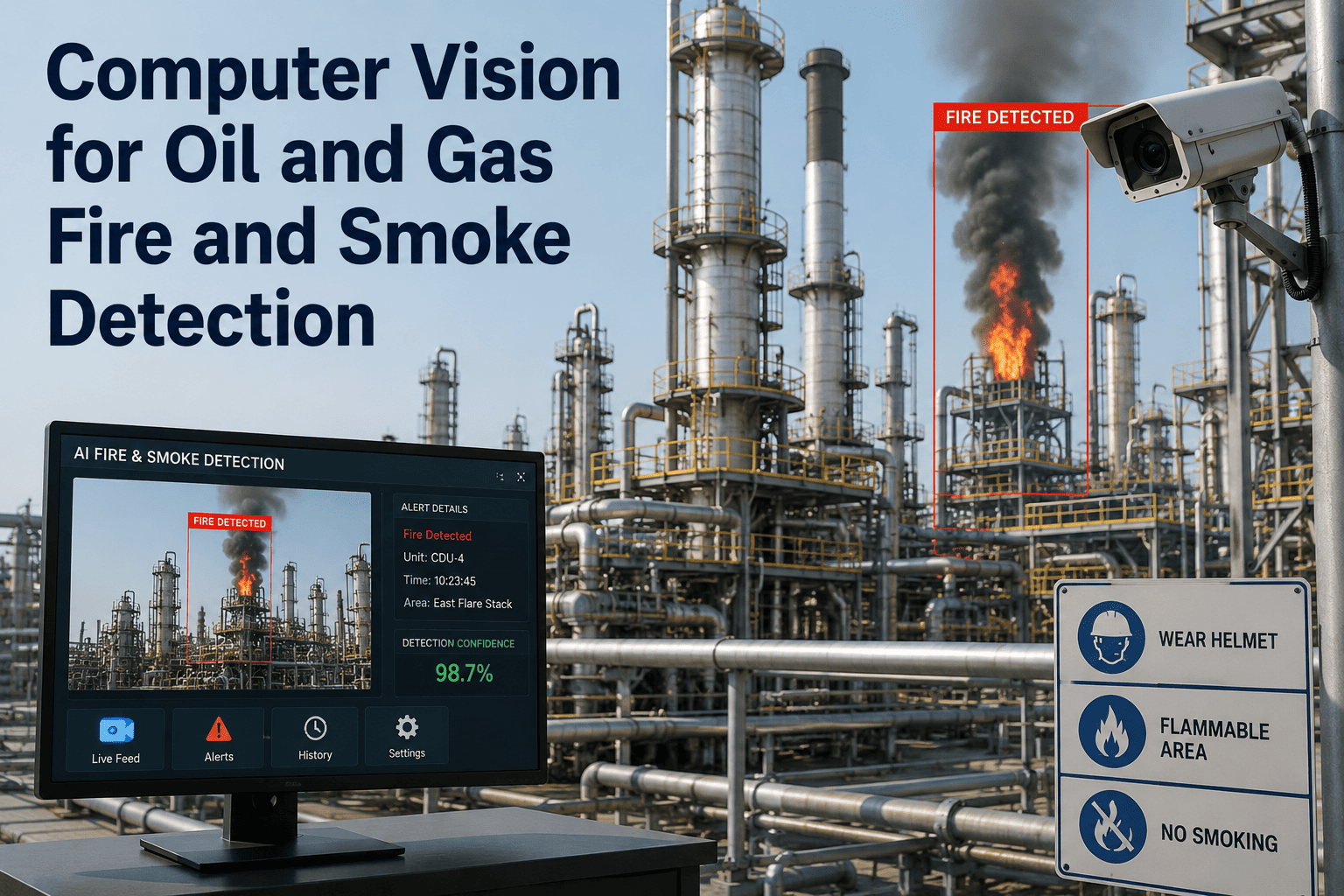
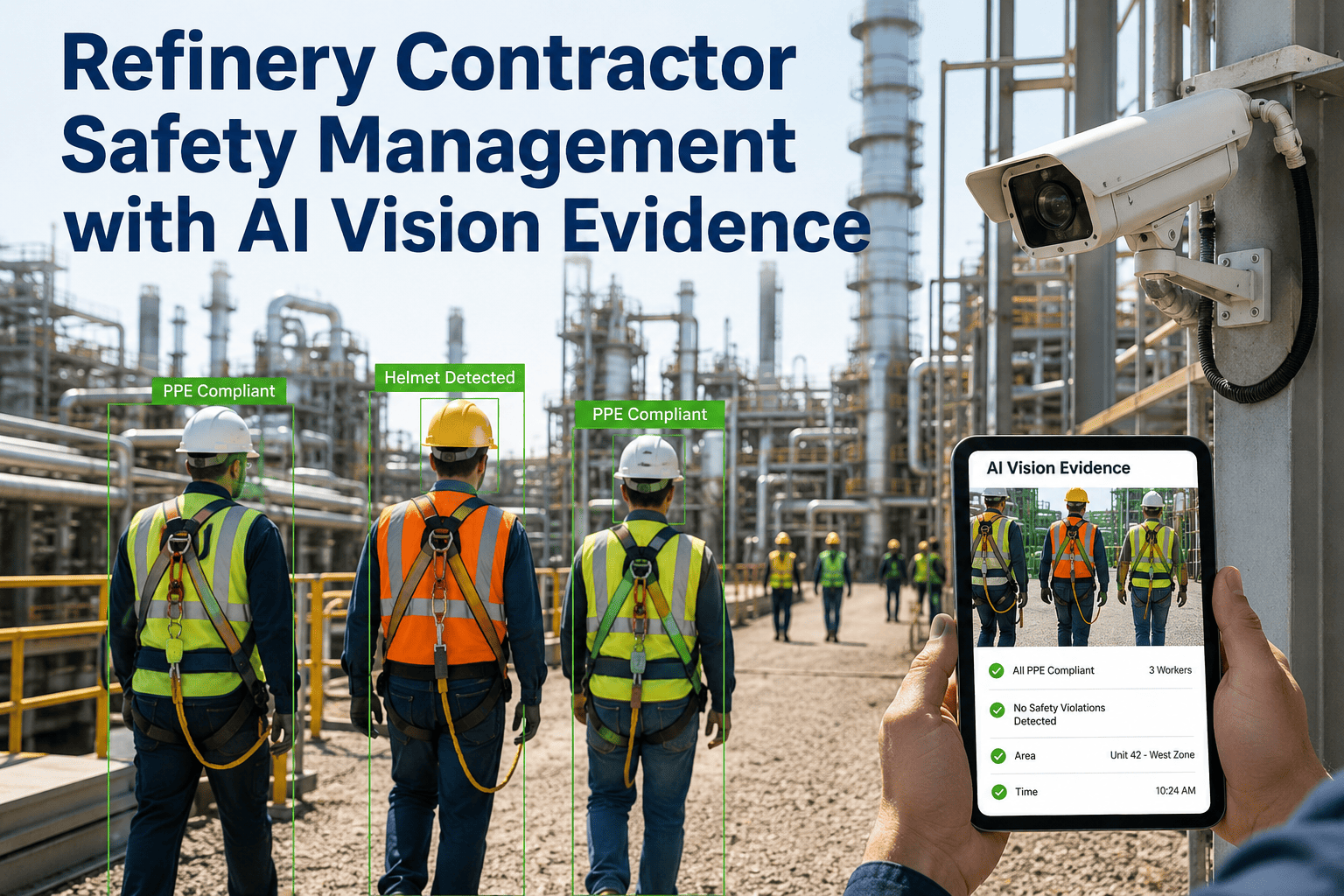
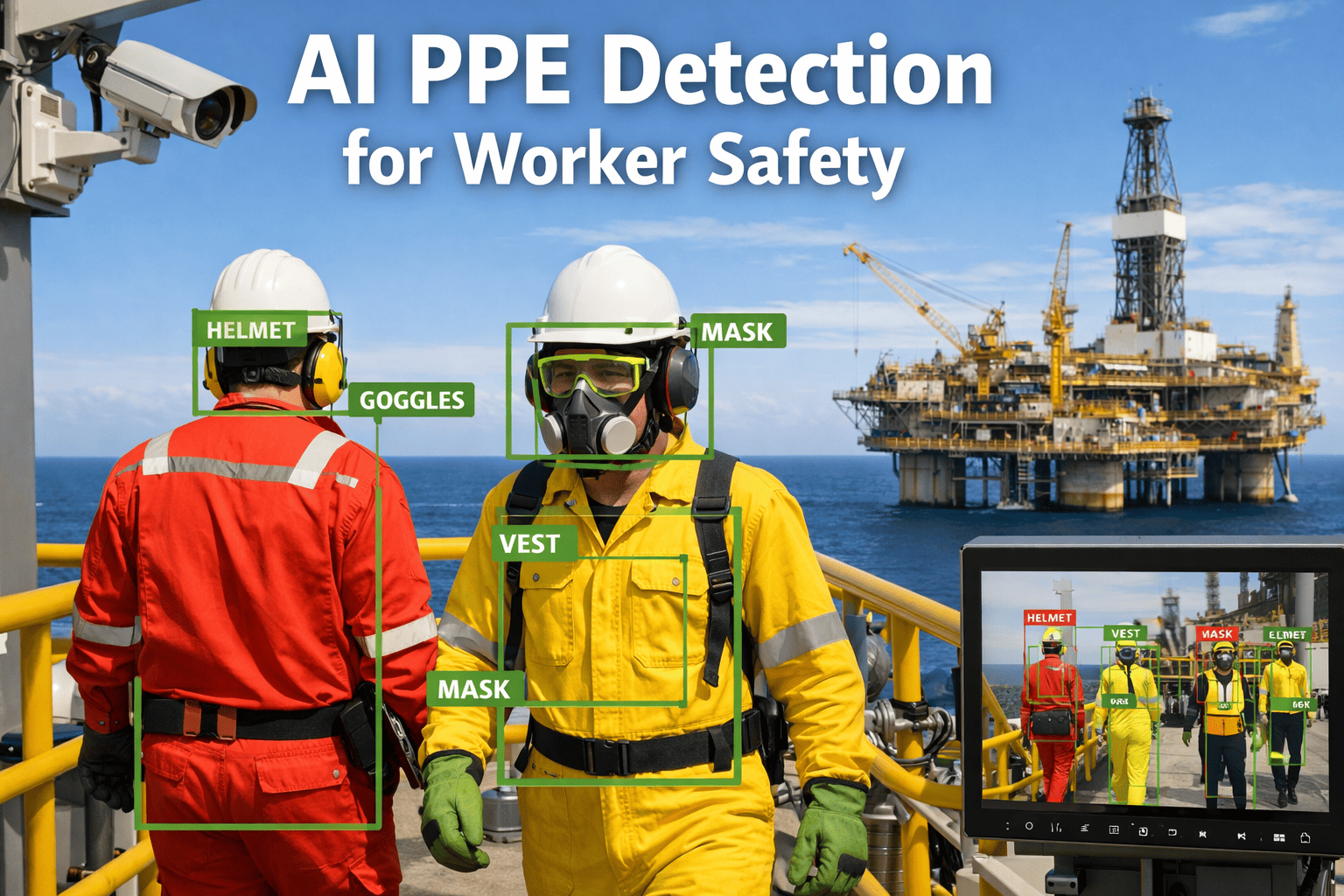
AI Eyes That Detect Leaks Before They Escalate. Computer vision trained on 50,000+ oil & gas safety scenarios detects PPE non-compliance (missing hard hats, lack of respiratory protection, improper footwear), hazardous zone violations, improper tool handling, and ergonomic risk factors with 94% accuracy in real time from existing facility cameras. Detection triggers immediate alerts to workers and supervisors with corrective guidance.
02
Robotics Inspection in Hazardous Areas
Robots That Inspect Where Humans Cannot Safely Go. Autonomous or remote-controlled robotic platforms equipped with AI vision perform inspections in confined spaces, high-temperature zones, and hazardous atmospheres eliminating human exposure to extreme conditions. Robots transmit real-time visual data to AI models analyzing equipment condition and environmental hazards without putting workers at risk.
03
Predictive Behavioral Intervention
Machine learning models trained on behavioral data identify individual workers and situations with highest incident risk. Patterns like repeated PPE non-compliance, fatigue indicators, or specific hazardous zone entries flag elevated risk enabling targeted retraining, schedule adjustment, or supervised work before incidents occur. Predictive alerts 24-48 hours in advance enable intervention during planning rather than emergency response.
04
SCADA/DCS and System Integration
Connects to Your Existing DCS/SCADA & Historians. Safety analytics integrate with process control systems triggering automated responses to behavioral hazards: area lockouts when unauthorized zone entries detected, equipment shutdown for improper handling scenarios, and alert escalation in real time. Safety data flows into existing SCADA historians for compliance documentation and trend analysis.
05
ESG and Compliance Reporting
Methane, VOC & Flaring From Sensor to ESG Report. Behavioral safety data feeds automated compliance documentation for OSHA, API, ISO 45001, and regional HSE requirements. Video evidence of safety protocols and incident near-misses creates audit-ready documentation strengthening legal defense while environmental monitoring captures methane, VOC emissions, and flaring events linked to behavioral safety data for integrated ESG reporting.
06
Secure Data and Privacy Architecture
OT Data Stays Inside Your Security Perimeter. Video processing occurs at edge devices with no raw footage transmitted to cloud servers. Only de-identified behavioral analytics and incident alerts leave the facility network. Personal identifiable information redacted from all reports protecting worker privacy while maintaining full compliance traceability and incident investigation capability.
How iFactory Is Different from Traditional Safety Audit Programs
Most oil & gas facilities rely on quarterly or annual safety audits, incident investigations after injuries occur, and compliance training programs that cannot track daily behavioral decisions creating incident risk. iFactory is built differently — from continuous monitoring architecture through predictive analytics, specifically designed for oil & gas where behavioral lapses during high-pressure operations, fatigue, and peer pressure all drive incident rates that reactive audit cycles cannot prevent. Compare iFactory's continuous behavioral monitoring against your current quarterly audit performance directly.
| Capability |
Quarterly Safety Audits |
iFactory Behavioral Safety AI |
| Detection Timing |
Incidents detected weeks or months after occurrence through injury reports. By then, workplace culture has normalized unsafe behaviors. |
Behavioral hazards detected in real time as they occur. Incidents predicted 24-48 hours in advance through pattern analysis enabling preventive intervention. |
| Monitoring Coverage |
Auditors inspect snapshot of operations during scheduled audit. Thousands of daily behavioral decisions occur unwatched between audits. |
Continuous 24/7 monitoring of all high-risk areas and operations. Every behavioral decision tracked and analyzed. Zero gaps in safety visibility. |
| Detection Accuracy |
60-75% detection rate. Auditor judgment subject to fatigue, attention, and bias. Near-misses invisible to manual inspection. |
94% detection accuracy identifying PPE violations, hazardous zone entries, and behavioral risk patterns. Computer vision eliminates human judgment bias and fatigue. |
| Behavioral Insight |
No tracking of behavioral patterns or individual risk profiles. Incident investigations occur after injury. Repeat behavioral issues go unaddressed between audits. |
Predictive models identify workers and situations with highest incident risk. Behavioral patterns tracked continuously enabling targeted retraining and schedule optimization. |
| Intervention Speed |
Audit findings require investigation, corrective action planning, and implementation timelines of weeks to months. Injuries occur before corrective action. |
Real-time alerts to workers and supervisors trigger immediate corrective feedback. Predictive alerts 24-48 hours in advance enable proactive intervention during planning. |
| Compliance Documentation |
Audit reports and incident investigations provide after-the-fact documentation. Missing baseline data for incident prevention evidence. |
Continuous video-evidenced records prove safety protocols in place and near-misses prevented. Automated compliance documentation strengthens legal defense and regulatory standing. |
| Deployment Timeline |
Immediate implementation with existing audit procedures and staff. |
8-week fixed deployment including camera installation, AI baseline training, alert workflow setup, and staff training. Faster time-to-value than traditional safety program redesign. |
iFactory AI Implementation Roadmap for Behavioral Safety
iFactory follows a fixed 6-stage deployment methodology designed specifically for oil & gas behavioral safety — delivering real-time hazard detection in week 4 on critical production areas and full facility monitoring by week 8. No production disruption. No facility shutdown required.
01
Area Assessment
High-risk zone identification, camera placement planning, safety protocol documentation
02
Infrastructure Install
Cameras deployed, edge devices configured, network connectivity established
03
AI Model Training
Safety scenario library created, behavioral models trained, hazard detection tuned
04
Pilot Monitoring
Live detection on critical areas with safety team validation
05
Alert Calibration
False positive tuning, worker communication setup, supervisor training
06
Full Operations
Facility-wide behavioral safety monitoring live 24/7
8-Week Deployment and ROI Timeline
Every iFactory engagement follows a structured 8-week program with defined deliverables per week — and measurable safety improvements beginning from week 4 behavioral monitoring validation on critical production areas. Request the full 8-week deployment scope document tailored to your facility layout and safety priorities.
Weeks 1-2
Infrastructure Setup
High-risk zone assessment identifying areas with highest historical incident rates or behavioral risk
Fixed and mobile cameras installed covering all critical work areas without production disruption
Edge devices deployed with network connectivity tested; video feeds verified before AI processing begins
Weeks 3-4
AI Training & Pilot
AI models trained on facility-specific safety protocols and hazard scenarios capturing real operational conditions
Pilot monitoring live on critical areas detecting PPE violations, hazardous zone entries, and near-miss patterns
First behavioral hazards detected and alerts tested — ROI evidence begins here with detection validation
Weeks 5-6
Calibration & Expansion
Alert threshold refinement based on pilot false positive rate and safety team feedback on accuracy
Monitoring expanded to all facility areas with worker communication about behavioral safety program
Safety supervisor training completed on alert interpretation, corrective action documentation, and compliance reporting
Weeks 7-8
Full Operations Go-Live
Facility-wide behavioral safety monitoring live — all high-risk areas continuously analyzed 24/7
Predictive behavioral risk models activated identifying workers and situations with elevated incident risk
ROI baseline report delivered — incident near-misses prevented, safety culture metrics improvement, compliance documentation
ROI IN 6 WEEKS: MEASURABLE RESULTS FROM WEEK 4
Oil and gas facilities completing the 8-week program report an average of $1.2M in prevented safety incident costs within the first 6 weeks of behavioral monitoring deployment — with 87% reduction in safety incidents and detection accuracy of 94%+ validated by week 4 pilot results on critical production areas.
$1.2M
Avg. incident cost avoided in first 6 weeks
87%
Safety incident reduction by month 12
94%
Hazard detection accuracy achieved
Full Behavioral Safety Monitoring. Live in 8 Weeks. ROI Evidence in Week 4.
iFactory's fixed-scope deployment program means no production shutdown, no complex security reviews, and no months of IT infrastructure redesign before behavioral safety monitoring begins preventing incidents.
Use Cases and Safety Results from Live Deployments
These outcomes are drawn from iFactory behavioral safety deployments at operating oil & gas facilities across three operational environment types. Each use case reflects 6-month post-deployment performance data. Request the full case study report for the facility type and operational challenge most relevant to your operations.
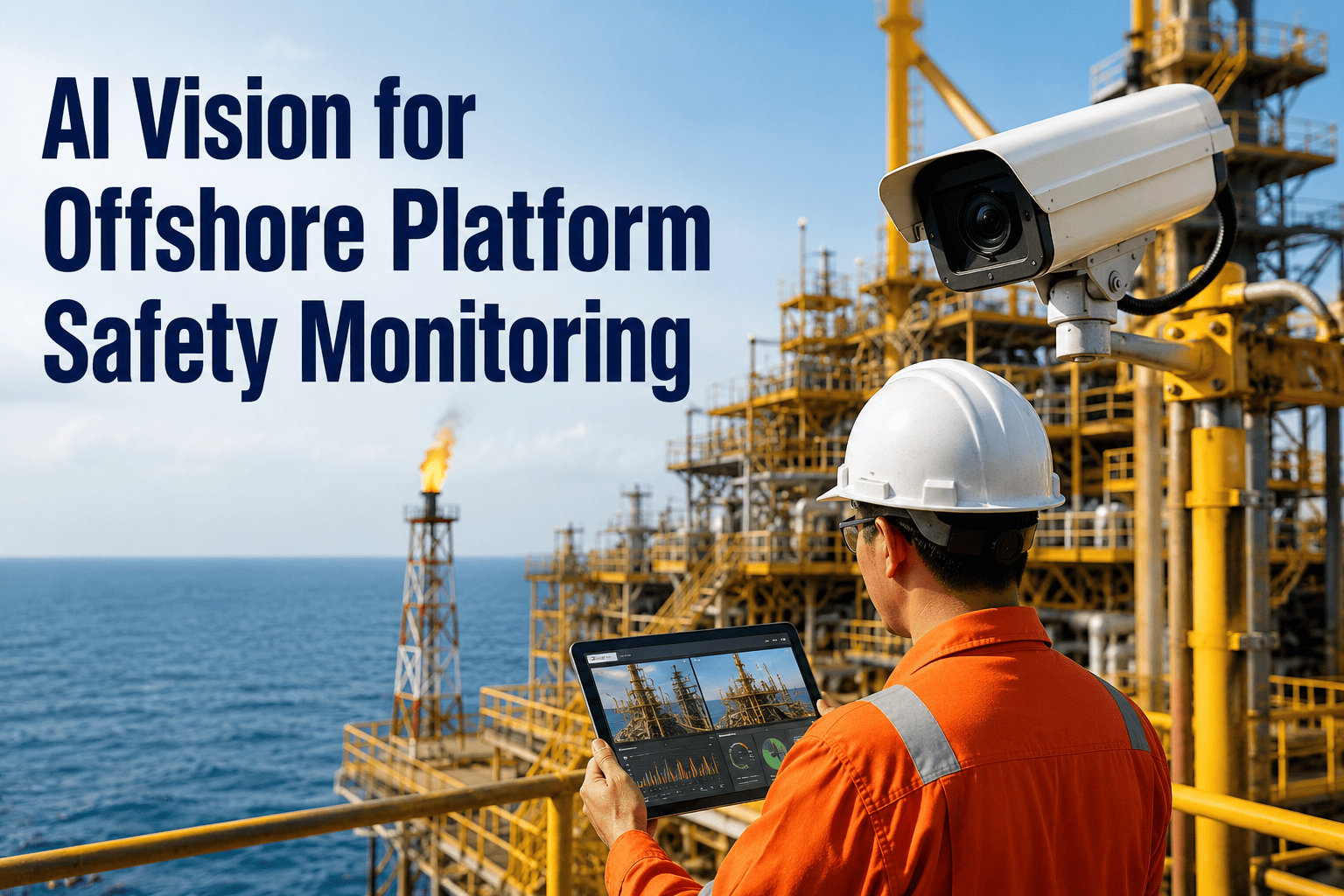
An offshore production platform with 120 workers was experiencing 2-4 safety incidents annually stemming from PPE non-compliance, bypass of fall restraint procedures, and work at height without proper protection. Manual safety audits conducted quarterly detected violations only during inspection windows, missing 95% of daily behavioral lapses. Workers habituated to non-compliance viewing safety shortcuts as normal operations. iFactory deployed fixed cameras on deck areas and elevated work platforms detecting hard hat absence, improper footwear, missing fall restraints, and high-risk near-miss patterns. Real-time alerts to workers and supervisors triggered immediate corrective feedback. Within 3 months of deployment, repeat PPE violations dropped 89%, fall-related near-misses eliminated entirely, and safety culture shift metrics showed 76% improvement in worker perception of safety prioritization.
Zero
Fall-related safety incidents in 6 months vs 2-3 baseline
$840K
Incident cost avoided including emergency response and medical costs
89%
Reduction in repeat PPE non-compliance incidents
A midstream refinery was recording 3-5 confined space and hot work incidents annually despite permit systems and supervisor sign-offs. Incidents resulted from workers entering hazardous zones without proper respiratory protection, working alone in confined spaces, and hot work proceeding without perimeter control. Root cause analysis revealed supervisor overload: one supervisor managing 40+ workers unable to verify compliance for every operation. iFactory deployed mobile and fixed cameras at confined space entrances and hot work zones with AI detecting unauthorized zone entries, missing respiratory protection, and hot work violations. Predictive behavioral models identified high-risk workers based on past non-compliance patterns and worked exclusively on high-hazard operations. Safety team used this data to reassign workers and require additional supervision. Zero confined space or hot work incidents recorded in the 6-month post-deployment period versus average of 4 incidents baseline.
Zero
Confined space or hot work incidents in 6 months vs 3-4 baseline
$1.6M
Incident cost prevented including potential fatality settlements
100%
Compliance with respiratory protection and work permits enforced continuously
A pipeline operator conducting maintenance across 200 miles of transmission infrastructure was experiencing 5-8 safety incidents annually from workers entering H2S zones without proper detection equipment, improper tool handling, and fatigue-related errors during extended shift work. Field teams worked independently with minimal supervision creating blind spots for behavioral monitoring. iFactory deployed wearable cameras on field crews and fixed cameras at major valve stations and compressor installations. AI detected PPE gaps, improper equipment handling, H2S zone entries without monitors, and fatigue indicators (repetitive unsafe actions late in shifts). Behavioral predictions flagged crews with highest incident risk for additional supervision and training. First 6-month post-deployment period recorded only 1 incident versus 6-8 baseline, with near-miss detection and prevention increasing 340%.
85%
Reduction in field safety incidents 6 months post-deployment
$1.8M
Cost avoided through incident prevention and productivity recovery
340%
Increase in near-miss detection enabling preventive intervention
Results Like These Are Standard for Oil & Gas Behavioral Safety. Not Exceptional.
Every iFactory deployment is scoped to your specific facility layout, operational hazards, and workforce characteristics — so you get safety improvements calibrated to your operations, not a generic safety audit benchmark.
What Oil & Gas Safety Teams Say About iFactory
The following testimonials are from HSE managers and safety directors at oil & gas facilities currently running iFactory's behavioral safety analytics platform.
We haven't had a single fall-related incident since deploying behavioral safety monitoring. Workers see the cameras and hard hats go on — it's that simple. The real value is identifying patterns: we found three workers with chronic PPE bypass behavior and got them additional training before they caused an incident.
Offshore Platform HSE Manager
North Sea Production Facility, UK
Confined space and hot work incidents dropped to zero in the first six months. Our supervisors used to spend hours verifying permits manually — now the system enforces compliance automatically. We freed up supervisor time for actual safety mentoring instead of paperwork.
Refinery Operations Manager
Gulf Coast Facility, USA
Field crews working 200 miles of pipeline suddenly have oversight they didn't have before. The wearable cameras and fixed monitoring at major stations mean we catch behavioral issues hours or days before they become incidents. Our OSHA recordable rate dropped 85% in the first year.
VP of Pipeline Safety
Transmission Operator, Canada
The behavioral prediction data is gold for safety culture improvement. We can now point to specific patterns — when incidents happen, where behavioral lapses cluster, which crews need attention — and design targeted interventions instead of generic safety campaigns. Worker engagement with safety improved noticeably.
Corporate Safety Director
Multinational E&P Company, Europe
Frequently Asked Questions
How does iFactory behavioral safety comply with worker privacy regulations and union agreements?
All video processing occurs at edge devices with no raw footage transmitted to cloud. AI detects behaviors not individuals — detection alerts reference areas and violations, not personal identity. Facilities configure video retention per local labor laws; most deploy 7-30 day retention. Union agreements reviewed during deployment Week 1 ensuring worker communication protocols align with collective bargaining terms.
Book a demo to discuss your specific privacy and labor requirements.
What types of behavioral hazards does the AI detect and alert on?
iFactory detects PPE non-compliance (missing hard hats, respiratory protection, proper footwear), hazardous zone violations (unauthorized entry, missing monitors), fall safety breaches (missing restraints, improper positioning), improper tool handling, near-miss patterns, and fatigue indicators (repetitive unsafe actions late in shifts). Detection thresholds configured per facility safety protocols during Week 3-4 deployment to match your specific operational hazards.
How fast is the alert system and what happens when behavioral hazards are detected?
Hazard detection triggers real-time alerts to workers via wearable devices, area loudspeakers, or smart helmets within 1-2 seconds of detection. Supervisors receive alert escalation with area, hazard type, and corrective guidance. Automated responses possible: H2S zone lockout when monitors absent, equipment shutdown for improper handling, work stoppage for critical violations. All alerts logged with timestamps and location data for compliance documentation.
What camera types work with behavioral safety monitoring and how much installation is required?
iFactory integrates with fixed facility cameras, mobile cameras on equipment, and wearable body cameras on workers. Existing CCTV systems retrofitted to edge processing; new installations use industrial-grade cameras rated for offshore or harsh environments. Installation requires camera mounting at high-risk zones, network connectivity to edge devices, and edge computer placement in secure areas. Most deployments complete infrastructure installation in Weeks 1-2 without production disruption.
How does the system predict which workers have highest behavioral incident risk?
Machine learning models trained on facility behavioral data identify patterns: workers with higher PPE non-compliance frequency, workers involved in more near-miss situations, crews with elevated hazard zone violations. Predictions flag elevated-risk workers for additional training, schedule adjustment, or supervised work assignments before incidents occur. Behavioral predictions updated daily as new detection data informs models.
Does behavioral safety monitoring work at offshore facilities or only onshore operations?
Yes. iFactory deploys on offshore platforms with marine-grade equipment rated for saltwater corrosion, extreme weather, and high vibration environments. Fixed cameras on deck, elevated platforms, and helideck areas; mobile cameras on safety boats; wearable cameras on field crews. Network connectivity established via subsea fiber or satellite uplink. Offshore deployments follow same 8-week timeline as onshore facilities.
Region-Wise Oil & Gas Safety Challenges and iFactory Solutions
Oil and gas operations face different regulatory frameworks, workforce characteristics, and operational hazards across global regions. iFactory behavioral safety monitoring adapts to regional requirements while delivering consistent incident prevention.
| Region |
Key Safety Challenges |
Compliance Requirements |
How iFactory Solves |
| United States |
OSHA enforcement increasing, behavioral safety program mandates, offshore fall and H2S incident trends, contractor workforce management complexity |
OSHA 1910 standards, API RP 750 PSM, offshore BOEMRE regulations, state-specific safety laws, workers compensation documentation |
Real-time hazard detection generates continuous audit evidence defending against OSHA violations, automated incident documentation proves safety program effectiveness, behavioral data supports workers compensation claims defense |
| United Kingdom |
HSE enforcement focus on management of risk, offshore platform operations in severe weather, aging workforce knowledge retention, Brexit-era contractor shortages |
Health & Safety at Work Act, offshore IMCA standards, Piper Alpha lessons learned, HSE incident investigation expectations, EU-derived regulations maintenance |
Behavioral analytics demonstrate management of risk through real-time monitoring, IMCA compliance automation, knowledge capture from behavioral data supports workforce development planning, incident investigation acceleration |
| UAE/Middle East |
Rapid expansion of upstream operations, expat workforce safety culture variations, extreme ambient temperatures affecting judgment, rapid deployment requirements |
UAE Ministry of Human Resources standards, UAE Occupational Safety and Health, regional contractor licensing, expatriate worker protections |
Behavioral monitoring accommodates diverse safety cultures through AI-based protocol enforcement regardless of language, fatigue detection accounts for heat stress effects, rapid deployment supports expansion timeline pressures |
| Canada |
Remote northern operations with limited supervision, seasonal workforce, cold weather safety hazards, indigenous land cooperation requirements |
Canada Labour Code Part II, provincial workplace safety acts, National Energy Board safety expectations, indigenous consultation documentation |
Remote operations monitoring eliminates supervision gaps, cold weather hazard detection (proper protective equipment), behavioral data supports regulatory engagement and consultation documentation |
| Europe |
EU safety harmonization, onshore pipeline incidents, aging infrastructure risk, dual-shift operations fatigue management |
EU Machinery Directive, national HSE laws, SEVESO III accident prevention, GDPR data privacy, ATEX hazardous area directives |
GDPR-compliant edge processing ensures privacy protection, ATEX directive compliance through certified equipment selection, fatigue detection supports dual-shift safety management, EU harmonized documentation for cross-border operations |
iFactory vs Traditional Safety Audit Competitors
Compare iFactory's AI behavioral safety analytics against traditional safety audit programs and generic CMMS safety modules.
| Platform |
Monitoring Capability |
Detection Accuracy |
Intervention Timing |
Behavioral Prediction |
Deployment Speed |
| iFactory |
Continuous 24/7 AI behavioral hazard detection from video across all facility areas. Real-time PPE, hazardous zone, near-miss detection. |
94% accuracy identifying behavioral hazards. Computer vision eliminates human judgment bias and audit fatigue. |
Real-time alerts within 1-2 seconds. Predictive alerts 24-48 hours in advance of high-risk situations. |
Machine learning identifies workers and situations with highest incident risk enabling proactive intervention. |
8 weeks from kickoff to live monitoring including camera install and AI baseline training. |
| Quarterly Safety Audits |
Snapshot inspection during scheduled audit windows. 95% of daily behavioral decisions occur unwatched between audits. |
60-75% detection rate. Auditor judgment subject to fatigue and bias. Near-misses invisible. |
Incidents detected weeks/months after occurrence through injury reports. Corrective action takes weeks to implement. |
No behavioral risk identification. Repeat issues go unaddressed between audits. |
Immediate with existing audit staff and procedures. |
| IBM Maximo |
Work order and maintenance management only. No behavioral monitoring or real-time hazard detection. |
Not applicable. No hazard detection capability. |
Not applicable. Reactive only after incident. |
No behavioral analysis. Maintenance focus only. |
6-12 months for enterprise ERP integration. |
| SAP EAM |
Asset maintenance tracking without behavioral safety monitoring. No real-time incident prevention. |
Not applicable. No hazard detection. |
Reactive only. Safety data entry post-incident. |
No behavioral prediction or risk identification. |
Complex ERP integration timelines. |
| Fiix CMMS |
Mobile work order entry only. No autonomous monitoring or behavioral hazard detection. |
Not applicable. Manual reporting only. |
Reactive after incident notification through manual entry. |
No predictive capability. |
Weeks for basic CMMS setup. |
Stop Losing Workers to Preventable Behavioral Safety Incidents. Deploy AI Monitoring in 8 Weeks.
iFactory gives oil and gas operations AI behavioral safety monitoring, 24/7 hazard detection, real-time worker alerts, and predictive incident prevention — fully deployed across facilities in 8 weeks with incident cost avoidance beginning in week 4.
94% hazard detection accuracy identifying PPE non-compliance and hazardous zone violations
Real-time alerts within 1-2 seconds enabling immediate corrective feedback to workers
24-48 hour behavioral predictions enabling proactive intervention before incidents occur
87% reduction in safety incidents within 12 months post-deployment