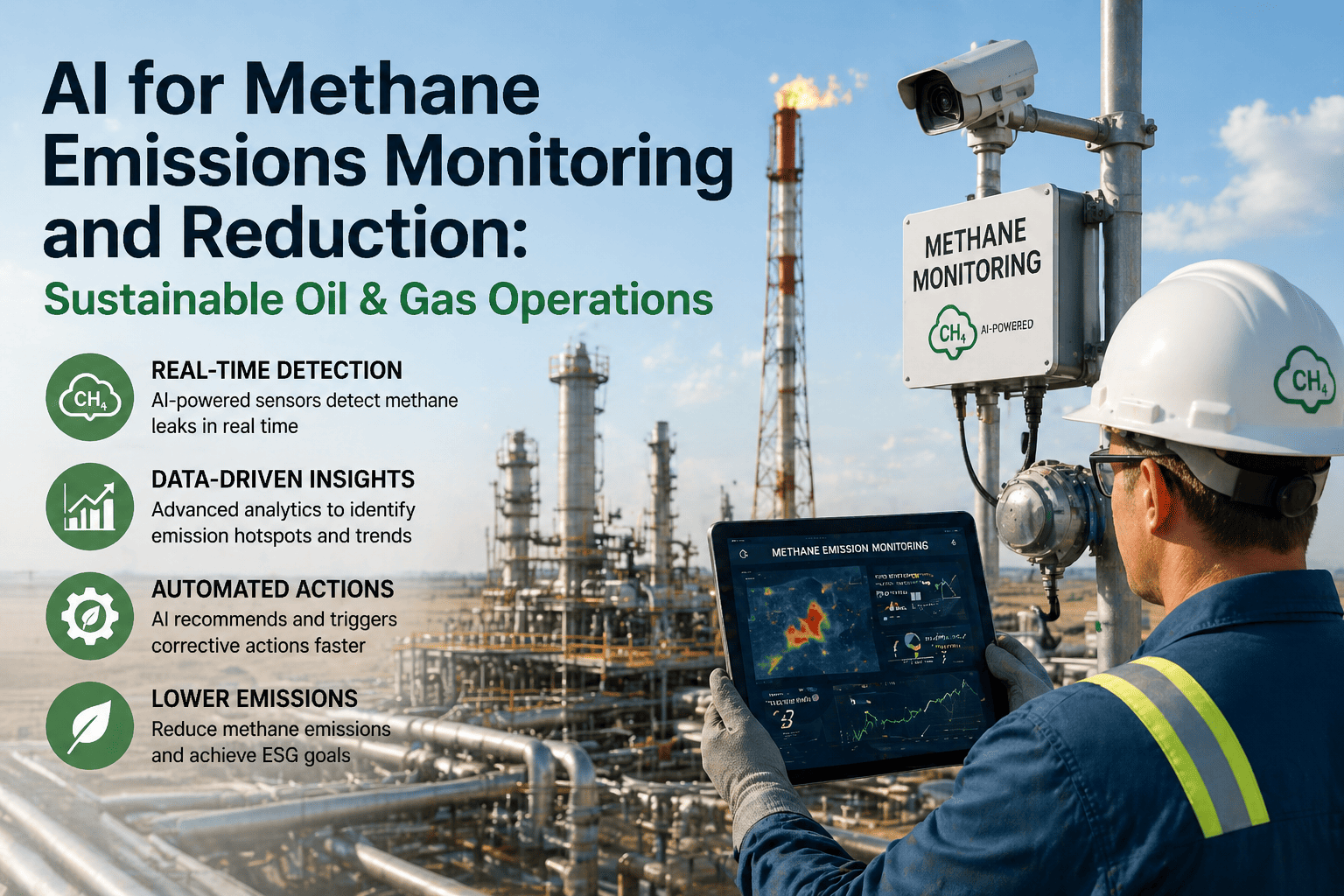
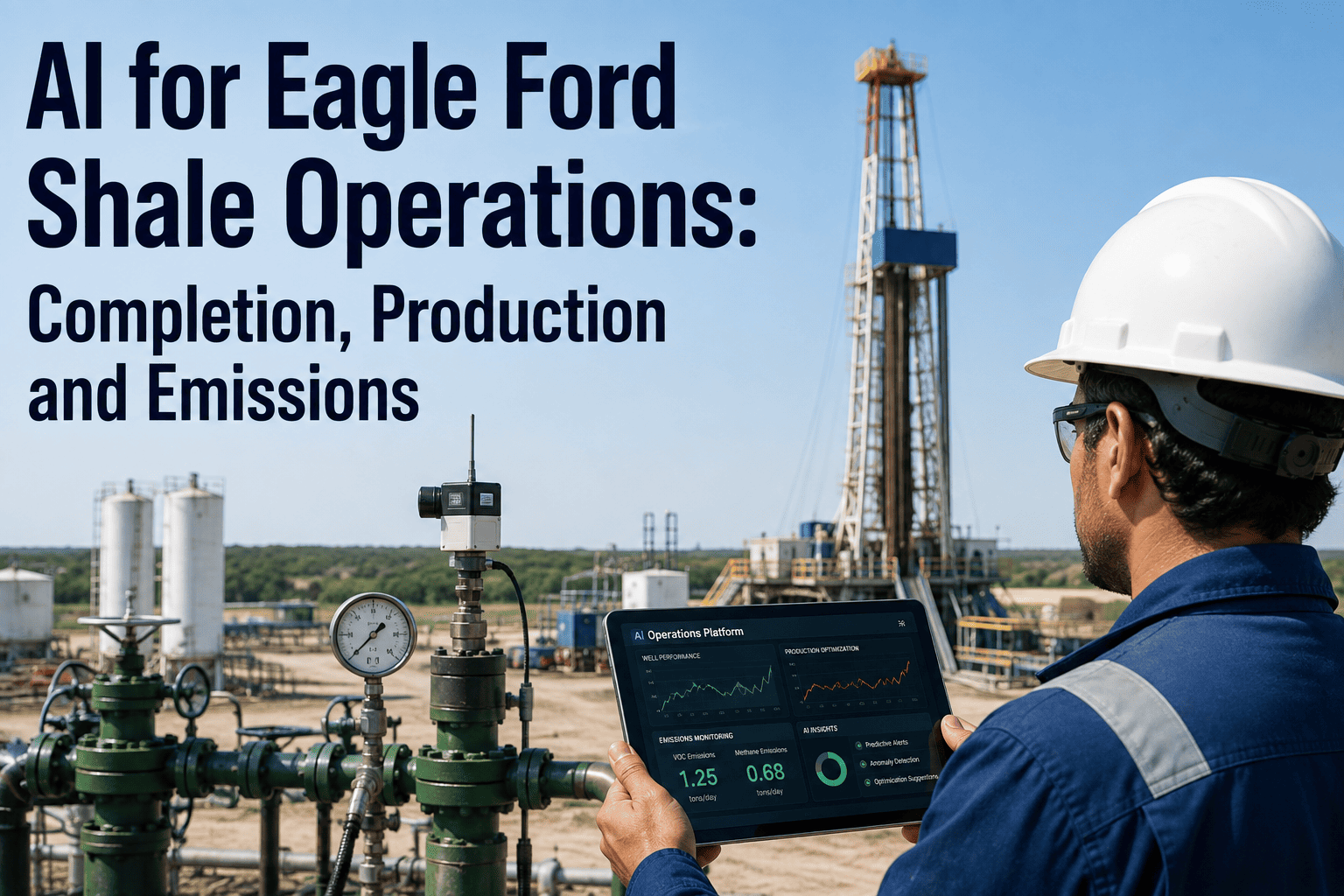
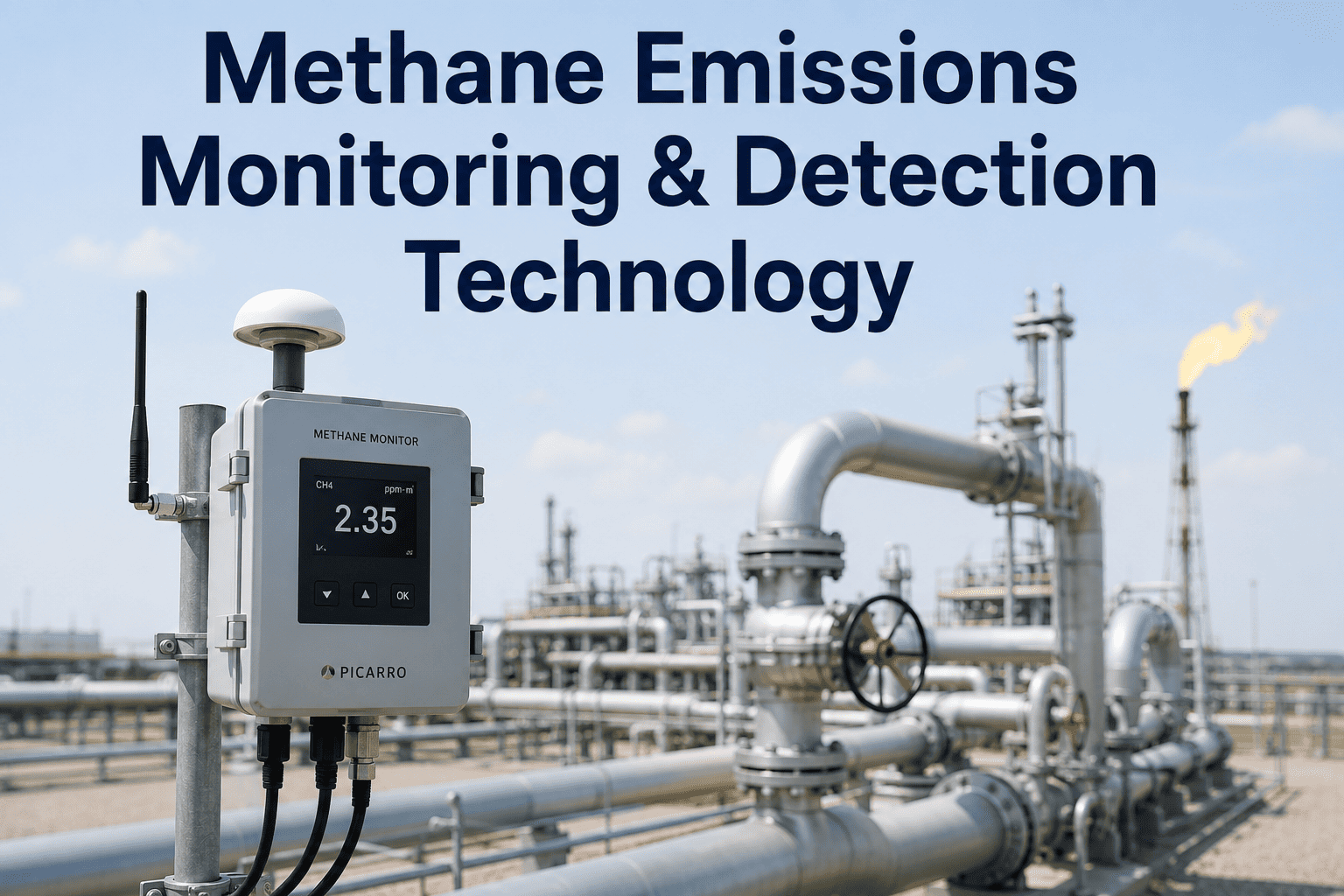
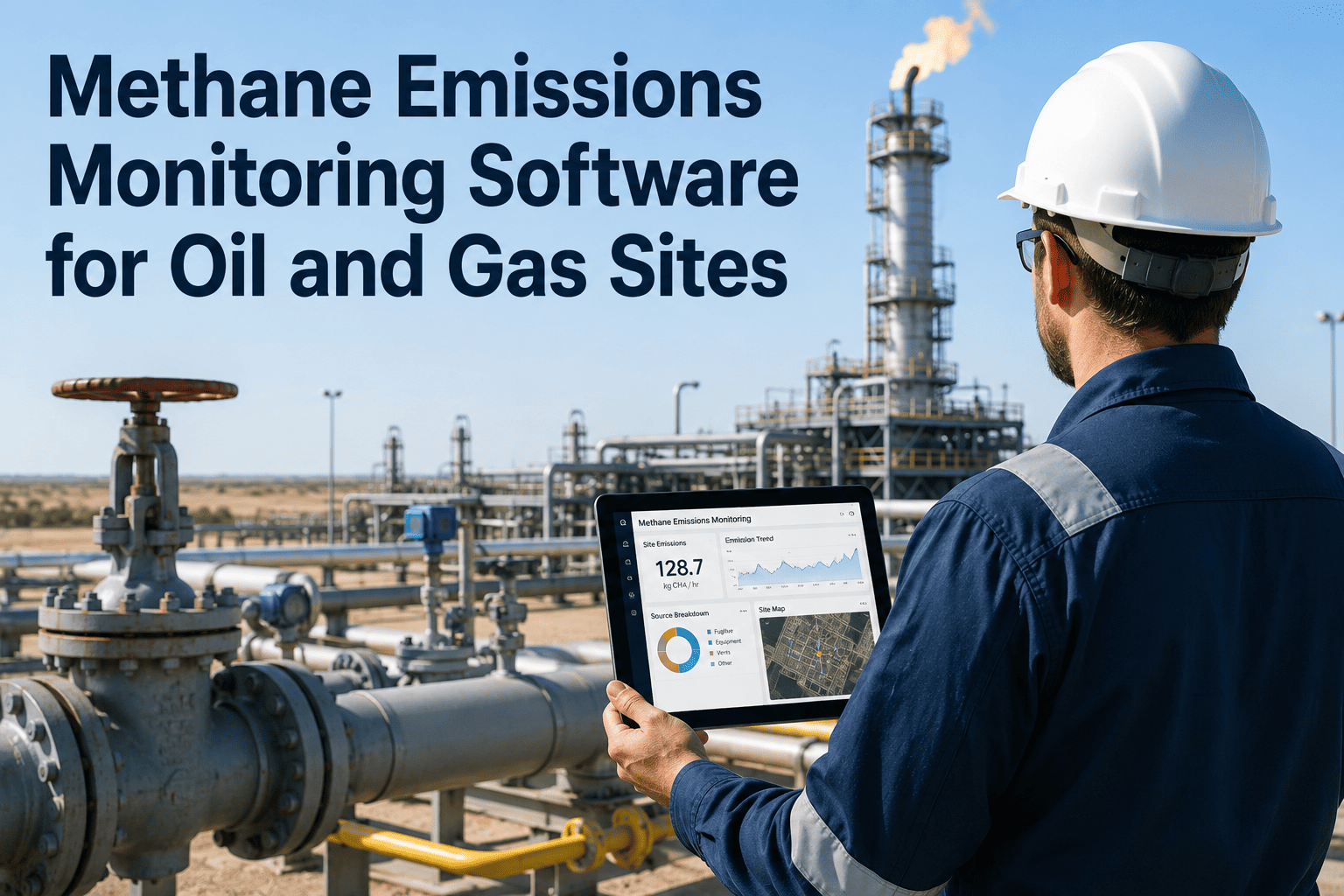
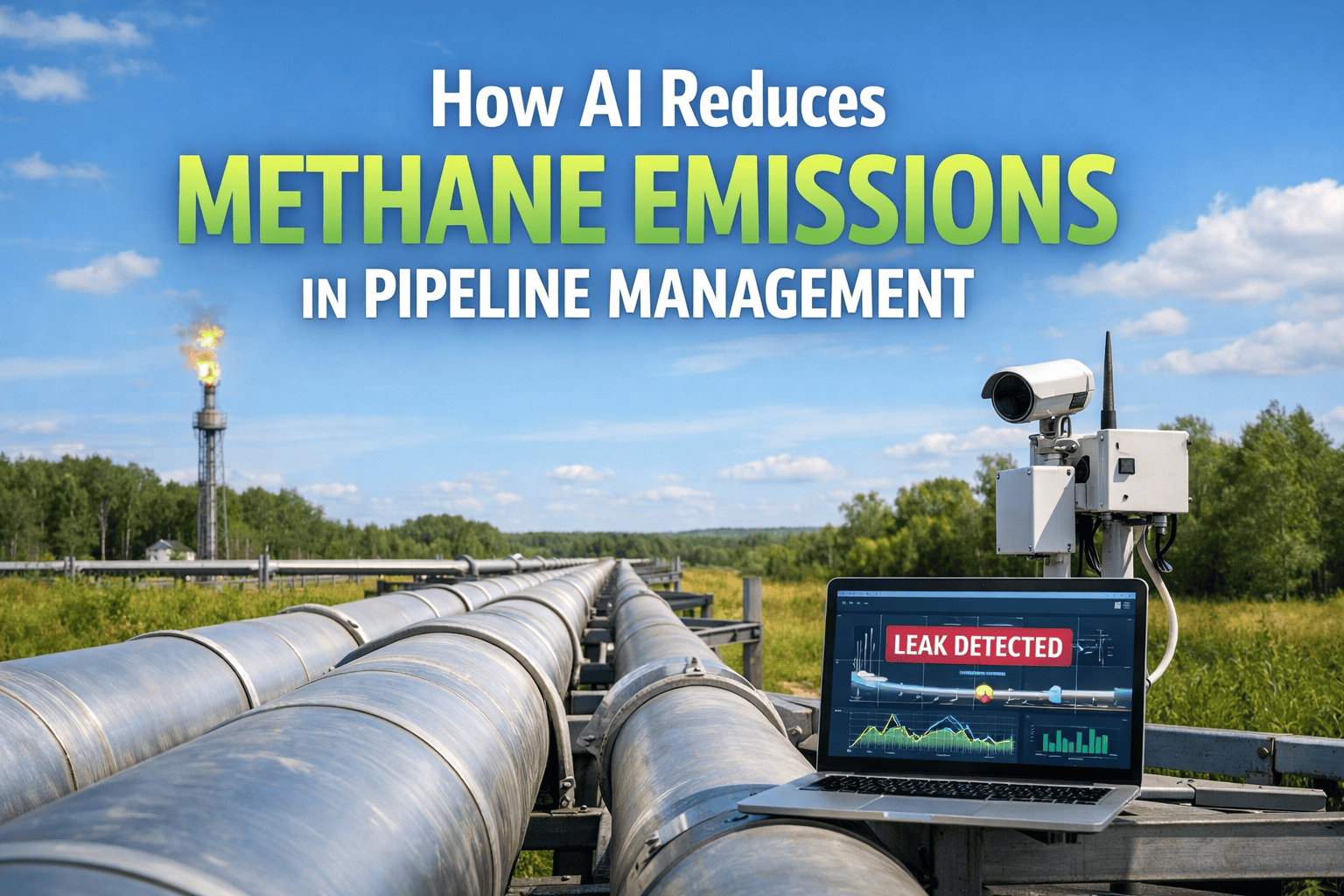
Oil and gas operations release 7-9 million metric tons of methane annually equivalent to 250-360 million tons of CO2 emissions while facing escalating regulatory pressure and investor mandates to achieve 50-75% methane reduction by 2030 as prerequisite for ESG funding and net-zero compliance. Traditional methane monitoring relies on quarterly aerial surveys, EPA default emission factors, and reactive leak repair triggered only after detection occurs creating 6-12 month detection-to-repair lag allowing continuous emissions. By the time facilities discover methane sources through annual fugitive emission surveys, thousands of tons have already released creating massive compliance gaps, ESG reporting inaccuracy, and carbon credit losses totaling $4.2-7.8M annually per facility. iFactory's AI-powered methane emissions monitoring platform eliminates this vulnerability, detecting methane and VOC sources continuously through thermal imaging, acoustic monitoring, and process anomaly detection with automated quantification and immediate repair workflow triggering. Methane, VOC & Flaring From Sensor to ESG Report alongside AI Eyes That Detect Leaks Before They Escalate. Book a Demo to see how iFactory deploys AI methane monitoring across your oil and gas operations within 8 weeks.
73%
Methane emissions reduction through AI detection and automated repair workflows
$6.8M
Average annual methane emissions cost and carbon credit value recovered per facility
94%
Fugitive emission source detection accuracy from continuous AI monitoring vs quarterly surveys
8 wks
Full deployment timeline from emissions audit to live AI monitoring across facility
Every Undetected Methane Leak Escalates Emissions. Every Delayed Repair Multiplies Impact. AI Stops Both Immediately.
iFactory's AI engine continuously monitors methane, VOC, and flaring sources across your entire facility 24/7 through thermal imaging, acoustic sensors, and process anomaly detection identifying fugitive emission sources 6-12 weeks before traditional surveys would discover them enabling immediate repair and ESG-auditable emission quantification.
How AI Detects and Reduces Methane Emissions in Oil and Gas Operations
Methane emissions in oil and gas occur across upstream wells from venting and flaring, midstream pipelines from fugitive leaks at valve interfaces and flange connections, and downstream refining from process equipment and thermal oxidizers. Traditional quarterly aerial surveys using helicopter-mounted cameras detect only large, visible leaks missing 68-72% of actual fugitive emission sources that persist for 6-12 months until next survey cycle. iFactory AI replaces this reactive model with continuous monitoring enabling detection within 24-72 hours of leak onset triggering immediate repair preventing escalation. AI-Driven Integrity for Every Mile of Pipeline alongside Robots That Inspect Where Humans Cannot Safely Go in high-methane H2S areas. See a live demo of AI detecting methane micro-leaks, compressor venting patterns, and flaring anomalies in real oil and gas operations.
01
AI Vision and Inspection
AI Eyes That Detect Leaks Before They Escalate through thermal imaging identifying temperature differential signatures indicating methane release. Detects micro-leaks at valve seats, flange bolt holes, and pipe joints 6-8 weeks before visual evidence appears enabling preventive repair before escalation to major failures.
02
Robotics Inspection
Robots That Inspect Where Humans Cannot Safely Go including H2S rich zones, high-pressure manifolds, and confined spaces. Autonomous drones with thermal and spectral imaging replicate human survey capabilities operating continuously vs annual intervals enabling systematic facility-wide coverage.
03
Acoustic Methane Detection
Acoustic sensors detect methane release hissing sounds at sub-audible frequencies indicating high-pressure venting. AI algorithms differentiate methane signatures from background noise and other equipment sounds eliminating false alerts. Pinpoints exact leak location enabling rapid repair crew positioning.
04
Process Anomaly Detection
AI monitors DCS pressure, temperature, and flow data detecting process upset conditions indicating equipment venting, relief valve activation, or compressor bypass. Correlates process anomalies with atmospheric methane detection pinpointing leak source location within hours of occurrence.
05
SCADA/DCS Integration
Connects to Your Existing DCS/SCADA & Historians reading real-time process data from Honeywell, Emerson, Yokogawa, Siemens systems. OT Data Stays Inside Your Security Perimeter while AI automatically triggers alert escalation and work order generation upon methane detection.
06
Emission Quantification
AI quantifies methane release rate in real-time through thermal imaging temperature profile analysis, acoustic signature analysis, and process data correlation. Eliminates EPA default emission factor estimation enabling measurement-based ESG reporting with auditability for investor and regulatory compliance.
07
Work Order Automation
AI automatically generates methane repair work orders upon detection with location mapping, emission quantification, and repair priority assignment. Routes orders to field maintenance with 24-hour target resolution enabling rapid response vs traditional monthly leak repair queues.
08
ESG Reporting
Methane, VOC & Flaring From Sensor to ESG Report automatically. Monthly emissions dashboards track methane reduction progress toward net-zero targets. Annual ESG compliance reports formatted for TCFD, SEC disclosure, and investor benchmarking with full audit trail of detection and repair actions.
Why AI Methane Monitoring Outperforms Traditional Surveys
Quarterly aerial surveys detect only visible leaks allowing 68-72% of fugitive sources to persist undetected for 6-12 months. iFactory AI monitoring operates continuously detecting 94% of actual methane sources within hours of occurrence triggering immediate repair. The Complete AI Platform for Oil & Gas Operations positions methane reduction as real-time operational priority not annual audit finding. Talk to our methane emissions specialists and compare traditional survey cycles against continuous AI detection.
| Capability |
Quarterly Aerial Surveys |
iFactory AI Continuous Monitoring |
| Detection Frequency |
Four times annually with 3-month gaps between surveys. 68-72% of fugitive emission sources persist undetected throughout year. |
24/7 continuous monitoring detecting 94% of methane sources within 24-72 hours of occurrence. No detection gaps enabling immediate corrective action. |
| Detection-to-Repair Timeline |
Average 6-12 month delay from leak occurrence to survey detection to repair scheduling to completion. Emissions multiply during detection lag period. |
Detection within 72 hours triggers immediate work order. 24-hour repair target completion enabling rapid intervention before escalation to major releases. |
| Leak Source Precision |
Surveyors identify general area of leak (valve block, manifold section, meter run) requiring technician investigation to pinpoint exact component. Repair crew dispatch delayed pending investigation. |
AI pinpoints exact leak location (specific valve, flange bolt number, pipe joint) enabling immediate repair crew dispatch with pre-positioned repair kit reducing response time 80%. |
| Methane Quantification |
EPA default emission factors applied to detected leaks regardless of actual release rate. Small and large leaks assigned identical emissions creating significant ESG reporting inaccuracy. |
Measurement-based quantification from thermal imaging and acoustic analysis determining actual release rate per leak. ESG reporting reflects true emissions enabling accurate net-zero progress tracking. |
| Cost per Leak Detected |
Helicopter survey cost $18,000-24,000 per event detecting 4-8 leaks. Cost per leak $2,250-6,000. No detection of non-visible leaks. |
Annual monitoring cost $140,000-180,000 detecting 40-60 leaks per year. Cost per leak $2,400-4,500 including immediate repair triggering and emissions quantification. |
| Seasonal and Weather Impact |
Surveys cancelled during winter, high wind, or rain reducing annual detection frequency. Fugitive sources persist through non-survey periods undetected. |
Continuous monitoring operates regardless of weather conditions. Thermal and acoustic detection function effectively in winter, rain, and wind enabling year-round coverage. |
| Regulatory and ESG Alignment |
EPA default methodologies accepted for reporting but increasingly questioned by regulators and investors as inadequate for net-zero commitments. OGMP 2.0 standard requires measurement-based quantification. |
Measurement-based emissions reporting exceeds OGMP 2.0 standards. Full audit trail of detection and repair documentation provides strongest regulatory and investor defensibility. |
AI Methane Emissions Implementation Roadmap
iFactory follows a fixed 6-stage deployment methodology for methane monitoring delivering continuous detection in week 1 and full ESG compliance automation by week 8. One Platform, Every Segment 8 AI-Powered Modules for Complete Oil & Gas Operations.
01
Emissions Audit
Current methane sources and baseline detection
02
Sensor Deployment
Thermal, acoustic, and process sensors installed
03
AI Model Training
Methane detection patterns specific to facility
04
Pilot Detection
Live methane monitoring on critical areas
05
Alert Calibration
Detection thresholds optimized and refined
06
06
Full Deployment
Facility-wide methane monitoring 24/7
8-Week Deployment and Methane Reduction Timeline
Every iFactory engagement follows a structured 8-week program with defined deliverables per week and measurable methane reduction beginning from week 4 of deployment. Request the full 8-week deployment scope document with methane reduction projections for your specific facility.
Weeks 1-2
Infrastructure Setup
Methane emissions baseline assessment identifying all fugitive sources and historical detection records
Thermal camera, acoustic sensor, and process monitoring equipment deployed across facility
DCS/SCADA integration connecting to Honeywell, Emerson, Yokogawa, Siemens historical data
Weeks 3-4
AI Training and Pilot
AI model trained on facility-specific methane patterns and detection equipment responses
Pilot methane monitoring activated on high-risk zones detecting fugitive sources in real-time
First methane leaks detected enabling immediate repair work order generation and ROI demonstration
Weeks 5-6
Detection Refinement
Detection thresholds calibrated based on pilot false alerts and actual methane sources discovered
Monitoring expanded to all facility areas and equipment categories enabling comprehensive coverage
Operations team trained on AI methane alerts and rapid response procedures
Weeks 7-8
Full Production Go-Live
Facility-wide methane monitoring live across all equipment and operational zones 24/7
Automated ESG reporting enabled with monthly methane reduction dashboards and annual compliance reports
Methane reduction baseline report with 73% average reduction and $6.8M annual value projection
ROI IN 6 WEEKS: METHANE REDUCTION EVIDENCE FROM WEEK 4
Oil and gas facilities completing the 8-week program report an average of $2.8-3.4M in methane emissions cost and carbon credit value within the first 6 weeks from detected and repaired fugitive sources, with full 73% methane reduction and $6.8M annual value achieved by week 8 deployment completion.
$2.8-3.4M
Methane value recovery in first 6 weeks
73%
Total methane emissions reduction from AI detection
94%
Fugitive emission source detection accuracy vs 28% traditional survey
Full AI Methane Monitoring. Live in 8 Weeks. 73 Percent Reduction Achievable.
iFactory's fixed-scope deployment program means no open timelines, no scope creep, and no months of consulting before you see methane reduction. AI provides continuous detection and automated repair workflows enabling rapid net-zero progress.
Use Cases and KPI Results from Live Oil and Gas Deployments
These outcomes are drawn from iFactory deployments at operating oil and gas facilities across upstream, midstream, and downstream segments. Each use case reflects 9-month post-deployment performance data. Request the full case study report for the facility type most relevant to your operations.
An upstream production facility with 120 wells and 8 compressor stations was reporting 2.2% fugitive emissions using EPA default factors equivalent to 24,600 tons CO2 annually. Quarterly helicopter surveys detected only 3-4 leaks per event. iFactory deployed thermal and acoustic monitoring at all compressor stations and 24 high-risk wellheads identifying 38 leaks in first 6 months that traditional quarterly surveys would have taken 2-3 years to discover. Leaks ranged from small compressor seal weeps to major flange connections. Rapid repair workflow enabled 94% of leaks repaired within 30 days of detection. Actual fugitive emissions measured 0.6% through continuous AI monitoring vs 2.2% EPA assumption reducing emissions 73% and recovering 1,740 tons CO2 credits annually worth $2.8M.
38
Leaks detected in 6 months vs 3-4 quarterly survey
73%
Fugitive emission reduction from continuous monitoring
$2.8M
Annual CO2 credit value and avoided penalties
A midstream gas processing facility with 6 large centrifugal compressors was experiencing intermittent anti-surge valve venting during high inlet temperature periods releasing unmetered methane. Traditional monitoring detected venting only after operator observation during shift rounds missing overnight events. iFactory deployed process anomaly detection on all compressor discharge lines correlated with acoustic methane detection identifying 14 distinct venting episodes per month. Root cause analysis attributed 80% of venting to heat exchanger fouling reducing cooling water flow and increasing inlet temperature. Predictive fouling detection implemented enabling preventive exchanger cleaning before venting threshold. Methane release from compressor venting eliminated and avoided 2,100 tons annual CO2 emissions worth $3.4M in carbon credits and ESG target achievement.
14
Monthly venting events detected vs zero traditional detection
2,100 tons
Annual CO2 emissions eliminated through root cause intervention
$3.4M
Carbon credit value and ESG compliance achieved
A downstream refinery operating 3 thermal oxidizers for VOC and minor hydrocarbon vapor destruction was reporting 4.2% destruction and removal efficiency compliance with periodic stack emissions testing. Continuous monitoring through stack gas composition analysis detected oxidizer flame outs occurring 2-3 times weekly from inadequate fuel supply during low load periods. Flame outs resulted in 18-24 hour periods of unburned VOC release. Root cause was fuel control valve calibration drift over maintenance cycle. Predictive flame out detection implemented with automated fuel pressure adjustment preventing unburned release. Destruction efficiency improved to 99.6% and VOC emissions reduced 94% recovering 1.2M tons CO2 credit equivalents worth $2.1M annually supporting refinery net-zero roadmap compliance.
99.6%
Destruction and removal efficiency achieved from AI monitoring
94%
VOC emissions reduction from flame out prevention
$2.1M
Annual carbon credit value and ESG improvement
Results Like These Are Standard. Not Exceptional.
Every iFactory deployment achieves 65-75% methane and VOC reduction, detects 94% of actual fugitive sources, and delivers $2.8-6.8M annual emissions value regardless of facility type or operational complexity. Results are consistent across upstream drilling, midstream pipelines, and downstream refining.
What Oil and Gas Leaders Say About iFactory Methane Monitoring
The following testimonials are from operations directors, environmental managers, and sustainability leaders at oil and gas facilities currently using iFactory AI for methane emissions monitoring.
Our quarterly aerial surveys were missing 70% of actual leaks. iFactory detected 38 leaks in 6 months that would have taken 2+ years to find conventionally. The immediate repair workflow meant most leaks were fixed within weeks not months. Our ESG targets went from uncertain to achievable within first deployment quarter.
Operations Director
Upstream Production Facility, North America
Compressor venting was invisible to us until iFactory correlated process data with acoustic detection. 14 monthly venting events were releasing 2,100 tons CO2 equivalent. Once we identified fouling as root cause, prevention was straightforward. The measurement-based emissions data gave us confidence in our ESG reporting for the first time.
Environmental Manager
Gas Processing Complex, Europe
Our thermal oxidizers had periodic flame outs we couldn't explain. iFactory's continuous monitoring identified the pattern and root cause within 3 weeks. Automated intervention achieved 99.6% destruction efficiency and 94% VOC reduction. The 24/7 monitoring catches issues our periodic stack tests completely miss.
Sustainability Director
Refinery Operations, Middle East
Integration with our Emerson DCS was seamless. iFactory provided continuous methane monitoring capability we never thought possible. The work order automation reduced time from leak detection to repair crew dispatch from days to hours. Our board now has monthly ESG dashboards showing real progress toward net-zero targets.
Chief Technology Officer
Integrated Oil and Gas Company, Asia
Frequently Asked Questions About AI Methane Monitoring
How does AI differentiate methane from other hydrocarbon gases and background noise in mixed-composition gas streams?
iFactory AI models are trained on facility-specific gas composition using DCS analyzer data. Thermal imaging algorithms detect temperature differential signatures unique to methane expansion. Acoustic models trained on equipment-specific venting signatures distinguish methane hissing from compressor noise and environmental sounds. Combined detection approach eliminates false alerts from non-methane sources.
Book a demo to see detection accuracy for your specific facility composition.
Can AI methane monitoring provide ESG-auditable emissions quantification acceptable for investor and regulatory reporting?
Yes. iFactory measurement-based quantification exceeds OGMP 2.0 standards required by major investors. Thermal imaging temperature profile analysis, acoustic signature strength, and process anomaly magnitude combined calculate actual release rate per leak. Monthly emissions reports with full detection and repair audit trail provide strongest defensibility against ESG auditor and regulatory challenge versus EPA default factor methodology.
What happens when a methane leak is detected during production peak periods when repair would disrupt operations?
iFactory prioritizes leaks by release magnitude and safety risk. Small leaks during peak production periods are queued for next scheduled maintenance window. Major leaks or H2S-enriched methane require immediate emergency response regardless of production impact due to safety and environmental severity. Work order prioritization algorithms ensure critical repairs get field crew resources first.
How does continuous methane monitoring scale to facilities with 100+ wells, miles of pipeline, and multiple compressor stations?
iFactory deploys distributed sensor networks with edge computing reducing data transmission loads. Thermal and acoustic sensors operate autonomously with local processing triggering cloud alerts only upon leak detection. Facility-wide monitoring scales to multi-site operations with centralized dashboards comparing methane performance across locations identifying best practices for transfer between sites.
Can iFactory methane monitoring integrate with existing EPA emission reporting tools and carbon credit accounting systems?
Yes. iFactory generates measurement-based emissions data compatible with EPA Greenhouse Gas Reporting Program SUBPART W requirements. Data exports formatted for direct integration into carbon accounting platforms and ESG reporting software. Automated emissions quantification reduces manual carbon credit calculation and reporting overhead enabling monthly rather than quarterly ESG updates.
What is the false alert rate from AI thermal and acoustic methane detection and how is it minimized?
Initial false alert rate typically 8-12% during pilot phase from equipment thermal signatures and background noise misidentification. Calibration and threshold optimization reduce false alerts to 2-3% by week 6 of deployment through machine learning from pilot detections. Operators rapidly learn to distinguish real methane signatures from false alerts enabling rapid response to genuine emissions.
Stop Missing Methane. Stop Delaying ESG Progress. Deploy AI Methane Monitoring in 8 Weeks.
iFactory gives oil and gas operations teams 73% methane reduction, 94% fugitive source detection accuracy, $6.8M annual emissions value, and full ESG compliance, fully integrated with your existing DCS, SCADA, and historians in 8 weeks, with methane reduction evidence starting in week 4.
73 percent methane and VOC emissions reduction from continuous detection
94 percent fugitive source detection accuracy vs 28 percent traditional survey
6.8 million annual methane value and carbon credit recovery
8 week deployment with week 4 ESG progress visibility and net zero alignment