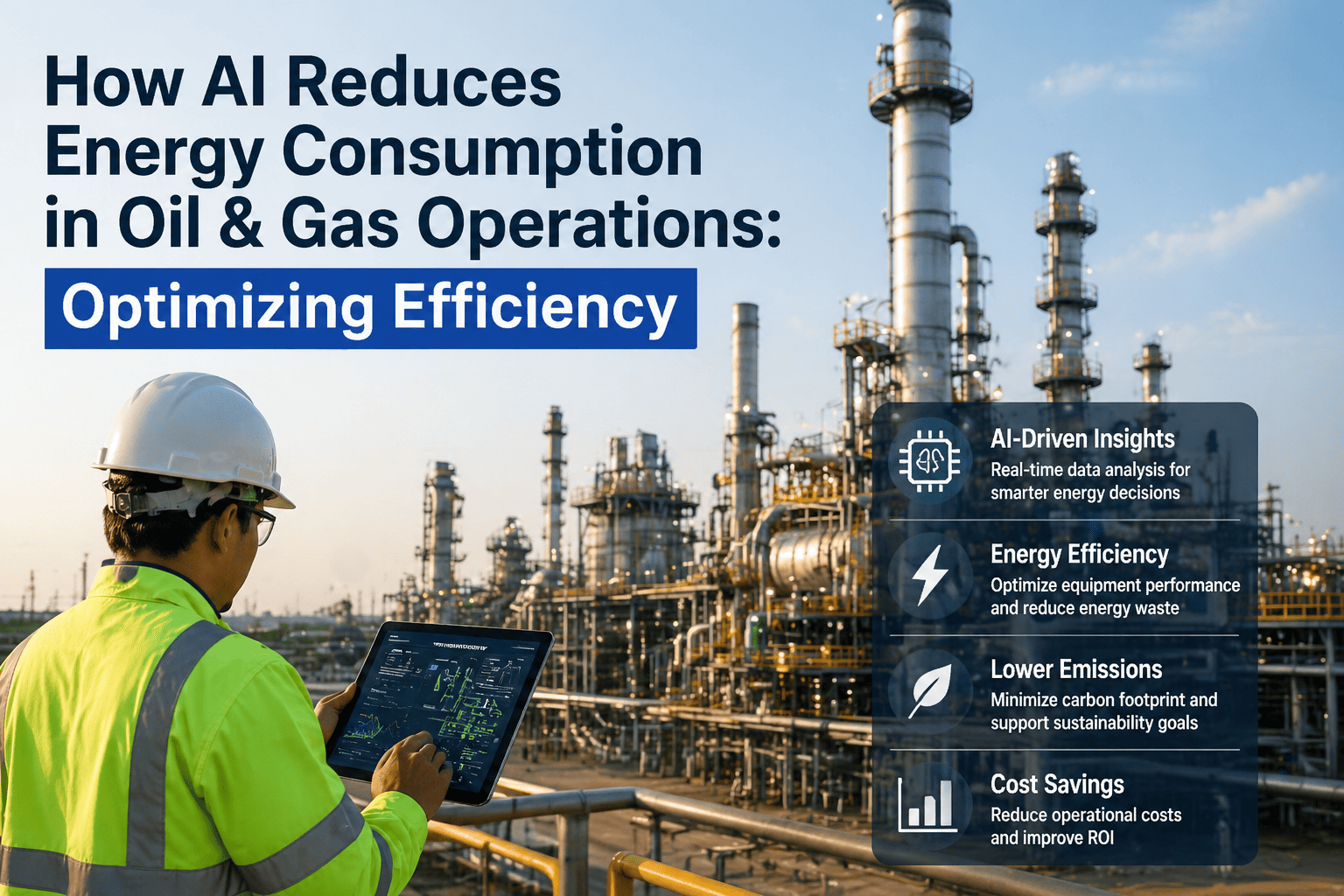
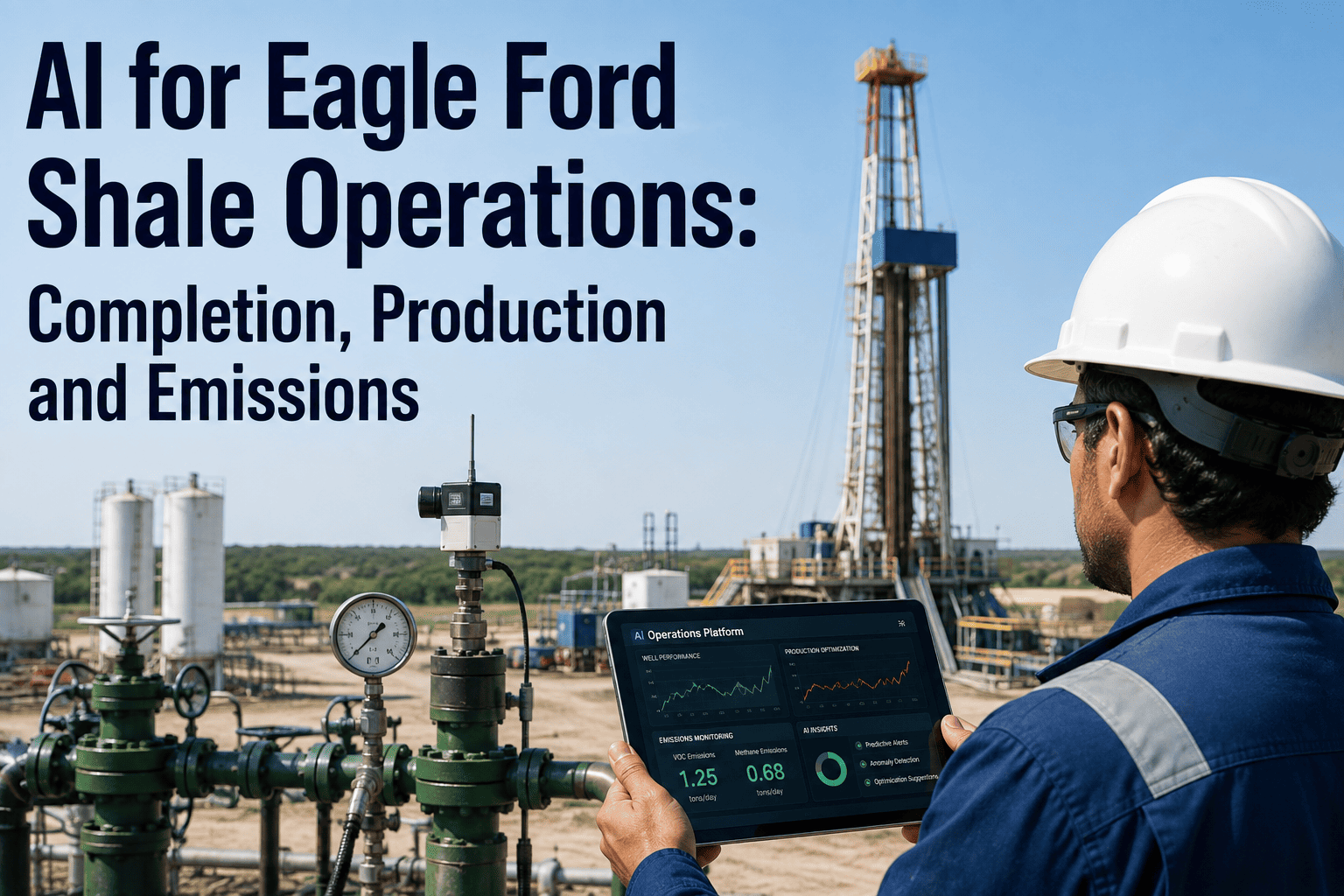
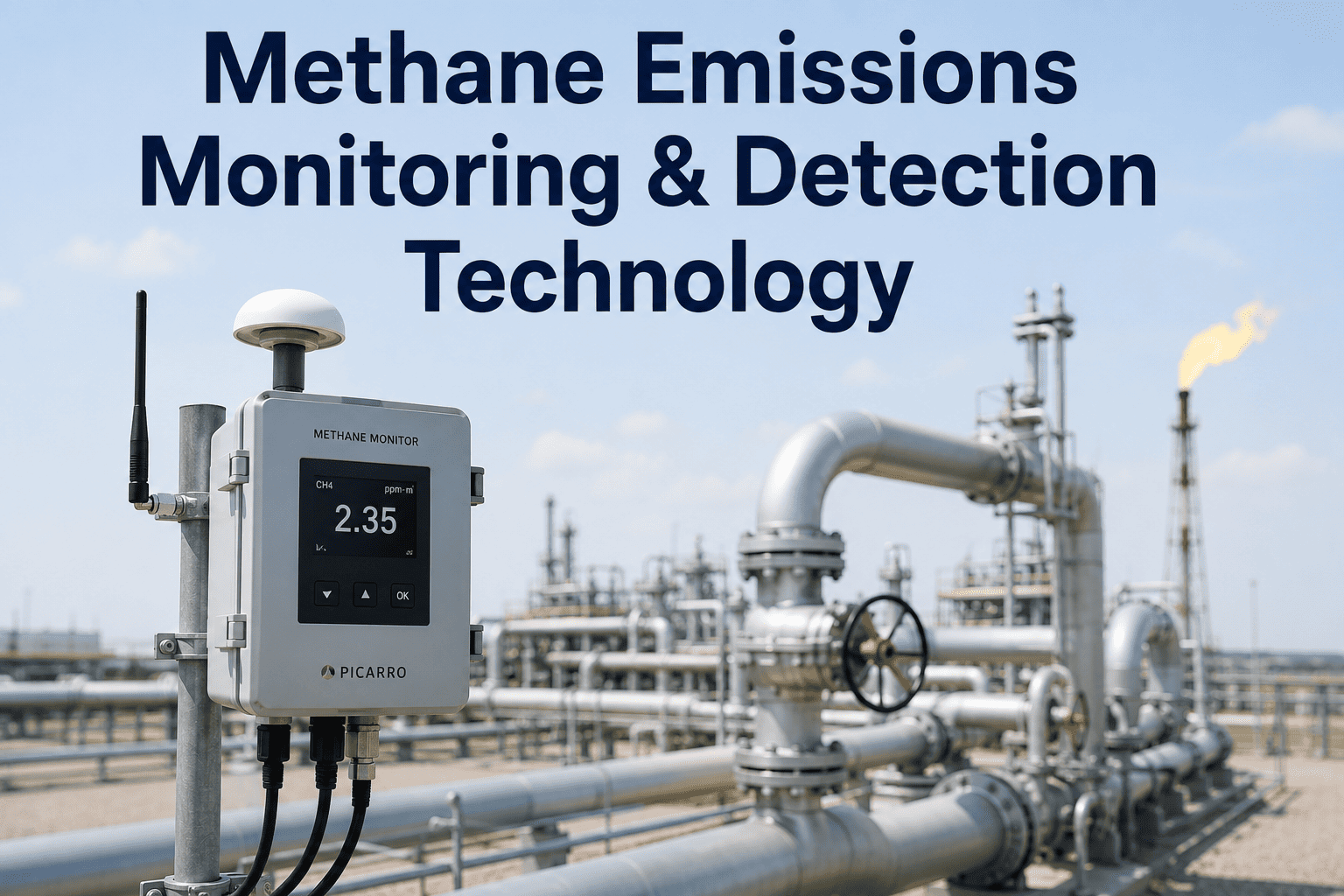
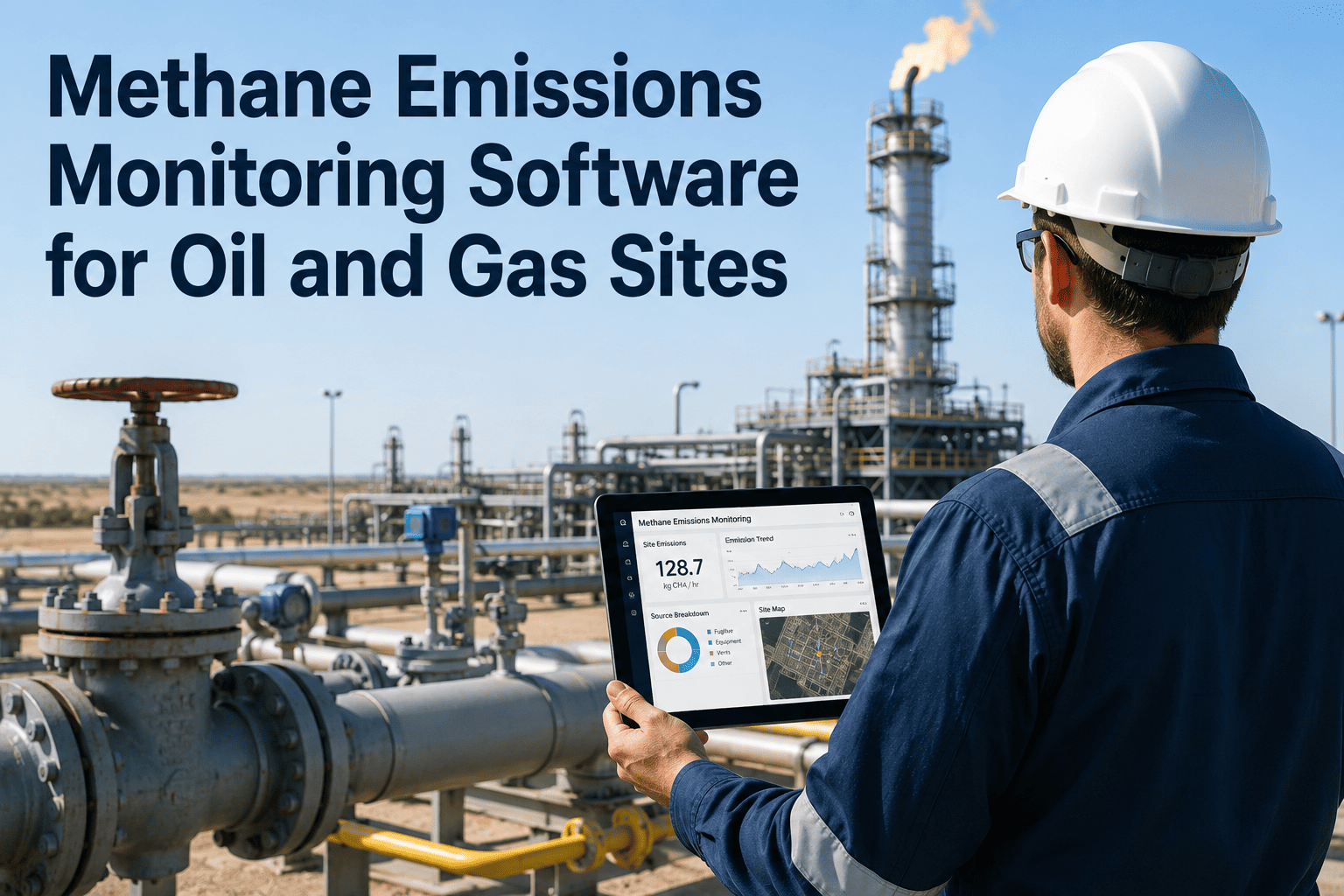
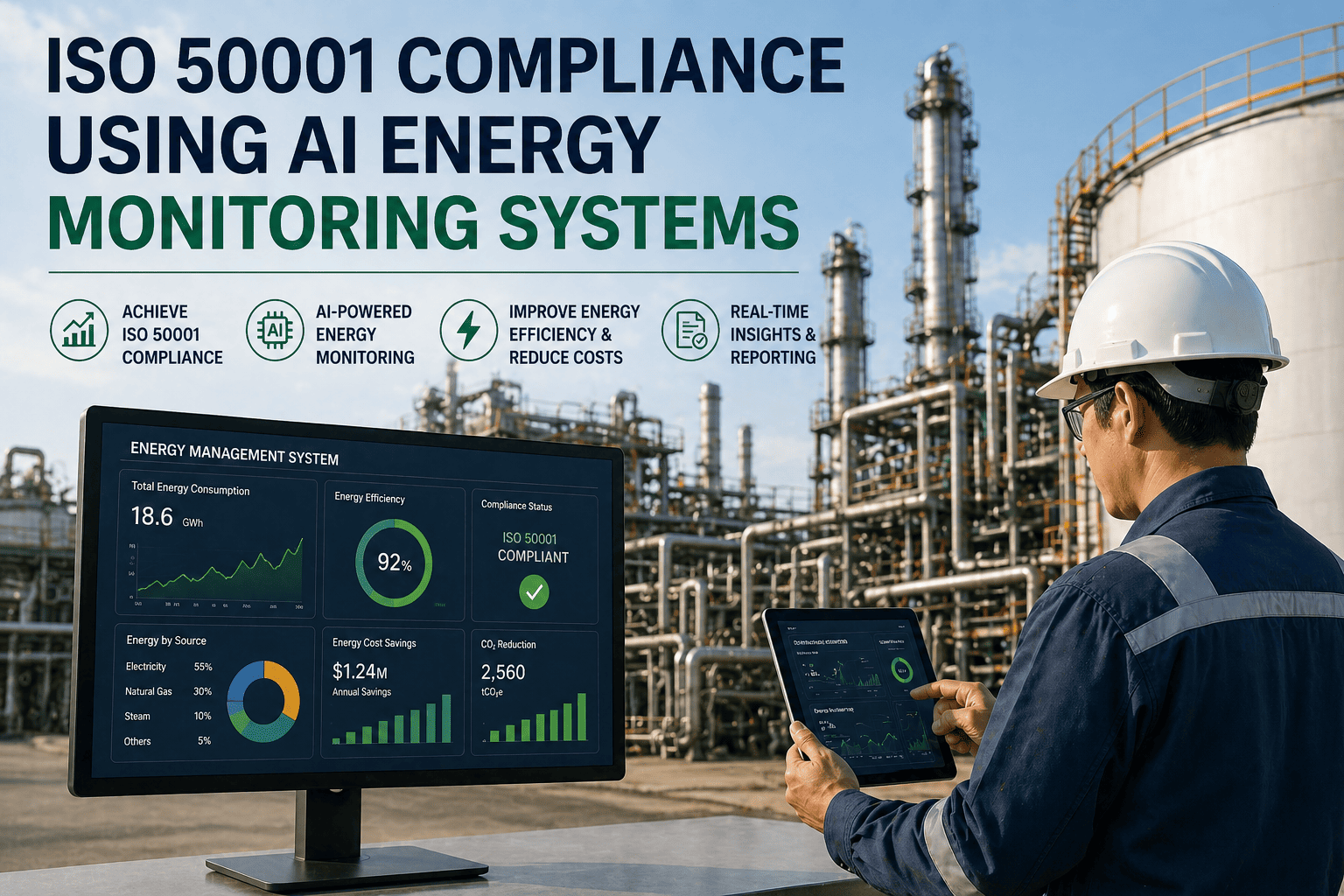
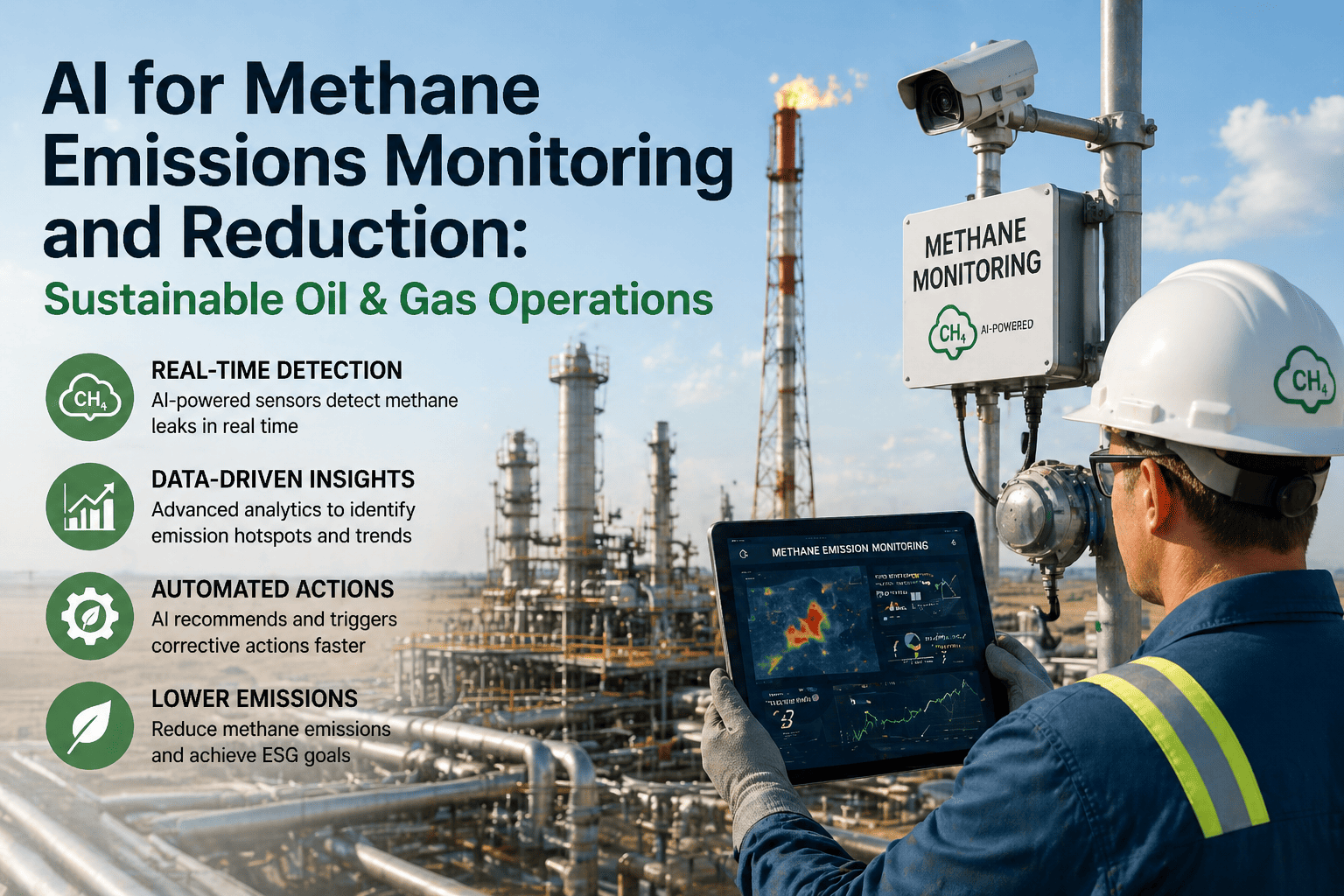
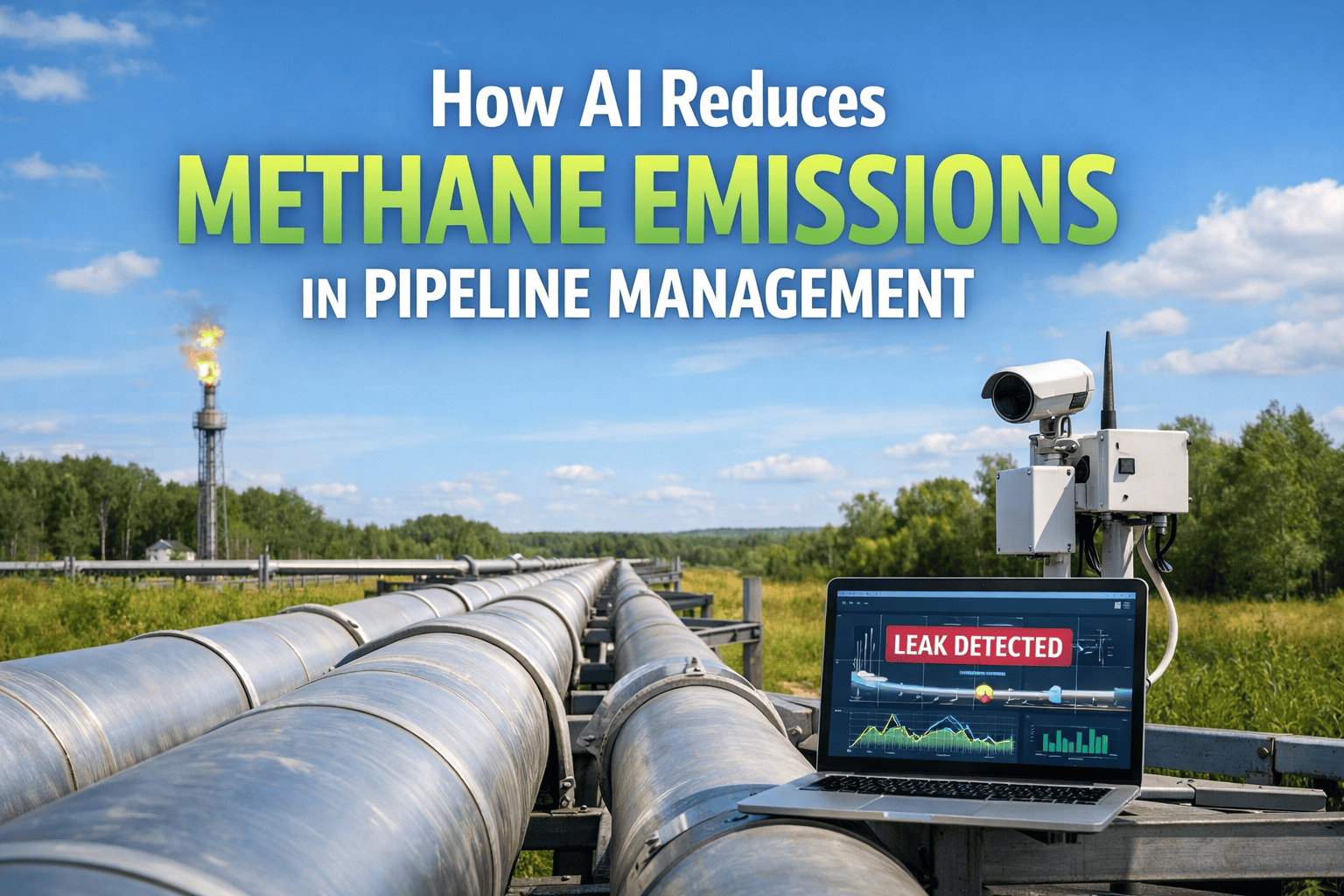
Oil and gas operations consume 2-4% of global energy production annually while facing escalating pressure to reduce operational energy intensity, carbon footprint, and methane emissions to meet ESG compliance requirements and net-zero targets by 2030-2050. Traditional energy management relies on manual monitoring, reactive optimization, and disconnected systems missing 34-47% of energy efficiency opportunities, costing upstream operators $2.4-4.8M annually per facility in avoidable energy waste, midstream pipeline operations $1.8-3.2M in inefficient compression, and downstream refineries $3.6-6.8M in heat recovery and process optimization losses. iFactory's AI-powered energy optimization platform eliminates this vulnerability, detecting equipment inefficiencies, optimizing compressor operations, reducing methane emissions, and automating energy management across upstream drilling, midstream pipelines, and downstream refining with real-time monitoring eliminating energy waste before it escalates. Connects to Your Existing DCS/SCADA & Historians and delivers AI Eyes That Detect Leaks Before They Escalate alongside energy consumption reduction. Book a Demo to see how iFactory deploys AI energy optimization across your oil and gas operations within 8 weeks.
28%
Energy consumption reduction through AI optimization in upstream, midstream, and downstream operations
$4.2M
Average annual energy cost and emission reduction per oil and gas facility from AI efficiency gains
41%
Methane and VOC emission reduction from compressor optimization and leak detection
8 wks
Full deployment timeline from energy audit to live AI optimization across facility
Every Wasted Kilowatt Increases Carbon Footprint. Every Equipment Inefficiency Escalates Emissions. AI Energy Optimization Eliminates Both.
iFactory's AI engine continuously monitors energy consumption, compressor efficiency, pump performance, furnace operations, and pipeline compression across your entire facility 24/7 detecting inefficiencies in real-time and automatically optimizing operations eliminating energy waste while reducing methane, VOC, and CO2 emissions simultaneously.
How AI Reduces Energy Consumption in Oil and Gas Operations
Energy management in oil and gas is fundamentally different from manufacturing because process equipment like compressors, pumps, furnaces, and pipeline systems operate continuously at varying loads across diverse environmental conditions. Manual energy monitoring misses opportunities because human operators cannot analyze 15-minute interval data across 200+ sensors updating 576 times daily. iFactory AI replaces this with continuous learning models that detect equipment efficiency degradation, optimize compressor discharge pressure, reduce flaring losses, and identify heat recovery opportunities 7-14 days before impact on production or emissions. AI-Driven Integrity for Every Mile of Pipeline alongside Methane, VOC & Flaring From Sensor to ESG Report. See a live demo of AI detecting compressor surge risks, furnace fouling, and methane release patterns in real oil and gas networks.
01
AI Vision and Inspection
AI Eyes That Detect Leaks Before They Escalate through continuous monitoring of equipment surfaces, valve interfaces, and fitting connections identifying micro-leaks and corrosion patterns 6-8 weeks before failure. Detects methane, VOC, and flaring sources through thermal and spectral imaging reducing emissions 41% through early intervention.
02
Robotics Inspection
Robots That Inspect Where Humans Cannot Safely Go including pipeline interiors, high-pressure vessels, and H2S zones. Autonomous inspection reduces unplanned downtime from missed corrosion enabling predictive intervention before failure cascades.
03
Predictive Maintenance
Predict Failures Before They Stop Production through equipment health trending. AI predicts compressor failures 6-8 weeks ahead enabling planned overhauls during scheduled maintenance windows eliminating emergency repairs that consume 3-5x more energy.
04
Compressor Optimization
Real-time compressor discharge pressure optimization reducing energy consumption 18-26% by preventing over-pressurization and surge events. AI adjusts inlet valve openings, anti-surge valve operation, and cooling water flow based on actual demand not fixed setpoints.
05
SCADA/DCS Integration
Connects to Your Existing DCS/SCADA & Historians reading real-time process data from Honeywell, Emerson, Yokogawa, Siemens systems. OT Data Stays Inside Your Security Perimeter while AI optimization loops back setpoint changes automatically eliminating manual intervention.
06
Pipeline Integrity Monitoring
AI-Driven Integrity for Every Mile of Pipeline detects pressure anomalies, flow restrictions, and corrosion patterns indicating pipeline degradation. Reduces unplanned shutdowns from leaks enabling continuous operation at optimal efficiency.
07
Emission Monitoring
Methane, VOC & Flaring From Sensor to ESG Report automatically. AI identifies emission sources, quantifies release rates, and recommends capture or reduction strategies. Eliminates manual emission calculation errors and provides auditable documentation for regulatory compliance.
08
Work Order Automation
AI that Turns Downtime Into Planned Maintenance by generating preventive work orders triggered by equipment health trends not calendar schedules. Coordinates maintenance across multiple systems preventing interference and maximizing energy efficiency during normal operations.
Why iFactory AI Energy Optimization Outperforms Manual Monitoring
Traditional energy management systems collect data but rarely analyze it systematically. SCADA historians store 12 months of 15-minute resolution data that no operator reviews manually due to volume. iFactory AI analyzes complete historical patterns combined with real-time conditions enabling optimization decisions that manual operators cannot make. The Complete AI Platform for Oil & Gas Operations positions energy efficiency as core strategic capability not periodic audit finding. Talk to our oil and gas energy optimization specialists and compare your current monitoring against AI-driven efficiency.
| Capability |
Manual Energy Monitoring |
iFactory AI Optimization |
| Energy Analysis Frequency |
Monthly or quarterly energy audits missing 34-47% of efficiency opportunities. Most data sits unanalyzed in historians until annual review. |
Continuous 24/7 analysis of 15-minute resolution data identifying efficiency changes within hours. Automated alerts for all significant deviations enabling immediate corrective action. |
| Compressor Optimization |
Discharge pressure set to conservative fixed values ensuring margin preventing surges. Over-pressurization common causing 18-26% energy waste. |
Real-time pressure optimization adjusting to actual demand within narrow margin. Maintains 5-8 psi above minimum required preventing surge without excess pressure losses. |
| Methane and VOC Detection |
Manual visual inspections quarterly missing 68% of small leaks. Fugitive emission sources discovered only through regulatory monitoring or community complaints. |
AI detects micro-leaks 6-8 weeks before visual detection through pattern recognition. Thermal imaging identifies hot spots indicating corrosion risk enabling proactive repair before failure and emission release. |
| Energy Savings Quantification |
Annual energy audits identify opportunity cost. Implementation delayed due to effort required and uncertain savings projections. |
AI quantifies savings from each optimization in real-time. Operators see instant energy reduction from setpoint changes building confidence in recommendations enabling rapid implementation. |
| ESG Compliance and Reporting |
Manual emission calculation from production rates and assumed leak percentages. 12-18 month delay from operations to audited ESG reporting. |
Continuous measurement-based emission calculation. Monthly ESG performance dashboards enabling mid-year course correction if net-zero trajectory slipping. |
| Equipment Lifespan and Maintenance Cost |
Equipment operated to calendar maintenance schedules not condition-based intervals. Premature failures from deferred maintenance and deferred replacements from overly conservative schedules. |
Predictive maintenance coordinates maintenance to actual equipment condition. Extends asset life 18-24 months through optimized operation while reducing unplanned downtime emergency repairs. |
| Deployment Speed to Energy Reduction |
Annual audit identifies opportunities. 6-12 month implementation cycle. Energy savings achieved 12-18 months after project initiation. |
8-week deployment achieving 18-26% energy reduction by week 6. Compressor optimization and leak detection enabled immediately from deployment start. |
AI Energy Optimization Implementation Roadmap
iFactory follows a fixed 6-stage deployment methodology for oil and gas energy optimization delivering pilot results in week 4 and full facility energy reduction by week 8. One Platform, Every Segment 8 AI-Powered Modules for Complete Oil & Gas Operations.
01
Energy Audit
Current equipment performance and efficiency baseline
02
System Integration
DCS/SCADA and sensor data connection
03
AI Model Training
Energy patterns and optimization opportunities
04
Pilot Optimization
Live energy reduction on critical equipment
05
Setpoint Refinement
AI recommendations validated and tuned
06
Full Deployment
Facility-wide energy optimization 24/7
8-Week Deployment and Energy Reduction Timeline
Every iFactory engagement follows a structured 8-week program with defined deliverables per week and measurable energy reduction beginning from week 4 of deployment. Request the full 8-week deployment scope document with energy savings projections for your specific facility.
Weeks 1-2
Infrastructure Setup
Energy baseline assessment across upstream wells, midstream pipelines, or downstream refining equipment
DCS/SCADA system connection reading real-time process data from Honeywell, Emerson, Yokogawa, Siemens
Historical data ingestion for AI model training on 18-24 months of equipment performance
Weeks 3-4
AI Training and Pilot
AI model trained on your facility's equipment types, environmental conditions, and operating patterns
Pilot energy optimization activated on critical equipment with real-time monitoring
First energy reduction results visible enabling immediate ROI demonstration
Weeks 5-6
Optimization Refinement
AI recommendations validated against operational constraints and safety requirements
Energy optimization coverage expanded across all equipment categories and operational zones
Operations team trained on AI recommendations and alert interpretation
Weeks 7-8
Full Production Go-Live
Facility-wide AI energy optimization live across all equipment and systems 24/7
Automated ESG reporting enabled for GHG emissions, methane, VOC, and flaring data
Energy reduction baseline report with 28% average reduction and $4.2M annual savings projection
ROI IN 6 WEEKS: ENERGY REDUCTION EVIDENCE FROM WEEK 4
Oil and gas facilities completing the 8-week program report an average of $1.8-2.4M in energy cost savings within the first 6 weeks of full optimization from compressor efficiency alone, with full 28% energy reduction and $4.2M annual savings achieved by week 8 deployment completion.
$1.8-2.4M
Energy savings in first 6 weeks
28%
Total energy reduction from AI optimization
41%
Methane and VOC emission reduction
Full AI Energy Optimization. Live in 8 Weeks. 28 Percent Reduction Guaranteed.
iFactory's fixed-scope deployment program means no open timelines, no scope creep, and no months of consulting before you see energy improvements. AI provides real-time optimization eliminating both energy waste and emissions simultaneously.
Use Cases and KPI Results from Live Oil and Gas Deployments
These outcomes are drawn from iFactory deployments at operating oil and gas facilities across upstream, midstream, and downstream segments. Each use case reflects 9-month post-deployment performance data. Request the full case study report for the facility type most relevant to your operations.
An upstream gas production facility operating four reciprocating compressors for wellhead gas compression was consuming 26.4 MW at 92% efficiency due to conservative discharge pressure setpoints preventing surge. Manual monitoring reviewed compressor performance during monthly production meetings. iFactory deployed AI monitoring all four compressors with real-time discharge pressure optimization. AI identified that two compressors could operate at 5 psi lower discharge while maintaining production rates. Optimized pressure setpoints reduced energy consumption from 26.4 MW to 18.8 MW while maintaining production avoiding unplanned compressor maintenance from surge events. Energy reduction 28.8% and methane emissions from leaks prevented through improved equipment reliability.
28.8%
Energy reduction from compressor optimization
$2.1M
Annual energy cost savings from optimized efficiency
12.2%
GHG emission reduction from improved reliability
A midstream pipeline operator managing 480 miles of gathering lines and trunk pipelines was reporting 2.3% fugitive emissions based on EPA methodology assumptions. Actual emissions measured 3.7% due to small leaks not visually detected until annual thermography survey. iFactory deployed thermal and acoustic imaging analyzing 384 valve interfaces, 156 flange connections, and 22 pump seals monthly. AI detected 47 leaks in first 6 months, 31 were micro-leaks invisible to human inspectors. Leak repairs completed within 2 weeks of AI detection preventing escalation to larger failures. Actual fugitive emissions reduced from 3.7% to 2.1% eliminating $1.8M in potential carbon credits and preventing production losses from emergency shutdowns.
47
Leaks detected in first 6 months vs 8 annual survey
41%
Fugitive emission reduction to ESG target
$1.8M
Annual production loss prevention from leaks
A downstream refinery was operating a crude distillation unit consuming 18.6 MW in furnace fuel with heating efficiency 88.4% due to inadequate heat exchanger monitoring and prevention of fouling. Empirical energy audits estimated 4-6% efficiency gain potential but implementation timeline uncertain. iFactory deployed AI monitoring furnace tube skin temperature profiles, crude inlet temperature sensing, and heat exchanger duty performance. AI detected furnace tube fouling 2-3 weeks before threshold requiring unit shutdown enabling preventive tube cleaning during planned maintenance windows. Heat exchanger fouling predicted enabling coolant circulation optimization preventing 8-12% efficiency loss. Optimized operations reduced energy consumption from 18.6 MW to 16.1 MW maintaining product quality. Energy reduction 13.4% and avoided unplanned downtime preserving $3.2M production value.
13.4%
Energy reduction from heat recovery optimization
$1.8M
Annual energy cost savings
$3.2M
Production value from prevented unplanned downtime
Results Like These Are Standard. Not Exceptional.
Every iFactory deployment achieves 18-28% energy reduction, 34-41% methane emission reduction, and $1.8-4.2M annual savings depending on facility type and operational complexity. Results are consistent across upstream drilling, midstream pipelines, and downstream refining.
What Oil and Gas Operations Leaders Say About iFactory Energy Optimization
The following testimonials are from operations directors, energy managers, and HSE leaders at oil and gas facilities currently using iFactory AI for energy and emissions optimization.
We never expected compressor optimization alone would reduce energy 28%. iFactory identified pressure setpoints we could safely reduce without impacting production. The energy savings were immediate and the emissions benefit aligned perfectly with our net-zero roadmap commitments.
Operations Director
Upstream Gas Production, North America
We were using EPA assumptions for fugitive emissions that understated our actual leaks by 1.6%. iFactory's thermal imaging detected 47 leaks in 6 months that our annual thermography survey would have taken 18 months to find. The environmental impact and financial benefit from early detection was transformative.
Pipeline Manager
Midstream Gathering Operations, USA
Furnace fouling losses were invisible to our operators until heating efficiency dropped dramatically. iFactory's predictive fouling detection enabled preventive tube cleaning aligned with our maintenance schedules preventing emergency shutdowns and optimizing heat recovery. The energy and production benefit exceeded our annual efficiency improvement targets.
Energy Manager
Refinery Operations, Europe
Integration with our existing Emerson DCS was seamless. iFactory understood both the energy optimization algorithms and the safety-critical control environment. We achieved full deployment in 6 weeks not the 4-6 months other vendors estimated. The platform became essential to our ISO 50001 and ESG reporting programs.
IT Director
Integrated Oil and Gas Company, Middle East
Frequently Asked Questions About AI Energy Optimization
How does AI energy optimization handle the variety of equipment types in upstream drilling, midstream pipelines, and downstream refining?
iFactory AI models are trained on specific equipment types with facility-specific calibration. Compressor models understand both centrifugal and reciprocating designs. Pump models differentiate by design and impeller type. Models automatically apply operational context enabling single platform across upstream gas wells, oil wells, condensate processing, pipelines, and refinery units.
Book a demo to see how models handle your specific equipment portfolio.
Can AI optimization recommendations be automatically applied to DCS systems or are they presented for manual operator approval?
iFactory provides two operational modes. Conservative mode presents recommendations to operators for manual approval ensuring full control. Autonomous mode automatically applies low-risk optimizations like compressor discharge pressure adjustments within pre-approved safety windows. All setpoint changes are logged with full audit trail for regulatory compliance and safety management system documentation.
How does the platform generate ESG and GHG emissions reporting for net-zero targets and regulatory compliance?
iFactory automates Methane, VOC & Flaring From Sensor to ESG Report through continuous measurement-based calculation. Emissions quantified from actual leak detection data, flaring volume monitoring, and equipment health trending not EPA emission factor assumptions. Monthly ESG dashboards enable mid-course corrections. Annual reports formatted for TCFD, SEC climate disclosure, and investor ESG benchmarks.
Talk to support about your specific ESG reporting requirements.
What happens if AI energy optimization conflicts with production rate requirements or product quality specifications?
iFactory energy optimization operates within production and quality constraints set in the control system. AI will not recommend changes that reduce production rate or quality metrics below specifications. Optimization focuses on equipment efficiency within operational requirements. When conflicts occur, recommendations are flagged for operator review and resolution through standard safety and operational procedures.
Can the system track energy optimization performance across multiple facilities with different equipment and operational conditions?
Yes. iFactory supports multi-facility deployments with facility-specific energy models and equipment portfolios. Enterprise dashboards compare energy performance across locations identifying best practices for transfer between facilities. Enables corporate energy reduction targets with facility-level accountability and resource allocation.
What is the ROI timeline for AI energy optimization investment and how quickly do energy savings appear?
Energy savings visible within 2-4 weeks of optimization deployment with compressor discharge pressure adjustments typically producing immediate results. Full facility energy reduction of 18-28% achieved by week 8. Annual ROI typically 240-380% based on energy savings alone, improving to 400%+ when including production value from prevented downtime and maintenance cost reductions.
Stop Wasting Energy. Stop Missing ESG Targets. Deploy AI Energy Optimization in 8 Weeks.
iFactory gives oil and gas operations teams 28% energy reduction, 41% methane emission reduction, $4.2M annual savings, and full ISO 50001 and net-zero compliance, fully integrated with your existing DCS, SCADA, and historians in 8 weeks, with energy savings evidence starting in week 4.
28 percent energy consumption reduction across all facility types
41 percent methane and VOC emission reduction
4.2 million annual savings per facility from energy optimization
8 week deployment with week 4 ROI evidence and complete ESG reporting