
A mid-size chemical plant running at 65% OEE against a realistic best-in-class ceiling of 80-85% is leaving roughly a fifth of its installed capacity on the table — capacity it already paid for in capex, headcount, and permits. On a plant with $50
Chemical Manufacturing
Process Safety
Chemical Plant Maintenance Software
Unplanned downtime costs the chemical industry $20 billion annually while 82% of plants have experienced shutdowns in the past 3 years. iFactory's AI-powered platform predicts failures, ensures compliance, and prevents catastrophic incidents.
40% Less Downtime
100% Audit Ready
35% Lower Costs
Chemical Plant Operations Center
● 4 Units Online
97.8%Plant Uptime
0Safety Incidents
3PM Scheduled
100%Compliance
Critical Equipment Status
All Systems Normal
Reactor R-101185°C • 15 bar
Compressor C-20192% Health
Pump P-301PM in 48hrs
AI Predictive Alerts
2 Active
Pump P-301: Bearing Wear DetectedSchedule PM within 48 hours • Parts ready
Heat Exchanger HX-102: Fouling +8%Cleaning scheduled for next turnaround
Compliance: OSHA 1910.119 VerifiedAll PSM documentation current
Industry Challenge
The $100K/Hour Downtime Problem
Chemical plants operate with razor-thin margins for error. A single equipment failure can cascade into millions in losses, safety incidents, and regulatory violations.
Chemical Plant Failure Cascade
Production & Safety Impact
Equipment Failure
UndetectedUnplanned Shutdown
Production StopSafety Incident
InvestigationFinancial Loss
$100K+/HourEquipment Failure
UndetectedUnplanned Shutdown
Production StopSafety Incident
InvestigationFinancial Loss
$100K+/Hour
Between 2004-2020: 3,400+ chemical incidents caused 2,400+ harm events
Chemical Plant Solutions
What High-Performing Chemical Plants Actually Need
Every pain point above has a solution. Here's what top chemical manufacturers require to maximize uptime, ensure safety, and maintain compliance.
Predictive Maintenance
AI-powered condition monitoring that detects pump, compressor, and heat exchanger failures weeks before they happen. Stop reactive firefighting.
- Vibration analysis
- Thermal monitoring
- Failure prediction
Process Safety Management
Digital PSM workflows with automated documentation, hazard analysis tracking, and real-time compliance monitoring. Stay audit-ready 24/7.
- OSHA 1910.119 compliance
- PHA/HAZOP tracking
- MOC management
Turnaround Management
Plan, execute, and track plant shutdowns with precision. Coordinate thousands of work orders, contractors, and inspections in one platform.
- Shutdown planning
- Resource scheduling
- Progress tracking
Process Monitoring
Real-time visibility into reactor temperatures, pressures, flows, and critical parameters. AI detects anomalies before operators can.
- Live dashboards
- Anomaly detection
- Alarm management
Digital Work Orders
Mobile-first work order management with embedded SOPs, LOTO procedures, and permit requirements. Execute safely, every time.
- Mobile execution
- Embedded procedures
- Permit integration
EPA RMP Compliance
Automated Risk Management Program documentation, incident tracking, and emergency response planning. Meet the 2024 Safer Communities rule.
- RMP documentation
- Incident investigation
- Emergency planning
iFactory Platform
How iFactory Transforms Chemical Operations
One unified platform that delivers every solution above — purpose-built for petrochemical, specialty chemical, and process manufacturing facilities.
Feature 01
AI-Powered Predictive Maintenance
iFactory's machine learning analyzes vibration, temperature, and process data to predict equipment failures weeks before they occur. Move from reactive firefighting to planned interventions that minimize downtime and extend asset life.
Condition Monitoring
Vibration, thermal, oil analysis
Early Warning
30+ day failure prediction
Auto Work Orders
Alerts trigger PM scheduling
Parts Integration
Spare parts ready when needed
40% ↓ Unplanned Downtime
30-Day Early Warning
Equipment Health DashboardAI Active
Critical Asset Status12 Monitored
94%Avg Health
2Warnings
10Healthy
0Critical
Bearing Wear Detected
Pump P-301A • Centrifugal
Vibration: 4.2 mm/s (↑ 0.8 from baseline)
Failure: ~18 days
PM scheduled
Healthy
Compressor C-201 • Reciprocating
All parameters within normal range
98%
Feature 02
Process Safety Management (PSM)
Chemical plants face rigorous OSHA 1910.119 requirements. iFactory digitizes your entire PSM program — from PHA documentation to MOC tracking — ensuring 100% audit readiness at all times.
PHA/HAZOP Tracking
Digital hazard analysis
MOC Management
Change control workflows
Incident Investigation
Root cause analysis
Training Records
Competency tracking
100% Audit Ready
OSHA 1910.119
PSM Compliance Dashboard14 Elements
100%Compliant
14/14Elements
0Overdue
2Due Soon
PSM Element Status
Process Hazard Analysis
Current
Operating Procedures
Current
Mechanical Integrity
Current
Management of Change
Review: 14 days
Training & Competency
2 Renewals Due
Last OSHA inspection: Passed with zero findings
Feature 03
DCS/SCADA Integration
Connect your distributed control system and SCADA directly to maintenance workflows. iFactory correlates process data with equipment health for context-rich alerts and smarter decision-making.
OPC-UA Connectivity
Native DCS integration
Process Historian
Long-term data trending
Smart Alarms
Context-aware alerting
Mobile Rounds
Operator data capture
Real-Time Process Data
Unified Platform
Process OverviewLive
Reactor R-101
Temp: 185°C
Press: 15 bar
Distillation D-201
Top: 78°C
Btm: 125°C
Cooling Tower
CW: 28°C
Flow: 450 m³/h
Steam System
HP: 42 bar
LP: 4.5 bar
Process-Maintenance Correlation
HX-102 fouling correlates with CW temp rise
AI Detected
Pump P-301 vibration tracks with flow increase
Monitoring
Feature 04
Turnaround & Shutdown Management
Plan and execute plant turnarounds with military precision. iFactory coordinates thousands of work orders, contractors, and inspections to minimize shutdown duration and maximize work quality.
Scope Planning
Work list development
Resource Scheduling
Contractor coordination
Progress Tracking
Real-time status updates
Inspection Management
API/ASME tracking
15% Faster Turnarounds
Zero Scope Creep
Turnaround DashboardDay 8 of 14
Work Orders
847 / 1,240
68% Complete
On Schedule
+0.5 days
Ahead of plan
Contractors
312
On site today
Safety
0
Recordable incidents
Critical Path Items
Reactor R-101 Catalyst ReplacementComplete
Heat Exchanger HX-102 Bundle PullIn Progress
Compressor C-201 OverhaulDay 10
Latest Posts
Read More
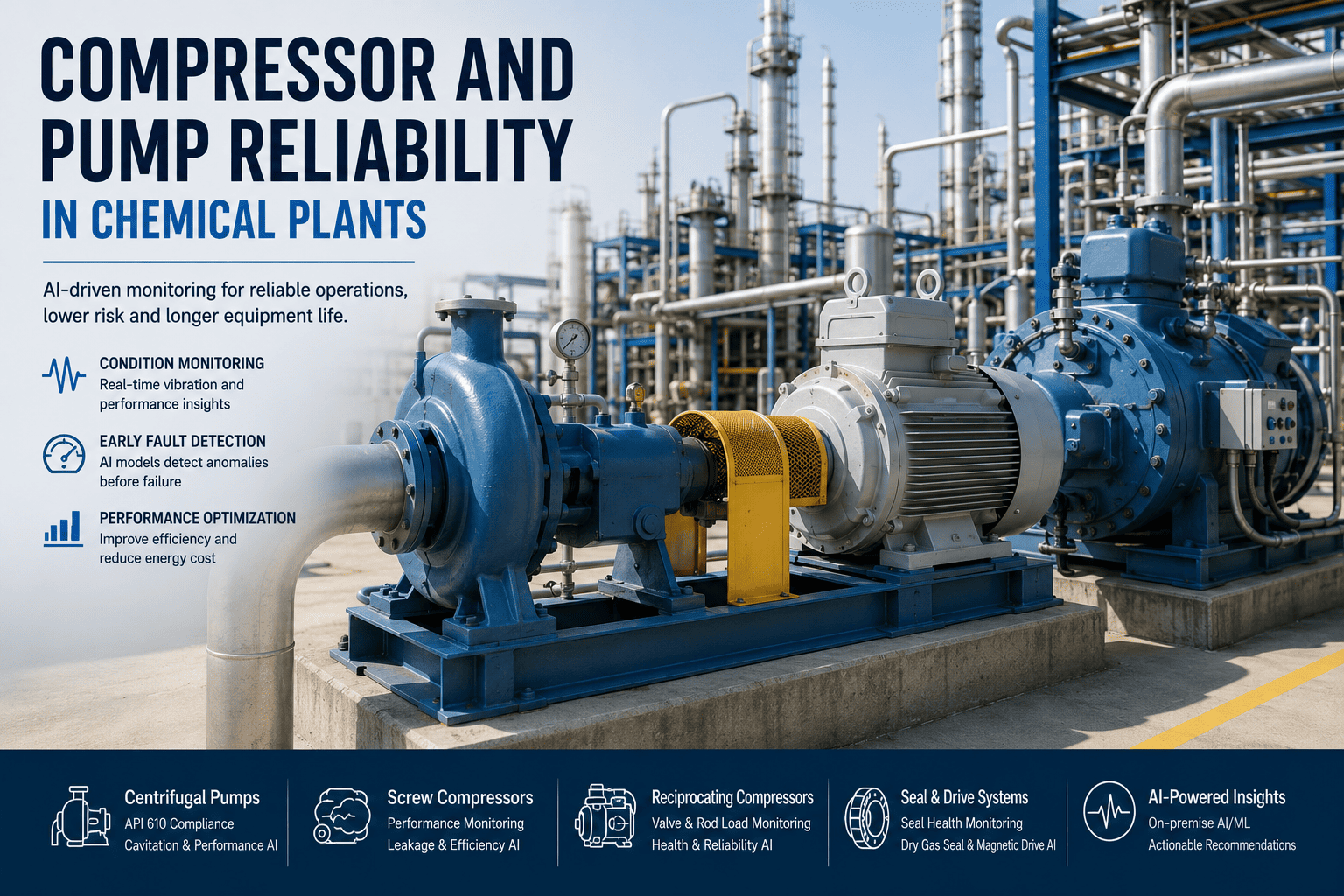
Walk any chemical plant and you are surrounded by rotating equipment. Hundreds of pumps and compressors move every fluid and gas through the process, and they are also where most of the unplanned failures live. A reliability lead does not lose sle
Read More
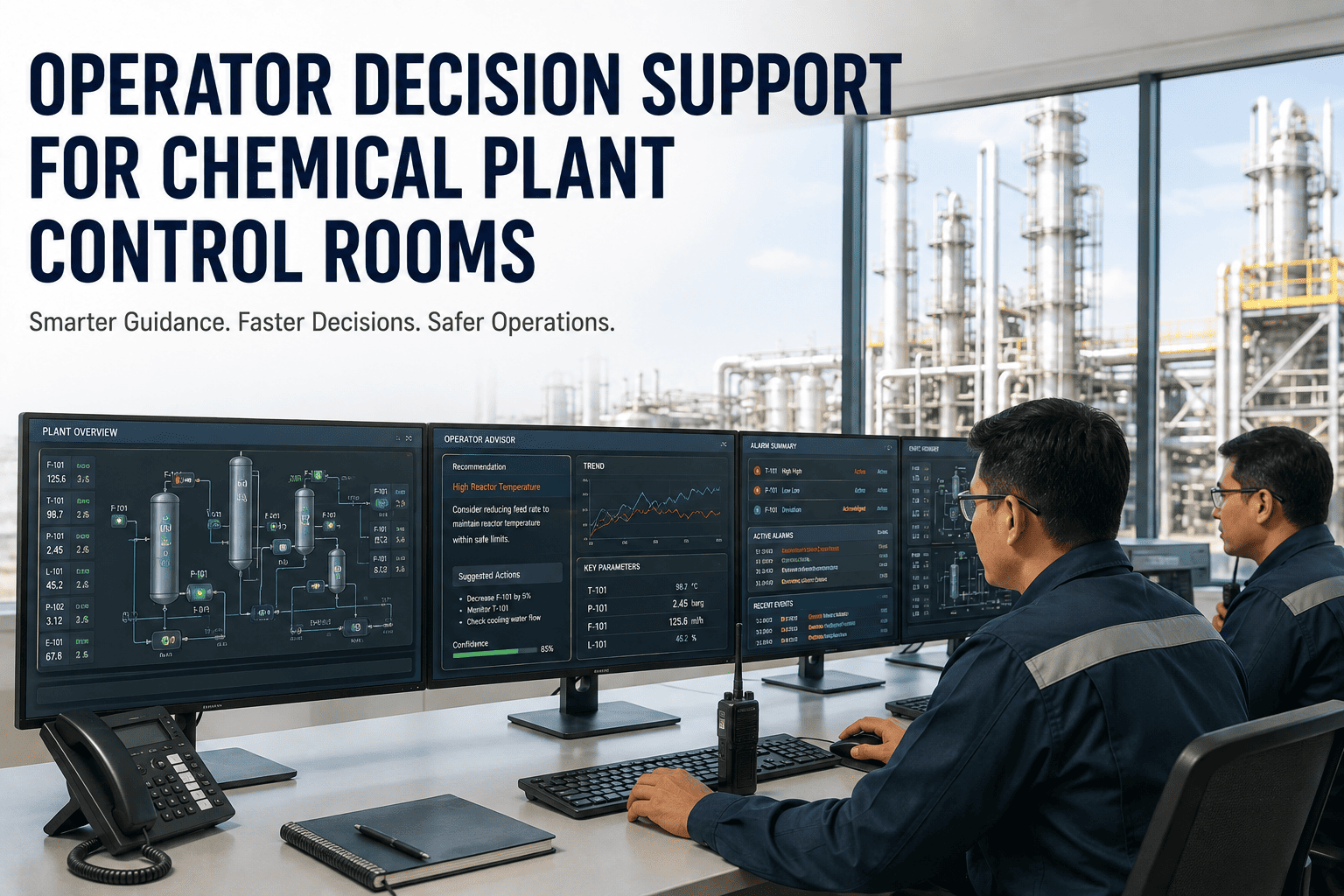
In a chemical control room, the process runs itself right up until the moment it doesn't. On a normal shift the panel operator supervises; on an abnormal one, they are suddenly detective, diagnostician, and decision-maker all at once — reading a f
Read More
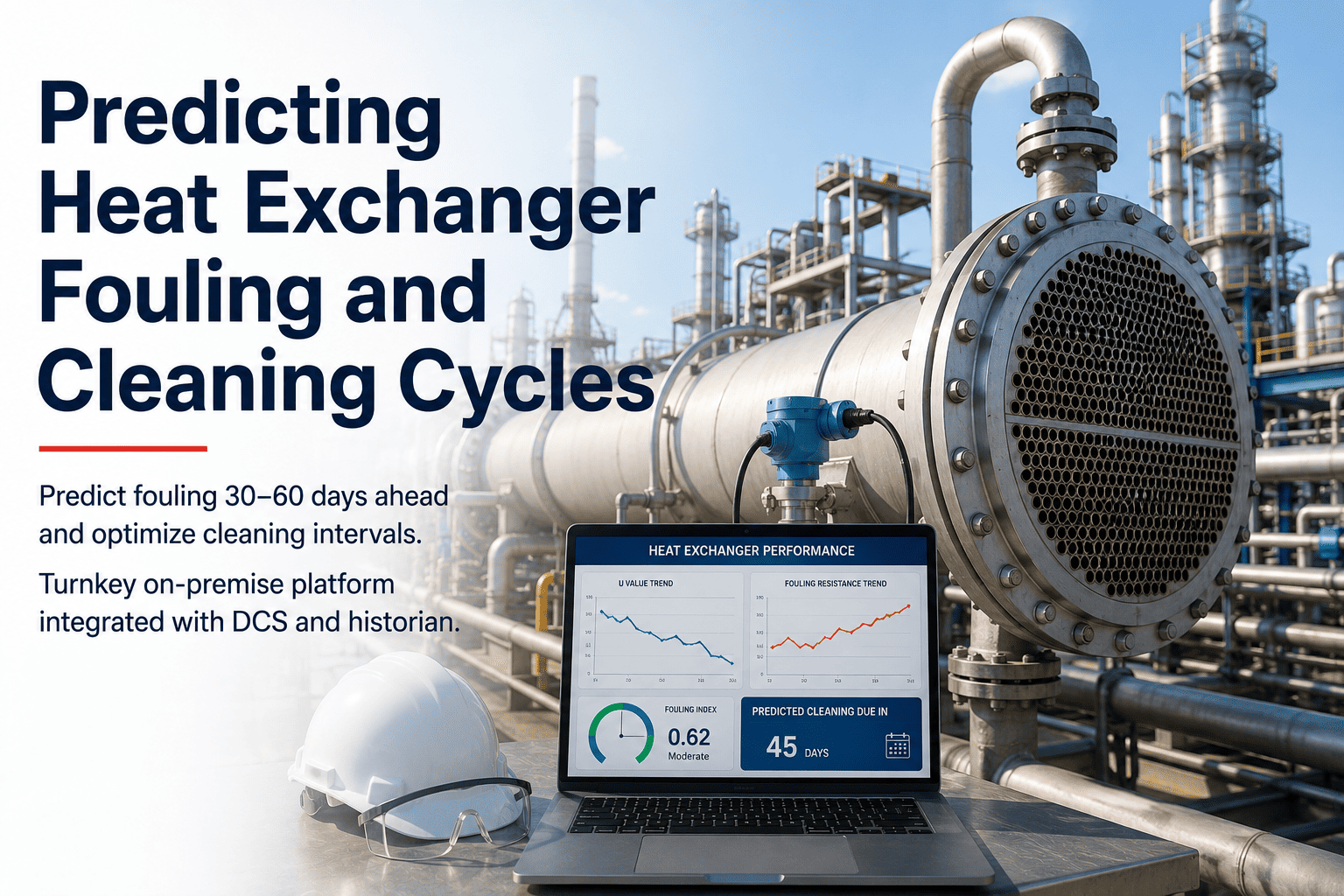
Heat exchanger fouling is the quietest revenue leak in a chemical plant. There's no alarm, no trip, no dramatic event — just a deposit building on the tube wall a fraction of a millimetre at a time, silently eroding 10 to 25 percent of heat transf
Read More
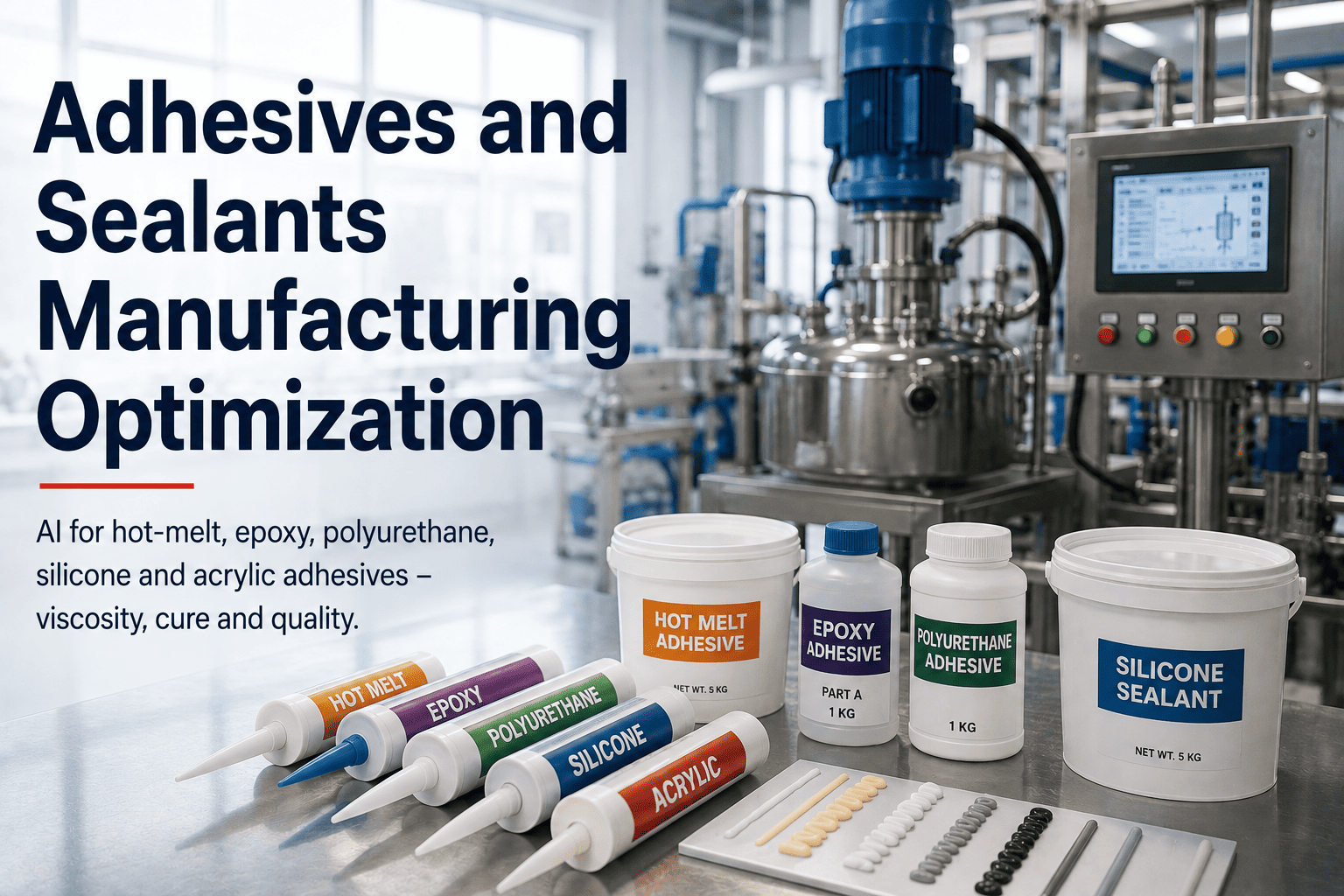
Running an adhesives and sealants plant means managing chemistry that fights back. A hot-melt's viscosity has to land in a narrow window or it won't extrude right; a moisture-cure polyurethane can be ruined by water content above a fraction of a p
Read More
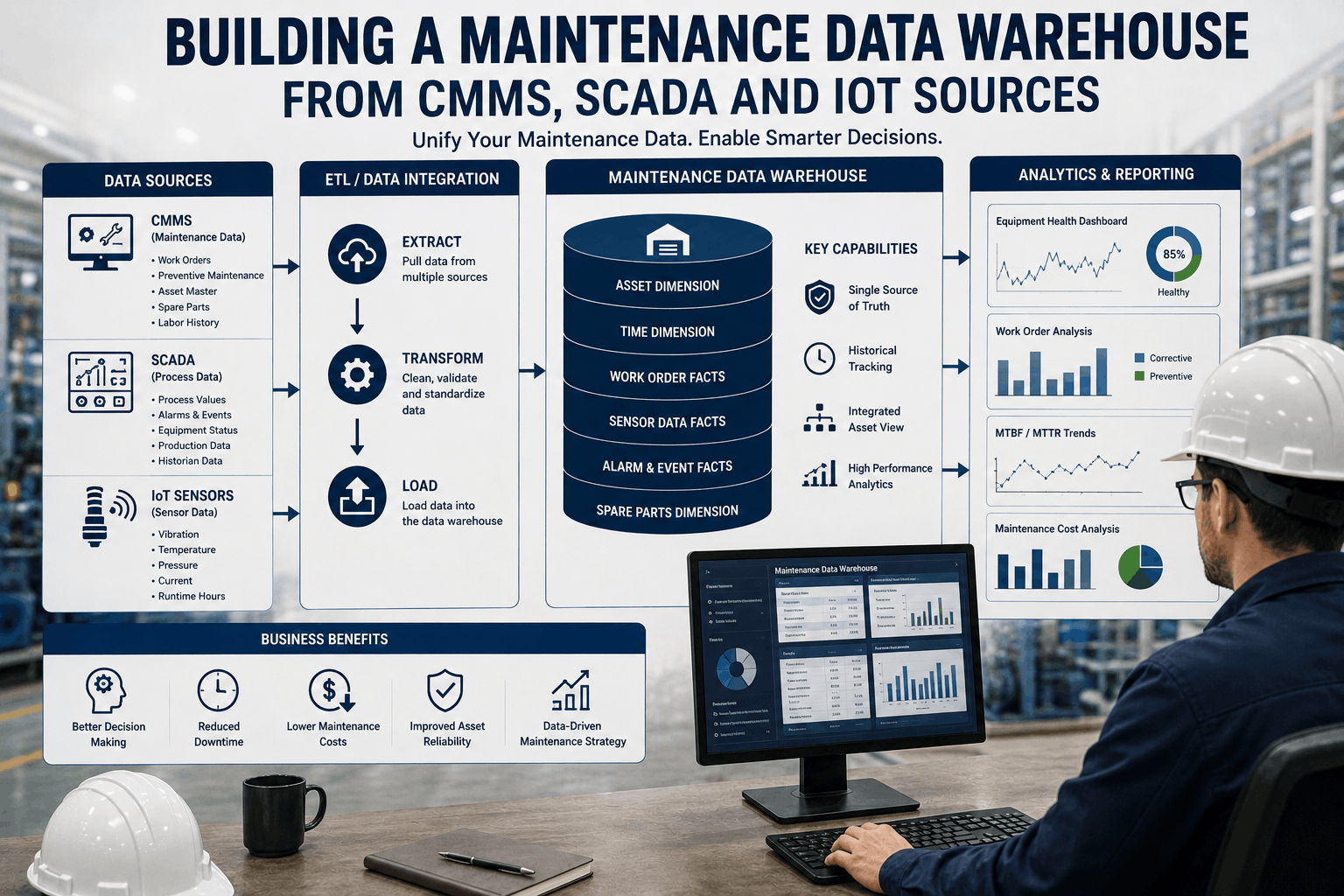
Integrating work order history from CMMS, process data from SCADA, and sensor streams from IoT into one analytics‑ready data warehouse unlocks comprehensive maintenance insights that isolated systems can’t provide.
Read More
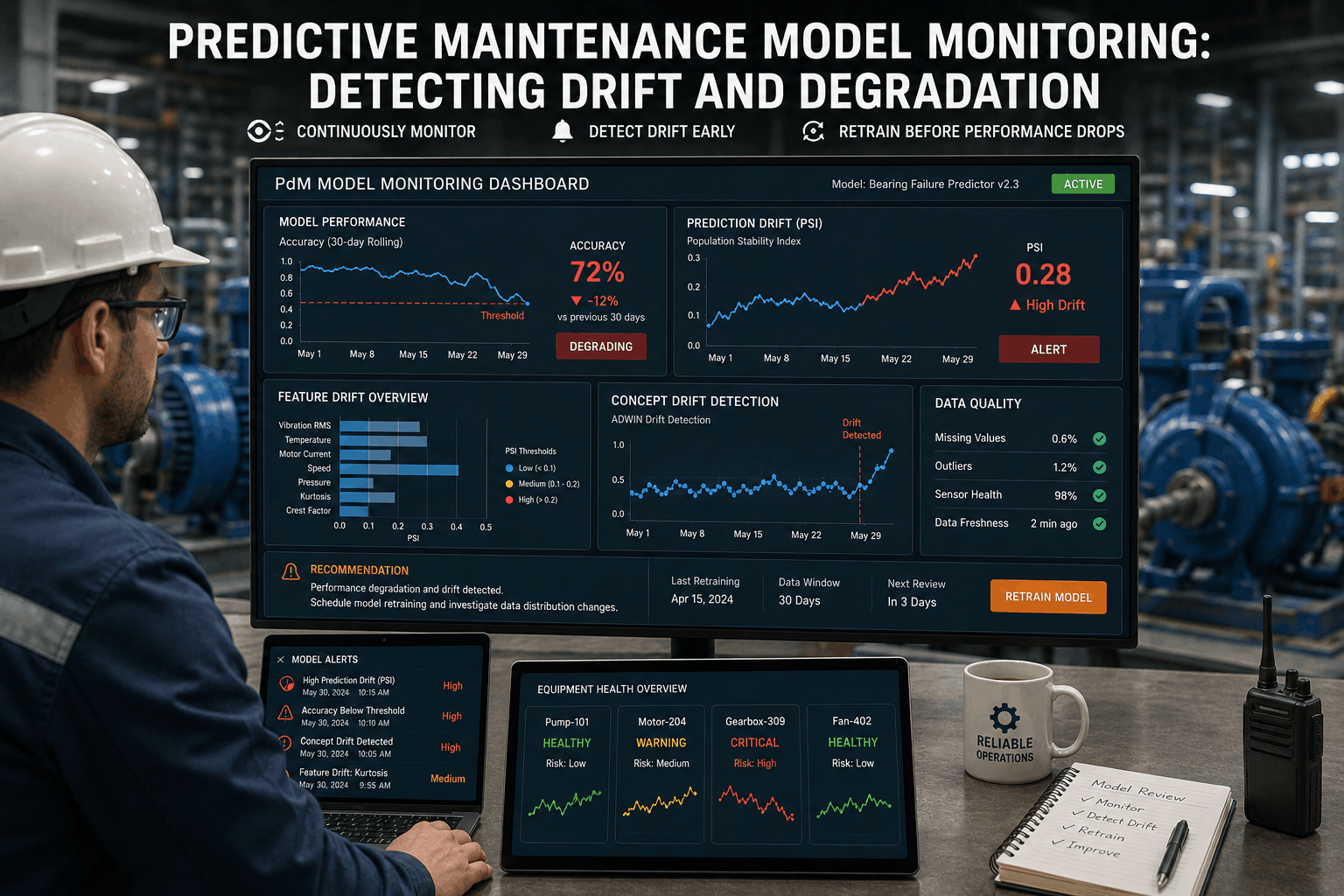
AI predictive maintenance models degrade silently as equipment wear patterns shift and operating conditions evolve — turning once‑reliable predictions into false alarms and missed faults.
Read More
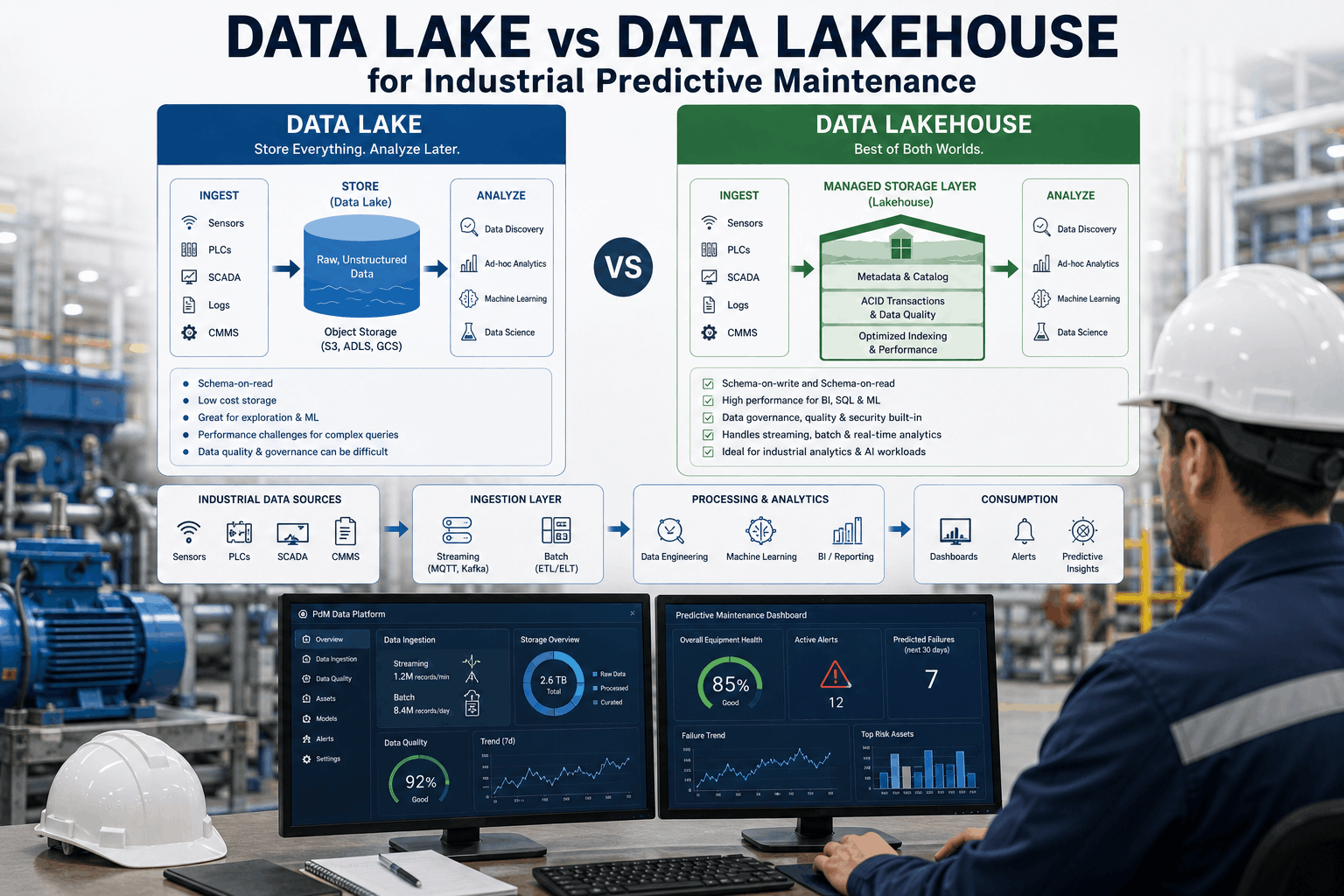
Industrial predictive maintenance demands a data architecture that stores years of high‑frequency sensor data while supporting both SQL analytics and machine learning — a balance that traditional data lakes struggle to achieve.
Read More
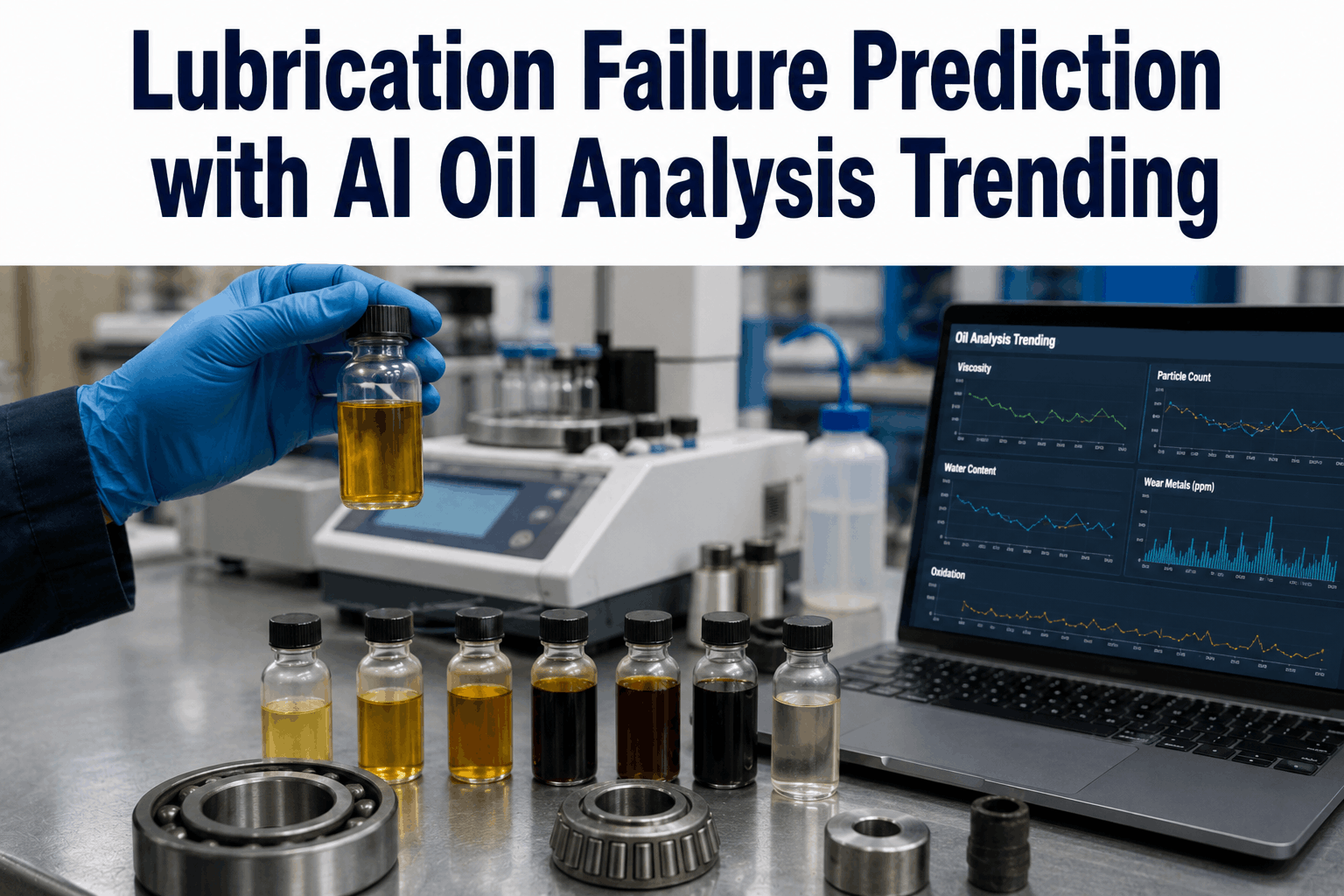
A bearing that fails from lubricant degradation did not fail suddenly — it failed over weeks or months as viscosity dropped, particle count climbed, water contamination crossed a threshold, and elemental analysis revealed copper and iron wear debr
Read More
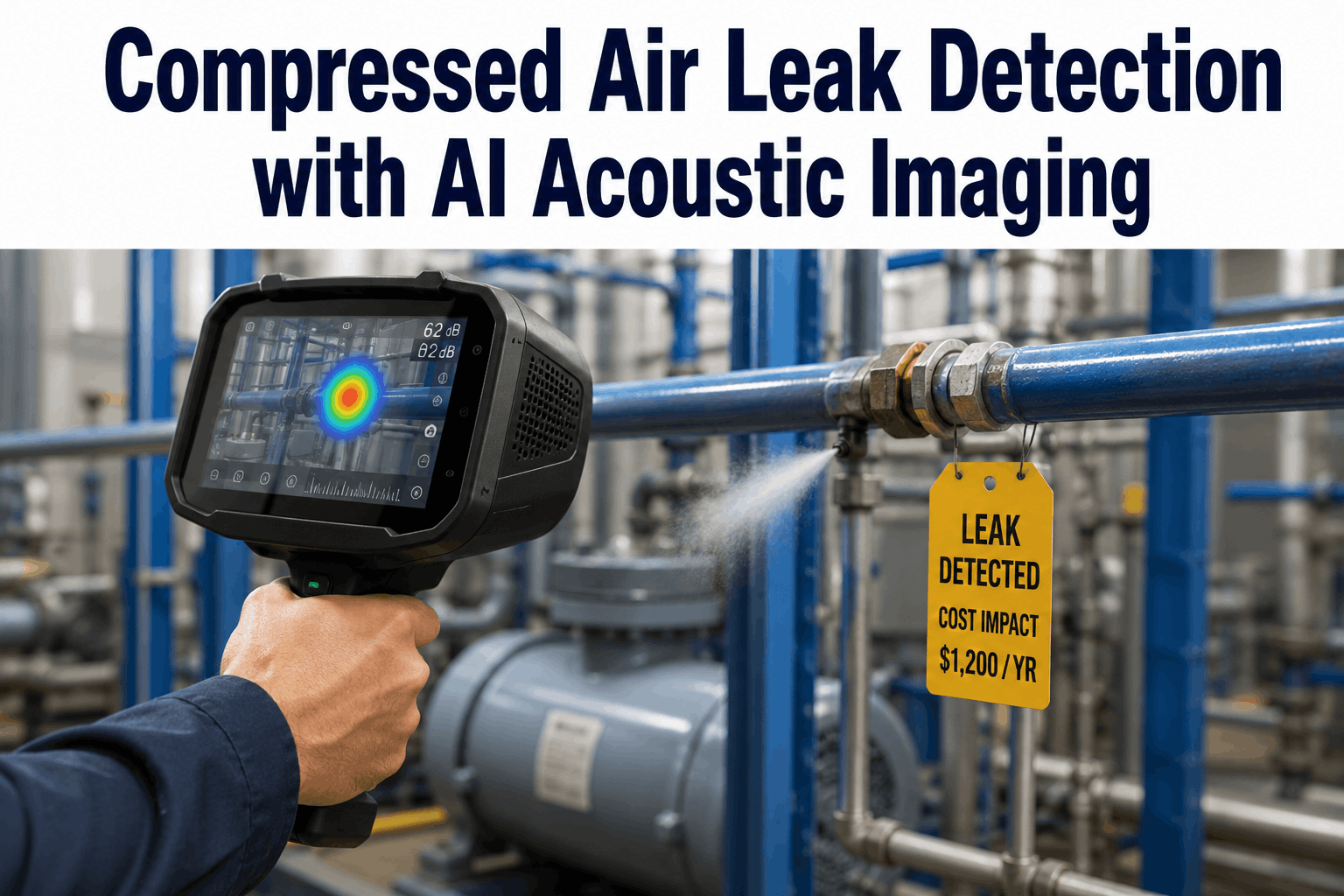
Compressed air systems waste between 20 and 30 percent of all compressor energy through leaks that are invisible to the eye, inaudible above plant noise, and undetectable by pressure drop alone until the losses have compounded across dozens of lea
Read More
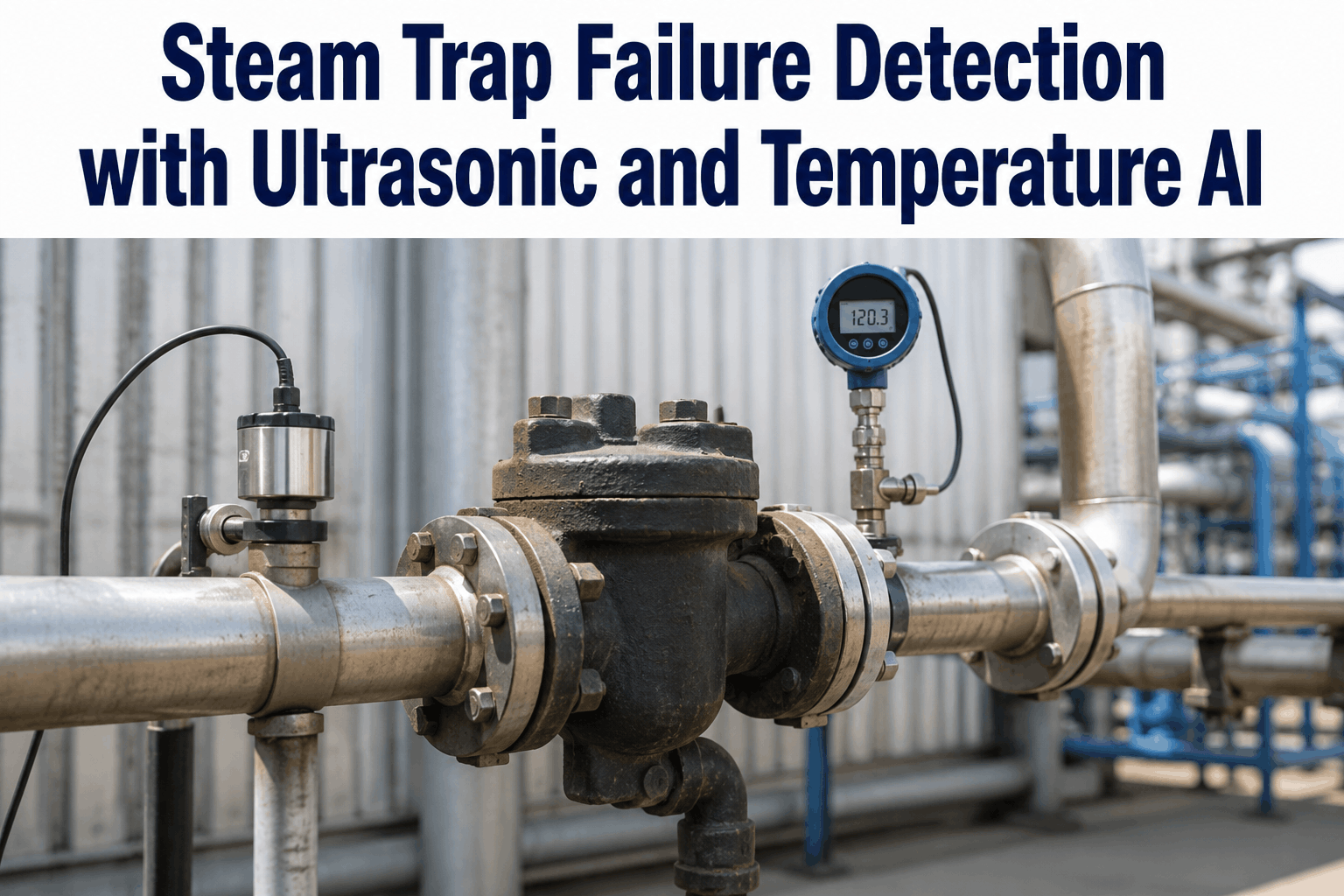
Steam trap failures are the silent energy tax every process plant pays without knowing exactly how much. DOE survey data consistently shows 15–30% of steam traps in an operating plant have failed at any point in time — either blowing live steam to
Read More
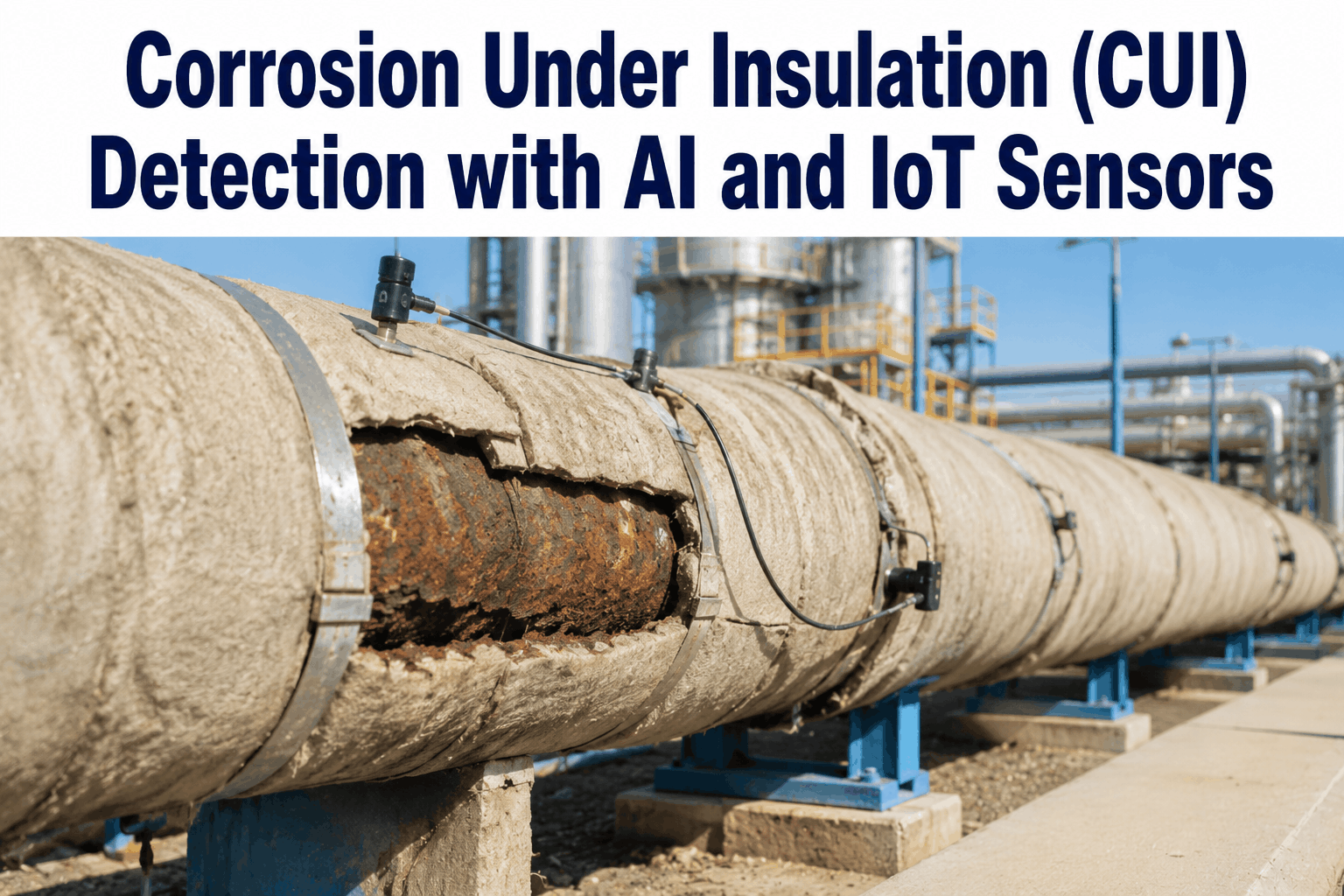
Corrosion under insulation is the refinery failure mode that hides in plain sight — invisible behind insulation jacketing, accumulating silently for years until a wall-loss measurement or, worse, a pipe rupture forces the issue. Industry data cons
Read More
Gearbox failures don't happen without warning — they happen without detection. Gear tooth pitting begins as microscopic surface fatigue, progresses through macro-pitting and spalling, and terminates in tooth fracture over timescales ranging from w
Read More
Motor electrical faults rarely announce themselves — stator winding failures develop over months, broken rotor bars mask behind load variation, and insulation degradation is invisible to visual inspection until the motor trips offline and takes pr
Read More
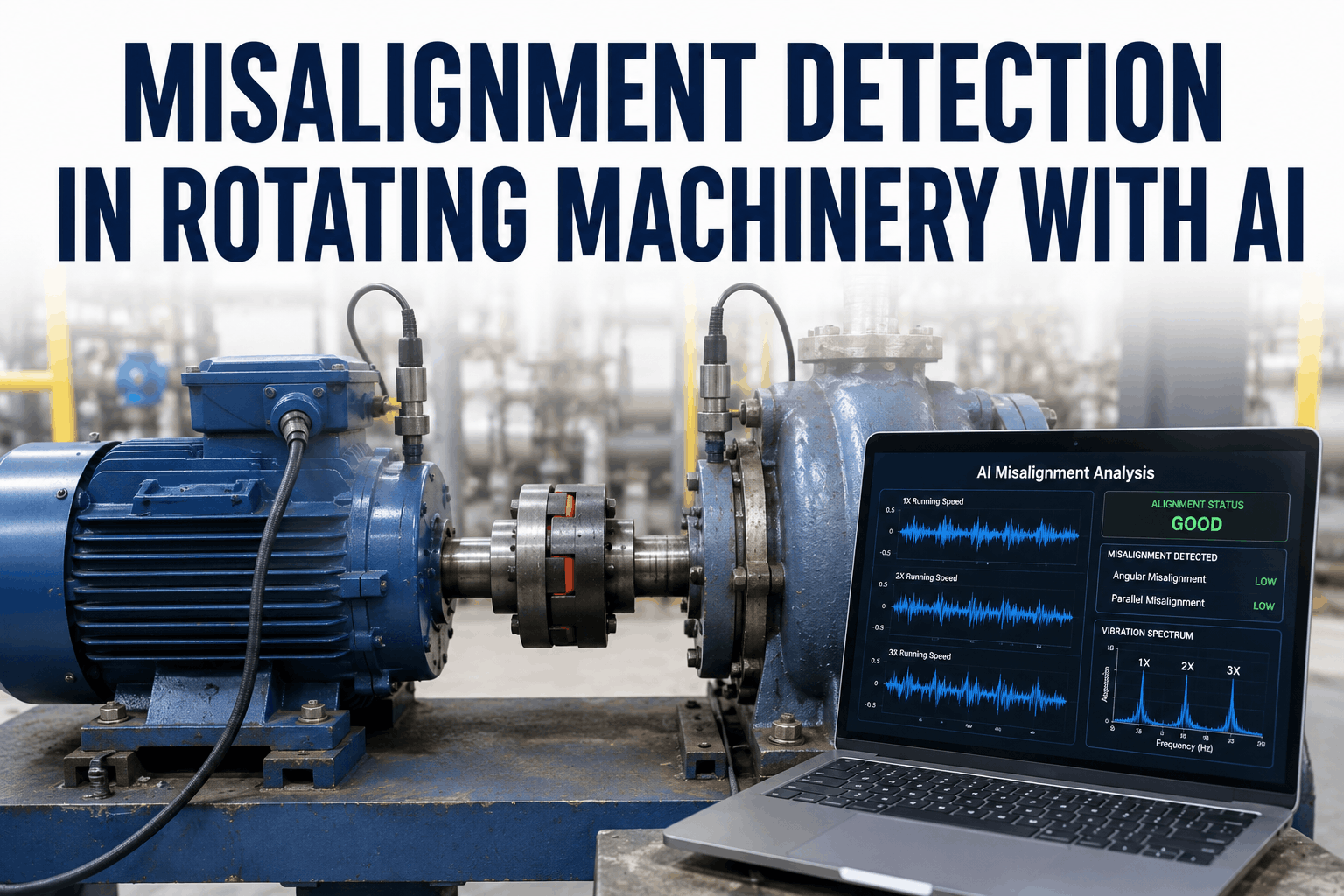
AI detects angular and parallel misalignment from vibration patterns at 1X, 2X, and 3X running speed — providing early warning of premature bearing and coupling failures across all rotating assets before misalignment-induced wear progresses to com
Read More
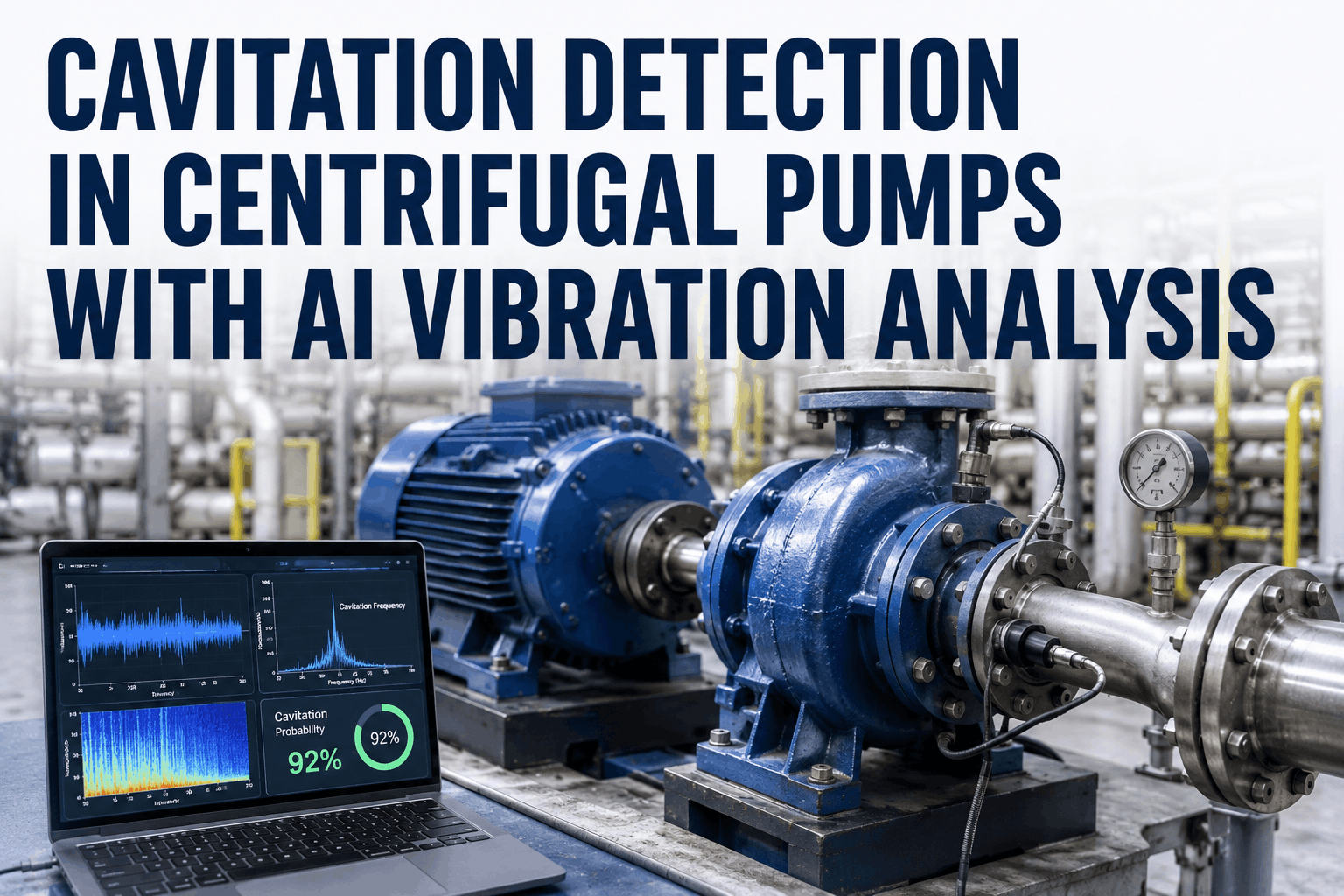
AI identifies cavitation signatures in pump vibration spectra before impeller damage occurs — distinguishing between suction cavitation, discharge recirculation, and air entrainment with a specificity that broadband vibration alarms cannot achieve

Read More
UNS organizes all maintenance data — PLC sensor readings, work orders, and quality records — into a single accessible namespace that AI models query without point-to-point integration overhead.
Read More
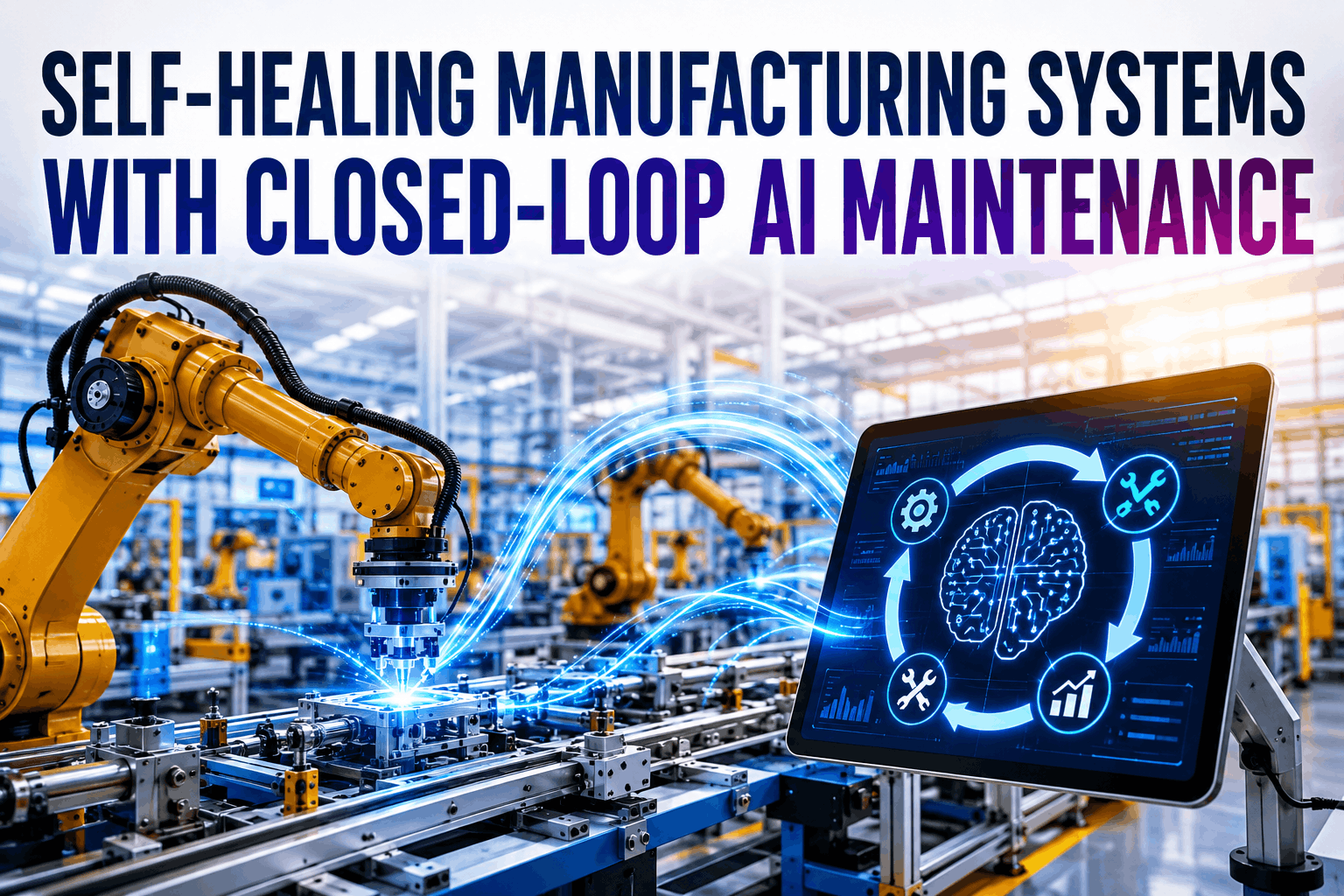
AI detects anomalies, adjusts operating parameters automatically, and dispatches maintenance only when self-correction cannot resolve the issue — automating up to 80% of routine decisions without human intervention.
.png)
Read More
The replacement of manual SPC with AI agents at a chemical processing plant is not a software upgrade or a quality initiative. It is the most extensively documented manual SPC to AI agent transformation in chemical processing — 20 months of AI age
Read More
The migration from SAP xMII to AI manufacturing for predictive OEE at a chemical processing plant is not a software upgrade or an IT project. It is the most extensively documented SAP xMII migration playbook in chemical processing — 18 months of p
Read More
The transition from traditional SQC to AI-native SPC for predictive OEE operations at a chemical processing plant is not a software upgrade or a statistical exercise. It is the most extensively documented SQC-to-SPC transformation in chemical proc
Read More
The SAP QM modernization for predictive OEE at a chemical processing plant is not a software upgrade or an IT project. It is the most extensively documented SAP QM and SAP xMII modernization in chemical processing — 22 months of AI-native SPC oper
Read More
The Industrial AI transformation at a chemical packaging plant is not a software upgrade or an IT project. It is the most extensively documented SAP xMII to AI-native SPC transformation in chemical processing packaging inspection — 20 months of AI
Read More
The SAP QM modernization at a chemical packaging plant is not a software upgrade or an IT project. It is the most extensively documented SAP QM and SAP xMII modernization in chemical processing packaging inspection — 18 months of self-learning qua
Read More
The transformation from legacy MES to AI-native SPC at a chemical packaging plant is not a software upgrade or an IT project. It is the most extensively documented legacy MES transformation in chemical processing packaging inspection — 16 months o
Read More
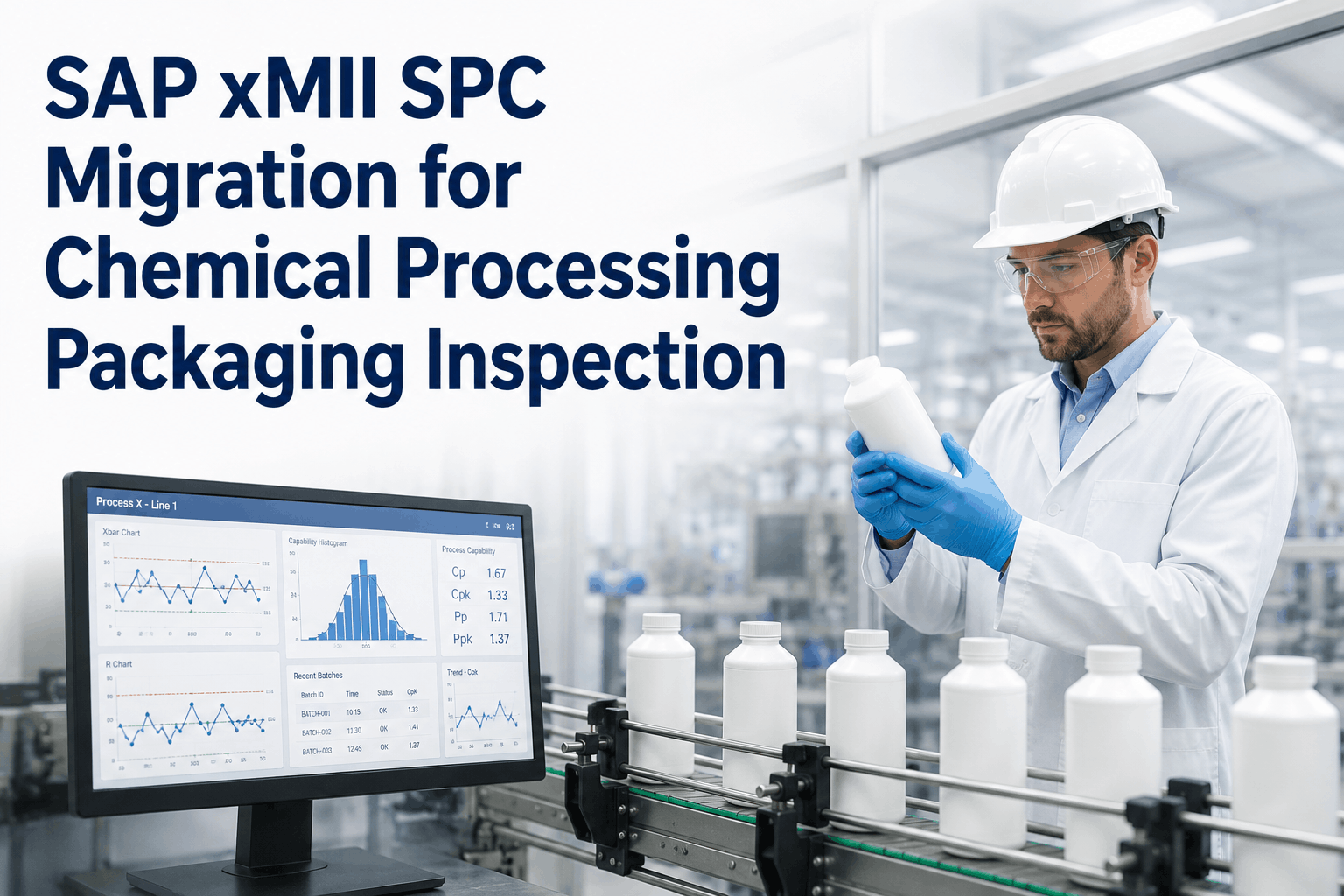
The SAP xMII SPC migration at a chemical packaging plant is not a software upgrade or an IT project. It is the most extensively documented SAP xMII to AI-native SPC migration in chemical processing packaging inspection — 14 months of parallel run,

Read More
The migration from SAP xMII to AI-native manufacturing intelligence at a chemical packaging plant is not a software upgrade or an IT project. It is the most extensively documented SAP xMII migration playbook in chemical processing packaging inspec

Read More
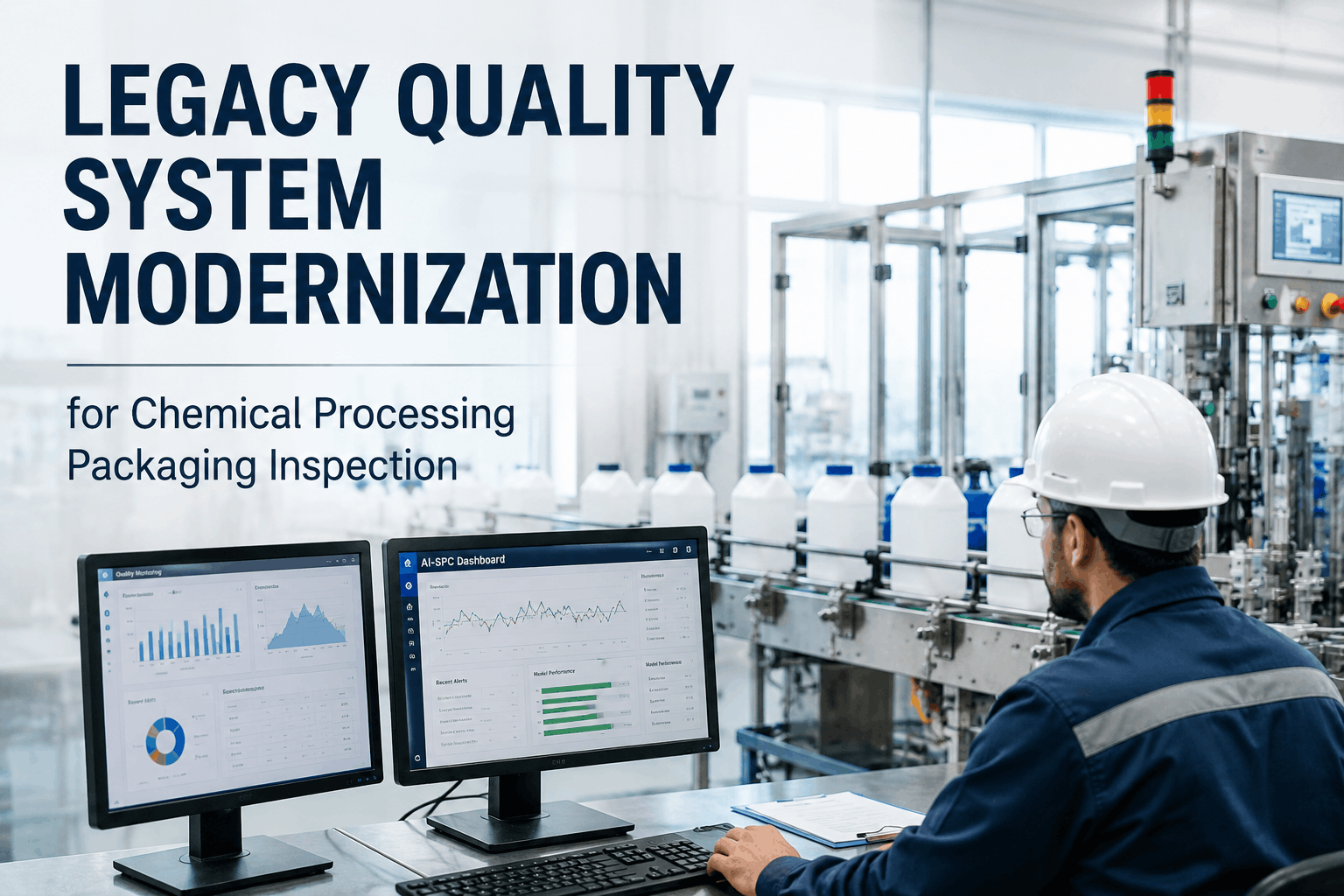
The transition from traditional Statistical Quality Control to Predictive SPC at a chemical packaging plant is not a software upgrade or a compliance exercise. It is the most extensively documented SQC-to-SPC transformation in chemical processing
Read More
The legacy quality system modernization at a speciality chemical packaging plant is not a software upgrade or an IT project. It is the most extensively documented SAP QM and SAP xMII modernization in chemical processing packaging inspection — 18 m
Read More
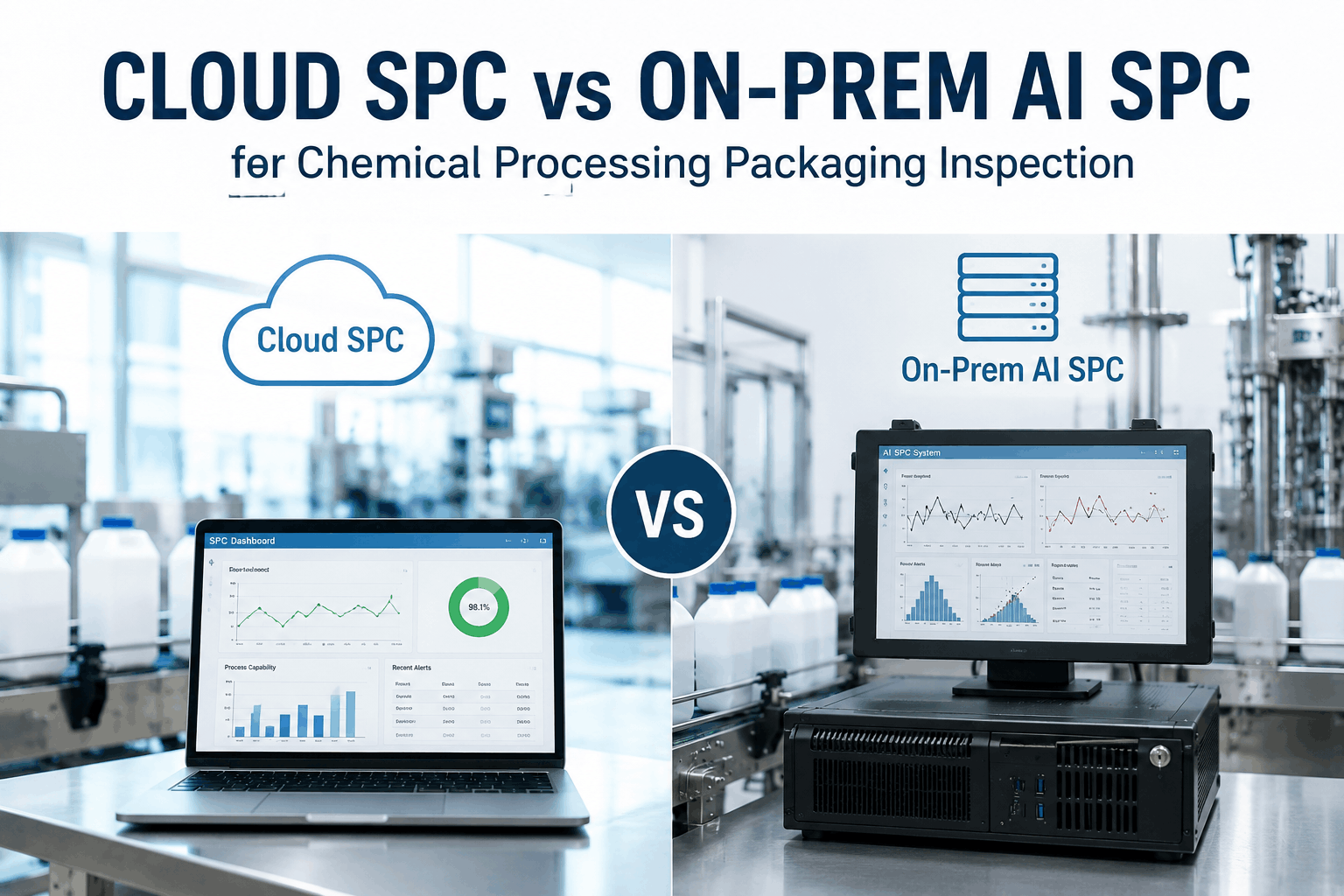
The choice between cloud SPC and on-premise AI SPC for chemical processing packaging inspection is not a simple IT procurement decision. It is a strategic architecture choice that affects regulatory compliance posture, data sovereignty risk, packa
Read More
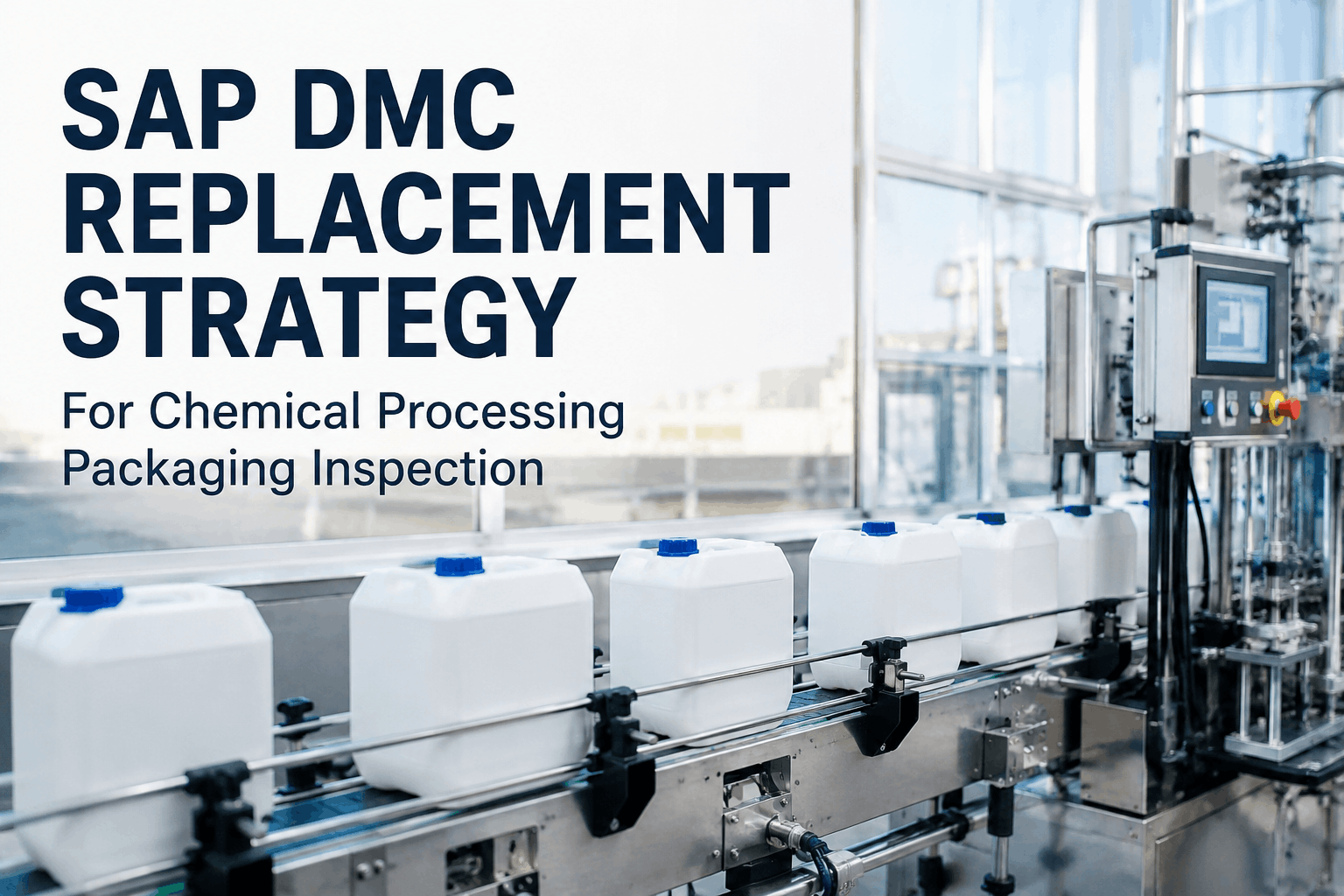
The SAP DMC replacement at a speciality chemical packaging plant is not a software upgrade or an IT project. It is the most extensively documented SAP xMII to AI-native SPC migration in chemical processing packaging inspection — 14 months of paral
Read More
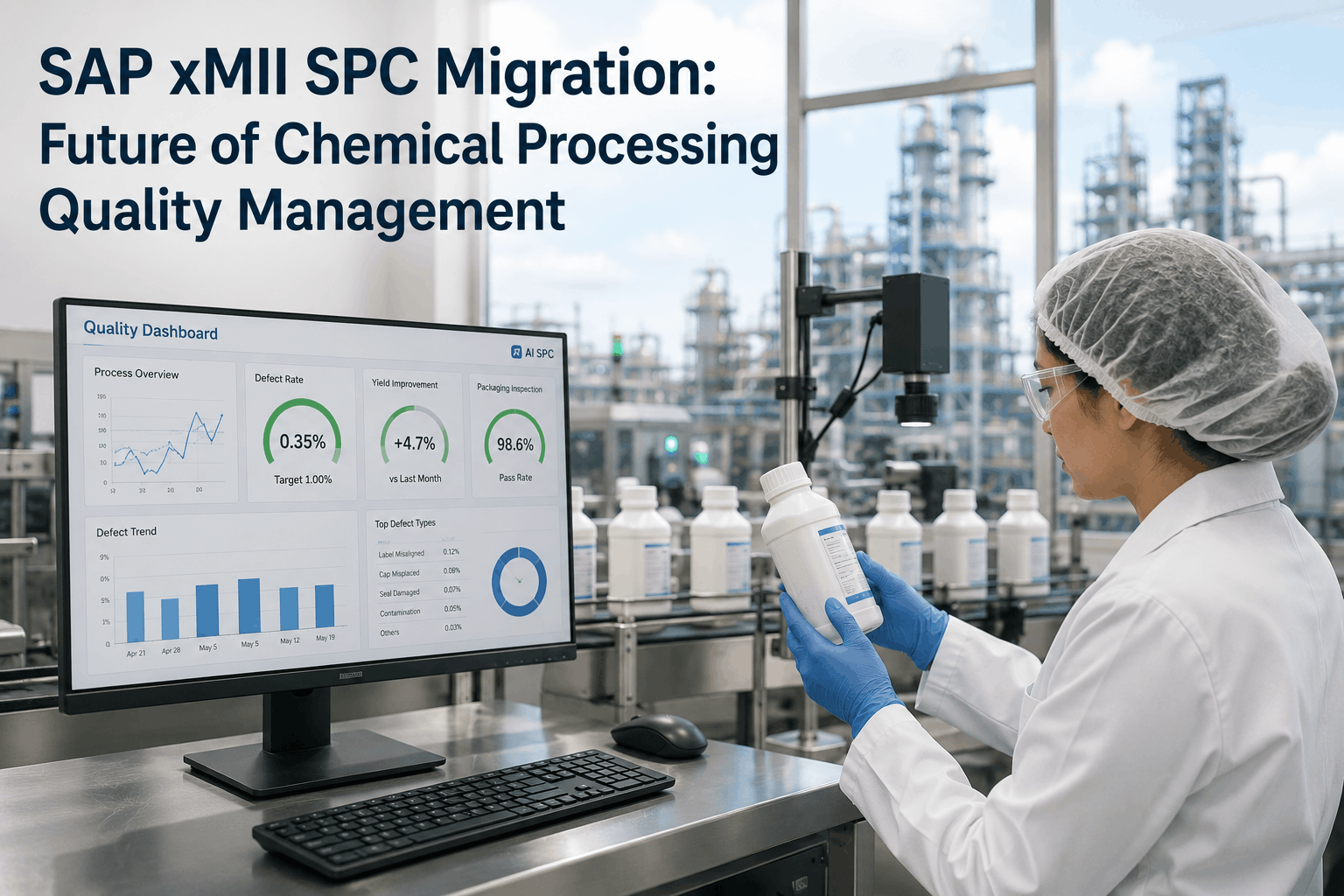
The SAP xMII SPC migration at a speciality chemical packaging plant is not a software upgrade or an IT project. It is the most extensively documented SAP xMII to AI-native SPC migration in chemical processing packaging inspection — 16 months of pa
Read More
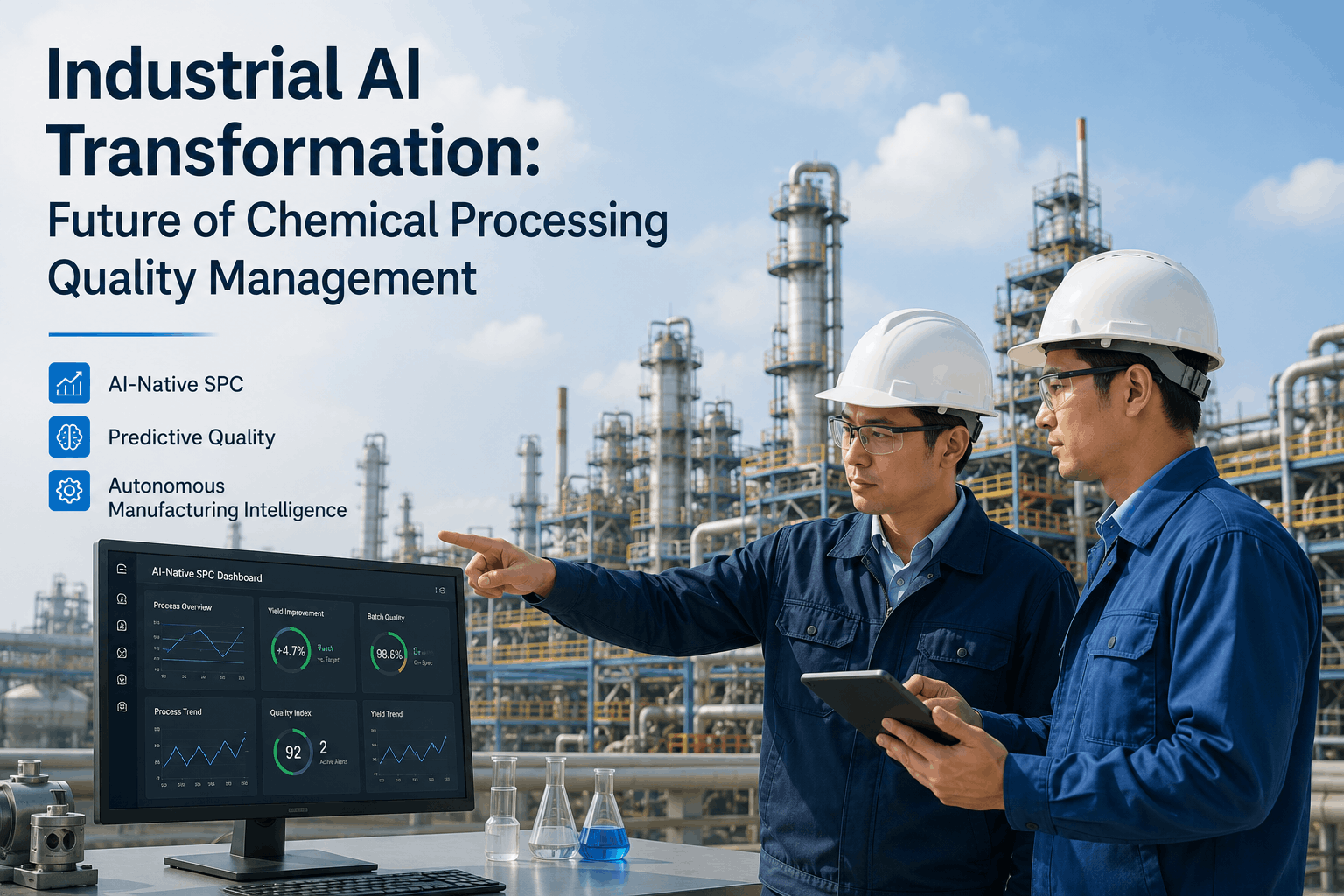
The Industrial AI transformation at a speciality chemical plant is not a software upgrade or a pilot programme. It is the most extensively documented post-SAP xMII quality transformation in chemical processing — 24 months of AI-native SPC operatio
Read More
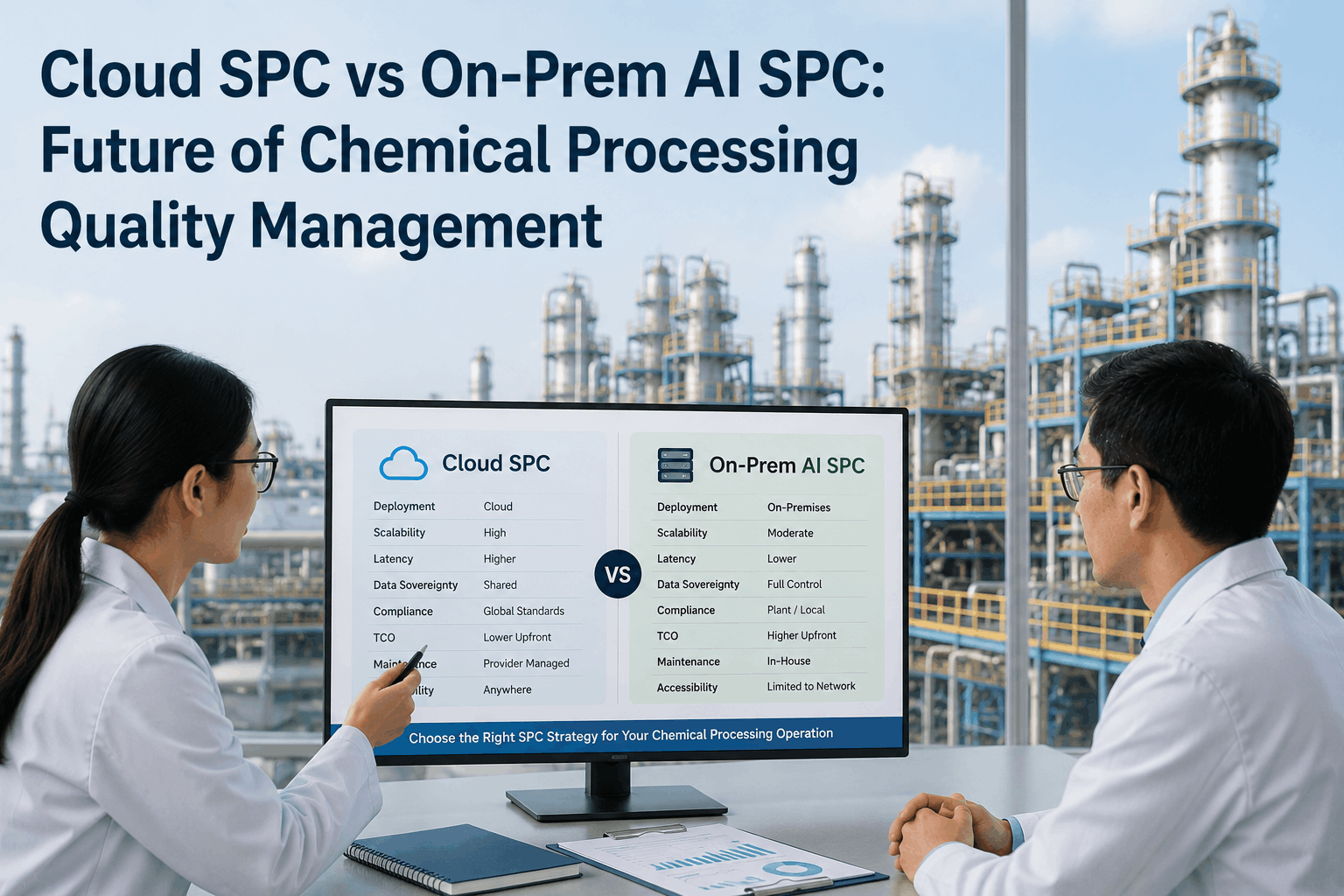
The choice between cloud SPC and on-premise AI SPC for chemical processing batch quality control is not a simple IT procurement decision. It is a strategic architecture choice that will determine your plant's regulatory compliance posture, data so
Read More
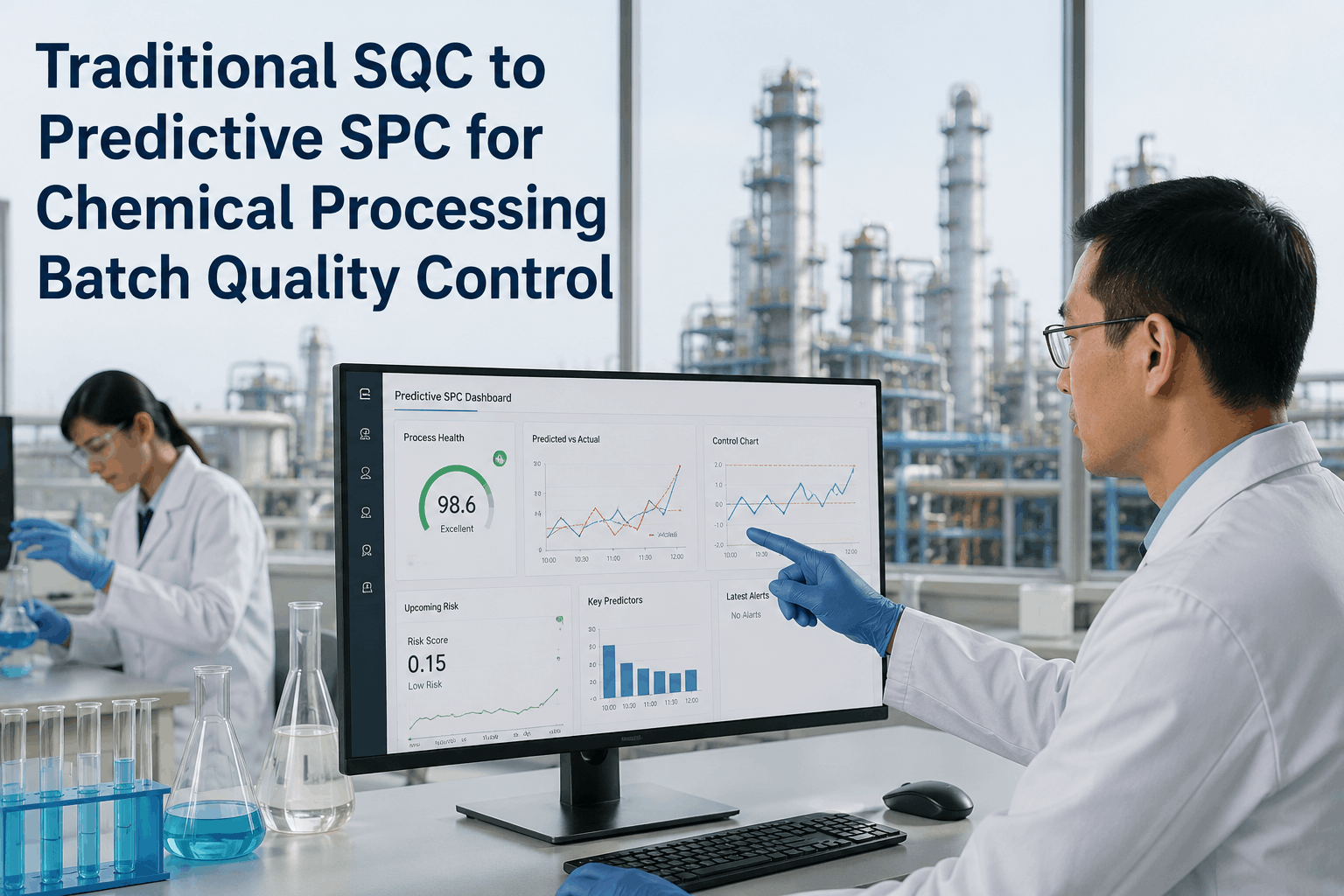
The transition from traditional Statistical Quality Control to Predictive Statistical Process Control at a speciality chemical plant is not a software upgrade or a compliance exercise. It is the most extensively documented SQC-to-SPC transformatio
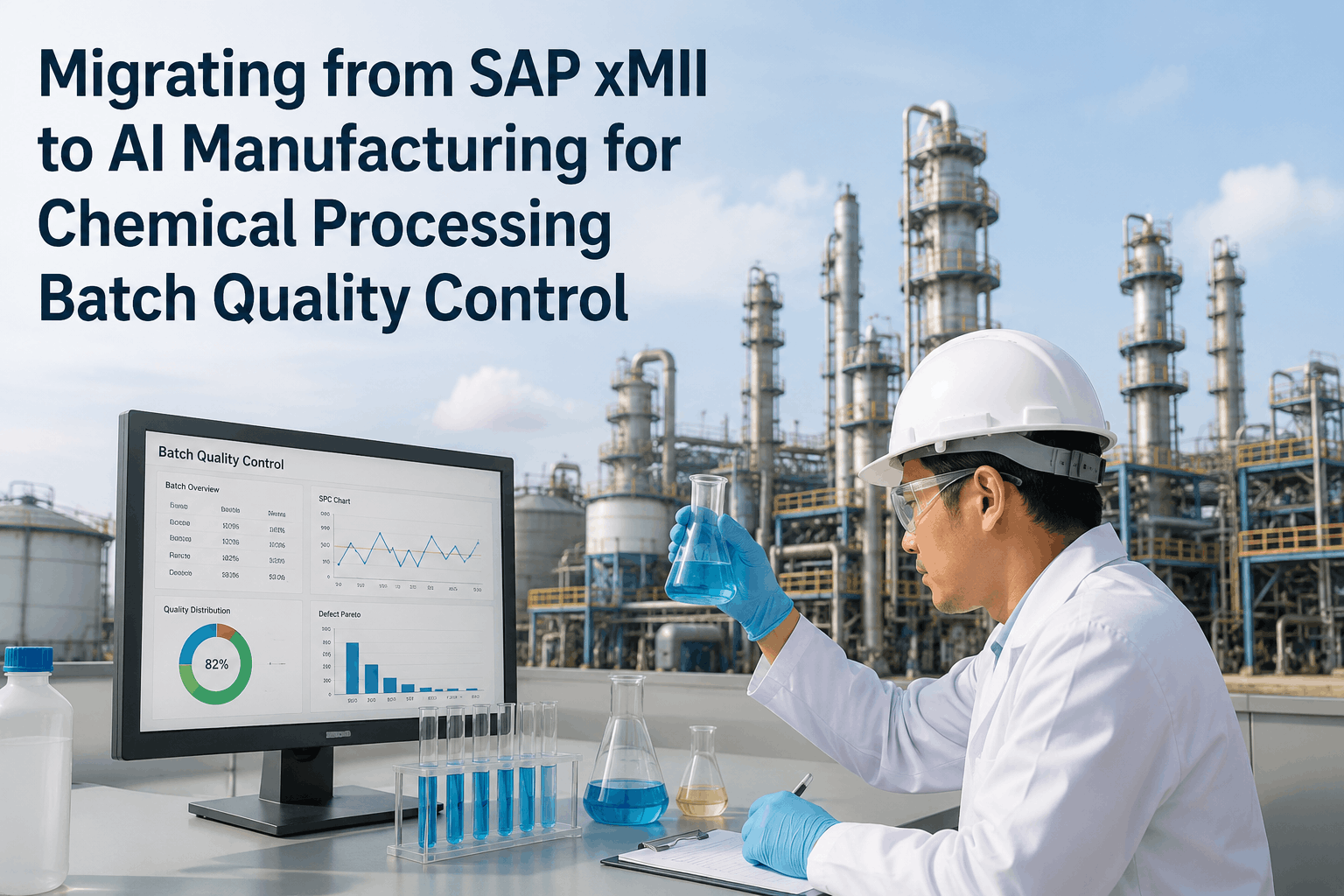
Read More
The migration from SAP xMII to AI-native manufacturing intelligence at a speciality chemical plant is not a software upgrade or an IT project. It is the most extensively documented SAP xMII replacement playbook in chemical processing batch quality
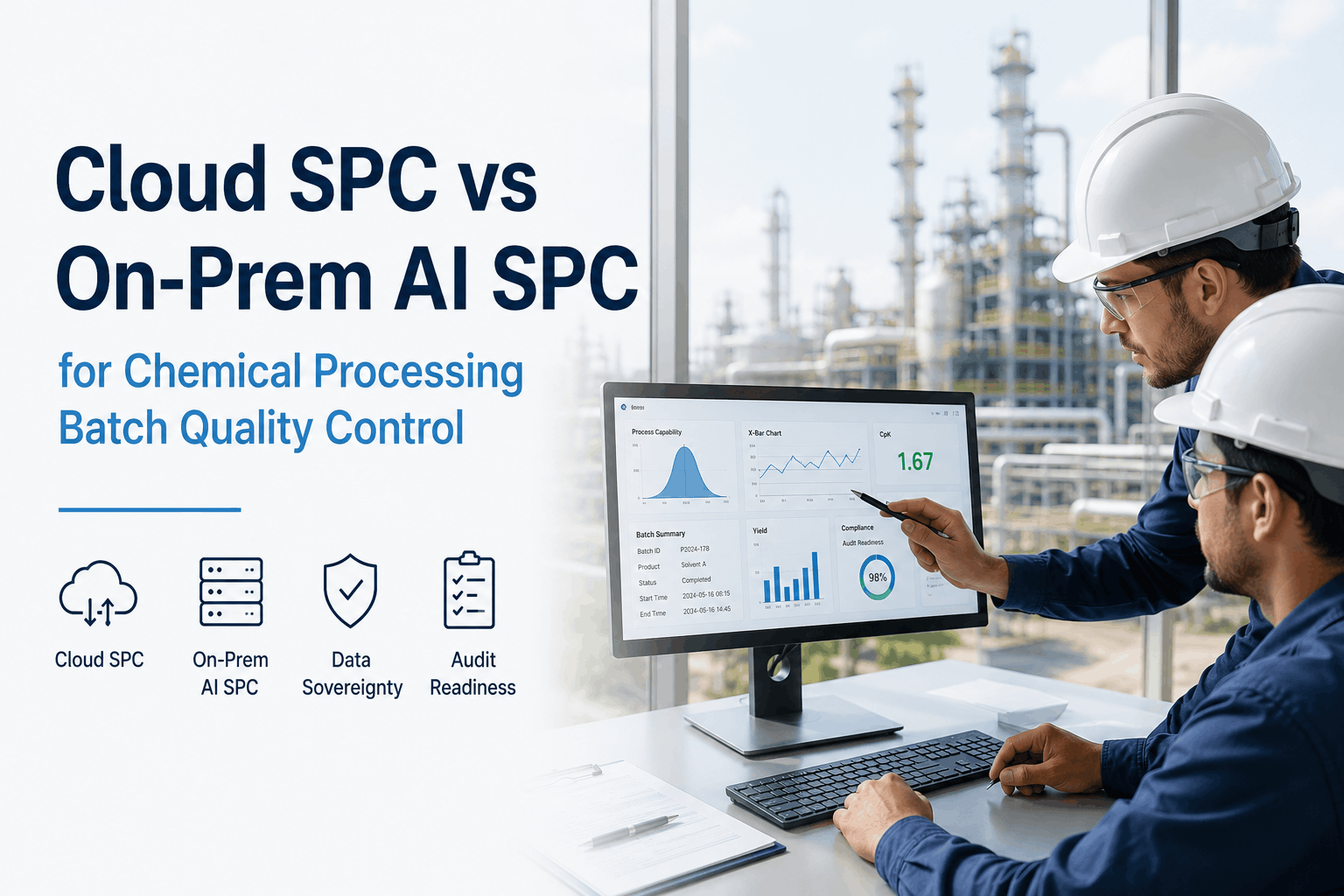
Read More
The choice between cloud SPC and on-premise AI SPC for chemical processing batch quality control is not a simple IT procurement decision. It is a strategic architecture choice that affects batch release cycles, audit readiness, data sovereignty, a
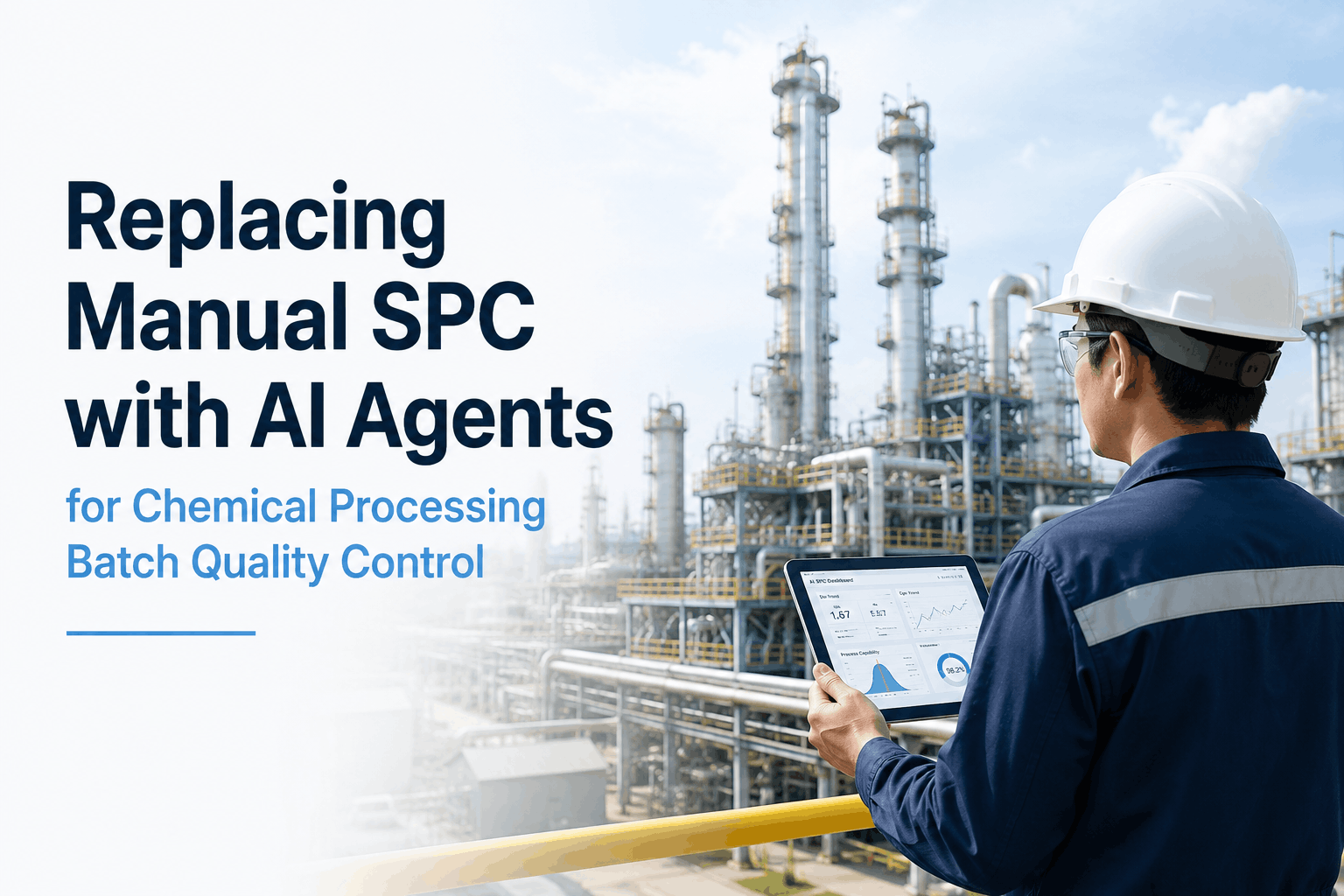
Read More
The replacement of manual SPC with AI agents at a speciality chemical plant is not a software upgrade or a quality initiative. It is the most extensively documented migration from manual, spreadsheet-based SPC to AI-native autonomous quality contr
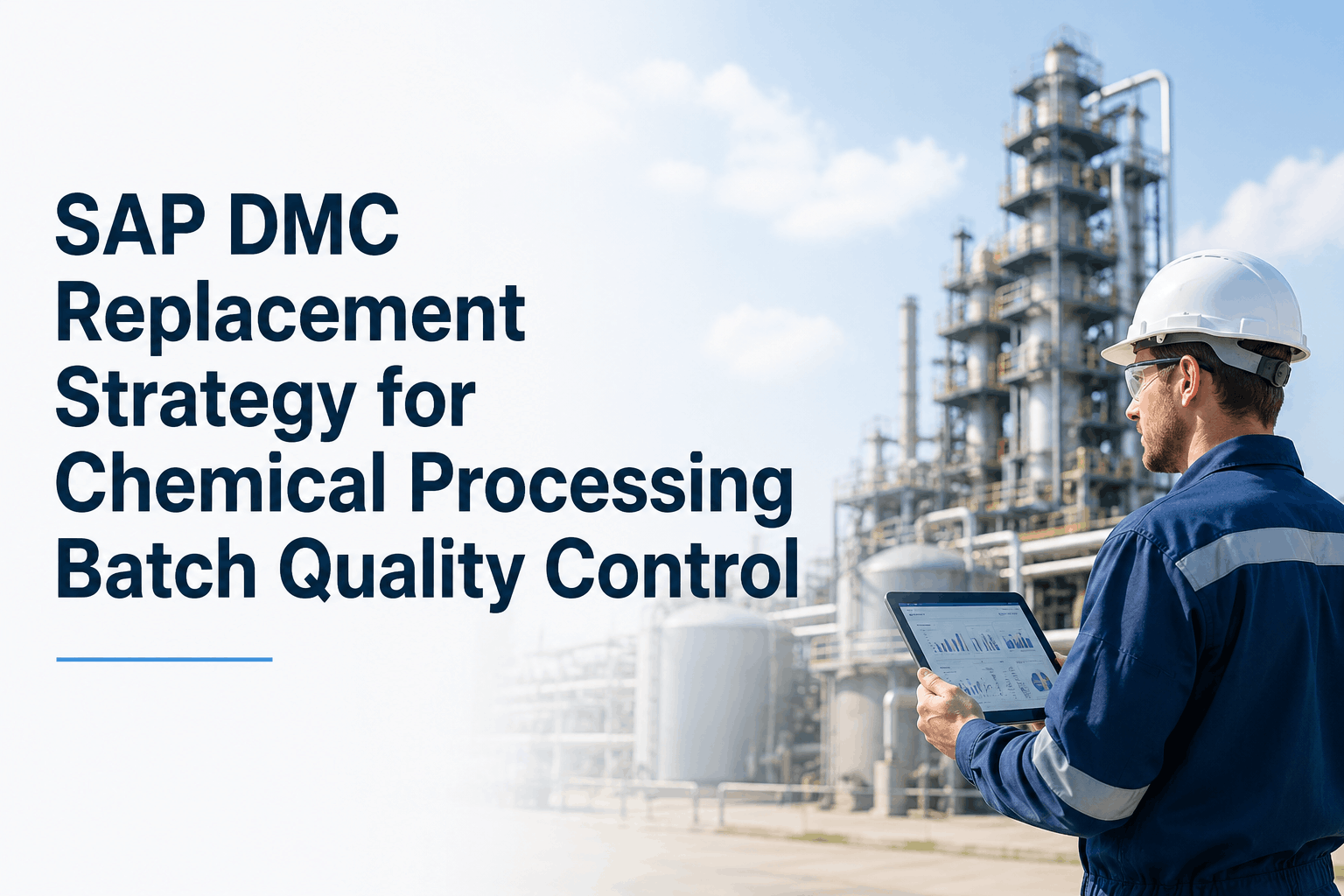
Read More
The SAP DMC (Digital Manufacturing Cloud) replacement at a specialty chemical plant is not a software upgrade or an IT project. It is the most extensively documented migration from SAP xMII to AI-native SPC in batch chemical processing — 18 months
.png)
Read More
Three months ago, the night shift supervisor at a Gulf Coast specialty chemical plant watched the same batch of polymer intermediate drift out of spec for the third consecutive run — viscosity climbing while the control chart showed nothing but gr

Read More
At 2:47 AM on a Sunday, a shift supervisor at a Texas specialty chemical plant watches a batch of high-margin polymer precursor drift 0.4% past its viscosity spec. The control chart on the legacy MES dashboard refreshes every 90 seconds — the alar
Read More
The batch record for lot 4027 shows a pH drift of 0.14 units starting at the 37-minute mark in reactor 3. The control chart didn't flag it — the static Shewhart limits were too wide to catch a shift that small. The operator on shift 2 saw nothing

Read More
At 2:47 AM in a Texas chemical plant, the third batch of ethylene glycol runs hot. The operator sees a trend on the SPC chart that looks like the shift before last week's off-spec event, but the SAP xMII dashboard hasn't flagged it yet. By the tim
Read More
Six months ago, a batch reactor at a specialty chemical plant in Texas drifted 0.3°C above specification for just eight minutes. The SPC system didn't flag it until the next day, after 42,000 gallons of high-viscosity adhesive had already been rou
Read More
It's 2:47 AM on a Sunday at a specialty chemical plant in Louisiana. The night shift operator watches the SPC chart on his screen — a perfectly stable trend for batch viscosity, well within the control limits he's used for the past three years. Th

Read More
SAP xMII built its reputation connecting shop floor operations to SAP ERP — bridging the gap between PLCs, SCADA systems, and enterprise data that previously had no common language. For chemical processing plants, it handled batch data capture, qu
.png)
Read More
Manual SPC in chemical processing is an audit time bomb. Quality engineers spend 30–40% of their workweek compiling SPC charts, writing corrective action records, and assembling evidence packages for ISO 9001, REACH, OSHA PSM, and customer audits.
Read More
A Cpk of 1.33 means you are compliant. A Cpk of 1.67 means you are competitive. The distance between those two numbers in automotive stamping is rarely a tooling problem — it is a visibility problem. Supervisors running stamping shifts without a p
Read More
SAP Quality Management has been the backbone of batch quality control in chemical processing for over two decades. It handles inspection lots, sampling plans, quality notifications, and batch records with a reliability that most plant quality team
Read More
SAP QM has been the compliance backbone of chemical processing quality management for two decades — managing inspection lots, usage decisions, quality notifications, and audit trails across batch operations worldwide. But the version of SAP QM mos
Read More
Cpk — the process capability index — is the number that tells a chemical quality director whether the plant is making product right or making it lucky. A Cpk of 1.0 means you are barely meeting specification. A Cpk of 1.33 means you have margin. A

Read More
Manual SPC in chemical processing is a human-speed solution to a machine-speed problem. A quality engineer reviewing control charts every 30 minutes cannot outpace a reactor parameter that drifts to failure in 22. A supervisor reading a shift-end
Read More
The SAP QM and SAP xMII systems running in most chemical processing plants today were not designed for predictive OEE. They were designed for compliance documentation, batch record generation, and quality notification routing — functions they stil
Read More
Chemical processing plants face a compliance paradox in 2026. Regulators — FDA, EPA, REACH, TSCA — are demanding more: real-time batch traceability, automated audit trails, continuous quality monitoring, and documented AI governance. Yet the syste
Read More
SAP QM manages your chemical batch compliance beautifully. It logs inspection lots, tracks defects, generates certificates of analysis, and keeps your quality engineers audit-ready. What it cannot do — and was never designed to do — is prevent the
Read More
SAP Quality Management has been the workhorse of batch quality control in chemical processing for decades. It handles inspection lots, sampling plans, usage decision workflows, and quality notifications with enterprise-grade rigour. But SAP QM — a
Read More
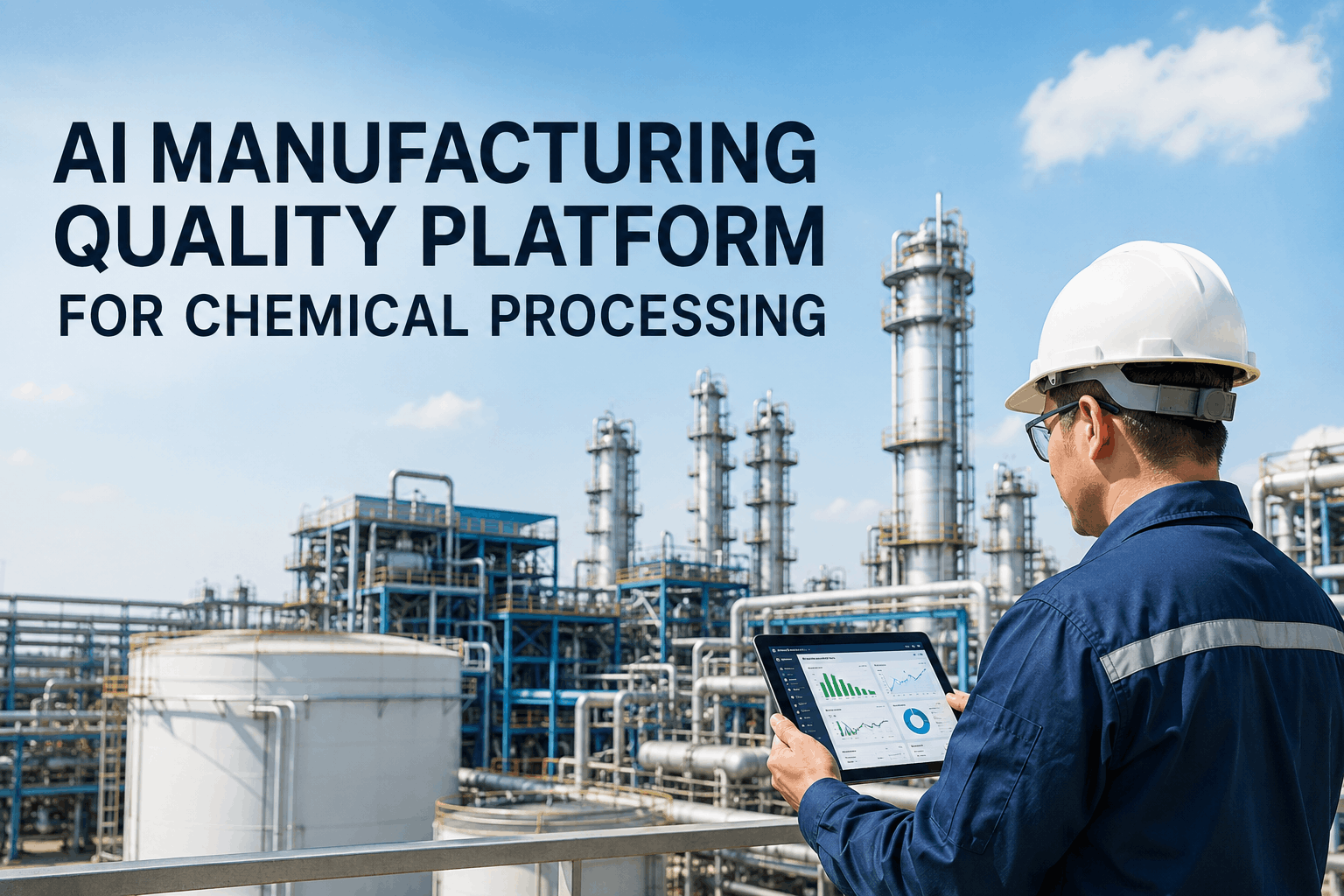
Statistical Process Control has been the backbone of chemical batch quality management for over 40 years. But the SPC running in most chemical plants today — static control limits, single-parameter charts, end-of-batch review — was designed for a
Read More
Chemical processing plants built their quality infrastructure on SAP xMII and SAP MII over the past two decades — connecting batch records, process historian data, and quality lab results into a unified view. But xMII was designed for a world wher

Read More
Every chemical processing plant running SAP xMII is managing a countdown — whether they know it yet or not. SAP's formal end-of-support for xMII lands on December 31, 2030. But the real deadline is not 2030. It is the moment your plant's batch inc
Read More
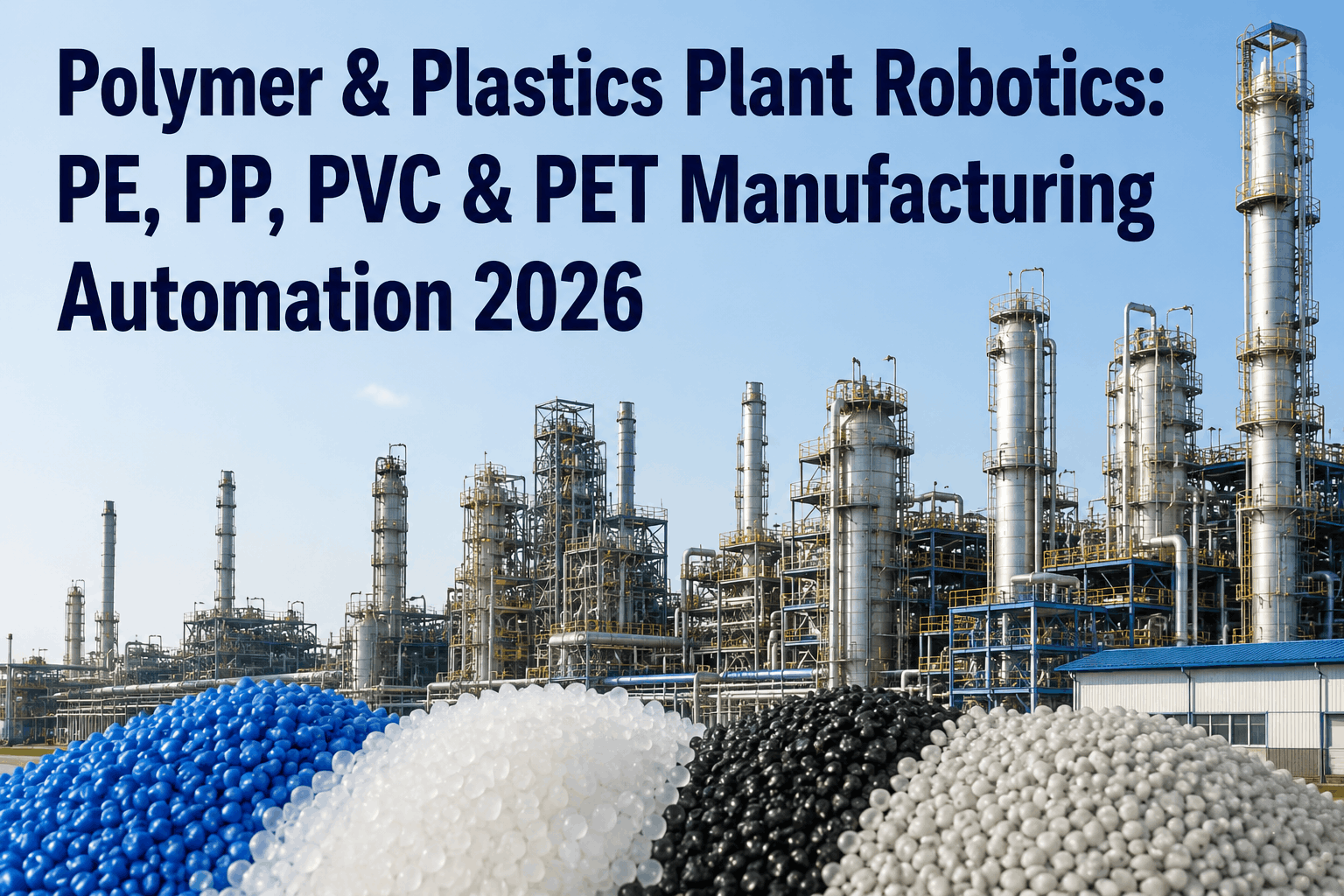
The global polymer and plastics industry is the largest chemical industry subsegment — producing 391 million tons of plastics annually across polyethylene (PE), polypropylene (PP), polyvinyl chloride (PVC), polyethylene terephthalate (PET), and ad
.png)
Read More
Inside a petrochemical steam cracker operating at 750–900°C, the rules of conventional manufacturing break down. Ethane and naphtha feedstock enter radiant furnace coils where carbon bonds cleave at extreme temperature and pressure. Coke deposits
Read More
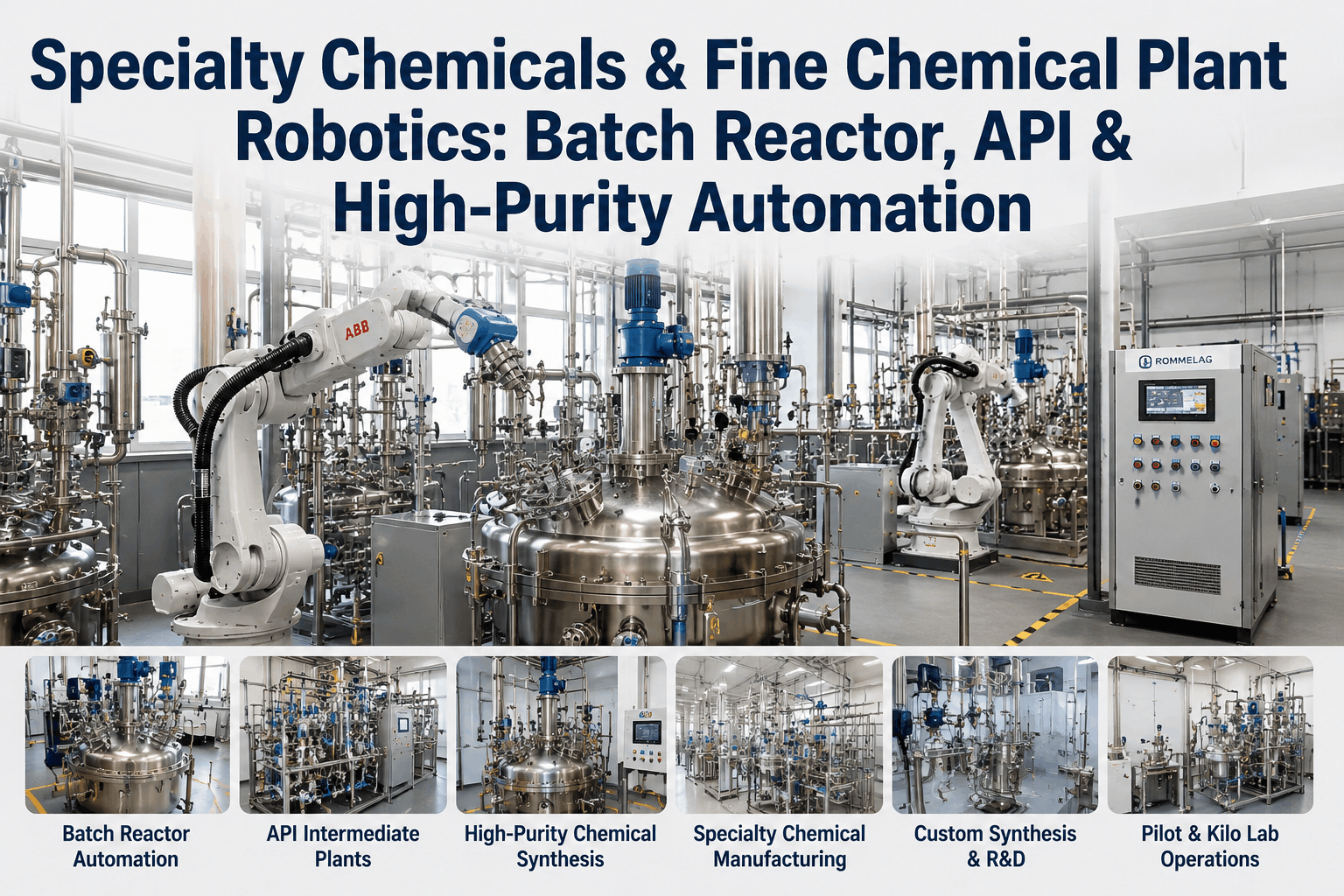
The specialty chemicals and fine chemical segment operates in a fundamentally different economic and operational reality from commodity chemical manufacturing: products selling at >$10/kg with annual volumes under 1,000 tons, m
Read More
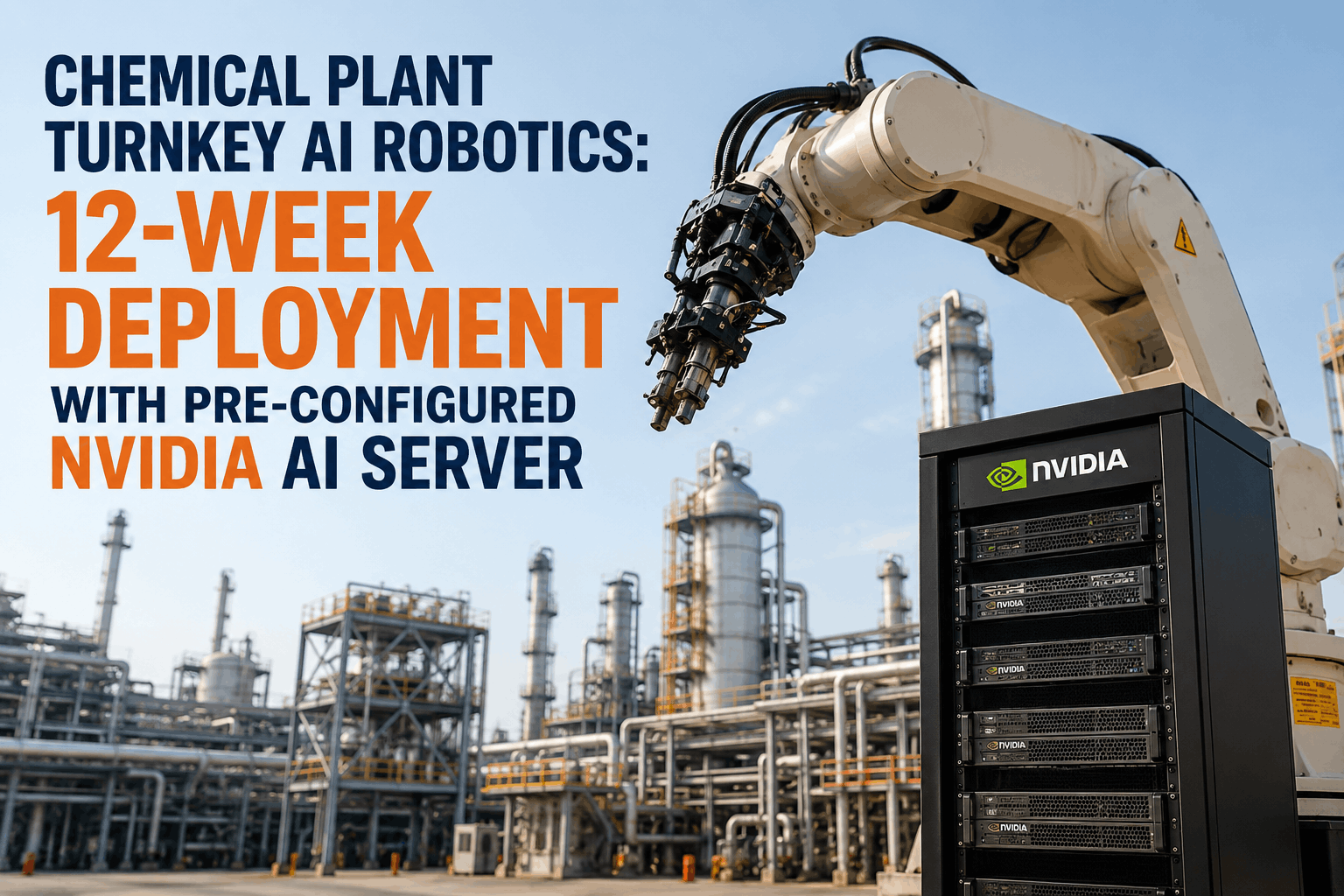
Chemical plant operators evaluating AI deployments in 2026 face a hard procurement reality: the gap between "we bought an NVIDIA-powered AI platform" and "our plant is actually running AI inference on live process data" routinely stretches to 6–12
Read More
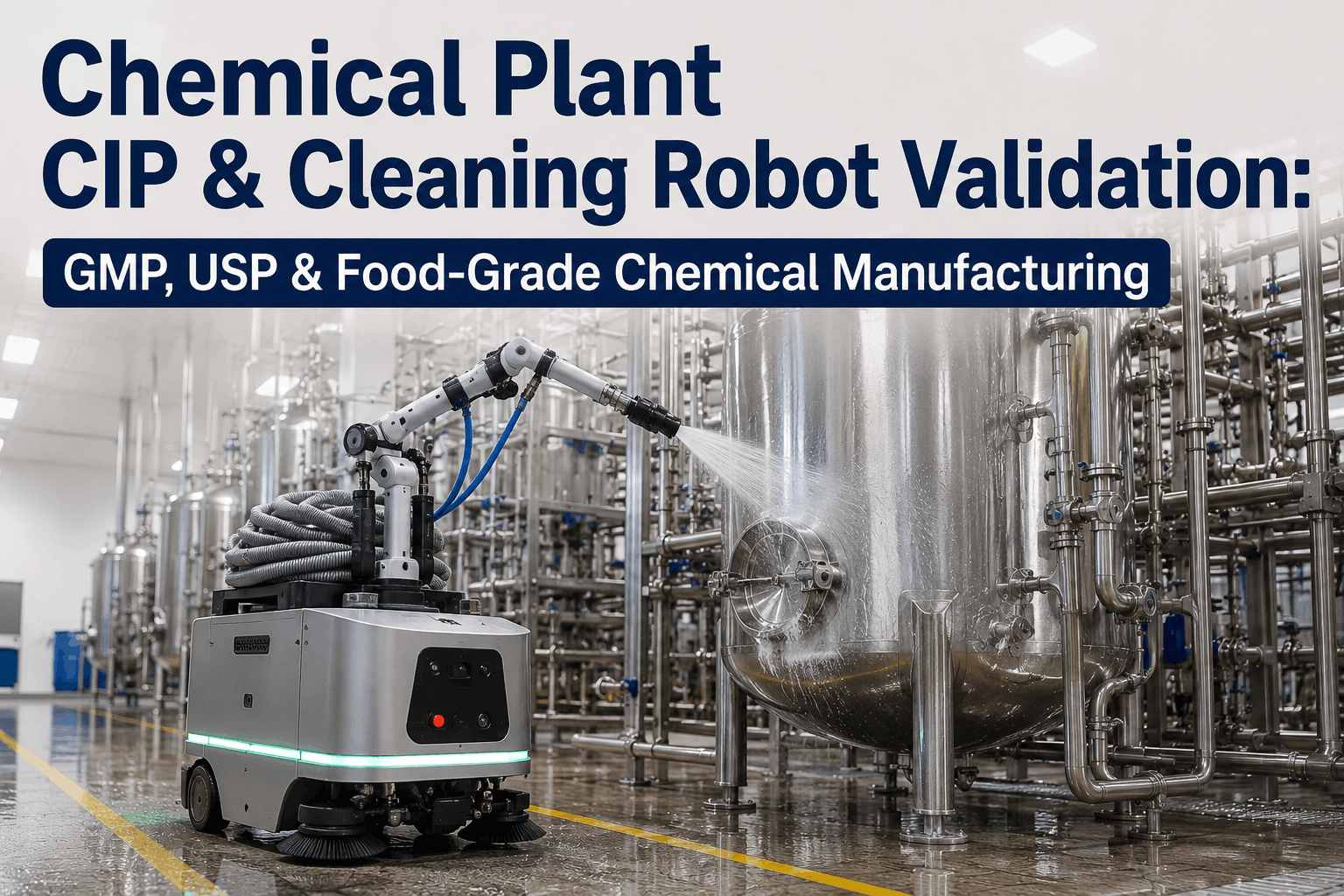
Chemical plants running multi-product manufacturing face a problem the pharmaceutical industry already solved a generation ago: every product changeover is a cross-contamination risk waiting to happen. The standard answer — Clean-
Read More
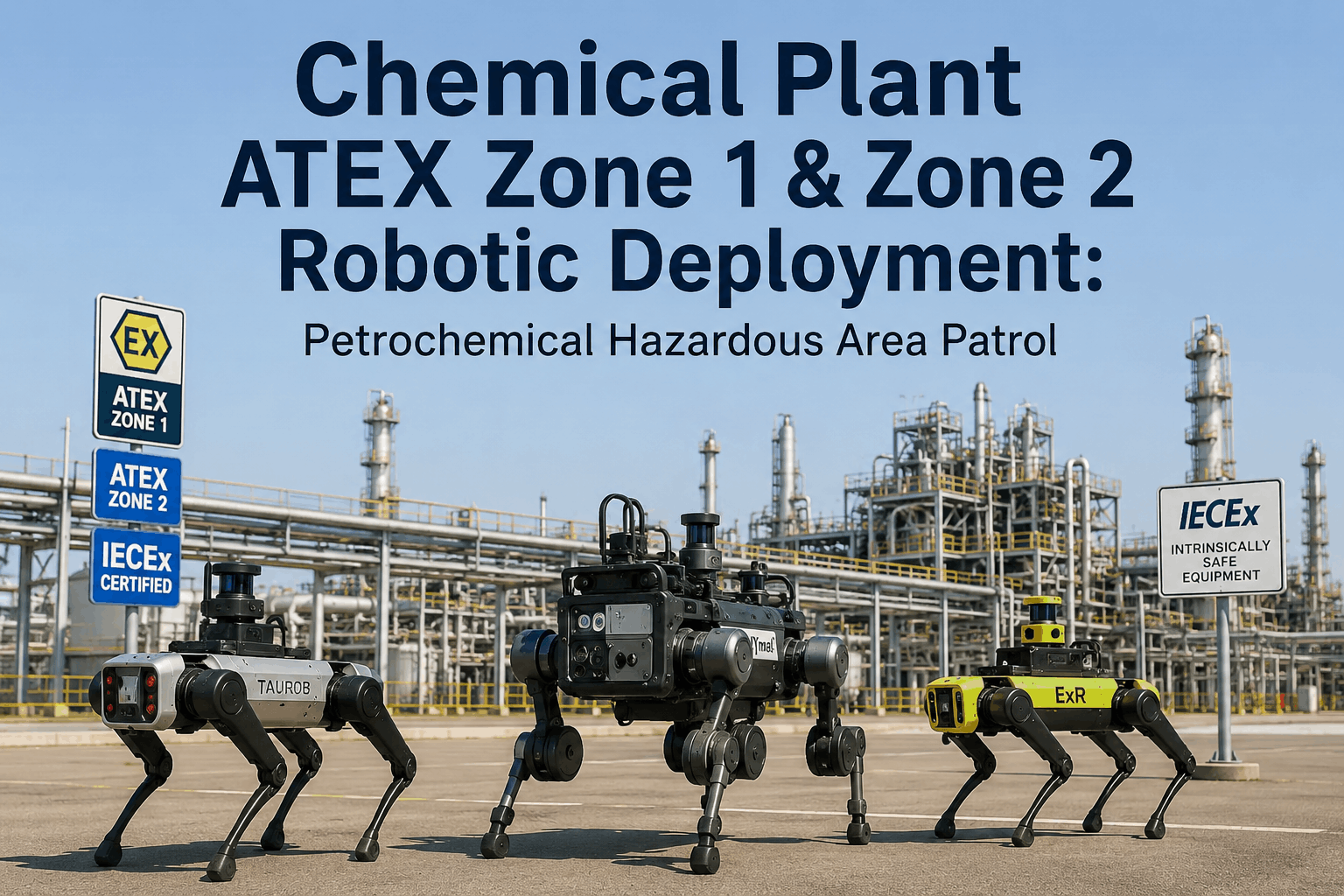
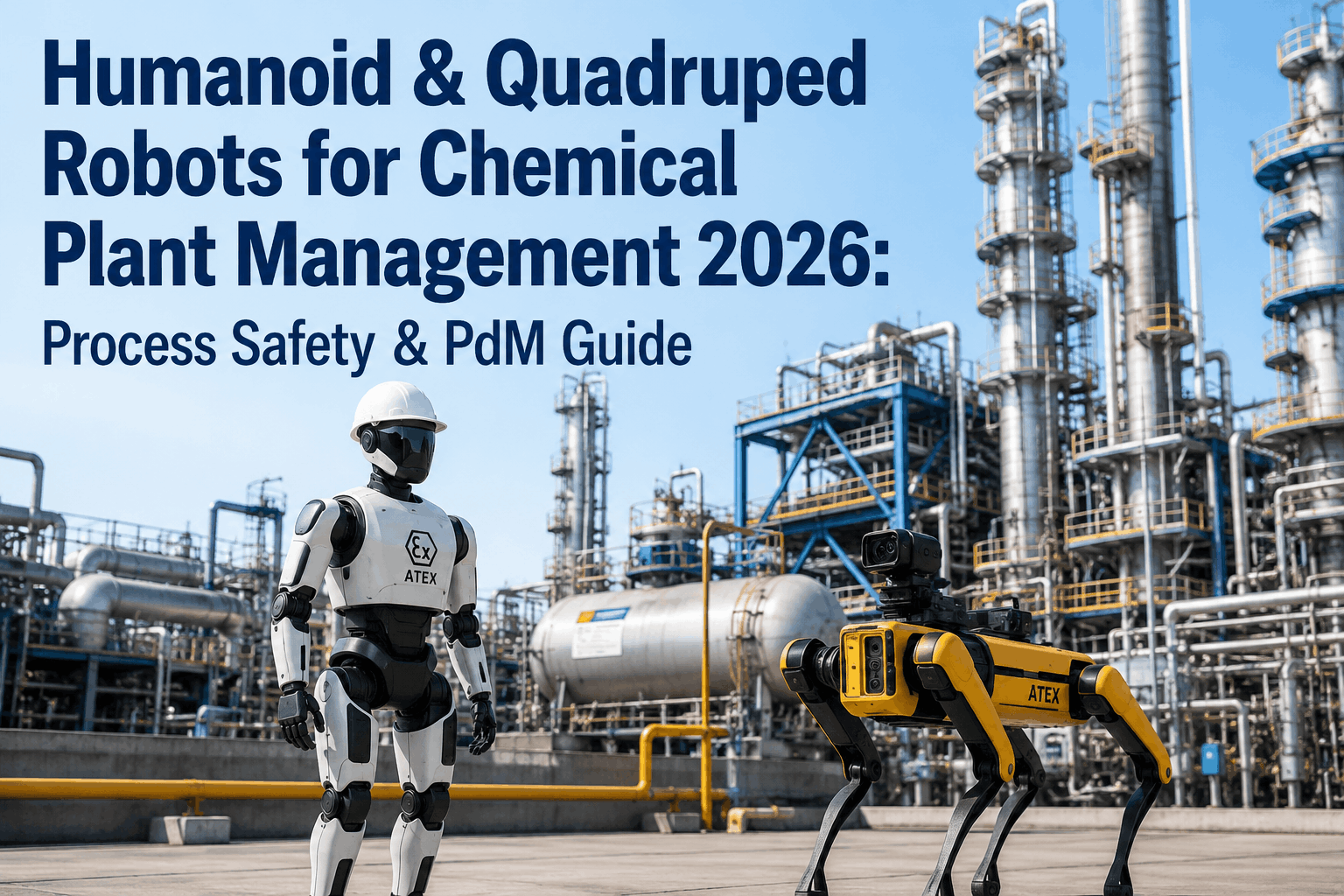
Of the dozens of inspection robots on the market in 2026, only three are certified for ATEX/IECEx Zone 1 deployment in chemical and petrochemical hazardous atmospheres: ANYbotics ANYmal X (legged, the only quadrup
Read More
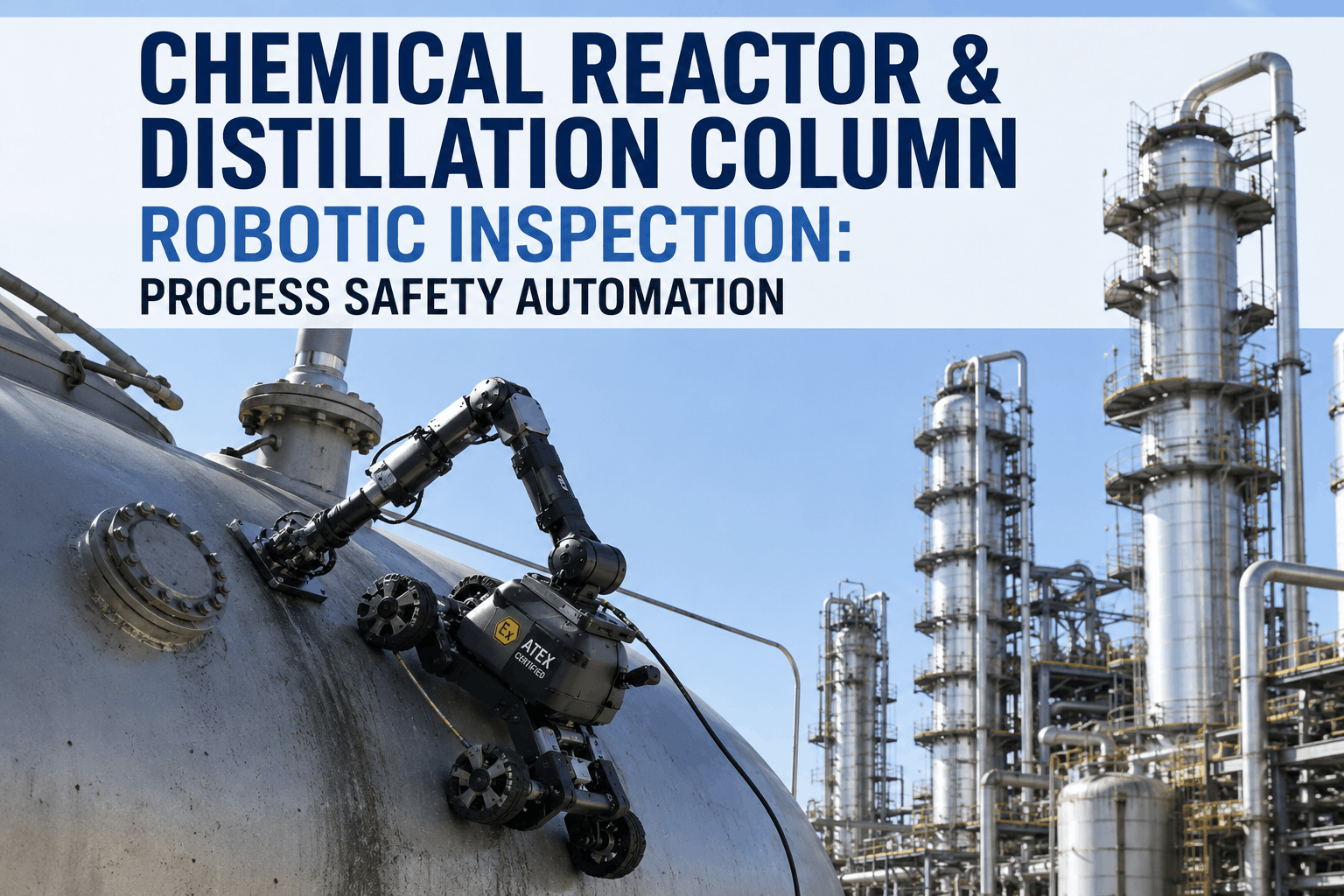
The two most operationally critical and inspection-resistant assets in any chemical plant are reactors and distillation columns. Together they typically represent 40–60% of process-safety incidents and 70%+ of unplanned turnaround
Read More
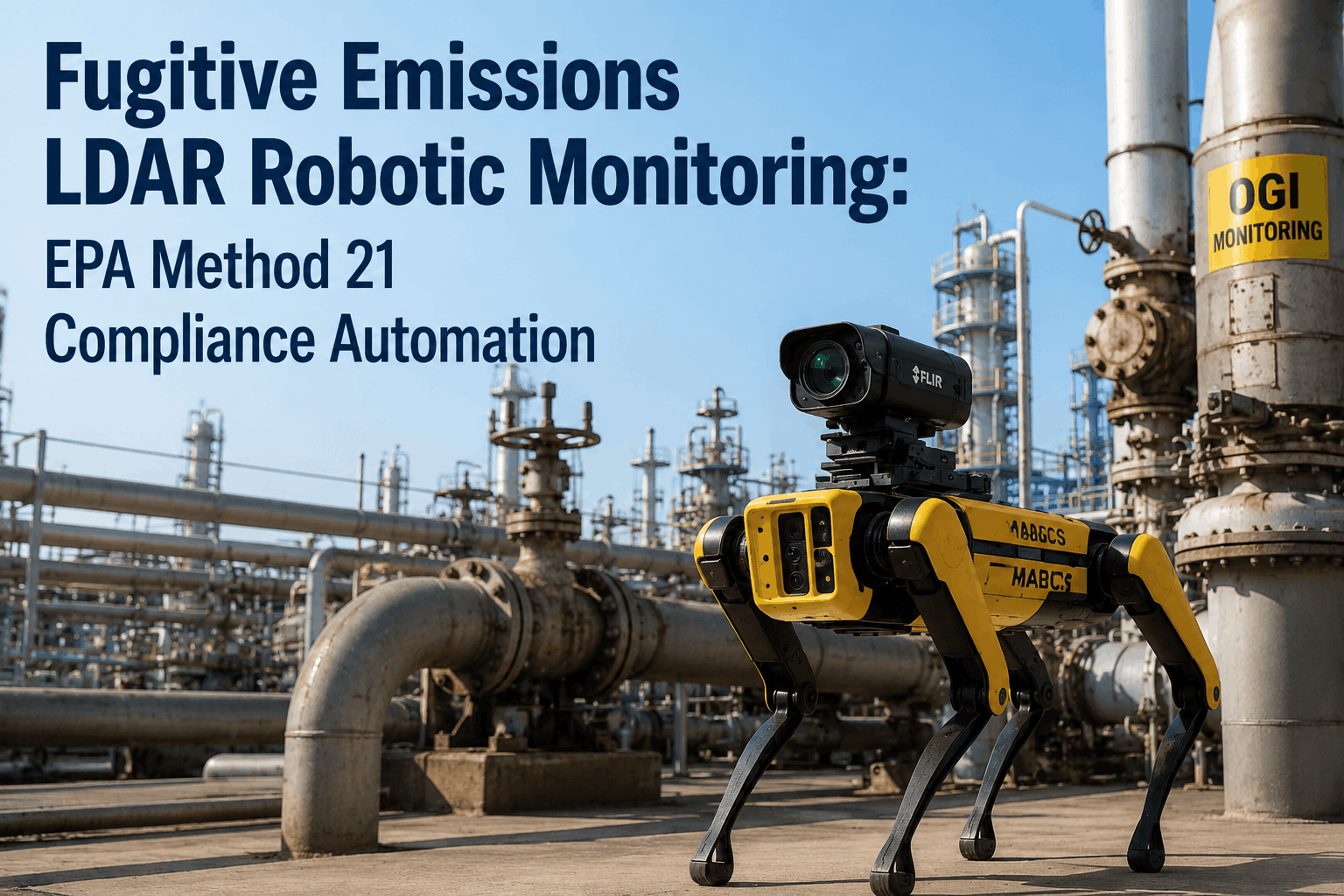
EPA Method 21 has governed fugitive emissions Leak Detection and Repair (LDAR) programs for 40+ years — but the regulation written in 1983 was never designed for the scale of fugitive emissions monitoring chemical plants face in 2
Read More
The chemical industry crossed a threshold in April 2026 when BASF and Sevnce Robotics signed an MoU to deploy explosion-proof humanoid and quadruped robots across chemical sites — the most public commitment yet from a major operat

Read More
Mid-2026 brings the most significant regulatory tightening in 14 years: EU GMP Annex 11 is being expanded from 5 to 17 sections plus a new Annex 22 governing AI specifically, FDA's 2026 AI guidance pilot is reshaping 21 CFR Part 1

Read More
SAP officially renamed Digital Manufacturing Cloud to SAP Digital Manufacturing (SAP DM) as part of its strategic positioning as the xMII successor — but rebranding does not solve the gap chemical processing plants discover within

Read More
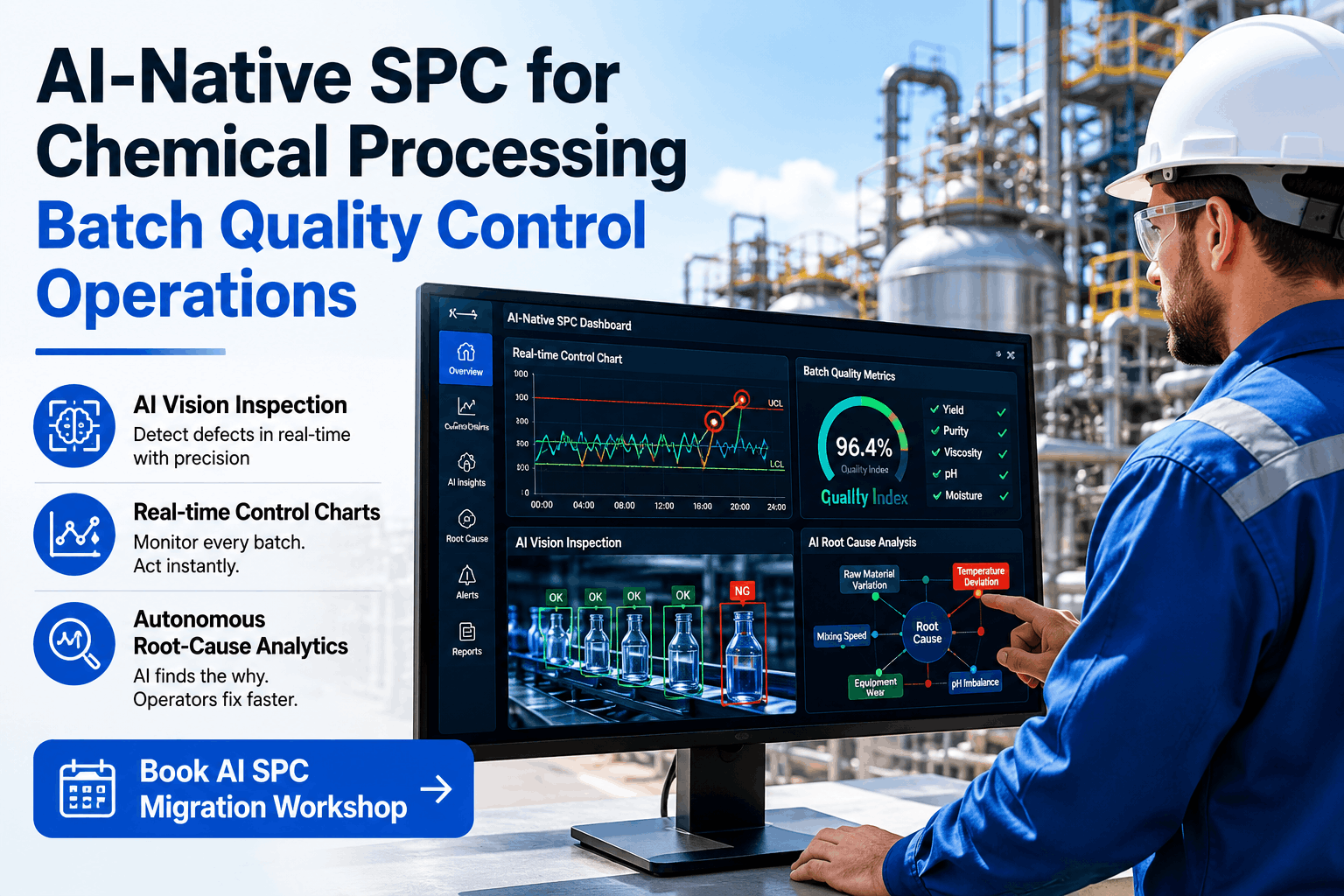
A quiet exodus is happening across chemical processing. According to IBM research, AI's revenue impact in chemicals is forecast to grow from 6% in 2025 to 14% by 2028 — translating to an $800M opportunity for a $10B chemical compa
Read More
A chemical batch operator working a 12-hour shift on legacy SAP xMII SPC spends an average of 40–55% of their time on activities that AI-native SPC could automate entirely: chasing false-positive alarms, reading univariate control

Read More
For chemical processing plants modernizing their SAP xMII SPC layer toward predictive OEE, the deployment decision is now the single biggest architectural choice they will make in the next decade. Cloud SPC promises rapid multi-site rollout and ze

Read More
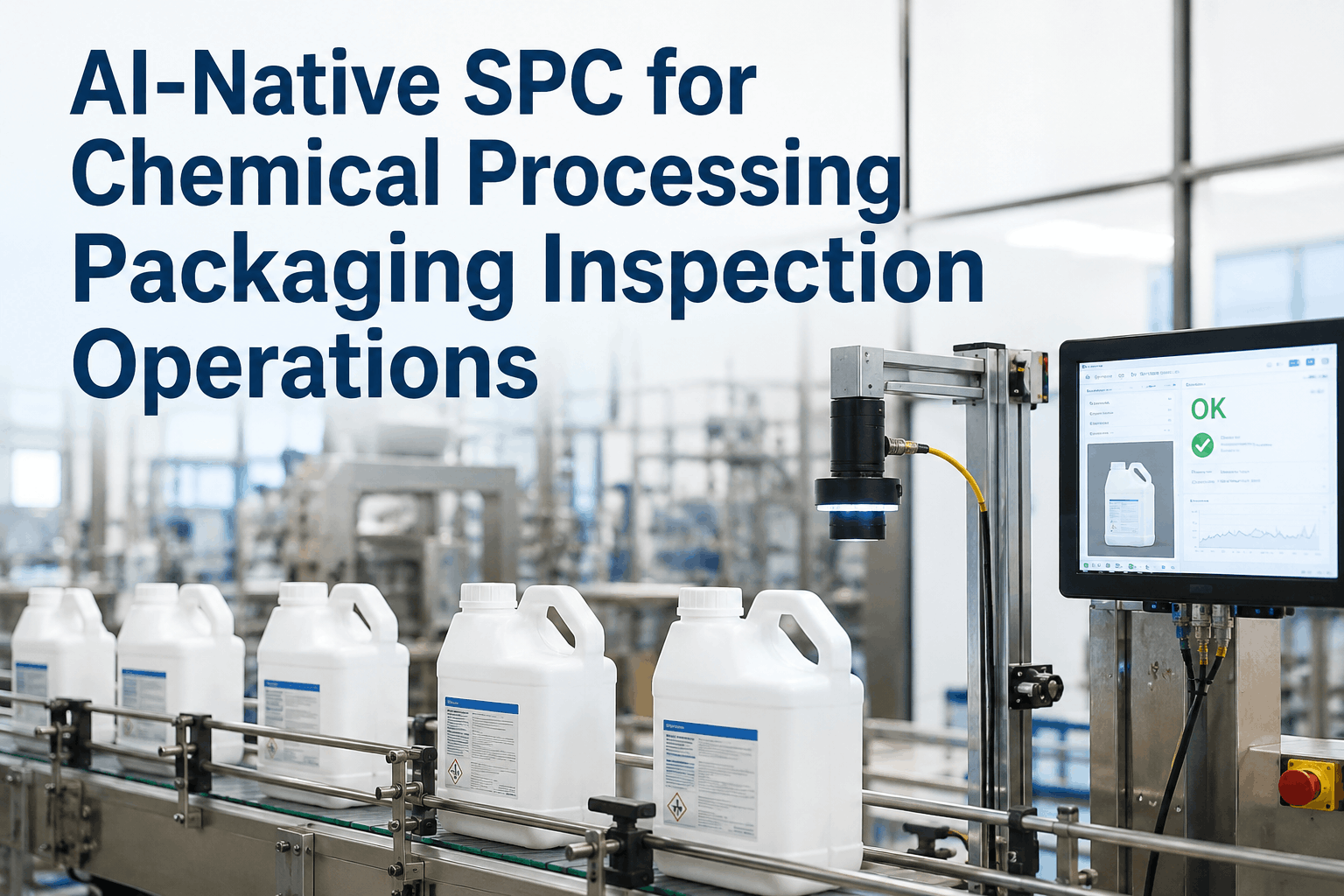
The math behind Overall Equipment Effectiveness is unforgiving: OEE = Availability × Performance × Quality. Three numbers, each capped at 100%, multiplied together. A chemical plant running 90% across all three lands at 72
Read More
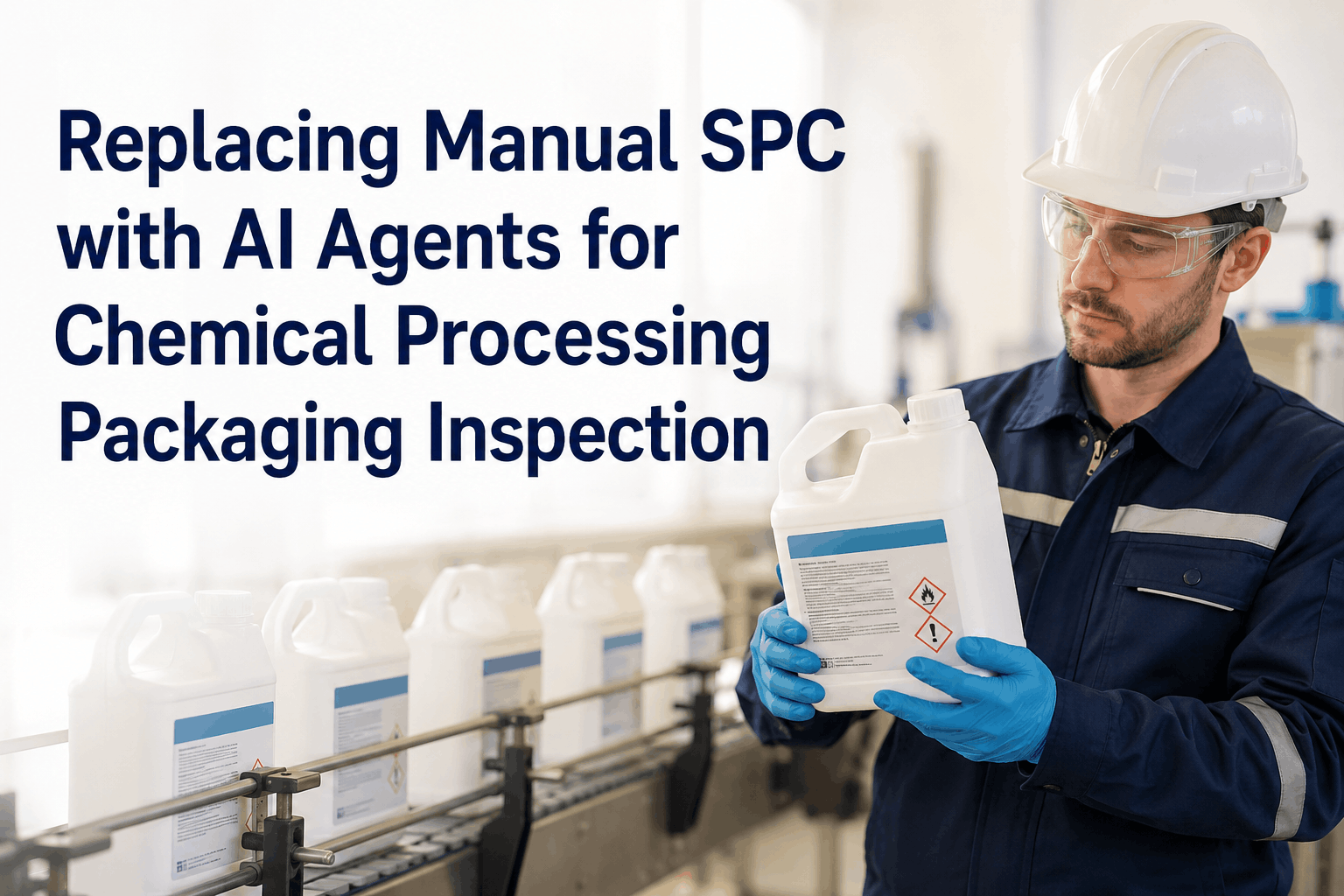
Chemical processing plants moving to SAP Digital Manufacturing Cloud (SAP DMC) are discovering the same gap their xMII deployments had: SAP's strategic successor delivers strong shop-floor execution and a generic predictive qualit
Read More
Over 50% of chemical and pharmaceutical product recalls trace back to packaging or labeling errors — and each incident costs an average of $10 million in direct costs, recall logistics, customer credits, and brand
Read More
SAP has officially confirmed that SAP xMII mainstream support ends December 31, 2030 — a deadline that has already pushed thousands of chemical processing plants to begin replacement planning. The pressure is not only contractual:
Read More
Chemical processing plants running batch quality control on legacy SAP QM and SAP xMII architectures face a quiet crisis — a recent industry survey found that 78% of manufacturers report legacy MES and quality systems are now actively bloc
Read More
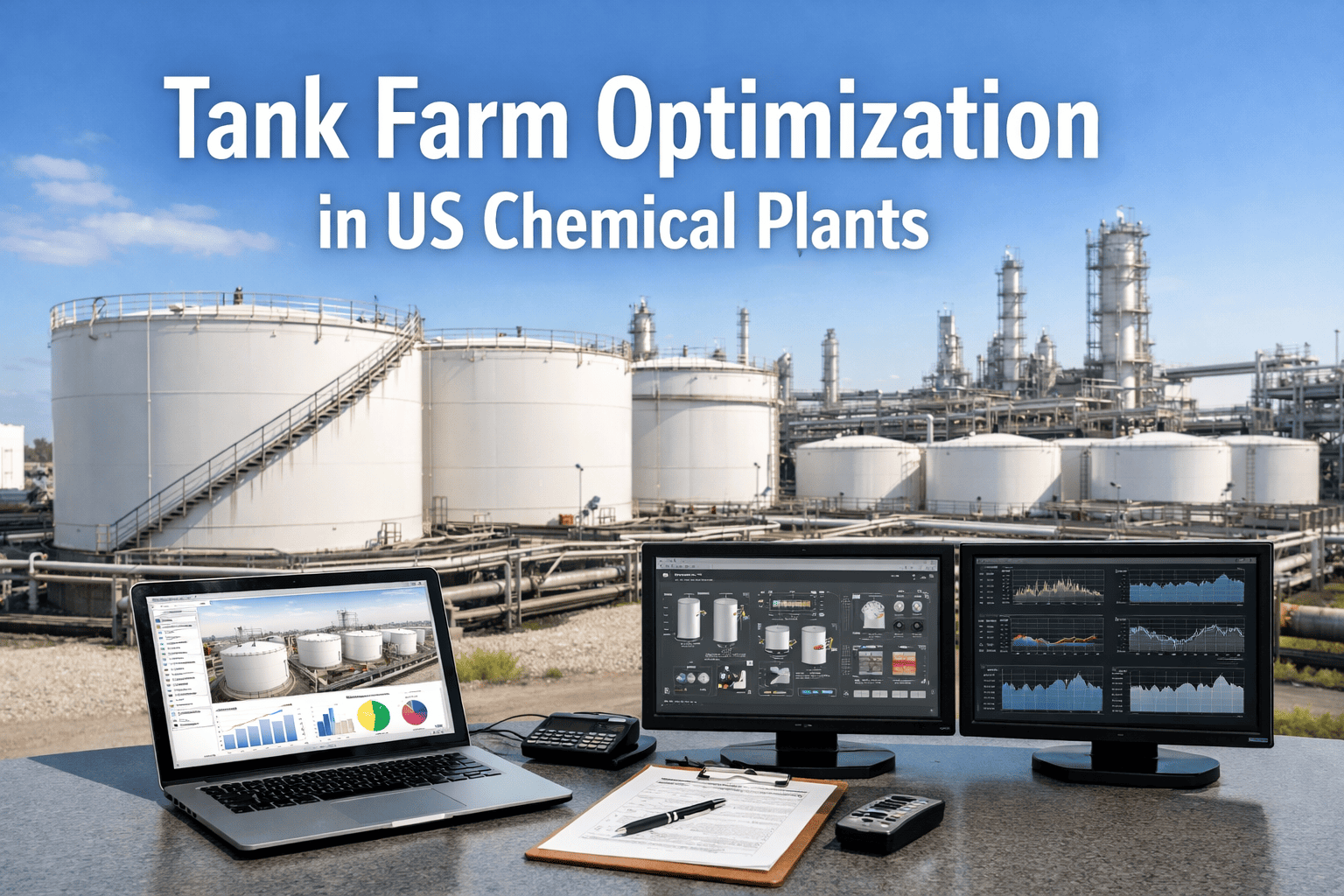
Chemical plants in the US experience an average of 19–33% throughput loss and energy waste annually due to suboptimal pipeline flow conditions — not from equipment failures, but from undetected pressure drops, flow imbalances, fouling accumulation
Read More
Chemical plants in the United States lose an average of 14–29% of stored product value annually due to tank farm inefficiencies — not from catastrophic failures, but from undocumented level variances, vapor recovery gaps, inventory reconciliation
Read More
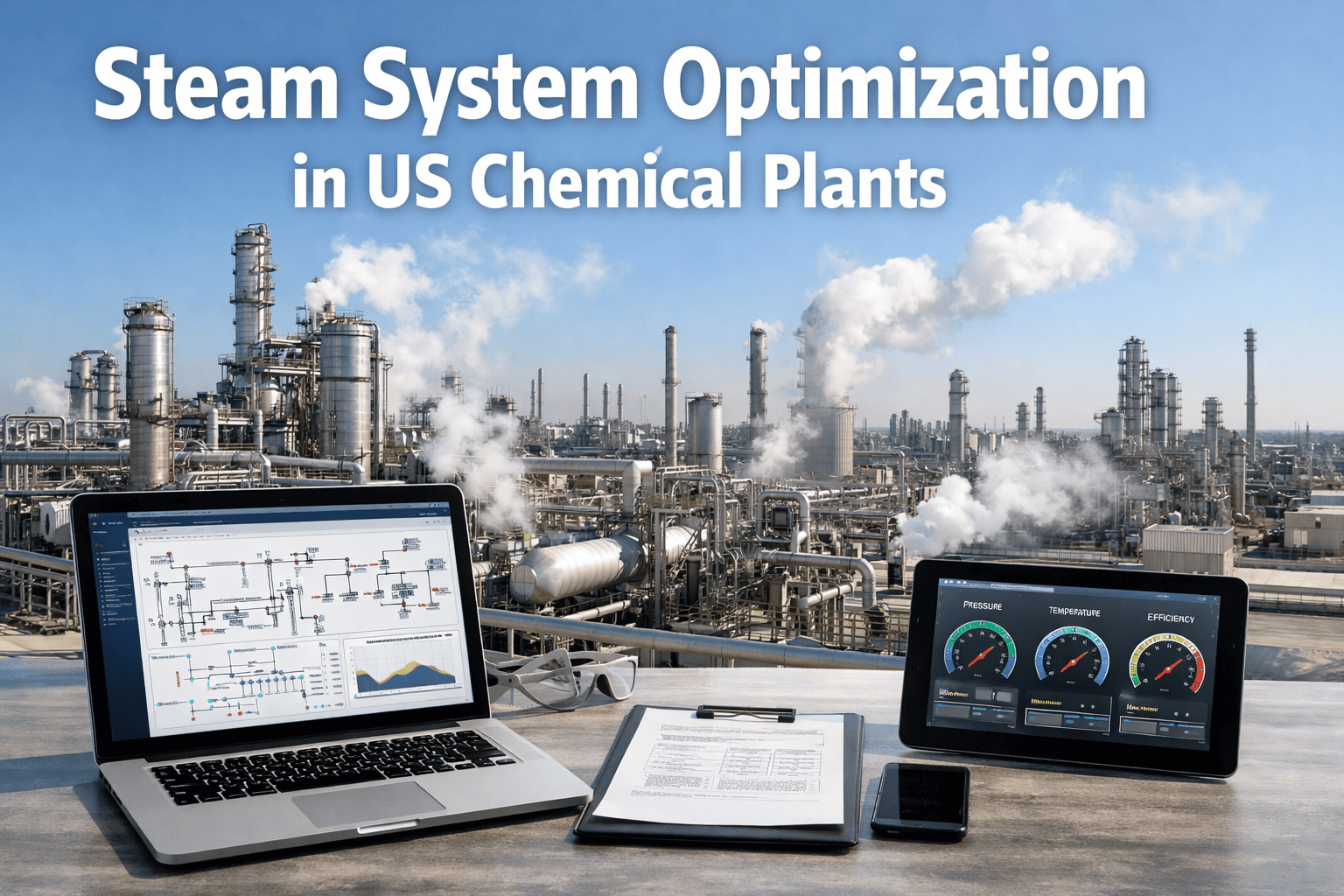
Chemical plants lose an average of 20–45% of generated steam energy annually to undetected system inefficiencies — not from boiler limitations, but from failed steam traps, condensate recovery gaps, distribution leaks, and pressure imbalances that
Read More
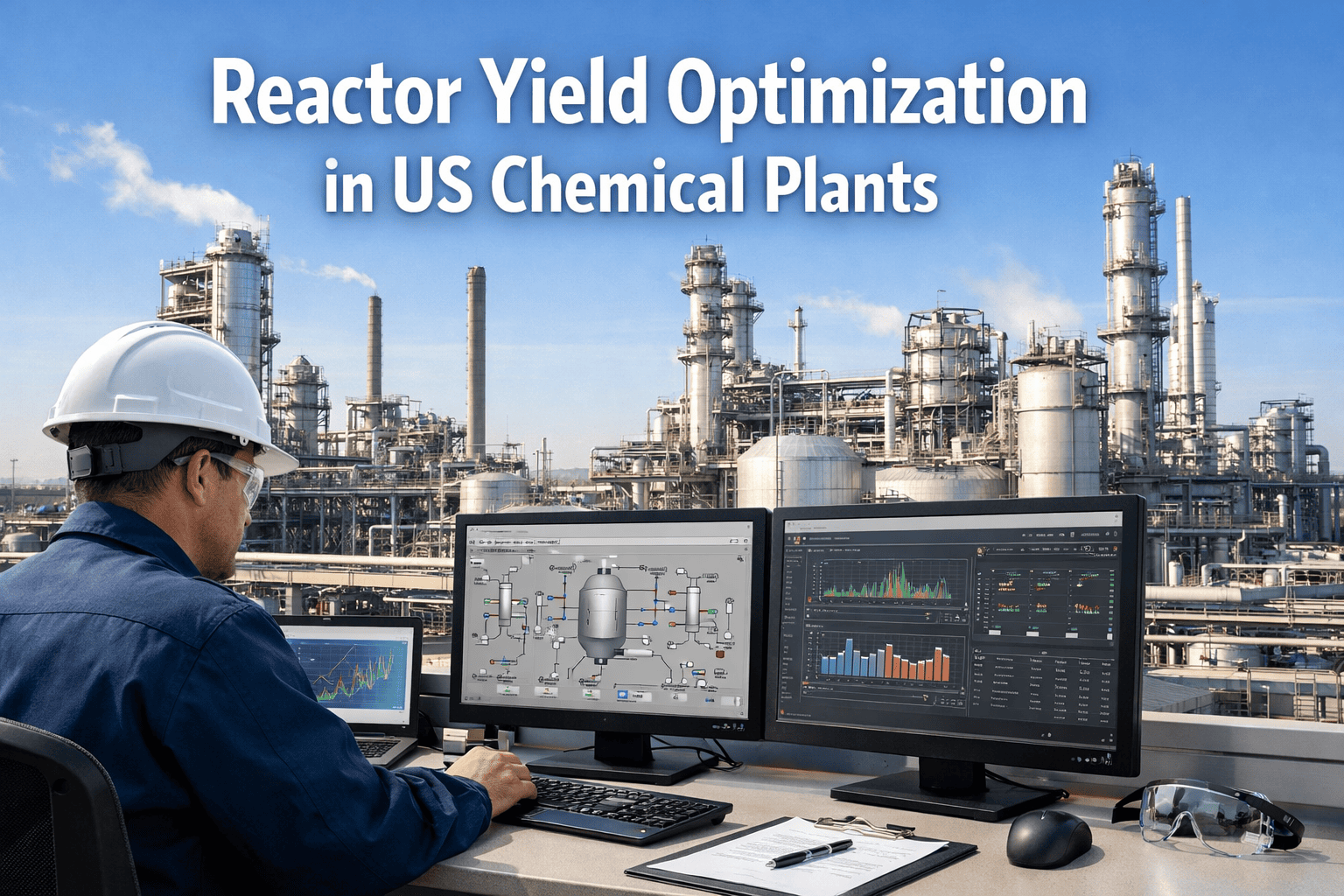
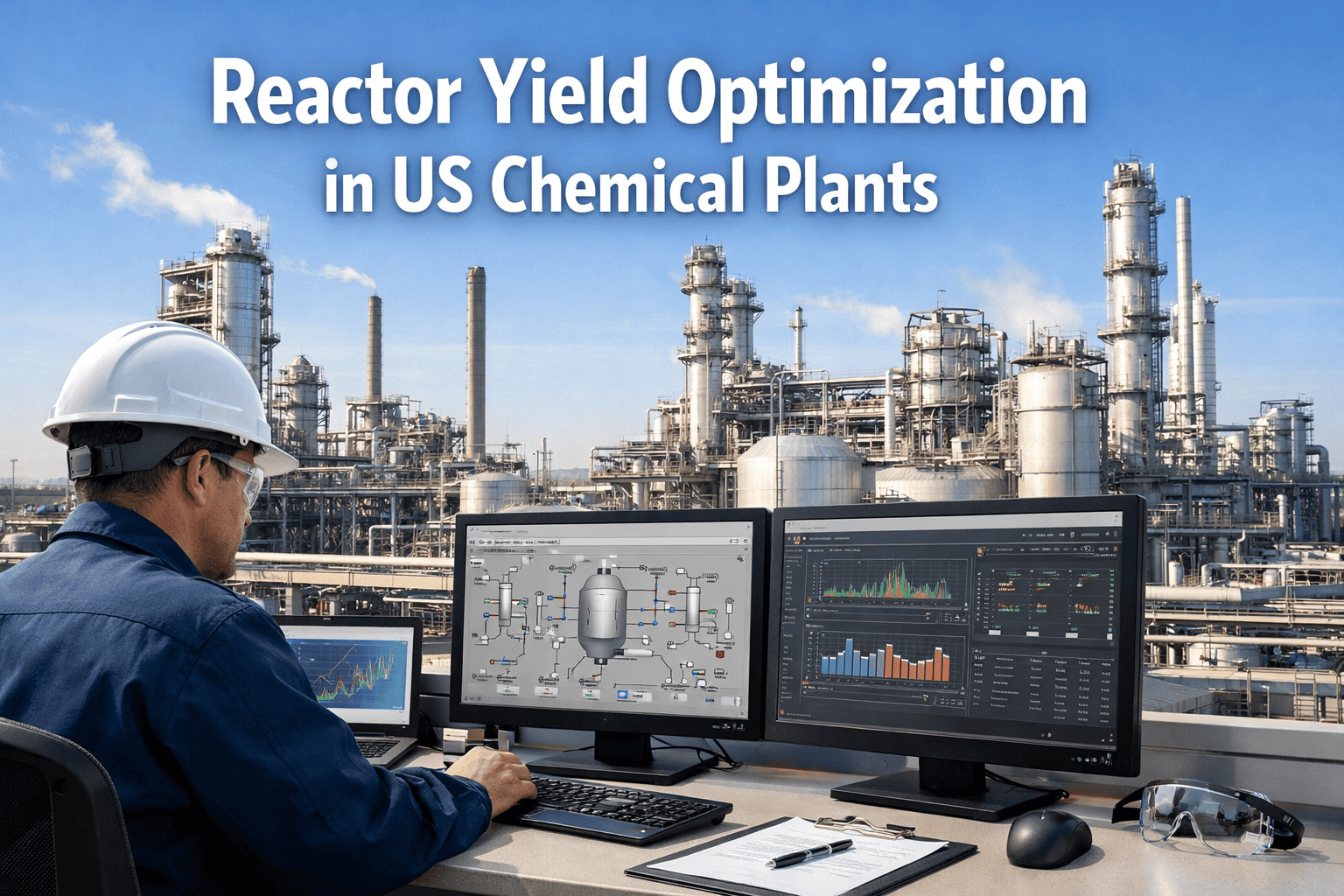
Chemical plants experience an average of 14–29% reactor yield variance annually due to suboptimal reaction conditions — not from catalyst limitations, but from inconsistent feed ratios, temperature drift, mixing inefficiencies, and delayed analyti
Read More
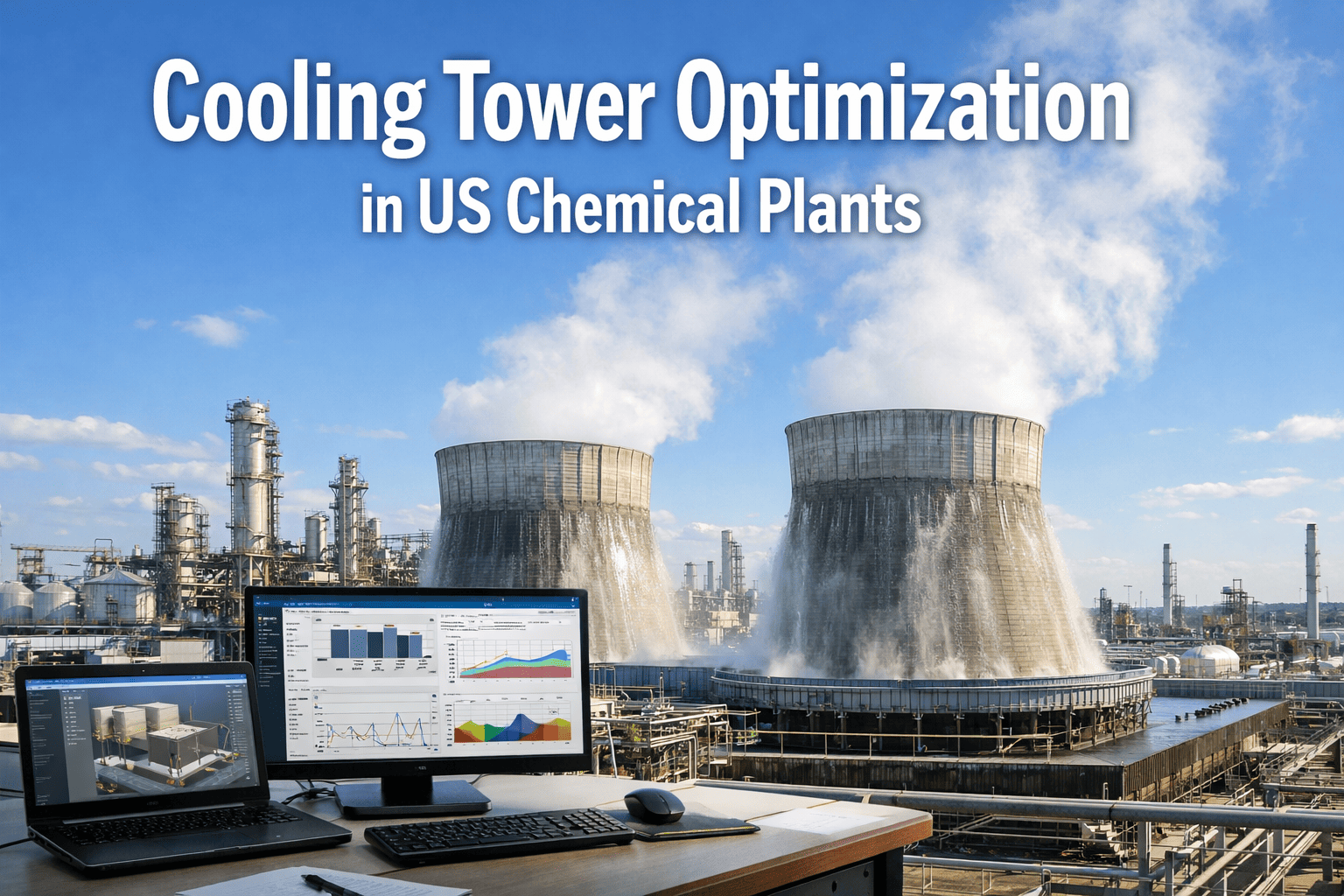
Chemical plants waste an average of 22–38% of cooling tower water and energy capacity annually due to suboptimal operational practices — not from equipment failure, but from imbalanced chemical dosing, unmonitored cycles of concentration, drift lo
Read More
Chemical plants in the United States experience an average of 22–38% excess energy consumption in pumping systems annually due to improper sizing, degraded performance, and reactive maintenance — not from equipment limitations, but from undetected
Read More
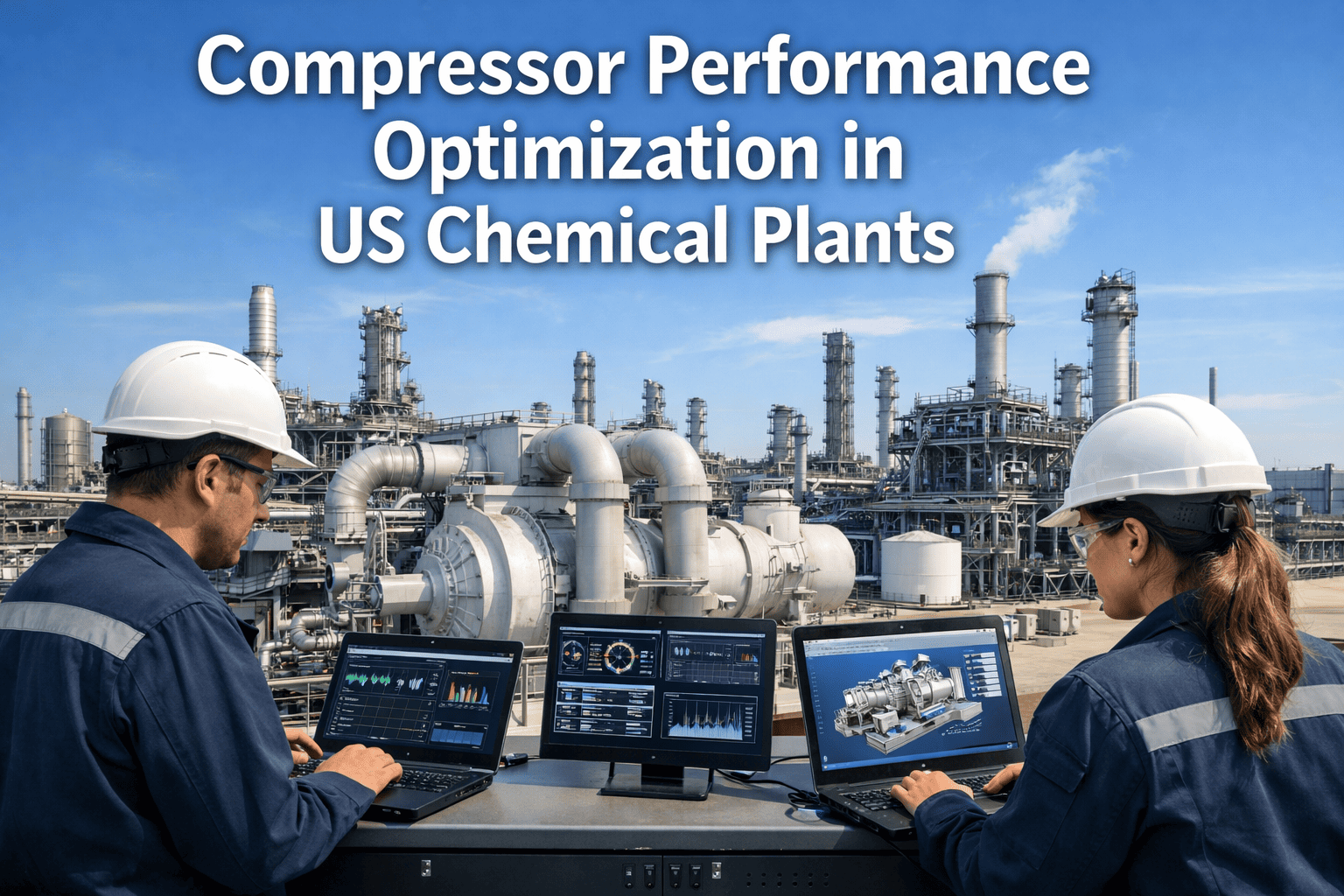
Chemical plants in the US experience an average of 21–36% energy waste and unplanned downtime annually due to suboptimal compressor performance — not from equipment limitations, but from undetected surge conditions, inefficient load balancing, sea
Read More
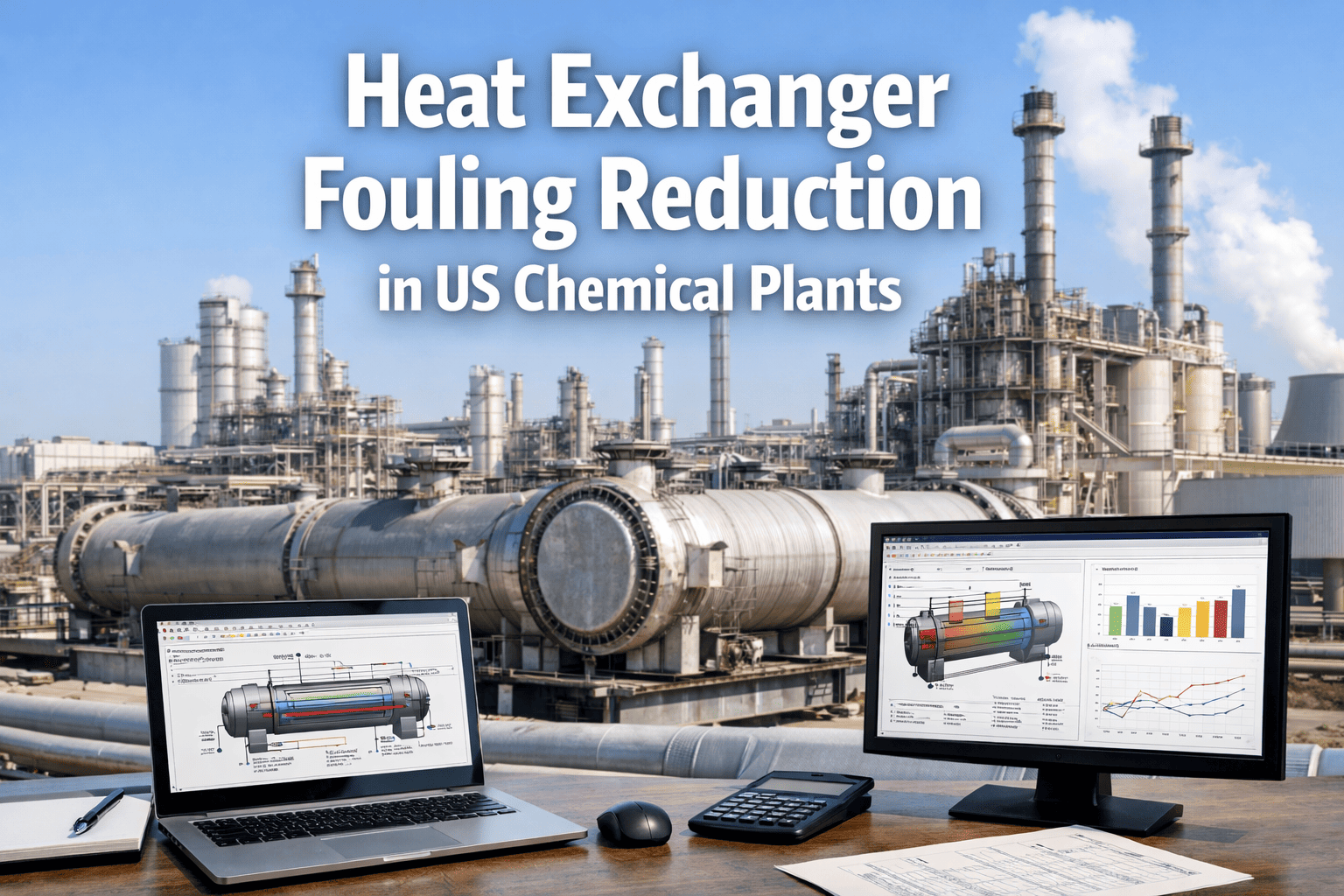
Chemical plants experience an average of 15–40% thermal efficiency loss annually due to undetected heat exchanger fouling — not from equipment failure, but from scaling, polymerization, biological growth, and particulate accumulation that no fixed

Read More
Chemical plants in the United States waste an average of 15–31% of annual fuel costs due to suboptimal boiler efficiency — not from equipment limitations, but from inconsistent combustion tuning, undocumented blowdown practices, heat recovery gaps

Read More
US chemical plants waste an average of 22–35% of distillation energy annually to suboptimal operating conditions — not from equipment degradation, but from static reflux ratios, delayed tray/packing response detection, unbalanced heat integration,
Read More
Chemical plants experience an average of 18–34% operational variance annually due to inconsistent or missing Standard Operating Procedures — not from equipment limitations, but from undocumented work practices, version confusion, training gaps
Read More
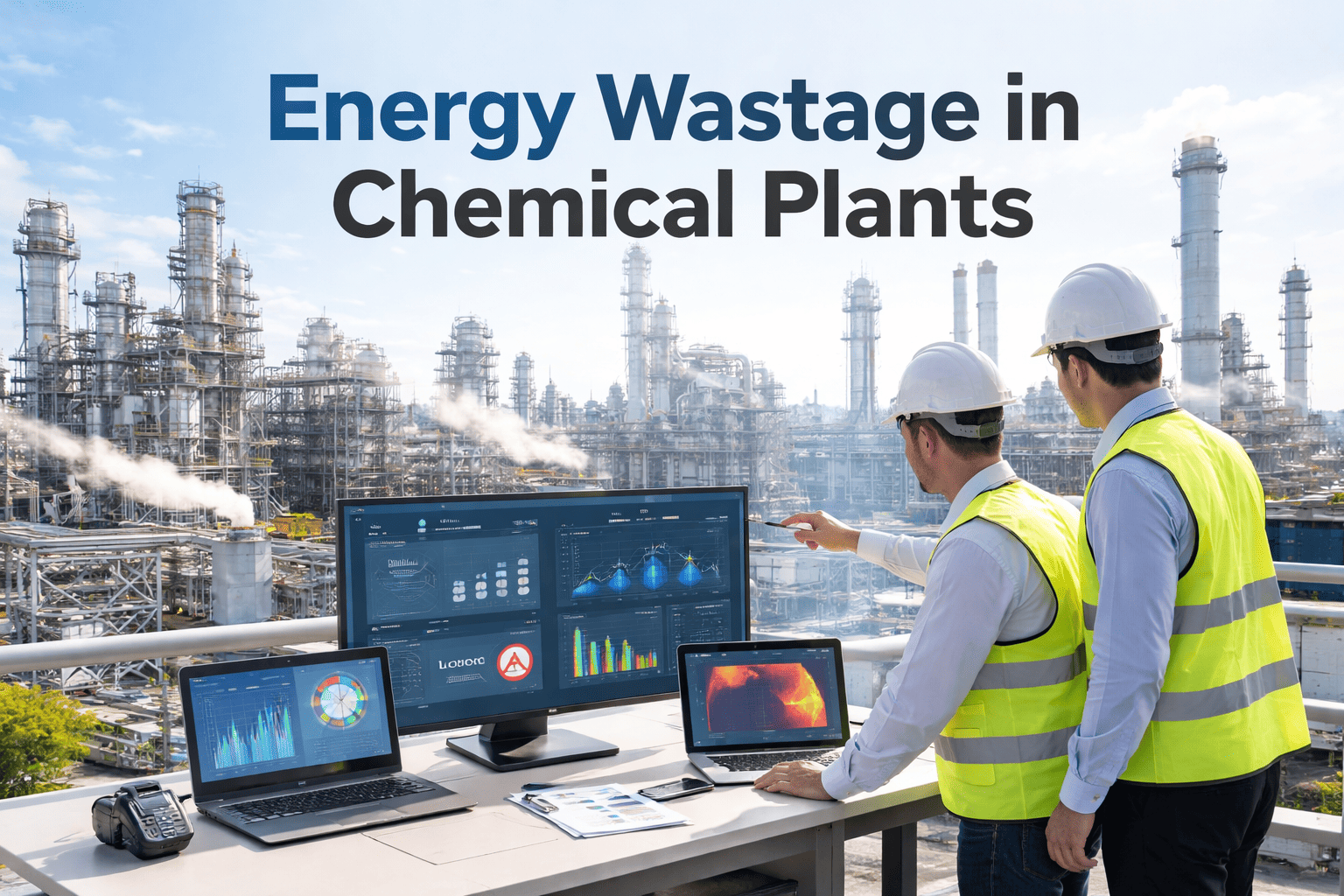
Chemical plants waste an average of 22–38% of purchased energy annually to undetected process inefficiencies — not from equipment failures, but from steam trap leaks, suboptimal heat integration, idle equipment runtime, and delayed load adjustment
Read More
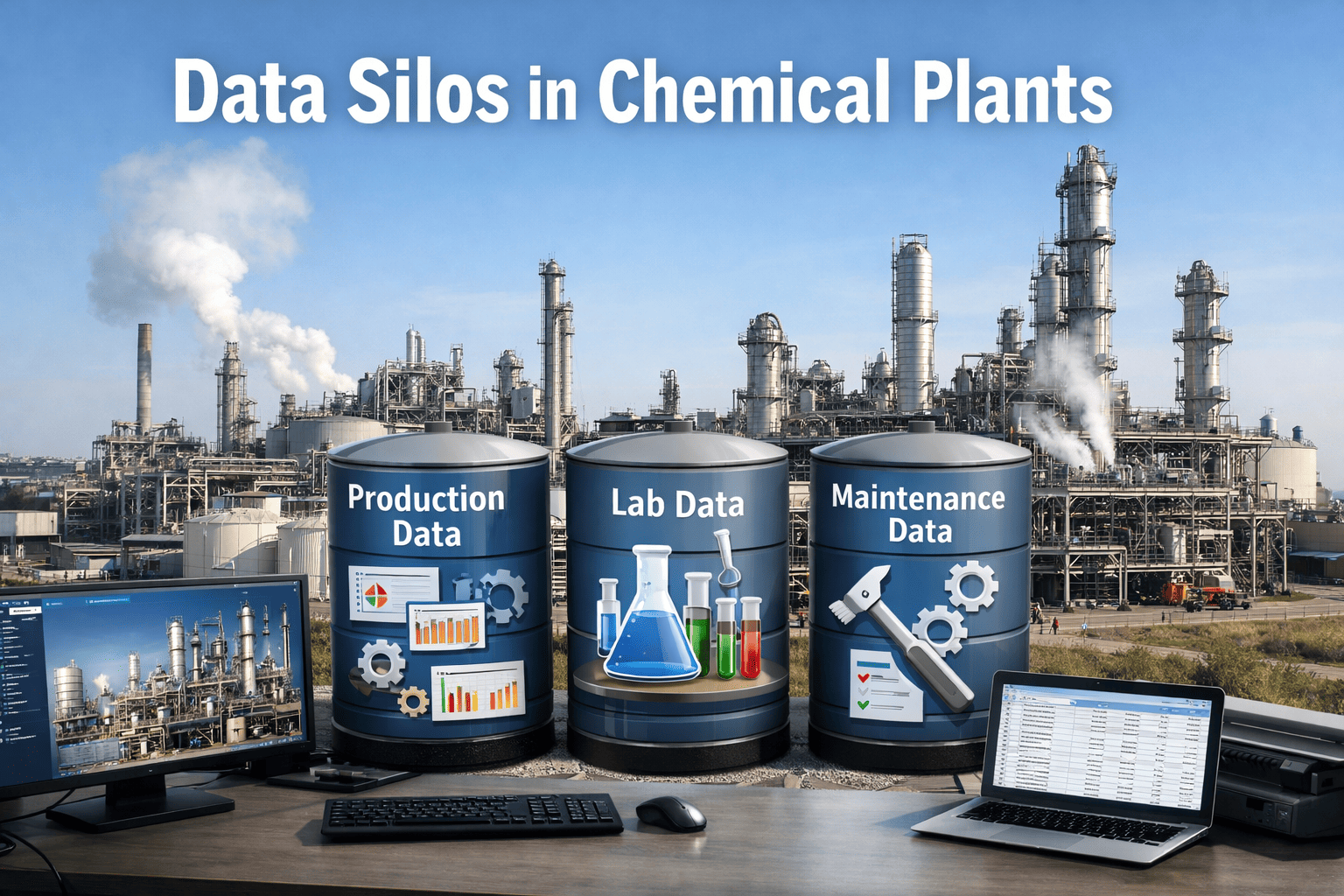
Chemical plants lose an average of 22–38% of operational efficiency annually to data silos — not from equipment failures, but from disconnected SCADA systems, isolated lab databases, fragmented maintenance logs, and legacy ERP platforms that never
Read More
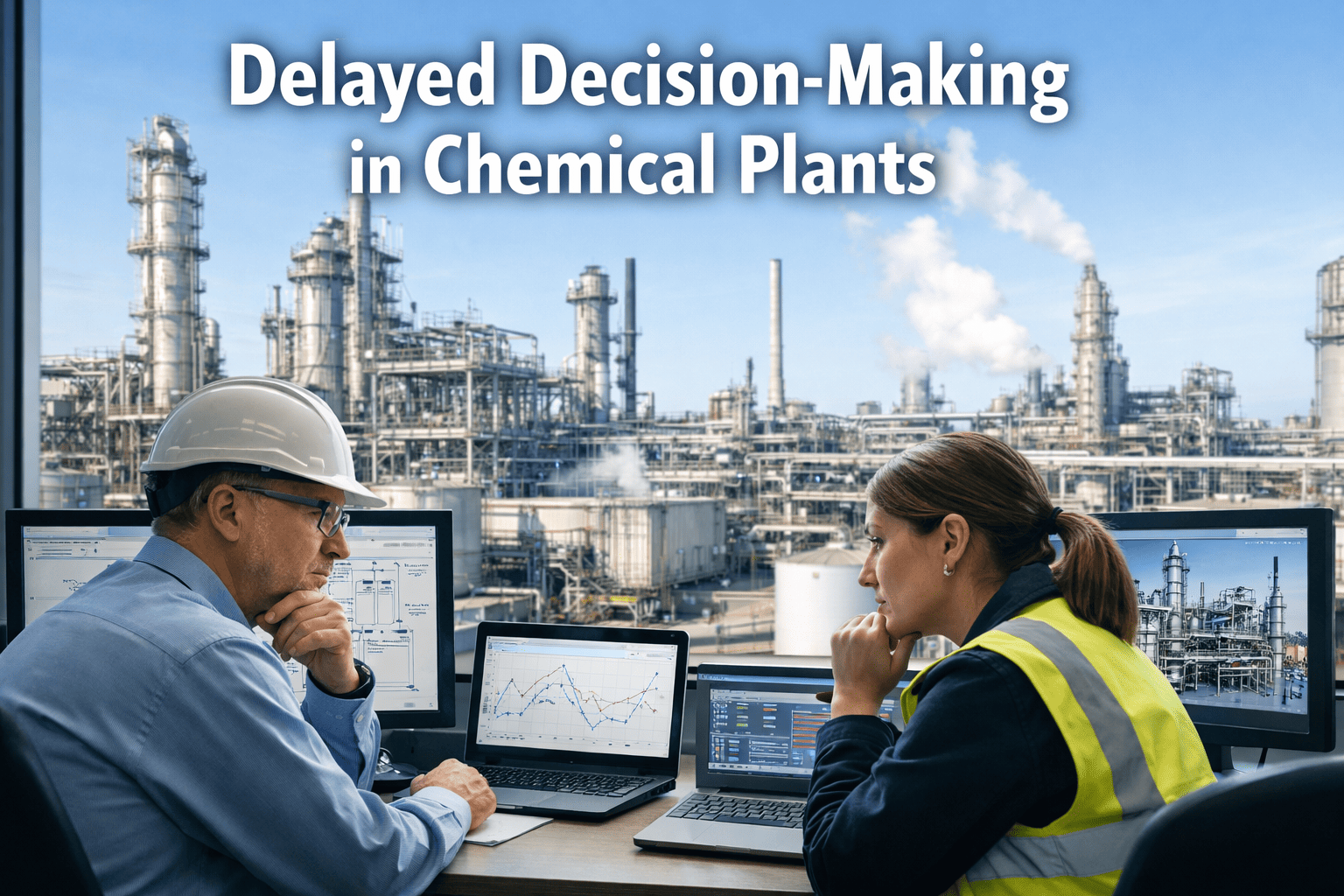
Chemical plants lose an average of 12–28% of operational efficiency annually to delayed decision-making — not from equipment failure, but from fragmented data sources, manual reporting cycles, and approval bottlenecks that prevent timely intervent
Read More
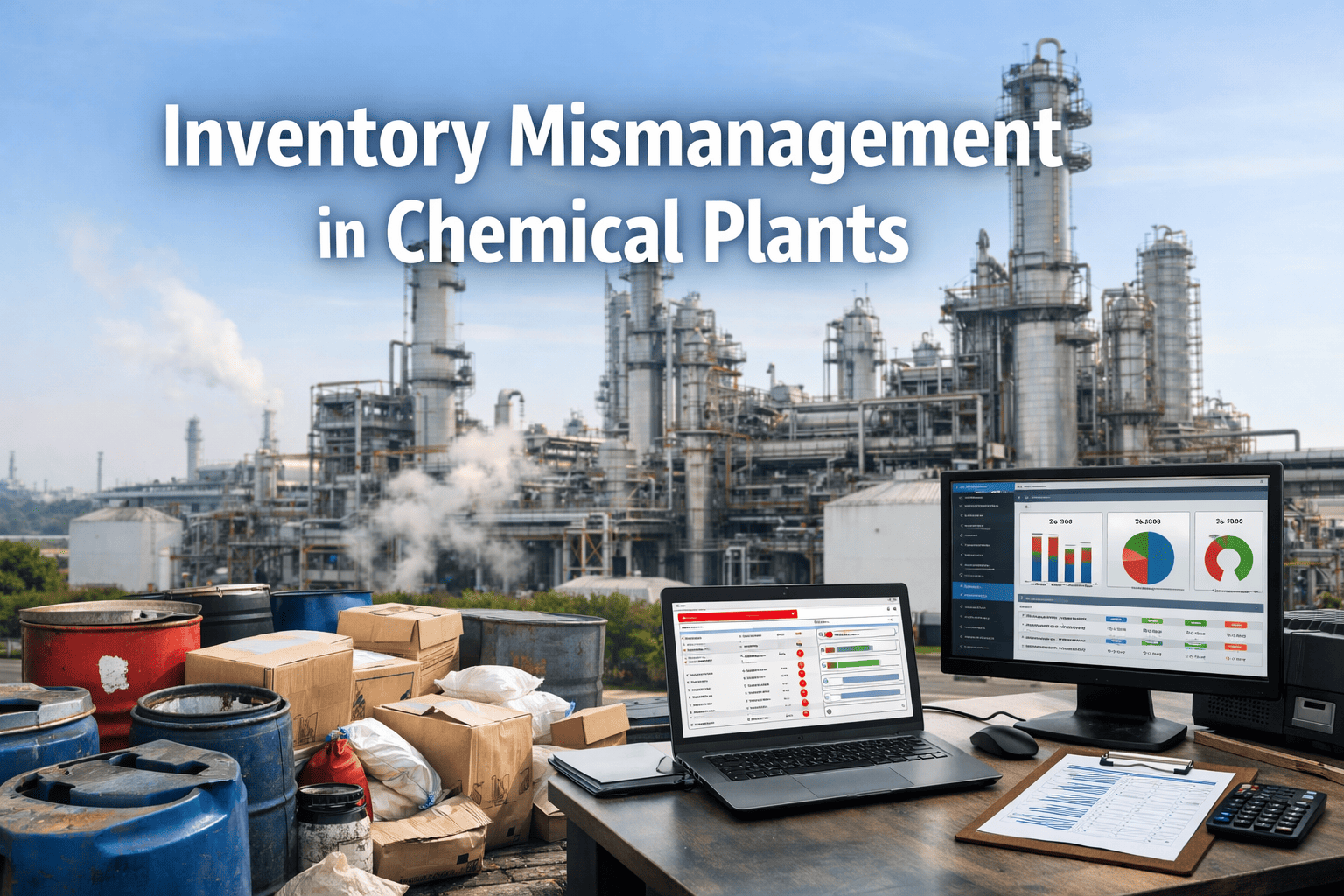
Chemical plants lose an average of 22–38% of working capital annually to inventory mismanagement — not from theft or loss, but from invisible inefficiencies: raw material stockouts that halt production, excess finished goods that expire on she
Read More
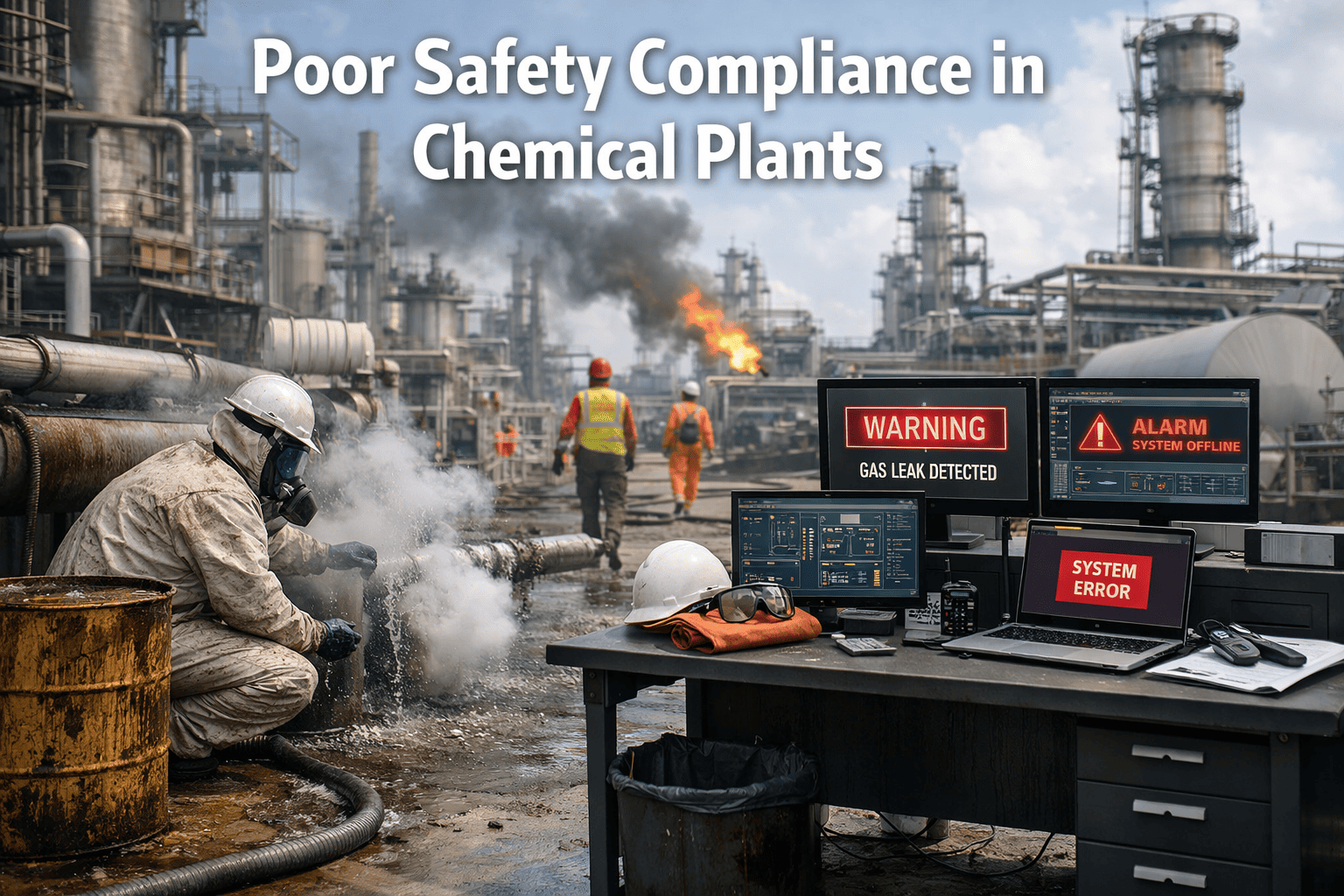
Chemical plants face an average of 23–41% increased operational risk annually due to undetected safety compliance gaps — not from catastrophic system failures, but from inconsistent PPE adherence, incomplete hazard documentation, delayed incident
Read More
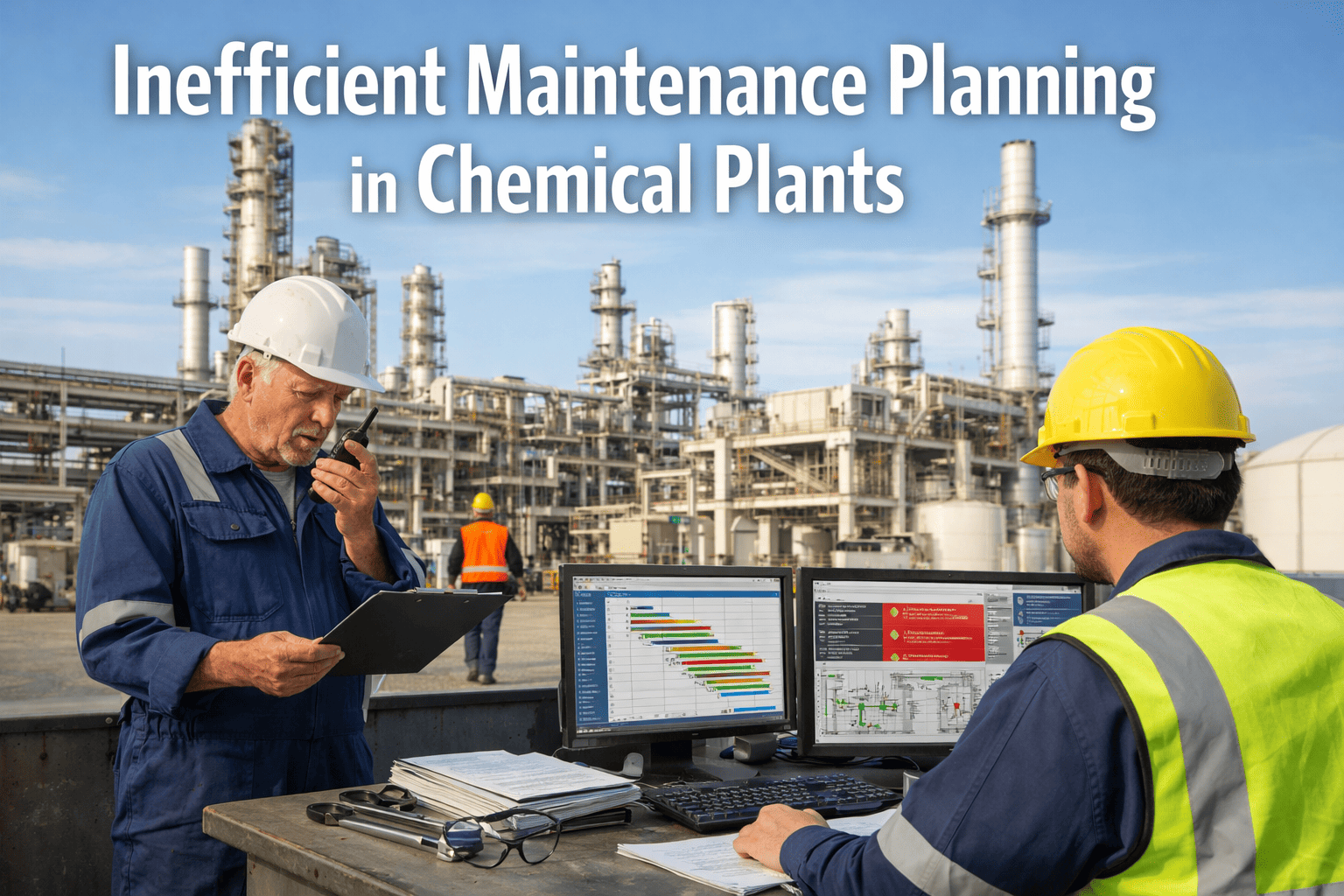
Chemical plants waste an average of 22–38% of maintenance capacity annually to inefficient planning cycles — not from equipment failures, but from reactive work orders, misaligned resource allocation, and siloed CMMS data that no manual scheduling
Read More
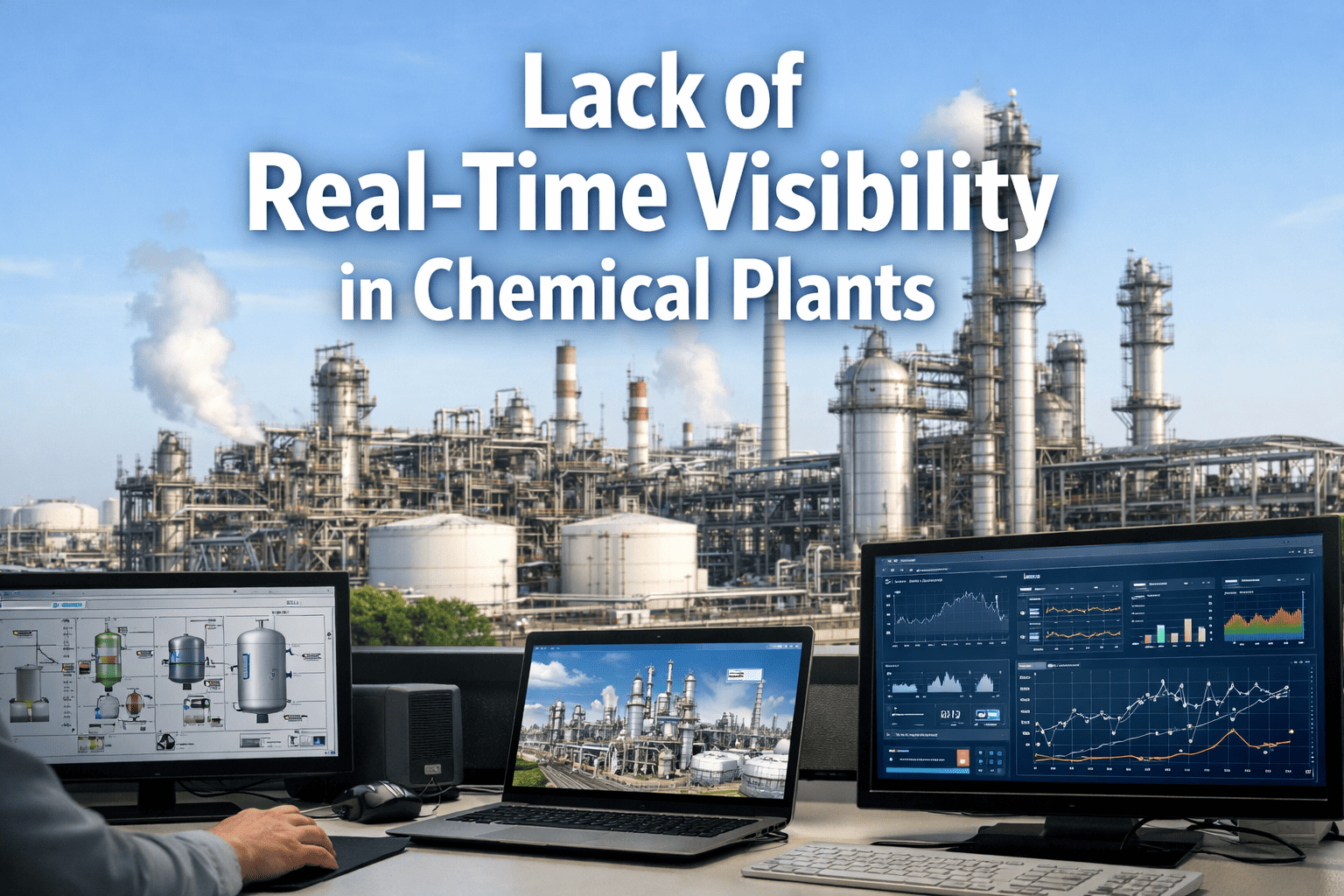
Chemical plants lose an average of 22–38% of operational efficiency annually to delayed decision-making — not from equipment failure, but from fragmented data sources, manual reporting cycles, and disconnected control systems that prevent operator
Read More
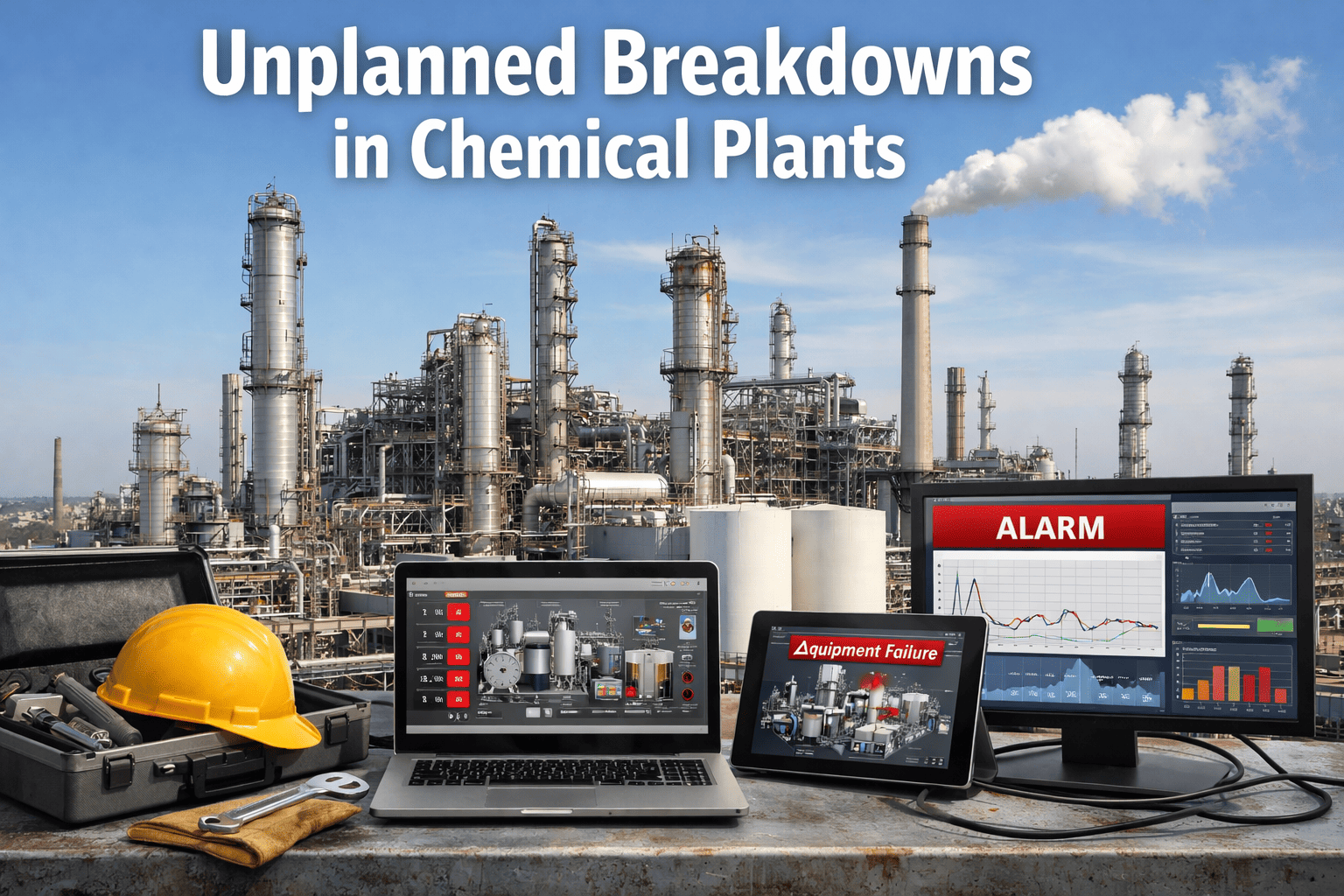
Chemical plants lose an average of 12–28% of annual production capacity to unplanned equipment breakdowns — not from catastrophic failures, but from undetected vibration anomalies, thermal drift, lubrication degradation, and control valve stiction
Read More
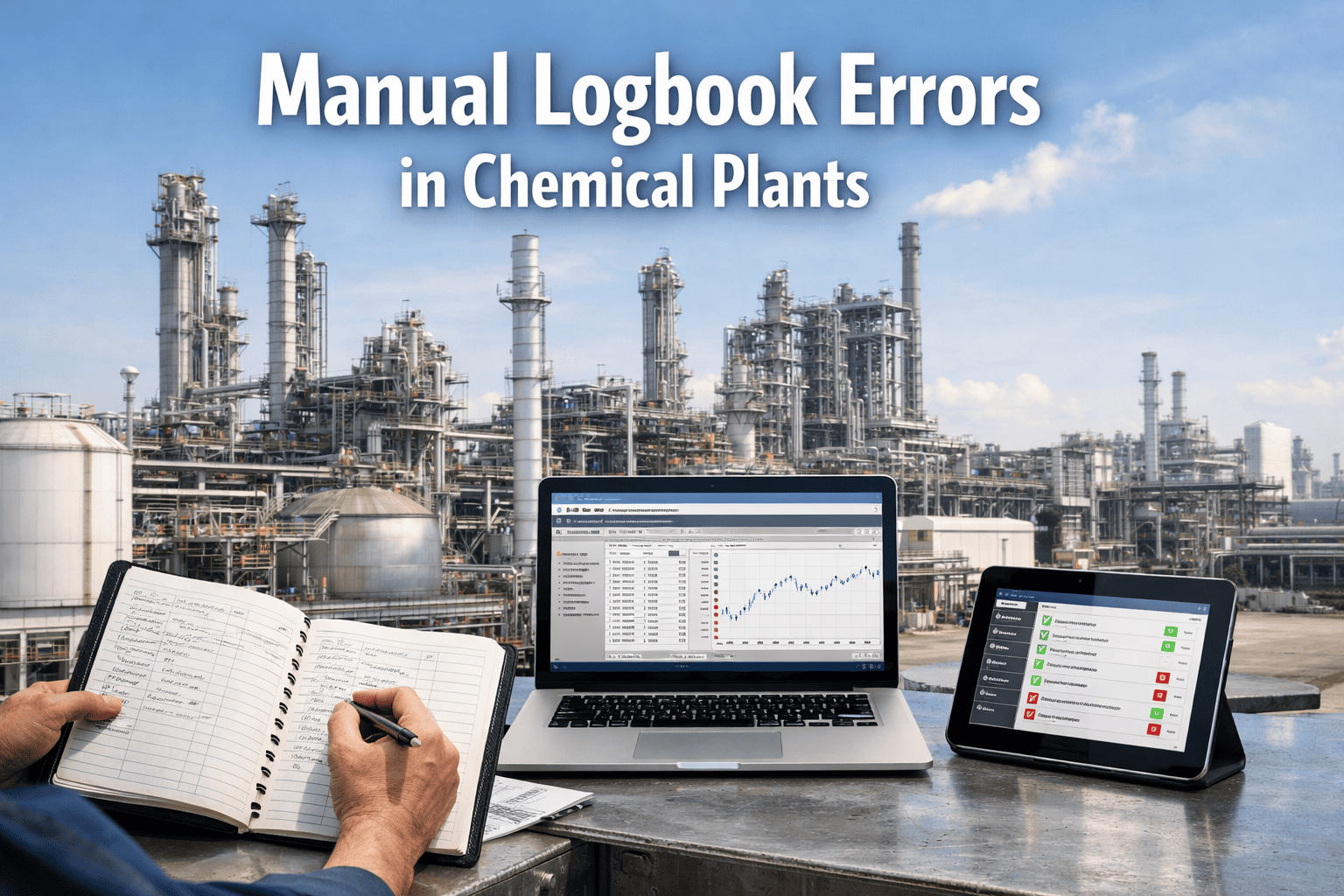
Chemical plants lose an average of 12–28% of operational efficiency annually to manual logbook errors — not from equipment failures, but from illegible handwriting, missed shift entries, delayed incident reporting, and fragmented data trails t
Read More
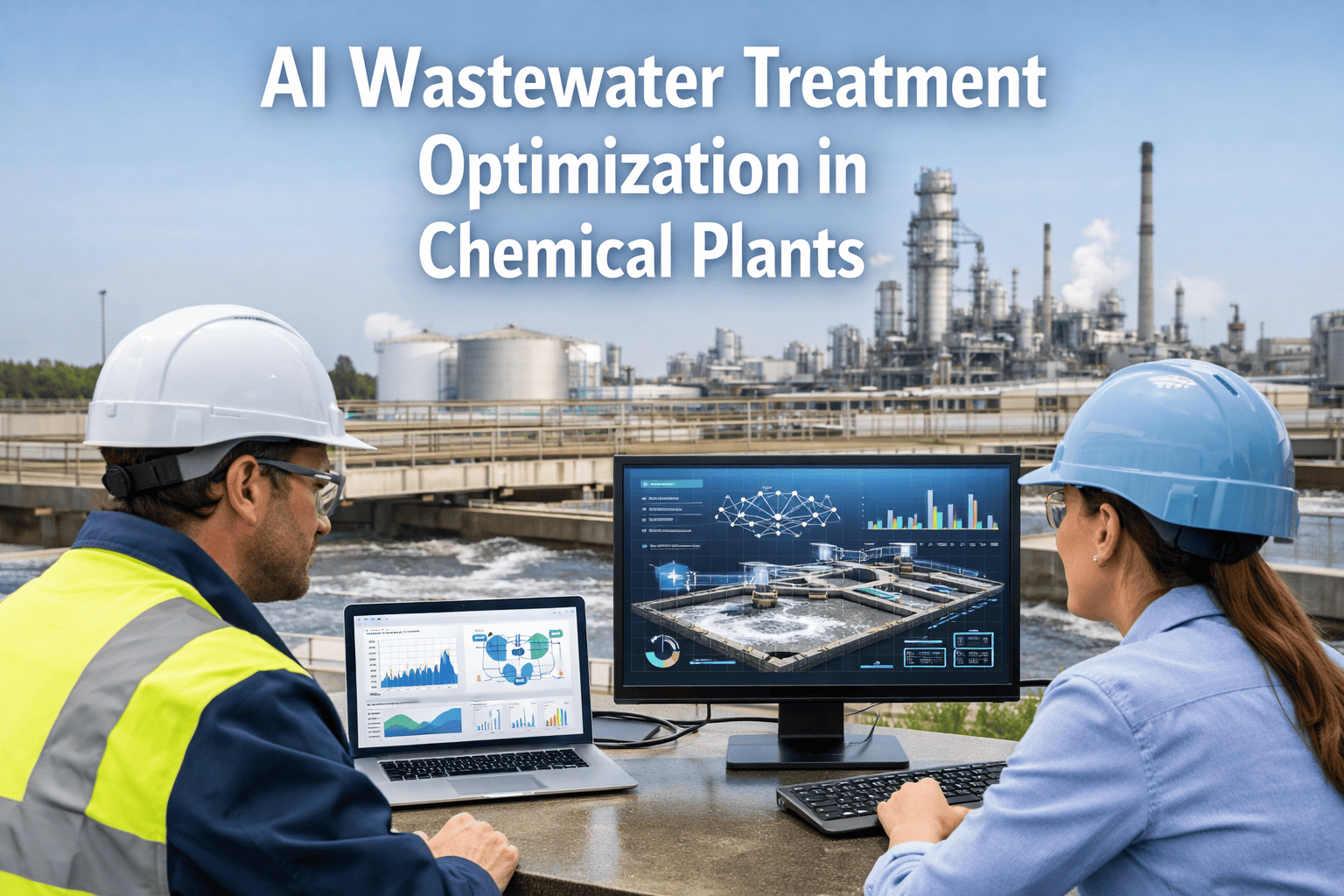
Chemical plants waste an average of 17–32% of water treatment capacity annually to undetected process inefficiencies — not from system failures, but from unbalanced chemical dosing, inconsistent biological loading, and delayed effluent quality shi
Read More
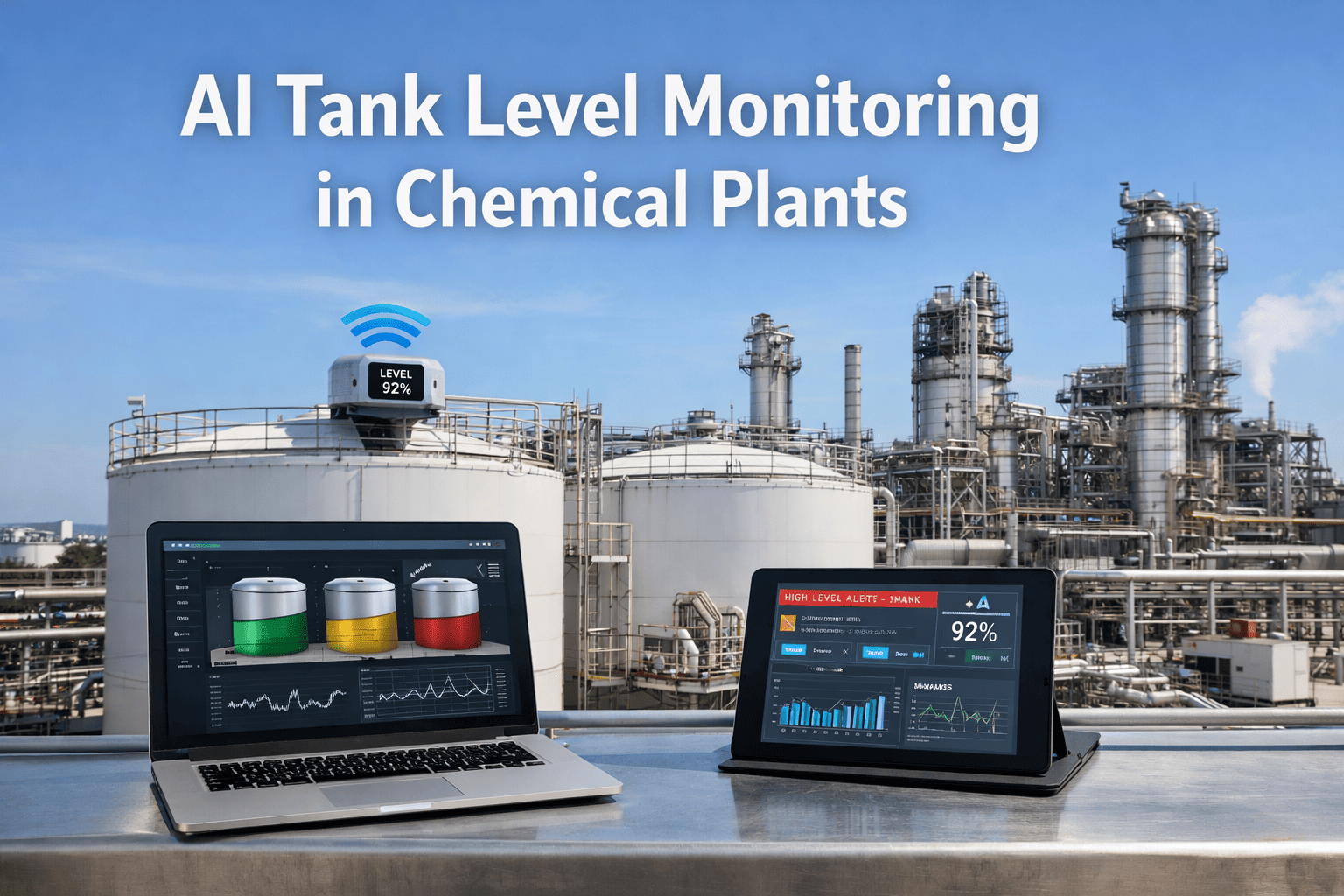
Chemical plants lose an average of 15–28% of liquid inventory accuracy annually to undetected tank level anomalies — not from catastrophic ruptures, but from gradual stratification, sensor drift, and valve failures that no manual gauging or legacy
Read More
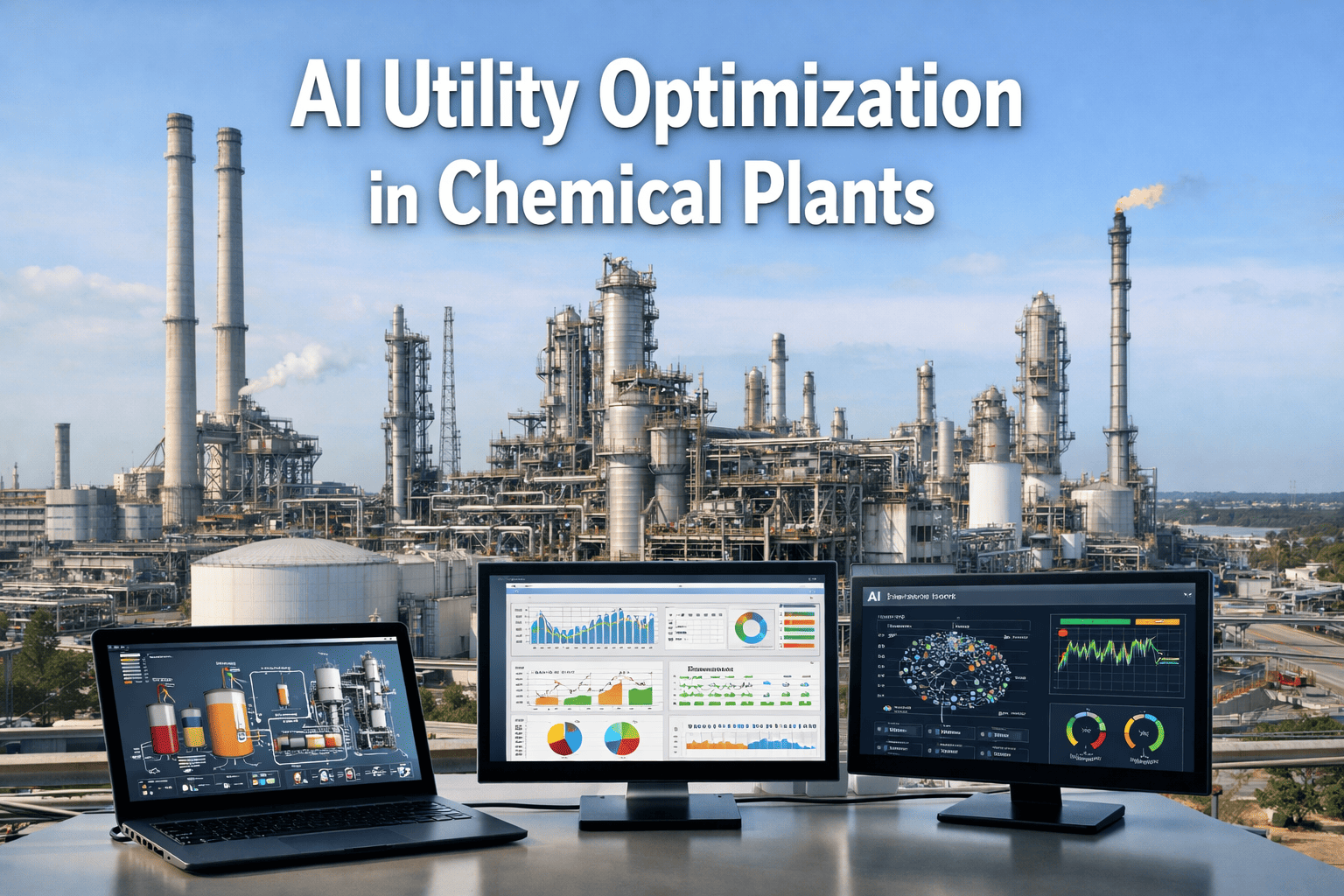
Chemical plants waste an average of 19–33% of total utility spend annually due to unoptimized consumption patterns — not from equipment failures, but from inefficient steam distribution, excessive cooling water recirculation, and unbalanced power
Read More
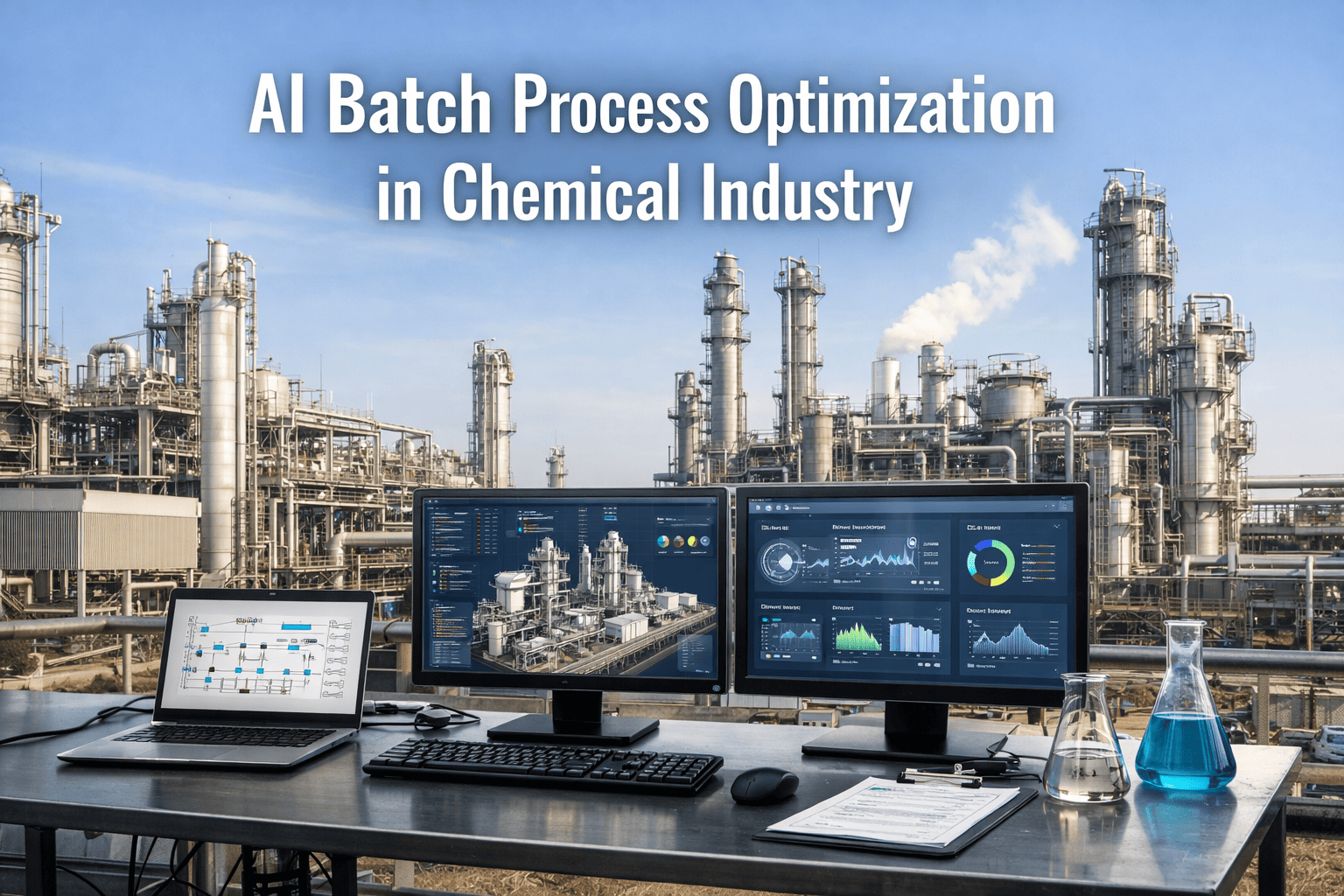
Chemical plants lose an average of 13–29% of batch production efficiency annually to undetected process variability — not from catastrophic failures, but from gradual, invisible deviations in reaction parameters that no manual sampling or legacy b
Read More
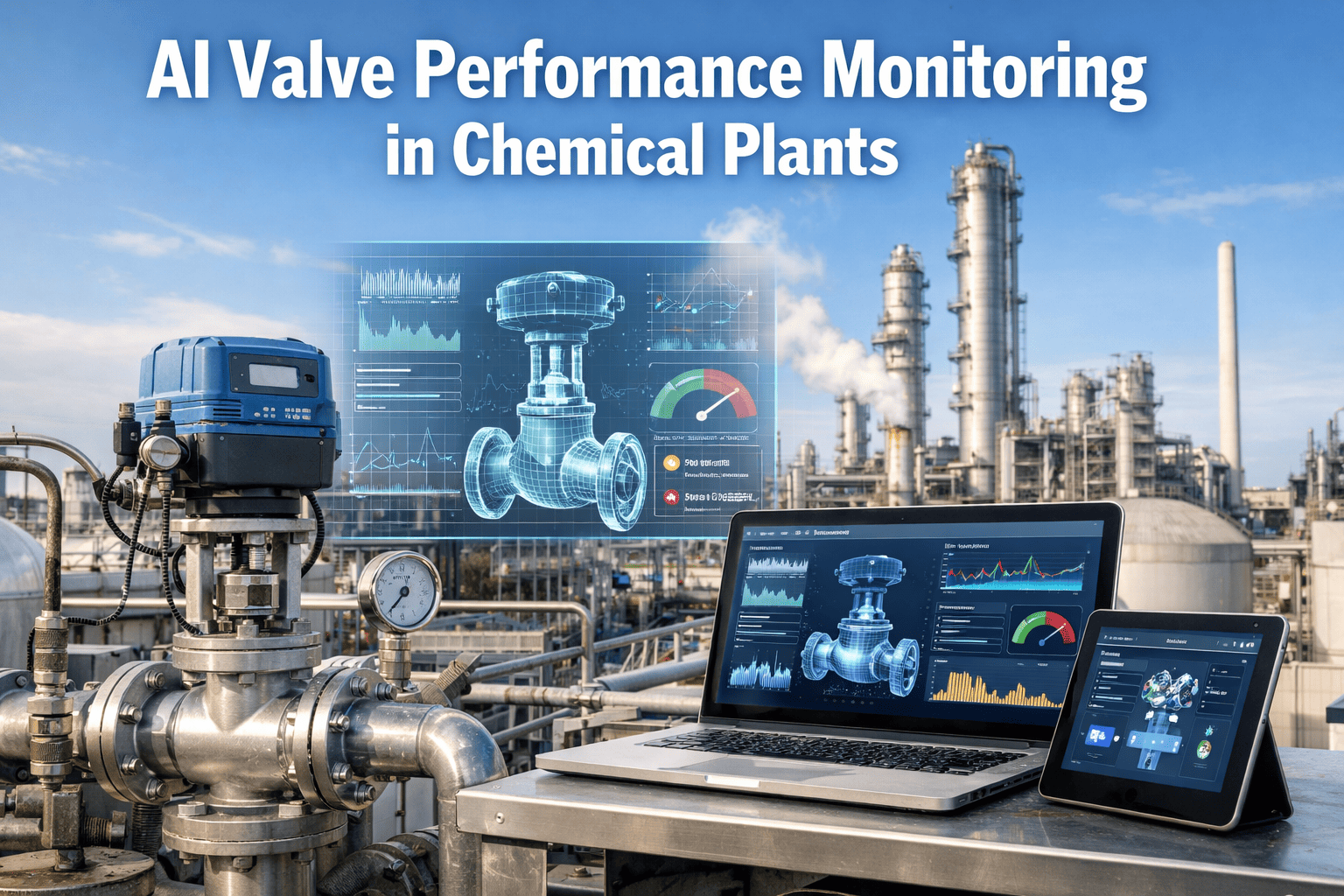
Chemical plants lose an average of 11–24% of process control efficiency annually to undetected valve degradation — not from catastrophic failures, but from gradual, invisible performance drift that no manual inspection or legacy positioner monitor

Read More
Chemical plants lose an average of 16–31% of rotating equipment runtime annually to undetected pump degradation — not from catastrophic failures, but from gradual, invisible wear patterns that no manual inspection or legacy vibration monitoring

Read More
Chemical plants lose an average of 14–27% of reactor yield annually to undetected performance drift — not from catastrophic failures, but from gradual, invisible deviations in reaction kinetics that no manual sampling or legacy control system catc
Read More
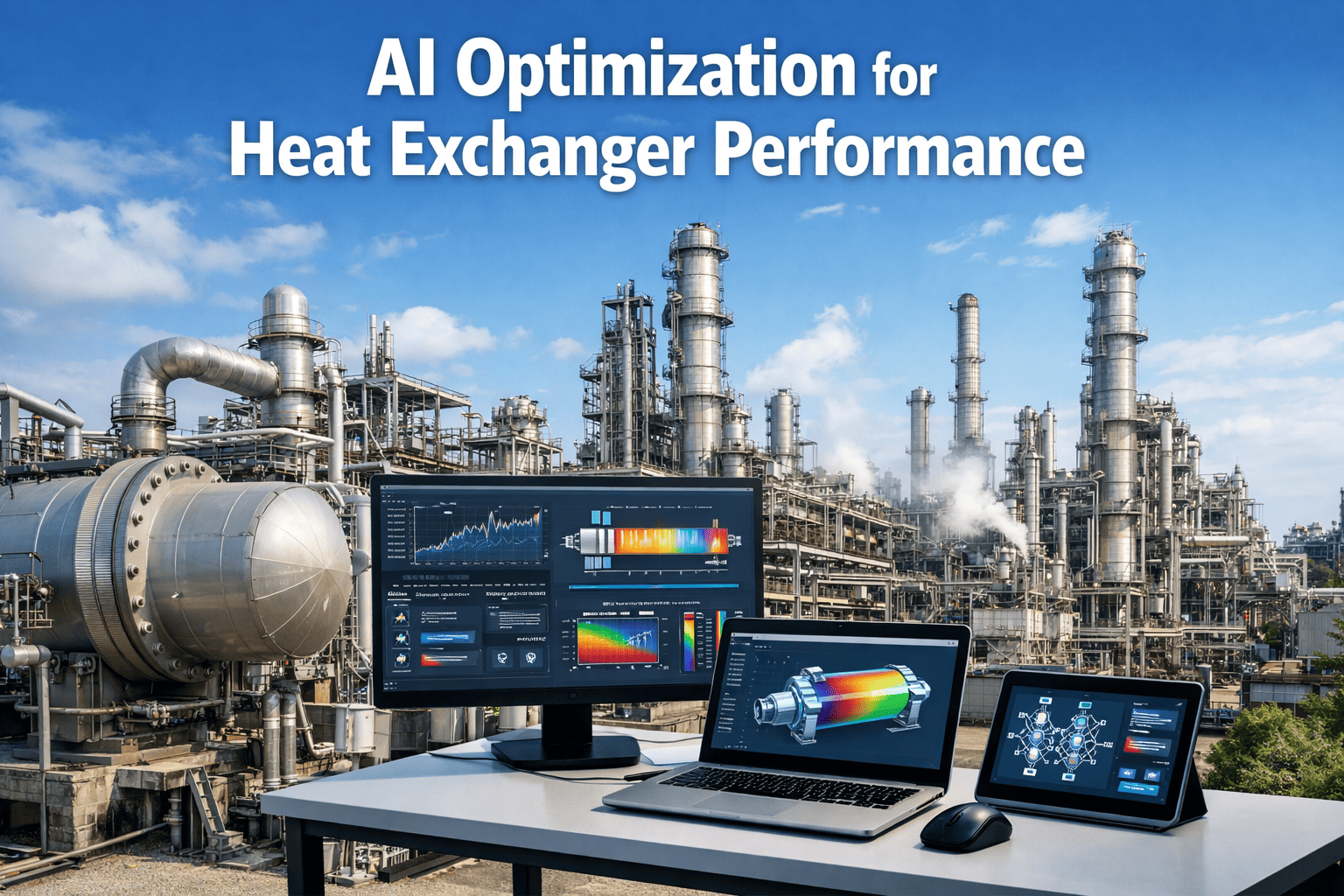
Chemical plants lose an average of 18–34% of thermal efficiency annually to undetected heat exchanger fouling — not from catastrophic failures, but from gradual, invisible performance decay that no manual inspection or legacy monitoring system cat

Read More
Chemical plants lose an average of 12–22% of asset value annually to undetected corrosion — not from sudden ruptures, but from gradual, invisible degradation that no visual inspection or legacy monitoring system catches in time. By the time corros

Read More
Chemical plants lose an average of 3–8% of total throughput annually to undetected leaks — not from catastrophic failures, but from slow, invisible losses that no human patrol or legacy sensor catches in time. By the time a leak is confirmed thr
Read More
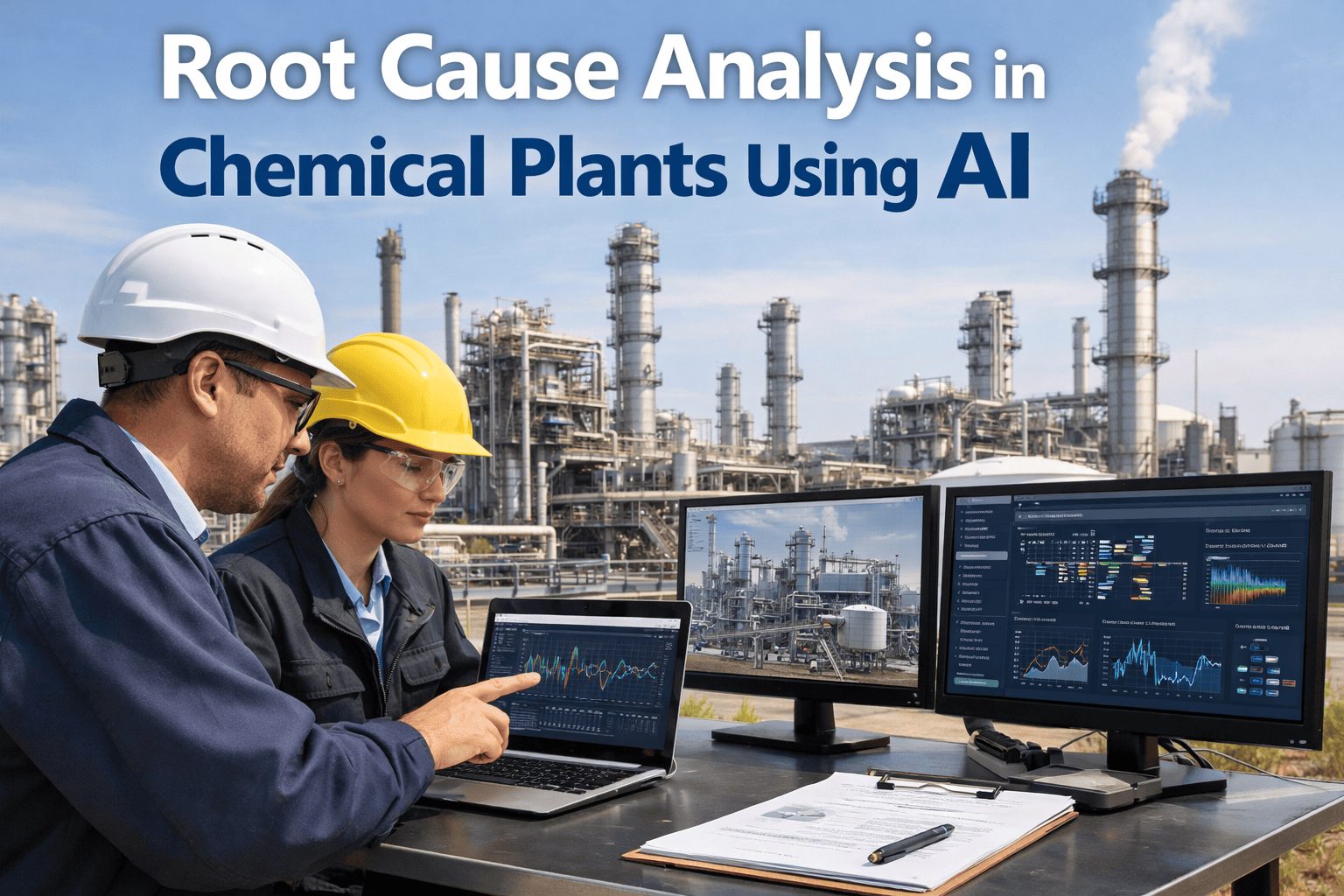
Chemical plant operations leaders and reliability engineers face a persistent operational challenge: traditional root cause analysis (RCA) relies heavily on manual investigation, tribal knowledge, and reactive troubleshooting—processes that can ta
Read More
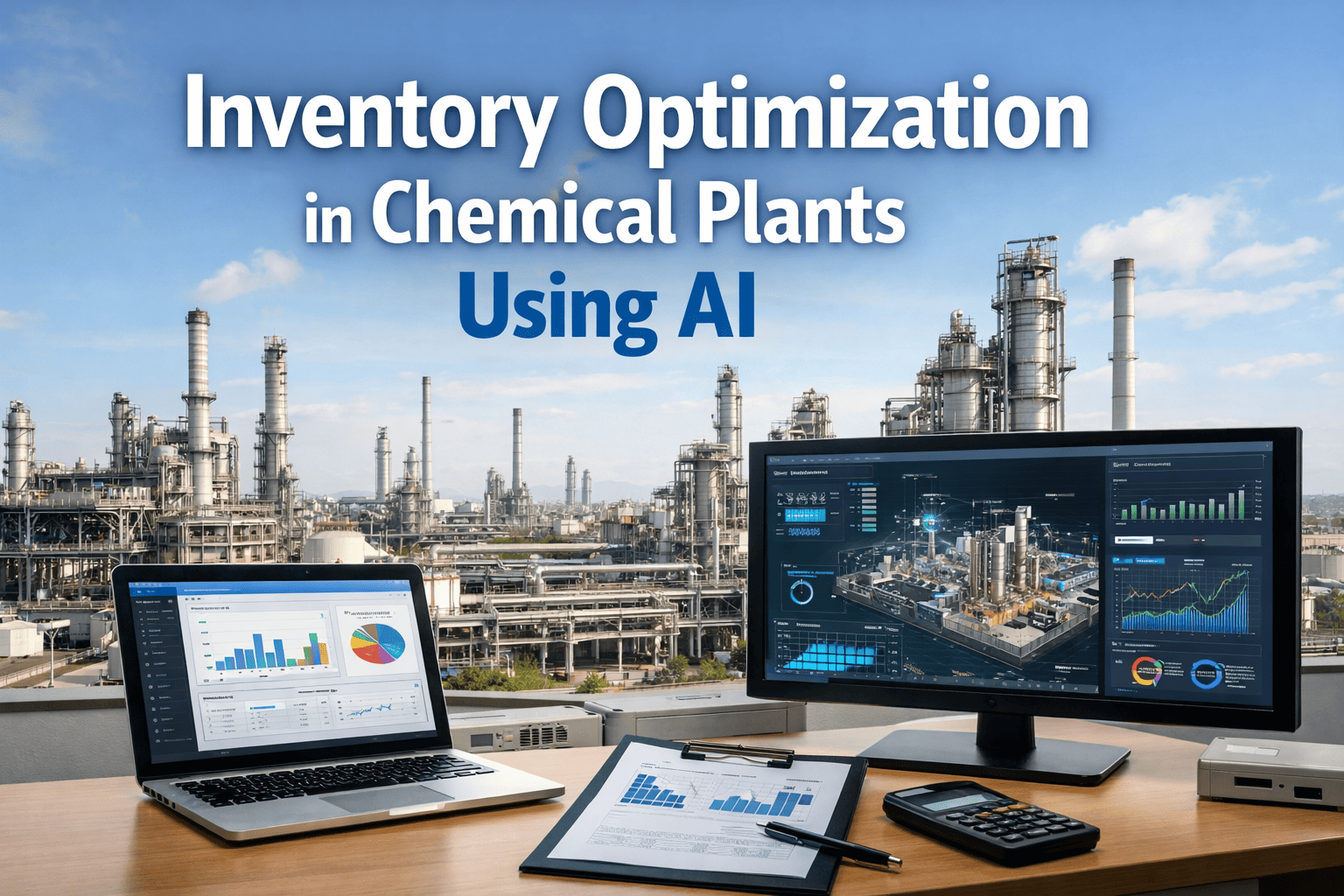
Chemical plant operations leaders managing complex supply chains face a persistent challenge: balancing material availability against working capital constraints—traditional forecasting methods fail to account for raw material volatility, producti

Read More
Chemical plant engineers and operations leaders face a persistent optimization challenge: improving complex, interconnected processes through physical trial-and-error or offline static simulations carries significant operational risk, extended com
Read More
Chemical plant environmental managers and operations leaders face a persistent regulatory and operational challenge: traditional emissions monitoring relies on periodic stack testing, manual data logging, and delayed laboratory analysis that creat
Read More
Chemical plant operators managing complex continuous processes, batch reactors, and utility networks face a critical operational challenge: subtle process deviations and equipment anomalies often develop gradually, remaining invisible to tradition
Read More
Chemical plant maintenance planners and reliability engineers face a persistent operational challenge: traditional time-based maintenance schedules and reactive work order management create inefficiencies that lead to either premature equipment se

Read More
Chemical plant safety managers and operations leaders face a persistent and critical challenge: traditional safety monitoring relies on periodic inspections, manual observation, and incident reporting that creates significant gaps between hazardou
Read More
Chemical plant quality control teams managing complex batch reactors, distillation columns, and separation units face a persistent operational challenge: traditional laboratory testing and offline quality analysis create significant time lags betw
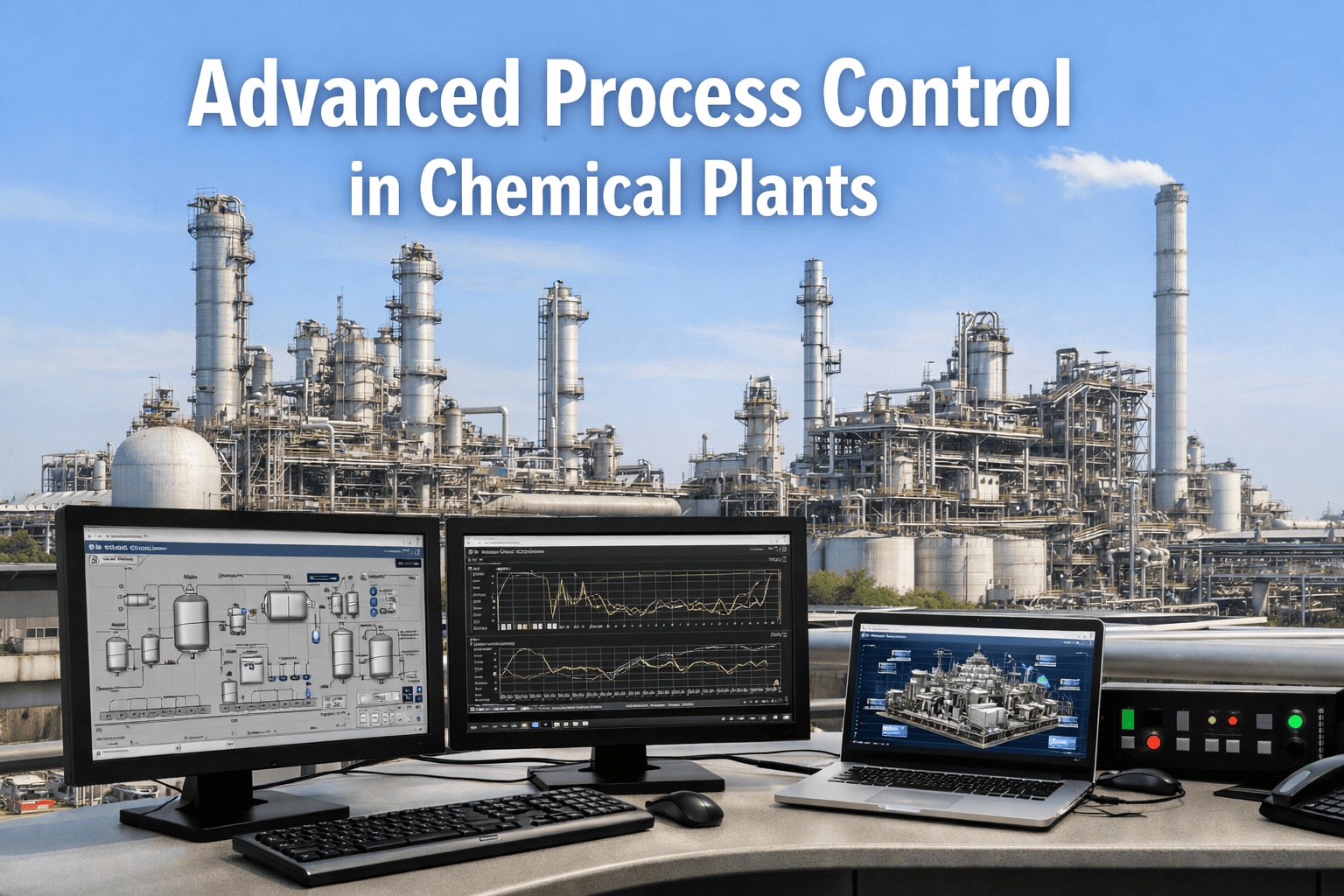
Read More
Chemical plant operators managing complex batch reactors, distillation columns, and continuous processing units face a persistent operational challenge: traditional PID control loops maintain setpoints but cannot optimize them dynamically in respo
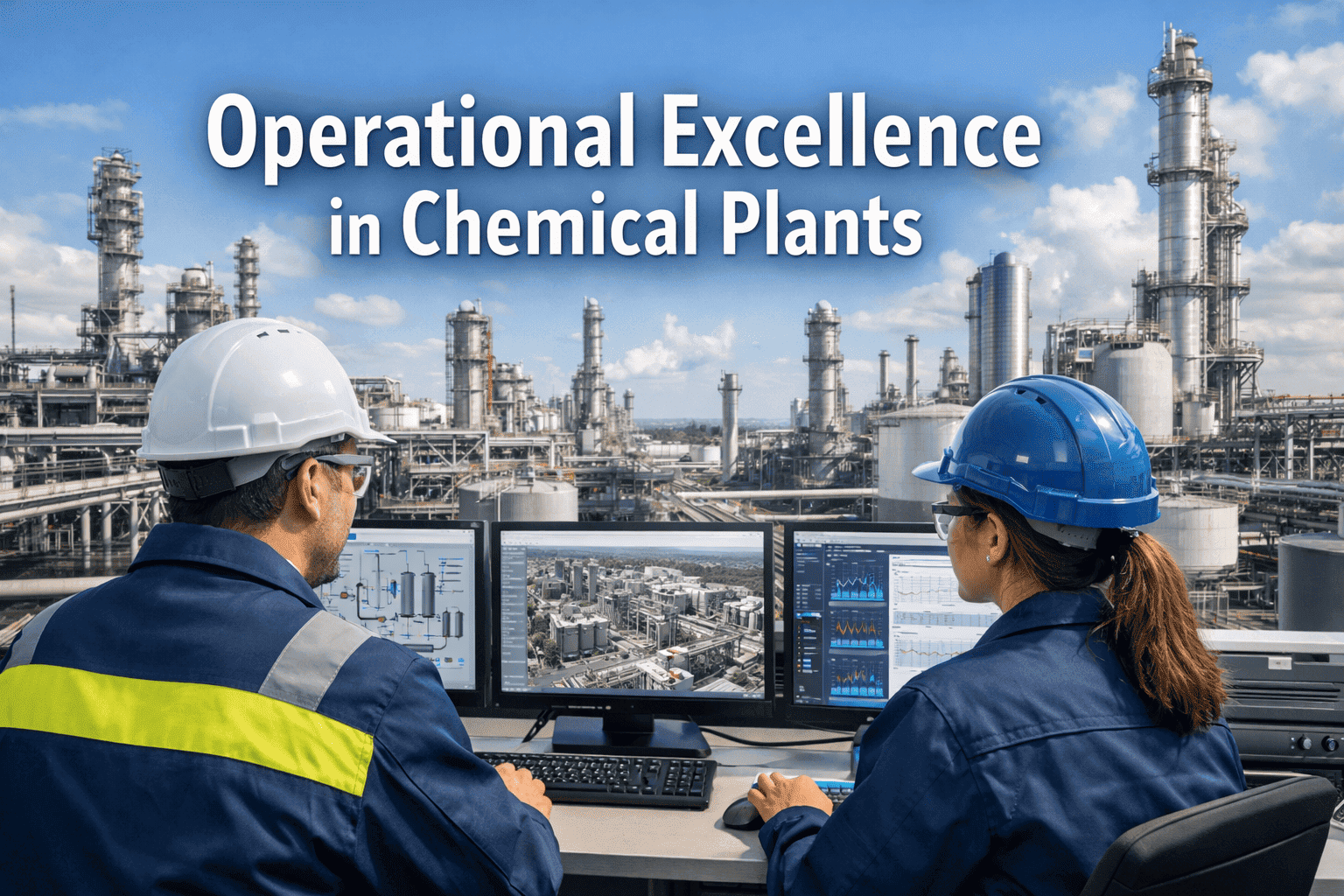
Read More
Chemical plant operational excellence requires simultaneous optimization across six competing dimensions — maximizing throughput while minimizing energy consumption, maintaining product quality while reducing raw material costs, improving safety p
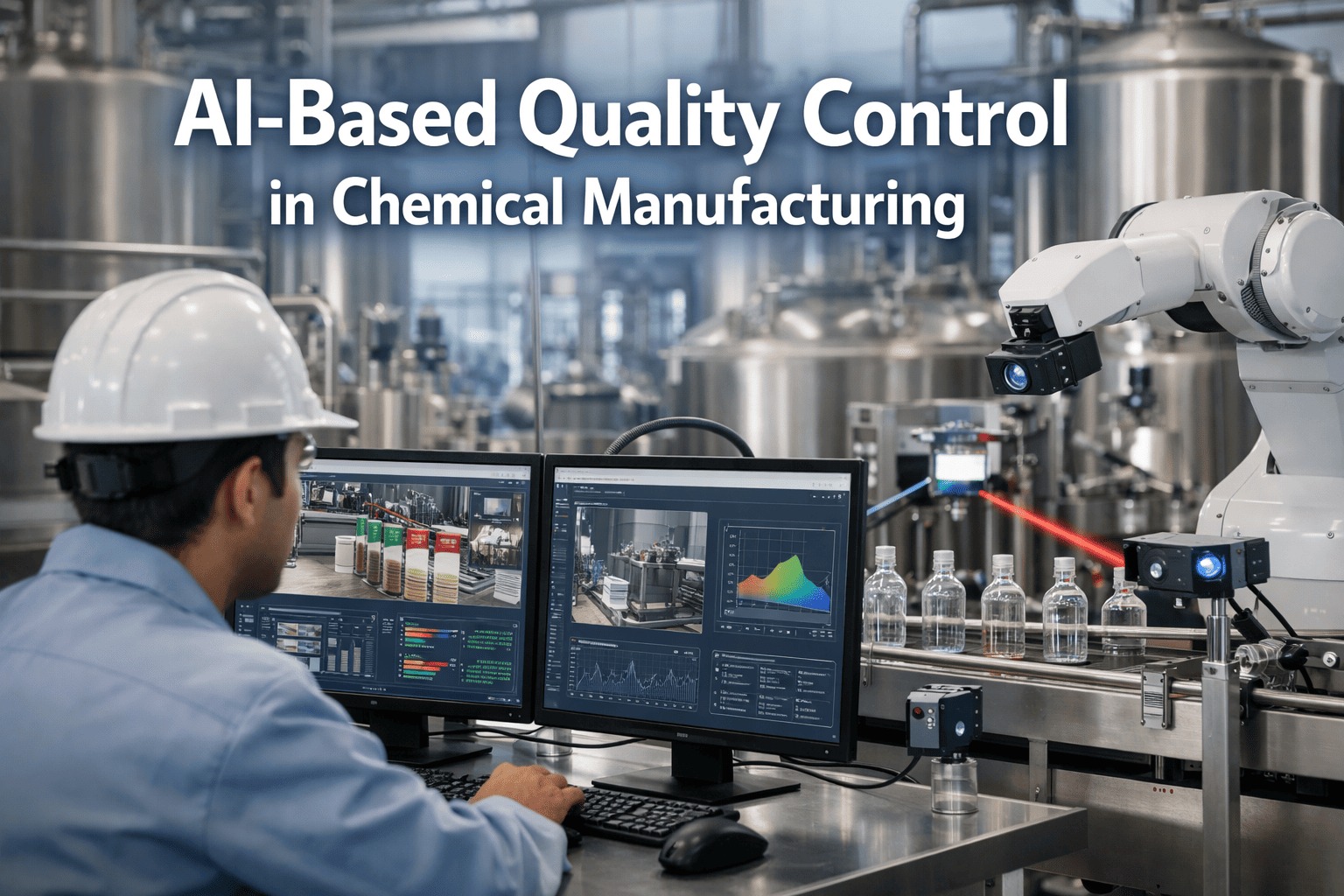
Read More
Chemical plant quality control teams managing complex batch reactors, distillation columns, and separation units face a persistent operational challenge: traditional laboratory testing and offline quality analysis create significant time lags betw
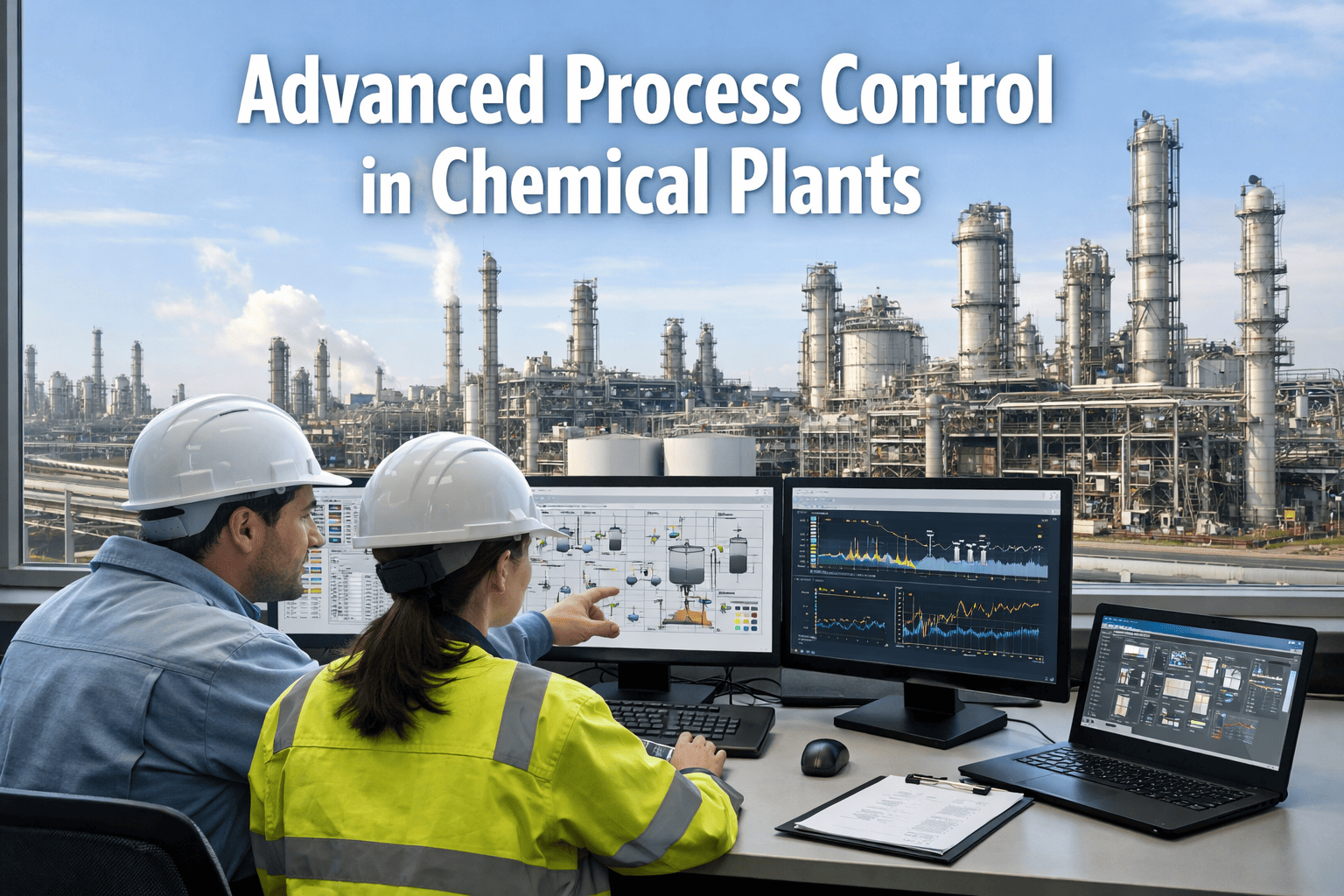
Read More
Chemical plant operators managing complex batch reactors, distillation columns, and continuous processing units face a persistent operational challenge: traditional PID control loops maintain setpoints but cannot optimize them dynamically in respo
Read More
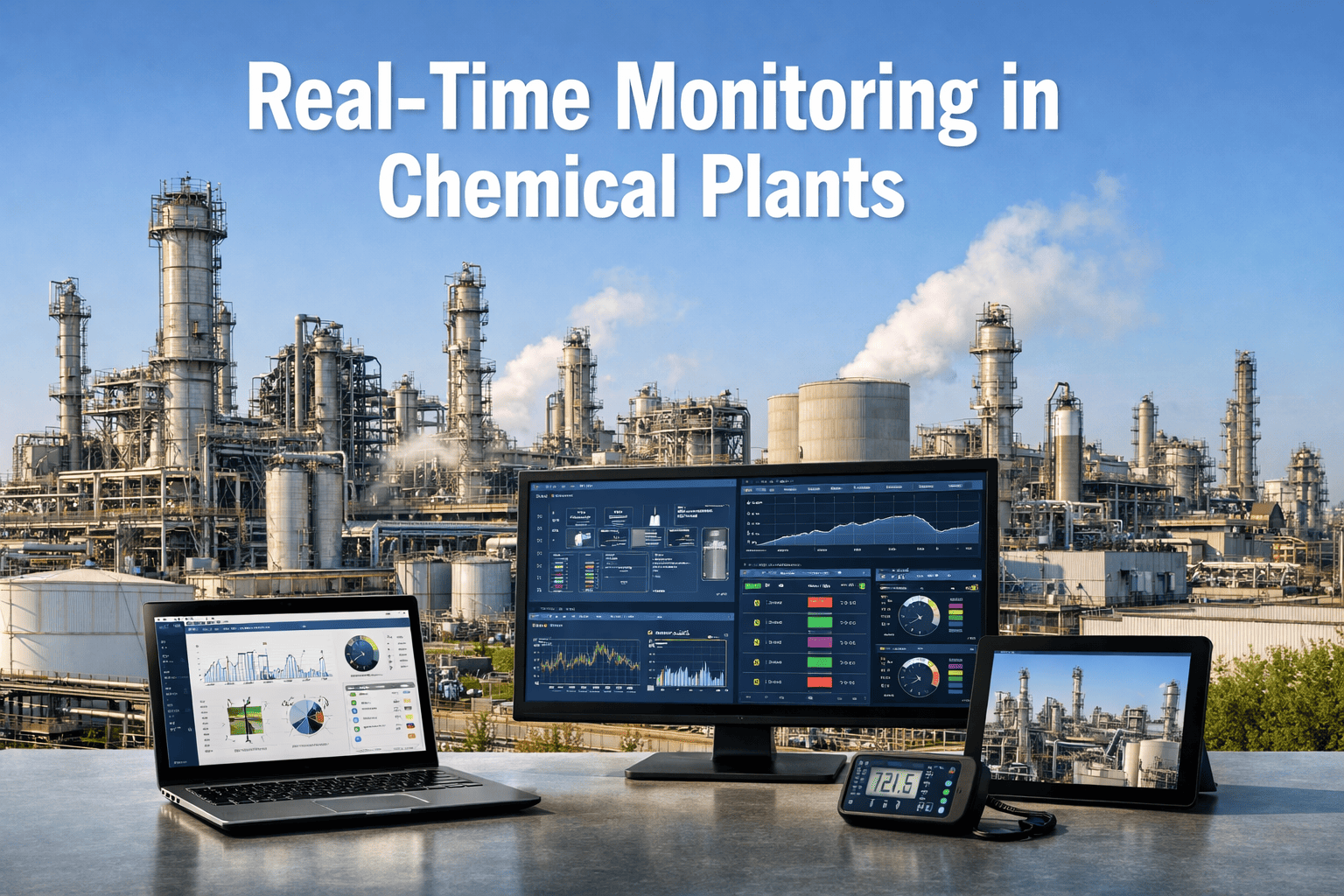
Chemical plant operators managing complex batch reactors, distillation columns, and separation units face a persistent operational challenge: critical process deviations often occur between scheduled control room checks, yet traditional SCADA and
Read More
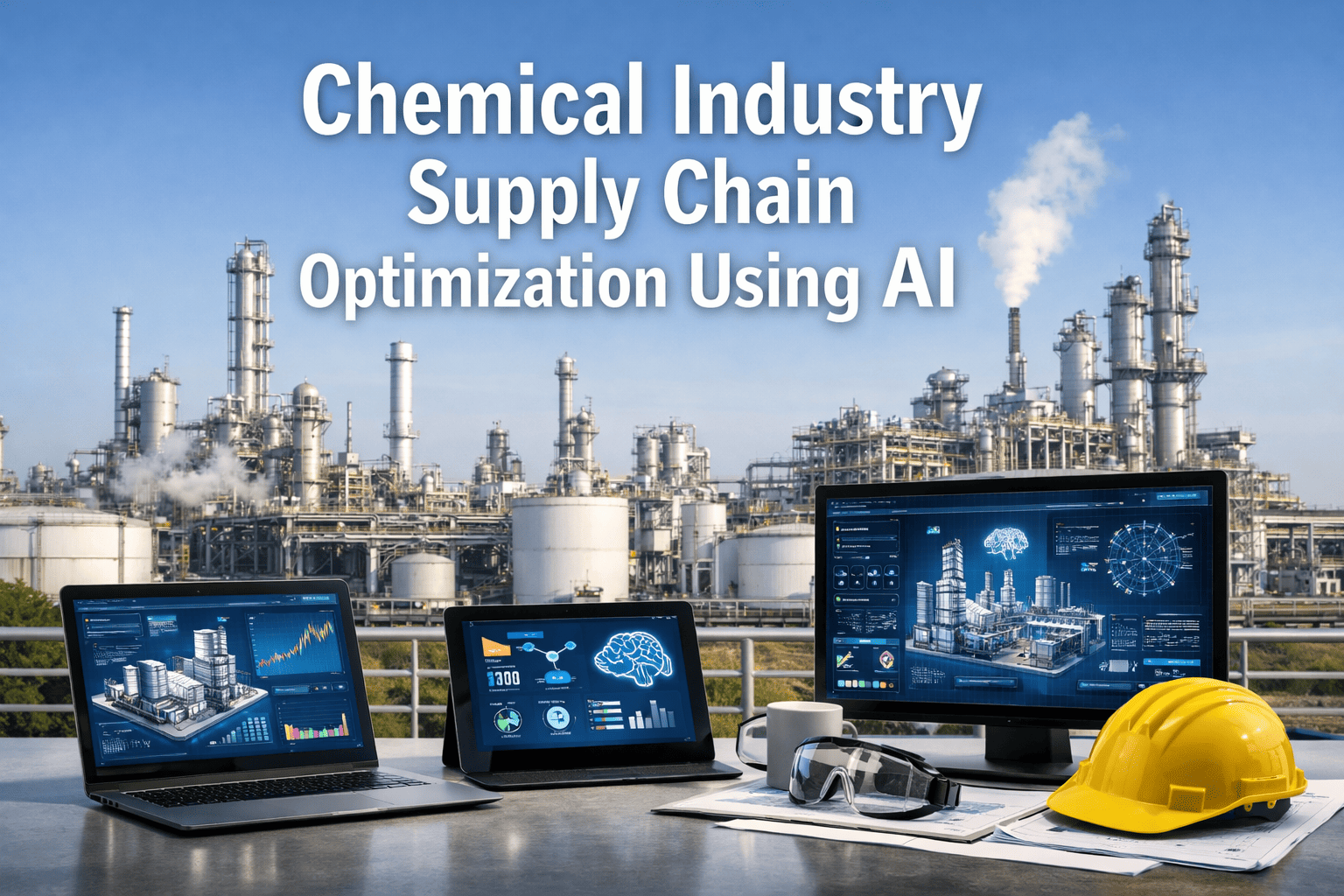
Chemical manufacturers operating complex global supply networks face mounting pressure from volatile raw material costs, geopolitical disruptions, port congestion, and unpredictable demand patterns that create cascading delays throughout productio
Read More
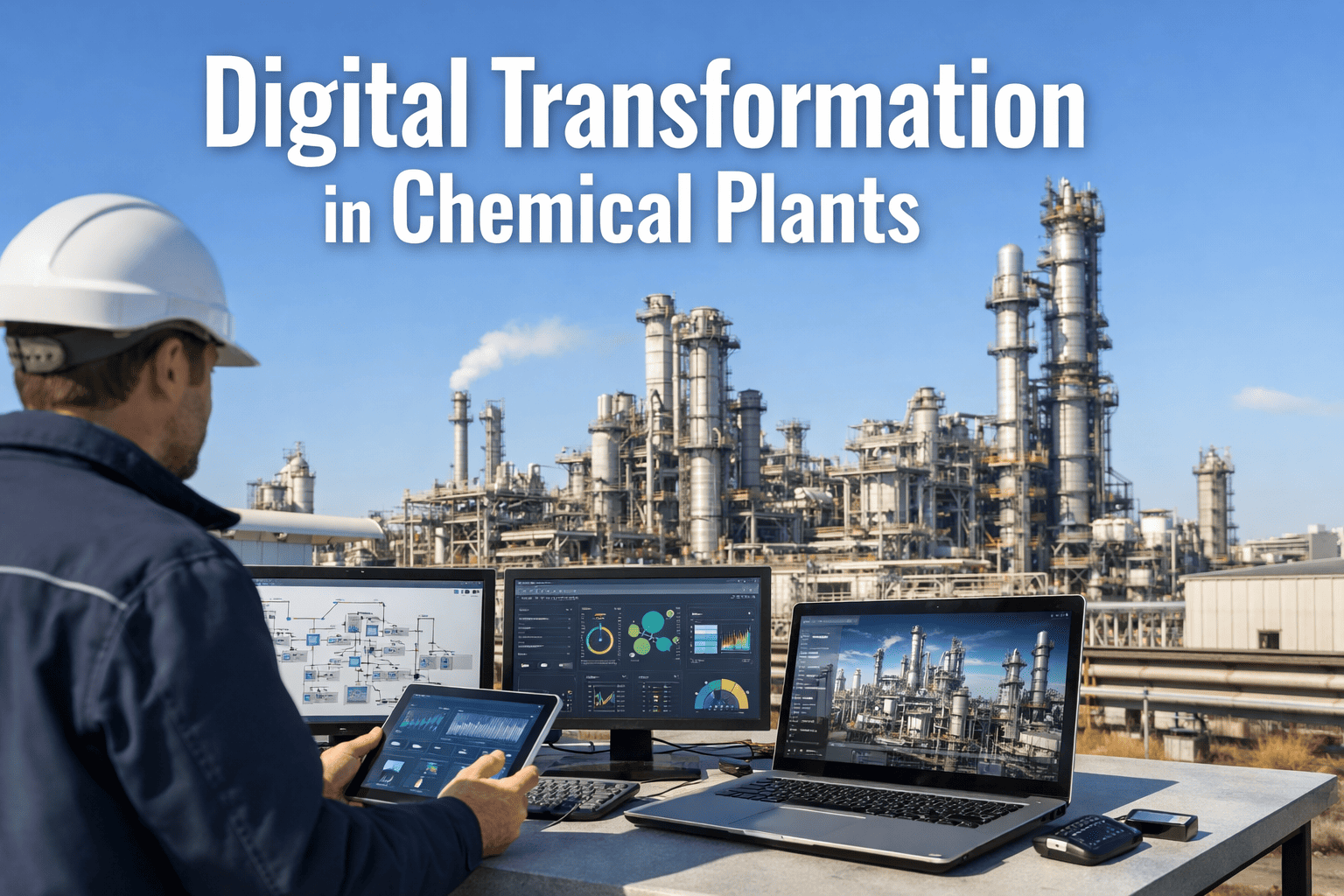
Chemical plant leaders navigating the transition to Industry 4.0 face a complex challenge: legacy control systems, fragmented data sources, and siloed operational processes create visibility gaps that prevent proactive decision-making, yet traditi
Read More
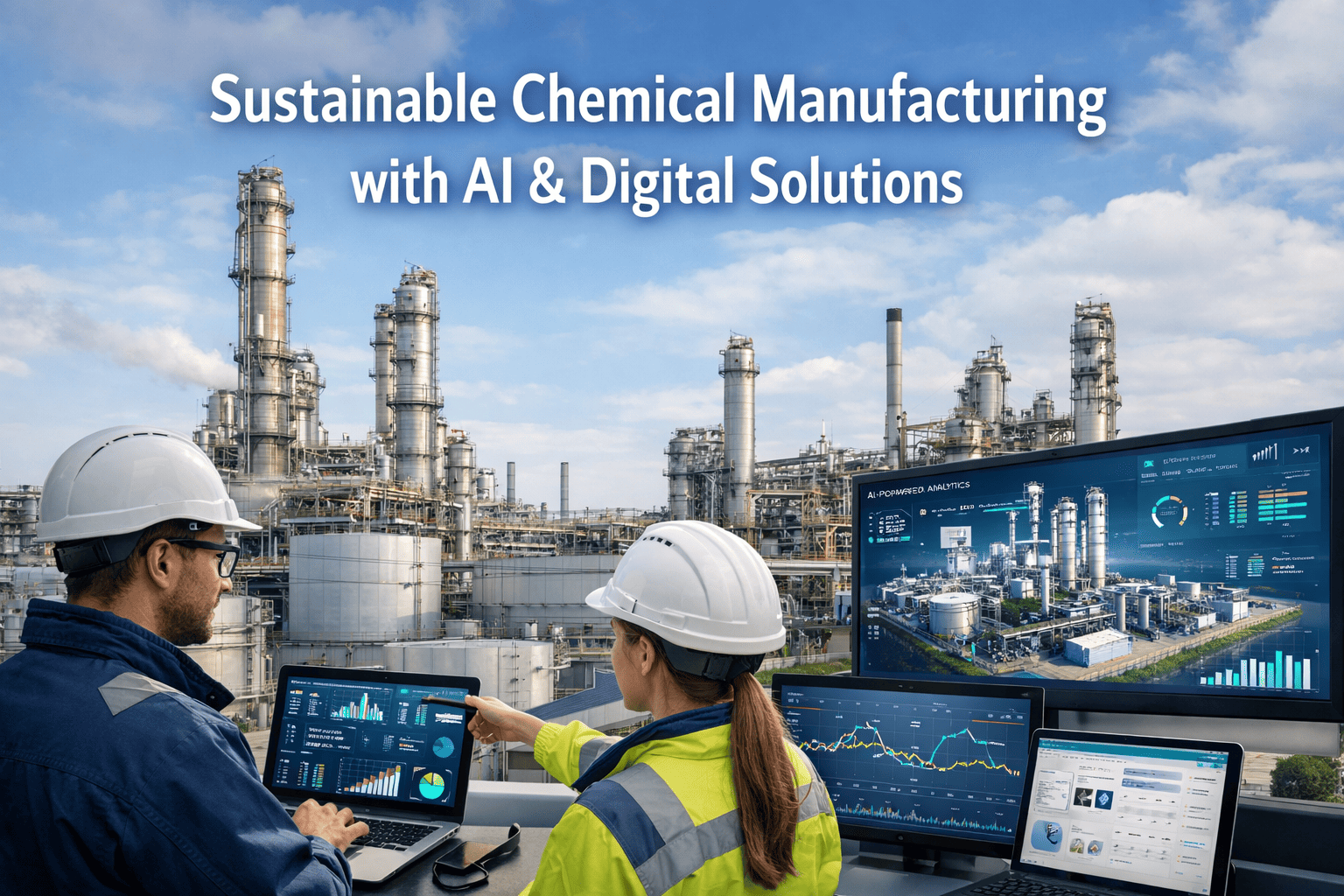
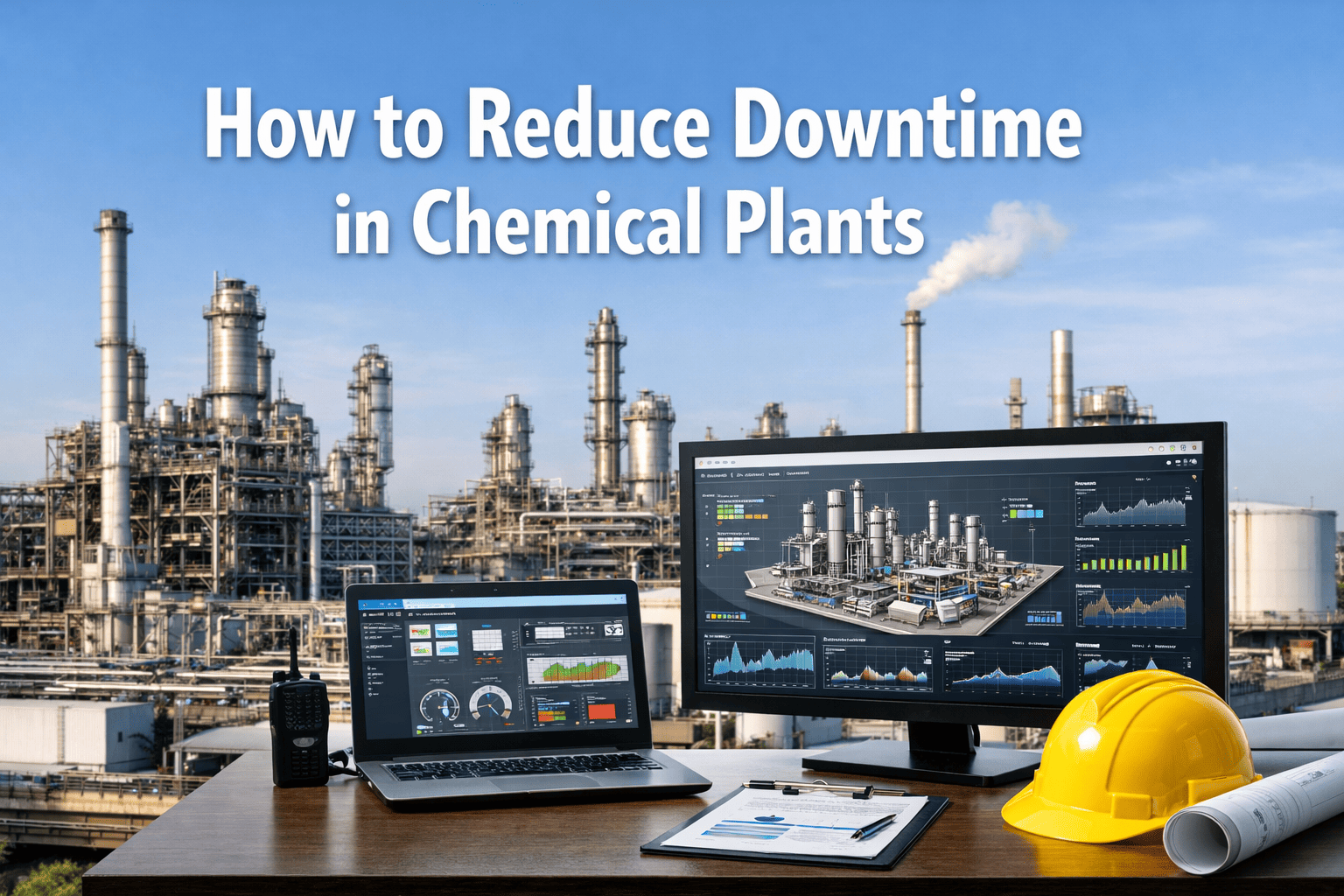
Chemical manufacturers operating complex global supply networks face mounting pressure: volatile raw material costs, geopolitical disruptions, port congestion, and unpredictable demand patterns create cascading delays that ripple through productio
Read More
Chemical plant energy systems—steam networks, cooling towers, compressors, and distillation reboilers—consume 40-65% of total operating costs, yet traditional energy management relies on monthly utility bills and manual audits that identify wast

Read More
Chemical plant operators running batch reactors, distillation columns, and separation units face a persistent challenge: process parameters drift from optimal setpoints due to catalyst aging, feedstock quality variation, equipment fouling, and amb

Read More
Chemical plant safety incidents—toxic gas releases, runaway reactions, pressure vessel failures, and flammable vapor ignitions—cost the industry $2.8 billion annually in direct losses, facility damage, environmental remediation, and regulatory pen

Read More
Chemical plant operators running batch reactors, distillation columns, and separation units face a persistent challenge: process parameters drift from optimal setpoints due to catalyst aging, feedstock quality variation, equipment fouling, and amb
Read More
Chemical plant operators running batch reactors, distillation columns, and separation units face a persistent challenge: process parameters drift from optimal setpoints due to catalyst ag
Read More
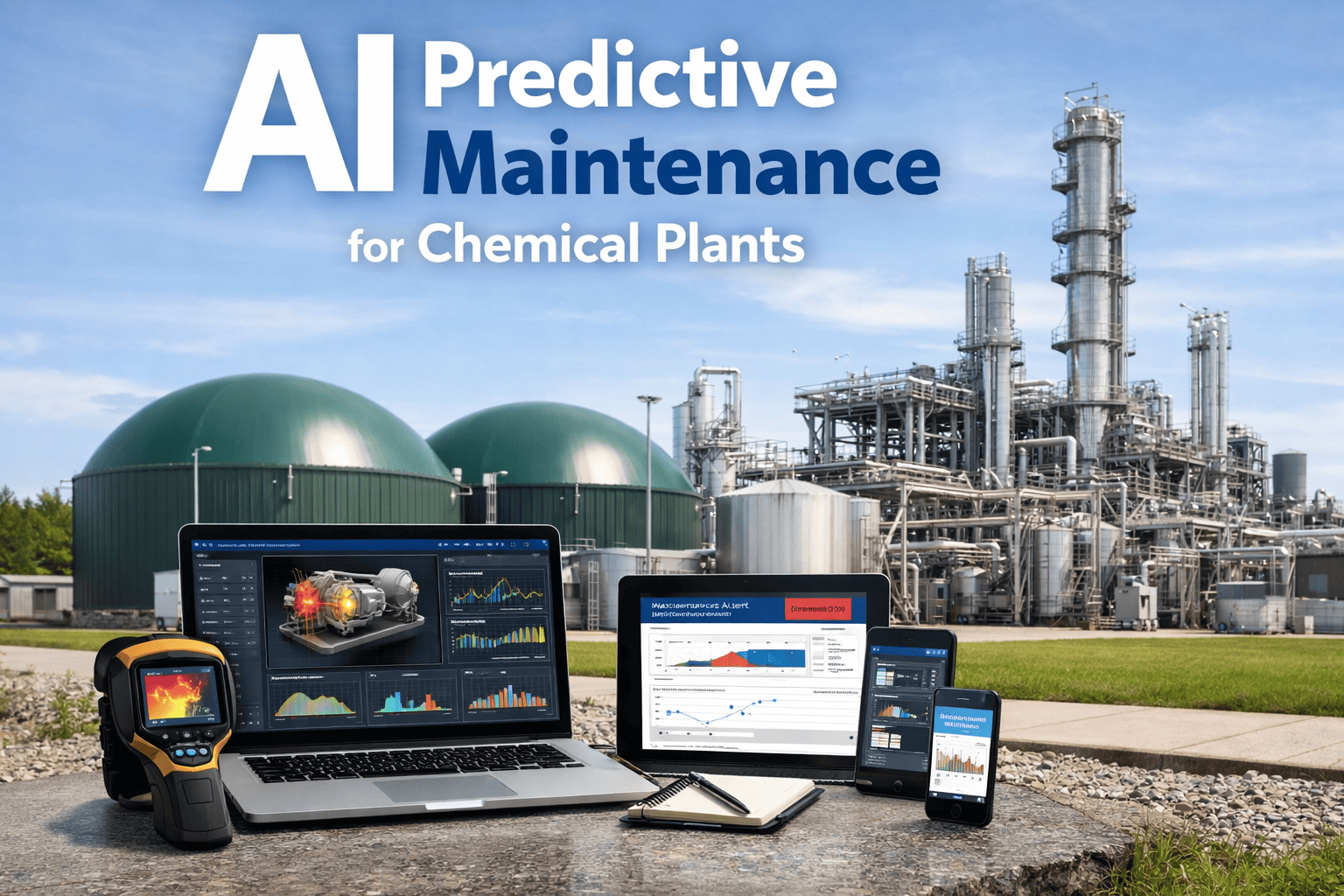
Chemical plant maintenance still operates on fixed PM schedules that ignore actual equipment condition — pumps rebuilt every 6 months regardless of bearing health, heat exchangers cleaned

Read More
Raw materials account for 40–70% of production costs in chemical manufacturing. When commodity prices swing 15% in a quarter, when a feedstock shipment arrives 2% off-spec, when an operator doses 8% more catalyst than the reaction actually needs —

Read More
An OSHA inspector shows up unannounced at your chemical plant. They want three years of PSM mechanical integrity records, last quarter's Process Hazard Analysis updates, and complete training documentation for every operator who touched Reactor 7.

Read More
What if you could test a 15% increase in reactor feed rate, switch to a cheaper catalyst, or redesign your distillation sequence — and see the exact impact on yield, energy, quality, and safety without touching a single valve on the real plant? Th

Read More
Your chemical plant generates terabytes of sensor data every day. Temperature readings from 200 points. Pressure transmitters on every vessel. Flow meters on every pipeline. Vibration data from every rotating asset.But if that data isn't connected

Read More
A single unplanned shutdown in a chemical plant costs between $260,000 and $2 million per event. Across the global chemical industry, unplanned downtime drains $20 billion annually. And here's the painful irony: most of these failures announce the

Read More
A reactor's temperature drifts 2°C above optimal range. In a chemical plant, that subtle shift can degrade product purity, trigger a runaway reaction, or create hazardous conditions — all within minutes. Traditional SCADA alarms catch it after the

Read More
In 2026, manufacturing is shifting decisively toward operations that can sense, respond, and optimize with minimal human intervention. The chemical industry — a $6 trillion global sector producing over 80,000 products — is at the center of this tr

Read More
Chemical plants consume up to 28% of total industrial energy worldwide. Yet most facilities still manage energy the way they did a decade ago — with monthly reports, manual adjustments, and spreadsheets that cannot keep pace with the real-time com
Read More
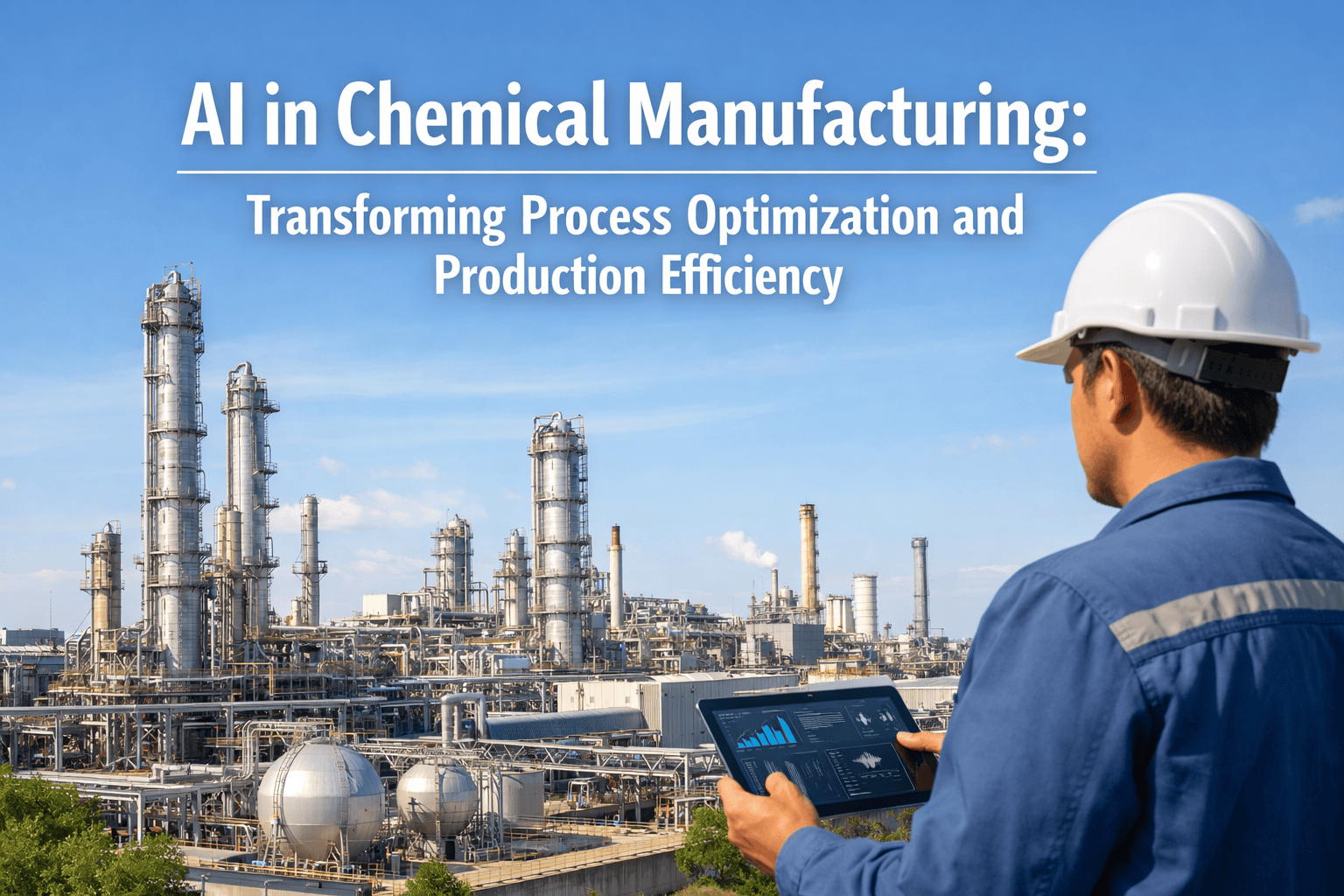
Chemical plants run thousands of simultaneous reactions. Temperatures shift by fractions of a degree. Pressure fluctuates across dozens of vessels. A single miscalculation cascades into off-spec batches, wasted feedstock, and unplanned shutdowns c

Read More
Deploying a robot into a live chemical plant without a validated digital twin is the operational equivalent of commissioning a reactor without a HAZOP — technically possible, consistently expensive. Virtual commissioning, safety scenario simulatio

Read More
Catalyst handling is unforgiving: one contamination event destroys a $2M–$8M reactor bed, one missed temperature exceedance ends a catalyst's service life years early, and one incomplete paper record leaves you with no defensible root cause. iFact
Read More
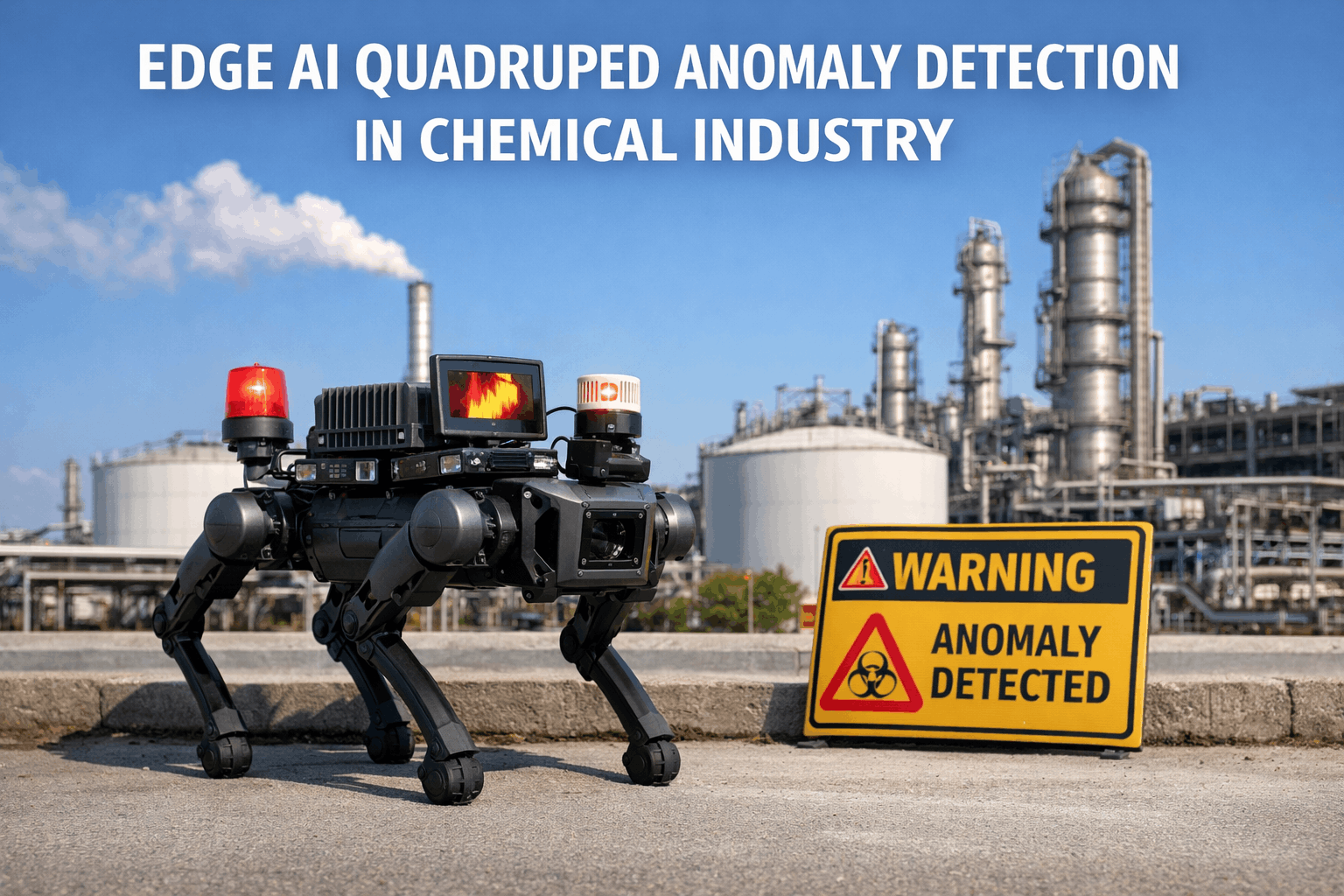
A quadruped detecting an H₂S spike cannot wait 400–800 ms for a cloud round-trip — in process safety environments, that latency gap separates a contained incident from an evacuation. Edge AI solves this: inference runs onboard, generating anomaly
Read More
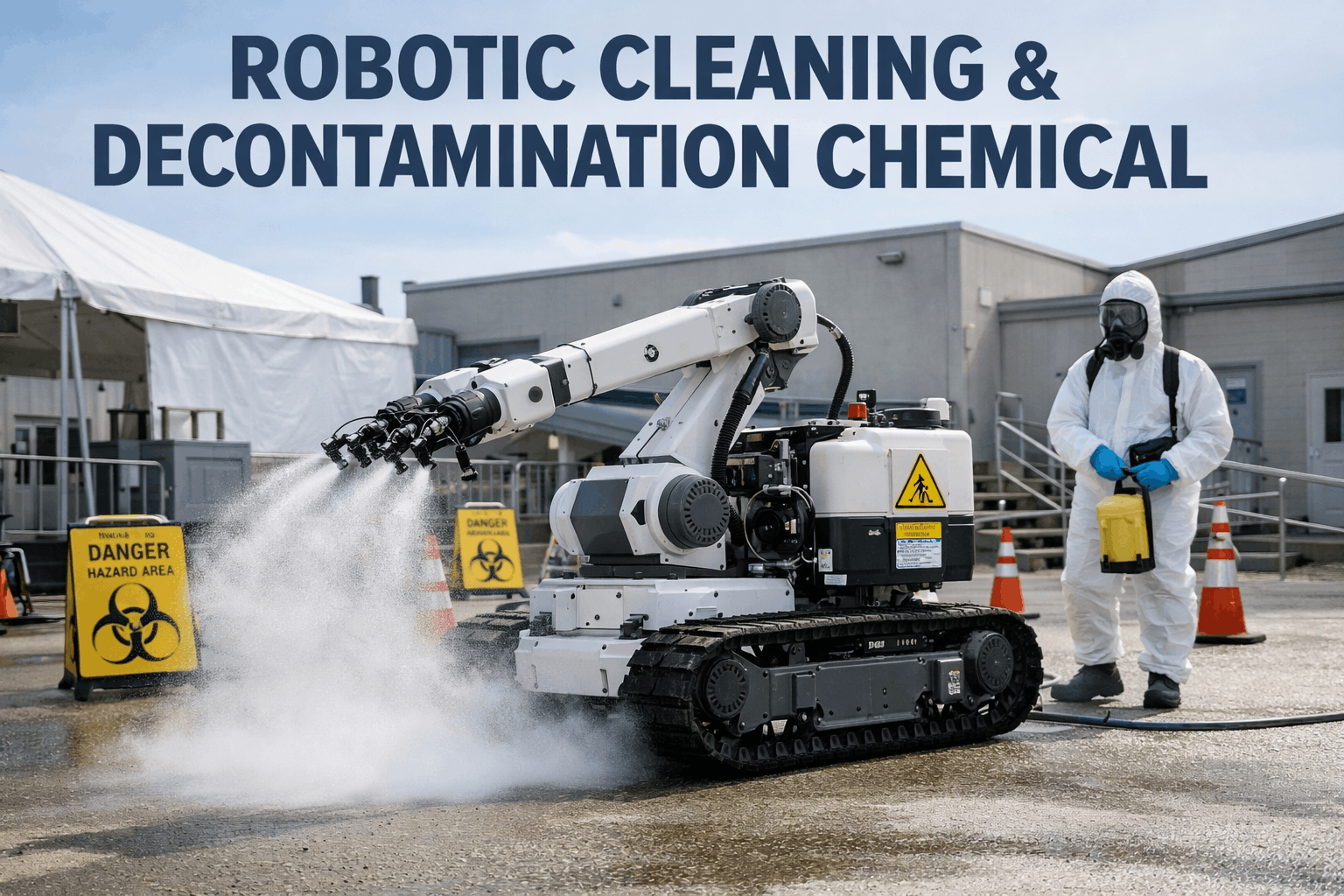
Residue left in a reactor after a campaign change is not an aesthetic problem — it is a regulatory event. Manual cleaning programs expose workers to the hazardous substances your process is engineered to contain, and produce paper validation recor
Read More
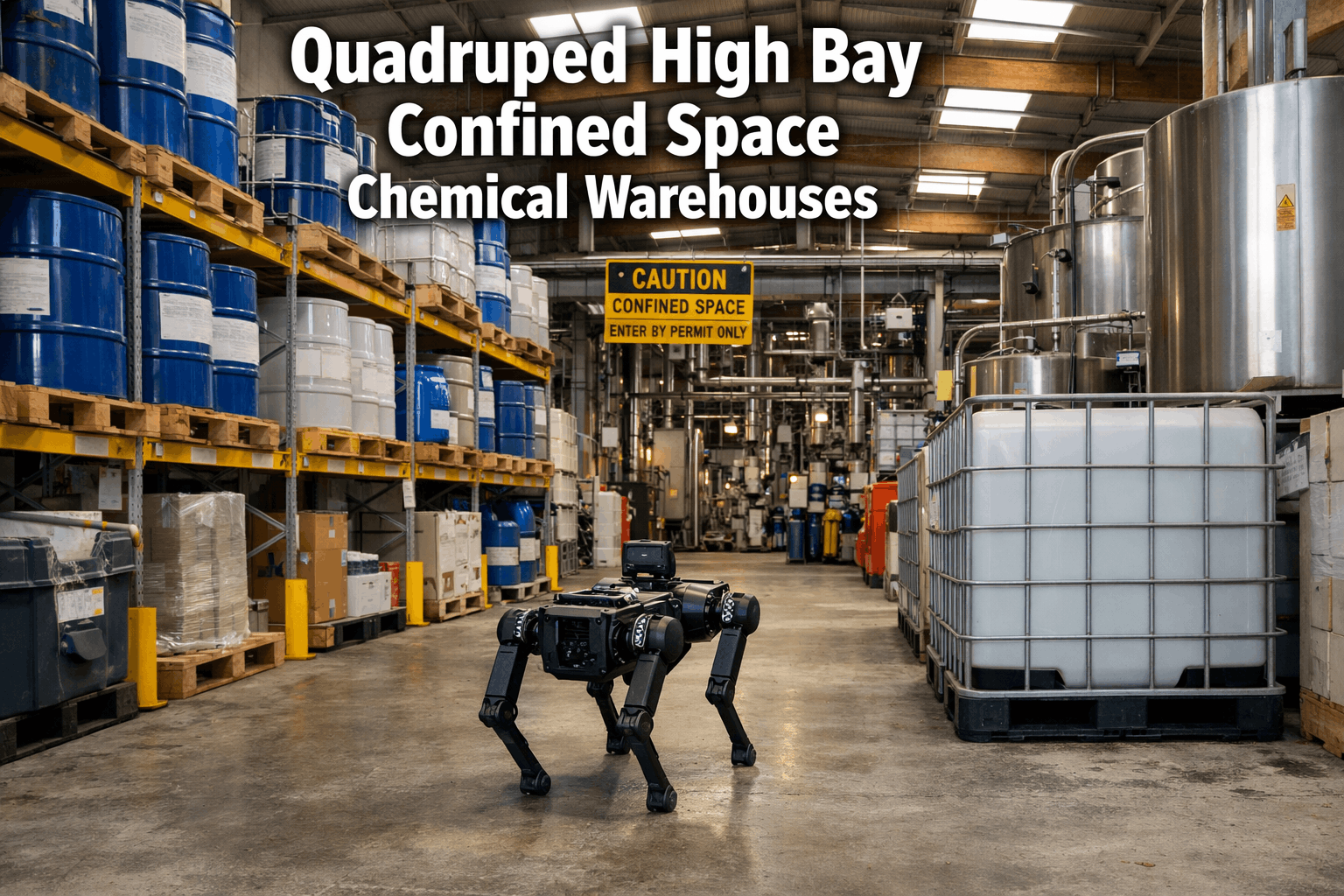
Chemical warehouses spend more time protecting workers from inspections than running them. One confined space entry burns 2–4 hours of permit setup for 20 minutes of work. Full-facility rack inspections take 8–11 days and 6 personnel. Quadruped ro
Read More
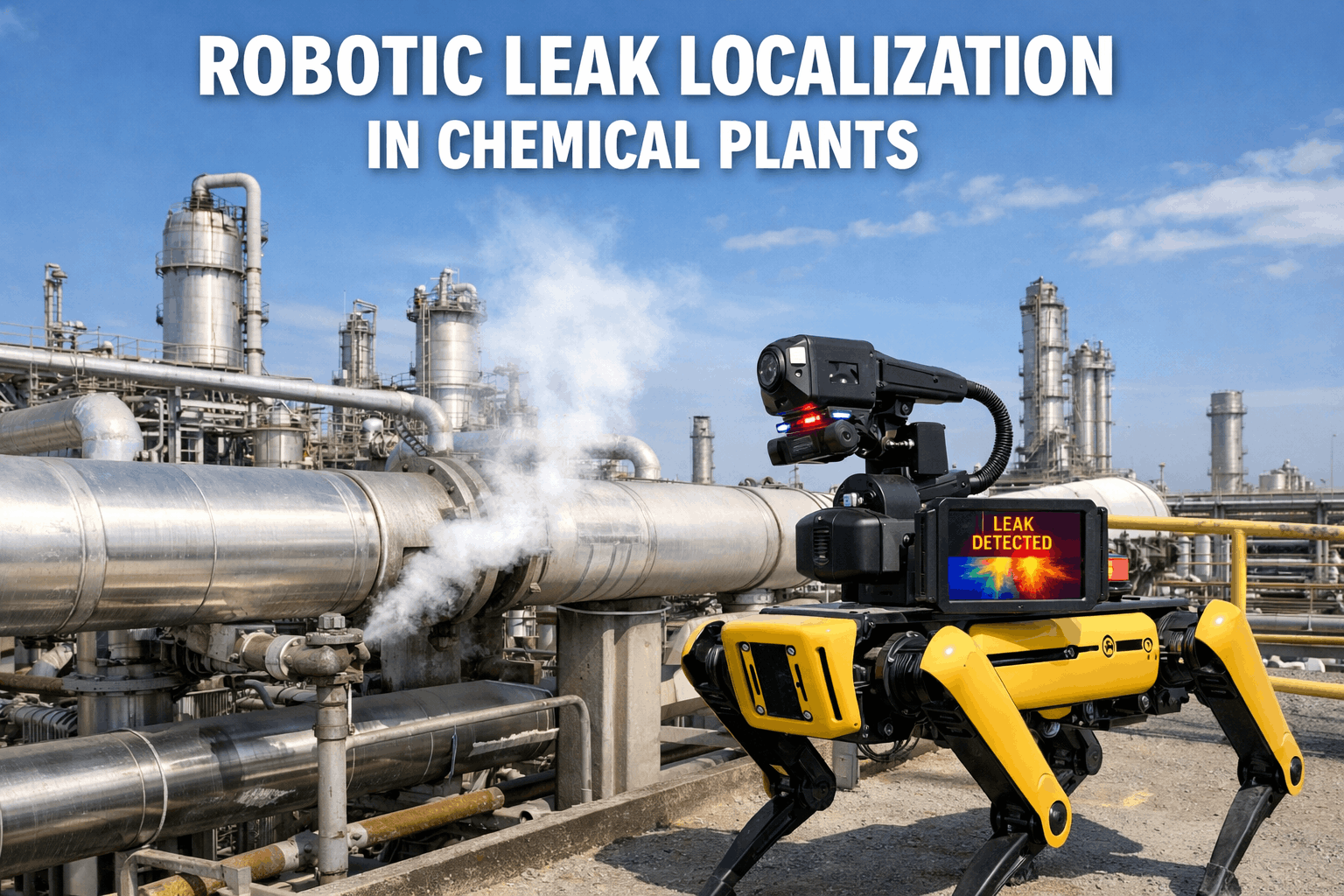
A chemical plant in the Gulf Coast runs 14 miles of pressurized piping carrying hydrogen, chlorine, ammonia, and dozens of volatile organic compounds across 340 acres. Last year, their leak detection program logged 1,847 gas alarms. Technicians re
Read More
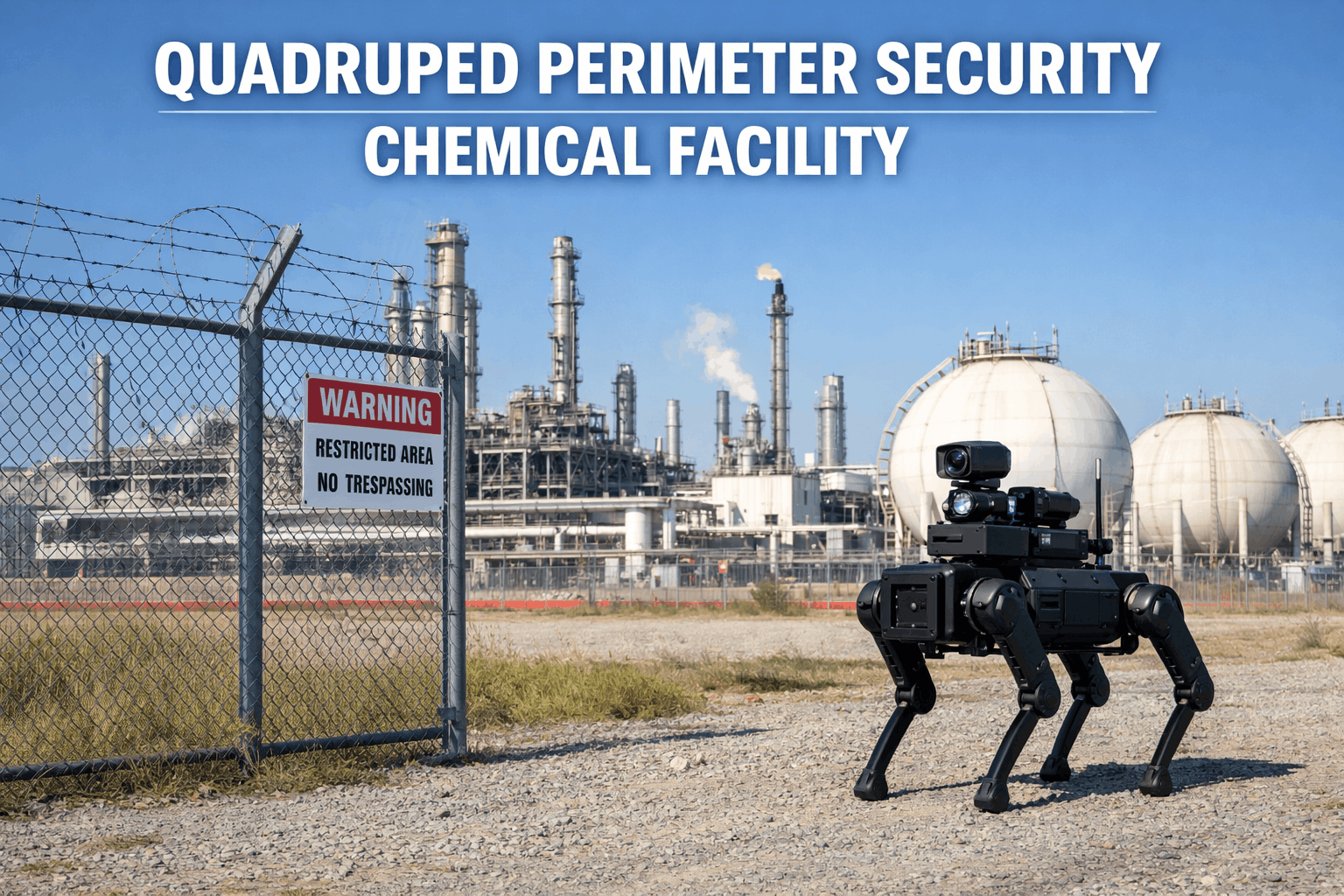
Chemical facilities present one of the most challenging perimeter security environments in any industry — miles of fencing surrounding hazardous process areas, tank farms, loading racks, and utility corridors that must be monitored 24 hours a day
Read More
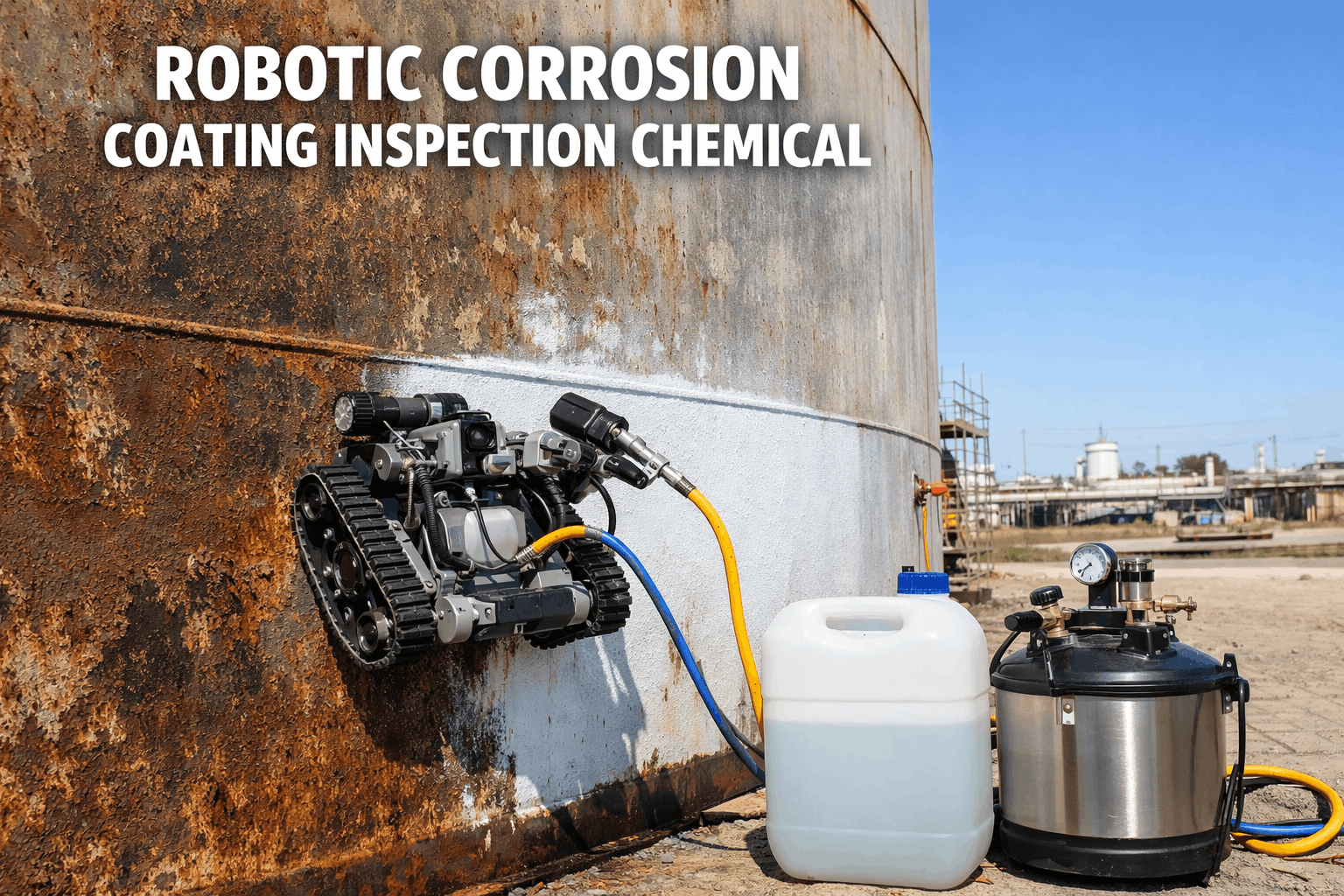
Corrosion is the single largest threat to asset integrity in chemical processing — responsible for an estimated 3.4% of global GDP in direct and indirect losses annually, and the leading root cause of catastrophic containment failures in facilitie
Read More
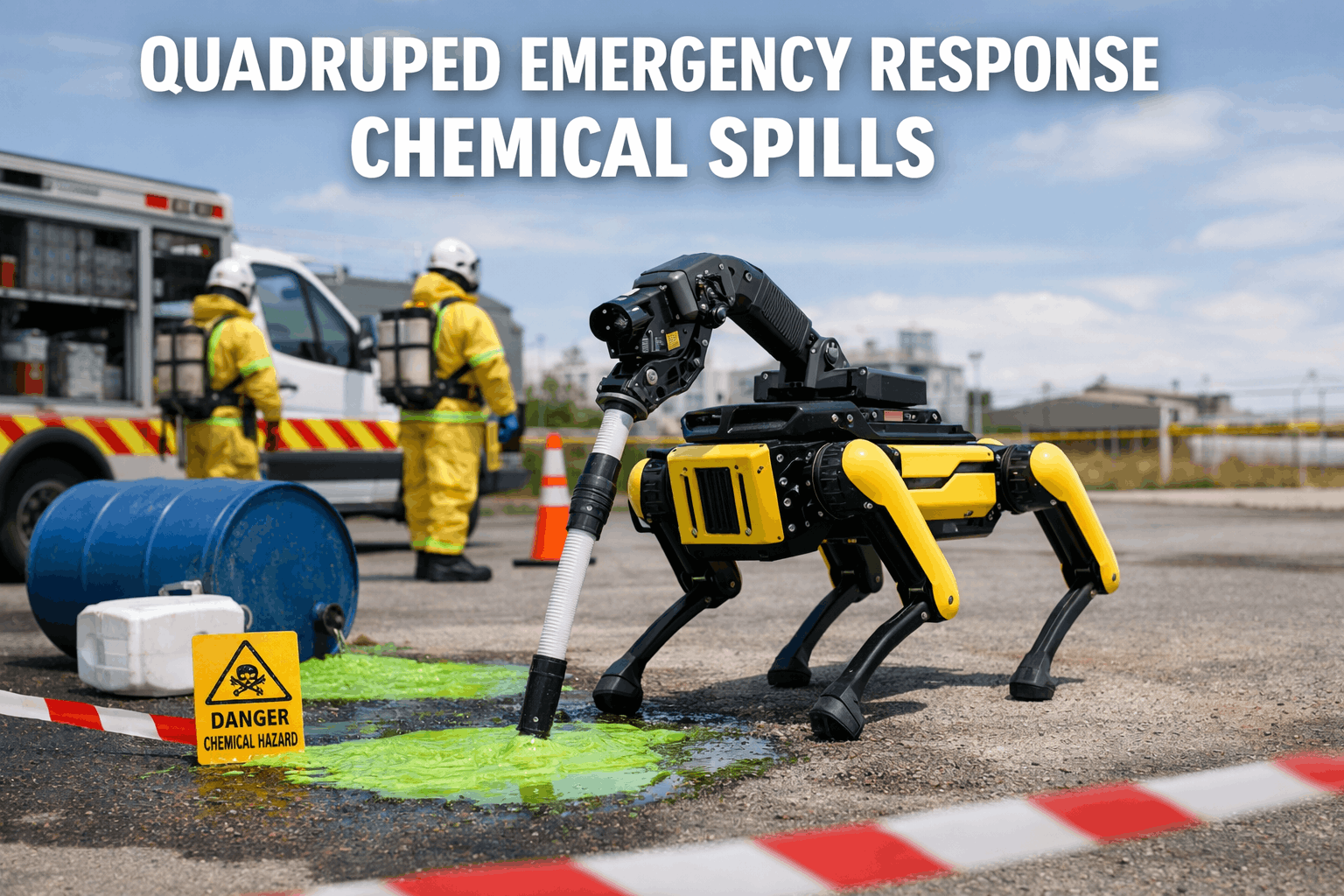
When a chemical spill alarm triggers in a processing facility, the first minutes define everything — how far the release spreads, whether secondary containment holds, how many personnel enter the hazard zone, and whether the incident escalates fro
Read More
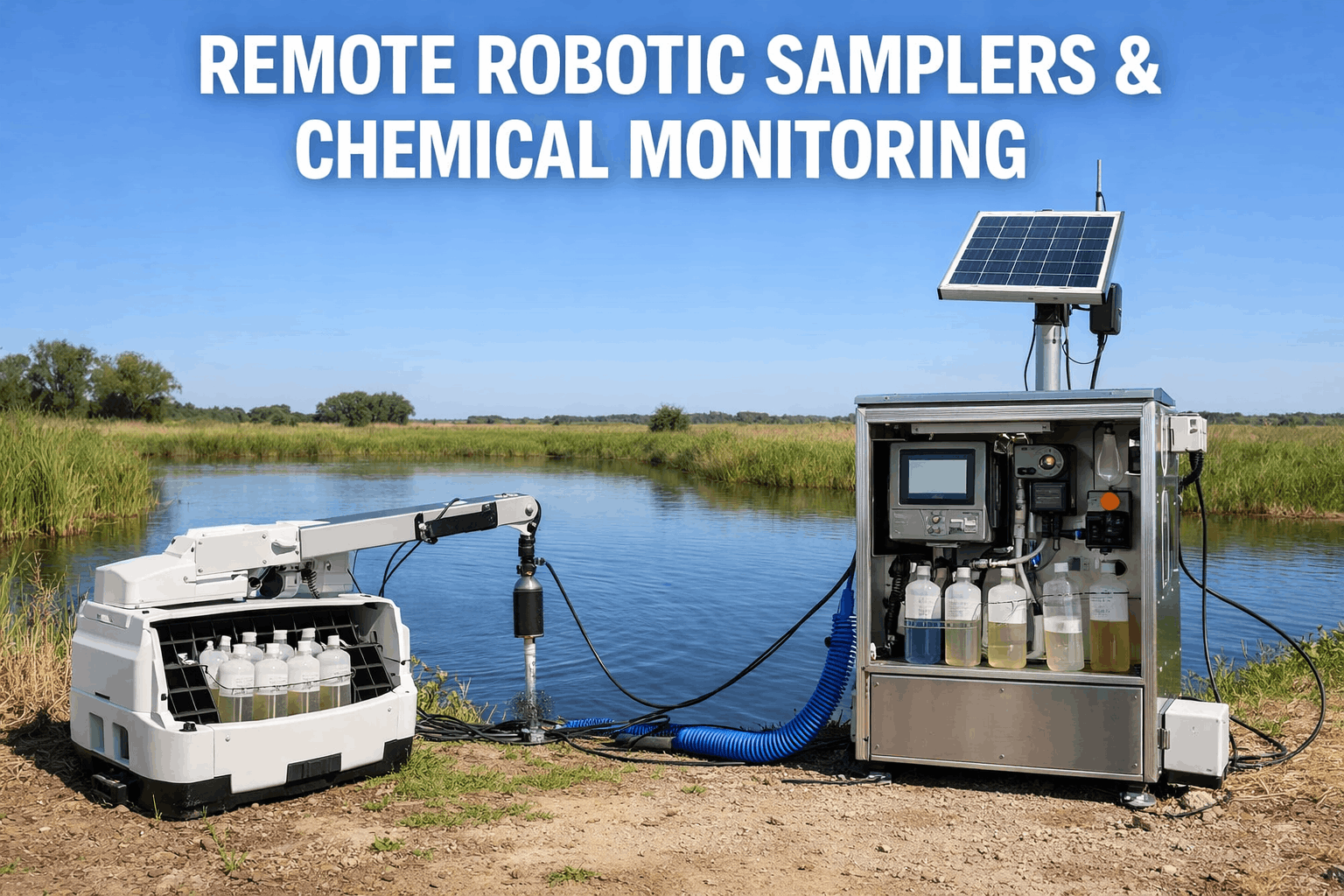
Manual grab sampling remains the default in most chemical processing facilities — and it is quietly one of the most expensive, error-prone, and hazardous steps in the entire analytical workflow. Operators suit up in PPE, walk to sample points scat

Read More
America's infrastructure is aging faster than it is being repaired. The mid-20th century construction wave that built the water mains, bridges, pump stations, and civic facilities of today's municipalities is now reaching i
Read More
Chemical process monitoring is entering a new era. For decades, collecting process samples meant dispatching operators to manual sampling points, often in hazardous or classified zones, on fixed schedules that told you what your process looked lik
Read More
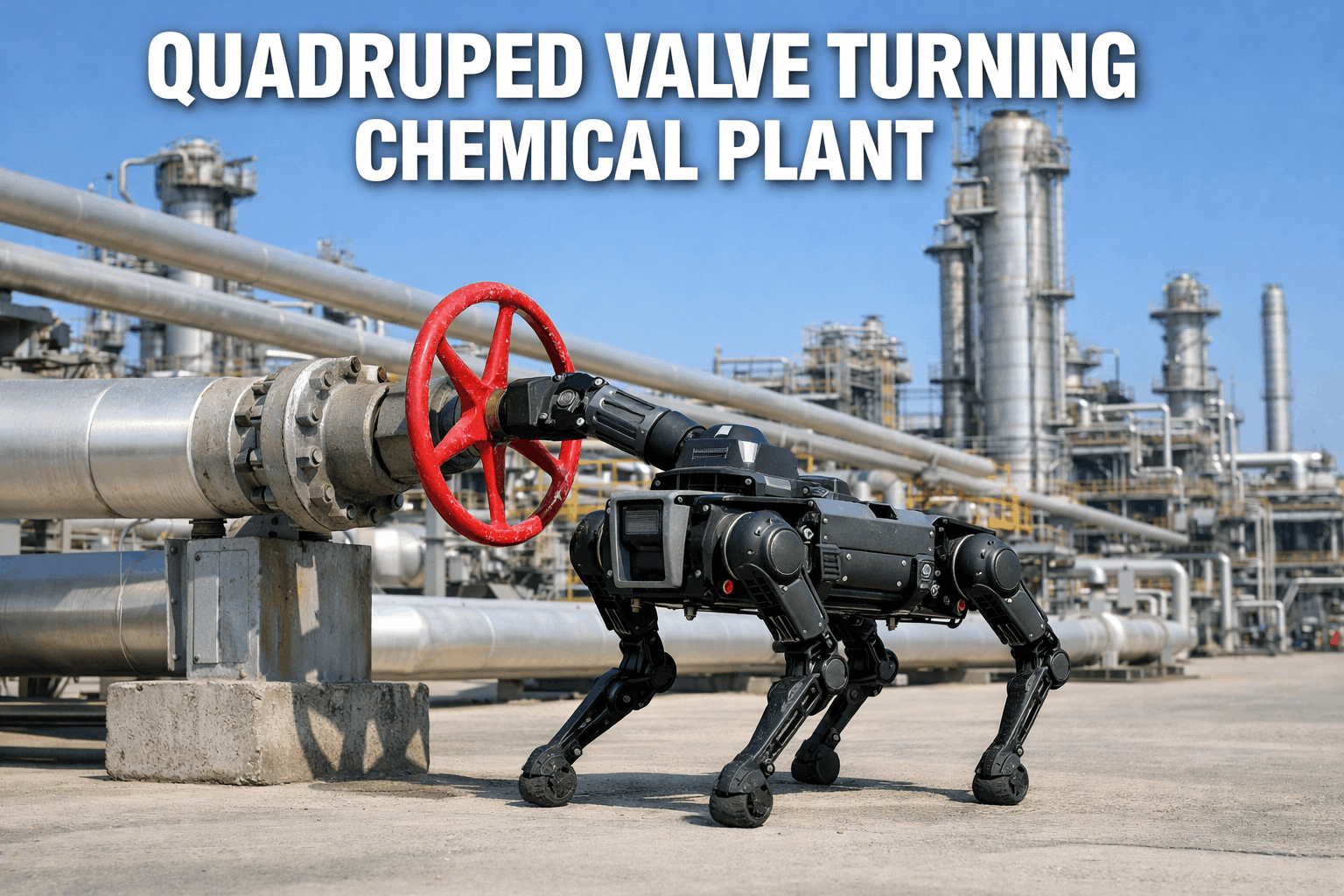
Every shift, chemical plant operators across the US and Canada perform the same high-risk manual tasks: turning isolation valves in confined or classified spaces, adjusting pressure regulators near live process lines, cycling dra
Read More
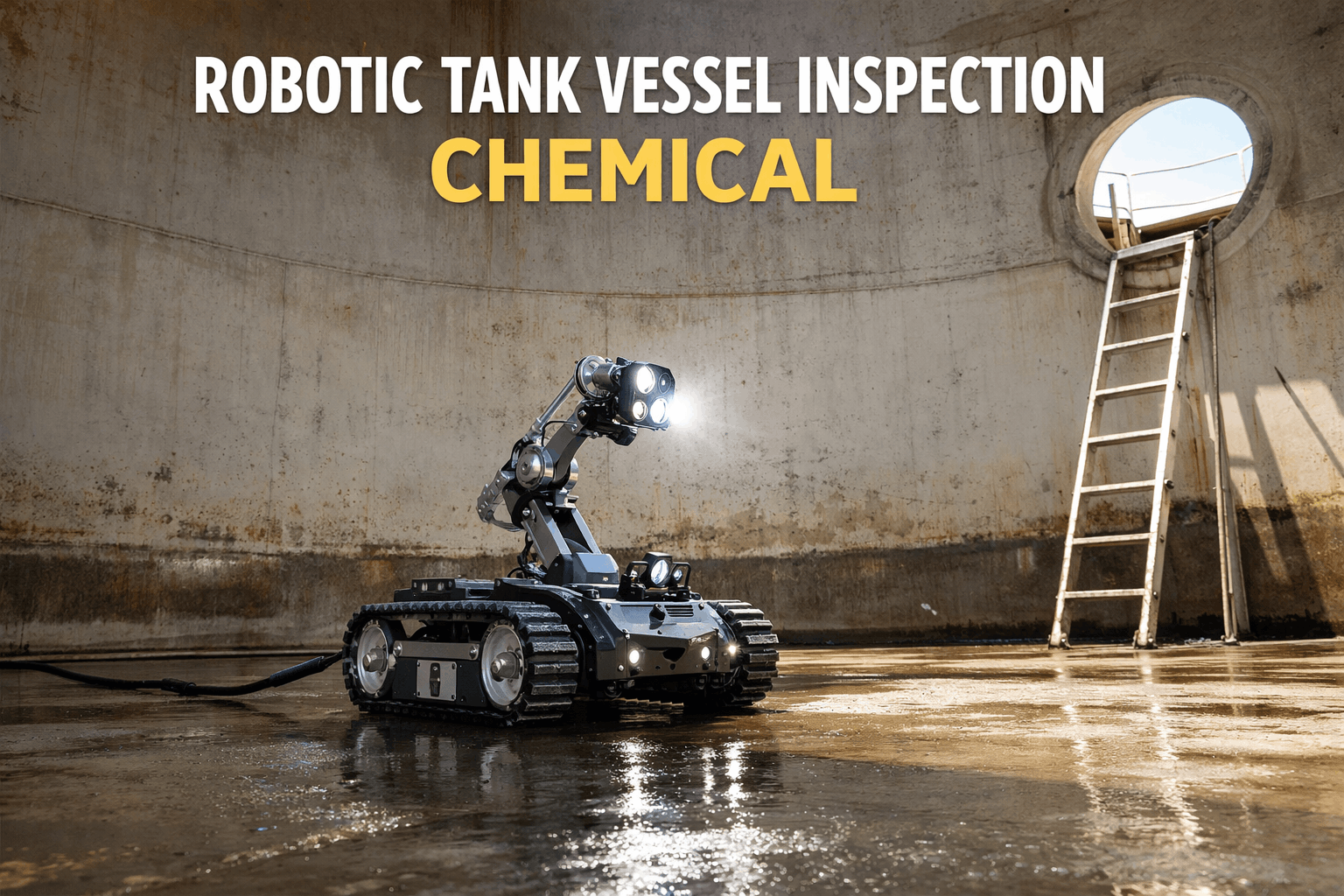
Chemical plants across the US and Canada are sitting on a ticking maintenance clock. Thousands of storage tanks, pressure vessels, and reactors require periodic internal inspection — yet the traditional approach means draining, purging, ventilatin

Read More
Chemical plants across the US and Canada are rapidly adopting quadruped (four-legged) inspection robots to automate hazardous-area monitoring — but deploying these assets inside ATEX/EX-classified zones without a rigorous compl

Read More
Gas leaks in chemical facilities can escalate from minor anomaly to catastrophic incident in minutes. Traditional fixed-point detectors cover only their immediate vicinity leaving dangerous blind spots between monitoring st
Read More
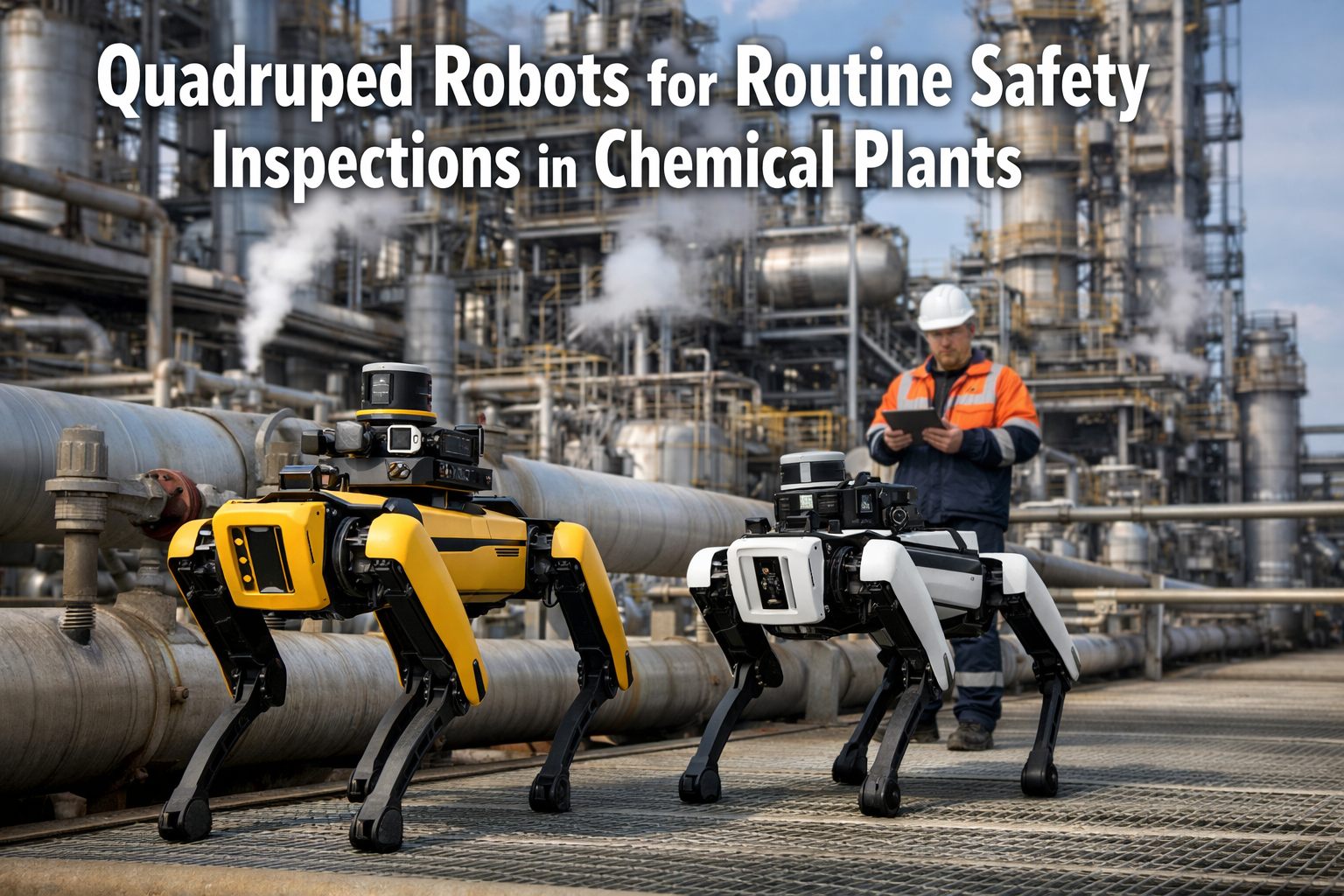
Chemical plants present some of the most hazardous inspection environments in industrial operations. Confined spaces, toxic atmospheres, extreme temperatures, and complex piping networks create conditions where human inspec
Total Posts:
Proven Results
ROI & Business Impact
Chemical plants using iFactory see measurable improvements within 90 days. Real data from 75+ petrochemical and specialty chemical facility deployments worldwide.
40%
Less Unplanned Downtime
Predictive + preventive approach
35%
Lower Maintenance Costs
Optimized work execution
100%
Audit Ready
OSHA, EPA, API compliance
15%
Faster Turnarounds
Optimized shutdown execution
"The predictive maintenance system caught a critical compressor bearing failure 3 weeks before catastrophic failure. That single save avoided a $1.2M emergency repair and 12 days of unplanned downtime. ROI in the first quarter."
JR
James Richardson
Maintenance Director, Gulf Coast Petrochemical"Our last OSHA PSM audit was the smoothest we've ever had. The inspector was impressed that we could pull any document, training record, or PHA finding within seconds. Zero citations for the first time in company history."
SK
Sarah Kim
EHS Manager, Specialty Chemicals Inc."We completed our last turnaround 2 days ahead of schedule with zero safety incidents. The real-time progress tracking and contractor coordination features transformed how we manage shutdowns. $8M saved versus the previous year."
MH
Michael Hansen
Plant Manager, Nordic Chemical AB
Why iFactory
Purpose-Built for Chemical Excellence
Unlike generic CMMS software, iFactory is engineered specifically for the unique challenges of chemical manufacturing — from process safety to hazardous environment compliance.
Chemical-Specific AI
Machine learning trained on chemical plant data. Understands corrosion, fouling, and harsh environment equipment behavior patterns.
- Corrosion prediction
- Fouling detection
- Process correlation
Chemical-specific
Self-learning
Compliance Built-In
OSHA PSM, EPA RMP, API standards, and ISO requirements are built into the platform. Stay audit-ready without extra effort.
- PSM 14 elements
- RMP documentation
- API/ASME standards
OSHA 1910.119
EPA RMP
Hazardous Area Ready
Mobile apps designed for hazardous zones with offline capability. Intrinsically safe device support and permit integration.
- Offline mobile
- IS device support
- Hot work permits
Zone 1/2
Offline
DCS/SCADA Integration
Native OPC-UA connectivity to Honeywell, Emerson, ABB, Siemens, and all major control systems. Unified process + maintenance view.
- OPC-UA native
- Historian integration
- SAP PM/EAM
50+ DCS
SAP
4-6 Week Deployment
Go live in weeks, not years. Pre-built chemical templates, guided data migration, and dedicated implementation team.
- Chemical templates
- Data migration
- On-site training
Fast setup
Guided
Industrial Security
SOC 2 Type II certified with ICS-specific security controls. Air-gapped deployment options for sensitive facilities.
- SOC 2 Type II
- ICS security
- Air-gapped option
SOC 2
ICS Secure
Seamlessly integrates with your existing plant systems
Honeywell
Emerson
ABB
Siemens
SAP
50+ more
Start Your Transformation
Ready to Eliminate Unplanned Downtime?
Join 75+ chemical plants that have transformed their operations with iFactory. Get a free plant assessment and see exactly how much you can save.