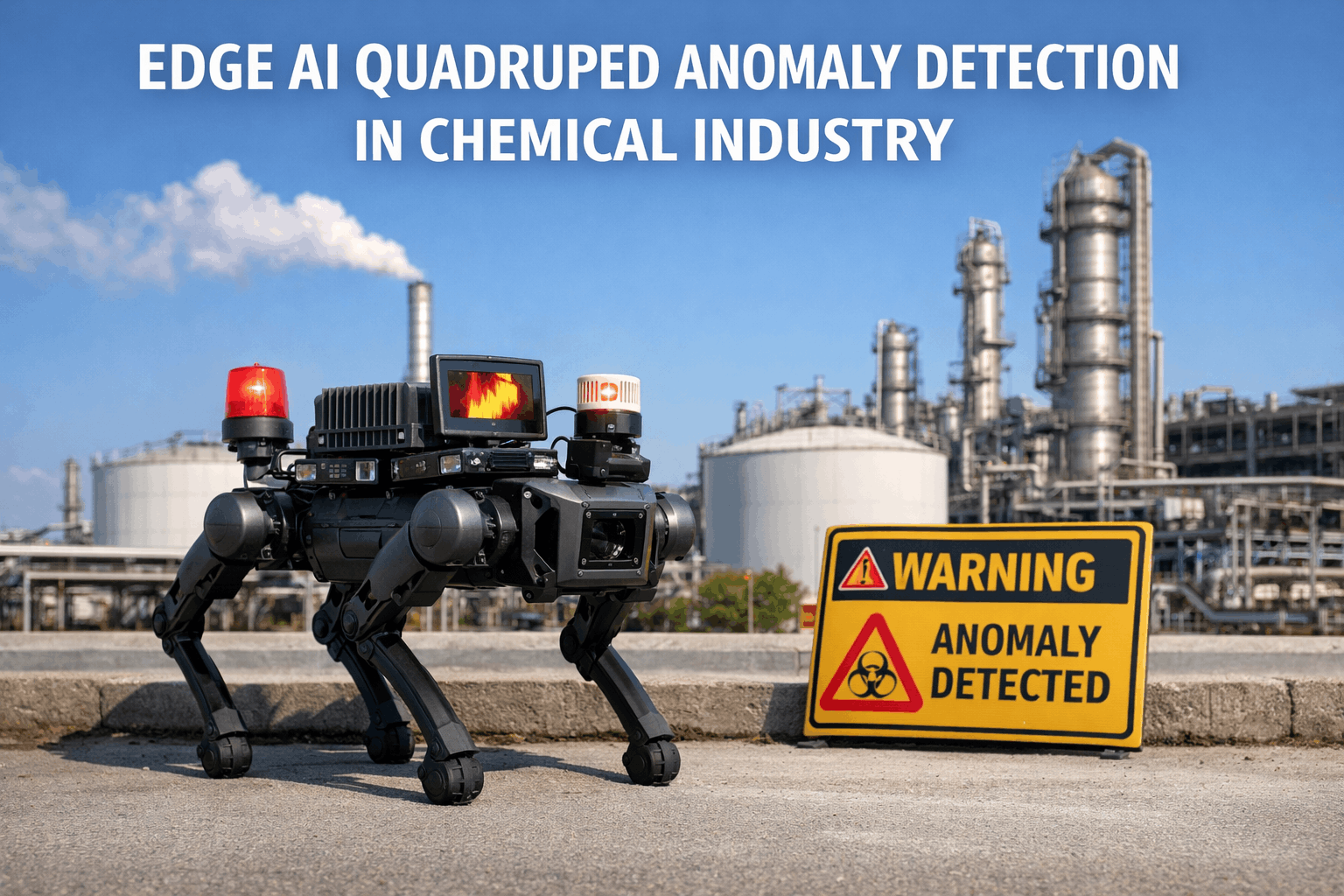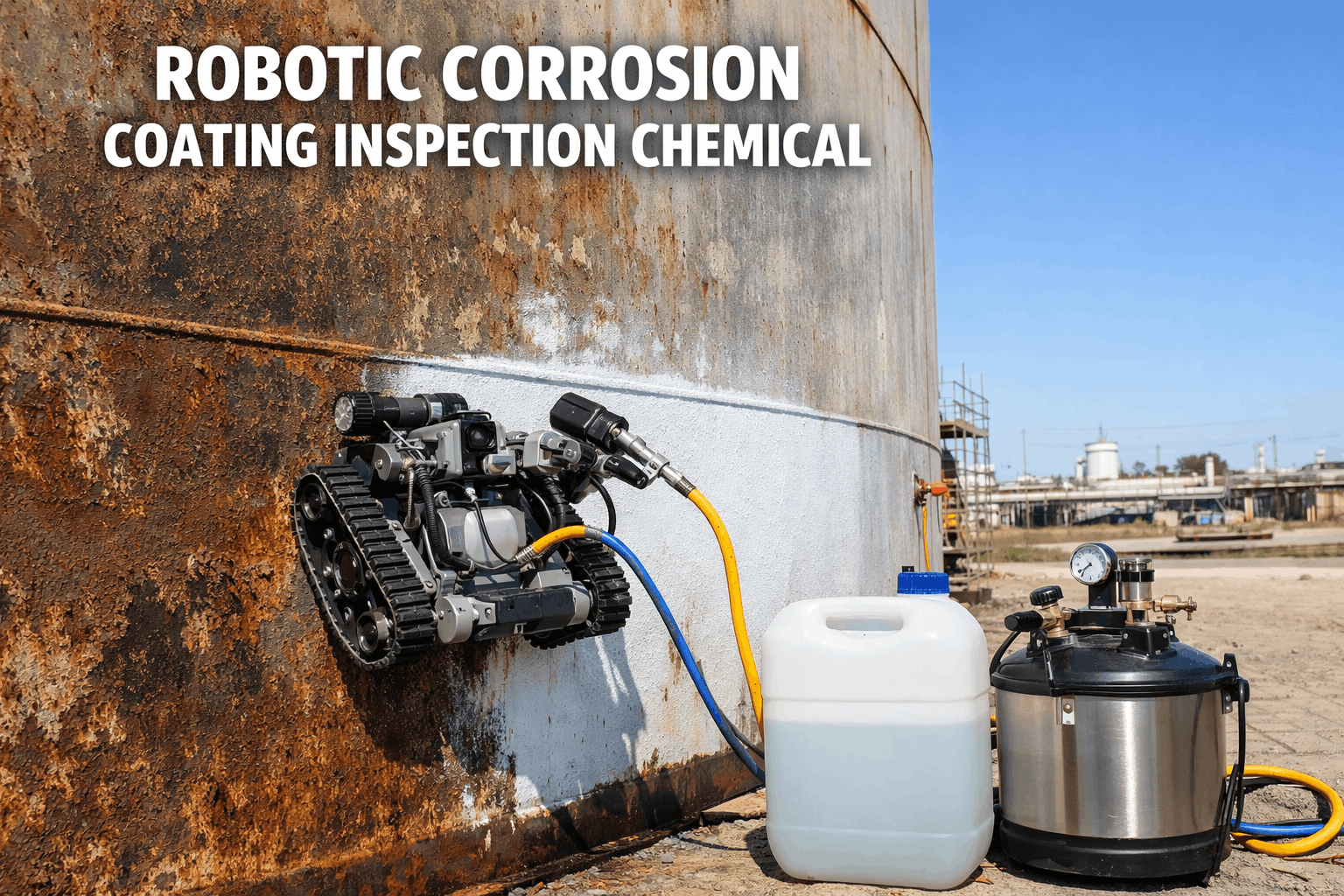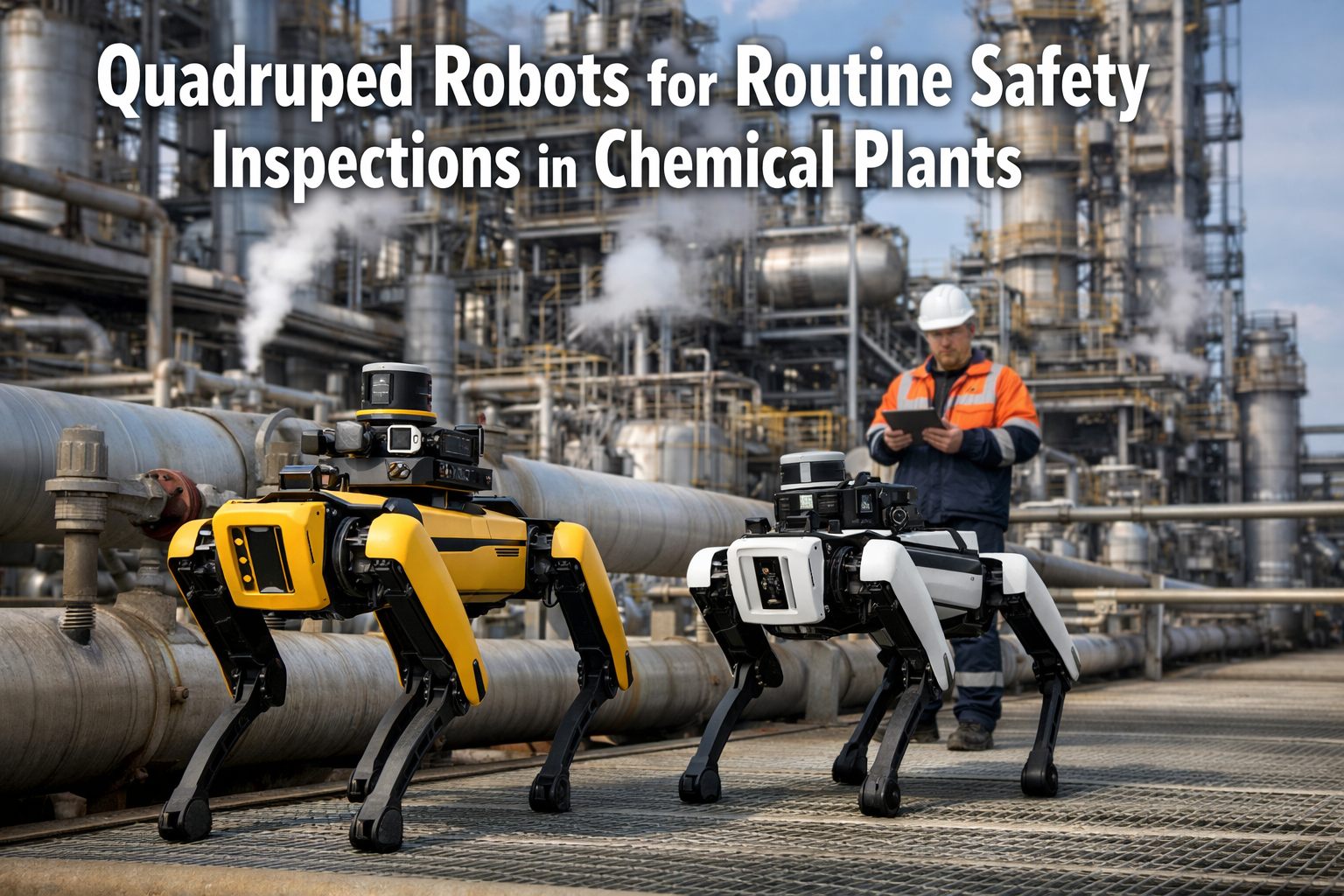
Chemical plants present some of the most hazardous inspection environments in industrial operations. Confined spaces, toxic atmospheres, extreme temperatures, and complex piping networks create conditions where human inspectors face significant risk. Quadruped robots are changing this reality. These four-legged autonomous systems navigate terrain that wheeled robots cannot handle, capture multi-sensor data in real time, and trigger maintenance workflows before minor anomalies become catastrophic failures. For chemical plant managers seeking to improve safety while reducing inspection costs, quadruped robotics represents a practical solution available today.
Why Quadruped Robots Excel in Chemical Plants
Chemical facilities differ fundamentally from warehouses or manufacturing floors where wheeled robots thrive. Quadruped robots address these unique challenges through biomimetic design that mirrors how animals navigate complex terrain.
Multi-Level Navigation
Climb stairs, traverse grated platforms, and access elevated pipe racks that wheeled systems cannot reach
Confined Space Entry
Navigate tight corridors between reactor vessels and access spaces too dangerous for human entry
Harsh Environment Tolerance
Operate in temperatures from -20C to 60C, withstand dust, moisture, and corrosive atmospheres
Dynamic Obstacle Avoidance
React in real-time to moving equipment, personnel, and unexpected obstructions without reprogramming
Sensor Payload: The Eyes and Ears of Autonomous Inspection
The true value of quadruped robots lies not in locomotion alone, but in the sensor arrays they carry. Modern inspection robots combine multiple sensing modalities to detect issues invisible to human inspectors.
Need help integrating robotic inspection data with your existing maintenance systems? Connect with our integration specialists for guidance.
The Inspection Workflow: From Deployment to Action
Effective robotic inspection requires more than deploying hardware. The workflow below illustrates how quadruped robots integrate with CMMS platforms like iFactory to create closed-loop maintenance processes.
Mission Planning
Define inspection routes, waypoints, and sensor activation zones based on asset criticality and regulatory requirements
Autonomous Execution
Robot navigates facility autonomously, collecting thermal, acoustic, gas, and visual data at each checkpoint
Data Processing
Edge computing on the robot identifies anomalies in real-time; data streams to cloud for historical comparison
Anomaly Ticketing
Detected issues automatically generate work orders with location, severity, sensor data, and recommended actions
Maintenance Execution
Technicians receive prioritized work orders with all context needed for efficient repair
Battery Health: The Hidden Factor in Inspection Reliability
A quadruped robot is only as reliable as its power source. Chemical plant inspections often require extended missions in areas where charging infrastructure is impractical or impossible. Monitoring robot battery health becomes a critical maintenance function in itself.
Key Battery Health Metrics
iFactory Integration: Battery Health Monitoring tracks robot power systems alongside all other facility assets, ensuring inspection robots remain available when scheduled.
Wondering how battery monitoring integrates with your maintenance schedule? Schedule a quick walkthrough to see the integration in action.
Comparison: Quadruped vs Traditional Inspection Methods
Expert Perspective
"The integration of autonomous mobile robots with existing plant infrastructure represents a significant shift in how chemical facilities approach safety and maintenance. The most successful deployments treat robots not as replacements for human expertise, but as force multipliers that allow skilled technicians to focus on high-value diagnostic and repair work rather than routine data collection in hazardous areas."
Ready to Modernize Your Inspection Process?
iFactory's AI-powered CMMS provides the Inspection Scheduling, Anomaly Ticketing, and Battery Health Monitoring that transforms robotic data into maintenance action.
Implementation Checklist: Preparing for Robotic Inspection
Before deploying quadruped robots in your chemical facility, ensure these foundational elements are in place:
Asset Mapping Complete
Digital twin or accurate facility map with equipment locations, pipe runs, and access routes
CMMS Integration Path
API connections or data import protocols established between robot platform and maintenance system
Charging Infrastructure
Docking stations positioned for optimal route coverage with backup power provisions
Wireless Coverage
Reliable connectivity throughout inspection zones for real-time data transmission
Staff Training Program
Maintenance and operations teams trained on mission planning, data interpretation, and robot maintenance
Anomaly Response Protocols
Clear escalation procedures for different severity levels detected by robotic inspection
Need guidance on CMMS readiness for robotic inspection integration? Our team can assess your current setup and identify gaps.
Conclusion
Quadruped robots represent a practical solution to one of chemical plant management's persistent challenges: conducting thorough, consistent safety inspections in environments too hazardous for routine human presence. Their ability to navigate complex terrain, carry sophisticated sensor payloads, and integrate with maintenance management systems makes them viable tools for facilities seeking to improve safety outcomes while controlling inspection costs. The technology is mature enough for deployment today, but success depends on treating robotic inspection as a workflow transformation rather than a hardware purchase. When sensor data flows directly into CMMS platforms like iFactory through features like Inspection Scheduling, Anomaly Ticketing, and Battery Health Monitoring, quadruped robots become force multipliers for maintenance teams rather than isolated technology experiments.
Schedule your iFactory demo or speak with our chemical plant specialists to explore how robotic inspection data integrates with your maintenance workflows.
Transform Inspection Data Into Maintenance Action
iFactory connects robotic sensor data with work order management, giving your team the visibility and workflows needed to act on anomalies before they become failures.