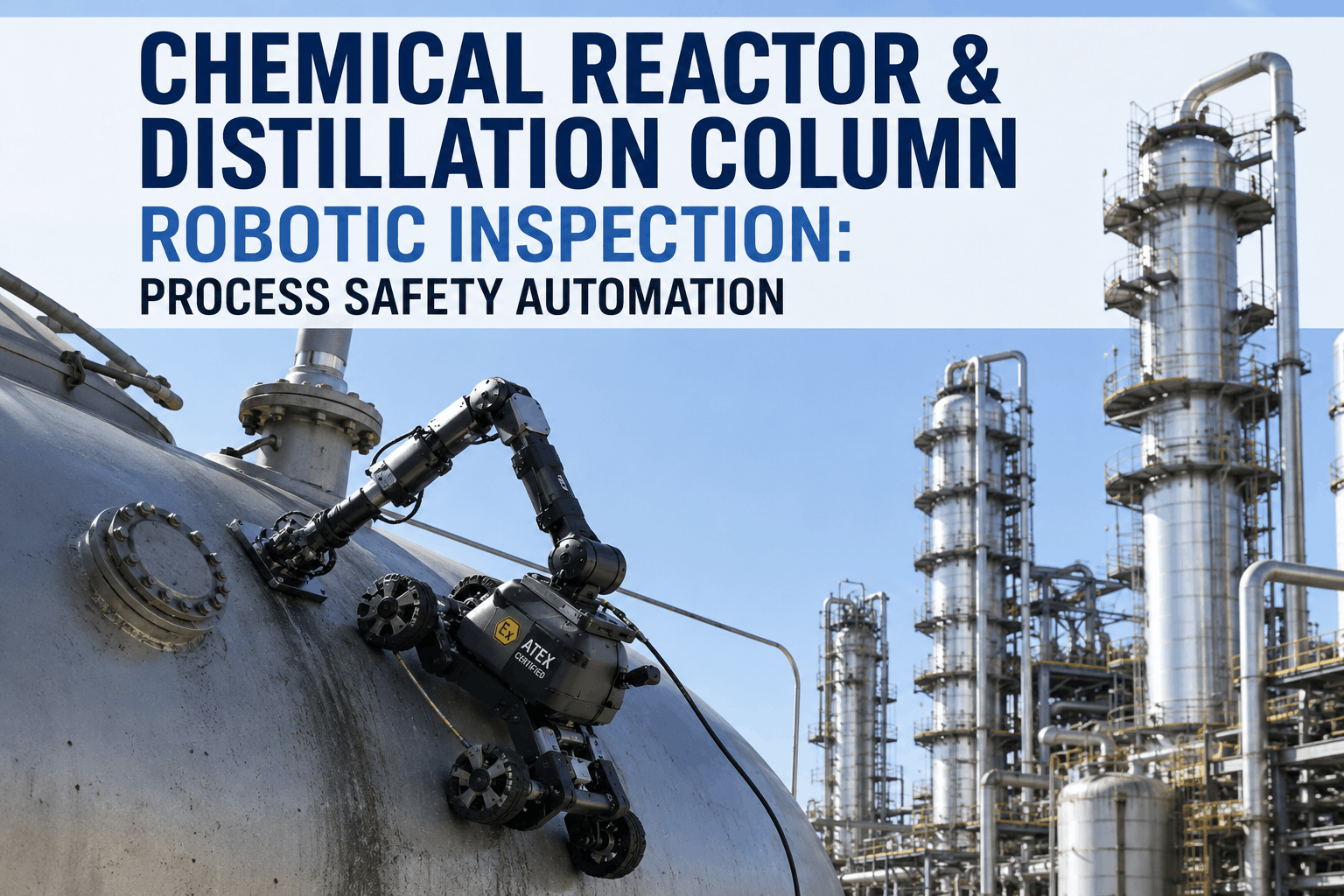
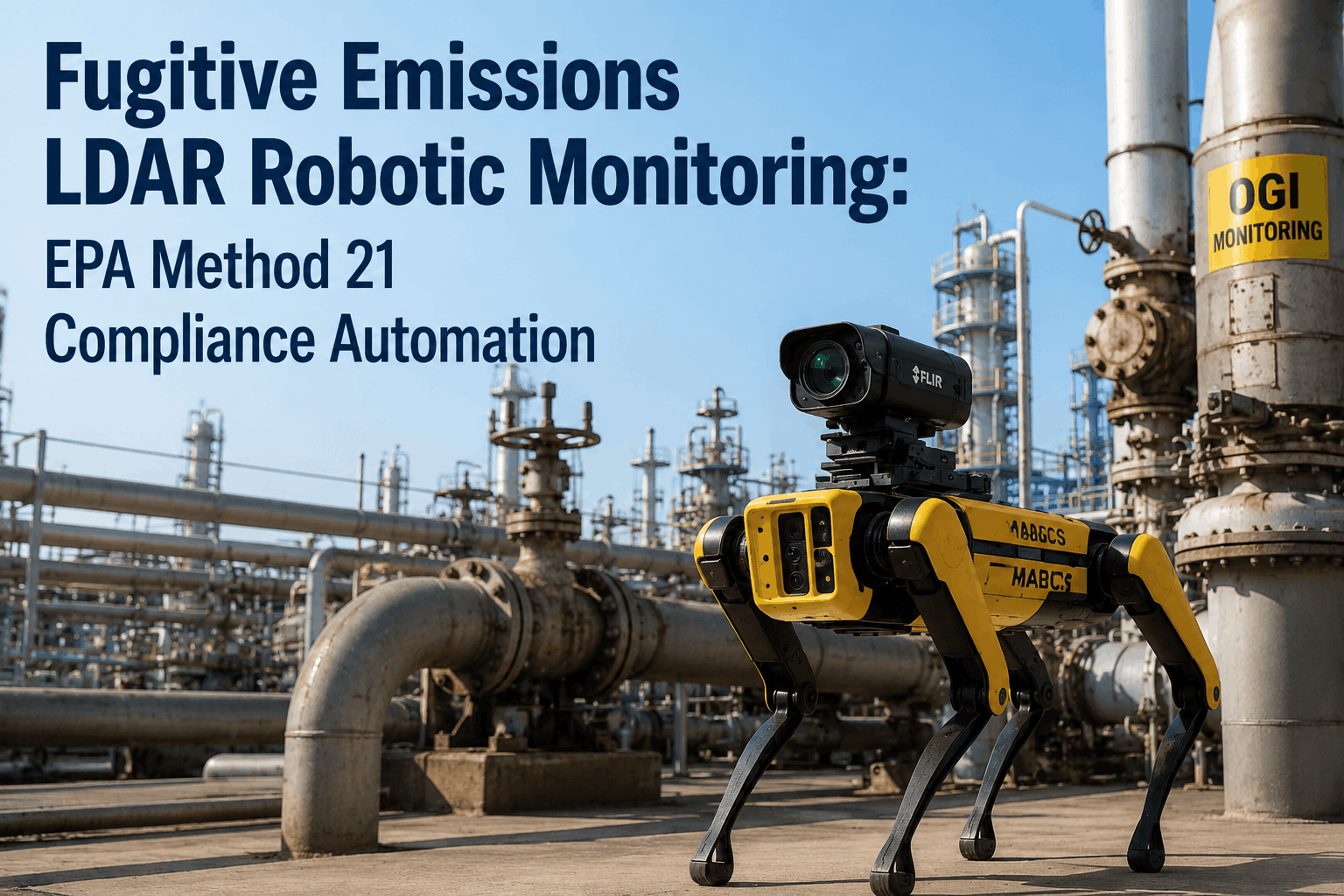
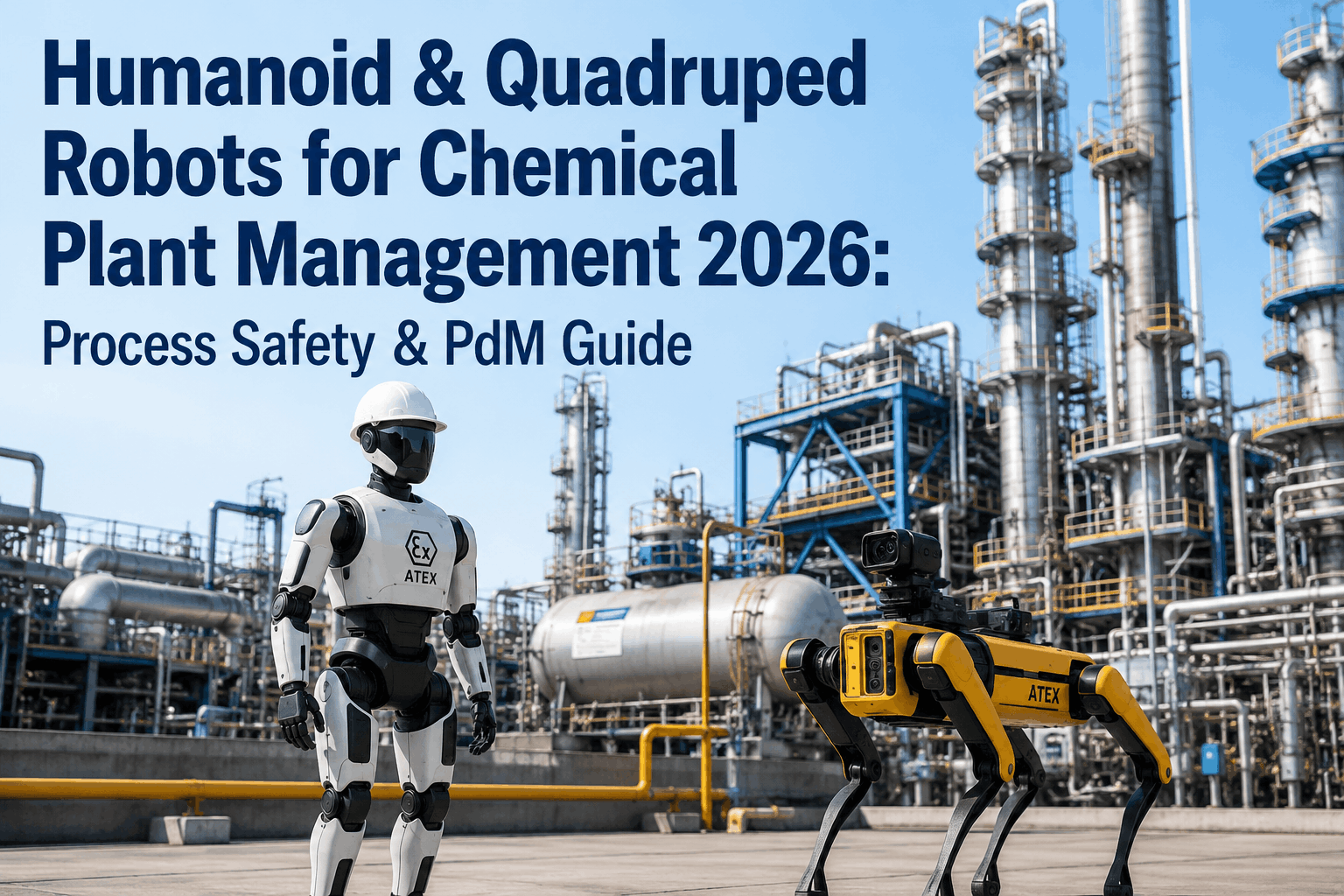
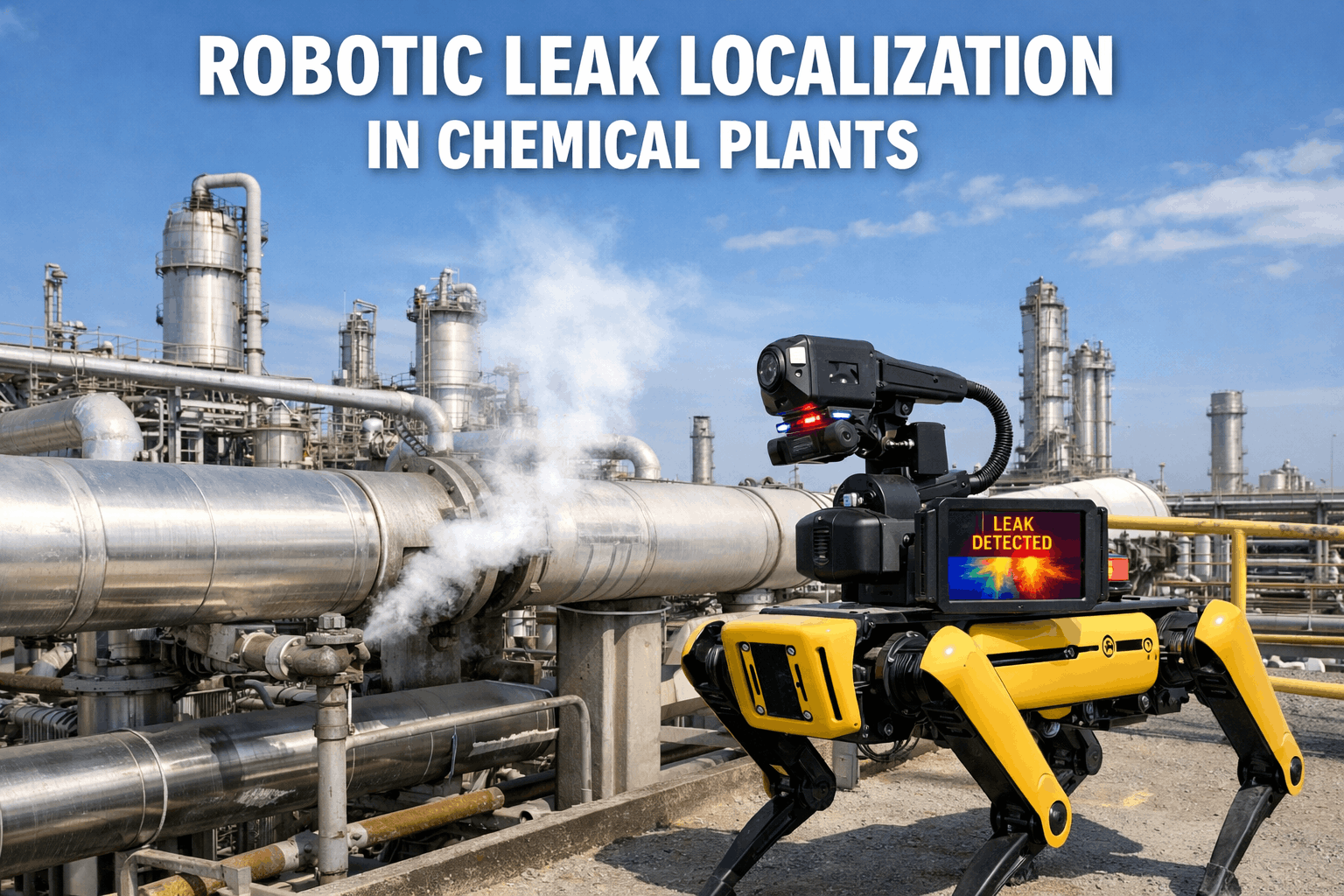
Inside a petrochemical steam cracker operating at 750–900°C, the rules of conventional manufacturing break down. Ethane and naphtha feedstock enter radiant furnace coils where carbon bonds cleave at extreme temperature and pressure. Coke deposits build at picomole rates. Refractory walls degrade. Tube metal thickness erodes. The convection section fouls. And all of this happens invisibly — inside the most capital-intensive, highest-loss-cost equipment in the entire chemical industry. A single unplanned cracker shutdown costs $1–5 million per day in lost ethylene, propylene, and derivative production. Robotics and AI monitoring are becoming the only viable strategy for extending furnace run lengths and preventing catastrophic failures in the world's largest olefins facilities. Book a demo to see how iFactory monitors cracker equipment with on-premise or cloud-based AI analytics.
Petrochemical Cracker Automation
Petrochemical Cracker & Olefins Plant Robotics: Ethylene, Propylene & Naphtha Cracker Automation
Steam cracker furnace monitoring. Predictive maintenance for ethylene production. On-premise and cloud-based AI analytics for maximum uptime.
$1–5M
Daily cost per unplanned cracker shutdown
750–900°C
Operating temperature range in radiant furnace
15–40%
Run-length extension with AI-driven predictive control
The Steam Cracker Challenge: Operating at the Edge of Physics
Ethylene production is the linchpin of global petrochemical manufacturing. Crackers fed with ethane, propane, or naphtha break hydrocarbon feedstock into light olefins — primarily ethylene and propylene — which then feed into polyethylene, polypropylene, and thousands of downstream applications across packaging, automotive, construction, and textiles. The steam cracker market was valued at USD 8.02 billion in 2025 and is projected to grow to USD 11.50 billion by 2032, driven primarily by rising global demand for lightweight materials and high-performance plastics.
But that growth masks a brutal operational reality: petrochemical cracker operation is a continuous battle against physics. The furnace tube coils operate at 750–900°C while conveying a liquid-to-gas feedstock mixture. Under these conditions, carbon-rich byproducts deposit as coke on the inner tube walls at rates measured in microns per hour. Tube metal thinning accelerates due to corrosion and oxidation. Refractory brick cracks from thermal cycling. The convection section fouls from hydrocarbon vapors condensing on cooler surfaces. Each of these degradation modes proceeds invisibly — until the failure cascade begins, typically 4–6 weeks into a planned furnace run.
1
Coking & Tube Wall Thinning
Coke deposits build at picomole rates, reducing heat transfer and raising tube-wall temperatures. Simultaneous metal thinning from corrosion accelerates cracking risk. By week 3 of a furnace run, the combined effect reduces ethylene yield by 8–12% and triggers unplanned shutdowns for tube inspection.
2
Convection Section Fouling
Hydrocarbon vapor condenses on cooler convection tubes, creating a tar-like layer that blocks heat transfer and forces excess fuel consumption to maintain furnace temperature. Fouling progression is rapid and can reduce feedstock preheat by 15–20°C in weeks, forcing furnace shutdown for cleaning.
3
Refractory Degradation & Hot Spots
Thermal cycling and corrosive gases degrade the furnace refractory lining. Localized hot spots develop where brick integrity fails, creating temperature excursions that damage tube coils. Early detection requires continuous thermal imaging — not manual rounds every 4–8 hours.
4
Process Pressure & Dilution Steam Imbalance
Slight changes in feedstock composition, furnace pressure, or dilution steam flow shift the entire cracking equilibrium. Undetected imbalances reduce target olefin yield and increase secondary reactions — compounding inefficiency until the furnace is shut down for rebalancing.
What Robotics Monitoring Actually Delivers in a Cracker Environment
The traditional approach to managing these risks is manual: operators conduct furnace rounds every 4–8 hours using handheld thermal cameras and pressure gauges to monitor tube wall temperatures, convection section conditions, and radiant firebox temperatures. These manual rounds detect major failures but miss the early warning signals — the slow degradation that precedes catastrophic failure. Schedule a demo to see how iFactory's AI-driven platform integrates with cracker instrumentation.
Robotic thermal cameras mounted on fixed or mobile platforms capture furnace surface temperatures every 15 minutes — detecting hot spots, thermal excursions, and refractory degradation hours or days before human inspectors would spot them through manual rounds. IR resolution down to 0.5°C sensitivity enables early intervention.
Permanently installed accelerometers and ultrasonic sensors on furnace tubing, burner systems, and convection sections detect early-stage tube wall thinning, metal fatigue, and gas/steam system imbalances. Vibration signatures unique to coking accumulation or refractory failure are machine-learned and flagged before operational impact.
Robot sensor data is fused with real-time DCS data streams — furnace pressure, tube outlet temperature, dilution steam flow, feedstock composition — creating a unified digital twin of cracker state. AI algorithms detect multivariate anomalies (temperature + pressure + composition shifts) that single-sensor monitoring would miss.
AI models trained on historical run-length data and failure modes predict optimal furnace operating windows — identifying when operating parameter adjustments (feedstock ratio, dilution steam, burner firing) can extend run length by 5–15 days without escalating thermal stress or coking risk.
On-Premise or Cloud: iFactory Adapts to Your Data Architecture
Petrochemical plants operate under some of the strictest data governance and cybersecurity requirements in industrial manufacturing. Process data (furnace parameters, feedstock composition, yield numbers) is often proprietary and must never leave the facility. iFactory supports both on-premise and cloud-based deployment models — both delivering identical predictive maintenance intelligence without compromise.
On-Premise Deployment
Data Sovereignty & Control
All cracker sensor data and AI models process within your plant network
Zero process data leaves the facility — meets strictest confidentiality requirements
Direct integration with existing DCS, SCADA, and historian systems
Air-gap compatible — operates without external internet connectivity
Predictive maintenance alerts available on-site 24/7 — no cloud dependency
OR
Cloud Deployment
Multi-Site Consolidation
Real-time cracker performance consolidated across all your petrochemical facilities
Cross-site benchmarking — compare ethylene cracker KPIs across ExxonMobil, SABIC, and Dow plants
Mobile access to AI insights from control room or remote office
Automatic model updates — always running the latest predictive algorithms
Scales seamlessly from single-cracker monitoring to enterprise-wide analytics
Both deployment modes deliver identical real-time furnace monitoring, AI-driven anomaly detection, and run-length optimization intelligence. Talk to our petrochemical team about which architecture aligns with your facility data policies and DCS infrastructure.
Real-World Cracker Performance Gains
15–40%
Average furnace run-length extension with AI predictive control and early intervention
$2–8M
Annual unplanned downtime cost eliminated per cracker
48h
Average detection time reduction for thermal anomalies and fouling onset
8–12%
Ethylene yield recovery through optimized dilution steam and feedstock balancing
Which Petrochemical Operators Are Deploying Cracker Robotics Today
The world's largest olefins producers — ExxonMobil (Baytown), SABIC, Dow (Texas-9), Shell (Pennsylvania), ChevronPhillips (Cedar Bayou), INEOS, and LyondellBasell — are all investing in advanced furnace monitoring. Some are deploying robots; most are integrating multi-sensor networks with AI analytics. The shift from reactive furnace management to predictive is no longer optional in the face of sustained pressure on ethylene margins and feed costs.
ExxonMobil — Baytown, Texas
Capacity: 1.7M mt/y ethylene
Naphtha-fed steam cracker, propane dehydrogenation, polyethylene derivatives
SABIC — Geismar, Louisiana
Capacity: 1.3M mt/y ethylene
Ethane-fed cracker, polyethylene and polypropylene production
Dow Chemical — Freeport, Texas
Capacity: 1.5M mt/y ethylene (Texas-9 integration)
Multi-feedstock flexibility, butadiene co-production, performance plastics
Shell — Monaca, Pennsylvania
Capacity: 0.8M mt/y ethylene
Naphtha cracking, aromatics recovery, propylene co-production
ChevronPhillips — Cedar Bayou, Texas
Capacity: 1.2M mt/y ethylene
Ethane cracker integration, plastics production
LyondellBasell — Houston, Texas
Capacity: Multi-cracker footprint, 2.5M+ mt/y ethylene equivalent
Cracker optimization, polyethylene, propylene derivatives
Common Questions About Cracker Robotics & Monitoring
Can robots actually operate safely inside a furnace radiating 900°C?
Robots do not enter the furnace itself — they are positioned outside the radiant section with shielded thermal cameras and sensors aimed at furnace exterior surfaces. Some facilities use ceramic-coated cable runs that extend into cooler zones. The robots operate in the control room area or plant perimeter, eliminating operator exposure to extreme temperatures while capturing continuous monitoring data.
How does AI predict a furnace coking event when coke deposits are invisible?
Coke accumulation leaves fingerprints across multiple sensor channels: thermal imaging shows rising tube wall temperature as coke reduces heat transfer; vibration sensors detect subtle frequency shifts from tube wall thinning; process parameter data shows rising furnace pressure drop. AI models trained on historical furnace runs recognize the multivariate pattern of coking onset 3–7 days before conventional tube-inspection would confirm it — enabling timely dilution steam or feedstock adjustments to reverse coking progression.
Does iFactory integrate with existing cracker DCS systems (Honeywell, Yokogawa, Emerson)?
Yes. iFactory connects to standard DCS via OPC-UA, REST APIs, or direct database queries. Furnace pressure, temperature, steam flow, feedstock composition, and product yield data flow continuously from your DCS into iFactory's analytics engine. On-premise deployment keeps all data within your facility network; cloud deployment enables multi-site consolidation.
Schedule a technical discussion to confirm integration compatibility with your specific DCS platform.
What happens if iFactory detects a critical furnace anomaly at 2 AM?
Critical alerts (thermal exceedance, sudden pressure drop, vibration spike) trigger immediate notifications to on-call operators via SMS, email, and in-app dashboard — available in both on-premise and cloud deployments. The alert includes recommended immediate actions (reduce feed rate, adjust dilution steam, prepare for controlled shutdown). Operators have 2–4 hours to respond before the anomaly typically escalates to forced shutdown.
The Economics: Why Cracker Operators Cannot Ignore Predictive Monitoring
The business case is mathematically simple. An unplanned steam cracker shutdown costs $1–5 million in lost production over 12–72 hours. The typical unplanned downtime occurs at week 3–4 of a planned 5–6 week furnace run. If AI-driven predictive monitoring can extend runs by 7–10 days (a 15–25% improvement), the operational value per cracker per year is $3–8 million. Against iFactory implementation costs of $80–200K per cracker (depending on deployment scope), the ROI is achieved within the first prevented shutdown. Talk to an iFactory petrochemical specialist about ROI modeling for your specific facility configuration and historical downtime patterns.
iFactory Petrochemical Platform
Monitor Your Crackers at the Speed of Physics. Respond Faster Than Failure.
iFactory integrates robotics, thermal imaging, vibration sensors, and DCS data into unified AI analytics for steam cracker furnace monitoring. Available on-premise for data sovereignty or cloud for multi-site consolidation. Extend run lengths by 15–40%. Prevent catastrophic shutdowns.
On-Premise Available
Cloud Available
Thermal Imaging AI
Coking Prediction
Run-Length Optimization
.png)