Chemical plants in the United States experience an average of 22–38% excess energy consumption in pumping systems annually due to improper sizing, degraded performance, and reactive maintenance — not from equipment limitations, but from undetected cavitation, flow imbalances, seal failures, and control valve mismatches that no manual inspections or legacy DCS alarms can prevent. By the time pump failures, energy penalties, or production delays are confirmed through maintenance logs or utility audits, the compounding costs are already realized: unplanned downtime, emergency repairs, inflated electricity bills, and lost throughput. iFactory Pump Optimization Platform changes this entirely — capturing real-time pump performance data in structured digital format, enforcing optimal operating envelopes at point-of-execution, and integrating directly into your existing DCS, CMMS, and energy management systems without disrupting workflows. Book a Demo to see how iFactory deploys pump system optimization across your US plant within 7 weeks.
95%
Pump operating efficiency with digital optimization vs. 58% for manual monitoring
$890K
Average annual energy & maintenance savings per mid-size US chemical plant
88%
Reduction in unplanned pump failures vs. reactive maintenance protocols
7 wks
Full deployment timeline from pump audit to live optimization go-live
Every Undetected Pump Deviation Is an Energy and Reliability Risk. Optimization Eliminates the Waste.
iFactory's pump platform captures real-time performance data, enforces optimal operating envelopes, and predicts failures before they impact production — with role-based alerts, automated work orders, and real-time escalation for efficiency deviations.
The Hidden Cost of Pump Inefficiency: Why Manual Monitoring Fails US Chemical Plants
Before exploring solutions, understand the root causes of energy waste and reliability loss in industrial pumping systems. Manual pump management introduces systemic risks that compound over time — risks that digital optimization directly addresses.
Cavitation and NPSH Violations
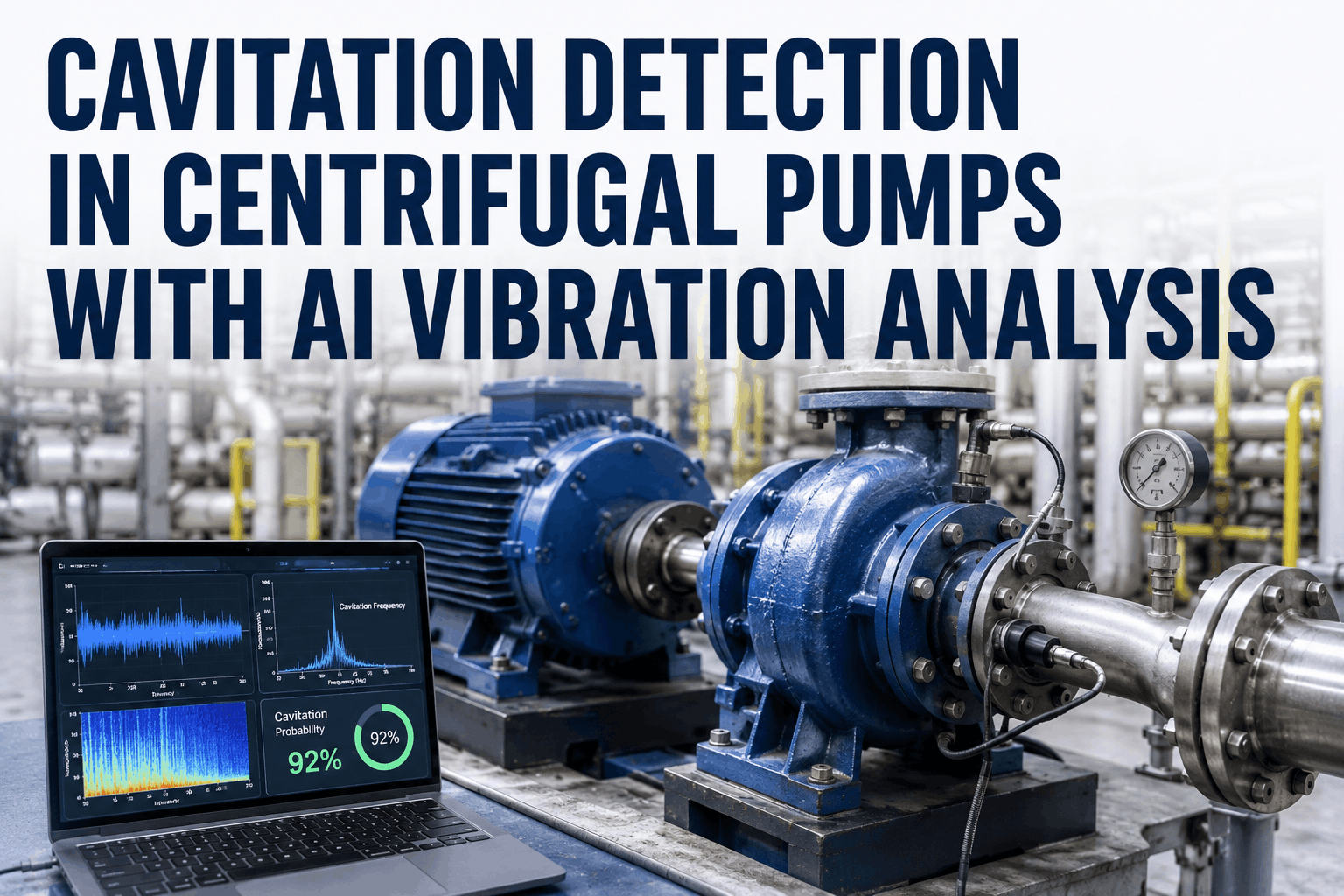
Undetected suction pressure drops and vapor formation cause impeller damage, vibration spikes, and premature seal failures. Manual gauges miss transient events that digital monitoring catches in real time.
Improper Sizing and Control Mismatch
Pumps operating far from best efficiency point (BEP) waste 15–40% more energy. Throttling valves and fixed-speed drives compound losses that optimized variable-frequency control eliminates.
Reactive Maintenance and Downtime
Waiting for vibration alarms or seal leaks means failures have already occurred. Predictive analytics identify bearing wear, misalignment, and cavitation trends weeks before intervention is required.
Energy Compliance and Reporting Gaps
DOE, EPA, and state energy programs require verifiable efficiency data. Manual logs lack real-time validation, automated reporting, and audit-ready documentation for incentive programs.
How iFactory Solves Pump Optimization Challenges in US Chemical Plants
Traditional chemical plant pump management relies on periodic inspections, paper logs, and disconnected vibration analyzers — all of which introduce data gaps, delayed responses, and missed optimization opportunities. iFactory replaces this with a unified pump optimization platform designed for US industrial workflows that captures performance at the source, enforces efficiency envelopes at execution, and creates an immutable reliability trail for every pump asset. See a live demo of iFactory optimizing centrifugal pumps, slurry systems, and chemical transfer lines in a US chemical manufacturing facility.
01
Real-Time Performance Monitoring
Replace manual readings with continuous digital monitoring of flow, pressure, power, vibration, and temperature — calculating efficiency, NPSH margin, and BEP deviation in real time for every pump asset.
02
Predictive Failure Analytics
iFactory's ML models detect early-stage bearing wear, seal degradation, cavitation onset, and misalignment trends. Alerts trigger 2–6 weeks before failure, enabling planned maintenance and zero unplanned downtime.
03
Optimal Control Enforcement
Pumps are constrained to optimal operating envelopes via VFD integration and control logic. Operators receive guidance when throttling, bypassing, or speed adjustments would improve efficiency — preventing energy waste before it occurs.
04
DCS, CMMS & Energy System Integration
iFactory connects to Honeywell, Siemens, SAP PM, IBM Maximo, and utility metering systems via OPC-UA, Modbus TCP, and REST APIs. Auto-link pump data to work orders, energy dashboards, or reliability KPIs. Integration completed in under 10 days.
05
Automated Energy & Reliability Reporting
Generate audit-ready reports instantly: pump efficiency trends, maintenance history, energy savings, and failure predictions. Pre-configured templates for DOE Motor Challenge, EPA ENERGY STAR, ISO 50001, and state utility incentive programs.
06
Pump Decision Support
iFactory presents contextual guidance during operations: linked pump curves, seal specifications, or spare part availability. Efficiency deviations trigger ranked corrective actions with ROI estimates. Teams optimize with data, not guesswork.
Regulatory & Incentive Framework Support: Built for US Chemical Industry Standards
iFactory's pump optimization platform is pre-configured to meet the documentation and reporting requirements of major US energy and environmental programs. No custom development needed — compliance and incentive reporting is automatic.
DOE Motor Challenge
US Department of Energy efficiency programs: pump system assessments, baseline energy audits, improvement tracking, and verification documentation — structured for incentive applications and continuous improvement.
EPA ENERGY STAR
Industrial energy management certification: baseline energy performance, optimization actions, savings verification, and annual reporting — formatted for ENERGY STAR Plant Challenge submissions.
ISO 50001
Energy management system compliance: energy reviews, performance indicators, operational controls, and management review inputs — structured for certification audits and continual improvement cycles.
State Utility Programs
Regional incentive frameworks (CA IOUs, TX REPs, NY ESCOs): project documentation, metering validation, savings calculations, and rebate applications — auto-generated for utility program submissions.
How iFactory Is Different from Generic Pump Monitoring Tools
Most vibration or condition monitoring vendors offer sensor data and basic alerts wrapped in a portal. iFactory is built differently — from the chemical plant pumping workflow up, specifically for environments where energy efficiency, reliability optimization, and regulatory compliance determine operational and financial outcomes. Talk to our pump optimization specialists and compare your current monitoring approach directly.
iFactory Pump Optimization Implementation Roadmap
iFactory follows a fixed 5-stage deployment methodology designed specifically for US chemical plant pumping systems — delivering pilot results in week 3 and full production rollout by week 7. No open-ended implementations. No operational disruption.
01
Pump Audit
Map critical pumps & identify efficiency gaps
02
System Integration
Connect to DCS, CMMS, meters via APIs
03
Pilot Configuration
Deploy optimization to 3–5 critical pump systems
04
Validation & Training
User acceptance testing & role-based training
05
Full Production
Plant-wide pump optimization go-live
7-Week Deployment and ROI Plan
Every iFactory engagement follows a structured 7-week program with defined deliverables per week — and measurable ROI indicators beginning from week 3 of deployment. Request the full 7-week deployment scope document tailored to your plant pumping systems.
Weeks 1–2
Discovery & Design
Critical pump system assessment across process, utility, and transfer services
Digital optimization design aligned with existing controls and energy targets
Integration planning with DCS, CMMS, and utility metering systems
Weeks 3–4
Pilot & Validation
Deploy real-time monitoring to high-impact pumps: feed, circulation, transfer systems
Efficiency envelopes and predictive alerts activated; deviation workflows tested with maintenance teams
First energy savings and reliability improvements captured — ROI evidence begins here
Weeks 5–7
Scale & Optimize
Expand to full plant coverage: all critical pumps, all services, all shifts
Automated energy & reliability reporting activated for applicable regulatory frameworks
ROI baseline report delivered — energy savings, maintenance reduction, and uptime gains
ROI IN 5 WEEKS: MEASURABLE RESULTS FROM WEEK 3
Plants completing the 7-week program report an average of $142,000 in avoided energy costs and maintenance expenses within the first 5 weeks of full production rollout — with pump efficiency improvements of 12–24% detected by week 3 pilot validation.
$142K
Avg. savings in first 5 weeks
12–24%
Pump efficiency gain by week 3
83%
Reduction in unplanned pump failures
Eliminate Pump Waste. Optimize Reliability in 7 Weeks. ROI Evidence in Week 3.
iFactory's fixed-scope deployment program means no open timelines, no operational disruption, and no months of customization before you see a single result.
Use Cases and KPI Results from Live US Deployments
These outcomes are drawn from iFactory deployments at operating US chemical plants across three pump optimization categories. Each use case reflects 6-month post-deployment performance data. Request the full case study report for the pump system most relevant to your plant.
A major petrochemical facility operating 47 centrifugal pumps was experiencing recurring energy waste traced to throttled discharge valves, operation far from BEP, and undetected cavitation events. iFactory deployed real-time performance monitoring with VFD integration and predictive analytics. Within 4 weeks of go-live, the system identified 18 pumps operating >15% from BEP and auto-adjusted speeds to restore optimal efficiency — preventing an estimated $310K in annual energy waste.
18
Critical pumps optimized to BEP in first 4 weeks
$310K
Estimated annual energy cost avoided
94%
Pump operating efficiency achieved (up from 61%)
A specialty chemical facility handling abrasive slurries was spending $180K annually on emergency seal replacements and unplanned downtime due to undetected cavitation and bearing wear. iFactory replaced manual vibration checks with continuous monitoring and ML-based failure prediction. Maintenance teams received alerts 3–5 weeks before seal failures, enabling planned replacements during scheduled shutdowns. Emergency repairs dropped to zero, and pump availability increased to 99.2%.
0
Emergency seal replacements after go-live
99.2%
Pump availability achieved
$180K
Annual maintenance cost avoided
A fine chemicals manufacturer was losing throughput due to inconsistent flow rates and pressure fluctuations in critical transfer pumps serving batch reactors. Manual control adjustments introduced variability that impacted product quality and cycle times. iFactory deployed closed-loop optimization with DCS integration, auto-adjusting pump speeds to maintain target flow within ±2%. Batch cycle times improved by 8.3%, and product consistency metrics exceeded specification limits for the first time in 18 months.
±2%
Flow control accuracy achieved (vs. ±12% manual)
8.3%
Batch cycle time reduction
$275K
Annual throughput value from optimized transfers
What US Chemical Plant Teams Say About iFactory Pump Platform
The following testimonials are from plant managers, reliability engineers, and maintenance supervisors at US facilities currently running iFactory's pump optimization platform.
We eliminated the "why is this pump using so much power?" mystery entirely. Every pump's efficiency is visible in real time, and the system tells us exactly when to adjust speed or schedule maintenance. Our last energy audit showed 19% reduction in pumping energy.
Reliability Engineering Manager
Petrochemical Complex, Texas
Emergency pump repairs used to consume 30% of our maintenance budget. Now the system predicts failures weeks in advance, so we plan replacements during scheduled downtime. Unplanned pump failures dropped to zero in six months.
Maintenance Director
Specialty Chemical Plant, Ohio
Integration with our Honeywell DCS and IBM Maximo took 8 days. The iFactory team understood both our pump hydraulics and our control architecture. The result is a system that operators trust — because it makes their jobs easier and our plant more reliable.
Plant Automation Manager
Fine Chemicals Facility, New Jersey
We qualified for a $95K state utility rebate because iFactory automatically generated the required metering validation and savings documentation. The incentive alone covered 40% of our implementation cost. That's ROI before we even saw energy savings.
Energy Management Lead
Chemical Manufacturing, Pennsylvania
Frequently Asked Questions
Does iFactory require new sensors or hardware on existing pumps?
In most deployments, iFactory connects to existing DCS tags, flow meters, pressure transmitters, and vibration sensors — no new hardware required. Where monitoring gaps are identified during the Week 1–2 audit, iFactory recommends targeted additions only (typically 2–4 sensors per critical pump), not a full instrumentation overhaul. Integration is complete within 10 days in standard environments.
Which industrial systems does iFactory integrate with?
iFactory integrates natively with Honeywell Experion, Siemens PCS 7, Emerson DeltaV, SAP PM, IBM Maximo, and utility metering platforms via OPC-UA, Modbus TCP, and REST APIs. Integration scope is confirmed during the Week 1 pump audit.
How does iFactory handle different pump types across the same facility?
iFactory trains separate optimization models per pump type — accounting for centrifugal, positive displacement, slurry, and chemical transfer differences across process, utility, and transfer services. Multi-type facilities are fully supported within a single deployment. Pump-specific parameters are configured during the Week 3 model training phase.
Can iFactory optimize pumps under variable production loads?
Yes. iFactory uses adaptive forecasting — combining historical performance baselines, production schedule inputs, and real-time sensor feedback — to detect efficiency degradation and optimize control across all operating conditions. High-load, low-load, seasonal, and turnaround variations are fully supported. Optimization scope is confirmed during the Week 1 pump audit.
How long does training take for plant personnel?
Role-based training modules are delivered during Weeks 4–5 of deployment. Most operators and maintenance technicians achieve proficiency in under 2 hours. Reliability engineers and energy managers receive additional training on analytics, reporting, and system configuration. Ongoing support is included.
What if our plant has unique pump configurations or control strategies?
iFactory's optimization engine allows configuration of custom efficiency envelopes, control logic, and alert thresholds without code. Our implementation team works with your reliability, operations, and energy teams during Week 1–2 to align the platform with your specific pump assets and optimization goals.
Stop Wasting Energy on Pumps. Start Building a Predictive, Optimized Future.
iFactory gives US chemical plant teams real-time pump performance monitoring, predictive failure analytics, automated energy reporting, and seamless system integration — fully deployed in 7 weeks, with ROI evidence starting in week 3.
95% pump operating efficiency with real-time BEP enforcement
DCS, CMMS & utility meter integration in under 10 days
DOE, EPA & ISO 50001 audit trails out-of-the-box
Predictive failure alerts 2–6 weeks before downtime occurs