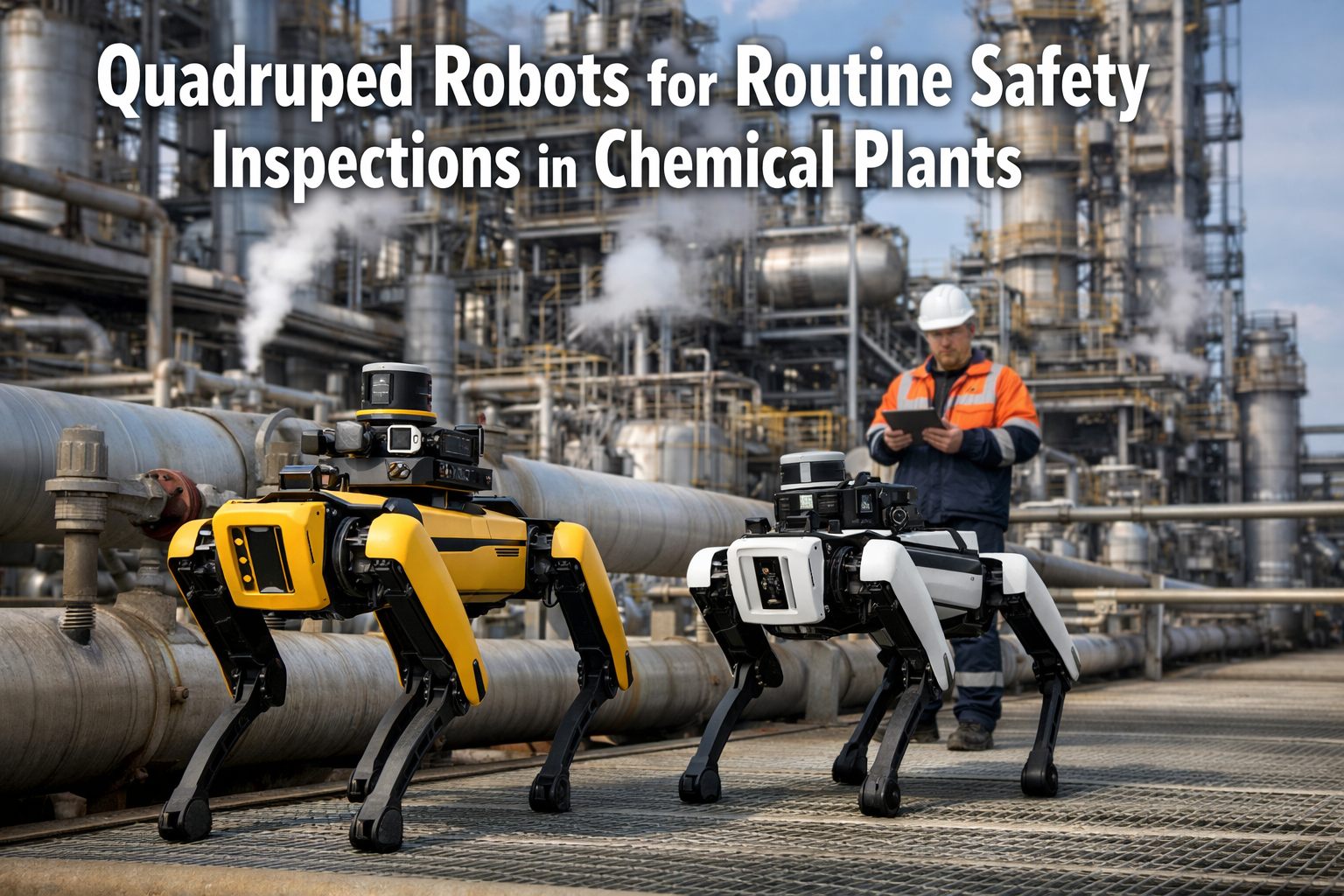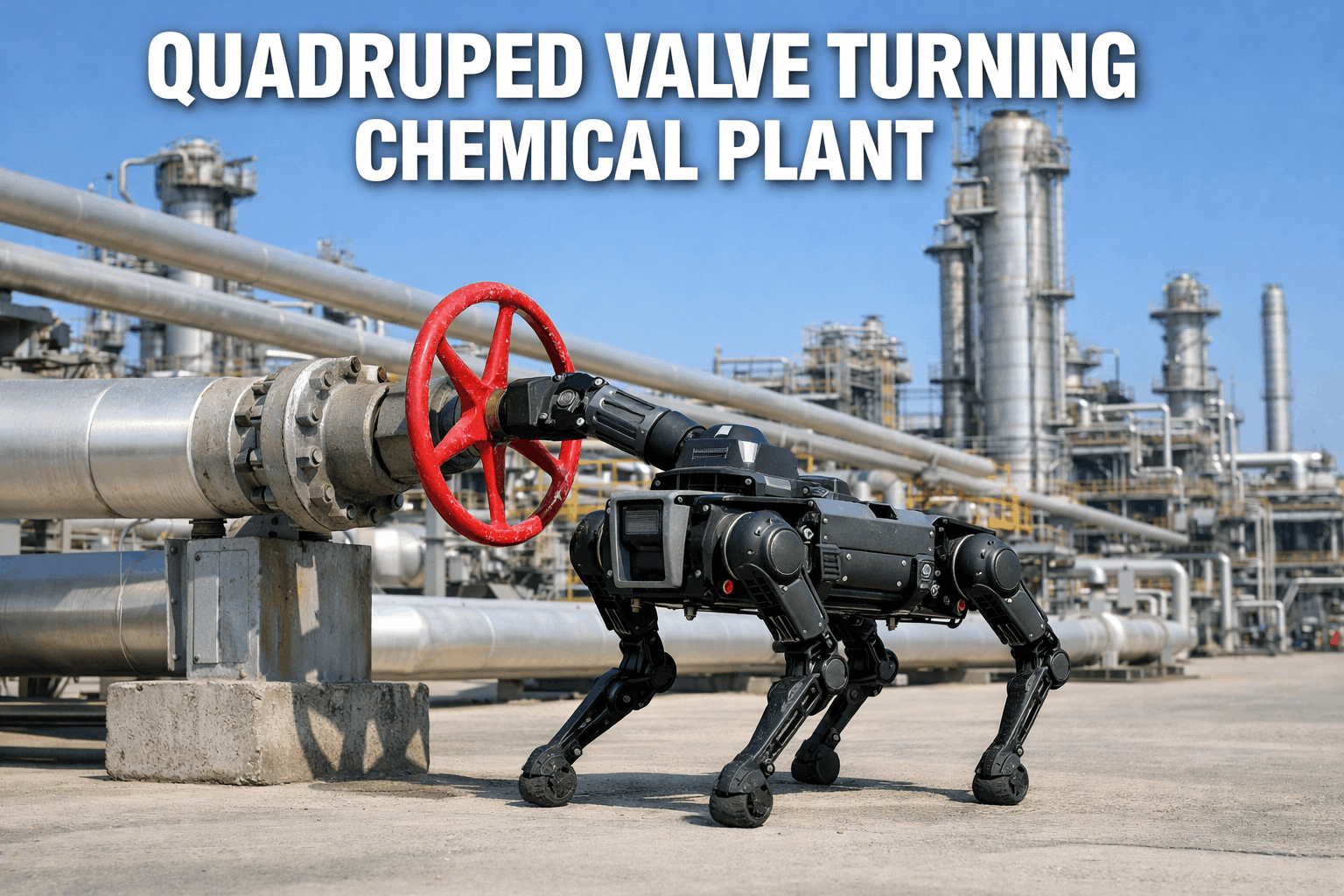
Every shift, chemical plant operators across the US and Canada perform the same high-risk manual tasks: turning isolation valves in confined or classified spaces, adjusting pressure regulators near live process lines, cycling drain valves in areas with active chemical exposure, and executing lockout/tagout procedures in environments where a single mistake can trigger a process safety incident. Quadruped robots equipped with robotic manipulator arms are now automating these exact tasks — removing operators from hazardous exposure zones while generating timestamped task logs, torque calibration records, and safety lockout documentation that paper-based systems cannot produce. With OSHA's May 19, 2026 GHS Revision 7 deadline tightening hazard classifications and PSM mechanical integrity obligations intensifying, the window to build a defensible automated task program is closing. Book a free assessment and see how iFactory powers the connected chemical plant.
6 Reasons Manual Valve Tasks Are a Chemical Plant Liability
Every manual interaction with process equipment in a classified chemical area is a potential OSHA exposure event, a torque verification gap, and a documentation liability. Robotic valve automation addresses each risk with measurable, auditable results:
Repeated Operator Exposure in Classified Zones
Valve turning and actuator tasks routinely place operators inside ATEX Zone 1 and Zone 2 areas where flammable gas or vapor concentrations may be present. Each human entry into a classified zone under OSHA PSM 1910.119 is a recordable exposure event — and repetitive entries compound cumulative risk for both individuals and the facility's safety record.
LOTO Documentation Gaps
OSHA 29 CFR 1910.147 demands documented isolation verification at every energy point. Manual LOTO without digital confirmation records leaves facilities unable to prove compliance during inspections — one of OSHA's most frequently cited serious violations across chemical operations.
Undertorque and Overtorque Valve Failures
Manual valve operations performed without torque verification produce inconsistent seating forces — resulting in leaking seats or damaged stems. In chemical service, both failure modes can trigger process upsets, environmental releases, and unplanned shutdowns contributing to the $20B annual loss figure.
GHS Revision 7 Zone Reclassification
Updated flammability classifications under GHS Rev. 7 (May 19, 2026 deadline) may expand hazardous zone boundaries around valves operators currently approach manually — requiring immediate procedure revision or robotic substitution before the compliance window closes.
Ergonomic Injury from High-Force Tasks
High-torque gate valves, stuck ball valves, and seized actuators regularly require excessive physical force — causing musculoskeletal injuries that remove trained operators from service in a sector already facing critical workforce shortages.
No Verifiable Task Completion Records
Paper-based logs cannot prove a valve was turned to specification, that a LOTO point was verified, or that a task was completed at the recorded time. In a PSM audit, unverifiable records carry the same weight as no records at all.
Facing these risks? Book a free valve automation assessment to identify your highest-risk manual task exposure points.
How Quadruped Robots Execute Valve Turning and Manual Tasks
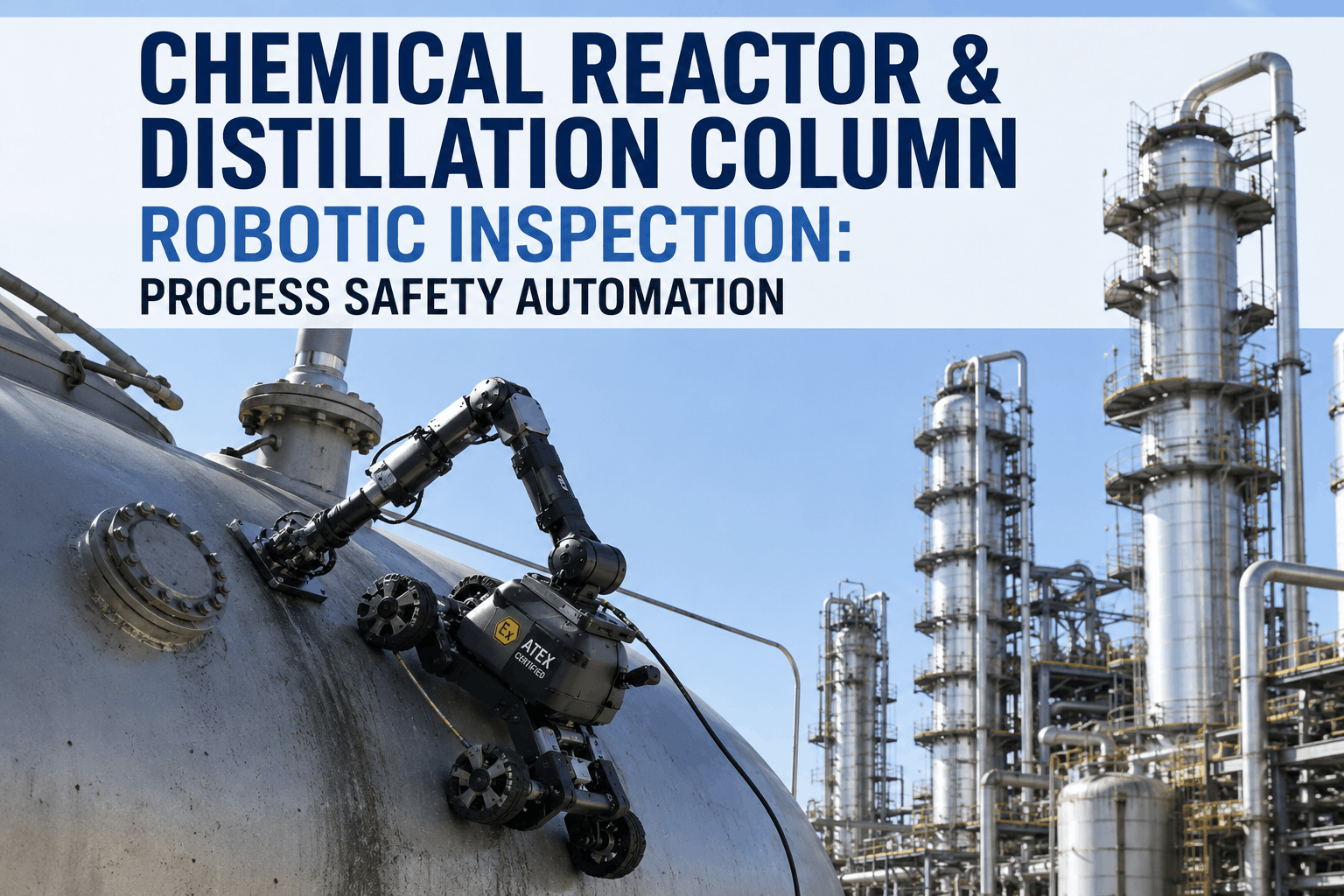
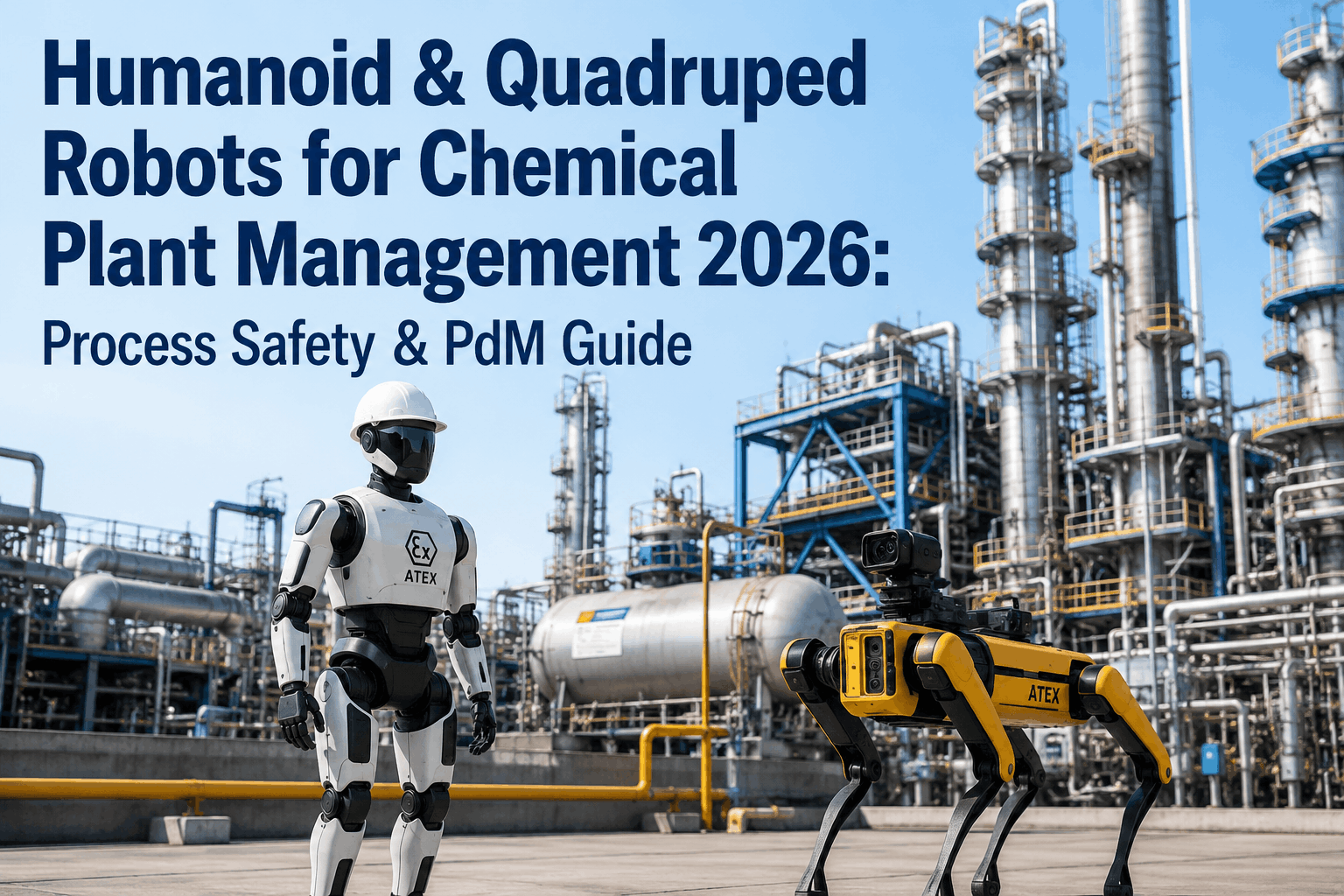
Modern quadruped platforms equipped with robotic manipulator arms execute valve operations with precision, repeatability, and full digital documentation — interfacing with standard handwheels, lever operators, and actuator controls without requiring equipment modification.
Task Assigned in iFactory
Work order or scheduled PM dispatches the quadruped to the target valve location with full task specification and torque limits loaded.
Torque-Verified Execution
Manipulator arm engages the handwheel and completes the task to the specified torque value — sensor data streamed and logged in real time.
iFactory Record Auto-Created
Timestamped task log, applied torque value, photo evidence, and LOTO confirmation auto-saved to the asset record — zero manual entry required.
Task Automation Logs
Every robotic valve operation generates a timestamped log — valve ID, location, action performed, torque value, and before/after photo evidence — automatically linked to the originating work order in iFactory.
Safety Lockout Records
Digital LOTO records created per isolation point — robot-confirmed zero-energy state captured with sensor data and photo, authorized personnel sign-off recorded digitally, full LOTO sequence preserved for OSHA 1910.147 inspection readiness.
Torque Calibration Tracking
Applied torque value stored per valve turn and trended across cycles — detecting seat degradation and packing wear 30 days before failure. Out-of-specification readings automatically generate corrective work orders linked to the valve asset record.
AI Predictive Maintenance
iFactory's AI engine analyzes torque trends, vibration, and thermal data to predict valve and actuator failure 30 days in advance at 95% accuracy — converting reactive emergency repairs into planned, budgeted maintenance events.
See Task Automation Logs, LOTO Records & Torque Calibration in Action
iFactory integrates quadruped robotic task execution with PSM mechanical integrity documentation, LOTO compliance records, and AI predictive maintenance into one platform built for chemical manufacturing.
The ROI of Robotic Valve Automation
Quantified results from chemical facilities that have moved manual valve and task programs to robotic automation with iFactory digital documentation integration.
Manual Task Program vs. Robotic Automation: The Gap
Ready to eliminate manual task exposure? Request a custom valve automation assessment for your chemical facility.
5-Phase Implementation Roadmap
A phased approach that delivers compliance and safety ROI at every stage — starting with your highest-risk valve interactions and scaling to full task automation program coverage.
Valve Inventory & Zone Risk Assessment (Weeks 1–3)
Audit all manual valve and actuator tasks. Classify each by ATEX zone, task frequency, current LOTO documentation status, and PSM coverage. Cross-reference against updated GHS Rev. 7 SDS classifications for zone boundary changes. Rank by exposure risk and documentation gap to build the implementation priority list.
Platform Selection & ATEX Certification (Weeks 4–7)
Select the quadruped platform and manipulator configuration for your zone classification. Verify ATEX/IECEx certification against zone drawings. Confirm manipulator reach and torque spec against your highest-priority valve types.
iFactory Integration & Task Configuration (Weeks 8–12)
Configure Task Automation Logs, Safety Lockout Records, and Torque Calibration modules against your valve asset register. Build automated work order templates for each task type. Connect AI predictive maintenance to torque trend baselines.
Pilot Deployment & PSM Validation (Weeks 13–18)
Deploy on the top-priority valve set. Run parallel documentation — robot records versus existing manual logs — to demonstrate equivalence to PSM auditors. Complete MOC package and obtain PHA sign-off for the pilot scope.
Scale & Full Program Rollout (Week 19+)
Expand to all prioritized valve locations across classified zones. Retire paper-based LOTO forms for automated scope. Activate predictive maintenance alerts facility-wide. Build audit package demonstrating 100% OSHA 1910.147 and PSM 1910.119 compliance.
2026 Regulatory Trends Driving Valve Automation Urgency
What forward-thinking chemical manufacturers are prioritizing right now — before the 2026 compliance window closes.
GHS Revision 7 Zone Impact
Updated flammability subcategories under GHS Rev. 7 may expand ATEX zone boundaries around valves currently accessed manually. Facilities must audit valve procedures against reclassified SDS data before May 19, 2026 or risk operating outside compliant procedure.
TSCA PFAS Valve Traceability
EPA Section 8(a)(7) PFAS reporting requires substance-level traceability for facilities handling PFAS process fluids. iFactory Task Automation Logs link every valve operation to a specific batch and substance record — creating the traceability chain TSCA reporting demands.
Canada Bill S-5 Monitoring Obligations
CEPA reform under Bill S-5 strengthens systematic monitoring requirements for chemical facilities. Digital valve task records with timestamps, torque data, and operator authorization logs directly satisfy the documentation evidence provincial regulators now expect.
LOTO Enforcement Intensifying
OSHA 1910.147 lockout/tagout remains a perennial top-10 serious citation for chemical and petrochemical facilities. Digital LOTO records generated automatically by robotic isolation confirmation — stored in iFactory — provide the most defensible compliance evidence available under the standard.
Expert Perspective
"The argument for robotic valve turning is not simply about operator safety — it is about data quality. A robot executing a valve turn generates a timestamped torque record, a confirmed position photograph, and a linked work order entry automatically. A human doing the same task generates a handwritten entry that may or may not reflect what actually happened. In a PSM-covered facility where mechanical integrity documentation is the primary evidence base during an OSHA inspection, the difference between those two records is the difference between a clean audit and a serious citation."
Ready to build a proactive valve automation program? Talk to our chemical industry specialists today.
Compliance Obligations at a Glance
The 2026 Compliance Window Is Closing. Your Valve Task Program Needs to Be Ready.
82% of plants are still running reactive manual task programs. The ones who automate now will lead on safety, compliance, and uptime. Let iFactory be the bridge between manual exposure and a fully documented, audit-ready valve automation program.