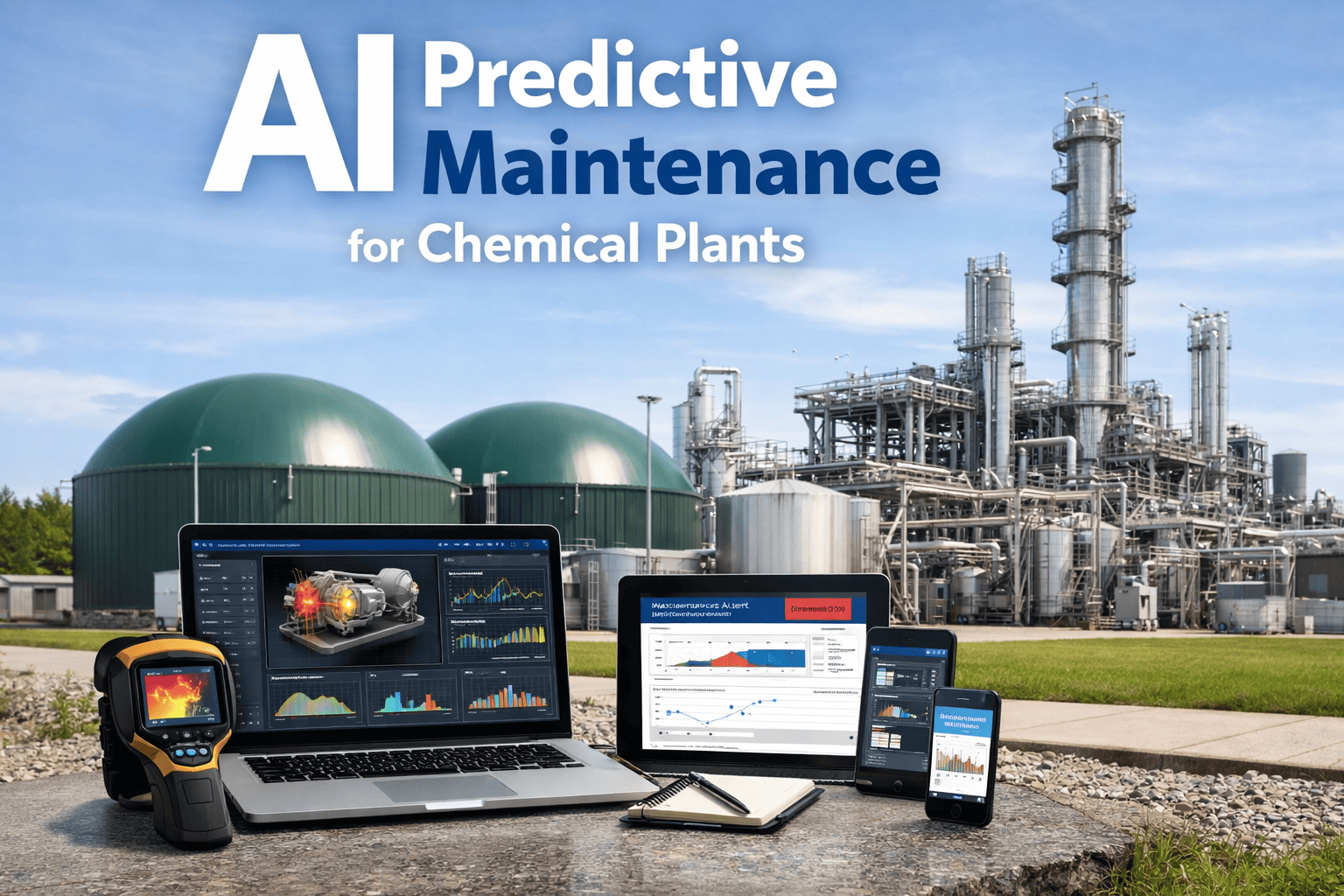
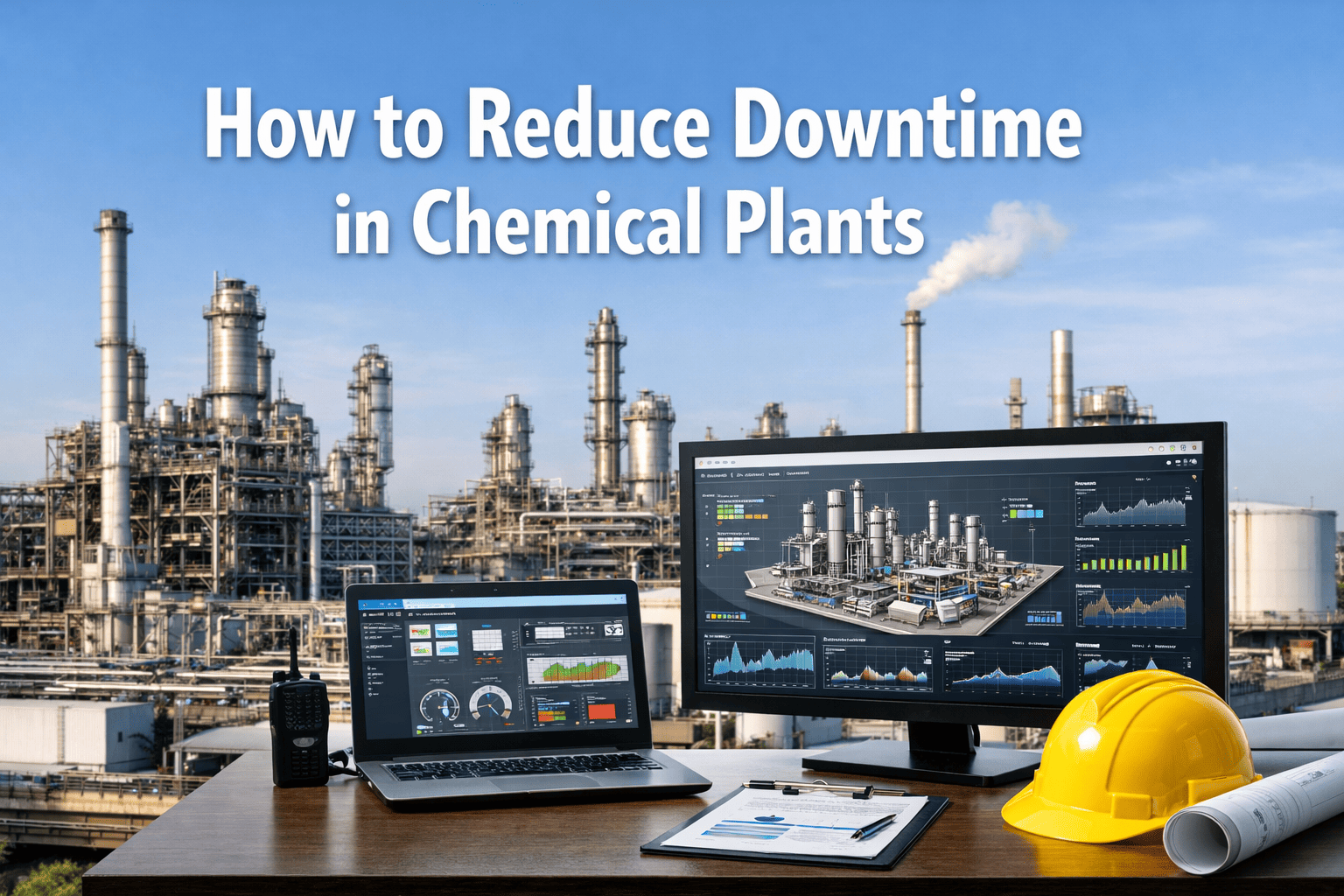
Chemical plant maintenance still operates on fixed PM schedules that ignore actual equipment condition — pumps rebuilt every 6 months regardless of bearing health, heat exchangers cleaned quarterly despite minimal fouling, and compressors inspected monthly when vibration signatures show perfect mechanical balance. This time-based approach causes 40% unnecessary maintenance while missing 65% of actual failures that occur between scheduled intervals. iFactory's AI predictive maintenance platform analyzes real-time sensor data from pumps, compressors, heat exchangers, reactors, and distillation columns to predict equipment failures 7–21 days before breakdown, schedule maintenance only when needed, and eliminate 78% of unplanned downtime. Book a demo for chemical plant predictive maintenance.
Six critical equipment types monitored with AI algorithms trained on chemical industry failure patterns.
Centrifugal Pumps
Bearing wear, impeller erosion, seal leakage, cavitation damage, shaft misalignment
Monitored: Vibration (axial/radial), temperature (bearing/casing), flow rate, pressure differential, motor current
Typical warning: 12–18 days before seal failure, 14–21 days before bearing seizure
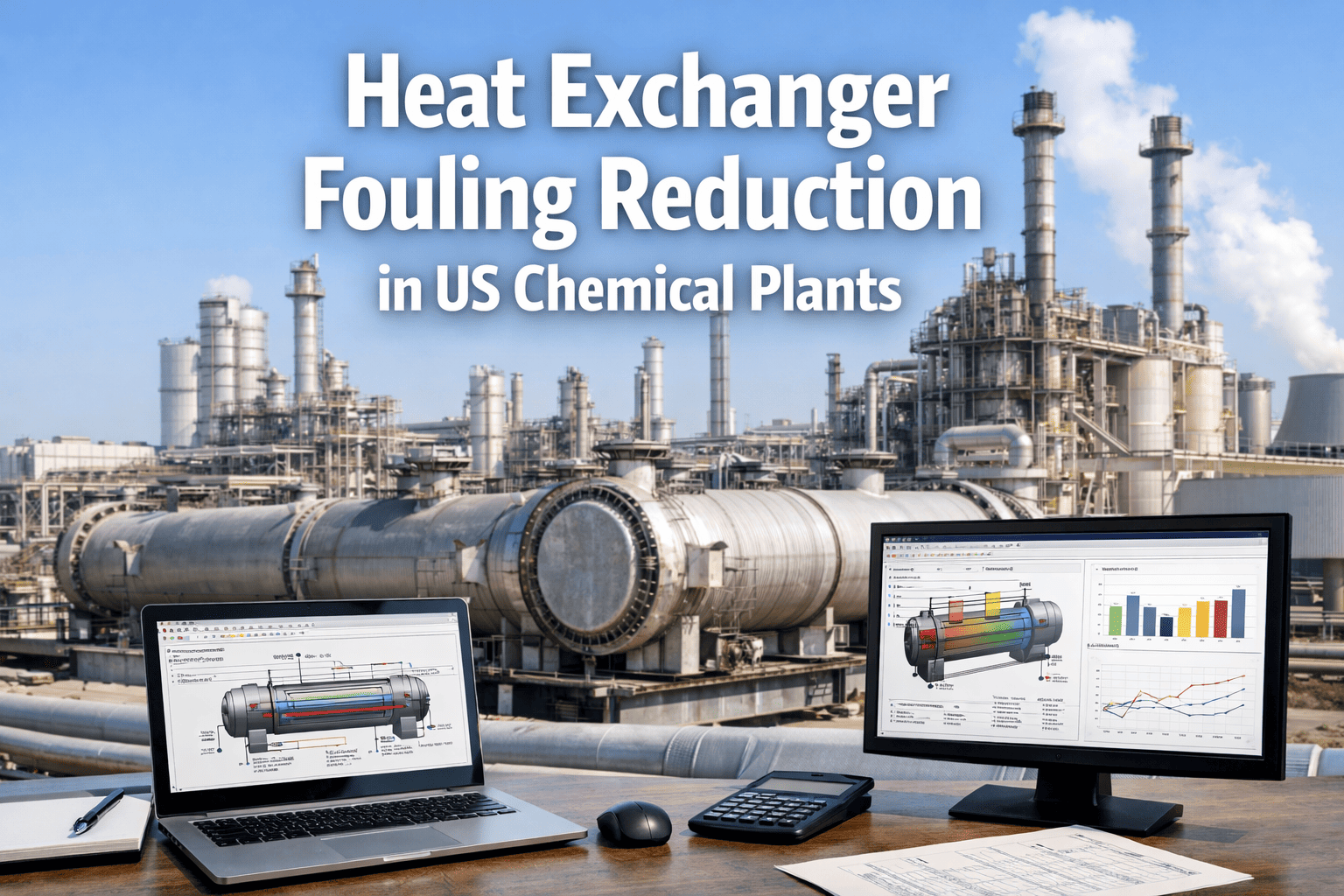
Heat Exchangers
Tube fouling, scaling, corrosion, tube leakage, thermal expansion stress
Monitored: Inlet/outlet temperatures (shell/tube side), flow rates, pressure drop, heat transfer coefficient calculation
Typical warning: 10–16 days before critical fouling, 7–12 days before tube leak detection
Compressors
Valve degradation, piston ring wear, bearing failure, intercooler fouling, lubrication breakdown
Monitored: Vibration signature, discharge temperature/pressure, suction pressure, oil temperature/pressure, motor power draw
Typical warning: 15–22 days before valve failure, 18–25 days before bearing damage
Reactors
Agitator seal leakage, jacket fouling, temperature control valve sticking, catalyst deactivation, internal corrosion
Monitored: Reactor temperature (multiple zones), pressure, agitator torque/speed, jacket inlet/outlet temps, conversion efficiency
Typical warning: 8–14 days before agitator seal failure, 12–18 days before jacket fouling impact
Distillation Columns
Tray fouling, weeping/flooding, reboiler fouling, condenser tube leakage, reflux pump cavitation
Monitored: Tray temperatures (multiple points), differential pressure (sections), reflux flow, reboiler duty, overhead/bottoms composition
Typical warning: 10–15 days before tray efficiency loss, 7–12 days before reboiler fouling
Control Valves
Stem packing leakage, actuator diaphragm failure, seat erosion, positioner calibration drift, spring fatigue
Monitored: Valve position vs demand signal, stem travel, actuator air pressure, loop response time, control deviation
Typical warning: 9–14 days before packing leak, 12–17 days before actuator failure
Machine learning algorithms trained on chemical plant failure data deliver equipment-specific predictions.
Four-phase deployment from sensor integration to full predictive operation in 6–10 weeks.
Metric
AI Predictive Maintenance
Fixed PM Schedule
Unplanned downtime events per year
2.8 events
12.6 events
Maintenance interventions per asset/year
3.2 interventions
6.4 interventions
Average failure warning time
14.2 days advance
Zero (reactive)
Emergency maintenance percentage
8% of total
34% of total
Annual maintenance cost (1,000-asset plant)
$2.8M
$4.8M
Equipment useful life extension
+18–24%
Baseline
"We were rebuilding centrifugal pumps every 6 months on a fixed schedule — 180 pump rebuilds annually across our specialty chemicals plant. iFactory AI flagged 68 pumps operating perfectly with zero degradation while identifying 42 pumps showing early bearing wear that weren't due for PM yet. We rebuilt only the 42 flagged pumps and extended intervals on the healthy 68. First year result: 112 unnecessary rebuilds eliminated, $340,000 maintenance cost savings, zero unexpected pump failures. The AI caught bearing problems 16 days before failure on average — enough time to order parts and schedule repairs during planned production pauses."
Maintenance Manager
Specialty Chemicals Plant — 850 Monitored Assets
QWhat sensors are required for predictive maintenance?
Most chemical plants already have sufficient instrumentation via DCS/SCADA. Additional wireless vibration sensors recommended for critical rotating equipment not currently monitored. Typical cost: $800–$1,500 per sensor including gateway.
QHow accurate are the failure predictions?
Average 89% accuracy for equipment failures 7+ days in advance. Rotating equipment (pumps, compressors): 91% accuracy. Heat exchangers: 92% accuracy. Control valves: 85% accuracy. False positive rate maintained below 7% through continuous model refinement.
QCan the system integrate with existing CMMS software?
Yes. Bi-directional integration with SAP PM, IBM Maximo, Infor EAM, Oracle EAM via API. Predictive alerts auto-generate work orders in CMMS with failure mode diagnosis, recommended parts, and urgency level. Maintenance completion data flows back to validate predictions.
QWhat ROI timeline is typical for chemical plants?
Payback period: 8–14 months for mid-size plants (500–1,500 assets). ROI driven by: unplanned downtime reduction (60–70% of value), maintenance cost savings (25–30%), equipment life extension (5–10%). First-year ROI typically 2.2–3.8× investment.