Remote Sampling & Robotic Samplers for Chemical Process Monitoring
By Jennie on March 5, 2026
Chemical process monitoring is entering a new era. For decades, collecting process samples meant dispatching operators to manual sampling points, often in hazardous or classified zones, on fixed schedules that told you what your process looked like hours ago — not now. Robotic sampling systems are changing that equation entirely. Automated samplers deployed across process lines collect specimens at programmable intervals, maintain unbroken chain-of-custody records, stream sensor telemetry directly to LIMS and CMMS platforms, and do it all without placing a human inside a restricted area. For US and Canadian chemical manufacturers facing OSHA PSM 1910.119 mechanical integrity obligations, tightening EPA PFAS reporting requirements, and the May 19, 2026 GHS Revision 7 compliance deadline, the move from manual to robotic sampling is no longer a future investment — it is a 2026 operational imperative.
Robotic Sampling in Chemical Manufacturing: 2026 Market Snapshot
Manual Sampling Programs
82%
of Plants — Reactive Culture
Paper logs, delayed results, audit gaps
VS
Robotic Sampling + iFactory
40%
Downtime Reduction
100% chain-of-custody, 95% AI accuracy
— Chemical Processing Industry Report 2024; iFactory Platform Outcomes; OSHA PSM Enforcement Data 2025
Two Approaches, One Compliance Obligation: How Robotic Sampling Works
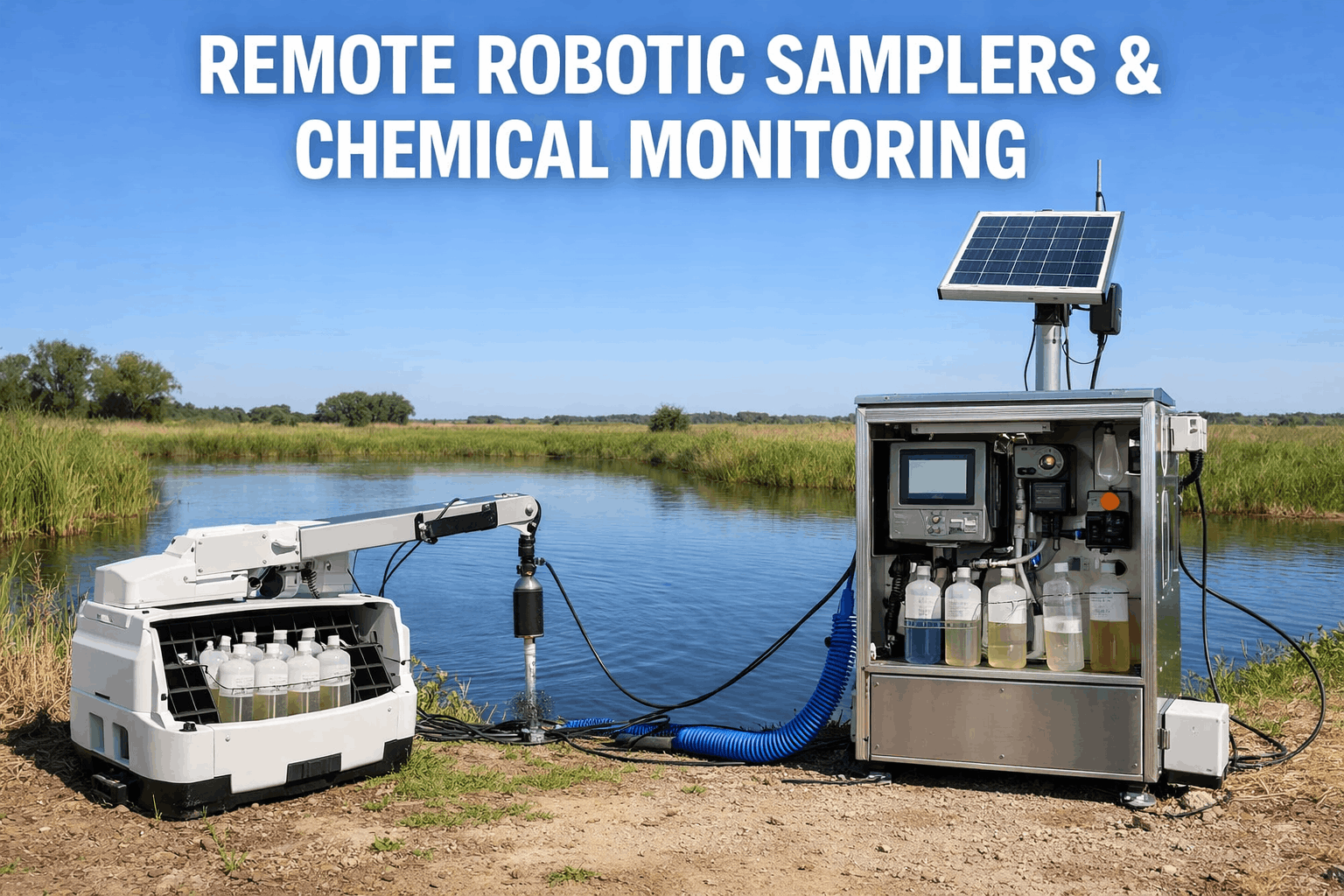
Chemical facilities use two primary robotic sampling architectures depending on process type, zone classification, and sample volume requirements. Both eliminate manual operator exposure during collection — but they differ significantly in deployment model, integration depth, and the type of chain-of-custody data they generate. Understanding the distinction is essential for selecting the right platform and building a compliant iFactory sample scheduling workflow.
Fixed
Inline Automated Samplers
1
Sampler installed directly into process piping or vessel nozzle
2
Programmable timer or process trigger initiates sample extraction
3
Sample collected into sealed, labeled vessel with timestamp
4
Chain-of-custody record auto-generated in iFactory LIMS integration
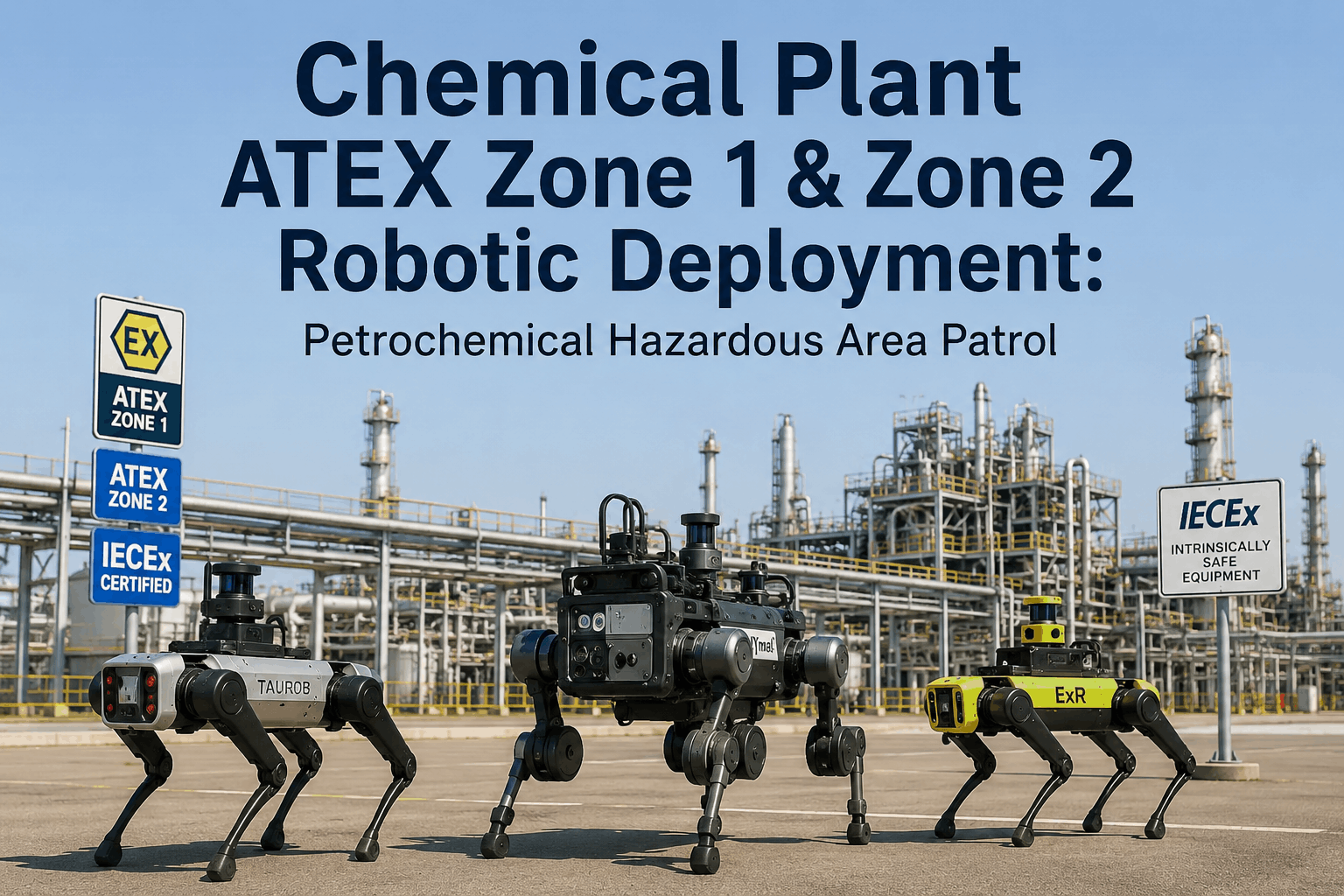
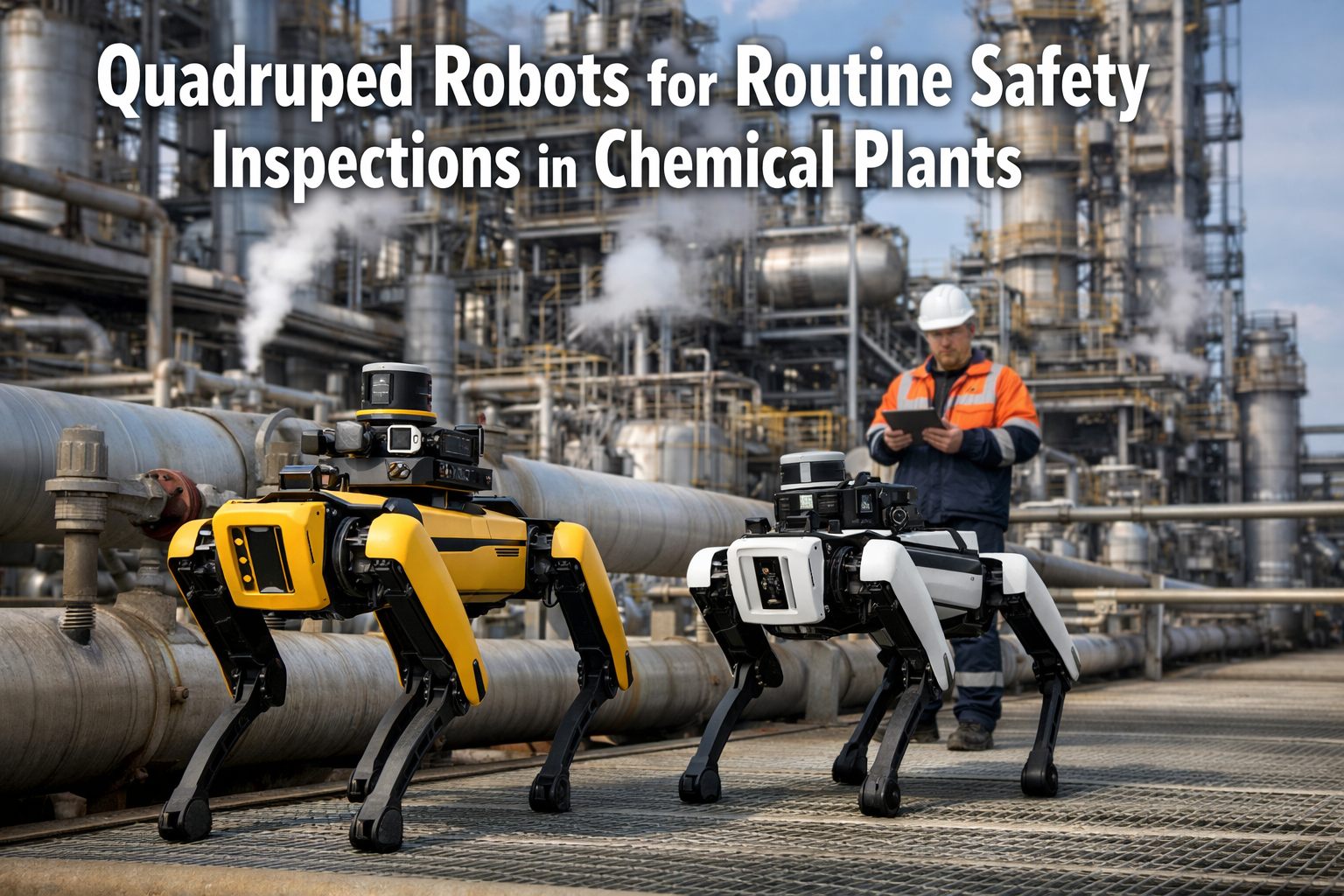
iFactory work order dispatches quadruped to sample point location
2
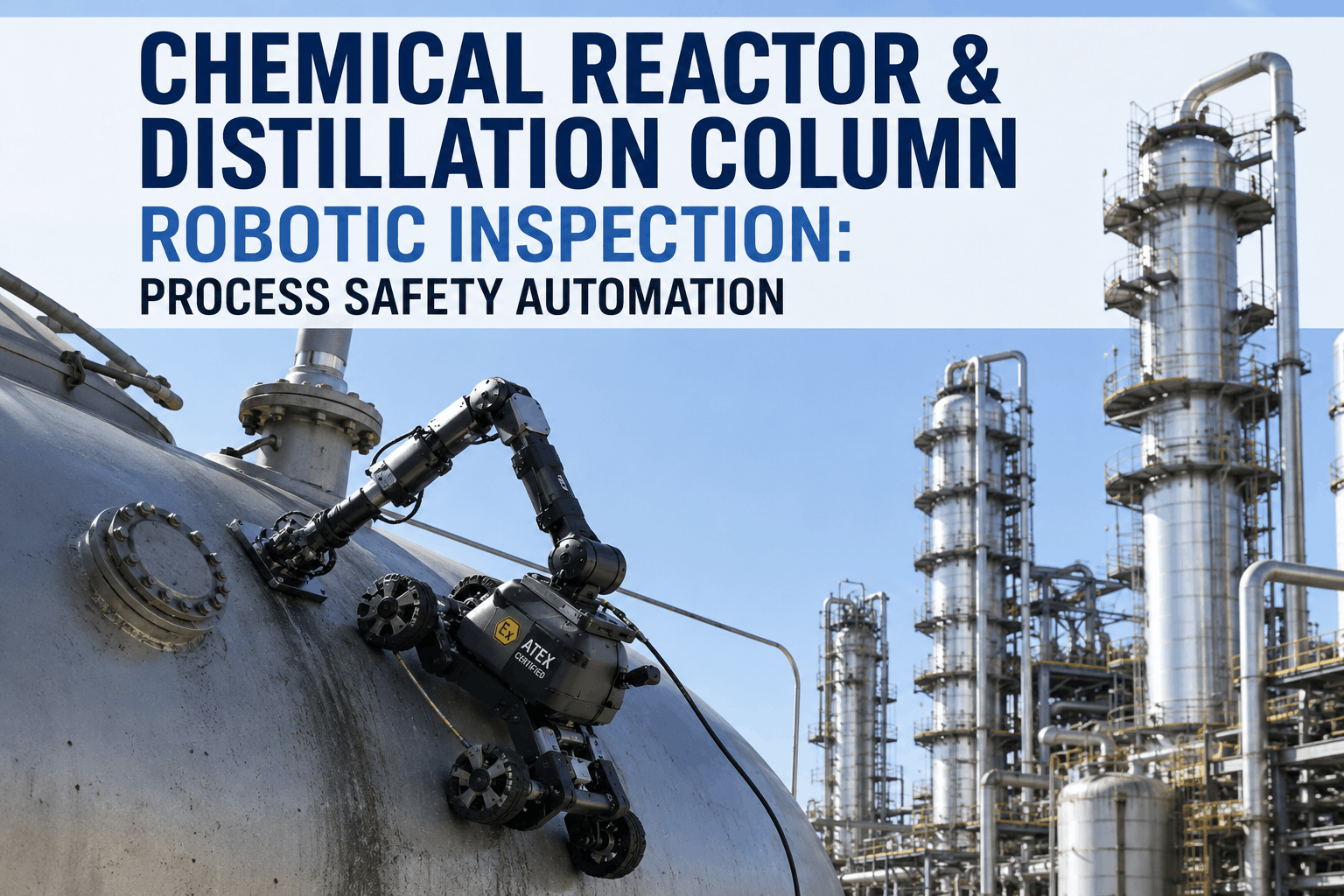
Manipulator arm engages sampling port — no human entry required
3
Onboard sensors stream temperature, pressure, flow telemetry live
4
Sample returned to lab handoff point with full custody documentation
Best For:Multi-point, classified zone access
Zone Support:ATEX/IECEx certified for Zone 1 deployment
iFactory Link:Chain-of-Custody Logs + CMMS work orders
Running manual sampling rounds in classified areas? Get a free robotic sampling assessment to map your highest-risk collection points and build an automated schedule.
The Documentation Gap: Why Manual Sampling Fails Regulatory Scrutiny
Manual sampling programs look adequate until an OSHA PSM audit, an EPA PFAS records request, or a LIMS data integrity review surfaces the gaps. The core problem is not frequency — most facilities collect samples often enough. The problem is that manual programs generate documentation that cannot be independently verified, chain-of-custody records that break under scrutiny, and sensor data that exists only as handwritten operator notes. In 2026, that is no longer an acceptable compliance posture.
The Compliance Documentation Gap — Manual vs. Robotic Sampling
82%of plants still reactive — manual records the norm
May 2026GHS Rev. 7 deadline — SDS reclassification impacts sampling zone protocols
$20BAnnual industry downtime loss — sampling gaps are a leading cause of process excursions
How iFactory Transforms Robotic Sampling into Compliance Infrastructure
Collecting the sample is only the first step. The compliance value of robotic sampling programs depends entirely on what happens to the data after collection — how it is logged, linked, trended, and made available for audit. iFactory's three-module sampling integration converts raw sample events into a continuous, audit-ready compliance record across your entire process monitoring program.
Sample Chain-of-Custody Logs
Every robotic sample collection event generates a timestamped custody record — sample ID, collection point, operator authorization, transfer timestamps, and lab receipt confirmation — stored against the asset record in iFactory. No manual transcription. No custody breaks. Complete traceability from process line to lab result.
100% audit-ready chain-of-custody — on-demand export for EPA and OSHA review
Sensor Telemetry Integration
Onboard robot sensors and fixed inline instruments stream temperature, pressure, flow rate, pH, and conductivity data to iFactory in real time during every sample collection event. Telemetry is time-synchronized with the custody record — creating a complete process state snapshot at the moment of sample extraction for LIMS correlation.
Real-time process telemetry linked to every sample — no isolated data silos
Sample Scheduling & Dispatch
iFactory's Sample Scheduling module manages the full collection calendar — fixed-interval schedules, process-event-triggered collections, and regulatory-mandated sampling frequencies. Missed collections trigger automatic escalation alerts. Schedule compliance rates and collection gaps are tracked and reportable for PSM mechanical integrity documentation.
Zero missed mandatory samples — automated escalation closes every scheduling gap
AI Predictive Sampling Alerts
iFactory's AI engine analyzes telemetry trends to identify process conditions that historically precede quality excursions — triggering unscheduled sample collections before the excursion fully develops. 30-day early warning capability identifies process drift 95% accurately, converting reactive out-of-spec discoveries into proactive interventions.
95% accuracy — unscheduled collections triggered by AI before out-of-spec conditions escalate
Connect Your Robotic Samplers to Chain-of-Custody, Telemetry & Scheduling in One Platform
iFactory integrates fixed and mobile robotic sampling systems with Sample Chain-of-Custody Logs, Sensor Telemetry streams, Sample Scheduling, and AI predictive alerts — delivering end-to-end process monitoring compliance for chemical manufacturers in the US and Canada.
What separates chemical facilities with defensible sampling records from those who fail EPA and OSHA documentation reviews? It is not how often they collect — it is the intelligence layer that captures, links, and preserves what was collected and why.
Scroll to compare
Capability
Manual Sampling Program
Robotic + iFactory Integration
Sample Collection
Operator dispatched to zone — exposure per shift
Automated robot dispatch — zero classified zone entry
Chain-of-Custody
Paper form — breaks at handoff, unverifiable
Digital record per sample — continuous, timestamped
Sensor Data Capture
Operator notes — delayed, inconsistent
Real-time telemetry synchronized to custody record
Schedule Compliance
Missed collections undocumented
Automated escalation — zero gaps, fully reportable
"The chemical industry's sampling compliance problem is fundamentally a data problem, not a collection problem. Most facilities collect samples frequently enough — the failure point is that the data generated by those collections is fragmented, manually transcribed, and impossible to verify after the fact. Robotic samplers connected to integrated chain-of-custody systems don't just eliminate operator exposure in classified zones — they transform every sample event into a verifiable, timestamped data record that survives regulatory scrutiny. That shift from paper-based to digital chain-of-custody is the single most impactful compliance improvement a chemical manufacturer can make heading into the 2026 regulatory cycle."
— Process Safety Management Expert, Chemical Industry Advisory Council; OSHA PSM Enforcement Analysis 2025
The Bottom Line: ROI of Robotic Sampling Integration
100%
Chain-of-Custody Compliance
Every sample event digitally timestamped and linked — no manual custody breaks, no transcription gaps
40%
Downtime Reduction
AI-driven telemetry trending identifies process excursions before they escalate to shutdowns
95%
Predictive Alert Accuracy
30-day early warning flags process drift — unscheduled collections triggered before out-of-spec events
Zero
Classified Zone Entries
Routine sampling fully robotic — operators removed from ATEX Zone 1 and Zone 2 exposure entirely
Ready to see what automated chain-of-custody looks like in practice? Book a personalized sampling demo tailored to your process monitoring environment.
The Future of Chemical Process Monitoring Is Automated, Traceable, and Always Audit-Ready
As OSHA PSM enforcement tightens, EPA PFAS traceability obligations intensify, and GHS Revision 7 reshapes zone classifications before May 2026, chemical manufacturers who automate their sampling programs now will lead on compliance, safety, and operational intelligence. iFactory brings enterprise-grade chain-of-custody, sensor telemetry, and sample scheduling to robotic sampling programs of all scales.
What is a robotic sampler and how does it differ from a manual sampling program?
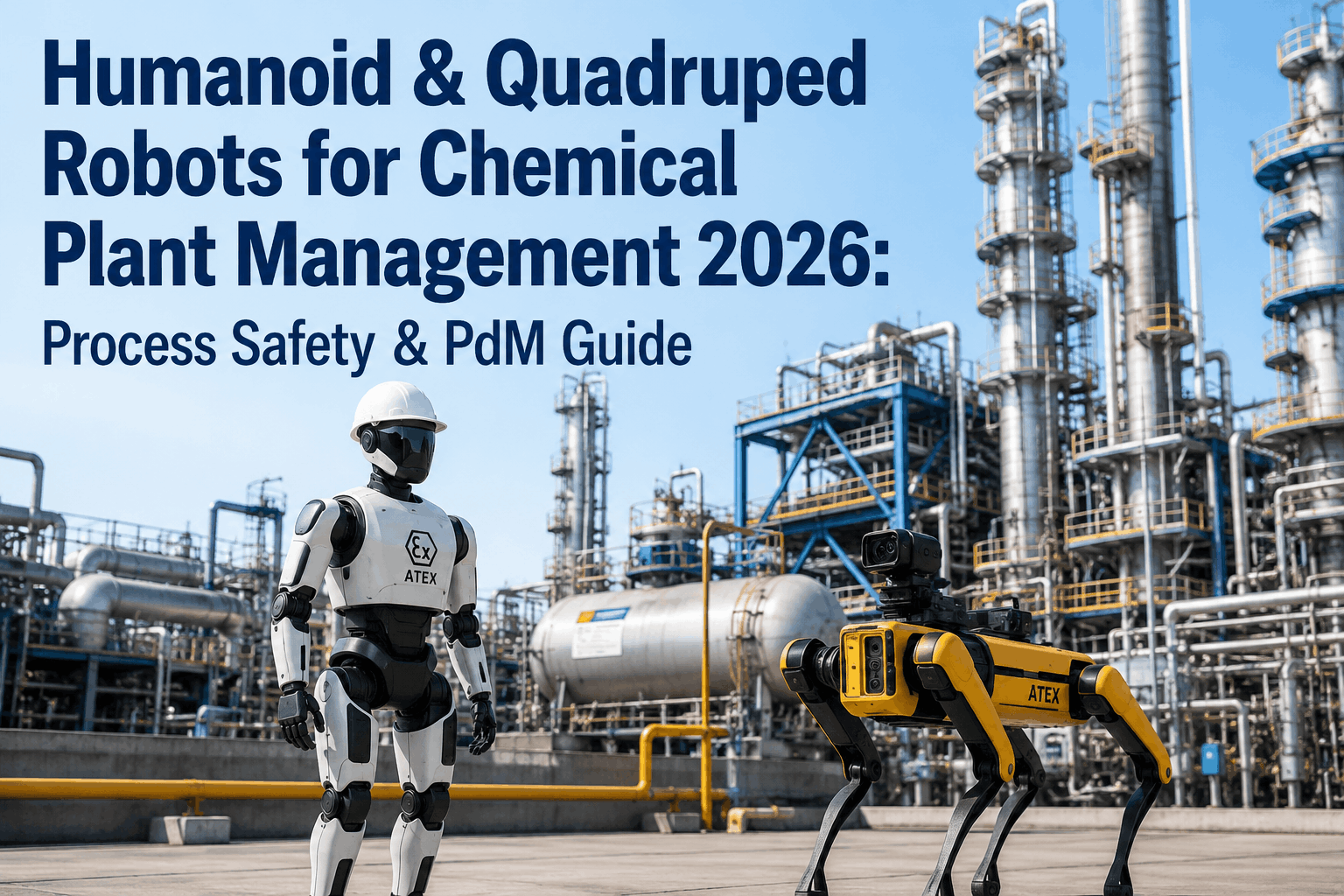
A robotic sampler is an automated system — either a fixed inline unit installed directly in process piping, or a mobile quadruped robot equipped with a sampling manipulator arm — that collects process specimens at programmable intervals without requiring human operator entry into the sampling zone. Unlike manual programs where an operator physically accesses the sample point, records the collection on paper, and transports the specimen to the lab, robotic samplers generate timestamped digital collection records automatically, stream sensor telemetry at the moment of collection, and maintain unbroken chain-of-custody from process line to lab handoff. The compliance difference is fundamental: robot records are independently verifiable; manual records are not.
How does iFactory's chain-of-custody log satisfy EPA and OSHA documentation requirements?
iFactory's Sample Chain-of-Custody Logs module generates a structured digital record for every robotic sample collection event — including sample ID, collection point asset reference, timestamp, process conditions at collection, authorized dispatcher identity, transfer timestamps, and lab receipt confirmation. Each record is stored immutably against the asset and batch records it relates to, with full export capability for EPA PFAS Section 8(a)(7) reporting, OSHA PSM 1910.119 mechanical integrity documentation, and LIMS data integrity audits. The module satisfies 21 CFR Part 11 electronic records requirements for facilities operating under FDA jurisdiction and provides the traceable documentation chain that OSHA PSM auditors require to verify sampling procedure compliance.
Can robotic samplers operate in ATEX Zone 1 classified areas?
Yes. Both fixed inline automated samplers and mobile quadruped robotic platforms are available in ATEX/IECEx certified configurations for Zone 1 and Zone 2 deployment. ATEX Zone 1 certification requires that all electrical components be designed to prevent ignition of explosive atmospheres — certified platforms carry Ex d (flameproof), Ex e (increased safety), or Ex ia (intrinsically safe) protection classifications appropriate to the zone and gas group. Following the May 19, 2026 GHS Revision 7 update, facilities should verify that their zone classification drawings remain current for any reclassified substances before deploying sampling equipment, as updated flammability criteria may alter zone boundaries at existing sample points.
How does iFactory integrate with existing LIMS and CMMS platforms?
iFactory connects to all major LIMS platforms — LabWare, STARLIMS, Thermo Fisher SampleManager, and others — via standard HL7 FHIR, HL7 v2, and REST API protocols, enabling bi-directional data flow between iFactory's sample scheduling and chain-of-custody modules and the laboratory information system. Sample results returned from the LIMS are automatically linked back to the originating chain-of-custody record in iFactory, completing the data loop from collection through analysis. CMMS integration allows robotic sampler maintenance work orders to be generated from iFactory's predictive maintenance engine and synchronized to existing maintenance management systems including SAP PM, IBM Maximo, and Infor EAM.
How does the May 2026 GHS Revision 7 update affect chemical process sampling protocols?
GHS Revision 7 introduces updated flammability subcategory classifications for gases and revised criteria for flammable liquid categories. For sampling programs, the primary impact is on zone classification at sample point locations: if a substance handled in your process is reclassified to a higher flammability category, the ATEX zone designation at the corresponding sample valve or port may expand — affecting what equipment category is required for robotic samplers deployed at that location, and potentially requiring procedure revision for any manual sampling activities that remain. Facilities should cross-reference their updated SDS data against sample point zone drawings before May 19, 2026, using iFactory's MOC tracking module to document any required procedure changes and obtain PHA sign-off for revised sampling equipment in reclassified zones.