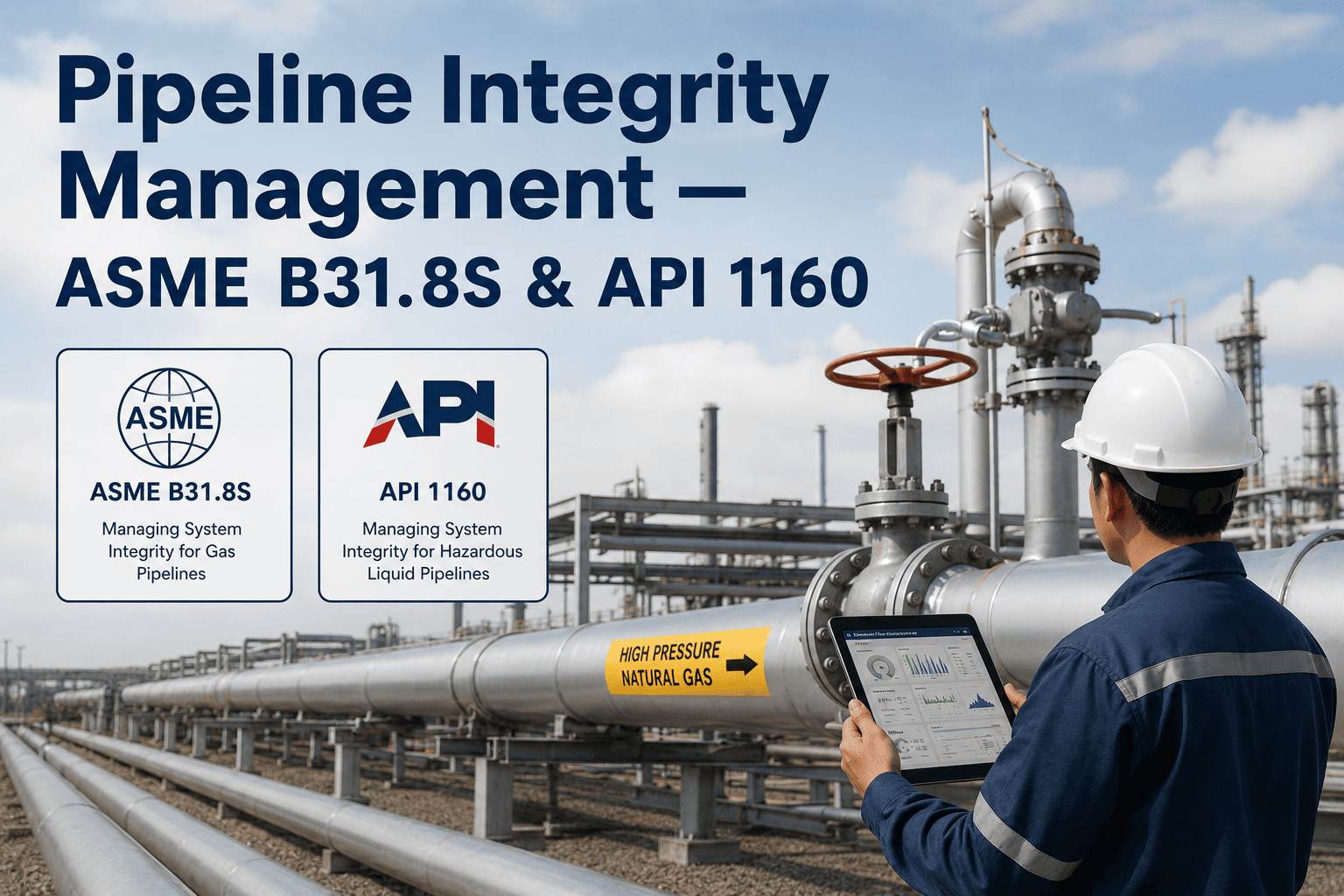
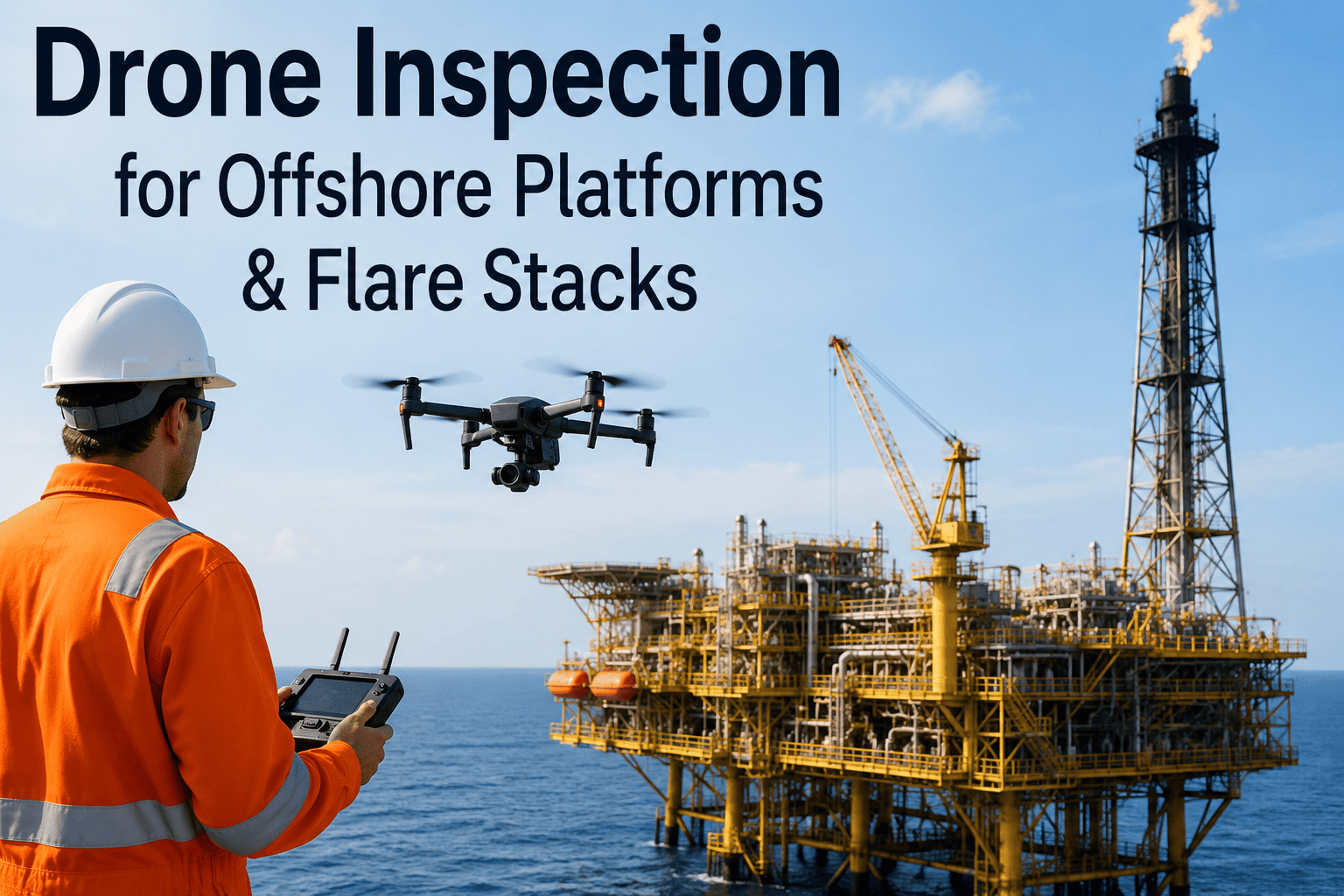
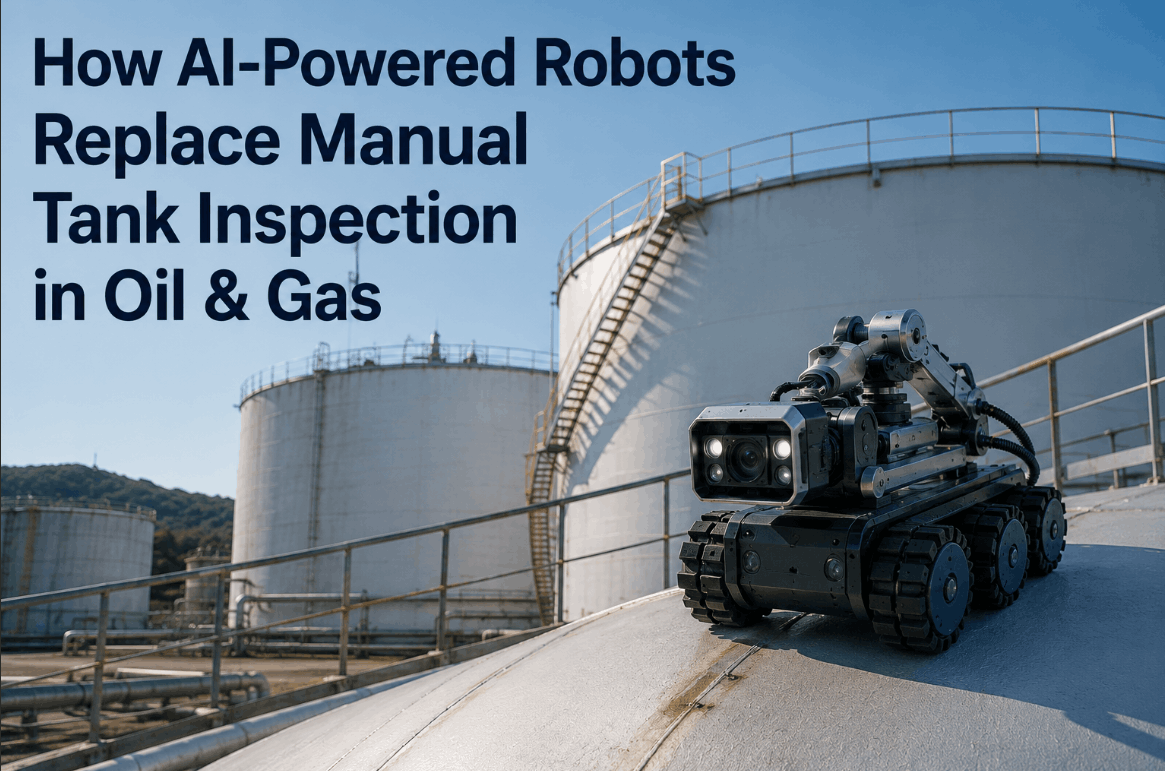
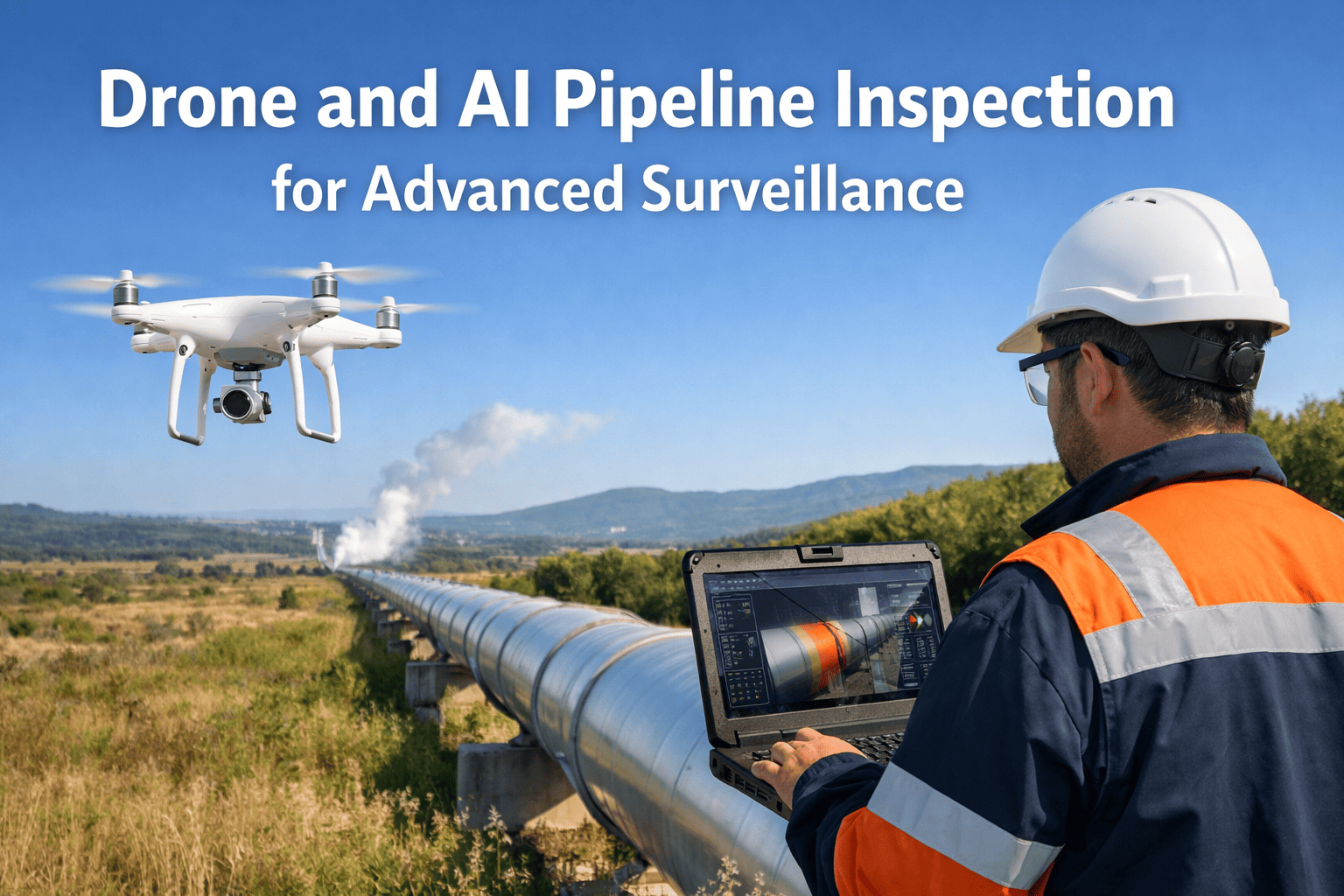
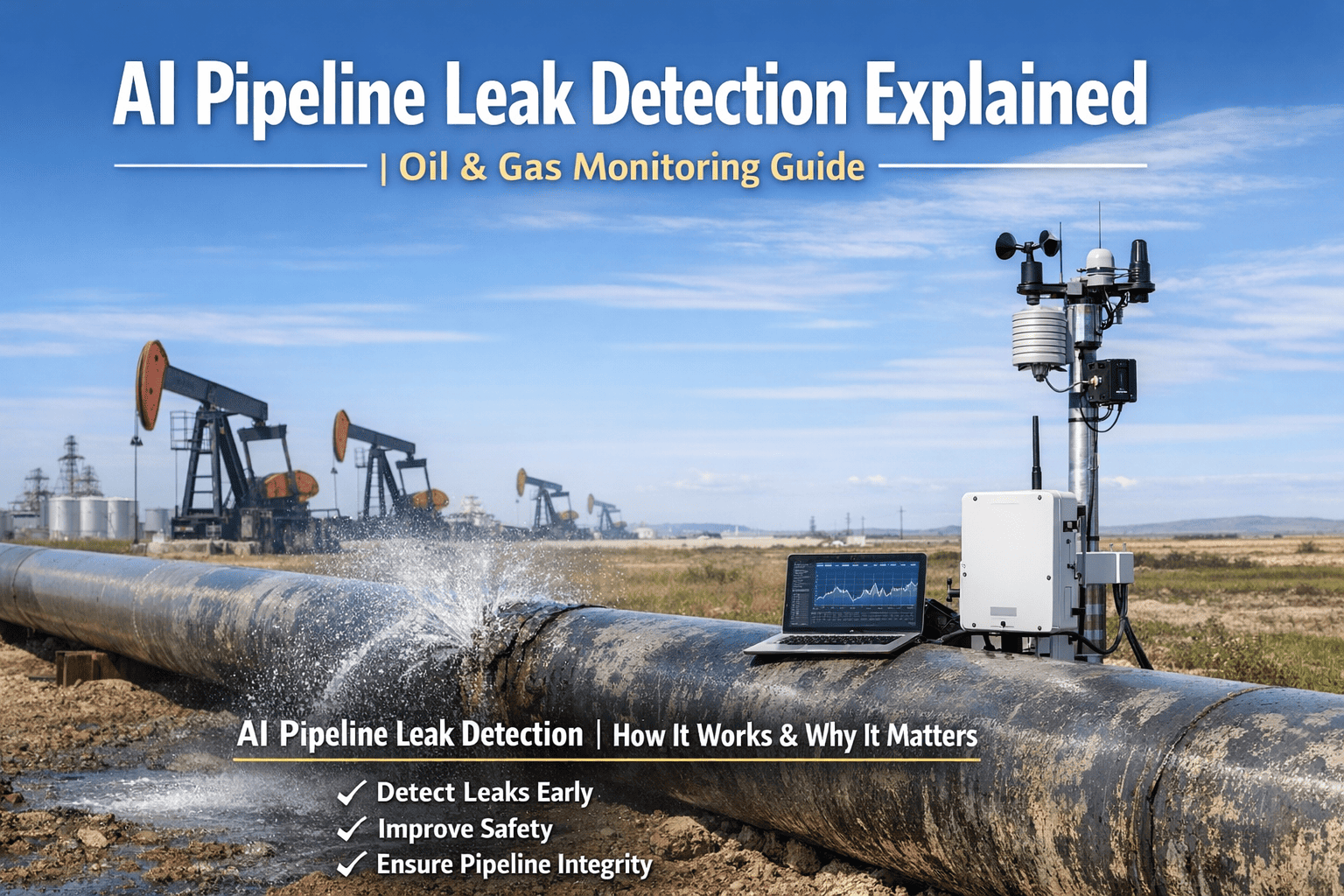
The pressure on midstream and downstream oil & gas operators to maintain pipeline and tank farm integrity has never been greater. Regulatory frameworks like 49 CFR Part 195 for hazardous liquid pipelines and ASME B31.4 for pressure piping demand rigorous, documented inspection cycles — yet the traditional model of deploying human inspectors into confined spaces, crawling right-of-way corridors on foot, or staging costly out-of-service tank entries is no longer operationally or financially sustainable. A new generation of robotic inspection — combining quadruped ground robots with methane-sensing aerial drones — is reshaping how operators satisfy API 653, ILI compliance, and EPA leak detection obligations. iFactory's AI-driven platform brings these robotic assets under a unified data architecture, converting raw sensor feeds into audit-ready integrity records. Book a Demo to see how the hybrid coverage model works in practice.
Why Hybrid Robotic Coverage Is the New Compliance Standard
No single robotic platform covers every inspection scenario in a pipeline or tank farm environment. Aerial drones excel at rapid right-of-way (ROW) corridor surveys, methane plume mapping, and external tank roof assessments — covering kilometers of linear infrastructure in a single flight. Quadruped robots, by contrast, navigate congested valve stations, pump houses, and terminal process areas where GPS-denied, cluttered environments demand stable ground contact and sensor repeatability. When deployed as a coordinated hybrid fleet, these two platforms eliminate the coverage gaps that have historically forced operators to choose between speed and thoroughness.
- ROW corridor methane scanning (BVLOS)
- External tank roof and floating seal inspection
- LiDAR-based pipeline corridor mapping
- Rapid large-area VOC / SF6 gas surveys
- Perimeter thermal anomaly detection
- Confined valve station and pump house patrols
- Automated gauge reading and anomaly flagging
- Contact-based NDT (UT thickness) at known TMLs
- API 653 tank floor and shell close-inspection routes
- OSHA confined-space fatality risk elimination
API 653 and 49 CFR 195: Mapping Robotic Capabilities to Regulatory Requirements
Compliance programs in the oil and gas sector are driven by specific regulatory mandates. Understanding which robotic technology satisfies which requirement is essential before committing capital to a fleet deployment. The table below maps the most common inspection obligations to the robotic platform and iFactory module that delivers the required data artifact.
| Regulation / Standard | Inspection Requirement | Robotic Platform | iFactory Module | Output Artifact |
|---|---|---|---|---|
| API 653 (6th Ed.) | In-service floor & shell thickness measurement | Crawler / Quadruped (UT payload) | AI Vision + Digital Work Orders | UT grid map, thickness trending report |
| 49 CFR Part 195 | Hazardous liquid pipeline integrity management | ILI pig + ROW drone (aerial survey) | OEE & Preventive EAM | ILI anomaly log, ROW change-detection record |
| ASME B31.4 / B31.8 | Pressure piping weld and corrosion NDT | Crawler robot (MFL / EMAT payload) | Digital Work Orders + Real-Time OEE | Anomaly severity ranking, repair work orders |
| EPA 40 CFR Part 98 (Subpart W) | Methane leak detection and quantification | Drone (methane-sensing payload) | AI Vision + Smart Forms | Leak location log, emission quantification record |
| OSHA 29 CFR 1910.146 | Confined space entry risk reduction | Quadruped / crawler robot | Smart Forms / Checklists | Permit-equivalent digital audit trail |
The iFactory platform automatically links each inspection event to the applicable regulatory citation, ensuring that every work order, thickness measurement, and drone scan log is traceable to the standard it satisfies. Book a Demo to review a live compliance dashboard.
The 5-Phase Hybrid Inspection Deployment Playbook
Deploying a quadruped-drone hybrid fleet without a structured rollout plan results in fragmented data, duplicate coverage, and integration failures. iFactory's midstream deployment playbook sequences the implementation to deliver regulatory value at each phase while progressively building toward a fully autonomous inspection program.
Asset Registry and Inspection Baseline
Import your pipeline segment hierarchy, tank IDs, and known Thickness Measurement Locations (TMLs) into iFactory's EAM module. Establish the regulatory calendar — API 653 intervals, 49 CFR 195 IMP cycles — so every robotic mission is scheduled against a compliance trigger rather than an arbitrary date.
Drone ROW and Methane Baseline Survey
Deploy methane-sensing drones along the full right-of-way corridor to establish an emission baseline. iFactory ingests the flight logs, GPS coordinates, and methane concentration readings, generating a geo-referenced leak risk map that prioritizes ground investigation zones for the quadruped fleet.
Quadruped Ground Truth and NDT Deployment
Assign quadruped patrol routes to valve stations, pump houses, and tank farm process areas flagged by drone surveys. Equip robots with UT or MFL payloads at known TML locations. iFactory's AI Vision module reads analog gauge panels automatically, logging readings against expected operating ranges without manual data entry.
ILI Data Integration and Anomaly Triage
Import inline inspection (ILI) pig data — MFL, EMAT, or UT geometry tool outputs — directly into the iFactory platform. Anomalies are automatically cross-referenced against ROW drone findings and historical thickness records, producing a severity-ranked repair backlog that feeds the digital work order queue.
Autonomous Scheduling and Continuous Compliance Reporting
Use accumulated run-hour and degradation data to trigger preventive maintenance work orders automatically. iFactory generates board-ready compliance summaries linking every inspection event to its regulatory requirement — ready for PHMSA, API, or insurance audits without additional manual compilation.
Tank Farm Inspection: From API 653 Confined-Space Risk to In-Service Robotic Coverage
A single API 653 internal inspection of a large aboveground storage tank (AST) has historically required draining, purging, ventilating, and entering vessels that may contain residual hydrocarbon vapor or hydrogen sulfide — a process that can run 7 to 14 days of preparation and incur total inspection costs exceeding $200,000 per event. Robotic crawlers and quadrupeds are fundamentally changing this calculation by enabling in-service inspections that satisfy the same thickness measurement and corrosion assessment requirements without taking the tank out of service.
API 653's 6th edition acknowledges in-service robotic inspection findings as a basis for deferring out-of-service internal inspections, provided the robotic platform delivers UT wall thickness data at sufficient TML density. iFactory's crawler integration module ingests robotic UT data, maps it against the tank's Fitness-for-Service (FFS) model, and generates the documentation required to support an inspection interval extension request — eliminating the need for a confined-space entry in many routine assessment cycles. Book a Demo to see a live API 653 compliance dashboard.
Methane Drone Scanning: Satisfying EPA Subpart W and LDAR Requirements
Leak Detection and Repair (LDAR) programs under EPA 40 CFR Part 98 Subpart W require operators to detect, quantify, and report methane emissions from pipeline facilities, compressor stations, and tank farms. Traditional LDAR relies on Method 21 handheld detectors and OGI camera walkovers — labor-intensive, episodic, and limited in spatial coverage. Drone-based methane scanning replaces scheduled walkdowns with continuous aerial surveys that can cover entire terminal footprints in a single mission.
Tunable Diode Laser (TDLAS) Drones
TDLAS payloads detect methane concentrations at the parts-per-billion level from altitudes up to 30 meters. Drones fly pre-programmed ROW corridors, generating a continuous emission profile that identifies leak plumes and pinpoints source coordinates for ground follow-up.
OGI-Equipped Aerial Platforms
Optical gas imaging cameras mounted on drones provide visual confirmation of vapor releases from valve packing, flanges, and tank vents. iFactory's AI Vision module processes OGI footage automatically, flagging anomalies and creating digital LDAR survey records without manual video review.
BVLOS Corridor Automation
Beyond Visual Line of Sight (BVLOS) waivers are enabling midstream operators to automate entire pipeline segment surveys with minimal ground crew. iFactory schedules BVLOS drone missions against 49 CFR 195 patrol intervals, ensuring regulatory cadence is maintained automatically rather than managed manually.
Emission Quantification and Reporting
Drone methane scan data is ingested into iFactory's analytics layer, where emission rates are estimated using plume-dispersion models. The platform automatically populates EPA Subpart W reporting fields and flags any emission threshold exceedances requiring immediate repair action under LDAR protocols.
Where iFactory Fits in the Robotic Inspection Data Architecture
Robotic inspection platforms generate data — but data without integration is just cost. The gap between raw robotic output and actionable compliance documentation is where most oil and gas operators lose the value of their robotic investment. iFactory bridges that gap by acting as the operational intelligence layer above the robotic fleet.
Multi-Platform Data Ingestion
iFactory accepts data from ILI pig tools, crawler robots, quadruped patrol logs, drone flight records, and fixed sensor nodes via standard API connectors or direct file upload — eliminating the need for custom integration projects for each robotic vendor.
AI Vision Anomaly Classification
NVIDIA-powered Edge AI nodes process camera and thermal feeds at the facility level, classifying corrosion patches, coating failures, and equipment anomalies without sending raw video to the cloud — reducing bandwidth costs by over 80% compared to cloud-only AI analysis.
Automated Work Order Generation
When a robotic inspection identifies an anomaly exceeding a defined threshold, iFactory automatically generates a digital work order, checks spare parts inventory, and assigns the task to the appropriate maintenance crew — compressing the gap between detection and repair from days to hours.
Regulatory Citation Mapping
Every inspection event, measurement, and anomaly record is automatically linked to the applicable regulatory standard — API 653, 49 CFR 195, ASME B31, or EPA Subpart W — so compliance documentation is generated as a byproduct of normal operations rather than as a separate administrative task.
ERP and PIMS Integration
iFactory pushes summarized integrity findings and maintenance costs to SAP, Oracle, or Maximo without replacing those systems. It acts as the high-resolution data capture layer that feeds the financial and asset management data your ERP needs — without burdening plant floor workflows. Book a Demo to see the integration architecture.
"We were running separate vendor portals for our ILI data, our drone survey logs, and our tank inspection records. Every audit required someone to manually consolidate three systems into a spreadsheet. Moving to iFactory gave us one dashboard where every robotic inspection — crawler, drone, and quadruped patrol — maps to the regulatory standard it satisfies. Our PHMSA audit prep time dropped from two weeks to two days." — Integrity Manager, Midstream Pipeline Operator
Frequently Asked Questions
Can iFactory ingest data from any robotic inspection vendor, or only specific platforms?
iFactory accepts data from ILI tools, crawler robots, quadrupeds, and drones via standard API connectors, direct file upload, or OPC-UA integration — it is vendor-agnostic and does not require proprietary robotic hardware to operate.
Does robotic in-service UT inspection satisfy API 653 thickness measurement requirements?
Yes. API 653's 6th edition recognizes in-service robotic UT data as a valid basis for corrosion rate assessment and inspection interval determination, provided TML coverage meets the standard's density requirements.
How does iFactory handle drone methane scan data for EPA Subpart W reporting?
The platform ingests TDLAS or OGI drone outputs, applies plume-dispersion emission estimates, auto-populates EPA Subpart W reporting fields, and flags threshold exceedances requiring LDAR repair action — reducing manual report preparation to a review-and-submit step.
What infrastructure is required at a pipeline terminal to deploy iFactory's AI Vision module?
The platform requires NVIDIA Edge nodes and standard IP cameras at inspection points; video is processed on-premises, and only lightweight metadata events are sent to the cloud — no high-bandwidth network upgrades are needed.
Can iFactory replace our existing CMMS or ERP for pipeline integrity management?
No replacement is needed — iFactory is designed to complement SAP, Oracle, or Maximo by acting as the high-resolution field data capture layer, pushing summarized integrity findings and work order data upstream to your existing enterprise systems.
Conclusion: Building a Sustainable Robotic Inspection Program
The shift to quadruped and drone hybrid inspection in midstream oil and gas is not a technology experiment — it is a regulatory compliance strategy. With 49 CFR 195, API 653, ASME B31, and EPA Subpart W all creating structured documentation requirements, operators who deploy robotic assets without an integrated data platform are capturing the risk of robotic inspection without capturing its compliance value. iFactory closes that gap by transforming raw sensor feeds from ILI crawlers, methane drones, and quadruped patrol robots into audit-ready integrity records, automated work orders, and board-level ROI metrics. The facilities moving first are not doing so out of obligation — they are doing so because the operational math is unambiguous: lower inspection cost per event, zero confined-space fatality exposure, and compliance documentation that satisfies every regulatory body that matters. Book a Demo to see how iFactory delivers that value for your pipeline and tank farm program.