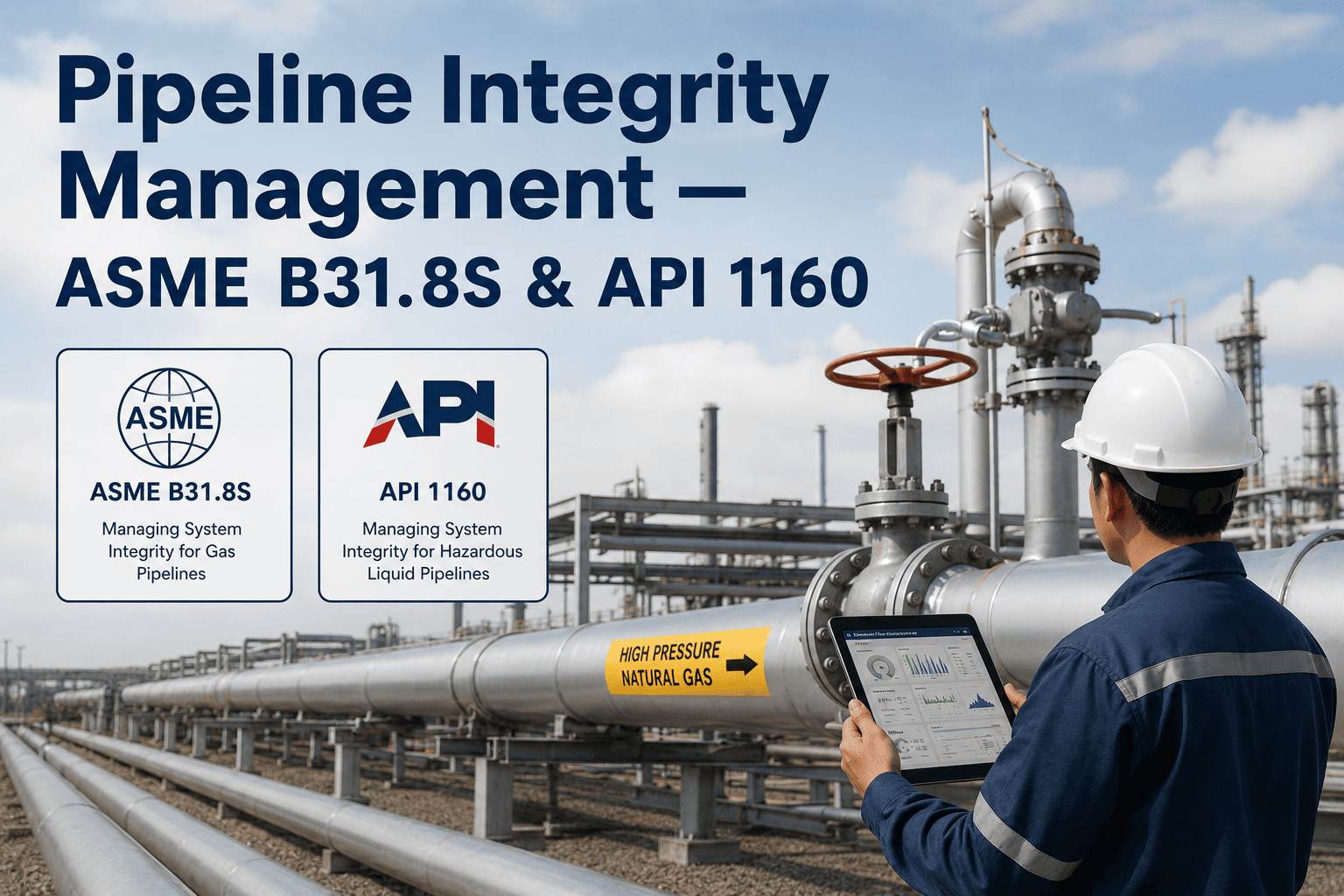
In the high-stakes world of oil and gas transmission, the integrity of pipeline assets is not merely a regulatory checkbox but the bedrock of operational continuity, environmental stewardship, and public safety. The development of a robust Pipeline Integrity Management (PIM) system demands a meticulous alignment with industry standards such as ASME B31.8S and API 1160, which provide the framework for managing threats, assessing risks, and implementing preventive measures across thousands of miles of infrastructure. This comprehensive guide delves into the technical intricacies of building a compliant PIM program, from initial threat identification and risk ranking to the strategic selection of integrity assessment methods. For enterprise decision-makers seeking to elevate their pipeline safety protocols and achieve operational excellence, a tailored solution is crucial. Book a Demo to explore how iFactory's advanced analytics can transform your integrity management strategy.
Secure Your Pipeline Network Today
Implement a data-driven integrity management system that meets ASME B31.8S and API 1160 standards while reducing operational risks by up to 40%.
Regulatory Compliance
Align your program with PHMSA, DOT, and international standards to avoid penalties and ensure safe operations.
Risk-Based Prioritization
Utilize advanced risk ranking to allocate resources efficiently, focusing on high-consequence areas first.
Assessment Method Selection
Choose from ILI, pressure testing, or direct assessment based on threat profile and pipeline characteristics.
Understanding ASME B31.8S and API 1160 Frameworks
ASME B31.8S, the standard for managing system integrity of gas pipelines, provides a comprehensive process for developing an integrity management program. It emphasizes a continuous cycle of threat identification, risk assessment, integrity assessment, and mitigation. Similarly, API 1160 focuses on hazardous liquid pipelines, outlining similar principles but with specific considerations for liquid properties and spill consequences. Both standards require operators to integrate data from multiple sources, including in-line inspection (ILI) tools, hydrostatic testing, and direct examination, to create a holistic view of pipeline condition. The key difference lies in the threat landscape: gas pipelines are more susceptible to external corrosion and third-party damage, while liquid pipelines face challenges like internal corrosion and stress corrosion cracking. Understanding these nuances is critical for tailoring your program. For a deeper dive into how iFactory's AI can automate these assessments, Book a Demo today.
Key Components of a Compliant Integrity Program
Threat Identification
Systematically catalog all potential threats including time-dependent (corrosion), stable (manufacturing defects), and time-independent (third-party damage) categories.
95% threat coverage
Risk Ranking
Assign risk scores based on probability of failure and consequence of failure using a semi-quantitative or quantitative matrix.
88% accuracy
Assessment Methods
Select appropriate integrity assessment methods such as ILI, pressure testing, or direct assessment based on threat type and pipeline characteristics.
92% method fit
Mitigation & Prevention
Implement corrective actions including repairs, replacements, or enhanced monitoring based on assessment findings.
85% mitigation rate
Step-by-Step Implementation Timeline
Data Collection & Integration
Gather all pipeline data including construction records, inspection history, operating conditions, and environmental factors. Integrate into a centralized database for analysis.
Threat Assessment & Risk Ranking
Identify all potential threats using a structured framework. Apply risk ranking algorithms to prioritize segments for further assessment.
Integrity Assessment Planning
Select the most appropriate assessment methods for each high-risk segment based on threat type, pipeline material, and operational constraints.
Mitigation & Continuous Improvement
Implement repairs and preventive measures. Monitor effectiveness and update the program based on new data and findings.
Optimize Your Pipeline Integrity Program
Leverage iFactory's AI-driven analytics to automate threat assessment, risk ranking, and compliance reporting. Achieve ASME and API compliance with confidence.
Comparison of Integrity Assessment Methods
| Method | Best For | Limitations | Cost (per mile) |
|---|---|---|---|
| In-Line Inspection (ILI) | Metal loss, cracks, dents | Requires pigging capability | $5,000 - $15,000 |
| Hydrostatic Testing | Verification of MAOP | Disruptive, water disposal | $8,000 - $20,000 |
| Direct Assessment (ECDA) | External corrosion | Limited to certain threats | $3,000 - $10,000 |
| Guided Wave Ultrasonics | Unpiggable segments | Limited range, sensitivity | $2,000 - $8,000 |
Threat-Specific Risk Mitigation
Each threat category requires a tailored mitigation strategy. For external corrosion, cathodic protection and coating inspections are paramount. For third-party damage, enhanced marking and public awareness programs are essential. For manufacturing defects, a robust ILI program with high-resolution tools is critical. Integrating these strategies into a cohesive plan ensures comprehensive coverage.
Data Integration and Analytics
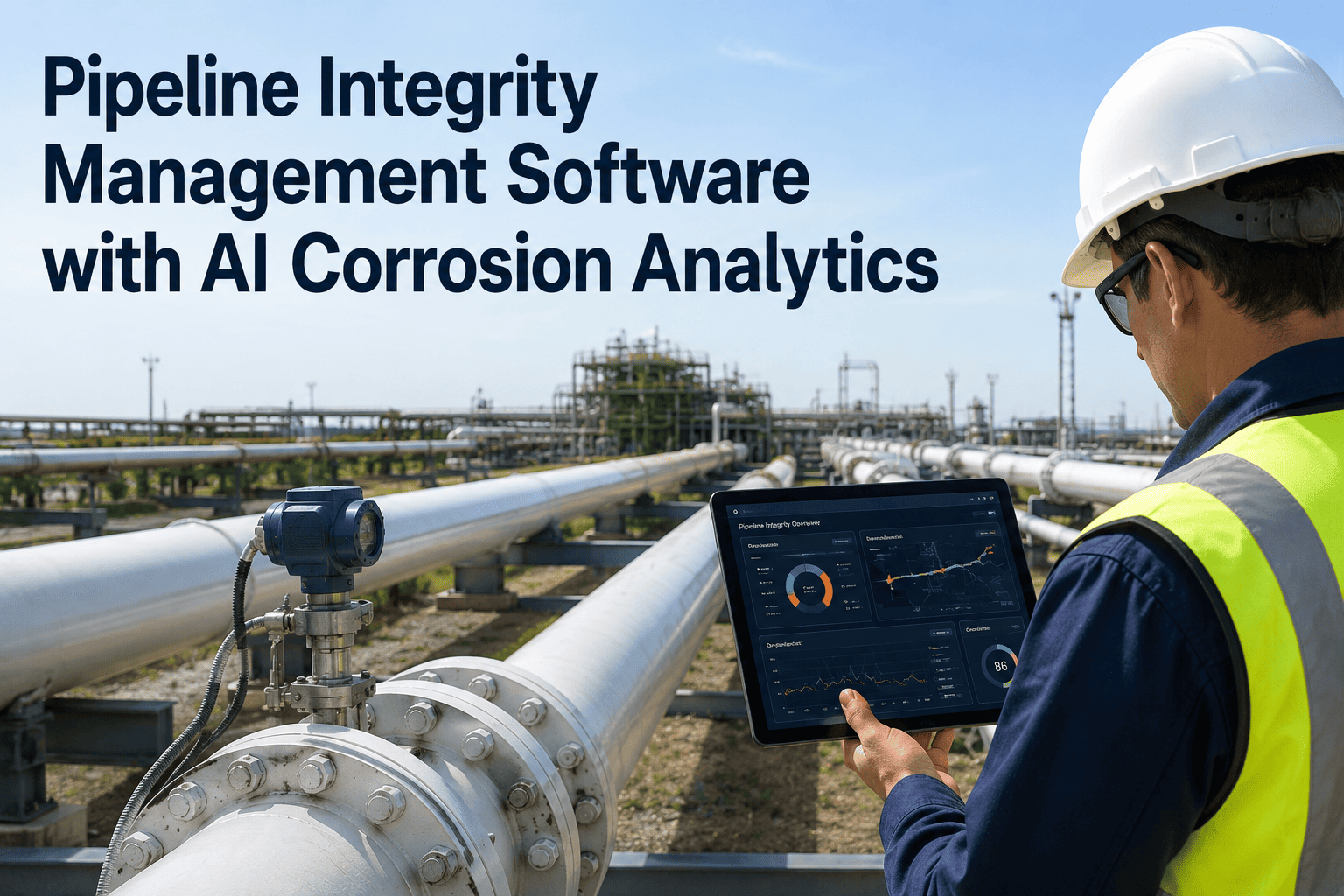
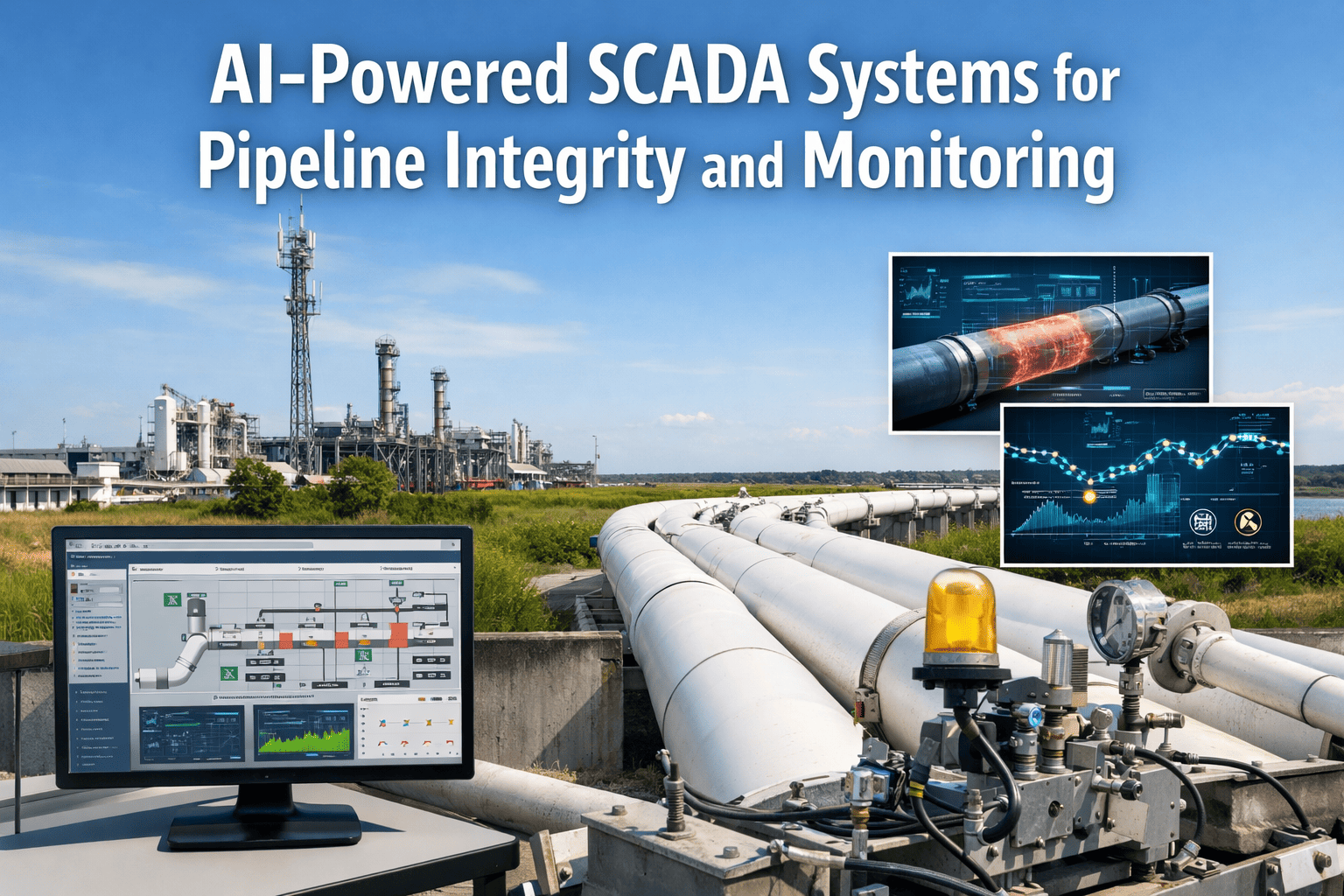
Modern PIM systems rely on seamless integration of data from SCADA, GIS, ILI, and maintenance logs. iFactory's platform uses machine learning to correlate disparate data sources, identify emerging threats, and predict failure probabilities. This proactive approach shifts the paradigm from reactive repairs to predictive maintenance, reducing downtime and extending asset life.
Frequently Asked Questions
What is the difference between ASME B31.8S and API 1160?
ASME B31.8S is specifically for gas transmission and distribution pipelines, while API 1160 covers hazardous liquid pipelines. Both standards share a common risk-based approach, but the threat profiles differ. For gas, external corrosion and third-party damage are primary concerns, whereas liquid pipelines face internal corrosion and stress corrosion cracking. Compliance with both often requires a unified program that addresses these differences. For a tailored compliance solution, Book a Demo with iFactory.
How often should pipeline integrity assessments be performed?
The frequency depends on the risk level and regulatory requirements. ASME B31.8S and API 1160 recommend reassessment intervals based on risk ranking, typically every 5-7 years for high-risk segments. However, if anomalies are detected, more frequent assessments may be required. iFactory's platform can help optimize these intervals by analyzing real-time data and predicting degradation rates. For more information, contact our support team.
What are the consequences of non-compliance with PHMSA regulations?
Non-compliance can result in severe penalties, including fines up to $2 million per violation per day, mandatory shutdowns, and criminal charges. Beyond financial impact, it damages reputation and erodes public trust. A robust integrity management program is essential to avoid these consequences. iFactory's automated compliance reporting ensures you stay ahead of regulatory changes. Book a Demo to see how.
How does iFactory's platform improve risk ranking accuracy?
iFactory uses advanced machine learning algorithms that integrate historical failure data, real-time sensor inputs, and environmental factors to produce dynamic risk scores. Unlike static matrices, our model adapts to new data, improving accuracy over time. This allows operators to prioritize resources effectively and reduce false positives. For a technical deep dive, reach out to our experts.
Can iFactory integrate with existing SCADA and GIS systems?
Yes, iFactory's platform is designed for seamless integration with SCADA, GIS, and other enterprise systems via standard APIs. This ensures a unified data environment without disrupting existing workflows. Our team provides full support during integration to minimize downtime. For integration specifics, Book a Demo with our solutions team.
Ready to Transform Your Pipeline Integrity?
Partner with iFactory to implement a world-class integrity management system that drives safety, compliance, and operational efficiency. Let's build the future of pipeline safety together.