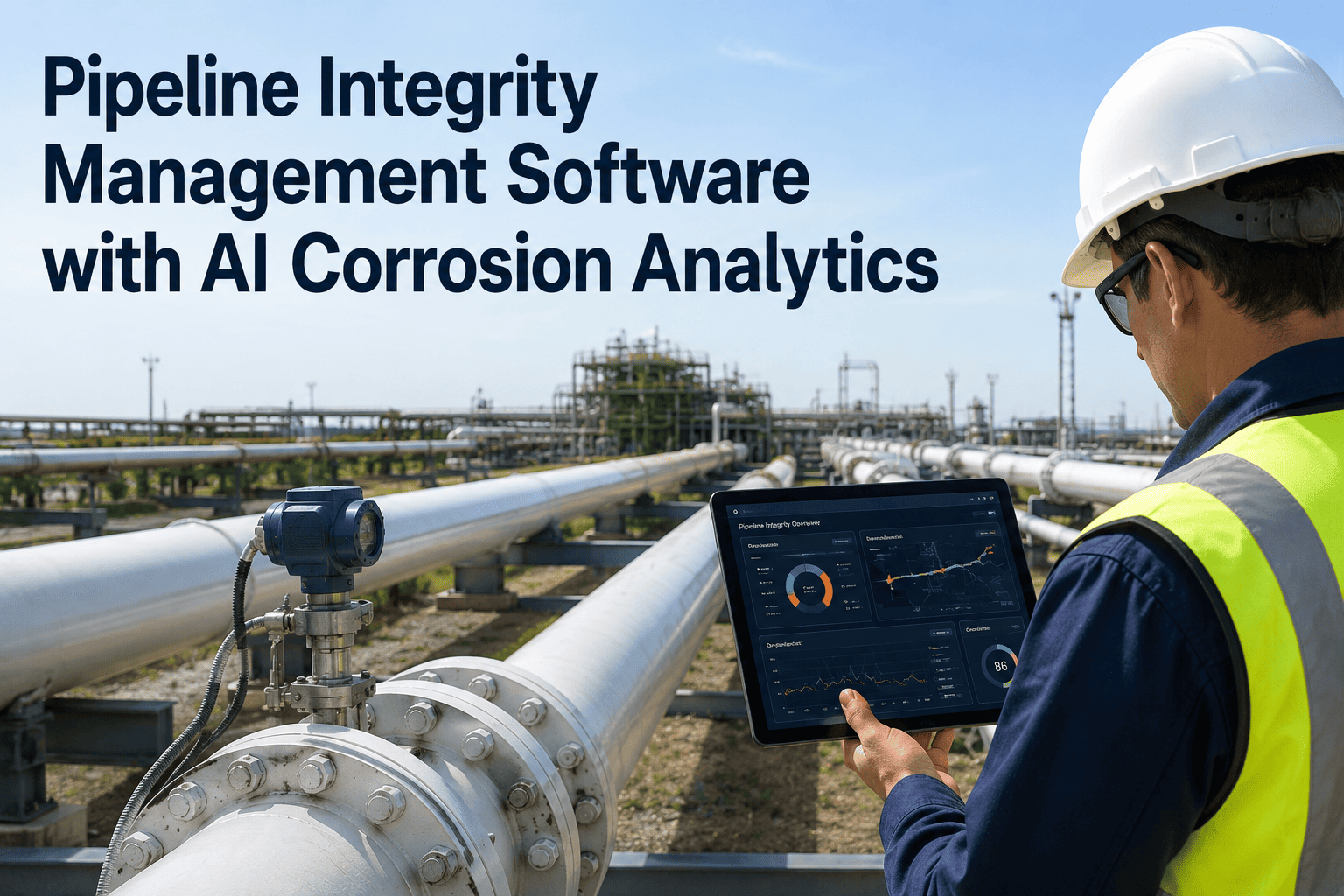
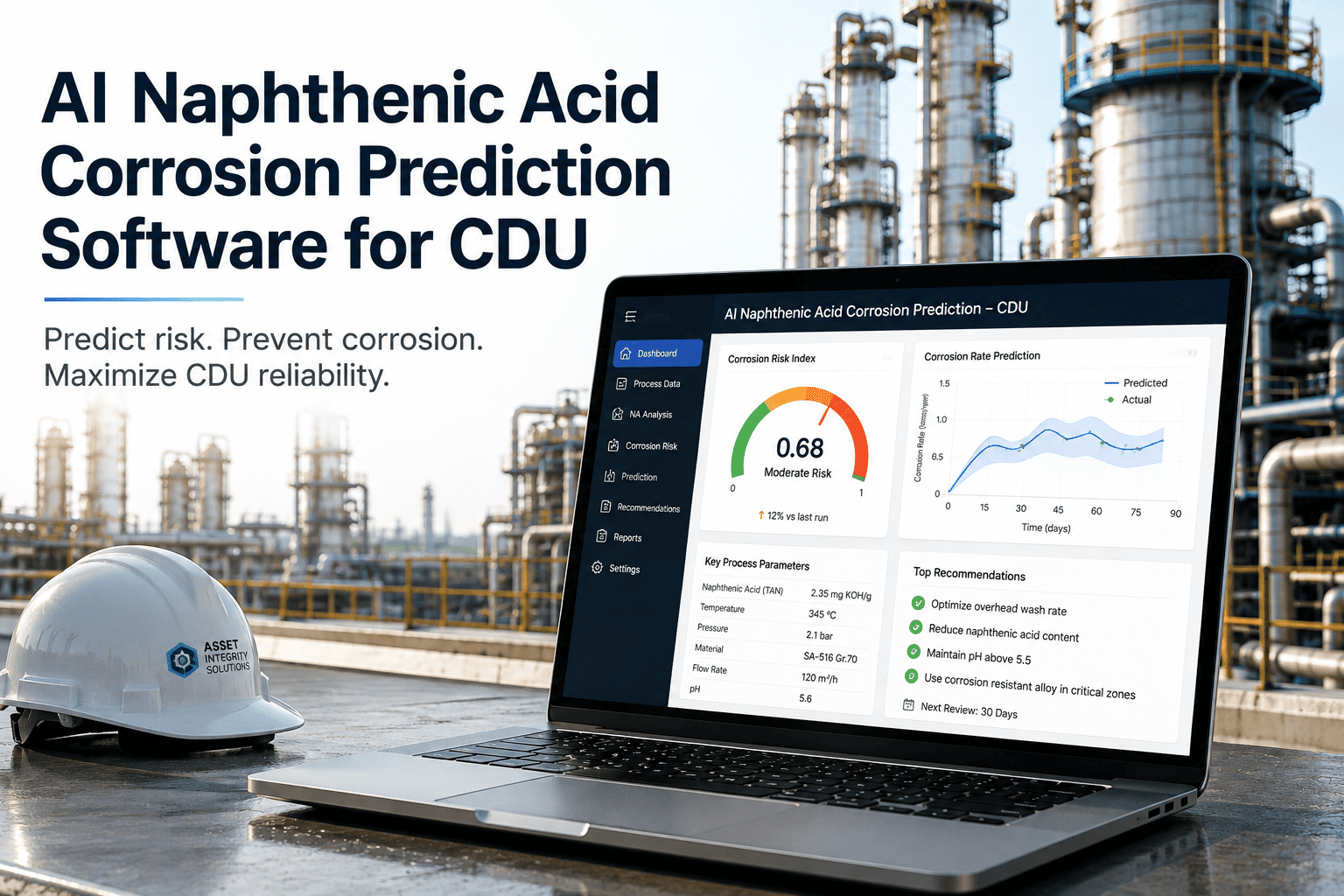
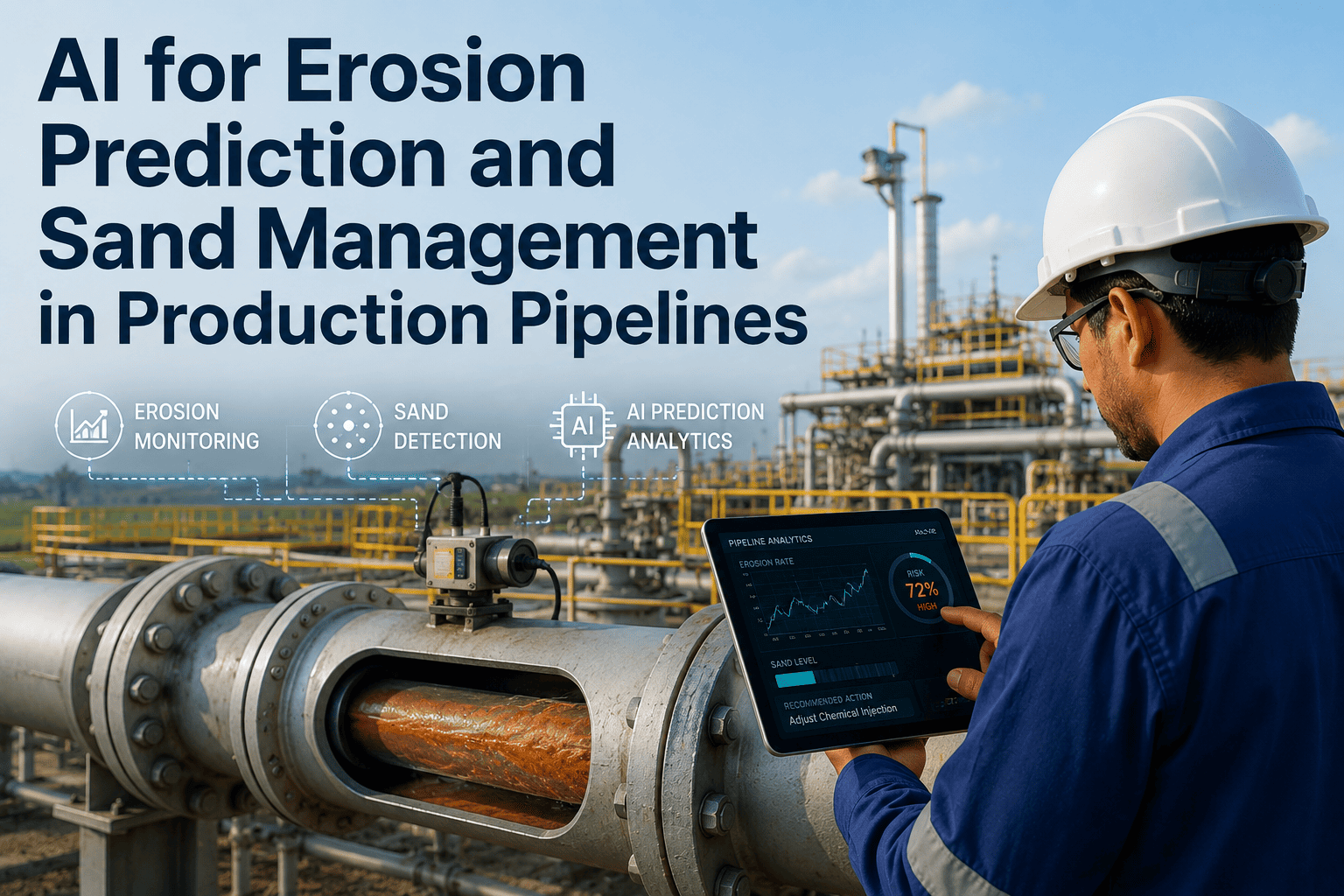
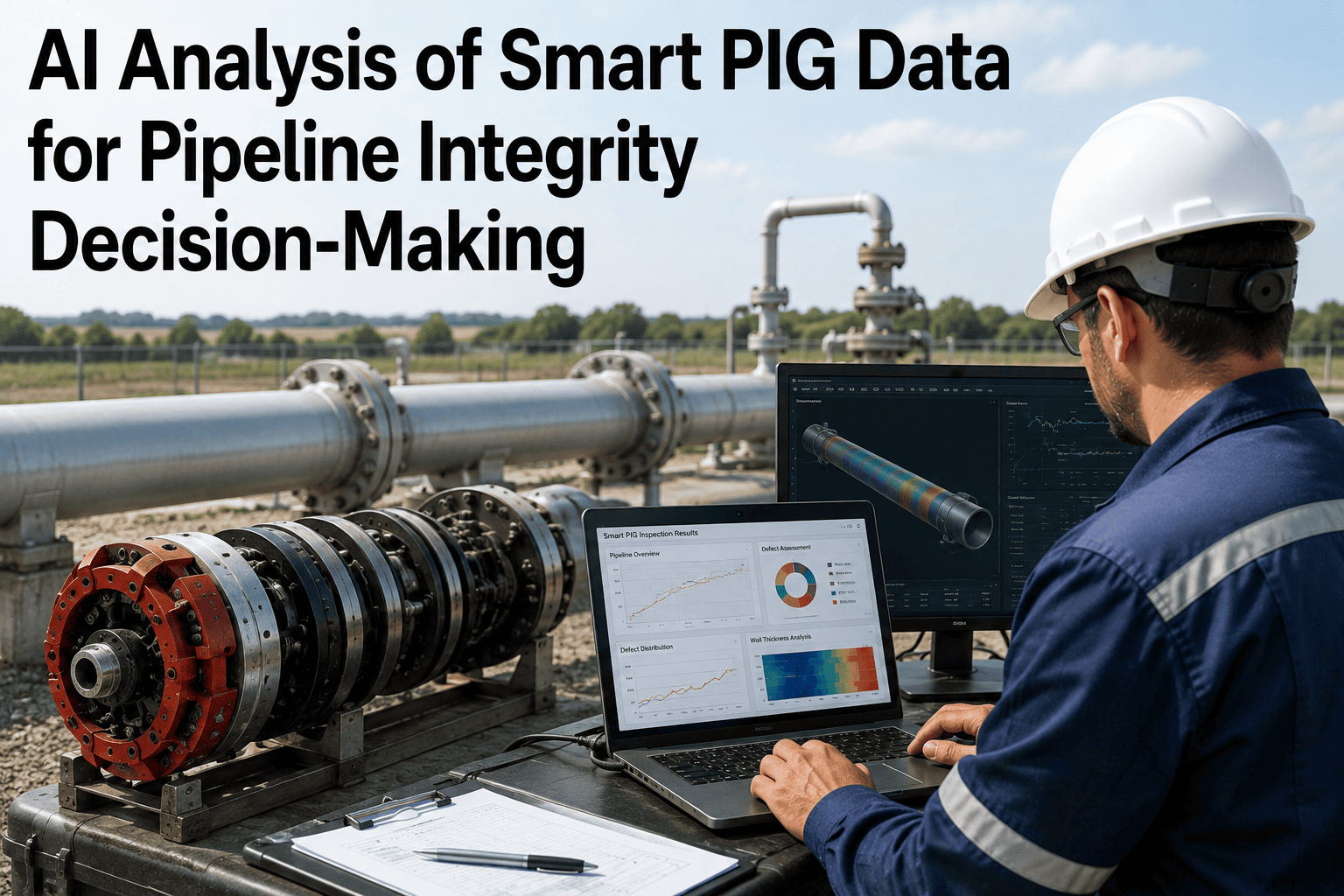
Pipeline Integrity Management Software with AI Corrosion Analytics
By Johnson on July 2, 2026
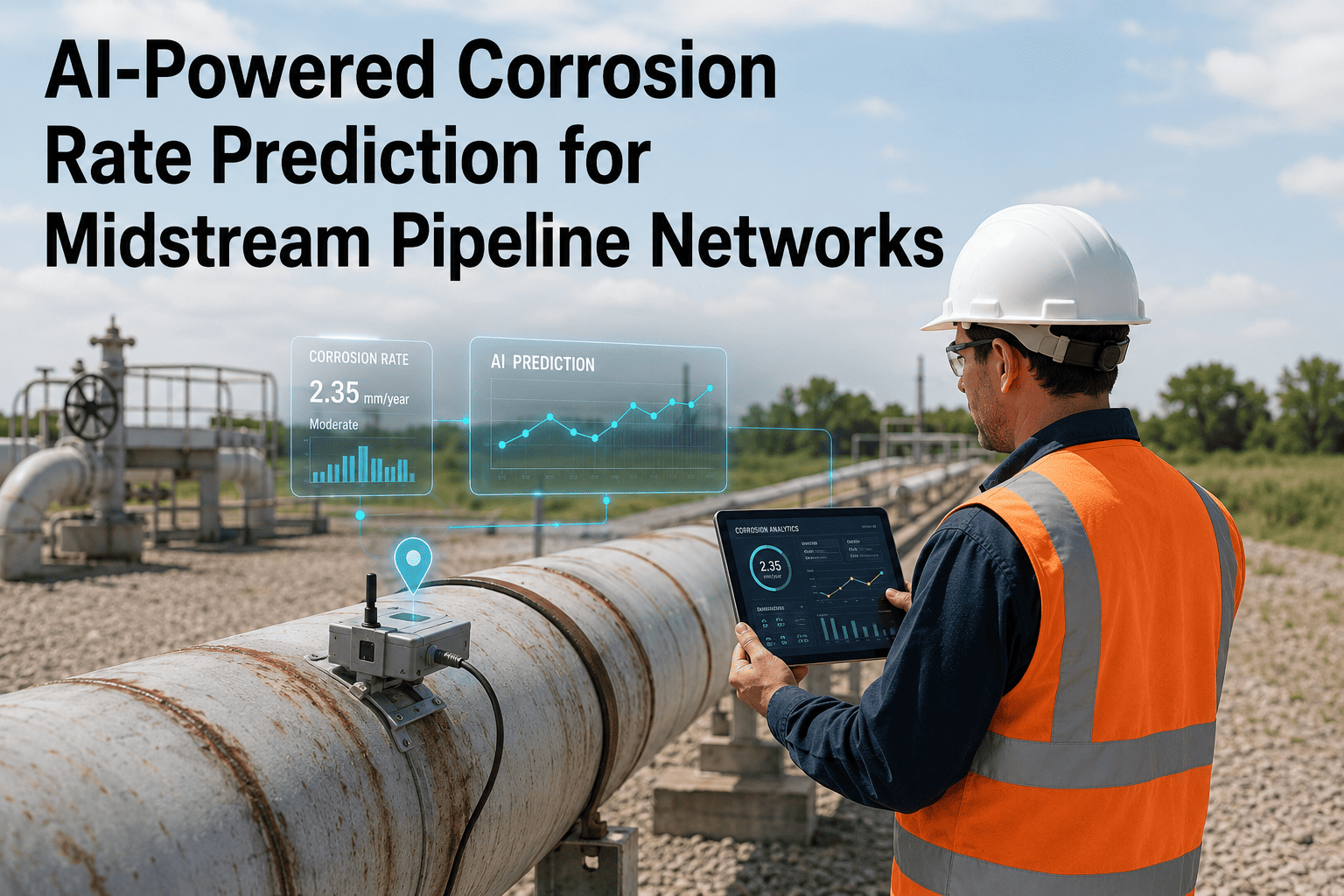
The U.S. pipeline network spans over 2.6 million miles of transmission and distribution lines — much of it installed decades ago and operating beyond its original design life. Corrosion, material fatigue, and external interference cause 61% of all pipeline incidents reported to PHMSA, and the global cost of corrosion alone exceeds $2.5 trillion annually across all industrial sectors. Traditional integrity management programs rely on periodic inline inspection (ILI) runs conducted every 5–10 years, quarterly cathodic protection surveys, and manual SCADA trend reviews — leaving detection gaps of 6 to 18 months during which corrosion progresses silently and wall loss accelerates between inspection cycles. iFactory's AI-driven pipeline integrity platform fuses ILI history, real-time corrosion sensor data, CP system readings, SCADA process variables, and soil condition records to calculate live corrosion rates at every monitored segment, predict failure probability, and prioritize integrity actions by actual risk — not calendar schedule. Book a Demo to see AI corrosion analytics running on pipeline integrity data.
Every Mile of Pipeline Has a Corrosion Story. AI Reads All of Them Simultaneously.
iFactory's pipeline integrity platform ingests every data source your integrity management program already generates — ILI runs, CP surveys, ER probe readings, chemical injection records, soil resistivity maps, and SCADA historian data — and builds a continuously updated corrosion risk model for every segment in your network. Stop managing integrity on inspection schedules. Start managing it on actual corrosion intelligence.
Annual global cost of corrosion across all industrial infrastructure
61%
Of U.S. pipeline incidents caused by corrosion, material failure, or equipment failure
$1.4B
Annual cost to U.S. operators from corrosion damage, penalties, and unplanned downtime
6–18 Mo
Detection gap between periodic ILI runs during which corrosion progresses unmonitored
The Integrity Detection Gap: Why Periodic Inspection Is Not Enough
Pipeline corrosion does not progress at a fixed, linear rate. Internal corrosion accelerates with changes in fluid composition, water cut, temperature, and flow velocity — all of which vary daily. External corrosion accelerates with coating degradation, soil moisture shifts, and cathodic protection current drainage. The fundamental problem with periodic ILI runs is that they capture a single snapshot of wall condition separated by years of unmonitored degradation. Between snapshots, the integrity program is operating on assumptions — not data.
ILI Run 1
5–10 Years: Corrosion Progresses Unmonitored
ILI Run 2
AI Deploy
Continuous AI Corrosion Rate Monitoring — No Blind Spots
Always On
iFactory eliminates the detection gap by computing live corrosion rates from continuous sensor data between ILI runs — detecting corrosion acceleration events within hours, not inspection cycles. When the next ILI run arrives, the AI model is validated and recalibrated against the new inspection data, creating a continuously improving feedback loop that traditional programs cannot replicate.
Five Pipeline Integrity Threats That AI Corrosion Analytics Addresses
Pipeline integrity management under PHMSA's regulatory framework requires operators to identify, assess, and mitigate all credible threats across their system. AI analytics transforms each of these threat categories from periodic assessment exercises into continuous, data-driven monitoring programs that prioritize integrity actions by actual failure probability — not compliance calendar.
Internal Corrosion
Fluid composition, water cut, CO2/H2S partial pressure, flow velocity, and temperature drive internal corrosion rates that change daily. AI correlates SCADA process data with ER probe readings and historical ILI metal loss to compute segment-level internal corrosion rates in real time — adjusting chemical inhibitor dosing recommendations continuously rather than quarterly.
External Corrosion
Coating holidays, CP current drain, soil resistivity variation, and moisture infiltration create localized external corrosion cells that ECDA programs sample intermittently. AI fuses CP rectifier output, pipe-to-soil potential surveys, soil condition data, and ILI MFL history to identify active external corrosion zones and prioritize dig locations — reducing excavation costs by focusing on AI-confirmed high-risk segments.
Stress Corrosion Cracking
SCC in high-pH and near-neutral-pH environments develops along pipeline segments where coating condition, soil chemistry, and operating stress interact. AI models correlate ILI crack detection data with operating pressure history, coating age, and environmental factors to predict SCC susceptibility — prioritizing hydrostatic test or ILI reconfirmation on the segments with the highest crack growth probability.
Mechanical Damage
Third-party excavation damage accounts for 20% of PHMSA gas pipeline incidents. AI integrates one-call ticket data, GIS mapping of pipeline proximity to construction activity, and ILI geometry tool data to calculate real-time mechanical damage exposure scores — triggering patrol and monitoring intensification before dig activity reaches the pipeline right-of-way.
Material and Weld Defects
Manufacturing defects and girth weld anomalies interact with corrosion and cyclic pressure to create failure mechanisms that periodic inspection alone cannot predict. AI analyzes ILI interaction rules against operating pressure profiles to identify defect clusters where combined loading exceeds remaining strength — flagging repair priorities before wall loss reaches reportable thresholds.
Stop Managing Pipeline Integrity on Calendar Schedules
iFactory's AI platform computes live corrosion rates, predicts failure probability, and prioritizes every integrity action by actual risk — giving your integrity engineers the data resolution that periodic ILI and quarterly surveys cannot provide.
How iFactory Fuses Pipeline Data Into Corrosion Intelligence
Pipeline operators generate enormous volumes of integrity data across disconnected systems — ILI vendors deliver reports in proprietary formats, CP technicians log readings in field databases, chemical injection records sit in separate SCADA historians, and soil surveys exist as PDF reports filed after each assessment. The first barrier to AI-driven integrity management is unifying these data sources into a single, normalized pipeline model. iFactory handles this integration automatically.
Data Source
What It Contains
What AI Extracts
ILI Reports (MFL, UT, Geometry)
Metal loss features, wall thickness measurements, dent/gouge profiles, crack indications from each inspection run
Corrosion growth rates between runs, feature interaction analysis, remaining strength calculations per ASME B31G/API 579, and prioritized repair scheduling
Cathodic Protection System
Rectifier output, pipe-to-soil potentials, current drain readings, test point surveys, CP system interruption logs
CP adequacy scoring per segment, coating holiday probability mapping, external corrosion acceleration zone identification, and CP system optimization recommendations
SCADA Historian
Flow rate, pressure, temperature, water cut, fluid composition, and operating regime at each pipeline segment
Internal corrosion rate drivers correlated with actual wall loss, inhibitor effectiveness scoring, flow regime analysis, and corrosion acceleration event detection
Corrosion Sensors (ER Probes, Coupons)
Real-time or periodic metal loss measurements at probe locations distributed along the pipeline
Continuous corrosion rate computation between ILI runs, probe-to-pipe correlation models, and early warning alerts when rates exceed planned thresholds
Soil and Environmental Data
Soil resistivity, moisture content, drainage conditions, coating condition surveys, and geographic terrain data
External corrosion susceptibility scoring by segment, seasonal corrosion rate variation modeling, and targeted dig site prioritization for external assessment programs
Turnkey On-Premise Deployment: AI on Your Network in 8 Weeks
iFactory ships a pre-configured NVIDIA AI server purpose-built for pipeline integrity workloads. Rack it in your pipeline control center or data center, connect power and Ethernet, and the AI platform is live on your network with zero cloud dependency. The deployment scope covers data integration, model training, operator dashboard configuration, and 24/7 remote monitoring support.
Phase 1 — Weeks 1–2
Data Integration and Baseline
NVIDIA AI server installed on-premise. ILI reports ingested and normalized across vendor formats. SCADA historian, CP system data, and corrosion sensor feeds connected. Pipeline segmentation model built from GIS and alignment sheet data. Baseline corrosion rates established from historical ILI comparison.
Phase 2 — Weeks 3–6
AI Model Training and Validation
Corrosion growth models trained on your pipeline's actual ILI history, operating conditions, and environmental data. Internal and external corrosion rate algorithms validated against known historical features. Threat prioritization engine calibrated to your operator-specific risk tolerance and PHMSA IMP requirements. Dashboard views configured for integrity engineers, field supervisors, and management.
Phase 3 — Weeks 7–8
Live Intelligence and Continuous Learning
AI-driven corrosion rate monitoring, failure probability scoring, and integrity action prioritization go live in production. Models continuously retrain as new sensor data, CP surveys, and ILI results flow in. 24/7 remote monitoring by iFactory pipeline integrity engineers. PHMSA-ready reporting and integrity management plan documentation generated automatically.
Turnkey Appliance
Pre-configured NVIDIA AI server — racked, cabled, ready
On-premise — zero cloud dependency for integrity data
Trust Signals
1,000+ industrial clients with 99.9% platform uptime
8-week full deployment — SCADA to live AI intelligence
AI Integrity Intelligence in Conversation: What Your Team Sees
iFactory delivers pipeline integrity intelligence through a natural language interface that integrity engineers and field supervisors can query directly — no data science expertise required. The AI responds with specific, quantified risk assessments tied to actual pipeline data and recommended integrity actions.
Pipeline Integrity Engineer
We ran ILI on the 16-inch crude gathering line last month. The MFL report flagged 340 metal loss features. Our team can schedule 25 digs this quarter. Which segments should we prioritize?
iFactory AI
I analyzed the 340 MFL features against the 2019 ILI baseline, SCADA operating history, CP survey data, and soil resistivity records. Of 340 features, 28 show corrosion growth rates exceeding your IMP threshold of 4 mils/year. Of those 28, I ranked by remaining strength factor (RSF) using modified B31G: 14 features have RSF below 1.25 at projected wall loss in 24 months, making them your highest priority for excavation and repair. I grouped these 14 into 9 dig locations based on proximity clustering — reducing mobilization cost. The remaining 14 high-growth features have RSF above 1.25 through 2028 and can be deferred to next quarter with monitoring intensification at the nearest ER probe. I generated the dig prioritization report and PHMSA-ready documentation for your IMP records. Shall I schedule the field work orders?
Measured Impact: AI Pipeline Integrity ROI
The financial case for AI-driven pipeline integrity management is built on three measurable outcomes: reduced dig program costs through risk-based prioritization, extended safe operating intervals between ILI runs, and eliminated PHMSA reportable incidents through continuous corrosion monitoring. The numbers below reflect documented outcomes from pipeline operators deploying AI corrosion analytics across transmission and gathering systems.
38%
Dig Program Cost Reduction
By focusing excavations on AI-confirmed high-risk segments rather than generic ECDA sampling, operators reduce total dig program costs while increasing the percentage of digs that discover actionable corrosion from 40% to over 80%.
22%
Operational Cost Reduction
AI-optimized chemical inhibitor dosing, CP system management, and risk-prioritized maintenance scheduling reduce total pipeline operational costs — documented in a case study across a global operator's pipeline network spanning 70+ countries.
Zero
Reportable Corrosion Incidents
Continuous AI corrosion rate monitoring eliminates the detection gap between ILI runs — catching corrosion acceleration events within hours and triggering preventive intervention before wall loss reaches PHMSA reportable thresholds.
80%+
Dig Confirmation Rate
AI-prioritized excavation programs achieve 80%+ confirmation of actionable corrosion at dig sites — compared to 35–45% confirmation rates typical of calendar-based and generic risk-ranked dig programs.
Get a Turnkey Pipeline AI Quote — 8-Week Delivery
Pre-configured NVIDIA AI server, ILI data integration, SCADA and CP system connectivity, PHMSA-ready reporting, and 24/7 remote monitoring. Your entire pipeline network monitored by AI corrosion intelligence — live in 8 weeks.
Expert Perspective: Pipeline Integrity Leaders on AI Corrosion Analytics
We manage 1,800 miles of hazardous liquid pipeline across three operating regions. Our dig program was consuming $4.2 million annually, but only 38% of excavations found corrosion that actually required repair — the rest were false positives from our ECDA ranking methodology. iFactory ingested our last three ILI runs, integrated them with CP survey data and SCADA process history, and built a corrosion growth model for every segment in the system. The AI reprioritized our dig list — and on the first cycle of AI-directed excavations, 84% of digs confirmed actionable corrosion. We cut our annual dig program cost by $1.6 million while improving our actual defect repair rate. More importantly, the continuous monitoring between ILI runs caught a corrosion acceleration event on a 12-inch line crossing a wetland — an external corrosion cell that developed in 4 months, far too fast for our 7-year ILI cycle to detect. That single catch avoided what would have been a reportable release in a high-consequence area.
Director of Pipeline Integrity
Midstream Operator, Permian Basin and Gulf Coast, 1,800 Miles
Frequently Asked Questions
What is AI-driven pipeline integrity management and how does it differ from traditional ILI-based programs?
Traditional integrity management relies on periodic inline inspection (ILI) runs — typically every 5–10 years — to capture a snapshot of pipeline wall condition, then assumes linear corrosion growth between inspections. AI-driven integrity management continuously computes corrosion rates from real-time sensor data (ER probes, CP readings, SCADA process variables) between ILI runs, detecting corrosion acceleration events within hours rather than waiting years for the next inspection. The AI also fuses multiple data sources that traditional programs analyze separately — ILI metal loss, CP adequacy, soil conditions, chemical inhibitor records — to calculate actual failure probability per segment. Book a Demo to see how AI analytics layers onto your existing ILI program.
Does AI corrosion analytics replace inline inspection (ILI) runs?
No — AI analytics complements and enhances ILI programs, not replaces them. ILI provides the high-resolution wall condition data that AI models use as ground truth for calibration. Between ILI runs, AI fills the detection gap by computing live corrosion rates from continuous sensor data. When the next ILI run arrives, the AI model is validated and recalibrated against new inspection results, creating a continuously improving accuracy loop. This combination — periodic ILI plus continuous AI monitoring — provides the strongest available documentation for PHMSA integrity management plan submissions and extended inspection interval justifications. Contact our team to discuss how AI integrates with your current ILI schedule.
Which ILI vendor formats does iFactory integrate with?
iFactory normalizes ILI data from all major inspection vendors — including Baker Hughes, ROSEN, NDT Global, Entegra, and TDW — across MFL, ultrasonic wall measurement, geometry, and crack detection tool types. The platform handles vendor-specific feature reporting formats, coordinate systems, and classification methodologies, unifying all historical ILI runs into a single normalized pipeline model with automated feature matching across inspection cycles. This eliminates the weeks of manual data wrangling that integrity teams typically spend aligning ILI reports from different vendors and different years. Book a Demo to see your ILI data unified in the platform.
Is the platform deployed on-premise and does it meet pipeline cybersecurity requirements?
Yes. iFactory ships a pre-configured NVIDIA AI server that runs entirely on-premise inside your pipeline control center or corporate data center. All integrity data processing, corrosion analytics, and operator dashboards execute locally with zero dependency on external cloud infrastructure. This architecture meets TSA Pipeline Security Directive requirements and supports air-gap operation for operators with restricted OT network policies. Remote monitoring by iFactory's integrity engineering team uses a secure, encrypted VPN tunnel configurable to your cybersecurity policies — and can be disabled for fully air-gapped deployments. Contact our team to review the on-premise architecture documentation.
What ROI should a pipeline operator expect from deploying AI corrosion analytics?
Documented outcomes include 38% reduction in dig program costs through AI-prioritized excavation targeting, 22% reduction in total pipeline operational costs through optimized inhibitor dosing and CP management, and 80%+ dig confirmation rates compared to 35–45% under traditional ranking. Payback periods are typically under 12 months for midstream operators with 200+ miles of pipeline — the cost of a single avoided PHMSA reportable incident in a high-consequence area often exceeds the entire first-year deployment investment. Full deployment from hardware installation to live AI intelligence takes 8 weeks. Book a Demo to build an ROI model specific to your pipeline network.
Your Pipeline Data Holds the Answers. AI Extracts Them.
iFactory's AI-driven pipeline integrity platform fuses ILI history, real-time corrosion sensors, CP system data, and SCADA process variables into a continuously updated corrosion risk model — prioritizing every integrity action by actual failure probability and deployed on-premise in 8 weeks.
Live Corrosion Rate MonitoringILI Data FusionPHMSA-Ready ReportingOn-Premise NVIDIA Server8-Week Deployment