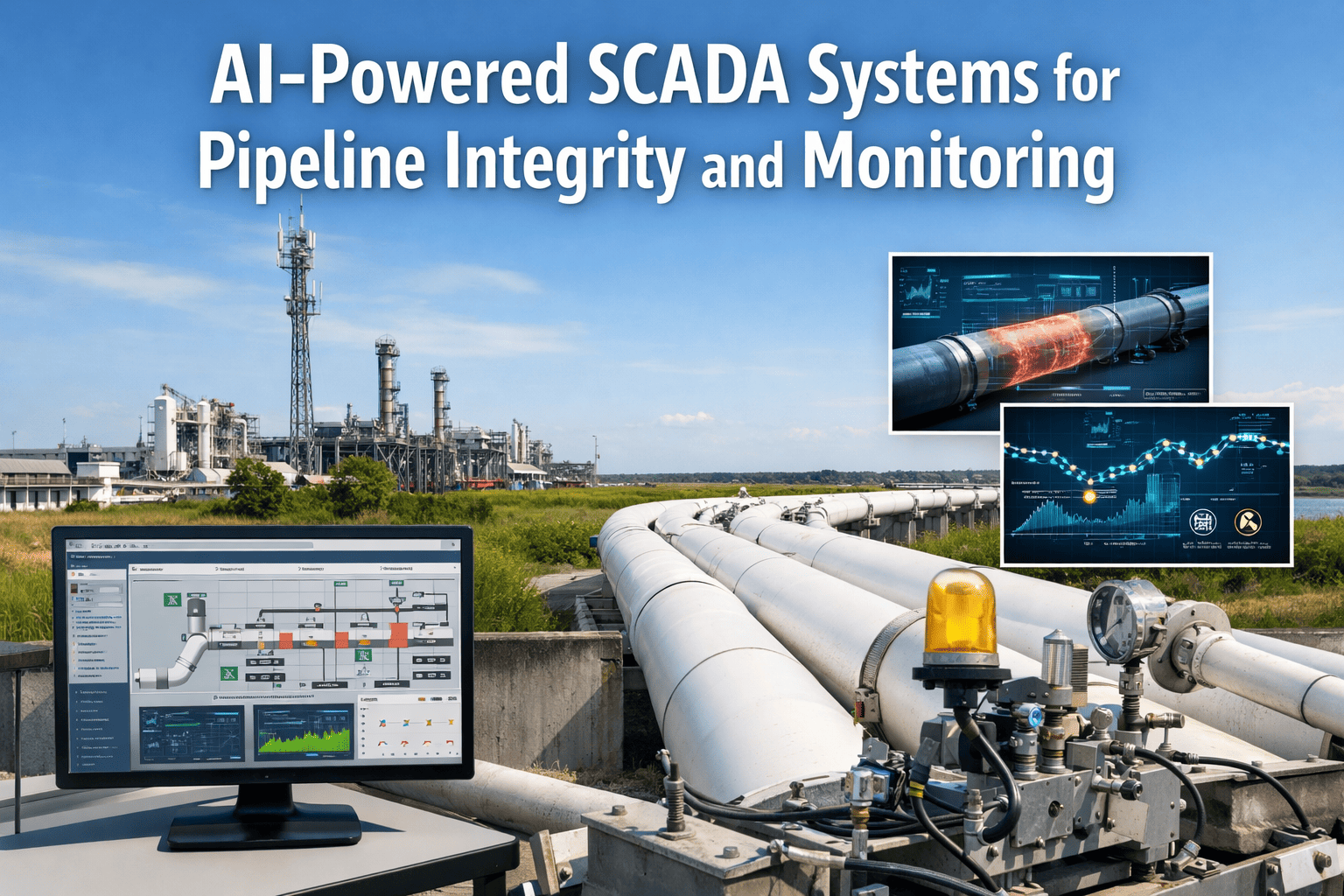
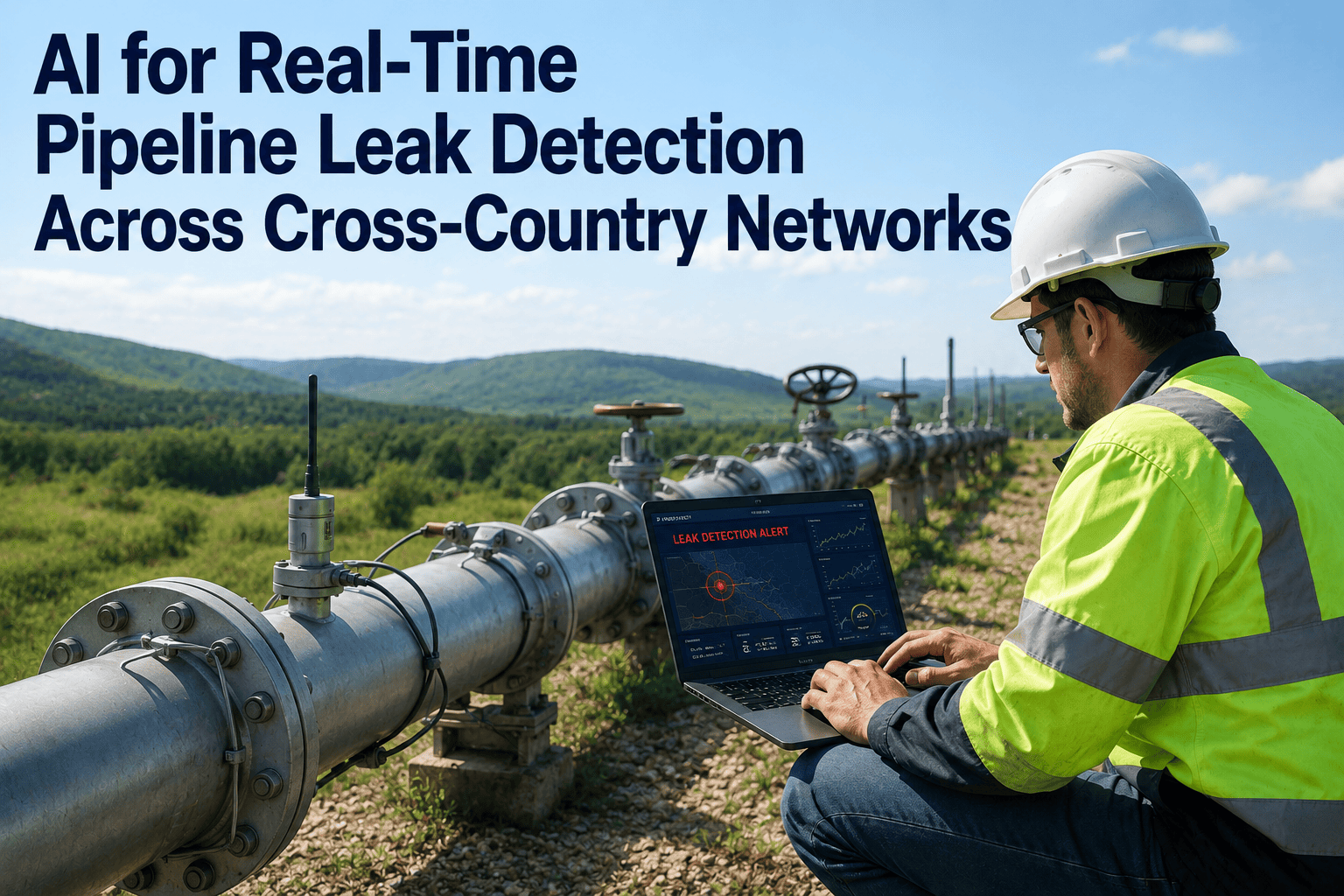
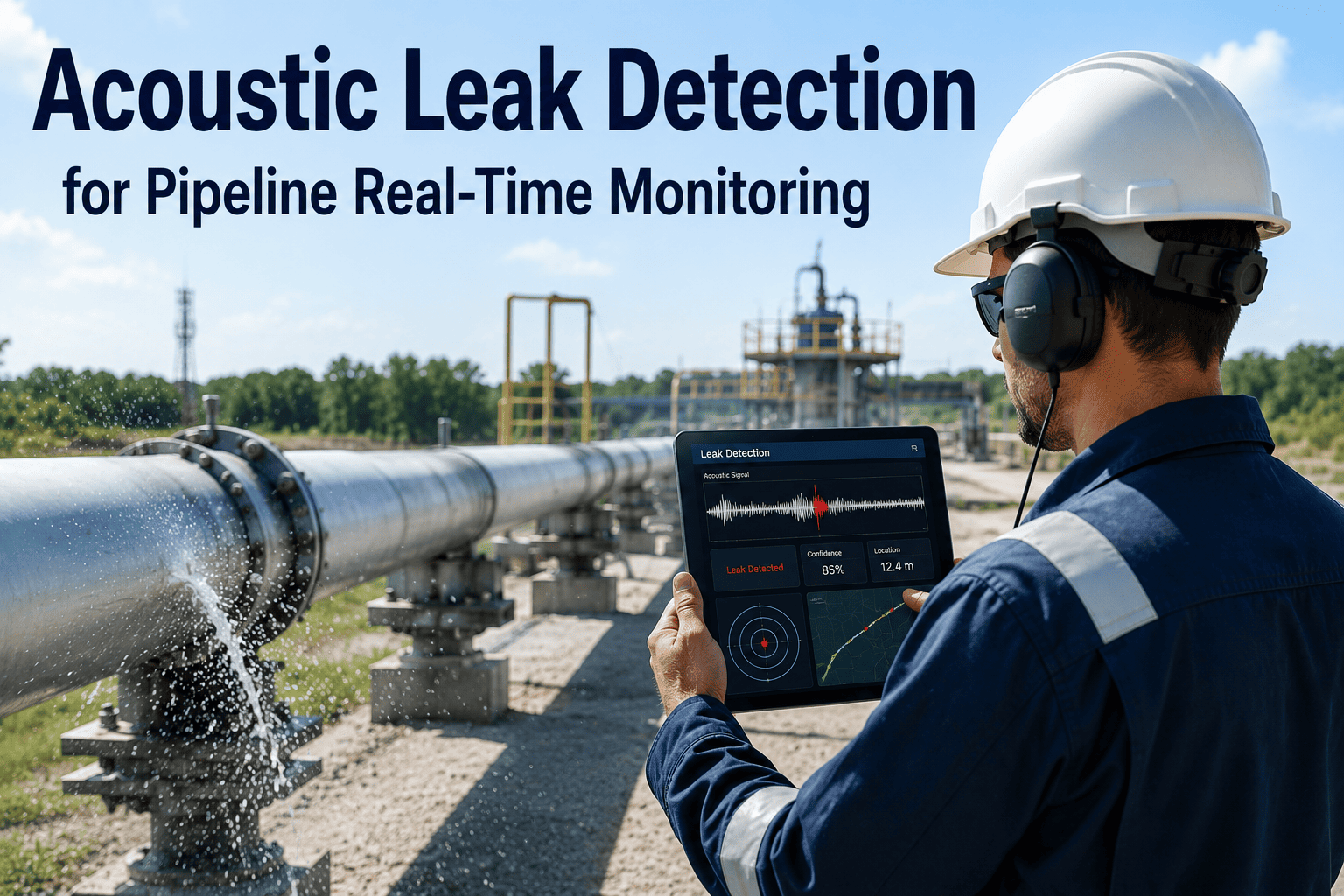
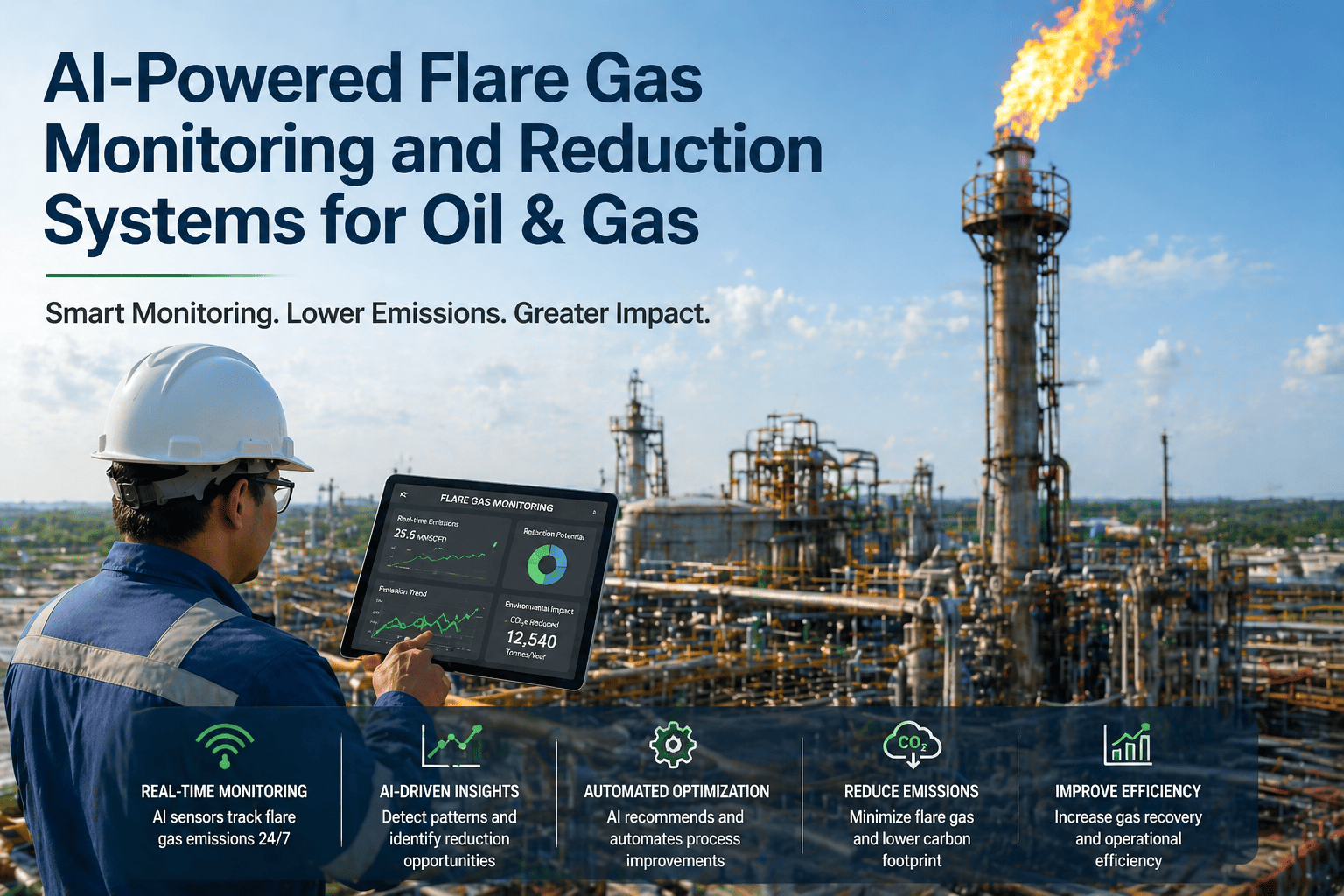
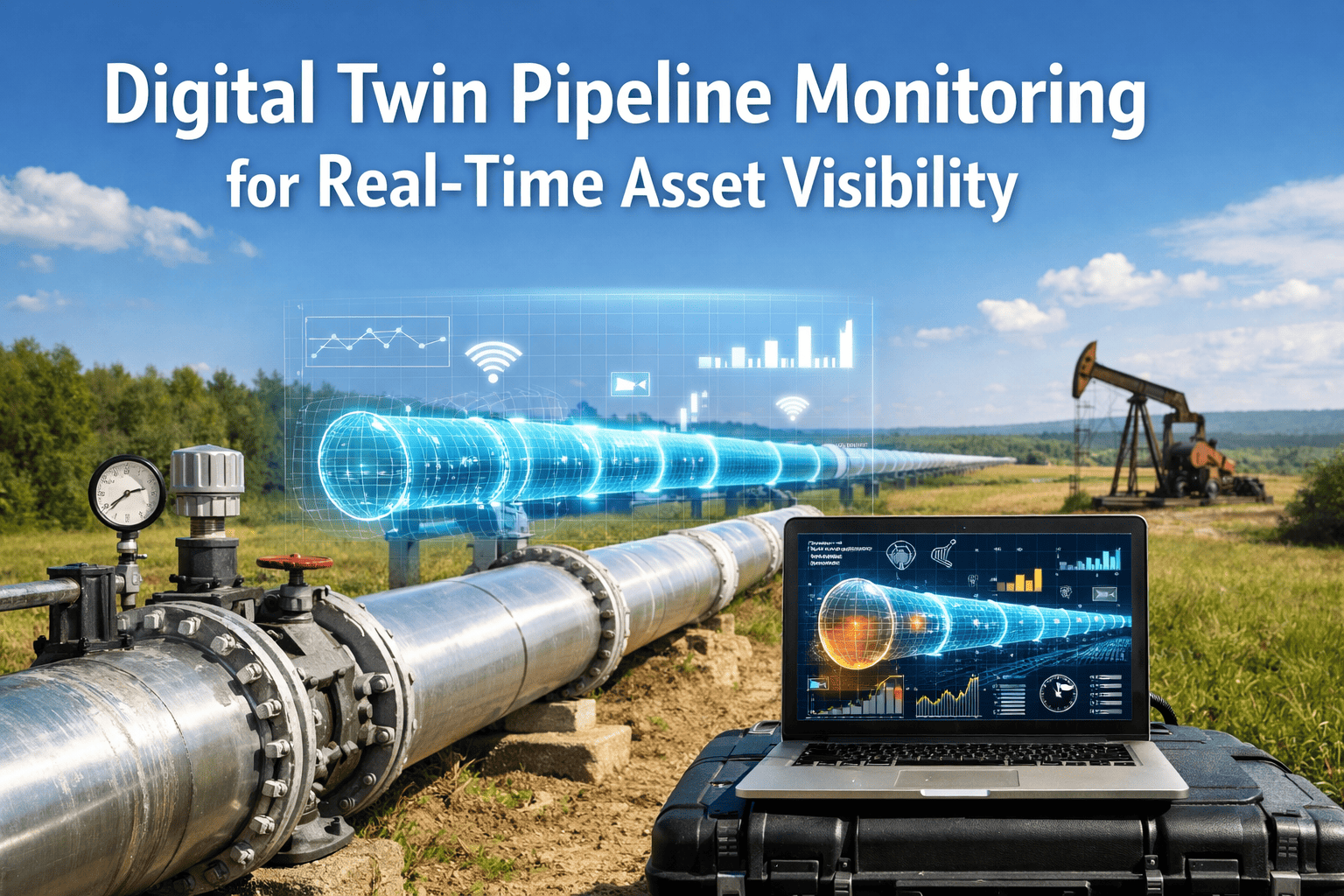
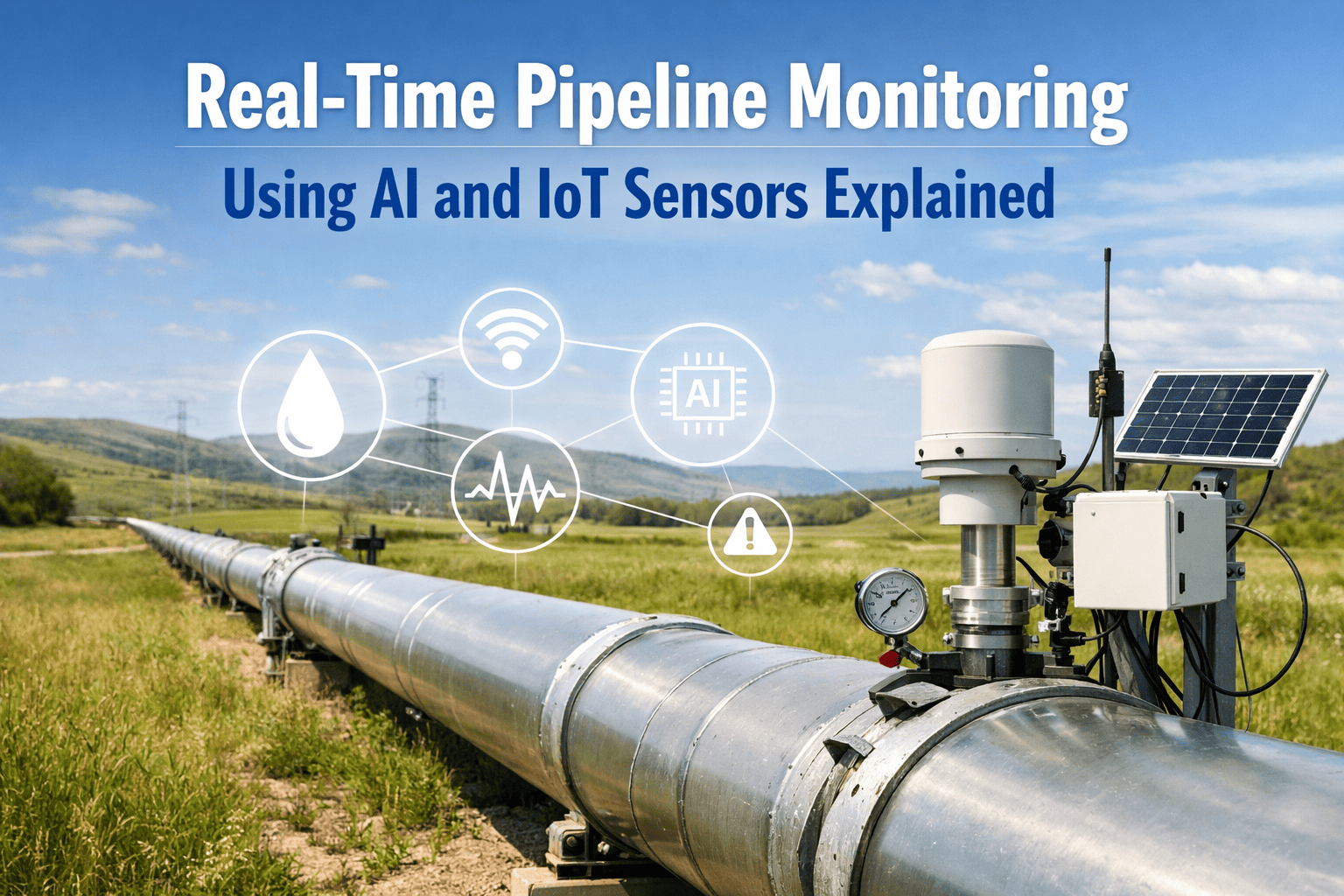
iFactory's AI-powered SCADA enhancement continuously analyzes real-time data streams from existing DCS, PLC, and SCADA infrastructure using machine learning trained on 15 million equipment failure events to detect 0.8% pressure anomalies indicating micro-leaks, predict compressor bearing failures 11-18 days ahead from vibration frequency changes invisible to traditional monitoring, identify corrosion acceleration patterns 6 months before wall thickness reaches critical limits, and auto-generate prioritized work orders with failure probabilities and recommended actions, all while keeping OT data inside your security perimeter and connecting seamlessly to Emerson DeltaV, Honeywell Experion, Schneider EcoStruxure, OSIsoft PI, and Aspen IP.21 systems you already operate. The equipment failures and leaks costing you $12.8 million annually now get predicted weeks ahead when intervention costs $8,400 versus $480,000 emergency repairs. Book a demo to see AI-powered SCADA for your operations.
Pipeline Operator Result
76% Reduction
In Unplanned Downtime Within 8 Weeks
AI-enhanced SCADA detected compressor failures 14 days ahead, preventing 4 emergency shutdowns and saving $2.1M in lost throughput during first 2 months of operation.
AI-Powered SCADA for Oil & Gas
Predict Failures 11-18 Days Ahead, Detect 0.8% Leaks Instantly
iFactory's AI analyzes your existing SCADA data streams in real-time, identifying equipment degradation and pipeline anomalies invisible to traditional alarm systems, preventing failures before emergency shutdowns.
Understanding SCADA, DCS, and Control Systems in Oil & Gas Operations
Oil and gas operations deploy supervisory control and data acquisition systems across upstream production, midstream transportation, and downstream processing to monitor and control critical equipment. AI enhancement transforms passive monitoring into predictive intelligence preventing failures.
Upstream SCADA: Wellsite & Production Monitoring
Remote terminal units collect data from wellhead pressure sensors, flow meters, separator levels, artificial lift systems (ESP motors, rod pumps), tank levels, and field compression equipment. SCADA systems monitor 500-5,000 wells from central control rooms enabling remote valve control, production optimization, and alarm response. Traditional challenges: alarm floods during upsets, inability to predict equipment failures, manual correlation of sensor data to diagnose problems.
AI Enhancement: Machine learning detects ESP motor insulation degradation 21 days ahead from current signature analysis, predicts rod pump failures from dynamometer card patterns, identifies separator level control issues before process upsets.
Midstream SCADA: Pipeline & Compression Networks
Pipeline SCADA monitors pressure, flow, temperature across hundreds of miles integrating data from compressor stations, valve sites, metering stations, and leak detection systems. Computational pipeline monitoring analyzes mass balance and pressure gradients to detect leaks. Challenges: 8-12% leak detection thresholds miss small releases, transient suppression filters hide real anomalies, no predictive maintenance for compression equipment causing unplanned outages.
AI Enhancement: Advanced analytics detect 0.8% pressure anomalies indicating micro-leaks within minutes, predict compressor bearing and valve failures weeks ahead, optimize throughput while preventing equipment damage, provide precise leak location coordinates.
Downstream DCS: Refinery Process Control
Distributed control systems manage complex process units including crude distillation, catalytic crackers, hydrotreaters, reformers with thousands of control loops, safety instrumented systems, and advanced process control applications. DCS historians store second-by-second data from analyzers, temperature transmitters, pressure sensors, flow meters. Challenges: process engineers cannot manually analyze terabytes of historical data, alarm management systems still generate hundreds of daily nuisance alarms, equipment degradation patterns remain hidden.
AI Enhancement: Pattern recognition identifies heat exchanger fouling 45 days before performance degradation forces shutdown, detects catalyst deactivation enabling optimized regeneration timing, predicts pump seal and valve failures from process variable trends.
How iFactory Solves SCADA Limitations with AI-Powered Intelligence
iFactory layers AI analytics on existing SCADA, DCS, and PLC infrastructure without replacing control systems, transforming sensor data into predictive insights that prevent failures and optimize operations.
Predictive Maintenance from SCADA Data
AI analyzes vibration sensors, bearing temperatures, motor current, pump performance curves, valve stroke times to predict failures 11-18 days ahead. Machine learning trained on millions of equipment degradation patterns detects subtle anomalies human operators miss. Auto-generates work orders with failure probability, recommended actions, required parts before emergency breakdowns occur.
AI Vision & Inspection Integration
AI Eyes That Detect Leaks Before They Escalate. Correlates SCADA pressure and flow data with computer vision from pipeline cameras, drone inspections, satellite imagery to validate leak locations. Thermal imaging integration detects equipment hot spots invisible to temperature sensors. Robots That Inspect Where Humans Cannot Safely Go with autonomous inspection data feeding AI models.
Work Order Automation
AI-detected anomalies automatically create work orders in Maximo, SAP PM, Oracle EAM specifying equipment ID, predicted failure mode, urgency level, recommended repair procedure. System assigns to qualified technicians based on certifications and location. Closed-loop feedback improves AI accuracy from actual maintenance outcomes, creating self-improving system.
Asset Lifecycle Management
Complete equipment history combining SCADA performance data, maintenance records, inspection findings, failure events. AI calculates remaining useful life for compressors, pumps, heat exchangers, pressure vessels enabling optimized replacement timing. Capital planning supported by data-driven asset health scoring across entire facility portfolio.
Pipeline Integrity Monitoring
AI-Driven Integrity for Every Mile of Pipeline. Advanced leak detection analyzing pressure transients, flow rate changes, temperature gradients detects 0.8% anomalies versus 8-12% thresholds in traditional SCADA. Correlates inline inspection data, cathodic protection readings, soil conditions, operating history to predict corrosion acceleration and prioritize excavations before failures.
SCADA/DCS Integration
Connects to Your Existing DCS/SCADA & Historians. Native OPC-UA, Modbus, Profinet connections to Emerson DeltaV, Honeywell Experion, Schneider Electric, Rockwell PlantPAx, Siemens PCS7. OSIsoft PI, Aspen IP.21, Aveva Historian integration via secure read-only interfaces. OT Data Stays Inside Your Security Perimeter with edge deployment options preventing cloud data transfer.
ESG & Compliance Reporting
Methane, VOC & Flaring: From Sensor to ESG Report. SCADA emissions data automatically compiled for EPA greenhouse gas reporting, state air quality permits, flare minimization compliance. AI quantifies fugitive emissions from leak detection events. Carbon intensity calculations for sustainability reporting. API 1175, PHMSA integrity management documentation automated from SCADA analytics.
Why iFactory AI-Powered SCADA Is Different from Traditional Systems
1
Faster Deployment Than SCADA Upgrades
Traditional SCADA system replacements require 18-36 months for engineering, procurement, installation, commissioning, operator training with production disruption during cutover. iFactory deploys in 8 weeks via read-only connections to existing systems requiring zero control system modifications, no process interruptions, minimal engineering effort. ROI achieved within deployment timeline versus multi-year capital projects.
2
Deeper AI Integration Than Bolt-On Analytics
Generic analytics platforms require custom model development, extensive data science resources, ongoing tuning by specialists. iFactory provides pre-trained AI models for oil and gas equipment types (compressors, pumps, heat exchangers, pipelines) based on 15 million failure events, self-learning algorithms that improve from plant-specific data, automated feature engineering extracting predictive signals from raw SCADA tags without manual programming.
3
Industrial-Grade OT Security vs Cloud Platforms
Cloud-based solutions require uploading sensitive operational data outside facility networks creating cybersecurity risks unacceptable for critical infrastructure. iFactory edge deployment processes all SCADA data locally within OT security perimeter, air-gapped operation option for high-security facilities, read-only connections preventing any control system interference, compliance with ISA/IEC 62443 industrial cybersecurity standards, NERC CIP requirements for pipeline operators.
AI Implementation Roadmap: From SCADA Connection to Predictive Intelligence
1
Data Integration
Connect to existing SCADA, DCS, historians via OPC-UA or native protocols. Map critical equipment tags (pressure, temperature, flow, vibration, current). Establish baseline performance metrics.
2
AI Model Deployment
Activate pre-trained models for equipment types present in facility. Calibrate thresholds using 30-90 days historical data. Configure alert routing and work order integration.
3
Predictive Alerts
Begin receiving advance failure warnings 11-18 days ahead. Validate predictions through scheduled inspections. Refine models based on actual equipment condition findings.
4
Process Automation
Auto-generate maintenance work orders from AI detections. Enable operator dashboards showing equipment health scores. Implement automated reporting for compliance documentation.
5
Optimization
Expand monitoring to additional equipment classes. Optimize operating parameters using AI recommendations. Implement advanced applications like production optimization, energy efficiency.
6
Enterprise Scale
Deploy across multiple facilities sharing AI learnings. Benchmark performance between sites. Achieve fleet-wide predictive maintenance maturity and operational excellence.
ROI Timeline: Achieve Payback Within 8-Week Deployment
Week 1-2
Setup & Integration
SCADA connection established, equipment assets mapped, baseline data collection initiated. Historical data imported for model training. Zero production impact during installation.
Investment: Engineering time, software licensing
Week 3-4
AI Model Activation
Predictive models calibrated and deployed. First advance failure warnings generated for validation. Maintenance teams trained on alert response protocols.
Early value: 1-2 predicted failures prevent emergency repairs
Week 5-6
AI Insights & Value Realization
Confirmed equipment failure predictions enable scheduled maintenance avoiding unplanned downtime. Typical result: 2-3 prevented outages worth $680,000-$1,200,000 in avoided production loss.
ROI ACHIEVED: Project cost recovered from prevented failures
Week 7-8
Optimization & Expansion
Continuous improvement from validated predictions. Additional equipment classes monitored. Process optimization opportunities identified through AI analysis.
Ongoing value: 35-50% reduction in unplanned maintenance costs
Proven AI-Powered SCADA Results
76% Downtime Reduction, ROI in 6 Weeks, $2.1M Savings
See how oil and gas operators achieve rapid ROI through AI enhancement of existing SCADA infrastructure, preventing failures weeks ahead and eliminating emergency shutdowns across pipelines, compression stations, and production facilities.
Real-World Use Cases: AI-Powered SCADA Results
84% Reduction
Compressor Station Unplanned Outages
Midstream pipeline operator with 18 compression stations experiencing average 6.4 unplanned outages per month costing $340,000 per hour in lost throughput. AI analysis of SCADA vibration, temperature, and performance data predicted bearing failures 14-18 days ahead enabling scheduled maintenance during low-demand periods. Result: Outages reduced from 6.4 to 1.0 per month, $19.2M annual savings in avoided emergency repairs and production loss, compressor availability improved from 94.2% to 98.8%.
92% Faster
Pipeline Leak Detection and Location
Crude oil pipeline operator relying on traditional computational pipeline monitoring with 8% leak detection threshold missing small releases that accumulated to significant environmental impact over days. AI-enhanced SCADA analyzing pressure transients and flow rate micro-variations detected 0.8% anomalies within 15 minutes versus 18-36 hours for conventional systems. Leak location accuracy improved from mile-level segments to within 500 feet enabling rapid response. Environmental release volumes reduced 92%, regulatory compliance improved, zero undetected leaks reaching reportable thresholds.
$4.8M Saved
Refinery Heat Exchanger Optimization
Downstream refinery losing $380,000 per unplanned shutdown from heat exchanger tube failures requiring emergency cleaning or replacement. DCS historians contained 5 years of temperature, pressure, flow data showing fouling progression but no analysis tools to predict optimal cleaning timing. AI pattern recognition identified fouling acceleration signatures 45 days before performance degradation forced shutdown, enabling scheduled cleaning during planned maintenance windows. Unplanned exchanger outages eliminated, turnaround intervals optimized saving $4.8M annually from avoided emergency work and improved unit reliability.
What Customers Say About AI-Powered SCADA
"We installed iFactory connecting to our existing Honeywell Experion DCS and OSIsoft PI historian across our gas processing facility. Within 5 weeks, the AI predicted a critical compressor bearing failure 16 days ahead that would have caused a 72-hour unplanned shutdown costing $820,000. The system paid for itself from that single prevented outage. Now we're getting advance warnings on pumps, heat exchangers, and process equipment we never had visibility into before. Our maintenance shifted from reactive firefighting to planned interventions, and our reliability metrics improved dramatically."
Operations Manager, Midstream Gas Processing Plant, Texas
Platform Capability Comparison: AI-Powered SCADA Solutions
Purpose-built AI platforms for SCADA enhancement deliver superior predictive accuracy, faster deployment, and higher ROI compared to generic analytics tools or traditional SCADA alarm management.
| Capability |
iFactory |
IBM Maximo |
SAP EAM |
QAD Redzone |
Fiix |
UpKeep |
| AI Predictive Analytics |
✔ Pre-trained oil & gas models |
Health Insights add-on |
Predictive Maintenance module |
✗ Not available |
Limited ML features |
✗ Not available |
| SCADA/DCS Integration |
✔ Native OPC-UA, historians |
Custom integration |
Via PI System |
✗ Not available |
API available |
✗ Not available |
| Deployment Speed |
✔ 6-8 weeks to ROI |
6-12 month implementation |
12-18 month rollout |
3-6 months |
2-4 months |
1-3 months |
| Pipeline Integrity |
✔ Advanced leak detection AI |
Linear assets module |
Custom development |
✗ Not available |
✗ Not available |
✗ Not available |
| OT Security & Edge |
✔ On-premise, air-gap option |
Hybrid deployment |
Cloud/on-prem |
Cloud only |
Cloud only |
Cloud only |
| Oil & Gas Specialization |
✔ Industry-trained models |
Industry templates |
Vertical solutions |
Generic manufacturing |
Multi-industry |
Generic CMMS |
Comparison based on publicly available product documentation as of April 2026. Verify capabilities with vendors.
Regional Compliance and Platform Fit
Oil and gas SCADA operations across regions face distinct regulatory frameworks, infrastructure challenges, and compliance requirements. iFactory provides localized solutions aligned with regional needs.
| Region |
Key SCADA Challenges |
Compliance Requirements |
How iFactory Solves |
| United States |
Aging SCADA infrastructure (20-30 year old systems), cybersecurity mandates (TSA Security Directive), PHMSA leak detection requirements, aging workforce with institutional knowledge loss |
PHMSA 192/195 leak detection, API 1175 pipeline SCADA, NERC CIP cybersecurity, EPA methane monitoring, OSHA PSM |
AI enhancement extends legacy SCADA life without replacement, ISA 62443 compliant edge deployment, automated PHMSA compliance documentation, knowledge capture through AI learning from operator decisions |
| United Kingdom |
North Sea offshore SCADA reliability, HSE pipeline safety regulations, aging infrastructure requiring life extension, stringent leak detection standards |
Pipeline Safety Regulations 1996, HSE offshore safety case, COMAH major accident hazards, UK GDPR data handling |
Offshore platform SCADA integration via satellite links, HSE safety case documentation automation, asset life extension through predictive maintenance, GDPR-compliant data processing |
| UAE |
Extreme temperature impacts on SCADA hardware (50°C+), rapid infrastructure expansion, ADNOC operational standards, desert conditions affecting sensors |
ADNOC pipeline integrity standards, OSHAD safety requirements, local content mandates, environmental permits |
High-temperature rated edge hardware operational to 85°C, rapid deployment supporting expansion projects, ADNOC compliance templates, dust-resistant sensor integration strategies |
| Canada |
Remote pipeline SCADA with limited connectivity, extreme cold affecting electronics (-40°C), vast geographic distances, indigenous consultation requirements |
CSA Z662 pipeline integrity, NEB Act requirements, provincial environmental regulations, First Nations consultation documentation |
Satellite communication support for remote SCADA, cold-weather equipment to -50°C, edge processing reducing bandwidth needs, automated incident documentation for consultations |
| Europe |
Diverse national regulations, aggressive carbon reduction targets, GDPR data privacy constraints, cross-border pipeline coordination |
Pipeline Safety Directive, ATEX hazardous areas, EU ETS carbon reporting, GDPR, national safety codes |
Multi-country regulatory templates, carbon footprint calculation from SCADA energy data, GDPR-compliant edge processing, multilingual interfaces for cross-border operations |
Frequently Asked Questions
QHow does iFactory integrate with our existing Honeywell/Emerson/Schneider SCADA and DCS systems?
iFactory connects via standard OPC-UA, Modbus, or native protocols to existing control systems using read-only interfaces that cannot interfere with operations. System integrates with OSIsoft PI, Aspen IP.21, Aveva historians without modifying SCADA configuration. No control system changes required, no operator retraining needed, zero production impact during installation. Typical deployment: 3-5 days for connectivity setup, 2-3 weeks for AI model calibration.
Book demo to see integration process.
QCan AI really predict equipment failures 11-18 days ahead just from SCADA data?
Yes. Machine learning analyzes subtle patterns in vibration sensors, bearing temperatures, motor current, pump curves, valve performance that indicate degradation developing weeks before catastrophic failure. AI trained on 15 million equipment failure events recognizes signatures human operators miss. Typical advance warning: compressor bearings 14-18 days, pump seals 8-12 days, heat exchangers 30-45 days. Accuracy improves continuously from plant-specific validation feedback.
QDoes the AI work with our legacy SCADA systems or only new installations?
AI works with legacy systems from 1990s onwards including older Honeywell TDC, Emerson Provox, Foxboro I/A systems. Only requirement: ability to export tag data via OPC, Modbus, or historian access. System designed specifically to extend value of aging SCADA infrastructure avoiding costly replacement projects while adding modern predictive capabilities. Successfully deployed on 20-30 year old control systems across hundreds of facilities.
Contact support for compatibility verification.
QHow does iFactory handle cybersecurity for critical pipeline SCADA systems?
OT Data Stays Inside Your Security Perimeter through edge deployment within facility networks. Read-only connections prevent any possibility of SCADA interference. Air-gapped operation option for high-security facilities with USB data transfer. ISA/IEC 62443 industrial cybersecurity compliance, NERC CIP standards for pipeline operators. No cloud data upload required, all AI processing local. Security architecture reviewed and approved by major pipeline operators and critical infrastructure facilities.
QWhat ROI timeline should we expect for AI-powered SCADA enhancement?
Typical payback 6-8 weeks from first prevented equipment failure or leak detection. Project investment: software licensing, engineering time, hardware if needed. Value: Each prevented compressor outage saves $340,000-$680,000, avoided pipeline leak prevents $1.2-$4.8M in cleanup/fines, heat exchanger prediction saves $380,000 per shutdown. Most operators achieve ROI within deployment timeline from 1-2 prevented incidents, with ongoing 35-50% reduction in unplanned maintenance costs.
Get custom ROI analysis for your facility.
The Complete AI Platform for Oil & Gas Operations
Transform Your SCADA Into Predictive Intelligence in 8 Weeks
One Platform, Every Segment: 8 AI-Powered Modules for Complete Oil & Gas Operations. See how iFactory enhances existing SCADA, DCS, and historian infrastructure with AI that predicts failures weeks ahead, detects micro-leaks instantly, and automates compliance across upstream production, midstream pipelines, and downstream processing.