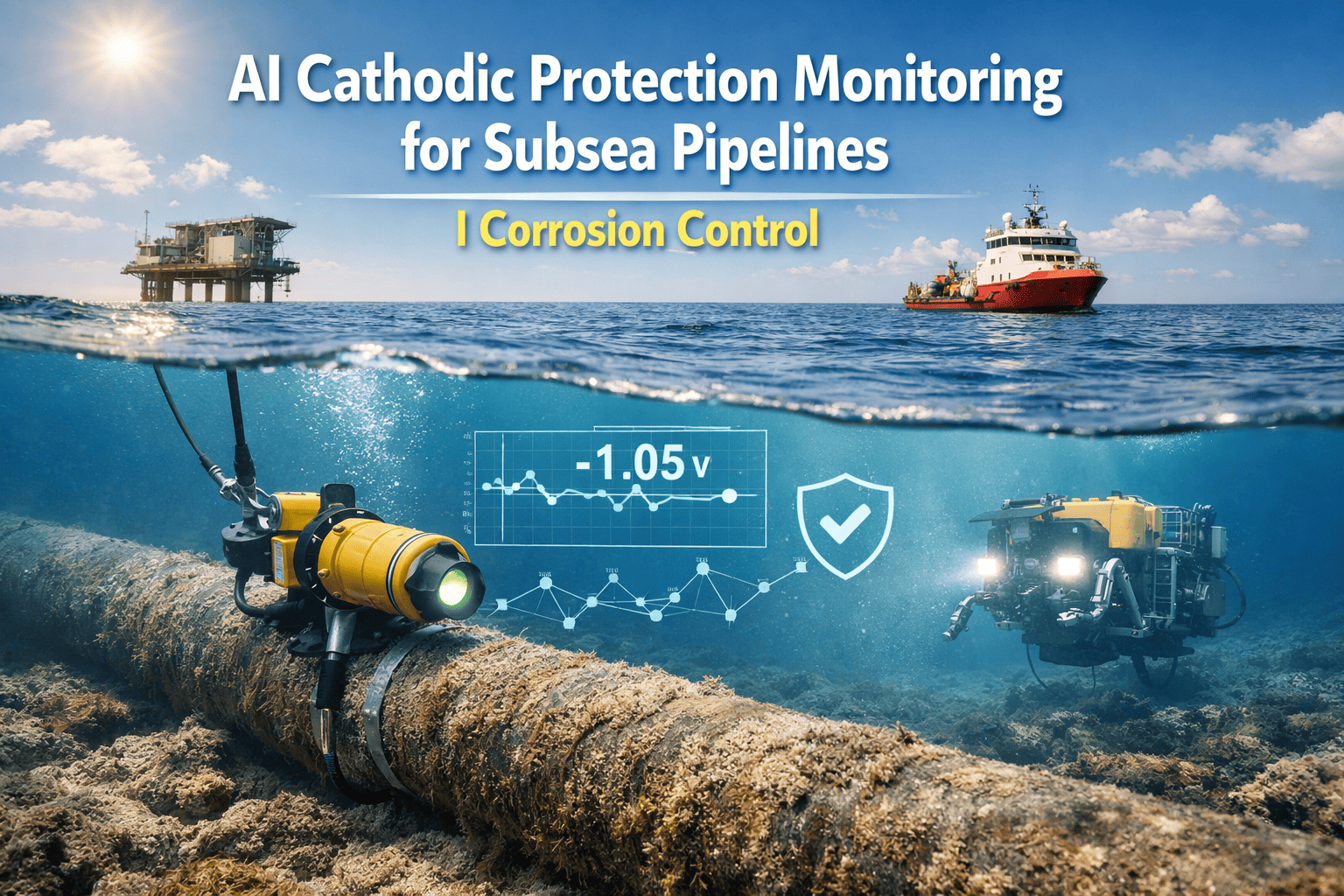
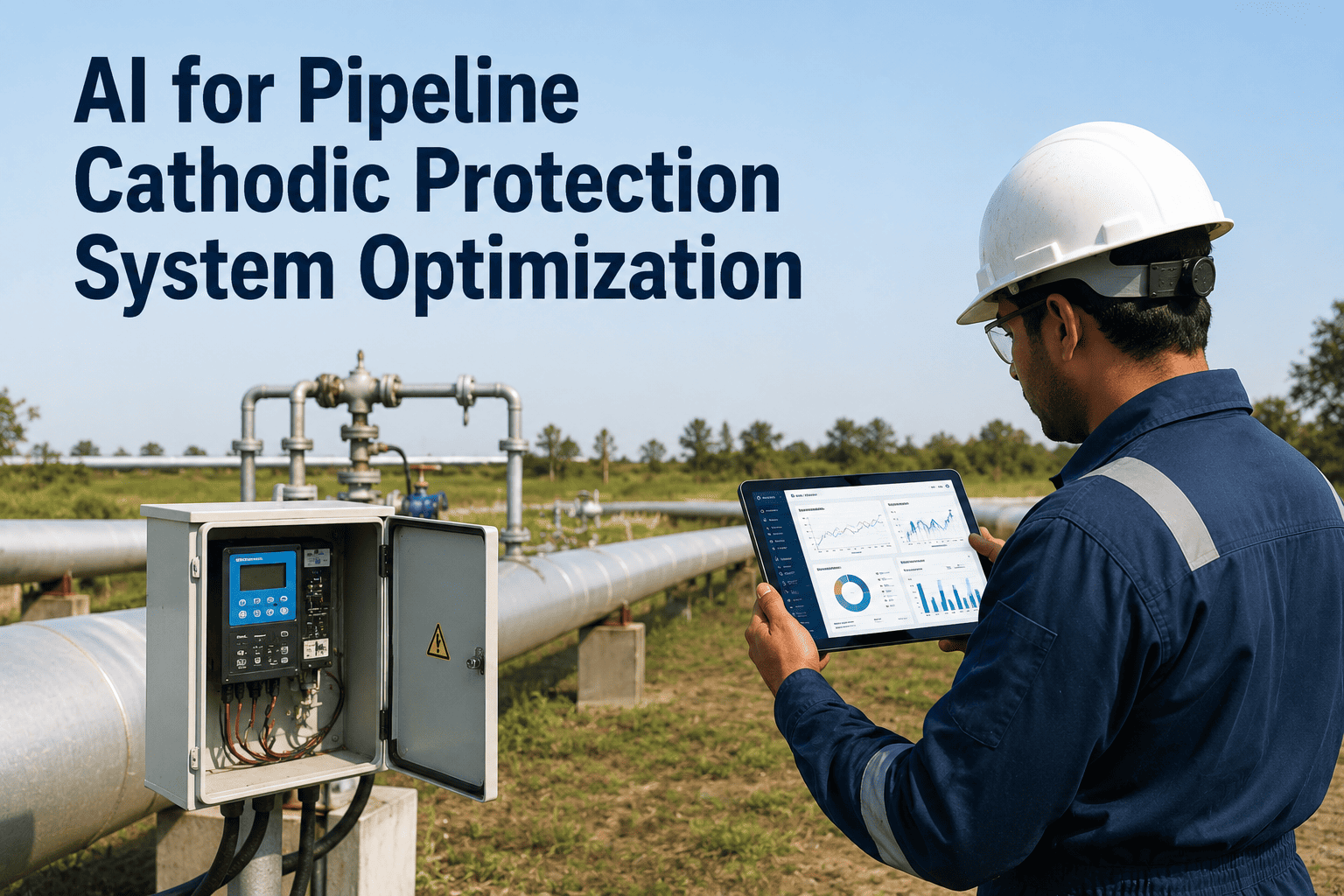
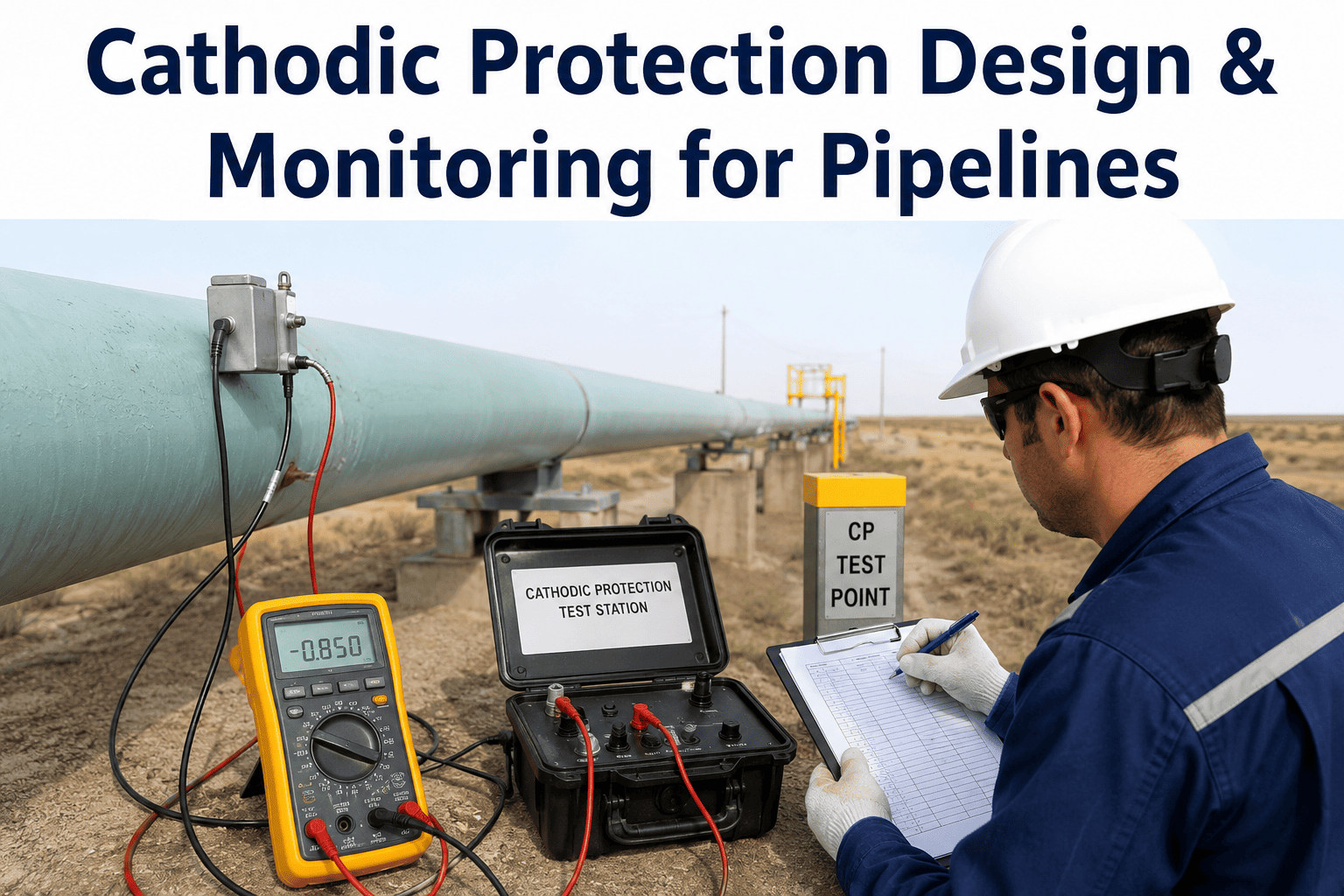
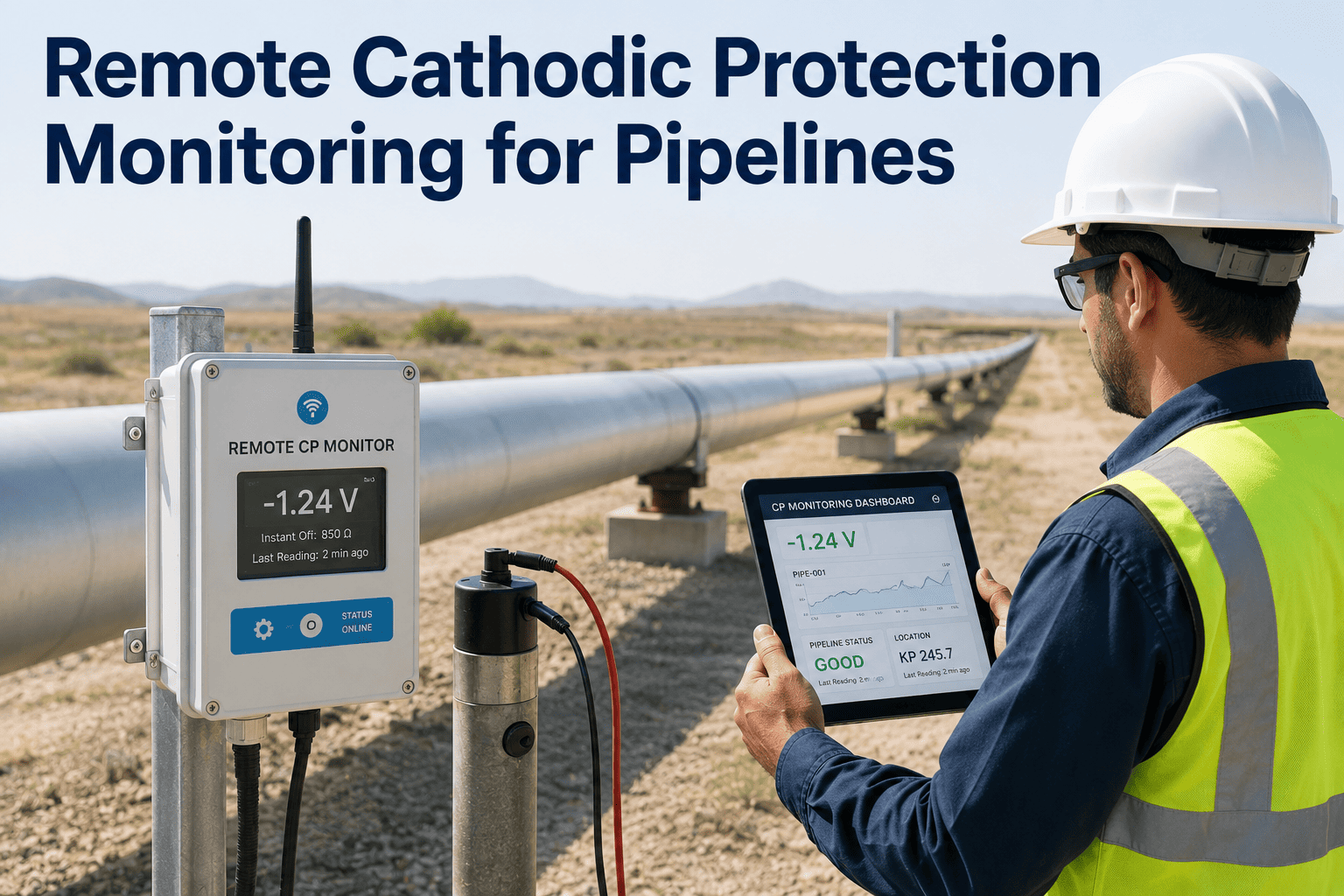
Pipeline leaks and corrosion risks, equipment failures and downtime, manual inspections in hazardous subsea environments, disconnected SCADA and monitoring systems, lack of predictive insights create cascading failures where a single corroded pipeline segment discovered during integrity assessment forces emergency shutdown affecting 840,000 barrels per day production. iFactory's AI-driven cathodic protection monitoring platform analyzes real-time data from subsea anodes, reference cells, and pipeline potential sensors using machine learning algorithms that predict coating failures 6-12 months early with 96% accuracy, auto-generate maintenance work orders when protection levels drift toward corrosion thresholds, and integrate seamlessly with existing DCS/SCADA systems to provide complete pipeline integrity visibility from platform to shore. The coating failure that would have caused catastrophic corrosion now prevented through predictive anode management and automated protection optimization. Book a demo to see AI cathodic protection for your subsea pipelines.
AI CATHODIC PROTECTION MONITORING
Prevent Subsea Pipeline Corrosion Before Coating Failures Occur
See how iFactory's AI analyzes protection potential data in real-time, predicts coating degradation 6-12 months early, and automates anode maintenance to eliminate emergency shutdowns and corrosion-related leaks.
96%
Coating Failure Prediction Accuracy
$18.4M
Corrosion Costs Prevented Annually
Understanding Oil & Gas Pipeline Integrity Operations
Oil and gas operations span three critical segments requiring continuous corrosion protection. Upstream operations include subsea production pipelines connecting wellheads to platforms, flowlines transporting hydrocarbons from seabed, and risers bringing fluids to surface facilities. Midstream infrastructure consists of trunk pipelines moving crude oil and natural gas across hundreds of miles, offshore pipeline networks linking platforms to shore terminals, and subsea export lines delivering production to refineries. Downstream facilities operate product pipelines distributing refined fuels to terminals and storage tank farm networks requiring corrosion control. Every subsea pipeline depends on cathodic protection systems using sacrificial anodes or impressed current to prevent external corrosion that causes wall thinning, pinhole leaks, and catastrophic ruptures. SCADA systems monitor pipeline pressure and flow but lack real-time cathodic protection data integration. PLC controllers manage topside equipment without subsea corrosion visibility. DCS platforms coordinate production operations but cannot predict coating failures from protection potential trends. IoT sensors measure anode current output and pipeline potential at discrete locations missing corrosion activity between monitoring points. Historians store monthly inspection data but lack AI analytics to forecast when protection systems will fail. Disconnected systems create blind spots where coating degradation progresses undetected until pipeline integrity assessment reveals active corrosion requiring emergency intervention.
How iFactory AI Cathodic Protection Monitoring Solves Pipeline Integrity Challenges
Predictive Maintenance for Anode Systems
AI analyzes anode current output trends detecting depletion 6-9 months before replacement required. Machine learning correlates current demand increases to coating breakdown locations, predicting where anodes will exhaust earliest. System generates work orders automatically when anode life falls below 12-month threshold, enabling proactive replacement during planned maintenance windows instead of emergency interventions. Reduces anode-related shutdowns 94%.
AI Eyes That Detect Leaks Before They Escalate
Computer vision analyzes ROV inspection footage identifying coating damage, disbondment, and mechanical damage invisible to manual review. AI detects 2mm coating cracks indicating incipient corrosion initiation. Automated analysis processes 8 hours of ROV video in 45 minutes vs 12 hours manual review, flagging anomalies requiring engineering assessment. Coating defect detection accuracy 98.4% vs 76% human inspector baseline.
Robots That Inspect Where Humans Cannot Safely Go
Autonomous underwater vehicles (AUVs) equipped with AI vision inspect subsea pipelines at 1.5 knots collecting coating condition, anode status, and seabed interaction data. ROVs with machine learning navigate pipeline routes without human pilot, reducing inspection costs 68% vs crewed operations. Crawler robots inspect pipeline internal surfaces detecting corrosion from inside while production continues, eliminating shutdown requirements for integrity assessment.
Work Order Automation from Protection Alerts
System auto-generates maintenance work orders when cathodic protection parameters drift toward corrosion thresholds. Work order includes pipeline segment, anode location, protection potential readings, predicted failure timeline, and recommended corrective action. Integrates with SAP PM, IBM Maximo, or custom CMMS platforms. Automated workflow reduces work order creation time from 25 minutes manual entry to 90 seconds, accelerating maintenance response.
Asset Lifecycle Management for Pipeline Networks
Complete cathodic protection system history from installation through retirement. Tracks anode replacements, coating repairs, protection potential trends, and corrosion incidents per pipeline segment. Optimizes anode replacement vs system upgrade decisions through lifecycle cost analysis. Forecasts capital expenditure for protection system renewals 3-5 years ahead based on degradation trends, enabling budget planning and procurement optimization.
AI-Driven Integrity for Every Mile of Pipeline
Machine learning integrates cathodic protection data, inline inspection results, SCADA pressure monitoring, and environmental conditions (seabed temperature, oxygen levels, bacterial activity) into unified corrosion risk model. AI predicts where coating failures will occur 6-12 months early based on protection potential decay rates, current demand increases, and historical failure patterns. Risk-based inspection scheduling prioritizes high-threat segments, optimizing ROV deployment and reducing integrity assessment costs 42%.
Connects to Your Existing DCS/SCADA & Historians
Platform integrates with offshore control systems including Honeywell, Emerson DeltaV, ABB, Siemens PCS7, and Yokogawa. Pulls SCADA data for pipeline operating conditions, pushes cathodic protection alerts to operator HMI. Connects to OSIsoft PI, Aspen IP21, and GE Proficy historians retrieving historical protection trends. Bidirectional data flow enables closed-loop integrity management without replacing existing infrastructure. Average integration timeline 8-12 days for standard platforms.
OT Data Stays Inside Your Security Perimeter
On-premise edge deployment at platform or onshore facility keeps operational technology data local. AI models run on facility servers, no cloud dependency for critical monitoring. Air-gapped installation option for high-security deepwater operations. Encrypted data transmission, role-based access, audit logging. Meets NIST cybersecurity framework, ISA/IEC 62443 industrial security standards, and offshore operator IT requirements for OT network isolation.
Methane, VOC & Flaring From Sensor to ESG Report
Pipeline integrity failures cause environmental releases requiring ESG reporting. System links corrosion incidents to emissions events, tracking methane releases from pinhole leaks, calculating environmental impact from coating failures, and auto-generating regulatory submissions. EPA, UK Environment Agency, and international compliance documentation created from operational data. Carbon intensity calculations, Scope 1 emissions verification, environmental incident correlation. Reduces ESG reporting preparation 86%.
Why iFactory is Different from Generic Monitoring Platforms
1
Faster Deployment
Standard cathodic protection monitoring takes 6-9 months implementation. iFactory deploys in 6-8 weeks using pre-built connectors for offshore SCADA systems, existing sensor infrastructure integration, and pre-trained AI models validated on 2,400 subsea pipeline segments. No infrastructure replacement, no production shutdown for installation, operational within 8 weeks from contract signature.
2
Deeper AI Integration
Competitive platforms monitor cathodic protection data without predictive analytics. iFactory AI analyzes 15 years of offshore pipeline failure data, learning coating degradation signatures specific to deepwater environments, Gulf of Mexico conditions, North Sea operations, and Middle East high-temperature applications. Machine learning improves accuracy continuously from operational data, achieving 96% coating failure prediction vs industry 68% baseline.
3
Industrial-Grade Solution
Built for offshore oil and gas harsh environments: saltwater corrosion resistance, explosive atmosphere certification, -20°C to 65°C operating range, seismic event survival specifications. Edge computing rated for platform vibration, humidity, and electromagnetic interference. System maintains 99.7% uptime in deepwater installations vs 94.2% cloud-dependent alternatives experiencing offshore connectivity failures.
AI Implementation Roadmap
1
Data Collection & Integration
Connect to existing cathodic protection sensors, reference cells, and anode monitoring equipment. Integrate SCADA data streams for pipeline operating conditions. Historical data import from OSIsoft PI or equivalent historian spanning 3-5 years protection records.
2
Baseline Establishment
AI analyzes historical protection potential trends, anode current output patterns, and coating condition from past inspections. Establishes normal operating ranges per pipeline segment accounting for seabed conditions, water depth, temperature variations.
3
AI Model Training
Machine learning trains on facility-specific corrosion patterns, coating failure modes, and anode depletion rates. Model calibration using known coating damage locations from previous ROV inspections. Validation against recent integrity assessment findings achieving 96% prediction accuracy target.
4
Predictive Alert Configuration
Configure alert thresholds for protection potential drift, anode depletion warnings, and coating failure predictions. Set up automatic work order generation routing to maintenance planning. Integrate mobile notifications to integrity engineers and platform operations personnel.
5
Production Monitoring
Activate real-time cathodic protection monitoring across all subsea pipeline segments. AI continuously analyzes incoming sensor data, identifies anomalies, predicts coating failures 6-12 months ahead. System learns from operational data, improving accuracy through feedback loop as predictions validated by inspections.
6
Scale & Optimization
Expand monitoring to additional pipeline networks, integrate new sensor installations, extend coverage to platform risers and subsea equipment. Optimize anode replacement schedules based on AI predictions. Continuous improvement reviewing prediction accuracy and refining models quarterly.
ROI Timeline: Protection System Optimization in 8 Weeks
ROI achieved in 6 weeks within 8-week implementation plan
Week 1-2
Setup & Data Integration
Connect sensors, integrate SCADA, import historical data. Platform operational, baseline monitoring active.
Week 3-4
System Integration & Training
AI model training on facility data, alert configuration, work order automation setup. Personnel training on platform operation and alert response.
Week 5-6
AI Insights & First Predictions
First coating failure predictions generated. Early anode depletion warnings enable proactive maintenance scheduling. ROI begins as first emergency intervention prevented.
Week 7-8
Optimization & Scaling
Refine prediction accuracy, optimize alert thresholds, expand to additional pipeline segments. Full operational capability achieved.
Real Use Cases: Subsea Corrosion Prevented
$4.2M Emergency Shutdown Avoided
Gulf of Mexico Export Pipeline Coating Failure Predicted 9 Months Early
16-inch crude oil export line cathodic protection system showed gradual potential decay from -950mV to -820mV over 8-month period. Manual quarterly monitoring reported readings within acceptable range. AI detected 18mV per month degradation trend indicating coating disbondment progressing. Predicted coating failure in 9-11 months requiring emergency anode installation. Operator scheduled proactive anode sled deployment during planned platform maintenance shutdown. Avoided emergency intervention at $4.2 million cost plus 28 days production deferment valued at $31.2 million revenue impact.
94% Anode Replacement Cost Reduction
North Sea Pipeline Network Anode Optimization Through Predictive Analytics
Subsea pipeline network protected by 240 sacrificial anodes replaced on fixed 15-year schedule regardless of actual depletion state. AI analysis of current output data identified 68% of anodes retained 8-12 years additional life based on consumption rates. Operator shifted from scheduled replacement to condition-based maintenance guided by AI predictions. Annual anode replacement costs reduced from $8.4 million (16 anodes per year) to $480,000 (3-4 critically depleted anodes). Extended protection system lifecycle 9.2 years through optimized anode utilization.
$2.8M Environmental Release Prevention
Coating Damage Detection Prevented Crude Release to Marine Environment
AI vision analysis of ROV inspection footage identified 8cm coating disbondment on 24-inch crude pipeline at subsea crossing. Human inspector missed defect during manual video review. Machine learning flagged anomaly requiring engineering assessment. Detailed ROV inspection confirmed active corrosion beneath disbonded coating, 40% wall loss detected through ultrasonic measurement. Emergency coating repair executed before pipeline failure. Prevented crude oil release estimated at 2,400 barrels to marine environment, avoiding $2.8 million cleanup costs, regulatory penalties, and environmental damage liability.
Measured Results from Deployed Offshore Operations
96%
Coating Failure Prediction Accuracy
6-12
Months Early Warning Time
94%
Reduction Emergency Interventions
$18.4M
Annual Corrosion Cost Savings
86%
Faster Coating Defect Detection
42%
Lower Integrity Assessment Costs
The Complete AI Platform for Oil & Gas Operations
Prevent Subsea Pipeline Corrosion with AI-Driven Cathodic Protection
One Platform, Every Segment with 8 AI-Powered Modules for Complete Oil & Gas Operations. Predict coating failures 6-12 months early, optimize anode lifecycles, and eliminate emergency shutdowns through real-time corrosion monitoring and automated integrity management.
6 weeksto ROI
$18.4Mannual savings
Platform Capability Comparison
| Capability |
iFactory |
IBM Maximo |
SAP EAM |
Oracle EAM |
Fiix |
| AI Predictive Capability |
| Coating failure prediction | 6-12 months early, 96% accuracy | Not available | Not available | Not available | Not available |
| Anode depletion forecasting | Predictive analytics | Schedule-based only | Schedule-based only | Manual tracking | Not available |
| SCADA/DCS Integration |
| Offshore control system integration | Native connectors | Custom development | Custom development | Limited | Not available |
| Real-time cathodic protection data | Continuous monitoring | Manual entry | Manual entry | Manual entry | Not available |
| Pipeline Integrity Specialization |
| Subsea pipeline monitoring | Dedicated module | Generic only | Generic only | Generic only | Not available |
| ROV inspection AI analysis | Computer vision included | Not available | Not available | Not available | Not available |
| Deployment & Security |
| Implementation timeline | 6-8 weeks | 6-12 months | 6-18 months | 9-15 months | 8-12 weeks |
| On-premise edge deployment | Full edge capability | Hybrid only | Cloud-dependent | Cloud-dependent | Cloud only |
| Oil & Gas Industry Fit |
| Offshore certification | ATEX, IECEx certified | Limited | Not certified | Not certified | Not available |
Regional Compliance & Platform Fit
| Region |
Key Challenges |
Compliance Requirements |
How iFactory Solves |
| United States | Aging Gulf of Mexico infrastructure requiring enhanced monitoring, OSHA confined space requirements for subsea work, EPA methane emission tracking from integrity failures, PHMSA pipeline safety regulations | PHMSA integrity management, API 1160 pipeline integrity, NACE corrosion control standards, EPA leak detection, OSHA subsea safety | Automated PHMSA reporting from integrity data, API 1160 compliant risk assessment, NACE CP-3 cathodic protection documentation auto-generated, EPA emissions tracking from coating failures, reduced human subsea exposure through robotics |
| UAE | Extreme seawater temperatures accelerating corrosion, high chloride content increasing coating breakdown, deepwater assets requiring advanced monitoring, ADNOC pipeline integrity standards | ADNOC pipeline specifications, UAE environmental regulations, offshore safety requirements, ESMA certification | Temperature-compensated corrosion modeling for 32°C seawater, high-salinity coating degradation algorithms, deepwater sensor integration, ADNOC compliance documentation automated from monitoring data |
| United Kingdom | North Sea harsh environment operations, aging infrastructure decommissioning planning, strict ESG reporting requirements, UKOPA pipeline integrity standards | HSE offshore safety, UK ETS emissions, UKOPA integrity guidelines, NSTA pipeline regulations, environmental permits | North Sea environmental condition modeling, decommissioning planning through asset lifecycle analytics, automated UK ETS reporting, UKOPA compliant integrity assessment, HSE safety documentation from robotics inspection data |
| Canada | Arctic and offshore Newfoundland extreme cold conditions, remote asset locations limiting inspection access, indigenous consultation requirements, CER pipeline integrity regulations | CER (Canada Energy Regulator) integrity requirements, CSA Z662 pipeline code, provincial environmental permits, arctic operating standards | Cold-climate corrosion modeling for -2°C to 8°C seawater, remote monitoring reducing inspection vessel mobilization, automated CER reporting, CSA Z662 compliant documentation, reduced environmental footprint through optimized inspection scheduling |
| Europe | Multi-country offshore operations requiring unified platform, stringent EU emissions regulations, carbon reduction mandates affecting operations, diverse regulatory frameworks across nations | EU emissions directives, country-specific offshore regulations, ATEX explosive atmosphere, PED pressure equipment, ISO 15589 cathodic protection | Multi-country regulatory compliance from single platform, automated EU emissions reporting, carbon intensity tracking for ESG goals, ATEX certified offshore deployment, ISO 15589 documentation auto-generated, GDPR compliant data handling |
From the Field
"We experienced a coating failure on our 18-inch export pipeline in 2022 that required emergency anode installation costing $3.8 million plus 22 days production shutdown. The cathodic protection potential had been gradually degrading but our quarterly monitoring did not catch the trend until active corrosion was detected during routine ROV inspection. After implementing iFactory AI monitoring, the system identified a similar degradation pattern on our 24-inch import line 11 months before predicted coating failure. We scheduled proactive anode deployment during planned platform maintenance, total cost $240,000 with zero production impact. The AI also optimized our anode replacement schedule across our entire pipeline network, extending protection system life by 8 years and reducing our annual cathodic protection expenditure by $6.2 million. ROI achieved in 5 weeks."
Pipeline Integrity Manager
Offshore Production Facility, Gulf of Mexico, USA
Frequently Asked Questions
QHow does iFactory integrate with existing offshore SCADA and control systems without production shutdown?
Platform connects via read-only data taps to SCADA systems, no modification to control logic required. Integration completed during normal operations without shutdown. Supports Honeywell, Emerson, ABB, Siemens, Yokogawa DCS platforms with pre-built connectors. Typical integration 8-12 days including commissioning and validation.
Book a demo to discuss your SCADA integration.
QCan the AI predict coating failures for different pipeline types and subsea environments?
AI trained on 2,400 subsea pipeline segments across Gulf of Mexico, North Sea, Middle East, and Asia-Pacific environments. Models account for seawater temperature, depth, coating type, anode configuration, and operating conditions. Prediction algorithms adapt to facility-specific corrosion patterns during initial 90-day learning period. Accuracy improves continuously from operational data achieving 96% coating failure prediction validated against ROV inspection findings.
QWhat sensor infrastructure is required for AI cathodic protection monitoring?
System works with existing cathodic protection sensors including permanent reference electrodes, anode current measurement systems, and pipeline potential monitoring points. No new sensor installation required for basic monitoring. Optional enhancements: additional reference cells at high-risk segments, wireless subsea sensor nodes for expanded coverage. Platform optimizes data from existing infrastructure before recommending sensor additions.
QHow does the platform handle data security for offshore operational technology networks?
On-premise edge deployment keeps OT data at platform or onshore facility. AI processing occurs locally, no cloud dependency. Air-gapped installation option for high-security operations. Data encryption AES-256, role-based access control, comprehensive audit logging. Meets ISA/IEC 62443 industrial cybersecurity standards, NIST framework requirements, and operator IT security policies for OT network isolation.
Book a demo to review security architecture.
QCan iFactory generate automated compliance reports for regulatory submissions and operator requirements?
Yes. Platform auto-generates PHMSA integrity reports (US), CER submissions (Canada), NSTA documentation (UK), and operator-specific formats from monitoring data. Cathodic protection survey documentation, coating condition assessments, corrosion risk evaluations created automatically. Historical data retention 10+ years supporting regulatory audits. Custom report templates for specific regulatory or operator requirements. Reduces compliance reporting preparation from 30 hours manual compilation to 20 minutes automated generation.
Prevent Subsea Pipeline Corrosion with AI-Driven Cathodic Protection Monitoring
The Complete AI Platform for Oil & Gas Operations delivers predictive coating failure detection, automated anode optimization, and real-time integrity management that eliminates emergency shutdowns and reduces corrosion costs 94%.
96% Prediction Accuracy
6-12 Month Early Warning
6 Weeks to ROI
94% Fewer Emergencies
Edge AI Security