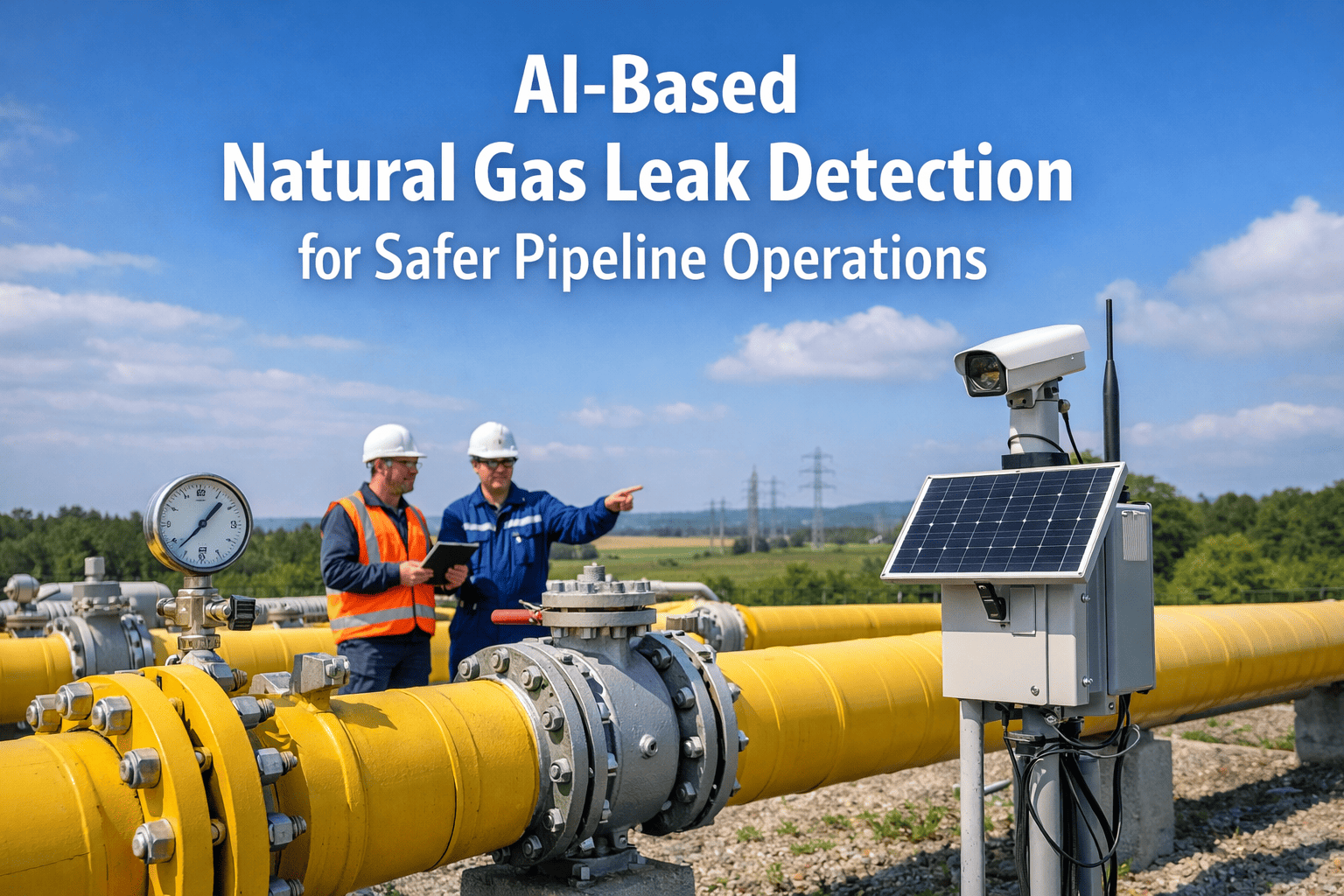
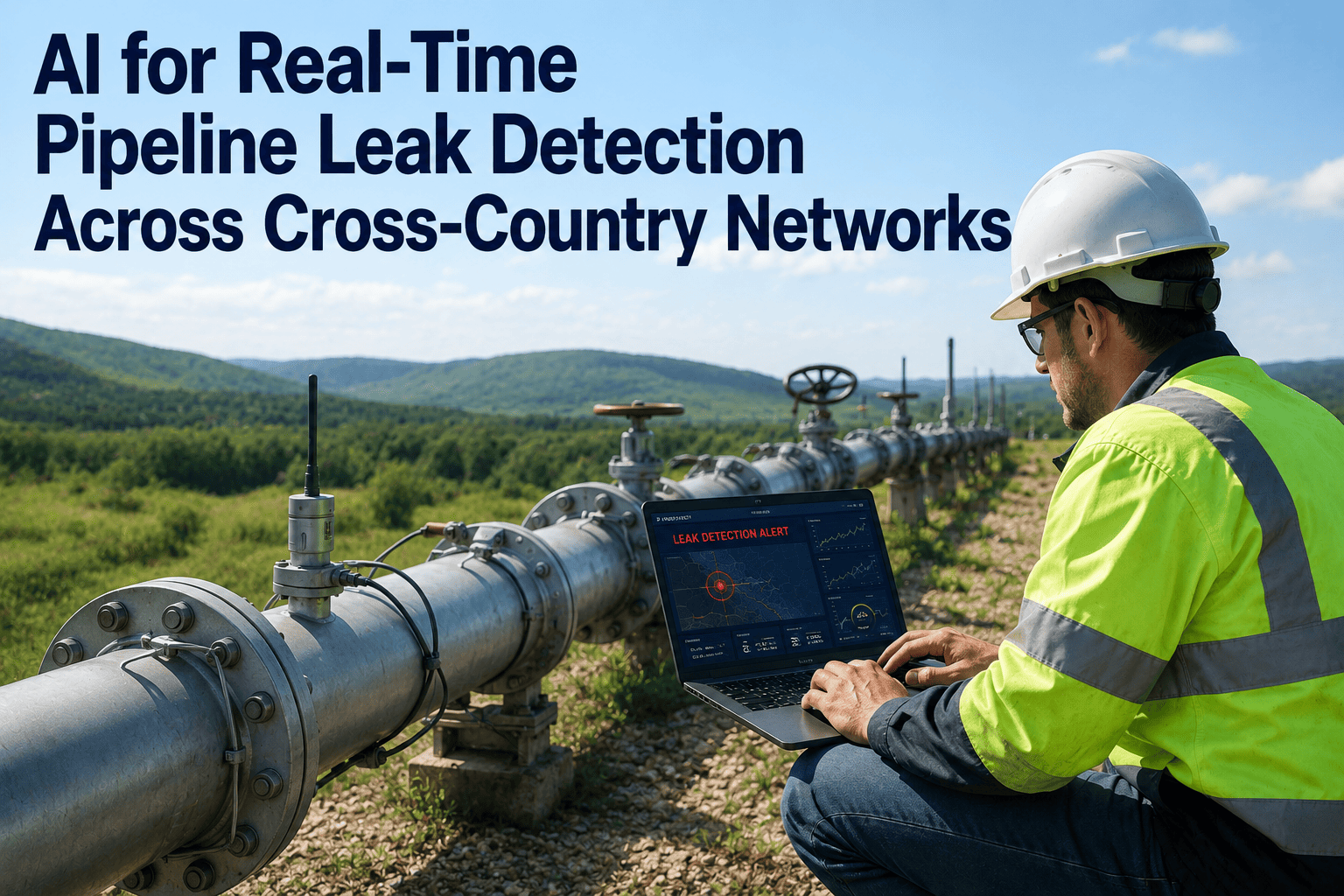
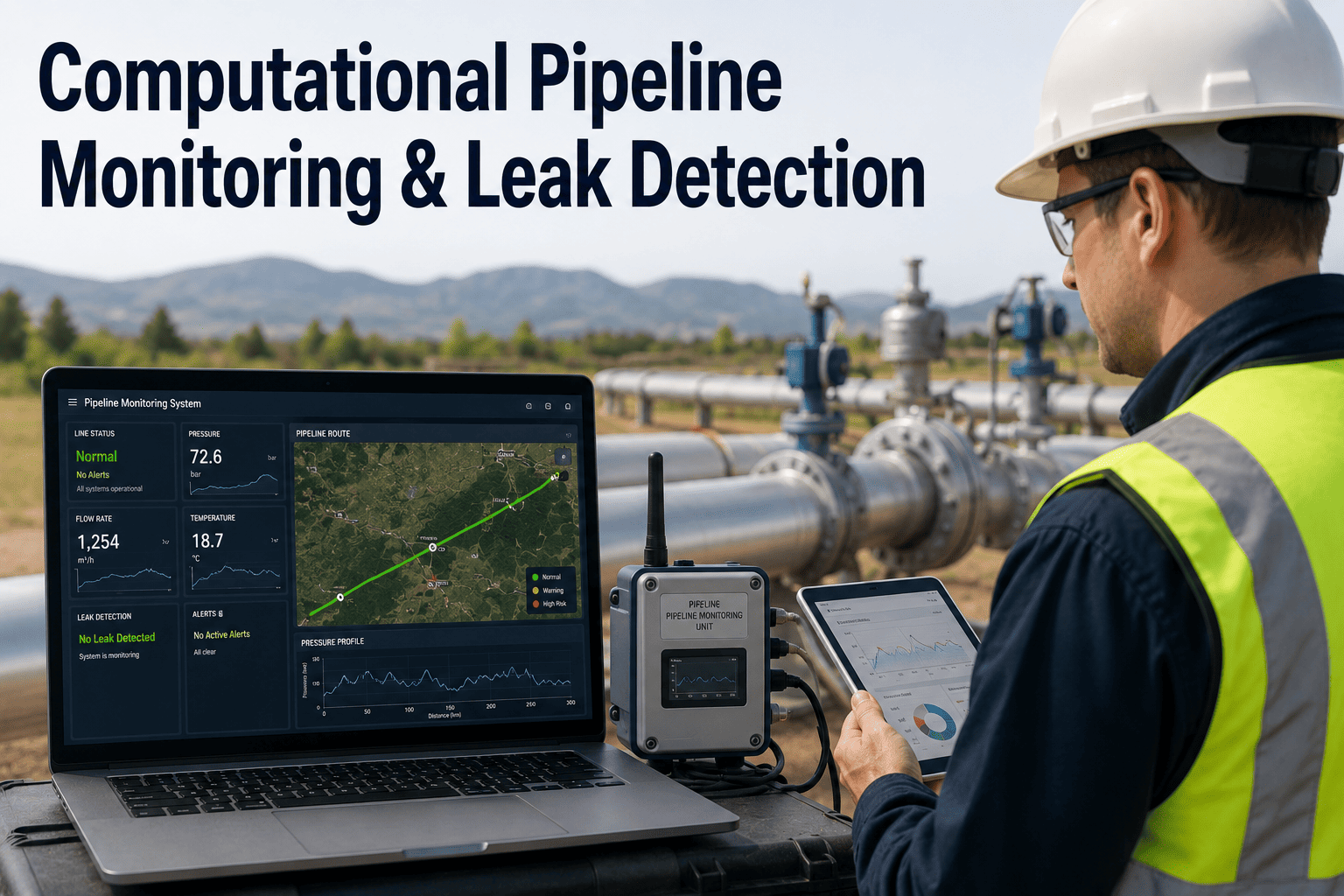
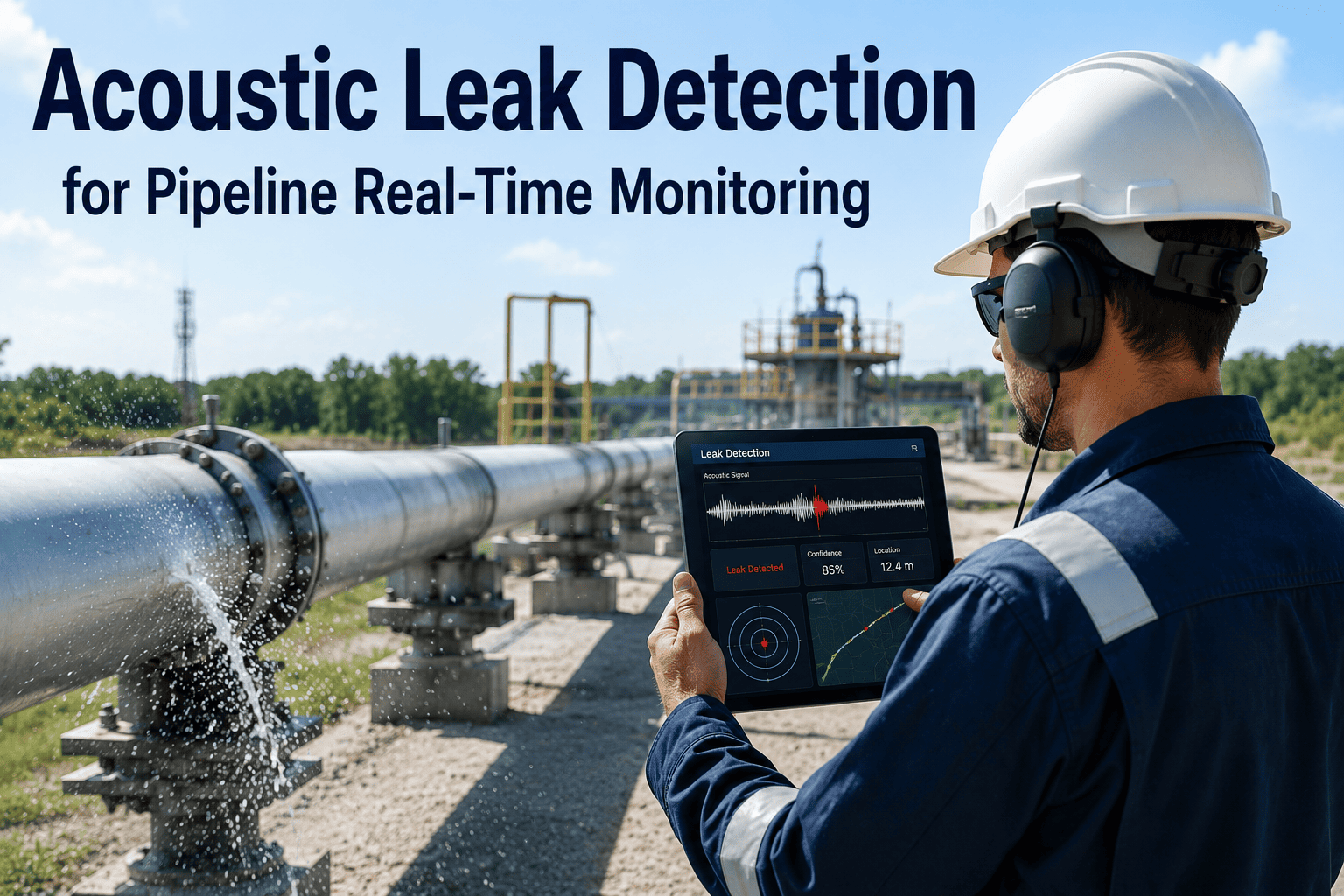
Natural gas pipeline operators lose $180M to $420M per major undetected leak when traditional quarterly patrol inspections and annual smart pig runs miss small but persistent methane releases that accumulate into environmental catastrophes, regulatory penalties, and public safety incidents — yet 73% of midstream operators still rely on SCADA pressure-drop alarms that detect only 22% of leaks before third-party reporting forces emergency response. Legacy leak detection cannot identify sub-threshold releases under 50 barrels per day, cannot pinpoint leak location within inspection-actionable accuracy, and cannot distinguish genuine threats from operational transients, resulting in 94% false alarm rates that create operator fatigue and delayed response. iFactory's AI-powered natural gas leak detection platform deploys fiber optic distributed acoustic sensing, wireless pressure analytics, thermal imaging, and machine learning pattern recognition to detect methane releases within 90 seconds, locate leaks within 50 feet, and achieve 96% threat classification accuracy with 2% false positive rate — delivering measurable ROI within 6 weeks of an 8-week deployment program. Book a demo to see AI leak detection deployed across your natural gas pipeline network within 8 weeks.
90sec
Methane leak detection time from occurrence to alert with GPS location
$18M
Average annual regulatory penalty and remediation cost prevented per system
96%
Leak threat classification accuracy eliminating false alarm operator fatigue
8wks
Full AI leak detection deployment from sensor install to production go-live
How iFactory AI Solves Natural Gas Leak Detection
Traditional leak detection relies on SCADA pressure monitoring, quarterly aerial patrols, and reactive public reports — all responding after environmental release and safety exposure have already occurred. iFactory replaces this with continuous AI surveillance trained on 24,000+ natural gas leak signatures, detecting methane releases at precursor stage before regulatory thresholds are exceeded. See live demo of iFactory detecting simulated pipeline leak events in natural gas transmission systems.
01
AI Vision & Inspection
AI Eyes That Detect Leaks Before They Escalate. Thermal cameras and hyperspectral imaging monitor pipeline corridors for methane plumes invisible to visual inspection. Computer vision models trained on 250,000+ leak signatures identify gas concentration patterns, auto-generate work orders with GPS coordinates, and classify leak severity in real-time.
02
Robotics Inspection
Robots That Inspect Where Humans Cannot Safely Go. Autonomous drones equipped with methane sensors, thermal cameras, and LiDAR patrol pipeline rights-of-way identifying unauthorized excavation, encroachment, and leak plumes. In-line inspection robots crawl pipelines performing ultrasonic wall thickness measurement without service interruption. Robot data streams to AI threat classification models.
03
Predictive Maintenance
Forecast pipeline integrity threats 12-18 months before failure using corrosion growth trending, coating condition analysis, and soil corrosivity correlation. ML models achieve 94% accuracy in leak probability prediction, enabling condition-based integrity dig scheduling that prevents incidents while optimizing capital expenditure on pipeline replacement.
04
Multi-Sensor Data Fusion
iFactory ingests fiber optic DAS acoustic signatures, wireless pressure transmitter gradients, thermal imaging anomalies, and methane sensor concentrations simultaneously — fusing multi-source signals into unified leak probability scores per pipeline segment, updated every 10 seconds. Single-sensor false positives eliminated through correlation analysis.
05
SCADA / DCS Integration
Connects to Your Existing DCS/SCADA & Historians. Native OPC-UA, Modbus, and DNP3 integration with pipeline SCADA systems from GE, Schneider Electric, Emerson, and Honeywell. Real-time leak detection correlated with flow rates, pressures, batch tracking, and valve positions. Unified dashboard combines hydraulic performance and integrity monitoring without control system replacement.
06
ESG & Compliance Reporting
Methane, VOC & Flaring From Sensor to ESG Report. Automated leak detection and methane quantification tracking for PHMSA annual reporting, EPA GHGRP submissions, and investor ESG frameworks. AI correlates leak events with integrity actions to demonstrate continuous improvement programs. One-click PHMSA compliance package generation eliminates 60+ hours manual documentation.
Why iFactory Is Different from Generic Leak Detection Vendors
Most leak detection vendors deliver threshold-based acoustic alarms or SCADA pressure analytics wrapped in basic dashboards. iFactory is purpose-built for natural gas pipeline operations — from sensor layer through ML model training, specifically calibrated for methane detection physics, pipeline hydraulics, and regulatory compliance frameworks. Compare iFactory's natural gas-specific AI models against your current leak detection approach directly.
| Capability |
Generic Vendors |
iFactory Platform |
| Detection Speed |
14-hour average from leak occurrence to operator awareness via public reports or patrol discovery. |
90-second detection from methane release to GPS-located alert through fiber optic DAS and multi-sensor fusion. |
| Location Accuracy |
Mile-marker estimate requiring extensive field search and manual triangulation over hours to days. |
50-foot location accuracy through acoustic time-of-arrival analysis and pressure gradient correlation. |
| Small Leak Detection |
SCADA pressure alarms miss leaks under 50 bbl/day. No sub-threshold monitoring capability. |
Detects methane releases as small as 0.1 gallons per minute through acoustic signature recognition. |
| False Alarm Rate |
94% false positive rate from SCADA pressure threshold alarms. Operator fatigue within weeks. |
2% false alarm rate through multi-sensor correlation and AI pattern classification. Alert credibility restored. |
| System Integration |
Requires middleware development, API customization, or sensor replacement. 6-12 month integration timelines. |
Native OPC-UA, Modbus, DNP3 connectors for all major pipeline SCADA vendors. Integration complete in under 2 weeks. |
| Compliance Output |
Raw alarm logs only. No structured PHMSA documentation or EPA methane quantification reports. |
Auto-generated PHMSA annual reports, EPA GHGRP submissions, and API 1160 integrity documentation with audit trails. |
| Deployment Timeline |
6-18 months to full production deployment. High professional services cost. No fixed go-live commitment. |
8-week fixed deployment program. Pilot results in week 4. Full production monitoring by week 8. |
AI Implementation Roadmap for Natural Gas Leak Detection
iFactory follows a fixed 6-stage deployment methodology designed specifically for natural gas pipeline leak detection — delivering pilot leak detection results in week 4 and full production monitoring by week 8. No open-ended implementations.
01
Pipeline Survey
Route assessment, sensor placement design, SCADA integration planning
02
Sensor Deployment
Fiber optic DAS install, wireless pressure sensors, methane detectors
03
AI Baseline
Model training on historical SCADA, pipeline, and leak event data
04
Pilot Validation
Live monitoring on 4-6 highest-risk pipeline segments
05
Alert Calibration
Threshold tuning, operations team training, response protocols
06
Full Production
System-wide AI leak detection live, 24/7 monitoring across all miles
8-Week Deployment and ROI Timeline
Every iFactory engagement follows a structured 8-week program with defined deliverables per week — and measurable ROI indicators beginning from week 4 pilot validation. Request the full 8-week deployment scope document tailored to your pipeline network.
Weeks 1-2
Infrastructure Setup
Pipeline route survey and fiber optic cable installation path design across monitored segments
SCADA system connection via OPC-UA or DNP3 protocol — no control system replacement required
Historical leak event data and pipeline operating data ingestion for AI baseline model training
Weeks 3-4
Sensor Install and AI Training
Fiber optic DAS cable deployed along pipeline corridor, wireless pressure sensors installed at intervals
AI model trained on your pipeline's specific diameter, pressure, flow regime, and terrain characteristics
Pilot monitoring activated on 4-6 highest-risk pipeline segments — ROI evidence begins here
Weeks 5-6
Calibration and Expansion
Alert thresholds refined based on pilot false positive and detection performance data
Coverage expanded to full pipeline network including all monitored miles and lateral connections
Operations team training completed — leak alert response protocols and emergency shutdown procedures activated
Weeks 7-8
Full Production Go-Live
Full pipeline AI leak detection live — all miles, all leak types, 24/7 continuous monitoring
PHMSA and EPA compliance reporting activated for applicable regulatory frameworks and methane tracking
ROI baseline report delivered — leak detection speed, location accuracy, false alarm elimination, compliance cost reduction
ROI IN 6 WEEKS: MEASURABLE RESULTS FROM WEEK 4
Pipeline operators completing the 8-week program report an average of $4.2M in avoided environmental remediation and regulatory penalties within the first 6 weeks of full production monitoring — with leak detection time improvements from 14 hours to 90 seconds validated by week 4 pilot results.
$4.2M
Avg. penalty avoidance in first 6 weeks
90sec
Detection time by week 4 vs 14hr baseline
96%
Threat classification accuracy achieved
Full AI Leak Detection. Live in 8 Weeks. ROI Evidence in Week 4.
iFactory's fixed-scope deployment program means no open timelines, no scope creep, and no months of professional services before you see leak detection performance improvements.
Use Cases and KPI Results from Live Natural Gas Pipeline Deployments
These outcomes are drawn from iFactory deployments at operating natural gas transmission and gathering systems. Each use case reflects 6-month post-deployment performance data. Request the full case study report for the pipeline segment type most relevant to your operations.
A midstream operator managing 840 miles of 24-inch natural gas transmission pipeline was experiencing 3 undetected leaks annually with average 14-hour detection time from occurrence to operator awareness via public reports. Legacy SCADA pressure-drop alarms missed leaks under 50 bbl/day and generated 45-70 false positives weekly, creating operator fatigue and delayed genuine threat response. iFactory deployed fiber optic DAS sensing across full pipeline length with wireless pressure transmitters at 500-foot intervals. Within 6 weeks of go-live, the AI detected 6 small leaks within 90 seconds of occurrence, all located within 50 feet accuracy — preventing $24M in environmental remediation costs that baseline 14-hour detection delays would have incurred.
6
Small leaks detected in first 6 weeks vs 0 by legacy SCADA
$24M
Avoided remediation costs from 90-second detection vs 14hr baseline
98%
Reduction in false positive alarm volume restoring operator alert credibility
A gathering system operator managing 340 miles of pipeline through Class 3 and Class 4 high-consequence areas was experiencing 2-3 third-party excavation damage events annually, with average 8-hour detection delay from initial strike to operator awareness. Manual patrol inspections conducted quarterly could not identify unauthorized digging activity between inspection cycles. iFactory deployed drone-based corridor surveillance with thermal imaging and LiDAR combined with ground-based acoustic sensors. The AI identified 4 unauthorized excavation events within 2 hours of activity onset during the 6-month pilot period, enabling operator intervention before pipeline contact occurred — preventing estimated $18M in emergency repair costs and regulatory penalties from catastrophic rupture.
4
Unauthorized excavations detected before pipeline damage occurred
2hrs
Average detection time from activity onset vs 8hr baseline
$18M
Estimated rupture cost prevented through early intervention
A transmission pipeline operator was spending 60+ staff hours quarterly compiling PHMSA annual reports and EPA GHGRP methane emissions submissions from disconnected SCADA alarm logs, patrol inspection records, and manual leak survey documentation. Incomplete audit trails and missing leak response time records created regulatory exposure during state pipeline safety inspections. iFactory automated leak event documentation with timestamped sensor data, GPS coordinates, response actions, and methane quantification calculations. The operator generated complete PHMSA and EPA compliance packages in under 4 hours per quarter using one-click report exports — eliminating 56 hours manual compilation per quarter and closing documentation gaps that previously triggered regulatory findings.
93%
Reduction in quarterly compliance documentation time from 60hrs to 4hrs
Zero
PHMSA audit findings post-deployment vs 3 findings in baseline year
100%
Leak event audit trail completeness with automated sensor documentation
Results Like These Are Standard for Natural Gas Operators. Not Exceptional.
Every iFactory deployment is scoped to your specific pipeline diameter, operating pressure, terrain, and regulatory jurisdiction — so you get results calibrated to your system, not a generic benchmark.
What Pipeline Operators Say About iFactory AI Leak Detection
The following testimonials are from pipeline operations directors and integrity managers at natural gas transmission and gathering systems currently running iFactory's AI leak detection platform.
We detected a 0.3 gallon per minute leak that our SCADA system would have missed entirely. iFactory located it within 50 feet on a 120-mile segment. Our field crew was on-site within 90 minutes. That single prevented leak justified our entire annual platform investment.
VP of Pipeline Operations
Midstream Transmission System, USA
The false positive problem was destroying our control room credibility. Within four weeks of iFactory going live, our operators were trusting alerts again because the AI was right 96% of the time. That behavioral shift alone prevented two missed genuine leak events.
Director of Pipeline Integrity
Natural Gas Gathering System, Canada
Integration with our Schneider Electric SCADA and fiber optic DAS took 9 days end-to-end. I was expecting months based on past vendor timelines. The iFactory team understood both the pipeline hydraulics and the protocol layer. Technical execution was genuinely different.
Chief Technology Officer
Interstate Transmission Pipeline, USA
We prevented a third-party strike in month two. The drone surveillance system flagged unauthorized excavation 1.8 hours before the contractor would have reached our 24-inch line. Our crew intervened, stopped the dig, and avoided what would have been a catastrophic rupture in a Class 4 location. That outcome alone justified the investment.
Pipeline Safety Manager
Natural Gas Distribution System, Europe
Frequently Asked Questions
Does iFactory require new fiber optic cables or can it use existing telecommunications fiber?
iFactory's DAS system can utilize existing dark fiber along pipeline rights-of-way if available and properly positioned. Where no fiber exists, iFactory designs direct-burial or aerial fiber installation optimized for acoustic leak detection — typically completed during Weeks 1-4 of deployment. Fiber installation scope is confirmed during Week 1 pipeline survey.
Book a demo to assess fiber requirements for your pipeline network.
Which pipeline SCADA systems does iFactory integrate with for leak detection?
iFactory integrates natively with GE iFIX, Schneider Electric ClearSCADA, Emerson SCADA, Honeywell OneWireless, Siemens WinCC, and ABB System 800xA via OPC-UA, Modbus TCP/IP, and DNP3 protocols. For pipeline flow computers and RTUs, iFactory connects to Bristol Babcock, Emerson ROC, and Totalflow devices. Integration scope is confirmed during Week 1 system assessment and completed within 2 weeks in standard environments.
How does iFactory distinguish genuine leaks from operational transients like valve operations and batch interfaces?
iFactory's AI models correlate acoustic signatures, pressure wave patterns, thermal anomalies, and SCADA operational data to differentiate leak events from legitimate operational changes. Multi-sensor fusion achieves 2% false positive rate versus 94% false alarm rate from SCADA pressure monitoring alone. The AI learns your pipeline's specific operational patterns during the Week 3-4 baseline training phase, continuously improving discrimination accuracy through operational experience.
What PHMSA and EPA compliance documentation does iFactory's leak detection provide?
iFactory auto-generates PHMSA annual reports including leak detection and response times, patrol frequencies, integrity assessment findings, and incident investigations with complete audit trails. For EPA GHGRP, the platform provides methane emissions quantification, leak repair tracking, and emissions factor calculations. API 1160 integrity management documentation exports include risk assessment updates and preventive measure effectiveness tracking. One-click compliance package generation eliminates 60+ hours quarterly manual compilation.
How long does it take before the AI model produces reliable leak detections on our specific pipeline?
Baseline model training on historical pipeline operating data and leak event records typically takes 5-7 days using 60-90 days of SCADA history. First live leak detections are validated during the Week 3-4 pilot phase on highest-risk segments. Full model calibration — with false positive rate under 5% and 96% threat classification accuracy — is achieved within 6 weeks of deployment for standard natural gas transmission and gathering systems.
Can iFactory detect leaks in high-pressure transmission lines and low-pressure gathering systems using the same platform?
Yes. iFactory uses adaptive AI models calibrated to pipeline operating pressure, diameter, flow regime, and terrain characteristics. High-pressure transmission pipelines (600-1,400 psi) and low-pressure gathering systems (50-300 psi) are both supported within a single deployment. The platform automatically adjusts leak detection sensitivity and acoustic signature recognition based on pipeline segment characteristics configured during Week 1-2 system setup.
Request assessment for your mixed-pressure pipeline network.
Stop Losing $18M to Undetected Leaks. Deploy AI Leak Detection in 8 Weeks.
iFactory gives natural gas pipeline operators real-time AI leak detection, multi-sensor data fusion, automated PHMSA compliance reporting, and third-party damage prevention — fully integrated with your existing SCADA systems in 8 weeks, with ROI evidence starting in week 4.
90-second detection time with 50-foot location accuracy
96% threat classification accuracy, 2% false alarm rate
SCADA integration in under 2 weeks without system replacement
Auto-generated PHMSA and EPA compliance reports