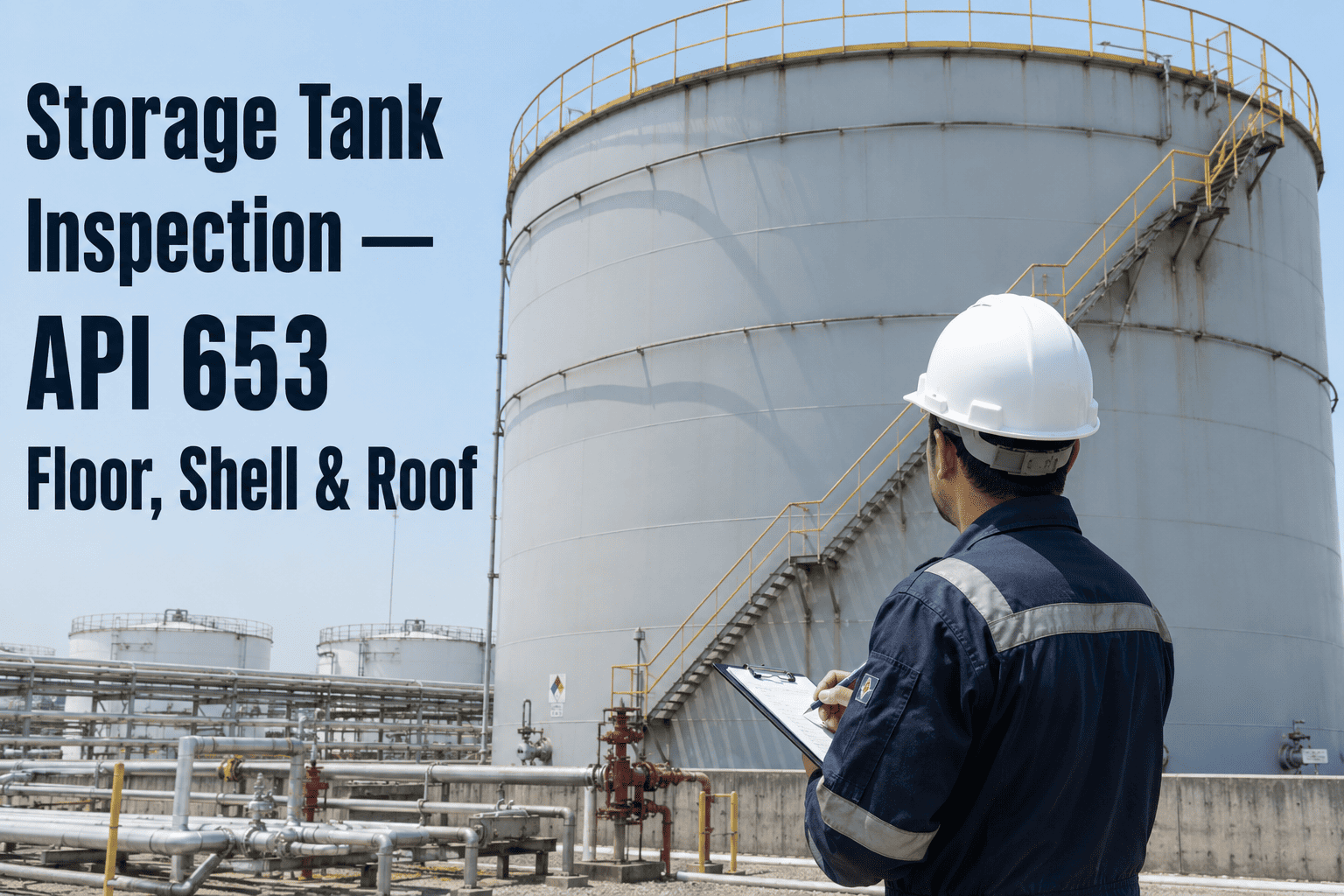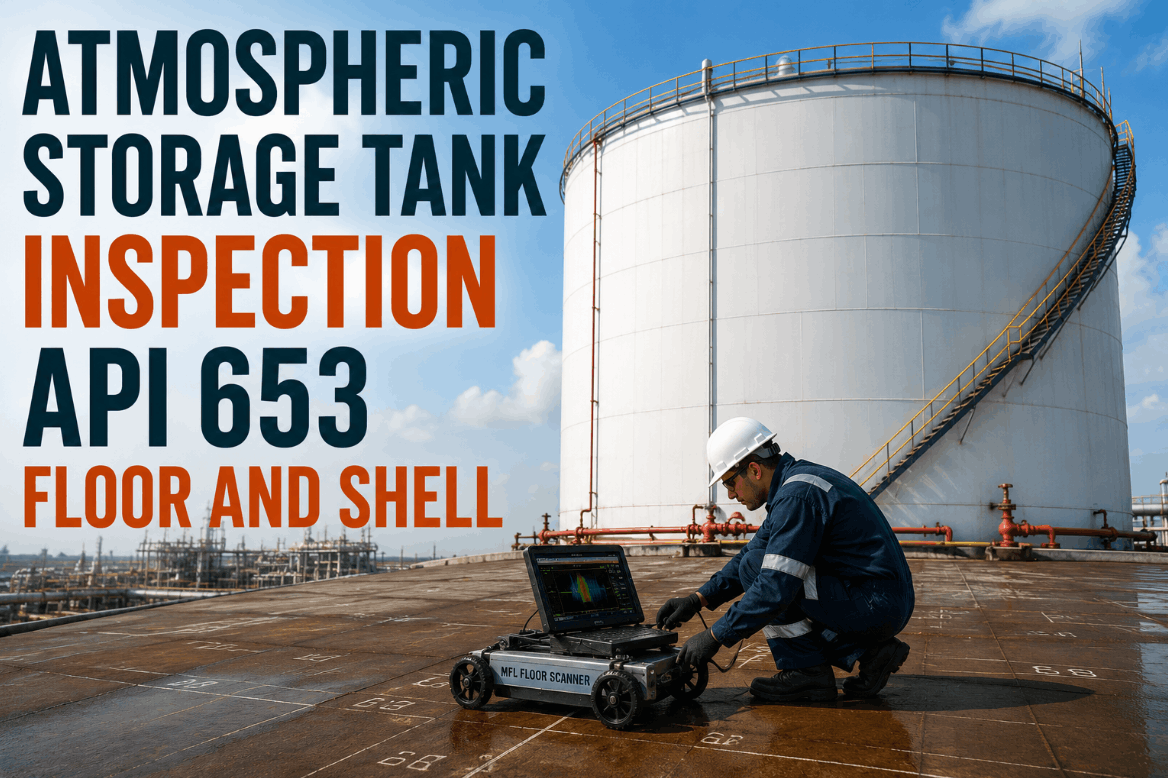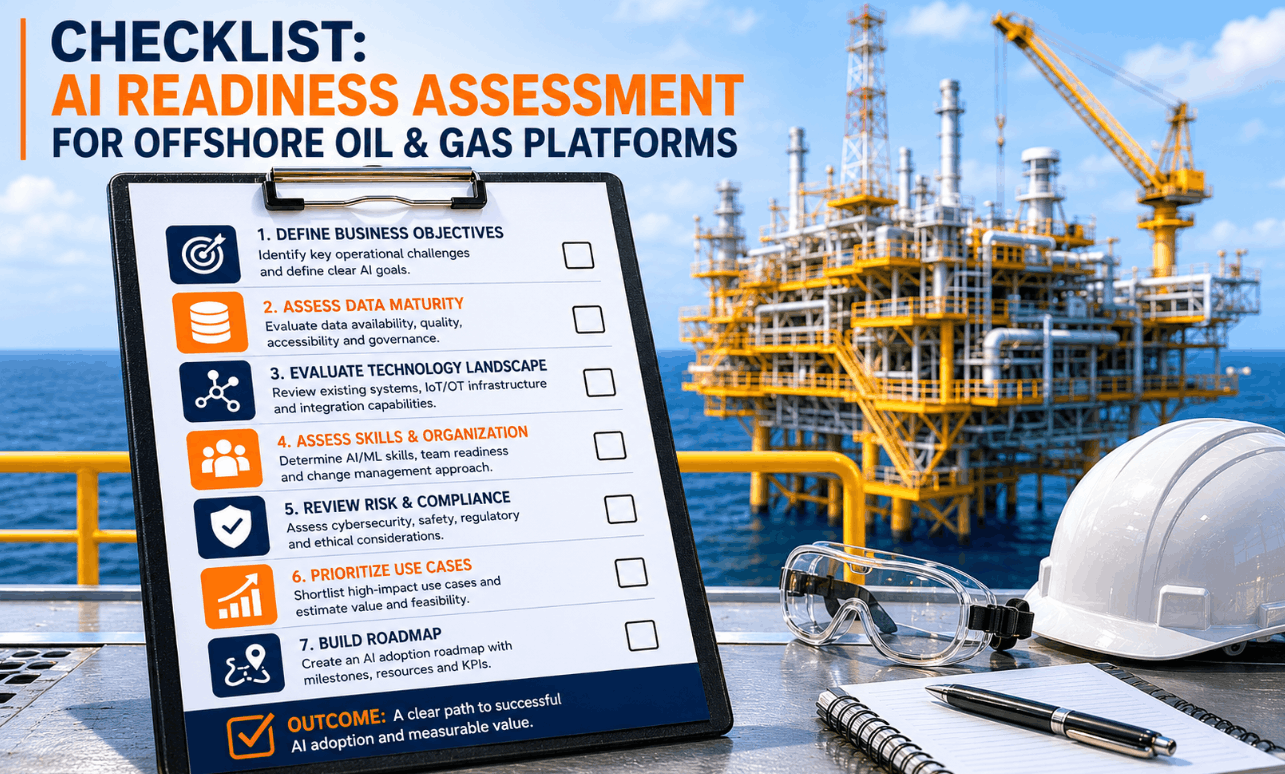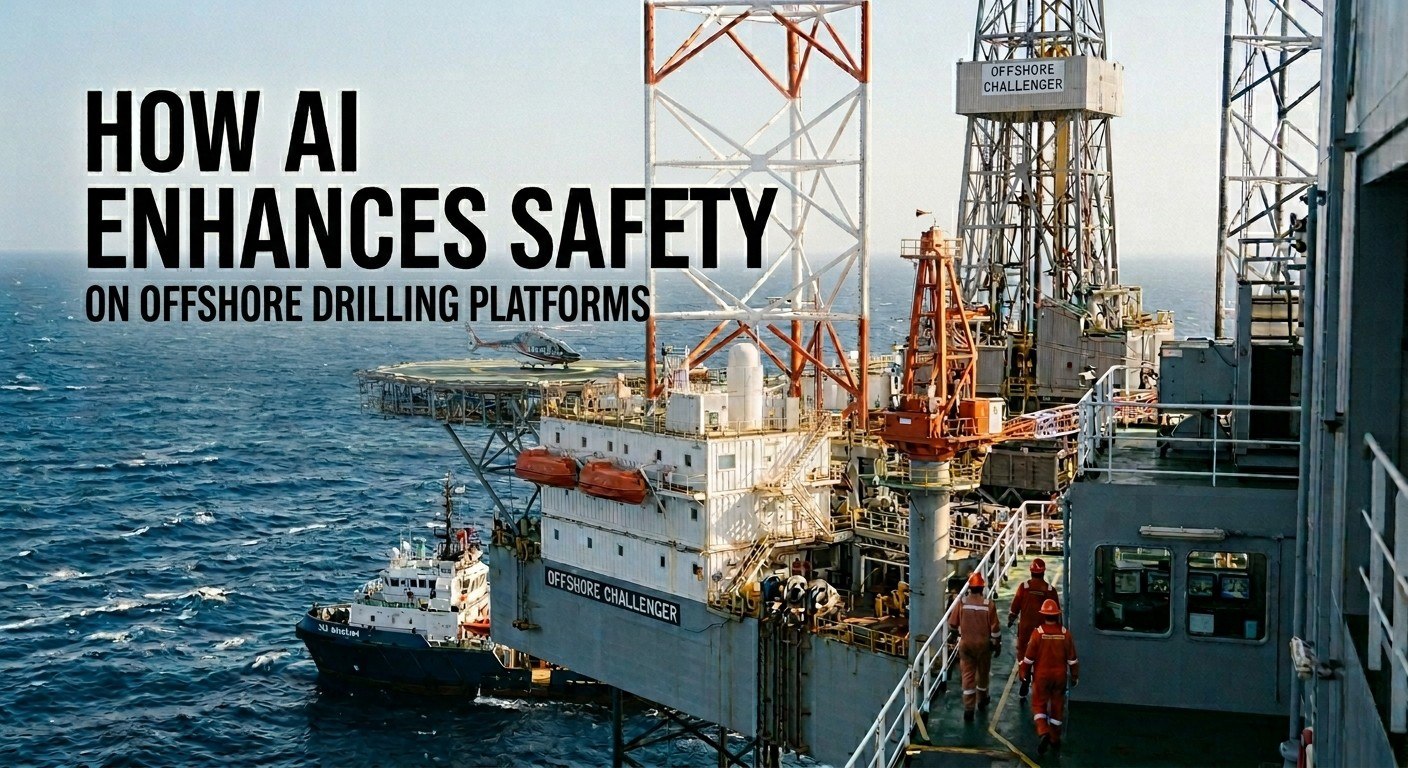
The oil and gas industry has long grappled with the immense challenges of inspecting towering flare stacks, sprawling offshore platforms, and vast storage tanks. Traditional methods such as rope access, scaffolding, and manned helicopter surveys are not only exorbitantly expensive but also expose workers to extreme heights, hazardous confined spaces, and volatile environments. With the advent of advanced unmanned aerial vehicles (UAVs) equipped with high-resolution cameras, LiDAR, and thermal sensors, enterprises can now conduct comprehensive visual inspections with unprecedented speed, safety, and data accuracy. These drone-based solutions are revolutionizing asset integrity management by reducing inspection costs by up to 60%, eliminating the need for confined space entry, and minimizing operational downtime. For plant managers and maintenance directors aiming to optimize reliability and compliance, integrating drone inspection into their remote asset monitoring strategy is no longer optional—it is a competitive imperative. To explore how iFactory's AI-driven drone analytics can transform your inspection workflow, Book a Demo today.
Transform Your Offshore Inspections
Leverage AI-powered drones to slash costs, enhance safety, and gain real-time asset insights. Start your digital transformation now.
Why Traditional Offshore Inspection Methods Are Failing
Rope access teams face severe risks: falls, fatigue, and exposure to H2S or other toxic gases. Scaffolding for flare stacks can take weeks to erect and costs hundreds of thousands per campaign. Manned helicopter surveys are limited by weather windows and provide only low-resolution overviews, missing critical corrosion cracks. Confined space entry for storage tank internal inspections remains one of the leading causes of fatalities in the industry. These outdated approaches not only endanger lives but also lead to unplanned shutdowns, regulatory fines, and inaccurate data. A paradigm shift is urgently needed—one that combines safety, speed, and precision.
Safety Hazards
Falls from height, confined space asphyxiation, and helicopter crash risks are inherent in traditional methods. Drones remove personnel from danger zones entirely.
Cost Overruns
Rope access teams cost $50-$100 per man-hour, plus mobilization fees. A single flare stack inspection can exceed $200,000. Drone inspections reduce this by 60%.
Data Quality
Human inspectors miss up to 30% of defects due to fatigue and limited angles. Drones capture 4K imagery from every angle, enabling AI defect detection.
Operational Downtime
Shutting down a platform for manual inspection can cost $1M+ per day in lost production. Drone inspections occur live, often without any shutdown.
The Drone Inspection Workflow: Step by Step
Pre-Flight Planning & Risk Assessment
Identify asset coordinates, weather windows, no-fly zones, and permit requirements. iFactory's software generates optimized flight paths with collision avoidance.
Autonomous Aerial Data Capture
UAVs equipped with 4K visual, thermal, and LiDAR sensors autonomously navigate the asset, capturing overlapping images and point clouds at predefined altitudes.
AI-Powered Defect Detection & Analysis
Imagery is processed through iFactory's computer vision models to detect corrosion, cracks, dents, coating failures, and thermal anomalies with 95%+ accuracy.
Digital Twin Integration & Report Generation
All defects are geotagged and mapped onto a 3D digital twin of the asset. Interactive reports with severity rankings and repair recommendations are generated automatically.
Comparative Analysis: Drone vs Traditional Methods
| Inspection Aspect | Rope Access / Scaffolding | Manned Helicopter | Drone (UAV) |
|---|---|---|---|
| Cost per Inspection | $150,000 - $300,000 | $80,000 - $200,000 | $30,000 - $60,000 |
| Safety Risk Level | High | Medium-High | Low |
| Inspection Duration | 5-10 days | 1-2 days | 2-4 hours |
| Data Resolution | Visual only | Low-res video | 4K + Thermal + LiDAR |
| Confined Space Entry Required? | Yes | No | No |
| Regulatory Compliance | Complex paperwork | Aviation permits | Streamlined BVLOS waivers |
Ready to Deploy Drones Across Your Fleet?
iFactory's end-to-end platform manages flight planning, data processing, and defect analysis. Achieve 60% cost savings and zero safety incidents.
Drones for Flare Stack Inspection: Technical Requirements
Flare stacks present unique challenges: extreme heights (up to 100m+), high temperatures, and continuous flaring operations. Drones used for this application must be equipped with thermal-resistant housings, high-zoom cameras (30x optical or more), and real-time telemetry to maintain safe distances. iFactory's solution integrates with weather stations to automatically abort flights if wind speeds exceed 20 knots. The AI models are trained specifically to detect flame impingement, refractory damage, and tip corrosion. Post-flight, a digital twin of the flare stack is created with millimeter-level accuracy, allowing engineers to plan repairs without ever leaving the control room.
Thermal Resistance
Drones equipped with heat-shielded gimbals can operate within 10m of active flare tips, capturing thermal data up to 800°C.
High-Zoom Optics
30x optical zoom enables detection of hairline cracks and coating defects from safe distances, reducing flight risk.
Real-Time Gas Sensing
Optional payloads include electrochemical sensors for H2S, methane, and VOC detection, adding a safety layer.
Storage Tank Drone Inspection: Best Practices
- Use a tether system for extended flight duration (30+ minutes) over large tank roofs.
- Deploy LiDAR for accurate rim-to-rim measurements and deformation analysis.
- Schedule inspections during non-flaring or low-wind periods to maximize image stability.
- Combine visual and thermal data to detect internal corrosion through insulation layers.
- Integrate with iFactory's analytics to automatically flag anomalies against historical baselines.
Case Study: North Sea Platform Reduces Costs by 65%
A major operator in the North Sea deployed iFactory's drone inspection solution across three platforms. Over a 12-month period, they replaced 80% of rope access inspections with UAV flights. Results: inspection costs dropped from $2.4M to $840K annually, confined space entries were eliminated entirely, and defect detection rates improved by 40%. The platform achieved a 98% on-stream reliability factor, directly attributed to early detection of corrosion under insulation (CUI) via thermal drone surveys. The operator is now expanding the program to subsea infrastructure using underwater drones.
Frequently Asked Questions
How do drones inspect confined spaces like storage tanks?
Drones equipped with collision-tolerant frames and high-intensity LED lighting can enter storage tanks through manways as small as 24 inches. They capture 4K imagery and thermal data of internal walls, roofs, and floors. iFactory's software stitches the images into a 360-degree panoramic view, allowing inspectors to identify corrosion, pitting, and coating failures without entering the tank. This eliminates the need for confined space permits, gas testing, and rescue standby teams, significantly reducing both risk and cost. Learn more about confined space drone solutions.
What regulations apply to offshore drone inspections?
Offshore drone operations typically require a BVLOS (Beyond Visual Line of Sight) waiver from aviation authorities such as the FAA or EASA. Operators must also comply with offshore safety regulations (e.g., OSHA, NOPSEMA) regarding flight over water, emergency landing procedures, and communication with vessel traffic. iFactory's platform includes a regulatory compliance module that automatically generates the necessary flight logs and risk assessments for audit purposes. Book a Demo to discuss regulatory navigation.
Can drones detect gas leaks during inspections?
Yes, advanced drones can be fitted with tunable diode laser absorption spectroscopy (TDLAS) sensors or optical gas imaging (OGI) cameras to detect methane, H2S, and volatile organic compounds. These sensors provide real-time concentration maps overlaid on the drone's video feed. iFactory's AI algorithms can differentiate between background emissions and leak plumes, automatically generating leak location coordinates and estimated flow rates. This capability is crucial for fugitive emission monitoring and regulatory reporting. Contact our team for gas detection payload specifications.
How does weather affect drone inspection schedules?
Drones are sensitive to wind, rain, and low visibility. Most industrial UAVs can operate in winds up to 20-25 knots and light drizzle, but heavy rain or fog will ground flights. iFactory's platform integrates with live weather APIs and historical climate data to identify optimal inspection windows. For offshore assets, we recommend scheduling during summer months when weather windows are longer. In case of sudden weather changes, the drone automatically returns to its launch point using pre-programmed safe routes. Book a Demo to see our weather integration dashboard.
What is the ROI of switching to drone inspections?
Typical ROI ranges from 300% to 600% within the first year, driven by direct cost savings (60% reduction in inspection costs) and indirect savings from avoided downtime. For example, a single unplanned shutdown due to undetected corrosion can cost $5M+. Drones enable more frequent inspections (quarterly vs annual), catching defects early. Additionally, insurance premiums can decrease due to improved safety records. iFactory provides a custom ROI calculator during the demo to quantify savings for your specific asset portfolio. Request your ROI analysis today.
Future-Proof Your Asset Integrity Program
Join industry leaders who have already deployed drone inspections. Reduce costs, eliminate risks, and gain unprecedented data insights.