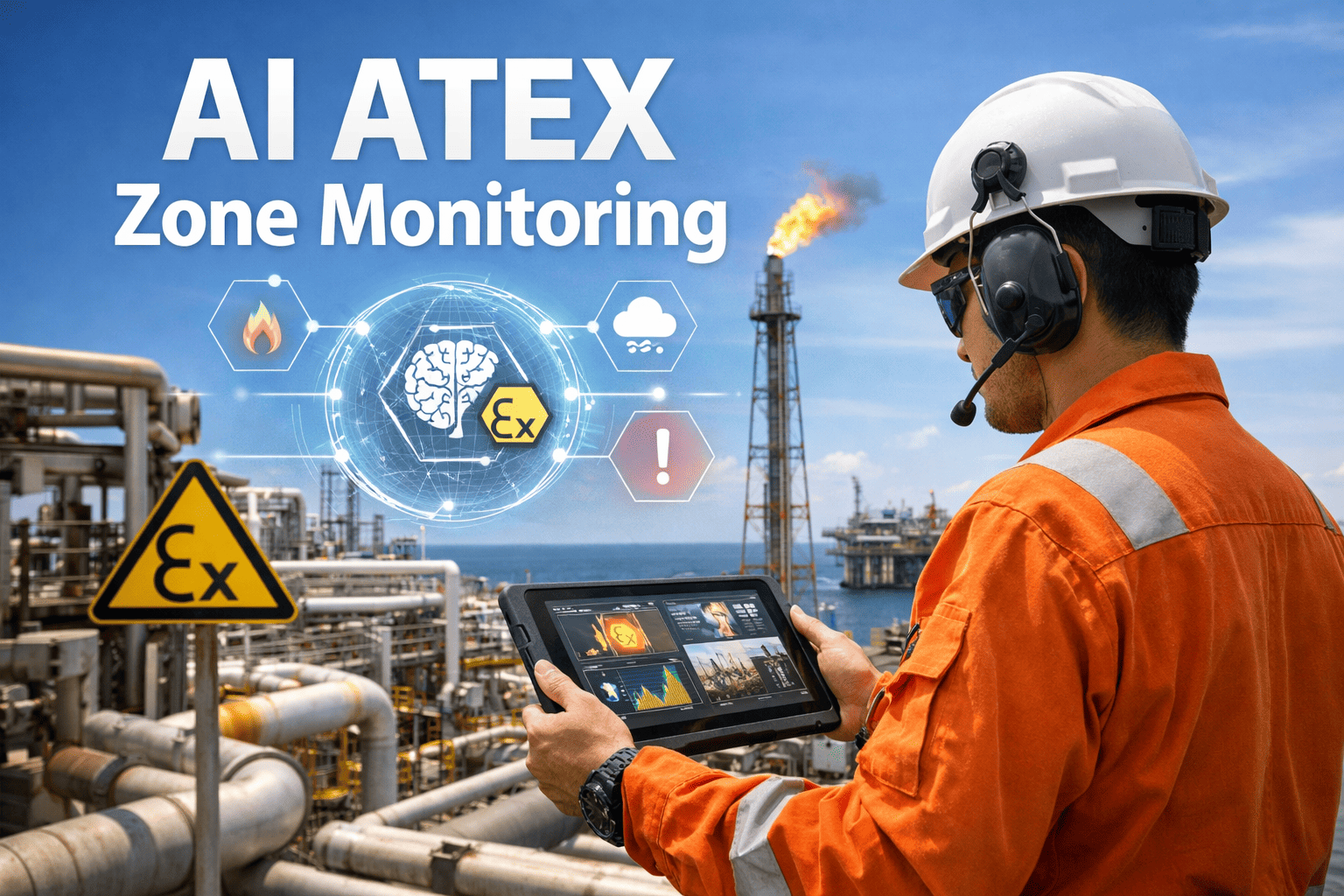
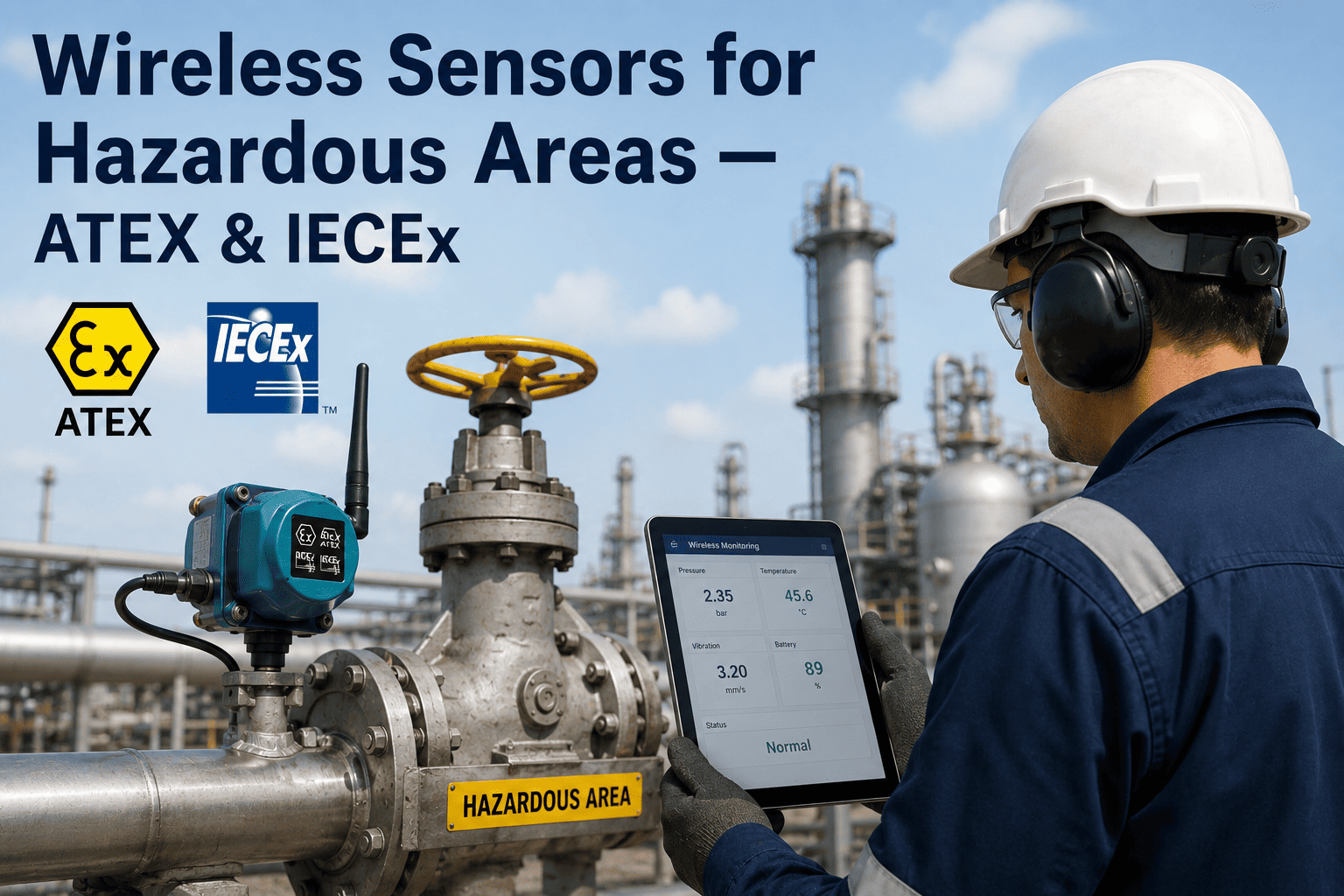
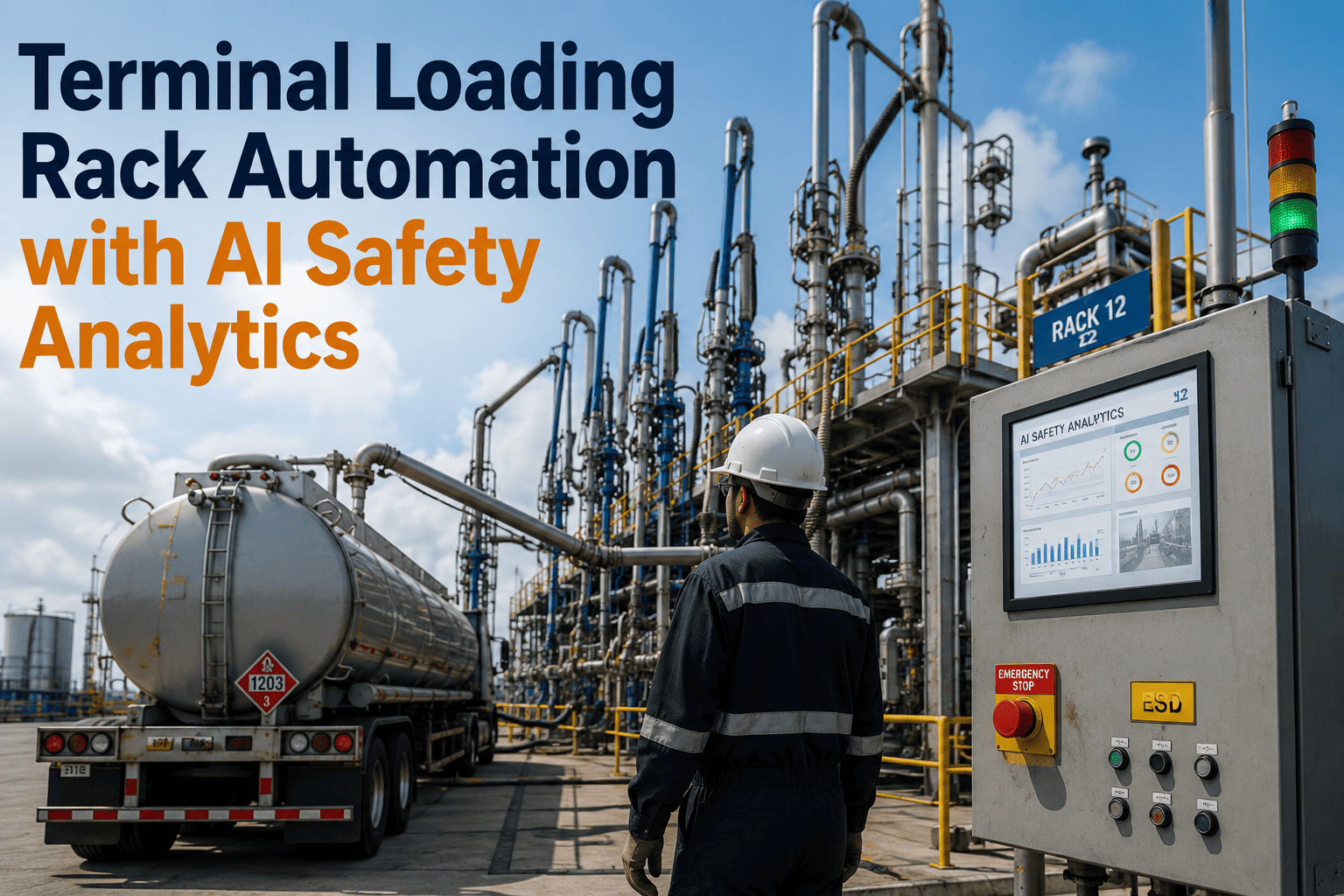
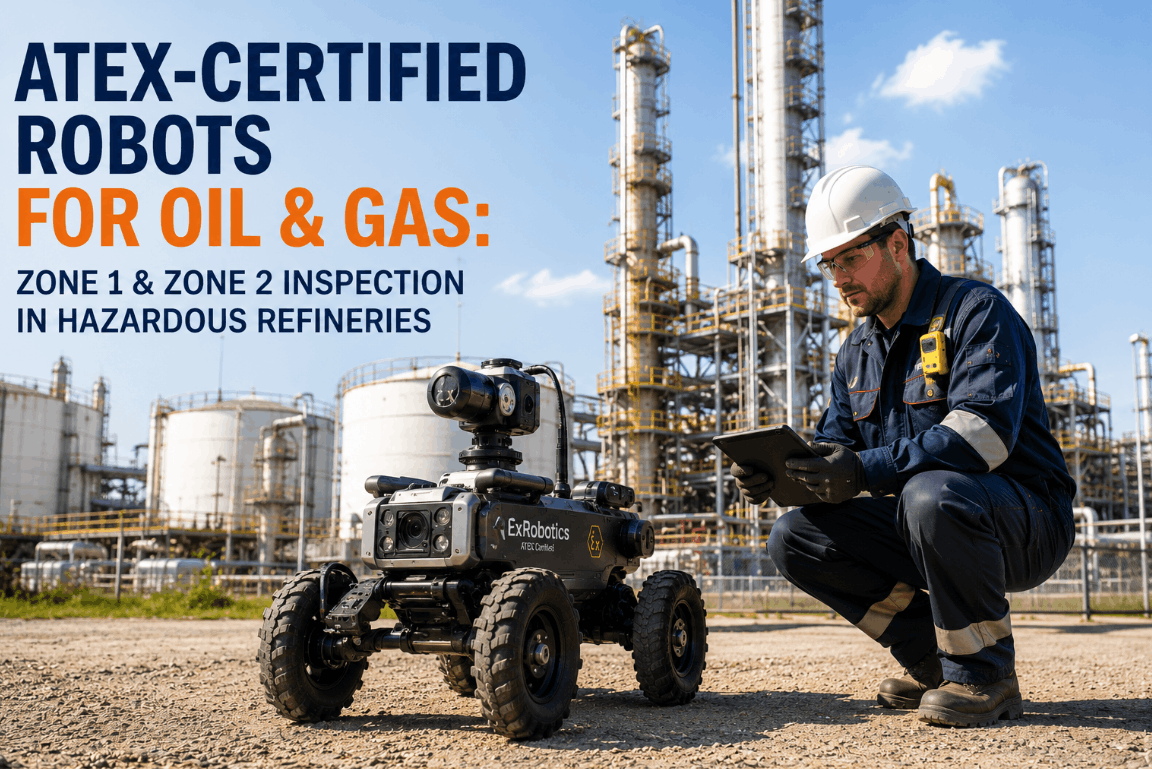
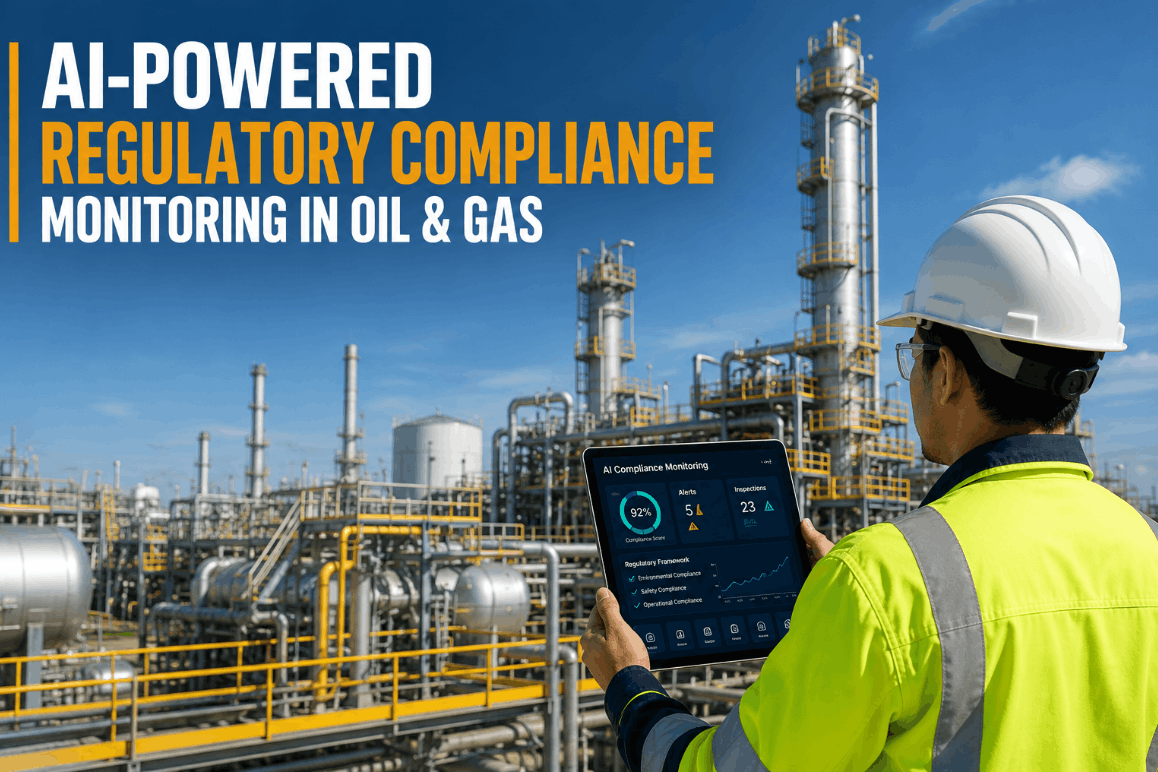
Oil and gas facilities operating in ATEX-classified hazardous zones lose an average of 14-28% of operational safety margin annually to undetected combustible gas accumulations, equipment hot surface formations, and electrostatic discharge risks, not from catastrophic explosions, but from gradual, invisible safety degradation across Zone 0, Zone 1, and Zone 2 classified areas where traditional fixed gas detectors, manual inspections, and temperature monitoring provide only point-source coverage missing 85% of transient hazardous conditions that develop between quarterly inspection cycles. By the time explosion risk is confirmed through alarm activation, near-miss incident reports, or actual ignition events, the damage is already done: production shutdowns costing $680,000 per day while explosive atmosphere investigations complete, emergency evacuations disrupting 180+ workers per incident, regulatory fines reaching $2.4M for ATEX directive non-compliance, and facility insurance premiums increasing 40-60% after classified incidents requiring IECEx and ATEX recertification. iFactory's AI-powered ATEX zone monitoring platform changes this entirely, deploying explosion-proof cameras, thermal sensors, gas analyzers, and IoT devices across classified areas to detect combustible gas clouds, equipment overheating, spark generation, and ventilation failures in real time, classifying explosion risk severity before ignition occurs, and integrating directly into your existing SCADA, DCS, safety instrumented systems, and permit-to-work platforms without replacing certified explosion-proof equipment. Book a demo to see how iFactory deploys AI ATEX monitoring across your hazardous zones within 8 weeks.
96%
Transient hazardous condition detection before explosion risk threshold reached
$12.8M
Average annual incident avoidance value per mid-size facility with ATEX zones
88%
Reduction in false positive gas alarms vs. fixed detector threshold systems
8 wks
Full deployment timeline from zone audit to live AI monitoring go-live
Every Undetected ATEX Hazard Is Compounding Explosion Risk. AI Stops It at the Source.
iFactory's AI engine monitors gas concentrations, equipment surface temperatures, static discharge events, ventilation effectiveness, and personnel movements across Zone 0, Zone 1, Zone 2 classified areas, 24/7, without human inspection limitations or fixed sensor blind spots.
How iFactory AI Solves ATEX Zone Monitoring for Oil & Gas
Traditional ATEX hazardous area monitoring relies on fixed gas detectors at discrete points, quarterly manual inspections, and reactive incident investigation, all of which respond after explosive atmospheres have already formed or ignition sources have been introduced into classified zones. iFactory replaces this with continuous AI monitoring trained on explosion science and ATEX directive requirements that detects the precursors to hazardous conditions, not the events themselves. See a live demo of iFactory detecting simulated methane accumulation and equipment hot surface formation in a Zone 1 compressor area.
01
Multi-Parameter Hazard Fusion
AI Eyes That Detect Leaks Before They Escalate. iFactory ingests data from explosion-proof cameras (ATEX/IECEx certified), infrared gas imaging sensors, thermal cameras detecting hot surfaces, electrostatically-protected IoT monitors, wind speed and direction sensors, barometric pressure indicators simultaneously, fusing multi-source signals into unified explosion risk scores per classified zone, updated every 5 seconds across upstream wellsites, midstream compression stations, downstream process units.
02
AI Hazard Classification
Proprietary ML models classify each anomaly as combustible gas cloud formation (methane, propane, hydrogen sulfide, VOCs), equipment surface temperature exceeding T-class ratings (T1-T6), electrostatic discharge potential, inadequate ventilation creating vapor accumulation, or ignition source introduction into classified zones, with explosion probability scores attached. Safety teams receive graded risk alerts, not raw sensor alarm floods. False positive rate drops to under 6%.
03
Predictive Explosion Risk Forecasting
iFactory's physics-informed AI forecasting engine identifies conditions trending toward explosive atmosphere formation 15-90 minutes before LEL (Lower Explosive Limit) threshold breach, giving safety teams time to implement control measures (increase ventilation, isolate ignition sources, evacuate personnel) during developing situations, not after alarms activate when explosive mixtures already exist requiring emergency response costing $680,000 per day in production shutdown.
04
SCADA, DCS & SIS Integration
Connects to Your Existing DCS/SCADA & Historians. iFactory integrates with Honeywell Experion, Emerson DeltaV, Yokogawa CENTUM DCS plus Safety Instrumented Systems (SIS), fire and gas detection panels, emergency shutdown systems via OPC-UA, Modbus, MQTT. OT Data Stays Inside Your Security Perimeter with edge deployment options preventing cloud data transfer. Integration completed in under 2 weeks with read-only connections preserving safety system integrity.
05
Automated ATEX Compliance Reporting
Methane, VOC & Flaring: From Sensor to ESG Report. Every hazardous condition event, detected, classified, and mitigated, generates structured compliance documentation with timeline, sensor evidence, zone classification verification, control measure effectiveness, and corrective action records. Audit-ready for ATEX Directive 2014/34/EU, IECEx standards, OSHA PSM 1910.119, API RP 505/500, EPA RMP, UK DSEAR, and regional explosion protection frameworks.
06
Safety Decision Support
iFactory presents ranked action recommendations per alert: increase forced ventilation rates, isolate electrical equipment, suspend hot work permits, evacuate non-essential personnel, activate deluge systems, with explosion probability progression forecasts and estimated consequence severity per minute of delay. Safety teams act on physics-based risk assessment from continuous monitoring, not quarterly inspection snapshots missing transient hazardous conditions developing between audit cycles.
How iFactory Is Different from Traditional ATEX Monitoring Systems
Most explosion protection systems deliver fixed gas detectors at prescribed grid spacing wrapped in alarm management software requiring manual risk assessment. iFactory is built differently, from explosion-proof sensor hardware up, specifically for oil and gas hazardous areas where transient conditions, equipment degradation, and operational changes determine actual explosion risk beyond static zone classification. Talk to our ATEX safety AI specialists and compare your current monitoring approach directly.
| Capability |
Traditional Fixed Systems |
iFactory Platform |
| Detection Coverage |
Point-source fixed gas detectors at prescribed grid spacing (typically 5-15m radius coverage). Blind spots between sensors miss transient gas clouds and mobile ignition sources. |
Continuous area coverage via AI-powered explosion-proof cameras, thermal imaging, and distributed IoT sensors creating 360-degree hazard awareness across entire classified zones. Detects transient conditions traditional point sensors miss 85% of time between fixed measurement locations. |
| Hazard Analysis |
Binary threshold alarms (gas detected above setpoint) with no risk progression forecasting or multi-parameter correlation. High false positive rate from sensor drift and calibration issues. |
Physics-informed AI correlates gas concentrations, wind patterns, equipment temperatures, humidity, barometric pressure, and ventilation effectiveness into explosion probability forecasts. Predicts hazardous atmosphere formation 15-90 minutes ahead enabling proactive control measures. False positive rate under 6% vs 40-60% for threshold-only systems. |
| Equipment Monitoring |
Manual quarterly inspections checking equipment T-class surface temperature ratings with handheld pyrometers. Inspection data not correlated with real-time gas detection or operational conditions. |
Continuous thermal imaging monitoring all electrical equipment, rotating machinery, hot process piping detecting surface temperatures exceeding ATEX T-class limits (T1 450C to T6 85C). AI correlates equipment hot spots with nearby combustible gas concentrations calculating ignition probability in real time, not quarterly snapshots. |
| System Integration |
Standalone fire and gas panels with limited SCADA integration requiring manual data correlation between safety systems, process control, and operational activities. Alarm response relies on human monitoring 24/7. |
Native integration with DCS (Honeywell, Emerson, Yokogawa), SIS, permit-to-work systems, personnel tracking via OPC-UA and MQTT. AI automatically correlates process upsets, equipment failures, maintenance activities, weather conditions with explosion risk enabling automated control responses and personnel alerts without human monitoring delays. |
| Compliance Documentation |
Manual compilation of inspection records, calibration certificates, incident reports for ATEX/IECEx audits requiring weeks of engineering effort per regulatory submission. |
Auto-generated compliance packages formatted for ATEX Directive 2014/34/EU, IECEx, OSHA PSM, API RP 505/500, UK DSEAR, COMAH with continuous monitoring data, risk assessment evidence, control measure effectiveness verification, and full audit trails. Regulatory submission preparation reduced from weeks to hours. |
| Deployment Timeline |
12-24 months for comprehensive fixed system installation including zone classification studies, detector placement engineering, intrinsically safe wiring, SIS programming, and commissioning validation. |
8-week fixed deployment program. Pilot monitoring in week 4 on highest-risk classified zone. Full facility coverage by week 8 using explosion-proof wireless IoT sensors and cameras minimizing intrinsically safe cabling requirements. ROI evidence from prevented incidents starting week 4. |
iFactory AI Implementation Roadmap
iFactory follows a fixed 6-stage deployment methodology designed specifically for oil and gas ATEX hazardous area monitoring, delivering pilot results in week 4 on highest-risk classified zones and full facility coverage by week 8. No open-ended implementations. No scope creep.
01
Zone Audit
ATEX classification verification & hazard mapping
02
Sensor Deployment
Explosion-proof cameras & IoT installation
03
AI Baseline
Physics model training on zone-specific hazards
04
Pilot Monitoring
Live detection on highest-risk Zone 1 area
05
Alert Calibration
Risk threshold tuning & safety team training
06
Full Coverage
Facility-wide AI ATEX monitoring, all zones, 24/7
8-Week Deployment and ROI Plan
Every iFactory engagement follows a structured 8-week program with defined deliverables per week, and measurable ROI indicators beginning from week 4 with first AI hazard detections on pilot classified zones. Request the full 8-week deployment scope document tailored to your ATEX zone configuration.
Weeks 1-2
Infrastructure Setup
ATEX zone classification audit and hazard mapping across Zone 0, Zone 1, Zone 2 areas (upstream wellsites, midstream compression, downstream process units)
Explosion-proof camera, thermal sensor, and wireless IoT monitor installation in classified areas using ATEX/IECEx certified enclosures
Historical incident data, gas detection logs, equipment temperature records ingestion (60-90 days) for baseline AI model training
Weeks 3-4
AI Training and Pilot
Physics-informed AI model trained on your facility's specific combustible materials (methane, propane, H2S, benzene), equipment T-class ratings, ventilation patterns
Pilot monitoring activated on highest-risk Zone 1 area (typically compressor stations, loading racks, or tank farms)
First transient hazardous condition detections validated, ROI evidence begins here with prevented explosion risk scenarios
Weeks 5-6
Calibration and Expansion
Alert thresholds refined based on pilot false positive rate and detection accuracy data from actual operational conditions
Coverage expanded to all Zone 1 and Zone 2 classified areas across facility including rarely-accessed equipment enclosures
Safety and operations team training completed, hazard response protocols and emergency shutdown integration activated
Weeks 7-8
Full Production Go-Live
Full facility AI ATEX monitoring live, all classified zones, all hazard types (gas, temperature, static, ventilation), 24/7 coverage
ATEX Directive 2014/34/EU and OSHA PSM compliance reporting activated for applicable regulatory frameworks and audit requirements
ROI baseline report delivered with incident prevention value, false alarm reduction, compliance efficiency improvement, insurance risk mitigation data
ROI IN 6 WEEKS: MEASURABLE RESULTS FROM WEEK 4
Facilities completing the 8-week program report an average of $2.8M in avoided incident response costs and production shutdowns within the first 6 weeks of AI monitoring deployment, with transient hazardous condition detection rates of 88-96% detected by week 4 pilot validation on highest-risk classified zones.
$2.8M
Avg. savings in first 6 weeks
88-96%
Transient hazard detection by week 4
88%
False positive alarm reduction
Full AI ATEX Monitoring. Live in 8 Weeks. ROI Evidence in Week 4.
iFactory's fixed-scope deployment program means no open timelines, no scope creep, and no months of explosion protection engineering before you see a single AI hazard detection preventing incidents.
Use Cases and KPI Results from Live Deployments
These outcomes are drawn from iFactory deployments at operating oil and gas facilities across three ATEX zone categories. Each use case reflects 6-month post-deployment performance data. Request the full case study report for the classified zone type most relevant to your facility.
A natural gas transmission operator with 18 compressor stations classified as Zone 1 hazardous areas was experiencing 8-14 false positive methane alarms per month from fixed detector systems requiring facility evacuation, production shutdown, and incident investigation costing $680,000 per day in lost throughput plus emergency response expenses averaging $45,000 per false alarm event. Legacy threshold-based gas detection could not distinguish between transient vapor clouds dissipating safely via natural ventilation versus sustained releases requiring emergency response. iFactory deployed AI-powered explosion-proof cameras and thermal sensors across compressor buildings, correlating real-time gas imaging, equipment surface temperatures, wind speed and direction, and building ventilation rates. Within 5 weeks of pilot go-live, the AI correctly classified 12 transient methane releases as low explosion risk (adequate ventilation, no ignition sources, rapid dissipation) avoiding unnecessary evacuations, while detecting 3 genuine hazardous conditions requiring intervention that fixed detectors failed to alarm on due to spatial gaps between measurement points.
92%
False positive alarm reduction vs. threshold-only fixed detector systems
$8.4M
Annual incident response and production loss cost prevented
3
Genuine hazards detected that fixed sensors missed due to coverage gaps
A North Sea offshore oil platform with extensive Zone 2 classified areas around process modules and electrical equipment rooms was experiencing 4-7 ATEX compliance violations per annual HSE audit related to equipment surface temperatures exceeding T-class ratings (motors rated T3 measuring T2 temperatures under fault conditions) that quarterly manual inspections failed to detect. Violations required production curtailment during remediation costing $1.8M per incident plus regulatory fines averaging $340,000. iFactory replaced quarterly handheld pyrometer inspections with continuous thermal imaging monitoring all electrical equipment and rotating machinery, automatically comparing measured surface temperatures against ATEX T-class limits accounting for ambient temperature corrections and fault condition allowances. AI detected 9 equipment overheating events developing gradually between inspection cycles, enabling proactive maintenance during planned shutdowns preventing T-class exceedances that would have triggered regulatory violations.
9
Equipment overheating events detected between quarterly inspection cycles
Zero
ATEX compliance violations in first 12 months post-deployment vs. 5 violations prior year
$9.2M
Annual compliance violation and production curtailment cost eliminated
A petroleum products terminal operating truck and rail loading racks classified as Zone 1 during loading operations was losing an average of $1.2M annually in loading delays and vapour recovery system over-cycling traced to ventilation system performance degradation that allowed VOC accumulation during high ambient temperature conditions (45C+) exceeding design assumptions. Fixed gas detectors alarmed frequently during summer months forcing loading suspensions, but root cause analysis showed adequate ventilation flow rates measured at fan outlets while vapor stagnation occurred in rack canopy areas between measurement points. iFactory deployed AI-powered gas imaging cameras covering entire loading rack canopy volumes, correlating real-time vapor cloud visualization, ambient temperature, humidity, wind conditions, and measured ventilation flow rates. AI identified inadequate air mixing patterns (not total flow volume) as root cause, recommending ventilation diffuser modifications that eliminated vapor accumulation without increasing fan capacity or energy consumption.
$1.2M
Annual loading delay and vapor recovery cost eliminated
86%
Reduction in loading suspension events during high temperature periods
$2.4M
Annual throughput and ventilation optimization value from AI-guided modifications
Results Like These Are Standard. Not Exceptional.
Every iFactory deployment is scoped to your specific ATEX zone classifications, combustible materials, equipment inventory, and environmental conditions, so you get results calibrated to your explosion risk profile, not a generic benchmark.
What Oil & Gas Safety Teams Say About iFactory
The following testimonials are from HSE managers and operations directors at oil and gas facilities currently running iFactory's AI ATEX zone monitoring platform.
We reduced false positive methane alarms by 94% without compromising safety. iFactory's AI distinguishes between transient vapor clouds dissipating safely and genuine explosion risks requiring response. Our emergency response credibility and production uptime have never been this balanced.
HSE Manager
Midstream Compression, USA
The ATEX compliance violation problem was creating regulatory risk we could not accept. Within six weeks of iFactory deployment, our continuous equipment temperature monitoring detected overheating developing between inspection cycles. That proactive capability eliminated violations and regulatory exposure entirely.
Operations Director
Offshore Production Platform, UK North Sea
Integration with our existing fire and gas system and Honeywell DCS took 12 days end-to-end. I was expecting months based on past safety system projects. The iFactory team understood both explosion protection physics and industrial control architecture. That combination is genuinely rare.
Head of Safety Engineering
Petroleum Products Terminal, UAE
We detected a critical ventilation effectiveness degradation in month three that fixed detectors completely missed. The iFactory AI flagged vapor stagnation patterns 18 hours before conditions would have created genuine explosion risk during loading operations. That detection alone justified the entire platform investment.
Terminal Safety Manager
Downstream Distribution Facility, Canada
Frequently Asked Questions
Are iFactory's cameras and sensors certified for use in ATEX Zone 1 and Zone 2 classified areas?
Yes. All iFactory cameras, thermal sensors, and IoT monitors deployed in classified areas are ATEX Directive 2014/34/EU and IECEx certified for Zone 1 (Ex d IIC T6) and Zone 2 (Ex e IIC T6) installation with appropriate equipment group and temperature class ratings verified during Week 1-2 zone audit. Explosion-proof enclosures, intrinsically safe wiring, and hazardous location electrical installation comply with IEC 60079 standards. Certification documentation provided for regulatory audit requirements.
Book a demo to review certification specifications for your zone classifications.
How does iFactory AI integrate with our existing fire and gas detection systems and DCS?
iFactory connects to existing fire and gas panels (Honeywell, Siemens, MSA, Detcon), DCS systems (Emerson DeltaV, Yokogawa CENTUM, ABB 800xA), and Safety Instrumented Systems via OPC-UA, Modbus TCP, MQTT protocols with read-only access preserving safety system integrity per IEC 61511 requirements. AI hazard alerts integrate with emergency shutdown logic, permit-to-work systems, and personnel tracking platforms enabling automated control responses. Integration scope confirmed during Week 1 facility audit, completed within 2 weeks typical timeline.
Can the AI monitor different combustible gases and vapors (methane, propane, H2S, benzene, VOCs)?
Yes. iFactory supports multi-gas monitoring for hydrocarbons (methane, propane, butane, gasoline vapors, diesel vapors), toxic gases (hydrogen sulfide, carbon monoxide), and volatile organic compounds (benzene, toluene, xylene) using explosion-proof infrared gas imaging cameras and electrochemical sensors. AI models account for gas-specific properties (LEL values, vapor density, diffusion rates, ignition energy) when calculating explosion risk probability. Zone-specific combustible material inventory defined during Week 1-2 audit determines sensor selection and AI model calibration.
What ATEX and explosion protection compliance frameworks does iFactory's reporting support?
iFactory auto-generates compliance documentation formatted for ATEX Directive 2014/34/EU, IECEx Scheme, OSHA PSM 1910.119, API RP 505 (Zone system) and API RP 500 (Division system), NFPA 70 NEC Articles 500-516, UK DSEAR 2002, COMAH Regulations, and regional explosion protection standards. Reports include zone classification verification, equipment certification evidence, hazard detection logs, control measure effectiveness data, and incident investigation records with full audit trails meeting regulatory submission requirements.
How long does it take before the AI produces reliable explosion risk assessments?
Physics-informed AI baseline training on historical gas detection, weather, equipment temperature, and incident data typically requires 5-7 days using 60-90 days of facility operating history. First live hazard detections validated during Week 3-4 pilot phase on highest-risk Zone 1 area. Full AI calibration with false positive rate under 6% achieved within 6 weeks of deployment for standard oil and gas environments with established ATEX zone classifications and mature safety management systems.
Does iFactory monitoring work in extreme environments (offshore platforms, desert heat, Arctic cold)?
Yes. Explosion-proof cameras and sensors are rated for ambient temperature ranges -40C to +60C covering Arctic, temperate, and desert climates. Offshore installations in corrosive saltwater atmospheres use marine-grade stainless steel enclosures with IP66/IP67 ingress protection. High wind environments (offshore platforms, exposed wellsites) include wind speed compensation in AI explosion risk calculations accounting for enhanced vapor dispersion rates. Environmental rating verification completed during Week 1 zone audit confirming equipment specifications match site conditions.
Stop Risking Explosion Incidents. Stop ATEX Compliance Violations. Deploy AI Zone Monitoring in 8 Weeks.
One Platform, Every Segment: 8 AI-Powered Modules for Complete Oil & Gas Operations. iFactory gives oil and gas safety teams real-time AI explosion risk monitoring, multi-parameter hazard fusion, automated ATEX compliance reporting, and physics-based decision support, fully integrated with your existing fire and gas systems, DCS, and SIS in 8 weeks, with ROI evidence starting in week 4.
96% transient hazardous condition detection before ignition risk
ATEX/IECEx certified explosion-proof sensors for Zone 1 and Zone 2
88% false positive alarm reduction vs. threshold-only systems
Auto-generated ATEX Directive 2014/34/EU compliance reports