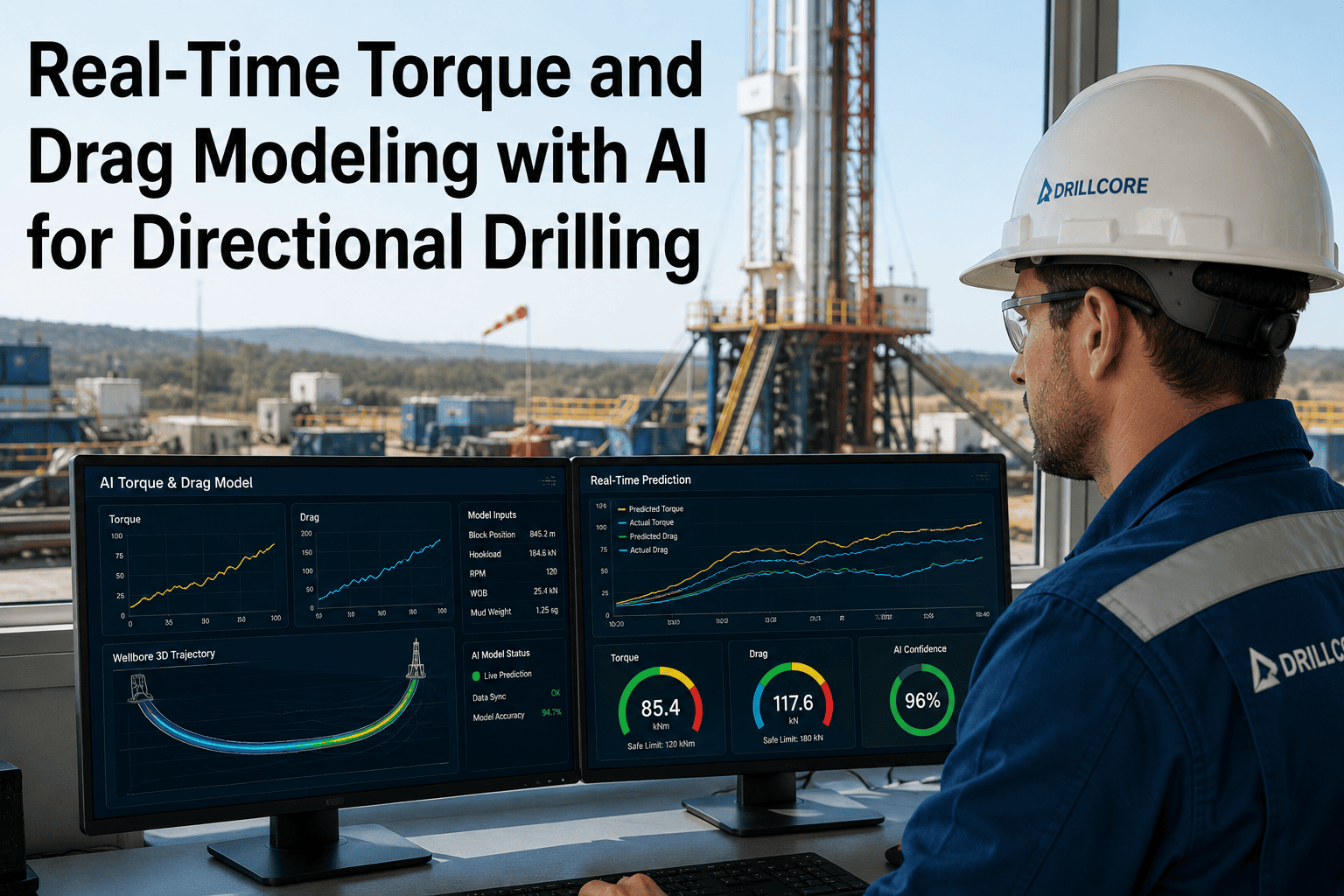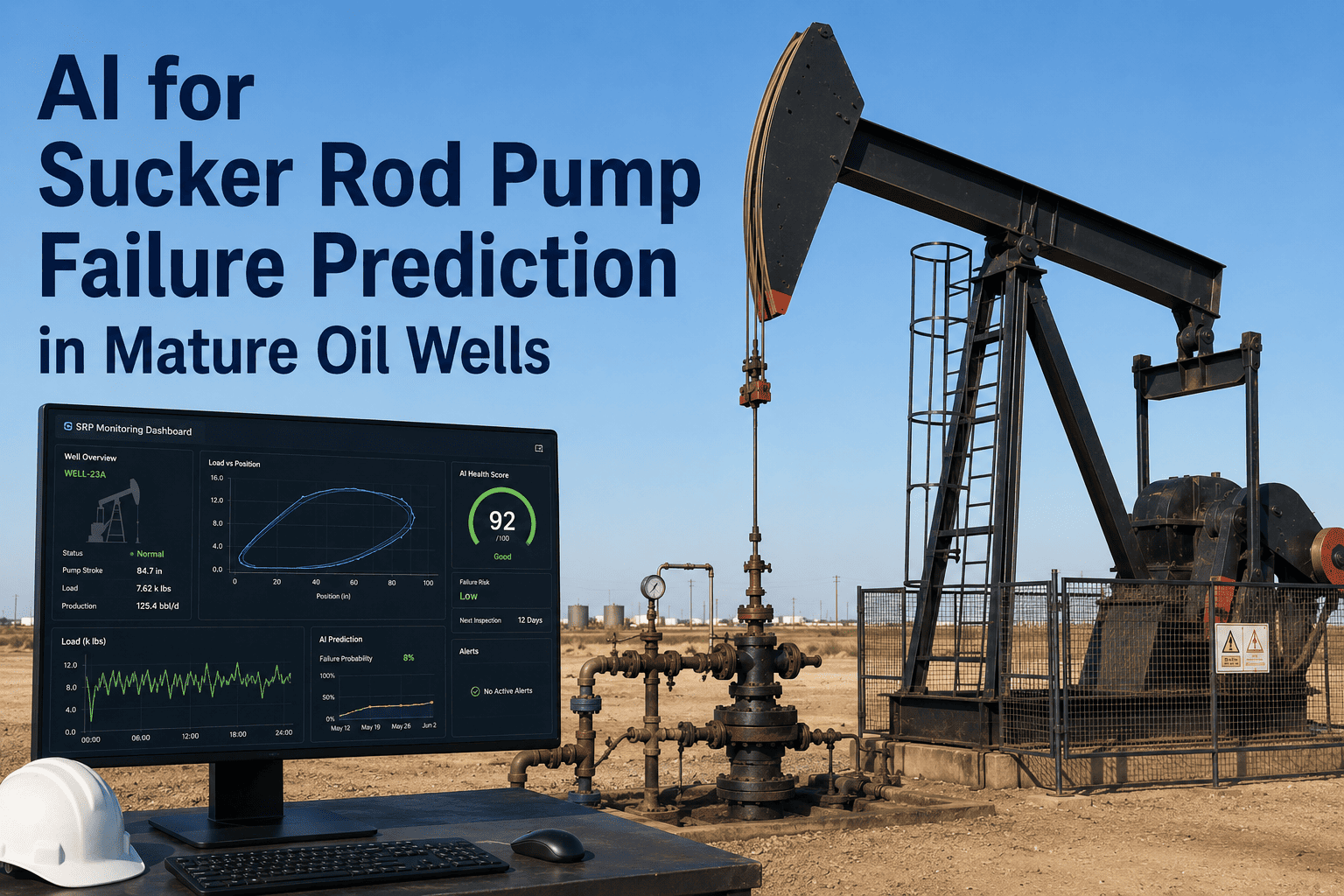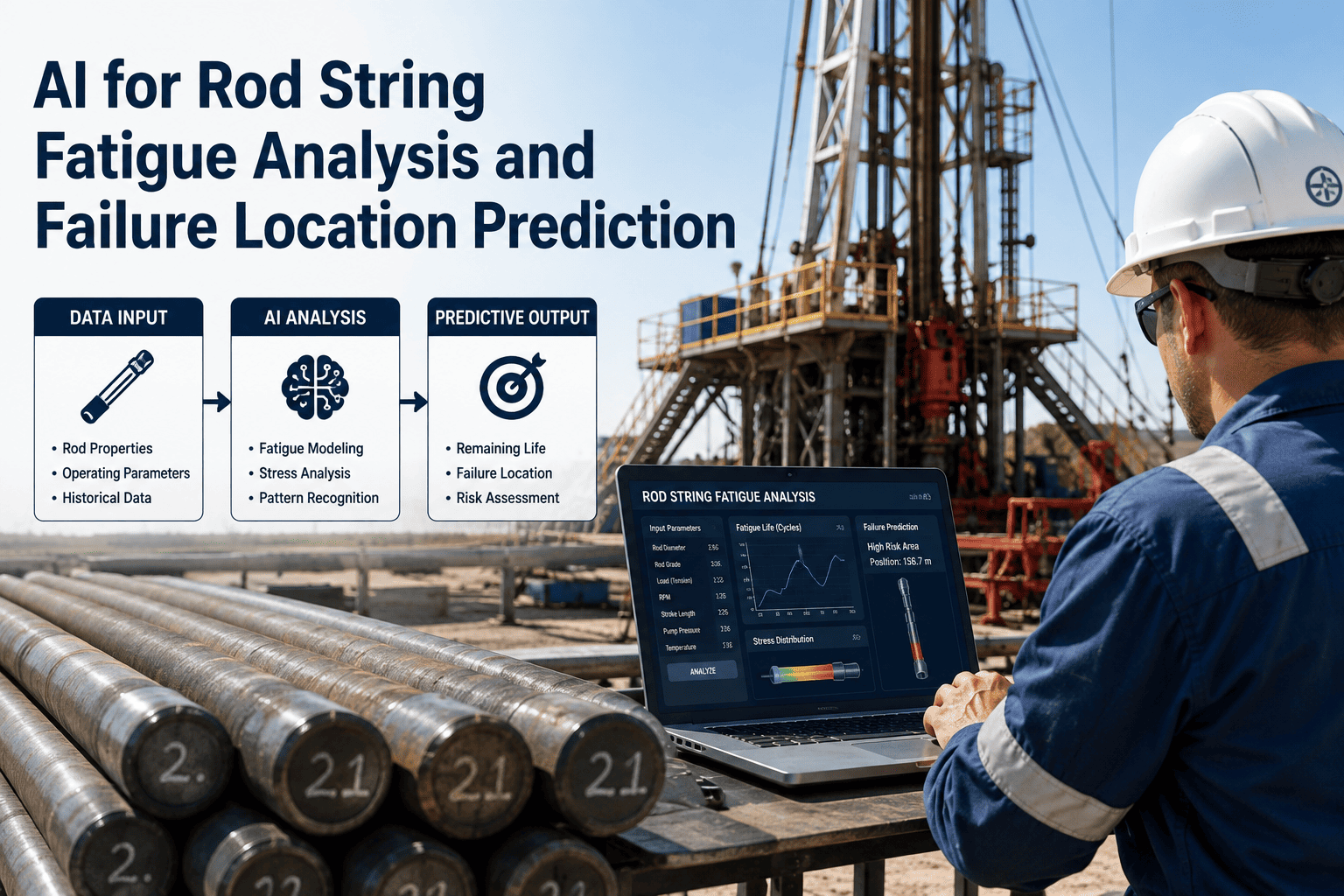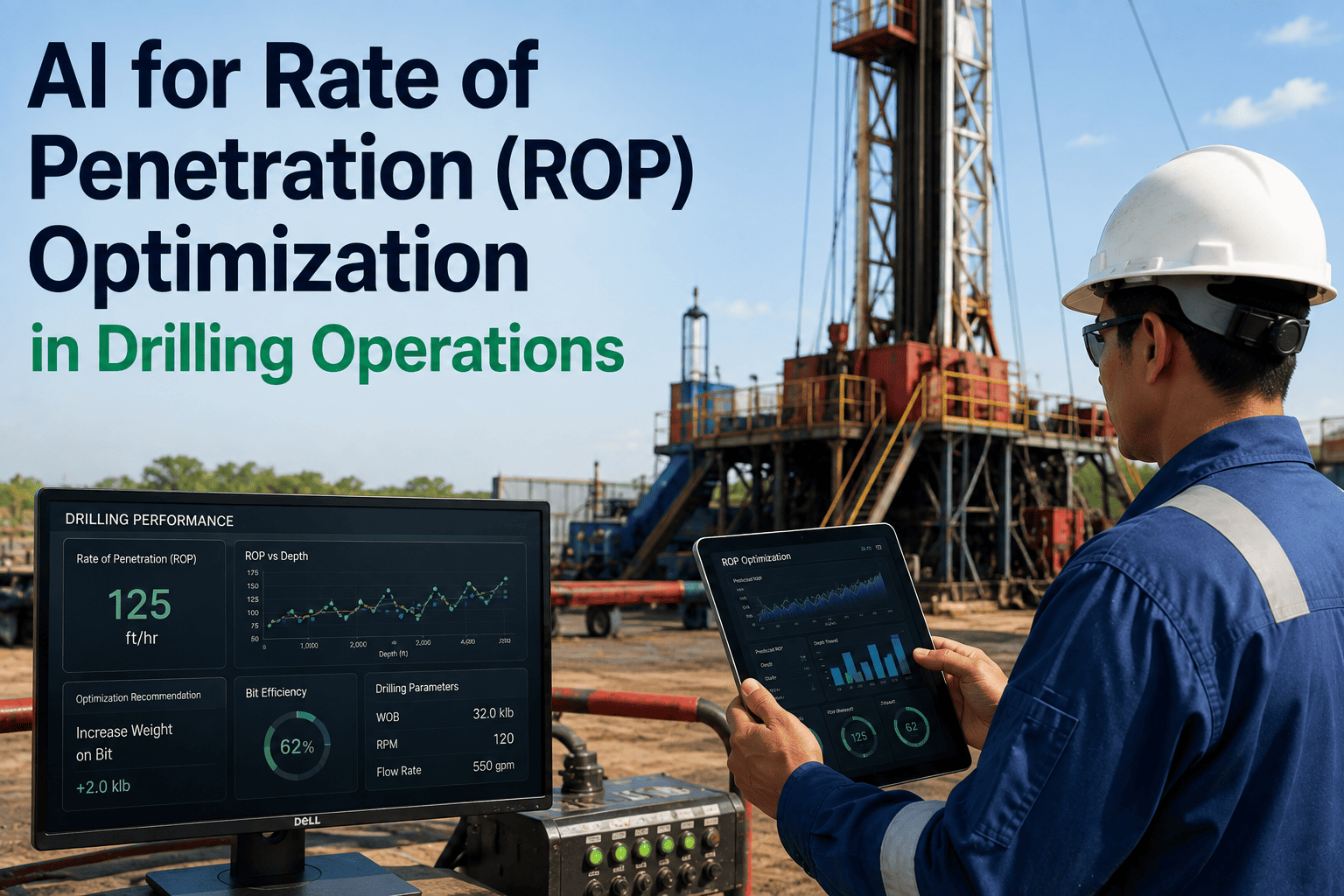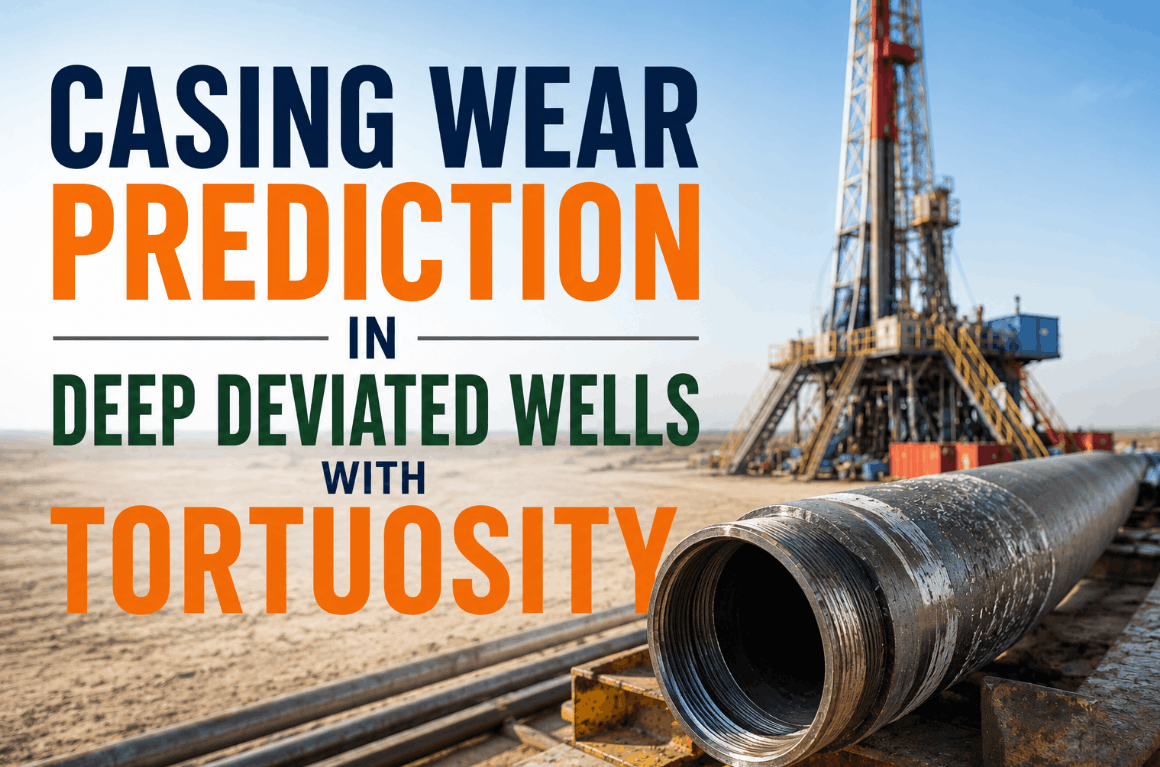
As wells trend deeper, longer, and increasingly deviated to reach stacked pay zones or extended-reach targets, casing wear has shifted from a secondary maintenance concern to a primary well integrity risk. Every foot of rotated drill pipe contact against a casing wall removes a small amount of metal, and in high-tortuosity trajectories, where the actual wellbore path includes hundreds of micro-doglegs invisible to a smoothed planned survey, that wear concentrates at specific depths rather than spreading evenly across the string. Left unmanaged, this localized wall-thickness loss quietly erodes the burst and collapse ratings an operator is counting on, sometimes turning a routine workover into an emergency intervention. iFactory's predictive analytics platform models side force, contact area, and hardbanding interaction across the full wellbore profile so engineers can see exactly where wear is accumulating before it threatens casing integrity. Book a Demo to see how continuous wear modeling fits into your next deep deviated well program.
Casing Wear Intelligence: Protecting Well Integrity Through Tortuosity
A side-force-driven framework for predicting, monitoring, and managing casing wear in deep, highly deviated wells, covering hardbanding interaction, contact area, and real-time torque and drag verification.
Casing Wear Failure Modes Deep Deviated Wells Cannot Ignore
Casing wear in a long, tortuous lateral rarely behaves the way a simple planned-trajectory model predicts. Engineers managing critical strings need visibility into the specific mechanisms that concentrate metal loss at the worst possible depths. Book a Demo to see how these mechanisms map onto your own well plan.
Side Force Concentration at Dogleg Severity
Tension combines with hole curvature to drive localized contact force. Even a short high-DLS interval can carry a disproportionate share of total wear, especially where the string passes through it on every trip and rotating interval.
Hardbanding & Tool Joint Abrasion
Tool joint OD and hardbanding metallurgy set how aggressively the drill string cuts into casing ID. An aggressive hardbanding profile removes wall thickness far faster than a casing-friendly one if mismatched against the string design.
Micro-Tortuosity Invisible to Planned Surveys
Standard survey stations smooth out the borehole path, hiding the small-radius wiggles created by BHA dynamics and slide-to-rotate transitions. These micro-doglegs generate side force spikes a planned-trajectory wear model never sees.
Wall Thickness Loss & Derated Ratings
Every percentage point of crescent-shaped wear directly reduces remaining wall thickness, and with it, the burst and collapse pressure the casing can actually hold, often well before a visual inspection would suggest a problem.
Sliding vs Rotating Time Imbalance
Wear accumulates almost exclusively while the string rotates. Directional intervals with heavy sliding can mask how much rotating time is actually being logged against a single casing interval over the life of the well.
Mud Lubricity & Cuttings Bed Drag
Degraded mud lubricity and settled cuttings beds in horizontal sections raise the effective friction at the pipe-casing interface, accelerating wear rates beyond what a clean-hole wear factor would predict.
Predictive vs. Reactive Wear Management: Benchmark Comparison
Quantifying how continuous side-force and wear-factor modeling changes outcomes across the two metrics that matter most to well integrity engineers.
Strategic Deployment Tiers for Casing Wear Intelligence
Operators can scale from baseline side-force modeling to fully integrated drilling-parameter optimization using a phased framework that ties every additional dataset to a measurable wear-reduction outcome. Book a Demo to map these tiers onto your current torque and drag workflow.
Side Force & Torque-Drag Baseline
Establishes a depth-by-depth side force and predicted wear profile across the full casing string before drilling begins, using the planned trajectory and string design as the starting baseline.
Tortuosity-Aware Wear Factor Calibration
Continuous survey data refines the wear factor model around real micro-doglegs rather than the smoothed planned trajectory, sharpening accuracy at the depths most likely to be under-predicted.
Real-Time Torque & Drag Anomaly Detection
Live torque and drag are compared against the predicted model so unexpected friction increases flag wear-related risk while drilling, rather than waiting for a post-run inspection.
Closed-Loop Drilling Parameter Optimization
Slide-to-rotate sequencing and RPM recommendations adjust to hold cumulative wear inside the target margin for critical strings, closing the loop between prediction and the actual drilling program.
Industry Standards & Well Integrity Compliance
Casing wear data increasingly needs to satisfy more than internal engineering review. Operators are expected to demonstrate it against recognized well design and integrity standards. Book a Demo to see how wear reporting maps to your existing compliance workflow.
| Framework | Data Requirement | iFactory AI Value |
|---|---|---|
| API TR 5C3 | Burst & collapse rating vs remaining wall thickness | Continuously recalculates derated burst and collapse ratings from the predicted wear profile. |
| API RP 7G | Drill stem tension & torque limits feeding side force | Live torque and drag inputs keep side force modeling tied to actual drilling parameters. |
| API 5CT / ISO 10422 | Casing grade & nominal wall tolerance baseline | Wear factor library calibrated against casing grade and nominal wall tolerance. |
| Well Integrity Mgmt. (NORSOK D-010 / API RP 96) | Auditable barrier verification across the well's life | Time-stamped wear history per joint supports barrier status documentation. |
Ready to Keep Critical Casing Strings Inside Their Wear Margin?
Talk with an iFactory drilling specialist about modeling side force and wear factor across your next deep deviated well program.
Field Perspective
"Modeling side force against the actual tortuous path, not the smoothed plan, changed how we schedule wear inspections. We've kept several critical liner strings inside a 10% wear margin we previously would have blown through by the second bit run. It is now a standard check before we approve any extended lateral profile."
Casing Wear Prediction: Frequently Asked Questions
How is side force calculated in a tortuous wellbore?
Side force is derived from local string tension and the actual dogleg severity at each depth, using continuous survey data rather than a smoothed planned trajectory.
What casing wear percentage is considered safe?
Most operators target keeping wear below 10% of nominal wall thickness on critical strings to preserve adequate burst and collapse safety margins.
Can the platform factor hardbanding type into wear predictions?
Yes, the wear factor model accounts for hardbanding metallurgy and tool joint OD, since both directly influence how fast wall thickness is removed.
Does micro-tortuosity really change wear predictions that much?
Yes, small-radius doglegs missed by standard surveys can create localized side force spikes that concentrate wear far more than a smoothed-trajectory model suggests.
How does real-time torque and drag monitoring support wear management?
Comparing live torque and drag against the predicted baseline flags unexpected friction increases that often indicate accelerating wear before a wireline log would catch it.
Conclusion: Treat Casing Wear as a Trajectory Problem, Not Just a Metallurgy Problem
Casing wear in deep deviated wells is ultimately a function of where contact force concentrates along the actual wellbore path, not just which hardbanding or casing grade is in use. Modeling side force against real, tortuosity-aware survey data gives engineers a depth-specific wear profile they can act on, rather than a single average number that hides the riskiest intervals. Pairing that model with real-time torque and drag verification turns casing wear management from a post-run surprise into a parameter that gets monitored continuously across the well's life.
Ready to Build a Wear-Resilient Casing Program?
Speak with an iFactory specialist about modeling side force, hardbanding interaction, and tortuosity across your next deep deviated well.