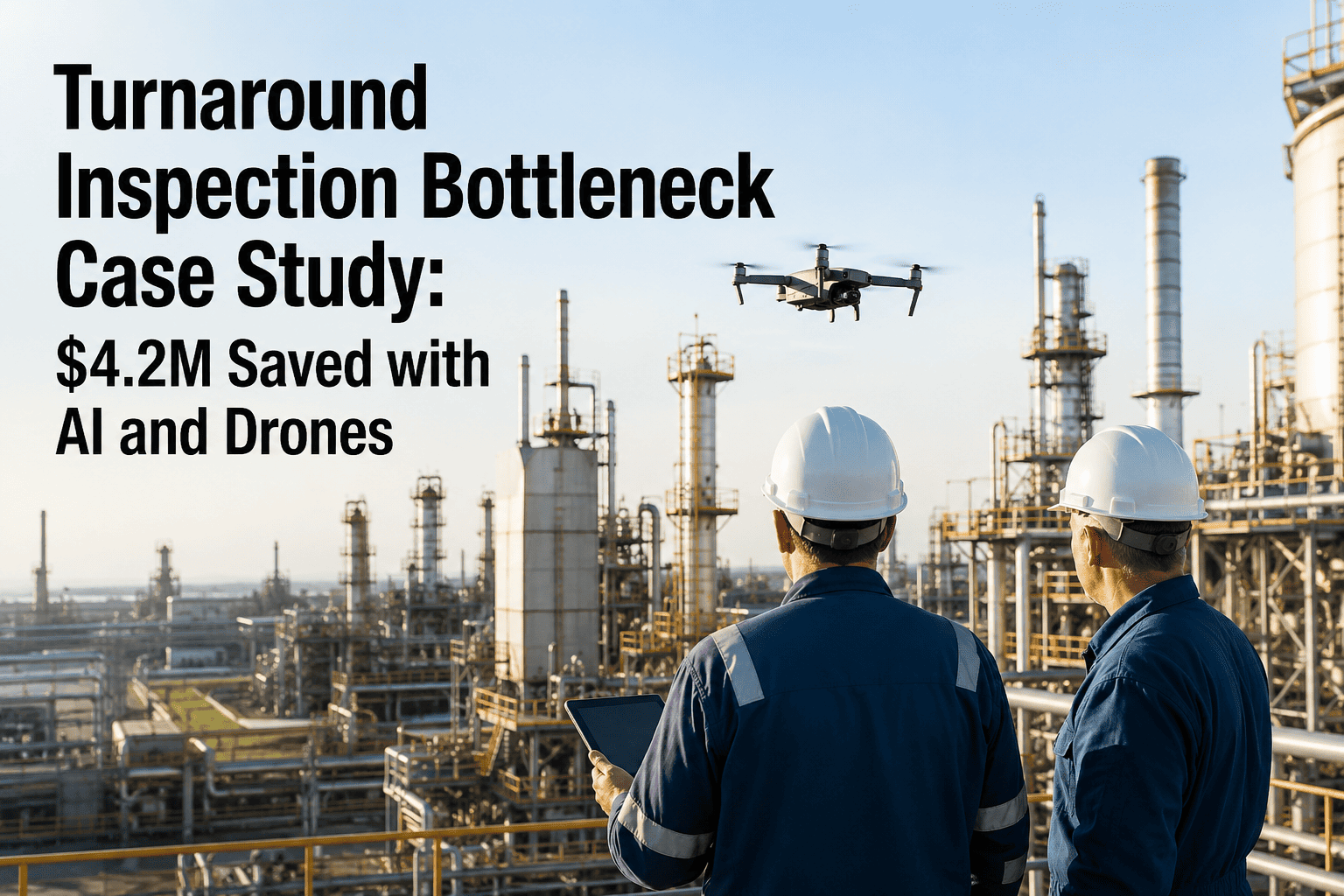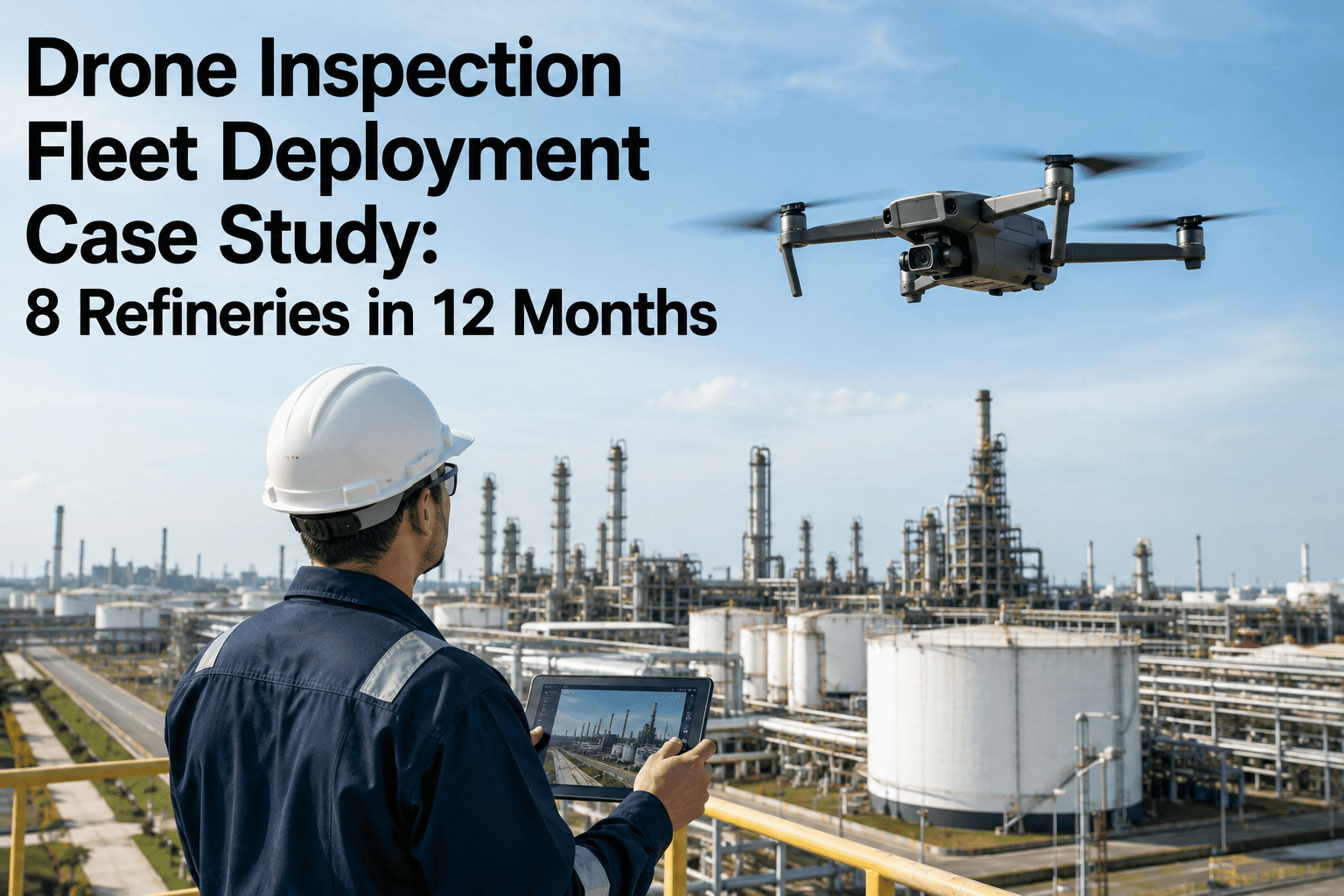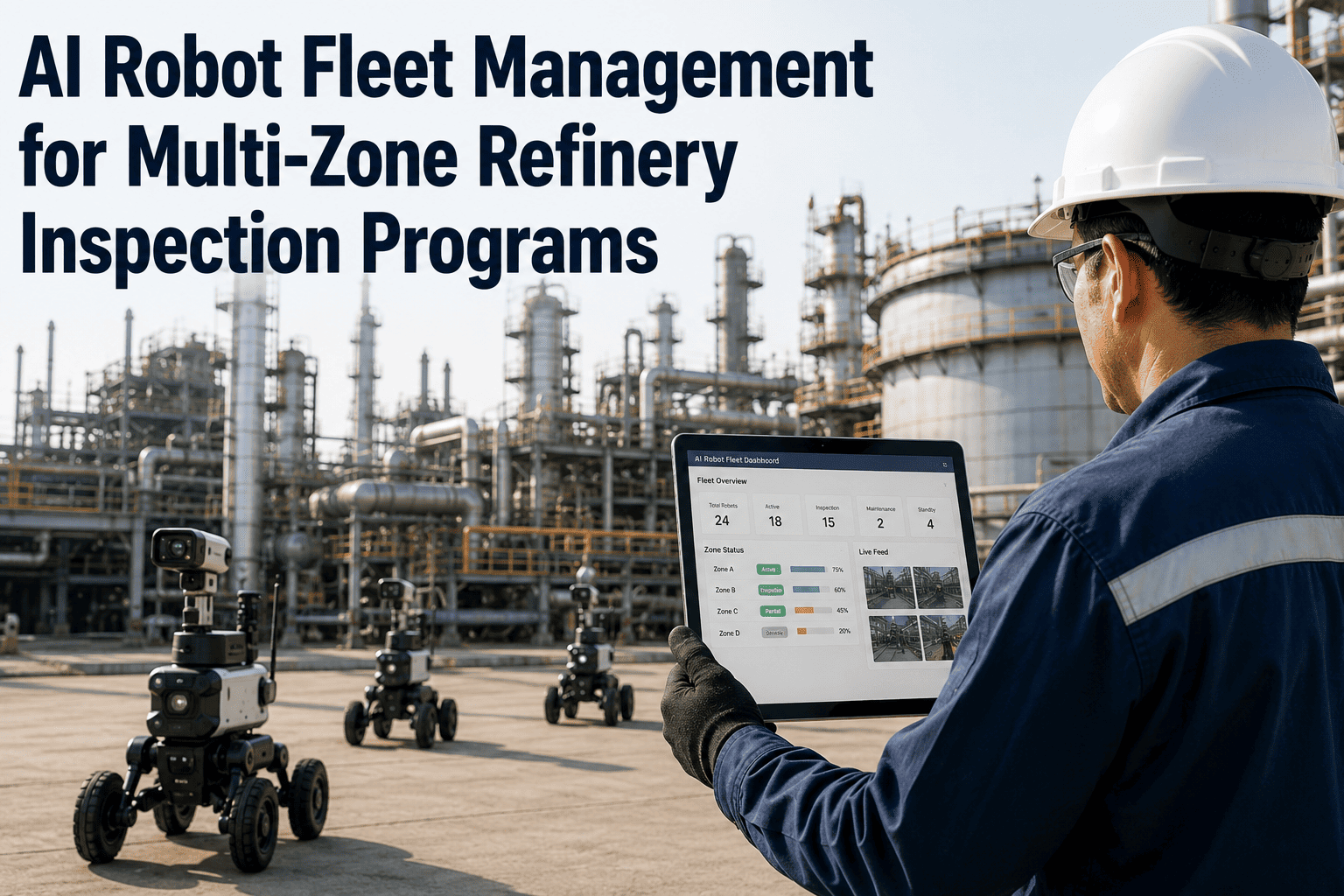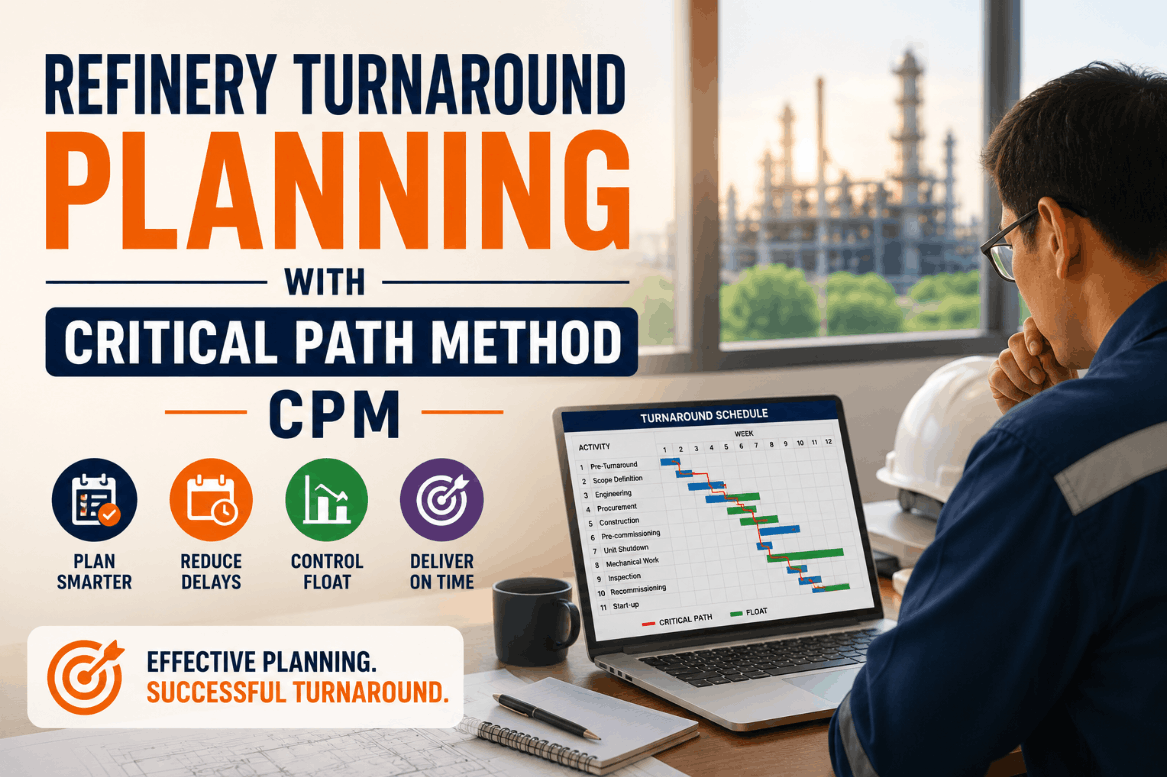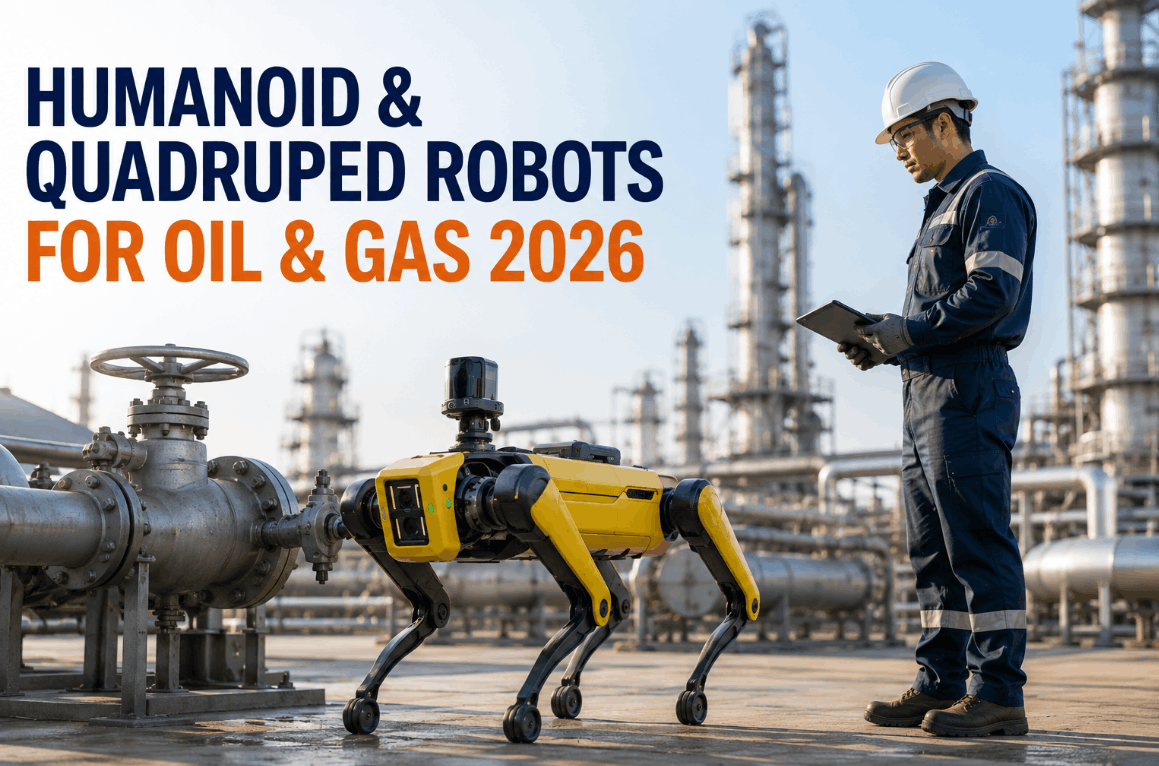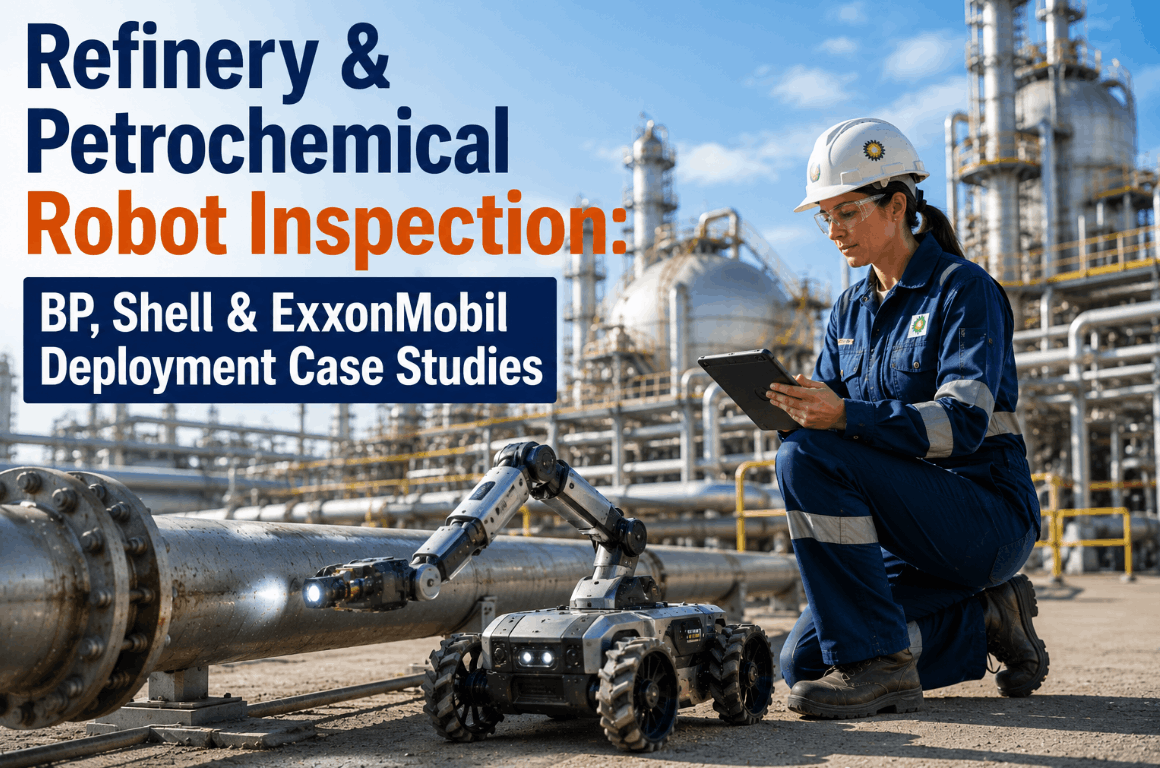
Autonomous robotic inspection in refineries and petrochemical plants has moved decisively past the pilot phase. BP, Shell, Aker BP, and a growing list of Tier-1 oil majors have deployed quadruped and mobile inspection robots across live production facilities — onshore refineries, offshore fixed platforms, and floating installations — validating real operational outcomes in the most demanding industrial environments on earth. Boston Dynamics Spot has conducted autonomous inspection rounds at BP's Whiting refinery in Illinois, gas leak detection at BP's Mad Dog facility in the Gulf of Mexico, and remote monitoring at Aker BP's Skarv installation in the Norwegian Sea. Fugitive emissions programs under EPA Method 21, corrosion monitoring in FCC units and reformer plants, and turnaround inspection acceleration are the primary value drivers that refinery reliability and EHS teams are now quantifying from live deployments. Procurement and reliability teams evaluating robotic inspection programs for 2026 are invited to Book a Demo with iFactory's industrial analytics team.
BP, Shell & Aker BP: What Real Refinery Robot Deployments Delivered
The most instructive data on refinery robotics comes not from vendor projections but from the deployment records of operators who have run multi-month trials in live production environments. The following operator profiles reflect confirmed deployment outcomes from publicly documented programs across BP, Shell, and Aker BP — the three oil majors with the most extensive robotic inspection track records in onshore refinery and offshore platform environments as of 2026.
Where Refinery Robots Are Creating the Most Measurable Value in 2026
Across the documented operator programs, four primary inspection applications are generating the most consistent and quantifiable return in refinery and petrochemical environments. Reliability and EHS teams building the business case for robotic inspection programs can Book a Demo with iFactory to model how robot-collected data flows into their specific maintenance and compliance workflows.
— BP Facilities Technology Manager, Boston Dynamics Spot Deployment Program
How Refinery LDAR Programs Are Being Transformed by Autonomous Robotic Inspection
EPA Method 21 requires refineries and petrochemical facilities to monitor each LDAR-applicable component individually at defined intervals. In a large refinery with 50,000 to 150,000 LDAR-applicable components, this creates a labor-intensive inspection cycle that consumes enormous EHS and maintenance staffing resources. Operators integrating robotic LDAR inspection programs with iFactory's data management layer can Book a Demo to see how compliance documentation and anomaly dispatch workflows are structured within the platform.
Deploying a Robotic Inspection Program at a Refinery: The Four-Phase Model
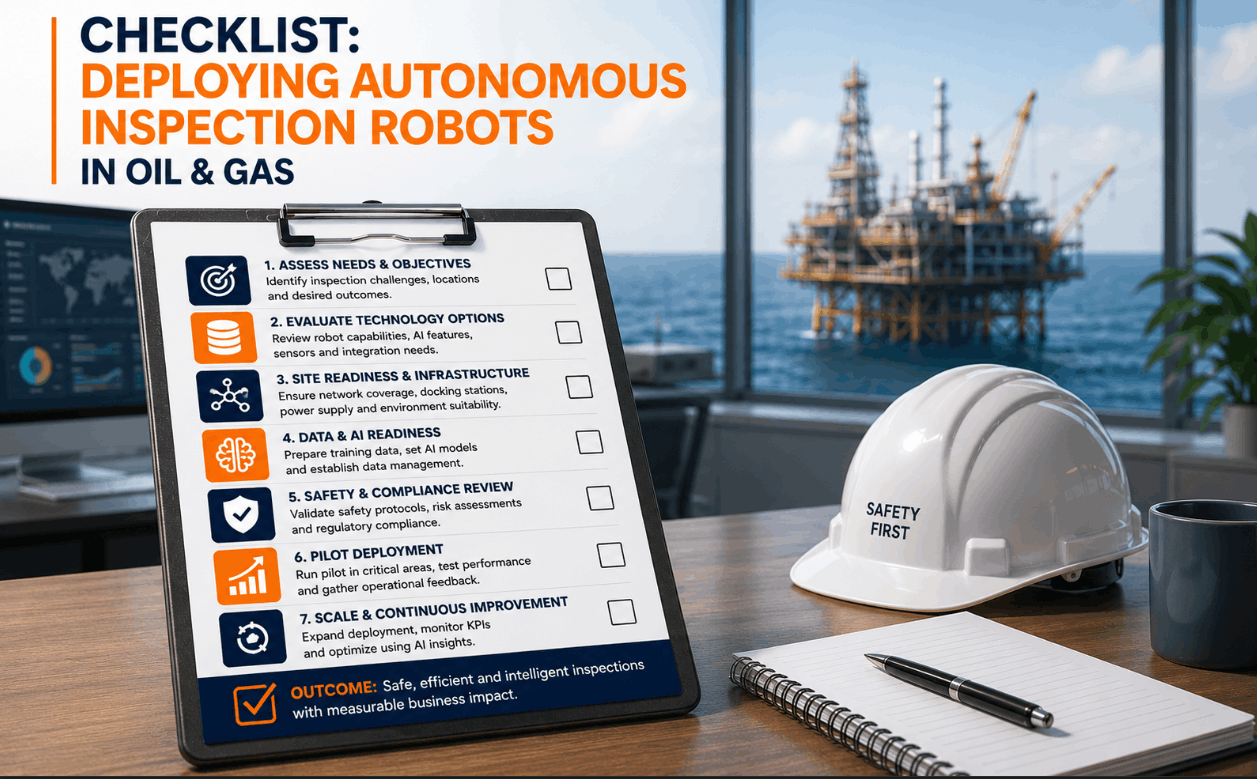
Successful refinery robot deployments follow a structured progression from initial asset mapping through full autonomous operation integration — with each phase building operational confidence and data infrastructure before expanding robot autonomy and coverage scope. Reliability and maintenance managers evaluating this implementation path are encouraged to Book a Demo to understand how the integration architecture applies to their specific facility configuration.
Critical inspection assets identified and prioritized by risk — rotating equipment, LDAR component populations, CUI-susceptible piping, and confined-space access points. Robot navigation maps built from existing P&ID drawings and facility walkdowns. iFactory asset registry populated with all equipment to be covered by the robotic inspection program.
Robot deployed on priority inspection routes with operator supervision. Inspection waypoints commissioned for each critical asset, with sensor payload calibrated and inspection data flowing into the iFactory platform. AI baseline models for equipment condition begin training on live operational data from the first robot rounds.
Robot transitions from supervised to fully autonomous operation on validated inspection routes. iFactory threshold logic activated — robot-detected anomalies triggering automated work order dispatch to responsible technicians in real time. First condition-based maintenance interventions executed based on robot-collected equipment health data rather than calendar schedules.
Robot coverage expanded to full inspection scope — all LDAR routes, CUI screening zones, rotating equipment monitoring waypoints, and turnaround pre-inspection scope. iFactory performance metrics tracked against baseline and 90-day post-deployment performance review completed to confirm ROI realization and identify coverage expansion priorities.
Robotic vs. Traditional Inspection: Performance Metrics Across Refinery Inspection Programs
The operational case for robotic inspection in refineries is best understood through direct performance comparison across the key dimensions that reliability, maintenance, and EHS managers are accountable for. The table below reflects documented outcomes from operator deployment programs and iFactory-integrated inspection data.
| Inspection Metric | Traditional Human Inspection | Robotic Inspection + iFactory | Operational Outcome |
|---|---|---|---|
| LDAR component monitoring frequency | Quarterly per regulatory minimum | Continuous / weekly autonomous rounds | 3–4x increase in detection frequency |
| Inspector exposure to process unit hazards | Full entry required for every inspection cycle | Robot entry; human access minimized to repair only | Up to 80% reduction in hazardous area worker exposure |
| Corrosion under insulation (CUI) detection | Requires scaffold + insulation removal access | Non-destructive PEC / thermal scanning through insulation | 40–60% reduction in targeted intrusive inspection cost |
| Equipment anomaly detection timing | Post-failure or scheduled interval (reactive) | 14–21 days pre-failure (predictive via AI model) | Planned intervention replaces emergency response |
| LDAR documentation completeness | Manual entry; subject to transcription error | Automated digital record per inspection event | 100% timestamped, component-referenced compliance record |
| Maintenance work order generation | Manual: inspector notes → supervisor review → CMMS entry | Automated: robot detection → iFactory threshold → dispatch (<3 sec) | Zero-latency corrective action initiation |
| Turnaround pre-inspection scope definition | Blind entry at shutdown; scope defined reactively | Pre-shutdown robot survey delivers confirmed defect scope | 10–15% turnaround duration reduction potential |
| Annual LDAR program cost (typical large refinery) | $1,000,000+ per year | Material cost reduction via automation + frequency improvement | Significant cost reduction with improved coverage depth |
— Boston Dynamics Spot Market Analysis, Q1 2026
Why Tier-1 Operators Are Scaling Robotic Inspection: The Four Structural Drivers
Regulatory compliance burden is the most immediate financial driver for LDAR robotics adoption. A large refinery with 100,000+ LDAR-applicable components faces annual program costs exceeding $1 million under manual Method 21 inspection cycles. Robots can conduct LDAR rounds continuously, at 3 to 4 times the frequency of human programs, while generating fully automated compliance documentation and repair dispatch records that directly reduce regulatory violation risk and consent decree exposure.
Personnel safety economics have fundamentally shifted the calculus on remote inspection. Every routine inspection round that a robot conducts in a live process unit is a round that no human inspector is required to enter a hazardous area for. BP's deployment logic at both Whiting refinery and Mad Dog explicitly cited the cost and risk of sending personnel into hard-to-reach locations as the primary motivation for robotic inspection.
Data quality and continuity from robot inspection programs is structurally superior to human inspection records. Robot inspection data is consistently collected, GPS-referenced, timestamped, and linked to component identifiers — eliminating the transcription errors, route omissions, and variable thoroughness that characterize large human inspection programs running under production schedule pressure.
The integration gap between robot data and maintenance action is the last remaining barrier to full value realization — and it is the gap that iFactory closes. Operators who have deployed robots but lack the EAM intelligence layer to act on what those robots find are leaving the majority of the program's maintenance value unrealized. Reliability teams can Book a Demo to see exactly how this integration is structured for their facility type.
Industry Perspective: What Reliability Engineers Are Saying About Robotic Inspection Programs
Across iFactory's engagements with refinery reliability and maintenance teams, three consistent observations define how experienced engineers evaluate robotic inspection programs:
Refinery Robotic Inspection in 2026: The Operational Infrastructure Is Proven — Now Close the Data Loop
BP's Whiting and Mad Dog deployments, Shell's early adoption program, and Aker BP's offshore remote inspection model have collectively demonstrated that autonomous robotic inspection in live refinery and petrochemical environments is operationally viable, commercially deployable, and capable of generating measurable outcomes across safety, compliance, and maintenance performance dimensions. The inspection hardware question is answered. The LDAR, CUI, and predictive maintenance use cases are validated.
What differentiates operators who achieve transformational maintenance outcomes from those who achieve incremental improvement is the AI intelligence layer that converts robot-collected inspection data into automated, zero-latency maintenance action. iFactory's EAM platform provides that layer — connecting robotic inspection programs directly to digital twin asset models, automated LDAR documentation, predictive failure models, and instant work order dispatch. To understand how iFactory structures this integration for your specific refinery or petrochemical facility, Book a Demo with iFactory's industrial analytics team.