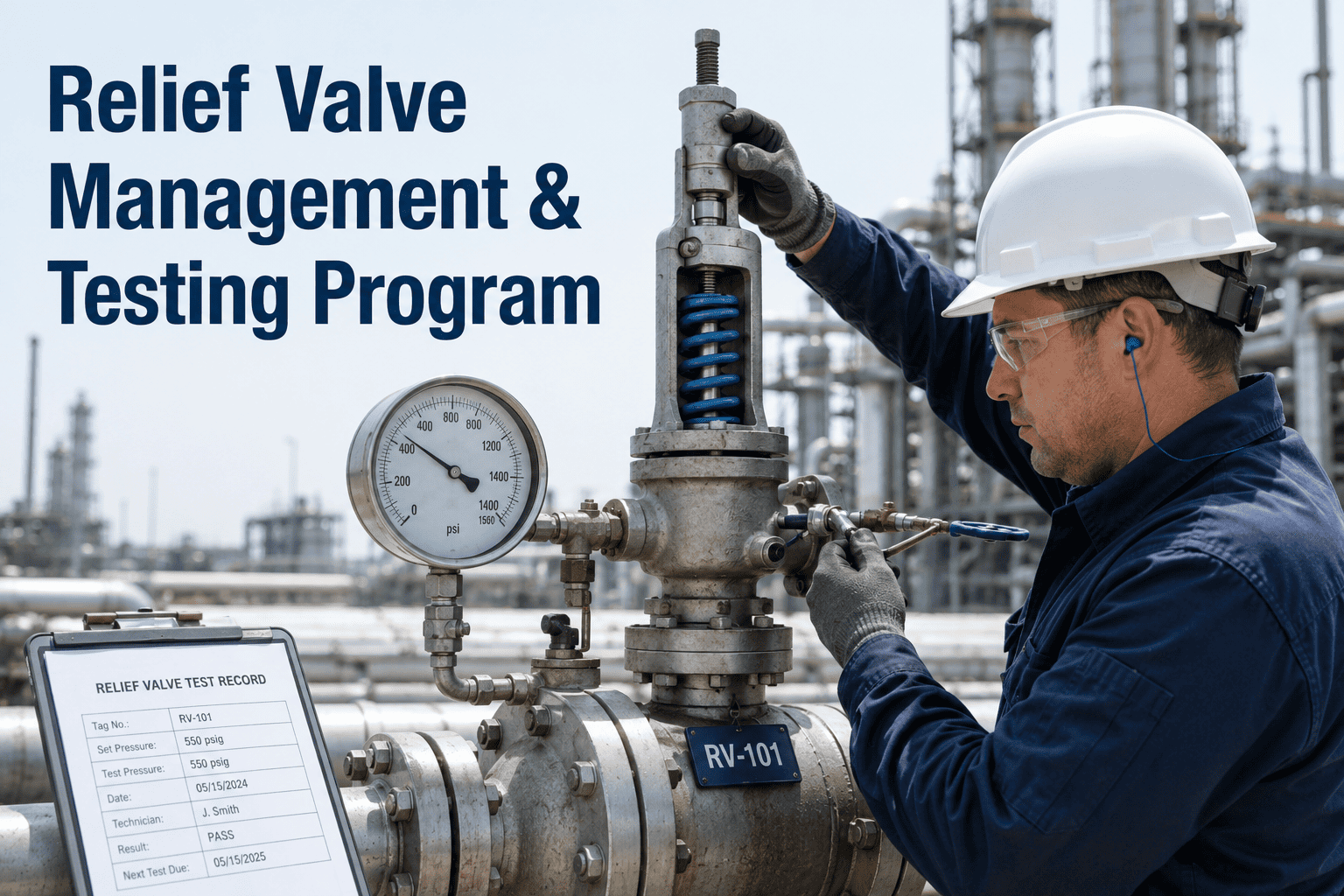
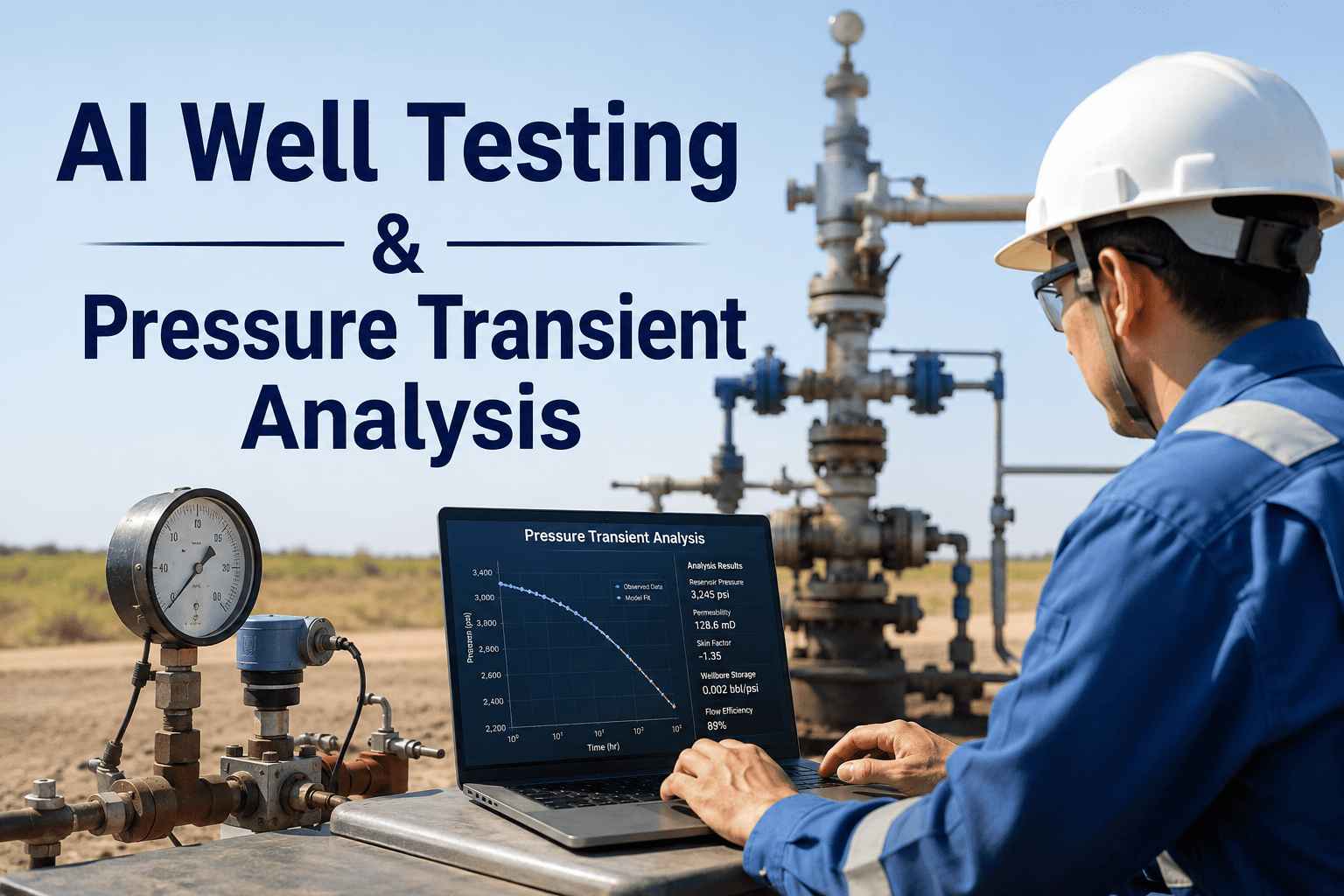
A shift supervisor pulls up a chat assistant to confirm the maximum allowable working pressure on a vessel before signing off on a repair, and the model returns a confident number, cites the wrong edition of the code, and lands twelve percent off the correct value. Nobody catches it until a second engineer reruns the calculation by hand three hours later. That failure mode is exactly why refinery process engineering teams now test every LLM deployment against known calculations before it ever touches a live decision, because accuracy in this domain cannot be assumed from a vendor claim or a general-purpose leaderboard score. A customer support chatbot and a pressure vessel calculation carry entirely different consequences for being wrong. iFactory's process engineering AI platform is built around exactly this evaluation discipline, and you can book a demo to see how our verification layer scores against your own plant's calculations.
Would You Trust an Unverified Number on a Pressure Vessel Calculation? Test Before You Deploy, Not After
A structured framework for benchmarking LLM responses against known engineering calculations, verified process data, and expert engineer sign-off, so accuracy thresholds are proven before a model ever influences an operational decision.
Generic Hallucination Rates Are Worse Than Most Engineering Teams Assume
Every LLM vendor publishes a benchmark score, but almost none of those scores were measured against process engineering queries. Independent research on 2026-generation models shows accuracy varies enormously by task shape and by how a question is framed, and the gap between a marketing number and a refinery-grade number is exactly what an evaluation framework is built to close. A model can look excellent on a coding leaderboard and still be unreliable on a multi-step pressure drop calculation, because the two tasks stress completely different parts of the model's reasoning. The figures below summarize what current published research finds across task types most comparable to engineering advisory work, and they explain why a single published accuracy figure is never enough to justify an operational deployment on its own.
Five Ways an LLM Quietly Gets a Process Engineering Answer Wrong
Most LLM errors in engineering contexts do not look like obvious nonsense; they look like a plausible answer stated with total confidence, formatted the same way a correct answer would be, and delivered without any visible hesitation. That similarity between a right answer and a convincingly wrong one is what makes these errors dangerous in a refinery setting, where a wrong number rarely gets questioned unless someone independently reruns the calculation. Expand each pattern below to see how it shows up in a real process engineering query and why a generic accuracy score misses it entirely.
ASME, API, and ASTM standards revise clauses and allowable stress tables across editions, and a model trained on mixed-vintage text can blend an older allowable value with a newer clause number without flagging the mismatch. An engineer skimming the answer sees a citation and assumes it is current, when the underlying number may be several revisions out of date.
A single calculation rarely stays in one unit system from input to output, and a model that silently rounds an intermediate value or mixes SI and imperial units can compound a small error into a materially wrong final figure. These errors are hard to spot because each individual step still looks reasonable in isolation.
When asked for a material property or a vendor spec the model has not actually retrieved, some models generate a plausible-sounding value rather than stating uncertainty. Without a retrieval step tied to an actual data sheet or historian tag, there is no way to distinguish a real value from a statistically likely guess.
Recent benchmark work found that model accuracy on false statements drops sharply once the claim is framed as something the user already believes rather than a neutral third-party fact. In practice this means an engineer who states an incorrect assumption in their question is more likely to get that assumption validated back to them instead of corrected.
Empirical correlations for heat transfer, pressure drop, or corrosion rate are only valid within the operating envelope they were fitted to, but a model will often apply the formula anyway when asked about conditions outside that range, without stating that the result is now an extrapolation rather than a validated estimate. Catching this pattern requires the evaluation layer to know the valid range of each correlation in advance, not just the formula itself.
Accuracy Evaluation Is Also a Compliance Requirement, Not Just an Engineering Preference
Regulators are catching up to generative AI faster than most refinery AI pilots anticipated, and process industry leadership teams that assumed AI governance was still years away are now finding it embedded in supplier questionnaires, insurance renewals, and internal audit checklists. The evaluation framework described on this page is not an optional extra layer of caution, it is quickly becoming the documented practice regulators expect to see. Frameworks referenced by process industry researchers, including the EU AI Act's human oversight requirements and the NIST AI Risk Management Framework's testing, evaluation, verification, and validation guidance, both call for exactly the kind of golden-set benchmarking and human sign-off that iFactory builds into every deployment. Waiting until an audit or an incident forces the question means retrofitting governance under pressure, while building it in from the first pilot keeps your team ahead of the requirement instead of scrambling to catch up.
A Four-Stage Framework for Proving LLM Accuracy Before Operational Deployment
Evaluating an LLM for process engineering use is not a one-time check, it is a repeatable pipeline that runs every time a model version, prompt, or connected data source changes. Teams that treat evaluation as a single approval gate before launch tend to see accuracy quietly degrade over months as models are silently updated by the vendor or as retrieval sources drift out of sync with the plant. iFactory's platform structures the evaluation into four connected stages, each producing an auditable accuracy record rather than a subjective impression, so the question is never "does this feel right" but "did it clear the number we set."
Build a Golden Test Set From Known Calculations
A curated set of queries with verified correct answers is assembled from completed engineering calculations, code lookups, and equipment data sheets, covering the actual query types your engineers ask rather than generic trivia questions.
Benchmark Against Verified Process Data
Every candidate model or prompt configuration is run against the golden set and cross-checked against live historian, DCS, and data sheet values, scoring not just whether the final number is close but whether the retrieved source was correct.
Route Low-Confidence Responses to Expert Review
Responses that fall below a confidence threshold, involve a safety-critical parameter, or rely on an extrapolated correlation are automatically routed to a qualified engineer for sign-off before they reach an operator or influence a decision.
Gate Deployment by Risk-Tiered Accuracy Threshold
A model only moves from evaluation into an operational workflow once it clears the accuracy threshold set for that specific query risk tier, and it is re-benchmarked automatically whenever the underlying model version or prompt changes.
Not Every Query Needs the Same Bar — Set Thresholds by Consequence, Not by Convenience
Treating every LLM query with the same accuracy bar either slows down harmless lookups with unnecessary review overhead or, worse, lets a safety-critical calculation through on a threshold meant for casual reference questions. Consequence should set the bar, not convenience, and a query about a definition simply does not carry the same downside as a query that feeds directly into a relief valve sizing decision. The table below shows how iFactory tiers queries by consequence and assigns a required accuracy and review path to each tier, so engineers know exactly what level of scrutiny an answer has already passed through before they see it.
| Query Risk Tier | Example Query | Required Accuracy | Review Path |
|---|---|---|---|
| General Reference | Definition of a process term or unit | 92% or higher | Automated grounding check only |
| Operational Guidance | Standard procedure step or checklist item | 97% or higher | Automated check plus spot audits |
| Equipment Data Lookup | Rated capacity or material spec from a data sheet | 98.5% or higher | Source-document match required |
| Safety-Critical Calculation | Relief valve sizing or vessel pressure rating | 99.5% or higher | Mandatory qualified engineer sign-off |
| Regulatory or Code Interpretation | Allowable stress from a specific code edition | 99.5% or higher | Mandatory sign-off plus edition audit trail |
Your Current LLM Deployment Has Never Been Scored Against a Single One of Your Own Calculations
iFactory builds a golden test set from your plant's actual engineering calculations and benchmarks any model, current or planned, against it. See exactly where accuracy holds and where it breaks before it reaches an operator.
An Unverified General LLM and a Verified Engineering AI Are Not the Same Product
The difference between a general-purpose chat assistant and an engineering-grade AI system is often not the underlying model at all, since many deployments run on the same handful of foundation models, it is the verification layer wrapped around that model. That layer is what turns a statistically plausible answer into a defensible one, and it is the part most teams skip when they move quickly from a demo to a production rollout. The two columns below lay out what changes when that layer is missing versus present, using the exact categories an engineering team would check during an internal audit.
- Answers generated from training memory with no retrieval step tied to your plant's data
- No distinction made between a low-stakes question and a safety-critical calculation
- Confidence is stated the same way whether the model is certain or guessing
- No audit trail linking an answer back to a source document or code edition
- Accuracy claims come from generic benchmarks unrelated to process engineering
- Responses grounded in retrieval against your historian, data sheets, and code library
- Every query classified into a risk tier with its own required accuracy threshold
- Low-confidence responses automatically routed to a qualified engineer for sign-off
- Full audit trail showing source document, code edition, and reviewer for every answer
- Accuracy measured continuously against a golden set built from your own calculations
What a Properly Evaluated Model Looks Like Once the Verification Layer Is Active
These figures reflect outcomes typically observed once a refinery process engineering deployment moves from an unverified general model to a golden-set benchmarked, risk-tiered configuration running on iFactory's platform for a minimum of ninety days. The improvement rarely comes from switching to a fundamentally different model, it comes from grounding responses in real plant data, classifying queries by consequence, and giving low-confidence answers somewhere safe to land before they reach an operator.
Your Path From First Golden Test Set to a Fully Gated Deployment
Standing up an evaluation framework does not require pausing your current AI initiative or ripping out a deployment your engineers already rely on day to day. iFactory's rollout is structured so the first benchmark report is ready within the first two weeks of engagement, giving you a concrete accuracy picture before committing to any changes in model, prompt, or workflow.
Collect Representative Queries and Known-Correct Answers
Your team supplies a sample of real engineering questions along with the verified correct answers, pulled from completed calculations, closed work orders, and existing data sheets.
Build and Weight the Golden Test Set
iFactory structures the sample into a weighted golden test set that reflects the real distribution of query types and risk tiers your engineers actually work with day to day.
Run the Baseline Benchmark
Your current model configuration is scored against the golden set, producing a baseline accuracy report broken down by risk tier so gaps are visible before any changes are made.
Calibrate Grounding, Tiering, and Review Routing
Retrieval sources, risk-tier thresholds, and expert review routing are configured and re-tested against the golden set until every tier consistently clears its required accuracy bar.
Deploy With Continuous Re-Benchmarking
The verified configuration goes live with automatic re-benchmarking triggered by any model version change, prompt update, or data source change, keeping the accuracy record current.
Common Questions From Process Engineering Teams About Evaluating LLM Accuracy
Stop Trusting an LLM's Confidence and Start Measuring Its Accuracy
iFactory builds the golden test set, runs the benchmark against your own verified engineering data, and gates deployment by risk-tiered accuracy thresholds, so nothing safety-critical reaches an operator unverified. Book a demo and see your current model's accuracy score.