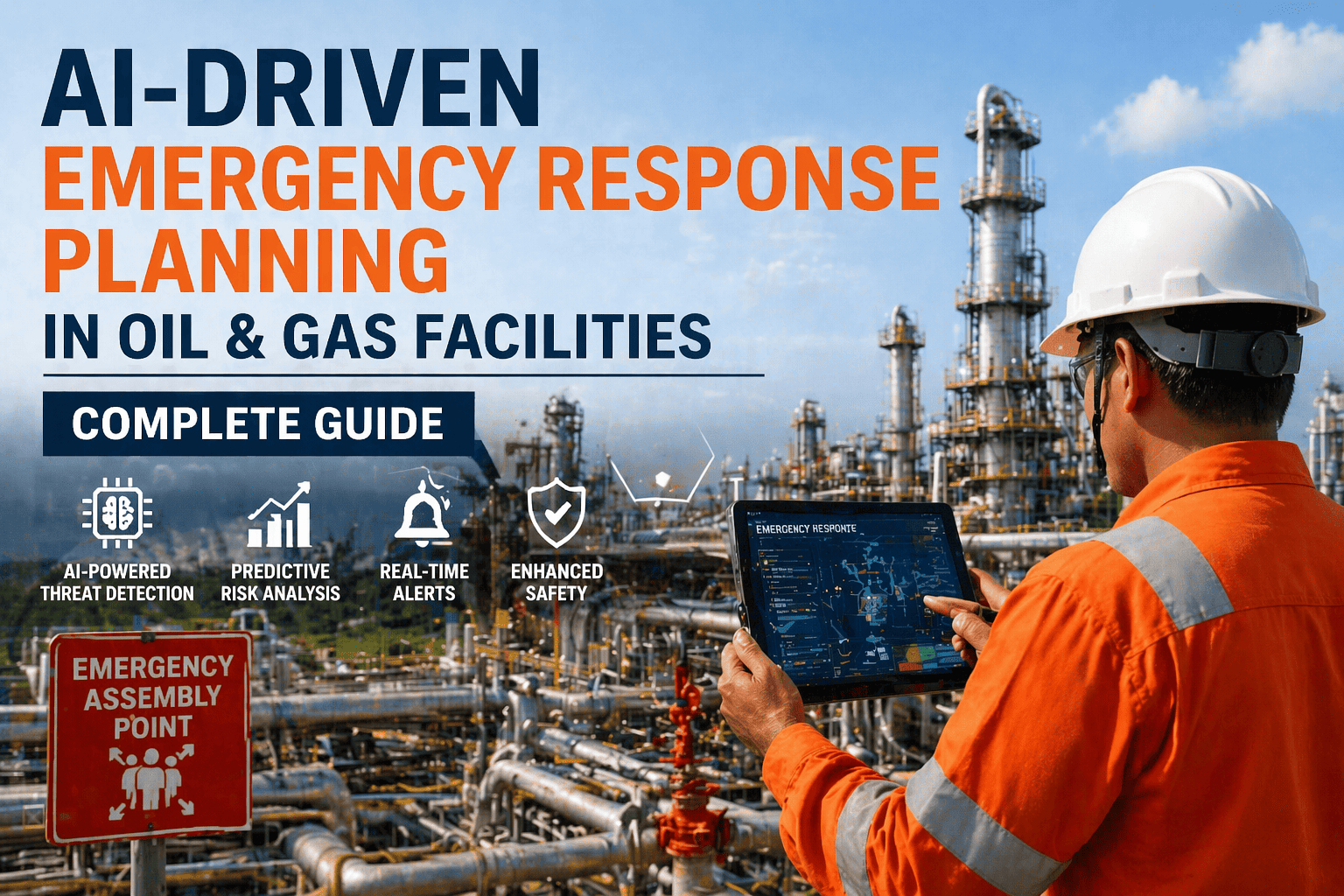
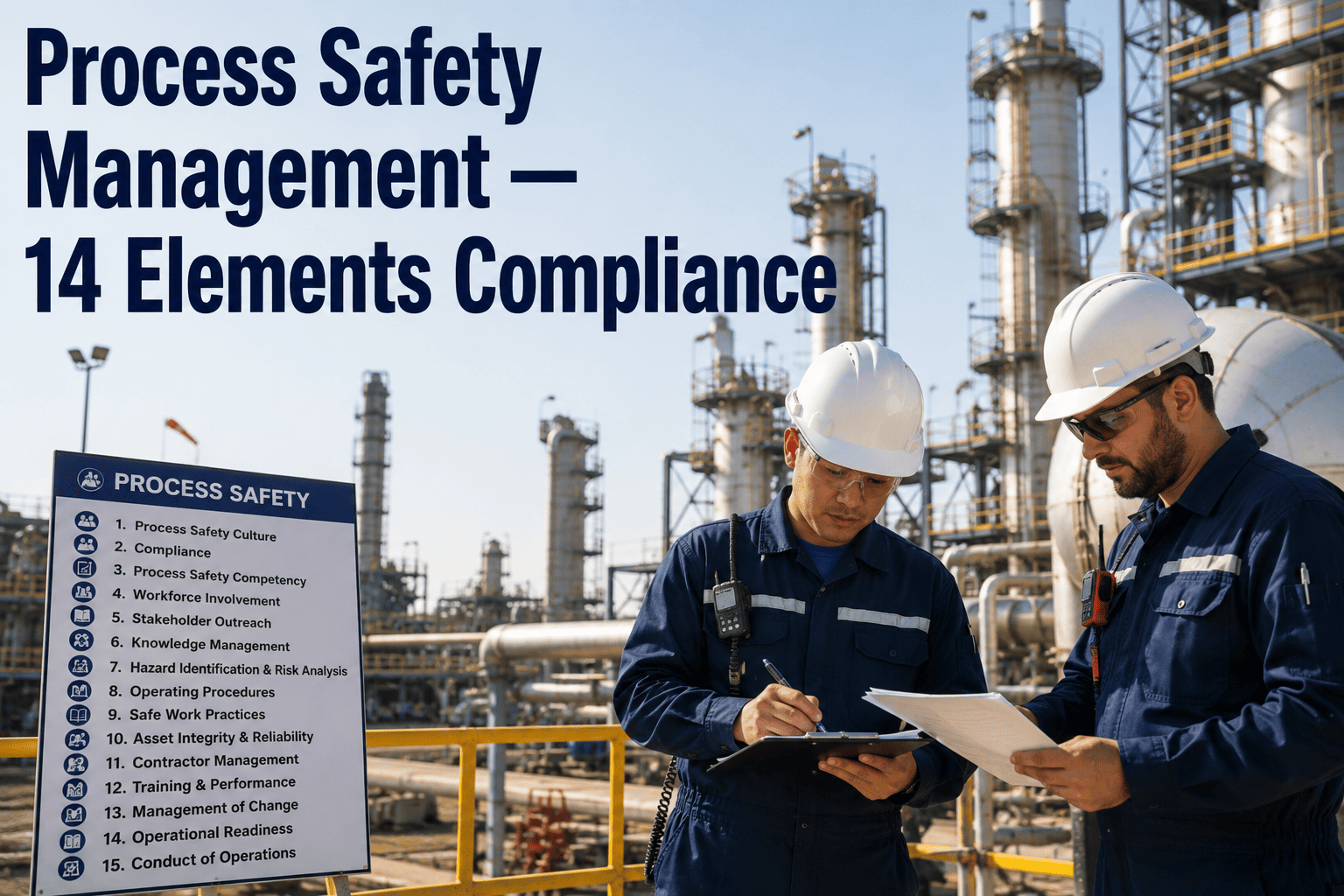
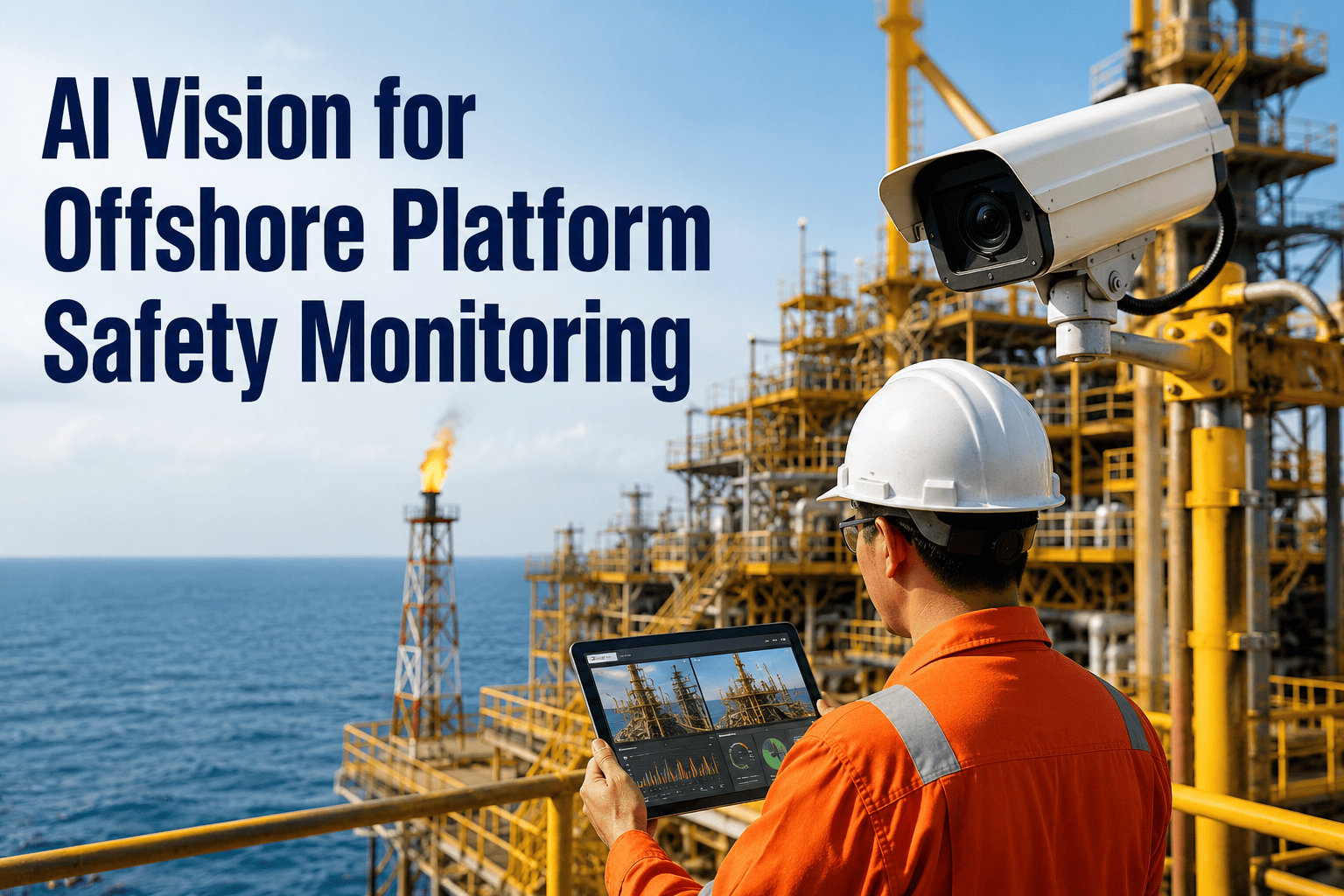
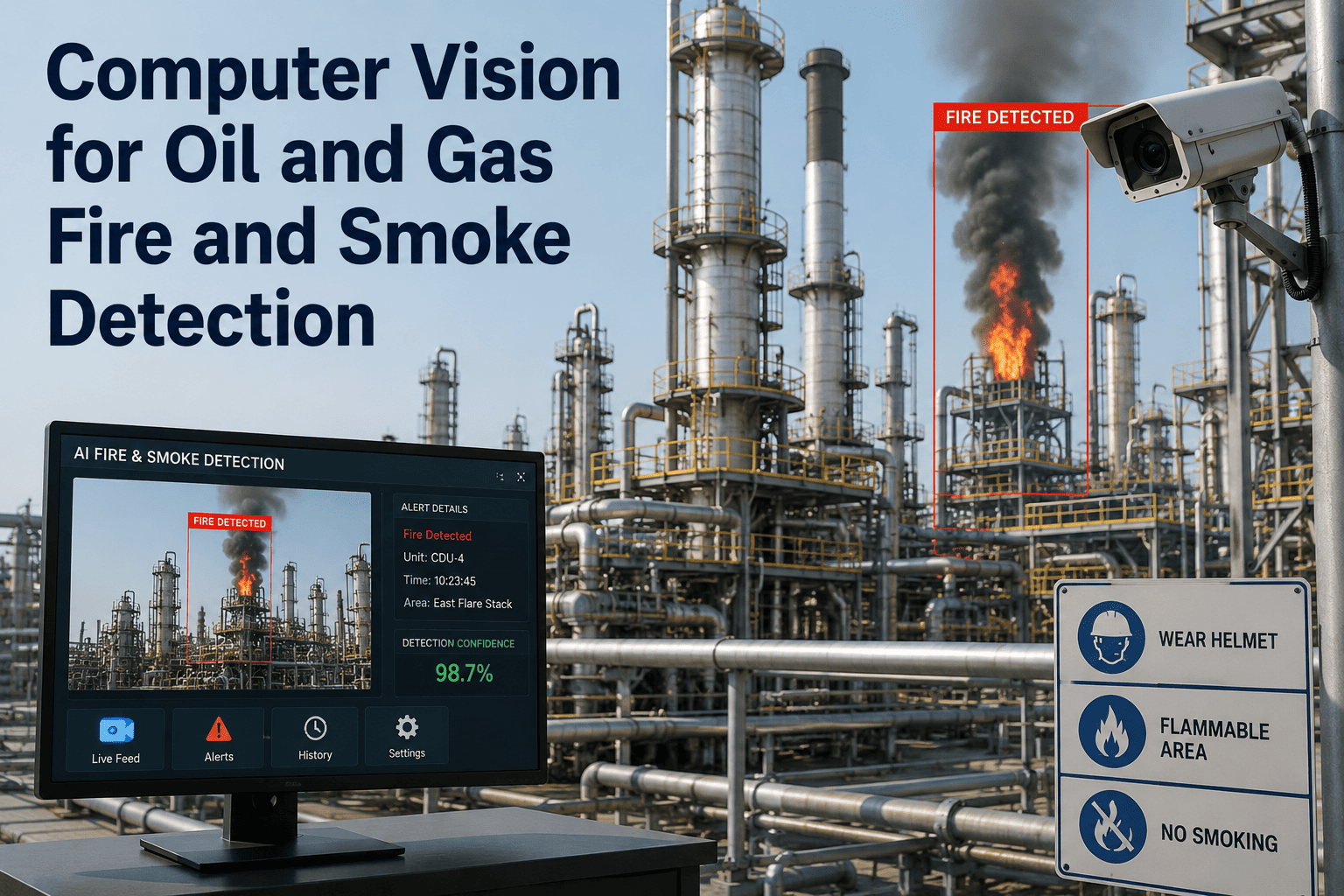
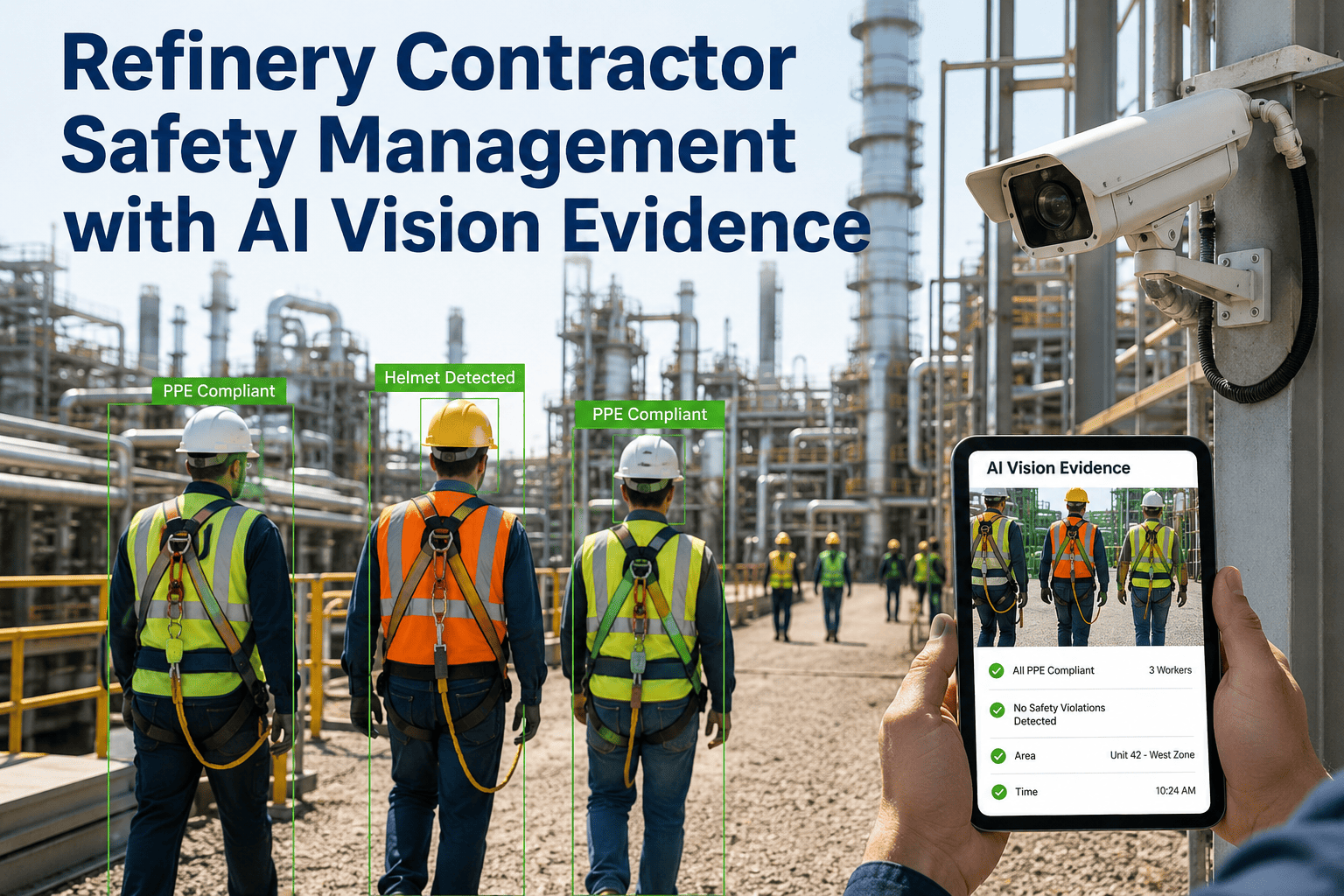
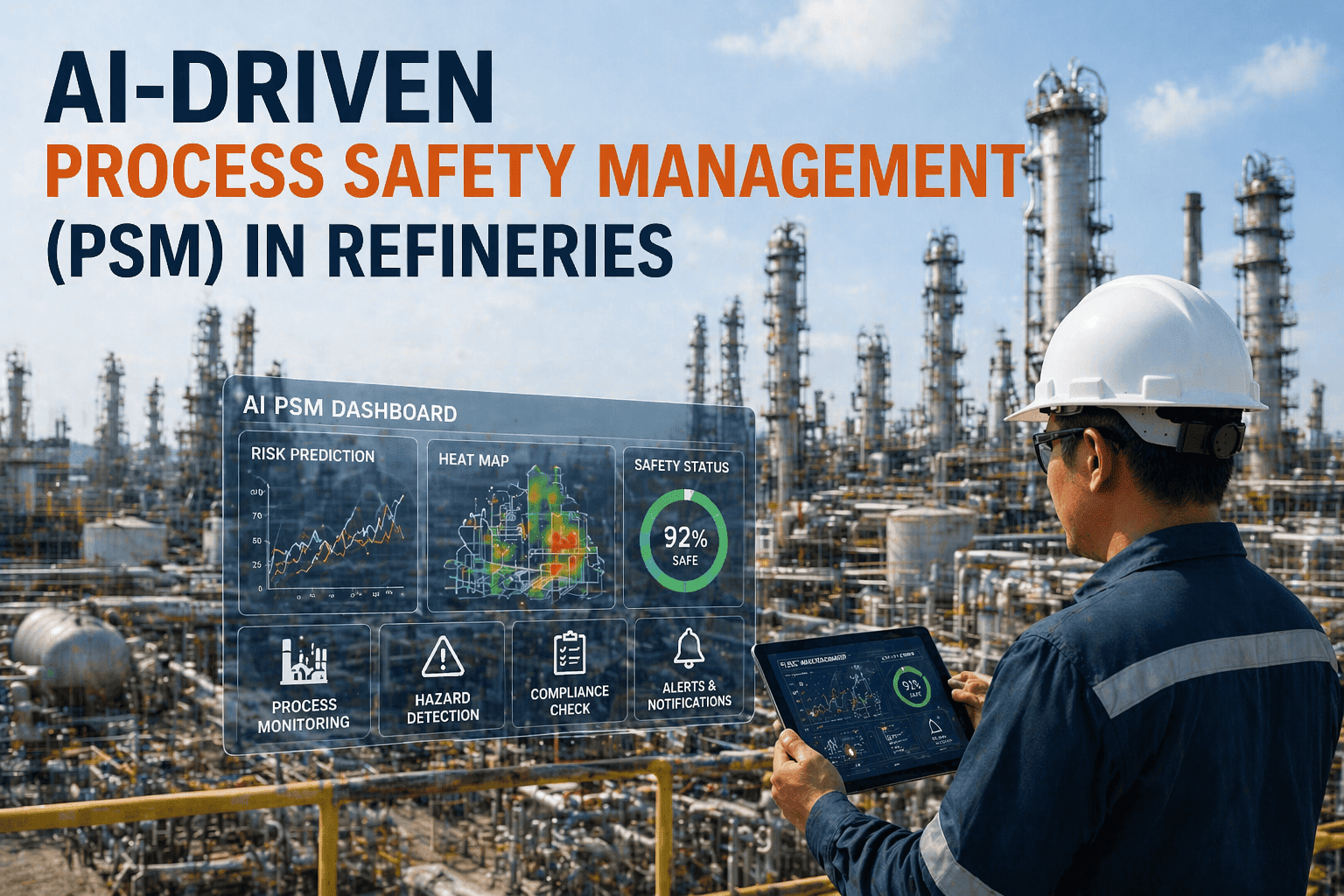
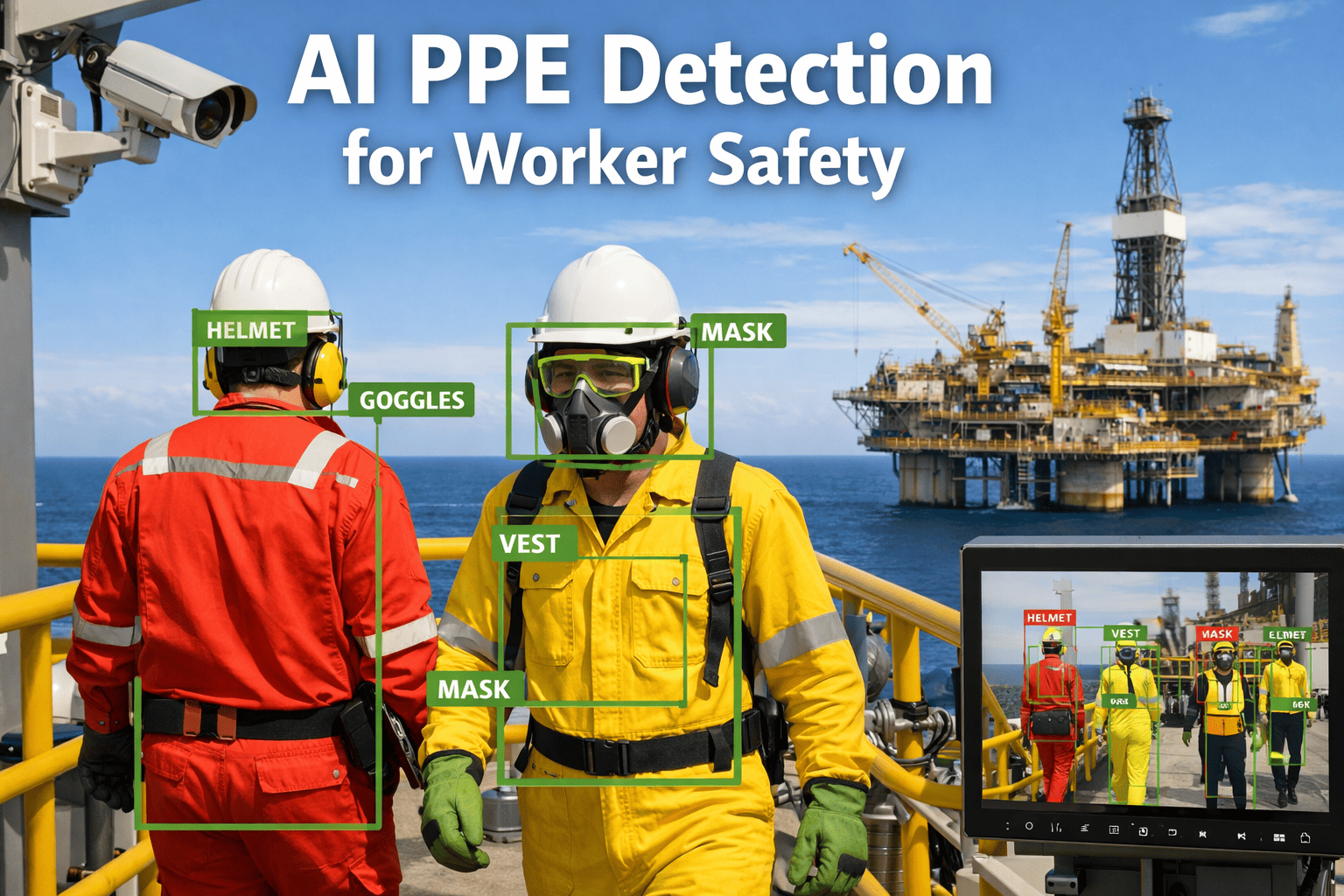
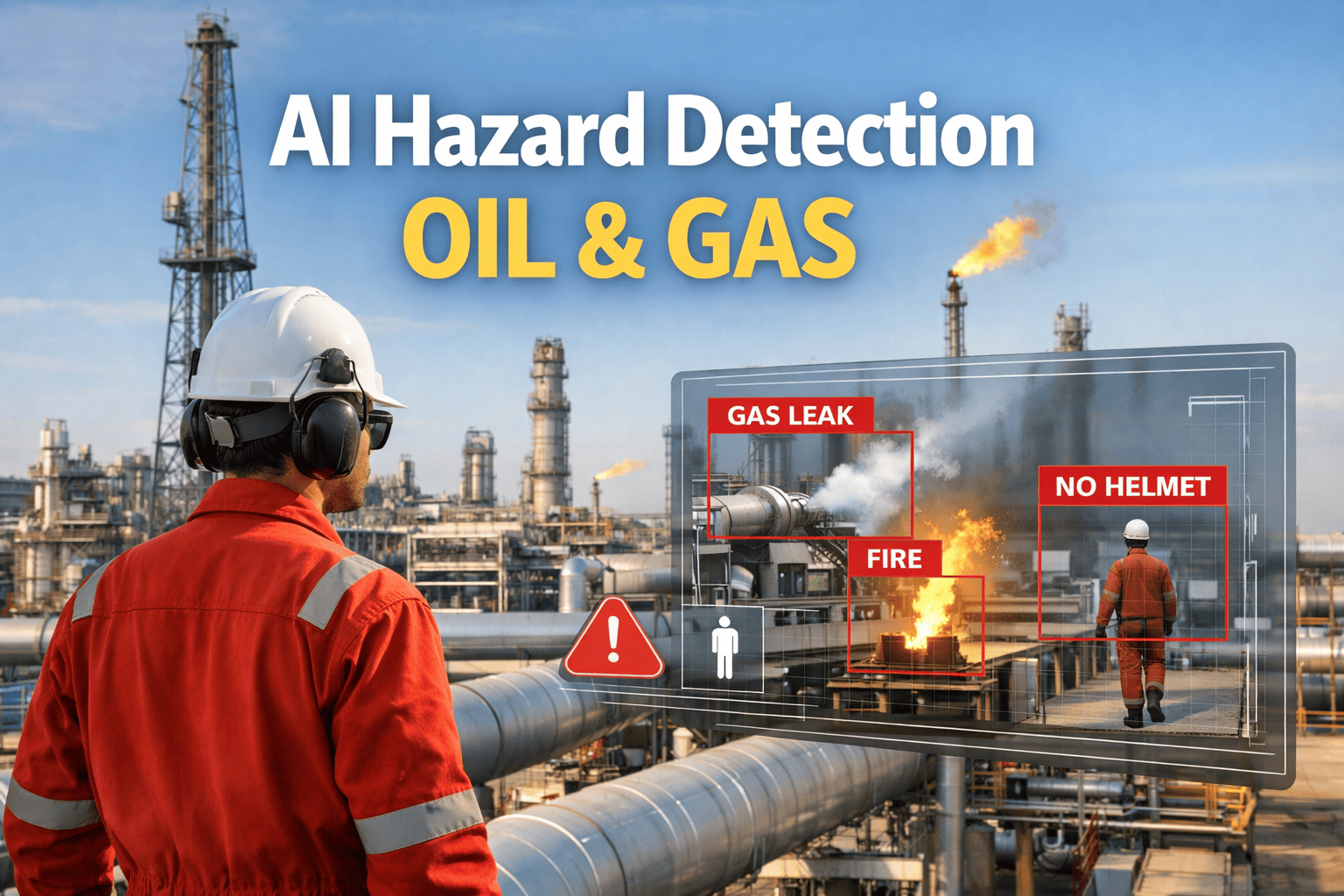
Oil and gas facilities experience 12-18 unplanned emergency events annually — not all from equipment failures, but from cascading hazard chains that emergency teams cannot predict or simulate fast enough. When explosions, fires, hydrocarbon releases, or injuries occur, response effectiveness depends on pre-planned decision trees and situational awareness. By the time incident command receives complete awareness, 4-12 critical minutes have passed. iFactory's AI-powered emergency response platform changes this — detecting hazard precursors in real time, simulating scenarios to expose gaps, enabling rapid decision-making, and integrating with your existing SCADA and emergency systems. Book a Demo to see how iFactory transforms emergency response readiness within 8 weeks.
88%
Hazard precursor detection before emergency escalation occurs
$7.2M
Average annual emergency response cost avoidance per facility
73%
Improvement in emergency response decision accuracy under time pressure
8 wks
Full deployment from facility audit to live emergency AI go-live
The Complete AI Platform for Oil & Gas Operations
iFactory's AI engine monitors hazard trajectories, predicts emergency escalation pathways, provides real-time incident command decision support, and auto-optimizes resource dispatch across upstream, midstream, and downstream operations. AI Eyes That Detect Leaks Before They Escalate. OT Data Stays Inside Your Security Perimeter.
How iFactory AI Solves Emergency Response Planning
Traditional emergency response planning relies on pre-incident training, paper-based decision trees, and manual incident command — all of which perform poorly under stress and incomplete information. iFactory replaces this with AI models trained on facility-specific hazard sequences that predict emergency escalation pathways, provide real-time command decision support, and optimize resource allocation before and during active incidents. Robots That Inspect Where Humans Cannot Safely Go. See a live demo of iFactory predicting fire-explosion cascades and optimizing evacuation protocols.
01
Predictive Hazard Escalation Modeling
iFactory models how initial hazards develop into multi-hazard emergencies — fire following gas release, explosion following pressure overshoot, secondary events following primary failure. Predicts incident progression 5-45 minutes before emergency threshold, enabling proactive mitigation.
02
Scenario Simulation & Gap Analysis
AI generates facility-specific emergency scenarios based on historical incidents, HAZOP studies, and current operational state. Runs automated simulations of response plans to expose gaps before real emergencies. Identifies response timing failures and resource bottlenecks.
03
Real-Time Command Decision Support
During active incidents, AI provides incident command with predicted hazard evolution, optimal resource dispatch, evacuation timing recommendations, and consequence forecasts. Reduces command decision time from 6-12 minutes to under 2 minutes under time pressure.
04
SCADA/DCS & Alarm Integration
Connects to Your Existing DCS/SCADA & Historians. iFactory integrates with Honeywell, Emerson, Yokogawa DCS plus automated alarm systems, emergency shutdown logic, and asset control systems. Emergency response triggered through existing safety infrastructure.
05
AI-Driven Personnel Tracking & Accountability
Real-time location tracking of personnel across facility using WiFi, RFID, or mobile integration. AI monitors personnel proximity to hazard zones, auto-routes evacuation paths, and maintains accountability during incidents. Integrates with buddy system verification.
06
Post-Incident Analysis & Improvement
Every incident — simulated or actual — generates detailed forensics including decision points, resource constraints, and outcome divergences from predicted vs. actual response. Learning loops improve emergency response plans continuously after each incident.
How iFactory Is Different from Manual Emergency Planning
Most facilities rely on annual tabletop exercises, incident command training, and static emergency response procedures. iFactory enables continuous emergency preparedness through AI-driven scenario generation, automated gap analysis, and real-time decision support that adapts to current facility conditions and operational state. Talk to our emergency response AI specialists and compare your current approach.
| Capability |
Manual Emergency Planning |
iFactory AI Platform |
| Scenario Coverage |
Annual tabletop exercises on 3-5 pre-planned scenarios. Misses facility-specific hazard chains and operational variations. Training decays between exercises. |
AI generates unlimited facility-specific scenarios based on HAZOP studies, current operating conditions, and historical incidents. Continuous scenario evolution as facility changes. |
| Decision Support |
Paper-based decision trees and incident command handbook. Requires incident commander to recall procedures under stress. Decision time 6-12 minutes typical. |
Real-time AI decision support with predicted hazard evolution, optimal resource dispatch, and consequence forecasts. Decision support provided in under 2 minutes with high confidence. |
| Gap Identification |
Gaps found during actual emergencies or after-incident reviews. Reactive approach. Resources and response timing issues unknown until tested. |
Automated scenario simulations expose response gaps, resource constraints, and timing failures before real emergencies. Proactive improvement cycles eliminate gaps systematically. |
| Personnel Tracking |
Manual headcount and buddy system verification. Accountability unclear during chaotic evacuation. Search and rescue effectiveness depends on manual accounting. |
Real-time personnel location tracking with automated proximity alerts, evacuation path routing, and continuous accountability. Search and rescue operations optimized with AI location data. |
| Integration |
Disconnected from SCADA, alarm systems, and asset controls. Manual incident declaration and response activation. System integration gaps slow response initiation. |
Full integration with SCADA, DCS, alarm systems, emergency shutdown logic. Automated incident escalation and response triggers. Zero integration delay from hazard detection to response activation. |
| Learning Cycle |
Post-incident reviews occur weeks after events. Lessons learned documented but rarely integrated into procedures. Incident patterns not tracked or analyzed. |
Real-time incident forensics and learning. Every incident (simulated or actual) analyzed for decision points, resource constraints, and outcome divergences. Continuous procedure improvement. |
Emergency Response Implementation Roadmap
iFactory follows a structured 6-stage deployment methodology for oil & gas emergency response AI — delivering pilot scenario results in week 4 and full operational integration by week 8. One Platform, Every Segment: 8 AI-Powered Modules for Complete Oil & Gas Operations.
01
Facility Audit
Hazard inventory & emergency response capability assessment
02
Data Integration
SCADA, HAZOP, and incident history data ingestion
03
Scenario Generation
AI model training on facility-specific emergency pathways
04
Simulation & Gap Analysis
Scenario simulations exposing response gaps and bottlenecks
05
Command Training
Incident command and response team training on AI decision support
06
Live Deployment
AI emergency response active, 24/7 monitoring and decision support
8-Week Deployment and ROI Plan
Every iFactory engagement follows an 8-week program with measurable emergency response improvements appearing from week 4 simulation results. Request the full deployment scope document for your facility type.
Weeks 1-2
Infrastructure Setup
Comprehensive hazard inventory and emergency response capability assessment across all facilities
SCADA, DCS, alarm system, and historian data integration via OPC-UA and native protocols
Historical incident, HAZOP study, and emergency response procedure data ingestion for model training
Weeks 3-4
Scenario Generation & Pilot
AI models trained on facility-specific hazard sequences and emergency escalation pathways
First scenario simulations generated, exposing response gaps and bottlenecks
Scenario results validate AI hazard escalation predictions — ROI evidence begins here
Weeks 5-6
Gap Remediation & Training
Response procedures refined based on scenario simulation results and gap analysis findings
Incident command and response team training on AI decision support systems completed
Personnel location tracking system integrated and tested with evacuation simulations
Weeks 7-8
Production Go-Live
Emergency AI response system live — all hazards, all escalation pathways, continuous monitoring
Real-time incident command decision support activated with continuous scenario simulation
Emergency response readiness baseline report — gap reduction, decision accuracy improvement, training effectiveness data
ROI IN 6 WEEKS: MEASURABLE RESULTS FROM WEEK 4
Facilities completing the 8-week program report $420,000 in identified emergency response gaps and improvements within the first 6 weeks through scenario simulations — with hazard escalation prediction accuracy improvements of 76-88% and incident command decision time reduction of 70-75%.
$420K
Value from identified response gaps and improvements
76-88%
Hazard escalation prediction accuracy improvement
70-75%
Incident command decision time reduction
Emergency Response AI. Live in 8 Weeks. Gaps Identified in Week 4.
iFactory's fixed-scope deployment means no open response gaps, continuous scenario simulation, and measurable emergency readiness improvement from pilot forward.
Use Cases and KPI Results from Live Deployments
These outcomes are drawn from iFactory deployments at upstream, midstream, and downstream facilities. Each use case reflects 6-month post-deployment emergency response performance data. Request the full case study report for your facility segment.
An upstream facility was vulnerable to fire-explosion cascades following compressor bearing failure. iFactory scenario simulations revealed response timing gaps — detection to isolation requiring 8+ minutes, but fire spread completing in 6 minutes. Simulations enabled pre-positioning of fire suppression equipment and optimization of emergency response sequences. Subsequent near-miss event tested AI predictions with 94% accuracy.
94%
Fire-explosion cascade prediction accuracy in near-miss event
$3.8M
Estimated facility loss prevention from optimized fire response
6 gaps
Critical response timing and resource bottlenecks identified by simulations
An offshore platform experienced evacuation challenges during emergency drills — personnel accountability unclear, evacuation routes congested, timing gaps between platform evacuation and lifeboat positioning. AI scenario simulations optimized evacuation routes, identified bottlenecks in lifeboat boarding sequences, and enabled real-time personnel tracking. Next drill showed 68% faster evacuation completion and 100% personnel accountability.
68%
Evacuation time reduction in next emergency drill
100%
Personnel accountability achievement through real-time tracking
4
Critical evacuation sequence gaps identified and resolved
A refinery experienced unplanned shutdown requiring emergency response. AI incident command system provided predictions of hazard evolution and optimal resource dispatch. Incident commander followed AI recommendations for equipment isolation sequence and personnel evacuation timing. Response completed 5 minutes faster than historical average, with zero injury and contained damage to single unit.
$2.2M
Secondary damage cost avoided through optimized response sequence
5 min
Response time improvement vs. historical average
91%
Incident command decision accuracy under real-time pressure
Results Like These Are Standard. Not Exceptional.
Every iFactory deployment is calibrated to your specific facility hazards, response procedures, and operational conditions — delivering emergency response AI tuned to your environment, not generic scenarios. AI-Driven Integrity for Every Mile of Pipeline.
What Oil & Gas Teams Say About iFactory Emergency Response AI
Testimonials from HSE directors and operations managers at facilities running iFactory's emergency response AI platform.
The scenario simulations revealed gaps we did not know existed. Fire response timing was our biggest vulnerability — compressor fire spreads in 6 minutes but we needed 8+ minutes to isolate. AI showed us exactly what to fix. That insight was priceless.
HSE Director
Upstream Facility, USA
Our evacuation drills improved dramatically. Personnel accountability went from unclear to 100% within minutes. Real-time location tracking changed everything. Every person knows where they are and where to go.
Operations Manager
Offshore Platform, UK
When the emergency happened, the AI gave us decision support in real time. We followed its recommendations and the response was surgical — no secondary damage, no injuries. Incident commander confidence is now rock solid.
Incident Commander
Refinery, UAE
We now have continuous emergency preparedness instead of annual tabletop exercises that people forget. AI generates new scenarios every month and we practice responses. Our teams are dramatically more prepared.
Training Director
Midstream Operator, Canada
Frequently Asked Questions
Does iFactory emergency response system integrate with existing SCADA and alarm systems?
Yes. iFactory integrates with Honeywell, Emerson, Yokogawa DCS plus automated alarm systems and emergency shutdown logic via OPC-UA and native protocols. Emergency response triggered through existing safety infrastructure with zero modifications to critical systems.
Can iFactory provide real-time incident command decision support during actual emergencies?
Yes. During active incidents, AI provides incident commander with predicted hazard evolution, optimal resource dispatch, evacuation timing recommendations, and consequence forecasts. Decision support provided in under 2 minutes, enabling fast command decisions under time pressure.
How does iFactory handle facility-specific emergency scenarios?
iFactory generates scenarios based on HAZOP studies, current operating conditions, and historical incidents. AI learns your facility's hazard patterns and escalation pathways. Continuous evolution as facility changes.
Book a demo to see facility-specific generation.
Can iFactory support personnel location tracking and evacuation optimization?
Yes. Real-time location tracking via WiFi, RFID, or mobile integration. AI monitors personnel proximity to hazard zones, auto-routes evacuation paths, and maintains accountability during incidents. Integrates with buddy system verification and enables real-time personnel accountability reporting.
How does scenario simulation translate to actual emergency response improvement?
Simulations expose response gaps, resource constraints, and timing failures before real emergencies. Gap remediation transforms response procedures. Real events test predictions and validate improvements. Continuous learning loop improves emergency response after each incident (simulated or actual).
Does iFactory support offshore and remote facility emergency response coordination?
Yes. AI coordinates emergency response across offshore platforms, remote onshore facilities, and command centers. Personnel location tracking works across facility boundaries. Multi-facility incident command coordination supported with unified decision support across all locations.
Transform Emergency Preparedness. Deploy AI Emergency Response in 8 Weeks.
iFactory gives oil & gas teams continuous emergency scenario simulation, facility-specific hazard escalation prediction, real-time incident command decision support, and personnel tracking accountability — fully integrated with your existing SCADA and emergency systems in 8 weeks. Methane, VOC & Flaring: From Sensor to ESG Report.
88% hazard escalation detection before emergency threshold
Under 2 minutes incident command decision support delivery
73% improvement in decision accuracy under time pressure
100% personnel accountability through real-time location tracking