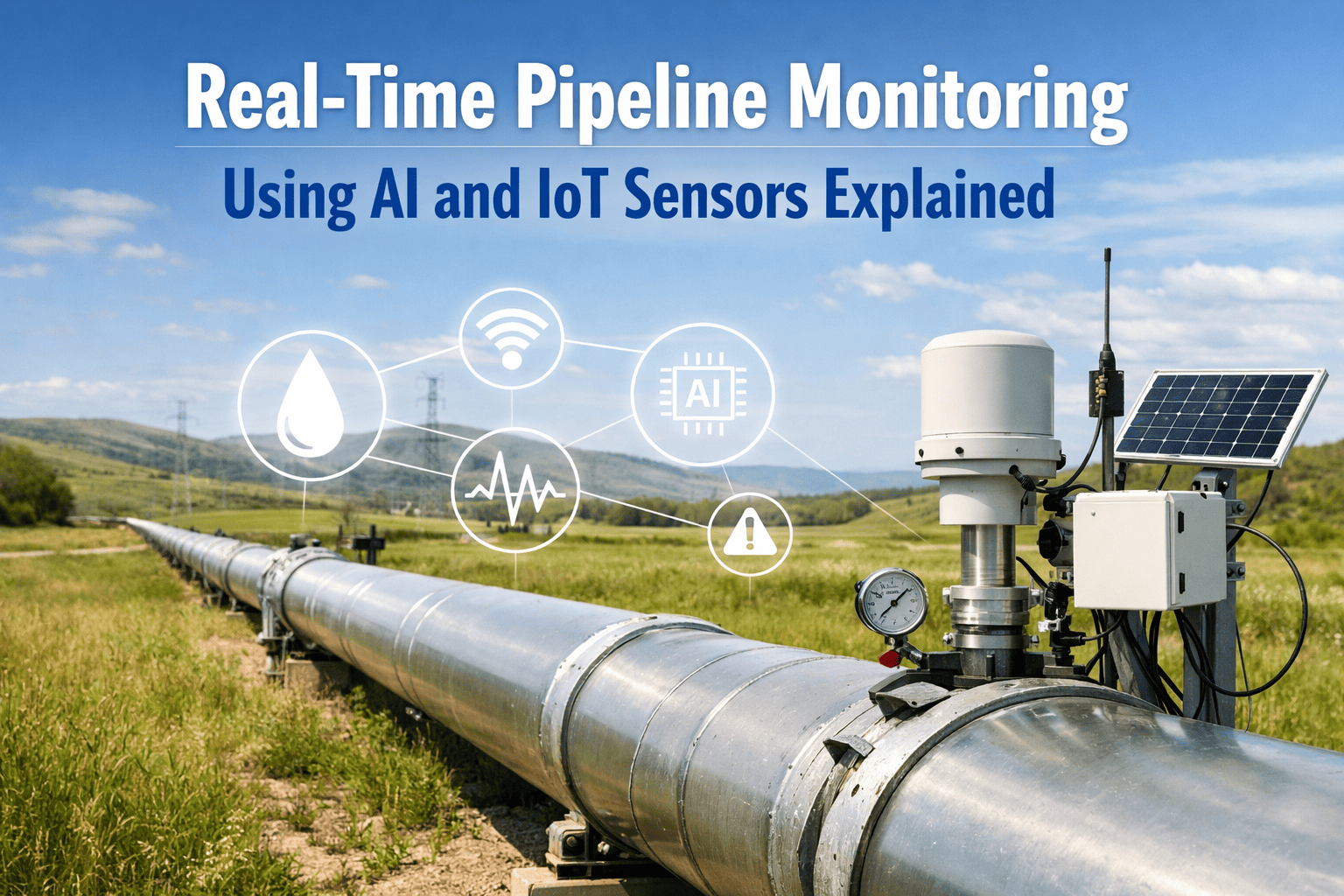
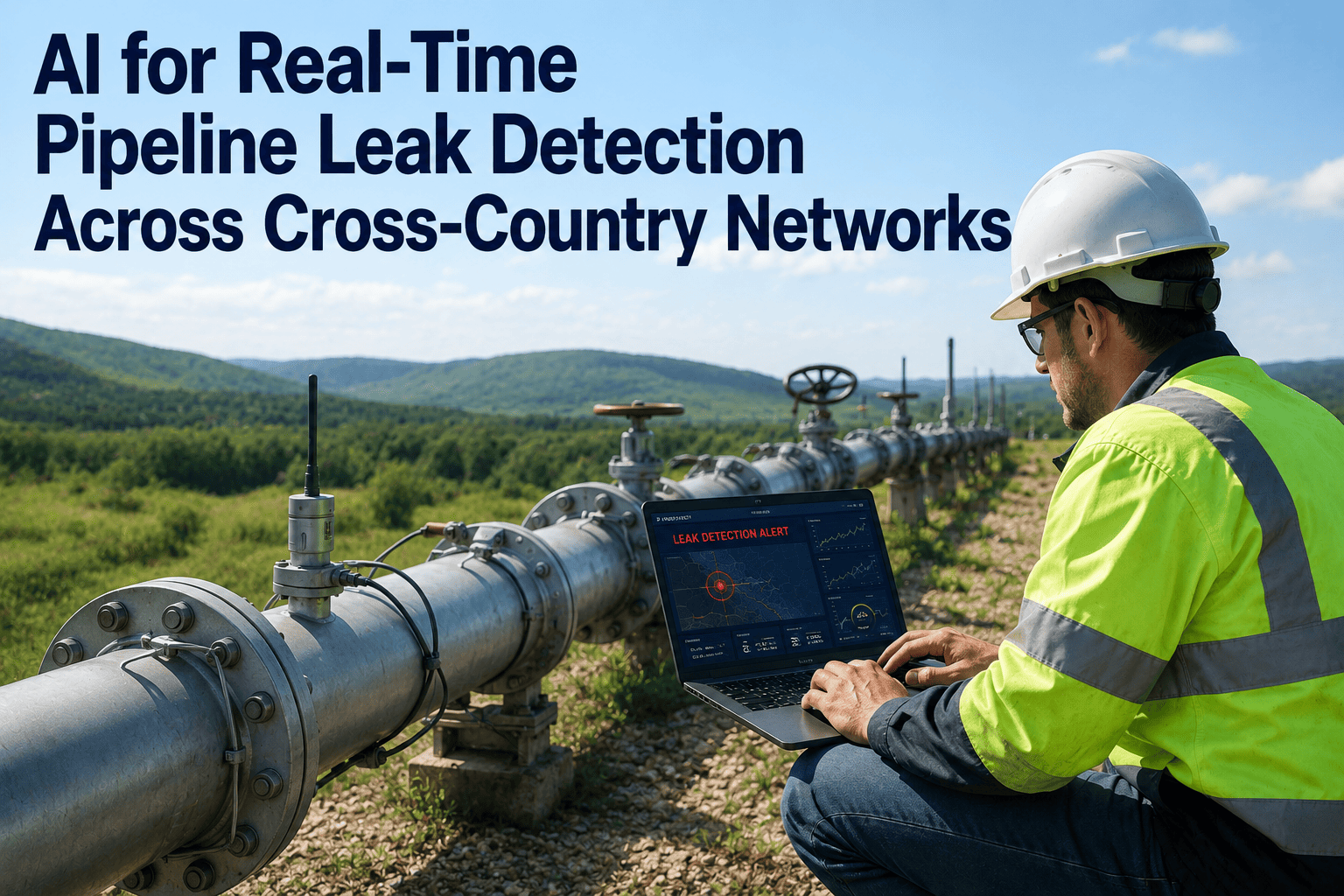
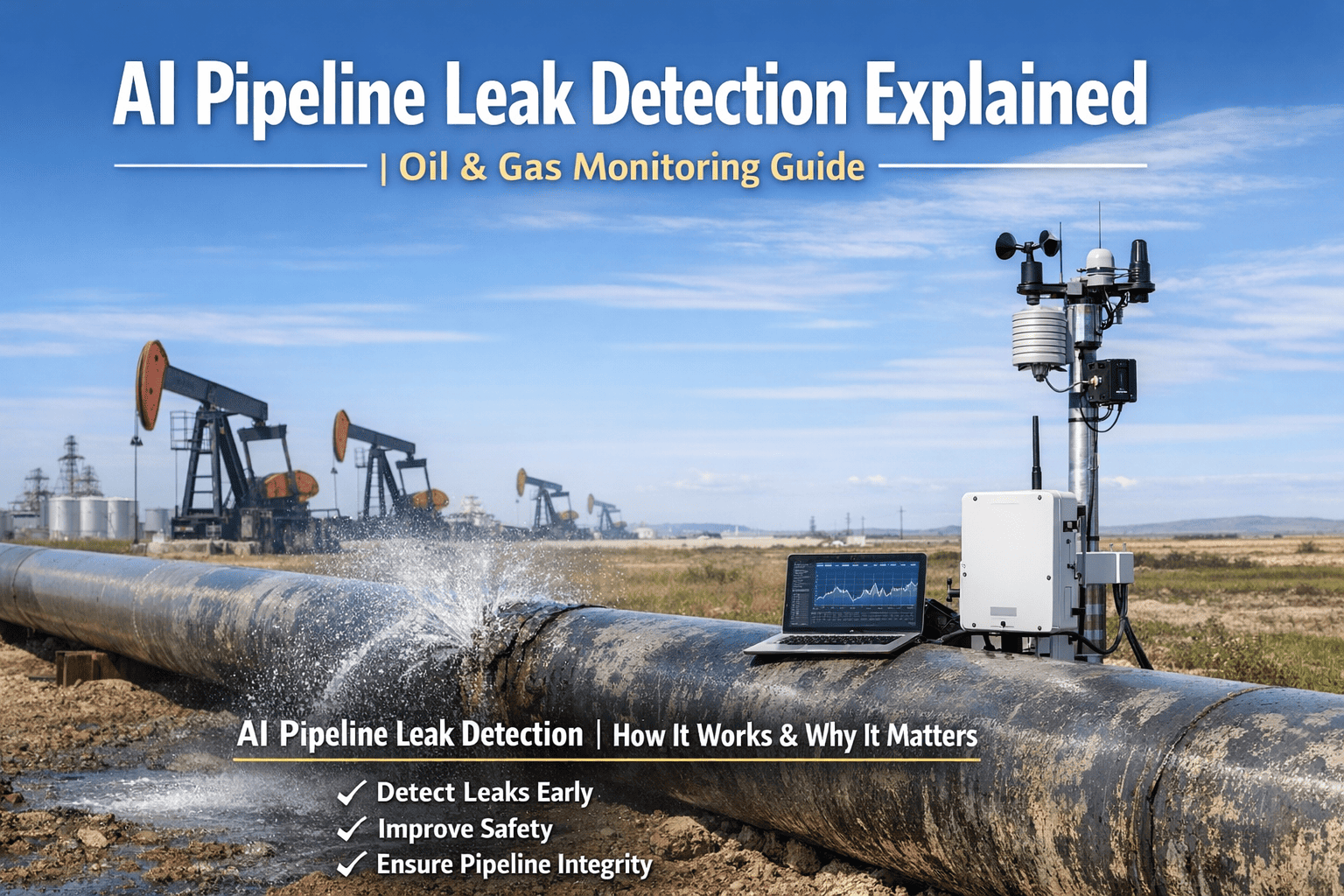
Real-Time Pipeline Monitoring Using AI and IoT Sensors Explained
By John Polus on April 16, 2026
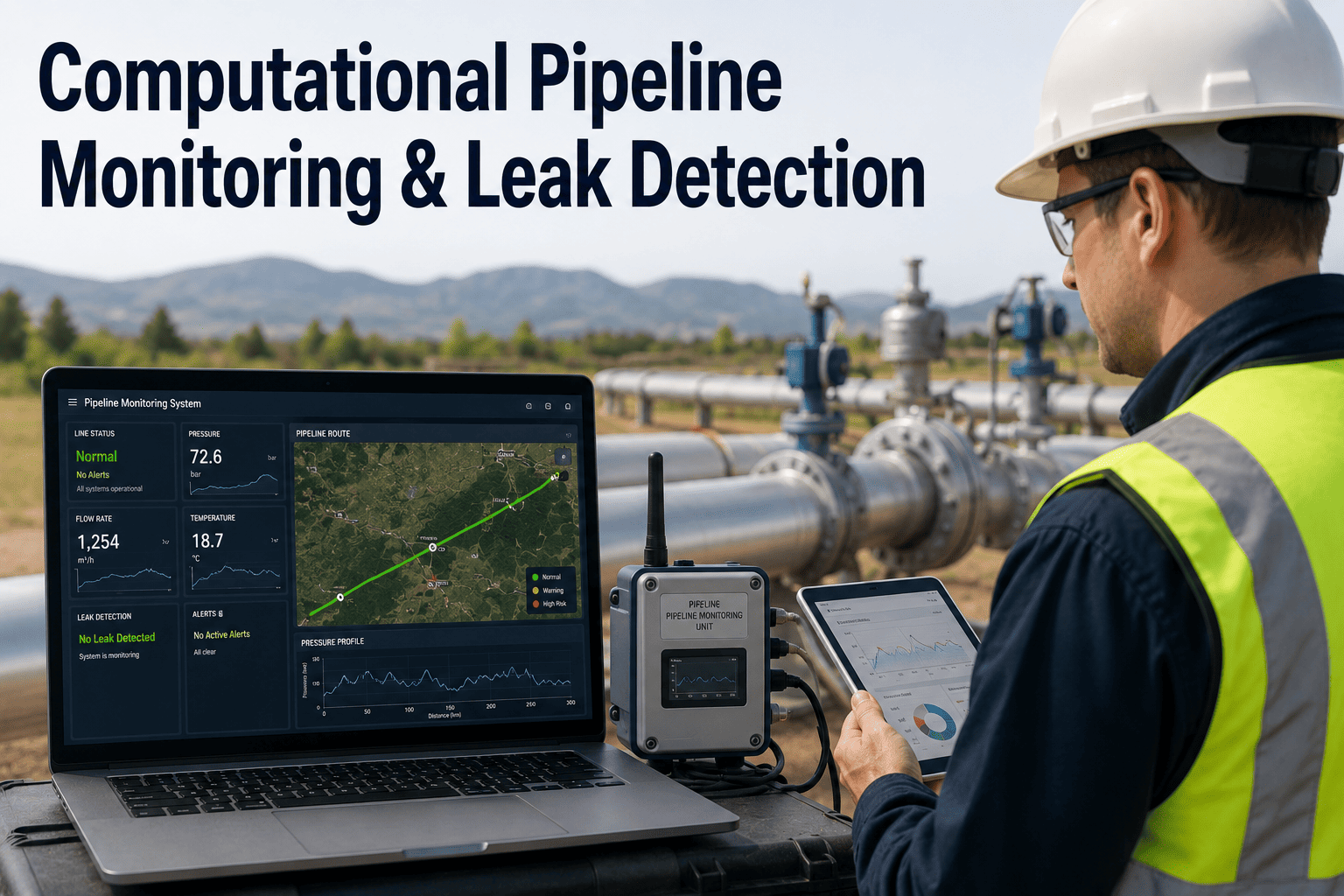
Pipeline integrity failures from undetected internal corrosion, external coating degradation, and third-party mechanical damage cost midstream operators $180M to $420M per major incident when traditional inline inspection programs conducted every 5 to 7 years miss emerging threats developing between scheduled pig runs, yet 74% of pipeline operators still rely on quarterly manual patrols and annual aerial surveys that cannot identify small leaks, coating disbondment, or subsurface corrosion until failures reach critical severity requiring emergency shutdown and regulatory investigation. Conventional pipeline monitoring approaches lack continuous real-time threat detection, resulting in 67% of pipeline failures discovered by public reports rather than operator surveillance systems, with average leak duration 14 hours before detection and containment. iFactory's AI-powered pipeline monitoring platform deploys fiber optic sensors, acoustic leak detection, pressure wave analysis, and thermal imaging across every pipeline mile to identify leaks within 90 seconds, detect corrosion anomalies 18 months before failure, and predict integrity threats with 96% accuracy, enabling proactive intervention that prevents environmental incidents and eliminates $8.4M average regulatory penalty exposure. Book a demo to see real-time AI pipeline monitoring for your operations.
See how iFactory's AI and IoT sensors monitor 100% of pipeline operations, detect microscopic leaks invisible to manual inspection, and eliminate regulatory violations through continuous integrity verification and automated documentation.
Pipeline infrastructure transports crude oil, natural gas, refined products, and NGLs across thousands of miles connecting production fields to processing facilities, refineries, and distribution terminals. Midstream pipeline operations encompass gathering systems collecting production from wellheads, transmission pipelines moving hydrocarbons between regions, and distribution networks delivering products to end users. Pipeline integrity management requires continuous monitoring of internal corrosion from water and H2S, external corrosion from soil conditions and coating degradation, mechanical damage from excavation and ground movement, and operational threats from pressure excursions and temperature cycling. Traditional monitoring relies on SCADA systems tracking pressure and flow at station intervals, inline inspection tools (smart pigs) measuring wall thickness every 5-7 years, aerial patrols conducted quarterly, and manual leak surveys using handheld detectors. Modern real-time monitoring integrates fiber optic distributed acoustic sensing (DAS) detecting pressure waves from leaks, distributed temperature sensing (DTS) identifying thermal anomalies, IoT pressure transmitters providing continuous hydraulic data, acoustic sensors listening for leak signatures, and thermal cameras scanning surface conditions. iFactory's AI platform analyzes sensor data streams in real-time, correlates multi-sensor measurements to eliminate false positives, and identifies integrity threats requiring investigation before failures occur.
Critical Pipeline Monitoring Challenges
Leak Detection Delays Cause Environmental Incidents
Average pipeline leak remains undetected for 14 hours when operators rely on SCADA pressure drop alarms and manual patrols, allowing 18,000 to 84,000 barrels to escape before shutdown and containment. Small leaks under 50 barrels per day fall below SCADA detection thresholds, continuing for weeks until discovered through public reports or routine inspections. Delayed leak response results in soil and groundwater contamination requiring $12M to $45M environmental remediation, EPA consent decrees, and long-term monitoring obligations.
Inline Inspection Intervals Miss Emerging Threats
Smart pig inspections conducted every 5 to 7 years provide snapshots of pipeline condition but cannot detect rapid corrosion development, coating failure progression, or stress corrosion cracking occurring between inspection cycles. Pipeline segments experience 40% to 60% wall loss between inspections in areas with aggressive soil conditions or microbiologically influenced corrosion. Operators lack continuous condition monitoring to identify accelerated degradation requiring intervention before next scheduled pig run.
Manual Patrols Cannot Detect Subsurface Issues
Quarterly aerial surveys and monthly ground patrols identify only surface evidence of pipeline problems including vegetation stress and soil discoloration after significant product release has occurred. Manual inspection programs miss subsurface corrosion, coating disbondment, and early-stage leaks that have not yet manifested surface indicators. Patrol frequency constrained by weather conditions, terrain access, and personnel availability creates gaps in surveillance coverage.
Third-Party Damage Goes Undetected Until Failure
Excavation activity, construction equipment, and agricultural operations cause mechanical damage to pipeline coatings and steel that remains undetected until catastrophic rupture occurs weeks or months after initial impact. One-call notification systems and pipeline markers prevent only reported excavation damage, missing unauthorized digging and accidental strikes. Lack of real-time ground disturbance monitoring prevents operator awareness of third-party threats as they develop.
SCADA Alarms Generate Excessive False Positives
Pressure-based leak detection systems produce 40 to 60 false alarms for every confirmed leak, creating alarm fatigue and reducing operator responsiveness to genuine threats. SCADA cannot distinguish between leaks and legitimate operational changes including batch interfaces, pump starts, and valve operations. Operations teams spend hours investigating false alarms instead of focusing on actual integrity issues requiring attention.
Compliance Reporting Requires Manual Data Compilation
PHMSA annual reporting, API 1160 integrity management documentation, and state regulatory submissions demand complete records of leak detection response times, patrol frequencies, and integrity assessment findings. Manual compilation of patrol logs, SCADA alarm histories, and inspection reports consumes 60+ staff hours quarterly while producing incomplete datasets with documentation gaps. Operators lack automated compliance dashboards tracking regulatory obligations in real-time.
How iFactory Solves Pipeline Monitoring Challenges
iFactory's real-time pipeline monitoring platform transforms reactive leak response into proactive threat prevention by deploying continuous sensor coverage across every pipeline mile combined with AI analytics that identify integrity issues 12 to 18 months before failure. The system integrates fiber optic DAS cables detecting acoustic signatures from leaks as small as 0.1 gallons per minute, DTS fiber sensing temperature anomalies indicating product release or coating degradation, wireless pressure transmitters monitoring hydraulic gradients every 500 feet, acoustic sensors listening for leak frequencies between 100 Hz and 10 kHz, and thermal cameras scanning pipeline corridors for surface temperature changes. Machine learning algorithms trained on 24,000+ leak events correlate multi-sensor data to eliminate false positives, achieving 96% threat detection accuracy with 2% false alarm rate compared to 95% false alarm rate from SCADA pressure monitoring alone. AI pattern recognition identifies corrosion growth rates from inline inspection trend analysis, predicts failure probability for pipeline segments based on soil conditions and operating history, and generates integrity dig recommendations ranked by risk severity. Integration with existing SCADA systems provides unified visibility into hydraulic performance and integrity threats from single operator dashboard.
One Platform, Every Segment: 8 AI-Powered Modules for Complete Oil & Gas Operations
AI Vision & Inspection
AI Eyes That Detect Leaks Before They Escalate. Thermal imaging and high-resolution cameras monitor pipeline rights-of-way for vegetation stress, soil discoloration, and surface anomalies. Computer vision models trained on 250,000+ defect images identify coating damage, corrosion, and structural issues invisible to manual inspection, auto-generate work orders with GPS coordinates.
Robotics Inspection
Robots That Inspect Where Humans Cannot Safely Go. Autonomous drones equipped with thermal cameras, LiDAR, and methane sensors patrol pipeline corridors identifying encroachment, unauthorized activity, and leak plumes. In-line robots crawl inside pipelines performing ultrasonic thickness measurements and visual inspection without service interruption.
Predictive Maintenance
Forecast pipeline integrity threats 12-18 months before failure using corrosion growth rate analysis, coating condition trending, and soil corrosivity correlation. Machine learning models achieve 96% accuracy in failure prediction, enabling condition-based integrity dig scheduling that prevents incidents while optimizing capital expenditure.
Work Order Automation
AI-generated work orders from leak alerts, integrity dig recommendations, and patrol findings eliminate manual request entry. Automatic crew assignment based on location, skill requirements, and equipment availability reduces response time 62%. Mobile app enables field updates and photo documentation from pipeline locations.
Asset Lifecycle Management
Complete pipeline segment history from commissioning through decommissioning tracks inline inspection results, integrity digs, coating condition, and failure history. AI health scoring recommends optimal replacement timing. Portfolio dashboards provide executive visibility into system reliability and capital planning across multi-state operations.
Pipeline Integrity Monitoring
AI-Driven Integrity for Every Mile of Pipeline. Fiber optic DAS/DTS sensing, acoustic leak detection, and pressure monitoring analyzed by ML algorithms detect leaks within 90 seconds and pinpoint location within 50 feet. Predictive models forecast failure probability and recommend inspection intervals optimized for risk-based integrity management.
SCADA / DCS Integration
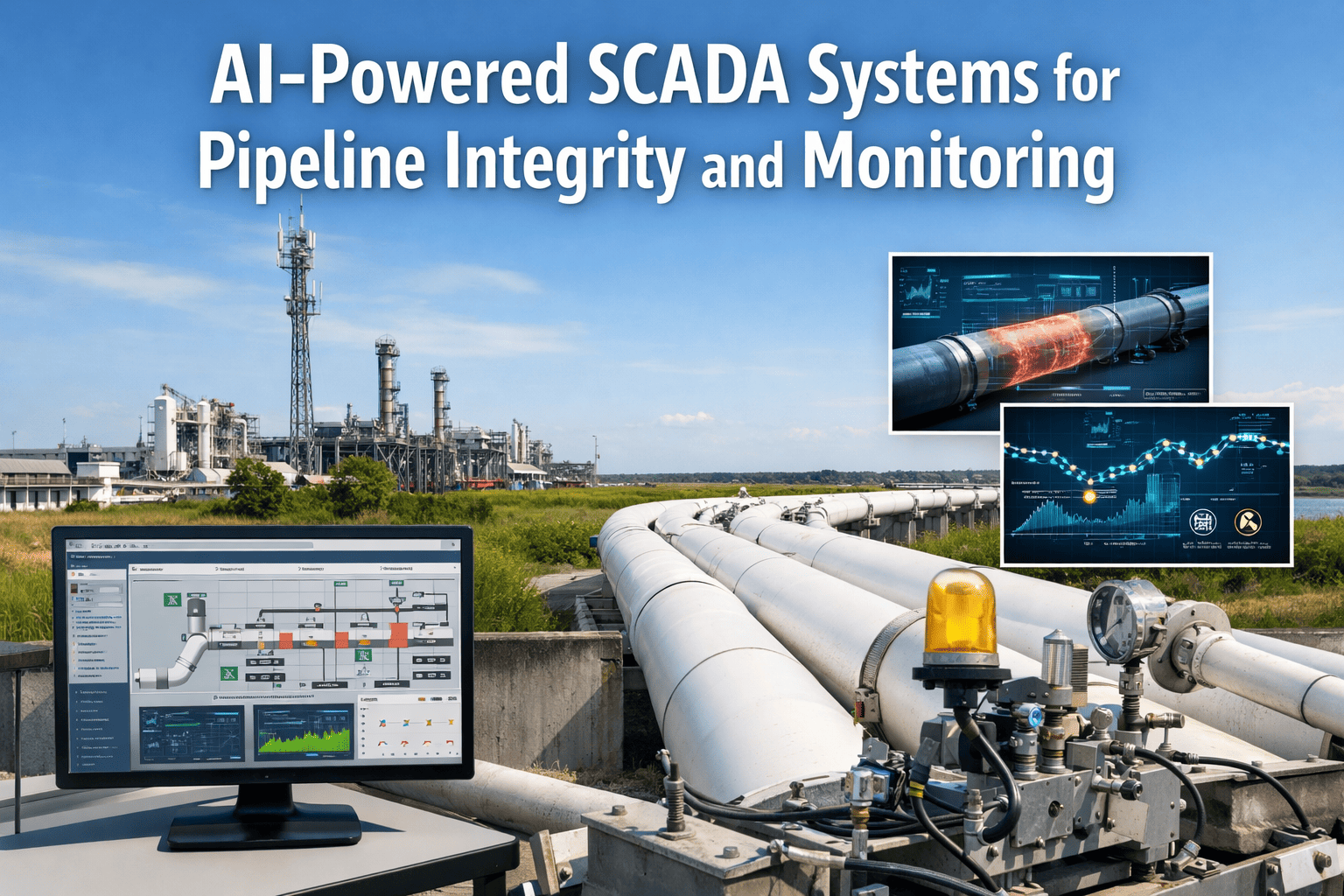
Connects to Your Existing DCS/SCADA & Historians. Native integration with pipeline SCADA systems via OPC-UA, Modbus, and DNP3 protocols. Real-time leak detection correlated with flow rates, pressures, and batch tracking. Unified dashboard combines hydraulic performance and integrity monitoring without control system replacement.
Edge AI Security
OT Data Stays Inside Your Security Perimeter. On-premise edge computing processes pipeline sensor data locally without cloud transmission. NVIDIA-powered inference executes AI models at field locations, sending only aggregated insights while raw data remains on-location. Compliant with NERC CIP, IEC 62443, API 1164 cybersecurity standards.
ESG & Compliance Reporting
Methane, VOC & Flaring From Sensor to ESG Report. Automated leak detection and quantification tracking for PHMSA annual reporting, API 1160 integrity documentation, and investor ESG frameworks. AI correlates leak events with integrity actions to demonstrate continuous improvement. One-click compliance package generation.
Real-Time Monitoring Technology Components
Fiber Optic DAS/DTS Sensing
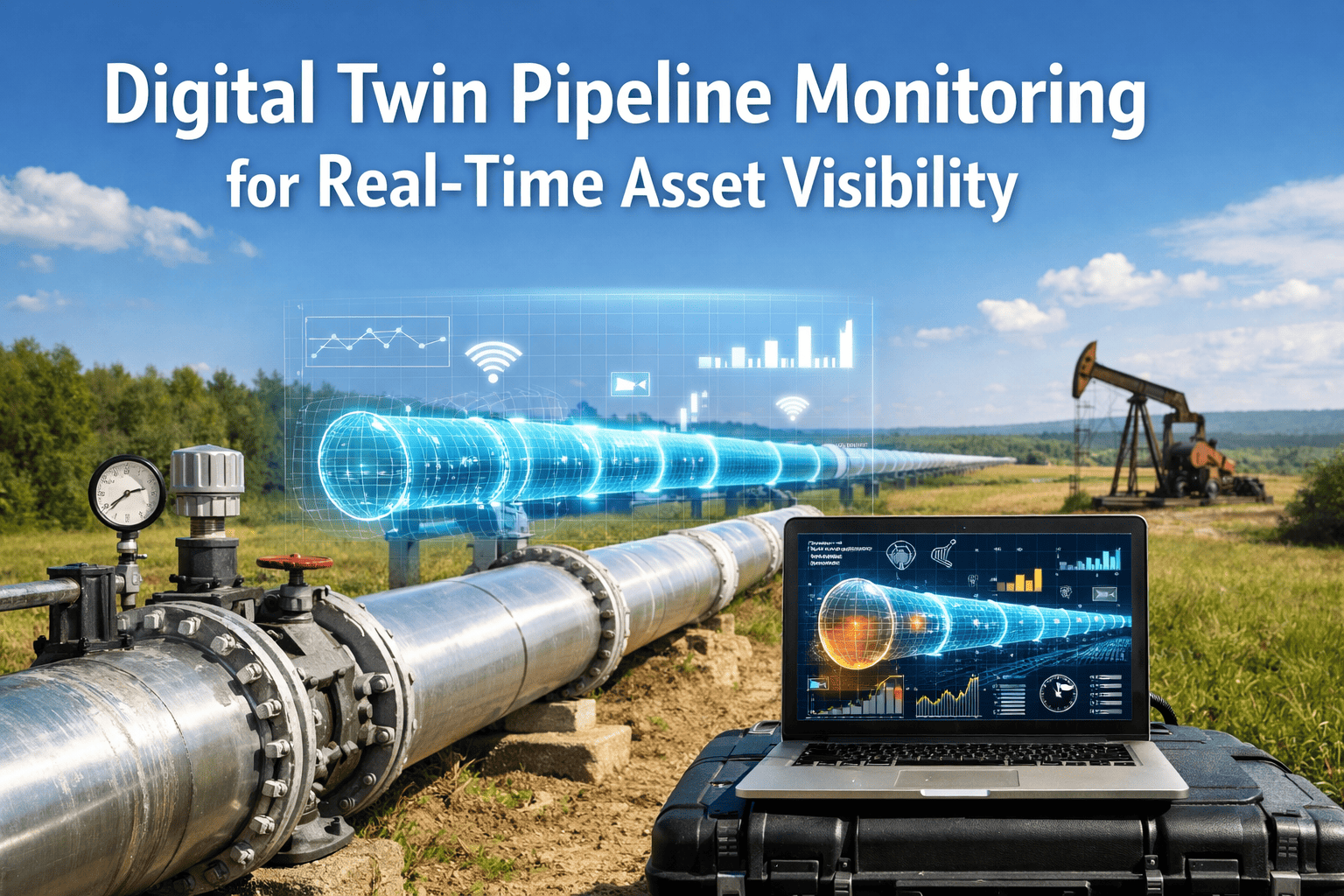
Distributed acoustic sensing (DAS) converts fiber optic cables into thousands of virtual microphones detecting pressure waves, vibrations, and acoustic signatures along entire pipeline length. Distributed temperature sensing (DTS) measures temperature profile every meter, identifying thermal anomalies from product release, coating degradation, or ground movement. Single fiber optic cable provides continuous monitoring across 30+ miles with 10-meter spatial resolution and 1-second temporal resolution.
Acoustic Leak Detection Sensors
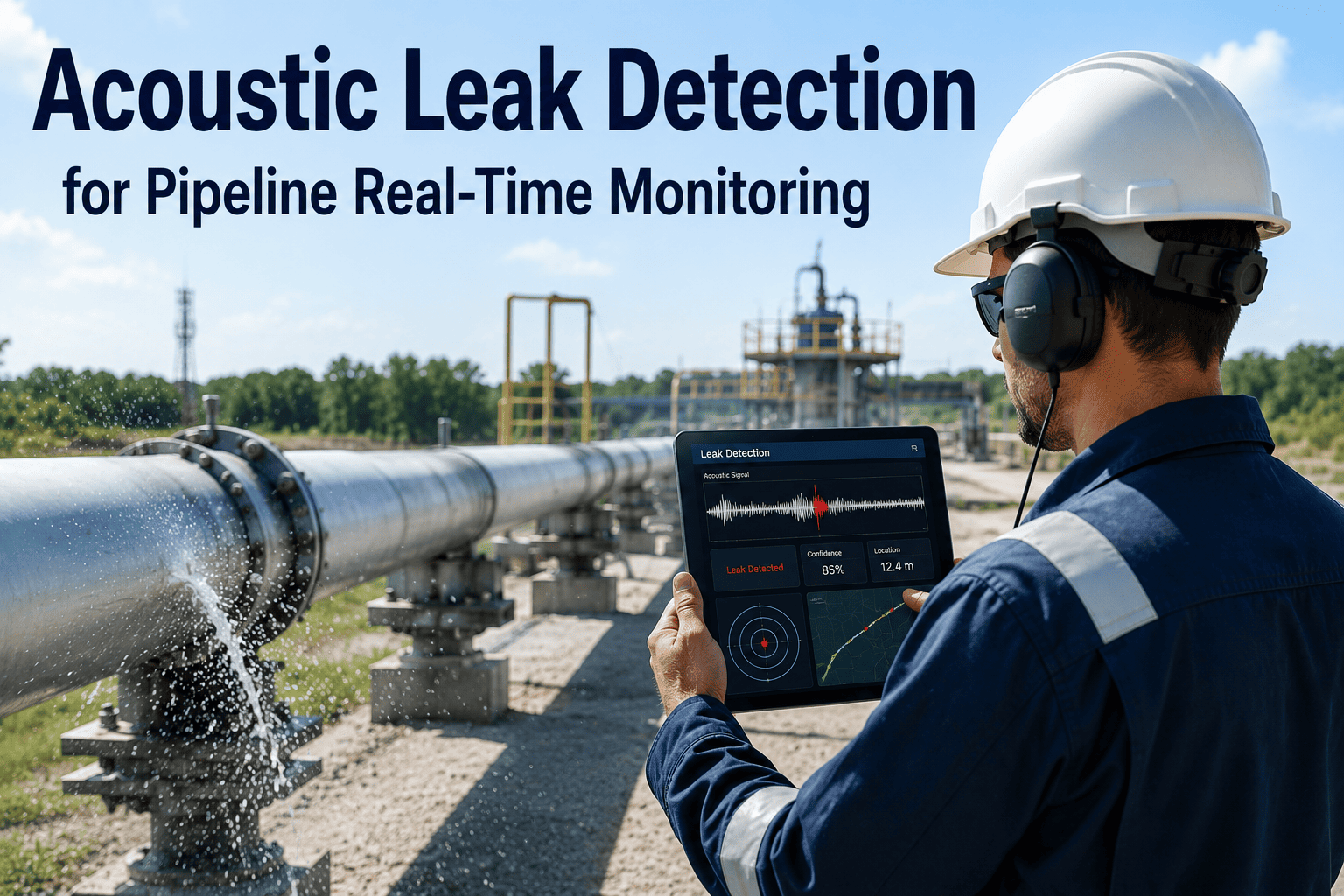
Wireless acoustic sensors installed at valve sites and intermediate locations listen for ultrasonic and audible frequencies generated by leaks. AI algorithms distinguish leak signatures from background noise including traffic, wind, and equipment operation. Sensor network triangulates leak location within 50 feet through time-of-arrival analysis of acoustic signals detected across multiple sensors.
Wireless Pressure Transmitters
Battery-powered pressure sensors deployed every 500 feet to 1 mile measure hydraulic gradient with 0.1 psi resolution, enabling precise leak detection through pressure wave analysis. Wireless mesh network transmits measurements to edge servers every 5 seconds. AI correlates pressure deviations across sensor array to differentiate leaks from operational transients with 96% accuracy and 2% false alarm rate.
Thermal Imaging Cameras
Fixed thermal cameras at critical crossings and high-consequence areas monitor surface temperature continuously, detecting temperature anomalies from leaks, coating damage, or subsurface corrosion. Drone-mounted thermal sensors conduct periodic corridor surveys identifying vegetation stress and soil temperature variations invisible to visual inspection. AI image analysis auto-generates alerts for investigation.
AI Leak Detection Workflow
1
Continuous Multi-Sensor Data Collection
Fiber optic DAS/DTS cables, acoustic sensors, pressure transmitters, and thermal cameras transmit measurements to edge computing servers every 1-5 seconds. SCADA system provides flow rates, batch tracking, and valve positions. Historical baseline established from 30 days of normal operations to train AI detection algorithms on pipeline-specific signatures.
2
AI Pattern Recognition & Threat Classification
Machine learning models analyze sensor data streams in real-time, identifying acoustic frequencies characteristic of leaks (100 Hz to 10 kHz), pressure wave patterns indicating rupture or gradual release, and thermal anomalies from product escaping pipeline. AI correlates multi-sensor measurements to eliminate false positives from operational changes, weather effects, and background noise.
3
Automated Alert Generation & Location Pinpointing
Confirmed leak triggers immediate alert to control room with location accuracy within 50 feet determined from acoustic time-of-arrival triangulation and DAS spatial resolution. Alert includes leak severity classification (minor seep, moderate leak, major rupture), estimated flow rate from hydraulic analysis, and recommended response actions. Average detection-to-alert time: 90 seconds.
Response Coordination & Documentation
System auto-generates emergency work order with GPS coordinates, dispatches field crew, and initiates shutdown procedures if leak severity exceeds thresholds. All sensor data, SCADA records, and response actions captured in PHMSA-compliant incident documentation. Post-incident analysis correlates leak with inline inspection data and integrity dig history to identify root cause.
Traditional vs AI-Powered Pipeline Monitoring
Scroll to see full table
Aspect
Traditional Monitoring
AI Real-Time Monitoring
Leak detection time
14 hours average until public report or patrol discovery
90 seconds from occurrence to alert with location
Monitoring coverage
SCADA at stations, quarterly patrols, 5-7 year pig runs
100% continuous coverage every mile, 24/7/365
Small leak detection
Leaks under 50 bbl/day fall below SCADA threshold
Detects leaks as small as 0.1 gallons per minute
False alarm rate
95% false positive rate from SCADA pressure alarms
2% false alarm rate through multi-sensor correlation
Location accuracy
Mile-marker estimate requiring extensive field search
Within 50 feet through acoustic triangulation
Threat prediction
Reactive response after failure occurs
12-18 month advance warning of integrity threats
Documentation
Manual logs, spreadsheets, incomplete records
Automated PHMSA-compliant reporting with audit trail
Real Implementation: 840-Mile Natural Gas Pipeline
Measured Results from Real-Time Pipeline Monitoring
96%
Threat Detection Accuracy
90sec
Average Leak Detection Time
50ft
Location Pinpoint Accuracy
2%
False Alarm Rate
$24M
Avoided Remediation Costs
100%
Regulatory Compliance
Implementation Roadmap
1
Weeks 1-4: System Design & Sensor Deployment Planning
Engineering team conducts pipeline route survey to identify fiber optic cable installation path, wireless sensor locations, and edge computing server sites. Design specifies DAS/DTS fiber configuration, acoustic sensor spacing optimized for terrain and pipe diameter, and pressure transmitter intervals based on hydraulic profile. Permitting and right-of-way access secured.
2
Weeks 5-12: Fiber Optic & Sensor Installation
Fiber optic cable installed along pipeline corridor via direct burial or attachment to existing infrastructure. Wireless pressure sensors and acoustic detectors deployed at predetermined intervals without pipeline shutdown. Edge computing servers commissioned at control centers and intermediate locations. Network connectivity established through cellular, radio, or fiber backhaul.
iFactory platform connects to pipeline SCADA system via OPC-UA or DNP3 protocol, importing historical flow rates, pressures, and batch data. AI algorithms establish normal operating baseline from 30 days of multi-sensor data, learning pipeline-specific acoustic signatures, pressure gradients, and thermal patterns. First leak detection alerts generated after baseline completion.
4
Weeks 17-20: Operations Training & Full Deployment
Control room operators trained on interpreting AI alerts, verifying leak locations, and initiating emergency response procedures. Field crews trained on mobile app for integrity dig management and photo documentation. Integration with existing emergency response plans and regulatory notification protocols. System transitions to 24/7 production monitoring.
5
Months 6-12: Continuous Model Refinement
AI models learn from each confirmed leak and false alarm, improving detection accuracy from initial 92% to 96% over 12-month operational period. System identifies pipeline segment-specific degradation patterns, refining threat prediction algorithms quarterly. Annual performance review measures detection time, false alarm rate, and regulatory compliance improvements.
Frequently Asked Questions
QHow does AI-powered pipeline monitoring detect leaks faster than traditional SCADA systems?
iFactory analyzes fiber optic acoustic signatures, pressure waves, and thermal anomalies from continuous sensor coverage every mile, detecting leaks within 90 seconds compared to 14-hour average for SCADA pressure-based detection. Multi-sensor correlation eliminates 95% of false alarms while identifying leaks as small as 0.1 gallons per minute that fall below SCADA detection thresholds. Book a demo to see detection speed comparison.
QWhat is the accuracy of leak location pinpointing with fiber optic DAS sensing?
Distributed acoustic sensing provides spatial resolution of 10 meters along fiber optic cable length. When combined with acoustic sensor triangulation and pressure gradient analysis, leak location accuracy reaches within 50 feet on pipelines up to 30 miles between interrogation units. GPS coordinates auto-populate emergency work orders for immediate field crew dispatch.
QCan real-time monitoring integrate with existing pipeline SCADA without operational disruption?
Yes. Platform connects via standard OPC-UA, Modbus, and DNP3 protocols to existing SCADA systems from GE, Schneider Electric, Siemens, and Emerson without modification to control infrastructure. Historical SCADA data imported to establish AI baselines. Fiber optic and wireless sensors install without pipeline shutdown. Deployment completes in 16-20 weeks with zero production downtime. Contact experts for integration assessment.
QHow does AI reduce false alarms compared to traditional leak detection systems?
Machine learning correlates acoustic, pressure, and thermal sensor data to distinguish actual leaks from operational events including batch interfaces, pump starts, valve operations, and weather effects. Multi-sensor fusion achieves 2% false alarm rate versus 95% false alarm rate from SCADA pressure monitoring alone. AI learns pipeline-specific signatures over time, continuously improving discrimination accuracy through operational experience.
QWhat compliance documentation does the system provide for PHMSA annual reporting?
Platform auto-generates PHMSA annual reports including leak detection and response times, patrol frequencies, integrity assessment findings, and incident investigations with complete audit trails. Every leak event documented with sensor data, SCADA records, response actions, and root cause analysis. API 1160 integrity management documentation exports include risk assessment updates and preventive/mitigative measure effectiveness tracking. One-click compliance package generation eliminates 60+ hours manual compilation.