AI-powered asset tracking is reshaping how midstream operators manage pipelines, terminals, and logistics networks. From crude oil batch monitoring to LNG terminal throughput, the gap between manual processes and real-time digital oversight is widening — and the facilities that bridge it first gain a lasting competitive edge. Book a Demo to see how iFactory's AI platform digitizes midstream asset visibility, automates flow tracking, and delivers predictive intelligence across your entire supply chain infrastructure.
Why AI Asset Tracking Is Critical for Midstream Operations
Manual Tracking Creates Costly Blind Spots in Pipeline and Terminal Networks
Midstream operations span hundreds of miles of pipeline, multiple compression stations, and interconnected storage terminals. Relying on manual logs and spreadsheets means critical data — batch locations, valve states, inventory levels — is hours old by the time it reaches decision-makers. Implementing iFactory's AI tracking platform delivers continuous, real-time visibility into asset status, flow rates, and custody transfer points without manual intervention.
Unplanned Equipment Failures Disrupt Throughput and Trigger Regulatory Exposure
A single compressor failure or pump outage on a high-volume segment can idle downstream terminals for days and trigger PHMSA incident reporting requirements. AI-driven predictive maintenance monitors vibration signatures, motor loads, and thermal drift to flag anomalies weeks before failure — converting reactive shutdowns into planned maintenance windows that protect throughput commitments and regulatory standing.
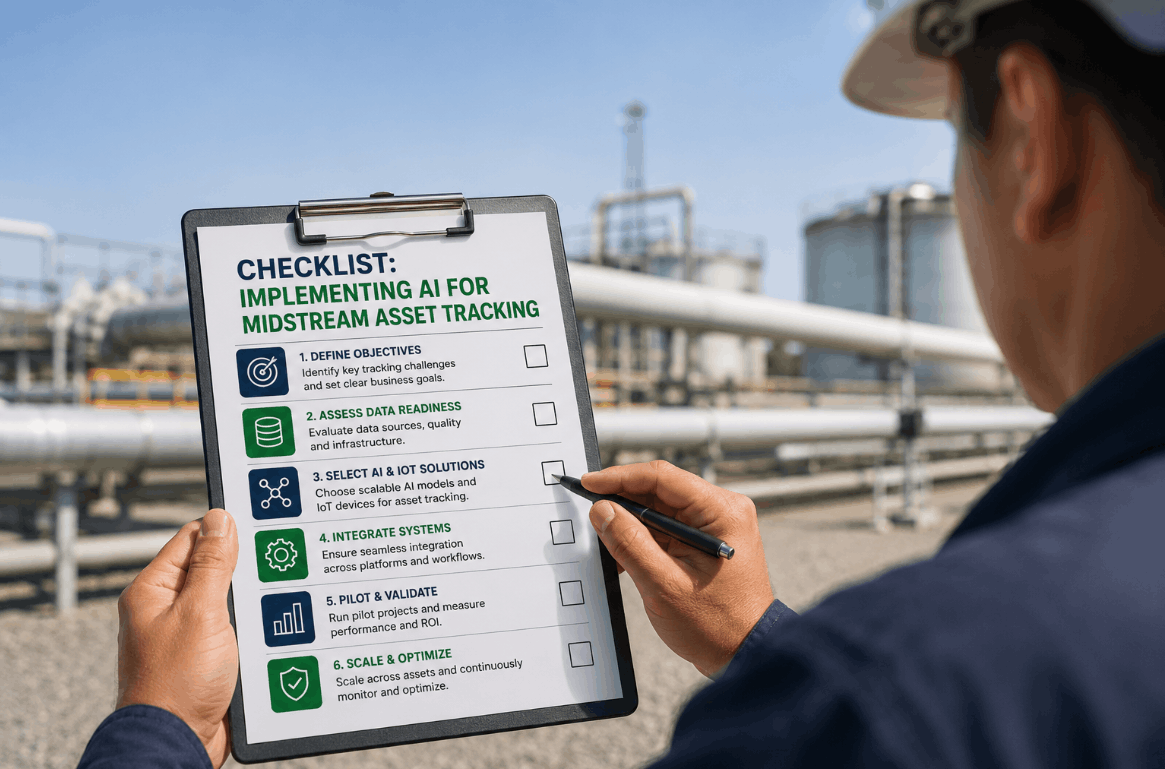
Implementation Checklist: AI for Midstream Asset Tracking
AI vs. Traditional Asset Tracking: Midstream Operations Comparison
| Capability | Traditional / Manual | AI-Powered (iFactory) |
|---|---|---|
| Batch Location Tracking | Estimated via schedule + elapsed time | Real-time AI inference from flow meter + densitometer data |
| Leak Detection | Operator-initiated investigation on alarm | Continuous CPM model with sub-1% sensitivity, auto-alerts |
| Inventory Reconciliation | Daily manual dip + shift-end spreadsheet entry | Automated ATG integration + real-time custody reconciliation |
| Equipment Maintenance | Time-based PM schedules or reactive breakdown | AI vibration analysis with 3–6 week failure lead time |
| Demand Forecasting | Shipper nominations only, no predictive layer | AI models integrating nominations, weather, refinery rates |
| Regulatory Documentation | Manual record assembly pre-audit | Auto-generated, timestamped compliance dossiers on demand |
| Anomaly Response Time | Hours (next operator shift review) | Minutes (real-time AI alert + automated work order) |
AI Implementation Pathway: 5 Phases for Midstream Operators
Discovery and Asset Inventory
Audit all existing SCADA, historian, and IIoT data sources. Build a complete asset registry covering every pipeline segment, meter run, compressor station, and terminal. This becomes the data backbone for all AI models.
Connectivity and Data Pipeline Build
Establish secure OT/IT data flows from field devices to the AI analytics layer. Deploy edge nodes at remote compression and metering stations. Validate data quality and sampling rates for each asset class.
Baseline Model Training and Validation
Train AI models on 90+ days of historical operational data. Validate leak detection sensitivity, equipment anomaly thresholds, and inventory reconciliation accuracy against known historical events before go-live.
Pilot Deployment on High-Value Segments
Launch AI tracking on your highest-throughput pipeline segment or busiest terminal first. Operate in parallel with existing systems for 30–60 days to build operator confidence and refine alert thresholds before enterprise rollout.
Enterprise Rollout and Continuous Optimization
Expand AI coverage across the full asset network. Integrate with CMMS, ERP, and scheduling systems. Establish a model governance process for ongoing retraining as operating conditions and infrastructure change over time. Book a Demo to see iFactory's enterprise rollout methodology.
What Experienced Midstream Engineers Say About AI Implementation
Based on iFactory deployments across midstream operators, the most common implementation failure point is not the AI technology itself — it's insufficient data infrastructure upstream of the models. Facilities that attempt to deploy AI asset tracking without first resolving SCADA historian gaps, inconsistent tag naming conventions, or missing meter calibration records consistently see degraded model accuracy in the first 60 days.
The second most frequent challenge is change management at the control room level. Operators who have spent years with legacy SCADA displays are understandably skeptical of AI-generated alerts that differ from their intuition. Successful deployments address this by running AI recommendations in a read-only "advisory mode" for 30 days before granting the system authority to auto-generate work orders — building trust progressively rather than demanding immediate operational deference to the algorithm.
Core Benefits of AI Midstream Asset Tracking
Real-Time Pipeline and Terminal Visibility
Replace shift-end manual reporting with continuous AI-generated asset status dashboards covering flow rates, batch locations, tank levels, and equipment health — accessible to operations, scheduling, and commercial teams simultaneously.
40% Reduction in Unplanned Downtime
Predictive maintenance AI identifies compressor and pump degradation weeks before failure, converting emergency shutdowns into planned outages that protect throughput commitments and avoid costly expedited repair mobilizations.
Custody Transfer Accuracy and Loss Reduction
Automated AI reconciliation between meter tickets, ATG readings, and nomination data closes the inventory accounting gaps that expose midstream operators to shipper disputes and unaccounted-for volume losses.
PHMSA and TSA Compliance Readiness
Digital, timestamped records of leak detection performance, integrity management activities, and cybersecurity controls provide the auditor-ready documentation that paper-based systems cannot generate on demand.
Optimized Scheduling and Demand Forecasting
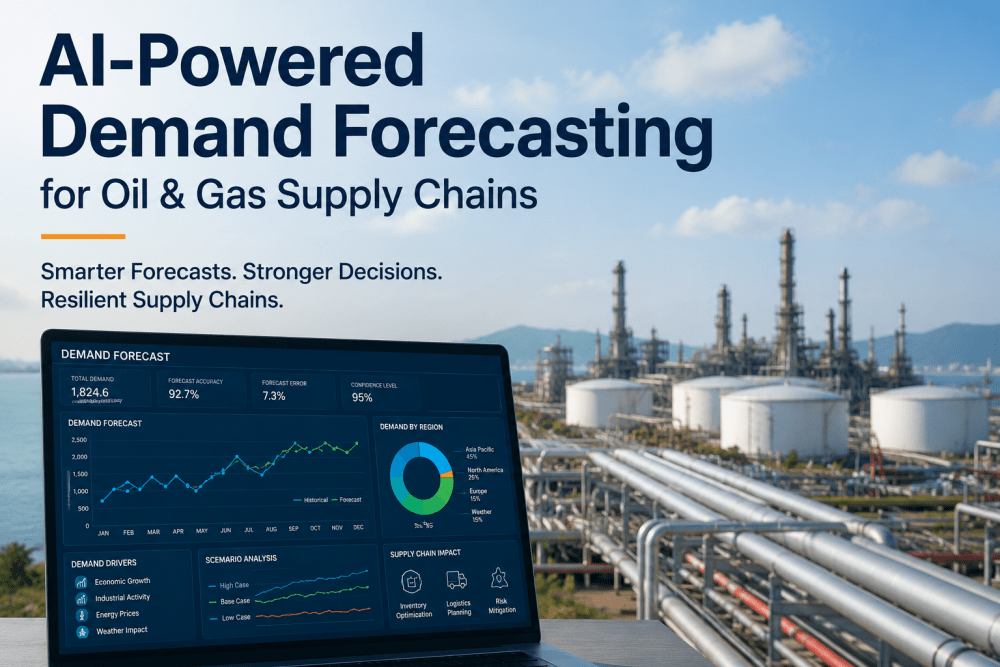
AI demand models that integrate shipper nominations, weather forecasts, and refinery operating rates allow scheduling teams to optimize linefill, minimize imbalance penalties, and improve capacity utilization across the network.
Scalable Digital Twin Foundation
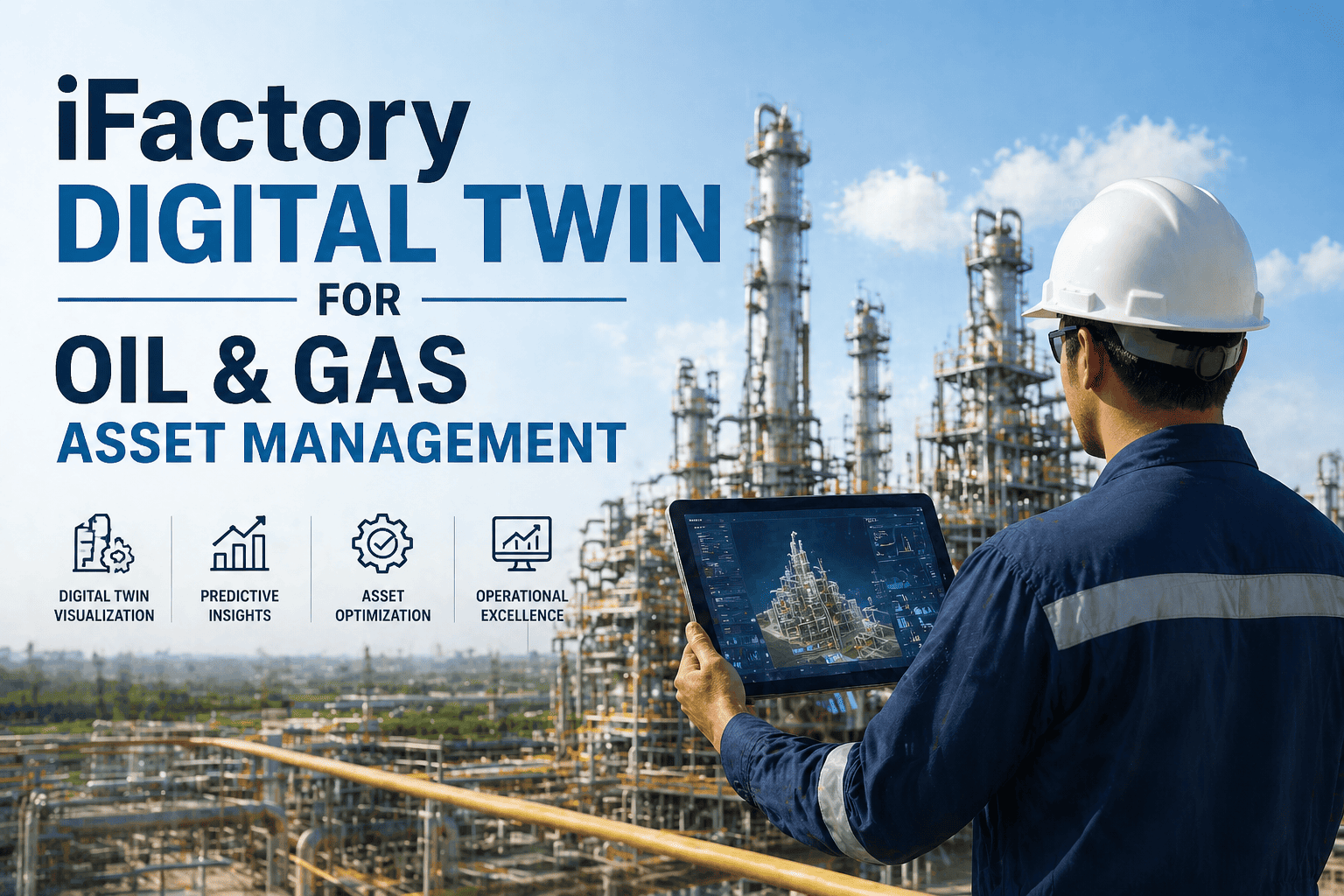
Each AI deployment builds toward a fully instrumented midstream digital twin — an always-current virtual model of your pipeline network that supports scenario planning, expansion analysis, and regulatory simulation without field verification.
Conclusion: Building a Future-Ready Midstream Operation
AI-powered asset tracking is no longer a technology experiment for midstream operators — it is a competitive and regulatory necessity. The operators investing in structured AI implementation today are establishing durable advantages in throughput reliability, cost efficiency, and compliance posture that will compound over the next decade. The checklist above provides a practical framework for moving from concept to live deployment without the false starts that come from skipping infrastructure fundamentals or underestimating the human change management dimension.
iFactory's AI platform is purpose-built for the complexity of midstream operations — integrating with existing SCADA, historian, and CMMS systems while adding the real-time intelligence layer that legacy infrastructure cannot provide. Whether you are starting with a single pipeline segment or planning an enterprise-wide digital transformation, iFactory provides the deployment framework, domain expertise, and continuous support to ensure your AI investment delivers measurable operational results.
-rollout.png)