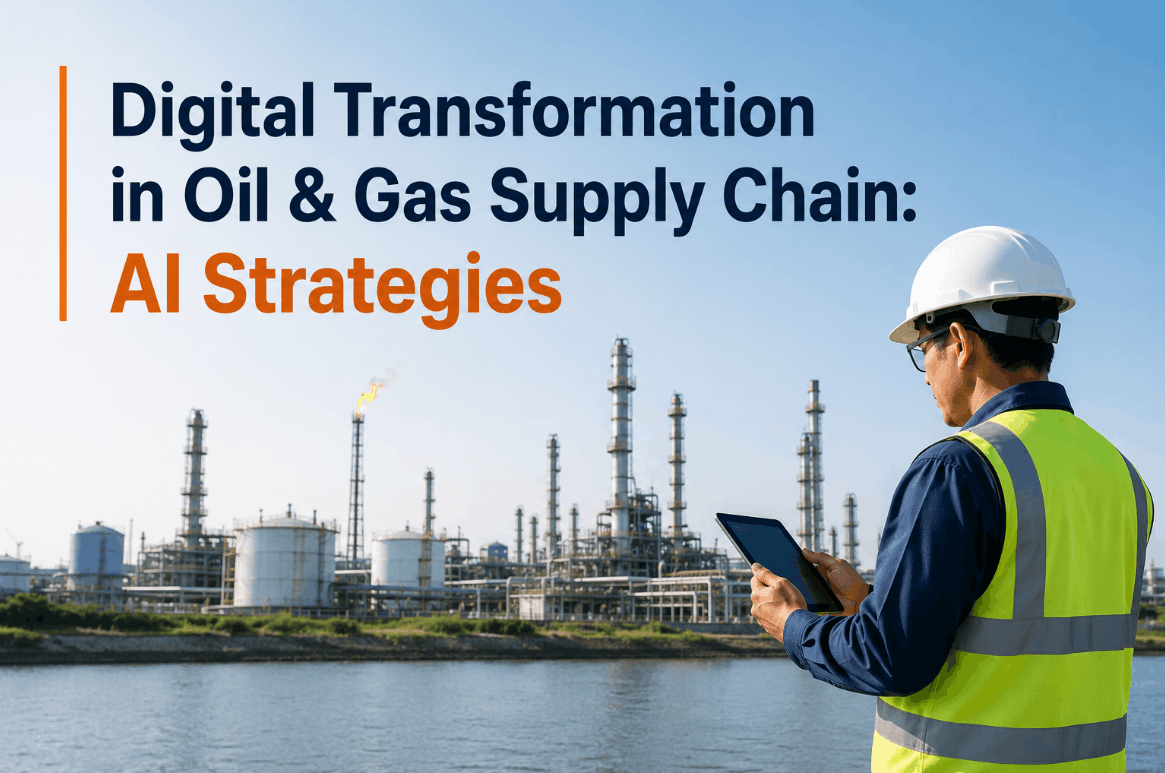
Digital transformation in the oil and gas supply chain has moved from strategic ambition to operational necessity. U.S. midstream operators managing crude gathering, NGL fractionation, LNG logistics, pipeline scheduling, and terminal throughput are under simultaneous pressure from margin compression, regulatory tightening, and the volatility of global commodity markets — pressures that manual processes and legacy ERP systems are structurally incapable of absorbing. AI-driven digital transformation addresses this directly: by connecting real-time operational data across the full supply chain — from wellhead to delivery terminal — and applying machine learning to demand forecasting, inventory reconciliation, predictive maintenance, and flow optimization, operators are converting reactive logistics management into a continuously optimized, data-driven operation. Book a Demo to see how iFactory's AI platform deploys across oil and gas supply chain operations within 8 weeks.
$2.8B
Annual cost savings potential from AI supply chain optimization in U.S. midstream operations
35%
Reduction in unplanned midstream downtime with AI predictive maintenance deployment
28%
Improvement in terminal throughput efficiency using AI scheduling and inventory AI
8 wks
Deployment timeline from data audit to live AI supply chain monitoring and optimization
The Core Challenge: Why Oil & Gas Supply Chains Are Hard to Digitize
Oil and gas supply chains are structurally more complex than most industrial sectors. A single midstream operator may manage crude gathering pipelines from hundreds of well pads, multiple NGL fractionation trains, storage terminals with 20–40 tanks, rail and truck loading facilities, and LNG export logistics — all simultaneously, across geographically dispersed assets connected by aging SCADA infrastructure. The data that exists in these operations is voluminous but fragmented: process historians hold terabytes of pressure, temperature, and flow data that no human analyst team can synthesize in real time, while scheduling systems, ERP platforms, and CMMS tools operate in silos that prevent cross-functional optimization.
The result is a supply chain managed by experience and approximation rather than data and precision. Demand forecasting relies on shipper nominations with no predictive layer. Inventory reconciliation happens at shift end using manual dip measurements. Equipment failures are discovered when throughput drops, not weeks in advance when intervention is still low-cost. AI digital transformation changes each of these dynamics by creating a unified data layer across the full supply chain — turning fragmented operational data into continuous, actionable intelligence that scheduling, operations, and commercial teams can act on in real time.
AI Demand Forecasting
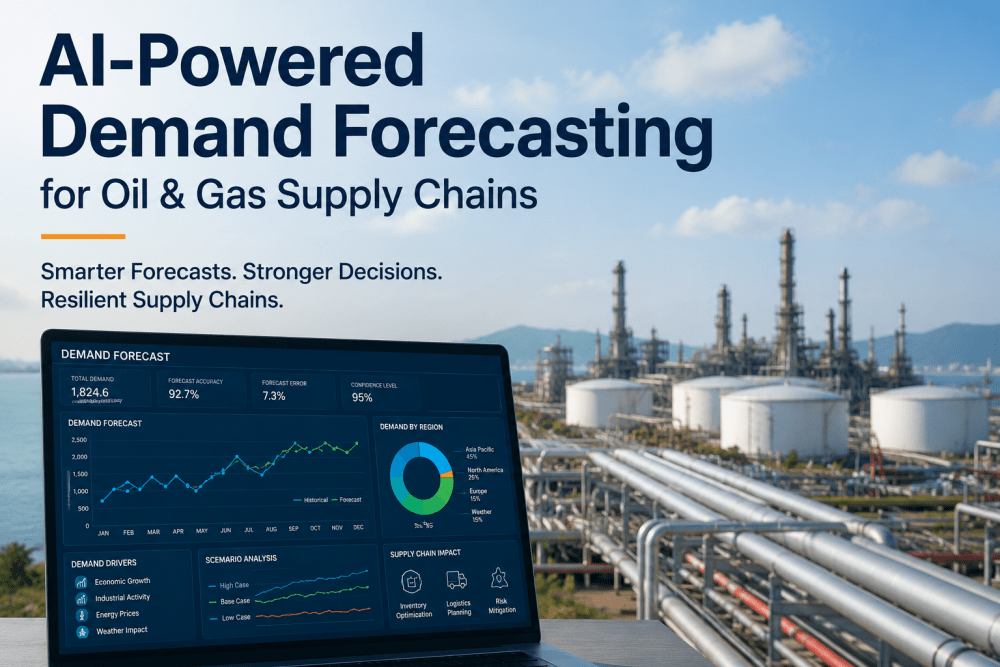
Machine learning models integrate shipper nominations, refinery run rates, weather patterns, and historical throughput to generate 7–30 day demand forecasts that improve pipeline scheduling accuracy by 30–40%.
Real-Time Inventory Reconciliation
AI reconciliation engines integrate automatic tank gauging, meter ticket data, and nomination records to eliminate manual inventory accounting gaps and detect custody transfer discrepancies in real time.
Midstream Digital Twin
High-fidelity digital twins of pipeline networks, terminal infrastructure, and rotating equipment update continuously with live field data — enabling scenario planning and optimization without physical trial and error.
Predictive Maintenance for Rotating Equipment
AI vibration and thermal analysis identifies compressor, pump, and turbine degradation 3–6 weeks before failure — converting emergency shutdowns into planned maintenance windows that protect throughput commitments.
Terminal Throughput Optimization
AI scheduling models dynamically allocate loading arms, berths, and truck slots based on vessel ETAs, product availability, and operational constraints — reducing demurrage costs and dock queue times 20–35%.
Automated Compliance Documentation
iFactory auto-generates timestamped compliance records for PHMSA, API, TSA, and EPA requirements — reducing audit preparation time from weeks to hours across pipeline integrity, safety system testing, and environmental reporting.
Five AI Strategies Reshaping Oil & Gas Supply Chain Digital Transformation
The following strategies represent the highest-impact AI deployment patterns in active midstream and downstream oil and gas supply chain operations. Each reflects what iFactory's AI platform delivers in live production environments — not conceptual roadmaps.
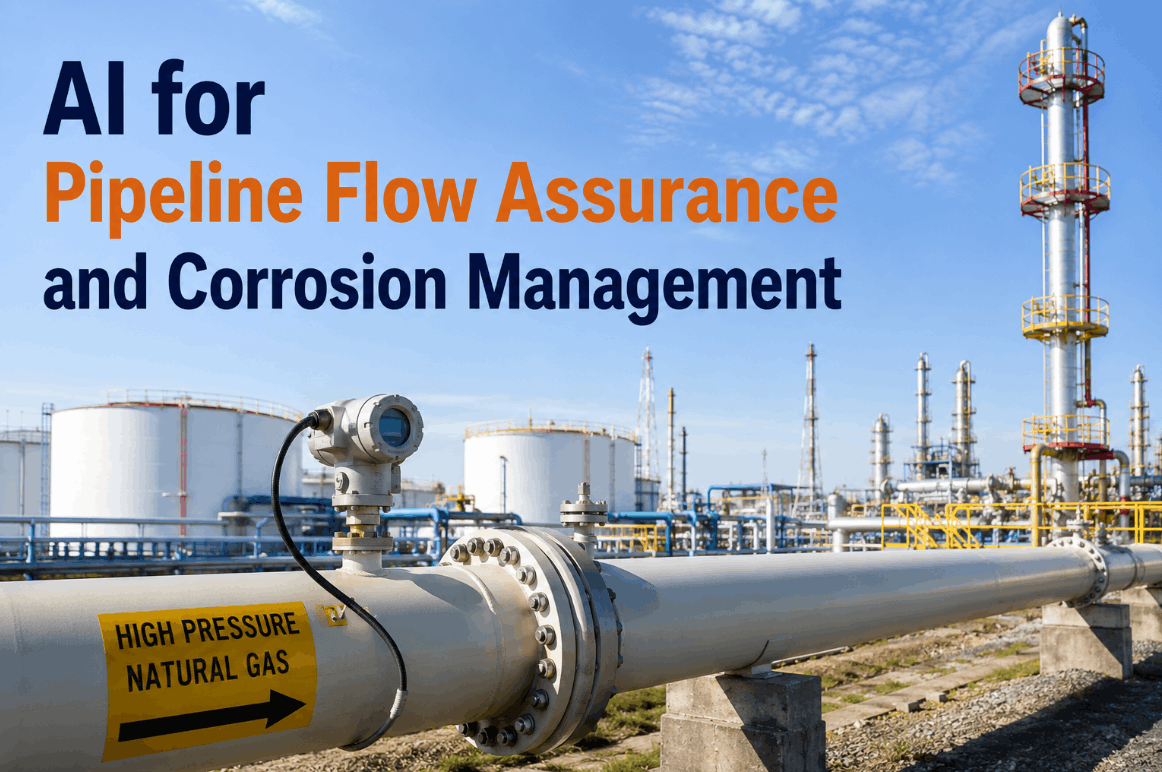
Pipeline scheduling in liquid and gas transmission systems involves continuously balancing shipper nominations, line pack constraints, compressor station capacity, and delivery commitments across networks that can span thousands of miles. AI flow optimization models trained on historical throughput, SCADA process data, and weather patterns generate real-time scheduling recommendations that maximize capacity utilization while minimizing imbalance penalties. For liquid pipelines, AI batch tracking models trained on flow meter and densitometer data locate crude oil, refined product, and NGL batches in real time — reducing interface contamination losses and improving custody transfer accuracy. Operators using iFactory's pipeline AI report 25–30% reductions in scheduling imbalance penalties and significant reductions in interface contamination write-offs.
Book a Demo to see pipeline AI applied to your network topology.
30%
Reduction in shipper imbalance penalties with AI pipeline scheduling
Real-Time
Batch location tracking from AI flow meter and densitometer inference
60%
Faster anomaly detection versus manual SCADA operator review cycles
Inventory discrepancies in oil and gas terminal operations — the gap between metered volumes, tank gauge readings, and nomination data — represent one of the largest sources of unrecovered value in midstream operations, often running 0.2–0.5% of total throughput volume. iFactory's AI inventory reconciliation engine integrates automatic tank gauging (ATG) systems, meter tickets, LACT unit data, and shipper nominations into a continuous reconciliation model that identifies discrepancies within hours rather than at the daily shift-end report. AI cross-referencing of inline analyzer data (density, viscosity, sulfur content) against product specifications during receipts and deliveries flags off-spec movements before they contaminate inventory. Terminal operators report 25–40% improvements in inventory accounting accuracy and near-elimination of contested custody transfer disputes following AI inventory deployment.
40%
Improvement in terminal inventory accounting accuracy post-AI deployment
<4 hrs
Time to discrepancy detection vs. daily shift-end manual reconciliation
Zero
Contested custody transfer disputes in 12 months for iFactory terminal deployments
LNG supply chain management presents a uniquely demanding digital transformation challenge: coordinating liquefaction train performance, LNG storage tank boil-off management, marine vessel scheduling, and regasification sendout optimization across assets that span continents and operate under rigid contractual delivery obligations. AI models deployed across the LNG supply chain predict liquefaction train efficiency degradation weeks before throughput impact, optimize LNG inventory drawdown sequences to minimize boil-off losses, and schedule marine loading slots dynamically based on vessel ETAs and cargo commitments. iFactory's LNG AI platform integrates with existing DCS, SCADA, and marine scheduling systems, delivering a unified supply chain visibility layer that commercial, operations, and logistics teams access simultaneously. LNG operators deploying iFactory report 15–20% reductions in boil-off losses and significant improvements in cargo scheduling accuracy against contractual delivery windows.
Book a Demo to review LNG supply chain AI architecture for your facilities.
20%
Reduction in LNG boil-off losses with AI inventory drawdown optimization
3–6 wks
Advance warning on liquefaction train degradation before throughput impact
95%+
On-time cargo delivery performance with AI marine scheduling optimization
Compressor stations, gas turbine drivers, centrifugal pumps, and pipeline pig launchers represent the highest-consequence failure points in midstream supply chains. A single compressor failure on a major transmission segment can idle downstream terminals for 48–96 hours and trigger PHMSA incident reporting requirements. iFactory's predictive maintenance AI continuously monitors vibration signatures, motor load trends, thermal drift, and lube oil conditions across all critical rotating equipment — identifying degradation patterns 3–6 weeks before failure and auto-generating CMMS work orders for planned repair during scheduled outages. Operators who have deployed iFactory's predictive maintenance platform report 35% reductions in unplanned compressor downtime and 40–55% reductions in emergency maintenance mobilization costs versus time-based PM schedules.
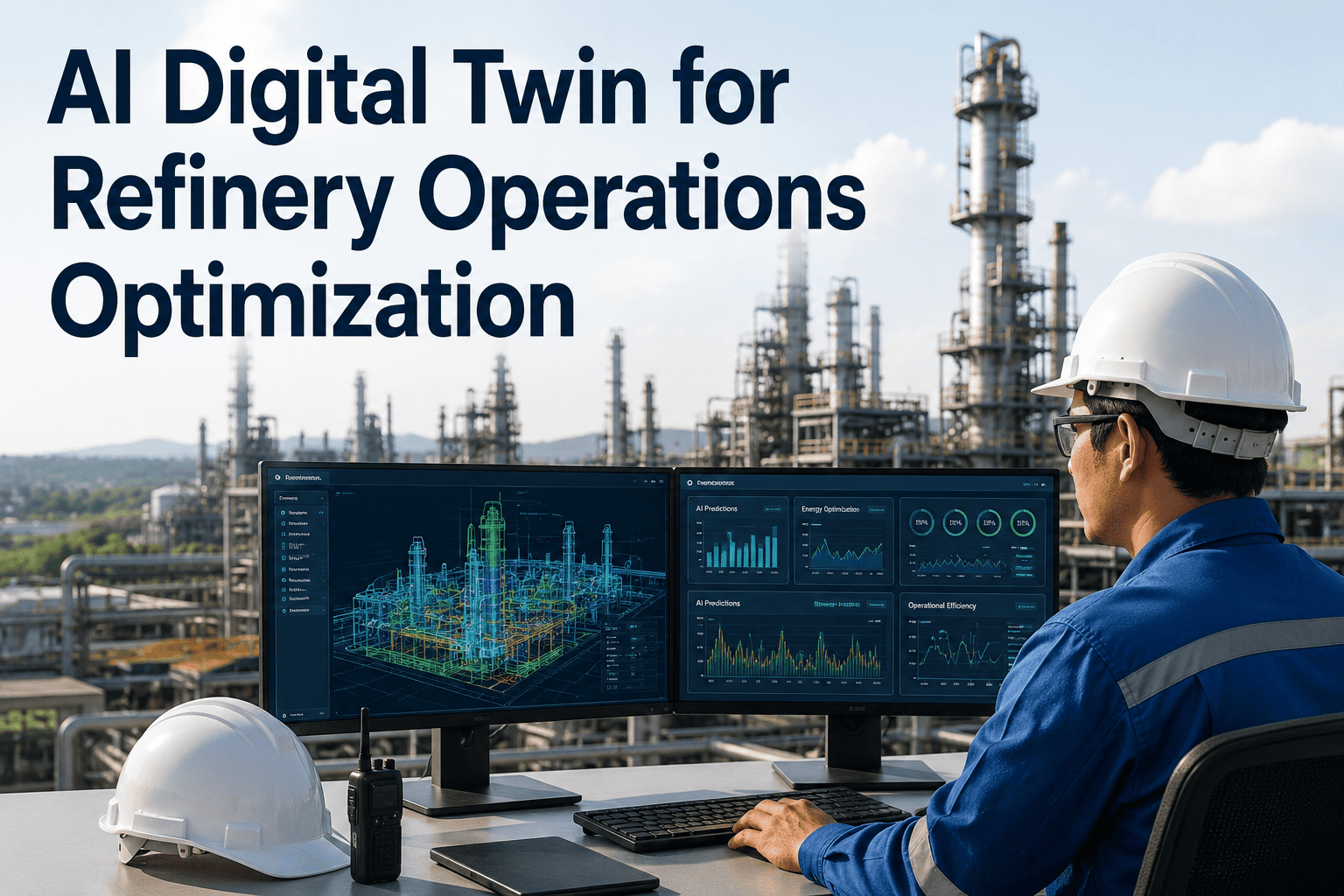
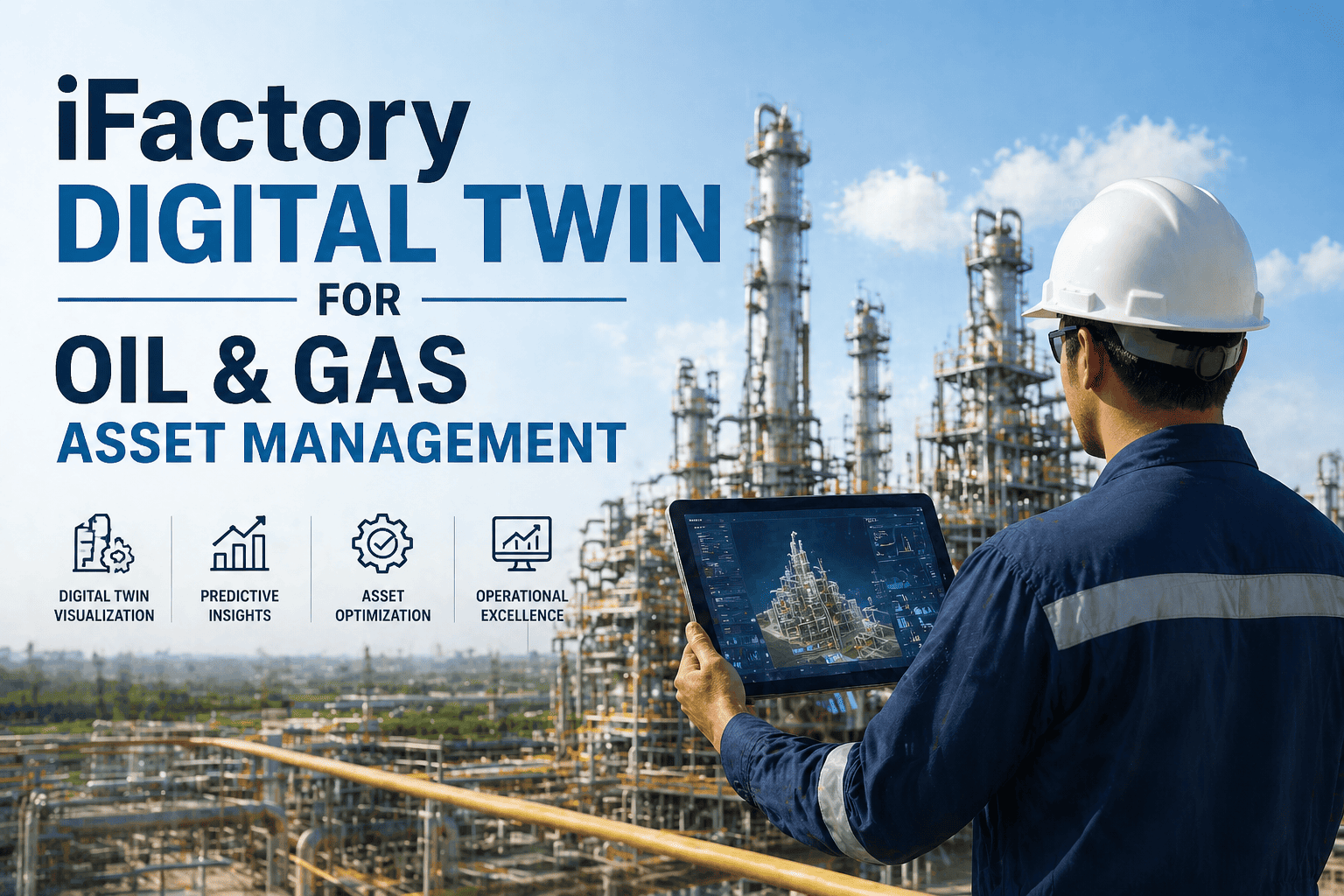
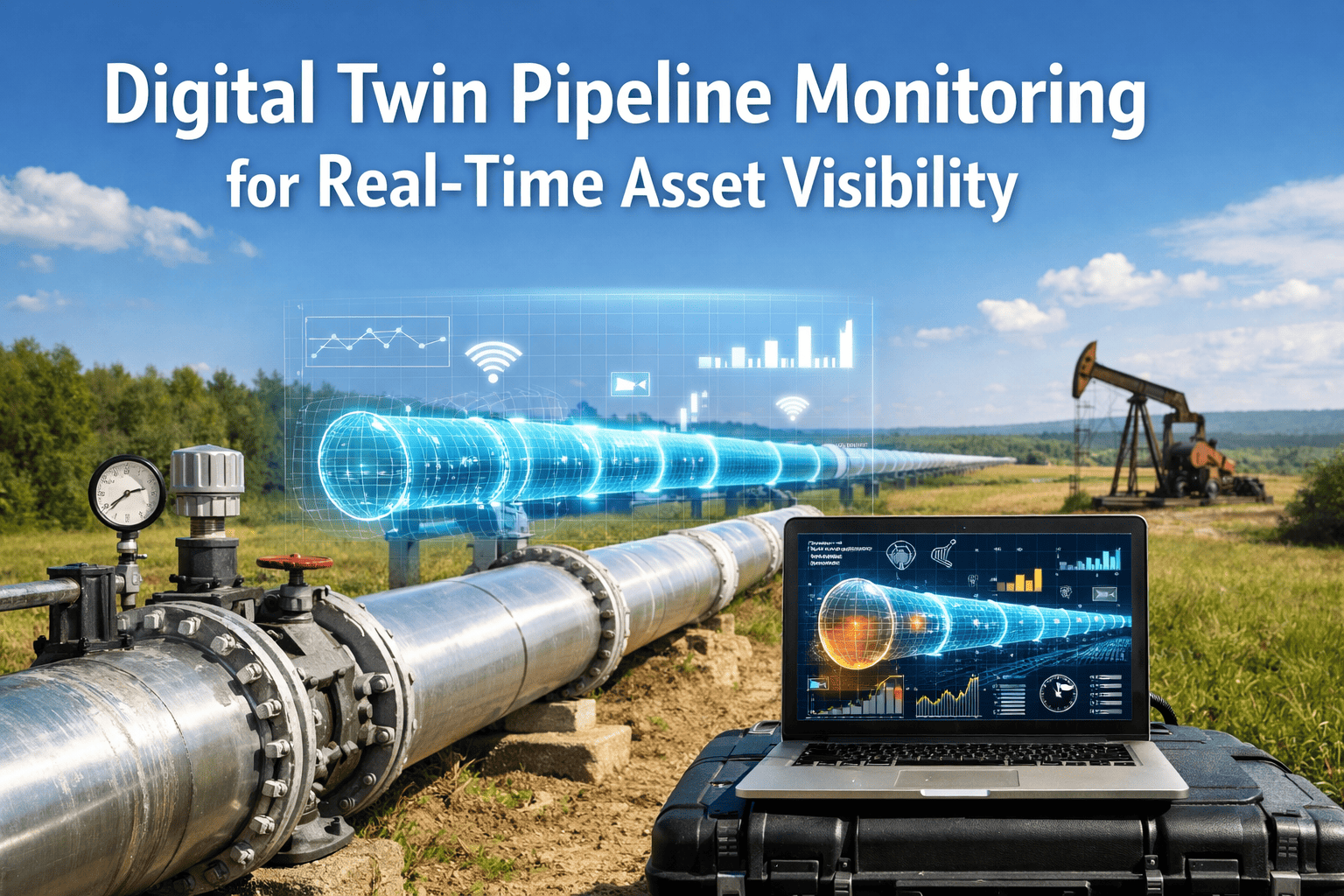
The most advanced stage of oil and gas supply chain digital transformation is a fully instrumented midstream digital twin — an always-current virtual model of the entire supply chain that supports scenario planning, capacity expansion analysis, and emergency response simulation. iFactory builds supply chain digital twins by integrating structured asset registries, real-time SCADA feeds, equipment performance histories, and logistics data into a unified model that updates continuously. Commercial teams use the digital twin to model the throughput impact of new shipper nominations before committing capacity. Operations teams simulate the downstream effects of a compressor outage before deciding on maintenance timing. Engineering teams run hydraulic scenario analyses for pipeline expansion projects without field verification. The digital twin converts supply chain planning from a static annual exercise into a continuously updated decision-support capability.
Book a Demo to see how iFactory's digital twin architecture applies to your supply chain network.
AI vs. Traditional Supply Chain Management: Midstream Operations Comparison
The performance gap between AI-powered supply chain management and conventional midstream operations practices has widened significantly. The following comparison reflects documented outcomes across iFactory deployments and published industry data through 2025.
| Supply Chain Capability |
Traditional / Manual Operations |
iFactory AI Digital Transformation |
| Demand Forecasting |
Shipper nominations only; no predictive layer. Forecast accuracy degrades significantly in volatile market conditions or weather events. |
AI models integrating nominations, weather, refinery rates, and seasonal patterns. 30–40% improvement in 7–30 day scheduling accuracy. |
| Inventory Reconciliation |
Daily manual dip measurement and shift-end spreadsheet entry. Discrepancies discovered 12–24 hours after they occur. |
Automated ATG integration and real-time AI custody reconciliation. Discrepancy detection within 2–4 hours of occurrence. |
| Equipment Maintenance |
Time-based PM schedules or reactive breakdown response. Emergency mobilization costs 3–5x planned maintenance. |
AI vibration and thermal analysis with 3–6 week failure lead time. Auto-generated CMMS work orders for planned outage windows. |
| Terminal Scheduling |
Experience-based allocation by logistics coordinator. Truck queue and vessel demurrage costs absorb 2–4% of terminal revenue. |
AI dynamic allocation of loading arms, berths, and truck slots. Demurrage and queue time reductions of 20–35% documented post-deployment. |
| Anomaly Detection |
Operator-initiated investigation on SCADA alarm. Mean time to detection: hours to days after onset of pipeline or equipment anomaly. |
Real-time AI anomaly models with automated alerts. Mean time to detection under 15 minutes, with automated work order generation. |
| Regulatory Documentation |
Manual record assembly before PHMSA, API, and EPA audits. Audit preparation requires 2–4 weeks of staff time per event. |
Auto-generated, timestamped compliance dossiers across all regulatory frameworks. Audit-ready in hours, not weeks. |
Every Day Without AI Is a Day Your Supply Chain Is Running on Approximation.
iFactory delivers AI demand forecasting, real-time inventory reconciliation, predictive maintenance, terminal optimization, and full regulatory compliance automation — integrated with your existing SCADA, DCS, and ERP systems in 8 weeks.
Book a Demo to see measurable supply chain performance outcomes for your operations.
How iFactory Deploys AI Across Oil & Gas Supply Chain Operations
iFactory's structured deployment process delivers measurable supply chain intelligence within the first two weeks and full AI integration across all priority supply chain functions by week eight. Each phase produces defined operational outputs — not consulting deliverables.
Weeks 1–2
Supply Chain Data Audit and Asset Registry Build
SCADA historians, ERP records, CMMS maintenance logs, nomination data, and terminal operating systems are inventoried and mapped. iFactory builds a structured asset registry covering every pipeline segment, meter run, compressor station, tank, and loading facility — the data foundation for all AI models. SCADA integration initiated with Honeywell, Emerson, ABB, and Yokogawa systems.
Weeks 3–4
Predictive Maintenance and Inventory AI Activation
Vibration and thermal baseline models established for priority rotating equipment. AI inventory reconciliation engine activated with ATG and LACT unit integration. First equipment anomaly detections and inventory discrepancy alerts generated. CMMS work order integration with SAP PM or Maximo configured.
Weeks 5–6
Pipeline Flow and Terminal Scheduling AI Deployment
AI demand forecasting and pipeline flow optimization models activated with live nomination, weather, and SCADA data. Terminal scheduling AI begins dynamic allocation of loading arms, berths, and truck slots. Batch tracking models enabled on liquid pipeline segments. First scheduling improvement metrics generated against baseline performance.
Weeks 7–8
Digital Twin Activation and Enterprise Integration
Supply chain digital twin activated with full asset registry and live data feeds. ERP and commercial scheduling system integration completed. Automated PHMSA, API, and TSA compliance reporting enabled. Enterprise-wide supply chain dashboard deployed for operations, scheduling, and commercial teams. Ongoing model governance process established for continuous retraining.
MEASURABLE SUPPLY CHAIN OUTCOMES FROM WEEK 4: AI INTELLIGENCE ACTIVE ACROSS PRIORITY ASSETS
Midstream operators completing iFactory's 8-week deployment report equipment anomaly detections, inventory discrepancy recoveries, and scheduling improvements beginning within the first month — delivering $3.2–6.8M in annual supply chain value by week 8, with digital twin and full enterprise integration compounding returns through the first operating year.
$3.2–6.8M
Annual supply chain value delivered by week 8 of iFactory deployment
35%
Reduction in unplanned midstream downtime with AI predictive maintenance
12–18mo
Typical full ROI timeline for midstream AI supply chain deployments
Expert Perspective: What Midstream Operators Get Wrong About Digital Transformation
Industry Review — Midstream Supply Chain Operations Perspective
"The operators who struggle most with AI digital transformation are those who approach it as a technology project rather than an operations improvement program. They focus on the platform selection and the integration architecture and lose sight of the fundamental question: which supply chain decisions are we making today with incomplete information, and how much does that cost us? When you start there — from the decision gap, not the technology spec — the deployment priorities become obvious and the ROI justification writes itself. The operators seeing the fastest returns are those who identified their top three supply chain blind spots on day one and built the AI deployment around closing those specific gaps."
VP of Supply Chain Operations — Major U.S. Midstream Operator (provided via iFactory deployment reference)
This framing is consistent across iFactory's deployment experience: the operators who achieve the fastest and most durable supply chain improvements are those who begin with a structured inventory of operational decisions currently made with delayed, incomplete, or approximated data — and design their AI deployment to close those specific information gaps. The technology capability exists. The deployment challenge is organizational clarity about where incomplete information is costing the most. Book a Demo to work through an operational decision gap analysis with iFactory's supply chain specialists.
AI Supply Chain Intelligence. Pipeline Flow Optimization. Terminal Throughput. Live in 8 Weeks.
iFactory gives oil and gas operators AI demand forecasting, real-time inventory reconciliation, predictive maintenance, LNG logistics optimization, and digital twin scenario planning — fully integrated with existing SCADA, ERP, and CMMS systems. Measurable supply chain performance improvements begin within 30 days of deployment.
Conclusion: Digital Transformation in Oil & Gas Supply Chain Is No Longer Optional
The AI strategies outlined above — pipeline flow optimization, inventory reconciliation, LNG logistics AI, predictive maintenance, and supply chain digital twin deployment — represent the current state of competitive midstream operations, not a future roadmap. Operators who have completed these deployments are scheduling more efficiently, capturing more throughput value from existing infrastructure, and managing regulatory risk with less staff effort than those still relying on manual processes and periodic data reviews.
iFactory's AI platform is purpose-built for the operational complexity of oil and gas supply chains — connecting to existing SCADA, historian, ERP, and CMMS infrastructure while adding the real-time intelligence layer that legacy systems cannot provide. The 8-week deployment framework means that operators see measurable operational improvements within weeks, not the 12–18 month implementation timelines that have historically made digital transformation programs difficult to justify internally. Whether the priority is pipeline flow accuracy, terminal throughput efficiency, LNG cargo scheduling, or full supply chain digital twin deployment, iFactory provides the domain expertise, proven architecture, and operational support to deliver results from week one.
Frequently Asked Questions: AI Digital Transformation in Oil & Gas Supply Chain
What does AI digital transformation actually change in midstream supply chain operations?
AI replaces delayed, approximation-based supply chain decisions with continuous, data-driven intelligence — turning demand forecasting, inventory reconciliation, equipment maintenance, and scheduling from reactive processes into proactively optimized ones.
Can iFactory's AI platform integrate with our existing SCADA and ERP systems?
Yes — iFactory connects natively with Honeywell, Emerson, ABB, Yokogawa SCADA systems and major ERP platforms via OPC-UA and REST interfaces, requiring no replacement of existing control or business infrastructure.
How does AI demand forecasting improve on shipper nomination data for pipeline scheduling?
AI models layer weather patterns, refinery run rate trends, seasonal demand cycles, and historical throughput variance on top of nominations — improving 7–30 day scheduling accuracy by 30–40% versus nominations-only approaches.
What is a midstream supply chain digital twin and how does iFactory build one?
A digital twin is an always-current virtual model of the full supply chain — every pipeline segment, terminal, compressor, and tank — that iFactory builds by integrating structured asset registries with live SCADA, equipment, and logistics data feeds.
What is the typical ROI timeline for AI supply chain digital transformation in midstream operations?
Most midstream operators achieve full ROI within 12–18 months, driven by reductions in unplanned downtime, inventory accounting recoveries, scheduling efficiency gains, and avoided regulatory penalties from improved compliance documentation.
Transform Your Oil & Gas Supply Chain with AI. Operational Intelligence Live in 8 Weeks.
iFactory delivers AI pipeline flow optimization, real-time inventory reconciliation, LNG logistics AI, predictive maintenance, and supply chain digital twin capability — integrated with your existing SCADA, ERP, and CMMS systems from day one.
$3.2–6.8M annual supply chain value by week 8
35% reduction in unplanned midstream downtime
28% terminal throughput efficiency improvement
8-week deployment with live AI from week 2