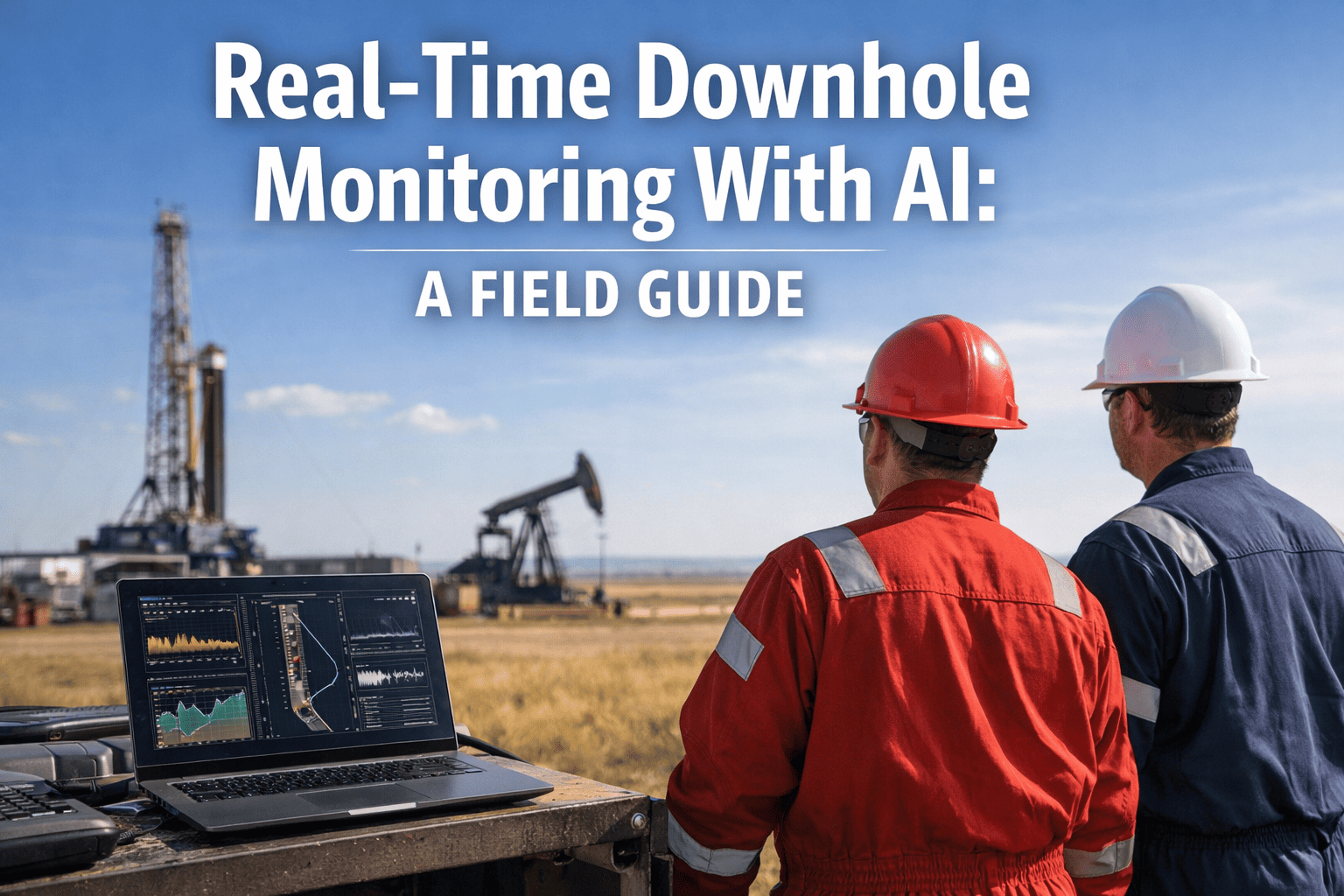
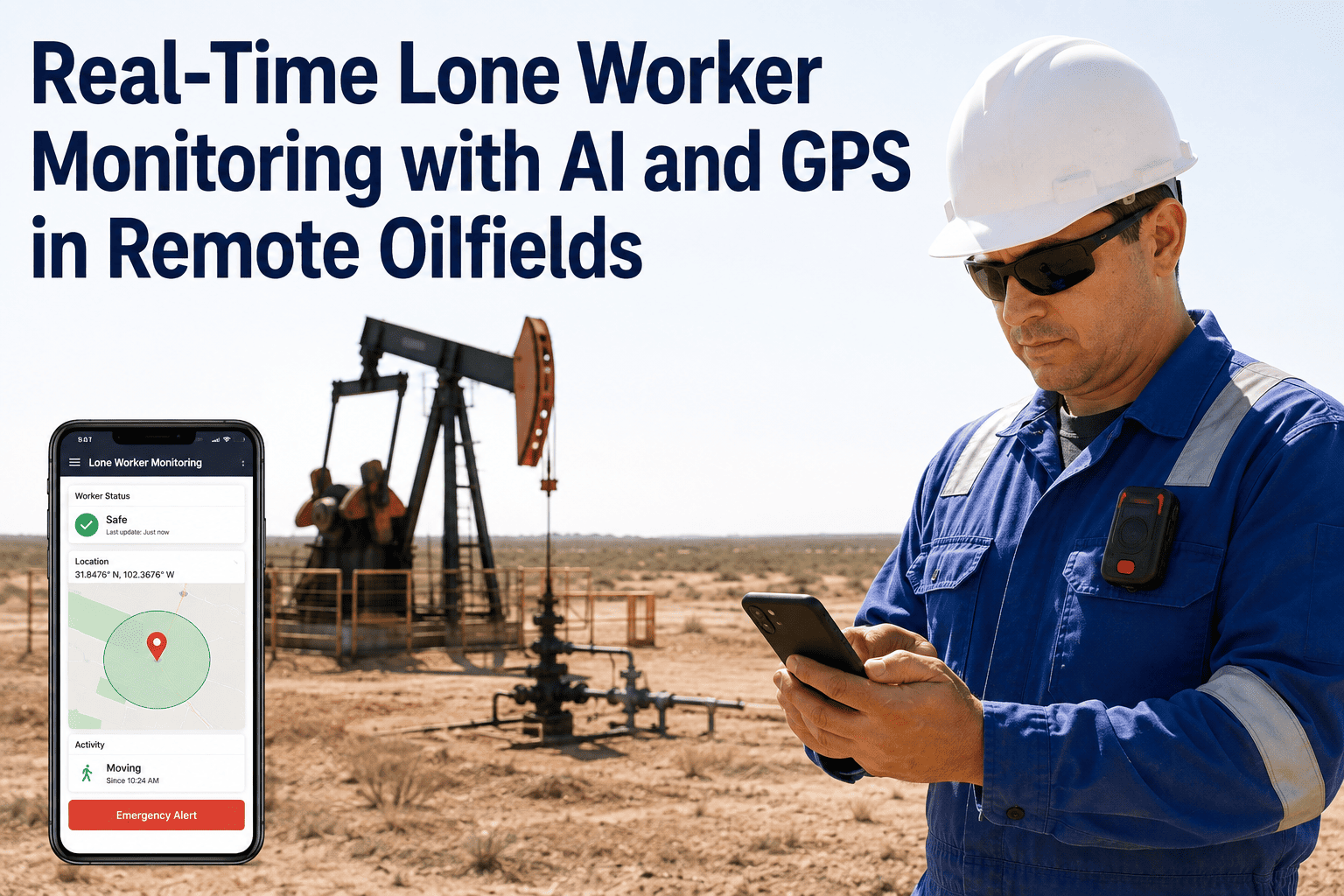
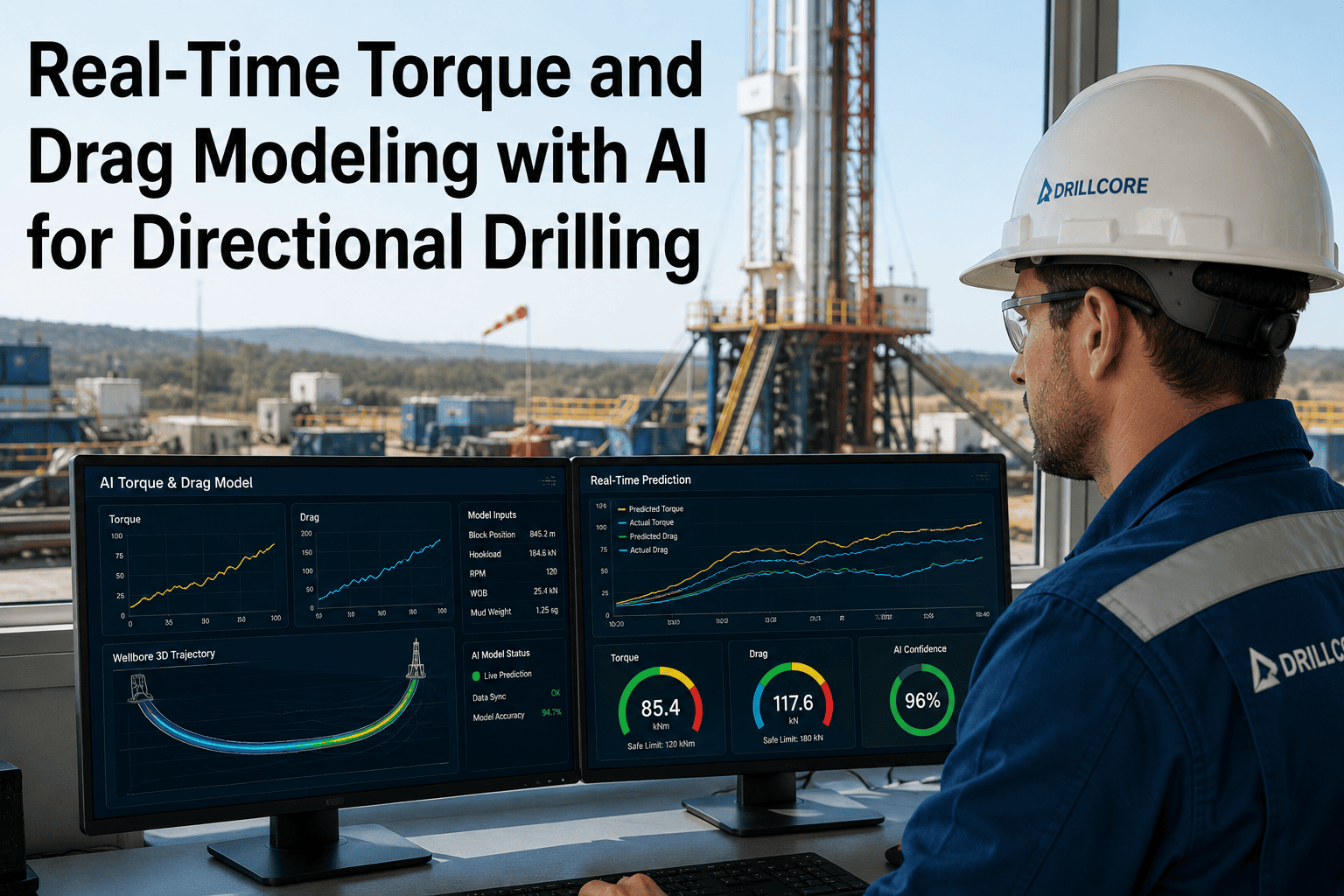
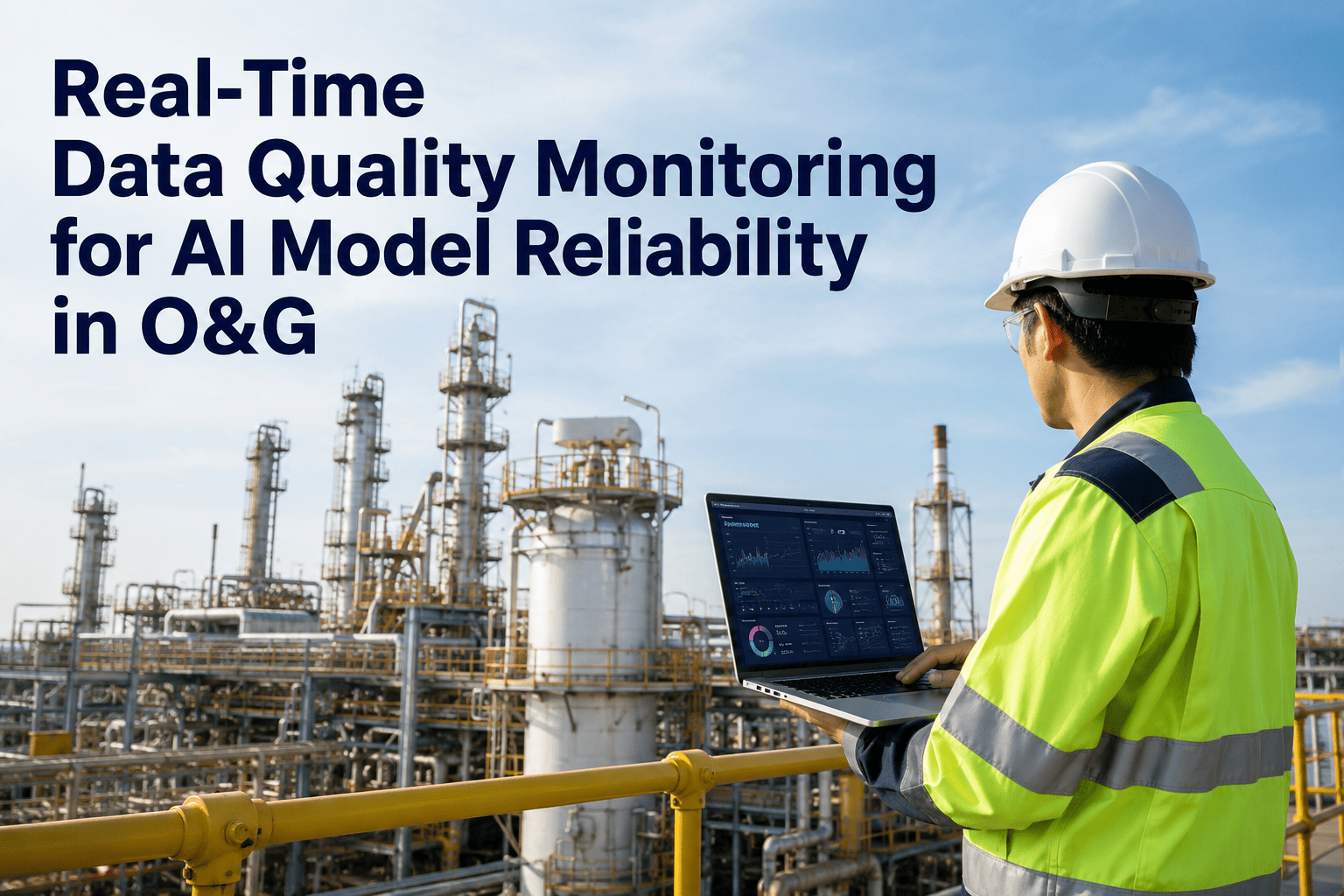
A drilling operation loses $180,000 per day when unexpected formation pressure causes stuck pipe at 12,400 feet because manual wellbore monitoring relies on surface measurements delayed by mud circulation time, surface sensors that cannot detect downhole conditions until fluid returns, and operator interpretation that reacts to problems after they occur rather than predicting events before equipment becomes trapped. iFactory's AI-powered downhole monitoring platform processes real-time sensor data from MWD/LWD tools 18,000 feet below surface, applies machine learning to detect pressure anomalies, formation changes, and mechanical stress patterns invisible to human operators, and generates predictive alerts 15 to 45 minutes before stuck pipe, lost circulation, or well control events occur. Book a demo to see AI downhole monitoring for your drilling operations.
Quick Answer
iFactory's AI downhole monitoring system analyzes real-time data from MWD, LWD, and drilling sensors measuring pressure, temperature, gamma ray, resistivity, and mechanical parameters at bit depth. Machine learning models detect formation transitions, predict differential sticking risk from filter cake buildup patterns, identify lost circulation zones before mud losses occur, and flag kick indicators 30 to 50 minutes before surface detection. Result: 67% reduction in non-productive time from stuck pipe, 82% fewer lost circulation events, zero undetected well control incidents, and predictive intervention that prevents problems instead of reacting after costly failures occur.
AI Downhole Monitoring
Stop Reacting to Drilling Problems After They Occur
See how iFactory processes downhole sensor data in real-time, applies AI pattern recognition to predict stuck pipe, lost circulation, and well control events before they happen, and delivers actionable alerts that prevent non-productive time.
67%
Less NPT from Stuck Pipe
82%
Fewer Lost Circulation Events
How AI Downhole Monitoring Works
The workflow below shows the five-stage real-time analysis process iFactory executes continuously during drilling operations, from sensor data acquisition through predictive alert generation that prevents stuck pipe, lost circulation, and well control incidents.
1
Real-Time Sensor Data Acquisition
MWD/LWD tools transmit measurements every 30 seconds via mud pulse telemetry: annular pressure 8,420 psi, temperature 248°F, gamma ray 87 API, resistivity 12.4 ohm-m, toolface orientation 342 degrees, shock/vibration levels, torque 18,400 ft-lbs, weight on bit 32,000 lbs. Surface sensors add standpipe pressure, flow rate, pit volume, hookload. All parameters streamed to AI platform with sub-minute latency despite 18,000 foot signal path.
Pressure: 8420 psiTemp: 248°FGR: 87 APIData: Current
2
Formation Characterization & Lithology Detection
AI analyzes gamma ray, resistivity, and neutron density signatures to identify formation type in real-time. Gamma increasing from 82 to 118 API over 40 feet indicates transition from sandstone to shale. Resistivity drop from 18 to 4 ohm-m confirms water-bearing shale with high clay content. System updates geological model continuously, predicts drilling behavior changes, alerts crew to adjust mud weight and hydraulics for new formation properties before bit response degrades.
Formation: ShaleHigh Clay ContentAdjust Mud Weight
3
Stuck Pipe Risk Prediction
Machine learning monitors differential pressure between wellbore and formation (overbalance 680 psi), pipe movement patterns (overpull increasing from 12,000 to 28,000 lbs over 2 hours), and filter cake buildup indicators (torque fluctuations, drag trends). AI detects stuck pipe precursor signature: high overbalance in permeable zone, static pipe time exceeding 18 minutes during connection, overpull trending toward differential sticking threshold. Alert generated 32 minutes before predicted sticking event with recommended actions: reduce mud weight 0.4 ppg, increase circulation rate, resume pipe movement immediately.
Sticking Risk: HighAlert: 32 min advanceReduce Overbalance
4
Lost Circulation & Kick Detection
System identifies lost circulation before surface indication: downhole pressure decrease (annular pressure drops 140 psi over 6 minutes), ECD reduction despite constant pump rate, temperature anomaly at fracture zone. AI flags lost circulation zone at 14,280 feet, 22 minutes before surface flow meters detect losses. Kick detection: formation fluid influx identified from annular pressure increase, temperature rise, pit gain trends analyzed together. Predictive alert fires 41 minutes before surface kick indicators, enabling controlled response before well control incident develops.
Lost Circ Zone Detected22 min before surfaceStop Pumping
5
Automated Intervention Recommendations
When hazard detected, AI generates specific mitigation steps ranked by success probability and implementation time. Stuck pipe alert includes: immediate action (resume rotation, increase circulation to 680 gpm), secondary response (spot 50 bbl lubricating pill if overpull exceeds 40,000 lbs), contingency plan (jarring operations if pipe remains stuck after 45 minutes). Lost circulation response: reduce pump rate to 420 gpm, prepare LCM pill, monitor returns. All recommendations based on offset well analysis and physics-based modeling of current downhole conditions.
Intervention executed. Mud weight reduced to 10.8 ppg. Circulation increased. Pipe movement resumed. Sticking event prevented. Zero NPT. Drilling continues at 14,320 feet. AI monitoring active.
Downhole Monitoring Problems AI Eliminates
Every card below represents a real drilling failure mode that causes non-productive time, well control incidents, or equipment loss. These problems exist because surface measurements cannot detect downhole conditions until fluid circulates to surface, manual monitoring reacts after problems develop rather than predicting events, and human operators cannot process multi-parameter data fast enough to identify subtle precursor patterns. Talk to an expert about your drilling challenges.
Differential Sticking Undetected Until Pipe Cannot Move
Problem: Drilling through permeable sandstone at 16,200 feet with 11.4 ppg mud (formation pore pressure equivalent 10.2 ppg, creating 1.2 ppg overbalance). During pipe connection, drillstring sits static for 22 minutes while crew adds new joint. Filter cake builds against pipe in permeable zone, differential pressure drives pipe into cake. Crew attempts to resume drilling, pipe will not rotate or move. Stuck pipe. Fishing operations require 38 hours, cost $684,000 in rig time plus sidetrack expense.
AI fix: System monitors overbalance pressure, pipe static time, formation permeability from resistivity logs. At 14 minutes static time in high-permeability zone with 1.2 ppg overbalance, AI calculates sticking risk exceeding threshold in 18 minutes. Alert fires: resume pipe movement immediately or reduce mud weight. Crew completes connection in 16 minutes, resumes circulation and rotation. Zero sticking. Drilling continues without incident.
Lost Circulation Detected Only After Severe Mud Losses
Problem: Drilling through naturally fractured carbonate formation. Downhole equivalent circulating density (ECD) exceeds formation fracture gradient by 0.3 ppg due to narrow margin between pore pressure and fracture pressure. Fracture opens, mud losses begin. Surface detection relies on flow meters showing returns less than pump rate, but losses must exceed 20 bbl before alarm triggers. By the time surface detects problem, 180 bbl lost into formation, fracture propagated, wellbore destabilized. Require 18 hours and $240,000 in LCM treatments to regain circulation.
AI fix: Downhole pressure sensor detects annular pressure drop of 85 psi over 4 minutes (indicating fluid leaving wellbore into formation) 26 minutes before surface flow meters show discrepancy. AI alerts: lost circulation initiating, reduce pump rate immediately, prepare LCM. Crew cuts pump rate before major losses occur. Total losses: 12 bbl. Circulation maintained. LCM pill spotted proactively. Formation sealed. Drilling resumes after 90-minute treatment vs 18-hour crisis response.
Formation Fluid Influx Missed Until Kick Develops
Problem: Drilling underbalanced section where pore pressure higher than anticipated. Formation gas begins entering wellbore. Traditional kick detection waits for surface indicators: pit volume increase (requires fluid to circulate from bottom to surface, 40+ minutes at typical circulation rates), flow rate increase on returns, or pump pressure changes. By the time surface sees pit gain, significant gas volume already in wellbore. Well control response delayed. Kick becomes well control event requiring BOP closure, circulation of gas to surface under pressure control. 14 hours NPT, significant safety risk.
AI fix: Downhole sensors detect formation fluid influx immediately: annular pressure increase of 120 psi over 8 minutes (pore pressure exceeding hydrostatic), temperature rise from gas expansion, slight flow increase. AI identifies kick signature 43 minutes before surface pit gain visible. Alert: formation influx detected, increase mud weight, monitor closely. Crew raises mud weight from 9.8 to 10.4 ppg proactively. Influx stops before significant gas volume enters wellbore. No BOP operation required. No NPT. Potential well control incident prevented.
Wellbore Instability From Undetected Formation Changes
Problem: Geological prognosis predicts sandstone section from 12,400 to 13,800 feet. Actual formation: sandstone transitions to water-sensitive shale at 12,680 feet (280 feet shallower than predicted). Mud system optimized for sandstone (low inhibition, standard weight). Shale section drills with wrong mud chemistry, clay hydration begins, wellbore becomes unstable. Tight hole, high torque, fill on connections. Wiper trip required to clean hole, 22 hours NPT. Mud system changed to inhibitive system. Hole stability problems continue for 340 feet until shale section exits.
AI fix: Real-time gamma ray and resistivity analysis detects shale top at 12,680 feet immediately (gamma increases from 68 to 124 API, resistivity drops indicating clay). AI alerts: entered shale section 280 feet high, current mud inadequate for shale stability, recommend inhibitive additives and chemistry adjustment. Crew adds KCl and shale inhibitor to active system proactively. Shale section drills stable. No tight hole. No NPT. Formation change detected and mitigated in real-time vs reactive response after instability develops.
Drillstring Failure From Undetected Fatigue Loading
Problem: Drilling through interbedded hard and soft formations causes severe shock and vibration. Downhole shock sensors measure impacts exceeding 250g peak acceleration repeatedly. Drillstring accumulates fatigue damage from vibration cycles. Surface monitoring shows erratic torque and weight on bit but cannot quantify downhole loading or predict failure timing. After 340 hours in harsh environment, drillstring fails at tool joint 420 feet above bit. Fishing operation recovers fish after 52 hours. Cost: $890,000 NPT plus new BHA.
AI fix: System logs every shock event, vibration amplitude, and load cycle. Machine learning calculates cumulative fatigue damage to drillstring based on material properties, stress concentration at tool joints, and actual downhole loading history. After 280 hours, AI predicts fatigue life remaining: 48 hours to failure threshold at current loading. Alert: pull drillstring for inspection before 48-hour window expires. Crew trips out of hole during planned bit change at 312 hours. Inspection reveals fatigue cracks at predicted location. BHA replaced before failure. Zero fishing. Zero NPT from unexpected failure. Failure predicted and prevented.
Drilling Dysfunction Unrecognized Until ROP Degrades
Problem: Bit experiencing stick-slip oscillation (rotary speed at bit varying from 40 to 180 RPM while surface shows steady 110 RPM). Torsional vibration damages bit cutters, reduces penetration rate from 85 ft/hr to 32 ft/hr. Crew sees ROP decline but cannot determine root cause from surface measurements. Multiple parameter changes attempted (weight on bit, RPM, flow rate) without resolving dysfunction. 18 hours drilling at degraded ROP before trip to change bit reveals damaged cutters from vibration. Bit run 340 feet short of planned footage due to premature wear.
AI fix: Downhole RPM sensor detects stick-slip immediately: bit speed oscillating 40 to 180 RPM while surface constant 110 RPM. AI identifies stick-slip dysfunction, recommends mitigation: reduce weight on bit to 28,000 lbs, increase surface RPM to 125 RPM to dampen torsional resonance. Crew implements changes. Stick-slip eliminated. ROP stabilizes at 78 ft/hr. Bit runs to planned depth without premature damage. Dysfunction identified and corrected within 40 minutes vs 18 hours of degraded performance and premature bit wear.
Platform Capability Comparison
Traditional WITSML data aggregation collects surface and downhole measurements but provides no analysis or predictive capability. Manual monitoring by directional drillers reacts to problems after they develop. iFactory differentiates on real-time AI analysis of multi-parameter downhole data, predictive alerting 15 to 50 minutes before stuck pipe, lost circulation, and well control events, and automated intervention recommendations based on offset well performance and physics-based modeling. Book a comparison demo.
| Capability |
iFactory |
IBM Maximo |
SAP EAM |
Brightly Asset Essentials |
Manual Monitoring |
| Real-Time Analysis |
| Downhole sensor integration | MWD/LWD real-time feed | Not available | Not available | Not available | WITSML display only |
| AI pattern recognition | Multi-parameter ML models | Not available | Not available | Not available | Manual interpretation |
| Predictive alerting lead time | 15 to 50 min advance warning | Reactive only | Reactive only | Reactive only | After problem occurs |
| Hazard Detection |
| Stuck pipe prediction | Filter cake buildup detection | Not available | Not available | Not available | Post-event analysis |
| Lost circulation early warning | Downhole pressure monitoring | Not available | Not available | Not available | Surface flow only |
| Formation fluid influx detection | 40+ min before surface kick | Not available | Not available | Not available | Pit volume lag |
| Intervention Support |
| Automated mitigation recommendations | Physics-based action plans | Not available | Not available | Not available | Manual response |
| Offset well correlation | Historical performance data | Not available | Not available | Not available | Manual lookup |
| Formation characterization real-time | Lithology from log data | Not available | Not available | Not available | Post-run analysis |
Based on publicly available product documentation as of Q1 2025. Verify current capabilities with vendors before procurement.
Regional Oil & Gas Compliance
iFactory's downhole monitoring platform supports regulatory requirements and operational standards across global oil and gas markets. The system generates compliance-ready documentation formatted for regional authorities and industry specifications.
| Region |
Standards |
Requirements |
iFactory Support |
| United States | API RP 13B, BSEE regulations, well control standards | Real-time well monitoring, kick detection systems, NPT reporting, barrier envelope compliance | API-compliant data logging, automated well control alerts, BSEE report generation, barrier status tracking |
| United Arab Emirates | ADNOC drilling standards, HSE requirements, AI ethics guidelines | Real-time monitoring systems, automated alerting, HSE incident prevention, data sovereignty compliance | ADNOC-compliant reporting, UAE data residency, AI transparency documentation, Arabic language support |
| United Kingdom | UKCS regulations, NOPSEMA standards, HSE offshore requirements | Well integrity monitoring, barrier management, competency verification, safety case compliance | UK offshore data formats, HSE incident logging, barrier verification records, competency tracking integration |
| Canada | AER directives, CAPP best practices, provincial regulations | Downhole monitoring requirements, kick detection protocols, environmental monitoring, bilingual documentation | AER-compliant data submission, English/French interface, environmental parameter tracking, incident reporting |
| Saudi Arabia | Saudi Aramco SAEP standards, NCEEE regulations | Advanced monitoring systems, AI approval protocols, cybersecurity compliance, local data storage | SAEP technical documentation, local cloud infrastructure, cybersecurity certification, Arabic reporting capability |
| Europe (Norway) | PSA regulations, NORSOK standards, EU data protection | Continuous wellbore monitoring, automated safety systems, GDPR compliance, barrier philosophy adherence | NORSOK-compliant logging, GDPR data handling, PSA report formats, barrier element tracking |
iFactory maintains compliance with evolving standards through continuous platform updates. Contact support for operator-specific requirements.
Predictive Drilling Intelligence
Prevent Non-Productive Time Before Problems Develop
iFactory's AI platform analyzes downhole sensor data in real-time, predicting stuck pipe, lost circulation, and well control events 15 to 50 minutes before they occur, enabling proactive intervention that eliminates costly NPT.
Measured Results from Deployed Operations
67%
Reduction in Stuck Pipe NPT
82%
Fewer Lost Circulation Events
Zero
Undetected Well Control Incidents
38 Min
Average Alert Lead Time
$2.4M
Avg NPT Cost Avoided Per Well
From the Field
We were drilling a challenging horizontal well through interbedded shale and tight sand with narrow pressure margins. Had two stuck pipe events in offset wells that cost over $1.2 million each in fishing and sidetrack operations. After deploying iFactory's AI monitoring on this well, the system detected a stuck pipe risk building during a connection at 14,680 feet. Differential pressure was increasing, pipe had been static for 16 minutes in a permeable zone, and overpull was trending up. The AI alert told us we had about 20 minutes before sticking would occur and recommended resuming circulation immediately and reducing mud weight by 0.5 ppg. We completed the connection, got the pipe moving, and adjusted mud weight. Never stuck. The system also caught a lost circulation zone 28 minutes before our surface gauges showed anything, giving us time to reduce pump rate and get LCM ready before major losses occurred. Saved at least $800,000 in NPT on that one well, and we are now using the system on every rig in the program.
Drilling Operations Manager
Independent E&P Company, Permian Basin Operations, Texas USA
Frequently Asked Questions
QHow does the AI system integrate with existing MWD/LWD service company tools and data streams?
iFactory connects via standard WITSML protocol to receive real-time data from Schlumberger, Halliburton, Baker Hughes, or any MWD/LWD provider. No service company equipment changes required. System ingests mud pulse telemetry data, surface sensor feeds, and drilling parameter streams. Works alongside existing monitoring systems as additional intelligence layer without disrupting current workflows or vendor relationships.
Book a demo to see integration options.
QWhat happens if AI generates false alarm for stuck pipe or lost circulation that does not actually occur?
System learns from every alert outcome. If alert fires and crew takes preventive action that eliminates the hazard, event is logged as successful prediction and prevention. If alert fires but hazard does not develop despite no action, marked as false positive and model adjusts sensitivity. Typical false positive rate after 30-day learning period: under 6%. Alert thresholds customizable per operator risk tolerance. System tracks alert accuracy per well and formation type, continuously improving predictions from actual field performance.
QCan the platform work in areas with no offset well data for AI model training?
Yes. System uses physics-based models for initial predictions (differential sticking mechanics, fracture gradient calculations, kick detection from pressure balance). As well progresses, AI learns formation-specific behavior and refines predictions from actual downhole response. First well in new area operates with generic models that improve in real-time as drilling generates data. By 8,000 feet depth in first well, enough formation-specific data exists for accurate predictions. Subsequent wells benefit from offset data immediately.
QHow does real-time monitoring handle data transmission delays from mud pulse telemetry at deep depths?
Mud pulse telemetry has inherent time lag (signal travels at mud acoustic velocity, approximately 4,000 to 5,000 ft/sec). At 18,000 feet depth, signal transmission takes 3 to 4 seconds. System accounts for this lag and timestamps all data to actual downhole measurement time, not surface receipt time. AI models factor transmission delay into prediction timing. Alerts specify both current downhole time and surface time to avoid confusion. For critical fast-developing events like kicks, system prioritizes pressure and flow data transmitted at highest pulse rate.
QWhat training is required for drilling crews to effectively use AI monitoring alerts and recommendations?
Initial training is 4-hour session covering alert types, interpretation of recommendations, and response procedures. Drilling crews already understand downhole hazards (stuck pipe, lost circulation, kicks), so training focuses on how AI detects precursor patterns and how to act on early warnings. System provides context with every alert (why it fired, what data triggered it, recommended actions). Most crews proficient after first well. Ongoing support via remote operations center staffed by drilling engineers who can explain any alert in real-time if crew has questions during operations.
Continue Reading
Predict and Prevent Drilling Problems Before They Cost You Rig Time
iFactory's AI-powered downhole monitoring platform analyzes real-time MWD/LWD data to detect stuck pipe, lost circulation, and well control precursors 15 to 50 minutes before events occur, delivering actionable alerts that eliminate non-productive time and prevent costly drilling failures.
Real-Time Sensor Analysis
Predictive Alerting
Stuck Pipe Prevention
67% Less NPT
Zero Undetected Kicks