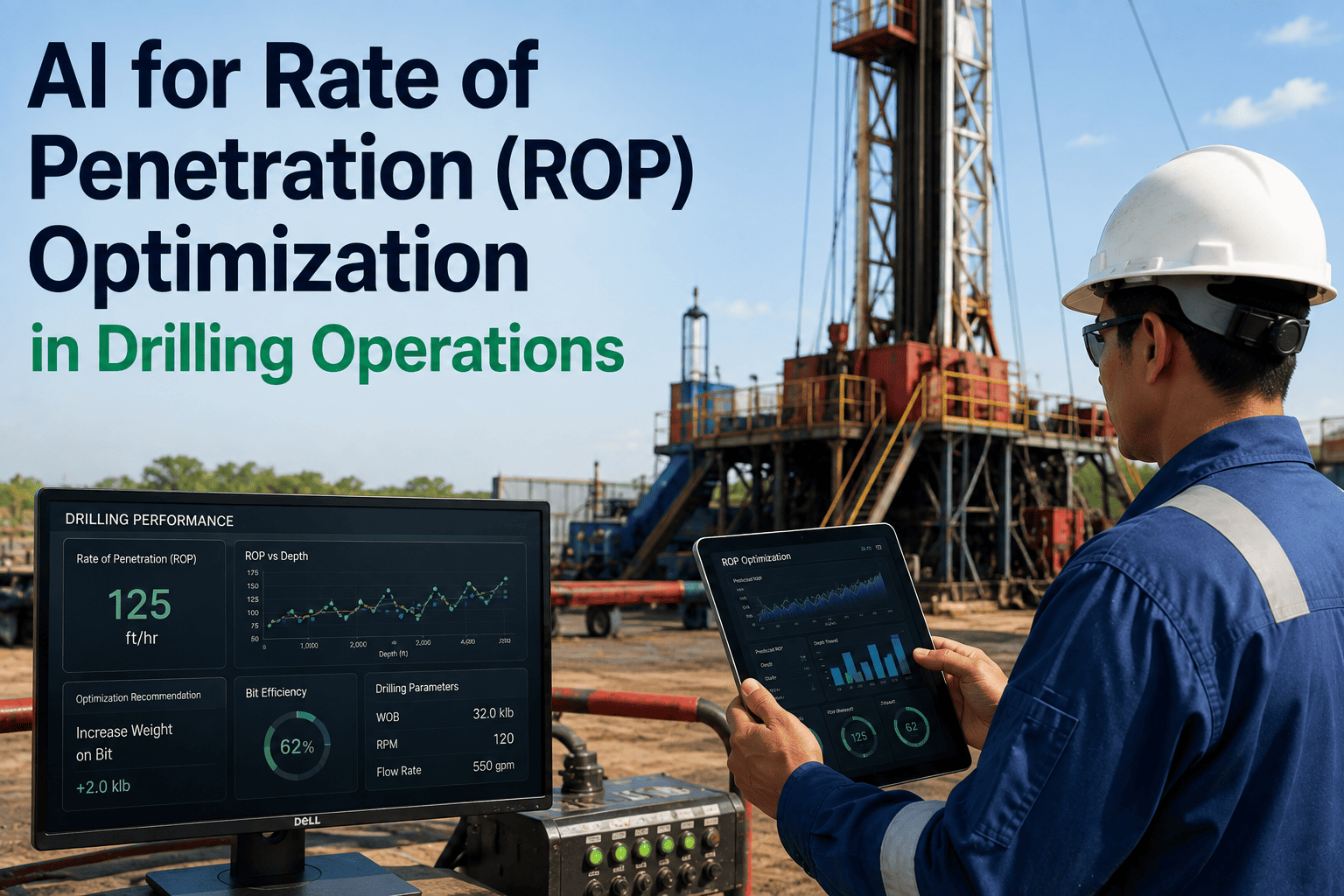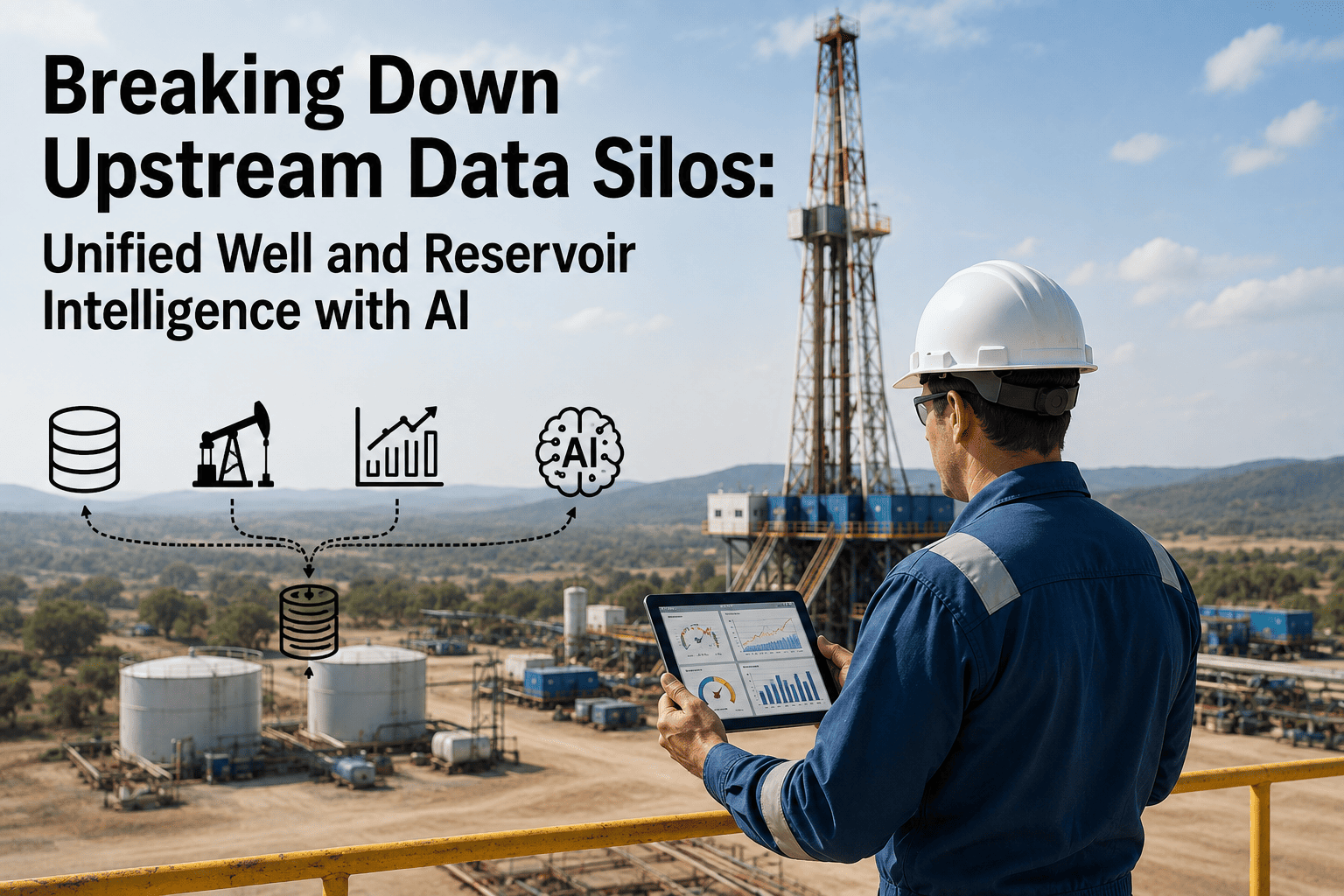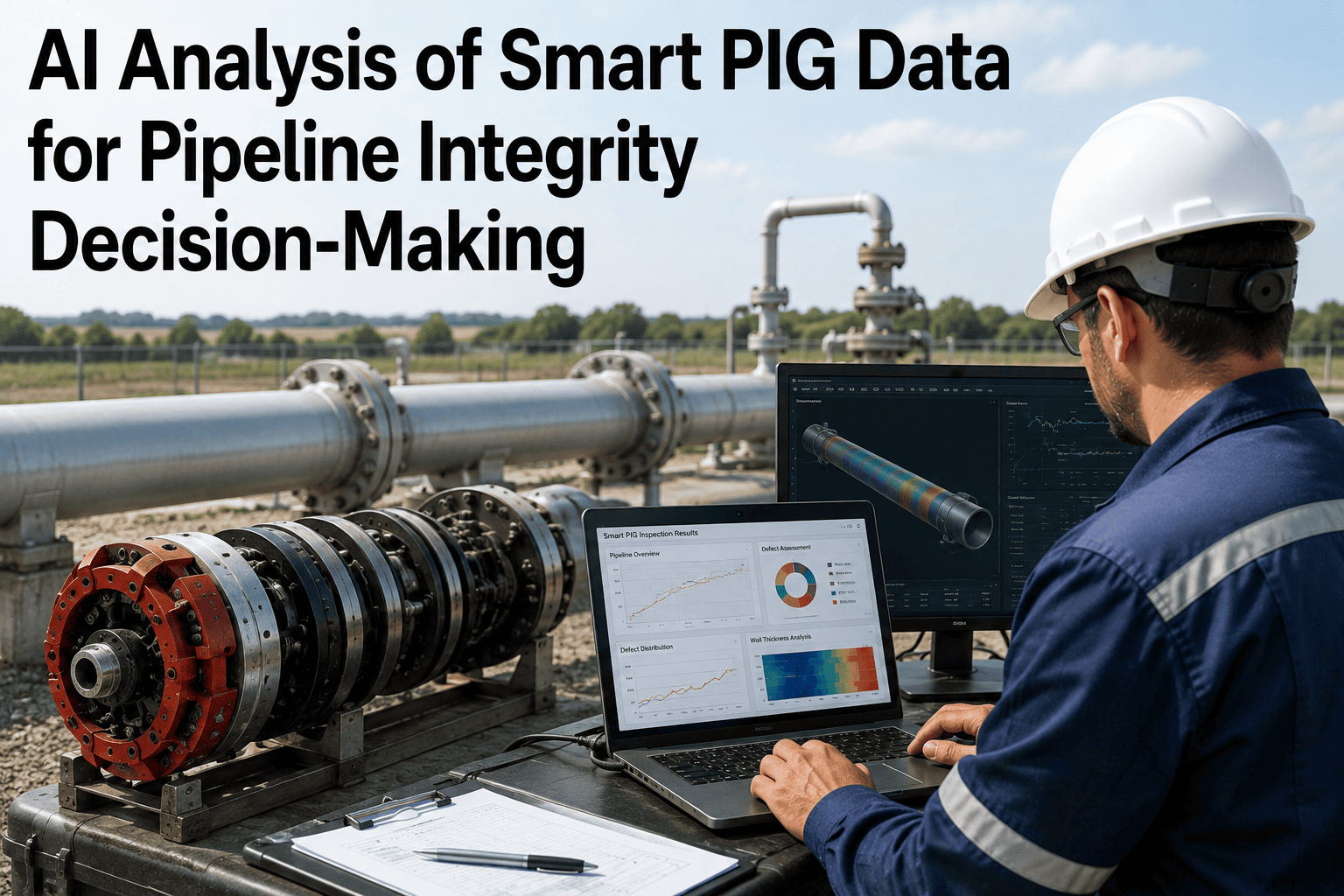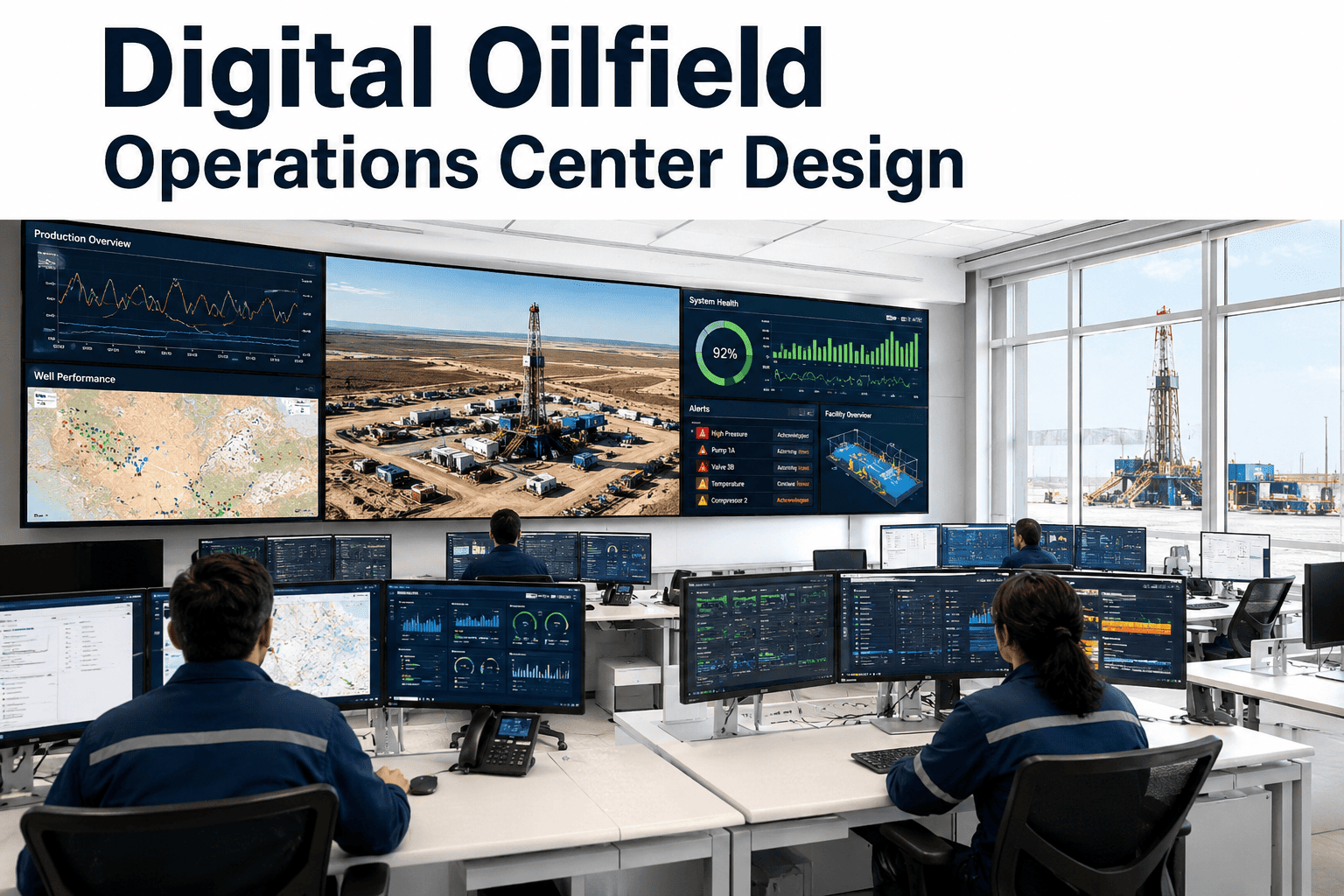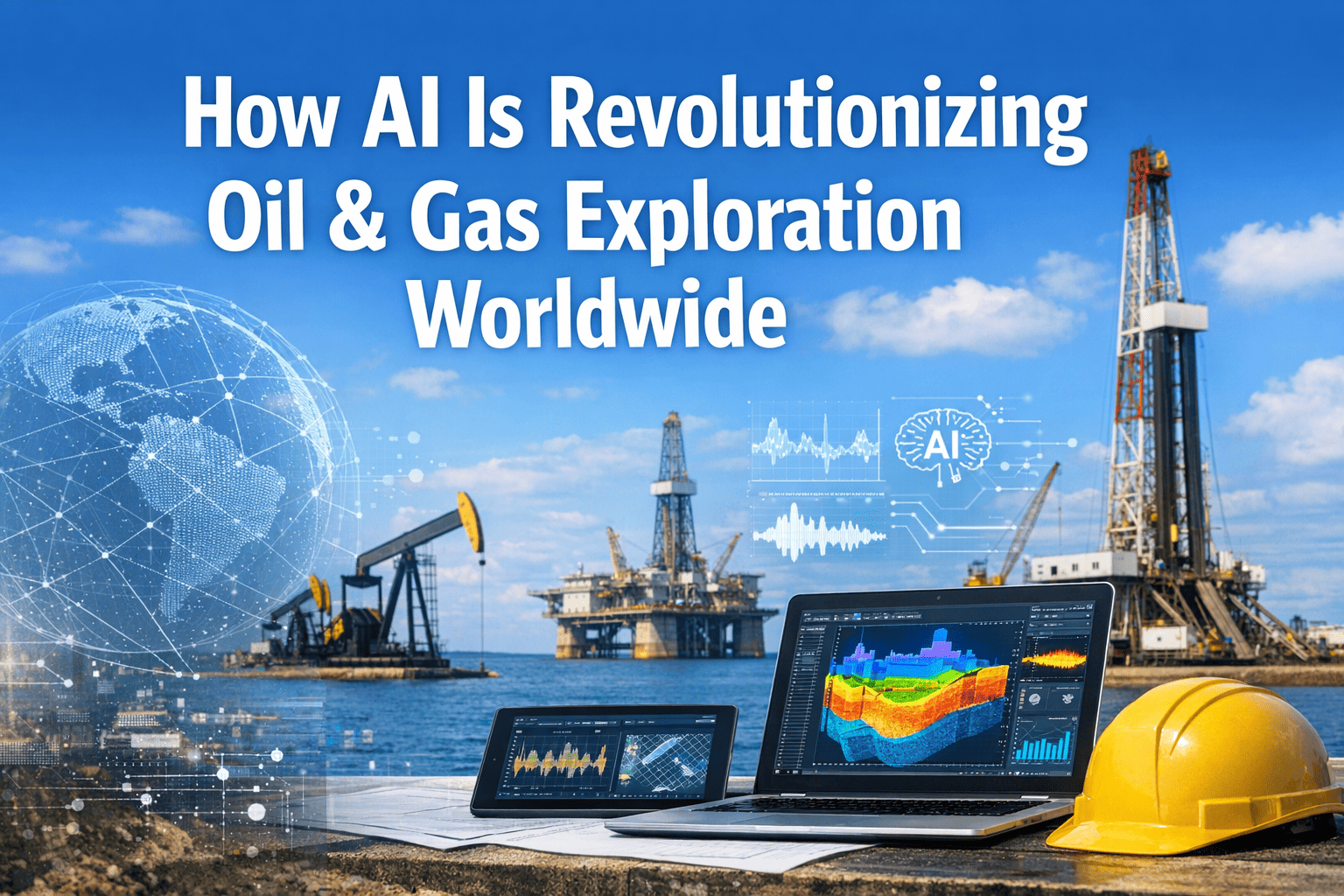
AI processes seismic data in 72 hours versus 8 weeks manual analysis, with 40% higher accuracy identifying hydrocarbon zones. Legacy workflows delay drilling decisions by months, missing optimal targets. Delayed offshore wells cost $500K per day in rig standby, and dry holes from interpretation errors cost $8M-$15M each. iFactory's platform analyzes 3D seismic through machine learning trained on global reservoir data, automatically detecting geological features and hydrocarbon indicators. Wells now hit optimal zones on first attempt. Book a demo.
iFactory's AI platform analyzes seismic data, well logs, geological surveys, and production history from global datasets to predict optimal drilling locations, reservoir characteristics, and hydrocarbon potential with 30-40% higher accuracy than manual interpretation. Machine learning models identify subsurface patterns invisible to human analysis, process terabytes of data in days instead of months, and continuously improve predictions as new drilling results validate or refine algorithms. Result: faster exploration decisions, higher success rates, reduced dry hole risk, and optimized well placement that maximizes field recovery.
AI Transformation Across Exploration Workflow
Traditional exploration relies on manual seismic interpretation and geological surveys. AI automates pattern recognition across massive datasets, identifying drilling targets with precision human analysis cannot match. iFactory integrates AI at every exploration stage from seismic acquisition to drilling execution.
See how iFactory processes seismic data, predicts reservoir properties, and ranks drilling prospects with accuracy that eliminates guesswork from exploration decisions.
Exploration Challenges AI Eliminates
Every challenge below represents a failure mode in traditional exploration workflows that causes dry holes, missed pay zones, or delayed drilling decisions. These problems exist because human interpretation cannot process the data volume or recognize the subtle patterns that AI algorithms detect automatically. Discuss your exploration challenges with our team.
AI fix: iFactory processes seismic in 68 hours, delivers drilling targets 7 weeks early, zero standby cost.
AI fix: AI recognizes pattern from 8,000 global datasets, flags anomaly as 78% probability target, well hits gas sandstone.
AI fix: AI analyzes 240 offset wells, predicts 12-16% porosity, flags marginal risk, drilling deferred, dry hole avoided.
AI fix: AI maps porosity probability, identifies sweet spot, well targets zone center, achieves 1,050 bbl/day initial rate.
Regional Compliance & Data Security
iFactory operates under strict data protection and regulatory compliance across all major oil and gas regions. Seismic data, well logs, and production records remain secure while meeting regional requirements.
| Region | Compliance Standards | Data Residency | Regulatory Bodies | Environmental Requirements |
|---|---|---|---|---|
| United States | NERC CIP, API Q1/Q2, ISO 27001, SOC 2 Type II | US-based cloud infrastructure, encrypted storage | DOE, EPA, BLM, State regulatory commissions | NEPA compliance, emission monitoring, spill prevention |
| UAE | ADNOC HSE standards, UAE Data Protection Law, ISO 27001 | UAE data centers, government-approved cloud | ADNOC, Dubai Supreme Council of Energy, FANR | Abu Dhabi EHS framework, emission controls |
| United Kingdom | UK GDPR, North Sea Transition Authority standards, ISO 27001 | UK/EU data residency options | NSTA, HSE, BEIS, OGA | Environmental Impact Assessments, net zero commitments |
| Canada | PIPEDA, CSA Z662, provincial regulations, ISO 27001 | Canadian data centers, provincial compliance | CER, AER (Alberta), BCOGC, provincial regulators | Indigenous consultation, environmental assessments, methane reduction |
| Europe | EU GDPR, ISO 27001, SOC 2, national E&P regulations | EU-based infrastructure, Schrems II compliant | National regulators (Norway NPD, Netherlands SodM) | EU Green Deal compliance, carbon reporting, biodiversity protection |
iFactory maintains certifications and compliance documentation for all listed standards. Regional implementations customized to meet specific regulatory requirements and data sovereignty laws.
iFactory vs Competitor Platforms — AI Exploration Capabilities
Generic seismic software provides visualization but lacks predictive AI. Basic ML platforms handle specific tasks like fault detection but cannot integrate multi-domain data. iFactory differentiates on end-to-end AI from seismic through drilling, continuous learning from production, and unified data integration. See a comparison demo.
| Capability | iFactory | Halliburton DecisionSpace | Schlumberger Petrel | Baker Hughes JewelSuite | Emerson Paradigm |
|---|---|---|---|---|---|
| Seismic AI Processing | |||||
| Automated horizon picking | Full 3D auto-picking | Semi-automated | Semi-automated | Assisted picking | AI-powered |
| Fault detection and mapping | AI fault network | Manual + auto | Ant tracking | Semi-auto | ML fault detection |
| Processing speed improvement | 50-60x faster than manual | 10-15x faster | 8-12x faster | 10-15x faster | 12-18x faster |
| Reservoir Property Prediction | |||||
| AI porosity prediction | ML multi-attribute | Geostatistical | Neural network | Inversion-based | Statistical |
| Permeability modeling | AI flow prediction | Log correlation | Facies-based | Manual correlation | Geostatistical |
| Uncertainty quantification | Probabilistic AI models | Monte Carlo | Stochastic modeling | Scenario analysis | Variance maps |
| Drilling Optimization | |||||
| Target ranking automation | AI risk-reward scoring | Manual ranking | Manual analysis | Manual evaluation | Manual scoring |
| Real-time geosteering | AI LWD analysis | Manual with tools | Manual interpretation | Not included | Not included |
| Optimal well placement | AI sweet spot detection | Manual optimization | Manual planning | Workflow tools | Manual placement |
| Continuous Learning | |||||
| Production data feedback | Auto model updates | Separate system | Manual integration | Not integrated | Separate workflow |
| Model accuracy improvement | Every well refines AI | Static models | Manual updates | No feedback loop | Static workflow |
Comparison based on publicly available product specifications and industry evaluations as of Q1 2025. Verify current capabilities with vendors before procurement decisions.
iFactory's machine learning models analyze patterns across thousands of global wells to predict reservoir quality, hydrocarbon presence, and drilling risk with accuracy that traditional interpretation cannot achieve.
Implementation Roadmap — iFactory AI Exploration Deployment
Most operators implement iFactory in phases, starting with seismic processing on existing datasets before expanding to real-time drilling. Typical deployment: 8-16 weeks to first AI drilling recommendations.
Measured Results Across Deployed Operations
Client Success
Frequently Asked Questions
Continue Reading
iFactory's machine learning platform processes seismic data 50x faster than manual interpretation, predicts reservoir properties with 40% higher accuracy, and ranks drilling prospects by success probability to eliminate guesswork from exploration decisions.