
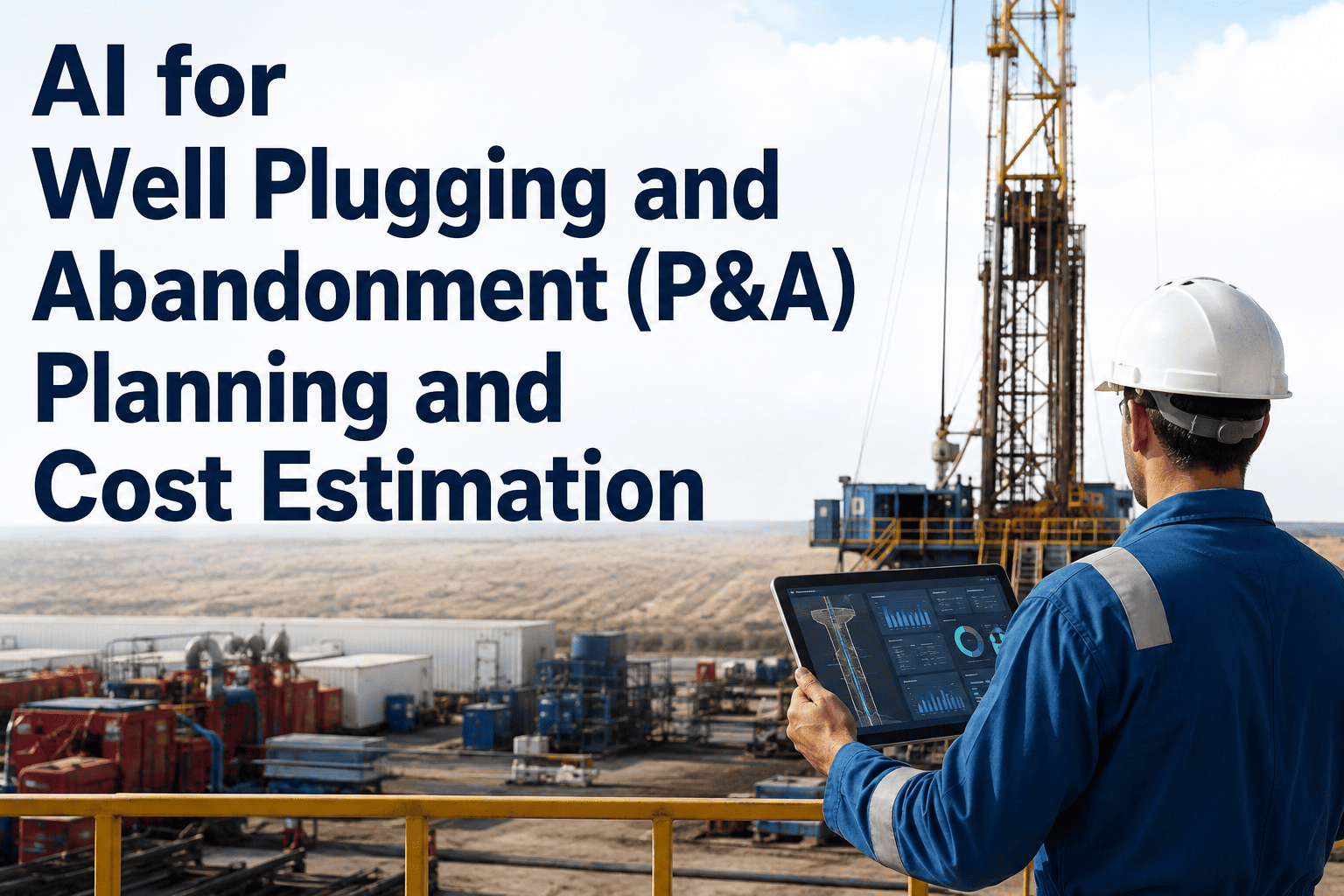
Oil and gas decommissioning is one of the most technically complex, cost-intensive, and regulatory-sensitive undertakings in the energy sector. Across the U.S. Gulf of Mexico, the North Sea, and aging onshore basins, operators are managing a growing backlog of end-of-life wells, platforms, pipelines, and subsea infrastructure that must be safely abandoned, removed, and remediated in compliance with federal and state requirements. The U.S. Bureau of Safety and Environmental Enforcement estimates the outstanding decommissioning liability for offshore Gulf of Mexico assets alone exceeds $30 billion. Traditional decommissioning planning relies on decades-old asset records, manual site surveys, and cost estimates built from historical analogies that frequently miss the mark by 20–40%. AI-driven decommissioning planning platforms change that model fundamentally — by integrating real-time asset condition data, regulatory requirement mapping, and predictive cost modeling into a single intelligent workflow that reduces planning cycle time, minimizes scope surprises, and delivers defensible cost estimates from the earliest phases of a decommissioning program. Book a Demo to see how iFactory connects asset data to decommissioning planning intelligence.
The Structural Cost Problem in Conventional Decommissioning Planning
Decommissioning cost overruns are not random — they follow predictable patterns rooted in the limitations of conventional planning methods. Most programs begin with incomplete asset records: engineering drawings that do not reflect decades of modifications, well files with gaps in cement bond log data, and pipeline condition assessments based on installation records rather than current integrity status. When planners build scope and cost estimates from this incomplete data foundation, they inevitably encounter surprises during execution — uncharted wellbore obstructions, corroded structural members that require additional cutting equipment, or soil contamination that expands the remediation scope. AI addresses the root cause of these overruns by systematically integrating and reconciling all available asset data sources before scope development begins, flagging data gaps that represent scope risk, and generating probabilistic cost models that account for the conditions that conventional analogies miss.
From Asset Data to Decommissioning Scope: The AI-Driven Planning Workflow
iFactory's AI platform integrates the full spectrum of asset data relevant to decommissioning scope development — well records, integrity inspection reports, structural assessments, regulatory filings, and environmental baseline data — into a unified intelligence layer that drives scope generation, cost modeling, and regulatory compliance planning. The following workflow reflects how AI transforms the conventional linear planning process into a data-driven, continuously refined program.
iFactory ingests all available asset records — well completion files, inspection logs, corrosion survey data, structural integrity assessments, soil condition reports, and regulatory correspondence — via API connections to EDMS, CMMS, SCADA historians, and document management systems. AI reconciliation identifies data conflicts, flags missing records, and generates a data confidence score for each asset in the decommissioning portfolio.
Machine learning models trained on offshore and onshore decommissioning asset patterns assess each asset's current condition against historical failure modes and decommissioning complexity indicators. Wells are scored for plug and abandonment complexity. Structures are scored for removal method requirements. Pipelines are assessed for flushing, purging, and removal or abandonment-in-place feasibility. Book a Demo to see iFactory's asset condition scoring in action.
iFactory's compliance engine maps each asset against the applicable regulatory requirements from BSEE (offshore), state oil and gas commissions (onshore), EPA environmental remediation standards, and any applicable international frameworks. Regulatory gaps — assets without current abandonment orders, permits requiring renewal, or environmental assessments needing updates — are automatically flagged with timeline and cost implications.
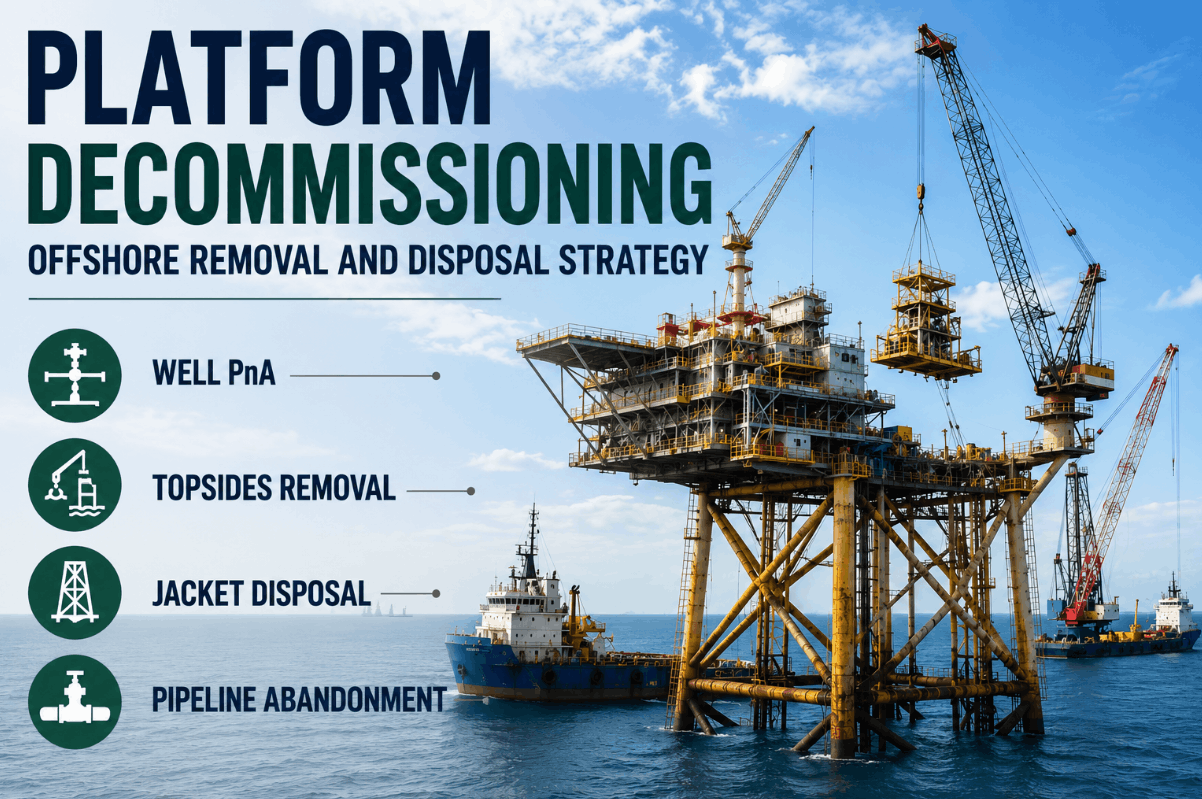
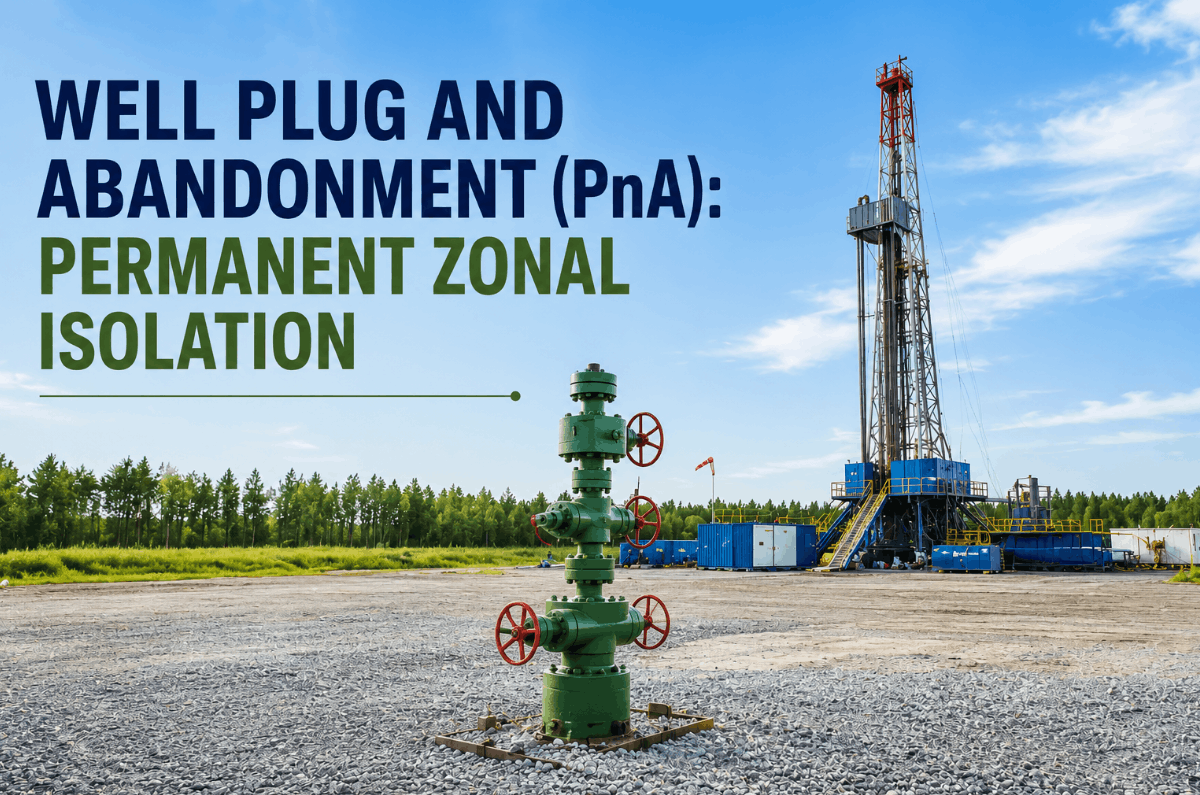
AI cost models generate P10/P50/P90 cost estimates for each decommissioning scope element — well abandonment, platform removal, pipeline decommissioning, and site remediation — based on asset condition scores, analogous project data, and current contractor market rates. Sensitivity analysis identifies the cost drivers with the highest variance, enabling operators to prioritize additional data collection where it will have the most impact on estimate accuracy.
iFactory's scheduling engine optimizes the decommissioning program sequence across multiple assets and work fronts — identifying opportunities to batch well abandonments, coordinate vessel sharing, and align regulatory application timelines to minimize total program duration and contractor mobilization cost. AI-generated program schedules are updated dynamically as execution data flows back into the planning model.
Regulatory Compliance iFactory Automates for U.S. Oil & Gas Decommissioning
U.S. oil and gas decommissioning is governed by a layered regulatory framework that varies by asset type and location. iFactory's platform is pre-configured with the key requirements that apply to offshore, onshore, and pipeline decommissioning programs — eliminating the manual regulatory translation work that consumes significant planning team time.
| Regulatory Framework | Asset / Scope | Key Requirement | iFactory Support |
|---|---|---|---|
| BSEE 30 CFR Part 250 | Offshore wells, platforms, pipelines | Decommissioning application, P&A standards, platform removal timelines | Auto regulatory checklist · Application tracking |
| NTL 2010-G05 | Offshore idle iron | Idle infrastructure decommissioning priority ranking and timeline enforcement | Idle iron scoring · Priority queue management |
| State Oil & Gas Commission Rules | Onshore wells | Plugging & abandonment permits, financial assurance, site remediation | State-specific permit workflow · Bond tracking |
| EPA RCRA / CERCLA | Contaminated sites | Environmental assessment, remediation planning, reporting | Environmental data integration · Remediation tracking |
| PHMSA 49 CFR Part 195 | Hazardous liquid pipelines | Abandonment notification, purging, cathodic protection removal | Pipeline abandonment workflow · Notification records |
| NEPA Environmental Review | Federal offshore leases | Environmental impact assessment for major decommissioning projects | NEPA documentation support · Baseline data integration |
Where AI Reduces Cost in Decommissioning Programs
AI-driven decommissioning planning reduces cost across three distinct phases: planning, execution preparation, and execution itself. The following breakdown reflects the cost reduction mechanisms that iFactory's platform delivers at each phase. Book a Demo to see how iFactory's cost modeling compares to your current decommissioning estimates.
Measured Outcomes from AI-Driven Decommissioning Planning
Expert Perspective: AI in Oil & Gas Decommissioning Planning
The decommissioning planning challenge in oil and gas is fundamentally a data quality problem dressed up as an engineering problem. The engineering methodologies for well abandonment, platform removal, and site remediation are well established. What drives cost overruns and schedule failures is not a lack of engineering expertise — it is the gap between the condition data available at planning time and the actual condition discovered during execution.
AI platforms that systematically integrate, reconcile, and assess asset condition data before scope development begins are addressing the root cause of decommissioning cost variance in a way that traditional engineering studies cannot. A front-end engineering study can only work with the data it is given. An AI platform that has ingested thirty years of well file data, corrosion survey reports, and inspection logs can identify the assets most likely to generate scope surprises — and flag them for additional data collection before the execution contractor is mobilized.
The regulatory compliance automation capability is equally important, and often underestimated. U.S. offshore decommissioning involves sequential regulatory milestones — BSEE applications, environmental assessments, financial assurance calculations — that must be managed across programs involving dozens of assets simultaneously. The administrative cost of tracking these milestones manually, and the execution cost of missing them, is material. AI compliance tracking eliminates both.
From Reactive Liability to Managed Program: The AI Decommissioning Advantage
Oil and gas decommissioning is transitioning from a reactive liability management activity to a proactively planned, data-driven program discipline. The operators who will manage their decommissioning obligations most cost-effectively in the coming decade are those who build the data infrastructure and analytical capability to understand their asset conditions, regulatory exposures, and cost risks before execution begins — not after the contractor has mobilized and discovered a scope surprise that was predictable from existing records. iFactory's AI decommissioning planning platform provides that capability: systematic asset data integration, AI-driven condition assessment, probabilistic cost modeling, and automated regulatory compliance tracking in a single platform that reduces planning cycle time, tightens cost estimates, and eliminates the administrative failures that generate avoidable cost overruns. Book a Demo to see how iFactory can improve your decommissioning program planning and cost management.

-for-offshore-environmental-monitoring.png)