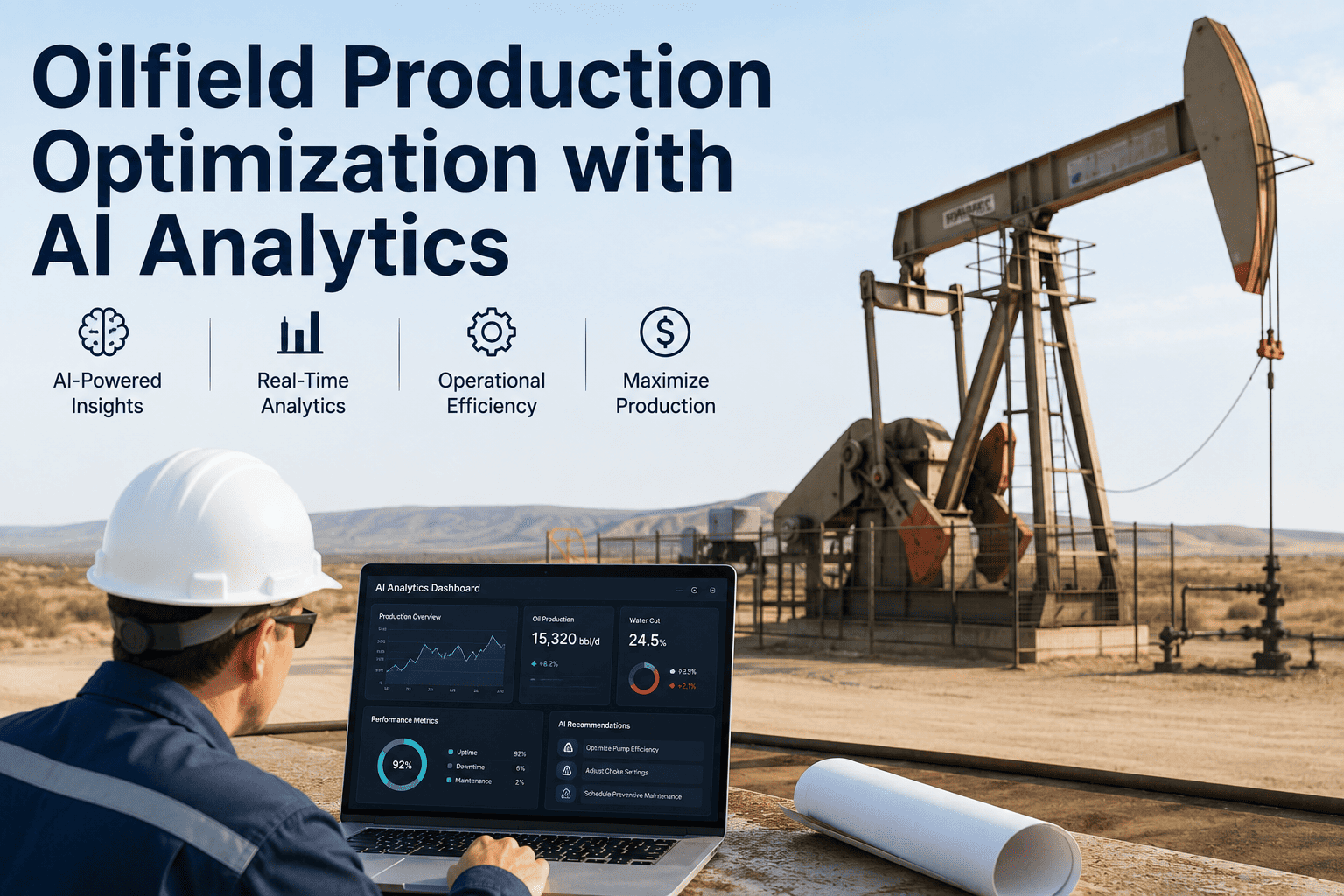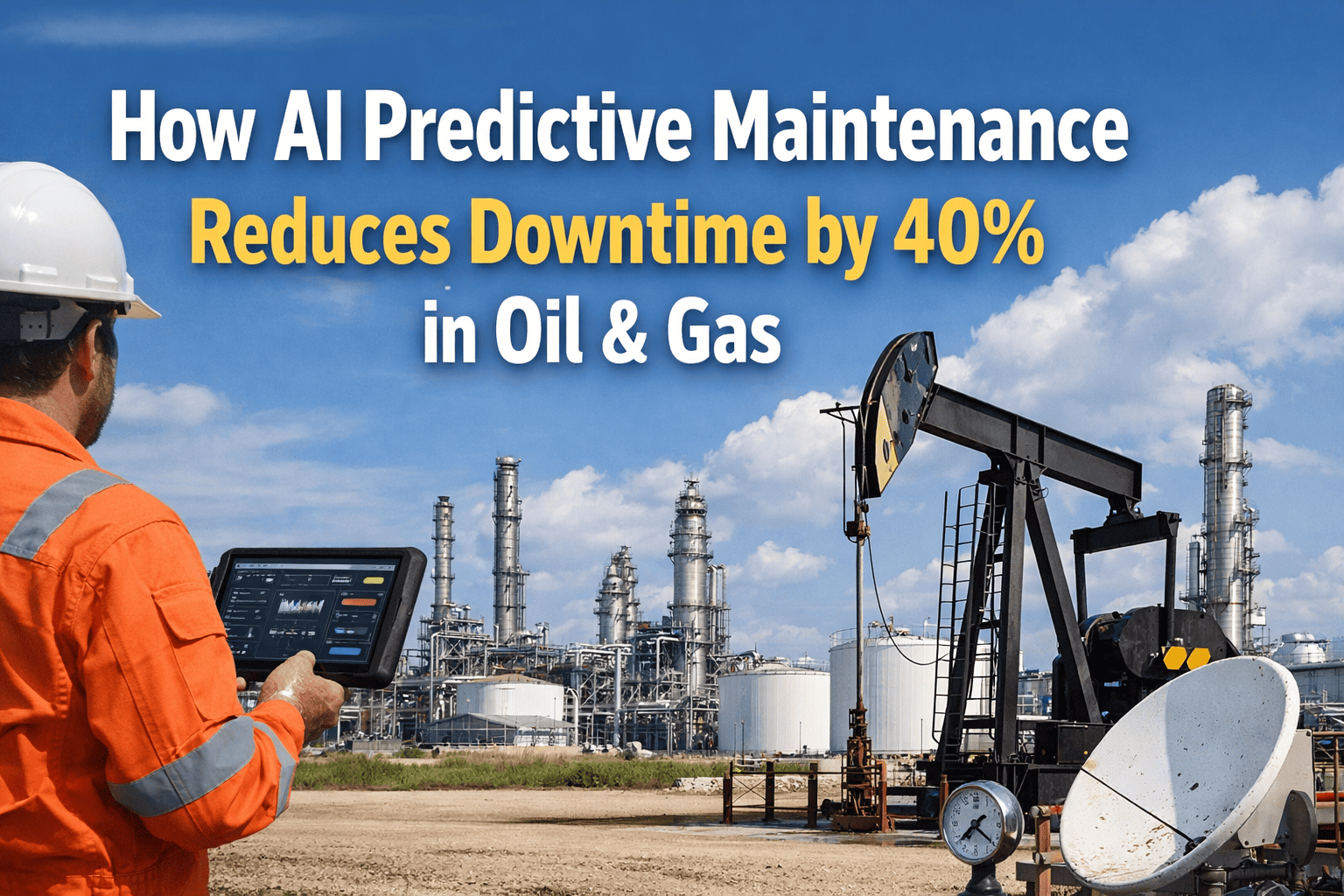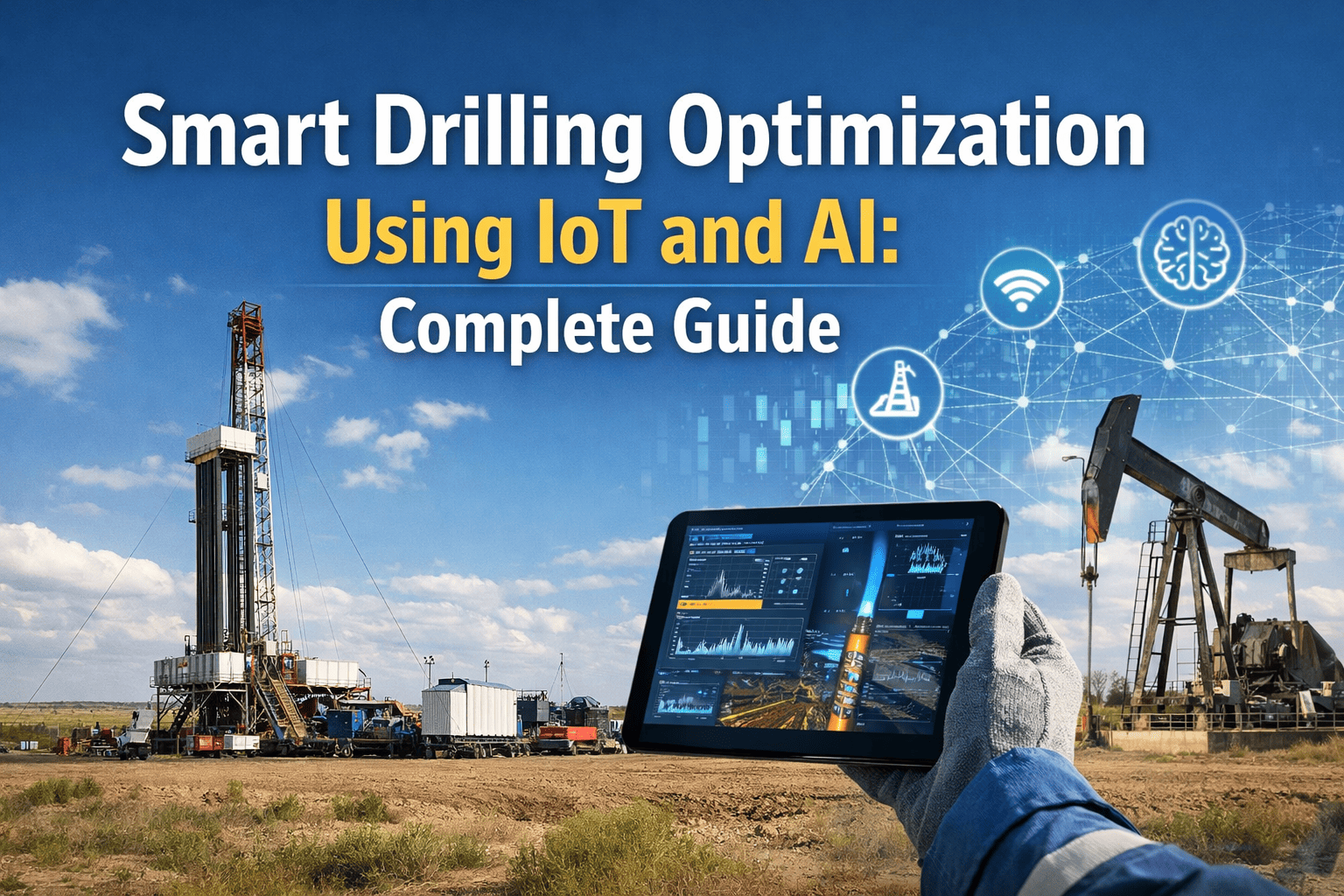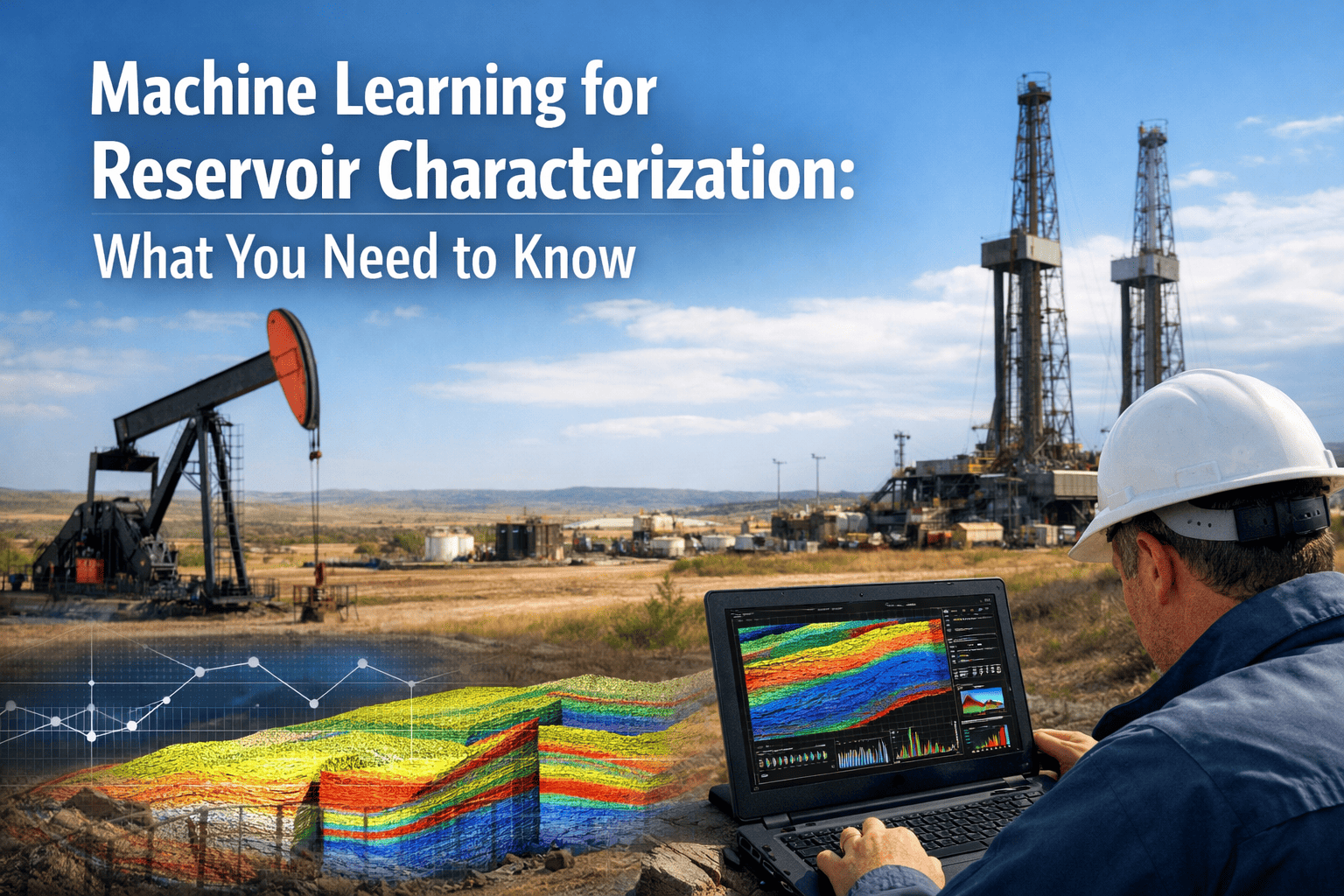
Unplanned drilling delays cost operators $150,000 to $500,000 per day in rig standby charges, yet 30% of drilling time is classified as non-productive time (NPT) caused by equipment failures, stuck pipe incidents, wellbore instability, and formation pressure surprises that could have been predicted from real-time drilling data. iFactory's AI-powered predictive drilling analytics platform processes real-time sensor data from downhole tools, surface equipment, and mud logging systems to forecast drilling hazards 2 to 6 hours before they occur, enabling proactive interventions that reduce NPT by 65%, improve average ROP by 22%, and cut per-well drilling costs by $420,000 to $1.2M across offshore and unconventional operations. Book a demo to see predictive drilling analytics for your operations.
iFactory's machine learning models analyze real-time drilling parameters including weight on bit, torque, standpipe pressure, mud properties, vibration signatures, and formation cuttings data to predict stuck pipe risk, wellbore stability issues, kick detection, bit wear progression, and optimal drilling parameter recommendations. System generates predictive alerts 2 to 6 hours before critical events, providing drilling engineers time to adjust parameters, change drilling fluid properties, or pull out of hole before costly NPT incidents occur. Result: 65% NPT reduction, 22% ROP improvement, $420K to $1.2M savings per well in complex drilling environments.
iFactory's real-time analytics platform processes downhole sensor data to forecast stuck pipe, wellbore instability, and formation pressure events hours before occurrence, enabling proactive interventions that eliminate costly drilling delays.
How AI Predictive Drilling Analytics Works
The workflow below shows the four-stage real-time analysis process iFactory executes continuously during drilling operations, from sensor data collection through predictive alert generation and recommended parameter adjustments.
Critical Drilling Hazards AI Analytics Predicts
Each failure mode below represents a major source of NPT that costs operators hundreds of thousands of dollars per incident in rig time, remediation operations, and potential wellbore abandonment. Traditional monitoring detects these problems reactively after damage begins, while AI prediction enables proactive prevention.
AI solution: System detects differential pressure buildup from hookload trending and torque spikes 5 hours before sticking event. Alert recommends reducing WOB, increasing rotation speed, and pumping high-viscosity sweep to improve filter cake quality. Driller implements parameter changes, performs wiper trip to clean hole, continues drilling without incident. Stuck pipe event prevented, zero NPT, well completed on schedule.
AI solution: Geomechanical model integrated with real-time drilling data predicts wellbore collapse risk from cuttings analysis, cavings volume, and connection gas composition. System recommends increasing mud weight to 15.4 ppg at 6,200-foot measured depth, before entering critical shale section. Proactive mud weight adjustment maintains stable wellbore throughout drilling, casing run to planned depth without issues, no NPT or EUR reduction.
AI solution: Machine learning model monitors micro-flow anomalies, standpipe pressure deviations, and formation evaluation log responses to detect influx within 90 seconds of occurrence. Early kick detection alert triggers immediate well control procedure before significant gas volume enters wellbore. Kick circulated out in 4 hours with standard procedure, mud weight increased, drilling resumes. NPT reduced from 24 hours to 4 hours, safety risk minimized through early detection.
AI solution: Bit wear model analyzes vibration signatures, ROP trends, mechanical specific energy (MSE), and torque-on-bottom variations to predict remaining bit life. System forecasts cutter damage progression, recommends trip out at 8,200-foot MD based on predicted bit failure at 8,350 feet. Early trip prevents bit damage and stuck pipe risk, fresh bit improves ROP in remaining interval, overall section drilled 18% faster than offset wells using reactive bit pull decisions.
AI solution: System monitors equivalent circulating density (ECD), pump pressure trends, and formation fracture pressure predictions from offset well data. Alert generated when ECD approaches 95% of estimated fracture gradient, recommending reduced pump rate and sweeps with sized LCM as preventive measure. Proactive ECD management prevents total losses, minor seepage controlled with LCM sweeps without stopping circulation. Zero severe lost circulation events, NPT reduced to 2 hours for LCM treatment, fluid cost savings $285K.
AI solution: Real-time parameter optimization engine recommends WOB, RPM, and flow rate adjustments based on continuous formation response analysis and offset well performance database. Automated advisory system suggests increasing WOB from 28 klbs to 38 klbs and RPM from 120 to 165 when entering high-drillability sandstone interval. Driller implements AI recommendations, achieves average ROP of 152 ft/hr in lateral section. Well drilled 48 hours faster than plan, rig cost savings $360K, improved wellbore quality from smoother drilling reduces completion NPT.
Regional Compliance Standards for Oil & Gas Operations
iFactory's drilling analytics platform helps operators meet safety and environmental regulations across global jurisdictions by providing automated incident documentation, real-time well control monitoring, and compliance-ready drilling data records.
| Region | Key Standards | Requirements | iFactory Support |
|---|---|---|---|
| United States | API RP 53 blowout prevention, BSEE offshore regulations, state drilling rules (Texas RRC, NDIC, COGCC) | Real-time well monitoring for kick detection, drilling parameter documentation, incident reporting within 24 hours, BOP testing records, H2S contingency plans where applicable | Automated kick detection alerts meet BSEE monitoring requirements, drilling data archived for regulatory audits, incident timeline documentation with sensor data for investigation reports, API-compliant well control procedures integrated into alert workflows |
| United Arab Emirates | ADNOC drilling standards, DMCC regulations, UAE HSE framework, OPEC reporting requirements | Drilling supervision by qualified personnel, real-time monitoring systems for offshore operations, environmental protection during drilling, data submission to ADNOC for concession areas | Platform provides real-time visibility for ADNOC-required drilling oversight, HSE incident tracking and reporting formatted for UAE authorities, automated data export in ADNOC-specified formats, multilingual interface supporting English and Arabic for field operations |
| United Kingdom | HSE offshore regulations, Oil & Gas UK guidelines, NSTA (North Sea Transition Authority) requirements, ISO 16530 well integrity | Safety case regime for offshore installations, well examination schemes, competent person verification, well barrier management documentation | Drilling hazard predictions support HSE risk assessments, well barrier status monitoring with real-time integrity verification, competent person review workflows for critical drilling decisions, NSTA-compliant well data reporting and archival |
| Canada | Canada-Newfoundland Offshore Petroleum Board (C-NLOPB) regulations, AER Directive 036 (Alberta), BCOGC requirements, Arctic drilling protocols | Real-time drilling data transmission to regulators, well control equipment testing, environmental monitoring in sensitive areas, ice management for Arctic operations | Automated data streaming to C-NLOPB and provincial regulators, well control event documentation meeting AER reporting timelines, environmental parameter tracking for compliance in protected areas, Arctic-specific hazard models for ice and permafrost conditions |
| Europe (EU) | Offshore Safety Directive 2013/30/EU, NORSOK D-010 (Norway), ISO 16530 well integrity, local environmental regulations | Major accident prevention, independent verification of safety-critical systems, environmental impact assessments, corporate major accident prevention policy (CMAPP) | Predictive hazard analysis supports major accident prevention documentation, safety-critical system monitoring with independent verification audit trails, environmental monitoring data for EIA compliance, CMAPP risk management integration with drilling analytics |
Platform Capability Comparison
Traditional drilling automation systems provide surface parameter monitoring and basic alarms. Specialized directional drilling software focuses on wellbore trajectory control. iFactory differentiates on real-time predictive analytics combining downhole and surface data, machine learning-based hazard forecasting, and automated drilling parameter optimization across all drilling phases.
| Capability | iFactory | Pason EDR | NOV RIGSENSE | Halliburton iCruise | Schlumberger DrillOps |
|---|---|---|---|---|---|
| Predictive Analytics | |||||
| Stuck pipe prediction | 2-6 hour advance warning | Reactive monitoring only | Basic risk indicators | Statistical analysis | Predictive models |
| Kick early detection | 90-second detection latency | Flow monitoring alerts | Real-time kick detection | Manual monitoring | Automated detection |
| Bit wear forecasting | Remaining life prediction | Not available | Not available | MSE monitoring | Performance tracking |
| Drilling Optimization | |||||
| Real-time parameter recommendations | AI-optimized WOB/RPM | Manual adjustment | Advisory alerts | Auto-driller integration | Automated optimization |
| Offset well learning | 15K+ well database | Local well data | Project-specific data | Global well database | Extensive well data |
| ROP improvement tracking | Real-time benchmarking | Performance dashboards | KPI tracking | Performance metrics | Analytics suite |
| Integration & Deployment | |||||
| Cloud-based platform | Real-time cloud analytics | Cloud data access | Cloud platform | Hybrid deployment | Cloud infrastructure |
| Multi-vendor sensor integration | Universal data connectors | Pason sensors primary | NOV systems focus | Halliburton tools | Open architecture |
iFactory's predictive platform processes real-time drilling data to forecast stuck pipe, wellbore instability, and formation pressure events hours before occurrence, enabling proactive interventions that eliminate costly delays and improve drilling efficiency.
Measured Results from Deployed Operations
From the Field
Frequently Asked Questions
iFactory's AI platform analyzes real-time drilling data to forecast stuck pipe, wellbore instability, kick events, and bit wear progression, enabling proactive interventions that reduce NPT by 65% and cut per-well costs by over $1M in complex drilling environments.