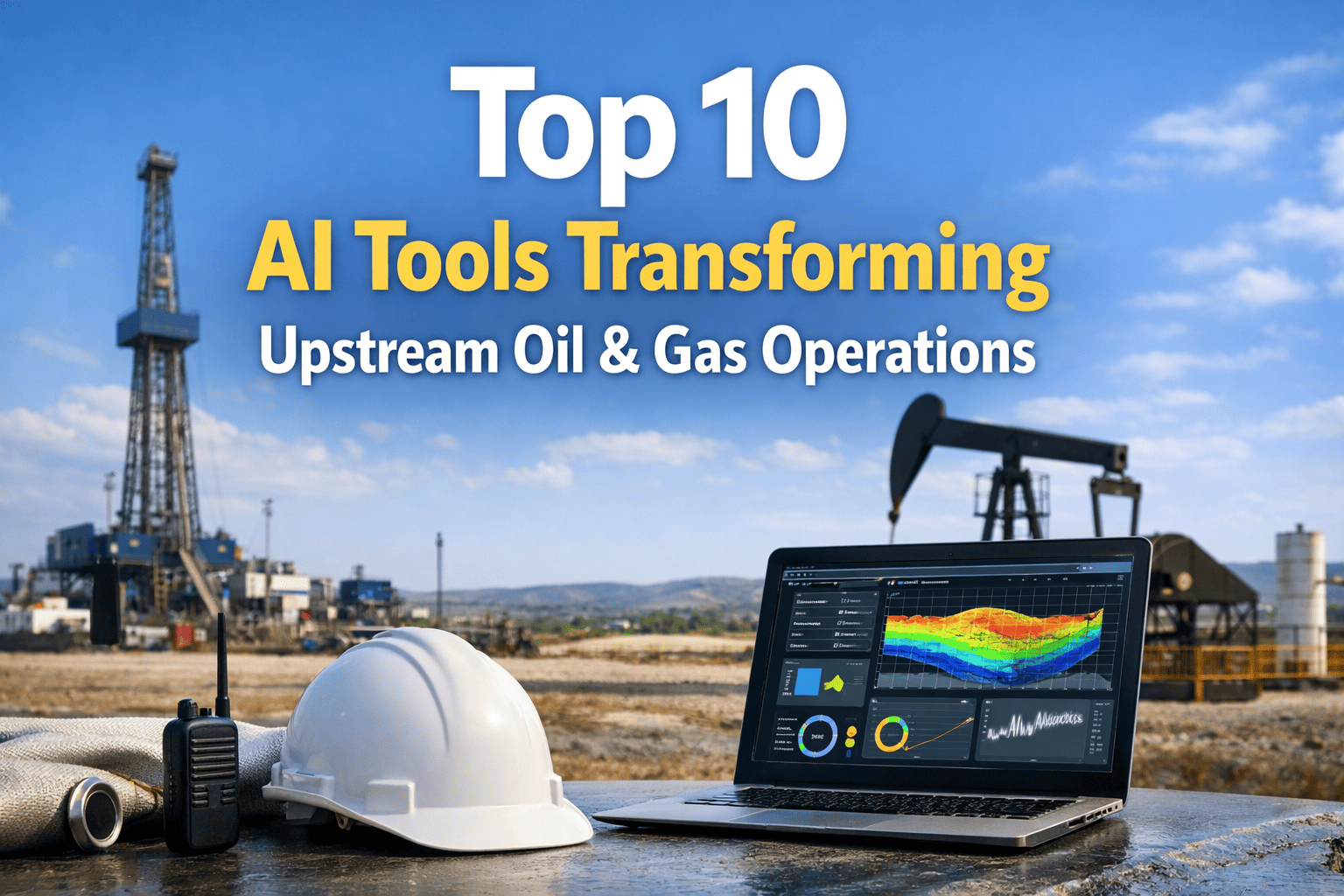
Upstream oil and gas operations face mounting pressure to reduce costs, improve drilling efficiency, and maximize reservoir recovery while managing complex geological uncertainties and volatile commodity prices. The result is predictable: drilling non-productive time averaging 15-25% of total well time, seismic interpretation taking 6-12 months per survey, reservoir characterization errors leading to 20-30% unrecovered hydrocarbons, and unplanned equipment failures costing $500K-$2M per incident. AI-driven tools are transforming this landscape by automating seismic interpretation with 92% accuracy in fault detection, predicting drilling hazards 48-72 hours before occurrence, optimizing wellbore trajectories in real-time to avoid geological risks, and continuously updating reservoir models from production data to guide infill drilling decisions. Book a demo to see AI solutions for your upstream operations.
The top 10 AI tools transforming upstream oil and gas include machine learning platforms for seismic interpretation (reducing interpretation time from months to days), predictive drilling analytics (cutting non-productive time by 40-60%), AI-powered reservoir characterization (improving recovery factors by 8-15%), real-time wellbore optimization systems, automated formation evaluation, intelligent completion design tools, predictive equipment maintenance platforms, smart drilling parameter optimization, AI-driven prospect ranking engines, and integrated digital twin platforms. iFactory consolidates these capabilities into a unified platform with industry-specific compliance, automated work order generation, and seamless integration with existing drilling and production systems across US, UAE, UK, and Canadian operations.
iFactory delivers integrated AI tools purpose-built for upstream oil and gas, from seismic interpretation to drilling optimization, with full compliance support for US, UAE, UK, and Canadian regulatory frameworks.
Top 10 AI Tools Reshaping Upstream Oil and Gas
Each tool below addresses a specific operational challenge in exploration and drilling. These are not theoretical capabilities but deployed technologies generating measurable improvements in drilling efficiency, reservoir recovery, and capital deployment optimization. iFactory integrates these AI functions into a single platform with upstream-specific workflows, compliance tracking, and automated maintenance coordination.
AI Solution: Machine learning models trained on 50,000+ interpreted seismic volumes automatically detect faults, horizons, salt bodies, and stratigraphic features with 92% accuracy. Interpretation time reduced from 6 months to 2-3 weeks. Geologists focus on high-value prospect evaluation while AI handles routine interpretation. Learn about seismic AI implementation.
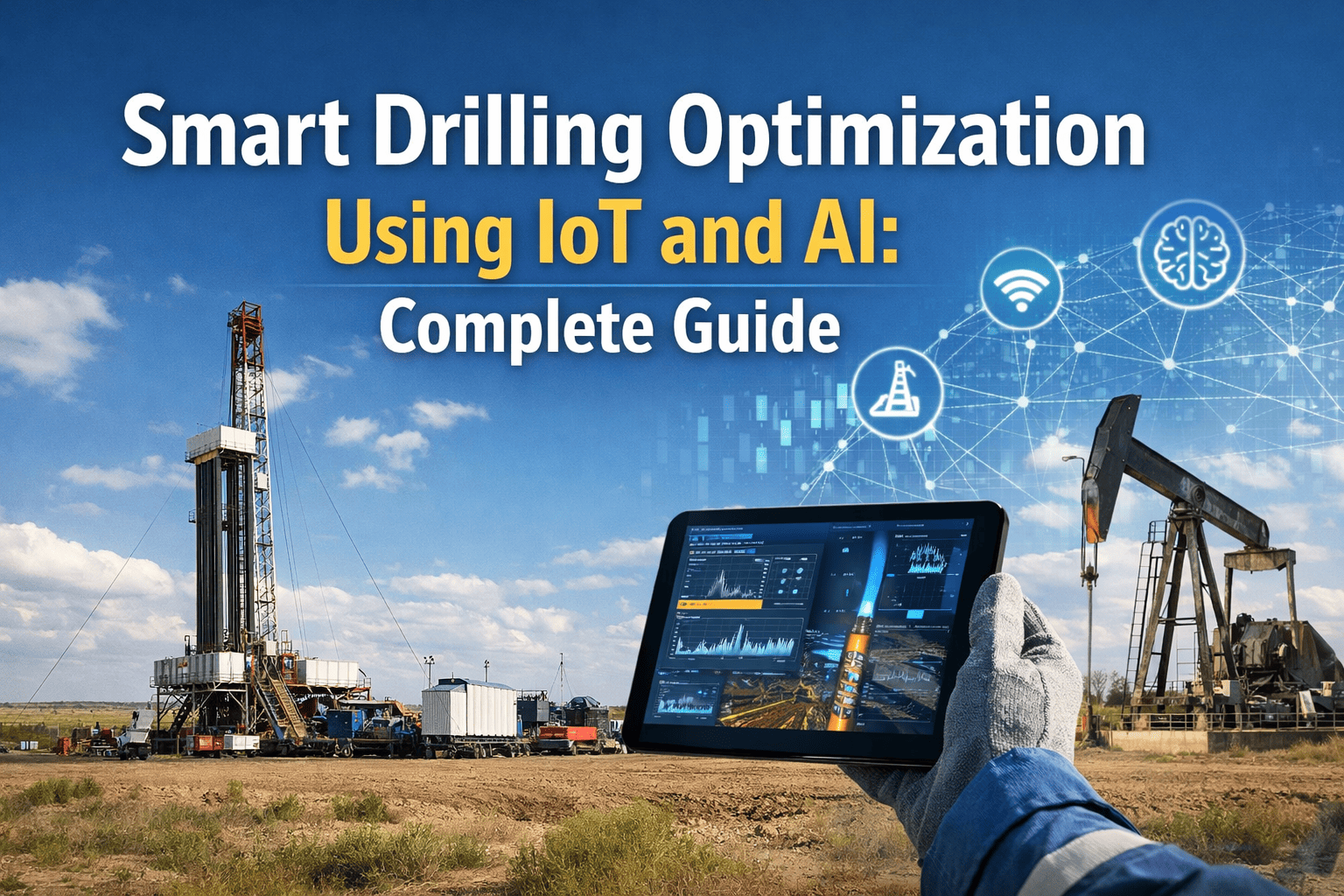
AI Solution: Real-time analytics monitor 200+ drilling parameters (weight on bit, rotary speed, mud properties, formation pressure) to predict drilling hazards 48-72 hours before occurrence. Automated alerts trigger preventive actions before stuck pipe or kicks develop. NPT reduction: 40-60% across deployed operations. See predictive drilling in action.
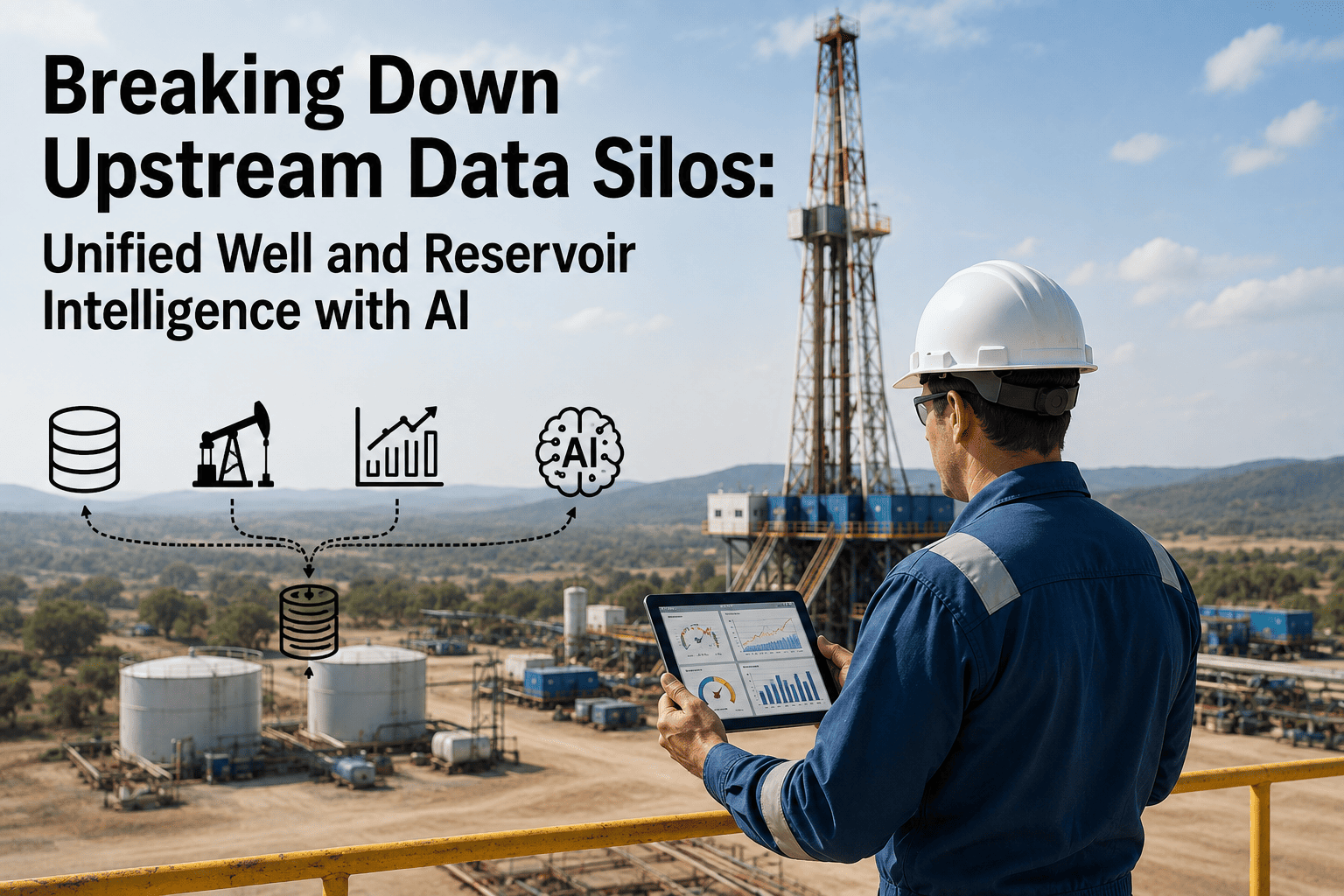
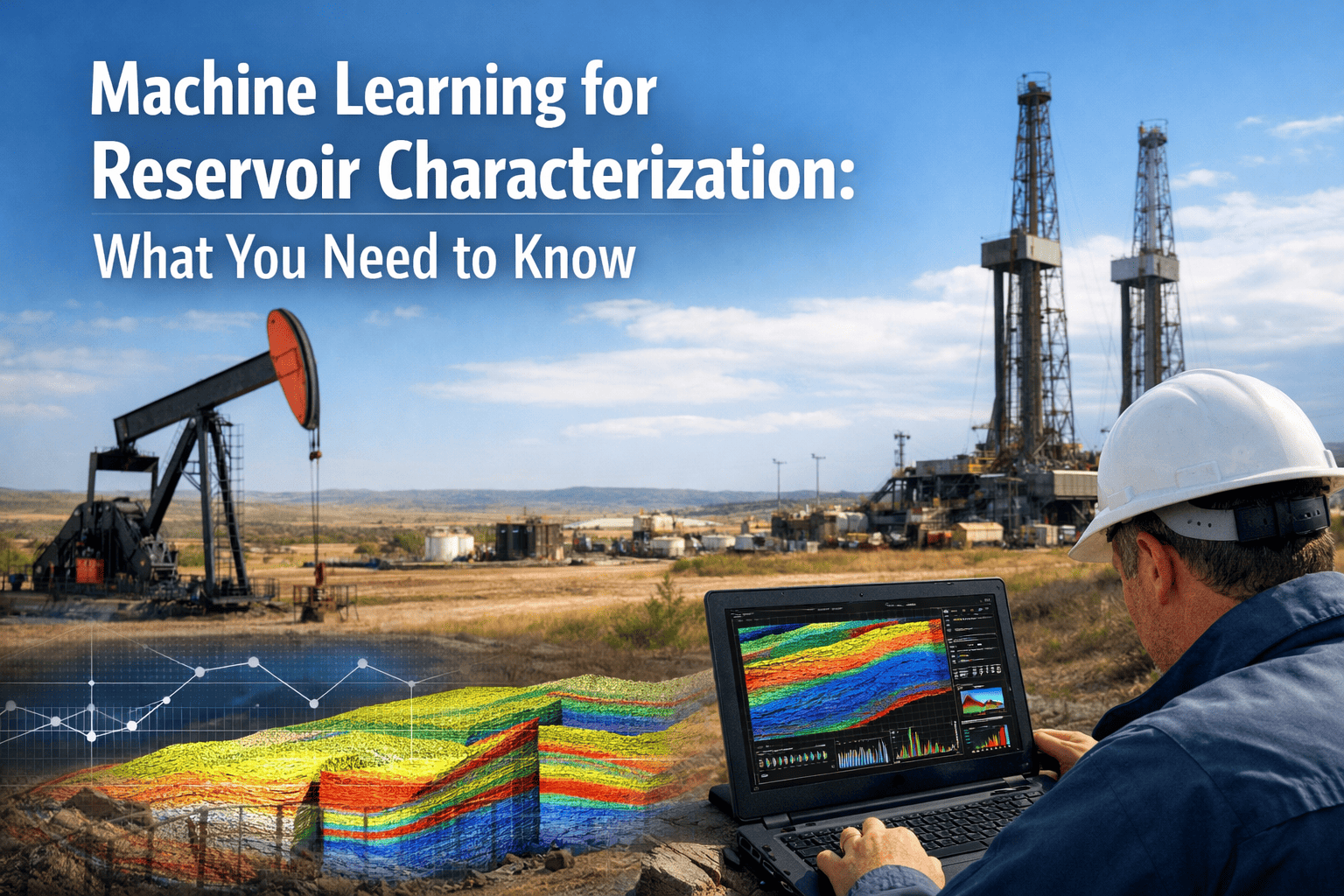
AI Solution: ML algorithms integrate seismic, well logs, core data, and production history to generate high-resolution reservoir property models. Continuous model updating as new production data arrives enables adaptive field development. Recovery factor improvements: 8-15% from better infill well placement and enhanced recovery targeting. Explore reservoir ML capabilities.
AI Solution: Real-time geosteering algorithms process logging-while-drilling data, seismic constraints, and offset well performance to optimize wellbore trajectory every 50-100 feet. Automated steering recommendations keep lateral sections in pay zone, maximizing reservoir contact. Pay zone contact improvements: 25-40% vs manual steering.
AI Solution: Deep learning models trained on 100,000+ interpreted logs automatically generate formation evaluation results in 2-4 hours with consistent interpretation quality. Anomaly detection flags log quality issues for analyst review. Petrophysicists focus on complex reservoir intervals while AI handles routine evaluation. Analysis time reduction: 75-85%.
AI Solution: ML models analyze 1,000+ completed wells to correlate completion parameters with production outcomes across geological settings. AI recommends optimal stage spacing, perforation density, fluid volumes, and proppant loading for specific reservoir conditions. Production improvements: 18-28% from data-driven completion optimization.
AI Solution: Condition monitoring sensors track vibration, temperature, pressure on critical drilling equipment. ML models predict remaining useful life and generate maintenance work orders 7-14 days before failure thresholds. Equipment downtime reduction: 60-75%. Maintenance cost reduction: 30-45% from condition-based vs calendar-based replacement.
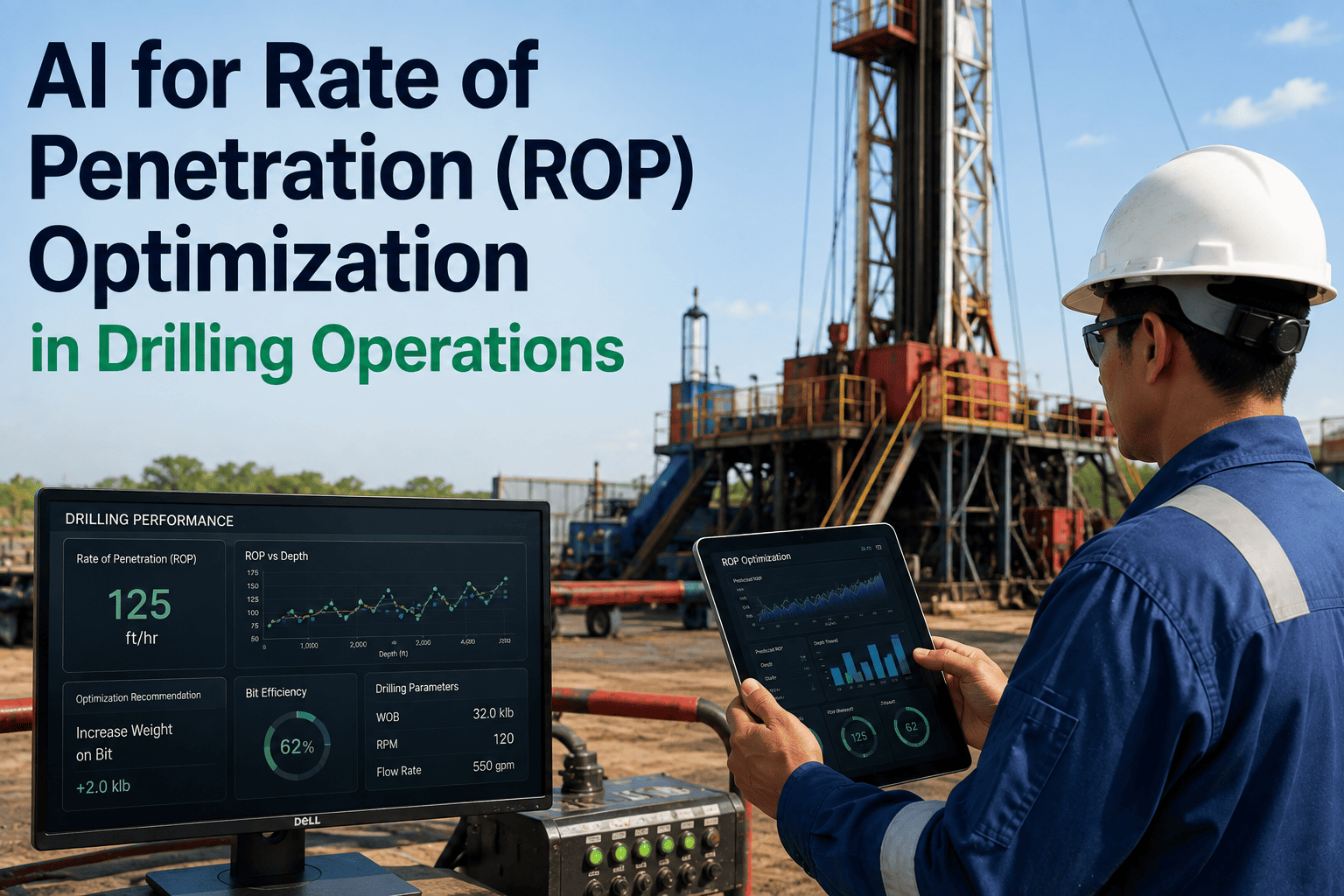
AI Solution: Real-time optimization algorithms analyze formation properties, bit condition, and hole cleaning efficiency to recommend optimal drilling parameters every 5-10 minutes. Automated parameter adjustments maximize ROP while maintaining wellbore stability. Drilling time reduction: 15-30%. Bit life extension: 25-40%.
AI Solution: ML models integrate seismic attributes, basin analogue data, geological risk factors, and commodity price forecasts to generate probabilistic prospect rankings. Monte Carlo simulations quantify resource potential and economic value for each prospect. Portfolio optimization time reduction: 70-80%. More consistent risk-weighted capital allocation across exploration inventory.
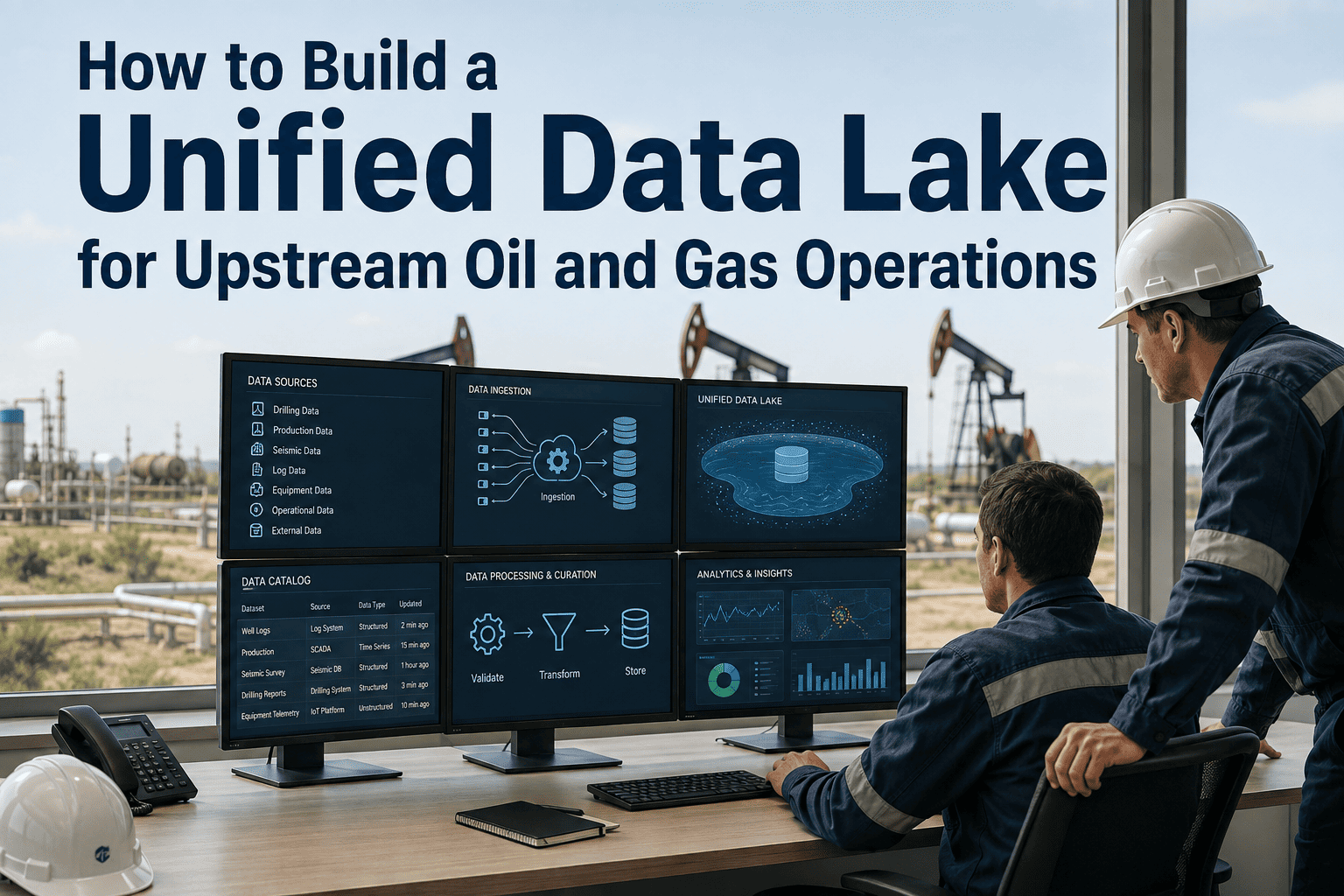
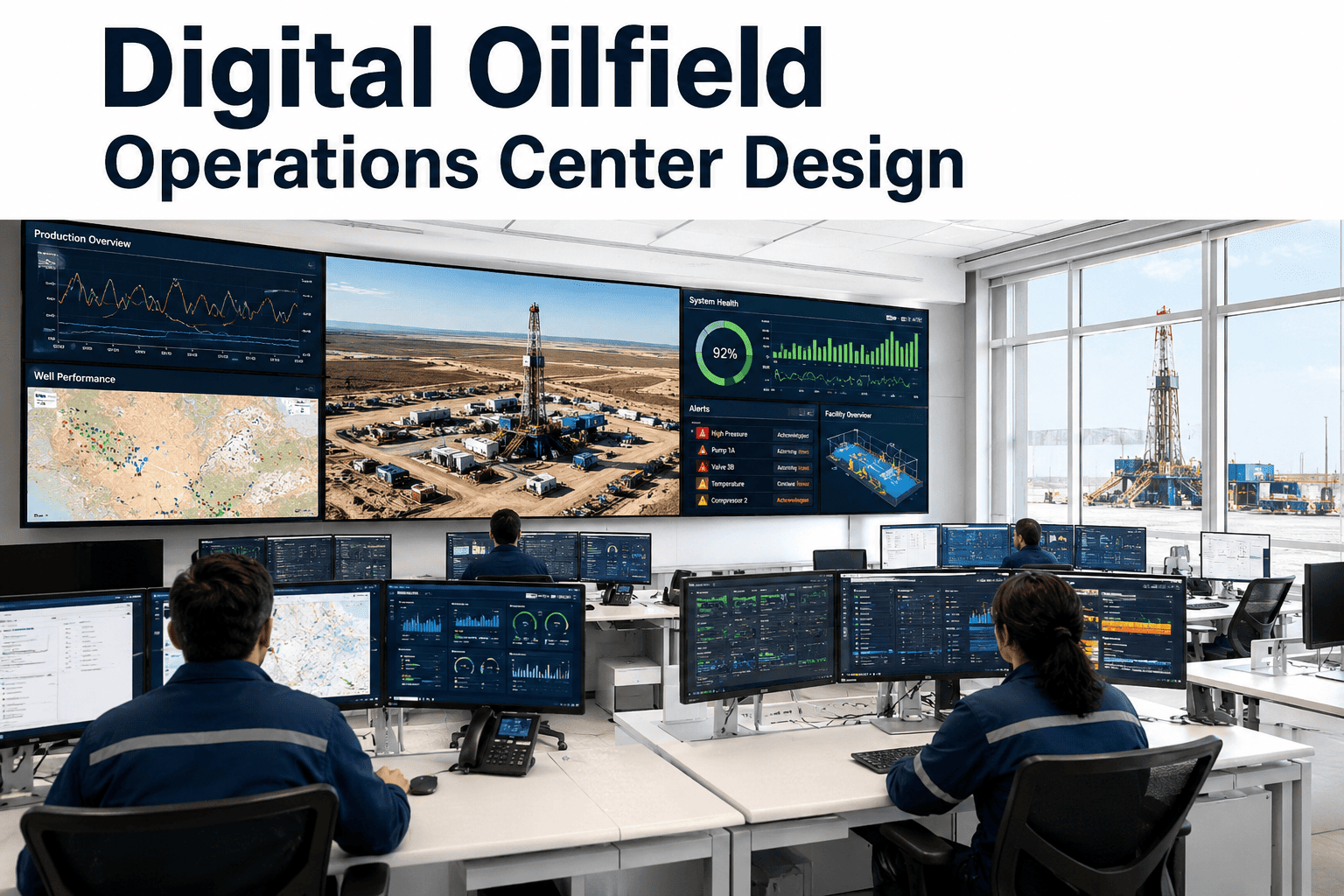
AI Solution: Digital twin platforms create unified virtual replicas of fields, wells, and facilities, integrating all operational data streams. Physics-based models combined with AI enable what-if scenario testing, production forecasting, and cross-discipline optimization. Decision cycle time reduction: 50-70%. Engineers access all relevant data from single interface with AI-generated insights.
iFactory Implementation Workflow for Upstream AI
Deploying AI tools in upstream operations requires integration with existing drilling systems, compliance with regional safety regulations, and coordination across exploration, drilling, and production teams. iFactory provides a structured implementation pathway that minimizes disruption while delivering measurable results within 60-90 days.
Regional Compliance and Safety Standards Integration
Upstream oil and gas operations must comply with region-specific safety regulations, environmental standards, and operational reporting requirements. iFactory provides built-in compliance tracking and automated documentation for major operating regions, ensuring AI-driven operations maintain full regulatory adherence.
| Region | Primary Regulations | Safety Standards | iFactory Compliance Features | Reporting Requirements |
|---|---|---|---|---|
| United States | OSHA, EPA, BSEE | API RP 75, API RP 1173 | Automated incident logging, real-time hazard alerts, API-compliant work permits, environmental monitoring dashboards | Daily drilling reports, incident notifications within 24 hours, quarterly safety statistics, annual environmental audits |
| United Arab Emirates | OSHAD, ADNOC HSE | OSHAD-SF, ADNOC CoP | OSHAD-compliant risk assessments, permit-to-work automation, HSE observation tracking, ADNOC data integration | Weekly HSE performance reports, monthly OSHAD submissions, real-time incident reporting, contractor safety tracking |
| United Kingdom | HSE, OGA | SCR 2015, PFEER, DCR | Safety case management, major accident hazard tracking, ALARP demonstrations, well integrity monitoring | KP3/KP4 performance indicators, safety case annual reviews, well examination reports, major hazard notifications |
| Canada | OGC, CNLOPB, CNSOPB | CSA Z662, API standards | Provincial regulation compliance tracking, Indigenous consultation documentation, environmental assessment integration | Monthly drilling activity reports, spill notifications within 2 hours, annual environmental performance, Indigenous engagement logs |
| Europe (General) | Seveso III, REACH, IED | ISO 45001, ISO 14001 | EU chemical inventory management, emissions tracking, major hazard notification systems, GDPR-compliant data handling | Annual environmental declarations, major accident prevention policy updates, chemical usage reports, emissions inventories |
Compliance features updated quarterly to reflect regulatory changes. Verify current requirements with regional authorities.
Platform Comparison for Upstream AI Solutions
Generic industrial AI platforms lack upstream-specific capabilities like seismic interpretation, drilling optimization, and reservoir characterization. Traditional E&P software suites offer limited AI functionality focused on single disciplines without cross-domain integration. iFactory differentiates with comprehensive upstream AI capabilities, automated work order generation, and unified compliance management across all operating regions. Schedule a comparison demonstration.
| Capability | iFactory | QAD Redzone | IBM Maximo | SAP EAM | Brightly Asset Essentials |
|---|---|---|---|---|---|
| Upstream AI Capabilities | |||||
| Seismic interpretation AI | Fault/horizon detection | Not available | Not available | Not available | Not available |
| Predictive drilling analytics | Real-time NPT prediction | Not available | Not available | Not available | Not available |
| Reservoir characterization ML | Continuous model updates | Not available | Not available | Not available | Not available |
| Wellbore trajectory optimization | Real-time geosteering | Not available | Not available | Not available | Not available |
| Operations Integration | |||||
| Automated work order generation | AI-triggered maintenance | Manual creation | Rule-based triggers | Rule-based triggers | Manual creation |
| Drilling system integration | Native SCADA connectors | Limited integration | Custom development | Custom development | Not available |
| Predictive equipment maintenance | RUL forecasting | Basic monitoring | Condition-based | Condition-based | Calendar-based |
| Compliance and Safety | |||||
| Multi-region compliance tracking | US/UAE/UK/CA built-in | US-focused | Configurable | Configurable | US municipal |
| Automated safety reporting | Regional templates | Manual reporting | Custom reports | Custom reports | Manual reporting |
| Real-time hazard alerts | AI-predicted incidents | Threshold-based | Threshold-based | Threshold-based | Not available |
Comparison based on publicly available product capabilities as of Q1 2025. Competitor capabilities may vary by licensing tier.
iFactory eliminates the need for multiple point solutions with integrated seismic interpretation, drilling optimization, reservoir characterization, and predictive maintenance in a single platform with full compliance support for your operating regions.
Measured Results from Deployed Operations
Frequently Asked Questions
Continue Exploring Upstream AI Solutions
iFactory provides integrated AI capabilities for seismic interpretation, drilling optimization, reservoir characterization, and predictive maintenance with built-in compliance for US, UAE, UK, and Canadian operations. Start with pilot deployment on 2-3 wells and scale to fleet-wide implementation within 90 days.