.png)
The oil and gas industry loses $38 billion annually to unplanned subsea infrastructure failures. For decades, the answer was sending divers — at $50,000 to $200,000 per day — into some of the most dangerous work environments on the planet. Today, a new answer is emerging: AI-powered autonomous inspection systems that outperform human divers on accuracy, speed, cost, and safety. This article breaks down exactly how AI subsea pipeline inspection diver replacement works, what it means for offshore operators and the technology stack making it possible.
Why Traditional Diver-Based Inspection Is No Longer Viable
Subsea pipeline inspection has historically depended on saturation divers — highly trained specialists who descend to depths of up to 300 meters to physically assess pipeline integrity, check welds, and survey corrosion. The operational model carries enormous overhead: dive support vessels, hyperbaric chambers, decompression protocols, and multi-day weather windows. Beyond cost, the safety record is grim. The commercial diving industry reports one of the highest fatality rates of any occupation, with incidents ranging from decompression sickness to equipment failure at depth.
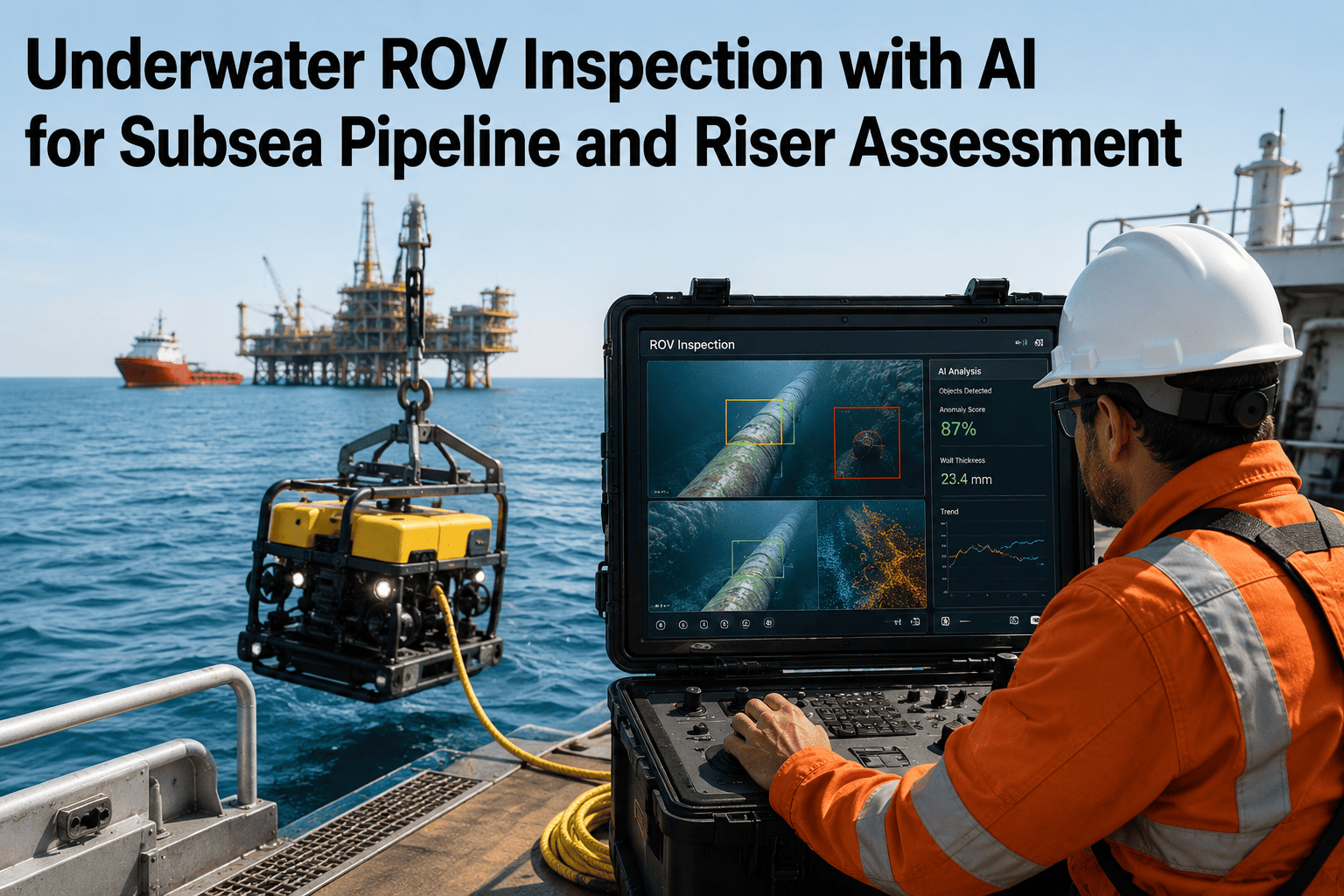
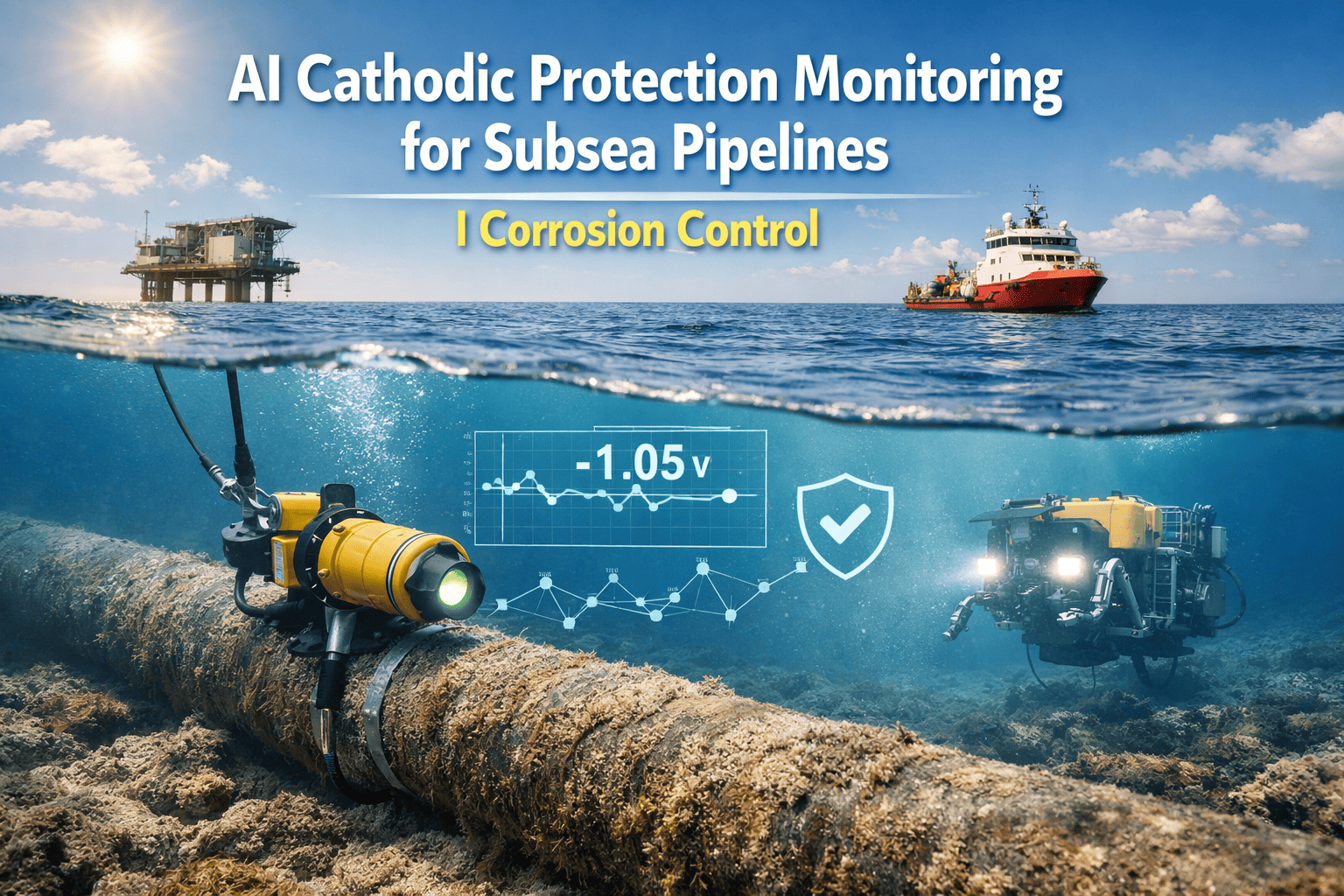
As offshore operations push into deepwater and ultra-deepwater zones — where depths exceed 1,500 meters — human divers simply cannot operate. The physics of pressure and gas narcosis impose hard limits that no amount of training can overcome. The industry was already pivoting toward remotely operated vehicles (ROVs) for deep inspection, but even ROV operations require skilled pilots aboard support vessels and are expensive to mobilize. The introduction of AI transforms what ROVs and autonomous underwater vehicles (AUVs) can do — and fundamentally changes the economics of offshore asset management.
| Factor | Human Divers | Traditional ROV | AI-Powered AUV |
|---|---|---|---|
| Max depth | ~300m | ~3,000m | 4,000m+ |
| Daily cost | $50K–$200K | $25K–$80K | $8K–$20K |
| Inspection accuracy | Variable | Moderate | Up to 97% |
| Weather dependency | High | Moderate | Low |
| Real-time reporting | No | Partial | Yes |
| Fatality risk | High | Low | None |
| Data continuity | Manual logs | Video only | Full digital twin |
How AI Subsea Inspection Systems Actually Work
The backbone of modern AI subsea inspection is the autonomous underwater vehicle equipped with multi-modal sensor payloads and onboard machine learning inference. These systems don't just collect data — they interpret it in real time, flag anomalies, and in some architectures, trigger preventive alerts before human analysts review the footage. Understanding the workflow is critical for offshore operators evaluating deployment.
The key differentiator versus legacy ROV operations is that AI models have been trained on millions of hours of subsea footage, corrosion datasets, and structural failure records. A human diver or ROV pilot relies on experience that is finite and inconsistent across individuals. An AI model applies the same detection threshold every single pass — and improves continuously as new inspection data is fed back into training pipelines.
Looking to build an AI-powered inspection workflow for your offshore assets? Book a demo with iFactory's offshore AI specialists and see how predictive maintenance integrates with subsea inspection data.
Core Technologies Enabling the Shift
No single technology makes AI subsea pipeline inspection diver replacement possible — it is a convergence of five mature but recently integrated disciplines working in concert.
Convolutional neural networks trained on corrosion, crack, and anomaly datasets. Processes 4K sonar and optical imagery at frame rate.
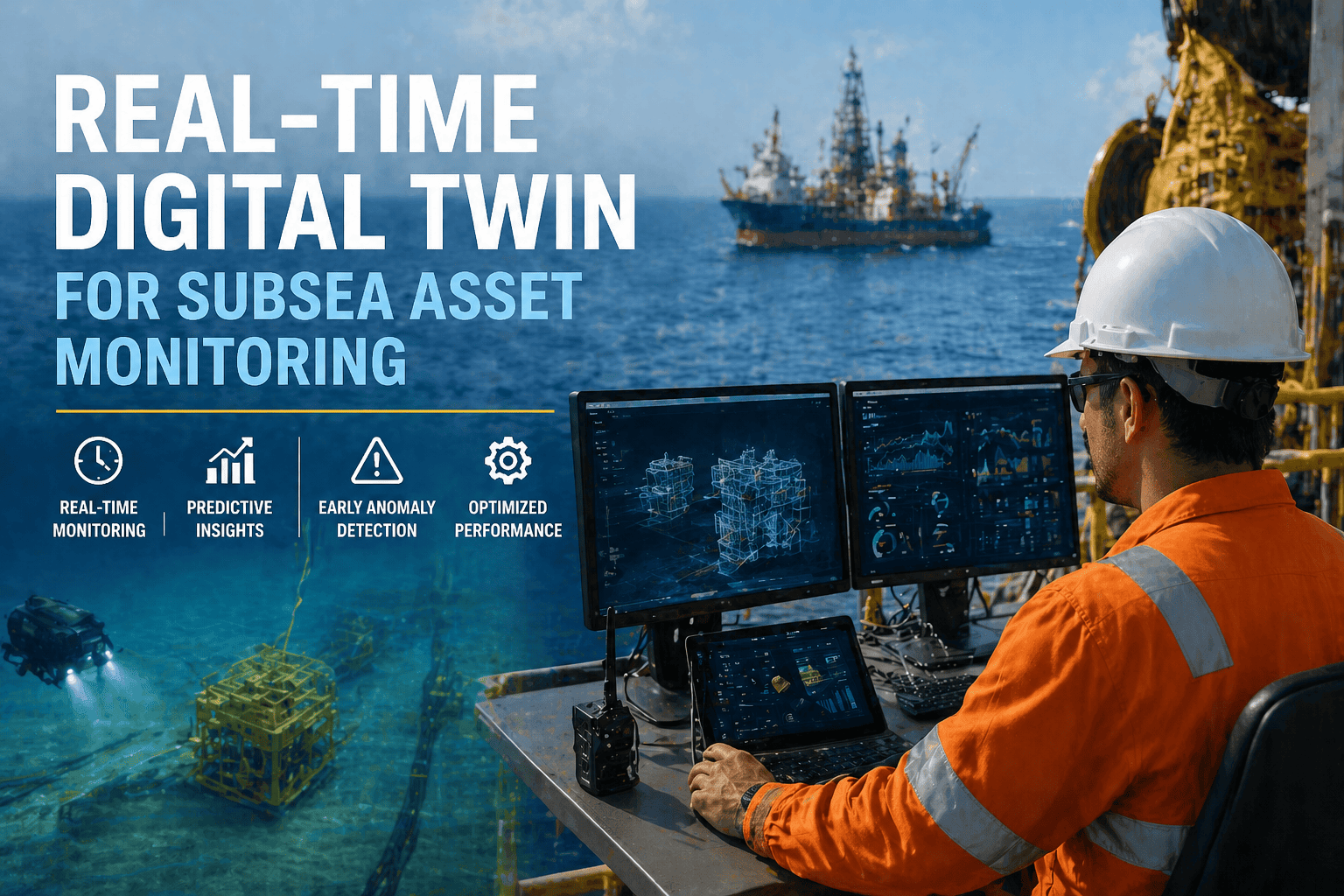
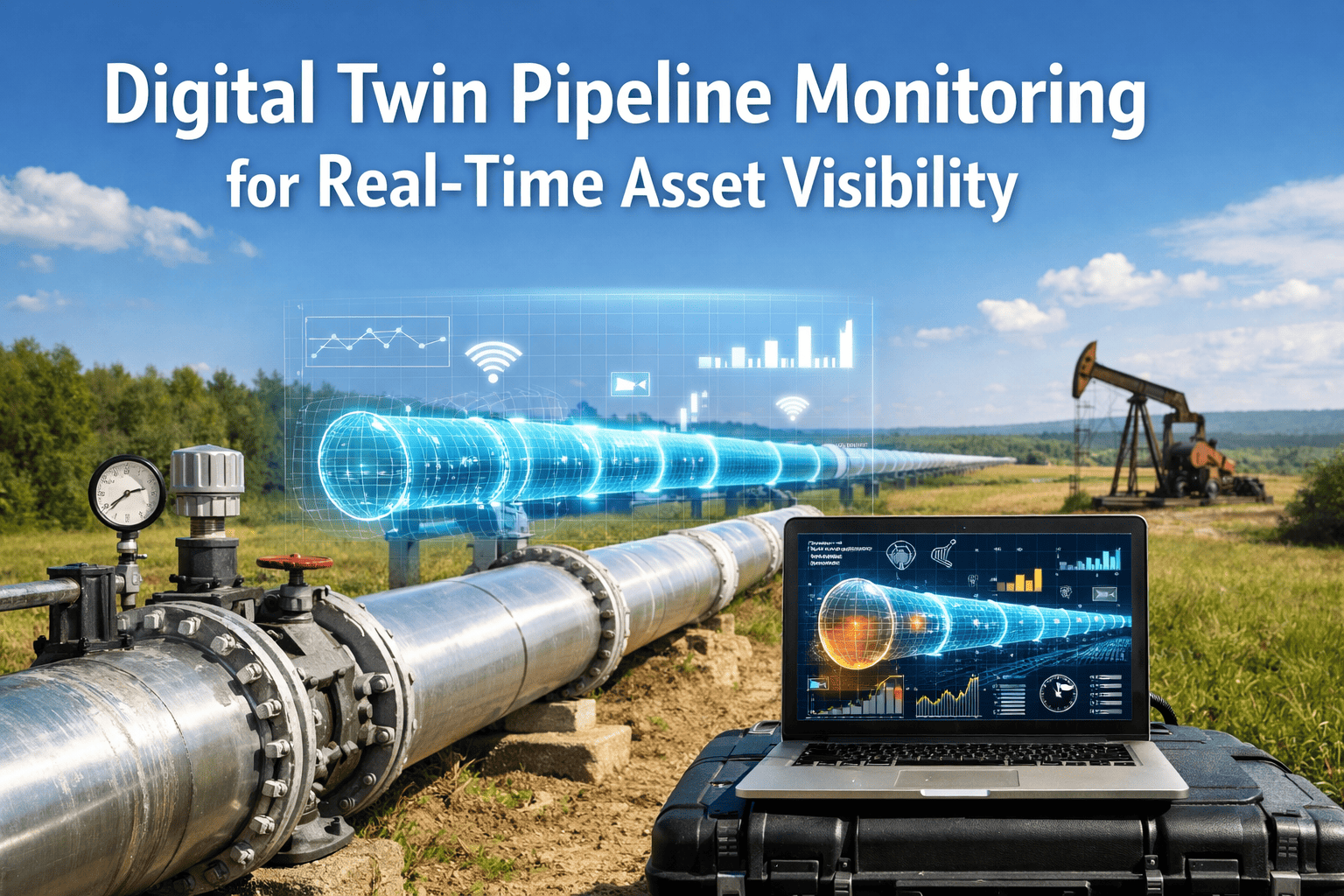
Core AI LayerLive 3D models of pipeline infrastructure updated with each inspection pass. Enables trend analysis across years of asset life.
Onboard inference chips (NVIDIA Jetson-class) process data without surface connection. Acoustic modems relay compressed alerts in near real time.
Magnetic flux leakage and phased-array ultrasonic testing detect internal wall thickness changes invisible to optical systems.
Inspection findings auto-ingest into computerized maintenance management systems, triggering work orders ranked by AI severity score.
SLAM (Simultaneous Localization and Mapping) algorithms guide AUVs through complex pipeline corridors without GPS at depth.
Real-World Case Studies: Operators Replacing Divers with AI
The shift from theoretical capability to field-proven deployment has accelerated since 2022. Several major offshore operators and technology vendors have published verified performance data that substantiates the cost and accuracy claims.
Equinor — Autonomous Pipeline Survey
Equinor deployed a fleet of AI-equipped AUVs across North Sea pipeline segments previously requiring saturation diver teams. The program reduced annual inspection spend by approximately 68% and eliminated weather-related schedule delays. AI anomaly detection flagged 14 corrosion hotspots that subsequent physical inspection confirmed — none had been identified in prior diver surveys.
BP — Deepwater Asset Inspection Program
BP's Thunder Horse and Atlantis deepwater fields operate below practical diver depth. The company's AI-ROV program processes inspection data through a cloud-based anomaly scoring engine that prioritizes remediation work orders by risk level. Integration with their CMMS reduced mean time between inspection and repair action from 47 days to 9 days.
TotalEnergies — FPSO Pipeline Integrity
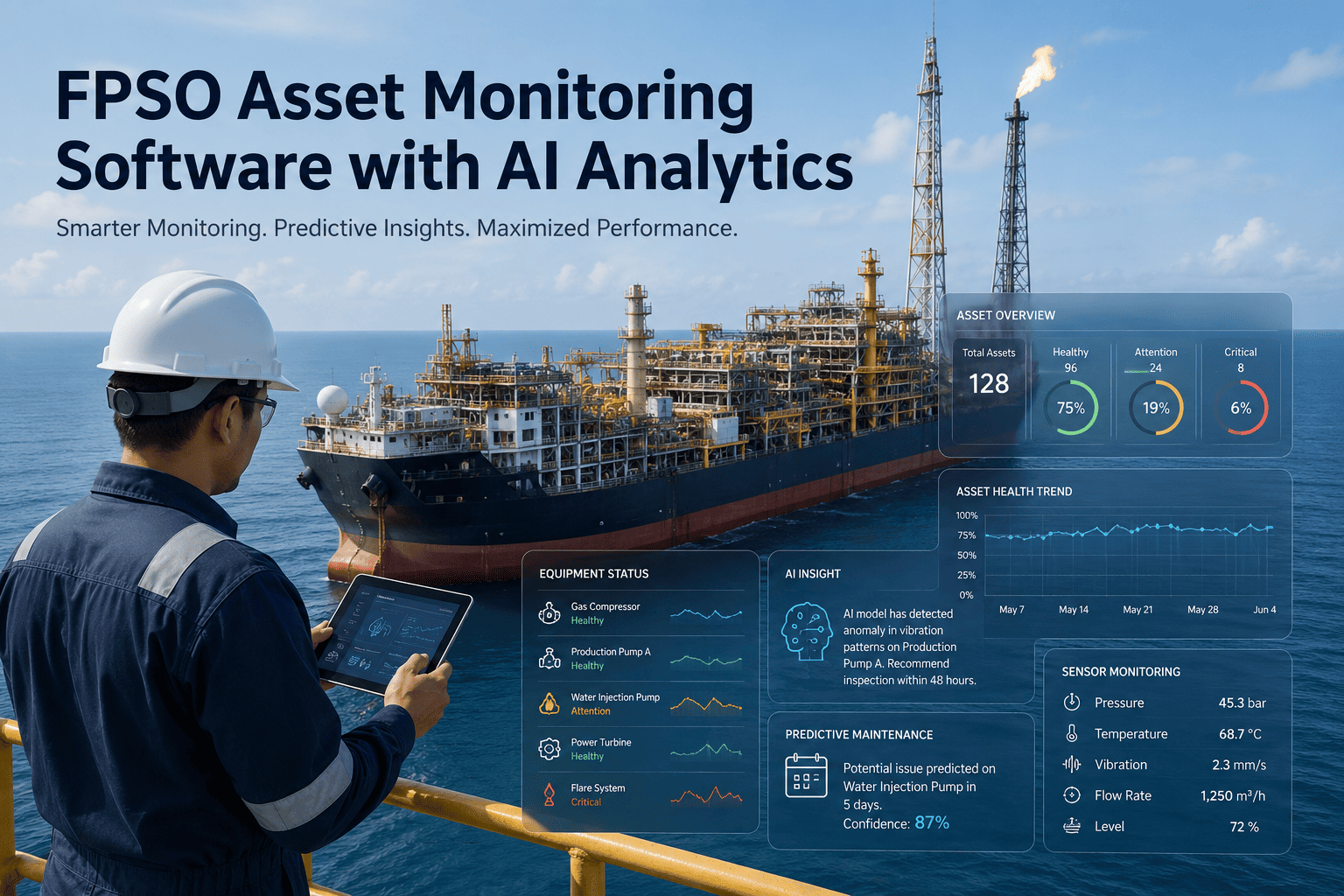
TotalEnergies deployed AI-powered ROVs for routine FPSO riser and pipeline inspection in Indonesian waters. The AI platform covered 3.2x the pipeline length per operating day compared to prior diver-based schedules, with consistent detection accuracy across all weather conditions. The program is now part of their standard offshore asset management protocol across 14 operating regions.
Ready to replicate these results at your offshore operation? Schedule a free consultation — iFactory's offshore AI team maps your inspection workflow to the right technology stack, with full CMMS integration.
Implementation Checklist: Deploying AI Subsea Inspection at Your Operation
Transitioning from diver-based or conventional ROV inspection to an AI-powered program requires careful sequencing. Operators who attempt to deploy AUV systems without addressing data infrastructure and integration readiness consistently underperform against benchmarks. Use this checklist as your pre-deployment framework.
Need help completing this checklist for your operation? Book a demo with iFactory to walk through your CMMS integration requirements and AI deployment readiness in under 30 minutes.
Expert Review: What Offshore Integrity Engineers Say
Preparing your CMMS for AI inspection data volume? Talk to iFactory's platform team about data ingestion architecture for high-frequency offshore inspection feeds — including AUV, digital twin, and FPSO sensor integration.
Cost-Benefit Analysis: AI vs. Diver Operations Over 5 Years
The business case for AI subsea inspection diver replacement is compelling, but it requires a full lifecycle view. Upfront AUV and software investment is real — the return comes from cumulative operational savings, reduced incident costs, and the compounding accuracy advantage of a self-improving AI model.
| Cost Component | Diver-Based Program | AI AUV Program | Difference |
|---|---|---|---|
| Annual inspection opex | $4.2M / year | $1.1M / year | -74% |
| Support vessel days (annual) | 45–60 days | 8–12 days | -80% |
| Capital investment (Year 1) | $0 (variable opex) | $1.8M–$3.2M | Upfront |
| Incident cost (undetected failures) | $12M avg. per event | $12M avg. per event | 97% fewer misses |
| 5-year total cost (excl. incidents) | $21M | $8.7M | -$12.3M |
| Regulatory compliance overhead | High (manual reporting) | Low (automated audit trail) | Significant reduction |
Want a customized cost model for your pipeline network? Book a 30-minute ROI session with iFactory — we build a tailored 5-year cost-benefit model based on your asset footprint, current inspection spend, and CMMS maturity.
Conclusion
AI subsea pipeline inspection diver replacement is not a future scenario — it is an operational reality for the most forward-looking offshore operators today. The convergence of capable AUV platforms, mature computer vision models, edge computing, and CMMS integration has created a technology stack that outperforms human divers on every measurable dimension except one: the upfront investment decision. That decision is increasingly straightforward. A 200km pipeline network running traditional diver inspection spends approximately $21 million over five years. An AI AUV program covering the same network costs under $9 million over the same period — while flagging significantly more anomalies, eliminating fatality risk, and building a continuously improving digital asset record.
The operators who deploy now build an accuracy and data advantage that compounds over time. Those who wait face not just higher ongoing inspection costs, but a widening gap in predictive maintenance capability as early adopters' AI models continue to improve on proprietary training data. The question is no longer whether to transition — it is how quickly and with what integration architecture.