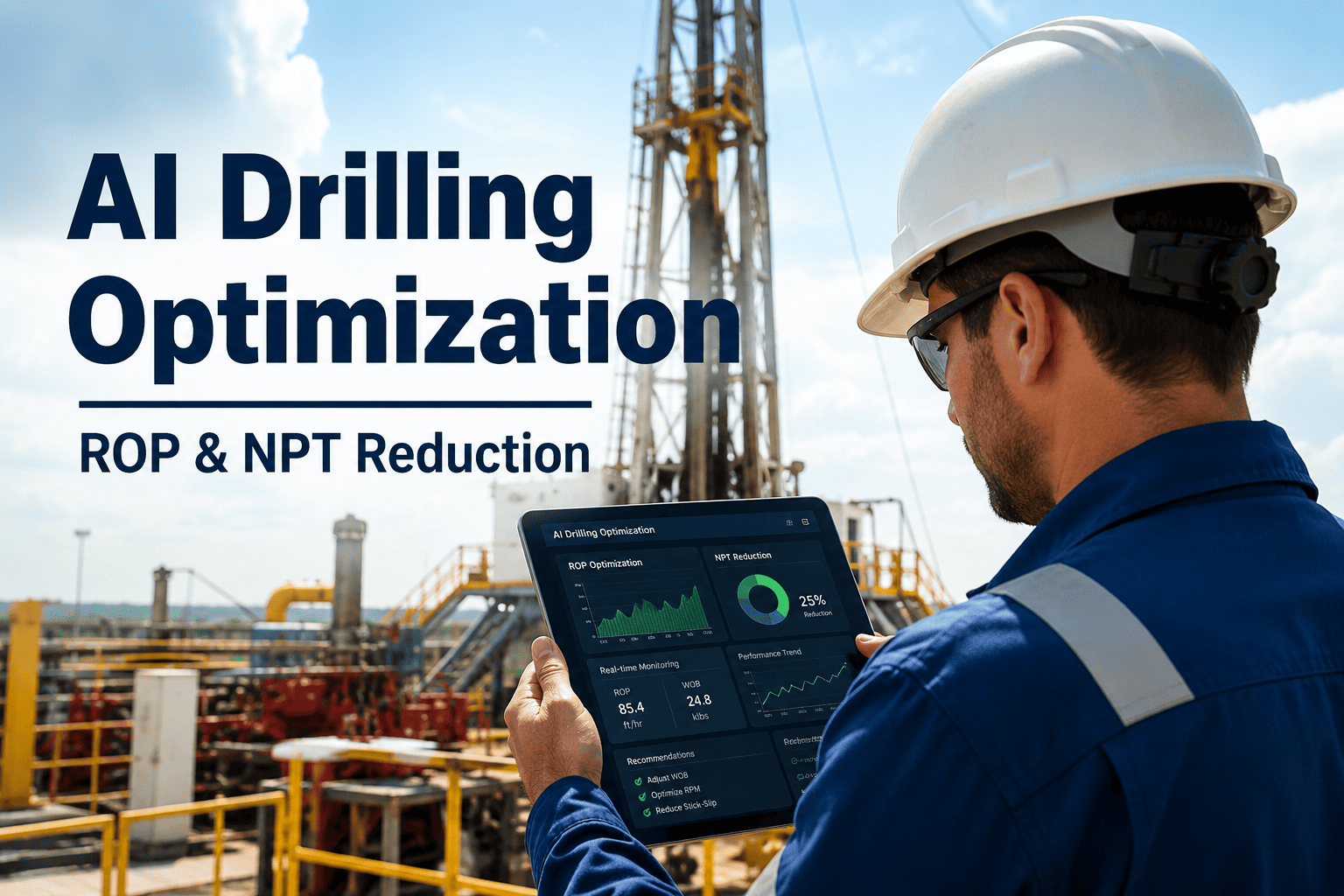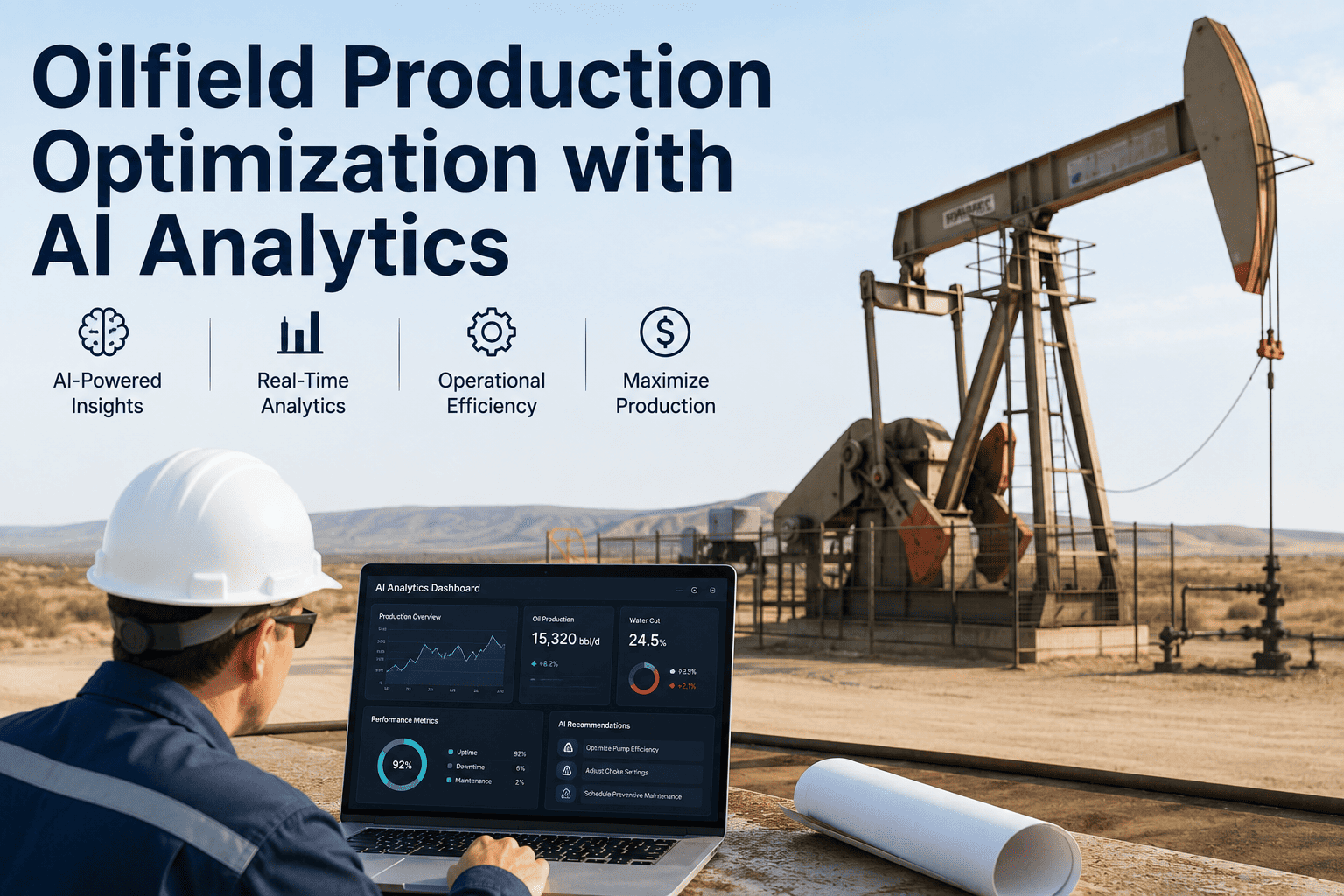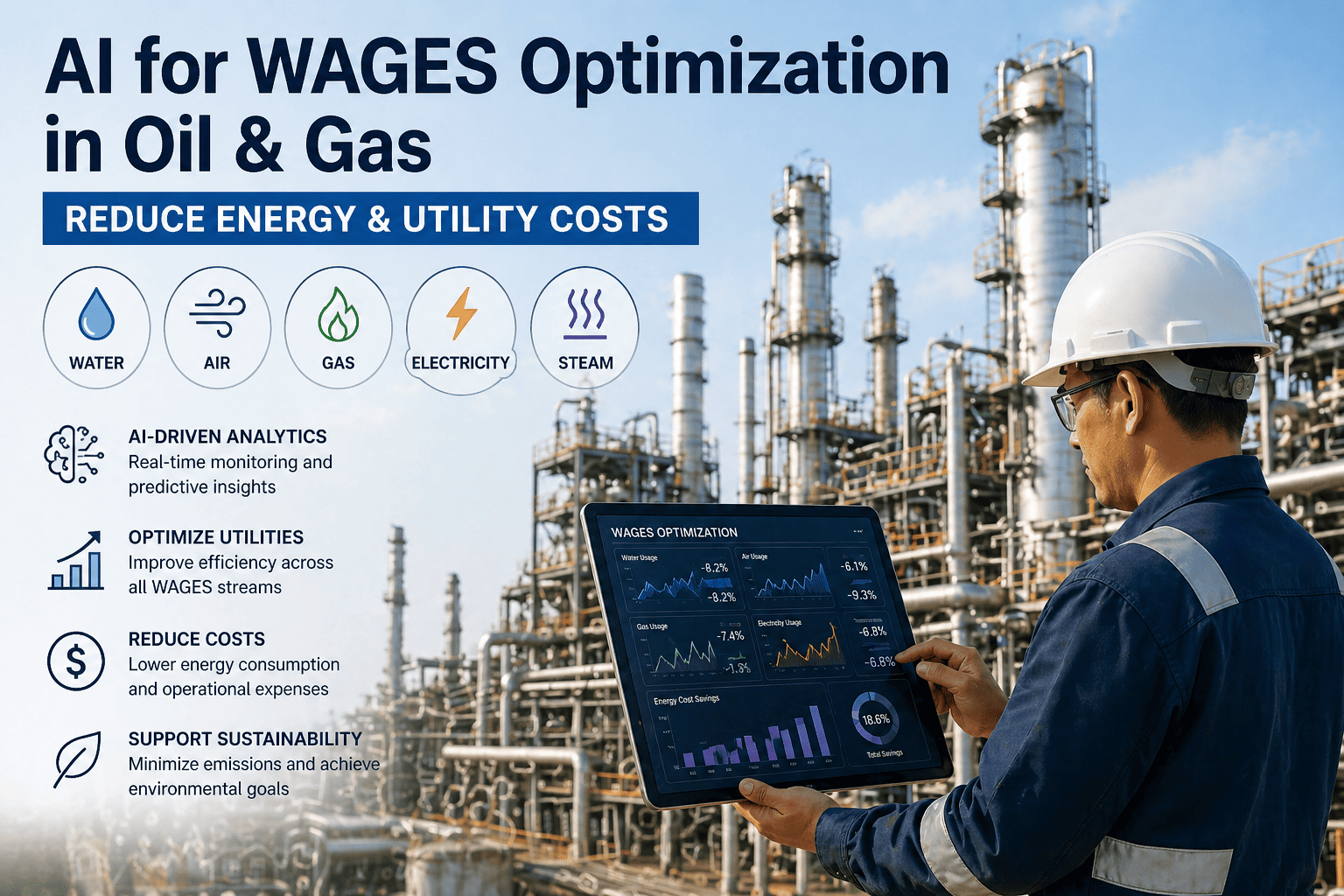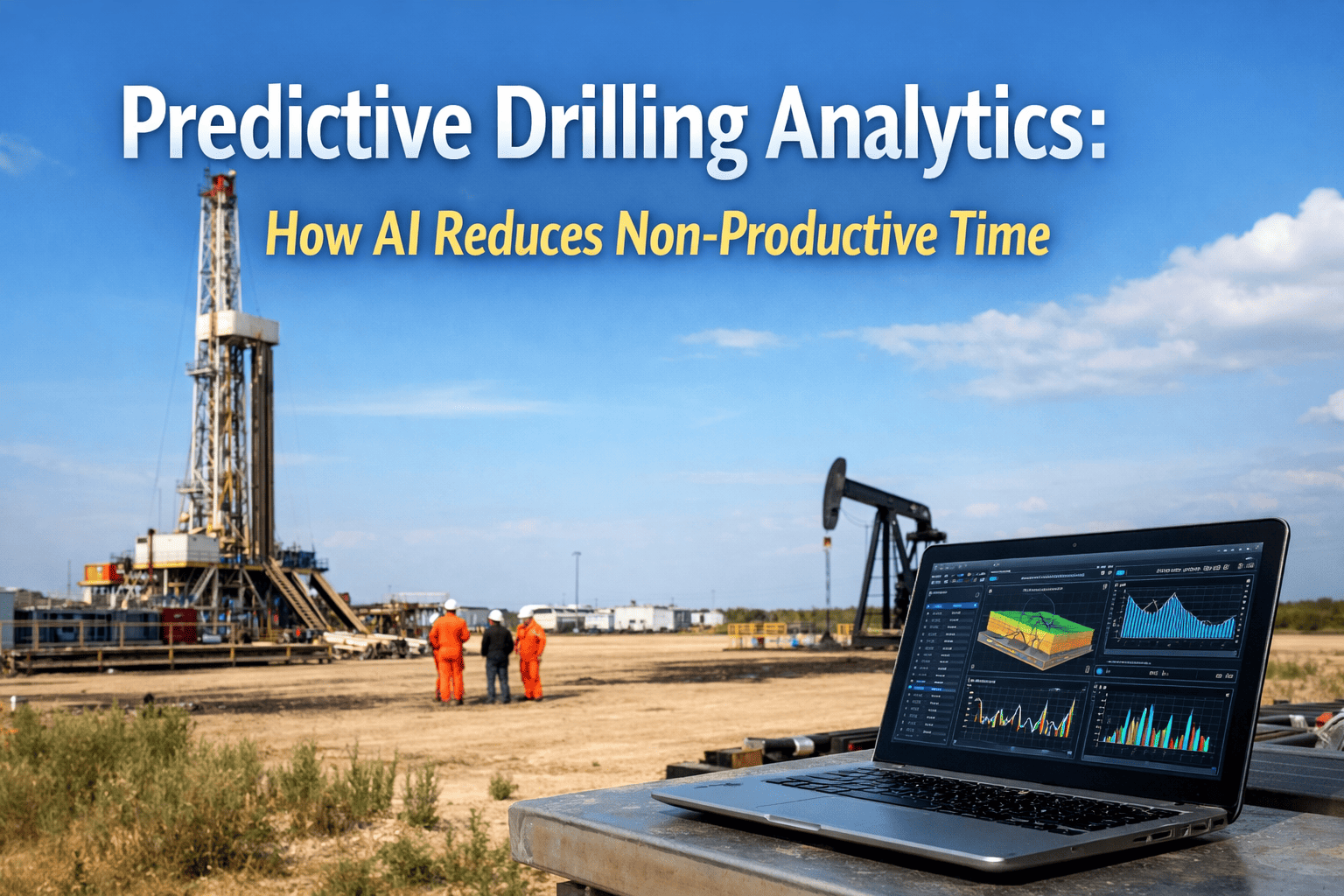
Smart drilling operations lose $450,000 to $1.2 million per well annually from unplanned downtime, inefficient bit selection, suboptimal drilling parameters, and undetected downhole conditions that cause stuck pipe incidents, lost circulation events, and premature equipment failures. iFactory's AI-powered smart drilling platform continuously analyzes 240+ real-time parameters from surface sensors, downhole tools, and drilling automation systems to predict optimal weight-on-bit, rotary speed, and mud flow rates while detecting stuck pipe risk, kick indicators, and formation changes 45 to 90 minutes before traditional methods, reducing non-productive time by 67%, improving rate-of-penetration by 34%, and preventing $890,000 average cost per stuck pipe incident through predictive intervention. Book a demo to see smart drilling optimization for your operations.
Smart drilling optimization combines IoT sensor networks (surface equipment monitoring, downhole measurement-while-drilling tools, drilling automation PLCs) with AI predictive analytics to continuously optimize drilling parameters in real-time. iFactory integrates data from SCADA systems, drilling control systems, mud logging units, and MWD/LWD tools to predict optimal drilling parameters, detect formation changes, prevent stuck pipe and lost circulation events, and automate drilling parameter adjustments. Result: 67% reduction in non-productive time, 34% improvement in rate-of-penetration, 89% reduction in stuck pipe incidents, and complete integration with existing drilling automation infrastructure for US OSHA, UAE OSHAD, UK HSE, Canadian CSA, and European ISO 45001 compliance.
iFactory delivers real-time drilling optimization through IoT integration and AI predictive analytics, preventing non-productive time and maximizing rate-of-penetration across upstream operations.
Understanding Smart Drilling in Modern Oil and Gas Operations
Smart drilling represents the convergence of IoT sensor networks, real-time data integration, and AI predictive analytics applied to upstream exploration and drilling operations. Traditional drilling relies on human interpretation of delayed data from mud logging, periodic MWD transmissions, and surface parameter readings reviewed hours after drilling events occur. Smart drilling closes this gap by continuously monitoring surface equipment (top drive torque, hookload, standpipe pressure, pump rates), downhole conditions (formation pressure, temperature, resistivity, gamma ray), and drilling automation systems (auto-driller setpoints, draw works controls, mud pump automation) to provide real-time optimization recommendations and automated parameter adjustments that maximize drilling efficiency while preventing costly incidents.
Core Oil and Gas Systems Integration for Smart Drilling
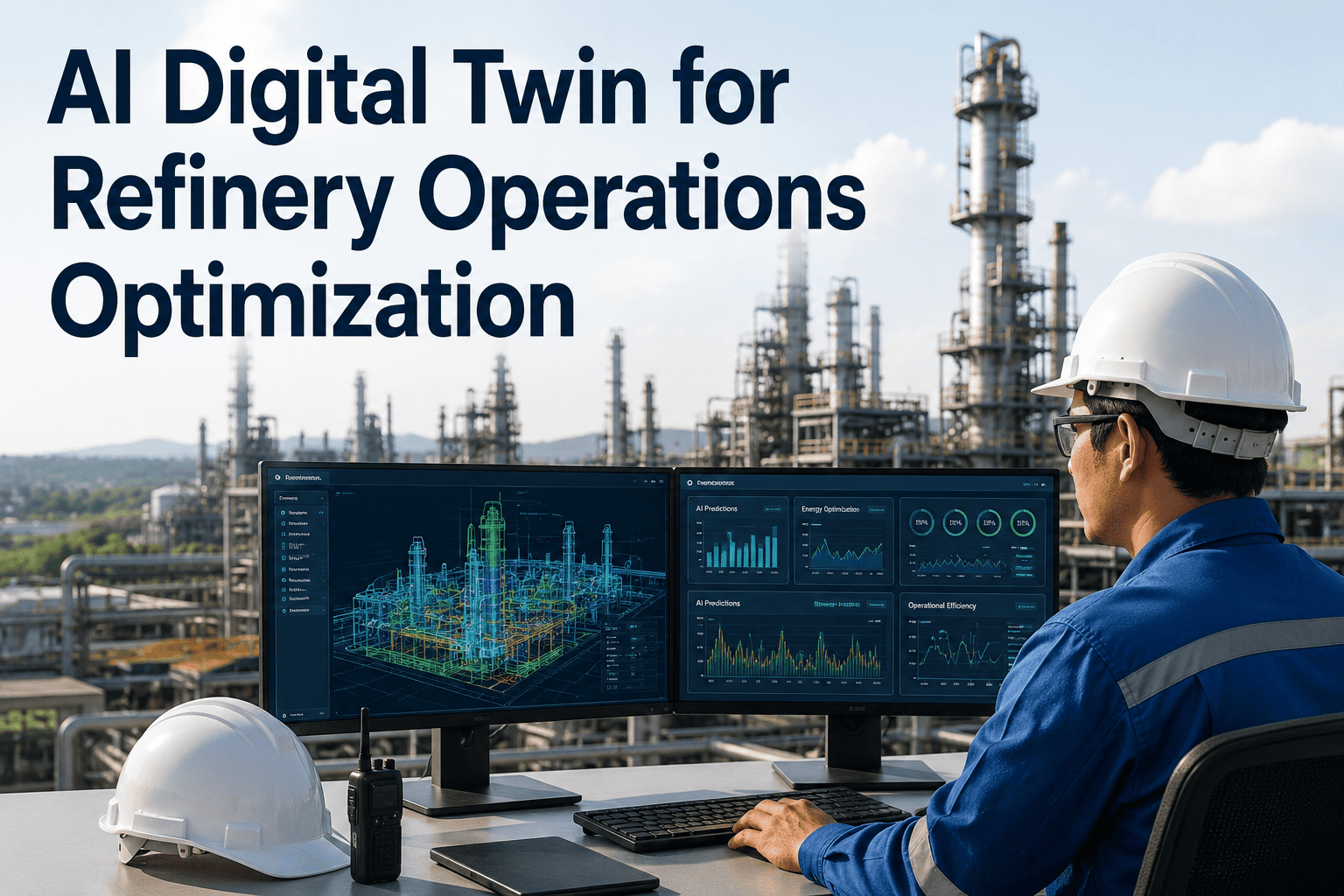
Effective smart drilling requires seamless integration across multiple operational technology systems deployed on drilling rigs. SCADA systems monitor and control surface drilling equipment including draw works, top drive, mud pumps, and blowout preventers. PLCs embedded in drilling automation systems execute auto-driller logic, managing weight-on-bit and rotary speed based on programmed setpoints. DCS platforms coordinate drilling fluid circulation, solids control equipment, and well control systems. Historians archive time-series data from all sensors for analysis and regulatory compliance. IoT sensors deployed across rig equipment provide granular monitoring of vibration, temperature, pressure, and flow parameters. iFactory connects to all these systems through industry-standard protocols including OPC UA, Modbus TCP, WITSML, and proprietary drilling system APIs, creating unified data visibility that enables AI-driven optimization impossible with siloed systems.
Critical Drilling Problems Smart Systems Solve
Manual drilling parameter selection and reactive problem response create operational inefficiencies and safety risks across upstream operations. Equipment failures on drilling rigs cause unplanned downtime averaging $12,000 to $18,000 per hour including rig day rate, personnel costs, and delayed production. Stuck pipe incidents from differential sticking, key seating, or wellbore instability cost $450,000 to $1.8 million per incident in fishing operations, sidetrack drilling, and lost equipment. Lost circulation events waste drilling fluid costing $25,000 to $150,000 per event while delaying well completion. Disconnected systems prevent drilling engineers from seeing real-time correlations between surface parameters, downhole conditions, and formation responses. Lack of predictive insights means problems only detected after they develop, when intervention costs are highest. Compliance reporting for OSHA Process Safety Management, EPA emissions monitoring, and international safety standards requires manual data collection and documentation. iFactory eliminates these problems through continuous monitoring, predictive analytics, and automated optimization.
One Platform, Every Segment: 8 AI-Powered Modules for Complete Oil and Gas Operations
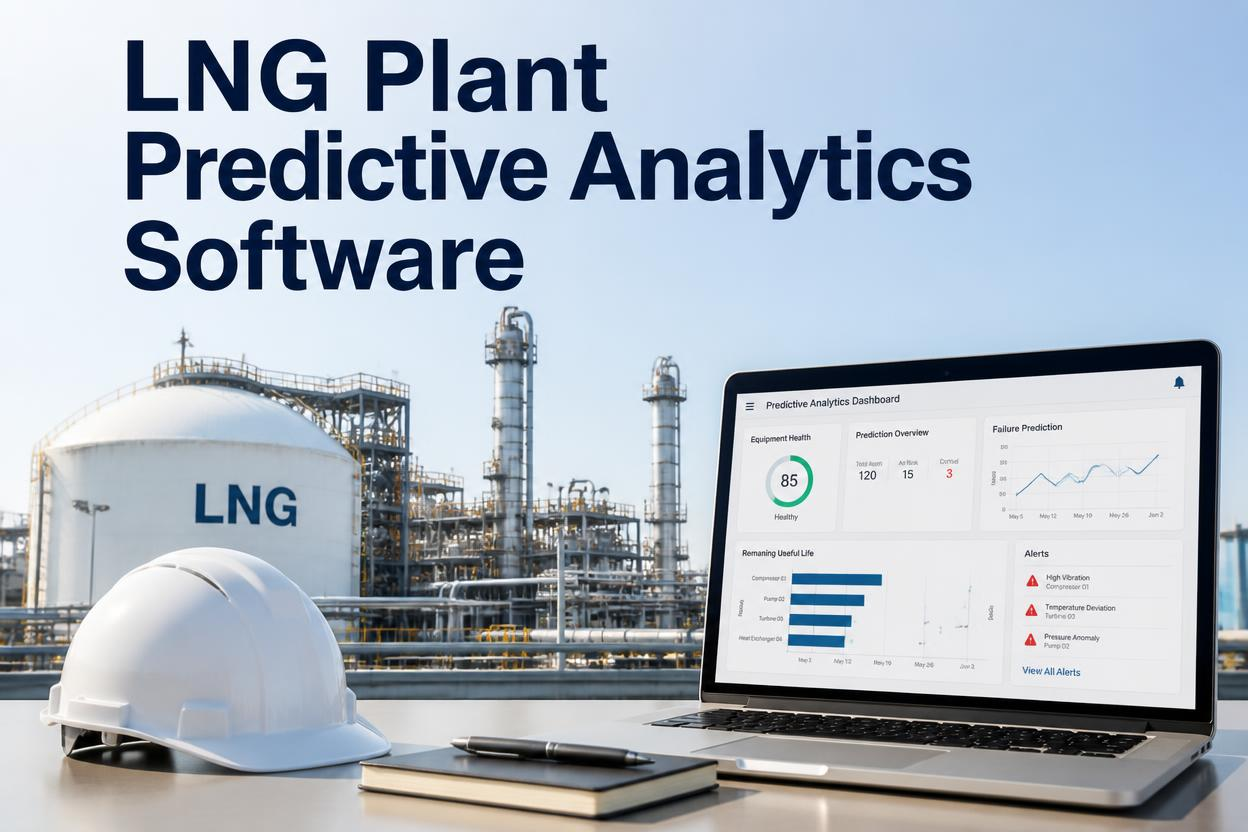
iFactory provides comprehensive smart drilling capabilities through integrated modules covering every aspect of upstream operations. AI Vision and Inspection uses computer vision to monitor rig floor operations, detect safety violations, and identify equipment wear patterns from camera feeds. Robotics Inspection deploys autonomous systems for tank inspections, pipeline surveys, and confined space assessments where human access is hazardous. Predictive Maintenance analyzes vibration, temperature, and performance data from drilling equipment to forecast failures 72 to 96 hours before occurrence. Work Order Automation generates maintenance tasks from AI predictions and routes them through approval workflows synchronized with drilling schedules. Asset Lifecycle Management tracks drilling equipment from procurement through decommissioning with complete maintenance history and regulatory documentation. Pipeline Integrity Monitoring extends to flowlines and gathering systems serving drilling operations. SCADA and DCS Integration provides unified data access across all rig systems. Edge AI Security ensures operational technology data remains within your security perimeter while enabling cloud-based analytics. ESG and Compliance Reporting automates documentation for methane emissions, VOC releases, flaring volumes, and safety incidents from sensor data to regulatory submissions.
AI-Powered Smart Drilling Feature Capabilities
Predictive vs Reactive Drilling Operations Comparison
Traditional reactive drilling responds to problems after they develop, when intervention costs are highest and options most limited. Predictive smart drilling prevents problems through continuous monitoring and AI-driven early intervention. The operational and financial differences are substantial.
| Operation | iFactory Predictive | Traditional Reactive |
|---|---|---|
| Stuck pipe response | Predicted 45-90 min early, prevented through parameter adjustment | Detected after pipe stuck, fishing required, avg cost $890K |
| Lost circulation handling | Detected in 30-90 seconds, treatment optimized for formation | Detected after significant losses, trial-and-error treatment |
| Drilling parameter optimization | Continuous AI adjustment every 60 seconds, 34% ROP improvement | Manual review every 4-8 hours, parameters lag formation changes |
| Equipment maintenance | Predictive scheduling 5-7 days advance notice, 73% fewer failures | Run-to-failure approach, unplanned downtime $12K-18K per hour |
| Formation pressure prediction | Real-time updates from drilling data, within 0.3 ppg accuracy | Offset well data only, pressure surprises cause well control events |
| Non-productive time | 67% reduction through problem prevention | Industry average 15-25% of total well time |
Real-World Smart Drilling Use Cases
Smart drilling optimization delivers measurable operational improvements across diverse upstream applications from conventional vertical wells to complex extended-reach horizontal drilling in challenging formations.
Platform Capability Comparison: Smart Drilling Solutions
Generic industrial IoT platforms lack oil and gas domain expertise and drilling-specific analytics. Traditional CMMS systems provide maintenance tracking without predictive capabilities or drilling automation integration. iFactory differentiates through upstream-specific AI models, native drilling system integration, and comprehensive optimization from parameter selection through equipment maintenance. Schedule a platform comparison demonstration.
| Capability | iFactory | IBM Maximo | SAP EAM | QAD Redzone | Fiix |
|---|---|---|---|---|---|
| Drilling-Specific AI | |||||
| Stuck pipe prediction | Advanced ML models, 45-90 min early warning | Not available | Not available | Not available | Not available |
| Real-time parameter optimization | Continuous AI adjustment, 34% ROP gain | Manual only | Manual only | Basic monitoring | Not available |
| Formation pressure prediction | Real-time updates, 0.3 ppg accuracy | Not available | Not available | Not available | Not available |
| System Integration | |||||
| SCADA and DCS integration | Native drilling SCADA, auto-driller APIs | Generic SCADA only | Custom integration | Limited SCADA | Not available |
| MWD and LWD data integration | WITSML, Pason, Totco native | Custom only | Custom only | Not available | Not available |
| Edge AI for offline operation | Full rig-based processing | Cloud dependent | Cloud dependent | Limited edge | Cloud dependent |
| Oil and Gas Specialization | |||||
| Upstream domain expertise | Drilling-specific models and workflows | Generic industrial | Generic industrial | Manufacturing focus | Generic industrial |
| Ease of deployment | 2-3 weeks typical, pre-built integrations | 6-12 months custom | 6-12 months custom | 3-6 months | 2-4 months |
Comparison based on publicly documented capabilities as of Q1 2025. Verify current features with vendors.
Regional Oil and Gas Compliance Standards
Drilling operations must comply with region-specific safety, environmental, and industrial standards. iFactory provides automated compliance tracking and documentation for all major upstream operating regions.
| Standard Type | United States | United Kingdom | United Arab Emirates | Canada | Europe |
|---|---|---|---|---|---|
| Safety Regulations | OSHA PSM, API RP 75 | HSE offshore regulations | OSHAD, Federal Law 24 | CSA standards, provincial OH&S | ISO 45001, ATEX directives |
| Environmental Standards | EPA Clean Air Act, NSPS OOOOa | Environment Agency permits | EAD environmental compliance | CEPA, provincial regulations | EU ETS, IED, REACH |
| Industrial Standards | API drilling standards, ISO 9001 | ISO 9001, BS standards | ISO 9001, ADNOC specifications | ISO 9001, CSA certifications | ISO 9001, EN standards |
| Oil and Gas Compliance | BSEE regulations, state requirements | OGA regulations, well integrity | ADNOC HSE standards | AER Directive 81, provincial rules | NORSOK, country-specific regulations |
How iFactory Solves Regional Challenges
Different operating regions face unique operational challenges and regulatory requirements. iFactory adapts to regional needs while maintaining consistent platform capabilities across global operations.
| Region | Key Challenges | How iFactory Solves |
|---|---|---|
| United States | OSHA PSM compliance, EPA emissions reporting, aging onshore infrastructure, unconventional drilling complexity | Automated PSM documentation, methane emissions tracking for EPA NSPS OOOOa, predictive maintenance for aging equipment, stuck pipe prevention in horizontal shale wells |
| United Arab Emirates | Extreme heat conditions, harsh desert environment, ADNOC specification compliance, skilled labor availability | Equipment thermal monitoring for desert operations, OSHAD safety compliance automation, ADNOC reporting integration, AI-driven parameter optimization reducing reliance on manual expertise |
| United Kingdom | Strict offshore safety requirements, HSE regulations, mature field development, ESG and emissions scrutiny | Offshore platform integration, HSE compliance documentation, production optimization for mature reservoirs, automated ESG reporting for carbon reduction targets |
| Canada | Remote asset locations, extreme cold conditions, provincial regulatory variations, SAGD and heavy oil operations | Edge AI for connectivity-limited remote sites, cold-weather equipment monitoring, multi-provincial compliance tracking, thermal recovery optimization for SAGD operations |
| Europe | Stringent environmental regulations, carbon reduction mandates, aging North Sea infrastructure, sustainability reporting | EU ETS compliance automation, carbon intensity tracking, predictive maintenance for aging platforms, automated sustainability reporting aligned with EU taxonomy |
Measured Drilling Performance Improvements
Smart Drilling Implementation Workflow
Deploying AI-powered drilling optimization requires systematic integration with existing rig systems, baseline data collection, and model training. iFactory provides structured implementation that delivers value within 60-90 days while minimizing disruption to drilling operations.
iFactory's smart drilling platform delivers 67% reduction in non-productive time and 34% faster rate-of-penetration through AI-powered parameter optimization and predictive problem prevention across upstream operations.
Frequently Asked Questions
iFactory's smart drilling platform combines IoT integration, real-time monitoring, and AI predictive analytics to prevent non-productive time, optimize drilling parameters, and reduce stuck pipe incidents by 89% across upstream operations while maintaining complete compliance with US OSHA, UAE OSHAD, UK HSE, Canadian CSA, and European ISO 45001 safety standards.