A sour gas field can go from routine to fatal in the time it takes a worker to draw two breaths, since H2S concentrations above 700 ppm can cause collapse and death almost instantly, with no reliable warning from smell once concentrations climb past 100 ppm. Sour service operations run on a stack of separate defenses, personal gas monitors, fixed area detectors, amine treating performance, and manual gas testing logs, that rarely talk to each other in real time. Most incident investigations find the same root pattern: a slow drift in gas composition or amine unit performance that nobody connected to rising ambient H2S readings until an alarm had already fired. AI software built for high-H2S fields closes that gap by fusing personal exposure data, area monitoring, and amine treating performance into one continuously updated safety picture. Operators can see what that looks like for their own field configuration by reaching out to iFactory support.
Your Nose Stops Working Above 100 PPM. Your Monitoring Program Shouldn't.
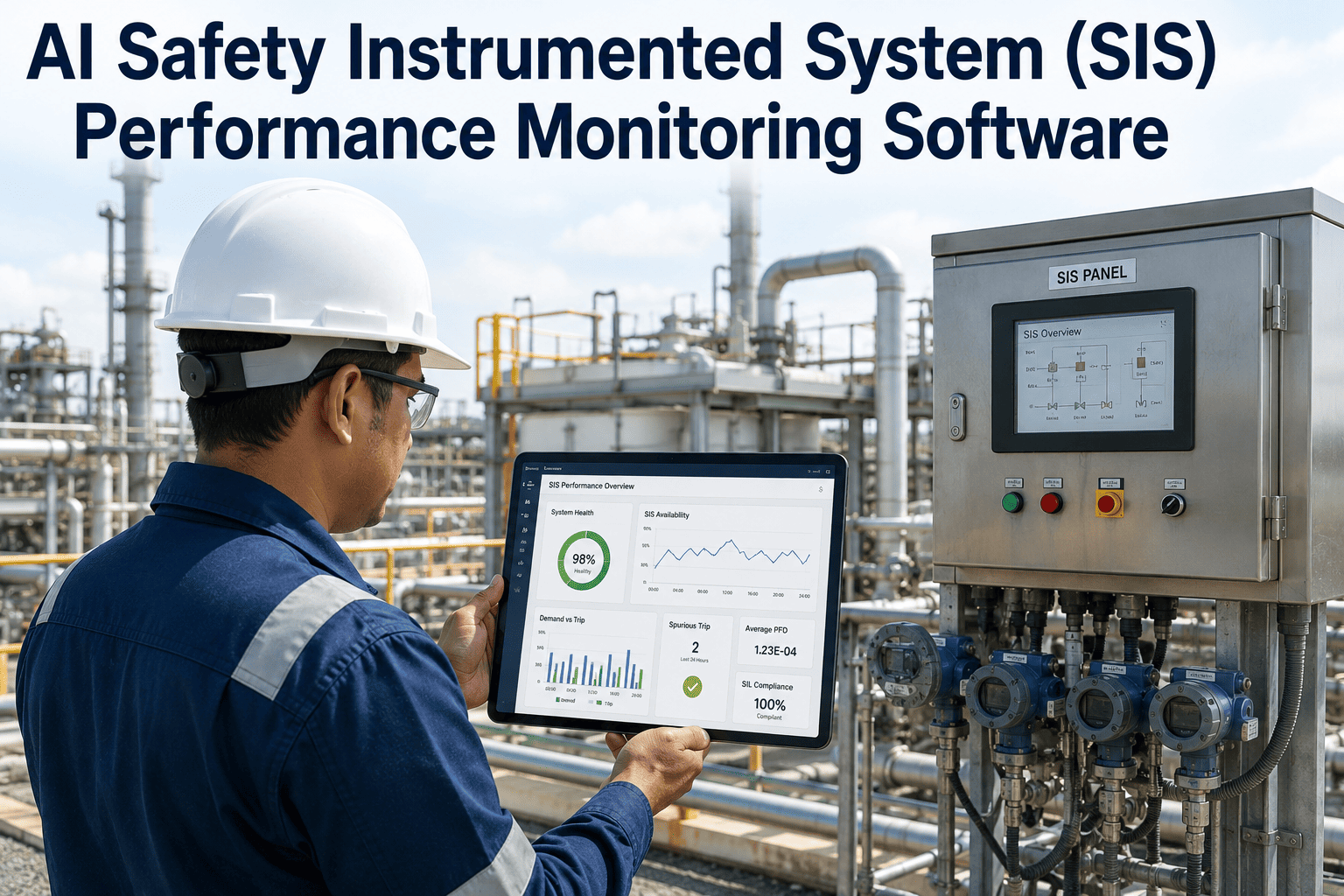
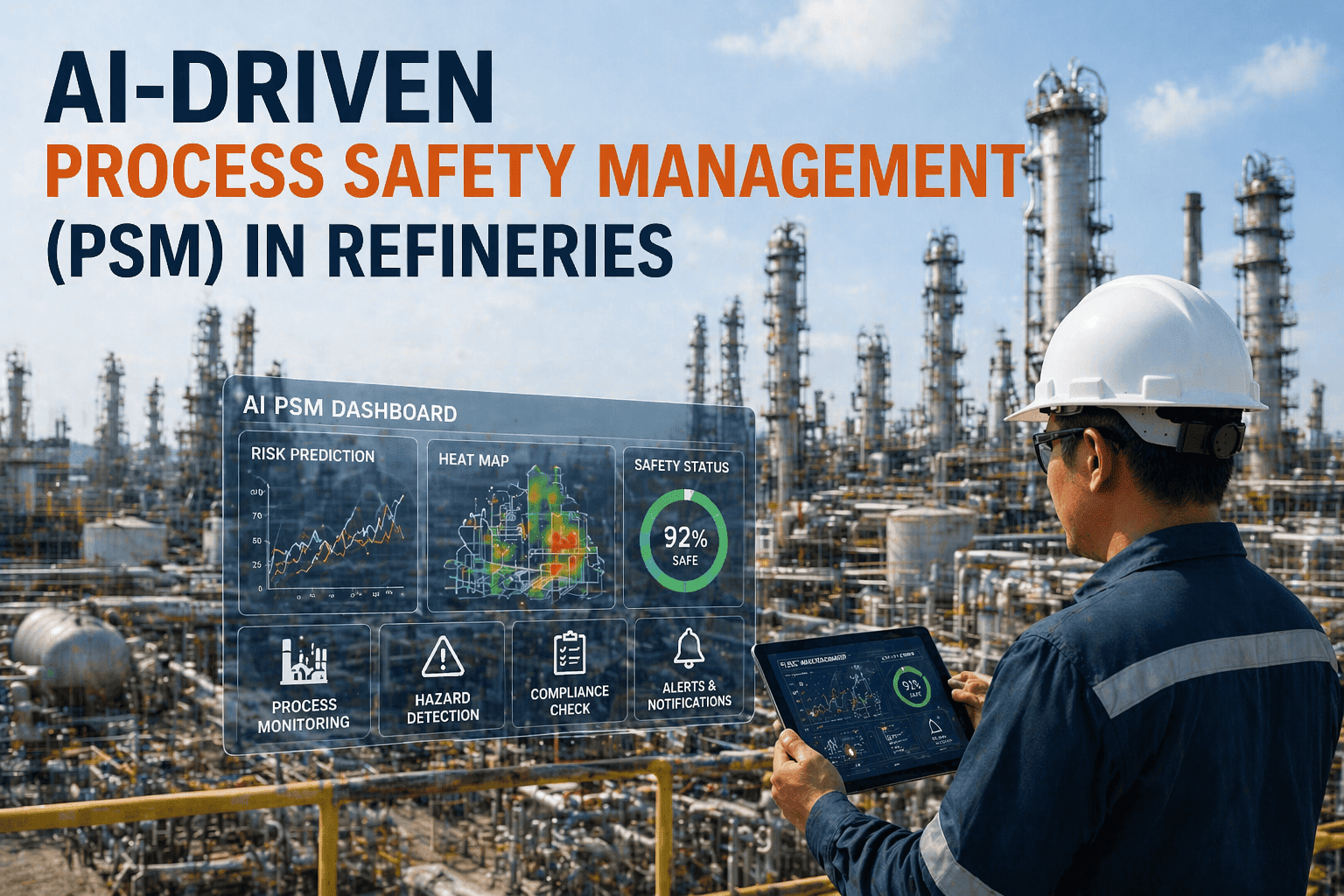
iFactory's AI fuses personal H2S exposure data, fixed area monitoring, and amine treating performance into one live safety picture, catching the drift that leads to an exposure event before a worker ever crosses a threshold.
The H2S Threshold Ladder Every Sour Gas Program Has to Manage
H2S exposure limits aren't a single number, they're a ladder of thresholds, each tied to a specific required response, and a program that only watches for one alarm level is missing most of what actually protects a crew.
OSHA PEL Ceiling
Not to be exceeded at any point during an 8-hour shift, with a narrow allowance of 50 ppm for up to 10 minutes if no other measurable exposure occurs.
Acceptable Peak
The maximum short-term peak OSHA allows, and only for a single 10-minute window within the shift.
NIOSH IDLH
Immediately dangerous to life or health, the point past which respiratory protection is mandatory and unprotected entry is not permitted.
Collapse Threshold
Concentrations at this level can cause a person to collapse within roughly five minutes of exposure.
Immediate Collapse and Death
At this concentration and above, exposure can cause immediate collapse and death within one or two breaths.
Two Monitoring Programs That Should Be One
Most sour gas operations run personal and area H2S monitoring as a safety function and amine treating performance as a process function, managed by different teams with different tools. The gap between them is exactly where slow-developing risk hides, since a degrading amine unit is often the earliest real signal that ambient H2S levels are about to rise.
Personal and Area Exposure Monitoring
Wearable gas detectors and fixed area monitors track real-time H2S concentration against PEL, STEL, and IDLH thresholds, logging every worker's time-weighted exposure across a shift.
Amine Treating Process Performance
Lean and rich amine loading, contactor tower temperature, and stripper reboiler performance determine how much H2S actually gets removed from the gas stream before it reaches downstream equipment or a flare.
How Amine Treating Failure Turns Into an Exposure Event
Amine treating units absorb H2S from sour gas in a contactor tower, then release it again in a regeneration stripper, and the health of that cycle directly determines how much H2S ends up in the treated gas stream. When rich amine loading climbs past design limits or foaming develops in the contactor, H2S absorption efficiency drops, and treated gas that should read near zero starts carrying measurable H2S downstream, often before any single reading crosses an area alarm threshold.
| Amine Unit Condition | What's Happening | Downstream Risk |
|---|---|---|
| Rich Loading Above Design | Amine solution is carrying more H2S than the regeneration cycle can strip out efficiently | Reduced absorption capacity, treated gas H2S slip |
| Contactor Foaming | Contaminants or degraded amine reduce contact efficiency between gas and liquid | Erratic H2S removal, sudden breakthrough spikes |
| Reboiler Underperformance | Stripper doesn't fully regenerate lean amine before it's recirculated | Progressively weaker absorption on each cycle |
| Amine Degradation | Heat-stable salts and thermal breakdown reduce the amine's H2S-carrying capacity | Gradual capacity loss that's easy to miss on a single reading |
See Your Own Amine Unit Trend Data Modeled Against H2S Risk
iFactory can walk through how your existing contactor and stripper data maps to predicted breakthrough risk before your team commits to a deployment.
Point-in-Time Testing vs. Continuous AI Monitoring
| Capability | Manual, Point-in-Time Approach | AI-Driven Continuous Monitoring |
|---|---|---|
| Amine performance visibility | Checked on scheduled rounds or after a complaint | Tracked continuously, with breakthrough risk predicted in advance |
| Exposure-to-process correlation | Personal monitoring and amine data reviewed by separate teams | Fused into one model that links rising ambient H2S to its process cause |
| Crew exposure tracking | Logged manually per shift, reviewed after the fact | Time-weighted exposure calculated live against PEL and STEL limits |
| Early warning lead time | Typically none, an alarm is the first signal | Hours to days of advance notice on developing amine unit degradation |
What the AI Model Actually Tracks Across a Sour Gas Field
Personal and Area Exposure Fusion
Wearable and fixed detector readings are combined into a single live map of every zone and worker's exposure status against PEL, STEL, and IDLH thresholds.
Amine Loading and Breakthrough Prediction
Rich and lean amine loading trends are modeled continuously to flag contactor breakthrough risk before treated gas H2S content actually rises.
Gas Composition Drift Detection
Changes in raw gas H2S concentration at the wellhead are tracked over time, since sweet wells can turn sour with no advance warning otherwise.
Automated Escalation Routing
Predicted risk events route directly to the responsible supervisor with the specific threshold and recommended response attached, instead of sitting in a dashboard.
A Composite Scenario: The Contactor That Caught Itself Early
A mid-size sour gas processing facility ran an amine unit that had a documented history of gradual rich-loading creep during high-throughput weeks, typically resolved only after a treated gas H2S alarm forced an emergency amine changeout. After connecting contactor loading, stripper reboiler duty, and treated gas composition data to a predictive model, the facility's team received an alert flagging rich loading trending toward breakthrough conditions roughly thirty-six hours before treated gas H2S would have crossed the site's internal action threshold.
The operations team adjusted circulation rate and scheduled a partial amine changeout during a planned maintenance window rather than an emergency response, and treated gas H2S never exceeded 2 ppm through the entire event. Personal exposure logs for the crew working the unit that week showed zero readings above the site's internal action level, a result the facility's safety lead noted had not happened during any of the previous three comparable high-throughput periods.
Rolling Out AI Monitoring Across a Sour Gas Facility
Connect Existing Detector and Amine Unit Data
Personal monitor logs, fixed area detector feeds, and amine unit process tags already collected on site become the model's initial data inputs.
Build the Facility-Specific Baseline
The model learns normal rich and lean loading ranges, contactor temperature patterns, and typical shift exposure levels for that specific facility.
Validate Predictions Against a Real Event
Predicted breakthrough or exposure risk windows are checked against actual amine unit behavior before the team relies on them operationally.
Expand to Full-Site Escalation Routing
Once validated, automated alerts route directly to supervisors and safety leads across every zone and amine unit on site.
Common Mistakes Sour Gas Operators Make With H2S Monitoring
Treating Smell as a Detection Method
Relying on odor above 30 ppm ignores that olfactory fatigue makes smell an unreliable, and eventually useless, warning signal at higher concentrations.
Managing Amine Performance and Exposure Data Separately
Keeping process and safety monitoring in separate systems means the earliest real warning sign of rising H2S risk often goes unnoticed by the team watching exposure levels.
Assuming a Sweet Well Stays Sweet
Wells with no history of H2S have been known to turn sour without warning, which is why continuous gas composition tracking matters even on sites without an established sour history.
Waiting for an Alarm Instead of a Trend
A fixed-threshold alarm confirms a problem has already arrived, while a trend in rich loading or contactor temperature can flag it days in advance.
Frequently Asked Questions
What are the actual H2S exposure limits my safety program needs to track?
OSHA sets a permissible exposure limit of 20 ppm as a ceiling that cannot be exceeded during an 8-hour shift, with a narrow allowance of 50 ppm for up to 10 minutes if no other measurable exposure occurs. NIOSH sets the immediately dangerous to life or health concentration at 100 ppm, the point at which respiratory protection becomes mandatory. Beyond that, concentrations of 500 ppm can cause collapse within about five minutes, and 700 ppm or higher can cause immediate collapse and death within one or two breaths. A team can review how these thresholds map to a specific site's monitoring setup by contacting iFactory support.
Why can't workers just rely on the smell of H2S to know when it's dangerous?
H2S has a distinctive rotten-egg odor at low concentrations, but the human nose becomes an unreliable detector above roughly 30 ppm and essentially stops working above 100 ppm due to olfactory fatigue. Many fatal exposure incidents involve workers who smelled H2S briefly, lost the smell within minutes as their sense of smell was overwhelmed, and then lost consciousness with no further warning. Continuous electrochemical gas monitoring is considered the only defensible primary detection method on a sour service site.
How does amine treating performance connect to worker H2S exposure risk?
Amine units absorb H2S from raw gas in a contactor tower and release it again during regeneration, and when rich amine loading climbs too high or the contactor starts foaming, absorption efficiency drops. That means treated gas that should carry near-zero H2S starts carrying measurable concentrations, which can raise ambient exposure risk downstream well before any single area alarm crosses its threshold. Tracking amine performance and exposure data together is what lets a team catch that drift early instead of only after an alarm fires.
Do we need new gas detection hardware to use this kind of monitoring?
Most sour gas facilities already run personal gas monitors, fixed area detectors, and amine unit process instrumentation, and that existing data is what the predictive model uses as its primary input. New instrumentation is typically only added where a specific gap in coverage is identified during the initial assessment. Book a demo to see how a rollout maps to your current detector and process instrumentation layout.
Can this help with a well that has no prior history of producing sour gas?
Yes, and this is one of the more important use cases, since wells with no documented H2S history have been known to turn sour without warning. Continuous gas composition tracking at the wellhead is designed to catch that kind of shift as soon as it begins, rather than relying on an assumption that a historically sweet well will stay that way. That same continuous tracking approach extends to amine treating and personal exposure monitoring once sour gas is confirmed present.
Give Your Sour Gas Program the Early Warning a Fixed Alarm Can't
iFactory fuses personal exposure data, area monitoring, and amine treating performance into one predictive safety model built around your field's own detector and process data.