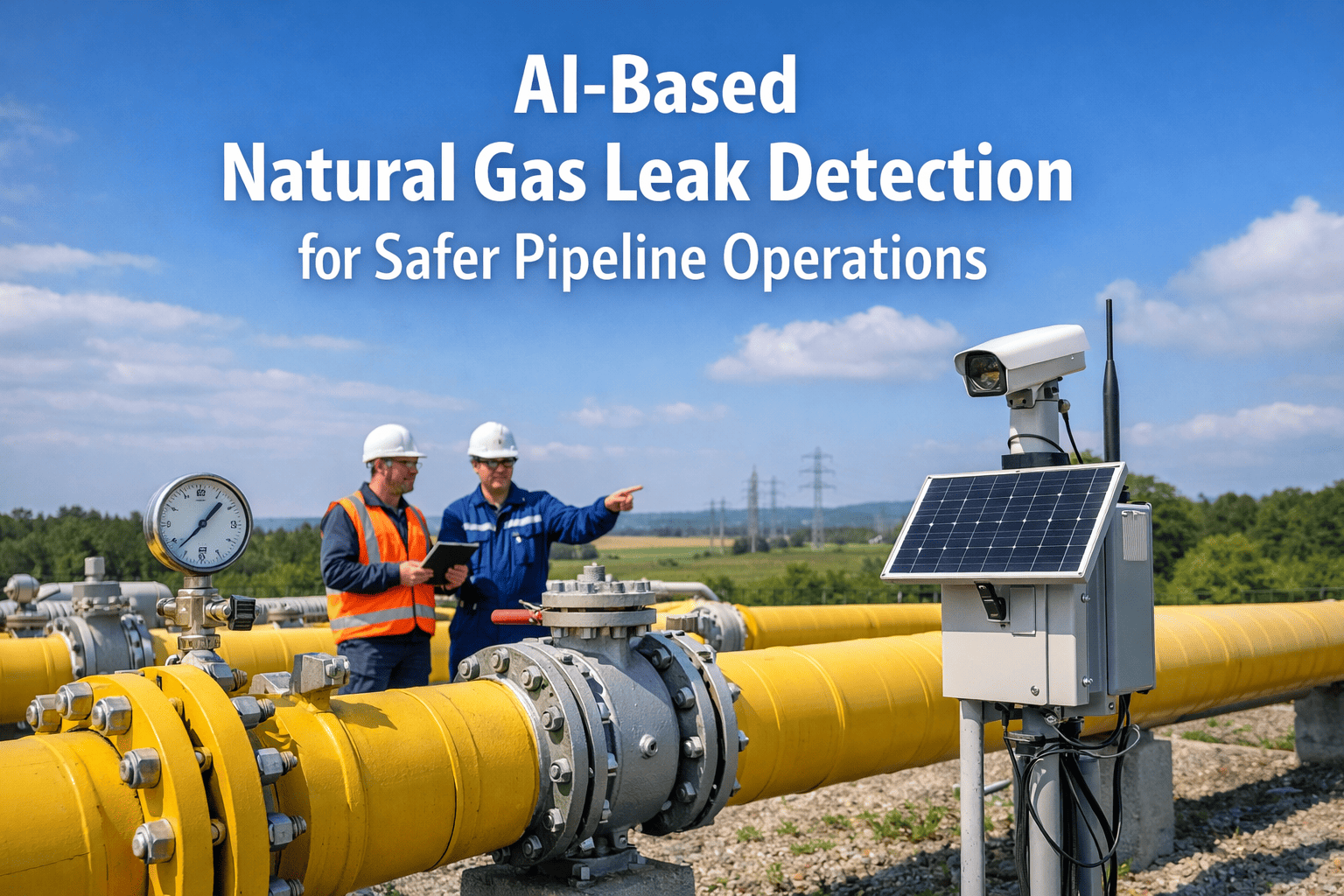
The global oil and gas industry is undergoing a technology shift that no major producing nation can afford to ignore. Artificial intelligence — applied across reservoir characterization, drilling optimization, pipeline integrity, predictive maintenance, and emissions monitoring — is fundamentally changing the competitive economics of hydrocarbon production. The countries leading this transition are not simply those with the largest reserves or the highest production volumes. They are the nations that have made deliberate, capital-intensive commitments to deploying AI at production scale: investing in digital oilfield infrastructure, building national AI strategies that prioritize energy, and partnering with technology platforms like iFactory AI to translate sensor data into operational intelligence. This analysis identifies the top 10 countries leading AI adoption in oil and gas in 2025, based on national investment levels, operator deployment scale, regulatory support for digital transformation, and measurable production efficiency outcomes. For operators benchmarking their own programs, Book a Demo with iFactory AI to understand where your digital maturity sits relative to the leading national programs driving this transformation.
Top CTA Banner KPI RowWhat Separates the AI Leaders from the Laggards in Global Oil & Gas
AI adoption in oil and gas is not evenly distributed across the globe. The countries that have achieved the most measurable production and safety outcomes from AI deployment share four structural characteristics: national digital energy strategies that provide policy and funding frameworks for operator investment; large national oil company programs that deploy AI at full-field scale rather than isolated pilot projects; established industrial IoT infrastructure that generates the sensor data density required for machine learning model performance; and regulatory environments that incentivize or mandate continuous monitoring and digital documentation. The countries that lag — despite significant reserves and production volumes — share the inverse: fragmented digital strategies, siloed data architectures, and capital allocation models that prioritize well count over operational intelligence. Understanding this gap matters for U.S. operators because the productivity advantage that AI leaders are building is compounding annually. Book a Demo with iFactory AI to benchmark your operation against the practices of these leading programs.
Top 10 Countries Leading AI Adoption in Oil & Gas — 2025 Rankings
The following rankings are based on national AI investment in the energy sector, operator deployment scale, government policy support, and documented production efficiency outcomes from active AI programs across upstream, midstream, and downstream operations.
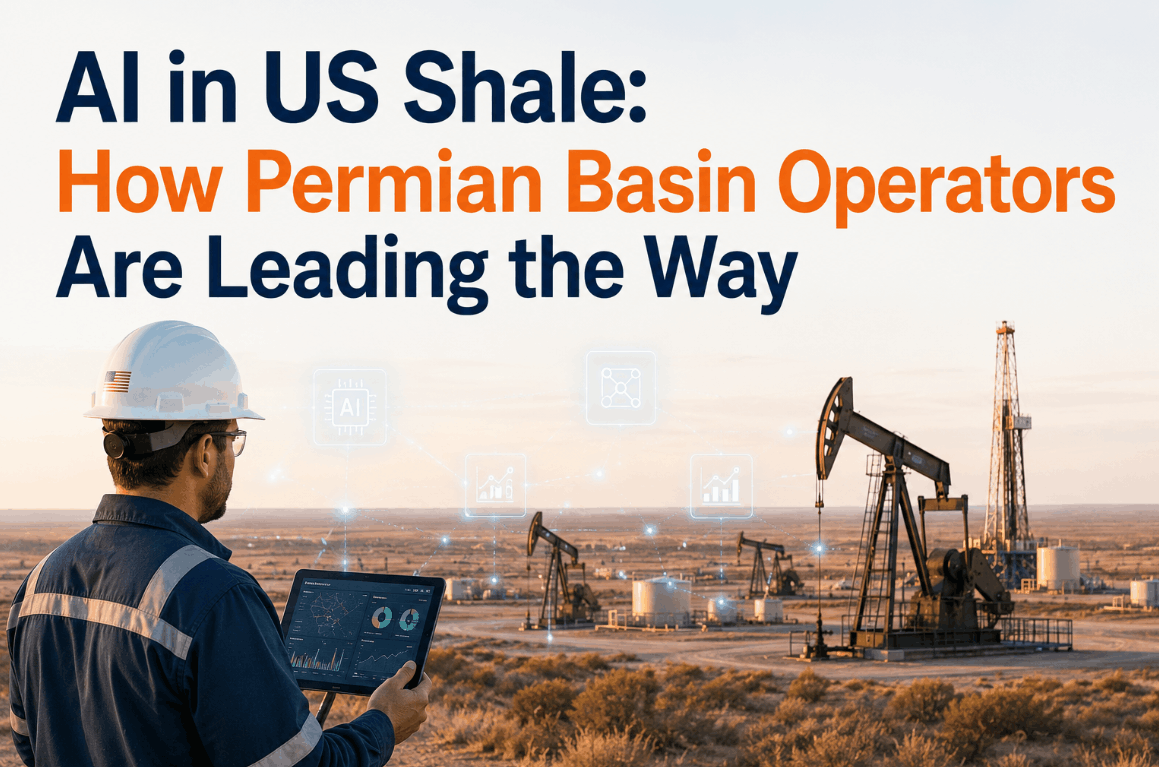
The U.S. leads global AI adoption in oil and gas by total investment volume, driven by shale basin complexity, the economics of Permian Basin production optimization, and escalating federal compliance requirements. Major operators — ExxonMobil, Chevron, ConocoPhillips — have deployed AI across drilling optimization, production forecasting, pipeline integrity, and EPA methane monitoring. The SEC Climate Disclosure Rule and EPA OOOOb methane regulations are accelerating AI adoption in smaller independent producers who previously lacked the compliance infrastructure.
Saudi Aramco's Upstream Digital Transformation program is the largest single AI deployment in the global oil and gas industry. The company has integrated AI across seismic interpretation, reservoir modeling, drilling automation, and facility predictive maintenance across the Ghawar, Safaniya, and Shaybah fields. Saudi Arabia's Vision 2030 national strategy provides a government mandate for AI adoption that accelerates capital allocation decisions throughout the oil and gas sector beyond Aramco's own operations.
ADNOC's AI and digital transformation program has positioned the UAE as one of the world's most technologically advanced national oil company operations. The ADNOC AI center, established in partnership with Microsoft and IBM, deploys predictive maintenance, production optimization, and autonomous inspection across offshore and onshore fields. The UAE's national AI strategy — targeting 25% of government and energy sector decisions AI-assisted by 2031 — creates a regulatory and investment environment that extends AI adoption beyond ADNOC to independent operators across the country.
Norway's North Sea operations, led by Equinor, represent the most mature integration of AI with offshore production infrastructure in Europe. Equinor's Integrated Operations program connects real-time sensor data from offshore platforms to onshore operations centers, using AI for production optimization, well integrity monitoring, and autonomous subsea inspection vehicle guidance. Norway's strict environmental regulations have made emissions AI a capital priority, with continuous methane and CO2 monitoring deployed across the Norwegian Continental Shelf.
China's national AI development plan explicitly prioritizes the energy sector, and PetroChina and CNOOC have deployed AI at basin-wide scale across the Tarim Basin, Bohai Bay, and South China Sea operations. Chinese AI adoption in oil and gas is characterized by high deployment velocity in production optimization and drilling automation, supported by domestic AI platform development and government investment in industrial digital infrastructure. The scale of Chinese NOC operations — among the world's largest producing companies — means even incremental AI efficiency gains translate to substantial economic impact.
The UK's North Sea Transition Deal — targeting net-zero offshore operations by 2050 — has made AI adoption a regulatory and commercial necessity for operators on the UK Continental Shelf. BP's digital well operations program and Shell's AI predictive maintenance deployments represent among the most mature IOC-driven AI programs globally. The North Sea Transition Authority (NSTA) now requires operators to submit digital data submissions for well and production licensing, creating a compliance foundation that accelerates AI infrastructure investment.
Canada's oil sands operations — the world's third-largest proven oil reserves — present a uniquely data-intensive production environment where AI delivers outsized cost reduction. SAGD (Steam-Assisted Gravity Drainage) process optimization using machine learning reduces steam-to-oil ratios, the primary cost driver in oil sands production. Operators including Suncor, CNRL, and Cenovus have deployed AI for bitumen recovery optimization, tailings pond monitoring, and methane emissions compliance under Canada's escalating federal regulations.
QatarEnergy's Digital Master Plan is the most comprehensive national oil company AI strategy in the LNG sector globally. Qatar's dominance in LNG production — supplying approximately 20% of global LNG trade — makes production optimization AI at the North Dome field a high-value deployment environment. The program covers AI-driven equipment health monitoring across LNG trains, predictive maintenance on liquefaction compressors, and real-time shipping optimization that integrates production forecasts with cargo scheduling.
Petrobras operates the world's most technically complex producing fields — pre-salt deepwater reservoirs in the Santos Basin at water depths exceeding 2,000 meters. The data demands of pre-salt reservoir management, subsea completion integrity monitoring, and long-distance pipeline systems to shore have made Petrobras one of the most AI-mature NOCs in the Western Hemisphere. Brazil's emerging technology partnership programs with U.S. and European AI vendors are accelerating deployment beyond Petrobras into Brazil's independent operator sector.
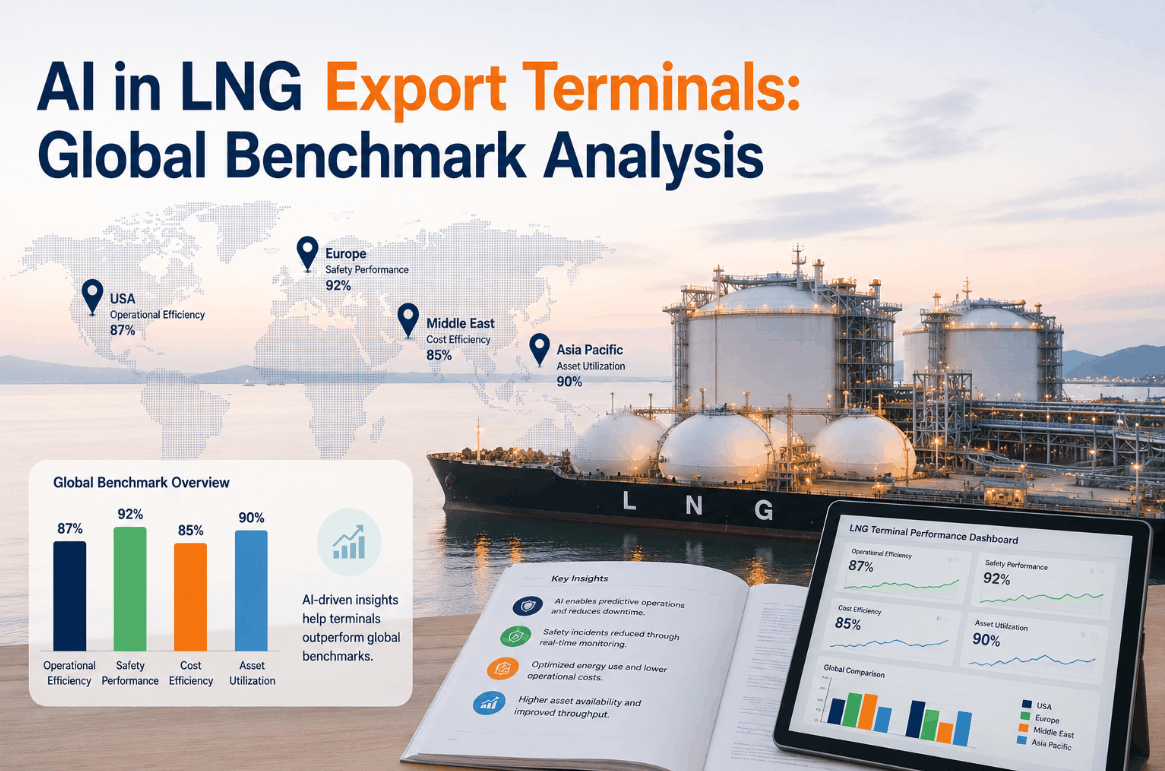
Australia's LNG sector — the world's second-largest LNG exporter — operates in one of the most geographically remote production environments globally, making AI-driven remote operations a commercial necessity rather than an optimization choice. Woodside Energy's digital operations center in Perth monitors offshore LNG platforms along the Northwest Shelf and Browse Basin using AI for equipment health management, production optimization, and autonomous inspection systems that reduce offshore personnel requirements.
AI Application Priorities by Country: Where Each Nation Is Concentrating Investment
Each leading country's AI deployment reflects the specific technical challenges and regulatory requirements of its dominant production environment. Understanding these application priorities helps U.S. operators identify the most validated deployment patterns for their own operational contexts. Book a Demo to review iFactory AI's coverage across each of these application categories for your specific asset type.
| Country | Primary AI Application | Leading Operator | Key Deployment Area | Regulatory Driver |
|---|---|---|---|---|
| United States | Predictive Maintenance · Shale Optimization | ExxonMobil, Chevron | Permian Basin, Gulf of Mexico | SEC Climate Rule, EPA OOOOb |
| Saudi Arabia | Reservoir Modeling · Drilling Automation | Saudi Aramco | Ghawar, Safaniya Fields | Vision 2030 National Strategy |
| UAE | Production Optimization · Autonomous Inspection | ADNOC | Offshore Abu Dhabi Fields | UAE National AI Strategy 2031 |
| Norway | Emissions AI · Subsea Integrity Monitoring | Equinor | Norwegian Continental Shelf | NCS Environmental Regulations |
| China | Basin-Scale Production AI · Drilling Optimization | PetroChina, CNOOC | Tarim Basin, Bohai Bay | National AI Development Plan |
| United Kingdom | Net-Zero Transition AI · Well Integrity | BP, Shell | North Sea UKCS | NSTA Digital Reporting, North Sea Transition Deal |
| Canada | SAGD Optimization · Methane Compliance | Suncor, CNRL | Alberta Oil Sands | Canadian Methane Regulations |
| Qatar | LNG Train Health Monitoring · Cargo Optimization | QatarEnergy | North Dome Field, LNG Trains | QatarEnergy Digital Master Plan |
| Brazil | Deepwater Reservoir AI · Subsea Integrity | Petrobras | Santos Basin Pre-Salt | ANP Digital Reporting Requirements |
| Australia | Remote Operations AI · LNG Asset Health | Woodside Energy | Northwest Shelf, Browse Basin | NOPSEMA Safety Case Requirements |
What U.S. Operators Should Take From the Global AI Leaders' Playbook
The most consistent finding across the top-10 countries' AI programs is that the operators generating the largest measurable ROI share a common structural approach: they did not begin with the most sophisticated AI models. They began with connected data architecture — integrating existing SCADA, historian, and production database sources into a unified platform — and then deployed machine learning models against that connected data. The AI sophistication followed data connectivity, not the other way around. U.S. operators who are still managing predictive maintenance, production optimization, and compliance reporting in disconnected systems are not behind on AI technology. They are behind on the data infrastructure prerequisite that makes AI technology perform. iFactory AI's deployment model is built around this lesson: connect your existing data sources first, deploy pre-configured AI models for your specific asset types, and scale from there. Book a Demo to review how iFactory AI's data integration architecture maps to your existing systems.
Expert Perspective: Why the AI Leaders Are Building a Permanent Cost Advantage
The conversation about AI in oil and gas has moved from proof-of-concept to competitive strategy, and the country-level data makes this visible in a way that individual company case studies cannot. When Saudi Aramco's upstream digital program is recovering full AI platform cost in less than two years through improved drilling efficiency and reduced unplanned downtime, and when Equinor's integrated operations center is running 30% lower offshore carbon intensity than comparable North Sea assets without AI, the question for U.S. operators is not whether AI generates ROI — it is why U.S. independent producers are still treating it as an advanced research topic rather than a standard operational investment. The productivity gap between AI-deploying operators and those running calendar-based maintenance and quarterly sampling programs is already measurable in lifting cost per barrel. It compounds every year. The countries leading AI adoption recognized this structural dynamic four or five years ago and made deliberate national investment decisions to capture it. U.S. independents have every technical advantage — the sensor infrastructure exists, the data is being generated, the platforms are proven — but the organizational will to connect those systems and act on the output remains the differentiating factor between the operators who will lead the next decade and those who will be explaining to investors why their cost structure looks like 2019.
Conclusion: The Global AI Race in Oil & Gas Has a Clear Leaderboard — and It Is Still Open
The top 10 countries leading AI adoption in oil and gas share a common structural advantage: they treated digital transformation not as a technology experiment but as a capital investment with a quantifiable return. Saudi Aramco's reservoir modeling AI, Equinor's integrated offshore operations, ADNOC's autonomous inspection programs, and Petrobras's pre-salt production optimization are not innovation showcases. They are cost structure improvements that compound annually and are now reflected in the lifting cost differential between AI-deploying operators and those still running reactive maintenance programs.
For U.S. operators, the competitive implication is straightforward. The technology is available. The deployment playbooks from the global leaders are documented. The sensor infrastructure to generate the required data already exists on most producing assets. What separates U.S. operators who will capture the same cost and production efficiency advantages from those who will not is the organizational decision to connect existing data sources into a unified analytics platform and deploy AI against them at production scale rather than pilot scale. iFactory AI provides exactly that platform — built for U.S. upstream, midstream, and downstream operational environments, deployable on existing SCADA and production database infrastructure, and pre-configured with the asset-class-specific AI models that the global leaders have validated. Operators ready to close the gap can Book a Demo with iFactory AI today.
Frequently Asked Questions
The United States leads global AI investment in oil and gas by total volume at 38% of global spend, while Saudi Arabia leads in single-operator deployment scale through Aramco's upstream digital transformation program.
National AI strategies — Saudi Vision 2030, UAE National AI Strategy 2031, and QatarEnergy's Digital Master Plan — combined with massive national oil company capital budgets are the primary drivers, generating a 24.1% regional CAGR through 2030.
The SEC Climate Disclosure Rule, EPA methane OOOOb regulation, and PHMSA pipeline integrity digitization requirements are accelerating AI investment by creating compliance obligations that require continuous, verifiable monitoring data that AI systems generate automatically.
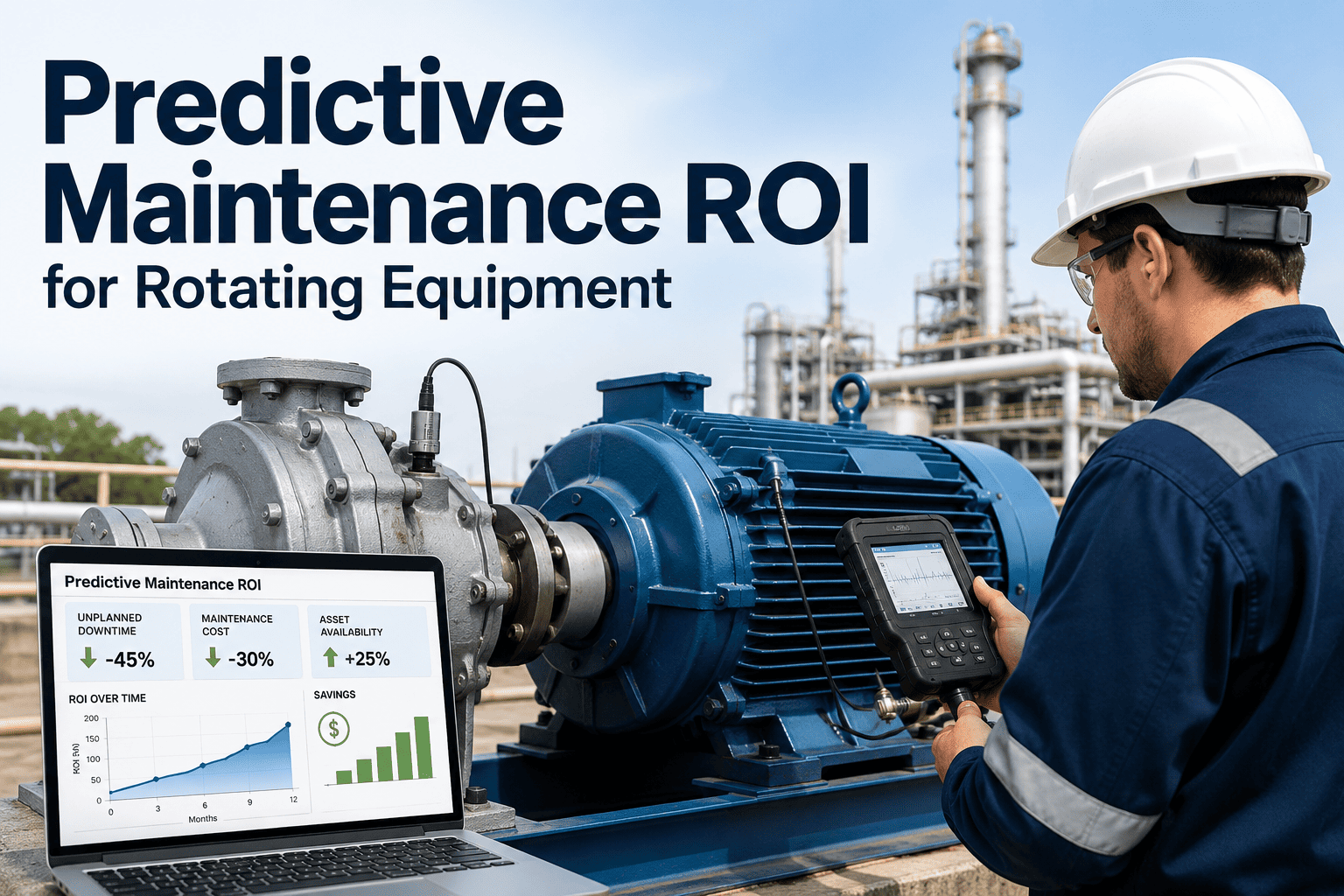
Predictive maintenance and asset health monitoring is the most universally deployed AI application across all top-10 countries, driven by the $490,000-per-hour average cost of offshore platform downtime and compressor failure economics in midstream operations.
iFactory AI deploys in 10–16 weeks on existing SCADA and production database infrastructure, with predictive maintenance alerts generating within the first 30 days of live operation — no rip-and-replace of current systems required.