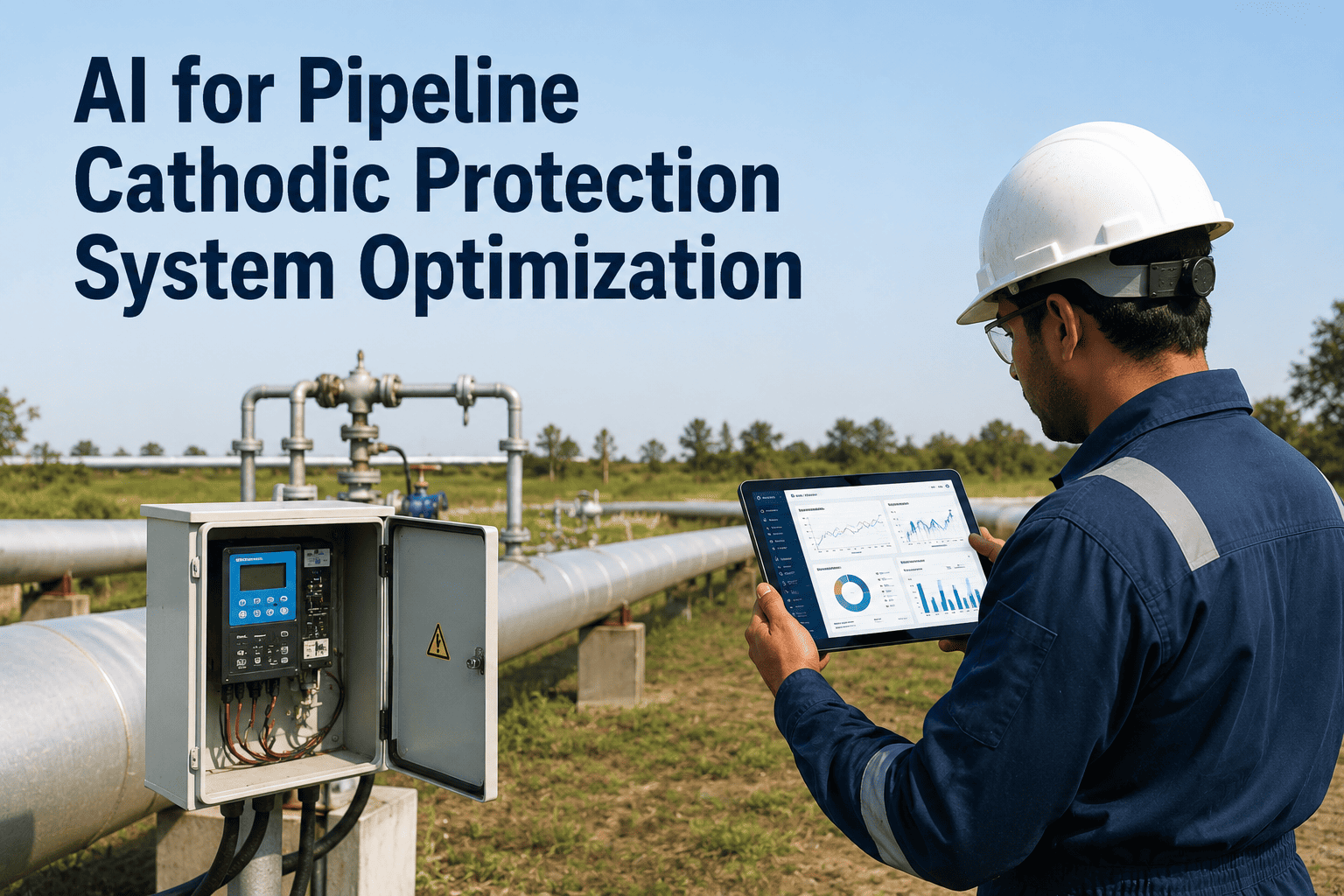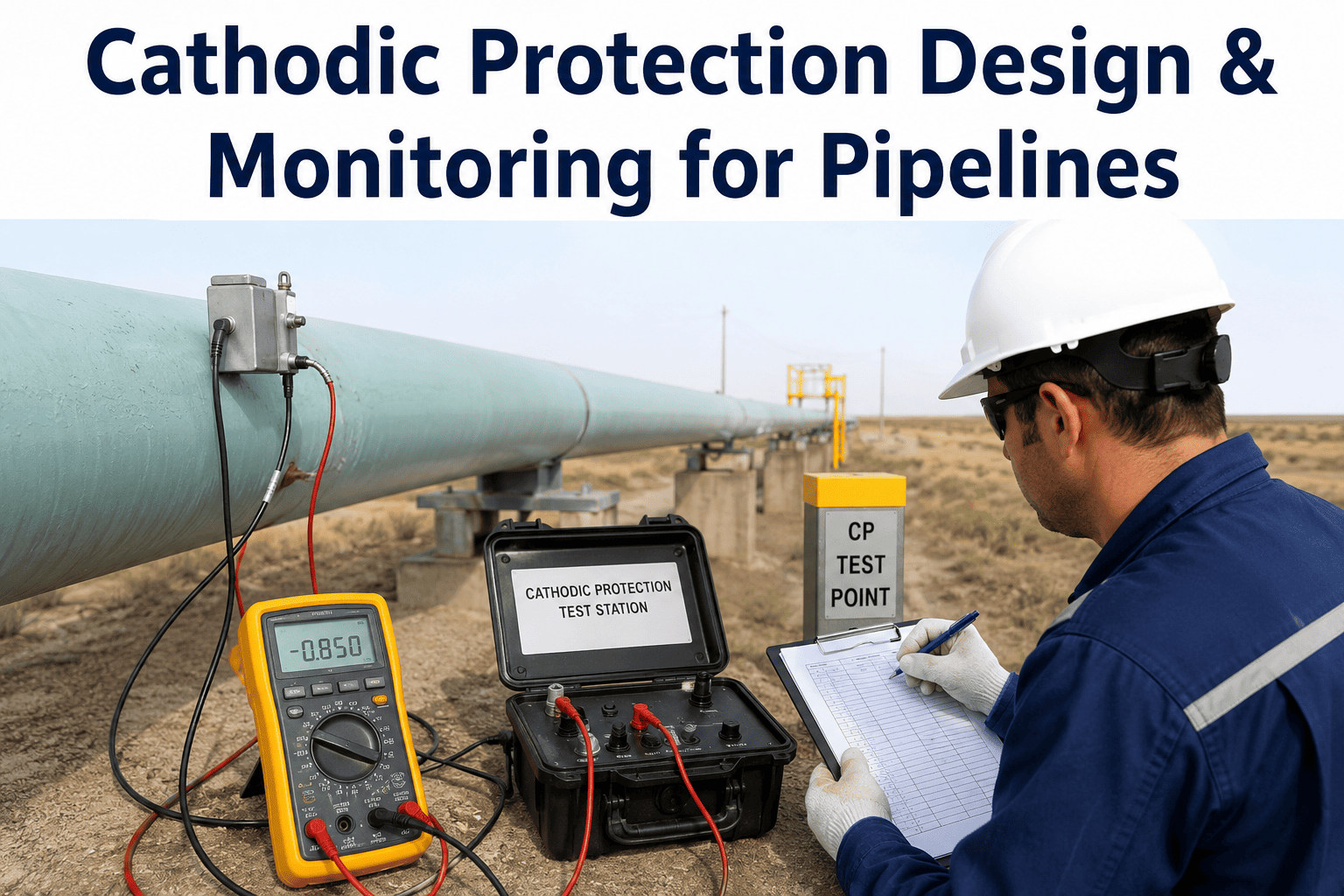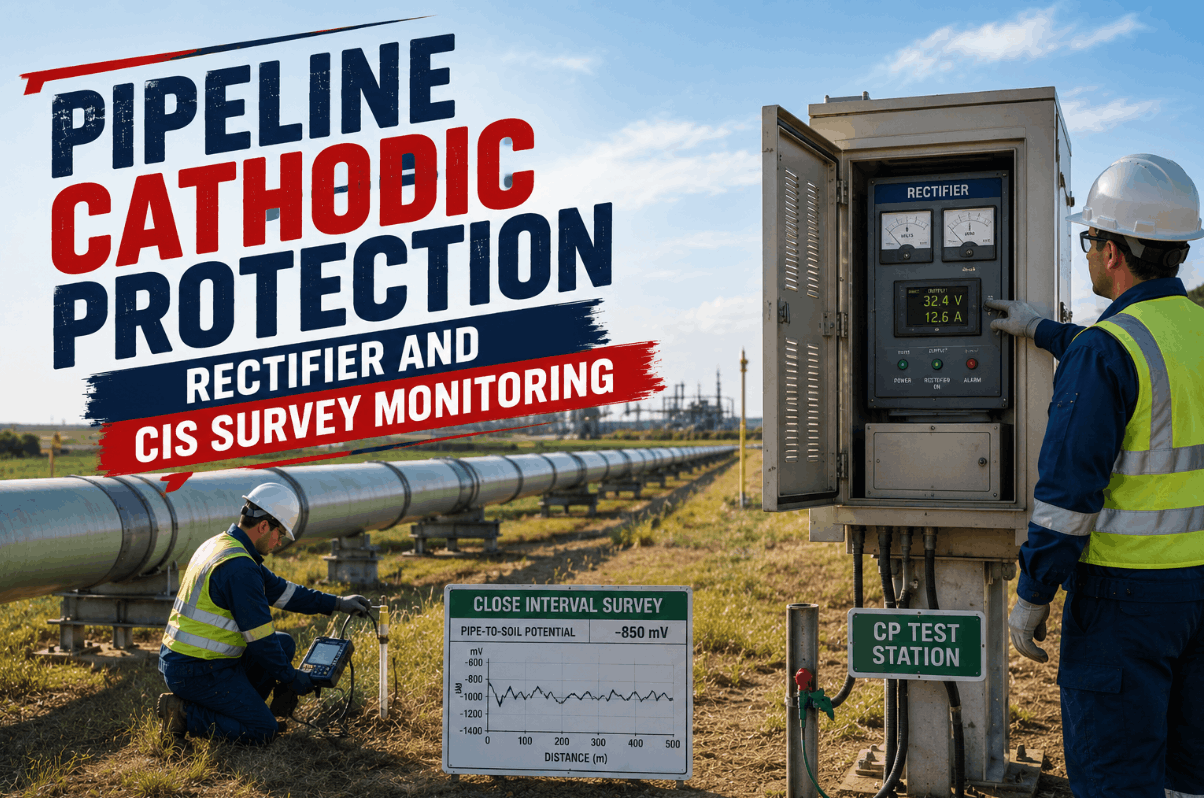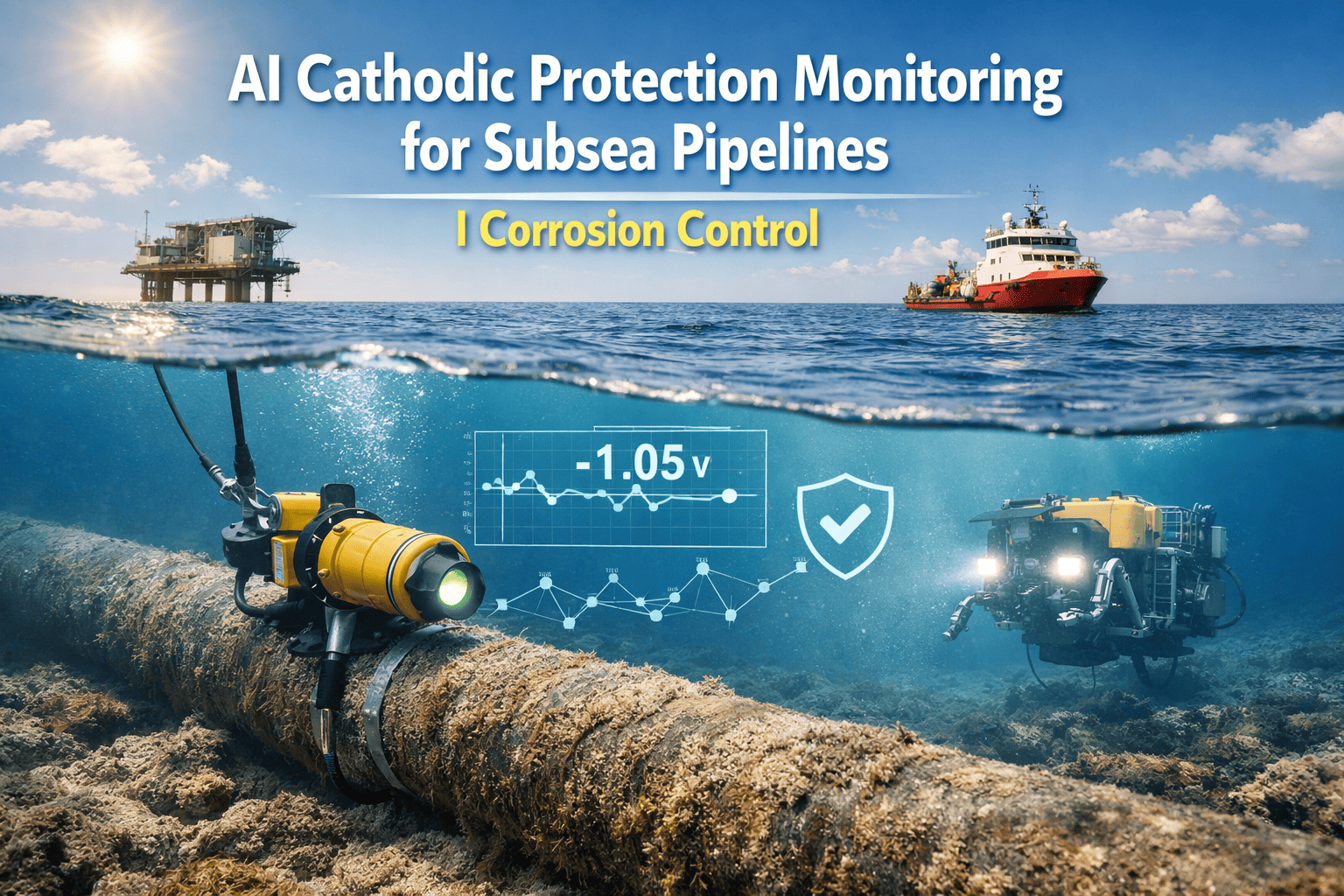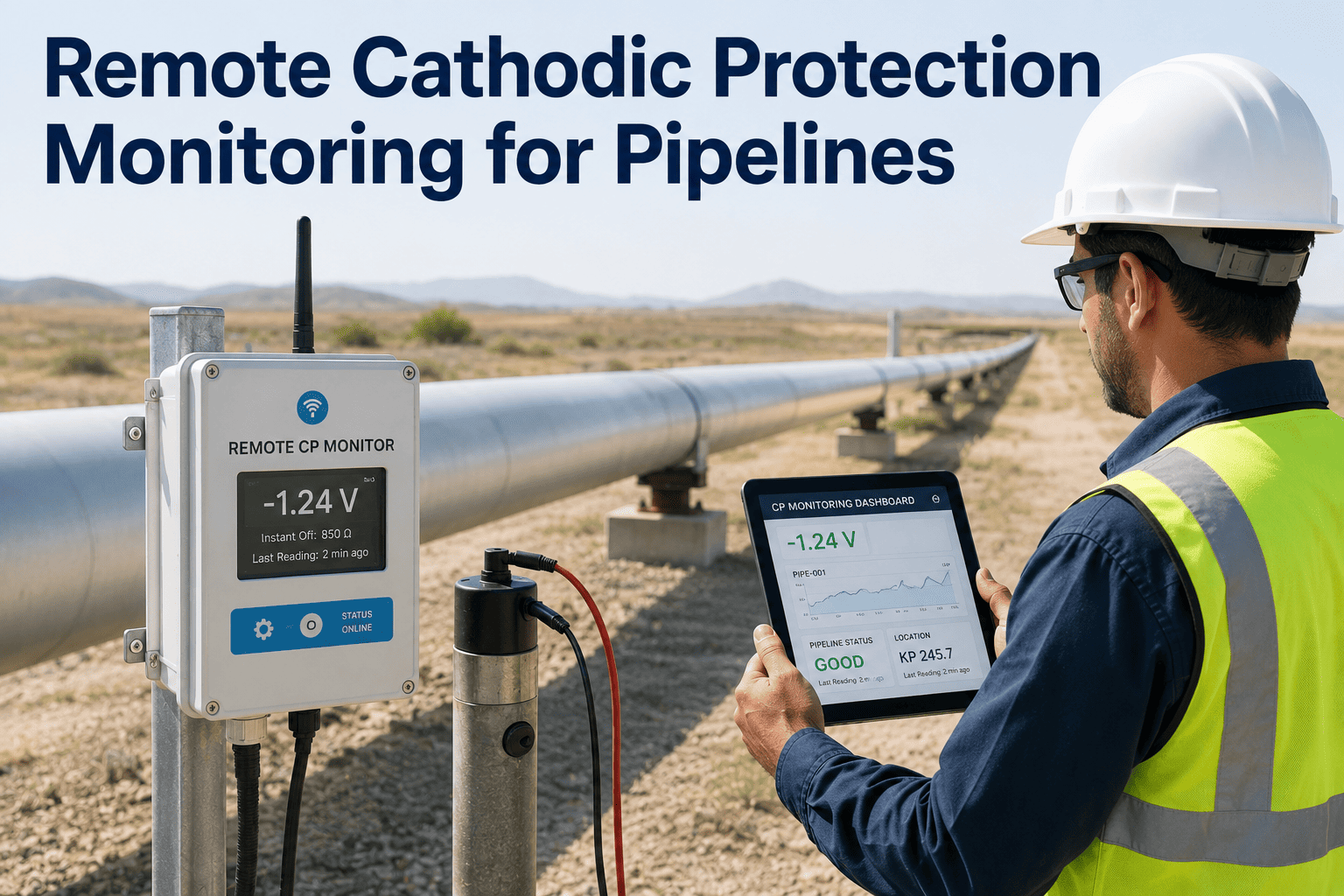
Pipelines buried underground face a relentless invisible threat: electrochemical corrosion that can weaken steel walls to the point of failure. Cathodic protection systems serve as the primary defense, applying a small electrical current to shift pipeline potential below the corrosion threshold. Yet most pipeline operators still monitor these critical protection systems through periodic manual surveys — walking test stations with portable meters, often once or twice a year. This approach leaves months-long blind spots where CP failures, coating holidays, or interference events go completely undetected. Remote cathodic protection monitoring eliminates those blind spots by providing continuous, IoT-connected visibility into pipe-to-soil potentials, rectifier performance, and compliance status from a single dashboard. To see how continuous CP monitoring works for your pipeline network, Book a Demo with iFactory AI.
Stop Guessing if Your Pipeline Is Protected. Know It Continuously.
iFactory AI delivers remote CP monitoring that connects IoT-equipped rectifiers and test stations to a single compliance dashboard — continuous potential data, automated alerts, and audit-ready NACE reporting.
The Five Critical Components of a Pipeline Cathodic Protection System
Understanding what needs to be monitored starts with understanding the components that make up an impressed current cathodic protection system. Each component plays a specific role in delivering protection current to the pipeline surface, and each represents a potential failure point that remote monitoring can track in real time.
AC Power Source
Supplies electrical energy to the CP rectifier at sufficient capacity for full protection current delivery across the pipeline segment being protected.
CP Rectifier
Converts AC input to controlled DC output, adjusting voltage and current to maintain pipeline potential within NACE-specified protection criteria at all times.
Test Station
Field access point where pipe-to-soil potential and current measurements are taken, now equipped with IoT transmitters for automated remote data collection.
Reference Electrode
Copper-copper sulfate half-cell placed at test stations to provide a stable reference point for measuring the potential difference between pipe and surrounding soil.
Ground Bed Anodes
Consumable or inert anodes installed in a ground bed that discharge DC current through the soil electrolyte to achieve uniform pipeline protection coverage.
Manual CP Surveys vs Remote CP Monitoring: A Direct Operational Comparison
The difference between periodic manual surveys and continuous remote monitoring is not incremental — it fundamentally changes what operators can know about the protection status of their pipeline at any given moment. The comparison below captures the operational reality that integrity managers and CP technicians experience when remote monitoring replaces or supplements manual survey programs.
Periodic Field Visits with Portable Meters
- Technicians visit test stations only one to two times per year
- Months-long gaps in CP visibility between survey events
- Weather and terrain access constraints frequently delay surveys
- Transient interference events go completely undetected
- Manual data entry introduces transcription errors and reporting delays
- Survey costs range from $500 to $2,000 per mile per year
Continuous IoT-Connected Data Collection
- Data collected every 15 minutes to one hour automatically
- Zero gaps in CP visibility across the entire calendar year
- Weather-independent monitoring at every equipped station
- Transient events captured and alerted in real time
- Automated data logging eliminates manual entry errors entirely
- Field visit requirements reduced by 60 to 80 percent
Four Stages of Remote CP Monitoring From Field Sensor to Compliance Report
Remote cathodic protection monitoring follows a straightforward data pipeline from field measurement to operator action. Understanding each stage helps integrity managers plan deployment, validate data quality, and configure alerts that align with their specific protection criteria and regulatory requirements.
IoT Sensor Installation
Remote monitoring units are installed at rectifiers and test stations, equipped with voltage, current, and pipe-to-soil potential measurement sensors plus cellular or satellite connectivity modules for continuous data transmission.
Continuous Data Transmission
Measured pipe-to-soil potentials, rectifier voltage and current output, and AC interference levels are transmitted to the cloud platform at configurable intervals from every monitored point along the pipeline corridor.
Analytics and Anomaly Detection
Cloud-based analytics process incoming CP data to identify protection criteria violations, rectifier failures, coating holiday indications, and stray current interference patterns in real time across all monitored locations.
Compliance Reporting and Alerts
Automated NACE compliance reports are generated with full audit trails and threshold-based alerts notify operators immediately when any CP parameter falls outside acceptable protection limits at any location.
How Remote CP Monitoring Maps to NACE SP0169 Protection Criteria
NACE SP0169 defines the standards for controlling external corrosion on buried or submerged steel pipelines through cathodic protection. Remote monitoring provides continuous evidence of compliance with these criteria, transforming periodic snapshot verification into ongoing documented assurance that strengthens regulatory positions and reduces audit risk.
Pipe-to-Soil Potential Below -850mV Criterion
Remote monitoring verifies that pipeline potential remains more negative than -850mV relative to a copper-copper sulfate reference electrode at all monitored locations, providing continuous documented evidence rather than annual snapshots.
Rectifier Operating Within Specified Range
Voltage and current output from each rectifier is tracked continuously, confirming the impressed current system is delivering adequate protection current and alerting operators immediately to any rectifier malfunction or output deviation.
Annual Survey Coverage and Close-Interval Survey Support
Remote data supplements but does not fully replace the requirement for periodic close-interval surveys. However, continuous data ensures those surveys confirm stable protection rather than discovering failures that developed months earlier.
Stray Current Interference Monitoring and Mitigation
AC and DC stray current interference is continuously monitored at critical crossing locations, with automated alerts when interference levels exceed thresholds that could compromise cathodic protection effectiveness at affected pipeline segments.
What Pipeline Operators Measure After Deploying Remote CP Monitoring
The value of remote CP monitoring is measured in terms that directly impact pipeline integrity, compliance confidence, and operational cost. The metrics below reflect what operators deploying remote CP solutions through platforms like iFactory AI report after reaching steady-state monitoring operations across their pipeline networks.
Increase in CP monitoring coverage from two to three survey days per year to near-continuous data collection at every equipped test station and rectifier location.
Reduction in annual manual CP survey costs as remote data eliminates routine measurement visits at monitored stations, freeing field crews for targeted interventions.
Faster detection of CP system failures, rectifier outages, and protection criteria violations compared to waiting for the next scheduled manual survey cycle.
Improvement in regulatory audit readiness as continuous data provides documented evidence of NACE protection criteria compliance throughout the entire reporting period.
Key Considerations for Deploying Remote CP Monitoring Across Your Pipeline Network
Successful remote CP monitoring deployment requires attention to site selection, connectivity, power, integration, and data validation. The considerations below represent the decisions that most significantly impact deployment cost, data quality, and long-term operational value for pipeline operators moving from manual surveys to continuous remote monitoring.
Site Selection and Risk-Based Prioritization
Not every test station requires remote monitoring in the first deployment phase. Prioritize locations based on corrosion risk assessment, historical CP issues, proximity to AC interference sources such as power line crossings, and regulatory scrutiny levels. High-consequence areas, aging pipeline segments with known coating degradation, and locations with previous CP criterion violations should be equipped first. iFactory AI helps operators rank candidate sites by risk-weighted priority to maximize the protection value delivered by initial deployment budgets before expanding to lower-priority locations in subsequent phases.
Connectivity Assessment
Evaluate cellular coverage at each candidate monitoring location before specifying hardware. Remote pipeline corridors may have limited or no cellular service, requiring satellite modems that add significant cost and increase data transmission latency. Many operators adopt a hybrid approach using cellular connectivity where available and satellite only at locations where no cellular option exists.
Power Supply Design
Most remote CP monitoring units are solar-powered with battery backup for continuous operation. Solar panel sizing must account for local solar insolation patterns, winter weather conditions that reduce available sunlight, and the continuous power draw of cellular or satellite communication modems at each monitoring location.
System Integration Strategy
Remote CP data should flow into existing pipeline integrity management systems, SCADA platforms, and regulatory compliance databases rather than creating a separate monitoring silo that requires parallel data management and additional analyst effort to maintain.
Data Validation and Baseline Calibration
Remote monitoring data must be validated against manual survey measurements during an initial calibration period to confirm sensor accuracy and establish baseline correlations between remote and manual readings. Any systematic offset or drift in remote potential measurements should be documented and corrected in the platform before remote data is relied upon for compliance decisions. This calibration phase typically spans one full annual survey cycle and provides the documented evidence that regulators expect when operators transition from manual to remote CP monitoring programs.
Remote Cathodic Protection Monitoring — Answers for Pipeline Integrity Leaders
What is cathodic protection and why does it need continuous monitoring?
Cathodic protection is an electrochemical technique that prevents external corrosion on buried steel pipelines by applying a small DC current to shift the pipeline potential below the corrosion threshold. Without continuous monitoring, operators cannot verify that this protection is maintained at adequate levels between annual surveys. CP systems can fail due to rectifier malfunctions, anode depletion, coating damage, or stray current interference — any of which can leave pipeline sections unprotected for months before the next manual survey discovers the problem. Remote monitoring ensures protection criteria are verified continuously and deviations trigger immediate response. To see how this works for your pipeline, Book a Demo with iFactory AI.
How does remote CP monitoring work at the technical level?
Remote CP monitoring uses IoT-enabled field units installed at rectifiers and test stations that measure pipe-to-soil potential, rectifier voltage and current output, and AC interference levels at configurable intervals — typically every 15 minutes to one hour. These measurements are transmitted via cellular or satellite connectivity to a cloud platform where analytics software processes the data, compares it against NACE protection criteria, and generates alerts when parameters fall outside acceptable thresholds. Field units are typically solar-powered with battery backup for independent operation at remote locations, and the cloud platform provides dashboards, trend analysis, and automated compliance reporting.
Does remote CP monitoring satisfy NACE SP0169 compliance requirements?
NACE SP0169 requires that cathodic protection be maintained on all buried steel pipeline surfaces and that effectiveness be monitored, with pipe-to-soil potentials more negative than -850mV relative to a copper-copper sulfate reference electrode. Remote monitoring provides continuous evidence that this criterion is met, which strengthens compliance positions compared to periodic manual surveys that only capture a snapshot. However, most operators and regulators consider remote monitoring to supplement rather than fully replace periodic close-interval surveys and annual assessments. Remote data makes those periodic surveys more efficient by identifying specific locations needing attention. For compliance integration questions, contact our support team.
What is the typical cost of deploying remote CP monitoring on a pipeline?
Remote CP monitoring hardware typically costs between $1,500 and $4,000 per monitoring point, depending on measurement channel count, connectivity type, and environmental rating. Installation labor adds approximately $500 to $1,500 per point, and annual platform subscription with connectivity costs range from $200 to $800 per monitored point per year. For a pipeline with 50 monitored locations, total first-year costs typically fall between $125,000 and $300,000. Against annual manual survey costs of $500 to $2,000 per mile, most operators achieve payback within two to three years on pipelines longer than 50 miles, with the added value of continuous protection visibility that manual surveys simply cannot provide.
How does iFactory AI integrate with existing CP monitoring infrastructure?
iFactory AI connects to remote CP monitoring units through standard industrial protocols and APIs, ingesting pipe-to-soil potential data, rectifier operating parameters, and environmental measurements into a unified analytics platform. The integration layer supports major CP monitoring hardware vendors and accepts manual survey data imports for cross-validation during the calibration phase. CP data is correlated with other pipeline integrity sources — inline inspection results, coating condition assessments, and failure history — to provide a comprehensive external corrosion risk view. Operators access CP status through the same iFactory dashboard used for other remote asset monitoring, eliminating separate CP-specific software. To explore integration with your systems, Book a Demo with our team.
Ready to Replace Annual CP Surveys With Continuous Protection Visibility?
Connect with iFactory AI to map your pipeline CP monitoring gaps, identify the highest-priority locations for remote monitoring deployment, and receive a compliance-ready implementation plan built for your pipeline integrity management program.