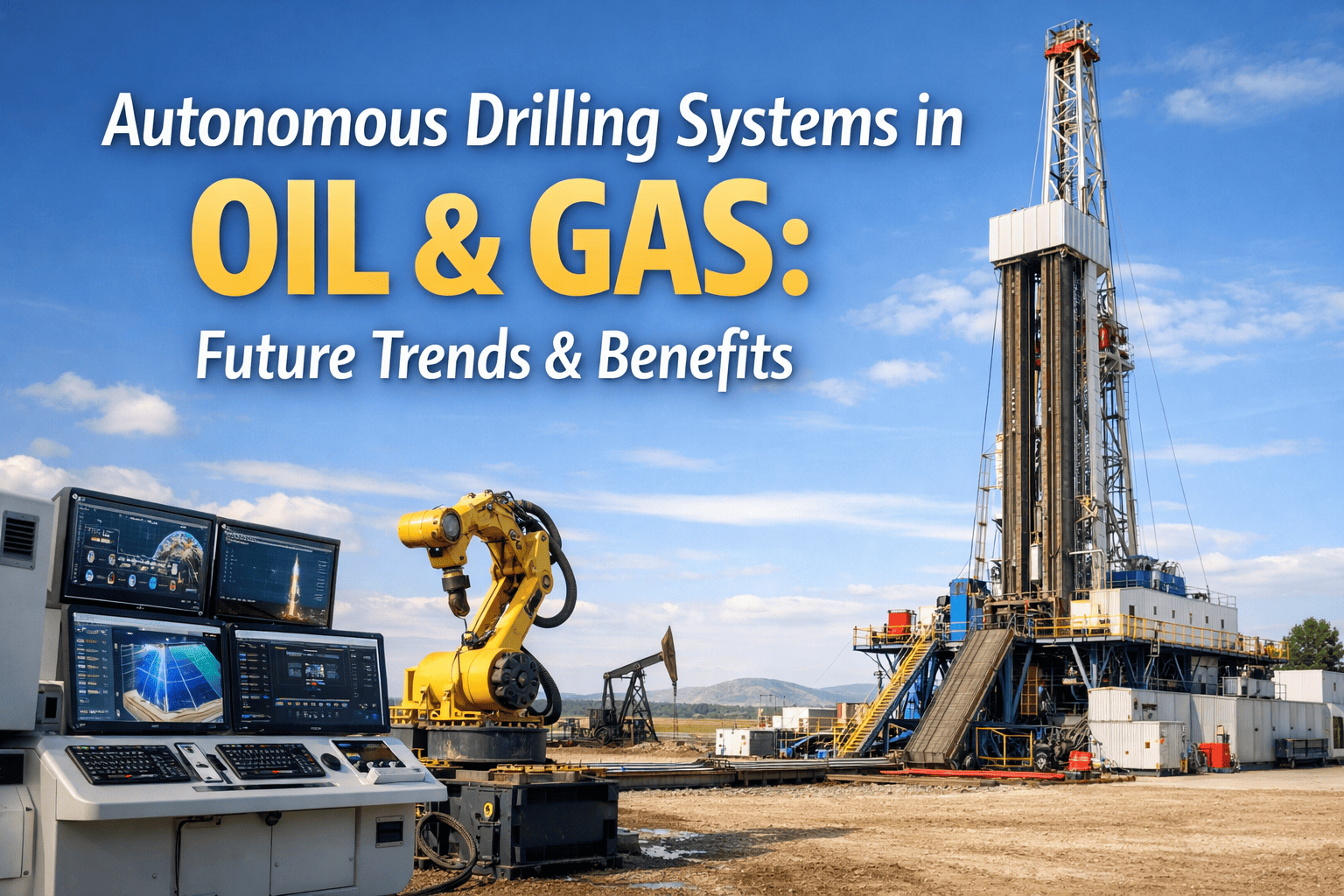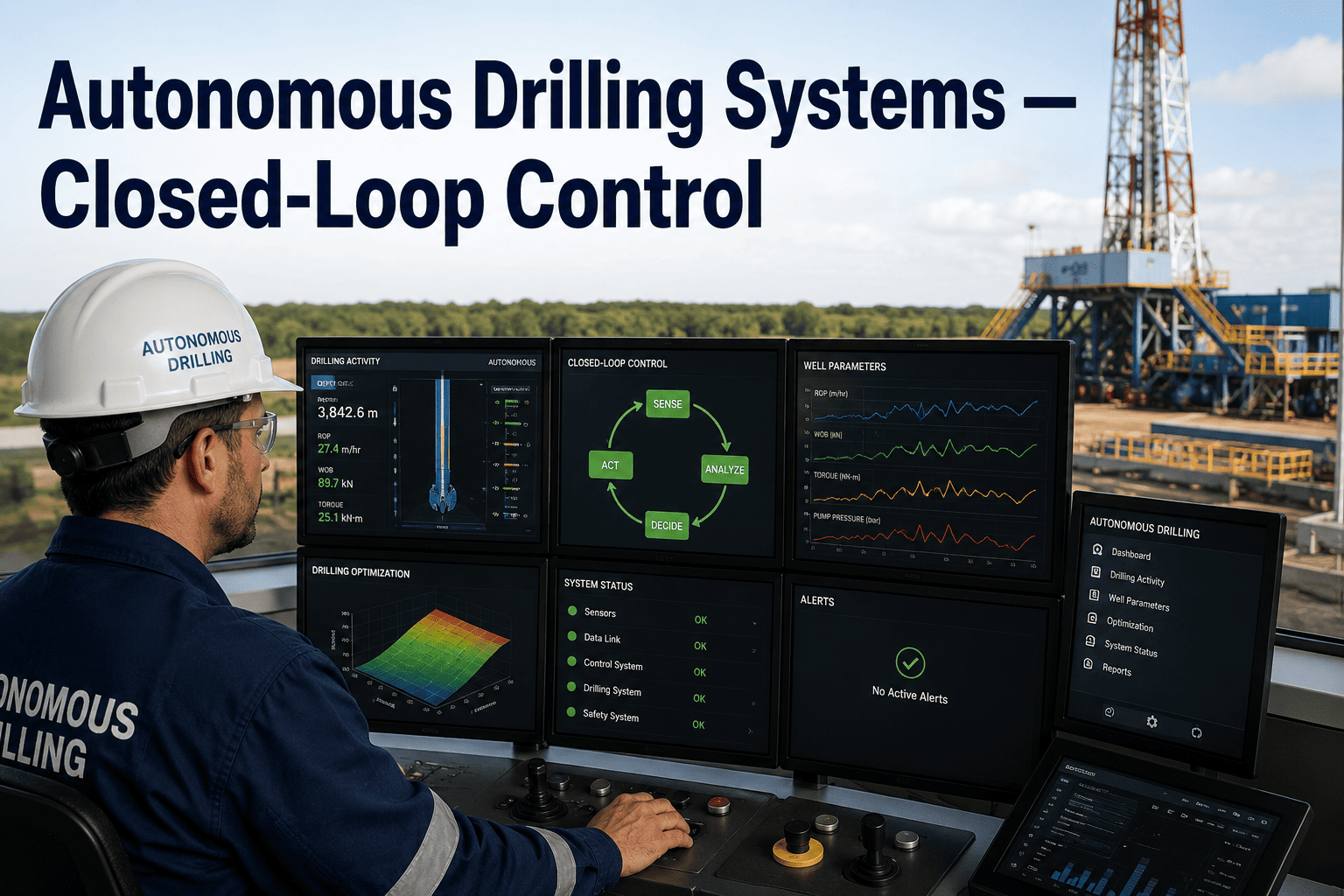
A directional driller adjusting weight on bit by feel and a screen full of trending curves has been the standard for decades, and it works, but it works at the speed of human reaction time and shift-change memory. Every kick in vibration, every subtle change in formation, and every degree of wellbore tortuosity has to pass through a person before the rig responds, and that person is only watching one parameter at a time out of a dozen that matter simultaneously. Closed-loop autonomous drilling removes that bottleneck by letting the control system sense, decide, and actuate continuously, adjusting surface and downhole parameters in the seconds it takes a human to notice the trend on a screen. iFactory's autonomous drilling platform runs that loop in real time on your rig, and you can book a demo to see it operating against your own well plan.
Human Reaction Time Is the Real Bottleneck in Drilling Optimization — Closed-Loop AI Removes It
iFactory's autonomous drilling system continuously reads downhole and surface data, decides the optimal parameter adjustment, and actuates it directly through the rig control system, without waiting for a person to notice the trend first.
Every Second a Parameter Sits Uncorrected Is Rate of Penetration and Bit Life Left on the Table
Manual drilling optimization is limited not by the skill of the directional driller but by how much a single person can watch, interpret, and act on at once during a twelve-hour shift. The parameters that matter most, weight on bit, RPM, vibration signature, torque, and wellpath, all interact with each other, which means a correction made in isolation on one can quietly work against another.
What Actually Changes When the Loop Closes Without Waiting for a Person
The comparison below sets manual parameter management against a fully closed autonomous loop across the moments that matter most on a live drilling run, from the first sign of a vibration trend to the correction that actually gets applied at surface.
See the Loop Run Against Your Own Well Plan
iFactory's autonomous drilling system closes the sense-decide-actuate loop in real time. Book a demo and watch it respond to a live parameter change.
Parameters Under Continuous Autonomous Control Throughout the Run
Rather than optimizing a single variable in isolation, the platform manages the interacting parameters below as one connected system, the way an experienced driller would if they could watch all of them at once and act on every one simultaneously rather than in sequence.
Adjusted continuously to hold the bit in its most efficient cutting regime as formation hardness changes, rather than stepping through fixed setpoints between manual check-ins.
Stick-slip, whirl, and axial vibration are classified in real time from downhole and surface sensor data, triggering an immediate parameter correction before damage accumulates on the bit or BHA.
Directional commands are adjusted continuously against the planned trajectory, correcting small deviations before they compound into a larger, more expensive correction later in the run.
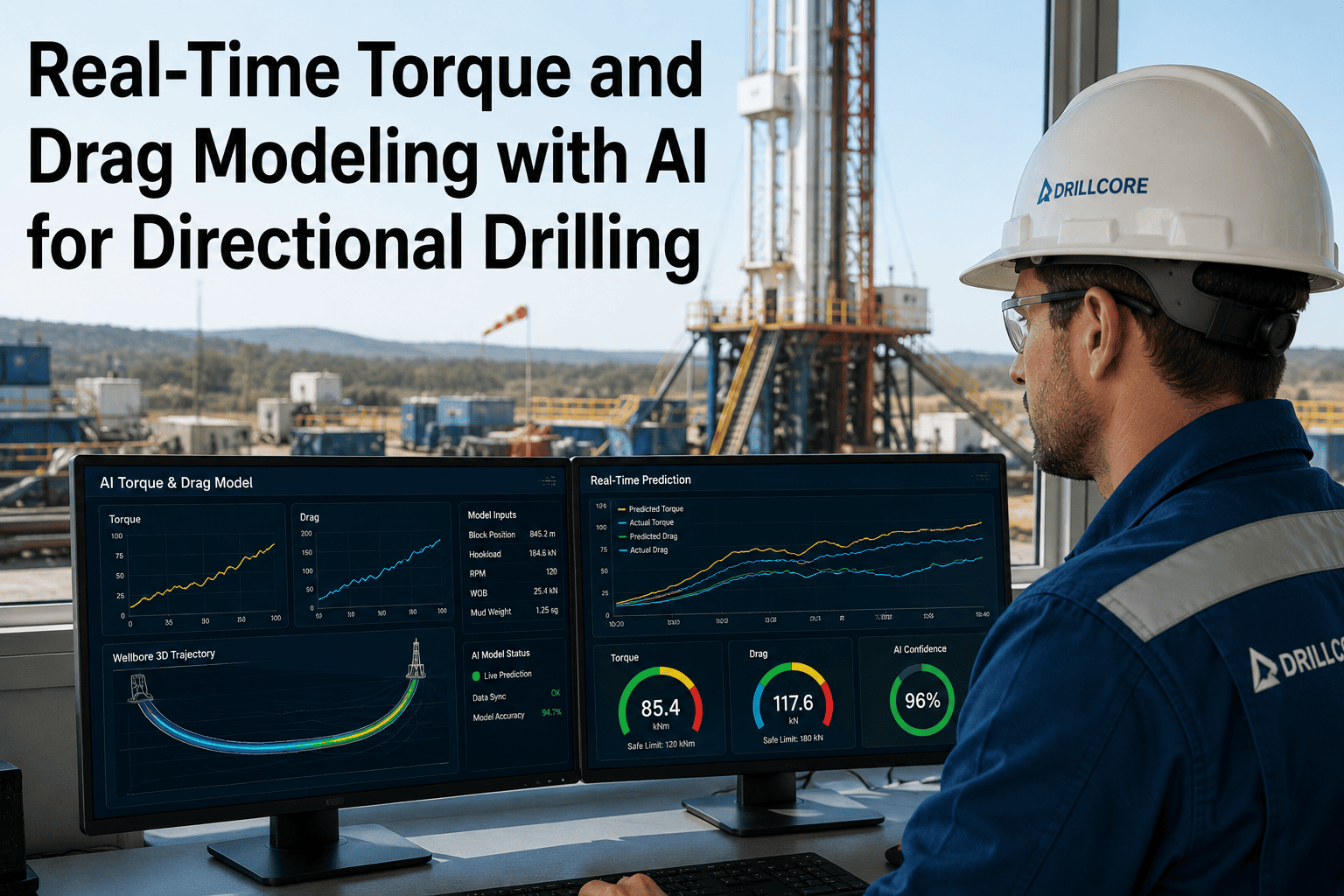
Surface torque and drag are trended against the expected friction model for the wellbore, flagging developing hole cleaning or tortuosity issues well before they become a stuck-pipe event.
Where Your Rig Sits Today and What Full Closed-Loop Control Adds
Autonomy is not a single switch to flip. Most rigs already operate somewhere on the scale below, and iFactory's platform is built to move an operation up that scale at whatever pace fits the team's comfort with removing manual steps, with full transparency into which decisions the system is making at each level.
| Autonomy Level | What the System Does | Human Role |
|---|---|---|
| Level 1 — Assisted | Displays recommended parameter changes on screen | Reviews and manually applies every change |
| Level 2 — Supervised | Applies low-risk adjustments automatically | Approves higher-impact changes before execution |
| Level 3 — Conditional | Runs the full sense-decide-actuate loop unattended | Monitors and intervenes only on exceptions |
| Level 4 — Closed-Loop | Manages the complete parameter set continuously | Sets objectives and reviews performance after the fact |
Outcomes Reported From Closed-Loop Autonomous Drilling Deployments
The figures below reflect results tracked across operators running closed-loop autonomous control on unconventional and directional wells, compared against each operator's own prior manually optimized baseline over multiple drilling campaigns.
Moving Your Rig Up the Autonomy Scale, Step by Step
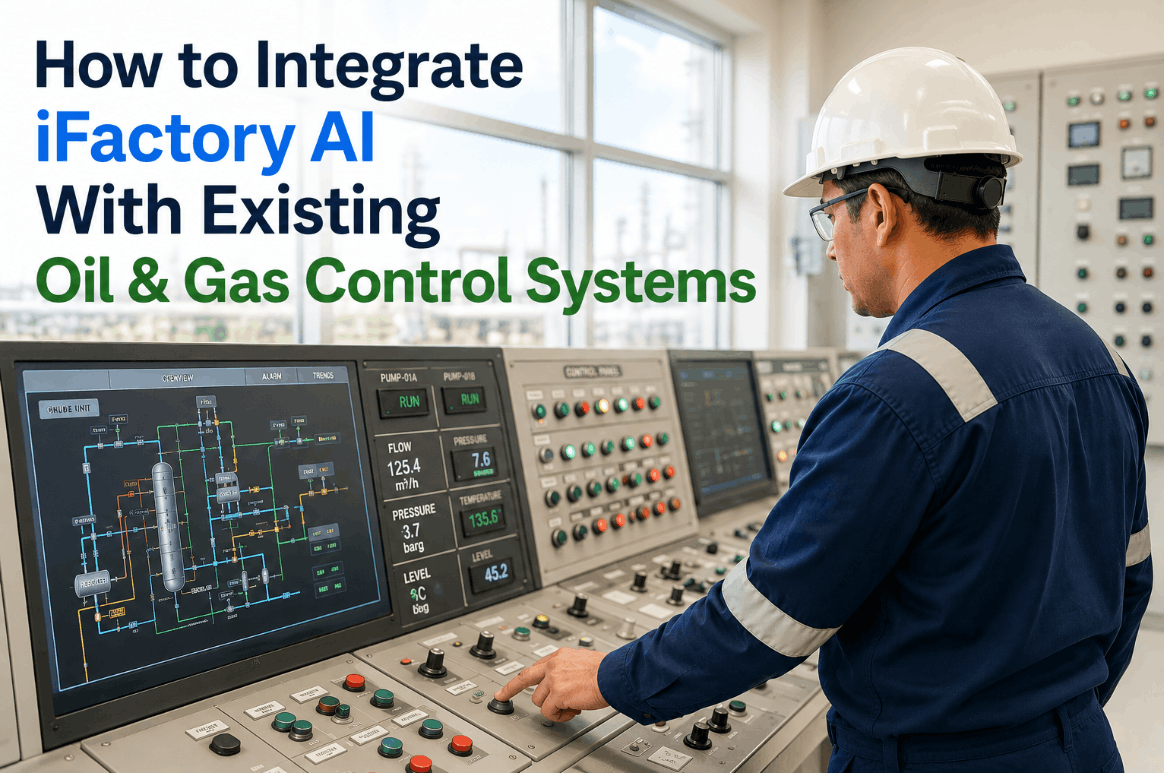
Integrate Rig Control Systems
Downhole telemetry, surface sensors, and the rig control interface are connected to the platform without requiring new drilling hardware in most cases.
Run in Assisted Mode
The system displays every recommended adjustment alongside the driller's own decisions, building a track record before any control is handed over.
Advance to Supervised Autonomy
Low-risk adjustments are handed to the system automatically while higher-impact changes still require driller approval.
Close the Loop
Full closed-loop control is enabled once the team has confidence in the system's track record on your specific rig and formation.
Questions Drilling Engineers Ask About Closed-Loop Autonomous Control
The Bottleneck Was Never the Driller's Skill — It Was How Much One Person Can Watch at Once
Manual drilling optimization asks a single person to track a dozen interacting parameters, notice the moment one drifts, and apply a correction fast enough to matter, all while managing everything else happening on the rig floor. Closed-loop autonomous control does not out-think an experienced driller; it simply removes the reaction-time and attention-span limits that no amount of experience or training can overcome, freeing the driller to focus on judgment calls the system genuinely cannot make.
iFactory's platform runs the sense-decide-actuate loop continuously, holding weight on bit, RPM, vibration, and wellpath within their optimal range every second of the run rather than at the pace of a manual screen check. The result is faster, cleaner sections drilled with fewer vibration-related failures and less wellpath correction later in the well, all while keeping the driller in control of the objectives that matter.
See Closed-Loop Control Running Against Your Own Well Plan
iFactory's autonomous drilling platform closes the loop on parameter optimization in real time, at whatever autonomy level fits your team. Book a demo and see it in action.
-in-oil-&-gas-back-office.png)