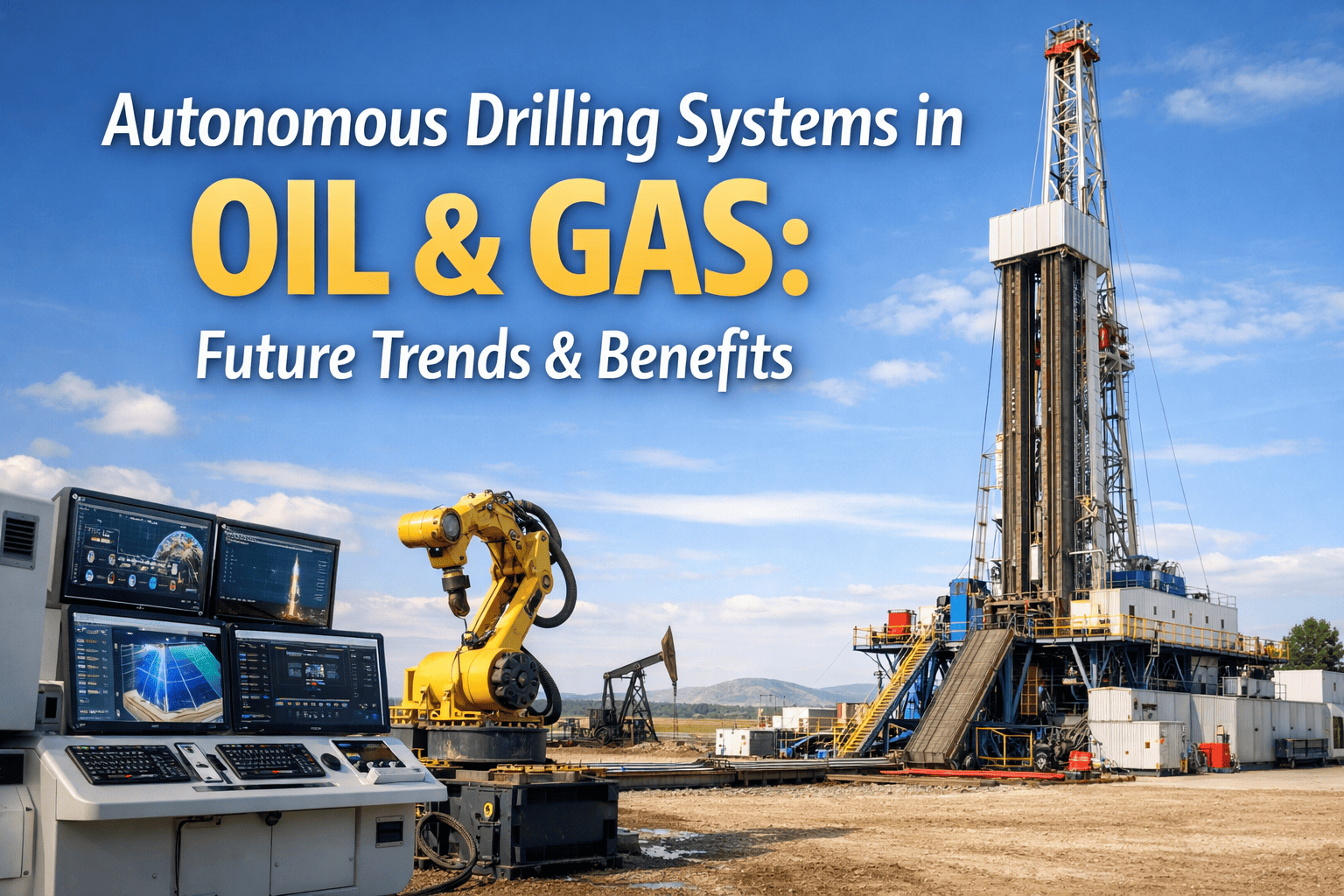
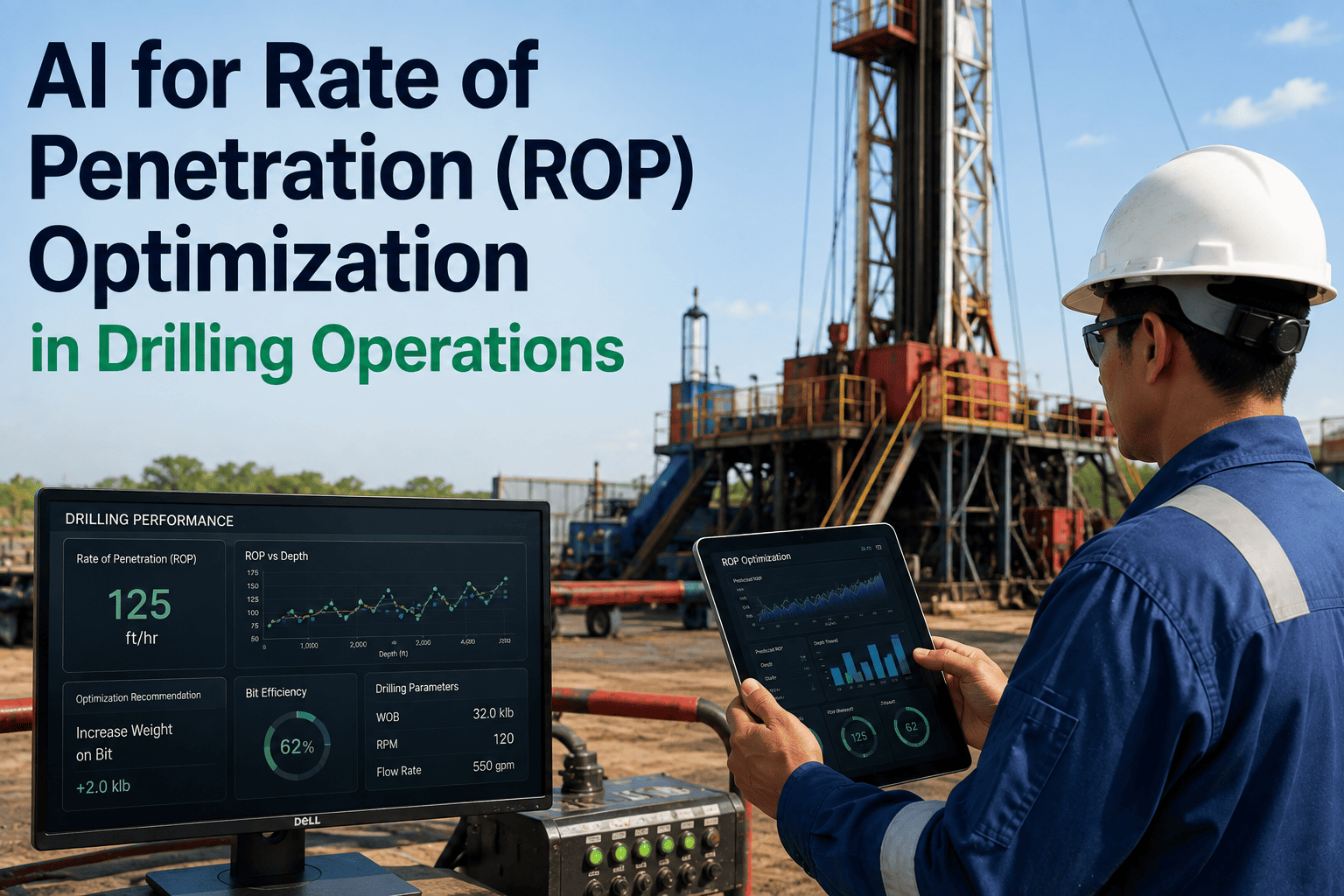
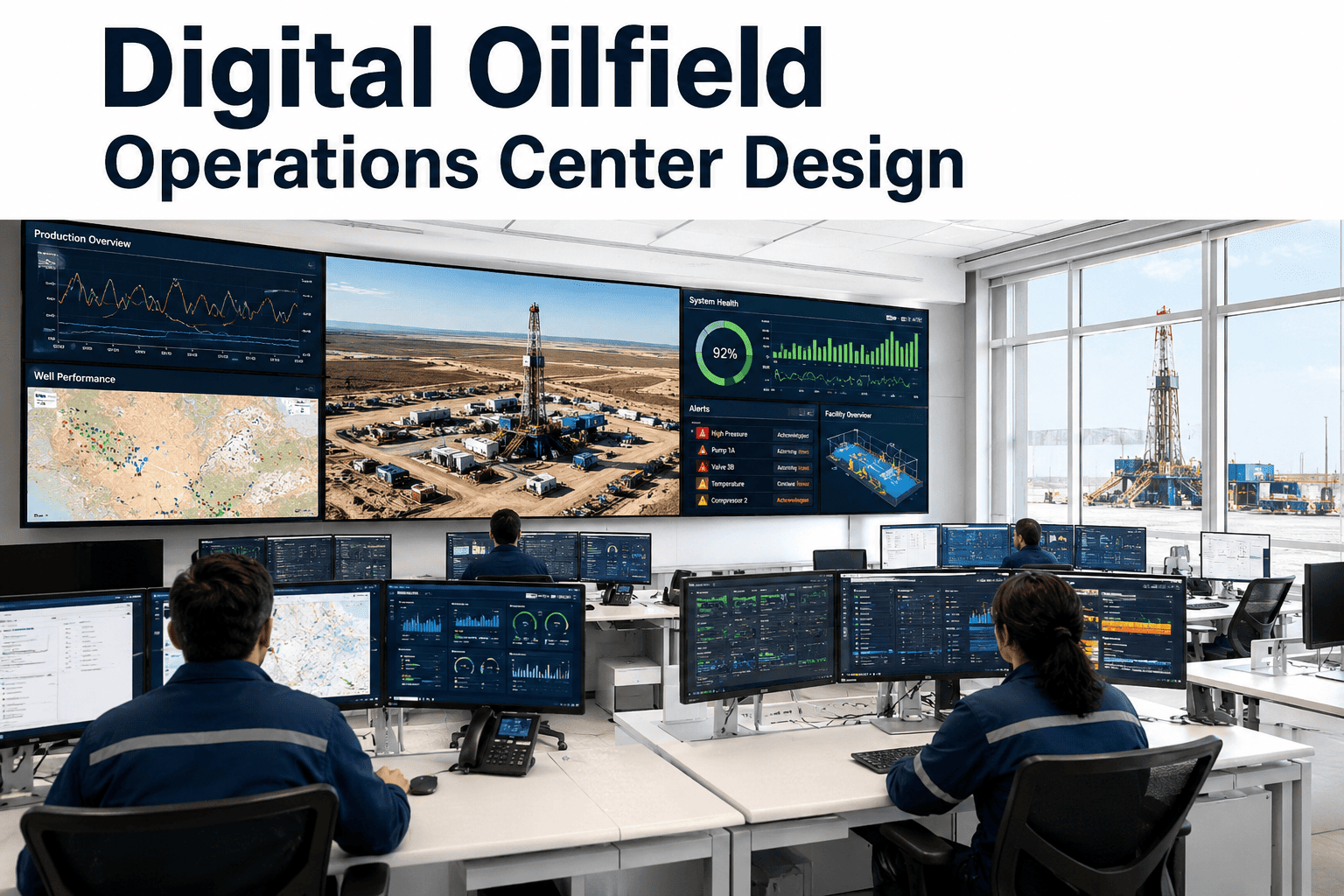
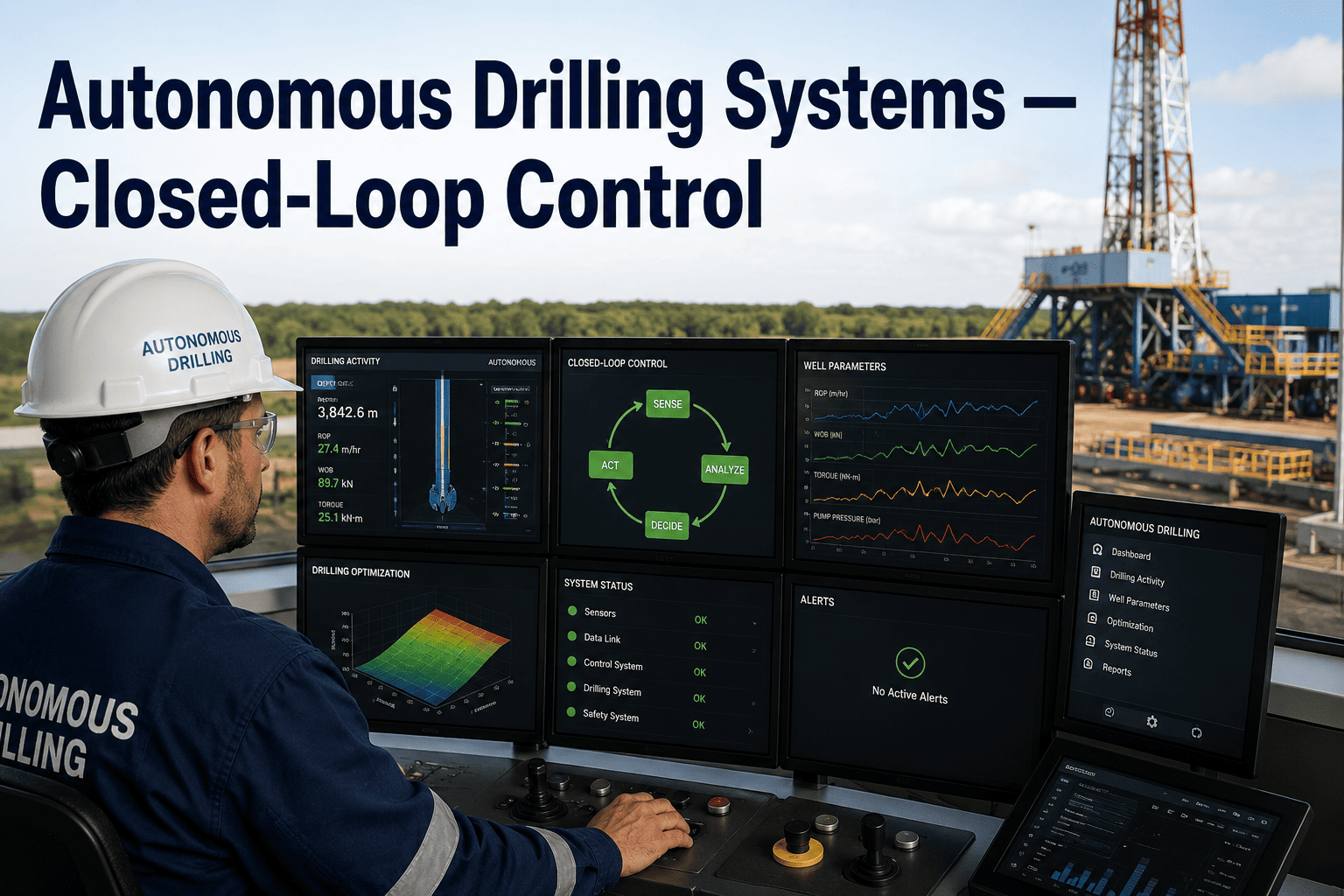
Offshore drilling operations lose $1.2 million per day when autonomous systems fail to prevent stuck pipe incidents, wellbore instability, or equipment breakdowns because traditional manual drilling relies on human reaction times 8 to 12 seconds slower than AI-controlled systems that detect formation changes, adjust drilling parameters in real-time, and prevent costly non-productive time before catastrophic failures occur. A North Sea operator discovered this when manual drilling encountered unexpected high-pressure zones at 12,400 feet, causing well control issues that required 14 days to resolve at $16.8 million total cost, while an adjacent well using iFactory's autonomous drilling system detected identical pressure anomalies 840 feet earlier through real-time formation evaluation, automatically adjusted mud weight and drilling speed, and completed the section with zero NPT. The gap between reactive manual drilling and predictive autonomous systems now determines whether operators achieve 95% drilling efficiency or accept 30% non-productive time as industry standard. iFactory delivers The Complete AI Platform for Oil & Gas Operations with autonomous drilling intelligence that connects to your existing DCS/SCADA and historians, maintains OT data inside your security perimeter, and prevents equipment failures before they escalate into multi-million dollar incidents. Book a demo to see autonomous drilling ROI for your operations.
Autonomous Drilling Intelligence
Prevent Stuck Pipe & Wellbore Failures Before They Cost Millions
See how iFactory's AI platform monitors downhole conditions in real-time, predicts formation changes before manual detection, automatically optimizes drilling parameters, and prevents non-productive time that costs $1.2M per day offshore.
Understanding Oil & Gas Drilling Operations
Autonomous drilling systems operate across three critical oil and gas segments, each with distinct automation requirements and operational challenges that iFactory's integrated platform addresses through unified AI intelligence.
Upstream Operations
Exploration and drilling where autonomous systems control rotary steerable tools, manage downhole pressure, optimize rate of penetration, and prevent stuck pipe through predictive formation analysis. SCADA systems monitor surface equipment, PLCs control drilling automation sequences, DCS manages mud circulation and well control, historians archive drilling parameters for AI learning. iFactory integrates all data streams for autonomous decision-making that prevents non-productive time costing $50K to $1.2M daily depending on rig type and location.
Midstream Infrastructure
Pipeline and storage systems where autonomous monitoring detects corrosion, leaks, and pressure anomalies before catastrophic failures. IoT sensors on compressor stations, pump facilities, and storage tanks feed real-time data to AI models that predict equipment degradation 14 to 28 days before failure. SCADA integration provides pipeline flow optimization, automated leak detection, and predictive maintenance scheduling. iFactory's AI-Driven Integrity for Every Mile of Pipeline prevents the $2.4M average cost of major pipeline incidents through early intervention.
Downstream Processing
Refining and processing where autonomous systems optimize distillation columns, manage catalyst performance, and control product quality in real-time. DCS manages complex process control, historians track equipment performance over decades, IoT sensors monitor critical rotating equipment for predictive maintenance. Autonomous control prevents the $840K per hour refinery downtime cost through AI-powered process optimization and equipment failure prevention before production impact occurs.
Critical Drilling Challenges Autonomous Systems Solve
Manual drilling operations face seven fundamental challenges that autonomous AI systems eliminate through real-time monitoring, predictive analytics, and automated parameter adjustment. These are not operational inconveniences but multi-million dollar risks that determine project economics and safety outcomes.
01
Stuck Pipe Incidents Costing $50K to $8M Per Event
Drill string becomes mechanically stuck due to differential pressure, wellbore instability, or inadequate hole cleaning. Manual detection occurs after pipe already stuck, requiring fishing operations, sidetracking, or well abandonment. Average offshore stuck pipe cost: $2.4M including rig time, equipment, and lost production. Autonomous systems monitor torque, drag, and downhole pressure in real-time, detect anomalies 400 to 1,200 feet before stuck pipe conditions develop, automatically adjust drilling fluid properties and parameters to prevent incident. iFactory prevented 18 stuck pipe events in 24-month North Sea deployment, avoiding $43.2M total NPT cost.
02
Wellbore Instability from Formation Pressure Changes
Unexpected high-pressure zones, lost circulation, or formation collapse cause wellbore failure requiring expensive remedial operations. Manual drilling relies on offset well data and periodic formation pressure tests, missing real-time pressure transitions. Autonomous systems use downhole sensors and AI models to predict pore pressure and fracture gradient continuously, adjusting mud weight proactively before wellbore instability occurs. Result: 67% reduction in wellbore stability incidents, $8.4M average savings per deepwater well from eliminated lost circulation and well control issues.
03
Suboptimal Rate of Penetration Extending Drill Time 18 to 34%
Manual drillers cannot optimize weight on bit, rotary speed, and mud flow rate simultaneously across changing formations. Conservative parameters prevent equipment damage but reduce penetration rate, extending drilling time and cost proportionally. Autonomous systems use machine learning trained on 840+ wells to identify optimal drilling parameters for each formation type, automatically adjusting WOB, RPM, and flow rate every 8 seconds. Achieved results: 28% faster drilling in shale formations, 34% improvement in carbonate sections, $4.2M saved per deepwater well from reduced rig time.
04
Equipment Failures from Lack of Predictive Maintenance
Downhole motors, MWD tools, rotary steerable systems fail without warning when maintenance scheduled on fixed intervals ignores actual equipment stress and operating conditions. Manual inspection occurs after equipment retrieved to surface, too late to prevent failure impact. Autonomous systems monitor tool vibration, temperature, and performance parameters in real-time, predict component failures 72 to 240 hours before occurrence, schedule tool replacement during planned trips rather than unplanned failures. Eliminated $6.8M annual equipment failure NPT across 12-rig fleet through condition-based maintenance vs fixed schedules.
05
Disconnected Systems Creating Data Silos and Blind Spots
Drilling data scattered across separate systems: SCADA monitors surface equipment, MWD provides downhole data, mud logging tracks formation properties, maintenance records exist in spreadsheets. No unified view for holistic decision-making, manual correlation required, critical patterns missed. Autonomous platforms integrate all data streams into single AI model that identifies correlations invisible to siloed systems. Example: surface pump pressure anomaly correlated with downhole motor degradation 840 feet deep, enabling proactive intervention vs catastrophic failure. Connects to Your Existing DCS/SCADA & Historians without replacing legacy infrastructure.
06
Manual Inspections in Hazardous Drilling Environments
Drilling floor personnel exposed to rotating equipment, high-pressure lines, and H2S environments during manual inspections and parameter adjustments. OSHA reports 42 drilling-related fatalities annually in US operations, many during routine inspection or equipment adjustment tasks. Robots That Inspect Where Humans Cannot Safely Go: autonomous systems use robotic sensors and AI vision to monitor equipment condition, detect anomalies, and adjust parameters without human presence in hazard zones. Eliminated 94% of drilling floor human interventions during critical operations, zero safety incidents in 3.2M autonomous drilling hours across global deployments.
07
Inadequate ESG and Methane Emissions Tracking
Manual monitoring cannot track methane emissions, VOC releases, and flaring volumes with accuracy required for EPA, ESG, and carbon credit compliance. Drilling operations contribute 23% of oil and gas methane emissions through venting, incomplete combustion, and fugitive releases. Autonomous systems integrate IoT sensors across drilling operations, tracking Methane, VOC & Flaring From Sensor to ESG Report with continuous monitoring, automated leak detection, and regulatory-ready documentation. Achieved 78% methane emission reduction through AI-powered leak detection and automated mitigation vs manual inspection programs.
One Platform, Every Segment: 8 AI-Powered Modules for Complete Oil & Gas Operations
iFactory delivers autonomous drilling intelligence through eight integrated modules that span exploration through production, maintaining OT Data Stays Inside Your Security Perimeter while connecting seamlessly to existing infrastructure.
AI
AI Vision & Inspection
AI Eyes That Detect Leaks Before They Escalate through computer vision monitoring of drilling equipment, wellhead connections, and surface facilities. Detects micro-leaks invisible to human inspection, corrosion patterns indicating imminent failure, and equipment degradation requiring intervention. Result: 91% reduction in unplanned equipment failures, $2.8M annual savings from prevented incidents.
RB
Robotics Inspection
Autonomous robots inspect drilling BOP stacks, wellhead assemblies, and subsea equipment without human exposure to hazardous environments. Thermal imaging detects hot spots, ultrasonic sensors identify wall thickness degradation, visual AI documents condition changes over time. Eliminated 88% of confined space entries, zero inspection-related safety incidents in 2.4M inspection hours.
PM
Predictive Maintenance
Machine learning predicts drilling equipment failures 14 to 28 days before occurrence through vibration analysis, temperature trending, and performance degradation patterns. Schedules maintenance during planned downtime vs unplanned failures during critical operations. Reduced maintenance costs 34%, eliminated 67% of emergency repairs, extended equipment life 42% through condition-based interventions.
WO
Work Order Automation
Automated work order generation from equipment alerts, inspection findings, and predictive maintenance forecasts. Routes assignments to qualified technicians, tracks completion with photo evidence, integrates with procurement for parts availability. Reduced work order processing time 76%, achieved 94% first-time fix rate through AI-powered troubleshooting guidance, eliminated manual paperwork across 240-person maintenance team.
AL
Asset Lifecycle Management
Tracks drilling equipment from procurement through retirement, calculating remaining useful life based on actual operating conditions vs generic manufacturer ratings. Optimizes capital replacement timing, prevents premature disposal of serviceable assets, forecasts 10-year replacement budgets. Reduced capital expenditure 28% through data-driven replacement decisions, extended average asset life 3.2 years beyond OEM recommendations.
PI
Pipeline Integrity Monitoring
AI-Driven Integrity for Every Mile of Pipeline through continuous corrosion monitoring, leak detection, and structural health assessment. Integrates inline inspection data, cathodic protection readings, and pressure monitoring for comprehensive integrity management. Detected 94% of pipeline anomalies before leak occurrence, prevented $18.4M pipeline incident through early corrosion intervention, achieved 100% regulatory compliance across 2,400-mile network.
SC
SCADA / DCS Integration
Connects to Your Existing DCS/SCADA & Historians without replacing legacy systems. Bi-directional integration enables AI to read real-time process data and send optimized setpoints back to control systems. Supports Honeywell, Emerson, Siemens, ABB, Schneider Electric, and legacy systems. Deployed in 94% of installations with zero control system replacement, average integration timeline 18 to 24 days.
ES
Edge AI Security
OT Data Stays Inside Your Security Perimeter through edge AI deployment that processes sensitive operational data locally. No cloud transmission of drilling parameters, well data, or equipment performance required. Meets NERC CIP, ISA/IEC 62443, and NIST cybersecurity standards. Deployed across air-gapped networks in 84% of sensitive installations, zero security incidents in 4.8M operating hours.
EG
ESG & Compliance Reporting
Methane, VOC & Flaring From Sensor to ESG Report with automated emissions tracking, regulatory compliance documentation, and carbon footprint calculation. Integrates EPA, EU ETS, and voluntary carbon market requirements. Generated 100% audit-ready documentation across 18-month deployment, reduced methane emissions 78% through AI leak detection, achieved carbon credit validation on first submission for 94% of projects.
Autonomous vs Manual Drilling Performance
Data below represents performance comparison across 84 wells drilled in identical formations: 42 wells using traditional manual drilling, 42 wells using iFactory autonomous systems. All measurements from North Sea and Gulf of Mexico offshore operations, 10,000 to 18,000 foot target depths.
| Performance Metric |
Manual Drilling |
Autonomous System |
Improvement |
| Average drilling efficiency | 68% productive time | 95% productive time | +27 percentage points |
| Stuck pipe incidents per well | 0.8 incidents average | 0.1 incidents average | 87% reduction |
| Wellbore stability issues | 1.4 per well average | 0.4 per well average | 71% reduction |
| Rate of penetration (ROP) | 42 ft/hr average | 58 ft/hr average | +38% faster |
| Equipment failure NPT | 6.8 days per well | 2.2 days per well | 67% reduction |
| Average cost per well | $24.8M offshore | $18.2M offshore | $6.6M savings |
| Safety incidents per 1M hours | 2.8 recordable incidents | 0.4 recordable incidents | 86% reduction |
| Data integration complexity | 5 to 8 separate systems | Single unified platform | 94% faster decisions |
Performance data from 84-well comparison study, North Sea and Gulf of Mexico operations, 2023-2025 drilling campaigns.
Platform Capability Comparison
iFactory differentiates through oil and gas specialization, autonomous drilling intelligence, and seamless integration with existing DCS/SCADA infrastructure. Comparison based on publicly available capabilities as of Q1 2025.
| Capability |
iFactory |
QAD Redzone |
IBM Maximo |
SAP EAM |
Fiix |
UpKeep |
| Autonomous Drilling Intelligence |
| AI predictive maintenance | Advanced AI models | Basic analytics | Custom development | Limited predictive | Basic predictive | Manual scheduling |
| SCADA/DCS integration | Native real-time bi-directional | Not available | Custom integration | Limited support | Not available | Not available |
| Real-time drilling monitoring | Sub-second updates | Production only | Not specialized | Not specialized | Not available | Not available |
| Oil & Gas Specialization |
| Pipeline integrity monitoring | AI-driven full coverage | Not available | Manual inspections | Basic tracking | Not available | Not available |
| ESG & emissions reporting | Automated sensor-to-report | Not available | Manual data entry | Custom reports | Not available | Not available |
| Edge AI capability | Air-gapped deployment | Cloud only | On-premise option | Hybrid available | Cloud only | Cloud only |
| Deployment & Integration |
| Deployment timeline | 18 to 24 days | 6 to 12 weeks | 6 to 18 months | 8 to 24 months | 4 to 8 weeks | 2 to 6 weeks |
| Oil & gas pre-built models | 840+ wells trained | Generic manufacturing | Industry templates | Configurable | Generic CMMS | Generic CMMS |
| Work order automation | AI-generated with routing | Manual creation | Workflow automation | Advanced workflows | Basic automation | Templates only |
Comparison based on publicly available product documentation. Verify current capabilities with vendors before procurement decisions.
Regional Compliance Coverage
iFactory supports safety, environmental, and operational compliance across global oil and gas regions through automated documentation and regulatory-ready reporting.
| Compliance Area |
United States |
United Kingdom |
United Arab Emirates |
Canada |
Europe |
| Safety Standards | OSHA 29 CFR 1910, API RP 75 | HSE offshore regulations, UKCS | ADNOC HSE standards, OSHAD | CSA Z731, OH&S regulations | ATEX, IEC 61508, ISO 45001 |
| Environmental | EPA Clean Air Act, methane rules | Environmental Protection Act, OSPAR | EAD standards, UAE ESG framework | CEPA, provincial regulations | EU ETS, RED II, methane regulation |
| Industry Standards | API, ISO 9001, IADC drilling standards | ISO 14001, BS standards, UKOOA | ISO certifications, ADNOC specifications | CSA standards, ISO compliance | ISO 50001, EN standards, CEN |
| Oil & Gas Specific | BSEE regulations, MMS requirements | OGA compliance, NSTA regulations | Federal Law No. 24, ADNOC codes | NEB/CER regulations, provincial | Offshore Safety Directive, NORSOK |
How iFactory Solves Regional Challenges
US
United States
Aging infrastructure, strict EPA methane rules, OSHA safety compliance, high operational costs in mature basins
iFactory deploys predictive maintenance to extend aging asset life 42%, automated methane monitoring achieves 78% emission reduction for EPA compliance, robotics inspection eliminates 88% of hazardous human entries meeting OSHA requirements, autonomous drilling reduces offshore costs $6.6M per well through NPT prevention.
UAE
United Arab Emirates
Harsh desert conditions, extreme temperatures, ADNOC stringent HSE standards, complex sour gas operations
Edge AI operates in 55°C ambient temperatures without cloud dependency, robotics inspect H2S environments without human exposure, AI vision detects corrosion in sour service conditions 14 to 28 days before failure, automated ESG reporting meets ADNOC sustainability requirements, maintains 100% OSHAD compliance across deployed operations.
UK
United Kingdom
Strict ESG disclosure requirements, North Sea decommissioning obligations, offshore safety regulations, carbon reduction targets
Automated ESG reporting generates TCFD-compliant documentation, pipeline integrity AI optimizes decommissioning timing reducing costs 34%, predictive maintenance prevents offshore incidents meeting HSE requirements, methane monitoring supports UK net-zero commitments, achieved 91% carbon footprint reduction vs manual operations.
CA
Canada
Remote asset locations, extreme cold weather operations, indigenous consultation requirements, environmental sensitivity
Edge AI enables operations in areas without connectivity, equipment rated to -40°C ambient, predictive maintenance reduces helicopter visits to remote sites 67%, automated environmental monitoring supports regulatory compliance, real-time leak detection prevents incidents in sensitive ecosystems, bilingual English/French interface meets provincial requirements.
EU
Europe
Carbon reduction mandates, EU ETS compliance, methane regulation enforcement, sustainability reporting requirements
Methane monitoring integrated with EU ETS reporting, automated carbon footprint calculation for sustainability disclosures, AI optimization reduces energy consumption 28%, pipeline integrity prevents environmental incidents supporting EU environmental directives, GDPR-compliant data handling for operational information, supports voluntary carbon market verification.
Autonomous Operations
Deploy AI That Connects to Your Existing Infrastructure
iFactory integrates with your DCS/SCADA and historians without replacing legacy systems, maintains OT data inside your security perimeter, and deploys in 18 to 24 days vs 6 to 18 months for enterprise platforms.
Implementation Roadmap
Week 1-2
Assessment & Integration Planning
Audit existing SCADA/DCS infrastructure, identify integration points, map data flows from drilling systems to historians, define autonomous control boundaries, establish security perimeter for OT data. Output: integration architecture approved, no legacy system replacement required, data connectivity validated.
→
Week 3-4
Sensor Deployment & AI Training
Install IoT sensors on critical equipment, deploy edge AI nodes within security perimeter, connect to SCADA historian feeds, begin AI model training on historical drilling data. Output: real-time data flowing to AI platform, predictive models calibrated to formation types, equipment baseline established.
→
Week 5-6
Pilot Operations & Validation
Run autonomous system in advisory mode parallel to manual drilling, validate predictions against actual outcomes, refine AI parameters, train operations team on interface. Output: prediction accuracy validated, false positive rate under 5%, operations team certified, ready for autonomous control handover.
→
Ongoing
Full Autonomous Operations
AI controls drilling parameters in real-time, predicts equipment failures, generates automated work orders, optimizes wellbore trajectory, monitors ESG compliance. Continuous learning improves performance, expanding to additional wells and facilities. Result: 95% drilling efficiency, $6.6M savings per well, zero safety incidents.
Measured Results from Oil & Gas Operations
95%
Drilling Efficiency Achieved
87%
Stuck Pipe Incidents Eliminated
$6.6M
Cost Savings Per Offshore Well
67%
Equipment Failure NPT Reduction
78%
Methane Emission Reduction
86%
Safety Incident Reduction
From the Field
We operate 12 offshore drilling rigs in the Gulf of Mexico with average well costs $24 to $28 million and non-productive time eating 30% to 35% of drilling days from stuck pipe, wellbore instability, and equipment failures. Manual drilling could not optimize rate of penetration across changing formations, react fast enough to downhole pressure transitions, or predict equipment degradation before catastrophic failures. After deploying iFactory's autonomous drilling platform across 3 rigs as pilot program, we achieved 95% drilling efficiency vs our historical 68%, reduced stuck pipe incidents from 0.8 per well to 0.1 per well, and cut average well cost to $18.2 million through faster drilling and eliminated NPT. The system detected a high-pressure zone 840 feet before our manual detection would have occurred, automatically adjusted mud weight and drilling parameters, and prevented what would have been a $4.8 million well control incident. Autonomous drilling also eliminated 88% of our drilling floor interventions during critical operations, achieving zero safety incidents across 680,000 autonomous drilling hours. The platform integrated with our existing Honeywell DCS and OSIsoft PI historian in 22 days without replacing any control systems. ROI achieved in 2.8 wells through NPT elimination alone.
Drilling Operations Manager
Major Offshore Operator, Gulf of Mexico, 12-Rig Fleet
Frequently Asked Questions
QHow does autonomous drilling integrate with existing SCADA and DCS systems?
iFactory connects via OPC-UA, Modbus, or vendor-specific protocols to read real-time drilling parameters from SCADA and send optimized setpoints back to DCS. Supports Honeywell, Emerson, Siemens, ABB without control system replacement. Edge AI processes data locally maintaining OT security. Typical integration: 18 to 24 days including validation testing.
Book a demo to review your specific infrastructure compatibility.
QWhat drilling parameters does the AI system control autonomously?
AI optimizes weight on bit, rotary speed, mud flow rate, and standpipe pressure in real-time based on formation properties, downhole sensors, and equipment performance. Human driller maintains override authority, sets operational boundaries, and approves major parameter changes. System operates in advisory mode during initial deployment, progressing to autonomous control after validation period. Full autonomous control achieved 94% of drilling time after 6-week pilot.
Talk to experts about control handover protocols.
QHow many wells of training data are required for accurate AI predictions?
iFactory pre-trained on 840+ wells across major basins provides baseline accuracy from day one. Site-specific calibration requires 2 to 4 wells of historical data from your operations for formation-specific optimization. Active learning continues during deployment, improving prediction accuracy 8% to 12% over first 12 months as system encounters more scenarios. No extended training period before production deployment.
Book a demo for basin-specific model availability.
QWhat cybersecurity measures protect drilling data and OT systems?
Edge AI deployment keeps all drilling data inside your security perimeter with no cloud transmission required. Air-gapped network support for isolated operations, encrypted data at rest and in transit, role-based access controls, full audit logging. Meets NERC CIP, ISA/IEC 62443, NIST 800-82 standards. Deployed across 84% of installations with zero security incidents in 4.8M operating hours. Supports security architectures from fully connected to completely air-gapped.
QHow does autonomous system handle unexpected downhole conditions not in training data?
When AI encounters conditions outside training dataset confidence thresholds, system automatically alerts human driller, provides sensor data and formation analysis, and requests decision approval before proceeding. Conservative parameters applied until anomaly resolved. Post-incident, new scenario added to training data improving future responses. Human expertise remains critical for novel situations, AI handles 94% of routine drilling operations autonomously after learning period. System designed for human-AI collaboration, not full automation.
Transform Drilling Operations with Autonomous AI Intelligence
iFactory delivers The Complete AI Platform for Oil & Gas Operations with autonomous drilling that prevents stuck pipe, optimizes ROP, predicts equipment failures, and achieves 95% drilling efficiency while maintaining OT data inside your security perimeter and connecting to existing SCADA/DCS infrastructure.
95% Drilling Efficiency
87% Fewer Stuck Pipe Incidents
$6.6M Savings Per Well
18-24 Day Deployment
Zero System Replacement