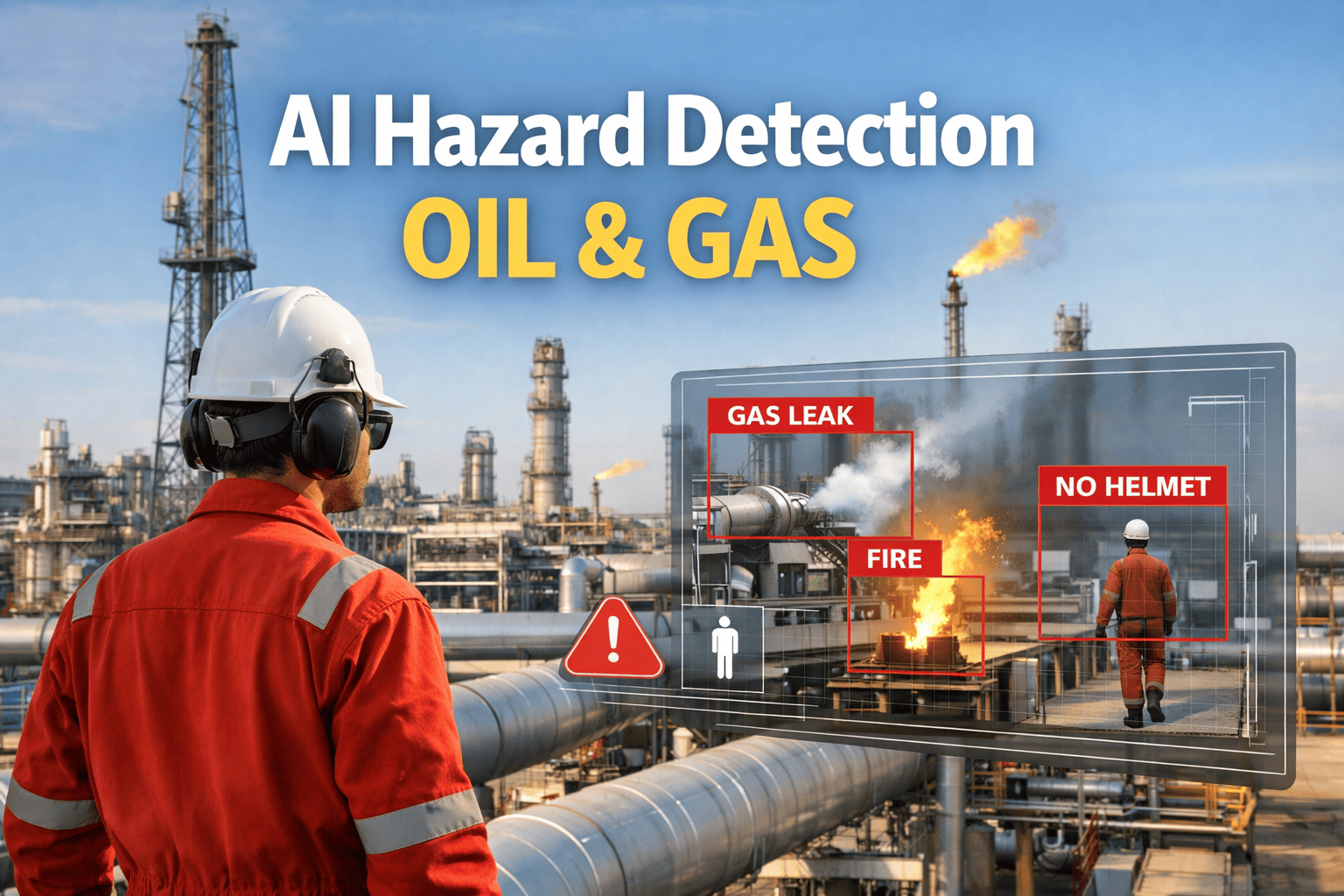
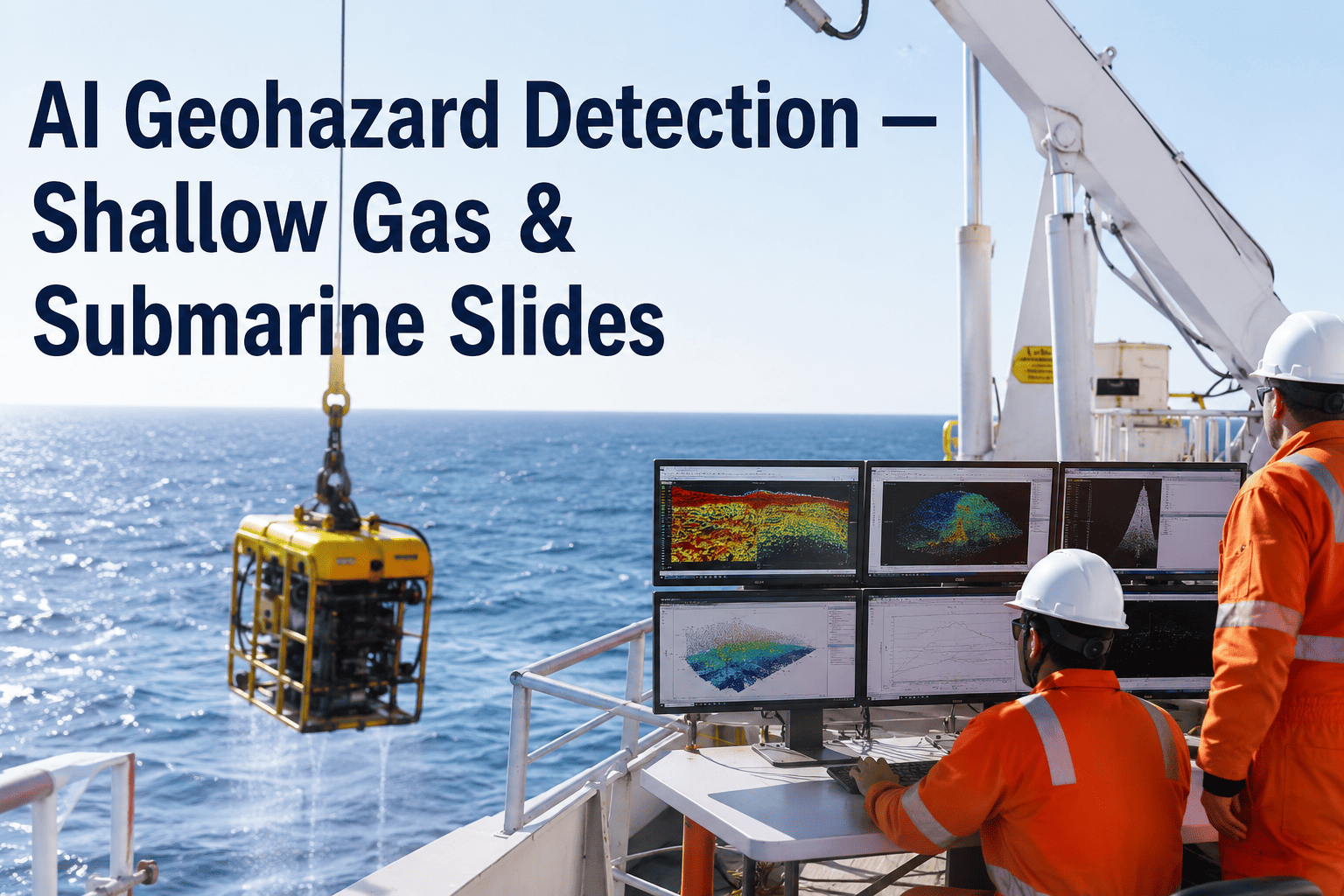
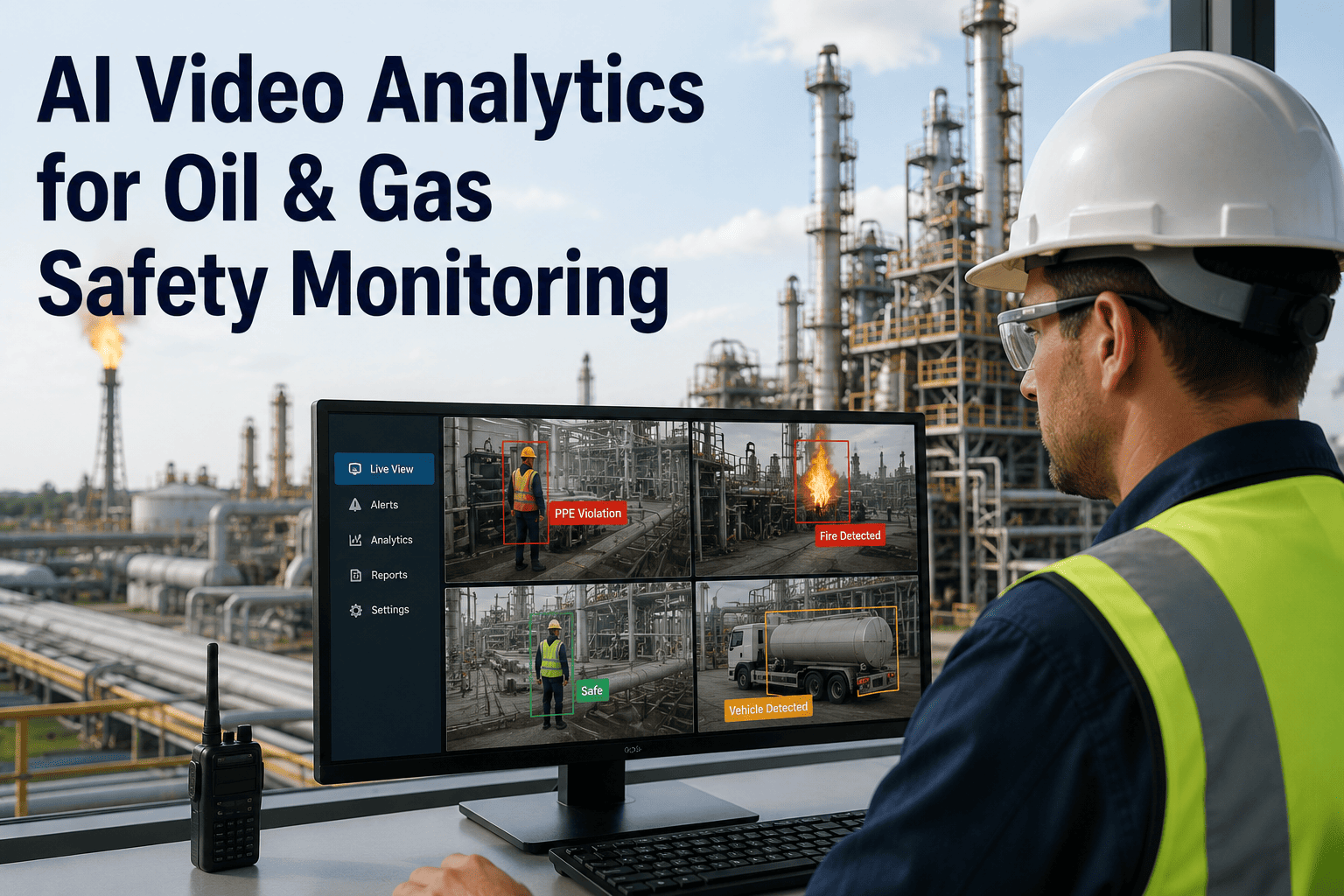
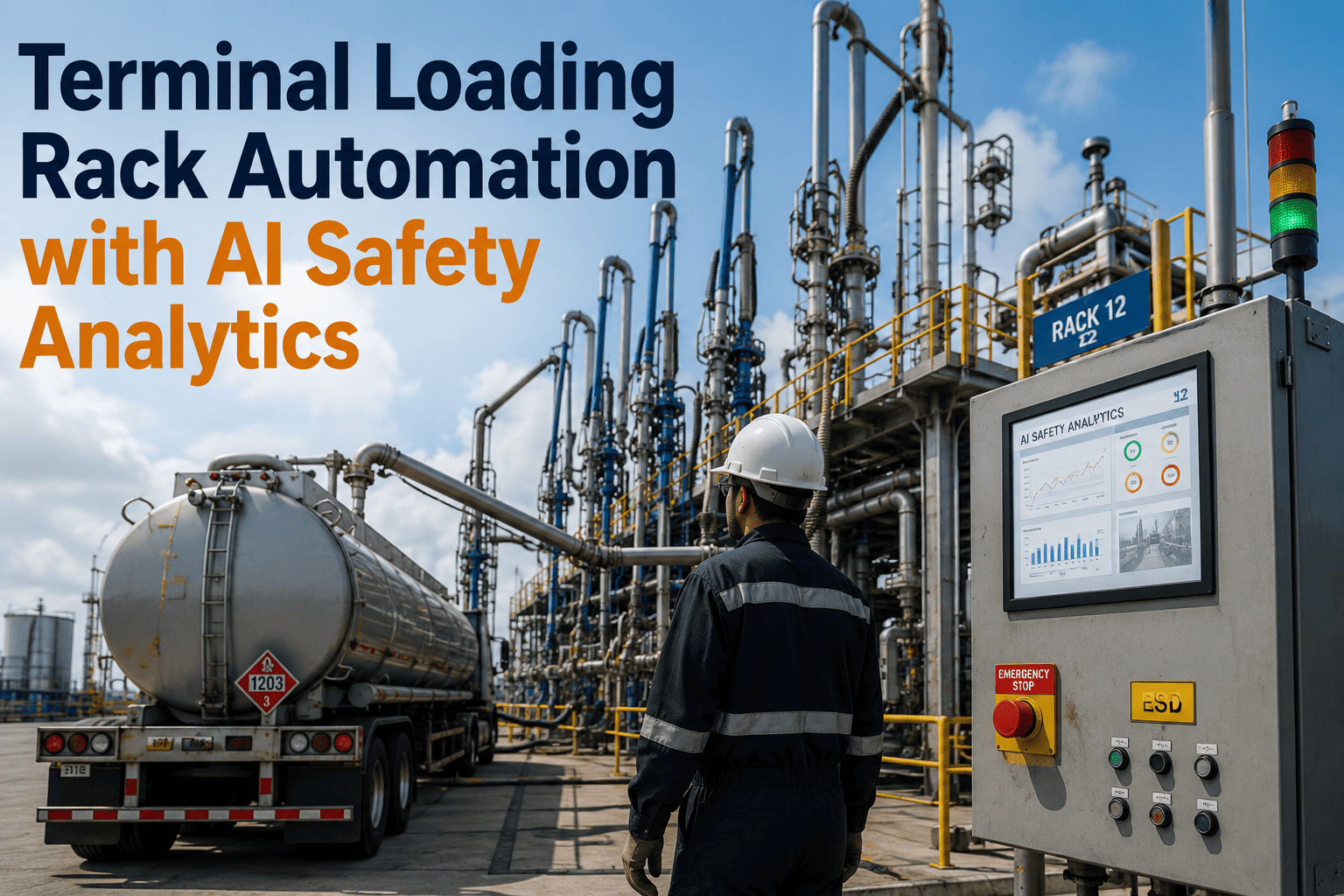
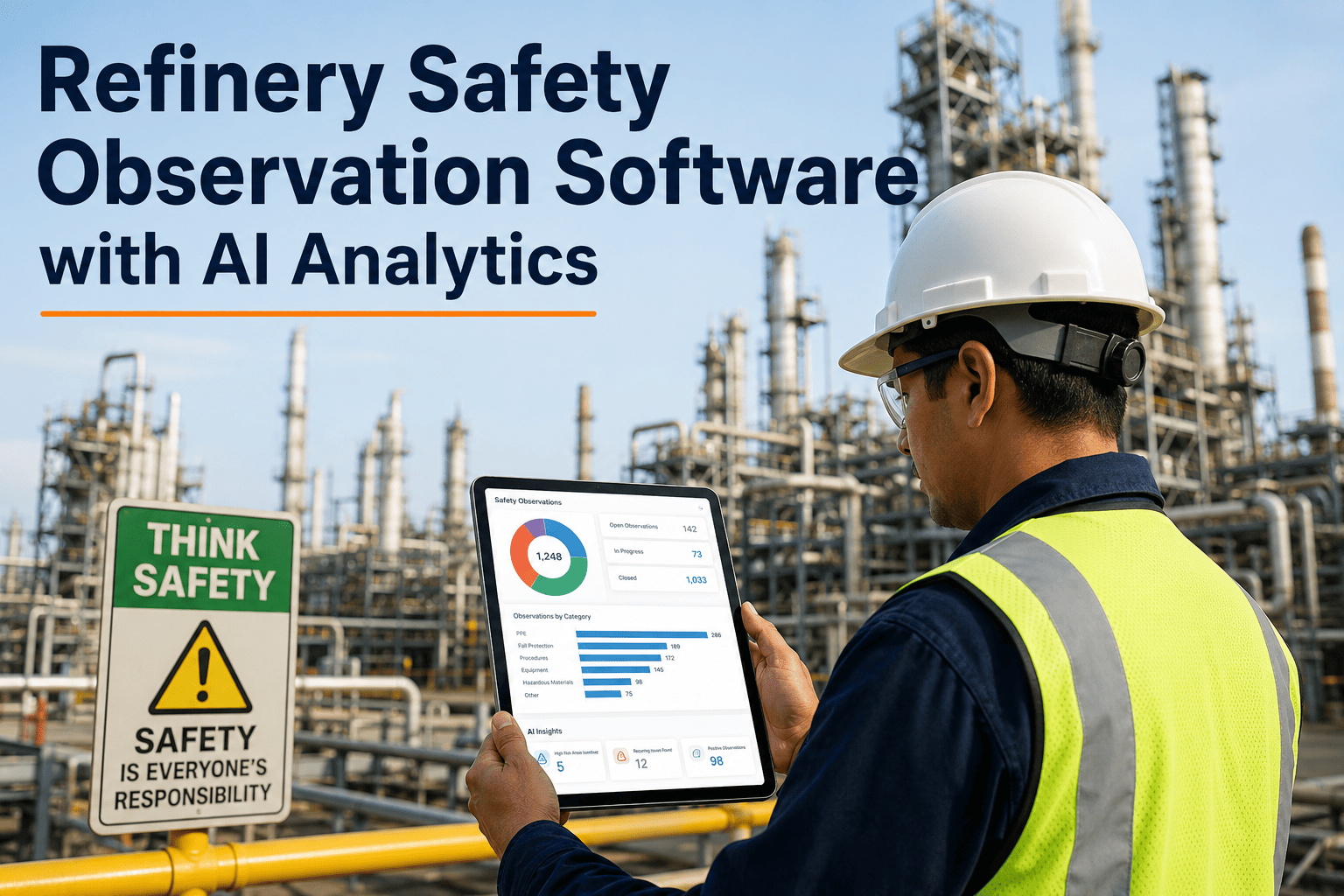
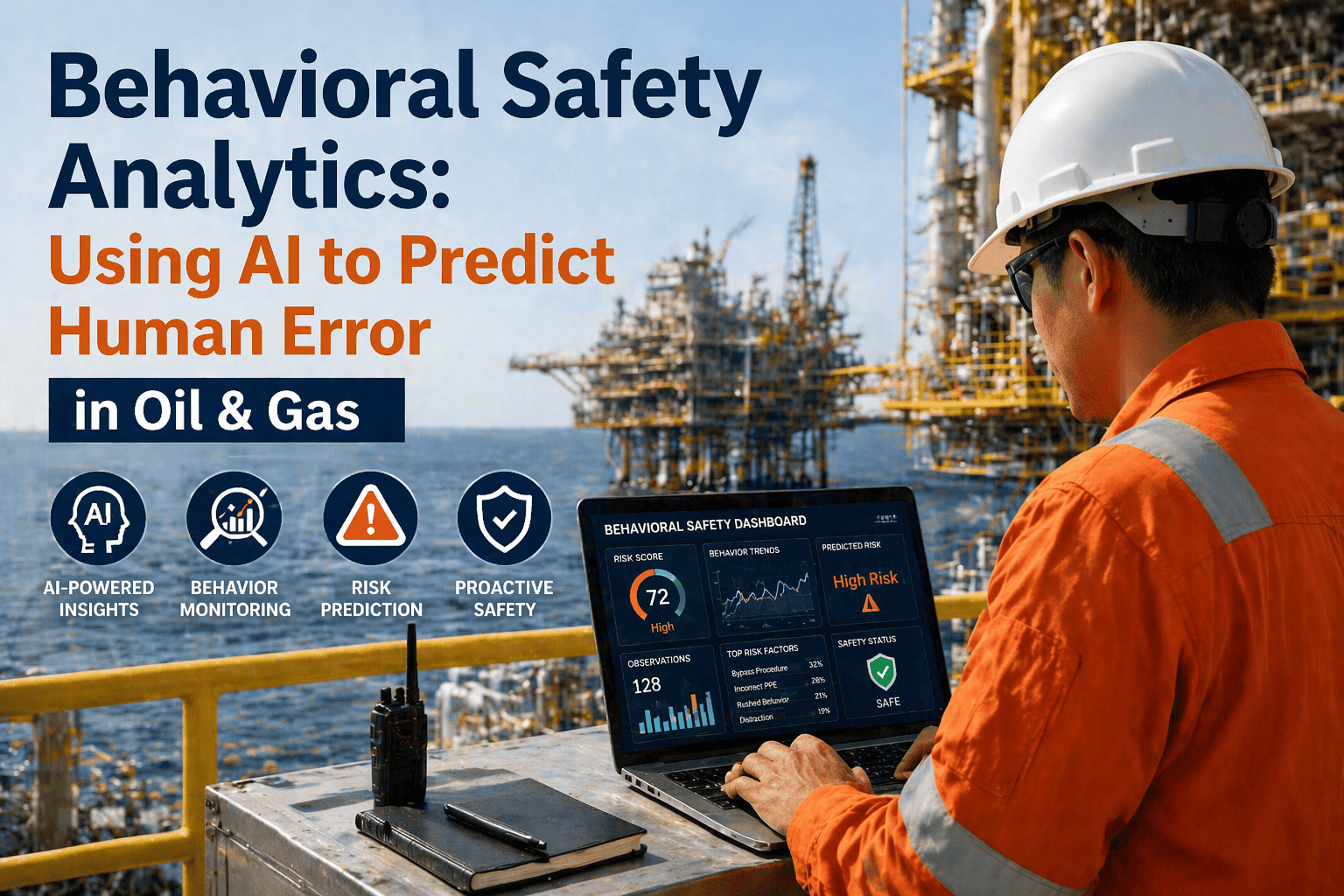
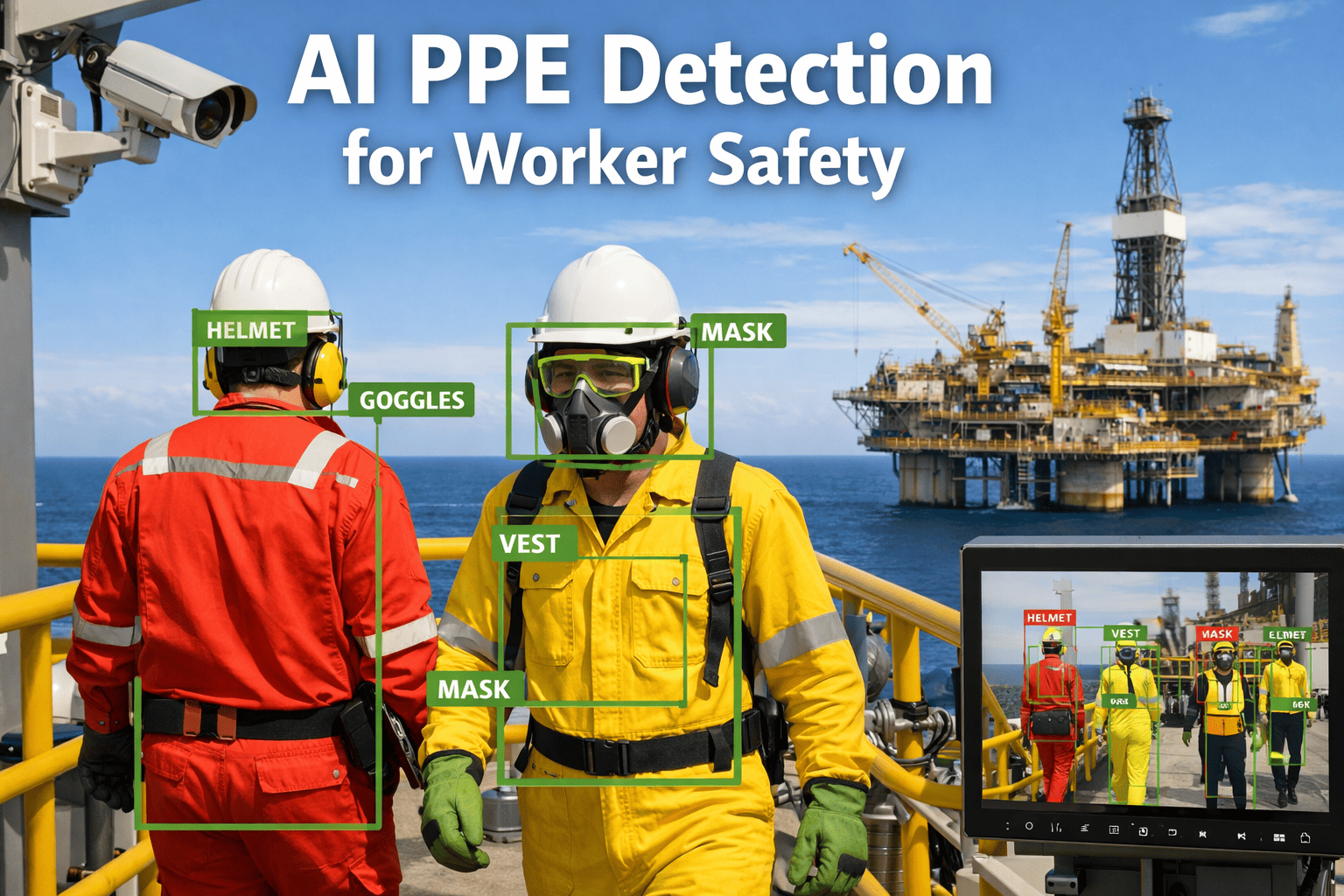
Oil and gas facilities lose an average of $8.4M annually to safety incidents that predictive hazard identification could have prevented not from catastrophic failures, but from slow-developing risk patterns that no manual JSA review, periodic safety audit, or reactive incident investigation catches in time. By the time a near-miss escalates to reportable incident, injury, or environmental release, the precursor signals have been visible in operational data for days or weeks. Legacy safety management relies on lagging indicators, manual observation, and human pattern recognition that cannot scale across thousands of simultaneous process conditions. iFactory's AI-powered hazard identification platform changes this — detecting safety risk precursors in real time through multi-source data fusion, classifying threat severity before incident occurrence, and integrating directly into your existing SCADA, DCS, permit-to-work, and HSE management systems without operational disruption. Book a Demo to see how iFactory deploys machine learning hazard identification across oil & gas operations within 8 weeks.
91%
Safety incident precursor detection before human-observable warning signs appear
$8.4M
Average annual incident cost avoided per facility through predictive hazard alerts
84%
Reduction in near-miss escalation to reportable incidents vs. reactive safety programs
8 wks
Full deployment from facility audit to live AI hazard monitoring go-live
The Complete AI Platform for Oil & Gas Operations
iFactory's AI engine monitors process deviations, equipment anomalies, environmental conditions, and work activity patterns across upstream, midstream, and downstream operations — 24/7, without observer fatigue or blind spots. AI Eyes That Detect Leaks Before They Escalate. Connects to Your Existing DCS/SCADA & Historians.
How iFactory AI Solves Hazard Identification in Oil & Gas
Traditional safety management relies on periodic JSAs, manual observations, and incident investigation after harm occurs. iFactory replaces this with continuous ML models trained on facility-specific hazard precursors that detect risk elevation before observable incident triggers appear. OT Data Stays Inside Your Security Perimeter. See a live demo of iFactory detecting simulated H2S accumulation and confined space hazard events.
01
Multi-Source Safety Data Fusion
iFactory ingests data from gas detection systems, weather stations, equipment vibration sensors, permit-to-work databases, and operator observations simultaneously — correlating multi-source signals into a single facility risk score per operating area, updated every 30 seconds.
02
AI Hazard Classification
Proprietary ML models classify each detected anomaly as confined space risk, H2S accumulation, hydrocarbon release precursor, equipment overpressure, thermal runaway, or atmospheric hazard — with severity scores and recommended mitigation actions. False positive rate under 4%.
03
Predictive Incident Forecasting
iFactory's time-series forecasting engine identifies operating conditions trending toward critical safety thresholds 2-48 hours before intervention point — giving HSE teams time to mitigate on schedule, not emergency response after release or injury occurs.
04
SCADA, DCS & Historian Integration
Connects to Your Existing DCS/SCADA & Historians. iFactory integrates with Honeywell, Emerson DeltaV, Yokogawa, ABB DCS plus OSIsoft PI, Aspen InfoPlus, GE Proficy via OPC-UA and native protocols. Safety alerts auto-populate permit systems and emergency response workflows. Integration under 2 weeks.
05
Automated HSE Compliance Reporting
Methane, VOC & Flaring From Sensor to ESG Report. Every detected hazard — identified, mitigated, and closed — generates structured incident reports formatted for OSHA 1910.119, API RP 754, EPA RMP, UK HSE COMAH, and regional process safety regulations. Audit trails complete and timestamped.
06
Risk Mitigation Decision Support
iFactory presents ranked mitigation recommendations per alert — isolate equipment, restrict work permits, increase monitoring frequency, or emergency shutdown — with consequence scores and estimated safety impact per minute of delay. Teams act on predictive evidence, not reactive incident response.
How iFactory Is Different from Generic HSE Software
Most HSE platforms offer incident tracking and compliance checklists with no predictive capability. iFactory is purpose-built for oil & gas process hazards where equipment chemistry, atmospheric conditions, and work activities create dynamic, multi-variable risk patterns. Talk to our oil & gas safety AI specialists and compare your current approach.
| Capability |
Generic HSE Systems |
iFactory AI Platform |
| Hazard Detection Method |
Manual JSAs, periodic safety walks, reactive incident investigation after harm occurs. No real-time monitoring or predictive analytics. |
ML models trained on 15 process hazard precursors (H2S, confined space, overpressure, thermal runaway, hydrocarbon release, atmospheric, equipment failure). Predicts incidents 2-48 hours before occurrence. |
| Data Integration |
Manual data entry or siloed gas detection alarms. No integration with DCS, historians, or permit systems. HSE data disconnected from operations. |
Fuses SCADA, DCS, gas detection, weather, vibration, permit-to-work, and operator observations into unified risk scores. Real-time bidirectional data flow across all safety-critical systems. |
| Alert Quality |
Binary threshold alarms from gas detectors. High false positive volumes from single-parameter exceedances that operators learn to ignore within weeks. |
Multi-variable risk classification with severity scores and mitigation guidance. False positive rate under 4%. Seasonal and operational mode filtering eliminates alert fatigue. |
| Process Safety Focus |
Generic occupational safety adapted from construction or general industry. Not optimized for process hazards, PSM, or hydrocarbon operations. |
Purpose-built for oil & gas process safety. Covers PSM elements, LOPA scenarios, SafetyMoC workflows, and facility-specific MAH scenarios. API RP 754 Tier 1-4 metrics integrated. |
| Compliance Output |
Manual incident report generation. No structured audit trails for OSHA PSM, EPA RMP, or regional process safety regulations. |
Auto-generated compliance reports formatted for OSHA 1910.119, API RP 754, EPA RMP, UK HSE COMAH, UAE OSHAD, Canada CSIS. Report templates pre-configured per framework. |
| Deployment Timeline |
6-18 months for enterprise HSE system implementation. Extensive configuration, training, and workflow redesign required. |
8-week deployment program. Pilot hazard detection in week 4. Full facility monitoring by week 8. Pre-configured for oil & gas operations. |
Machine Learning Hazard Identification Implementation Roadmap
iFactory follows a structured 6-stage deployment methodology for upstream, midstream, and downstream facilities — delivering pilot results in week 4 and full operational monitoring by week 8. One Platform, Every Segment 8 AI-Powered Modules for Complete Oil & Gas Operations.
01
Facility Audit
Hazard inventory & data source mapping
02
System Integration
DCS/SCADA/historian connection via OPC-UA
03
Model Baseline
AI training on historical incident & hazard data
04
Pilot Detection
Live monitoring on 2-4 highest-risk operating areas
05
Alert Calibration
Threshold refinement & HSE team training
06
Full Production
Facility-wide AI hazard monitoring, 24/7
8-Week Deployment and ROI Plan
Every iFactory engagement follows an 8-week program with measurable safety improvements appearing from week 4 pilot operation. Request the full deployment scope document for your facility type.
Weeks 1-2
Infrastructure Setup
Major hazard inventory and process safety data source audit across facility operating units
DCS, SCADA, and historian system connection via OPC-UA and native protocols
Historical incident, near-miss, and process deviation data ingestion for AI baseline training
Weeks 3-4
Model Training & Pilot
ML models trained on facility-specific hazard precursors and operating envelope constraints
Pilot monitoring activated on 2-4 highest-risk process units or operating areas
First hazard precursors detected — ROI evidence begins here
Weeks 5-6
Calibration & Expansion
Alert thresholds refined based on pilot false positive and detection accuracy field data
Coverage expanded to full facility operating area inventory
HSE team training completed — hazard response protocols activated
Weeks 7-8
Production Go-Live
Full facility AI hazard monitoring live — all areas, all hazard modes, 24/7 coverage
Compliance reporting activated for OSHA PSM, API RP 754, and regional regulations
Safety baseline report — incident reduction, near-miss prevention, alert accuracy data
ROI IN 6 WEEKS: MEASURABLE RESULTS FROM WEEK 4
Facilities completing the 8-week program report an average of $520,000 in avoided safety incident and environmental release costs within the first 6 weeks of production monitoring — with near-miss detection improvements of 68-84% detected by week 4 pilot validation.
$520K
Avg. savings in first 6 weeks
68-84%
Near-miss detection improvement
84%
Reduction in incident escalation
Full AI Hazard Monitoring. Live in 8 Weeks. ROI Evidence in Week 4.
iFactory's fixed-scope deployment means no open timelines, no months of professional services, and measurable safety improvements from pilot phase forward.
Use Cases and KPI Results from Live Oil & Gas Deployments
These outcomes are drawn from iFactory deployments at operating upstream, midstream, and downstream facilities. Each use case reflects 6-month post-deployment performance data. Request the full case study report for your facility segment.
An upstream gas processing facility was experiencing 8-12 H2S near-miss events per year from atmospheric inversions and wind pattern changes that fixed gas detector arrays could not anticipate. Legacy monitoring identified H2S concentrations only after atmospheric conditions already shifted — typically 15-40 minutes into hazardous exposure window. iFactory deployed multi-parameter fusion combining real-time gas detection, weather station data, and atmospheric modeling. Within 6 weeks, AI predicted all 9 subsequent H2S accumulation events 25-60 minutes before detector alarm thresholds.
9
H2S events predicted before detector alarms in first 6 weeks
$2.8M
Annual safety incident and emergency response cost avoided
94%
Early warning accuracy on atmospheric hazard predictions
A refinery operating 140 confined space entries per month was generating 35-50 permit violations per quarter from atmospheric condition changes during active work — detected only through post-entry gas monitoring or incident investigation. iFactory integrated permit-to-work data with real-time atmospheric monitoring and predictive ventilation modeling. Permit violations dropped from 42 per quarter to under 3 as AI flagged changing conditions before workers entered hazardous atmospheres.
3
Permit violations per quarter — down from 42 with manual monitoring
$1.6M
Annual confined space incident and regulatory cost eliminated
89%
Atmospheric hazard prediction accuracy before worker entry
A midstream operator was experiencing 4-6 overpressure safety valve lifts per year from transient hydraulic conditions that SCADA threshold alarms could not detect until pressure spike occurred. Each lift triggered 48-72 hours of unplanned shutdown for valve inspection and regulatory reporting. iFactory's pressure transient AI identified precursor flow regime changes 20-45 minutes before overpressure events, enabling controlled pressure management without safety valve activation.
$4.2M
Annual overpressure incident and downtime cost prevented
20-45min
Early warning time before overpressure events from AI prediction
$820K
Regulatory and emergency response value from proactive intervention
Results Like These Are Standard. Not Exceptional.
Every iFactory deployment is calibrated to your facility-specific hazard inventory, operating envelope, and regulatory framework — delivering results tuned to your operations, not generic benchmarks. AI-Driven Integrity for Every Mile of Pipeline.
What Oil & Gas HSE Teams Say About iFactory
Testimonials from HSE directors and operations managers at facilities currently running iFactory's AI hazard identification platform.
We prevented three H2S exposure events in the first eight weeks. The AI flagged atmospheric inversions 40 minutes before our fixed detectors would have alarmed. Our safety team now has time to evacuate non-essential personnel before hazardous conditions develop.
HSE Director
Gas Processing Facility, USA
The confined space permit violations were an ongoing compliance headache. Within six weeks of iFactory going live, our atmospheric monitoring became predictive instead of reactive. We have not had a single permit violation in four months.
Operations Manager
Refinery, UAE
Integration with our Emerson DeltaV and OSIsoft PI took 11 days. I budgeted three months. The iFactory team understood both the DCS protocol layer and our process safety management workflows at a depth I have never seen from software vendors.
Process Safety Engineer
Chemical Plant, UK
We avoided two pressure safety valve lifts in month three. The system predicted transient hydraulic conditions 30 minutes before our SCADA alarms would have triggered. Those two events alone paid for the entire year deployment cost.
Pipeline Operations Director
Midstream Operator, Canada
Frequently Asked Questions
Does iFactory require new sensors or detection equipment to be installed?
In most deployments, iFactory connects to existing gas detection, weather monitoring, and process instrumentation via DCS/SCADA integration — no new hardware required. Where sensor gaps are identified during Week 1-2 audit, iFactory recommends targeted additions only, not full instrumentation replacement. Integration complete within 2 weeks in standard environments.
Book a demo to see integration options.
Which DCS, SCADA, and historian systems does iFactory integrate with?
iFactory integrates natively with Honeywell Experion, Emerson DeltaV, Yokogawa Centum, ABB 800xA, Schneider Foxboro DCS via OPC-UA and native protocols. For historians, iFactory connects to OSIsoft PI, Aspen InfoPlus, GE Proficy, Honeywell PHD via native APIs. Custom integration support available for legacy systems. Integration scope confirmed during Week 1 facility audit.
How does iFactory handle different hazard types across upstream, midstream, and downstream?
iFactory trains separate sub-models per hazard category — accounting for process chemistry, atmospheric conditions, and facility-specific operating envelopes between exploration, pipeline, and refining operations. Multi-segment facilities fully supported within single deployment. Hazard-specific detection parameters configured during Week 3-4 model training phase.
What compliance frameworks does iFactory support?
iFactory auto-generates structured incident reports formatted for OSHA 1910.119 PSM, EPA Risk Management Program, API RP 754, UK HSE COMAH, UAE OSHAD, Canada CSIS, and regional process safety regulations. Report templates pre-configured per framework and generated automatically at event closure — no manual documentation required.
How long does it take before the AI model produces reliable hazard predictions?
Baseline model training on historical incident and process deviation data typically takes 5-7 days using 12-24 months of facility operating history. First live predictions validated during Week 3-4 pilot phase. Full model calibration — with false positive rate under 4% — achieved within 6 weeks for standard oil & gas environments.
Can iFactory detect hazards in remote or unmanned facilities?
Yes. iFactory uses existing SCADA telemetry and remote monitoring infrastructure — no on-site personnel required for hazard detection. Alerts integrate with emergency response protocols and remote shutdown systems. Unmanned wellpads, compressor stations, and pipeline segments fully supported provided monitoring instrumentation exists. Coverage scope confirmed during Week 1 facility audit.
Request remote facility assessment.
Stop Reacting to Incidents. Start Predicting Them. Deploy AI Hazard Identification in 8 Weeks.
iFactory gives oil & gas HSE teams real-time hazard prediction, multi-source safety data fusion, automated compliance reporting, and mitigation decision support — fully integrated with your existing DCS and SCADA systems in 8 weeks, with ROI evidence starting in week 4. Robots That Inspect Where Humans Cannot Safely Go.
91% incident precursor detection accuracy
DCS, SCADA & historian integration in under 2 weeks
Graded alerts with under 4% false positive rate
Auto-generated OSHA PSM and API RP 754 reports